Skip to content

Cecilia Vicuña

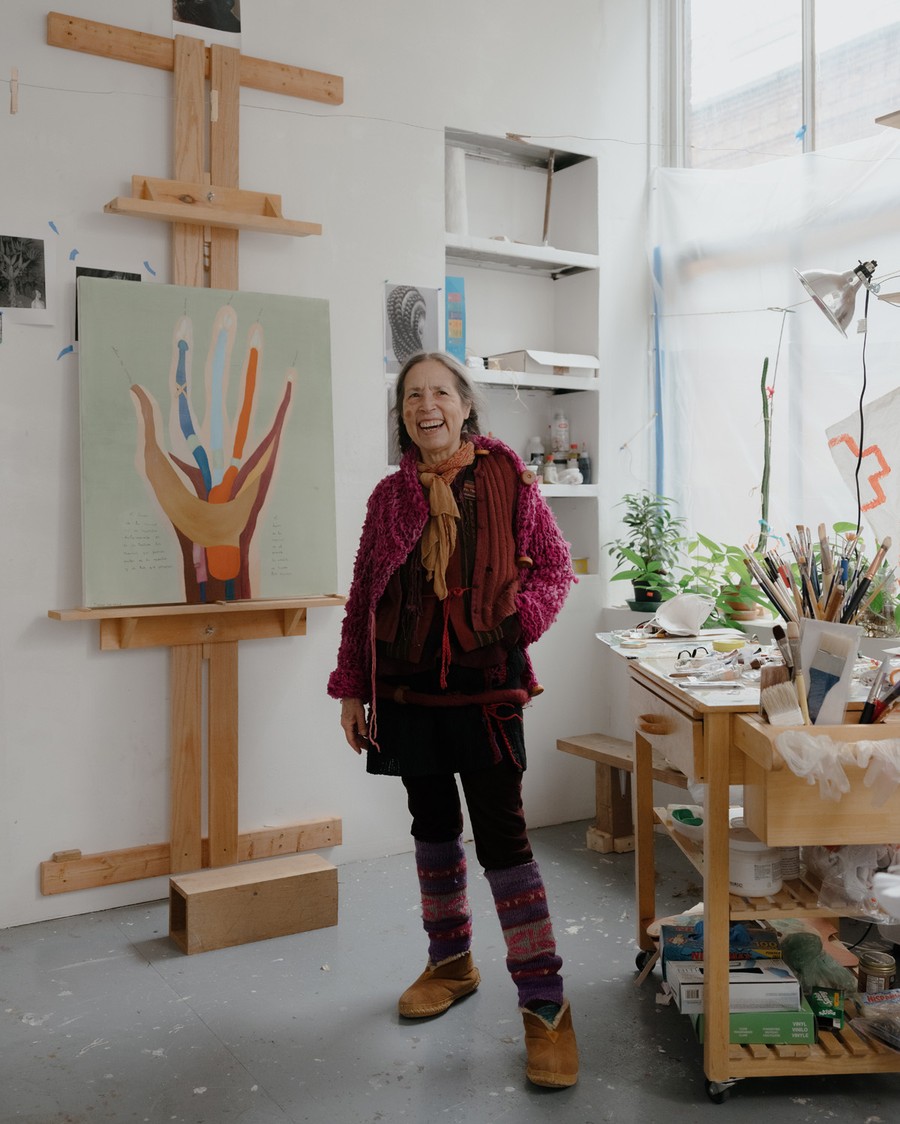
Portrait of Cecilia Vicuña

Cecilia Vicuña (b. 1948 in Santiago, Chile; lives and works in New York, NY and Santiago, Chile) integrates practices of poetry, performance, Conceptualism, and textile craft in response to pressing concerns of the modern world, including ecological destruction, human rights, and cultural homogenization. Born and raised in Santiago, she was exiled during the early 1970s after the violent military coup against President Salvador Allende. This sense of impermanence, and a desire to preserve and pay tribute to the indigenous history and culture of Chile, have characterized her work throughout her career.

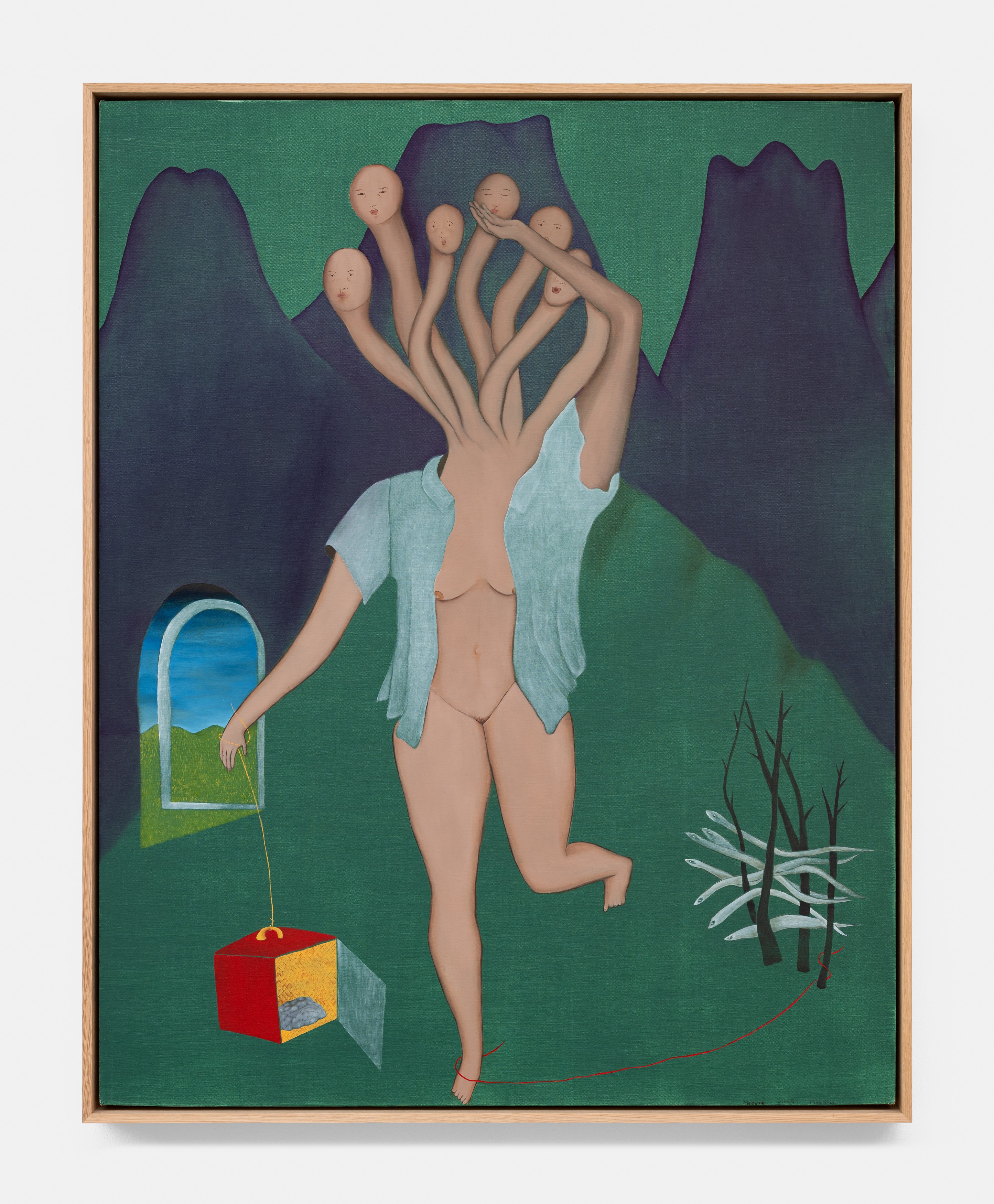
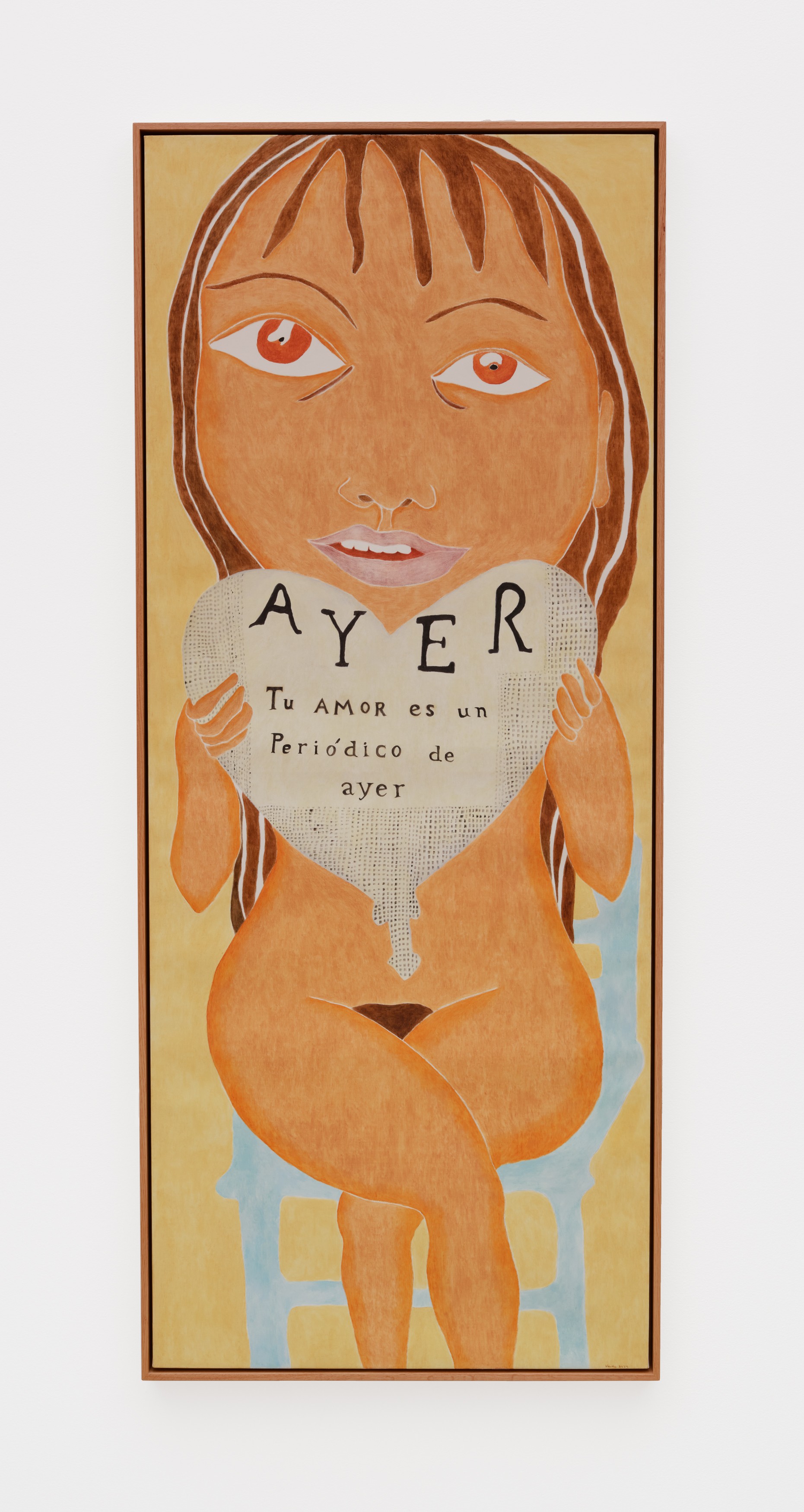
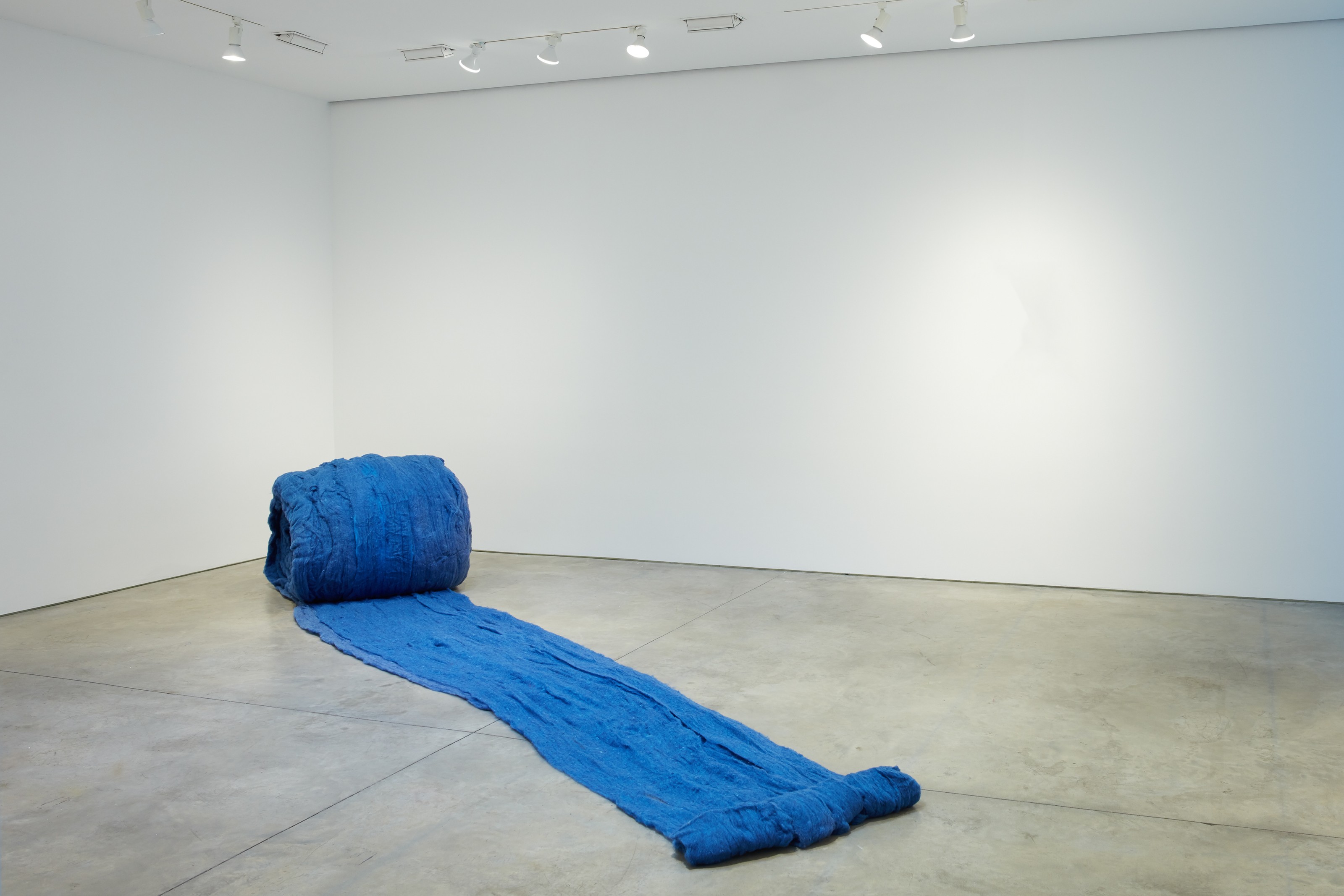
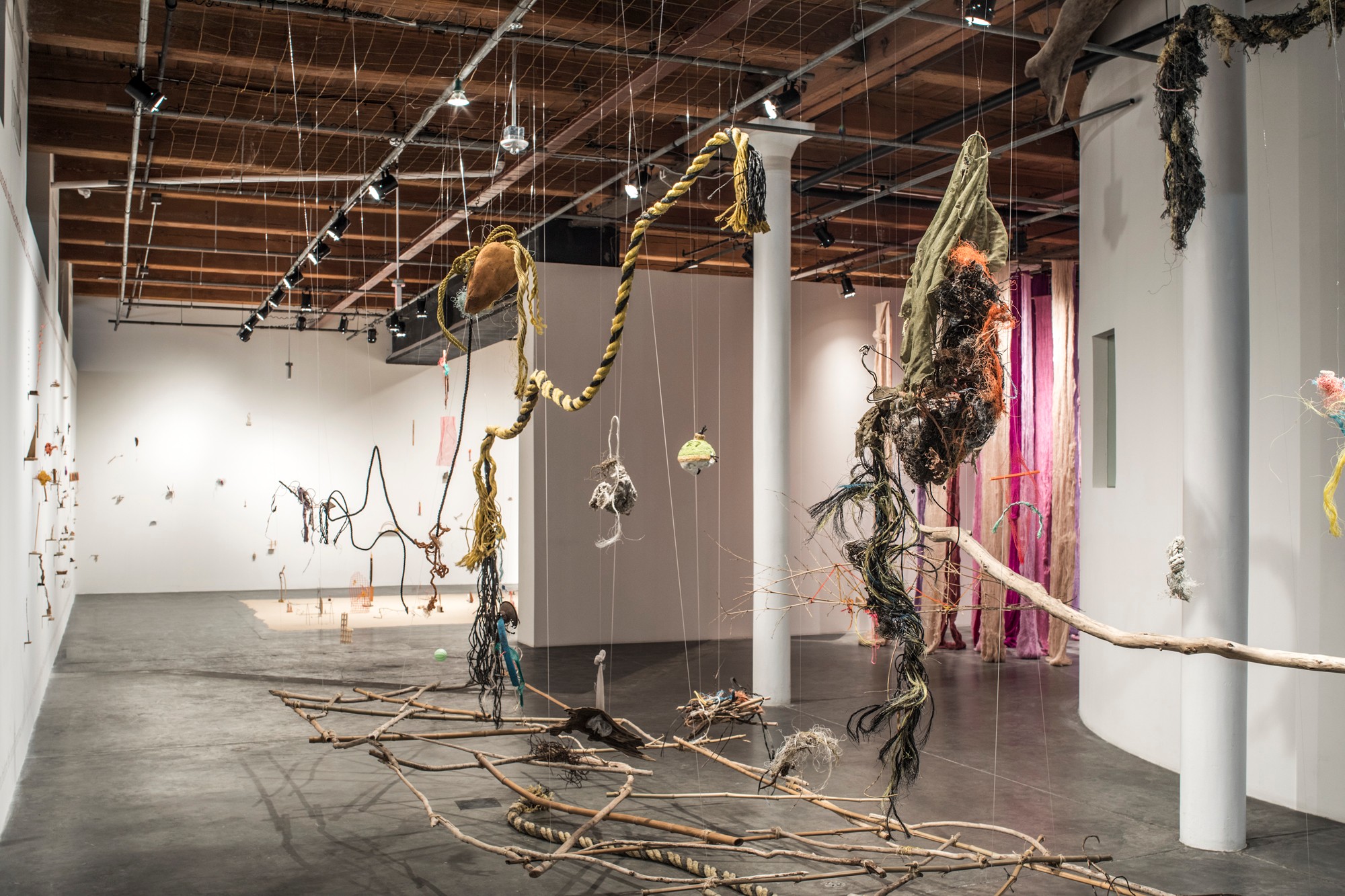
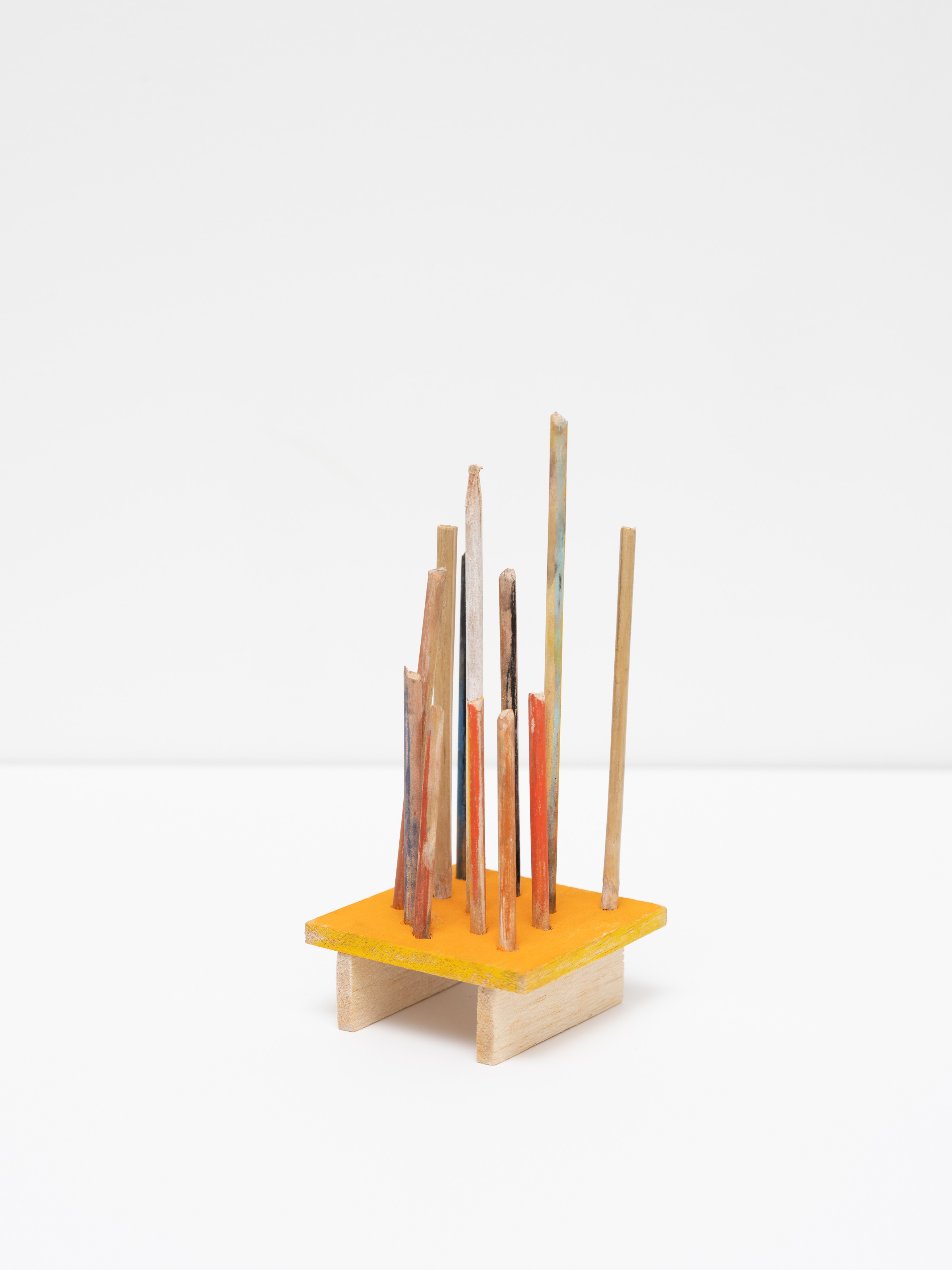
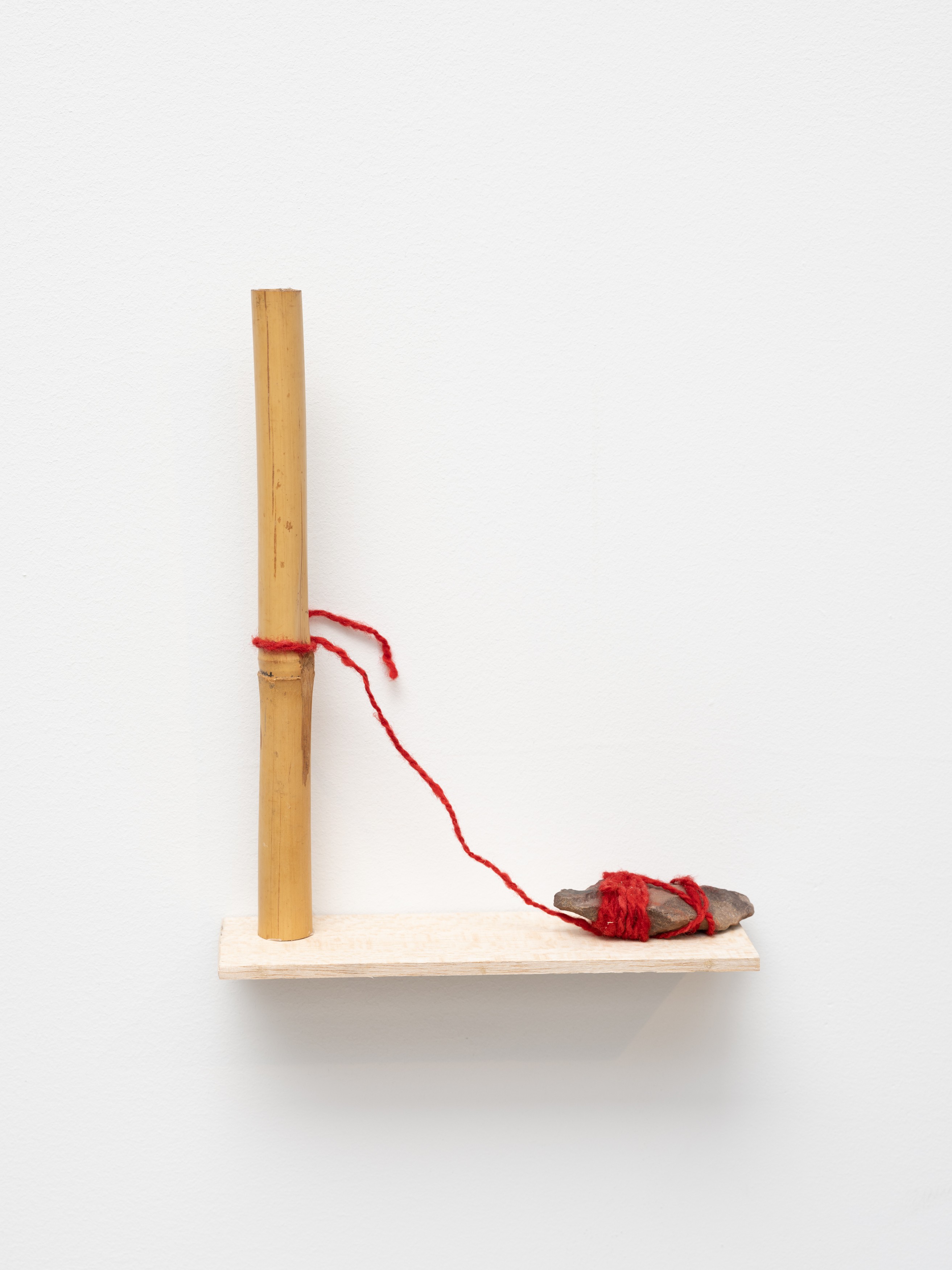
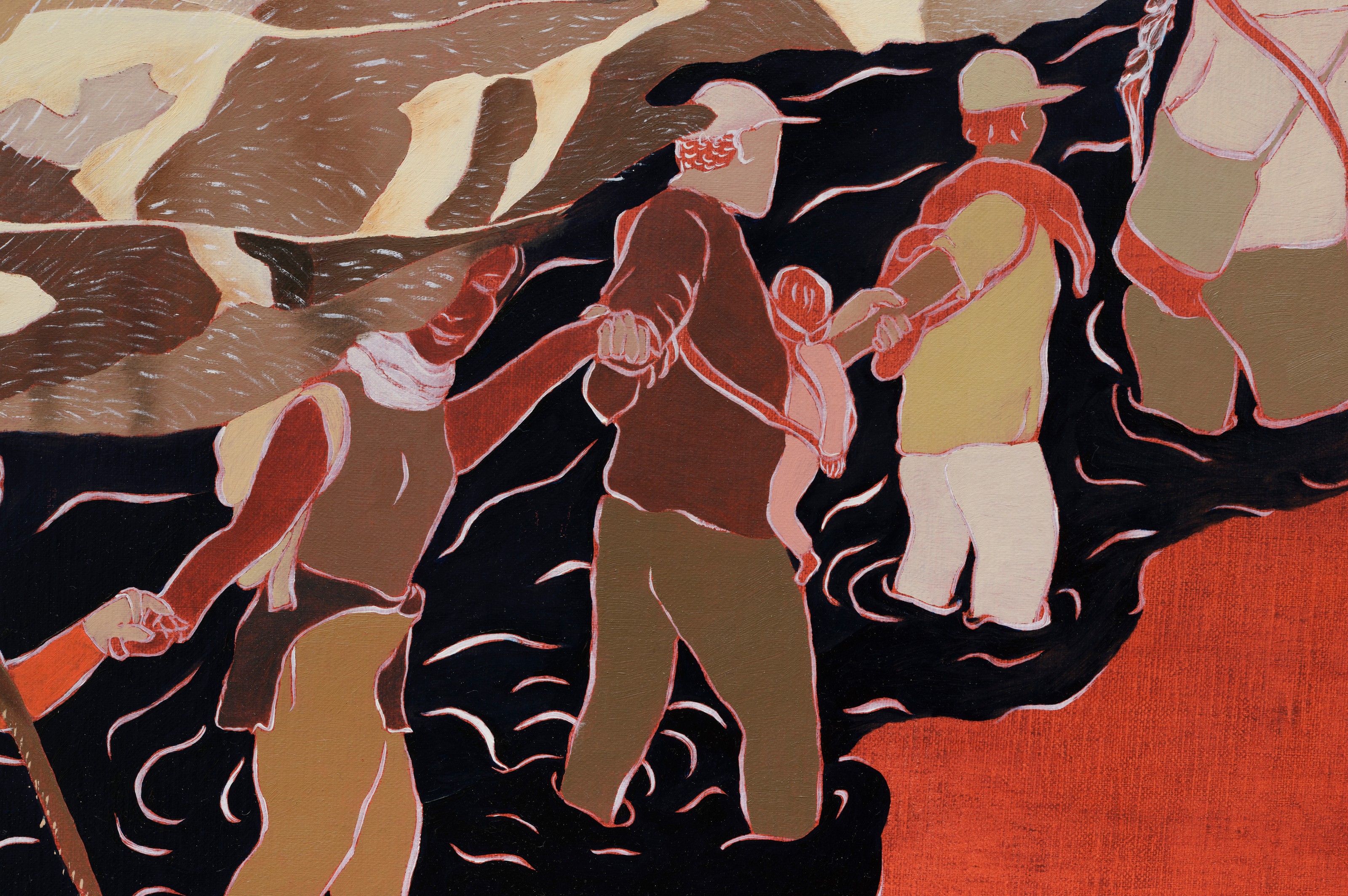
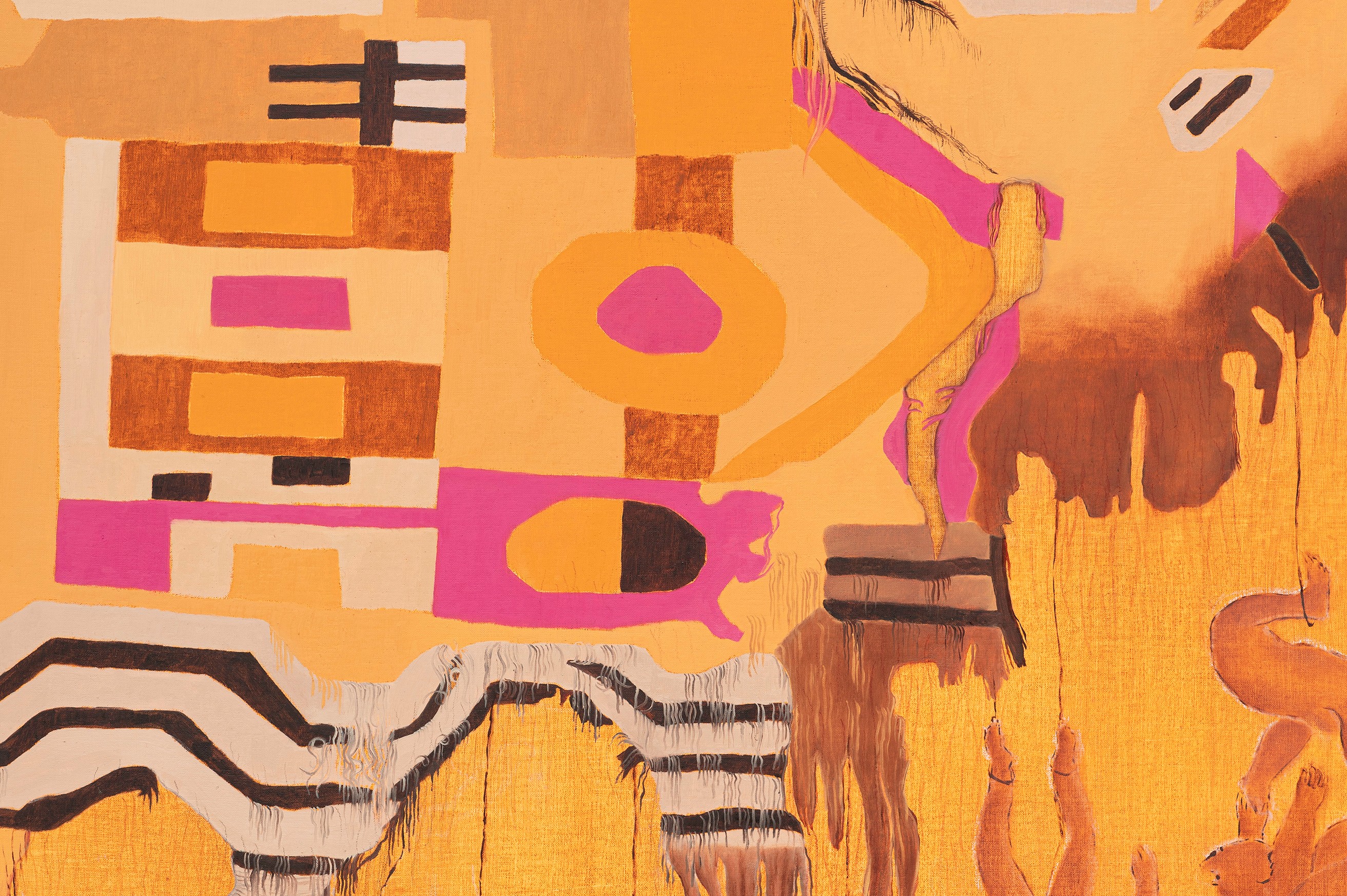
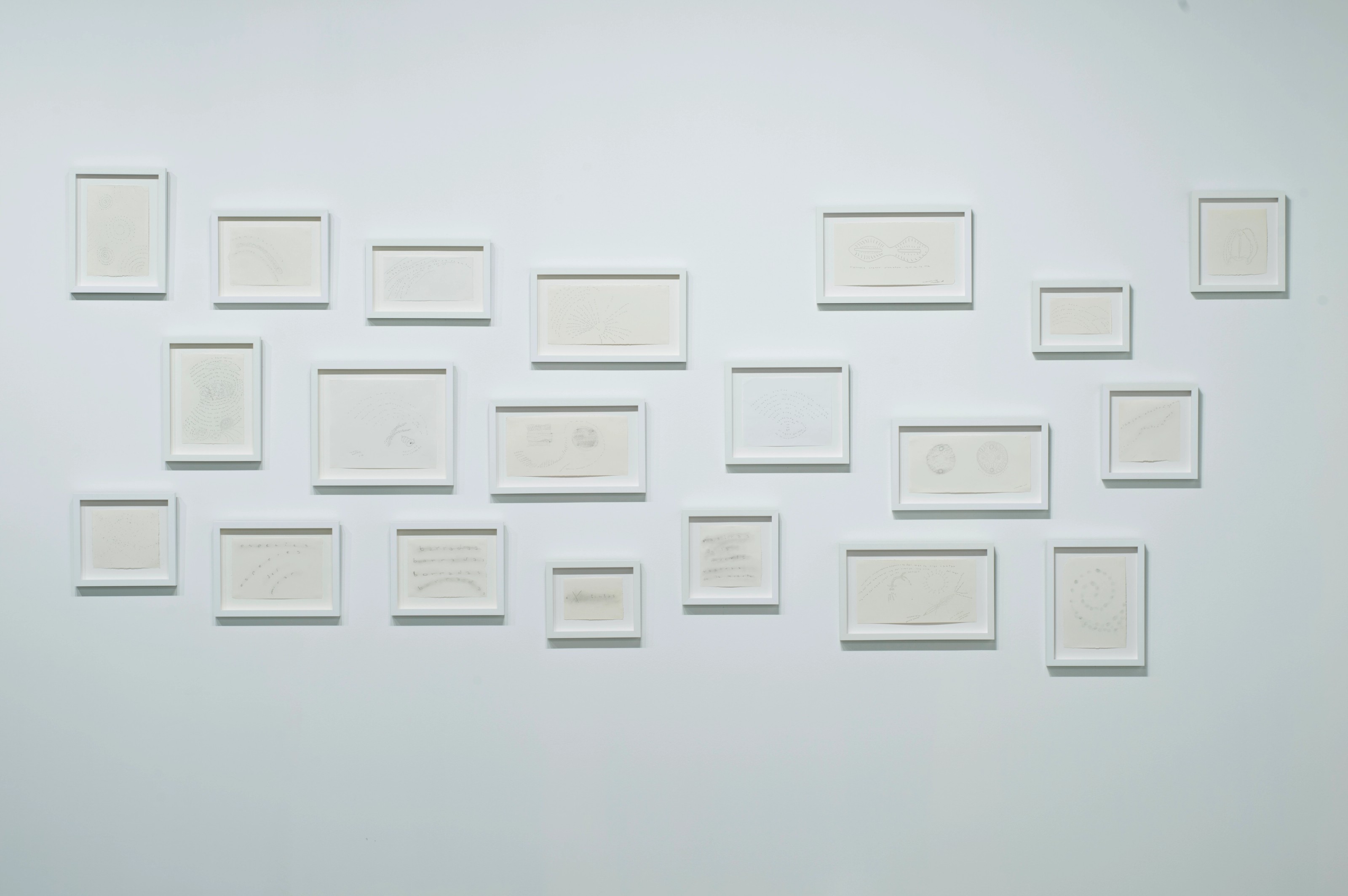
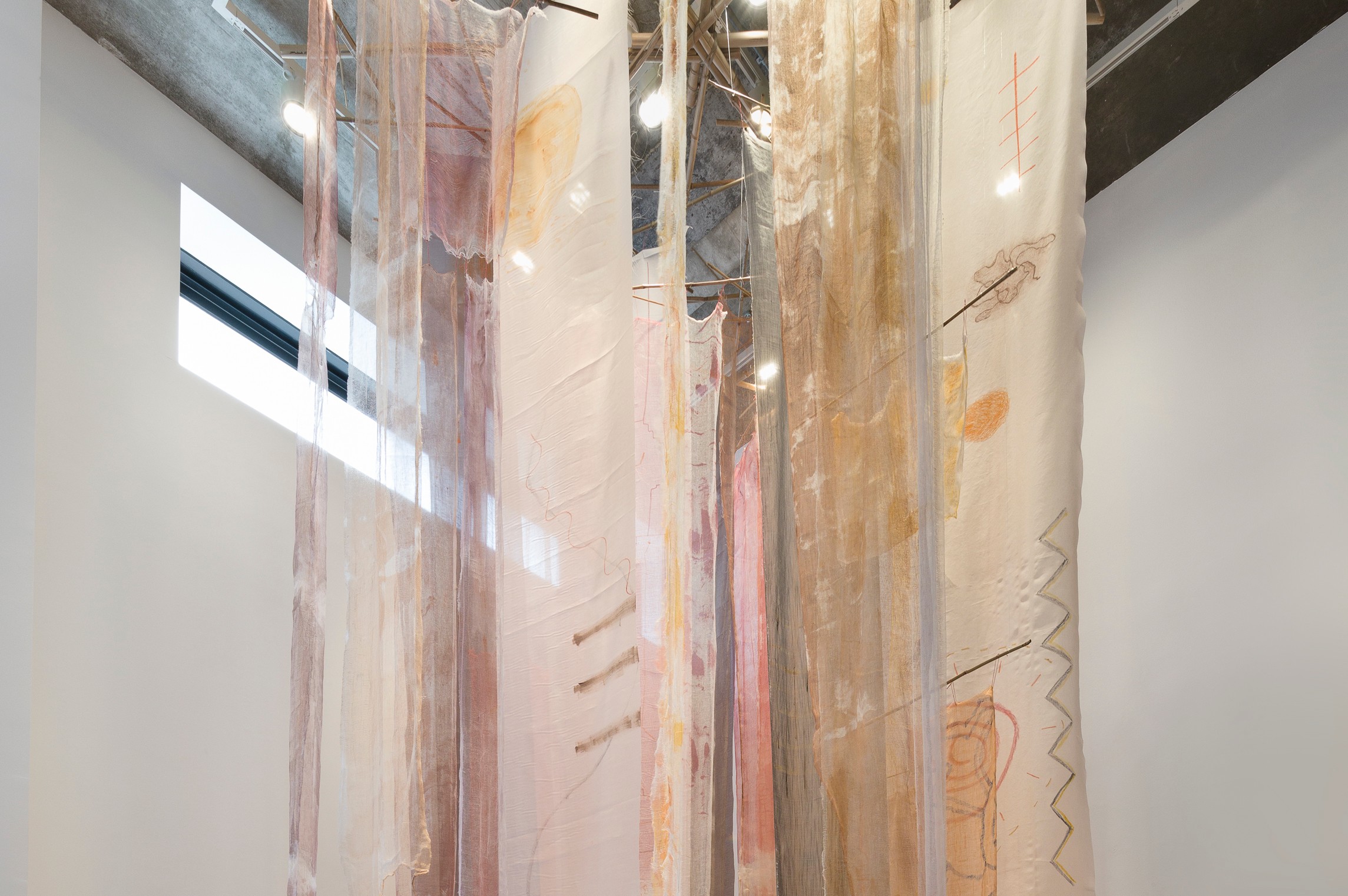
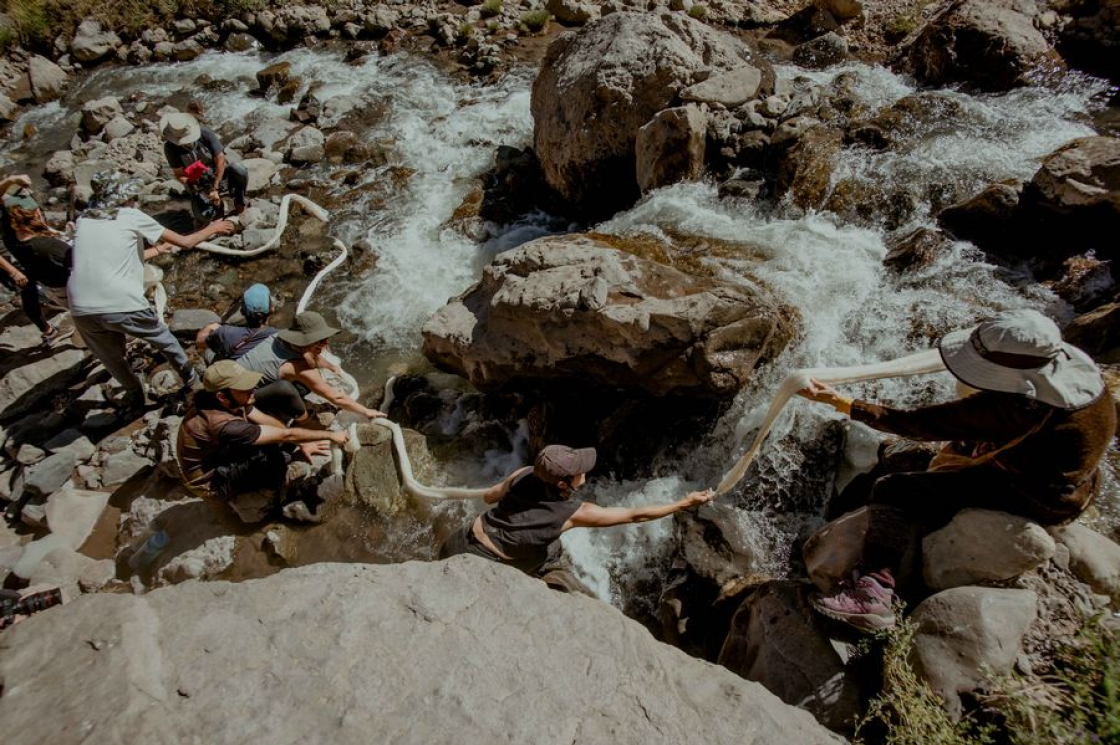
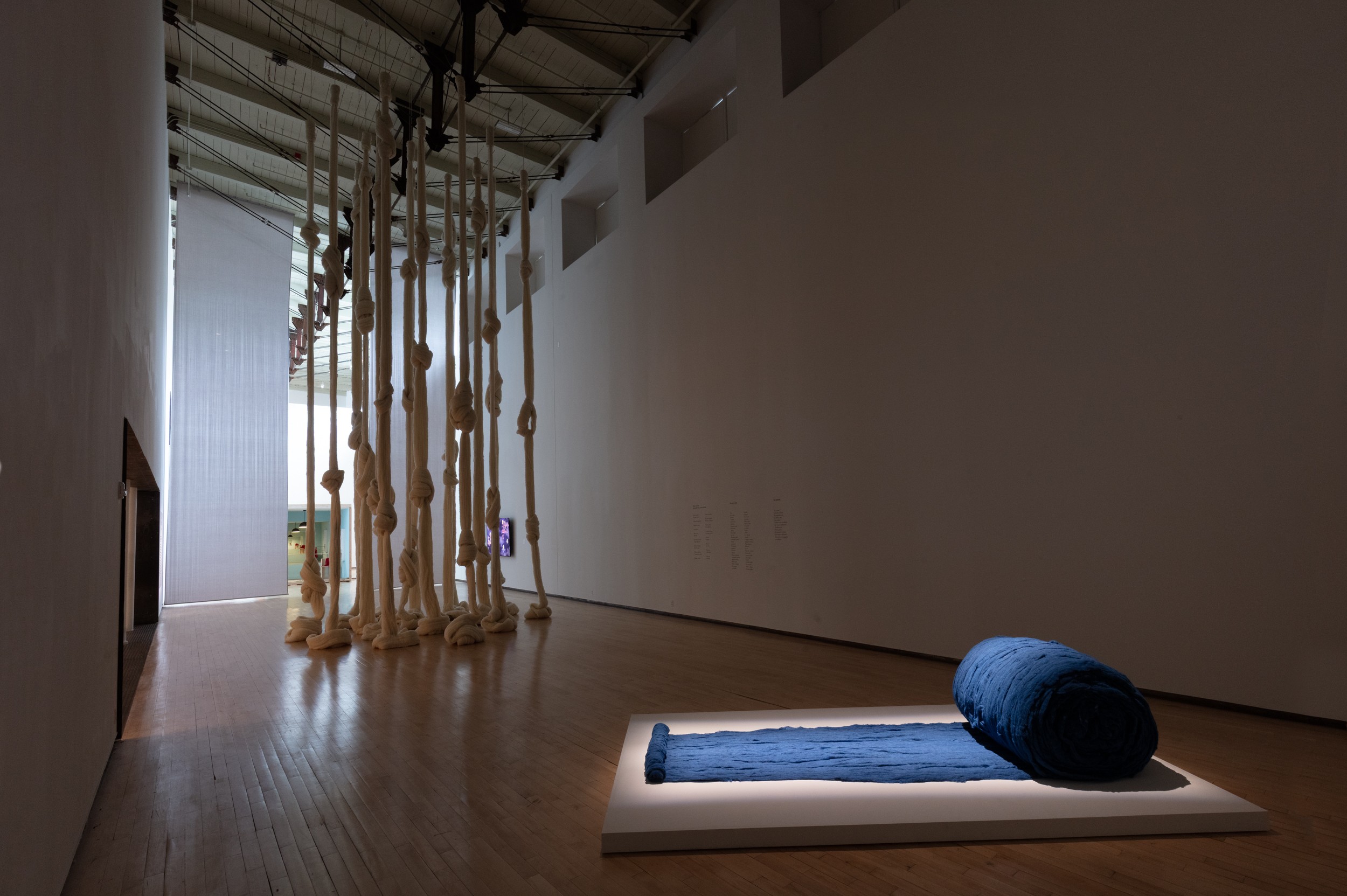
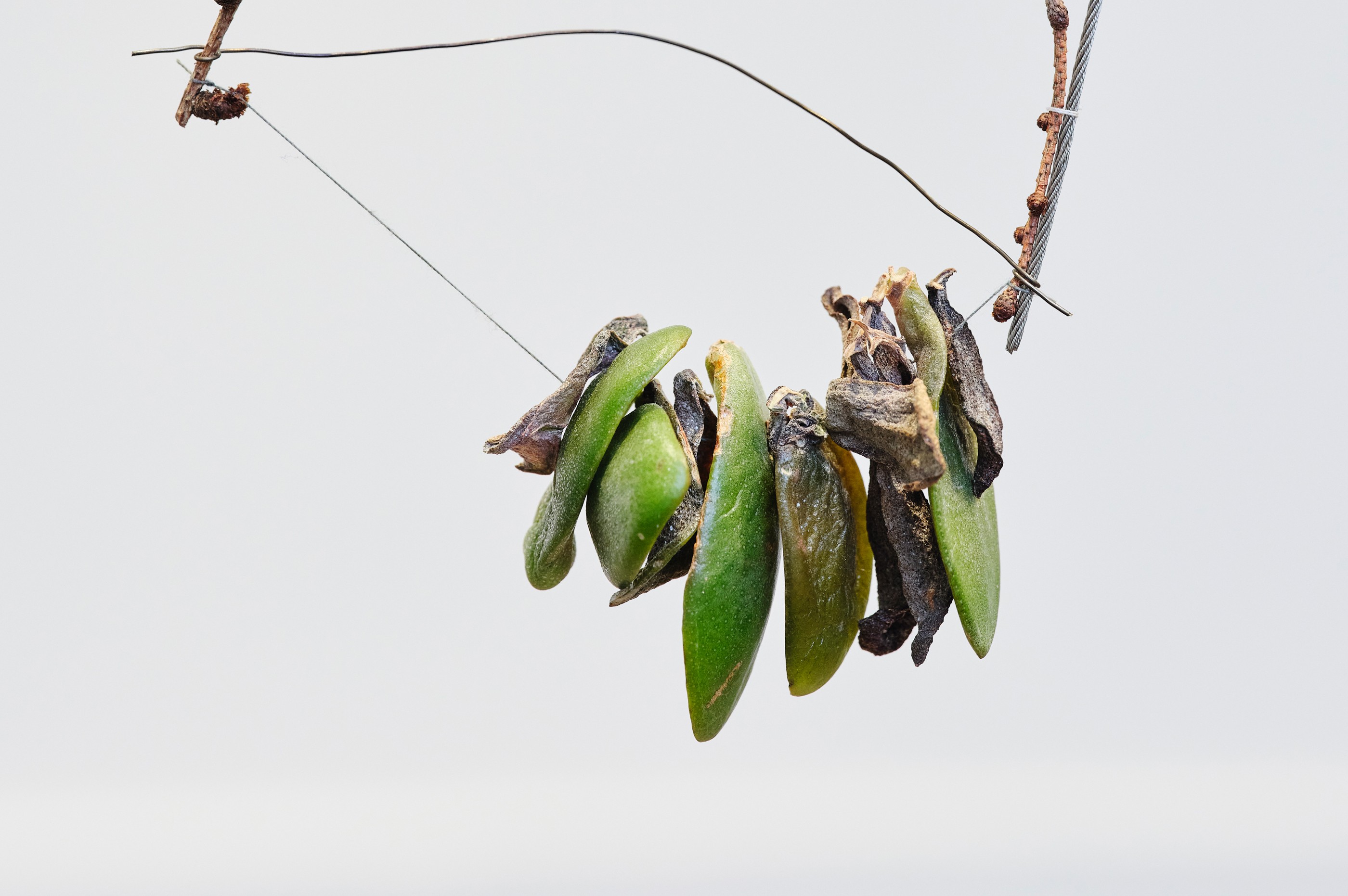
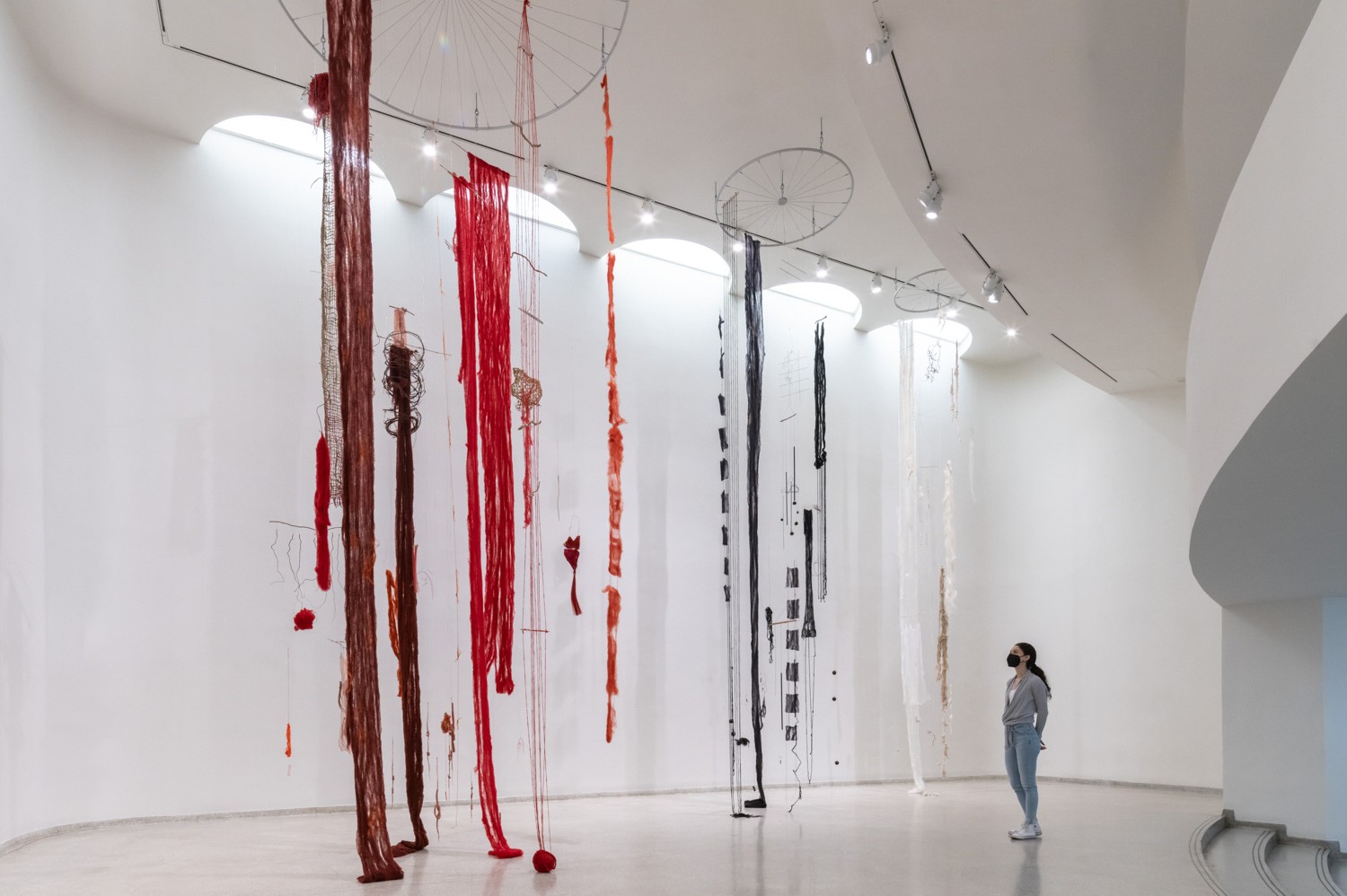
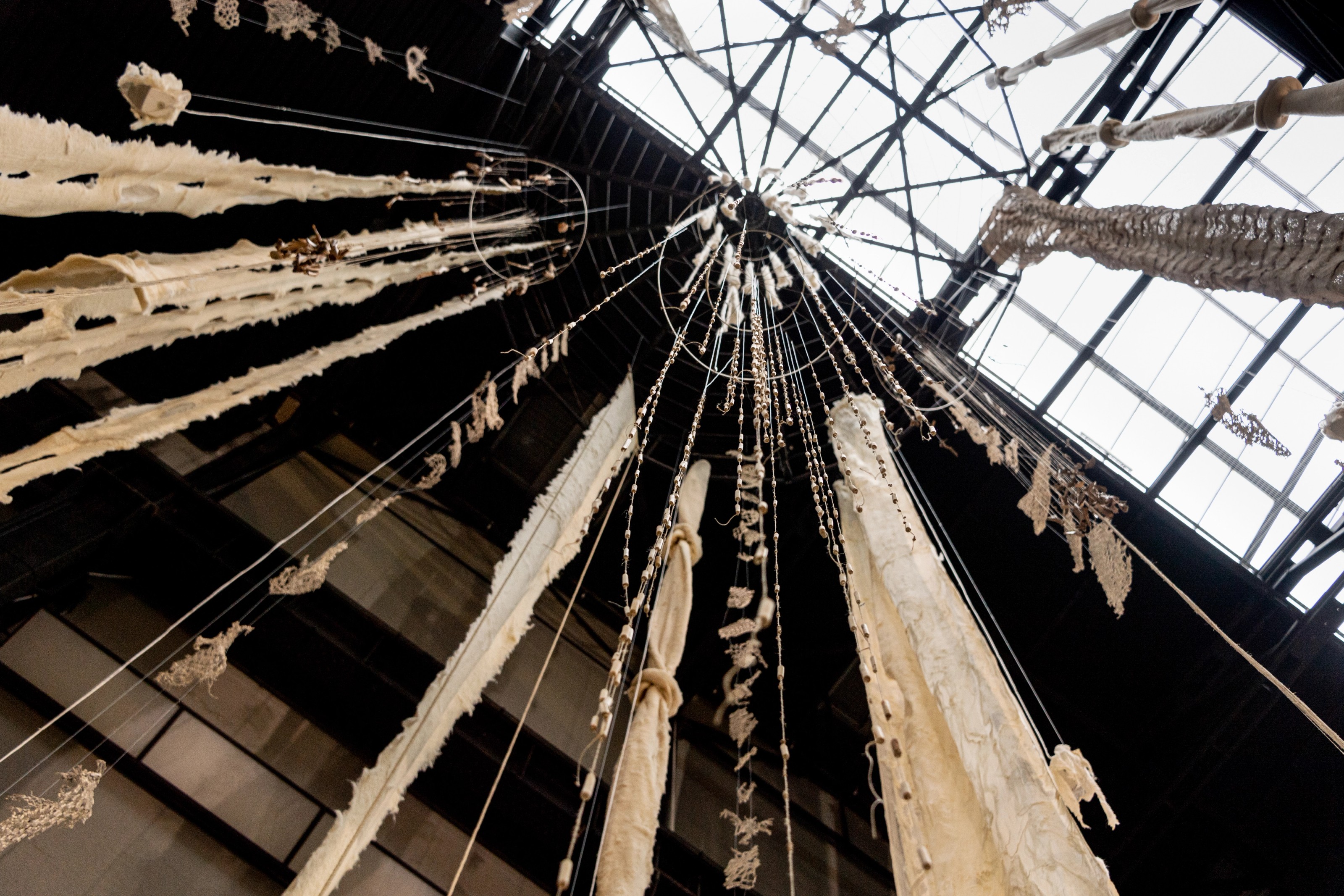
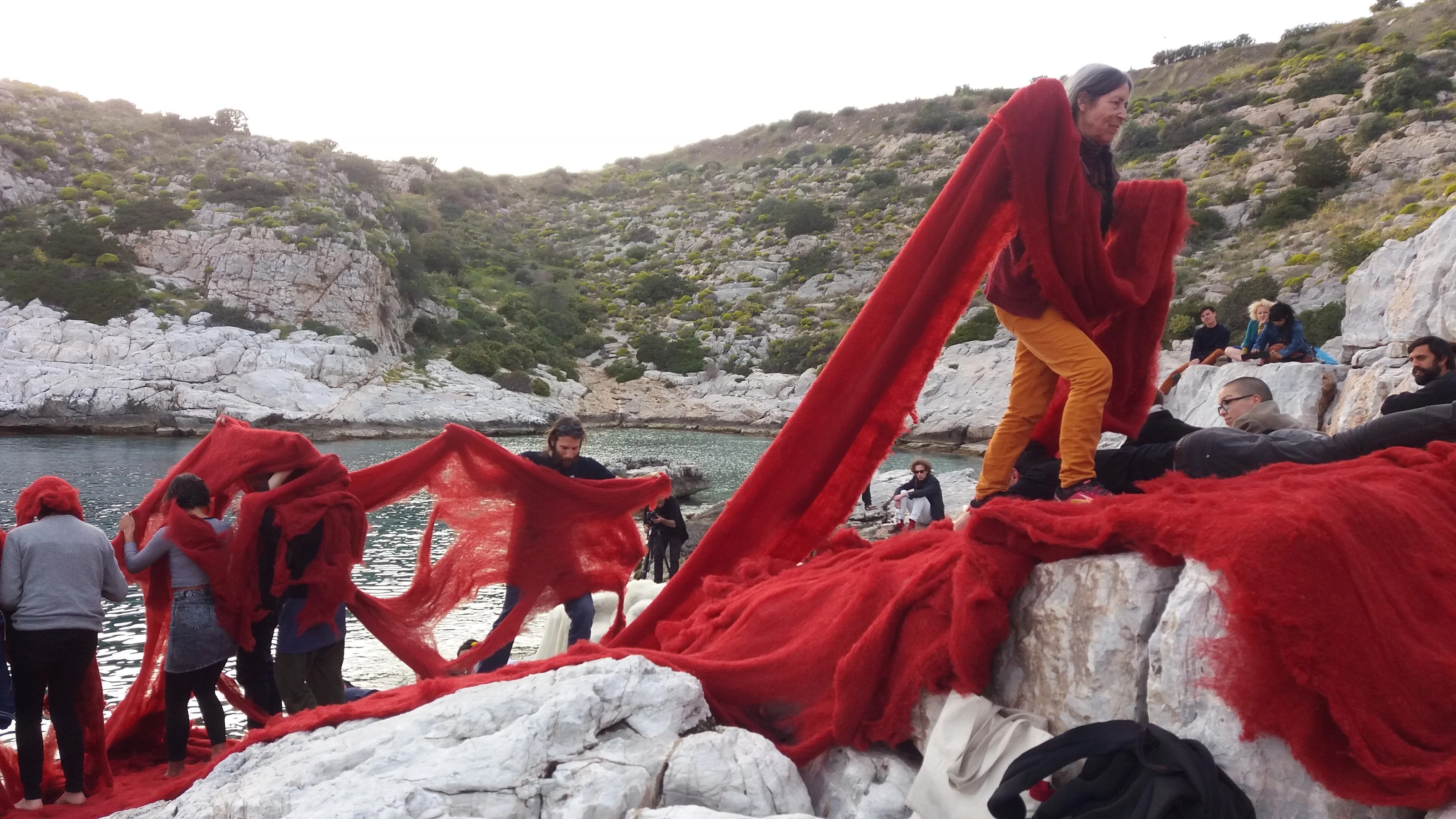
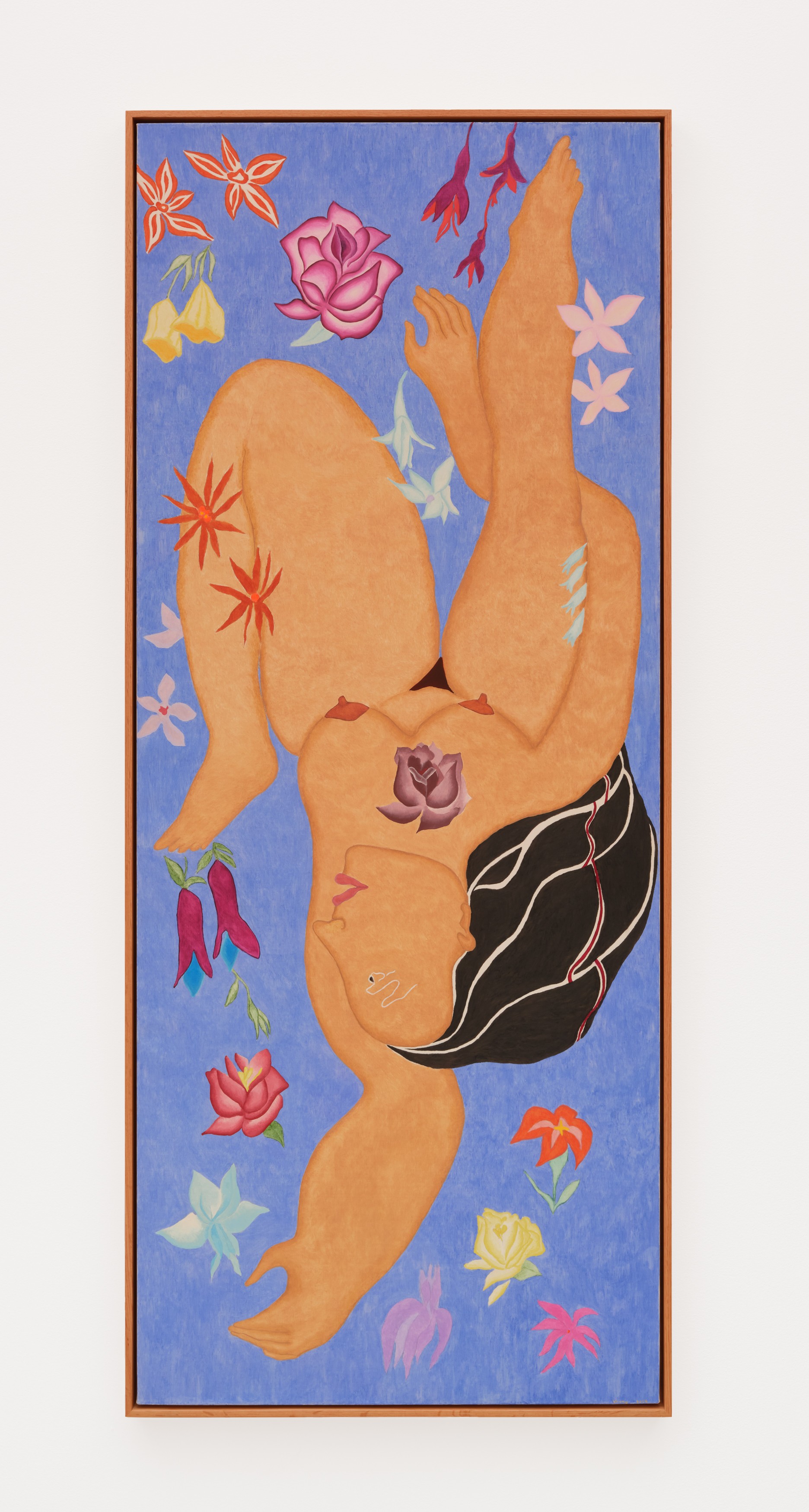
While living in Chile during the mid-1960s, Vicuña began an ongoing series of small sculptures she calls precarios, spatial poems in which she combines feathers, stone, plastic, wood, wire, shells, cloth, and other human-made detritus. She coined the term “Arte Precario,” as an independent autonomous category, to name these works defined by their fragility and ephemerality: Vicuña initially composed the precarios along the ocean’s edge, for high tide to complete the work by erasing it. Around the same time, Vicuña came across ancient quipus in a book—and this Andean communication system involving the knotting of colored strings, generated a deep response in her. In the early 1970s she began creating spatial weavings and living quipus, which evolved into her Quipus in multiple materials, including unspun wool. These ephemeral, site-specific installations combine the tactile ritual of weaving with assemblage, poetry, and performance. Vicuña’s surreal figurative paintings of the late 1960s and 1970s are more explicitly personal and political in comparison to her other bodies of work and were created in direct response to European colonization. Their highly charged imagery refers to the subtly subversive images made by 16th-century indigenous artists in Latin America after the Spanish conquest, when they were forced to paint angels and saints for the Catholic church. In Vicuña’s paintings, religious icons are replaced by personal, political, and literary figures, commemorated and mythologized by the artist.
Download CV
Performance by Cecilia Vicuña

Selected Works

Painting by Cecilia Vicuña

Cecilia Vicuña

La Habana, 1978/2024

Painting by Cecilia Vicuña

Cecilia Vicuña

Medusa, 1972 / 2023

Painting by Cecilia Vicuña

Cecilia Vicuña

Periódico de Ayer, 1978/2024

Installation by Cecilia Vicuña

Cecilia Vicuña

Caracol Azul (Blue Snail), 2017

Precarios by Cecilia Vicuña

Cecilia Vicuña

Balsa Snake Raft to Escape the Flood, 2017

Precarios by Cecilia Vicuña

Cecilia Vicuña

Cielo bajo (Precarios), 2017

Film still by Cecilia Vicuña

Cecilia Vicuña

Semiya (Seed Song), 2015

Precarios by Cecilia Vicuña

Cecilia Vicuña

Huso de piedra (Precarios), 2009

Artist Highlight

0:00 / 0:00

In the Studio with Cecilia Vicuña

Film by Pushpin Films, 2024

Gallery Exhibitions

Institutional Exhibitions

Books and Editions

View Shop
Leoparda de Ojitos
Purchase

Leoparda de Ojitos, 1977 (printed 2022)
Serigraph on Fabriano paper
39.25 x 27.5 inches (paper)
99.7 x 69.9 cm              
Edition of 50
Signed, titled, and numbered on bottom

Vicuña’s surreal figurative paintings of the 1970s are explicitly personal and political and were created in direct response to the unrest in Chile and her subsequent exile. Leoparda de Ojitos (2022) uses the leopard, a common motif in Vicuña’s paintings, that often stands in as a self-portrait. Vicuña considers the leopardess the embodiment of feminine energy and power, describing her as an all-seeing, omniscient being whose every orifice is a sensory organ. The scene depicted here appeared to Vicuña in a vision, in which the leopardess, the human, and the tree became one—a single living force of feminine power.

This work is based on Cecilia Vicuña’s 1977 painting Leoparda de Ojitos which was exhibited in the artist’s presentation in the Central Pavilion at the 2022 Venice Biennale.

Work is sold unframed. Please allow up to 2 weeks for order to ship out. Any duty and taxes incurred in the country of destination are the responsibility of the purchaser. 

When purchased with Vicuña’s print Poeta y Leopardo de Nieve, a 15% discount will be applied to your order at checkout.

Printed in Bogotá, Colombia by Arte Dos Gráfico

For any questions, please contact reese@lehmannmaupin.com

Press Highlights

Cecilia Vicuña | Lehmann Maupin