Skip to content

Cecilia Vicuña

Quipu Girok (Knot Record)

Seoul

Feb 18–Apr 24, 2021

Quipu by Cecilia Vicuña

213 Itaewon-ro, Yongsan-gu

Seoul, 04349

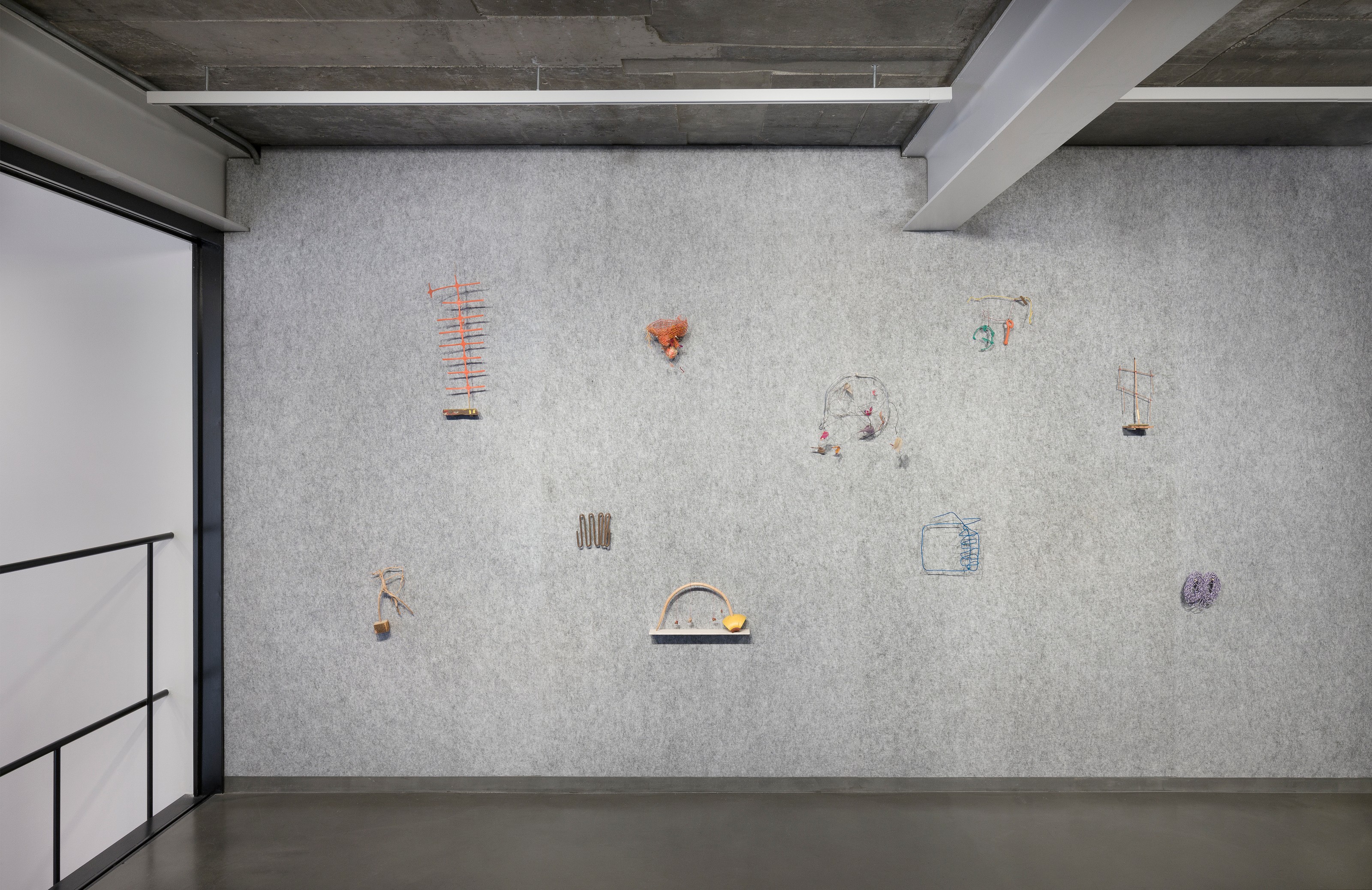
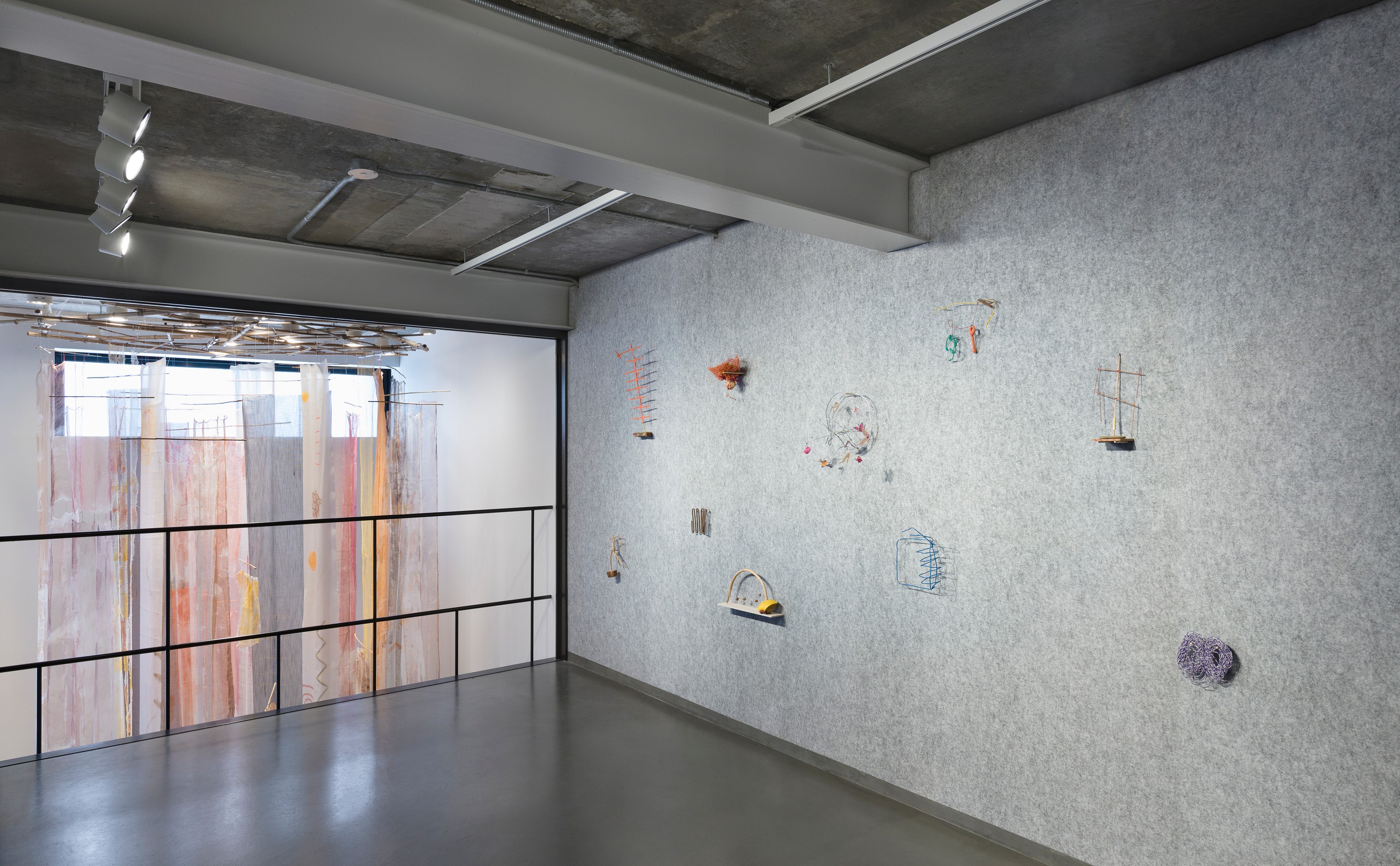
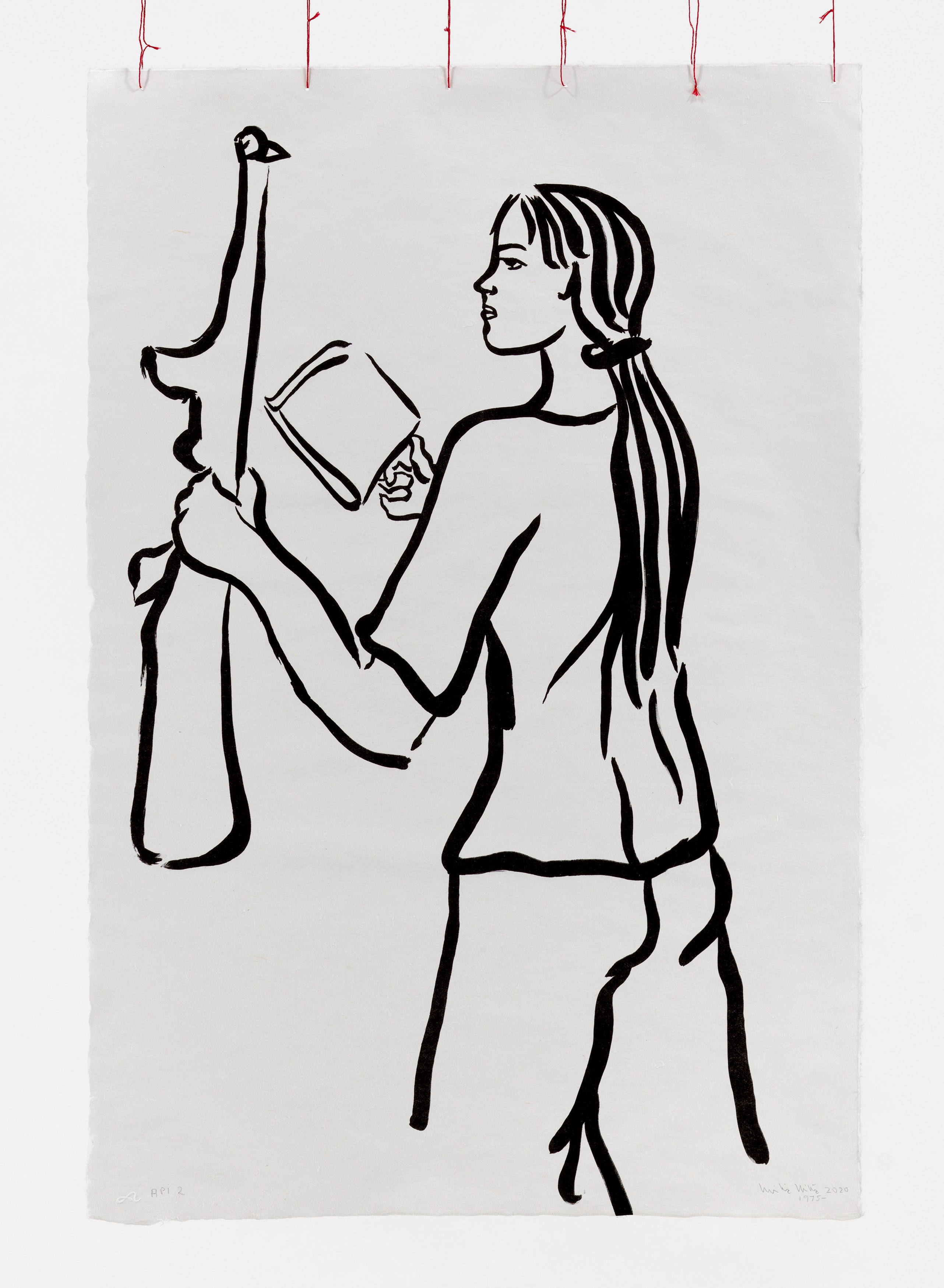
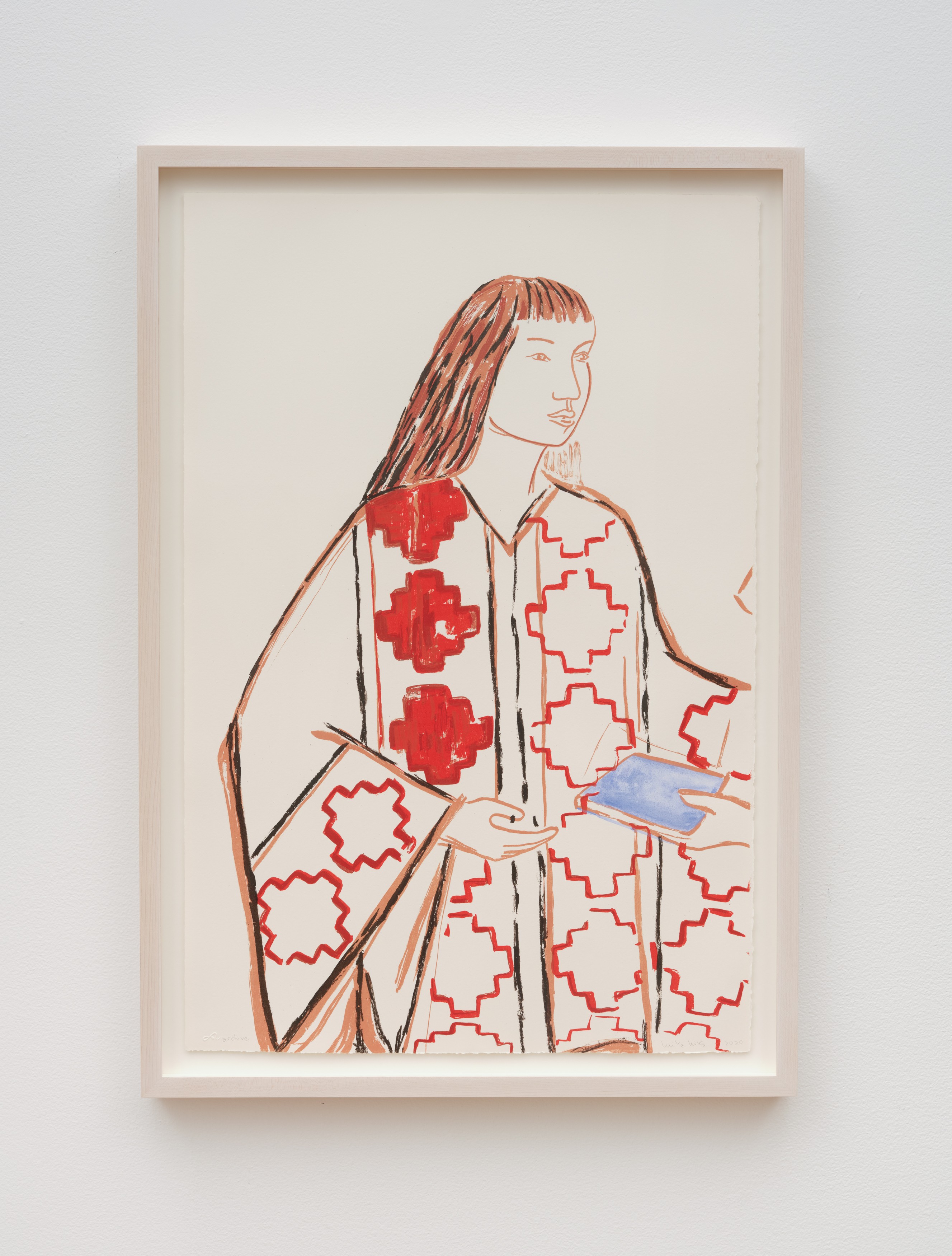
Lehmann Maupin is pleased to announce Quipu Girok, an exhibition of new work by Chilean artist Cecilia Vicuña featuring her first “painted” quipu, a recent video, hand-painted prints, drawings, and an installation of precarios that will engage a dialogue between Korean and Andean textile traditions and techniques. An artist, filmmaker, poet, and activist based in New York, Vicuña’s work ranges from performance, to painting, to poetry, to large-scale installations that address pressing concerns of the modern world, including ecological destruction, human rights, and cultural homogenization. The exhibition marks Vicuña’s second with the gallery and is her first solo presentation in Asia. Quipu Girok will coincide with the Gwangju Biennale, which will feature a selection of Vicuña’s paintings from the 1970s and a number of textile prints. These prints are a recreation of a series of paintings on fabric that the artist produced from 1975-1977 as an homage to the women who served in the Vietnam War.

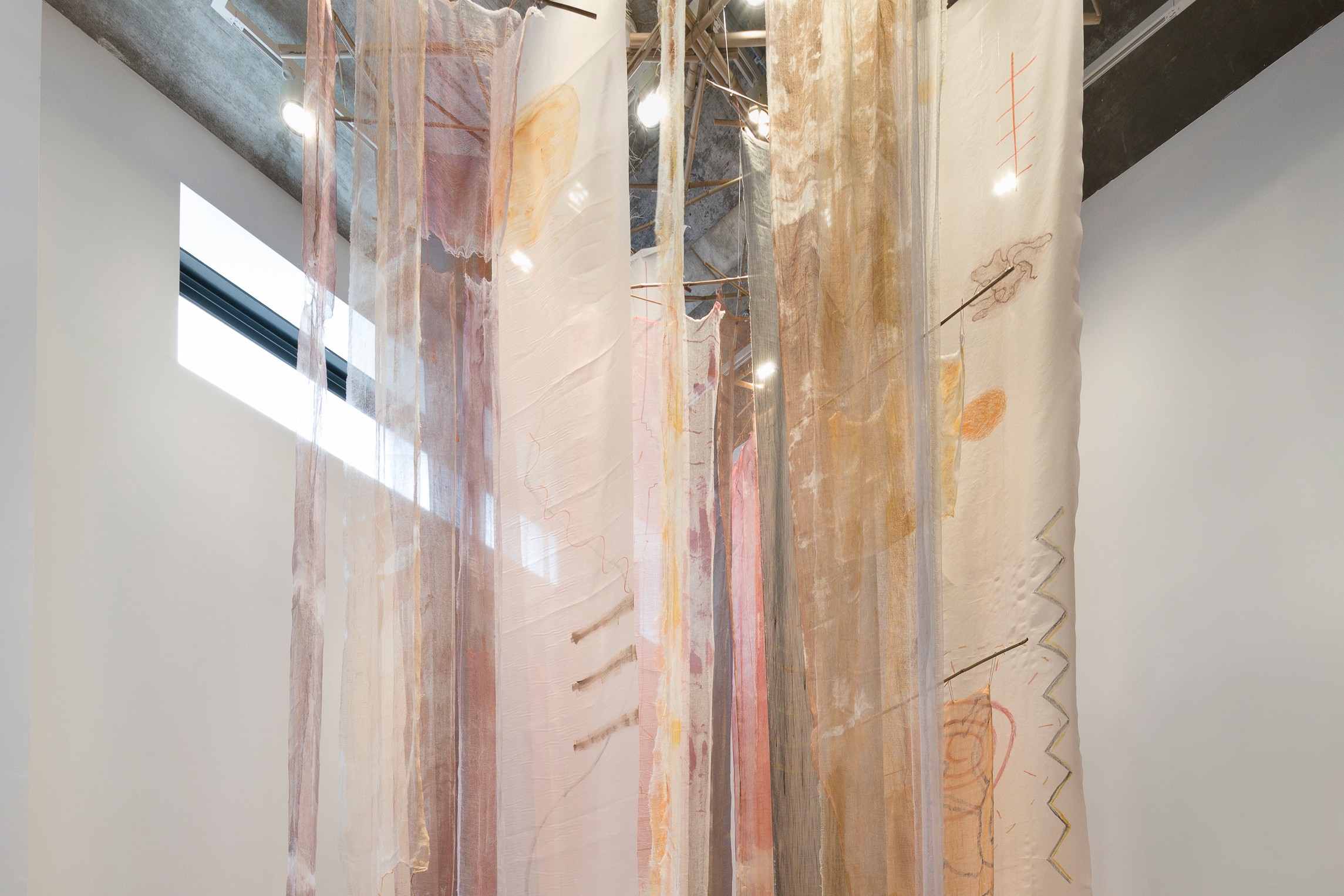
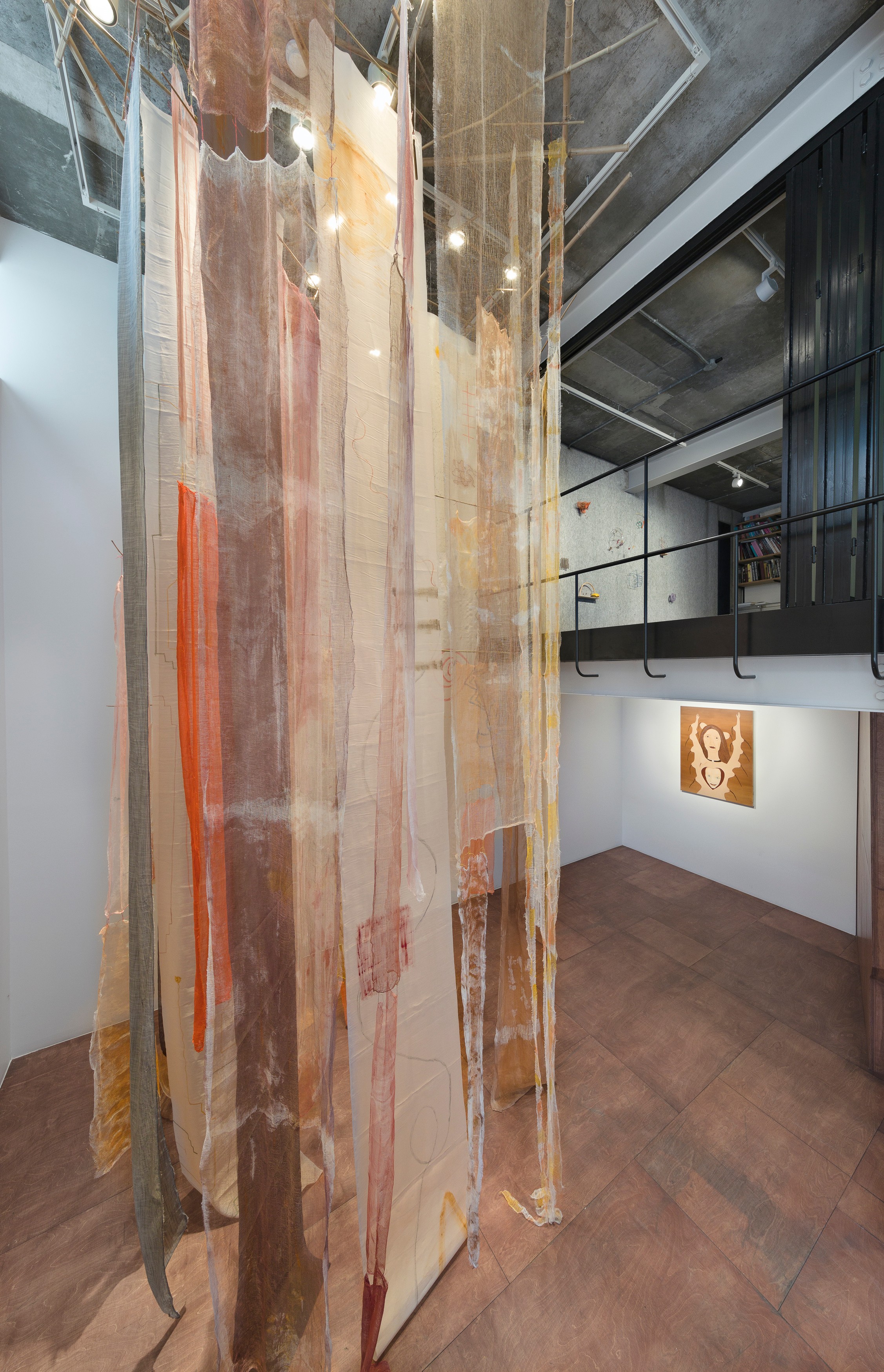
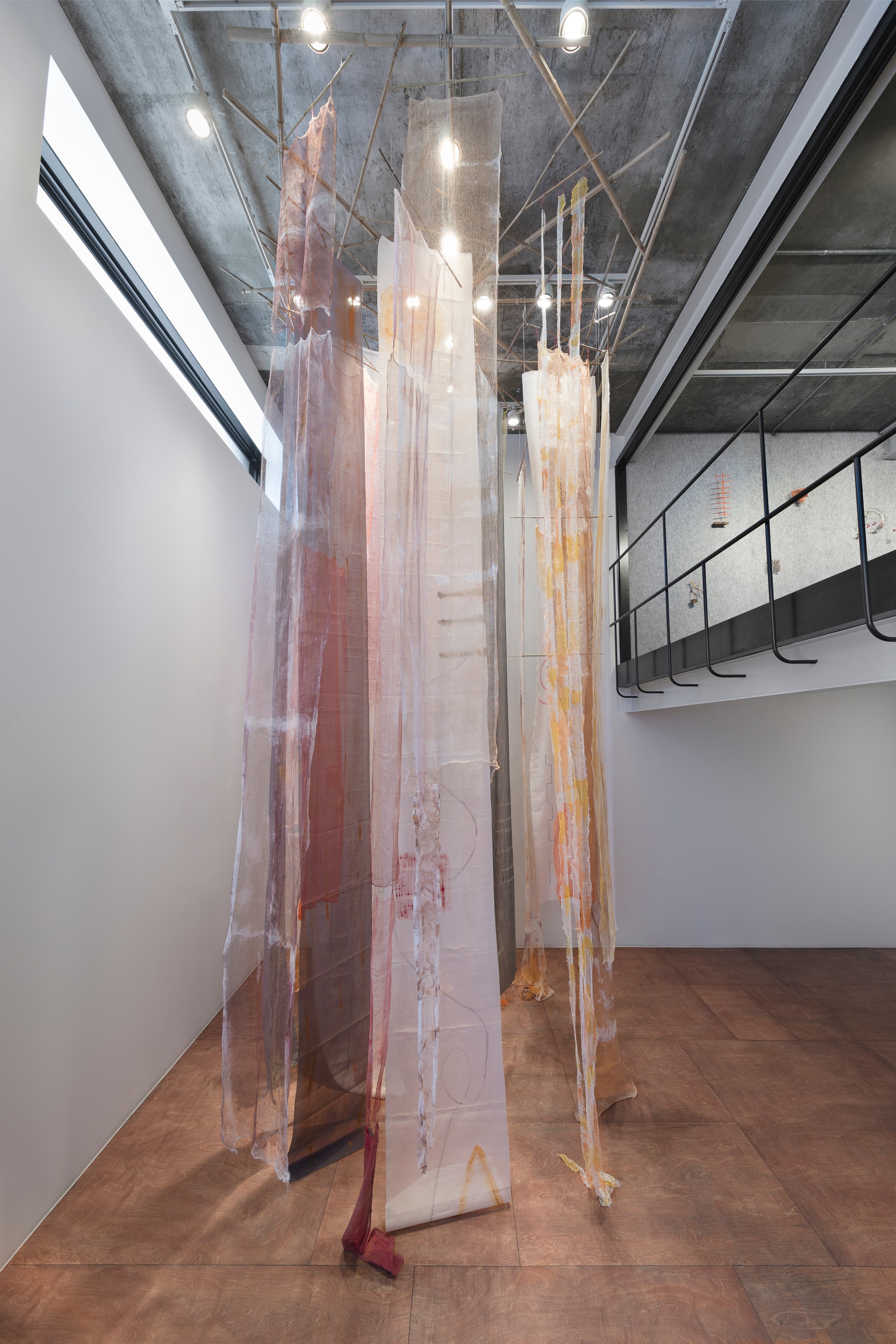
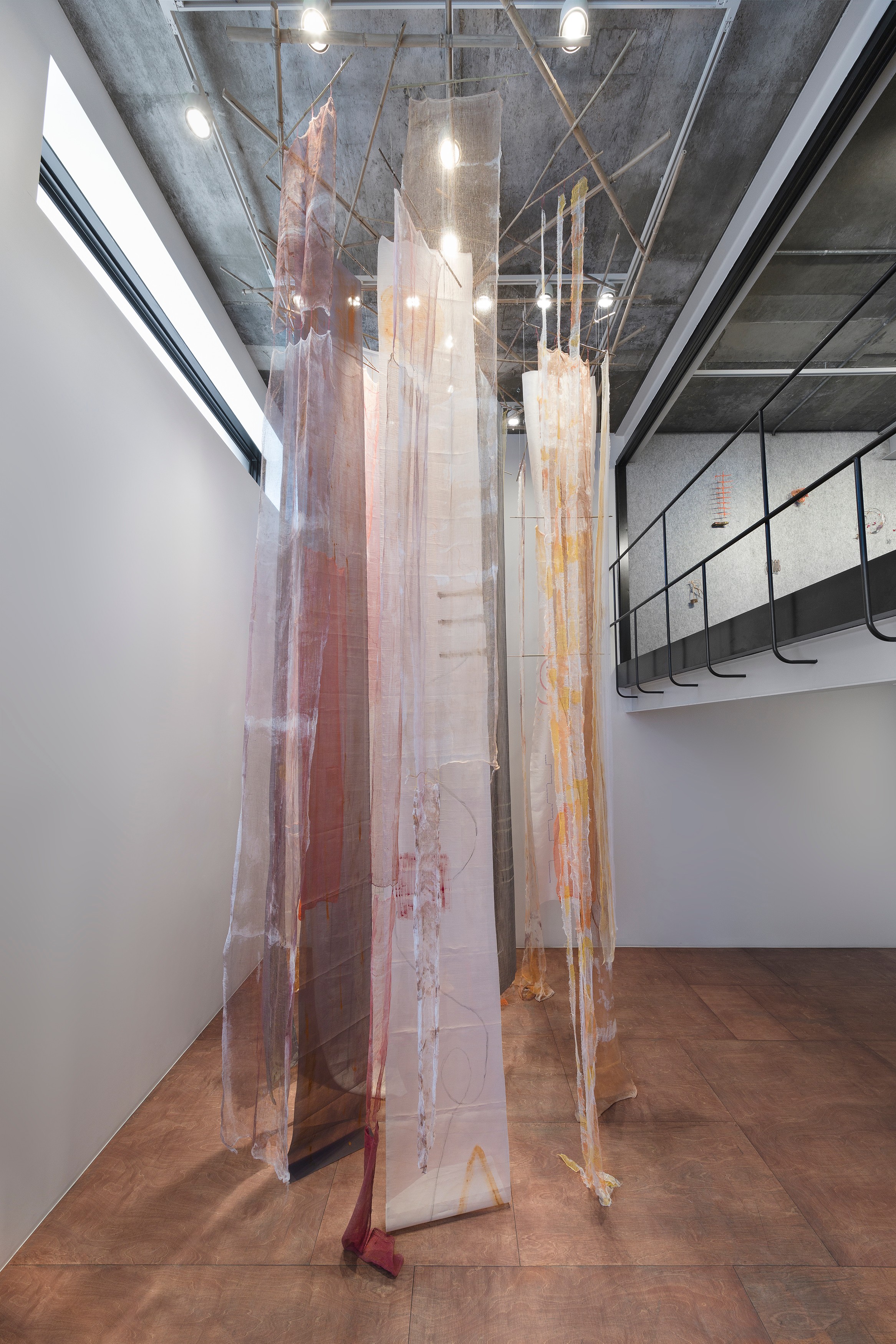
The title Quipu Girok combines ancient Andean language and Korean, loosely translating to Knot (quipu) Record (girok). The quipu—an Andean method of visual-tactile communication and recordkeeping system involving the knotting of colored strings—has featured prominently throughout Vicuña’s oeuvre since the 1960s and 70s. In the artist’s varied renditions, the quipu becomes a conceptual and performative poem in space, an act of resistance based on Vicuña’s desire to recover the lost history of this ancient form of writing. The centerpiece of the exhibition, from which it takes its name, is Quipu Girok—a large-scale quipu installation comprised of columns of painted gauze (reminiscent of ancient forms of indigenous painting on weaving), silk polyester (hanbok), and cotton (used in traditional Korean textiles) that hang vertically from uneven bamboo sticks. Each panel of transparent fabric is painted using pigment and pastel crayon to create a multi-layered work inspired by a series of Solar paintings the artist created during the 1970s. These paintings, like the installation Quipu Girok, feature simplified marks and geometric signs and symbols that recall the very beginning of painting on textiles in the pre-Columbian Andes. For Vicuña, these early artworks (forms of visual communication) are “abstract in a very profound sense.” As with poetry, there is a general sense of what the image signifies while its specific reference point remains unknown.

Installation view of Cecilia Vicuña at Lehmann Maupin Seoul
Installation Views: 1 of 5
Quipu by Cecilia Vicuña

Cecilia Vicuña

Quipu Girok, 2021

Painting by Cecilia Vicuña

Cecilia Vicuña

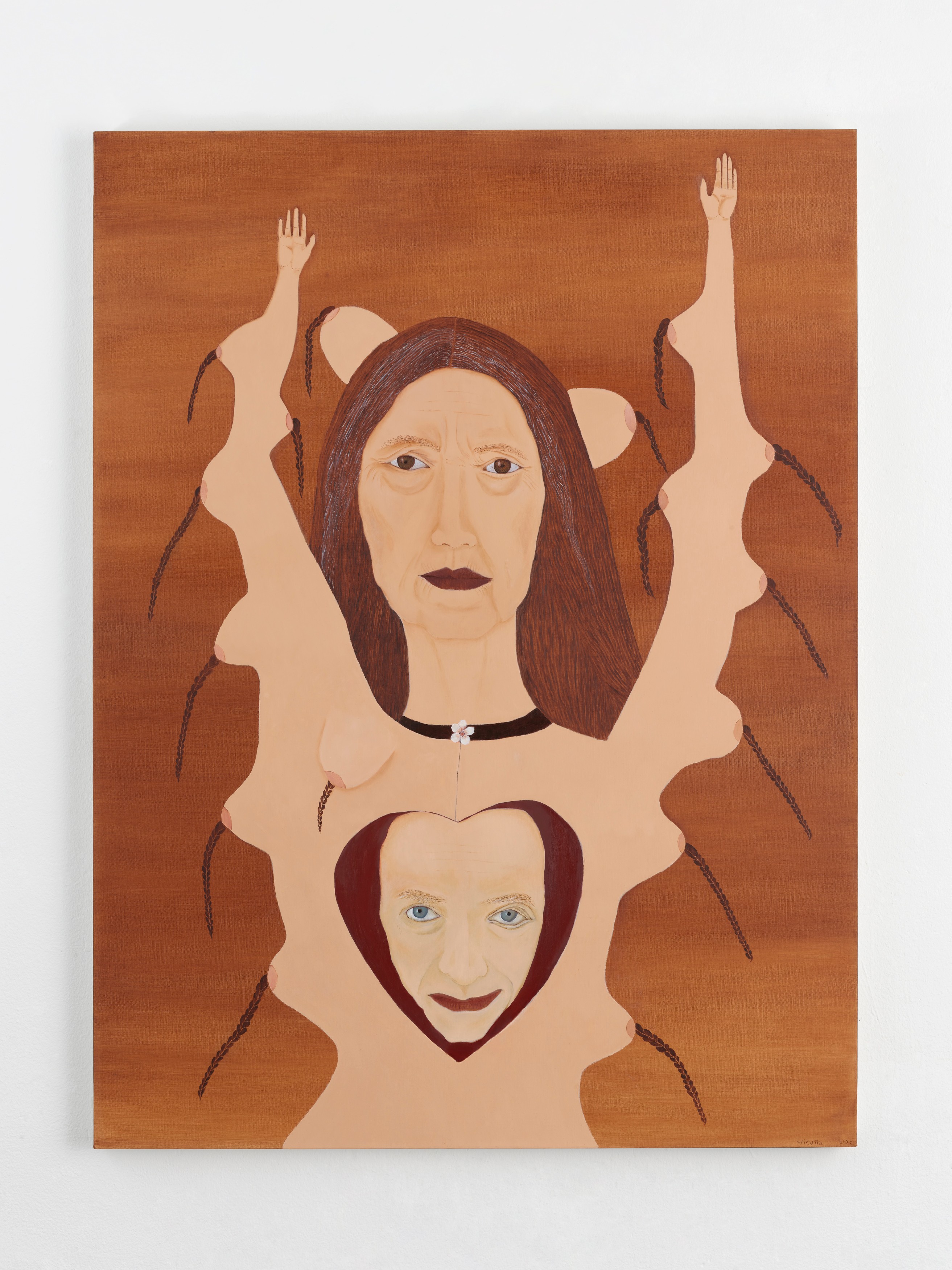
Self Portrait with Humps, 2021

Painting by Cecilia Vicuña

Cecilia Vicuña

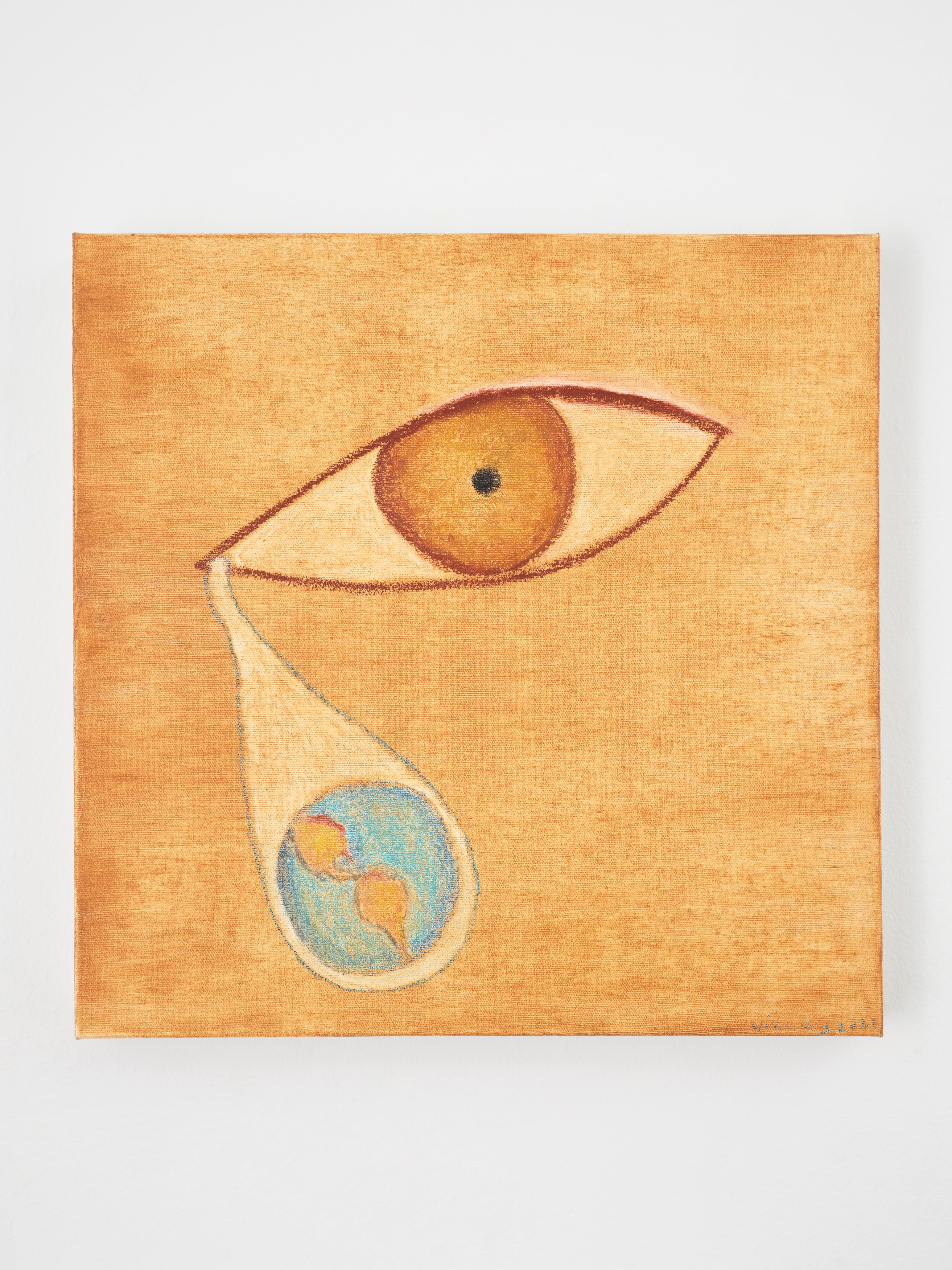
Tara's Tears (A Prayer for the World), 2021

Fabric Work by Cecilia Vicuña

Cecilia Vicuña

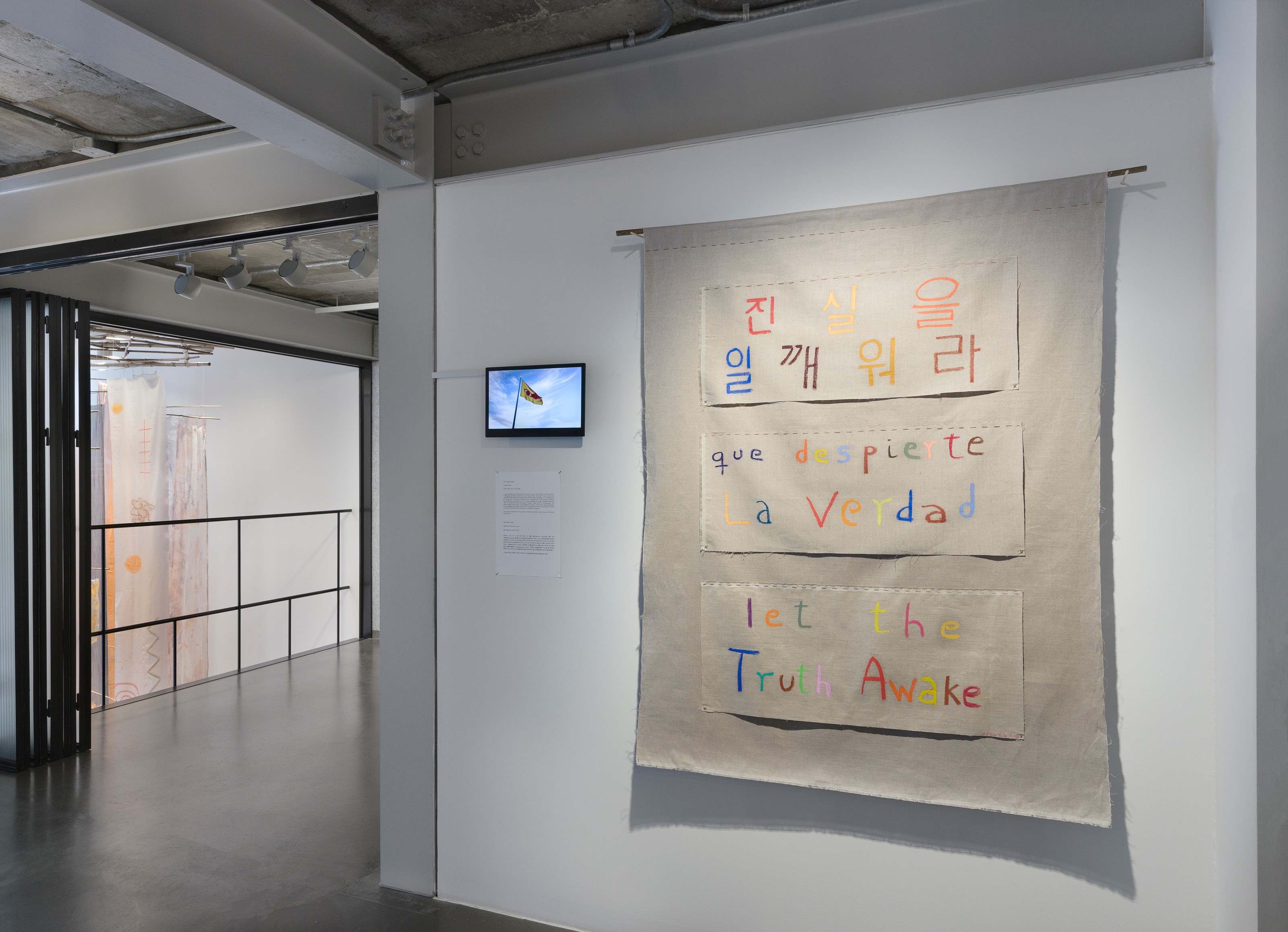
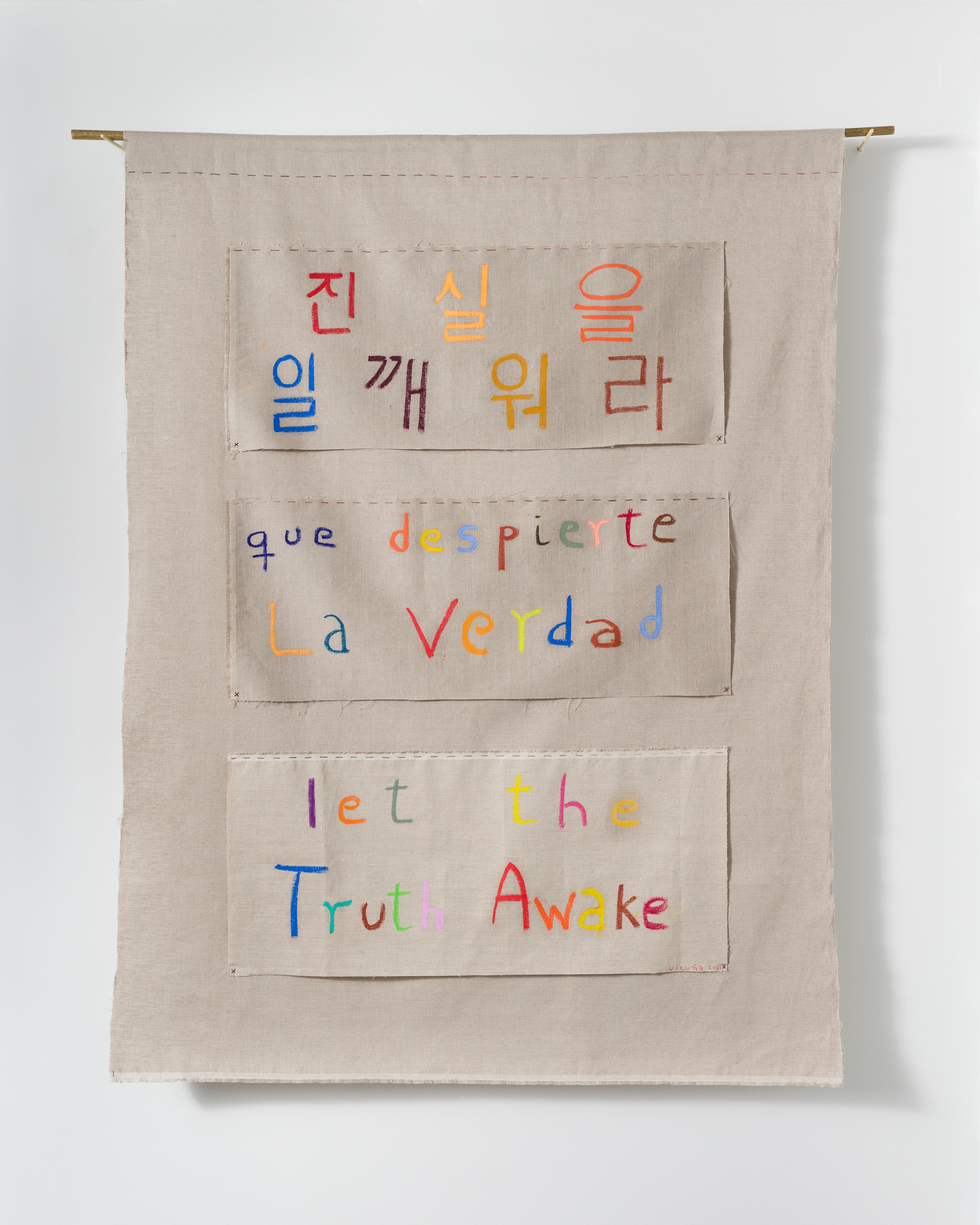
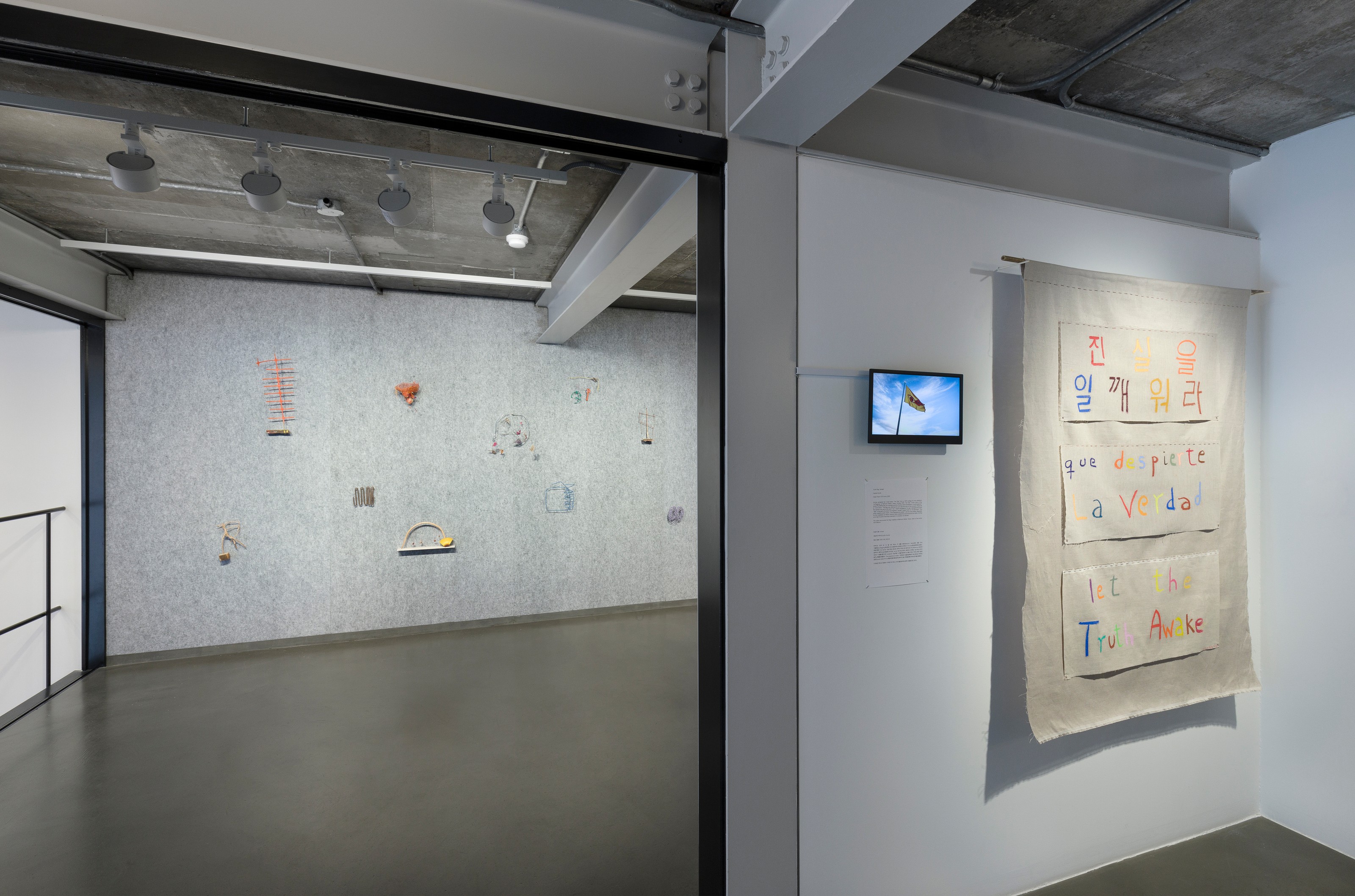
Let The Truth Awake, 2021

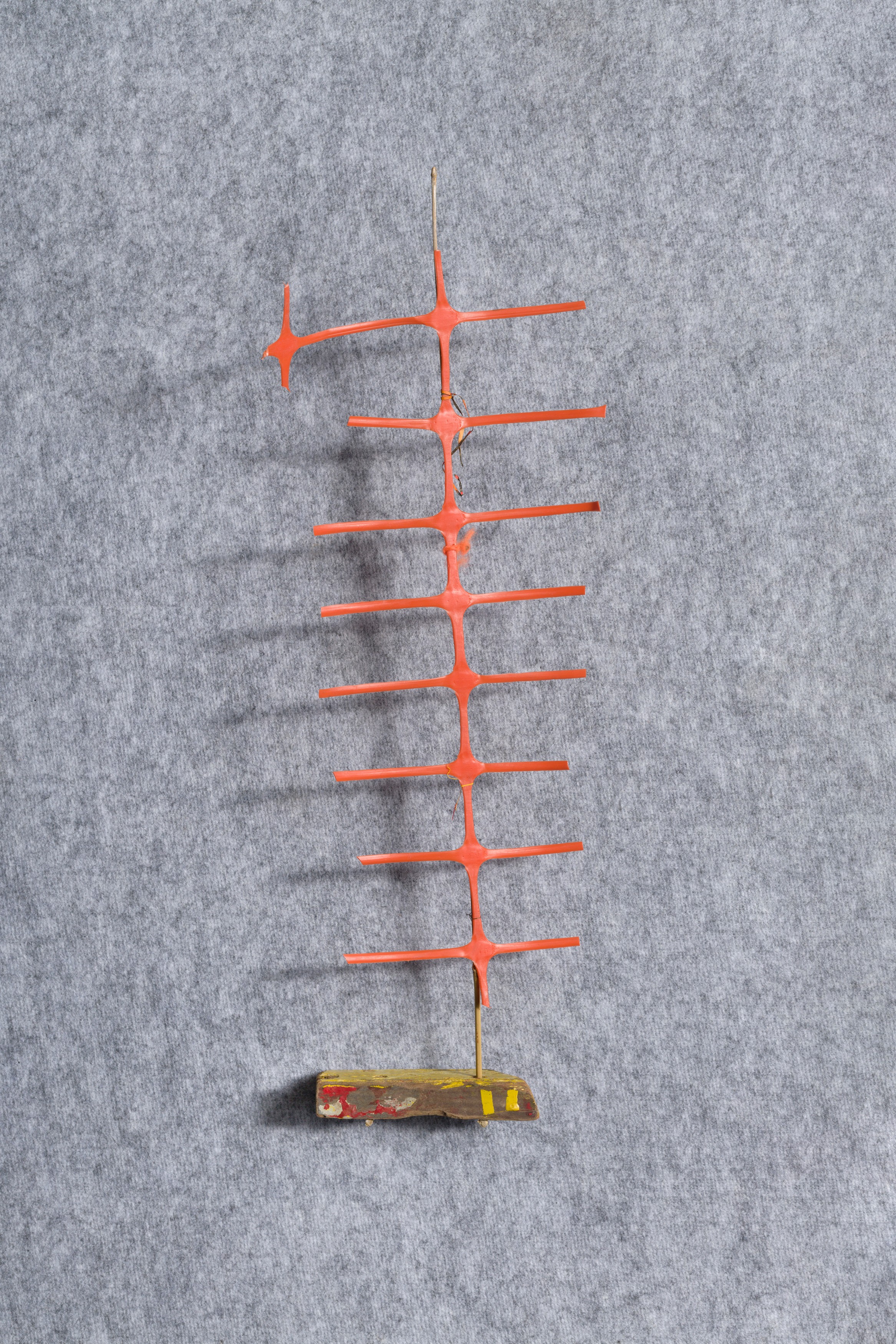
Precarios by Cecilia Vicuña

Cecilia Vicuña

Alto Naranja, 1999

Precarios by Cecilia Vicuña

Cecilia Vicuña

Cable aplastado (Precarios), 2014

Precarios by Cecilia Vicuña

Cecilia Vicuña

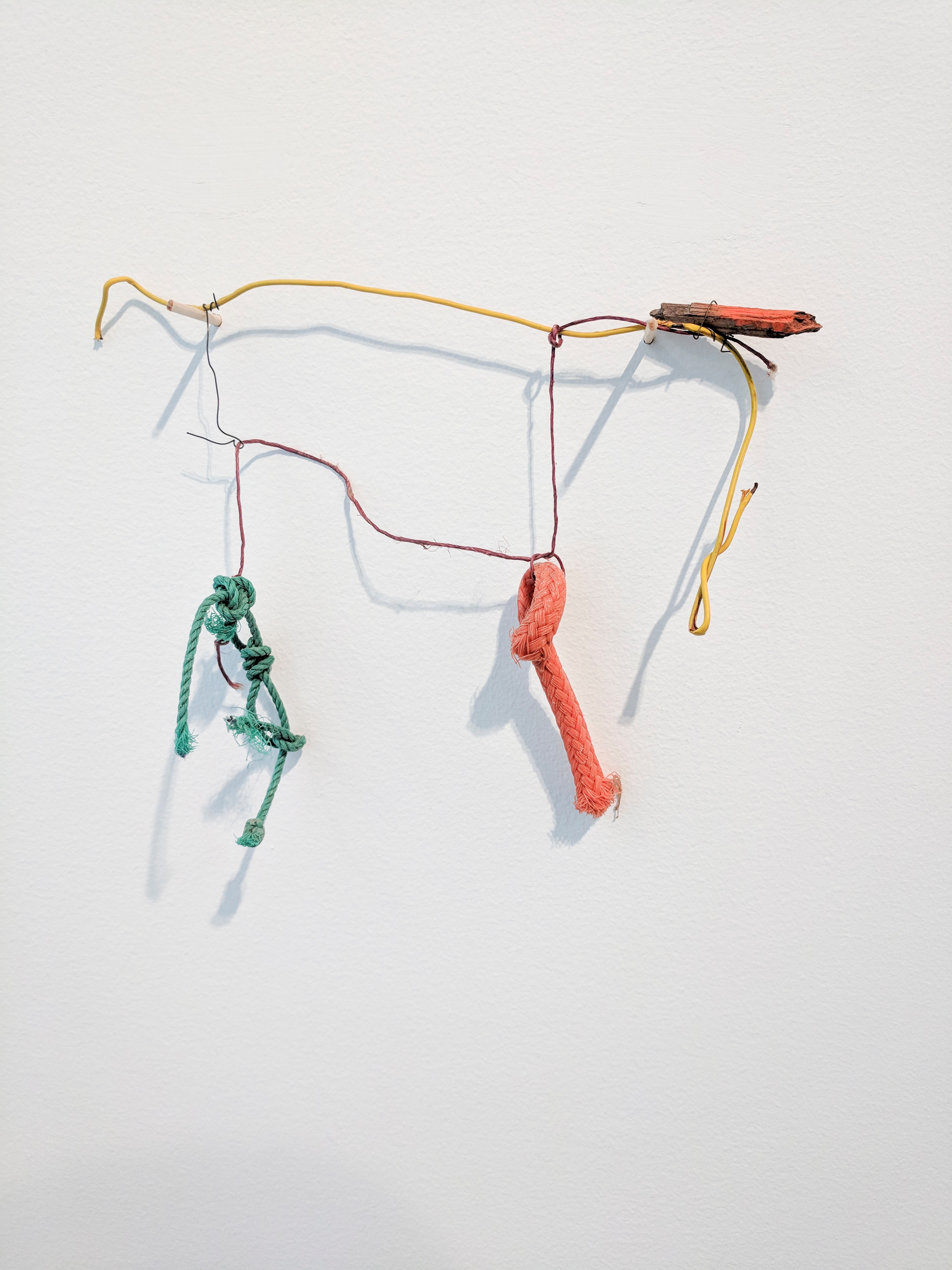
Chiloé 2 (Precarios), 2014

Precarios by Cecilia Vicuña

Cecilia Vicuña

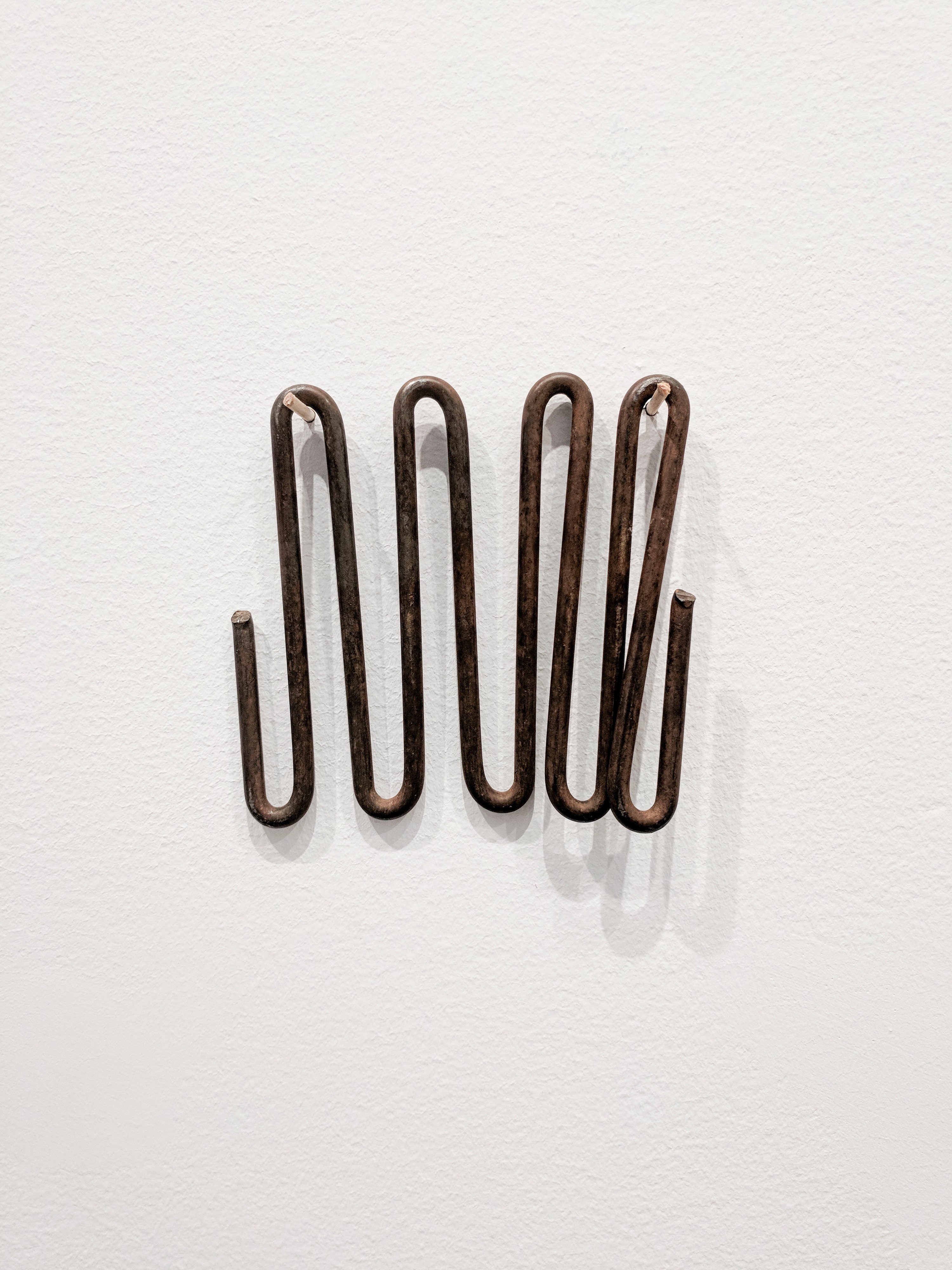
Hilo de fierro (Precarios), 2014

Installation view of Cecilia Vicuña at Lehmann Maupin Seoul
Installation Views: 1 of 4
Precarios by Cecilia Vicuña

Cecilia Vicuña

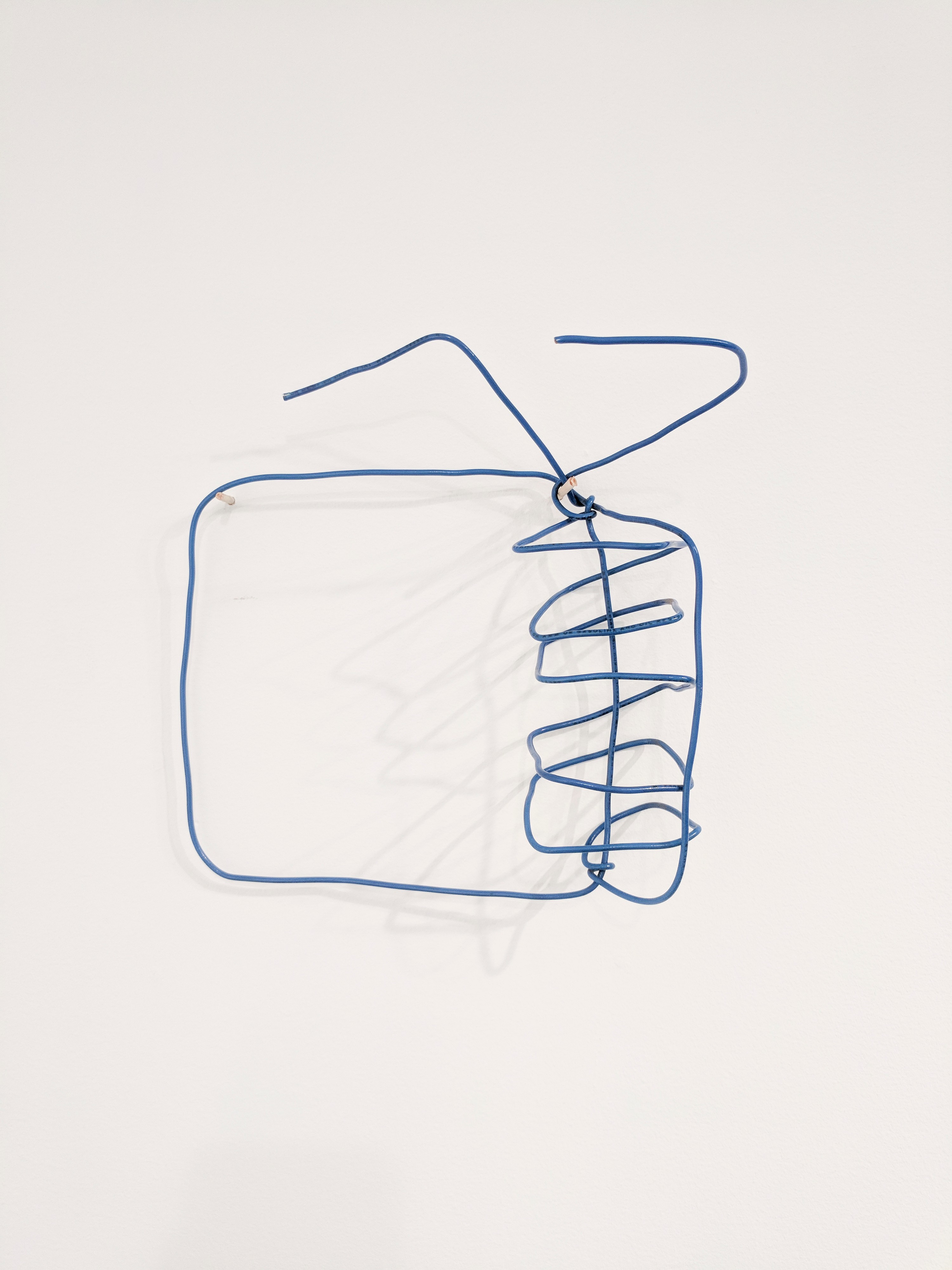
Nudo azul (Precarios), 2014

Precarios by Cecilia Vicuña

Cecilia Vicuña

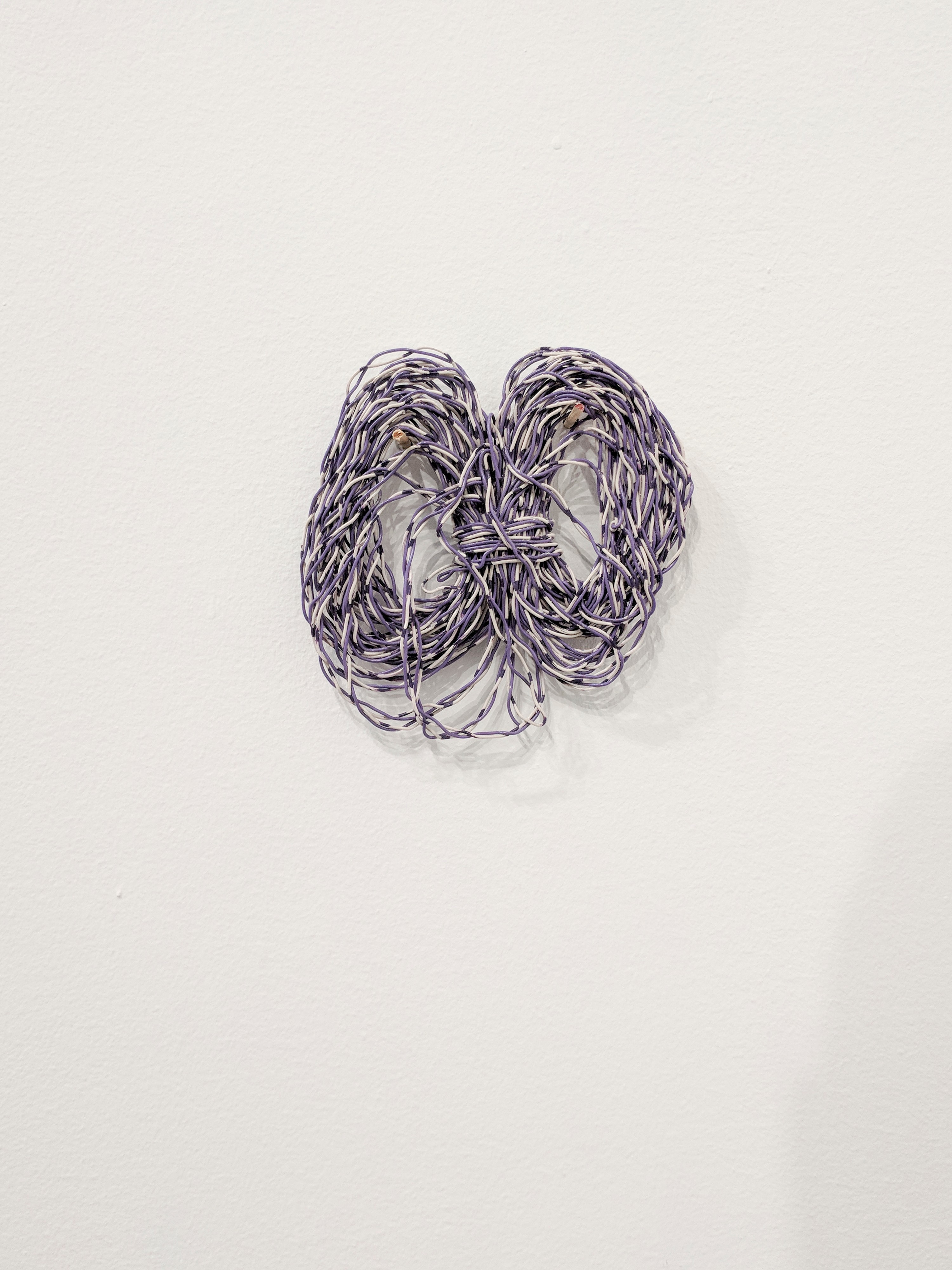
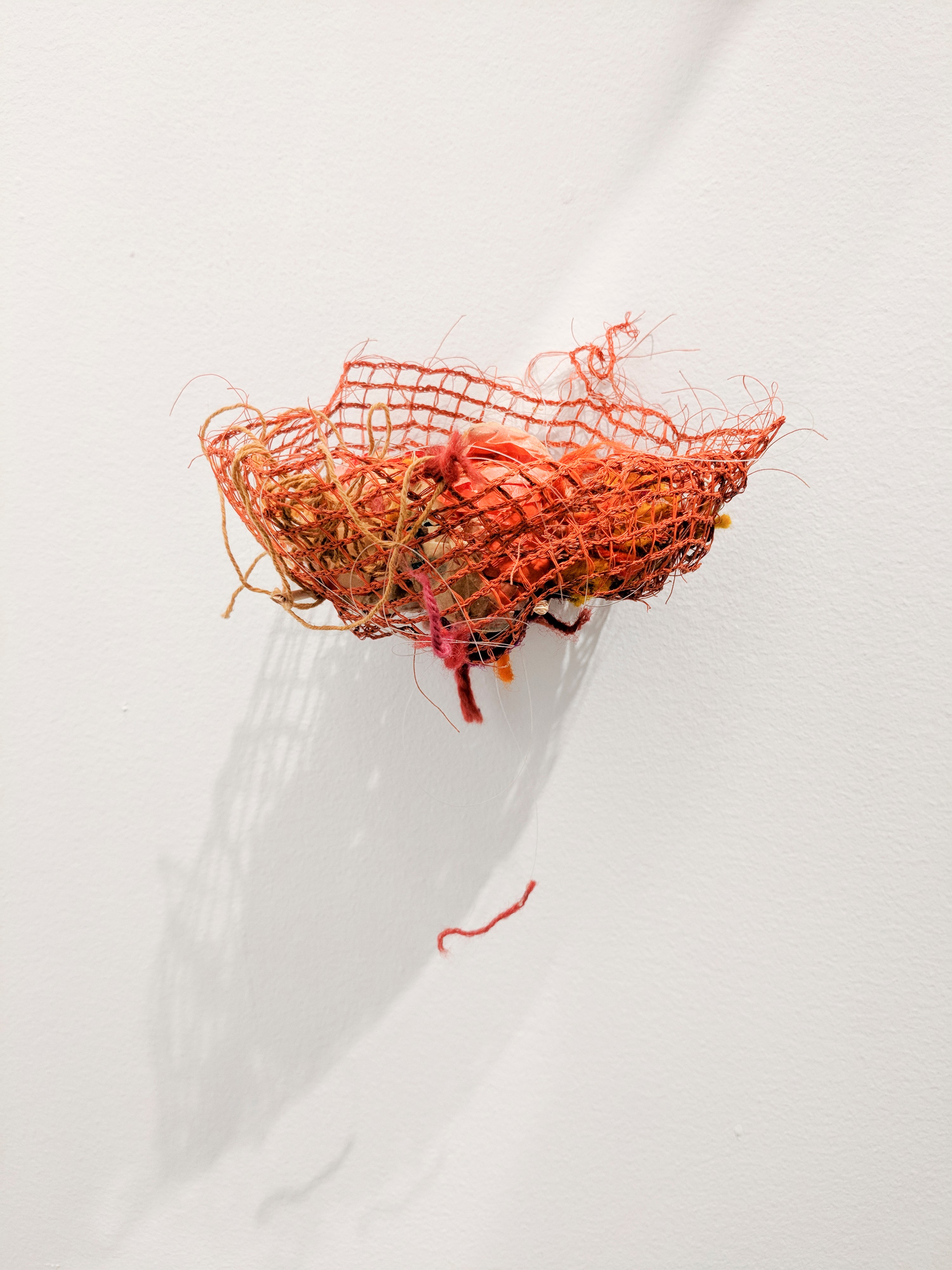
Nido plástico (Precarios), 2014

Precarios by Cecilia Vicuña

Cecilia Vicuña

Cerebro Rari (Precarios), 2014

Work on paper by Cecilia Vicuña

Cecilia Vicuña

Girl with Book and Gun, 1975-2021

Work on paper by Cecilia Vicuña

Cecilia Vicuña

Niña Mapuche, 1975-2021

Work on paper by Cecilia Vicuña

Cecilia Vicuña

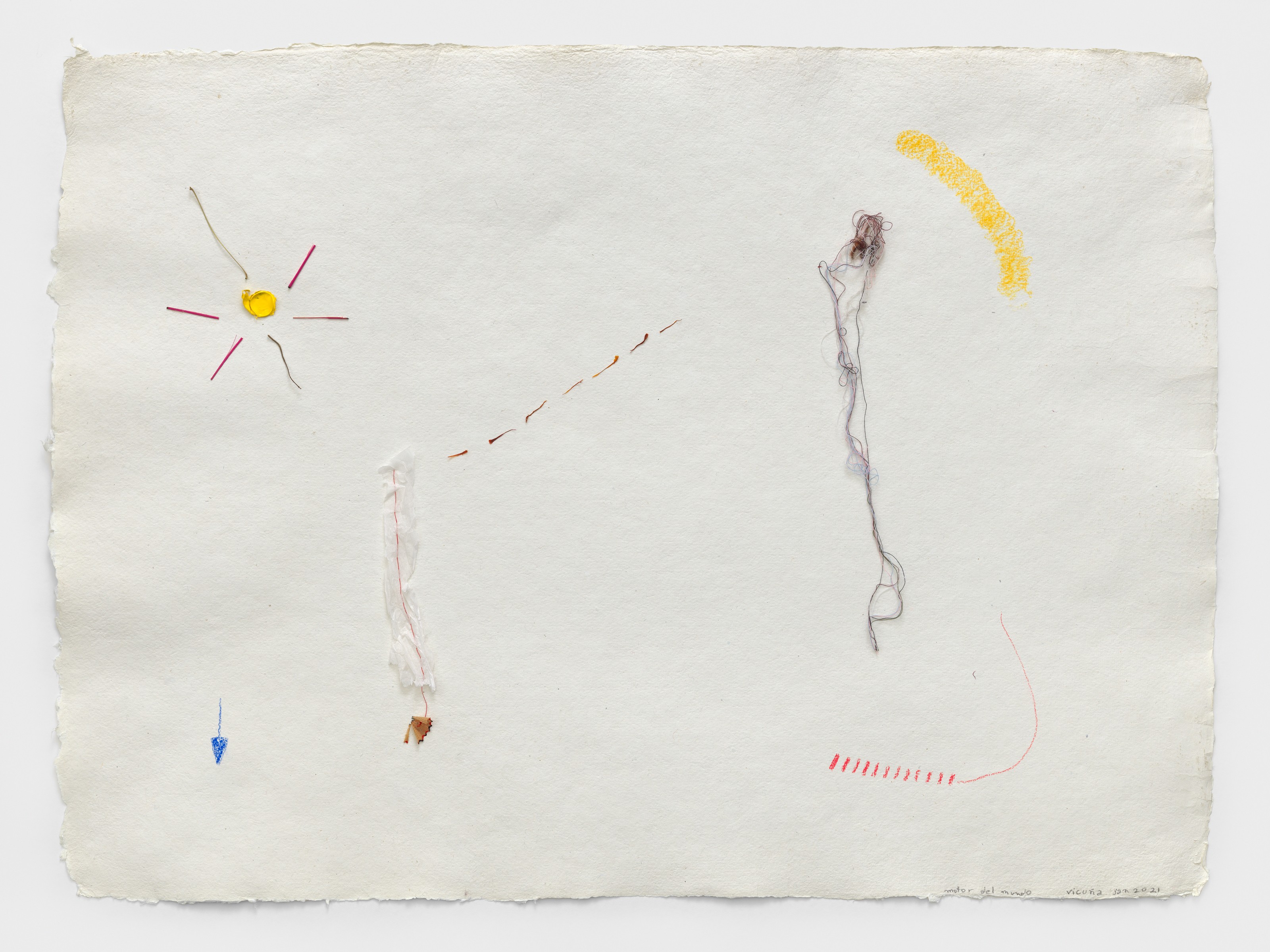
Motor del mundo, 2021

Portrait of Cecilia Vicuña

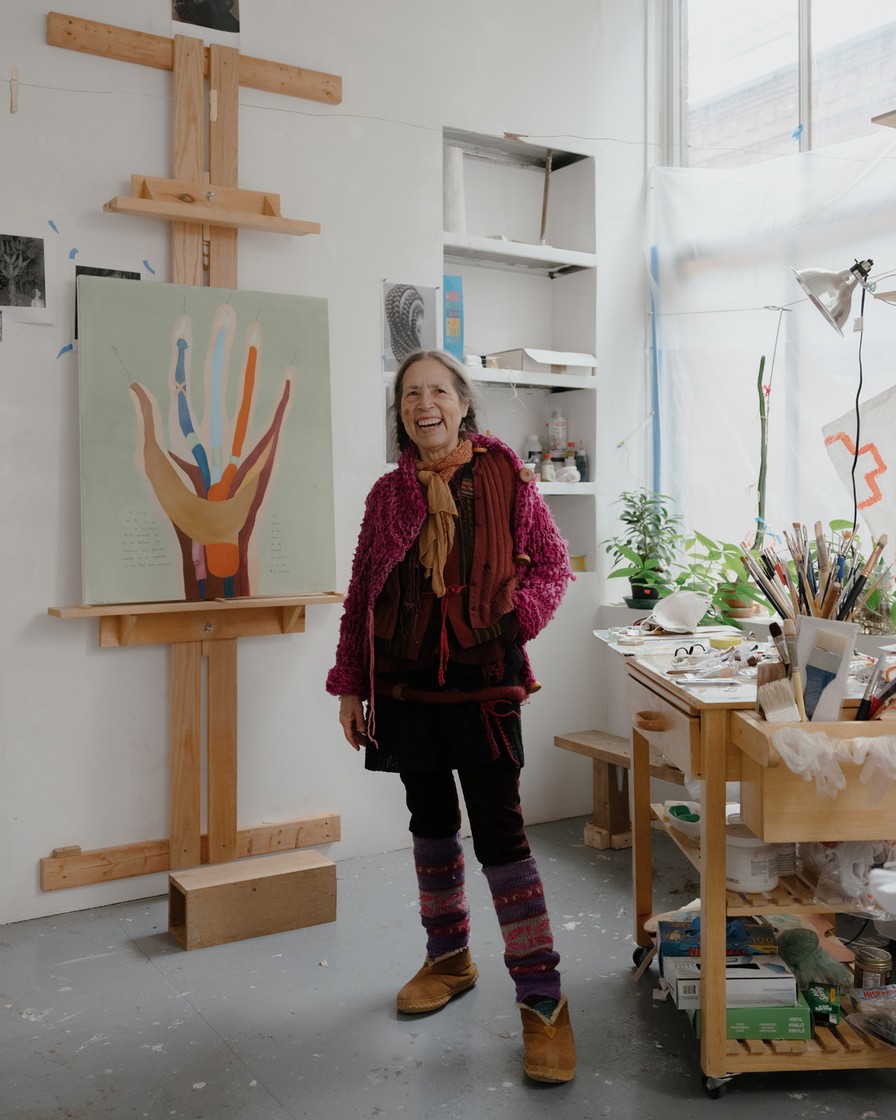
Cecilia Vicuña (b. 1948 in Santiago, Chile; lives and works in New York, NY and Santiago, Chile) integrates practices of poetry, performance, Conceptualism, and textile craft in response to pressing concerns of the modern world, including ecological destruction, human rights, and cultural homogenization. Born and raised in Santiago, she was exiled during the early 1970s after the violent military coup against President Salvador Allende. This sense of impermanence, and a desire to preserve and pay tribute to the indigenous history and culture of Chile, have characterized her work throughout her career.

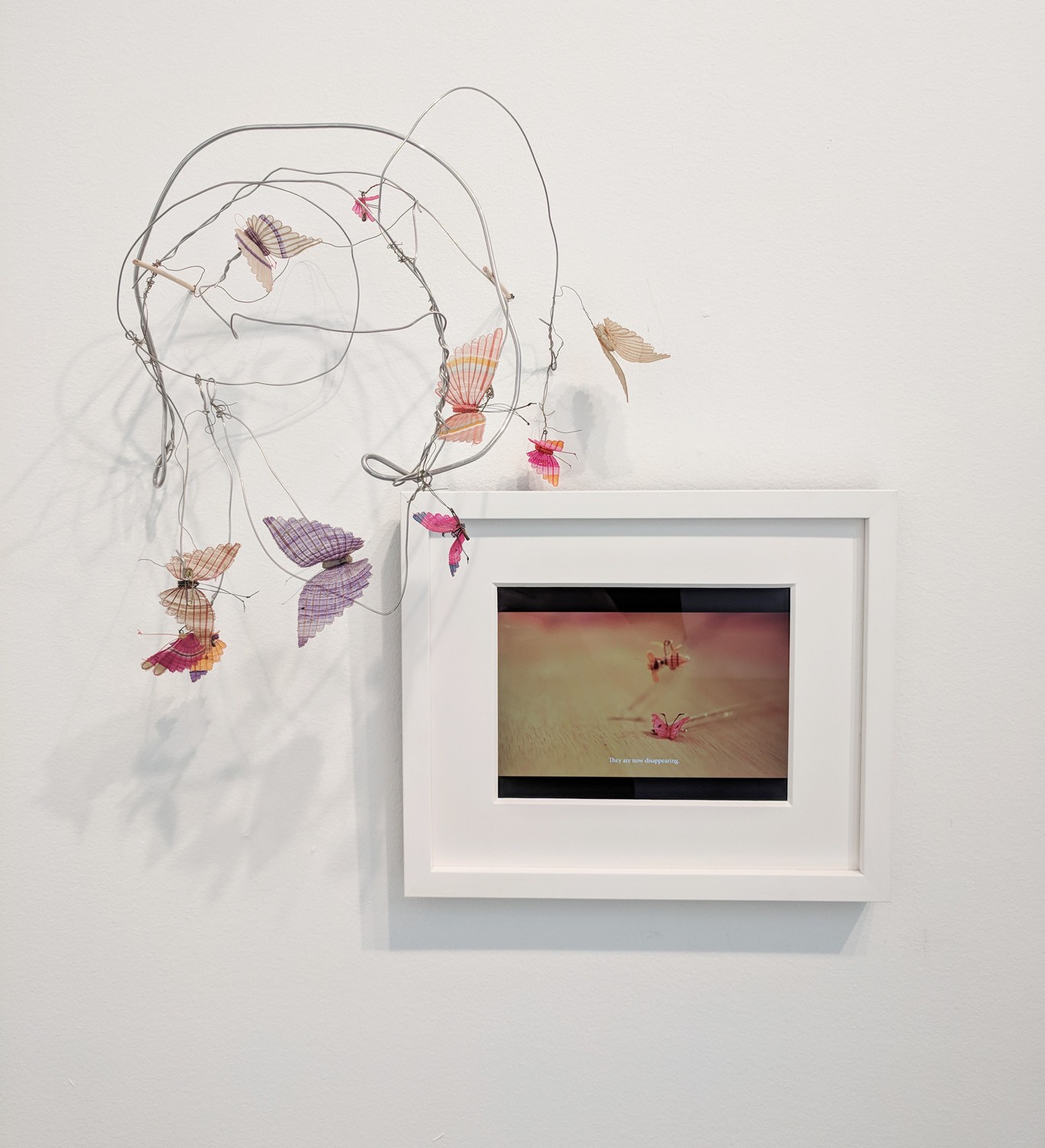
While living in Chile during the mid-1960s, Vicuña began an ongoing series of small sculptures she calls precarios, spatial poems in which she combines feathers, stone, plastic, wood, wire, shells, cloth, and other human-made detritus. She coined the term “Arte Precario,” as an independent autonomous category, to name these works defined by their fragility and ephemerality: Vicuña initially composed the precarios along the ocean’s edge, for high tide to complete the work by erasing it. Around the same time, Vicuña came across ancient quipus in a book—and this Andean communication system involving the knotting of colored strings, generated a deep response in her. In the early 1970s she began creating spatial weavings and living quipus, which evolved into her Quipus in multiple materials, including unspun wool. These ephemeral, site-specific installations combine the tactile ritual of weaving with assemblage, poetry, and performance. Vicuña’s surreal figurative paintings of the late 1960s and 1970s are more explicitly personal and political in comparison to her other bodies of work and were created in direct response to European colonization. Their highly charged imagery refers to the subtly subversive images made by 16th-century indigenous artists in Latin America after the Spanish conquest, when they were forced to paint angels and saints for the Catholic church. In Vicuña’s paintings, religious icons are replaced by personal, political, and literary figures, commemorated and mythologized by the artist.

Learn about the artist
Quipu Girok (Knot Record) | Lehmann Maupin