Skip to content

Cecilia Vicuña

MASS MoCA

North Adams

May 23, 2026–Apr 4, 2027

Cecilia Vicuña Installation view

North Adams, MA

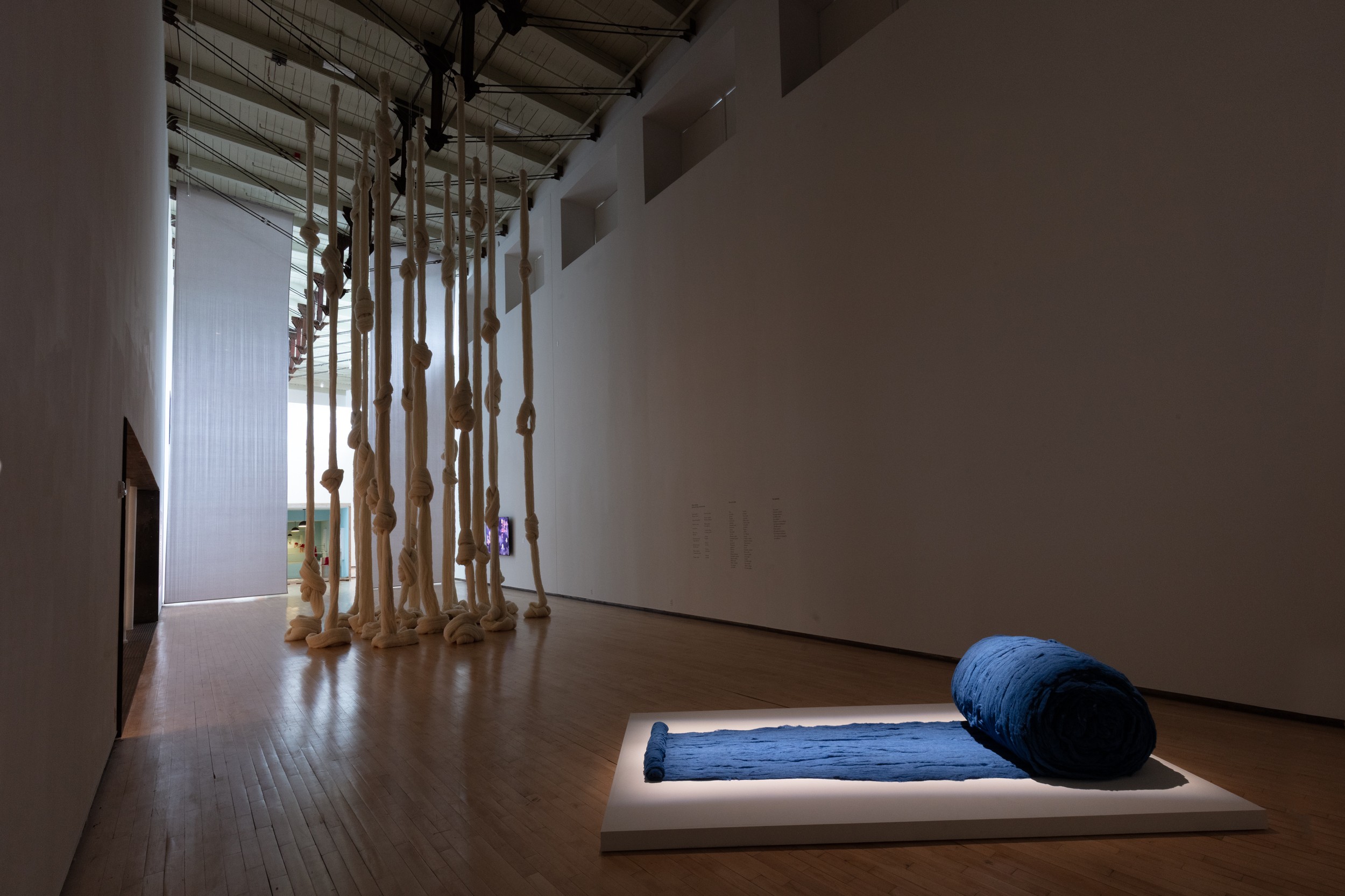
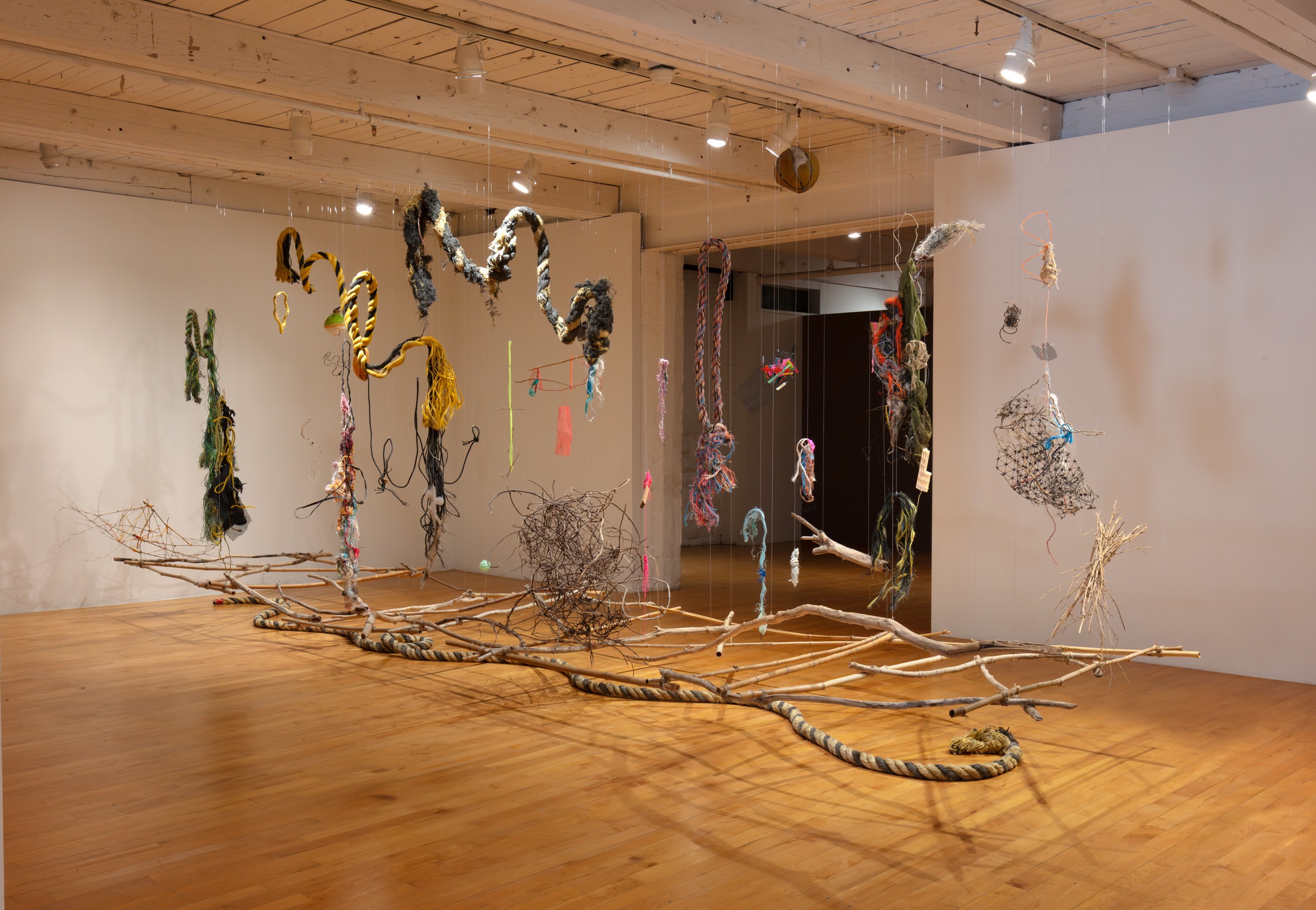
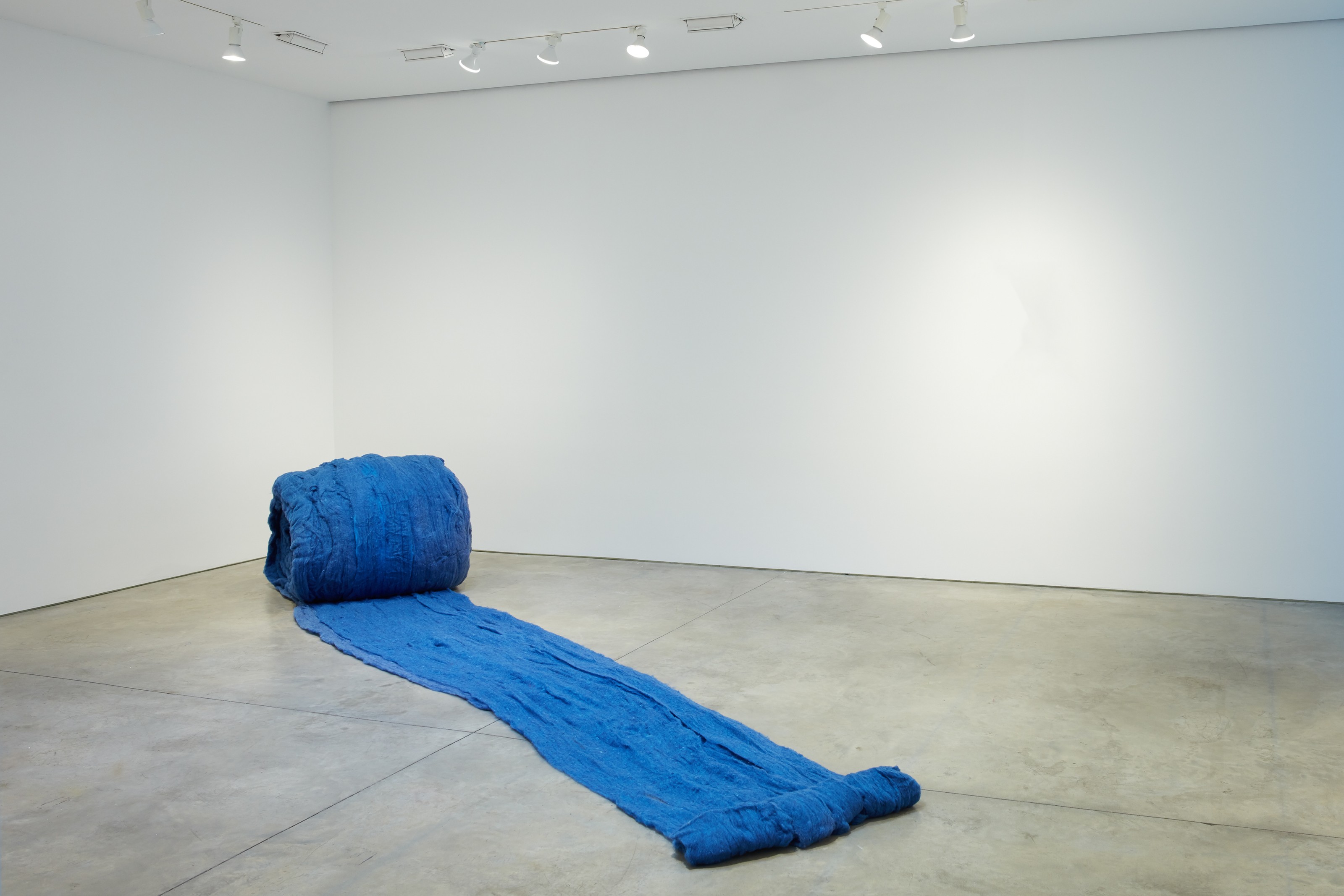
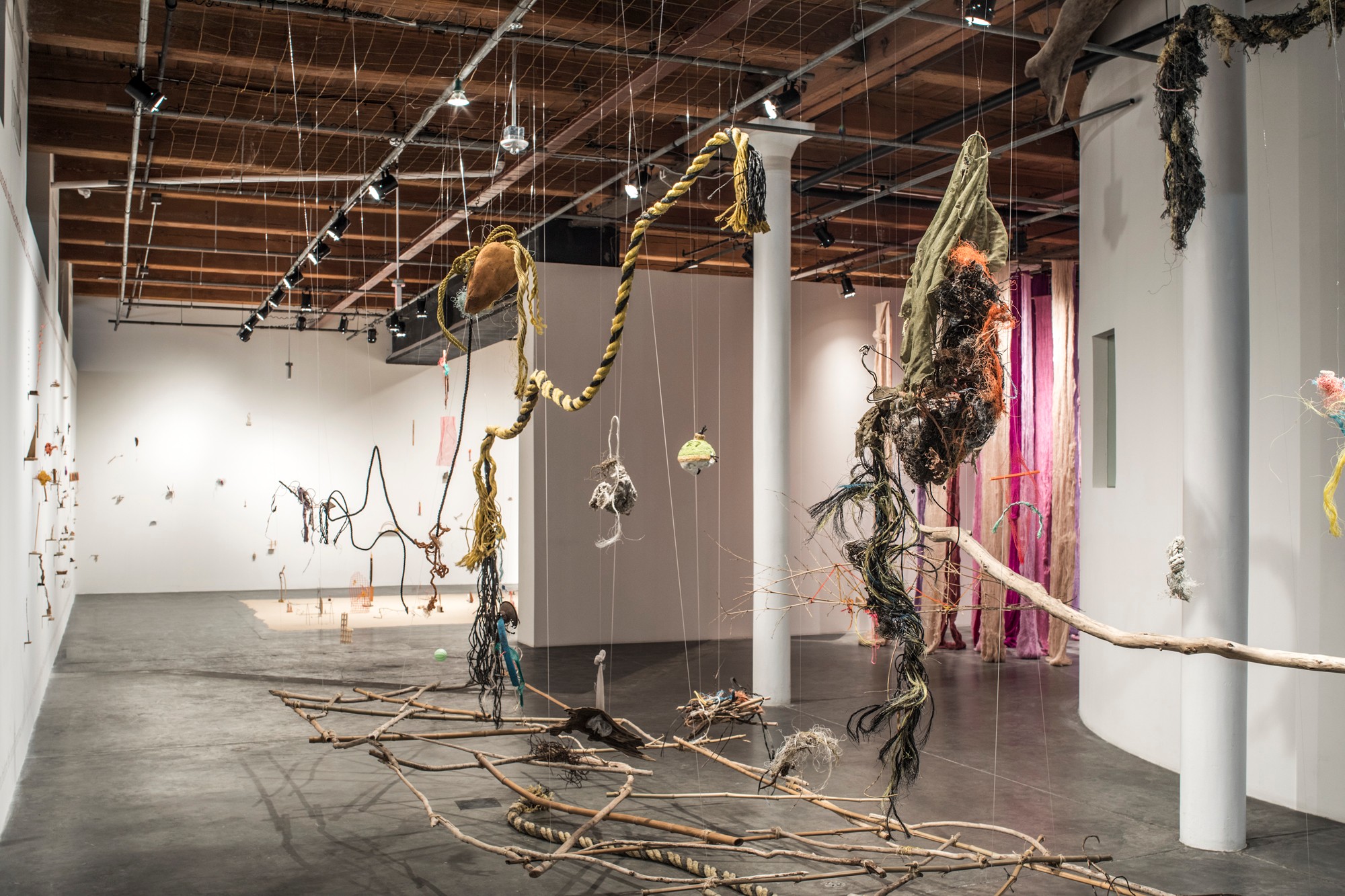
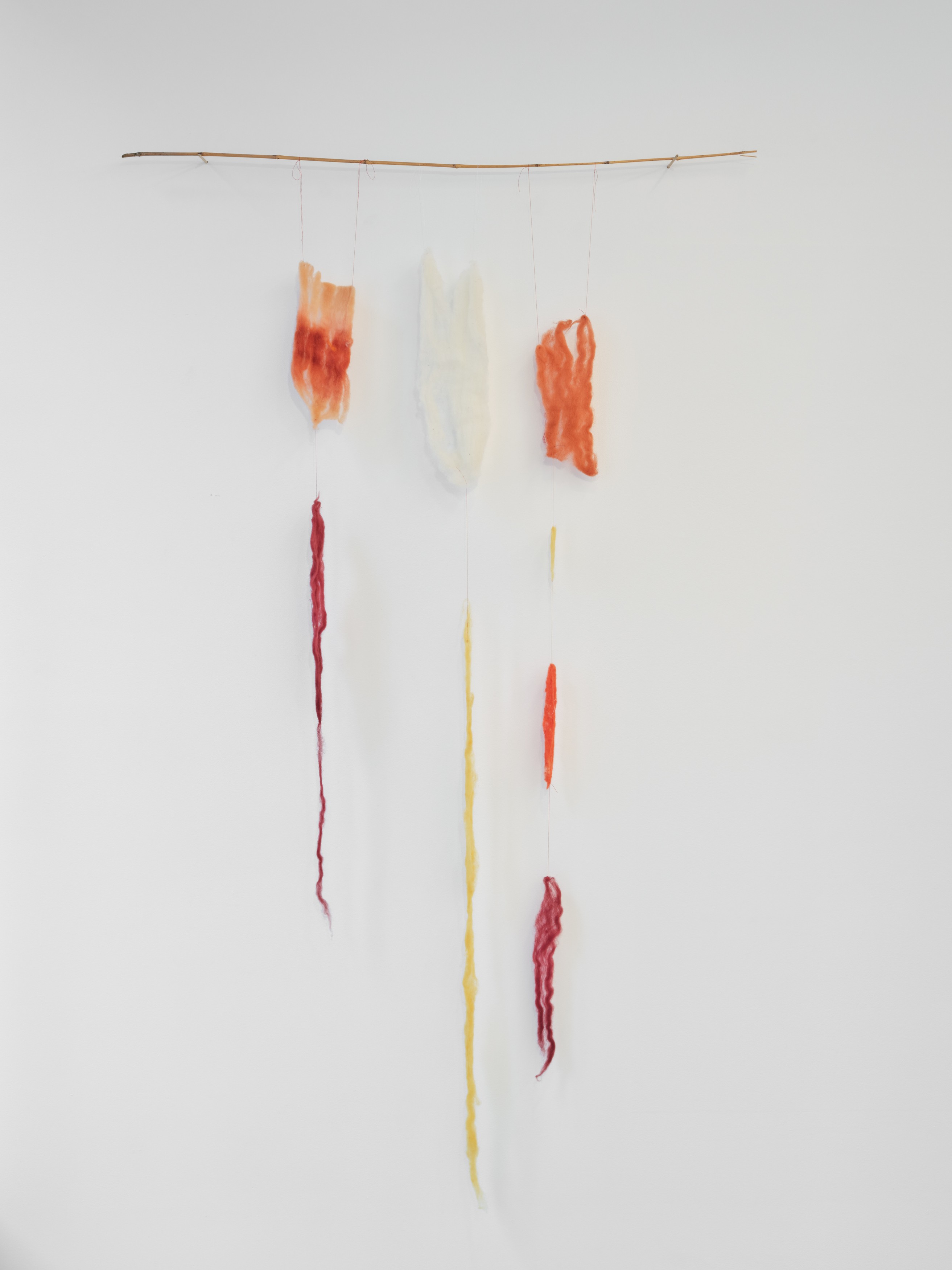
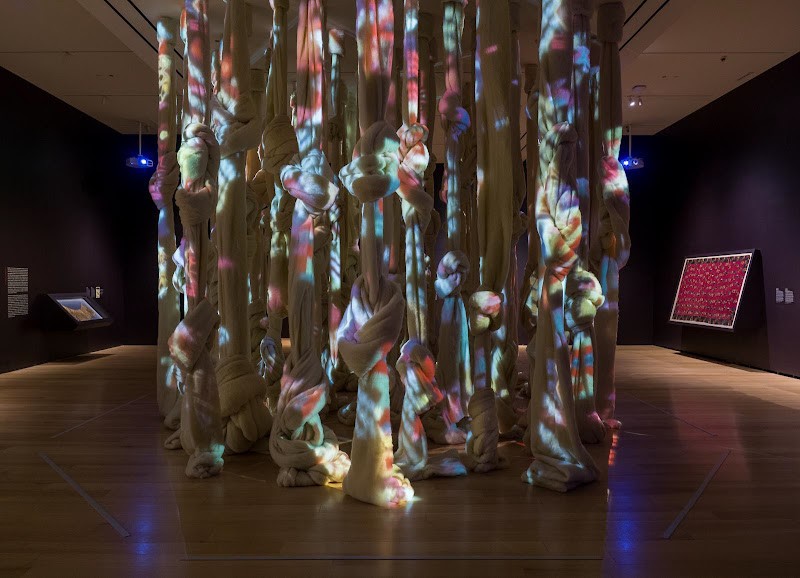
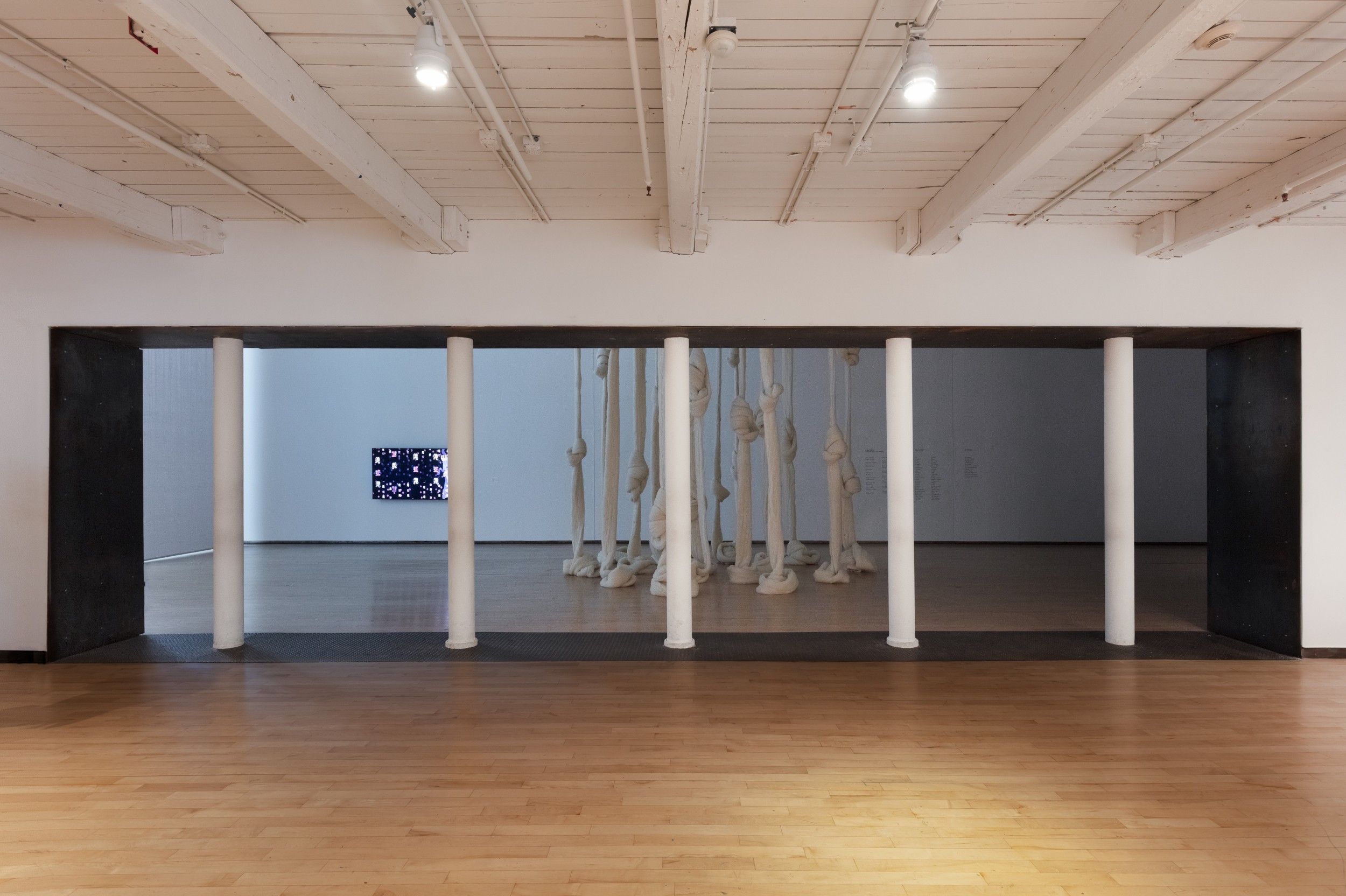
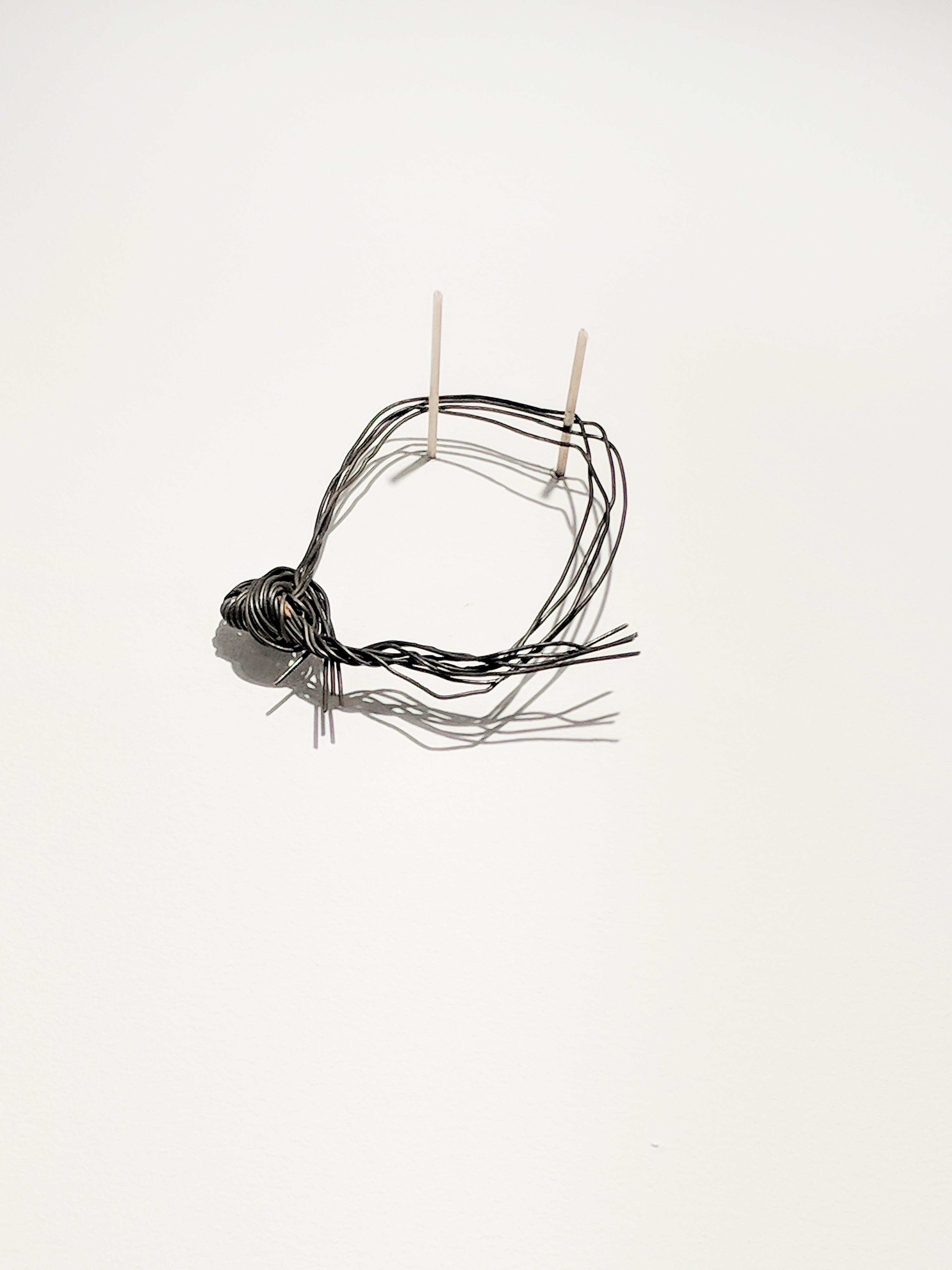
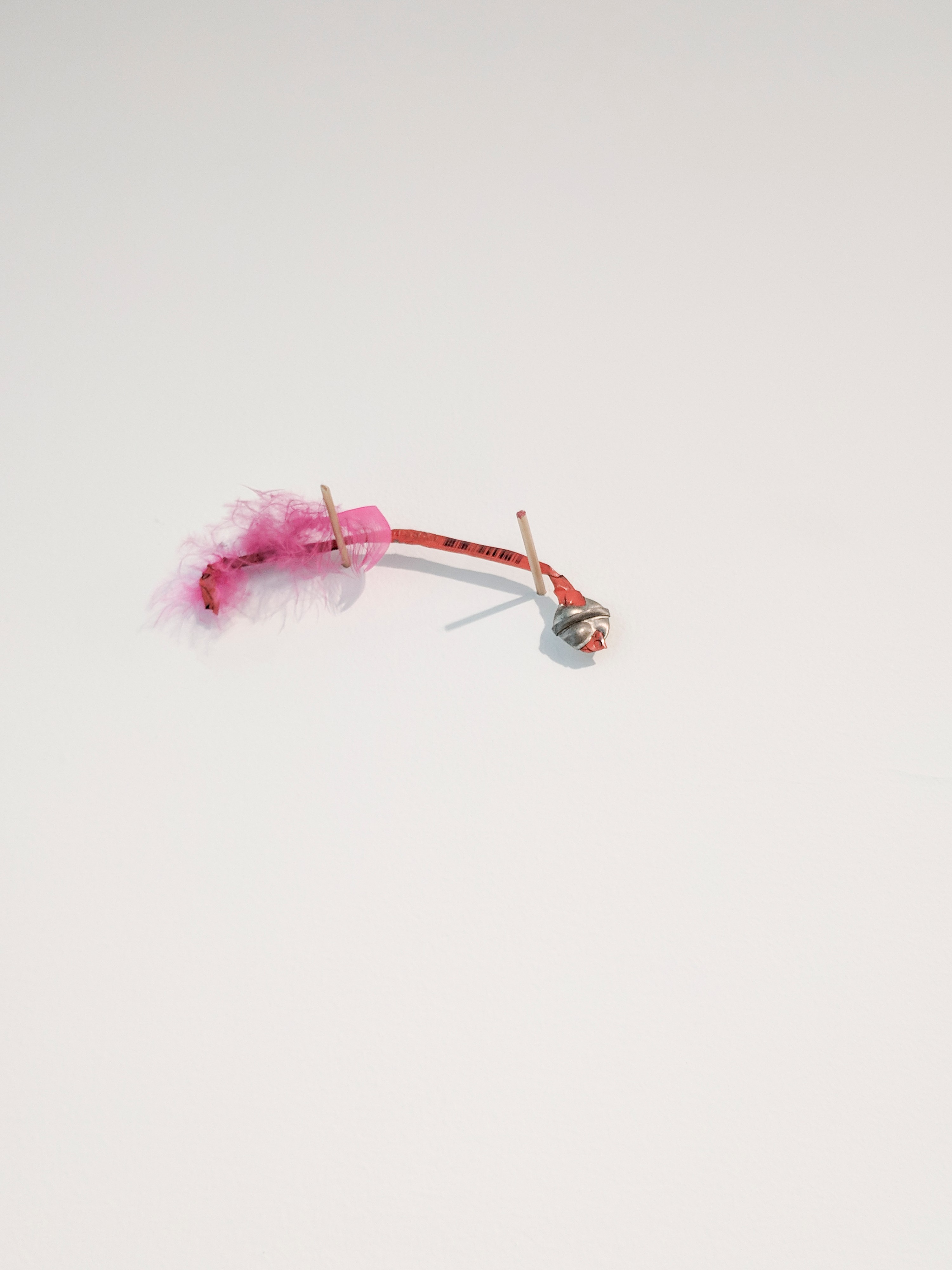
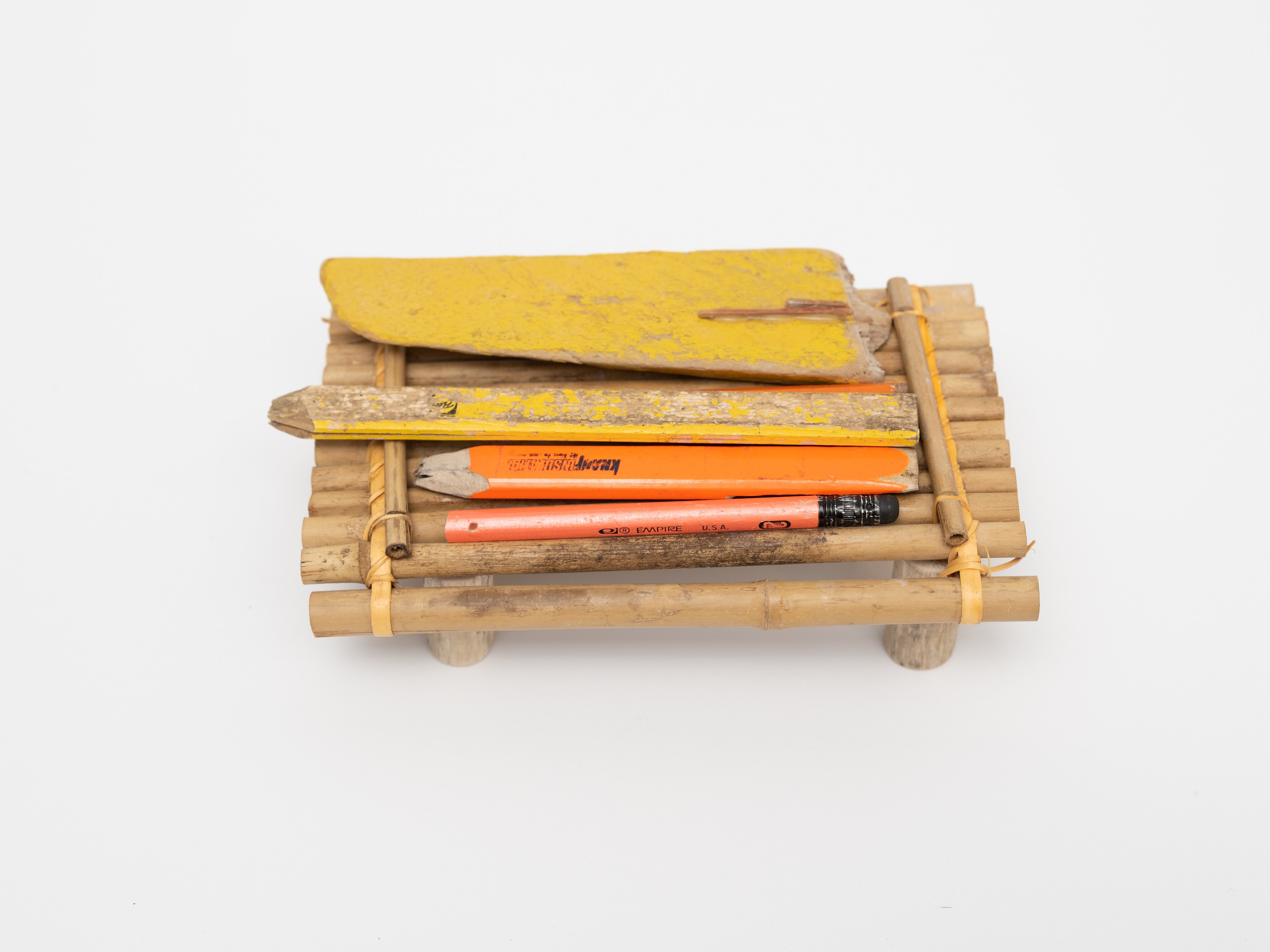
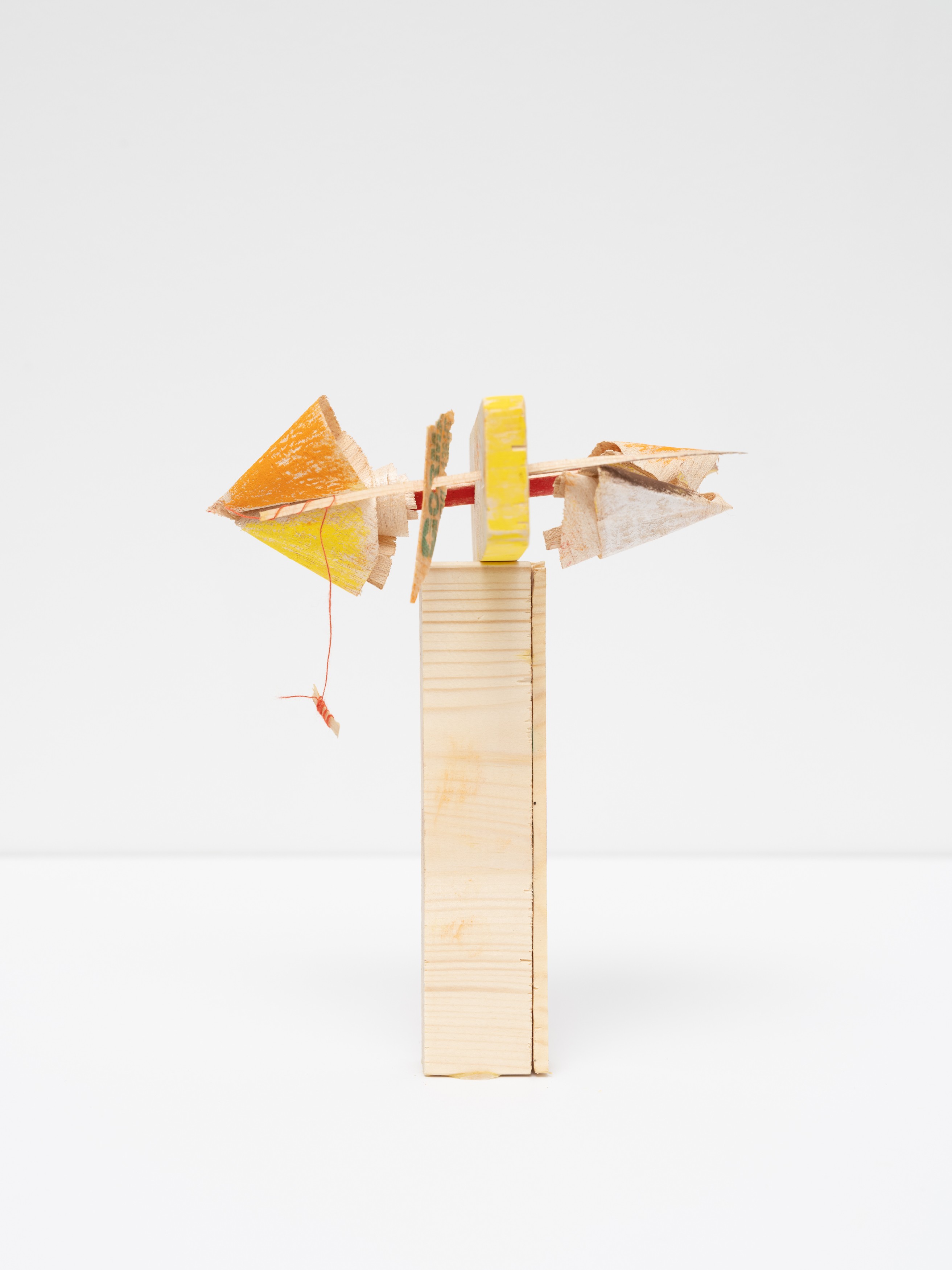
Cecilia Vicuña: union of three is rooted in the artist’s 60-year art practice of ‘precarios’ or ‘Arte Precario’—small assemblages made from discarded and fragmented materials conceptually foregrounded in ephemerality, intangibility, and evanescence. Born in 1948 in Santiago, Chile, and based in New York City, the pioneering visual artist, poet, filmmaker, and activist has focused on various political issues, from the fascist Pinochet era of Chile to the present environmental destruction. Cecilia Vicuña: union of three presents a selection of ‘precario’ and quipu sculptures, including her monumental Quipu Desaparecido 2 / Disappeared Quipu 2 (2018) and Balsa Snake Raft to Escape the Flood (2017), alongside films, texts, and sound. 

The core of Cecilia Vicuña: union of three rests in Vicuña’s humble act of ‘precarios,’ where she wove into the wet sand of the beach with sticks and debris in Con cón, Chile. Her physical prayer transformed into evocations of memory and actions of the minutiae, which hold the possibility of what was, is, and could be. Vicuña’s conceptual gesture foregrounded the vulnerability of contemporary political situations through overlooked detritus materials. This action introduced notions of interconnectedness by embracing organic trash forms and revaluing them with meaning. 

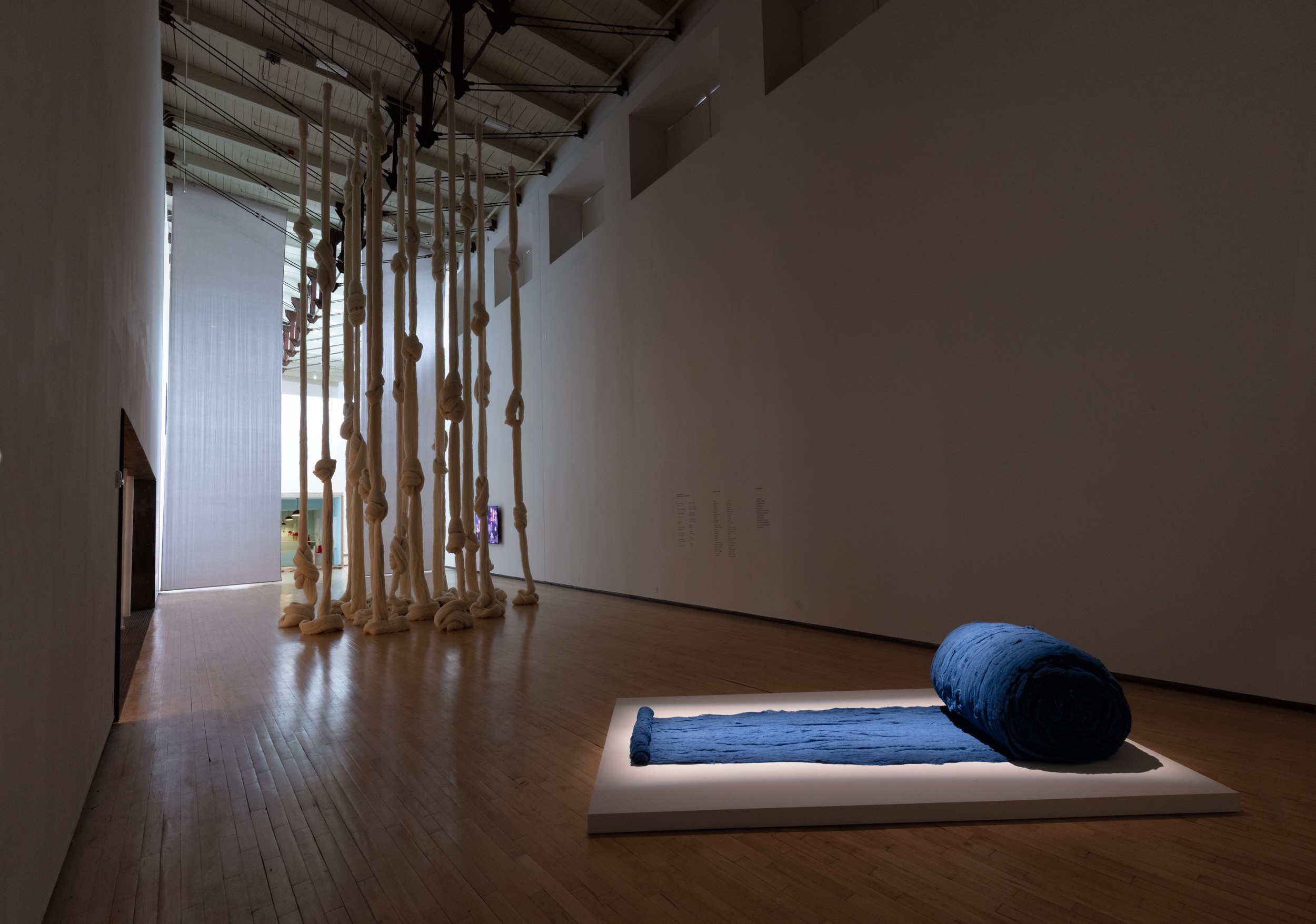
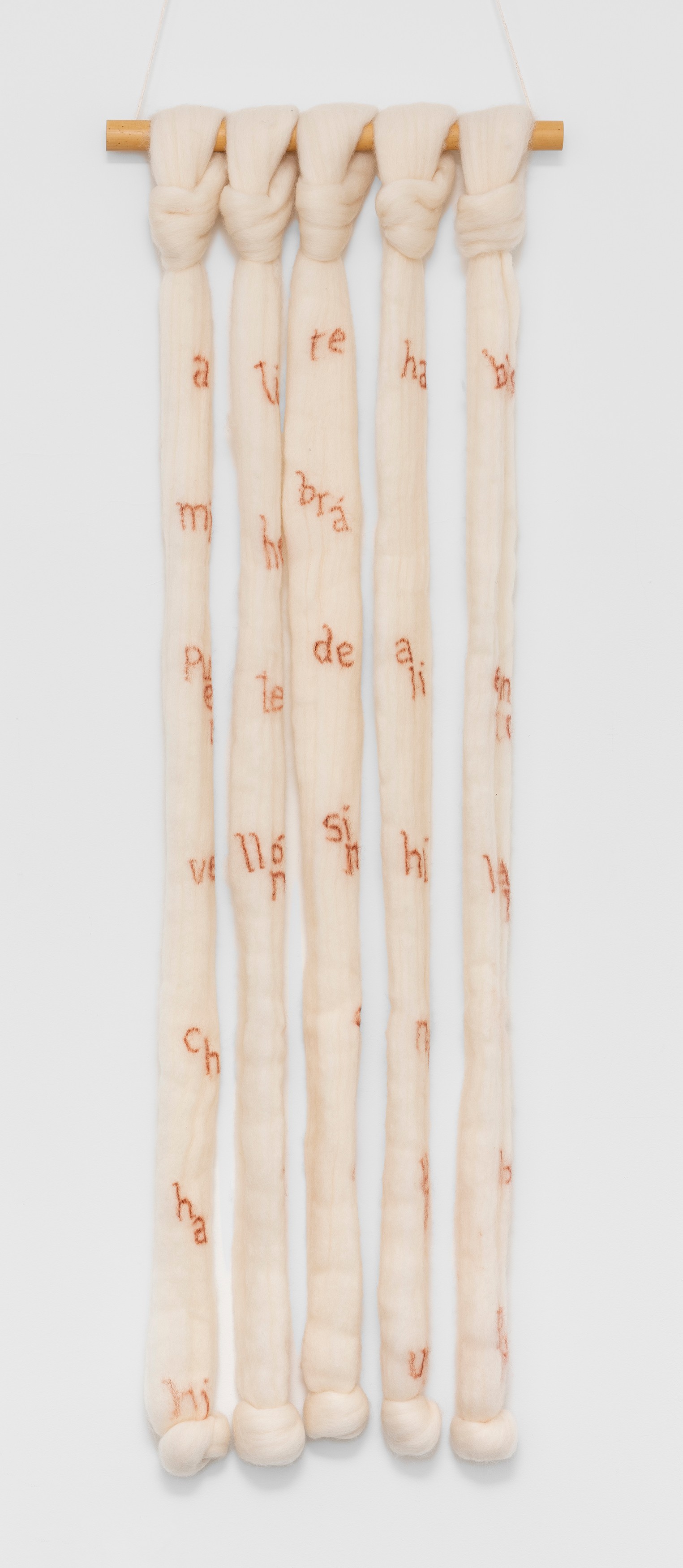
Much of Vicuña’s practice has channeled Andean epistemology, histories, and knowledge of reciprocal love and wisdom in relation to the environment. Vicuña’s Quipu Desaparecido 2 / Disappeared Quipu 2 (2018), an installation of natural white unspun wool with sound and video, consists of the artist’s chants, poems, and photographic imagery of Andean textiles spanning fourteen hundred years selected by Vicuña from the Brooklyn Museum and Museum of Fine Arts Boston’s Andean textile Collections. This work is part of the series “quipus for the future,” which honors Andean culture and resilience against colonialism. Historically, the quipu was an ancient Andean communication device made of knotted spun string used to record the everyday history, data, and narratives of Indigenous societies. Forbidden and, at times, destroyed by Spanish colonial rule, the quipus persevered in secret as a fugitive act of resistance to colonialism’s domination and violence. 

Installation view of Cecilia Vicuña at MASS MoCA
Installation Views: 1 of 3
Installation by Cecilia Vicuña

Cecilia Vicuña

Caracol Azul (Blue Snail), 2017

Precarios by Cecilia Vicuña

Cecilia Vicuña

Balsa Snake Raft to Escape the Flood, 2017

Quipus by Cecilia Vicuña

Cecilia Vicuña

Quipu Desperado, 2018

Painting by Cecilia Vicuña

Cecilia Vicuña

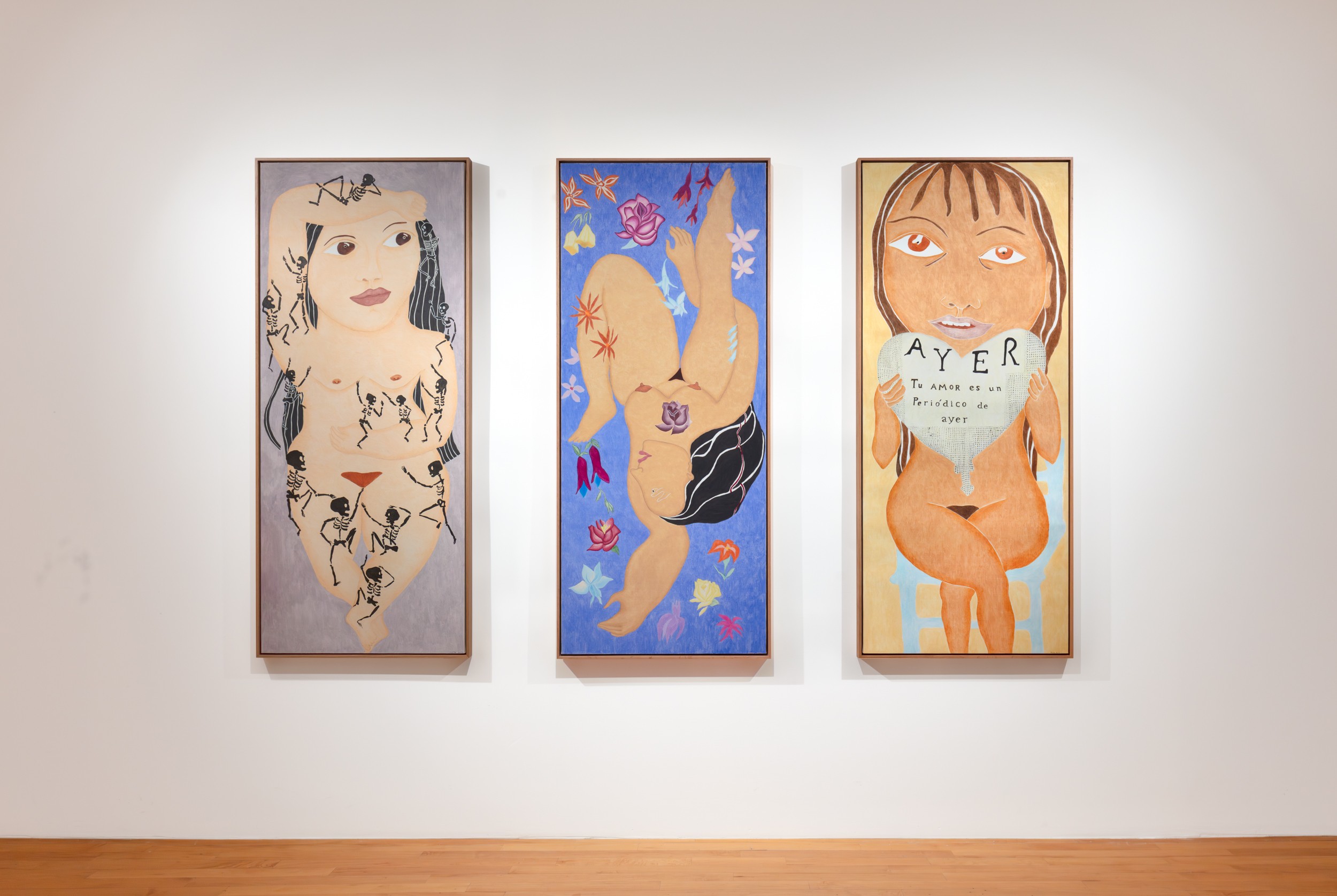
La Habana, 1978/2024

Painting by Cecilia Vicuña

Cecilia Vicuña

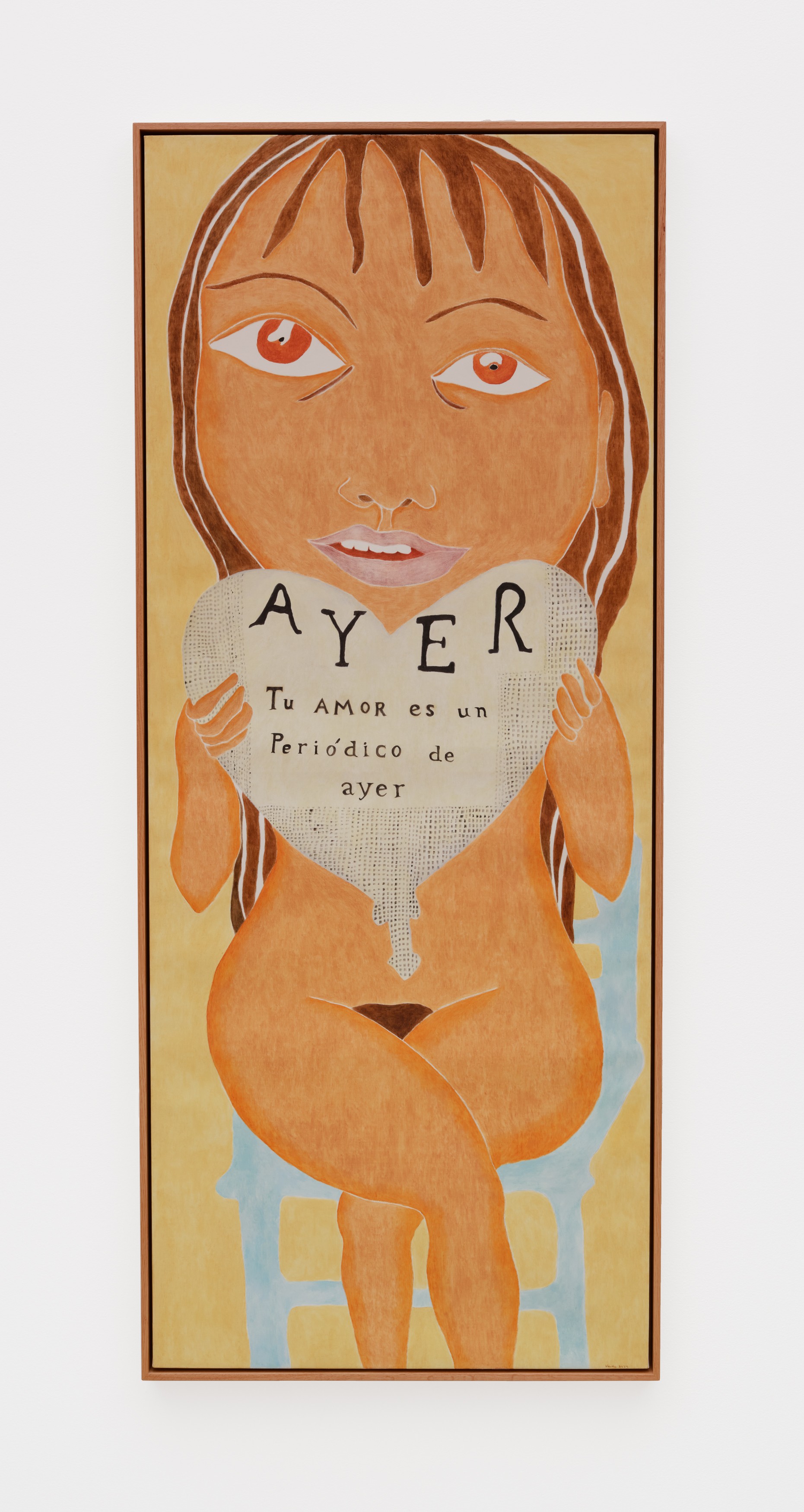
Periódico de Ayer, 1978/2024

Precarios by Cecilia Vicuña

Cecilia Vicuña

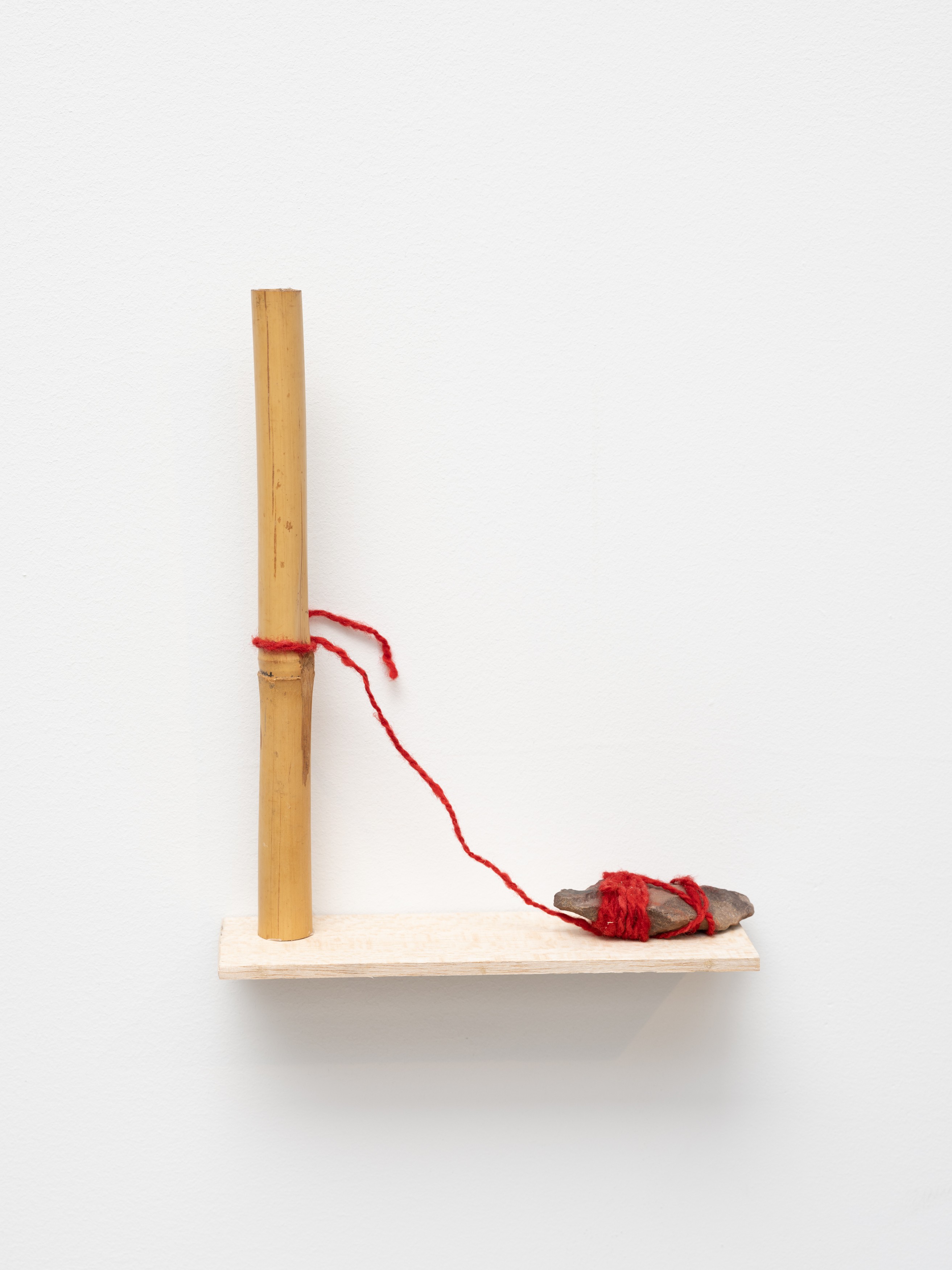
Huso de piedra (Precarios), 2009

Film still by Cecilia Vicuña

Cecilia Vicuña

Semiya (Seed Song), 2015

Work on paper by Cecilia Vicuña

Cecilia Vicuña

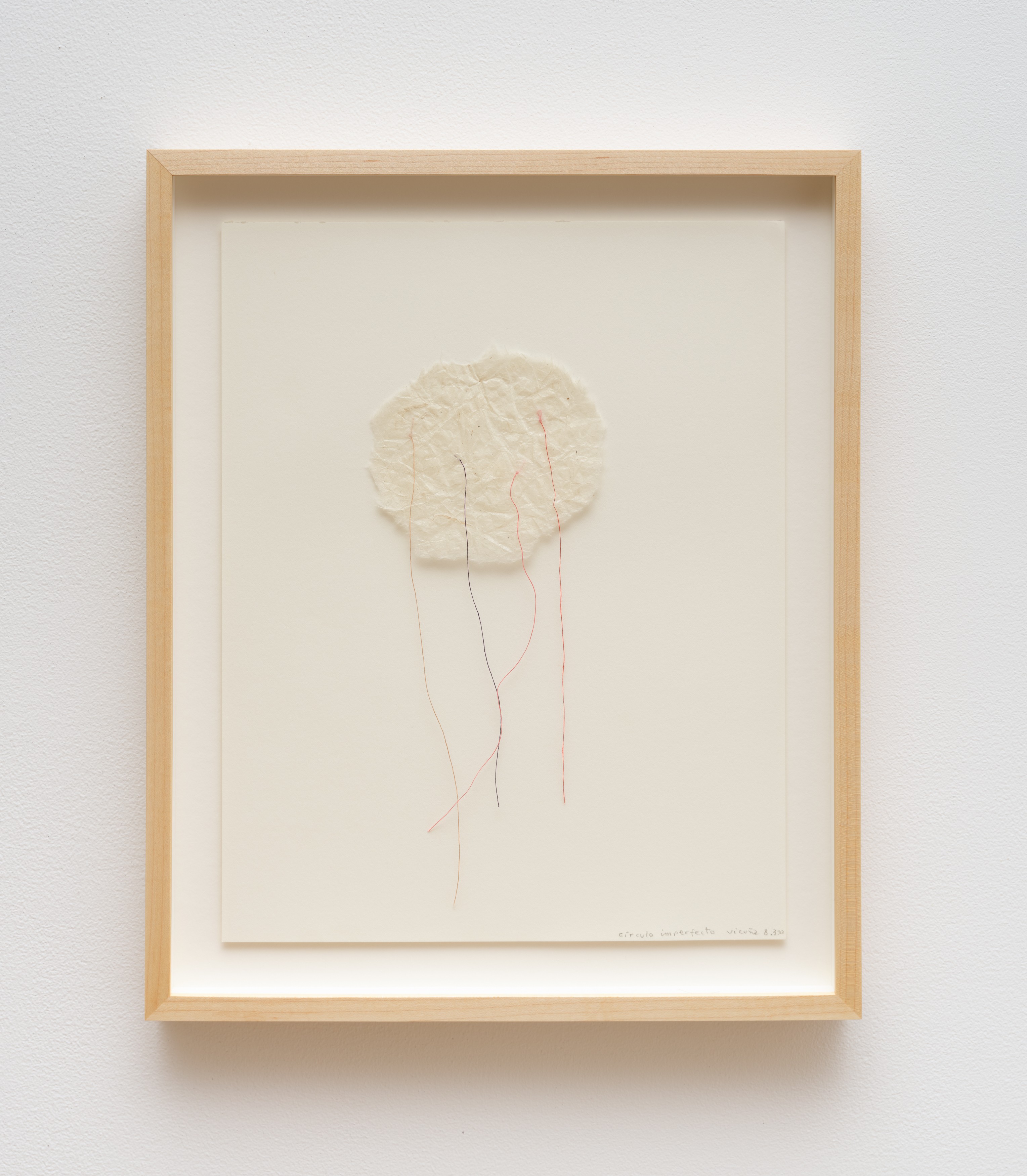
Circulo imperfecto, 2020

Work on paper by Cecilia Vicuña

Cecilia Vicuña

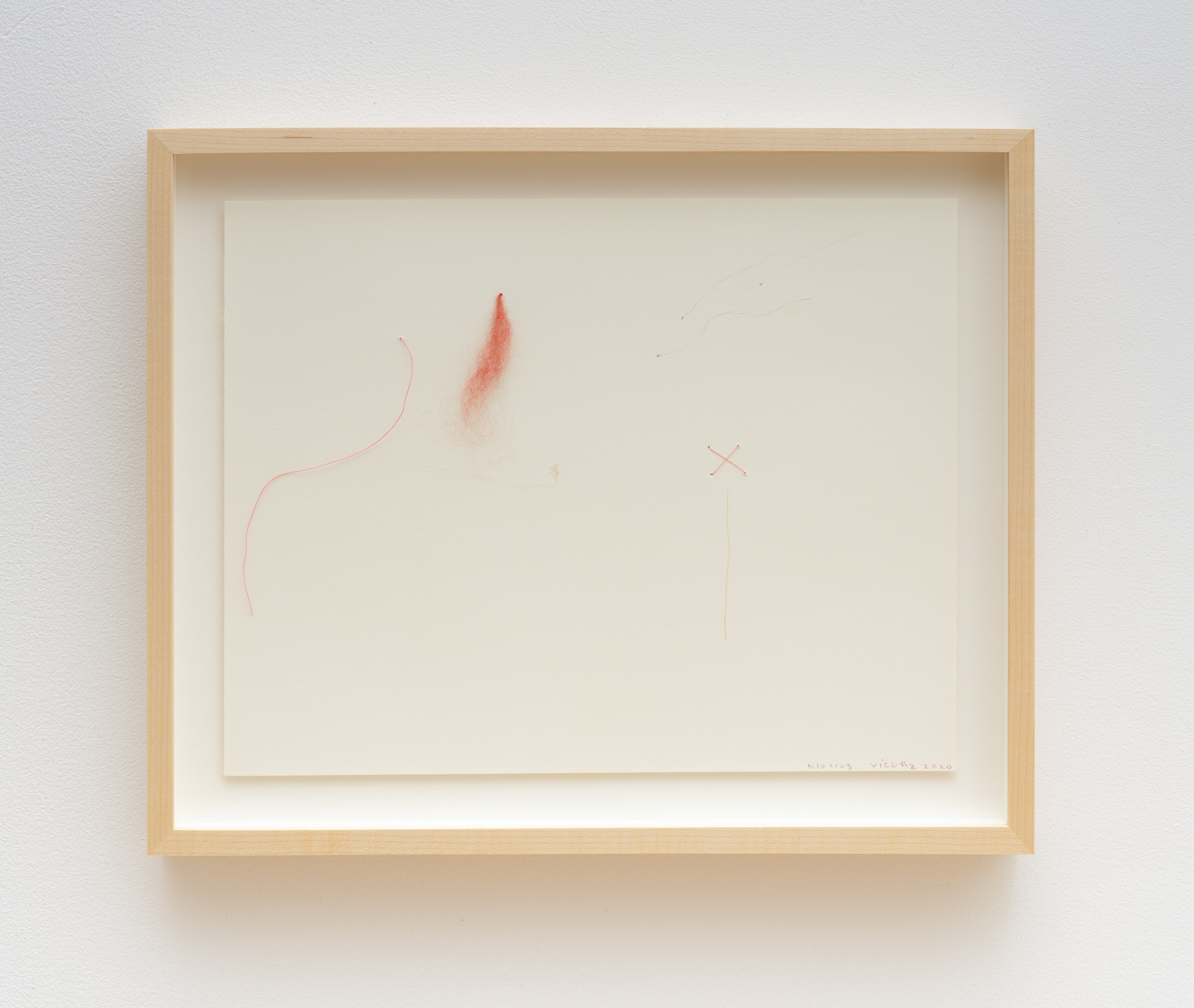
Hilo cruz, 2020

Quipu by Cecilia Vicuña

Cecilia Vicuña

Quipu Desaparecido 2 / Disappeared Quipu 2, 2018

Painting by Cecilia Vicuña

Cecilia Vicuña

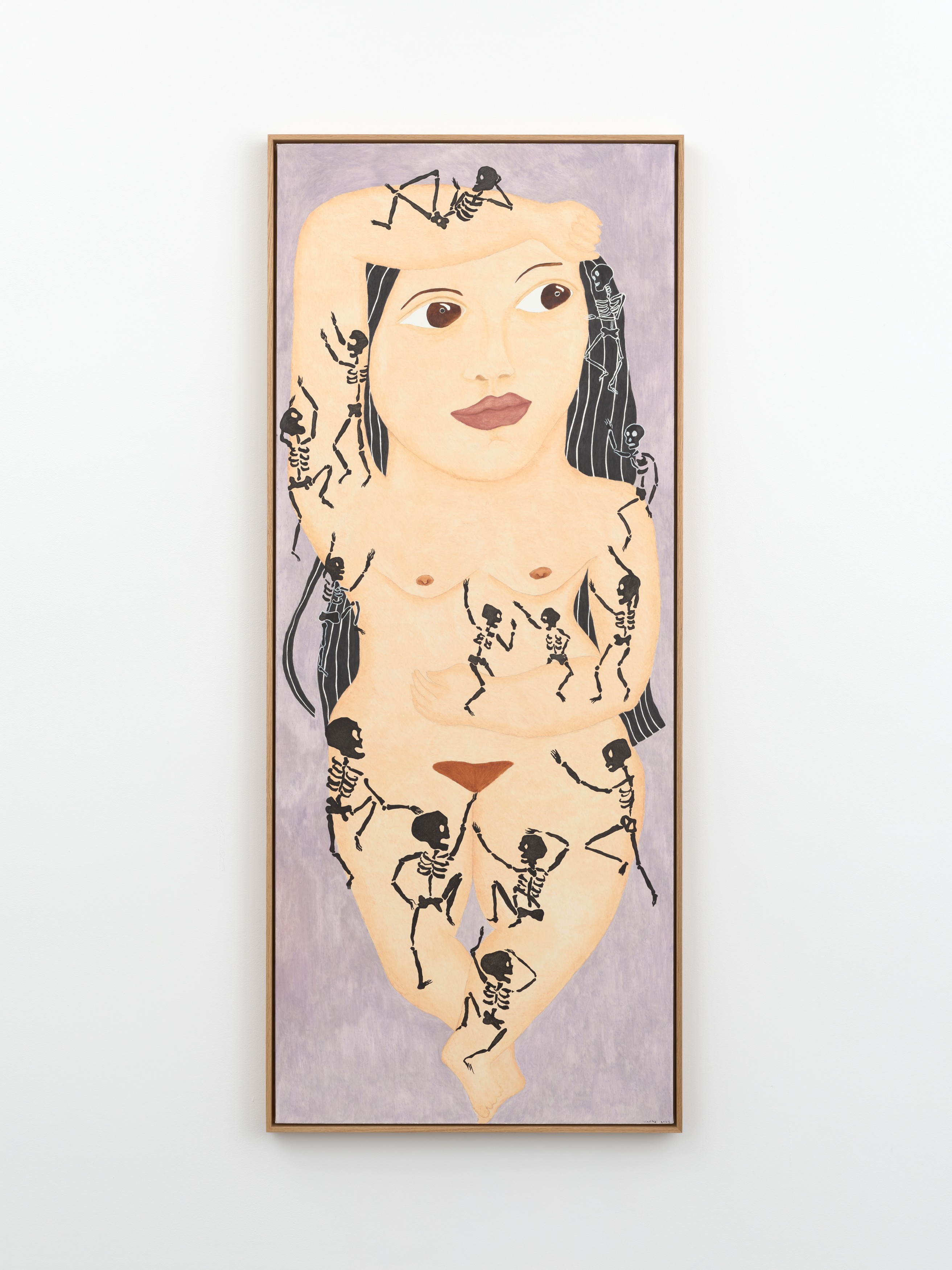
Twist del esqueleto, 1978/2024

Quipu by Cecilia Vicuña

Cecilia Vicuña

Chanccani Quipu, 2012

Installation by Cecilia Vicuna
Precarios by Cecilia Vicuña

Cecilia Vicuña

Nudo aplastado (Precarios), 2014

Precarios by Cecilia Vicuña

Cecilia Vicuña

Pájaro telefónico (Precarios), 2000

Precarios by Cecilia Vicuña

Cecilia Vicuña

Lapicitos New York (Precarios), 2017

Precarios by Cecilia Vicuña

Cecilia Vicuña

Niño alado (Precarios), 2019

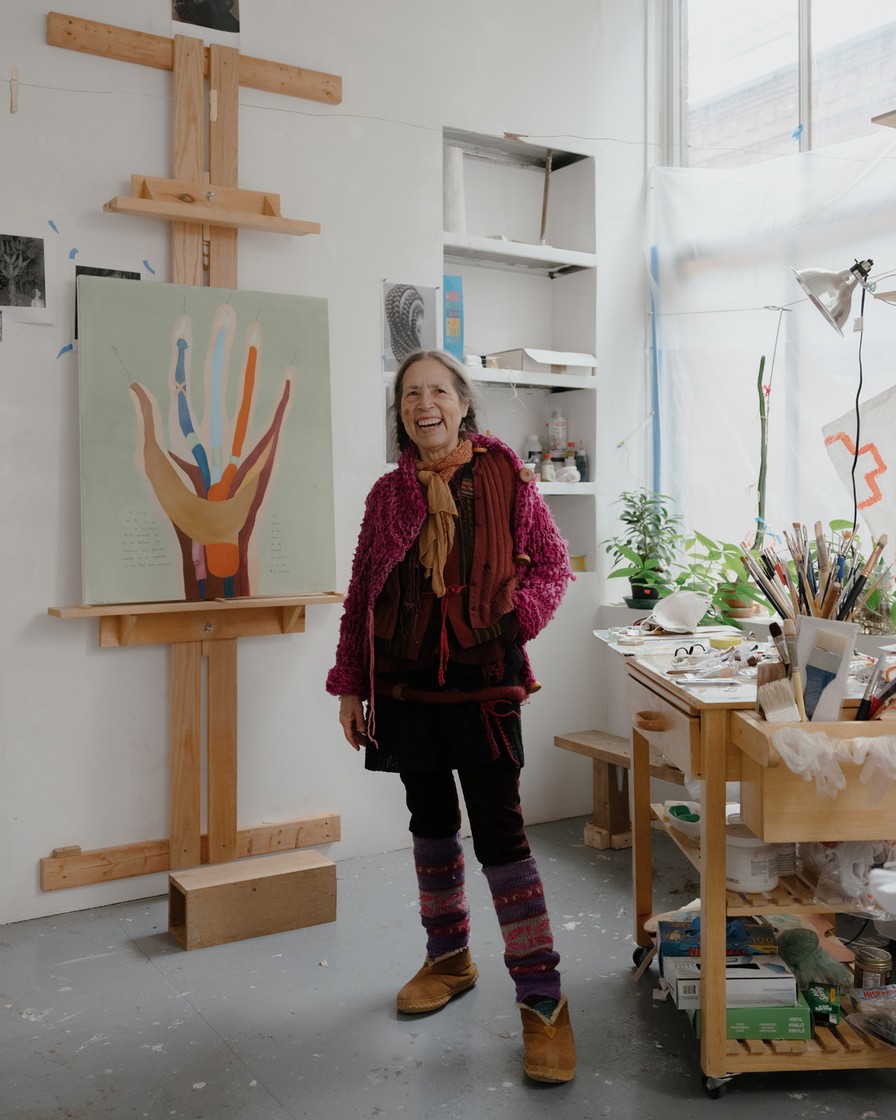
Portrait of Cecilia Vicuña

Cecilia Vicuña (b. 1948 in Santiago, Chile; lives and works in New York, NY and Santiago, Chile) integrates practices of poetry, performance, Conceptualism, and textile craft in response to pressing concerns of the modern world, including ecological destruction, human rights, and cultural homogenization. Born and raised in Santiago, she was exiled during the early 1970s after the violent military coup against President Salvador Allende. This sense of impermanence, and a desire to preserve and pay tribute to the indigenous history and culture of Chile, have characterized her work throughout her career.

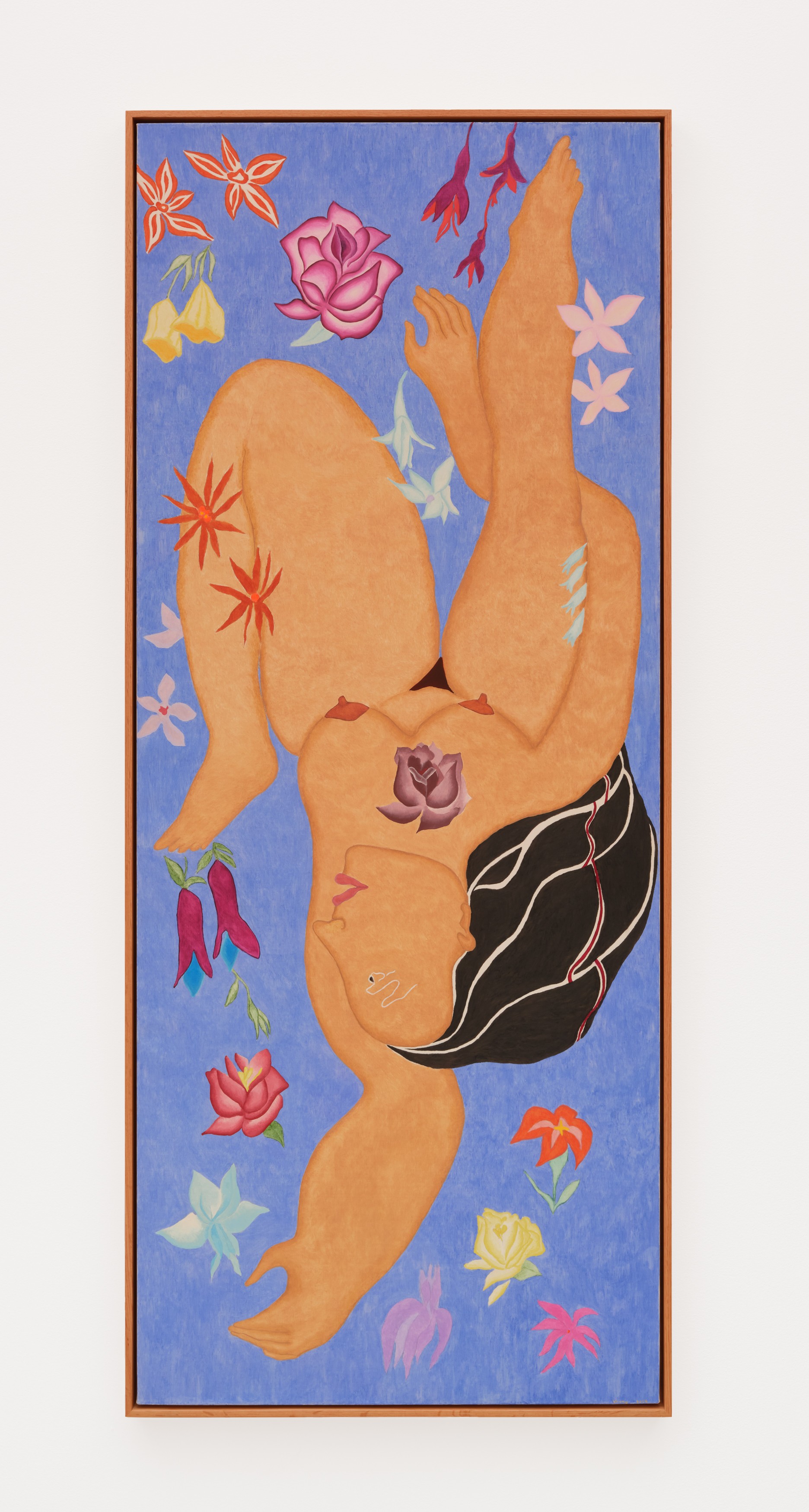
While living in Chile during the mid-1960s, Vicuña began an ongoing series of small sculptures she calls precarios, spatial poems in which she combines feathers, stone, plastic, wood, wire, shells, cloth, and other human-made detritus. She coined the term “Arte Precario,” as an independent autonomous category, to name these works defined by their fragility and ephemerality: Vicuña initially composed the precarios along the ocean’s edge, for high tide to complete the work by erasing it. Around the same time, Vicuña came across ancient quipus in a book—and this Andean communication system involving the knotting of colored strings, generated a deep response in her. In the early 1970s she began creating spatial weavings and living quipus, which evolved into her Quipus in multiple materials, including unspun wool. These ephemeral, site-specific installations combine the tactile ritual of weaving with assemblage, poetry, and performance. Vicuña’s surreal figurative paintings of the late 1960s and 1970s are more explicitly personal and political in comparison to her other bodies of work and were created in direct response to European colonization. Their highly charged imagery refers to the subtly subversive images made by 16th-century indigenous artists in Latin America after the Spanish conquest, when they were forced to paint angels and saints for the Catholic church. In Vicuña’s paintings, religious icons are replaced by personal, political, and literary figures, commemorated and mythologized by the artist.

Learn about the artist