Skip to content

Cecilia Vicuña, Leonora Carrington

New York

Nov 19–Dec 19, 2026

Leonora Carrington and Cecilia Vicuña

501 West 24th Street

New York, NY 10011

Lehmann Maupin and Gallery Wendi Norris are pleased to announce Leonora Carrington & Cecilia Vicuña, an exhibition placing the work of these two pioneering artists into dialogue for the first time. This two-part exhibition will open at Lehmann Maupin in New York on November 19, before traveling to Gallery Wendi Norris in San Francisco in January 2027. Featuring new works by Vicuña alongside historical works by Carrington, the exhibition traces a profound affinity between two artists who turn to myth, transformation, and the imagination as means of challenging fixed notions of the world and envisioning other ways of being. Their connection is also personal: Vicuña first met Carrington in 1969, an encounter that had a lasting impact on her practice and introduced her to a new method of painting. More than five decades later, this exhibition brings their practices into renewed conversation.

The exhibition coincides with Cecilia Vicuña: Living Threads at Whitechapel Gallery in London, the first major UK exhibition dedicated to Vicuña’s work. Though separated by geography and generation, Carrington and Vicuña share a deeply intuitive approach to the world, one that dissolves the boundaries between the human, the natural, and the imagined. Both artists draw on myth, ritual, and poetry in their work. Carrington’s mythic visions and hybrid creatures inhabit a realm where the ordinary gives way to the mysterious, while Vicuña’s poetic practice similarly activates overlooked materials, ancestral knowledge, and ecological consciousness to reveal unseen connections between all forms of life.

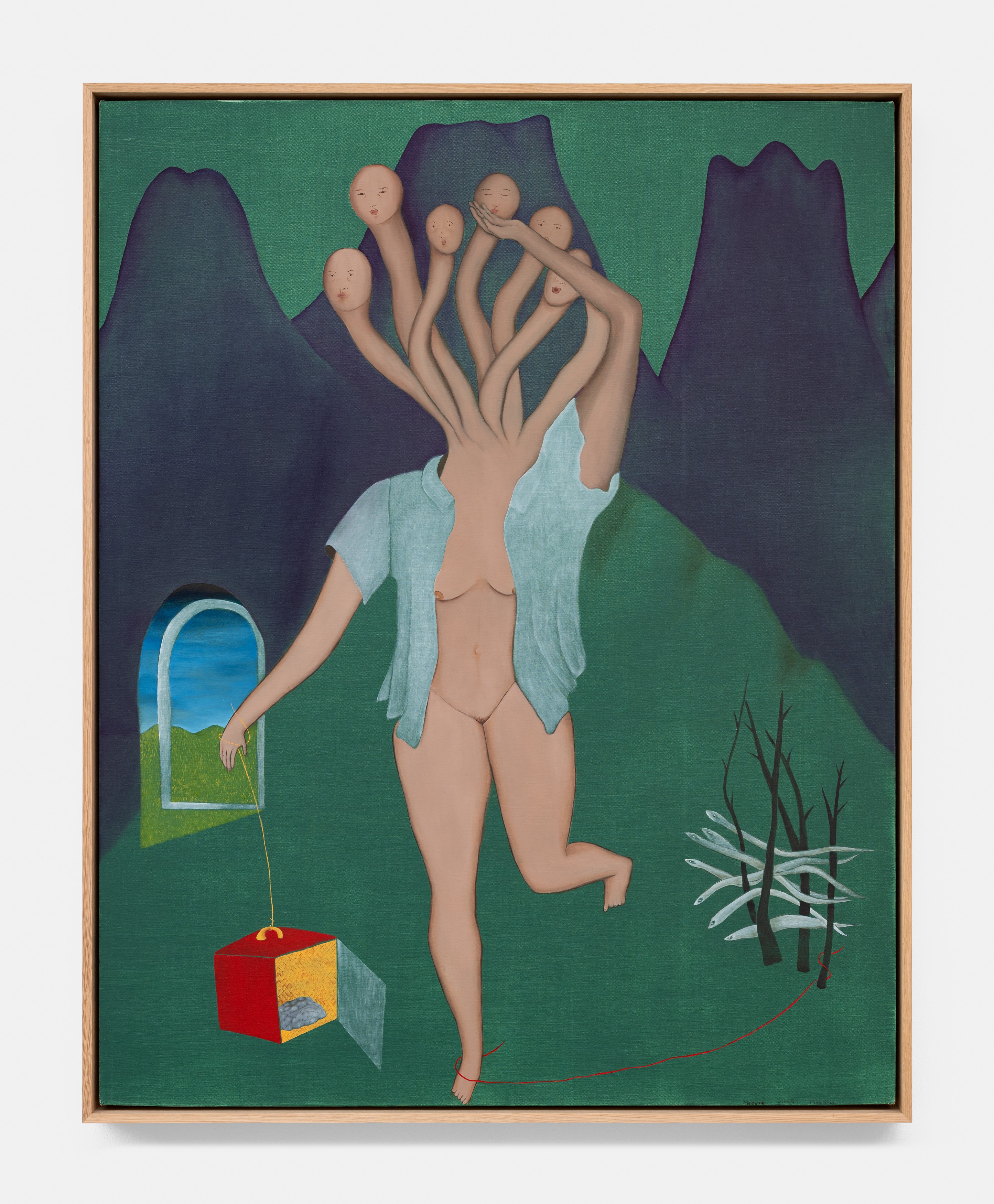
Painting by Cecilia Vicuña

Cecilia Vicuña

Medusa, 1972 / 2023

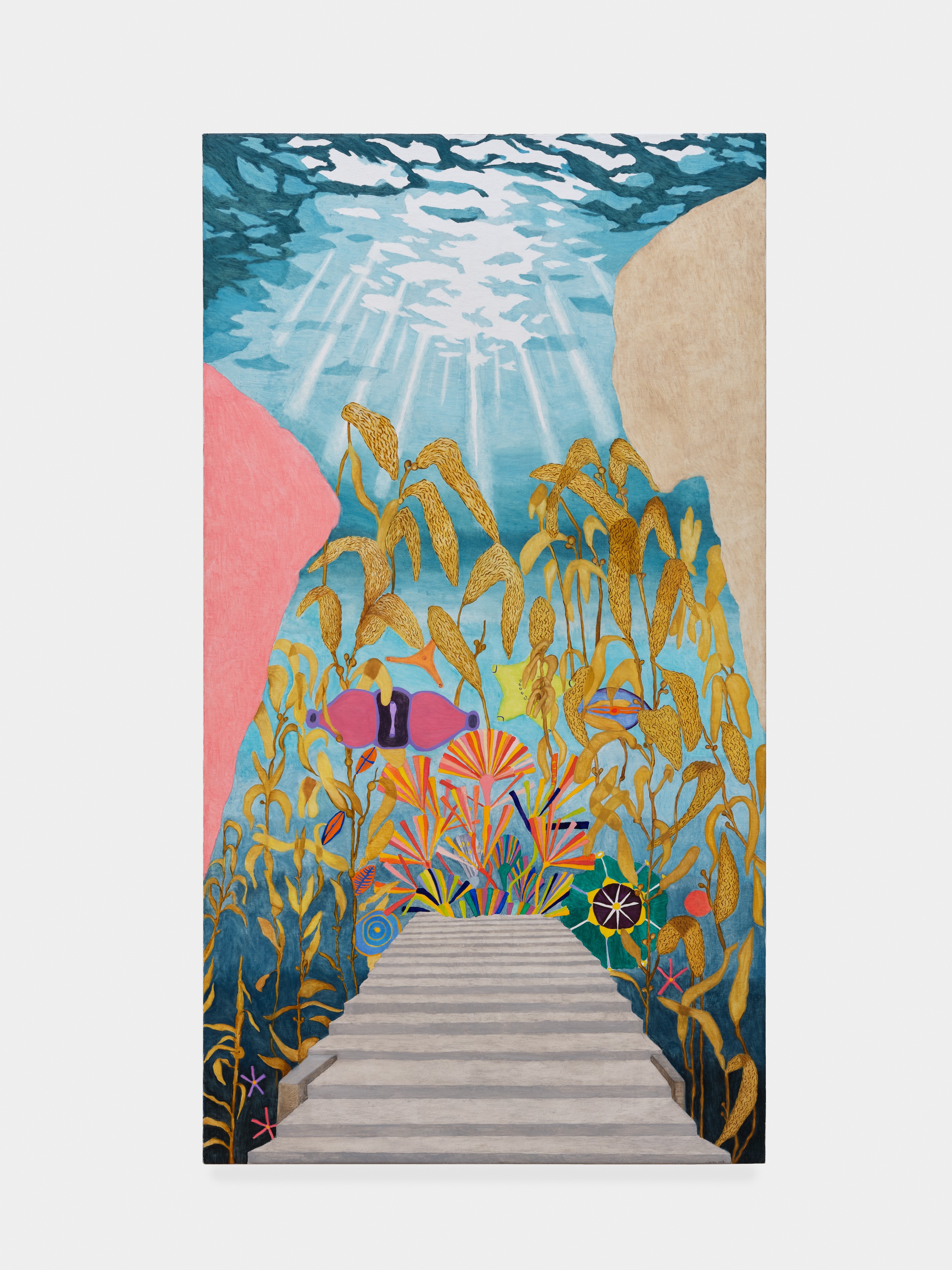
Painting by Cecilia Vicuña

Cecilia Vicuña

Polvo del Sahara/ Saharan Desert Dust, 2026

“Cecilia’s connection to Carrington is not simply an art historical one; it is woven into her own story and artistic formation. Bringing these two extraordinary women artists together offers a special opportunity to present a connection that has remained largely unexplored. As a gallery, we are committed to creating new contexts for artists whose contributions have been historically underrecognized. This exhibition expands the understanding of Cecilia’s work in a meaningful way.” —Rachel Lehmann, Lehmann Maupin

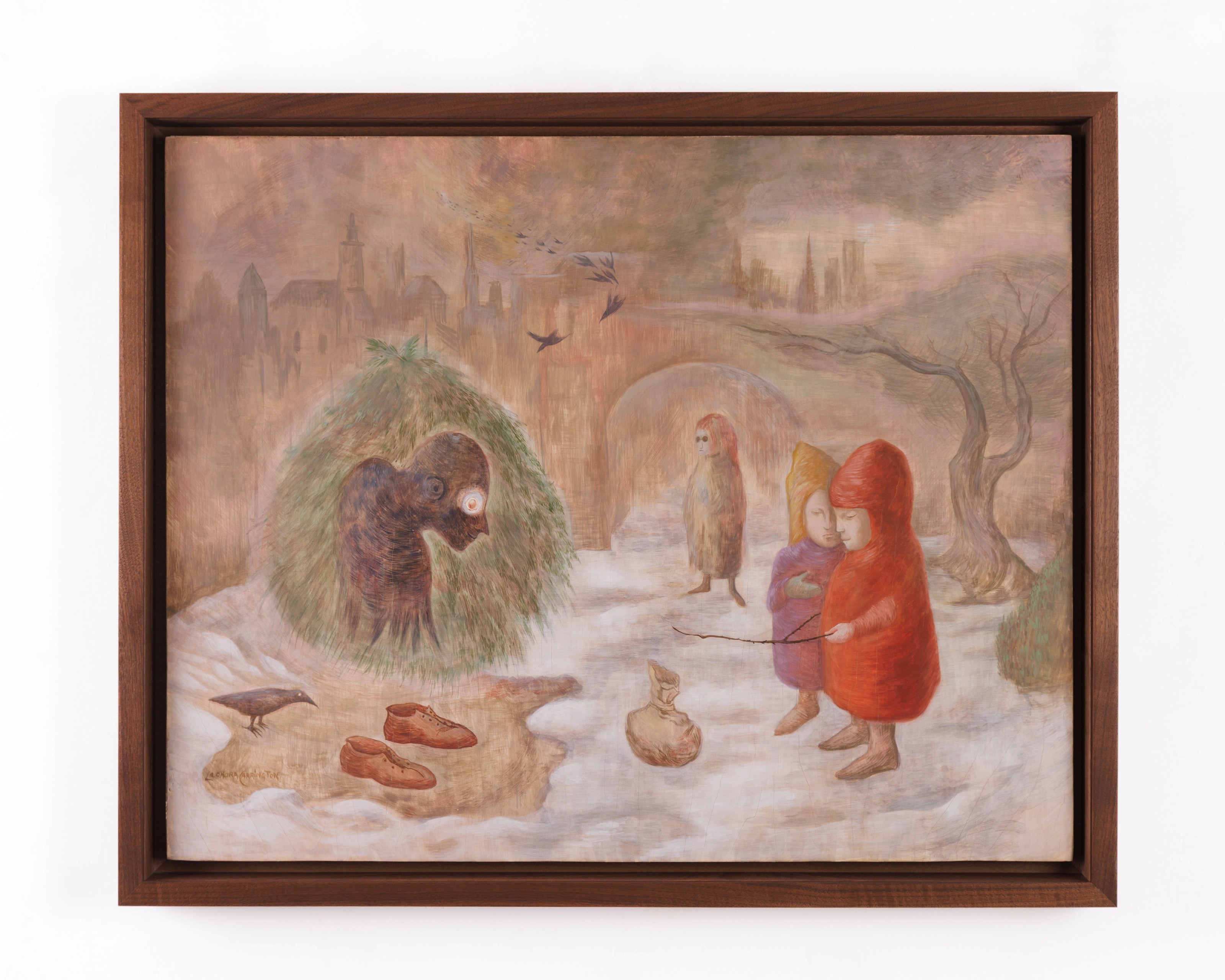
Painting by Leonora Carrington

Leonora Carrington

Eye Witness, 1987

“For more than two decades, we have championed Leonora Carrington’s legacy through scholarship and programming, by introducing her to new audiences around the world, and by placing her work in dialogue with the great artists of her time and ours. The Carrington works we have brought together for this exhibition trace a line from Mexico City to Cecilia’s practice today: more than fifty years later, the method that passed from Carrington to Cecilia in 1969 is still alive in her work. It is a privilege to bring our history with Carrington to this exhibition, organized with Lehmann Maupin, and to welcome it to San Francisco in January.” —Wendi Norris, Gallery Wendi Norris

Work by Leonora Carrington

Leonora Carrington

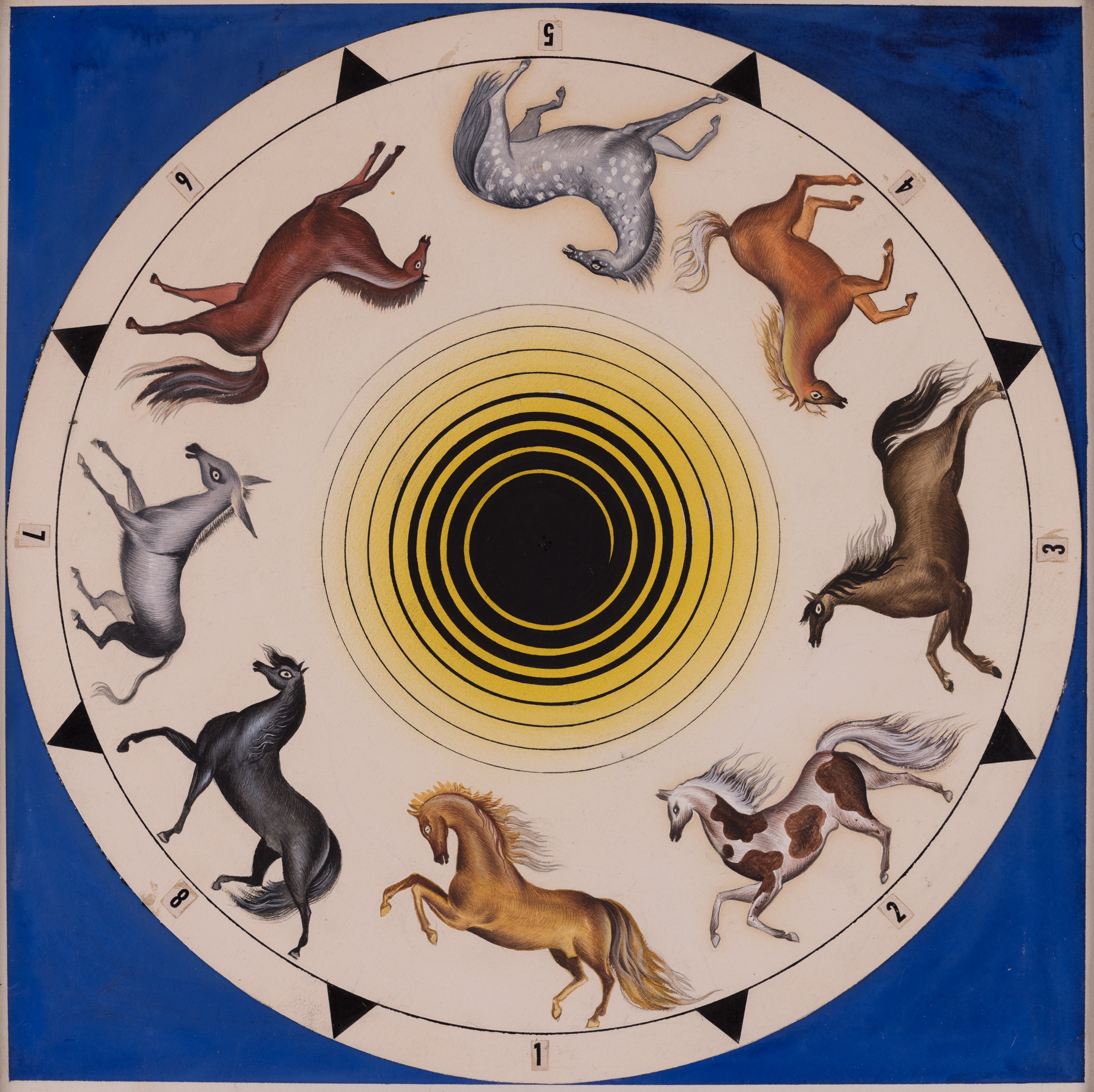
Rueda de los caballos (preliminary drawing), 1954

Leonora Carrington was born in 1917 in Lancashire, England, and passed away in 2011 at the age of 94 in Mexico City, Mexico. A leading artist of the 20th century, Carrington incorporated painting, drawing, sculpture, textiles, printmaking, and writing into a body of work produced throughout her nearly seven-decade career.

Carrington's work is held in museum collections worldwide, including The Museum of Modern Art, New York; San Francisco Museum of Modern Art; The Metropolitan Museum of Art, New York; Tate, London; National Museum of Women in the Arts, Washington, D.C.; Peggy Guggenheim Collection, Venice; National Galleries of Scotland, Edinburgh; the Irish Museum of Modern Art, Dublin; and Museum Boijmans Van Beuningen, Rotterdam, among others.

Since 2008, Gallery Wendi Norris has presented five exhibitions, produced two scholarly publications, and collaborated with museums around the world on exhibitions of her work.

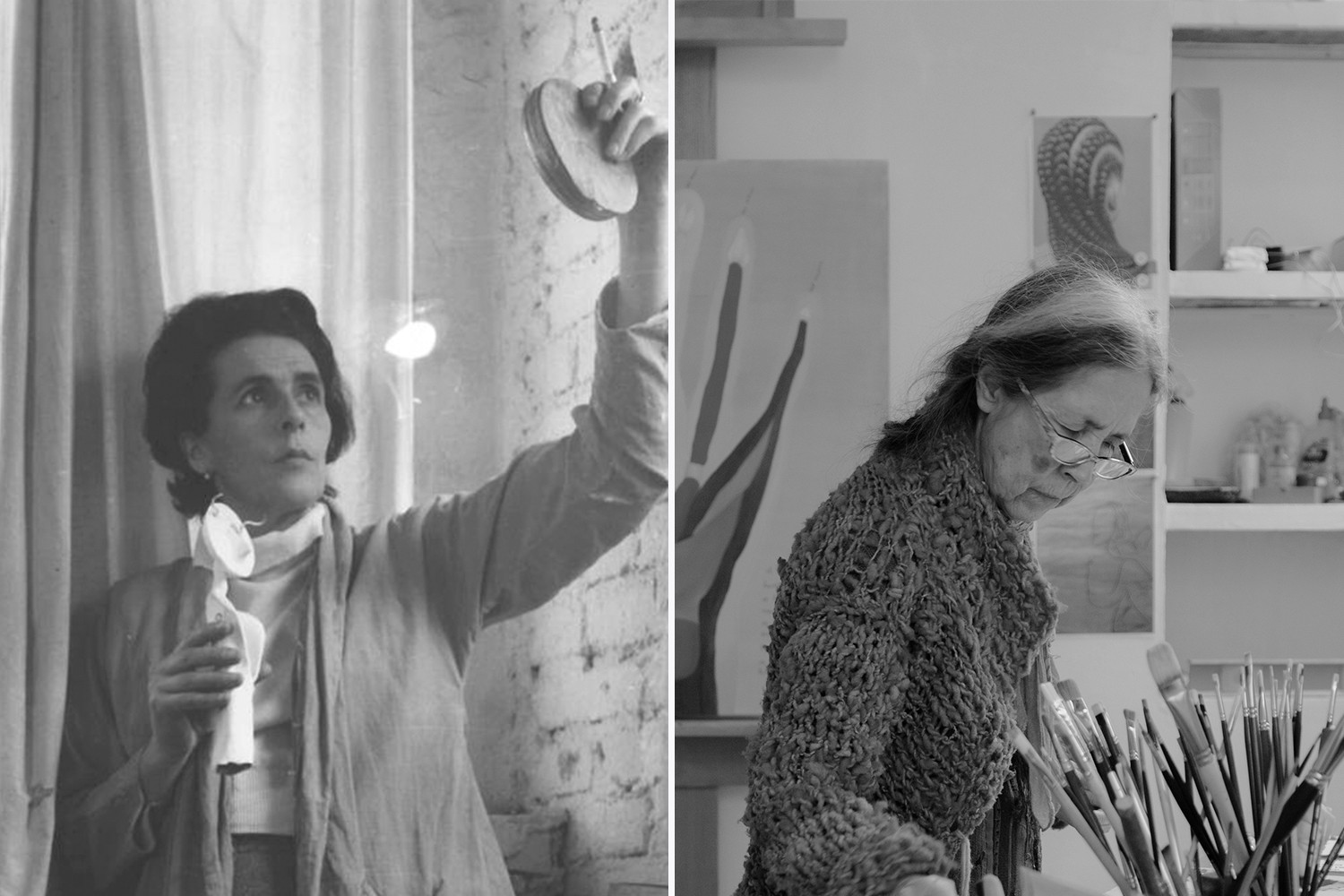
Portrait of Leonora Carrington

Leonora Carrington’s home and studio, Mexico, 1957

© Archivo Privado de Fotografía y Gráfica Kati y José Horna

About the Artist

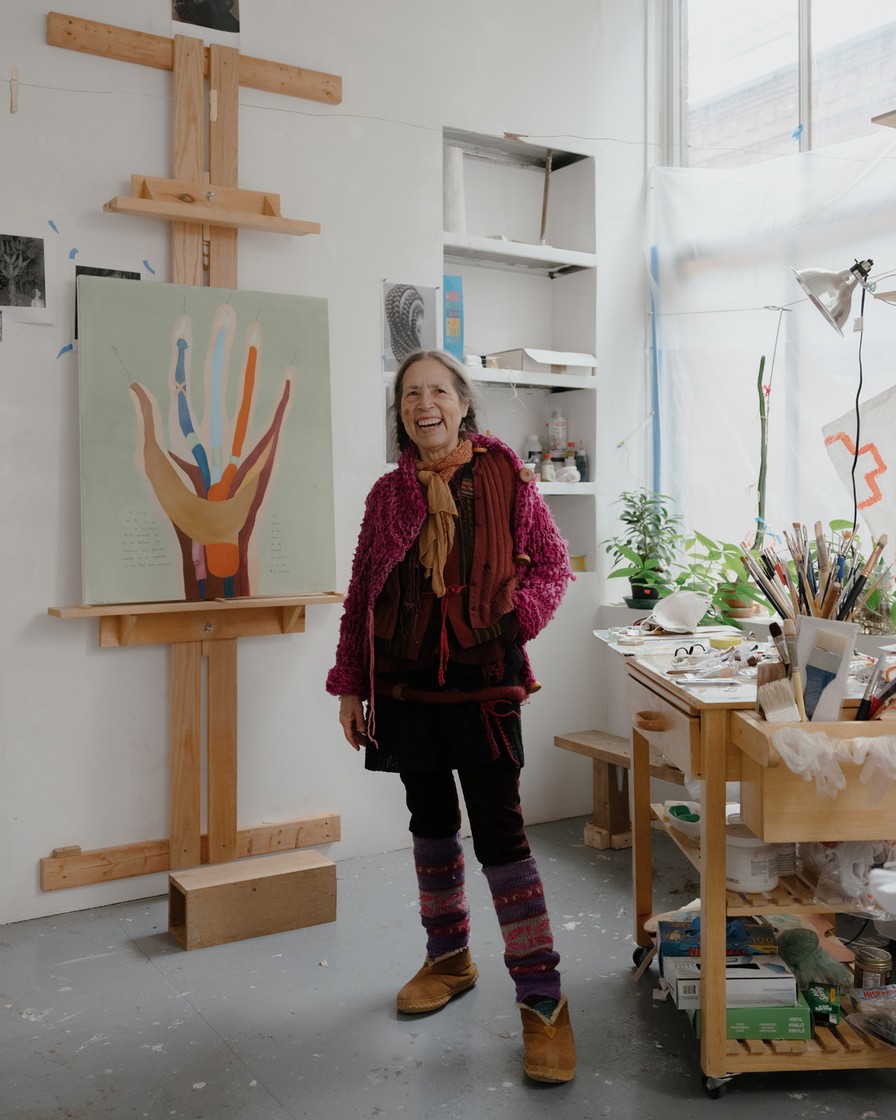
Portrait of Cecilia Vicuña

Cecilia Vicuña (b. 1948 in Santiago, Chile; lives and works in New York, NY and Santiago, Chile) integrates practices of poetry, performance, Conceptualism, and textile in response to pressing concerns of the modern world, including ecological destruction, human rights, and cultural homogenization. Born and raised in Santiago, she was exiled during the early 1970s after the violent military coup against President Salvador Allende. This sense of impermanence, and a desire to preserve and pay tribute to the indigenous history and culture of Chile, have characterized her work throughout her career.

While living in Chile during the mid-1960s, Vicuña began an ongoing series of small sculptures she calls precarios, spatial poems in which she combines feathers, stone, plastic, wood, wire, shells, cloth, and other human-made detritus. She coined the term “Arte Precario,” as an independent autonomous category, to name these works defined by their fragility and ephemerality: Vicuña initially composed the precarios along the ocean’s edge, for high tide to complete the work by erasing it. Around the same time, Vicuña came across ancient quipus in a book—and this Andean communication system involving the knotting of colored strings, generated a deep response in her. In the early 1970s she began creating spatial weavings and living quipus, which evolved into her Quipus in multiple materials, including unspun wool. These ephemeral, site-specific installations combine the tactile ritual of weaving with assemblage, poetry, and performance. Vicuña’s surreal figurative paintings of the late 1960s and 1970s are more explicitly personal and political in comparison to her other bodies of work and were created in direct response to European colonization. Their highly charged imagery refers to the subtly subversive images made by 16th-century indigenous artists in Latin America after the Spanish conquest, when they were forced to paint angels and saints for the Catholic church. In Vicuña’s paintings, religious icons are replaced by personal, political, and literary figures, commemorated and mythologized by the artist.