Skip to content

Cecilia Vicuña

La Migranta Blue Nipple

New York

Nov 21, 2024–Jan 11, 2025

Painting by Cecilia Vicuña

501 West 24th Street

New York, NY 10011

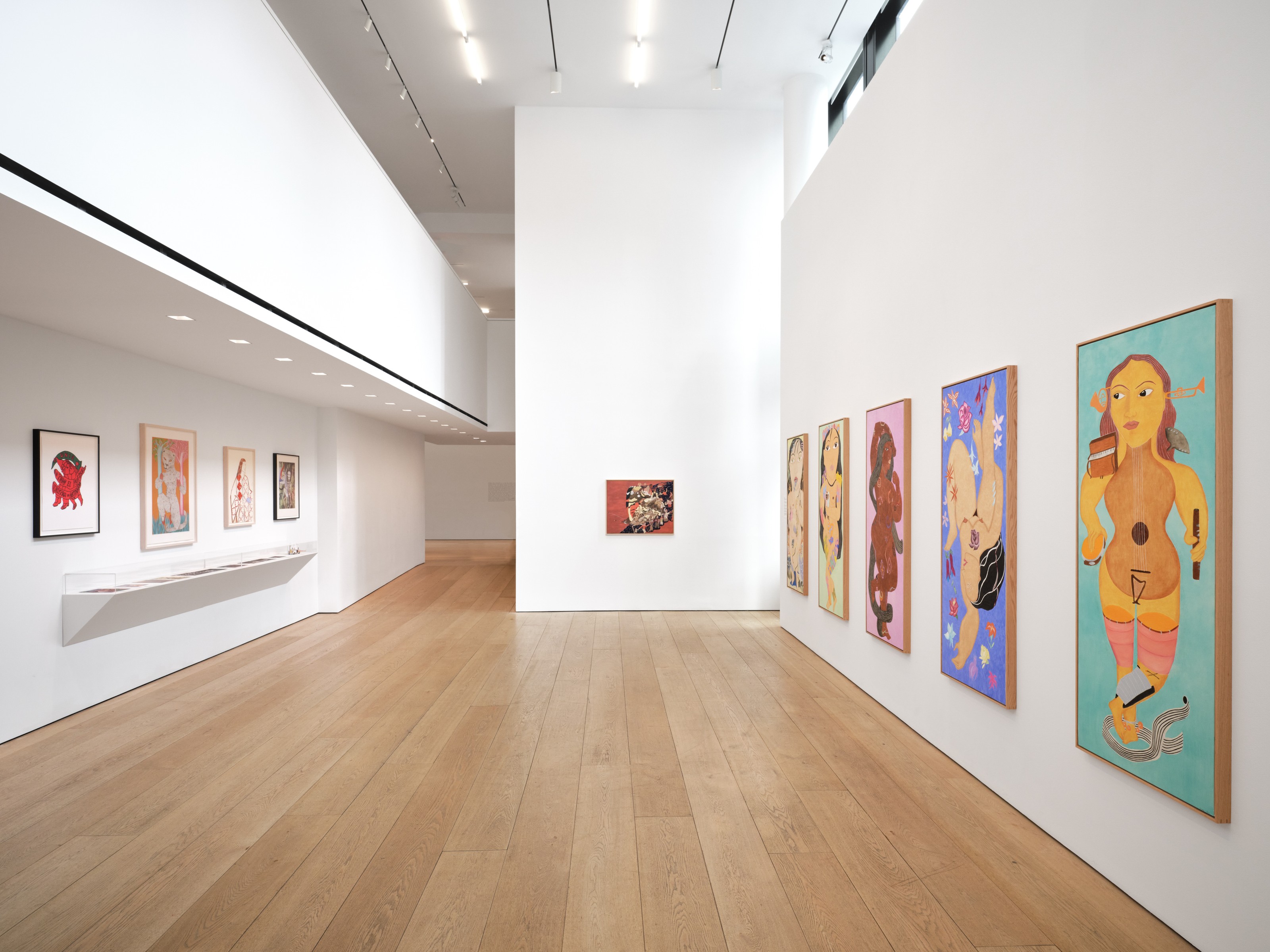
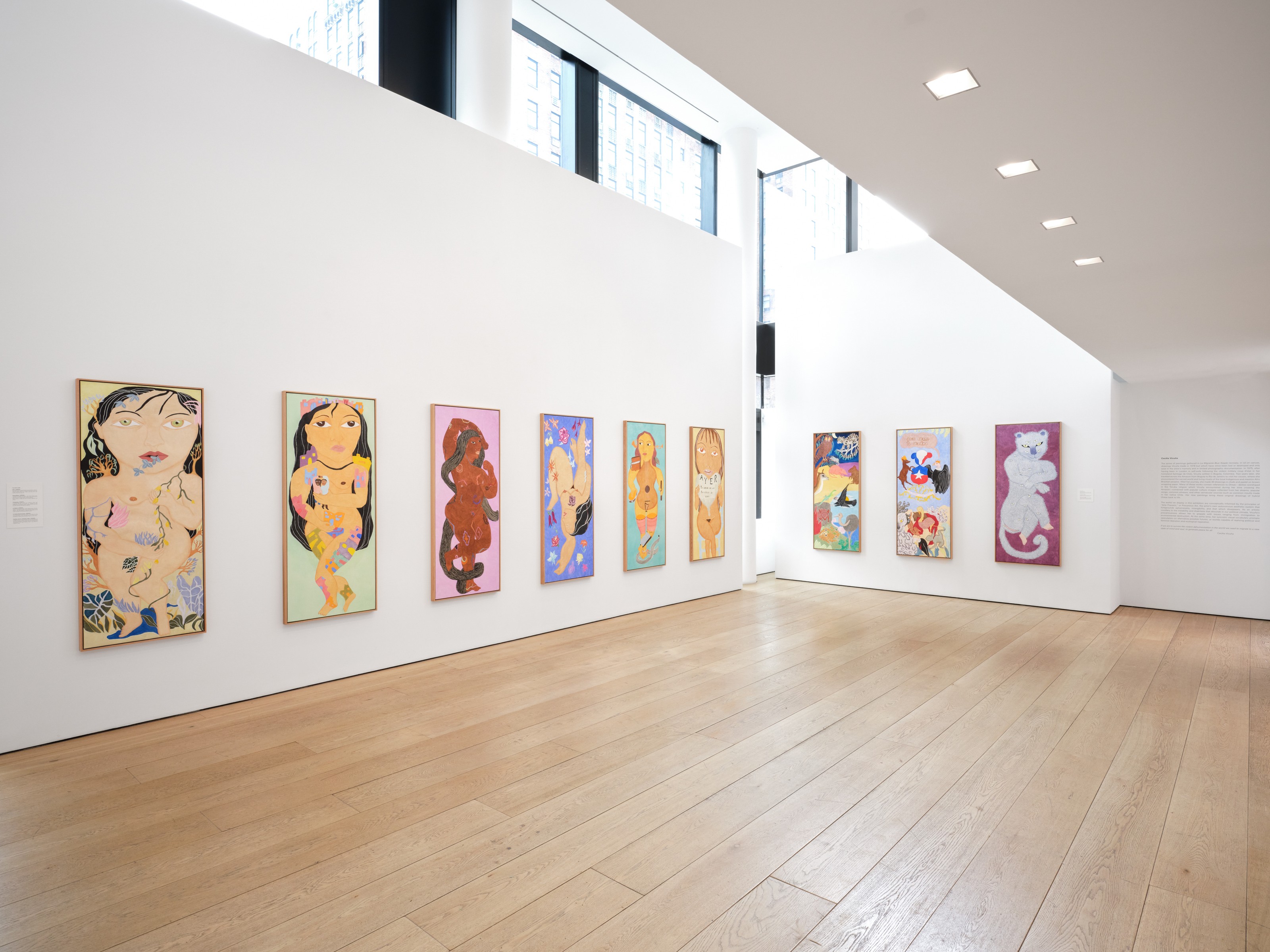
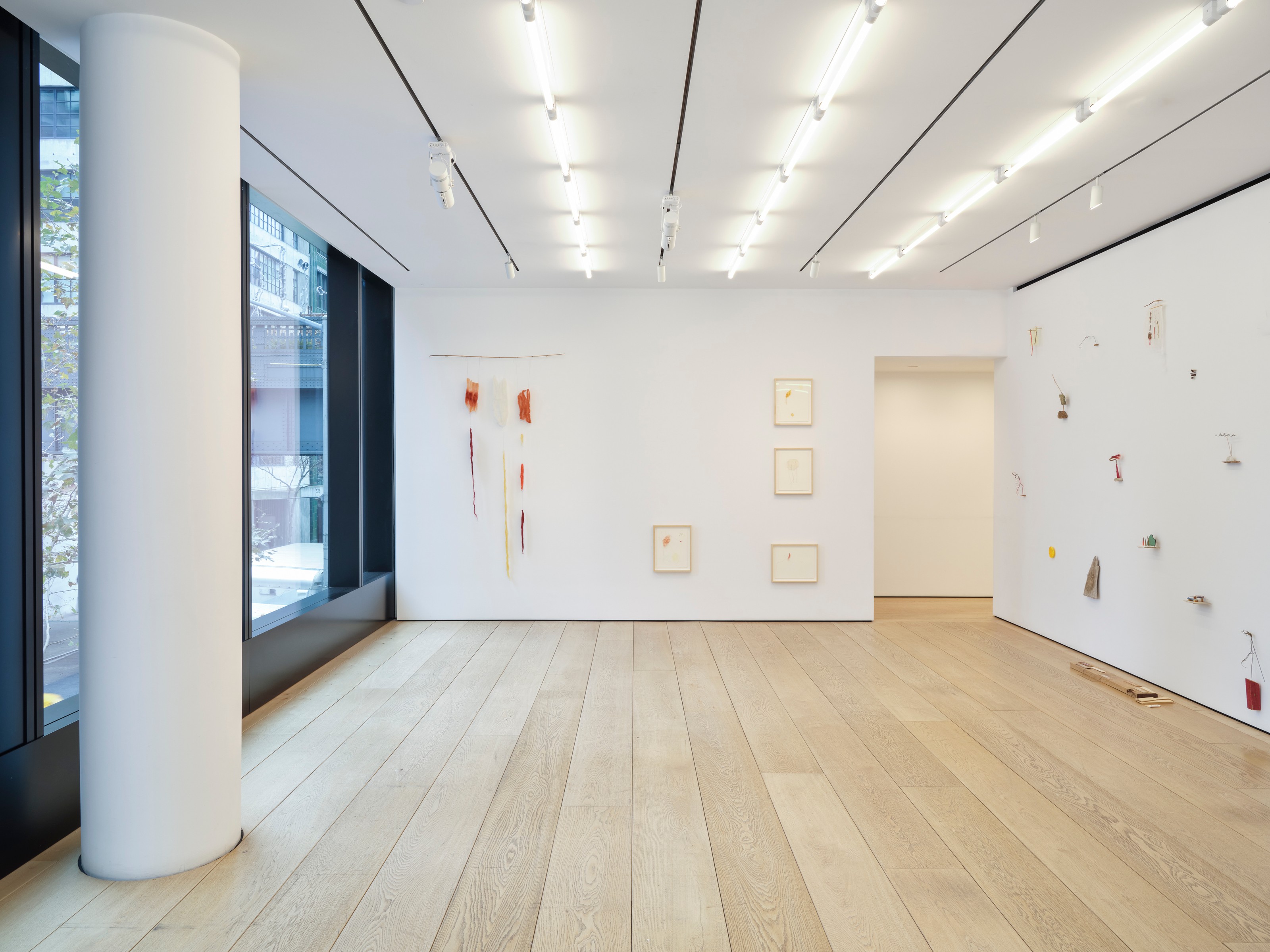
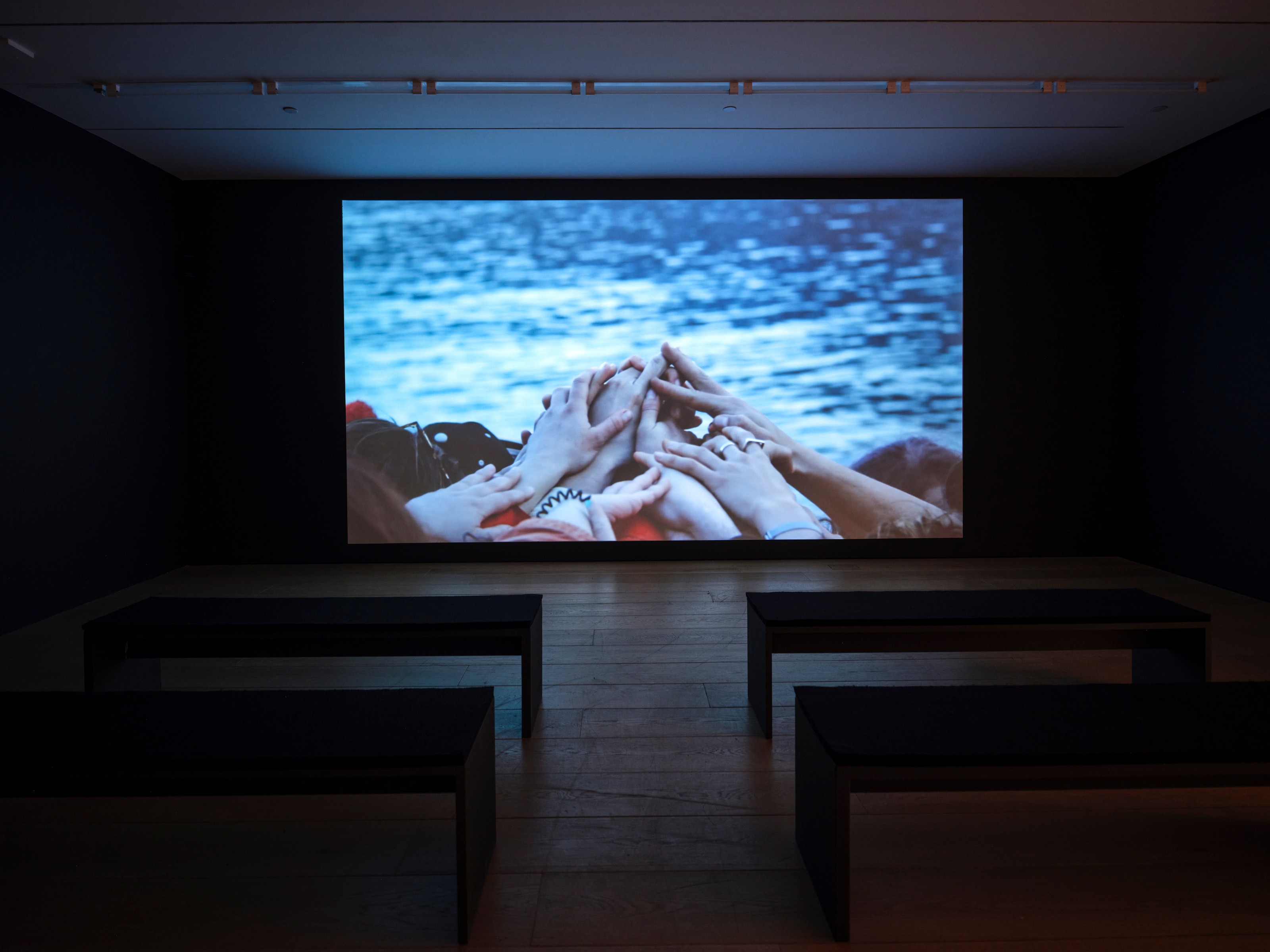
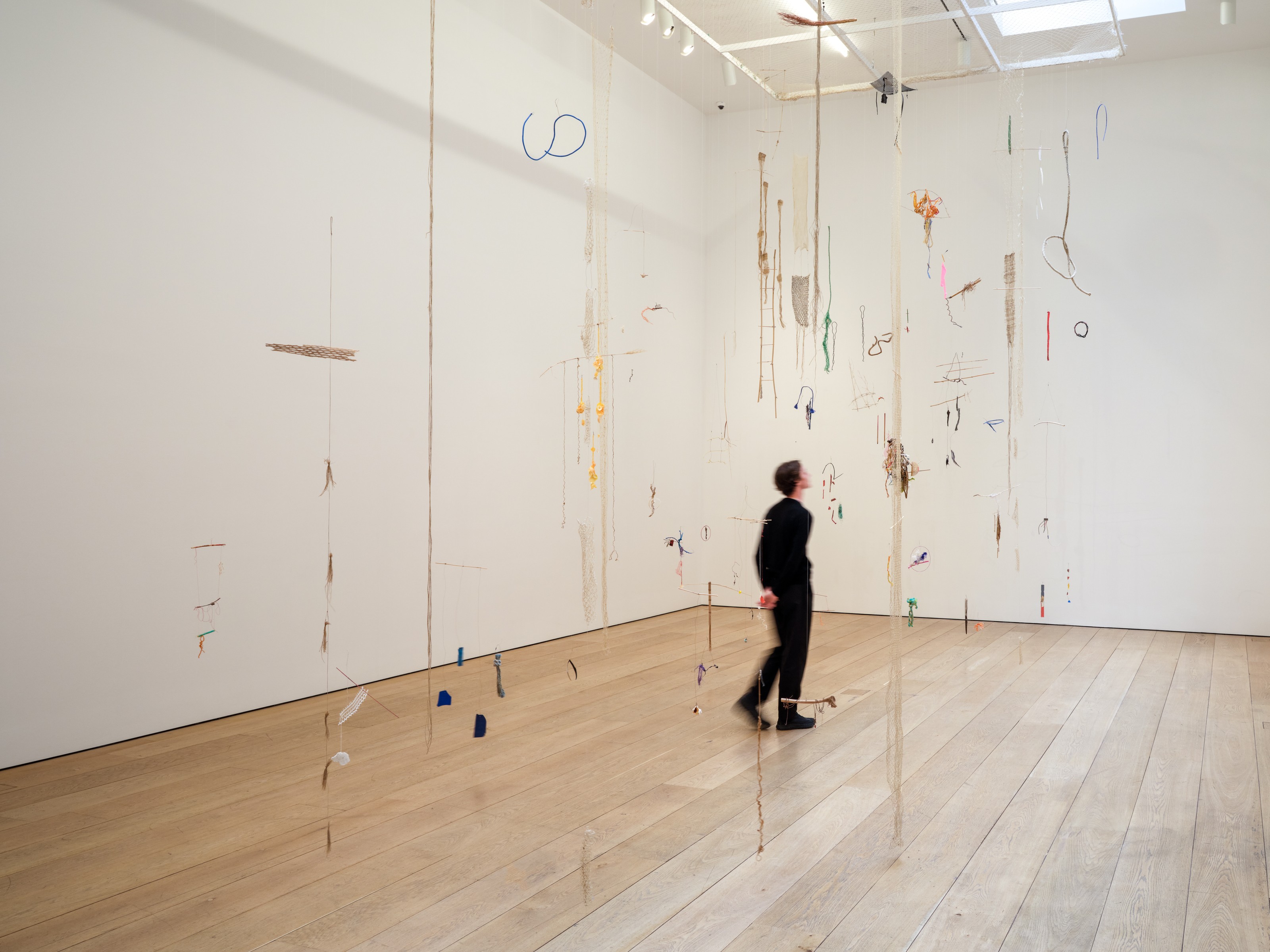
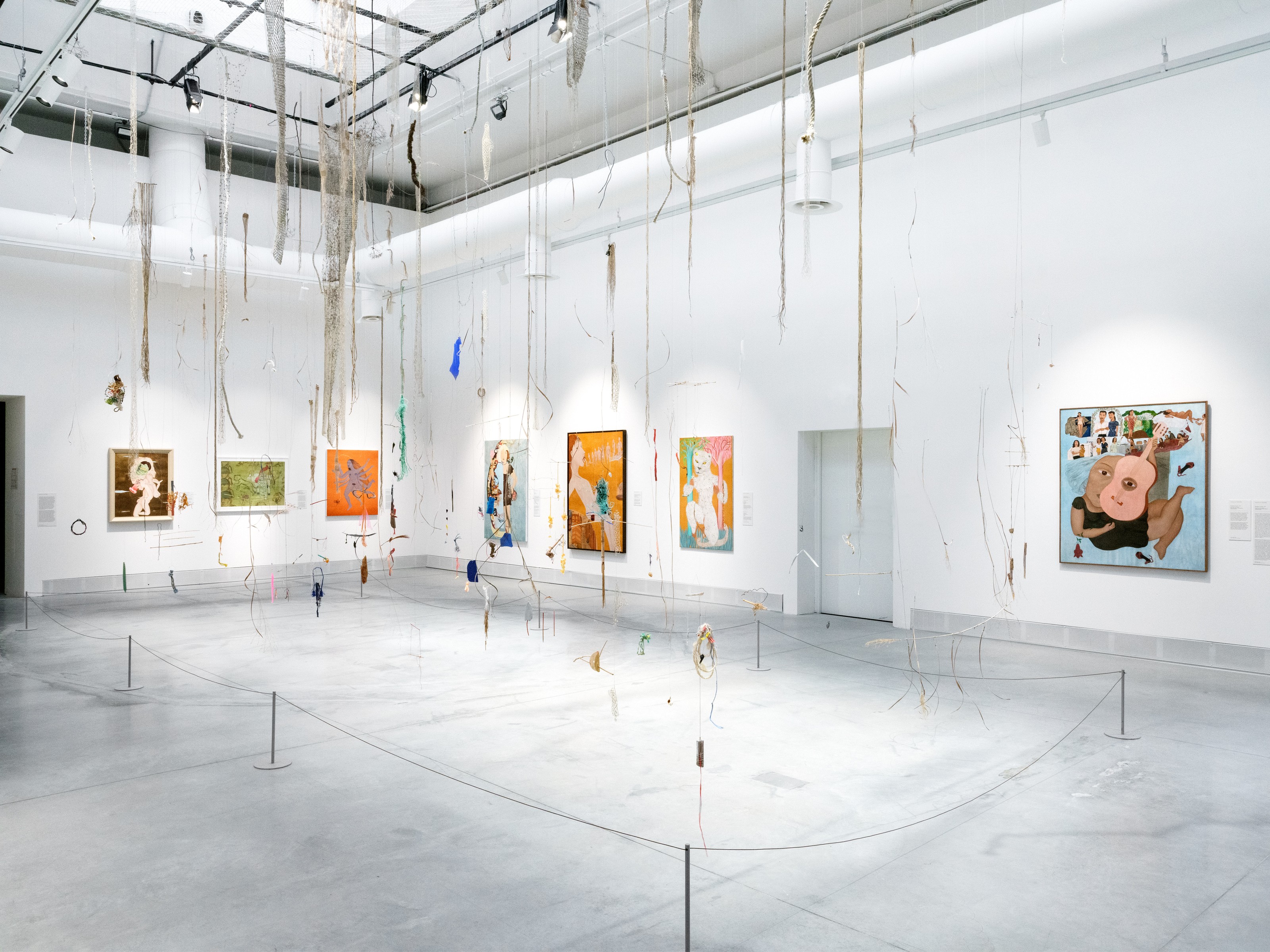
Lehmann Maupin is pleased to present La Migranta Blue Nipple, the gallery’s second solo exhibition in New York by Cecilia Vicuña. Born in Santiago, Chile and based in New York City, the visual artist, poet, filmmaker, and activist presents a series of new paintings, a selection of her “precario” sculptures, and a suite of drawings. The exhibition, encompassing all three floors of the gallery, also includes the first US presentation of Vicuña’s monumental quipu, NAUFraga (2022), since its premiere at the 59th Venice Biennale, as well as a new film based on unseen footage shot while participating in Documenta 14 in Athens, Greece. The works on display are informed conceptually by the principles of “Arte Precario,” or Precarious Art, the artist’s own autonomous aesthetic system that foregrounds ephemerality, intangibility, and that which disappears. As an artistic corollary to the instability and shakiness that abounds in our political climate, Vicuña’s precariousness allows her to grapple with issues ranging from immigration to environmental destruction. At the same time, her syncretic visual vocabulary prompts speculation on alternative possible futures, or worlds capable of realizing political, feminist, ecological, and conceptual reparation. 

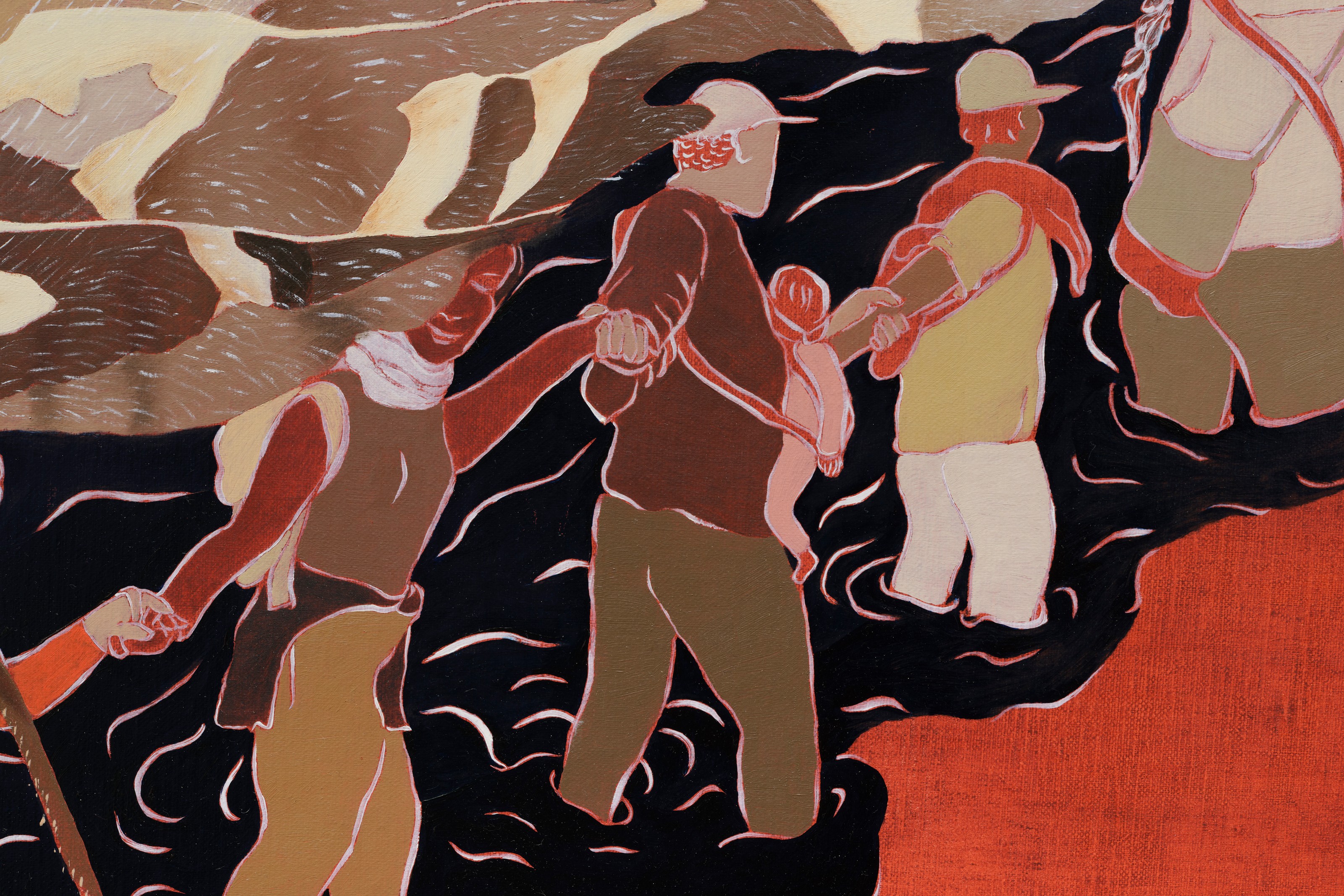
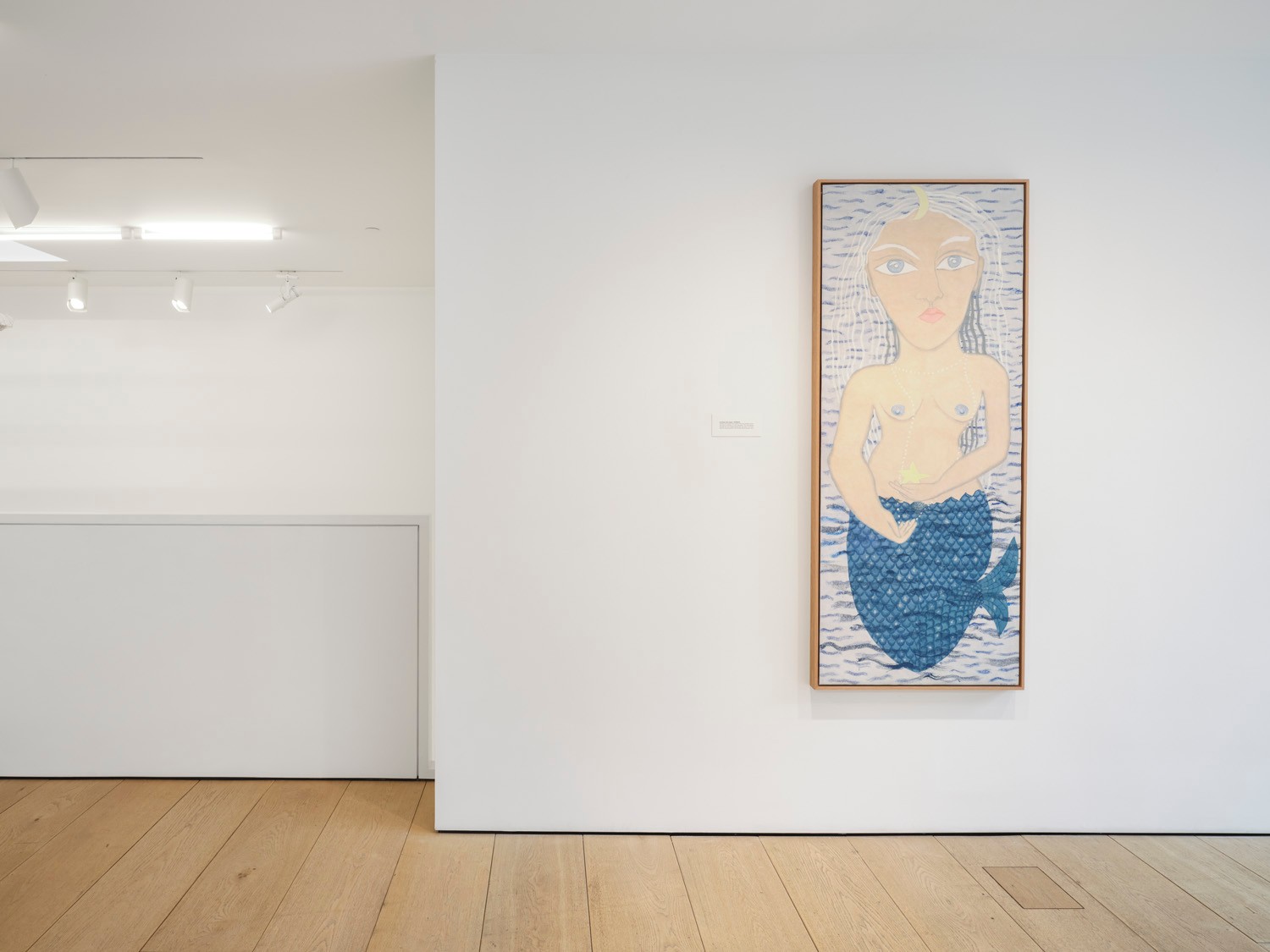
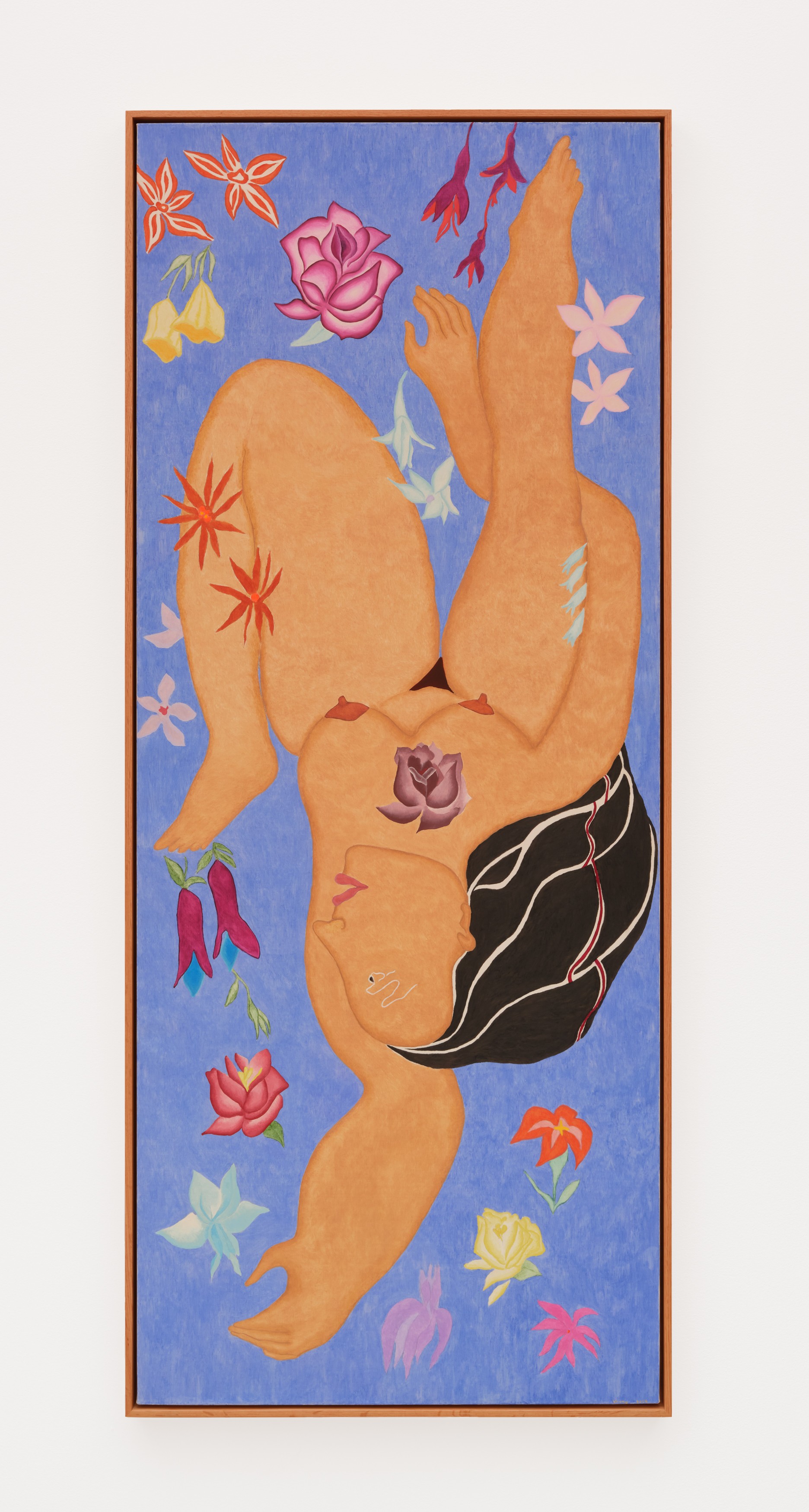
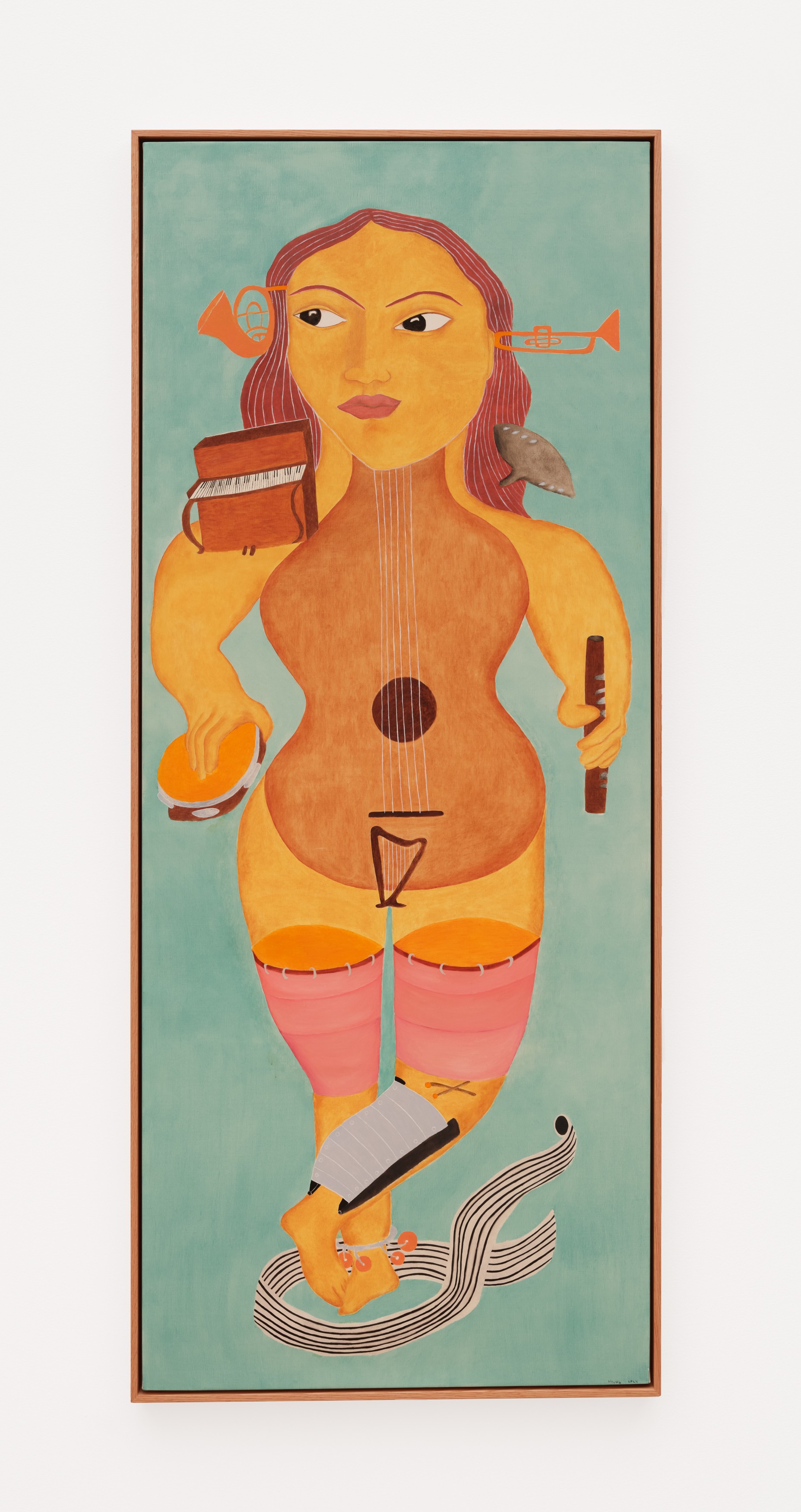
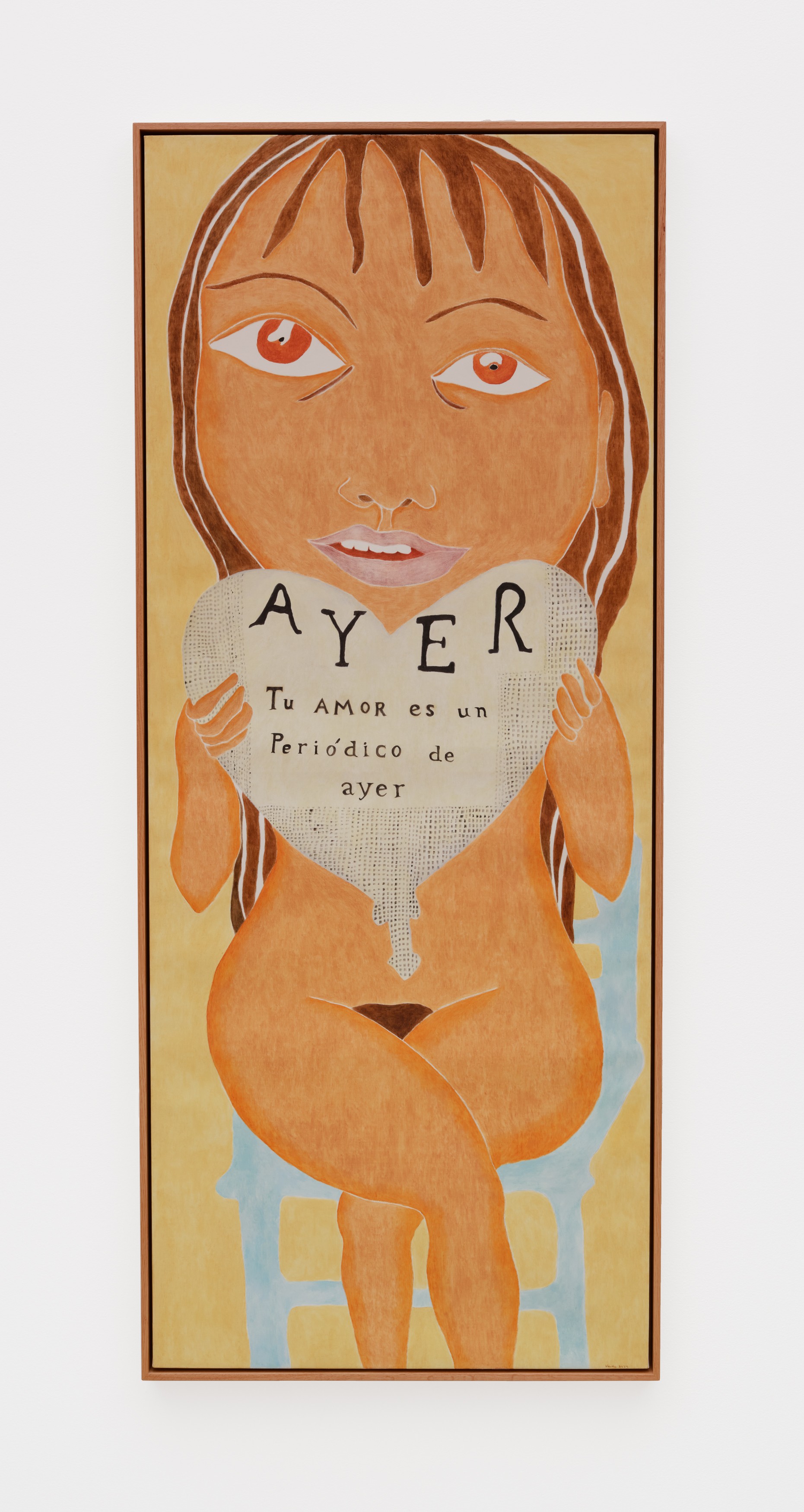
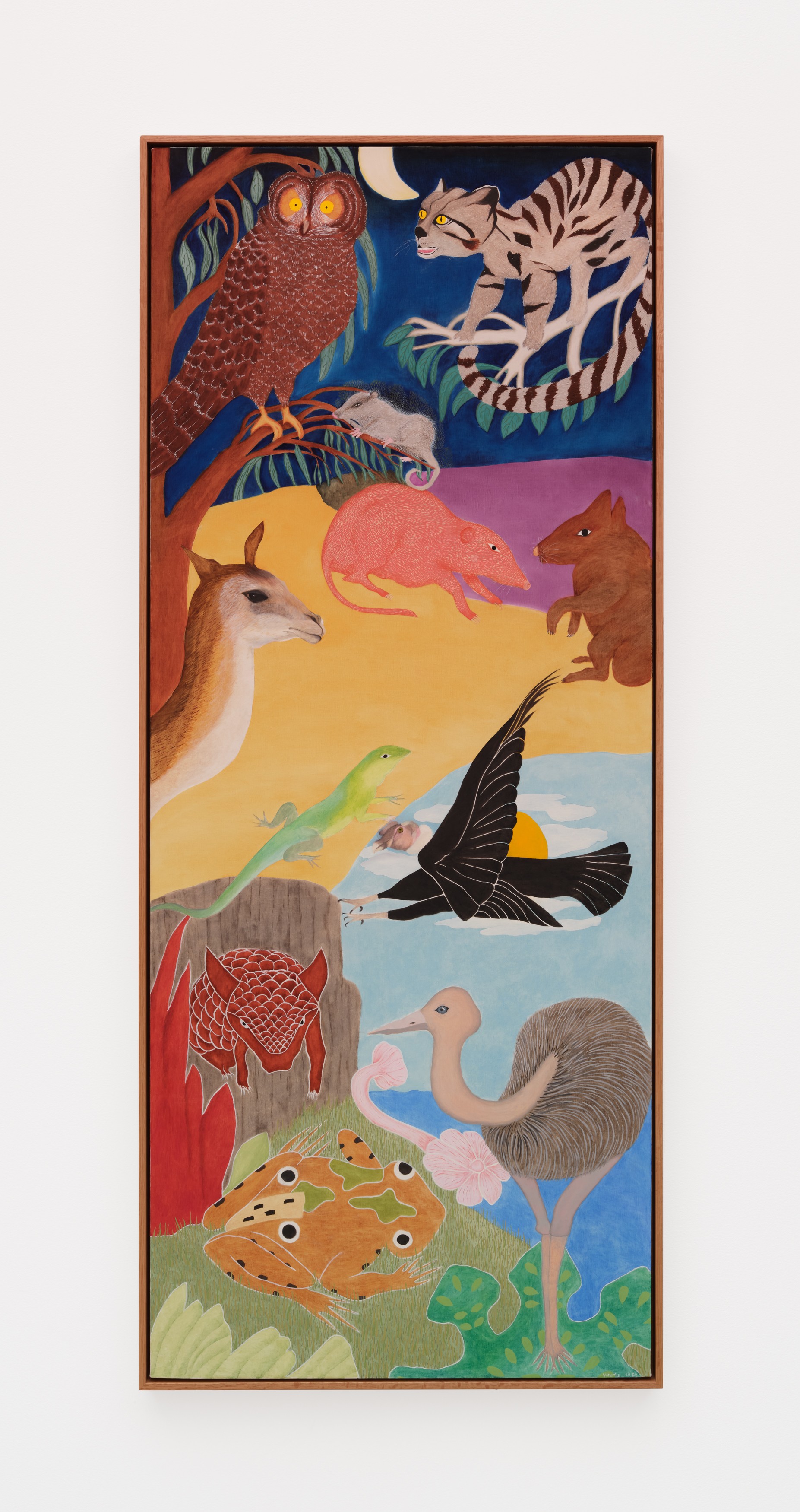
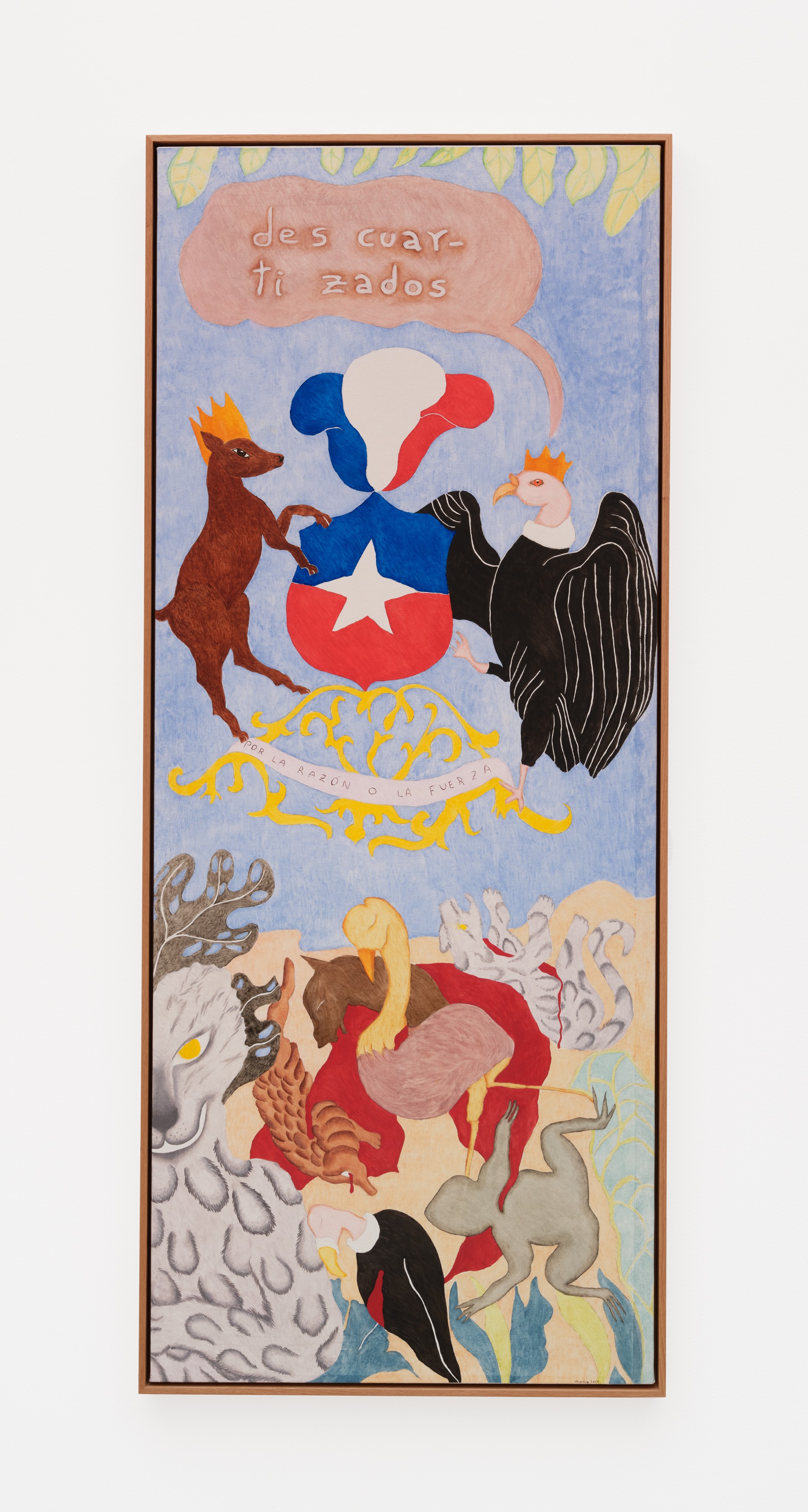
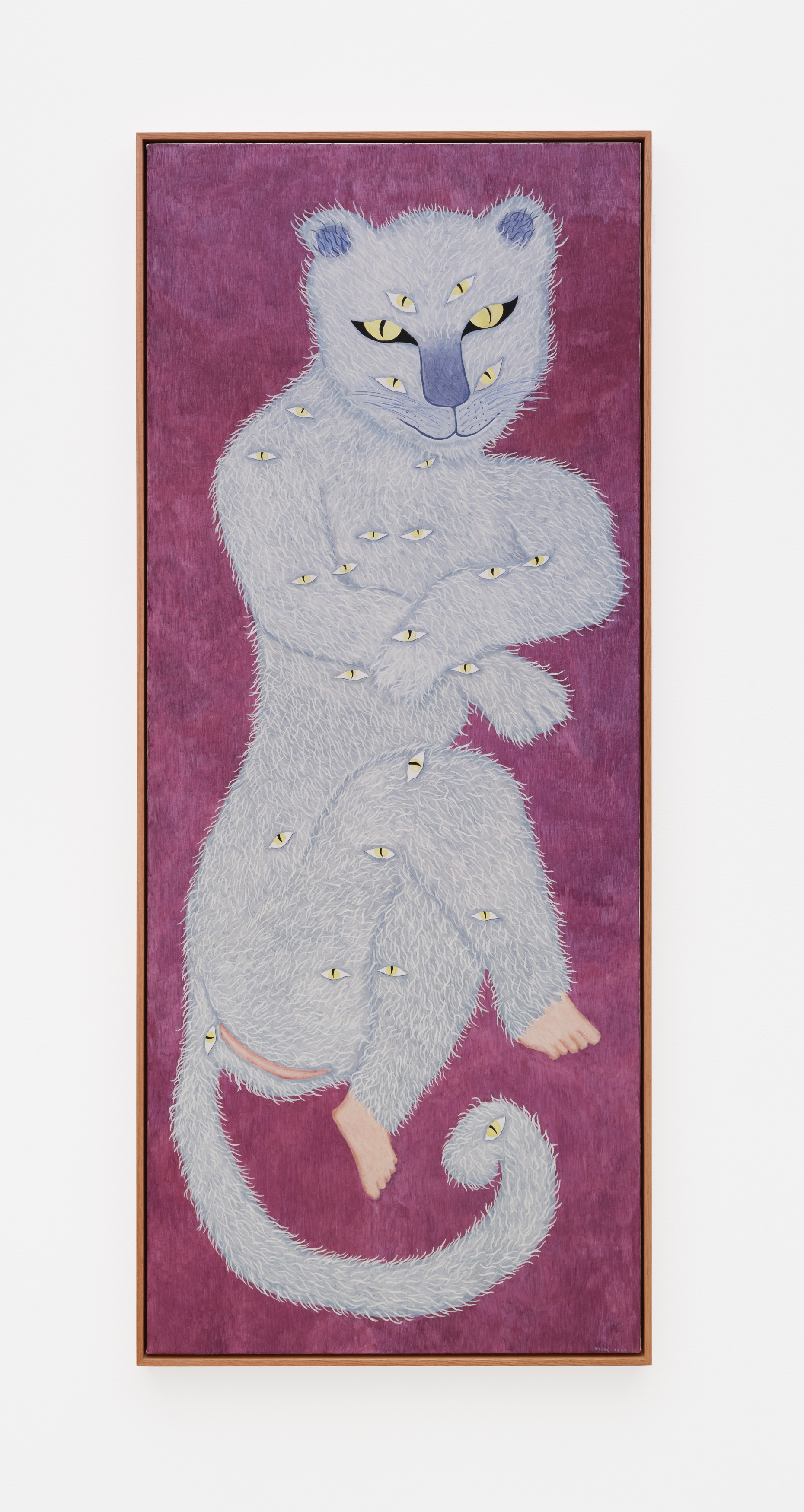
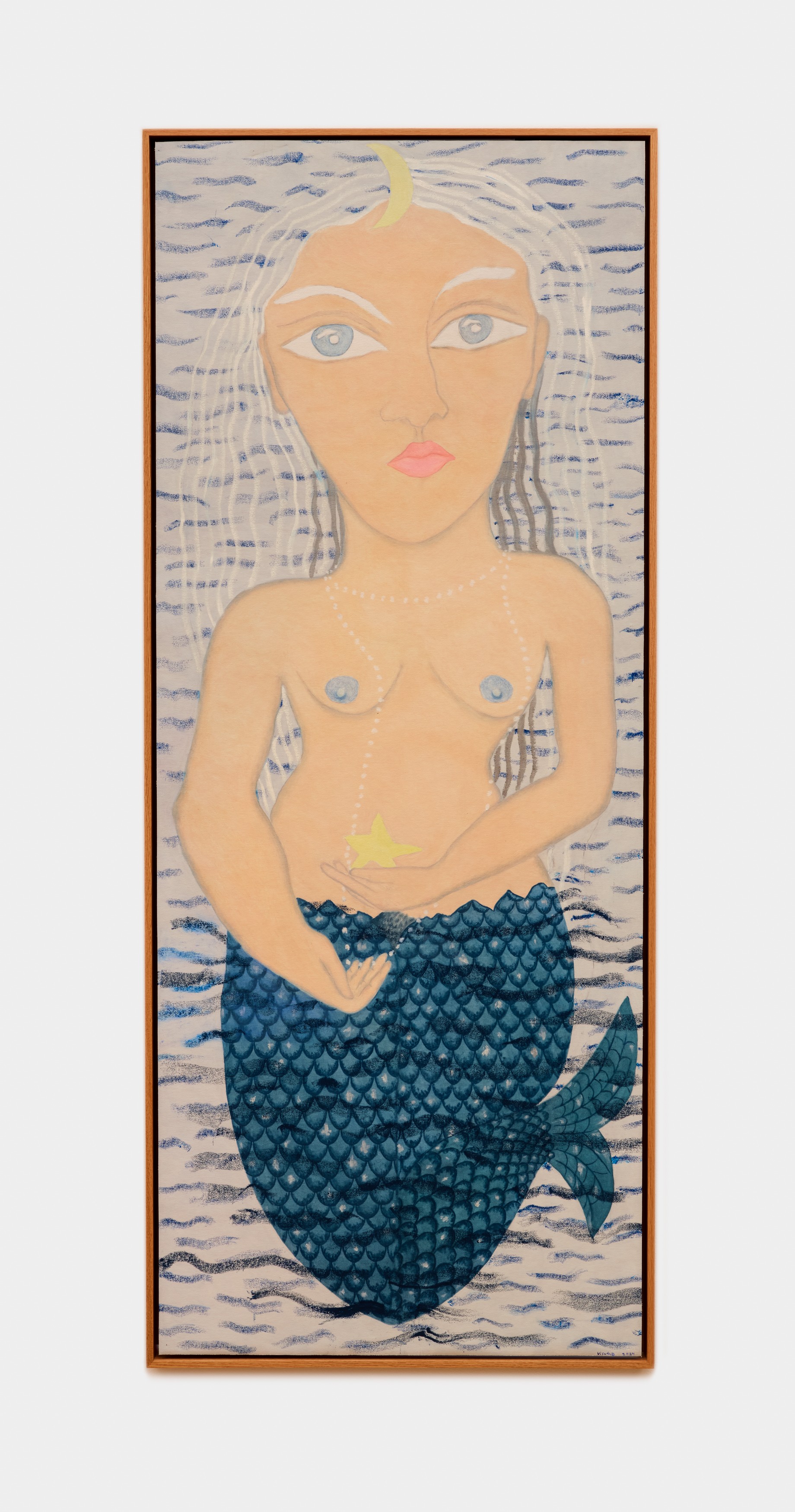
The title of the exhibition, La Migranta Blue Nipple, makes reference to Vicuña’s personal experience with migration and to the brutal treatment of migrant and immigrant communities that she has witnessed while living in this country. Visitors to the exhibition will first encounter a series of paintings completed this year that recreate, in oil on canvas, drawings Vicuña made in 1978 but which have since been lost or destroyed, existing only in the artist’s memory and in limited photographic documentation. In 1975, after having been in London in self-exile following the violent military coup d'etat in her homeland Santiago de Chile, Vicuña settled in Bogota, Colombia. Two years later, she traveled from Bogota to Rio de Janeiro, across the Amazon, to visit her cousin, where she encountered the sacred world and living rituals of the local Indigenous and mestizo Afro Brazilian peoples. In response to her journey, she made 30 drawings in chalk and pastel on brown wrapping paper. Many of these works contain references to Orixás––deities worshiped in the Yoruba religion which Vicuña learned of during her time crossing the Amazon––combined with popular culture images collected from her dreams, popular songs, common phrases, and other vernacular sources such as common insults used in her native Chile. Her new paintings bring these original drawings of hybrid Orixás back to life in forms that embody mermaids (Iemanjá), Pachamama (Incan earth mother / mother of space & time), Santa Bárbara (mother of the home), La música latinoamericana (goddess of Latin American music), Flora (goddess of fertility), and San Martin de Porres (patron saint of social justice, racial harmony, and mixed-race people), among many others.

Installation view of Cecilia Vicuña at Lehmann Maupin New York
Installation Views: 1 of 5
Painting by Cecilia Vicuña

Cecilia Vicuña

La Habana, 1978/2024

Painting by Cecilia Vicuña

Cecilia Vicuña

La música latinoamericana, 1978/2024

Painting by Cecilia Vicuña

Cecilia Vicuña

Periódico de Ayer, 1978/2024

Painting by Cecilia Vicuña

Cecilia Vicuña

Fauna chilena, 1978/2024

Painting by Cecilia Vicuña

Cecilia Vicuña

Fauna chilena 2 (descuartizados), 1978/2024

Painting by Cecilia Vicuña

Cecilia Vicuña

Leoparda de ojitos, 1978/2024

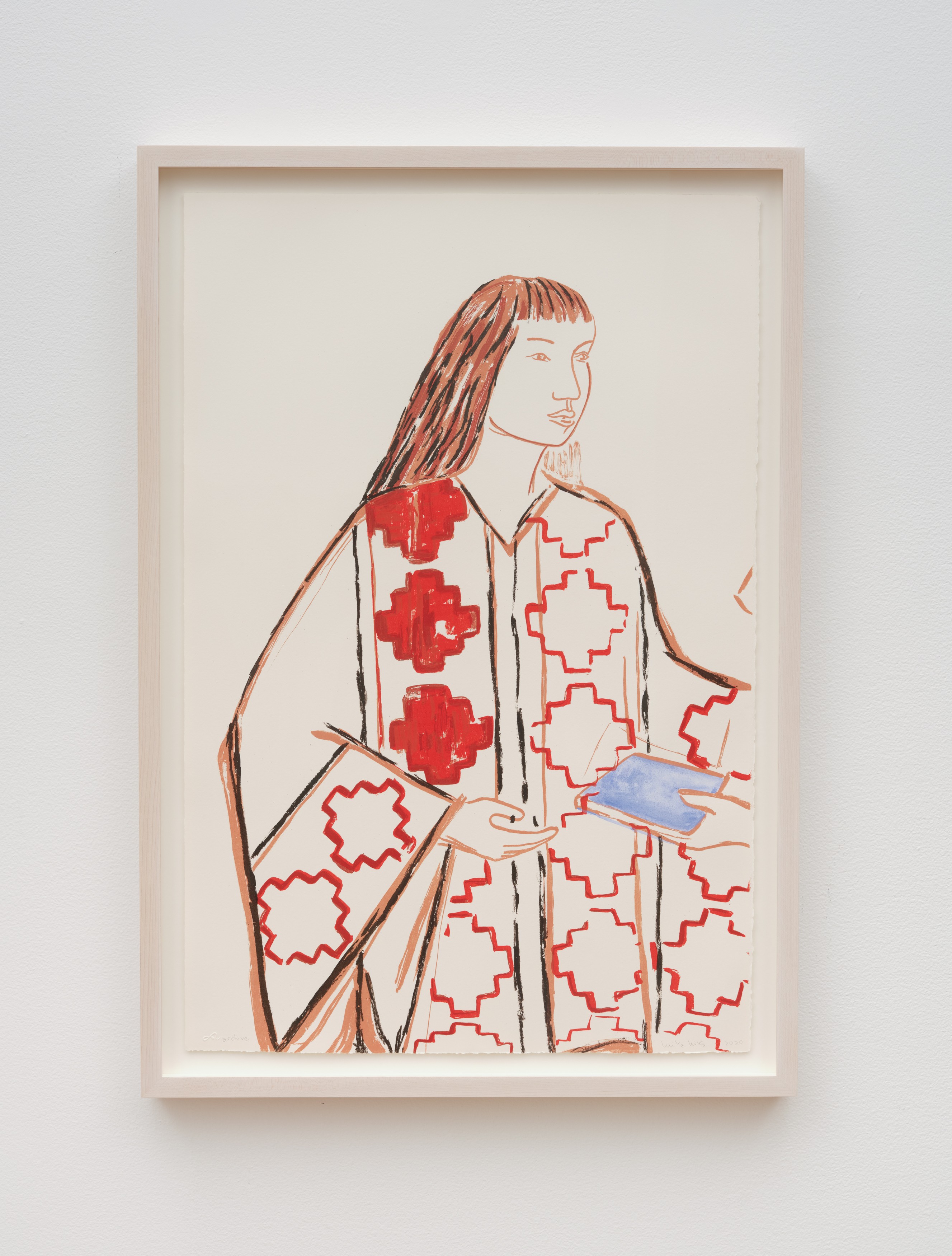
Work on paper by Cecilia Vicuña

Cecilia Vicuña

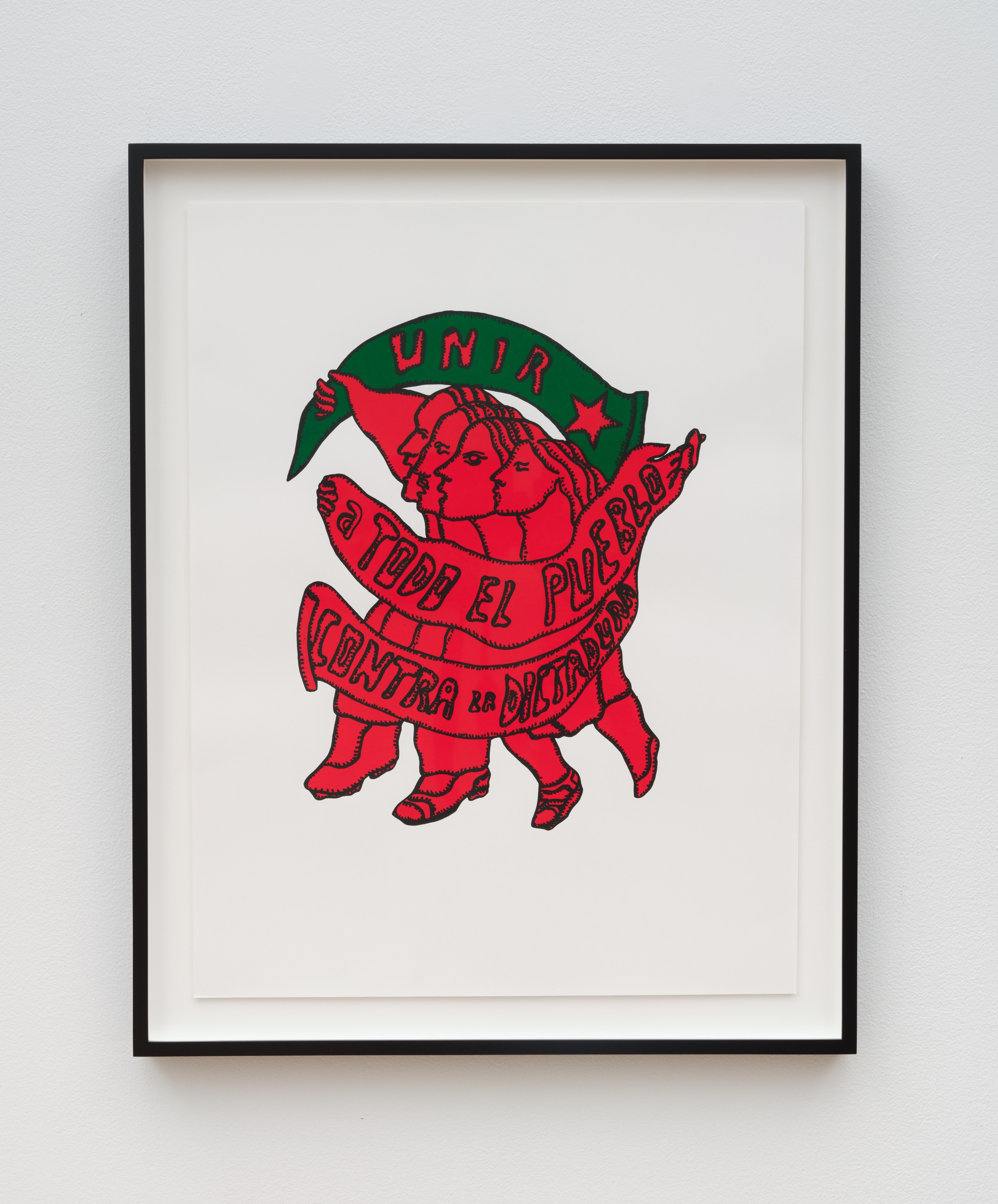
Unir a todo el pueblo contra la dictadura (Unite All the People against the Dictatorship), 1978/2020

Work on paper by Cecilia Vicuña

Cecilia Vicuña

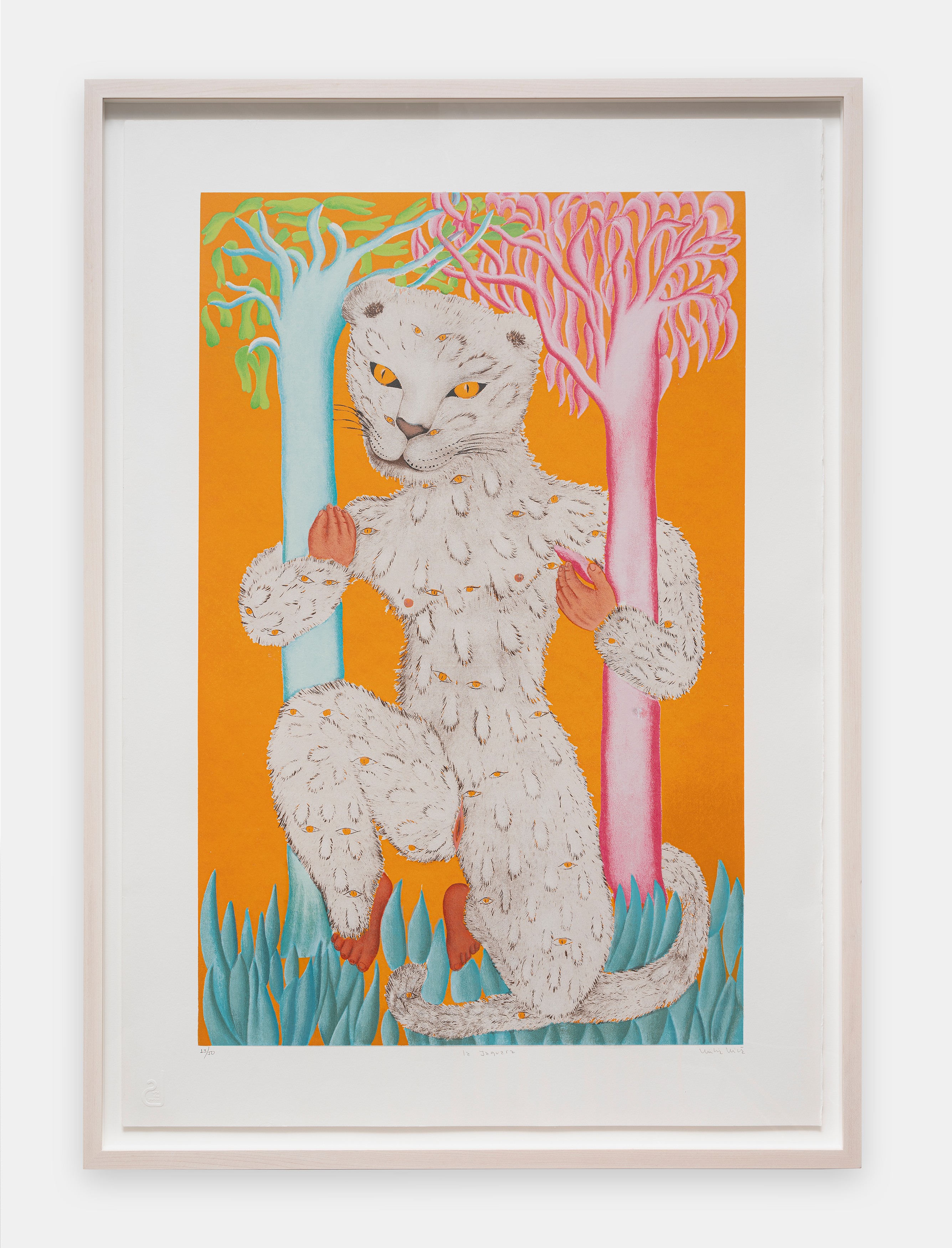
Leoparda de ojitos, 1977

Installation view of Cecilia Vicuña at Lehmann Maupin New York
Installation Views: 1 of 5
Work on paper by Cecilia Vicuña

Cecilia Vicuña

Niña mapuche, 1975-2021

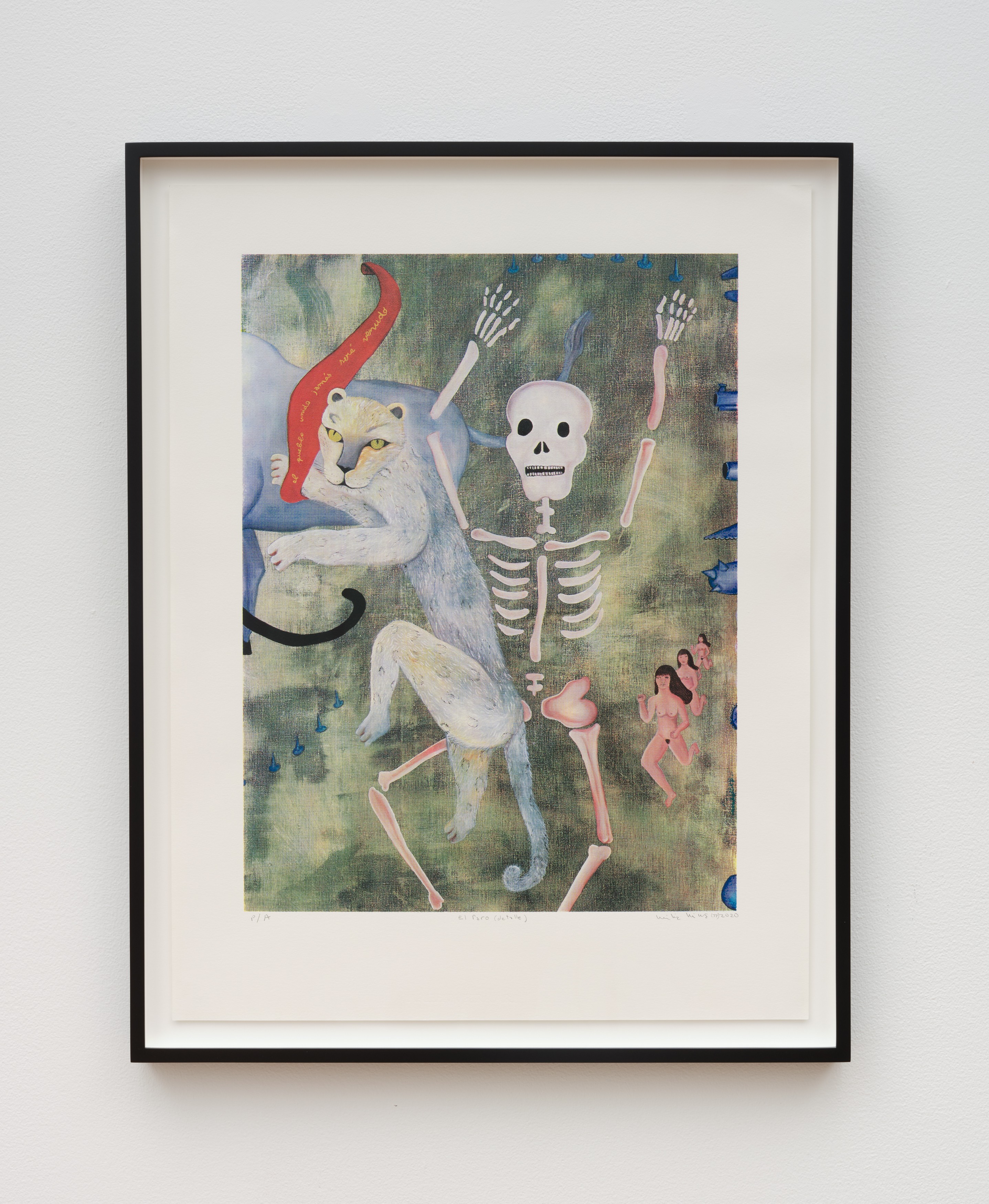
Work on paper by Cecilia Vicuña

Cecilia Vicuña

The People United Will Never Be Defeated (El Paro detalle), 1977-2020

Precarios by Cecilia Vicuña

Cecilia Vicuña

NAUfraga, 2022

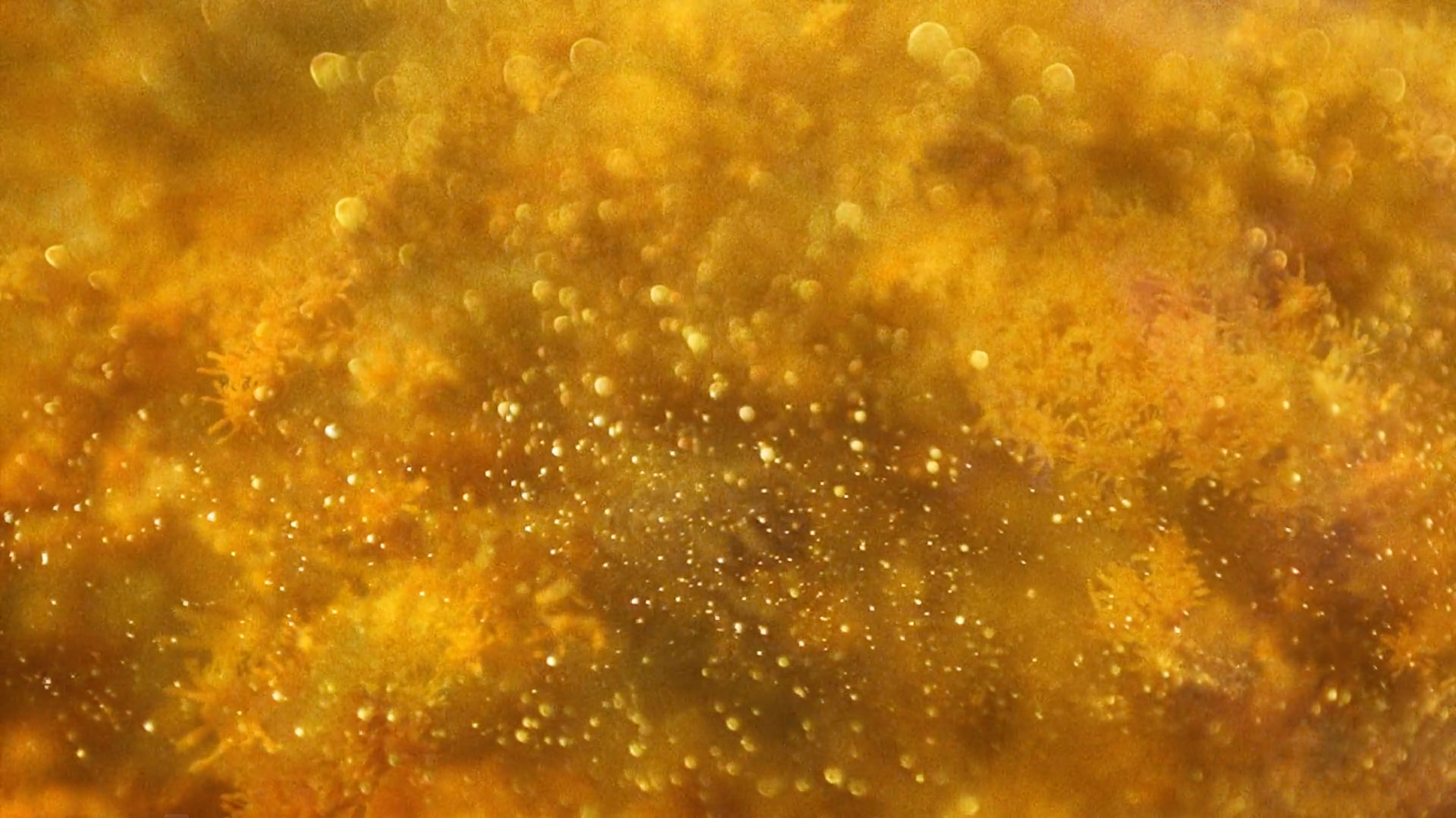
Film still by Cecilia Vicuña

Cecilia Vicuña

Death of the Pollinators, 2021

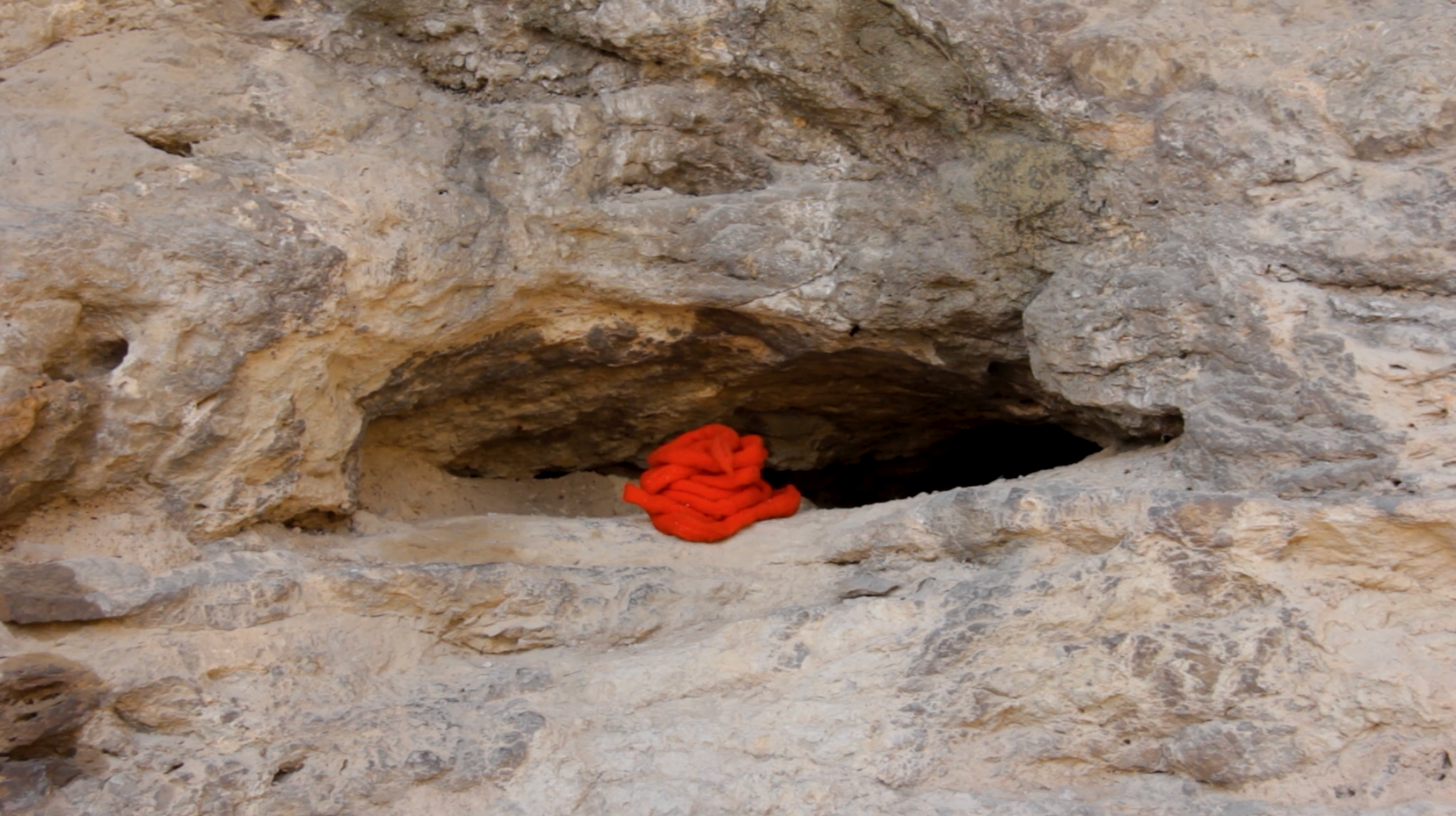
Film still by Cecilia Vicuña

Cecilia Vicuña

Quipu Womb, 2024

Painting by Cecilia Vicuña

Cecilia Vicuña

Iemanjá, blue nipple, 1978/2024

Portrait of Cecilia Vicuña

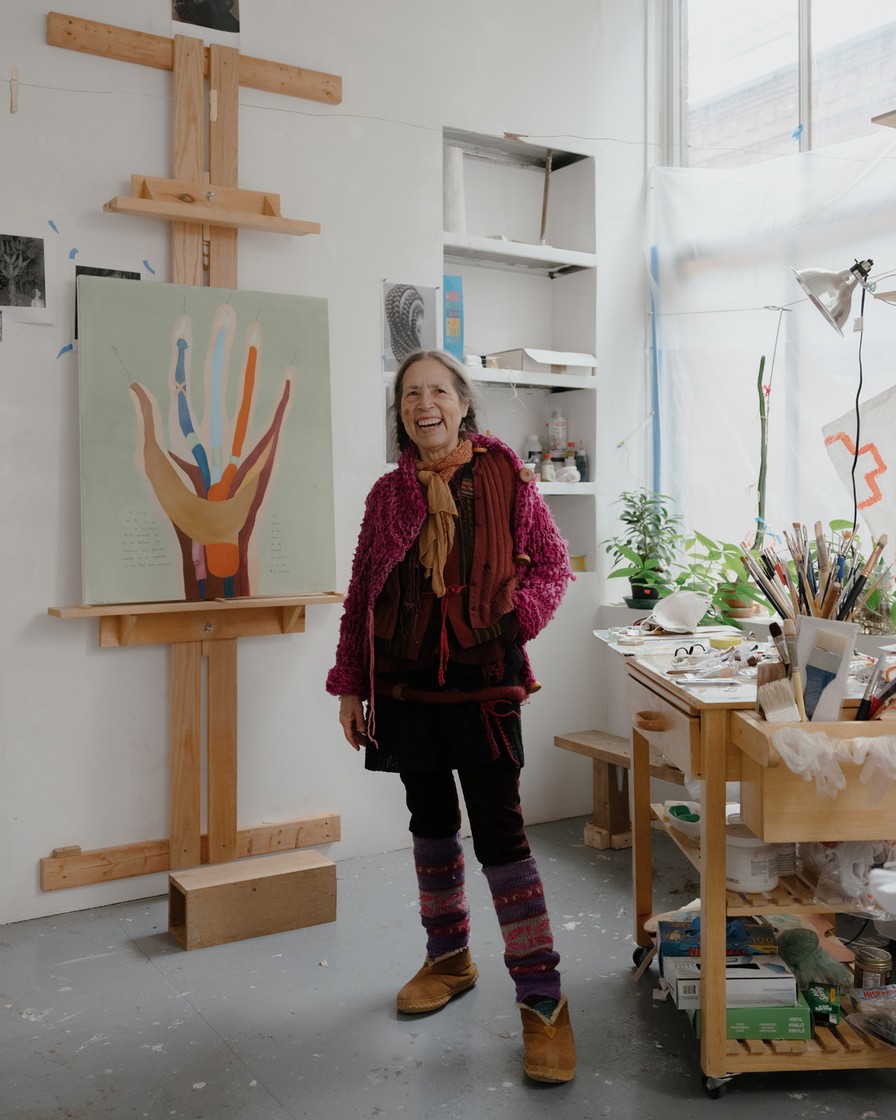
Cecilia Vicuña (b. 1948 in Santiago, Chile; lives and works in New York, NY and Santiago, Chile) integrates practices of poetry, performance, Conceptualism, and textile craft in response to pressing concerns of the modern world, including ecological destruction, human rights, and cultural homogenization. Born and raised in Santiago, she was exiled during the early 1970s after the violent military coup against President Salvador Allende. This sense of impermanence, and a desire to preserve and pay tribute to the indigenous history and culture of Chile, have characterized her work throughout her career.

While living in Chile during the mid-1960s, Vicuña began an ongoing series of small sculptures she calls precarios, spatial poems in which she combines feathers, stone, plastic, wood, wire, shells, cloth, and other human-made detritus. She coined the term “Arte Precario,” as an independent autonomous category, to name these works defined by their fragility and ephemerality: Vicuña initially composed the precarios along the ocean’s edge, for high tide to complete the work by erasing it. Around the same time, Vicuña came across ancient quipus in a book—and this Andean communication system involving the knotting of colored strings, generated a deep response in her. In the early 1970s she began creating spatial weavings and living quipus, which evolved into her Quipus in multiple materials, including unspun wool. These ephemeral, site-specific installations combine the tactile ritual of weaving with assemblage, poetry, and performance. Vicuña’s surreal figurative paintings of the late 1960s and 1970s are more explicitly personal and political in comparison to her other bodies of work and were created in direct response to European colonization. Their highly charged imagery refers to the subtly subversive images made by 16th-century indigenous artists in Latin America after the Spanish conquest, when they were forced to paint angels and saints for the Catholic church. In Vicuña’s paintings, religious icons are replaced by personal, political, and literary figures, commemorated and mythologized by the artist.

Learn about the artist
La Migranta Blue Nipple | Lehmann Maupin