Skip to content

Cecilia Vicuña

Solomon R. Guggenheim Museum

New York

May 27–Sep 5, 2022

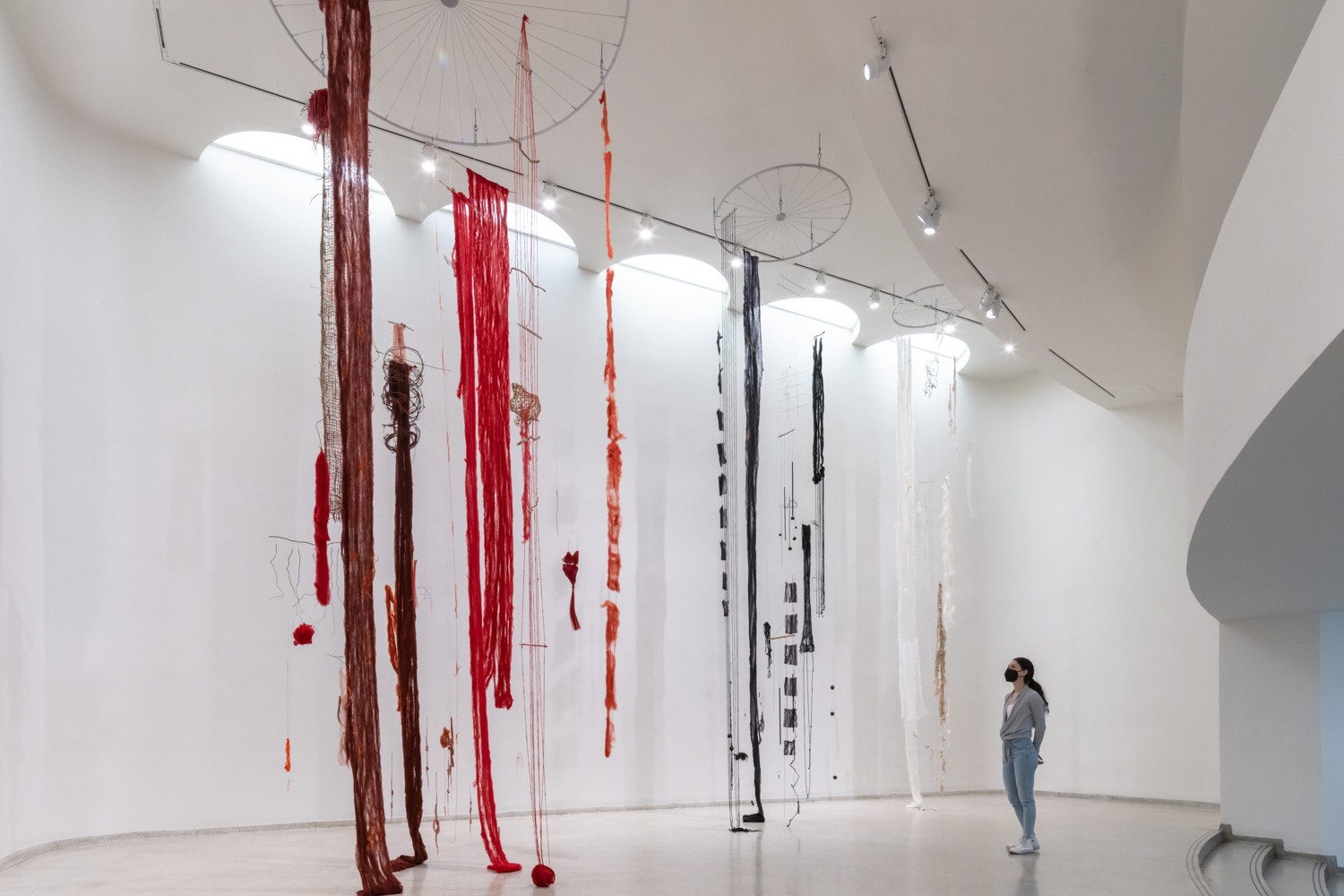
Cecilia Vicuña installation at the Guggenheim Museum

1071 Fifth Avenue

New York, New York 10128

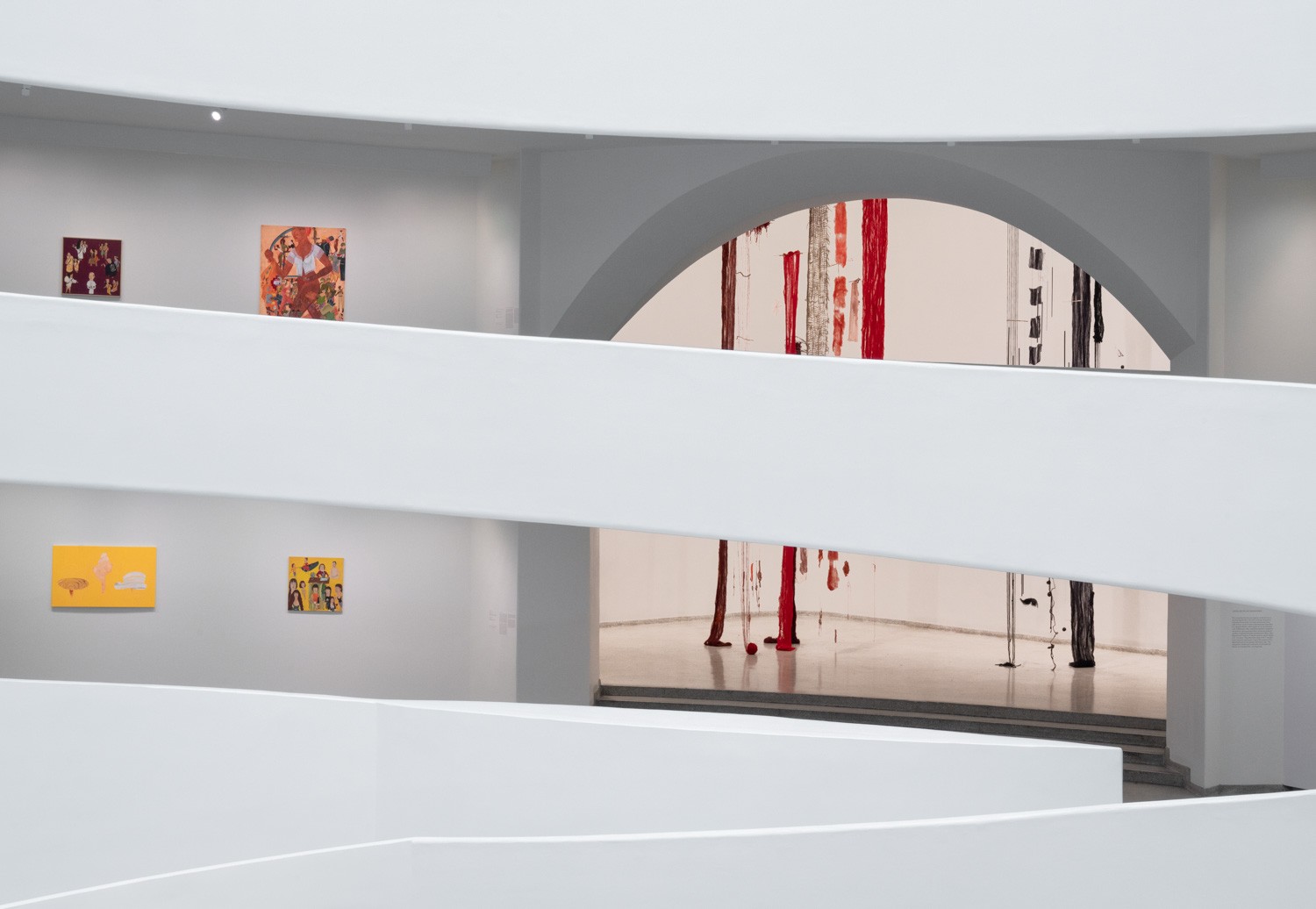
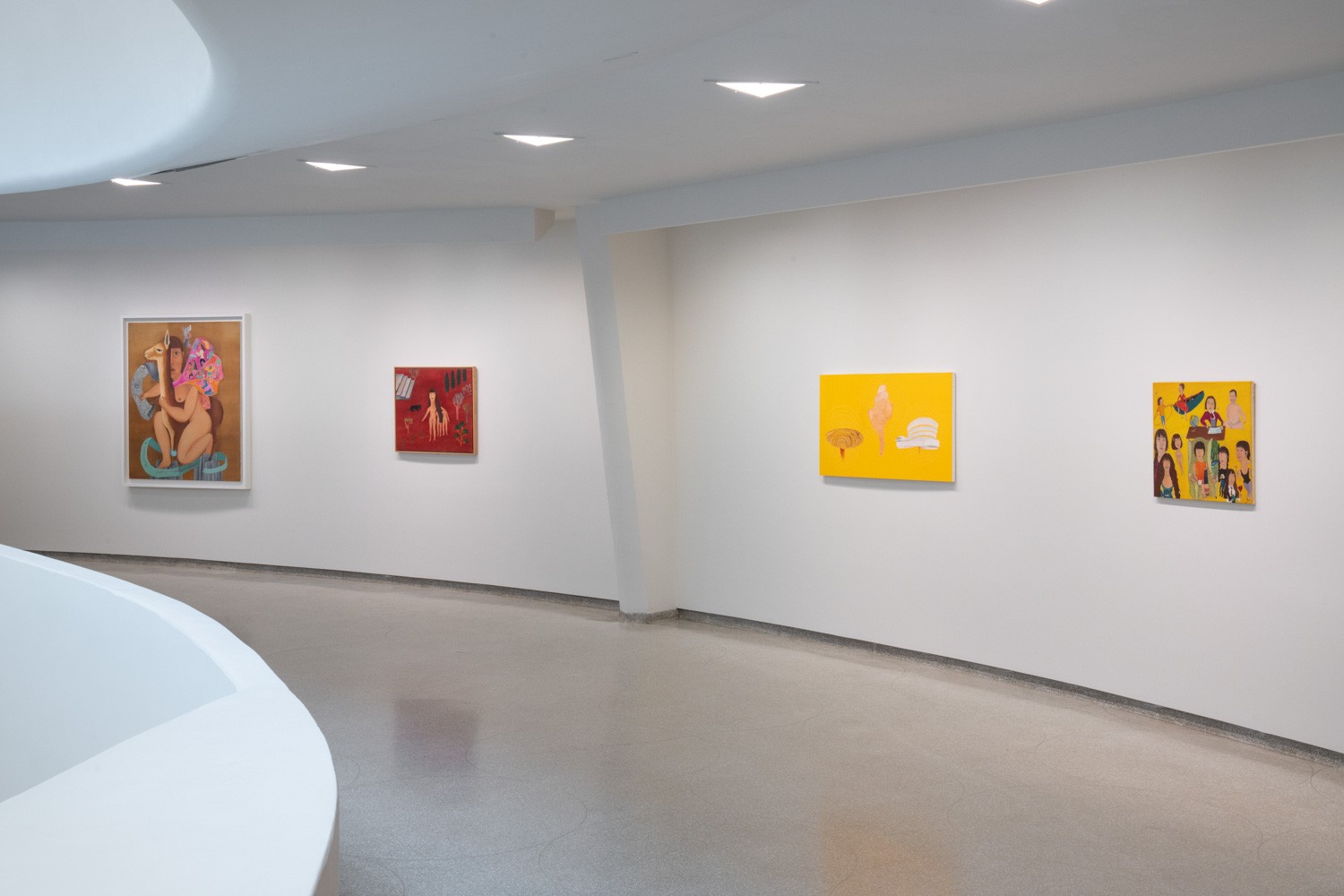
Cecilia Vicuña: Spin Spin Triangulene was the first solo exhibition in a New York museum for the pioneering contemporary Chilean artist, poet, activist, and filmmaker Cecilia Vicuña (b. 1948, Santiago). Showcasing Vicuña’s artistic production from the late 1960s to today, this exhibition featured the breadth of her multidisciplinary practice, including paintings, works on paper, textiles, films, a site-specific Quipu (Knot) installation, a one-time performance of a “living” Quipu, and new paintings and works on paper created specifically for this presentation. The title Spin Spin Triangulene is a poetic creation based on new scientific discoveries that the artist relates to the Guggenheim’s spiral rotunda and the quipu, to stress the connection between science and Indigenous knowledge Vicuña has observed since her early encounter with cybernetics as a young student in Chile.

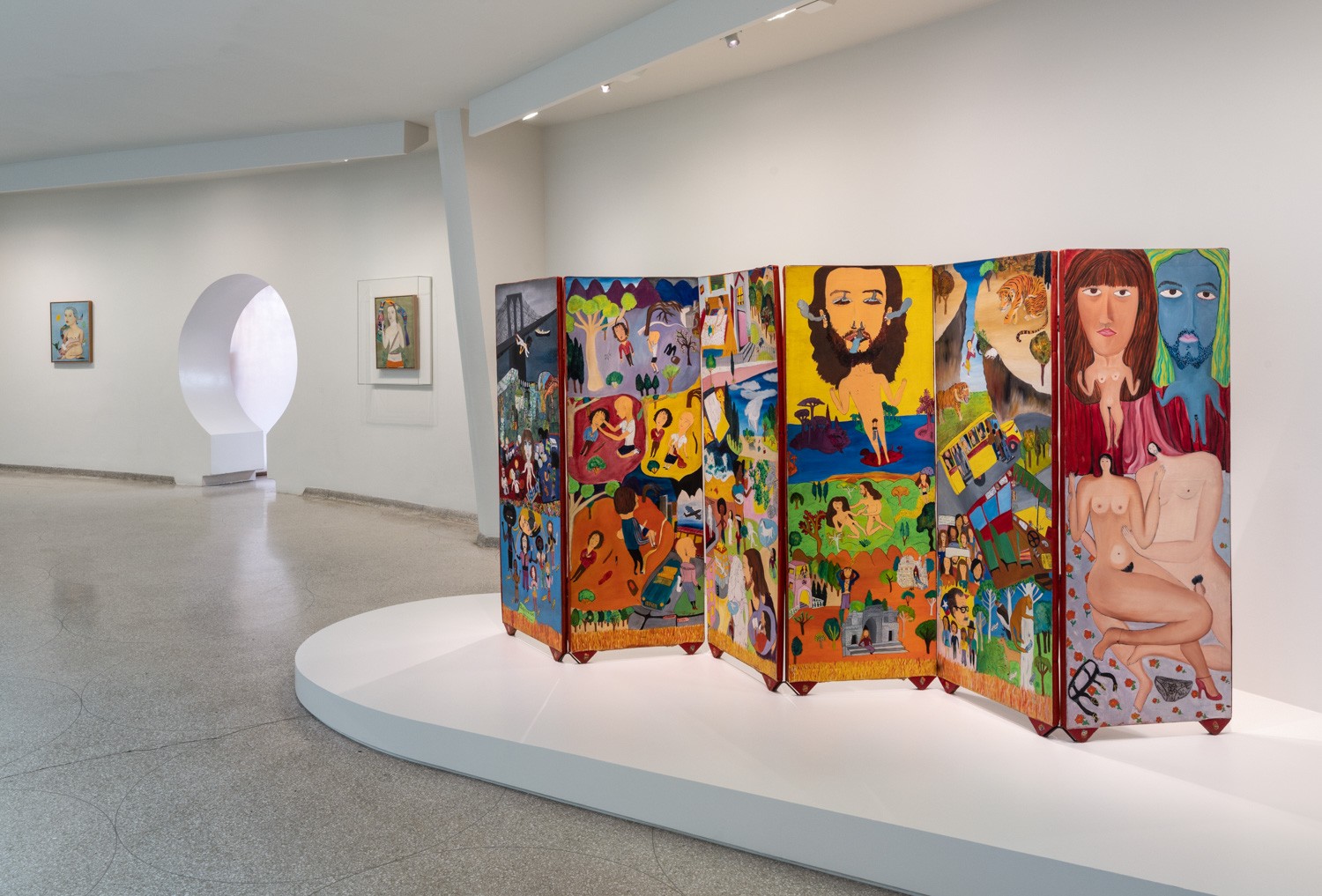
Vicuña explores themes of memory, language, science, and Indigenous spirituality and knowledge across her practice. Her early figurative paintings in this exhibition were conceived as a decolonizing act to subvert the oil tradition imposed on Indigenous culture by the European conquest. These works interweave her biography with the story of the rise of socialism. Following the 1973 Chilean military coup that ushered in the dictatorship of Augusto Pinochet, Vicuña self-exiled in London, settling in New York City in 1980. As the political activism of her art intensified, revolutionary icons and influences—ranging from Karl Marx and Chilean folk singer and social activist Violeta Parra, to Andean popular art, animism, and Indigeneity— became poignant symbols of what was under attack. Also on view in textiles, film, and works on paper were Vicuña’s language-based Palabrarmas, or “word weapons,” which are politically engaged, metaphorical riddles and poems displaying her conception of language as a living entity.

Cecilia Vicuña installation at the Guggenheim Museum
Installation Views: 1 of 4
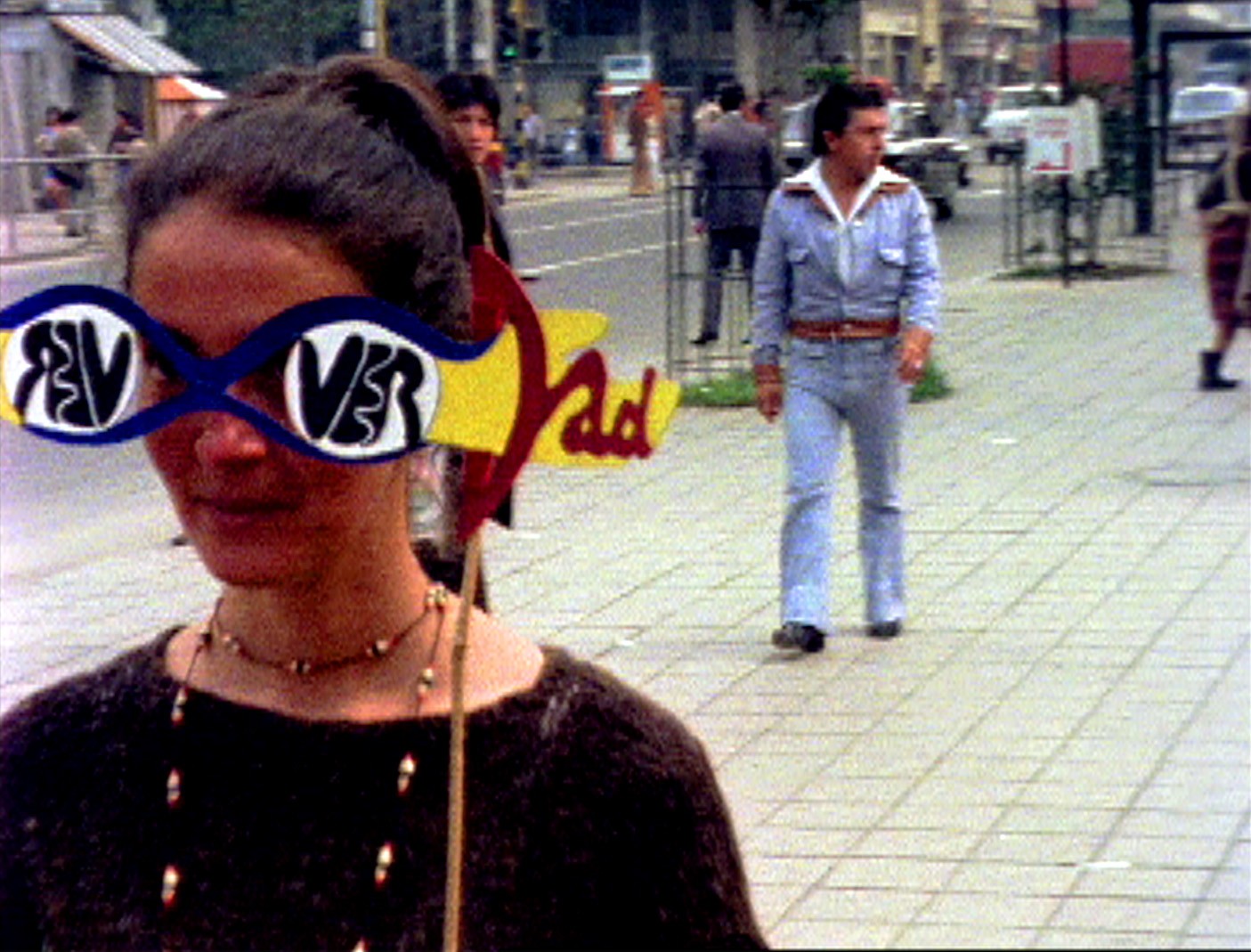
Film still by Cecilia Vicuña

Cecilia Vicuña

Sol y dar y dad: Una palabra bailada (Solidarity: To Give and Give Sun), 1980

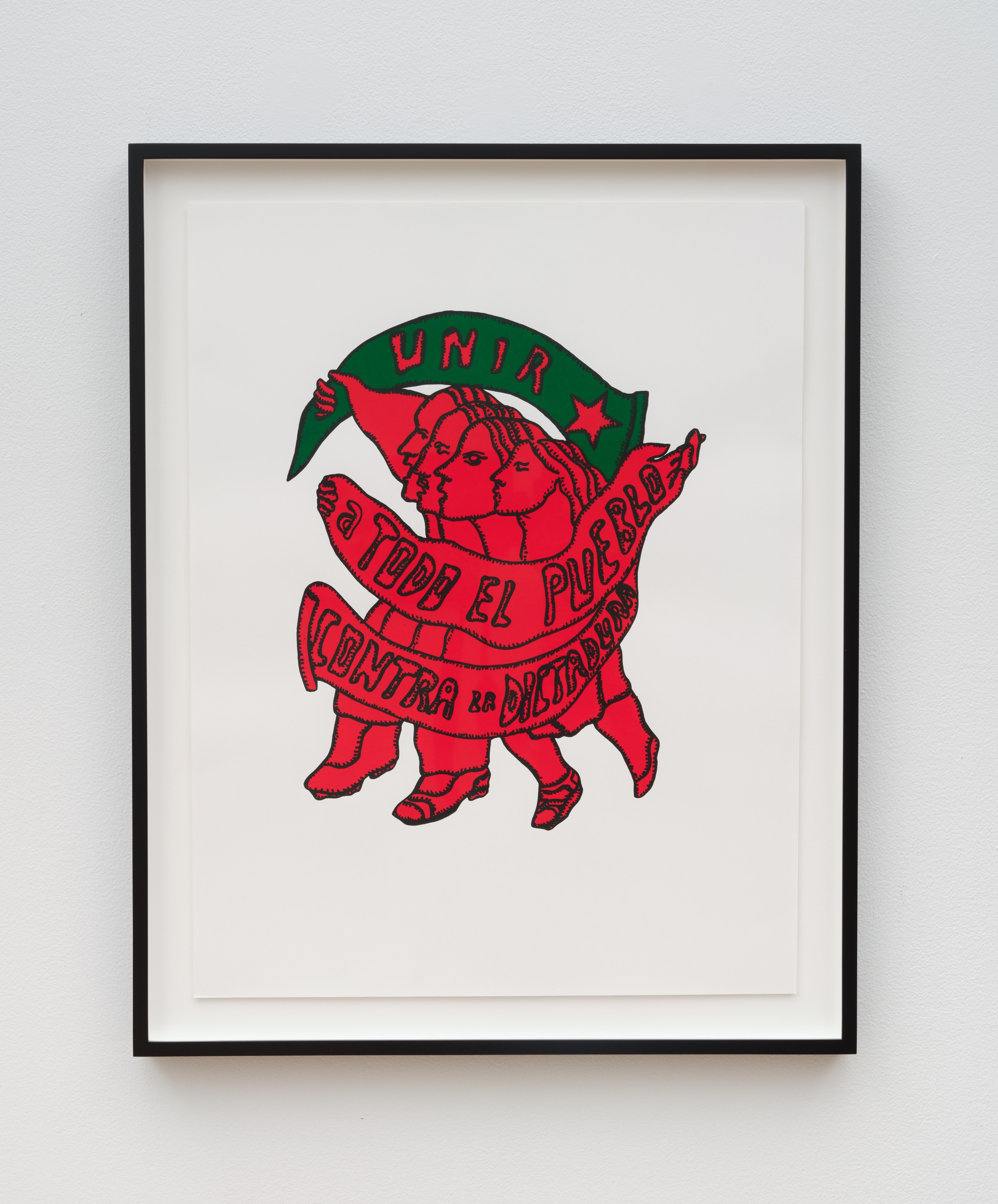
Work on paper by Cecilia Vicuña

Cecilia Vicuña

Unir a todo el pueblo contra la dictadura (Unite All the People against the Dictatorship), 1978/2020

0:00 / 0:00

Cecilia Vicuña: Ex-Termination Living Quipu

Film courtesy Guggenheim Museum

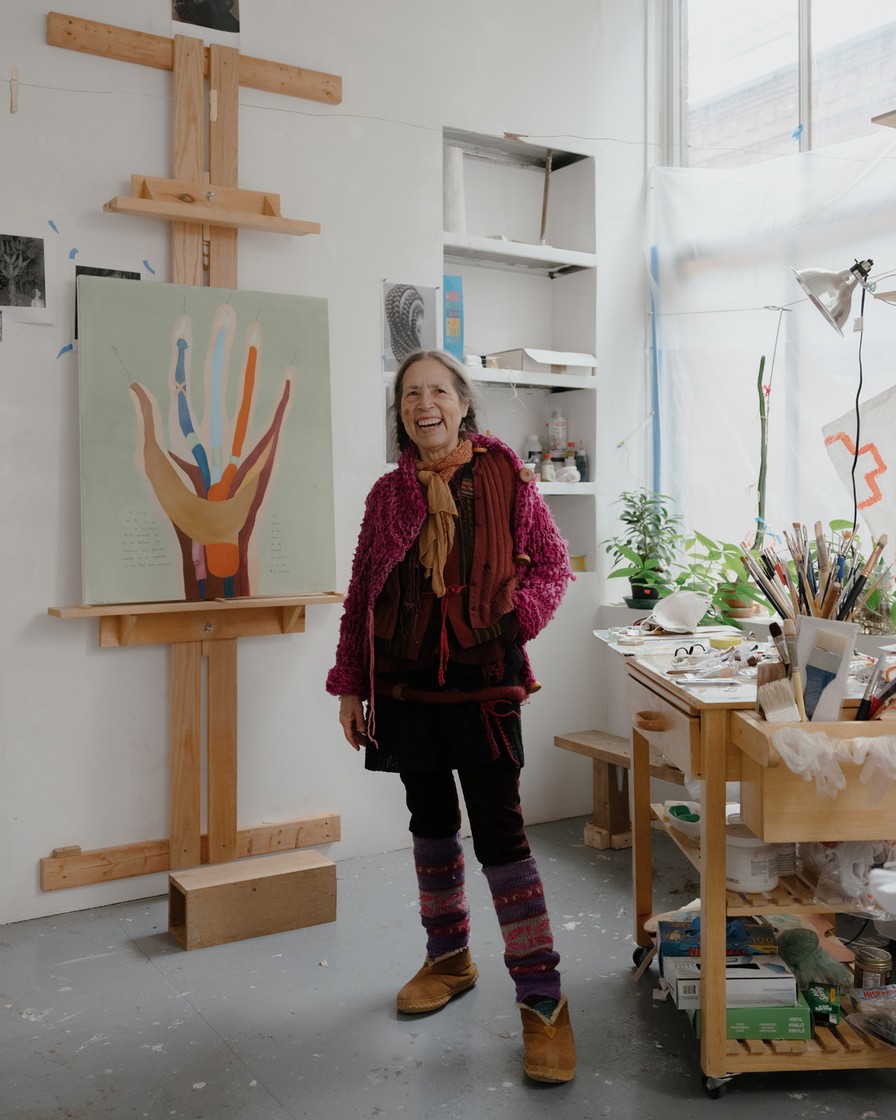
Portrait of Cecilia Vicuña

Cecilia Vicuña (b. 1948 in Santiago, Chile; lives and works in New York, NY and Santiago, Chile) integrates practices of poetry, performance, Conceptualism, and textile craft in response to pressing concerns of the modern world, including ecological destruction, human rights, and cultural homogenization. Born and raised in Santiago, she was exiled during the early 1970s after the violent military coup against President Salvador Allende. This sense of impermanence, and a desire to preserve and pay tribute to the indigenous history and culture of Chile, have characterized her work throughout her career.

While living in Chile during the mid-1960s, Vicuña began an ongoing series of small sculptures she calls precarios, spatial poems in which she combines feathers, stone, plastic, wood, wire, shells, cloth, and other human-made detritus. She coined the term “Arte Precario,” as an independent autonomous category, to name these works defined by their fragility and ephemerality: Vicuña initially composed the precarios along the ocean’s edge, for high tide to complete the work by erasing it. Around the same time, Vicuña came across ancient quipus in a book—and this Andean communication system involving the knotting of colored strings, generated a deep response in her. In the early 1970s she began creating spatial weavings and living quipus, which evolved into her Quipus in multiple materials, including unspun wool. These ephemeral, site-specific installations combine the tactile ritual of weaving with assemblage, poetry, and performance. Vicuña’s surreal figurative paintings of the late 1960s and 1970s are more explicitly personal and political in comparison to her other bodies of work and were created in direct response to European colonization. Their highly charged imagery refers to the subtly subversive images made by 16th-century indigenous artists in Latin America after the Spanish conquest, when they were forced to paint angels and saints for the Catholic church. In Vicuña’s paintings, religious icons are replaced by personal, political, and literary figures, commemorated and mythologized by the artist.

Learn about the artist
Spin Spin Triangulene | Lehmann Maupin