Skip to content

Cecilia Vicuña

In London, 1972 and Today

London

May 16–Jun 22, 2023

Painting by Cecilia Vicuña

No.9 Cork Street

Mayfair, London W1S 3LL

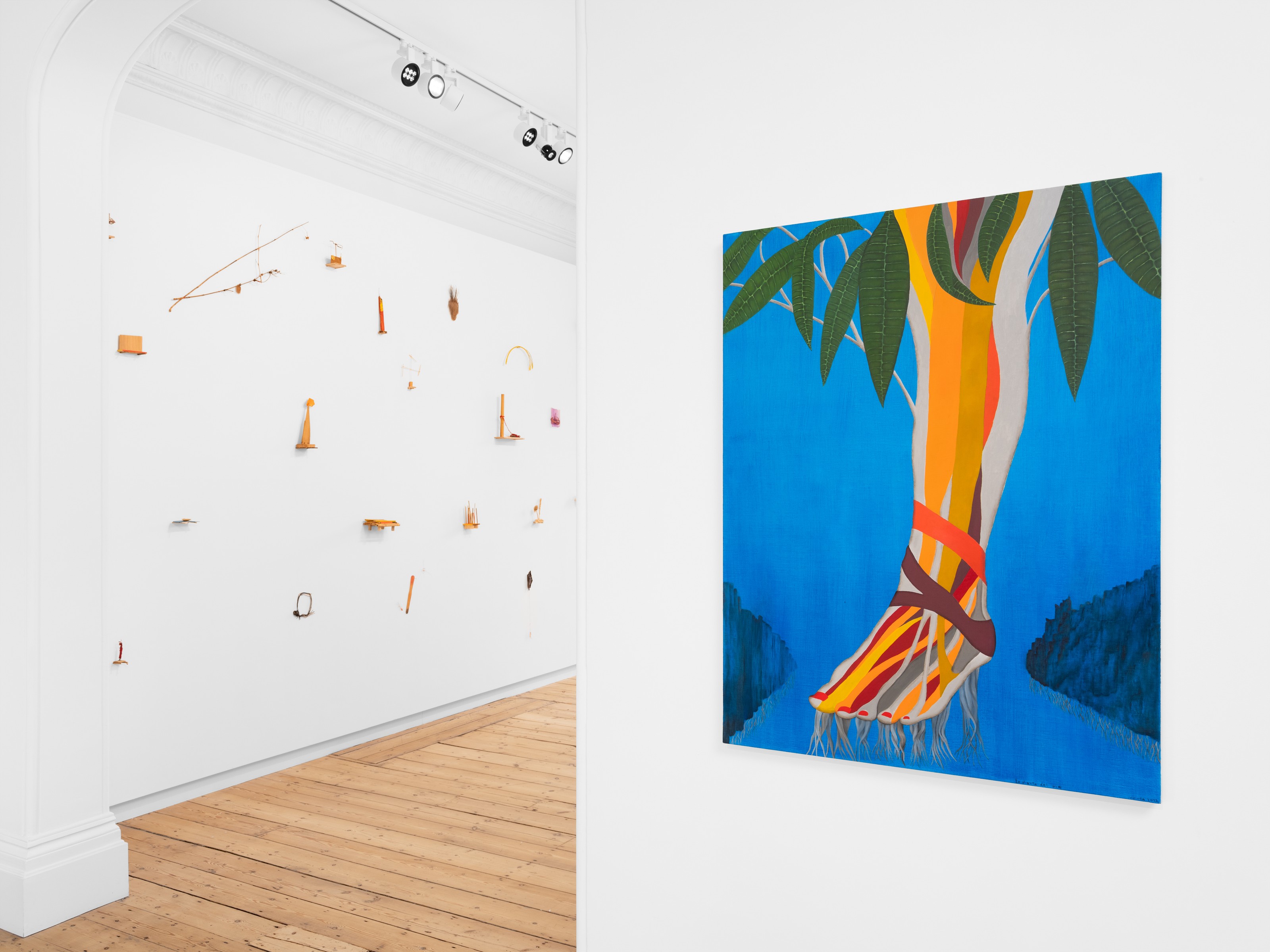
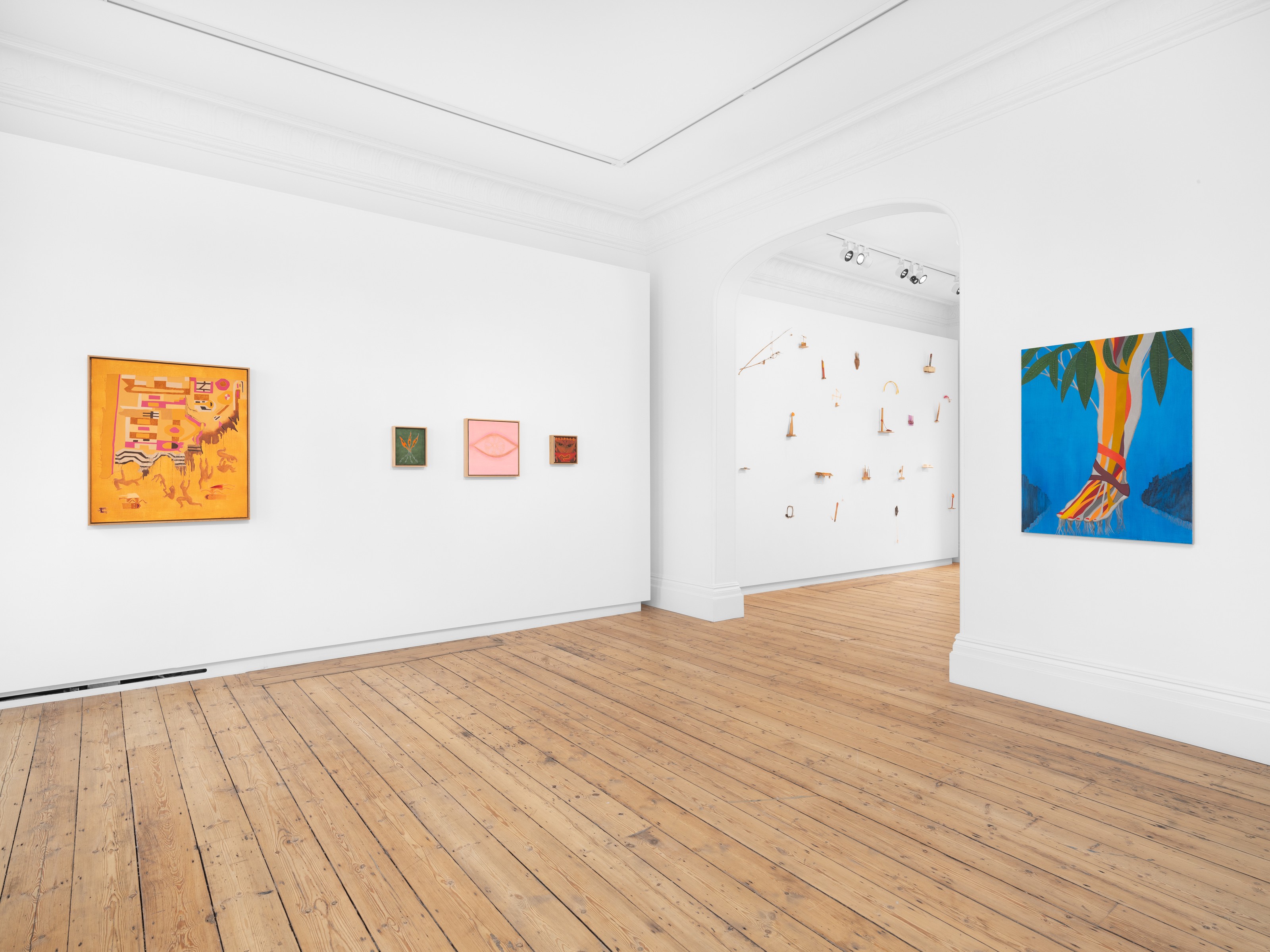
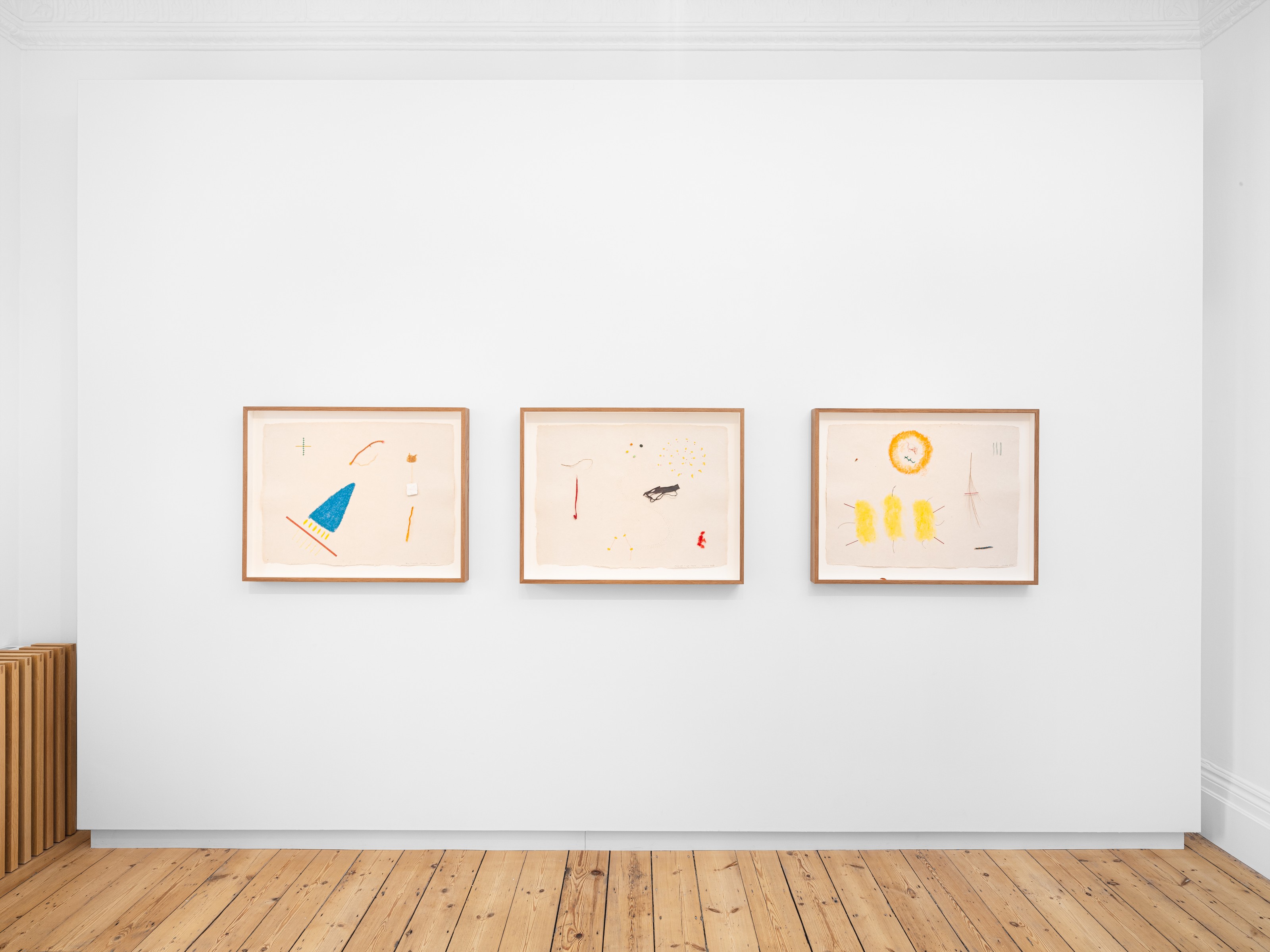
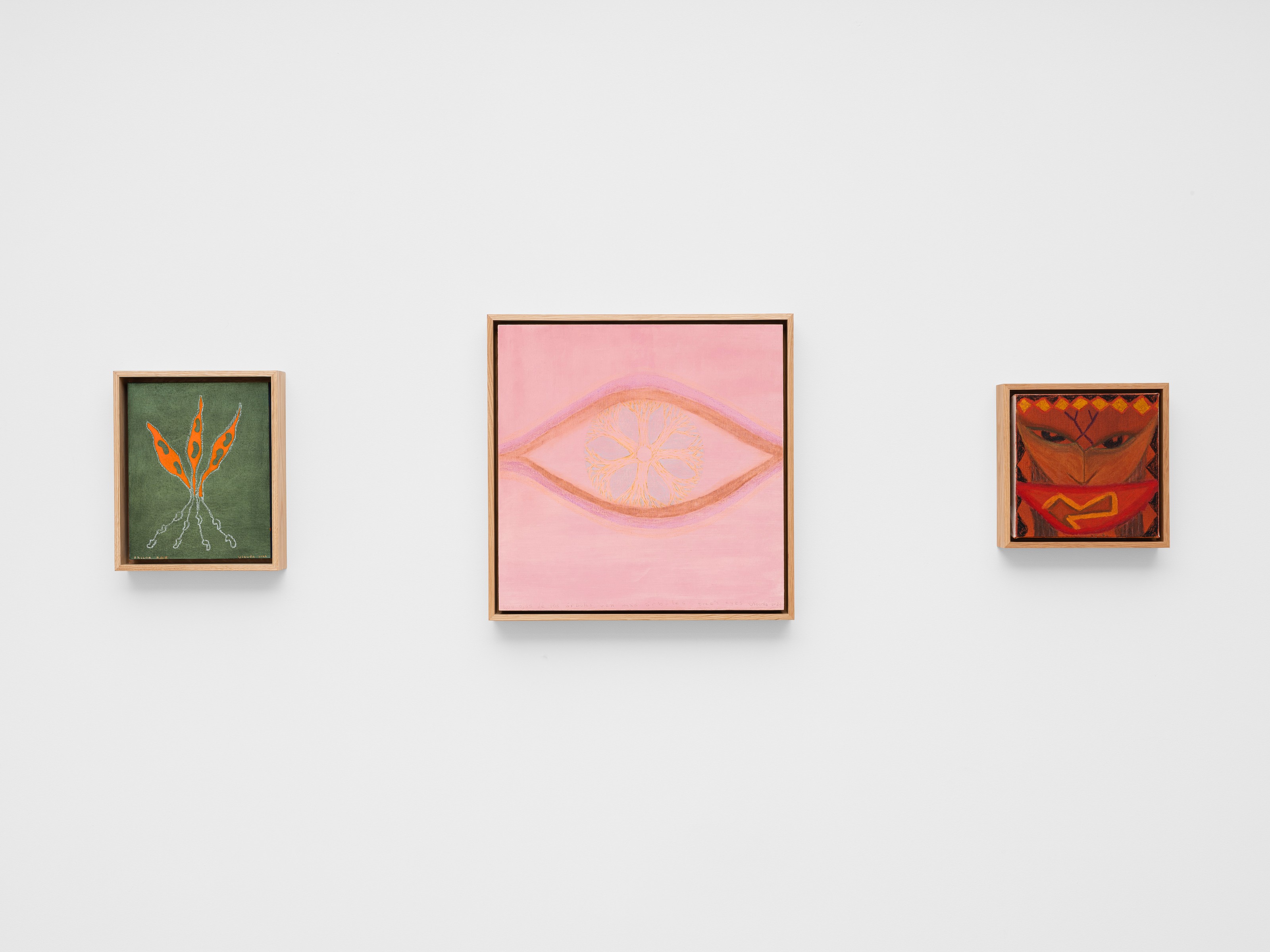
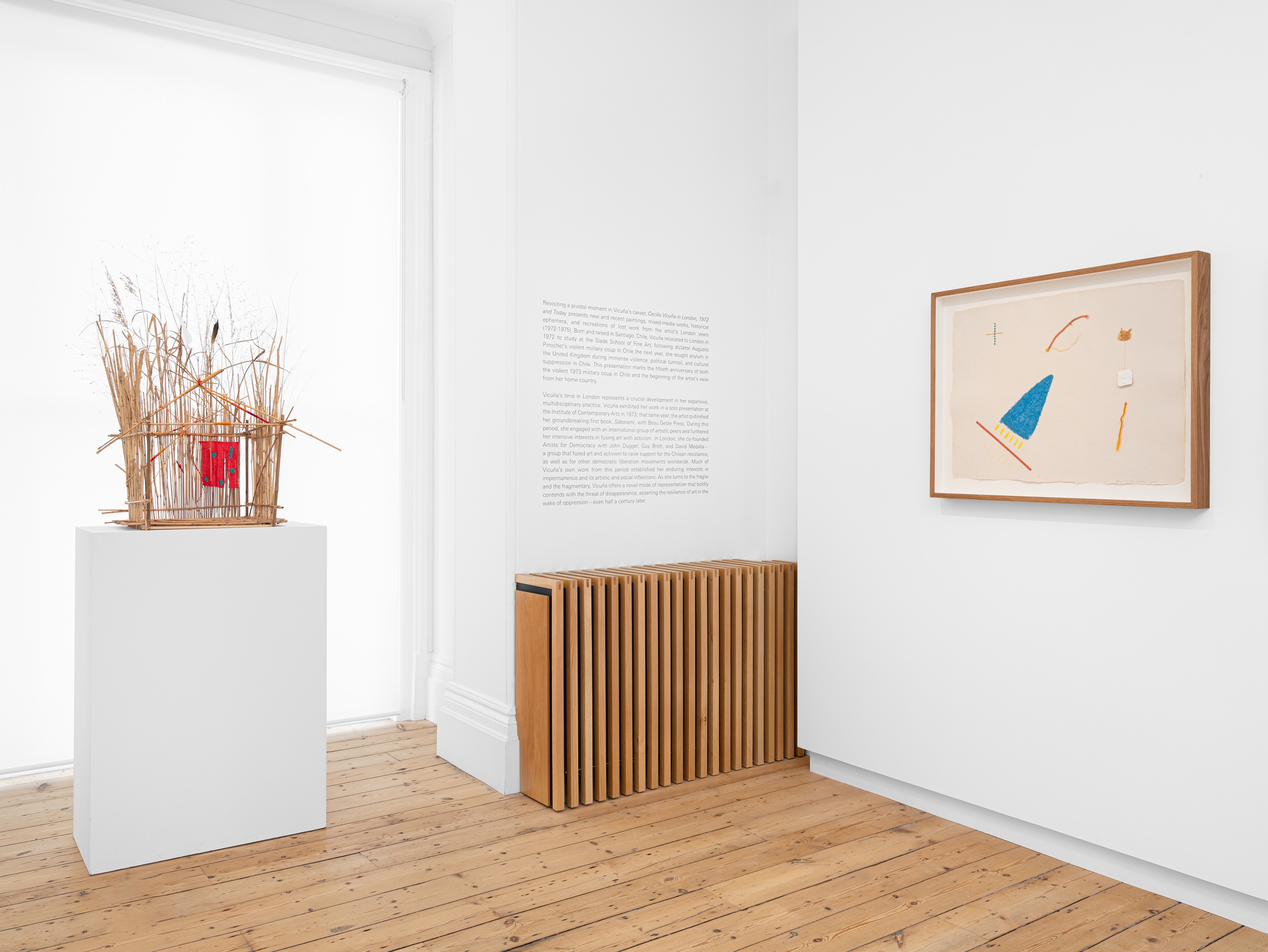
Lehmann Maupin presents Cecilia Vicuña in London, 1972 and Today, an exhibition of new and historical work by the artist following her 2022—2023 Turbine Hall commission at Tate Modern. Revisiting a pivotal moment in Vicuña’s career, Cecilia Vicuña in London, 1972 and Today presents new and recent paintings, mixed-media works, historical ephemera, and recreations of lost work from the artist’s London years (1972—1975). Born and raised in Santiago, Chile, Vicuña relocated to London in 1972 to study at the Slade School of Fine Art; following dictator Augusto Pinochet’s violent military coup in Chile the next year, she sought asylum in the United Kingdom during immense violence, political turmoil, and cultural suppression in Chile. This presentation marks the fiftieth anniversary of both the violent 1973 military coup in Chile and the beginning of the artist’s exile from her home country. 

Vicuña’s time in London represents a crucial development in her expansive, multidisciplinary practice. During this period, she engaged with an international group of artistic peers and furthered her intensive interests in fusing art with activism. Responding to catastrophe and loss in Chile, Vicuña expanded her earlier precarious work in nature in Chile around issues of disappearance and impermanence as both political and aesthetic concerns. Vicuña studied at the Slade School of Fine Art and exhibited her work in a solo presentation at the Institute of Contemporary Arts in 1973. That same year, the artist published her groundbreaking first book, Saborami, with Beau Geste Press in Devon, where she encountered a number of fellow international artists such Carolee Schneeman and Ulises Carrión. Shortly after its release, Saborami became the subject of a BBC documentary, which was among the first widely broadcast pieces to introduce British audiences to the gravity of the Chilean political climate and the powerful activist and artistic resistance efforts that arose in response. A new edition of Saborami, among the first pieces of literature to address Salvador Allende’s death, will be released this fall with Book Works Publishing to mark the fiftieth anniversary of the coup. 

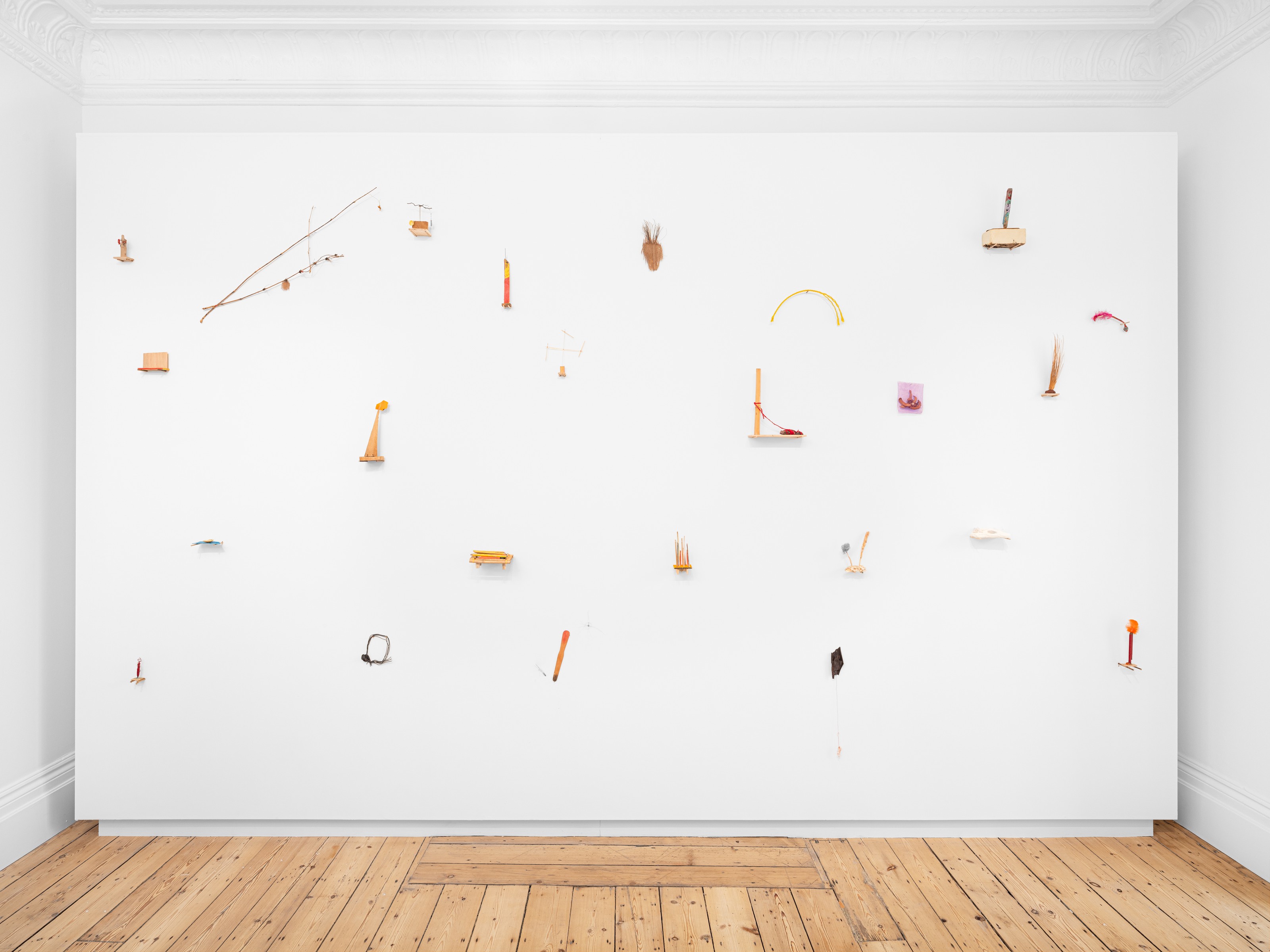
Installation view of Cecilia Vicuña at Lehmann Maupin London
Installation Views: 1 of 3
Precarios by Cecilia Vicuña

Cecilia Vicuña

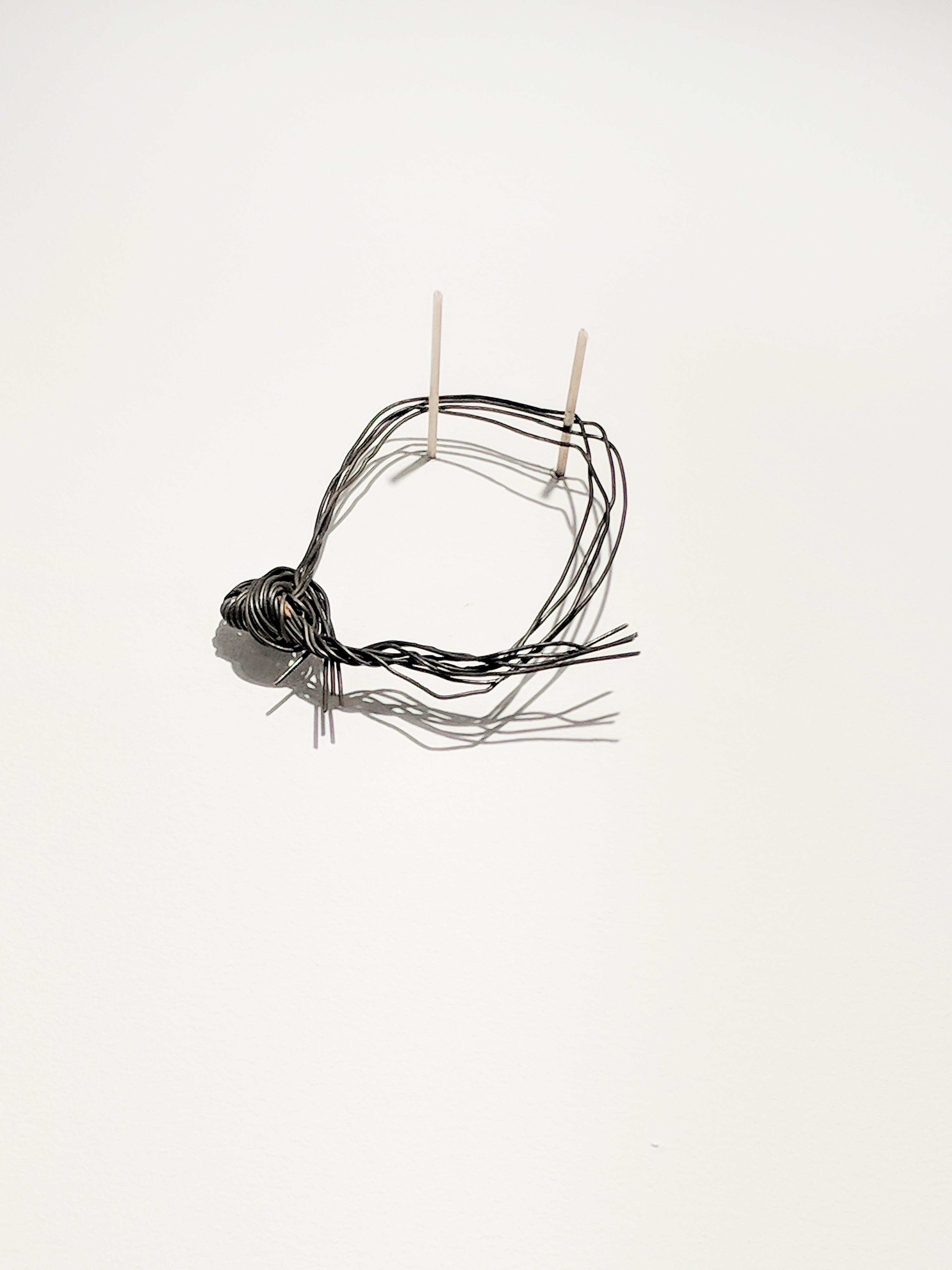
Nudo aplastado (Precarios), 2014

Precarios by Cecilia Vicuña

Cecilia Vicuña

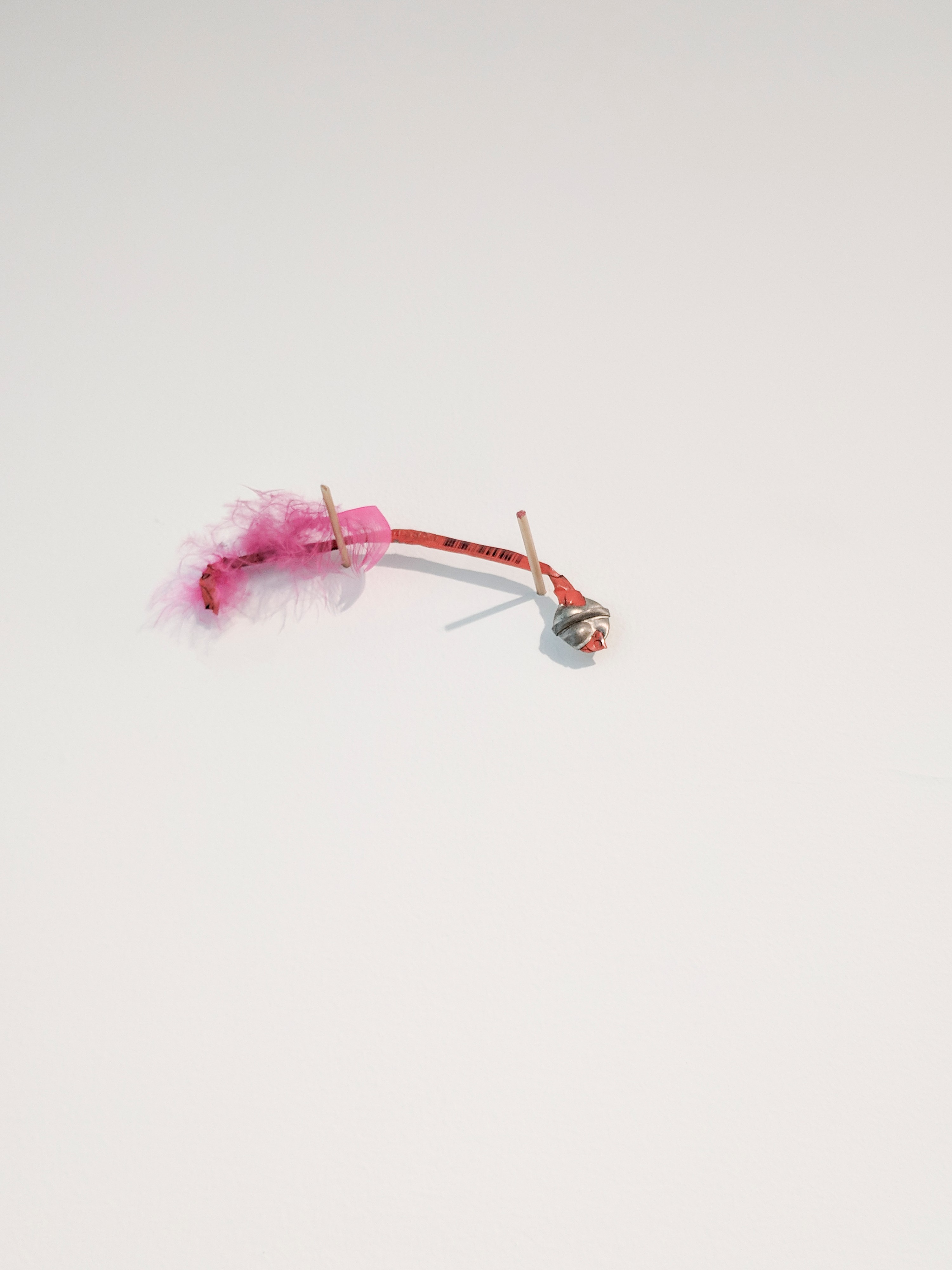
Pájaro telefónico (Precarios), 2000

Precarios by Cecilia Vicuña

Cecilia Vicuña

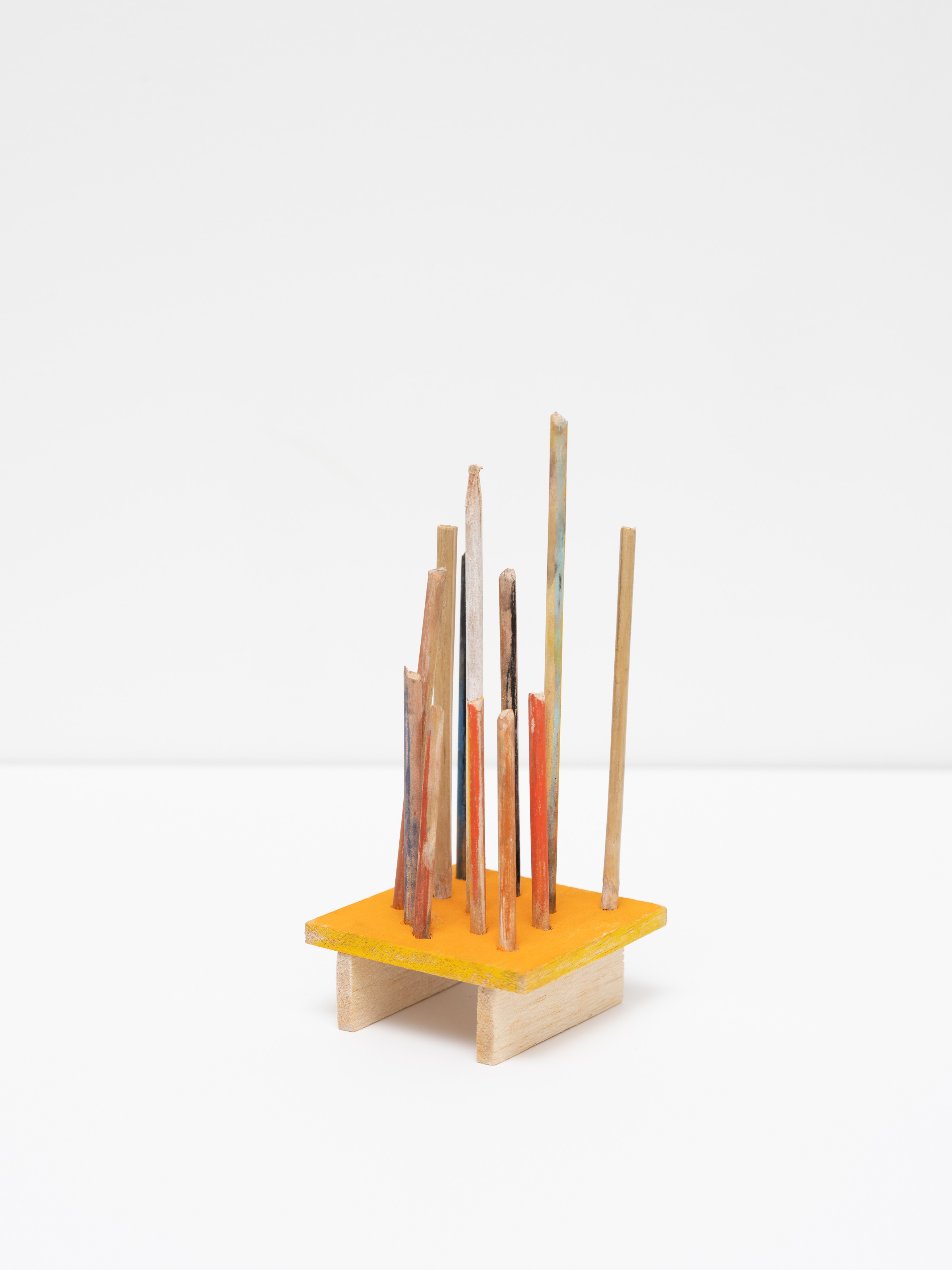
Cielo bajo (Precarios), 2017

Precarios by Cecilia Vicuña

Cecilia Vicuña

Lapicitos New York (Precarios), 2017

Precarios by Cecilia Vicuña

Cecilia Vicuña

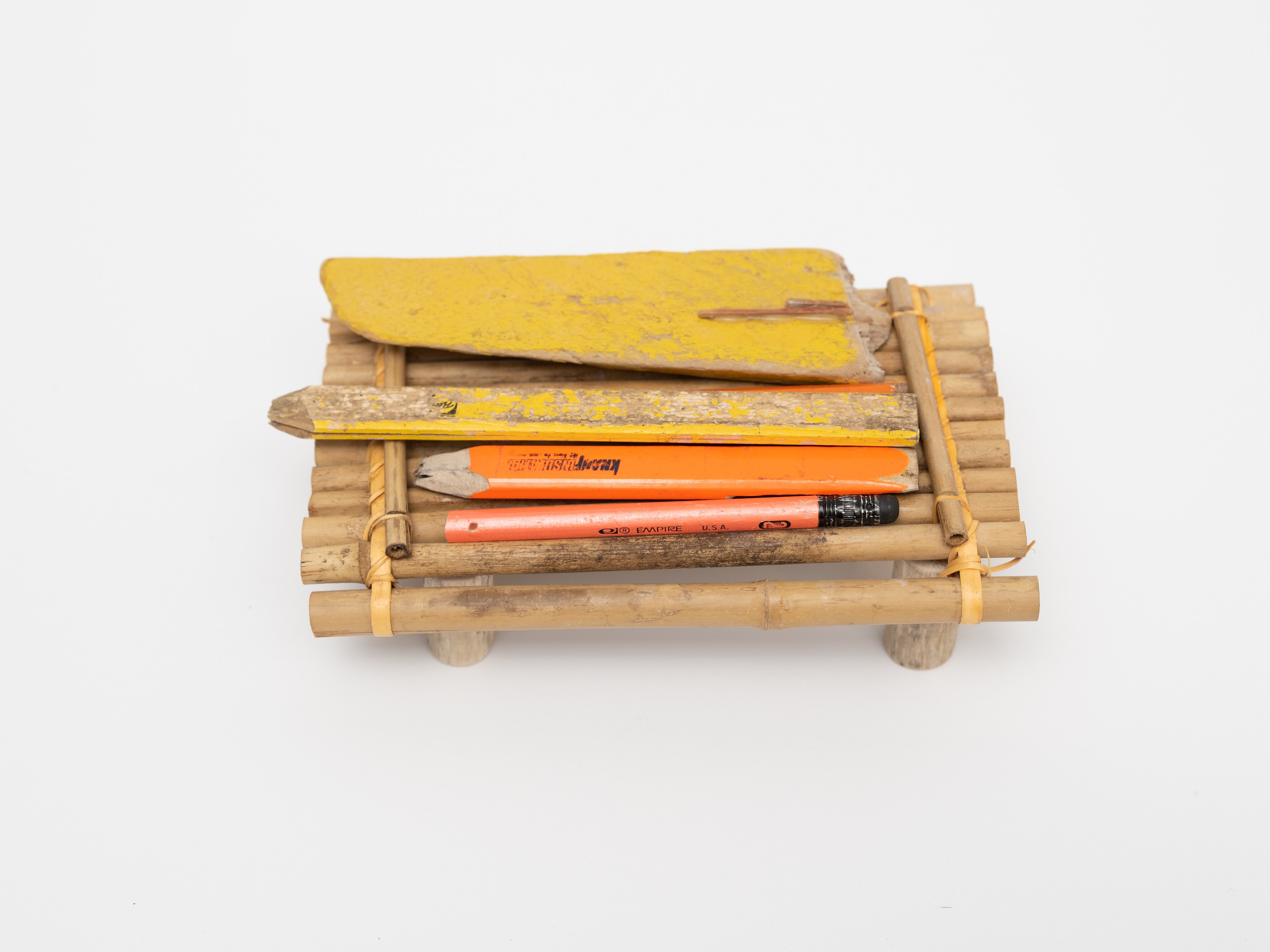
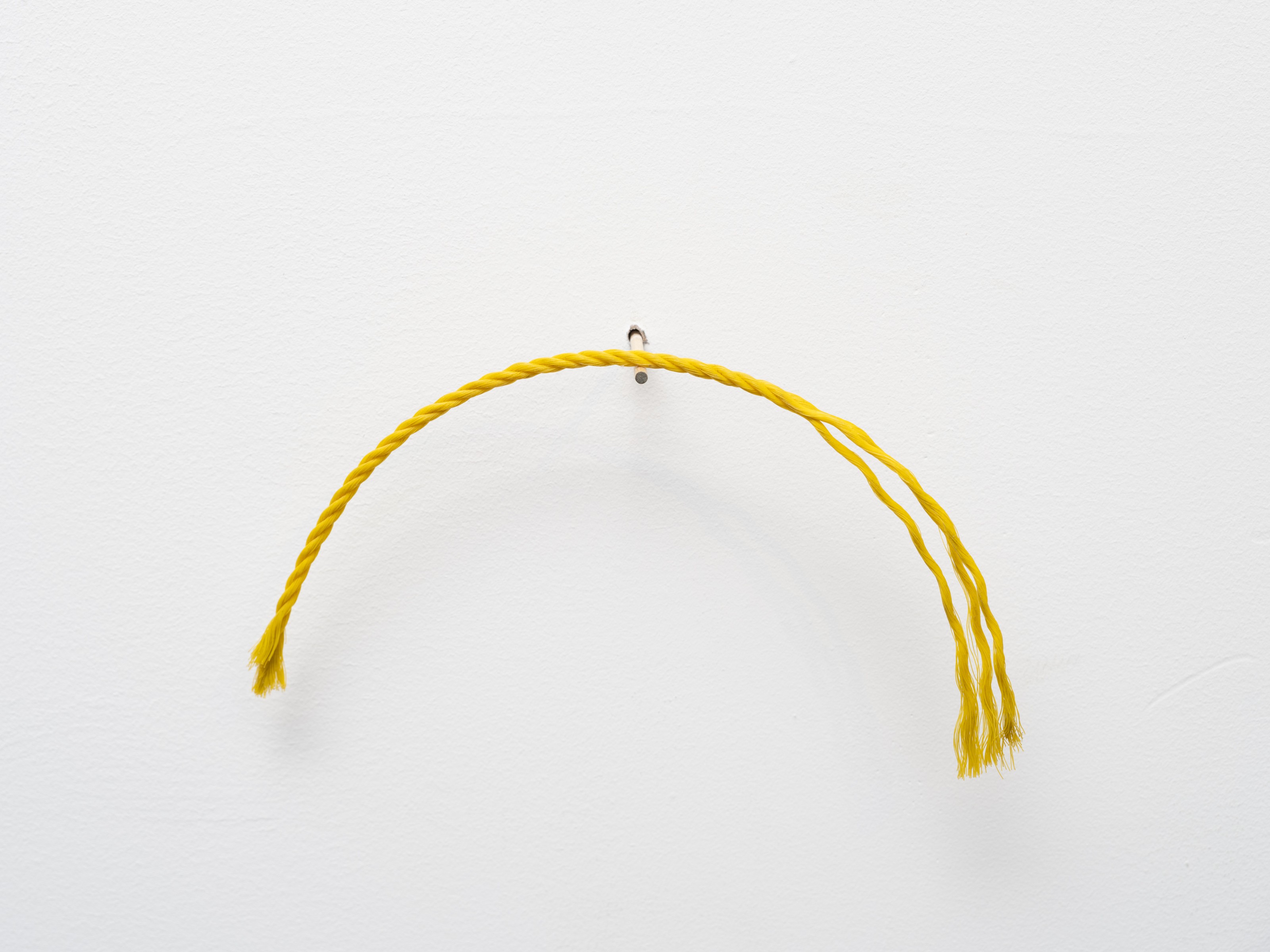
Cable amarillo (Precarios), 2015

Precarios by Cecilia Vicuña

Cecilia Vicuña

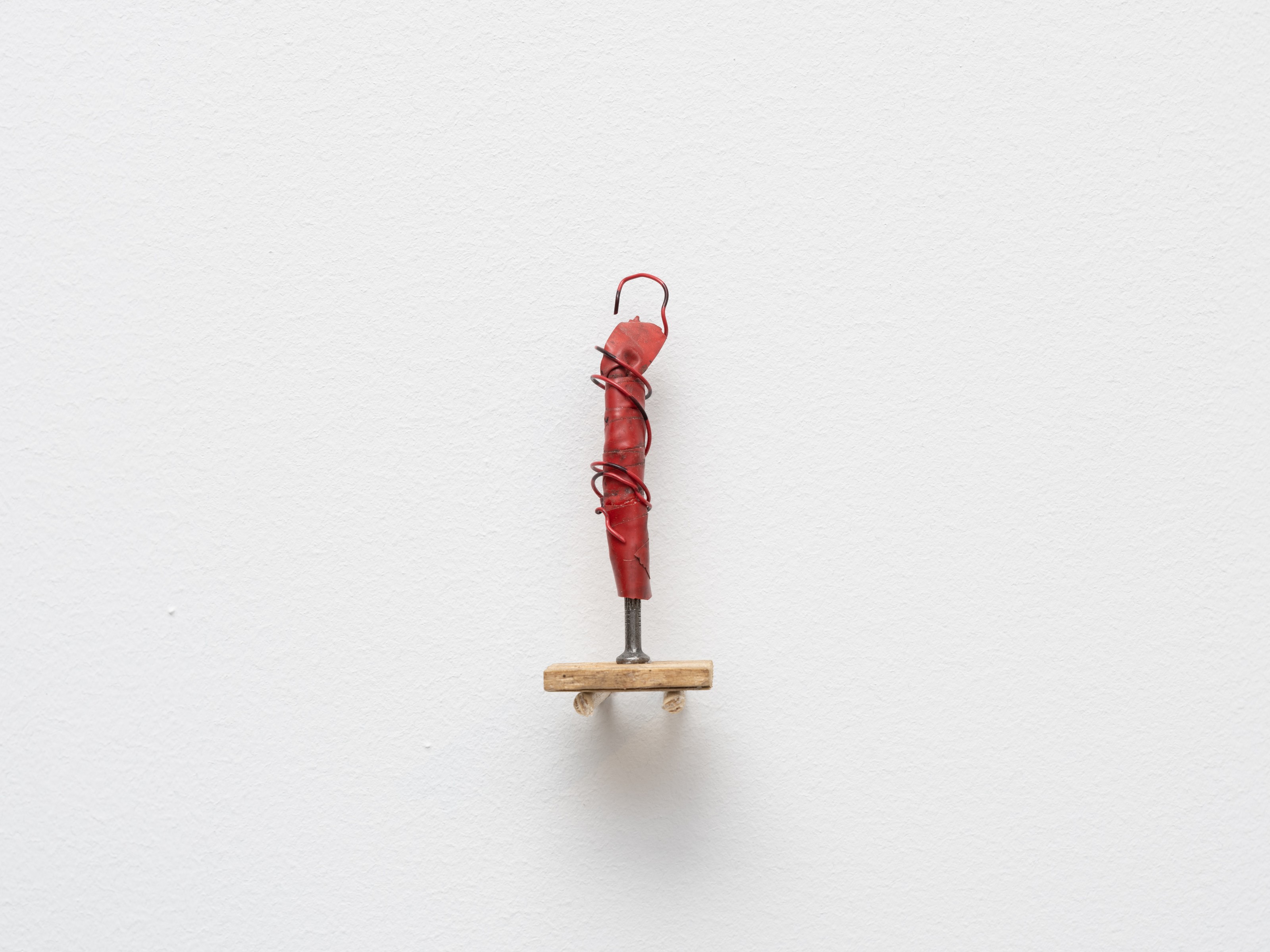
Clavo espiral (Precarios), 2009/2014

Precarios by Cecilia Vicuña

Cecilia Vicuña

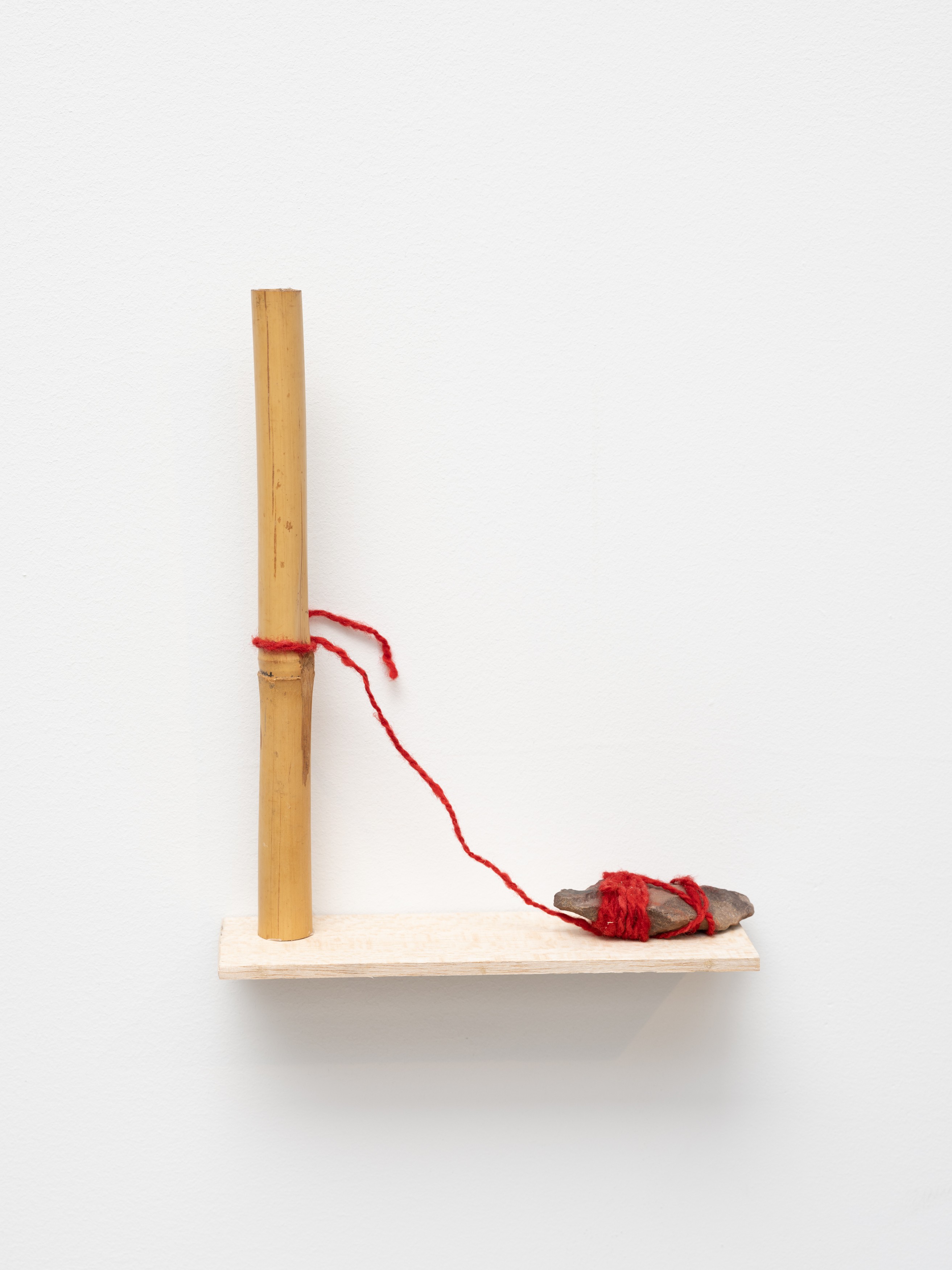
Huso de piedra (Precarios), 2009

Precarios by Cecilia Vicuña

Cecilia Vicuña

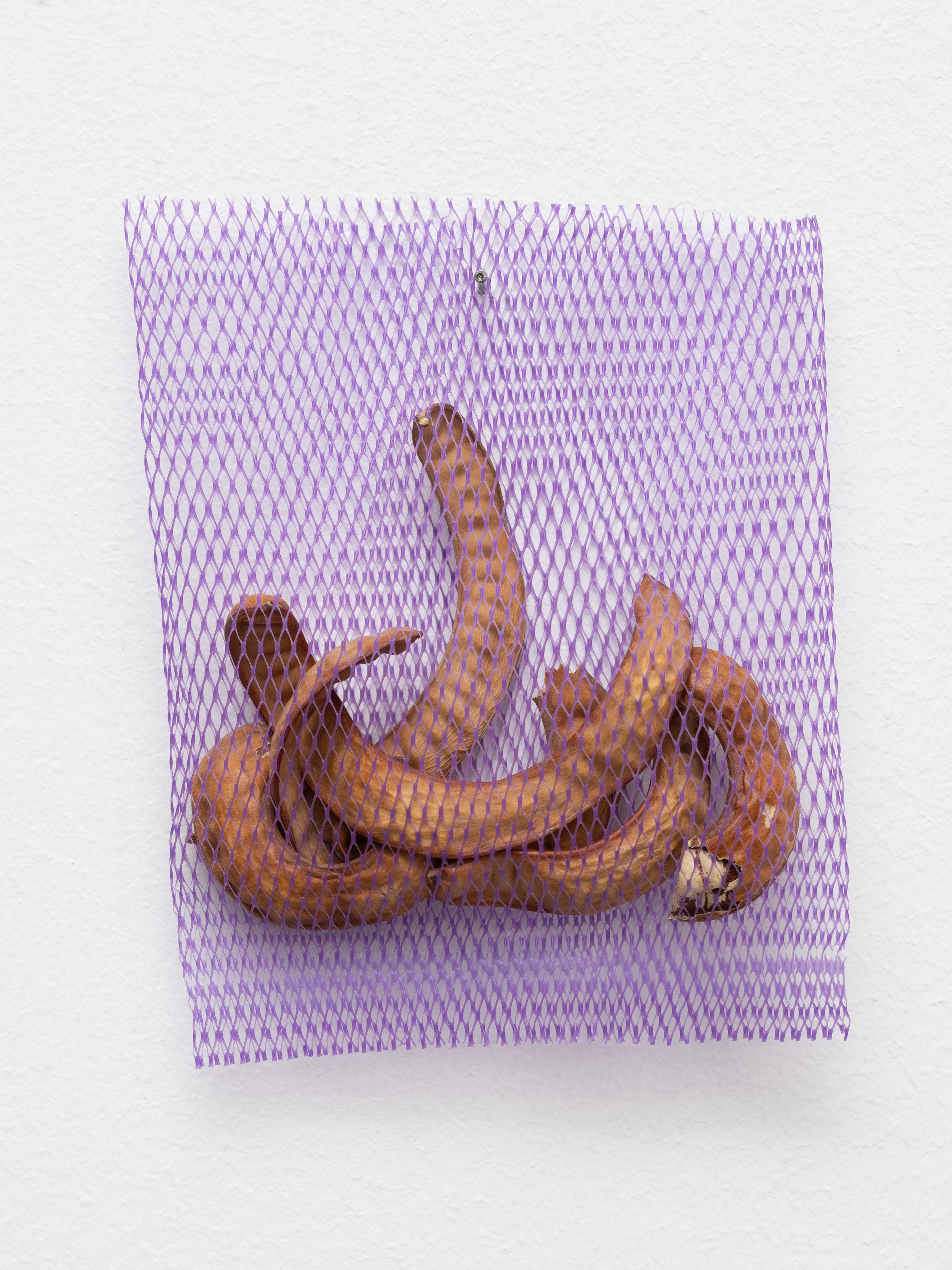
Bolsita morada (Precarios), 2000

Precarios by Cecilia Vicuña

Cecilia Vicuña

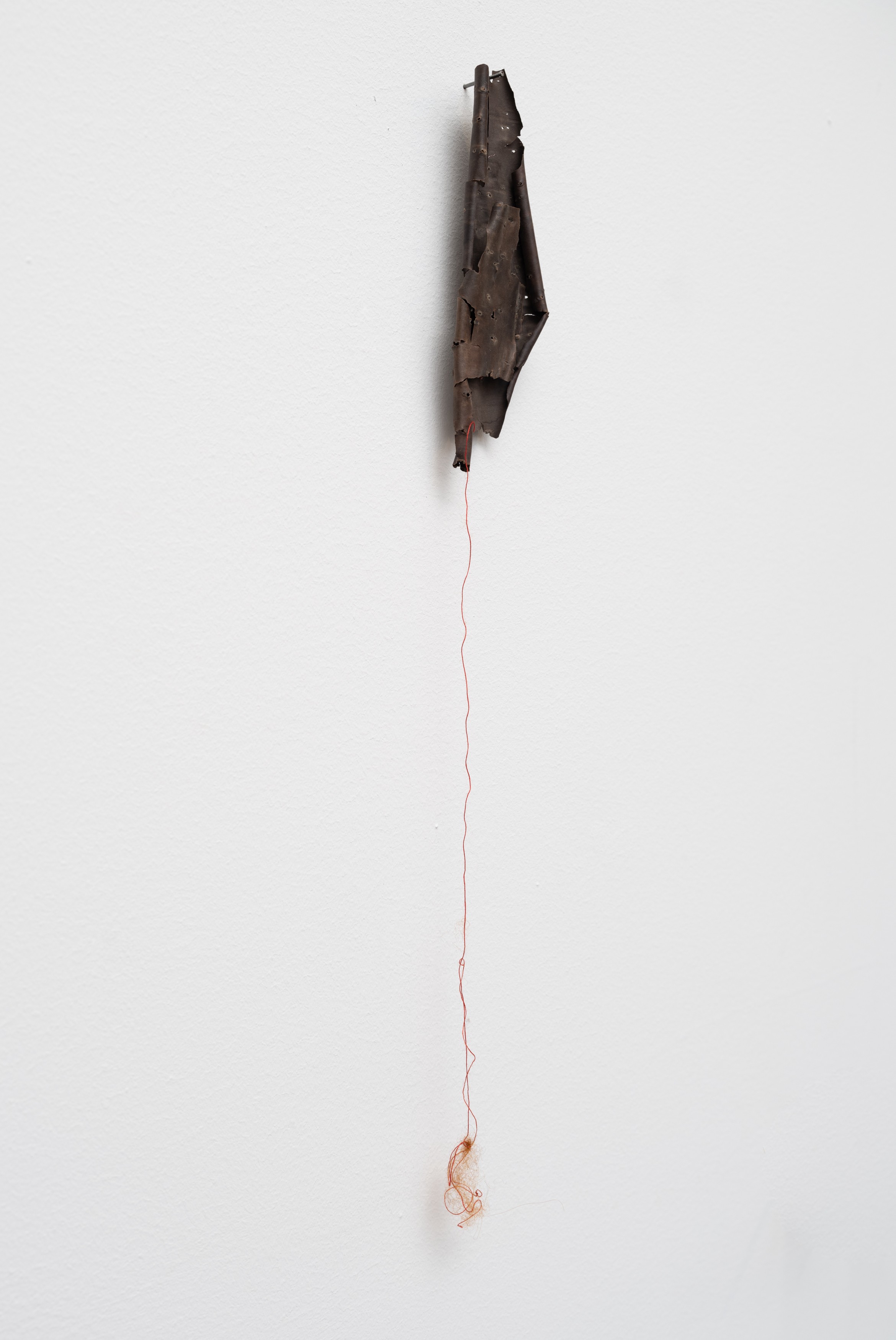
Corteza con cola (Precarios), 2017

Installation view of Cecilia Vicuña at Lehmann Maupin London
Installation Views: 1 of 3
Precarios by Cecilia Vicuña

Cecilia Vicuña

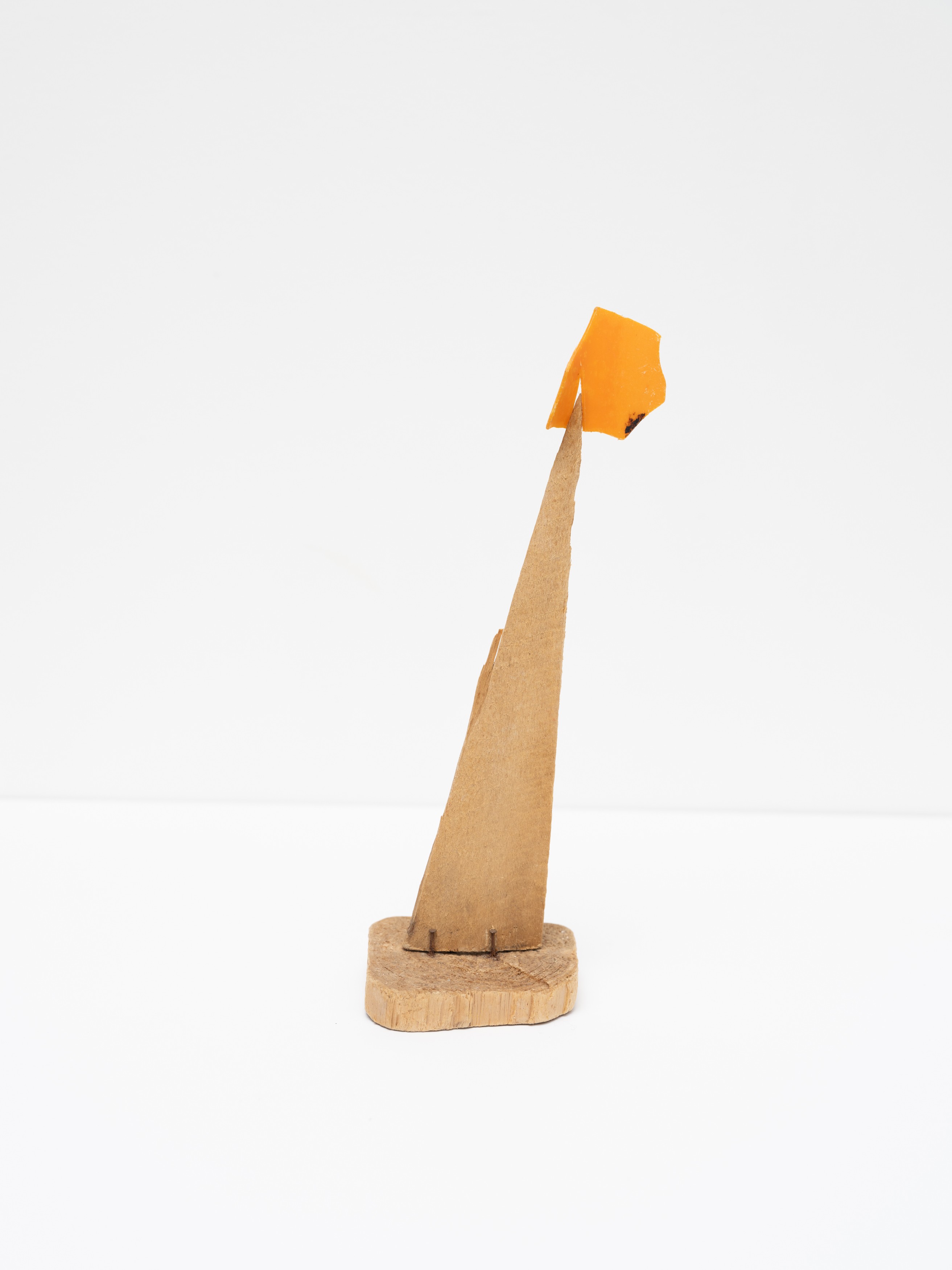
Triangulo escarpado (Precarios), 2017

Precarios by Cecilia Vicuña

Cecilia Vicuña

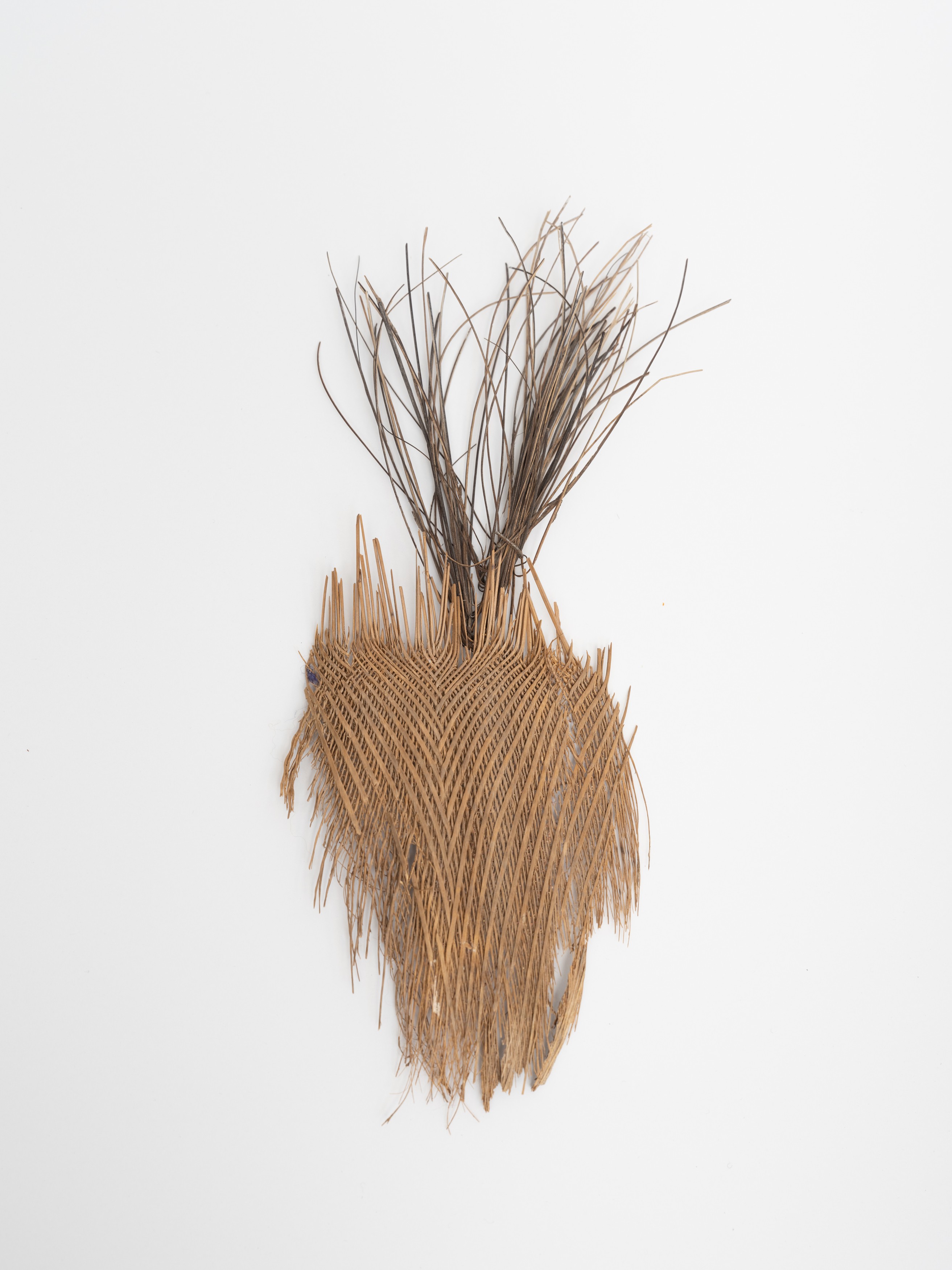
Palmas no palmas (Precarios), 2017

Precarios by Cecilia Vicuña

Cecilia Vicuña

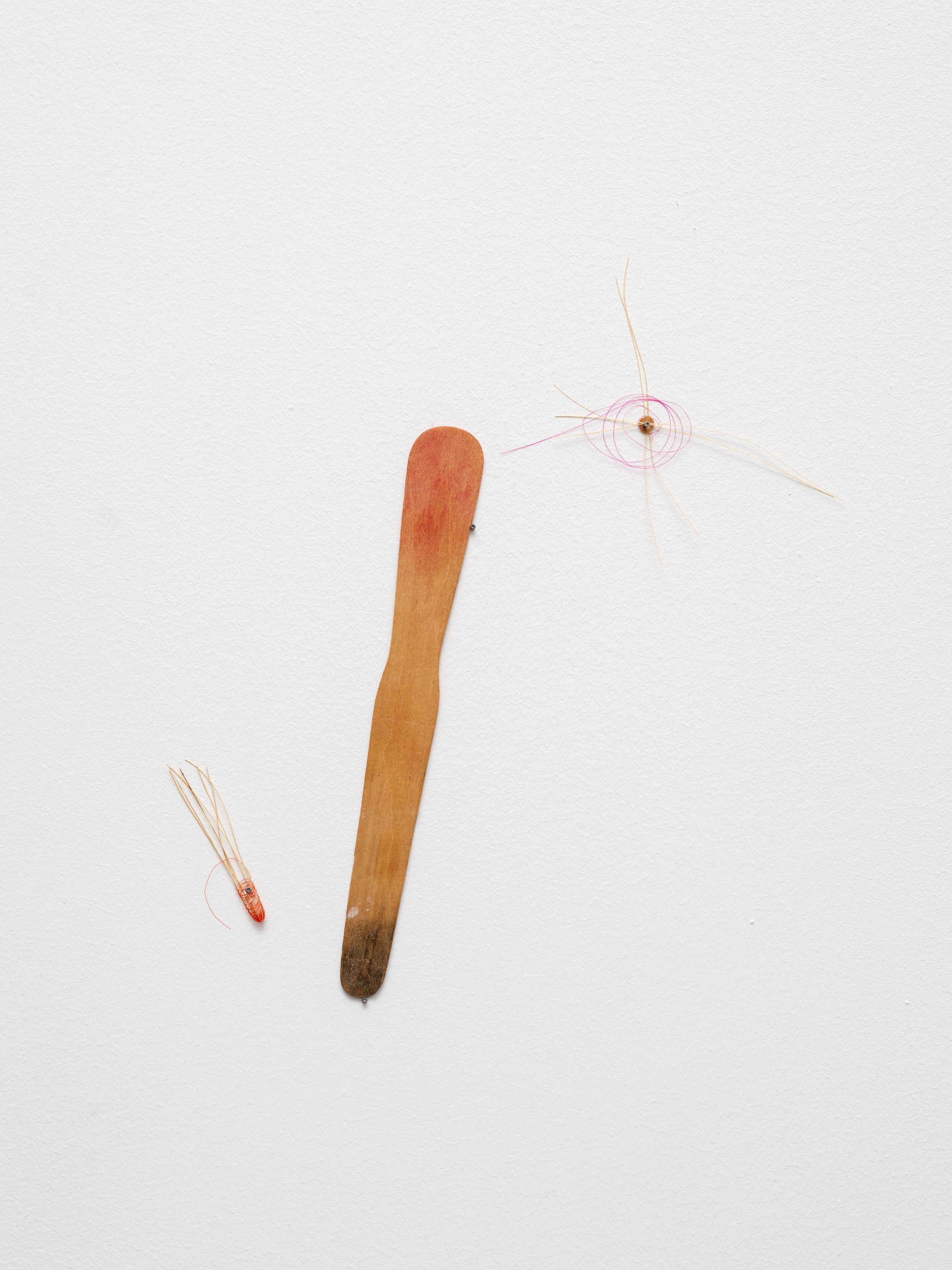
Cohetes rari y paleta (Precarios), 2009

Precarios by Cecilia Vicuña

Cecilia Vicuña

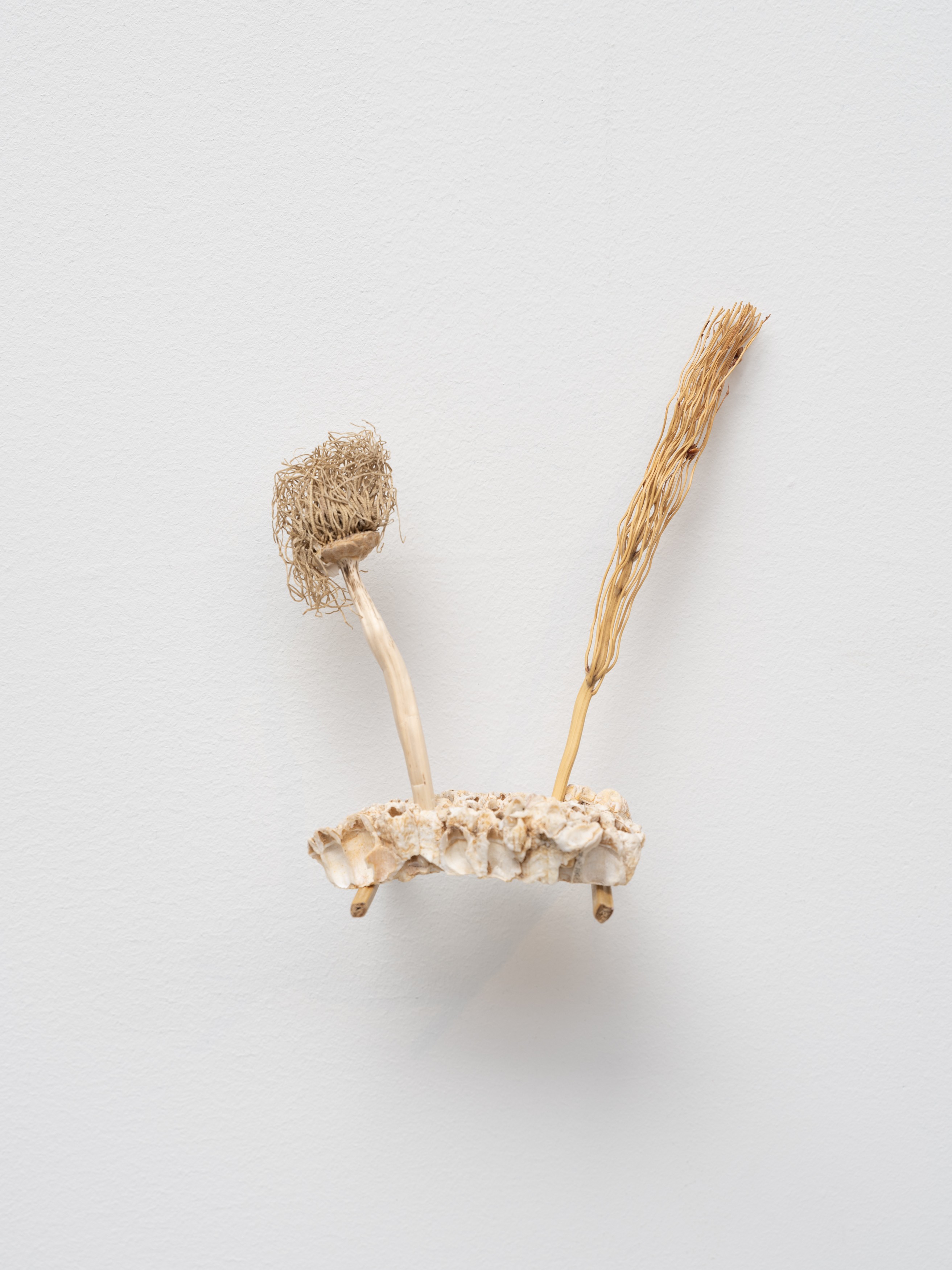
Doble escoba curagüilla (Precarios), TBC

Precarios by Cecilia Vicuña

Cecilia Vicuña

Cruz balsa (Precarios), 2009

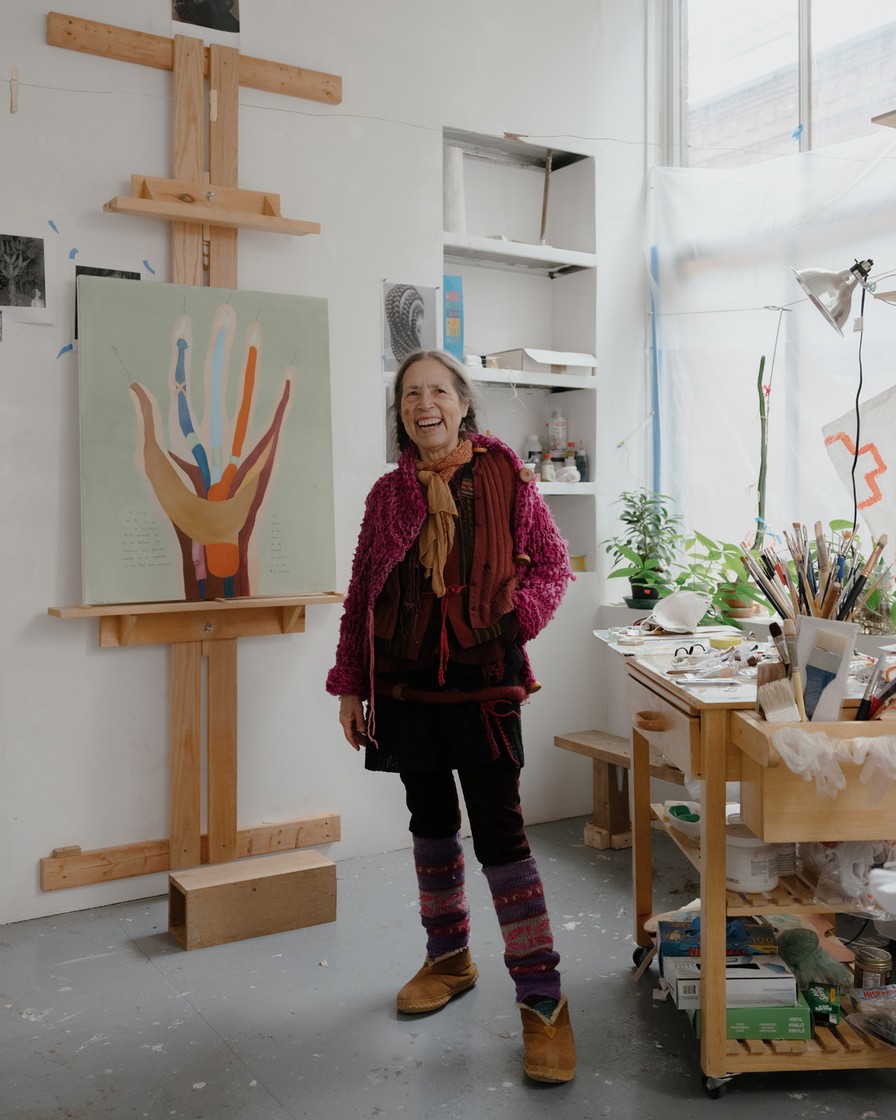
Portrait of Cecilia Vicuña

Cecilia Vicuña (b. 1948 in Santiago, Chile; lives and works in New York, NY and Santiago, Chile) integrates practices of poetry, performance, Conceptualism, and textile craft in response to pressing concerns of the modern world, including ecological destruction, human rights, and cultural homogenization. Born and raised in Santiago, she was exiled during the early 1970s after the violent military coup against President Salvador Allende. This sense of impermanence, and a desire to preserve and pay tribute to the indigenous history and culture of Chile, have characterized her work throughout her career.

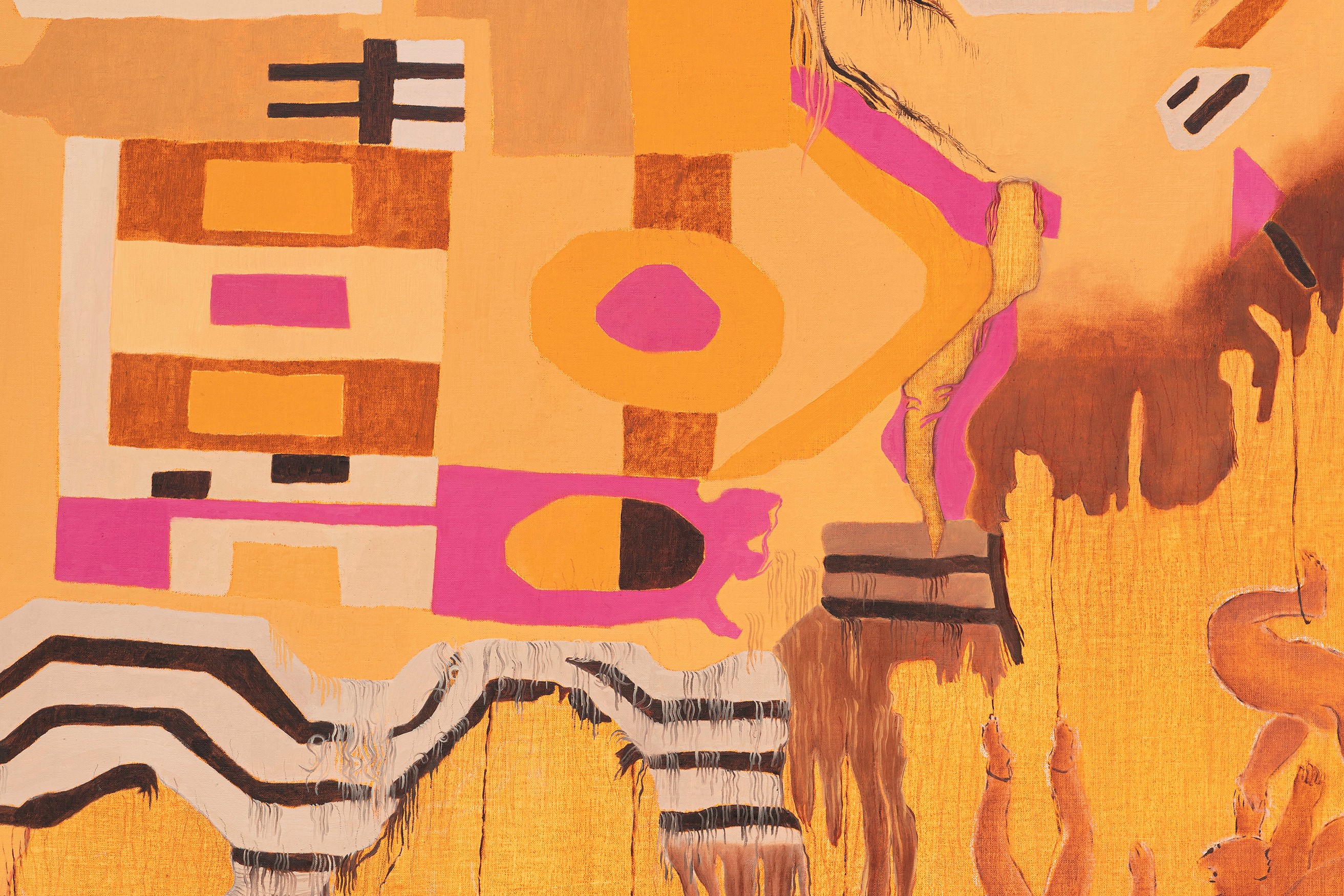
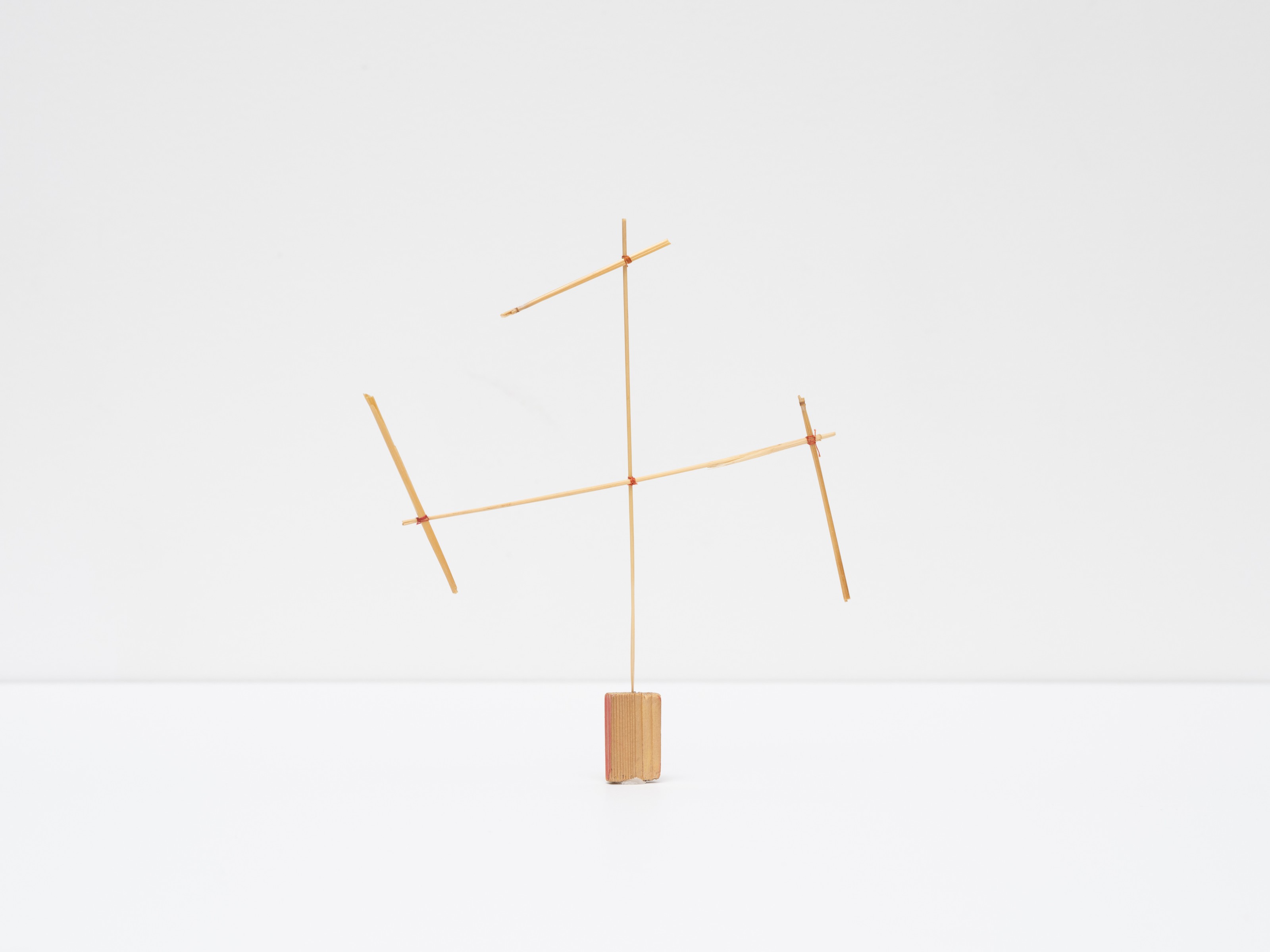
While living in Chile during the mid-1960s, Vicuña began an ongoing series of small sculptures she calls precarios, spatial poems in which she combines feathers, stone, plastic, wood, wire, shells, cloth, and other human-made detritus. She coined the term “Arte Precario,” as an independent autonomous category, to name these works defined by their fragility and ephemerality: Vicuña initially composed the precarios along the ocean’s edge, for high tide to complete the work by erasing it. Around the same time, Vicuña came across ancient quipus in a book—and this Andean communication system involving the knotting of colored strings, generated a deep response in her. In the early 1970s she began creating spatial weavings and living quipus, which evolved into her Quipus in multiple materials, including unspun wool. These ephemeral, site-specific installations combine the tactile ritual of weaving with assemblage, poetry, and performance. Vicuña’s surreal figurative paintings of the late 1960s and 1970s are more explicitly personal and political in comparison to her other bodies of work and were created in direct response to European colonization. Their highly charged imagery refers to the subtly subversive images made by 16th-century indigenous artists in Latin America after the Spanish conquest, when they were forced to paint angels and saints for the Catholic church. In Vicuña’s paintings, religious icons are replaced by personal, political, and literary figures, commemorated and mythologized by the artist.

Learn about the artist
In London, 1972 and Today | Lehmann Maupin