Skip to content

Art Basel Hong Kong

Booth 1C22

Mar 25–29, 2026

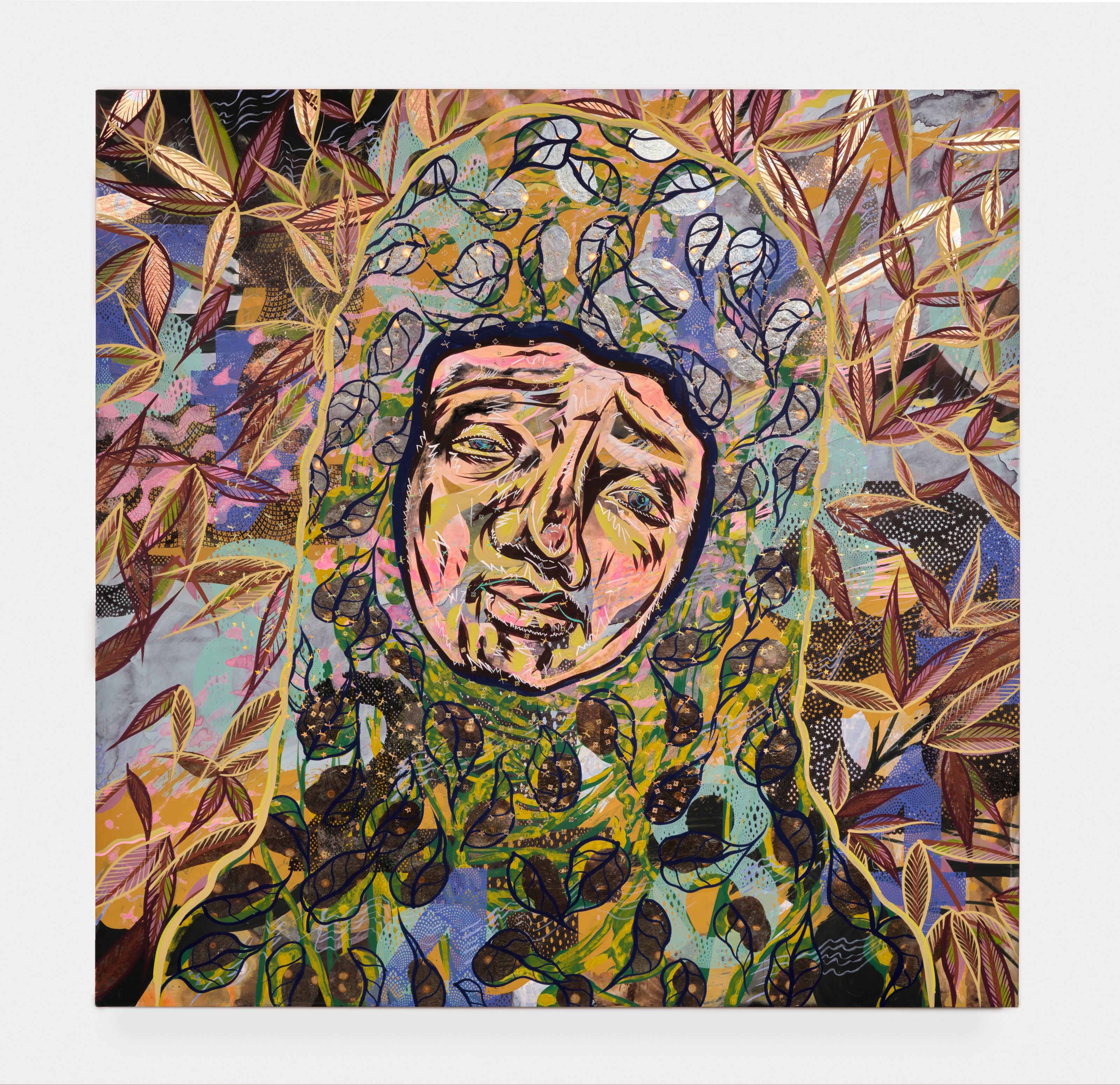
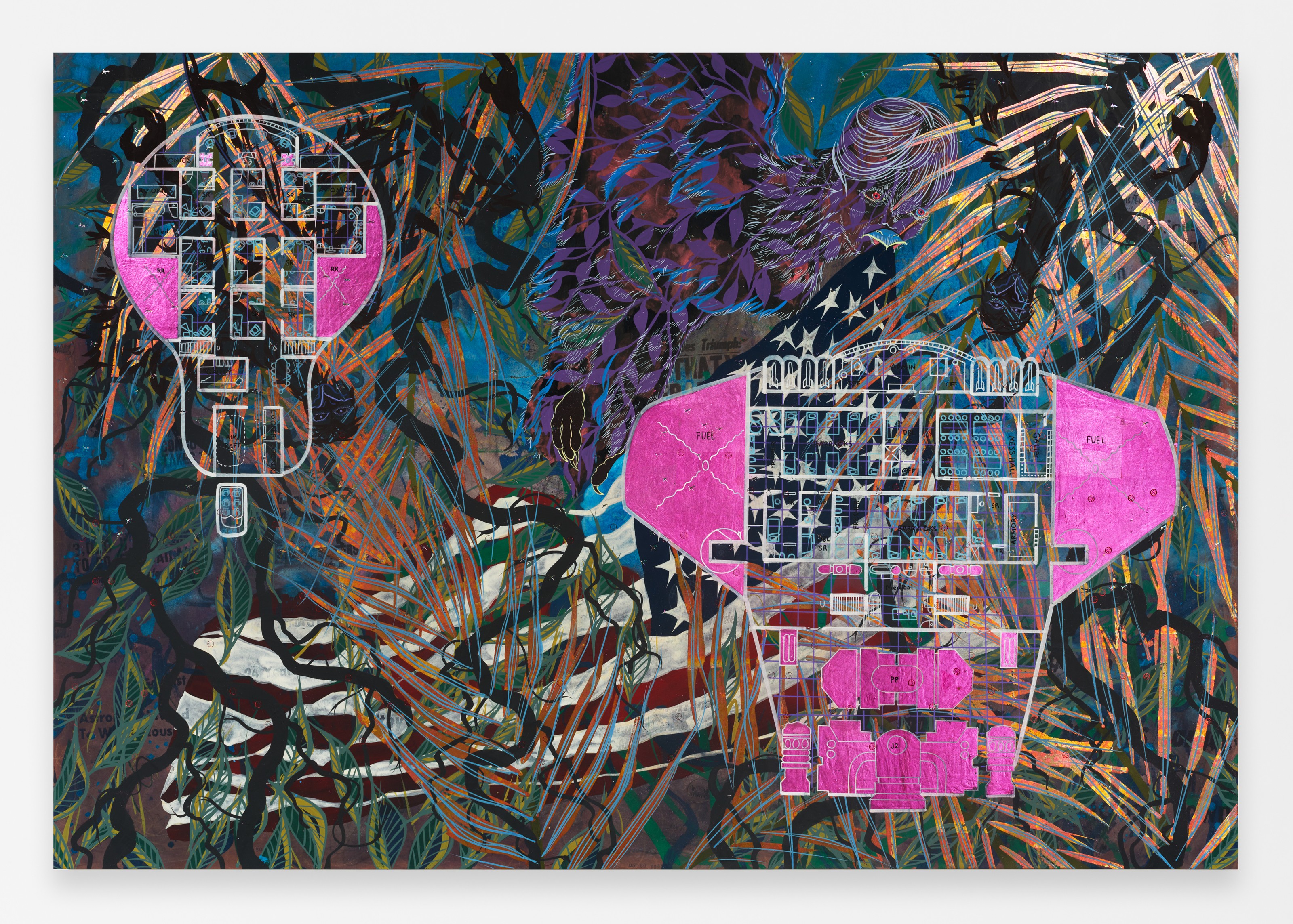
Painting by Mandy El–Sayegh

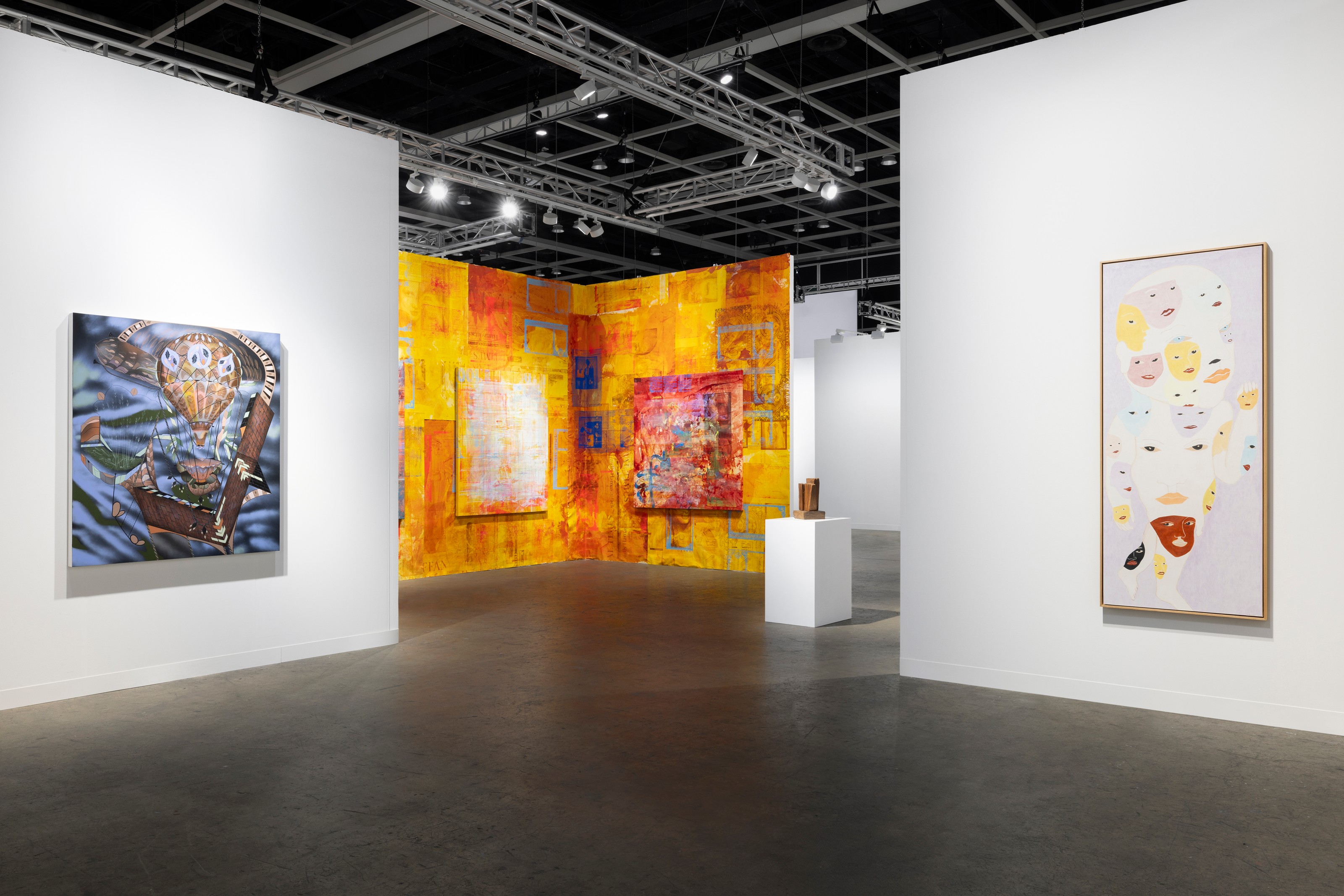
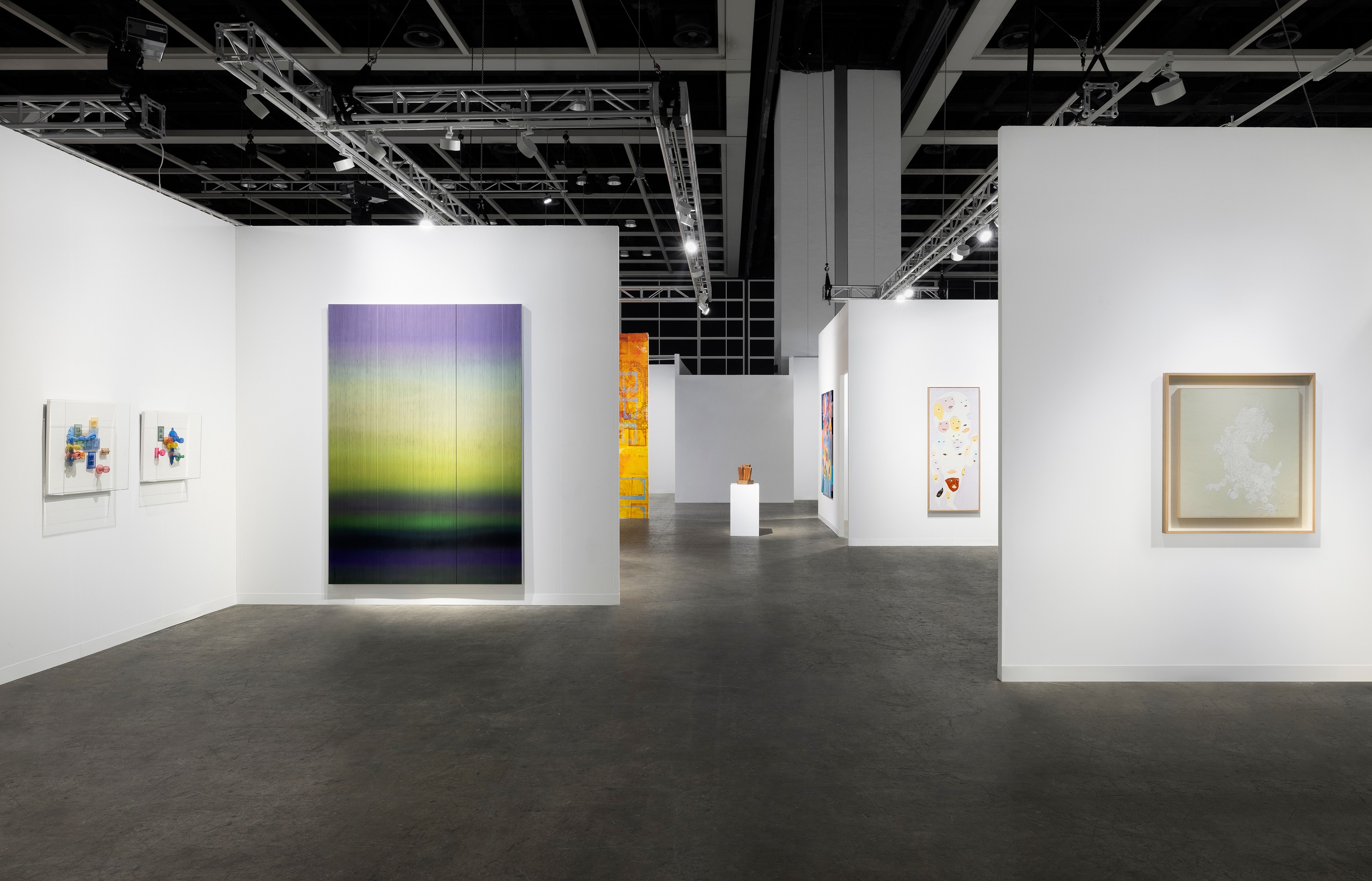
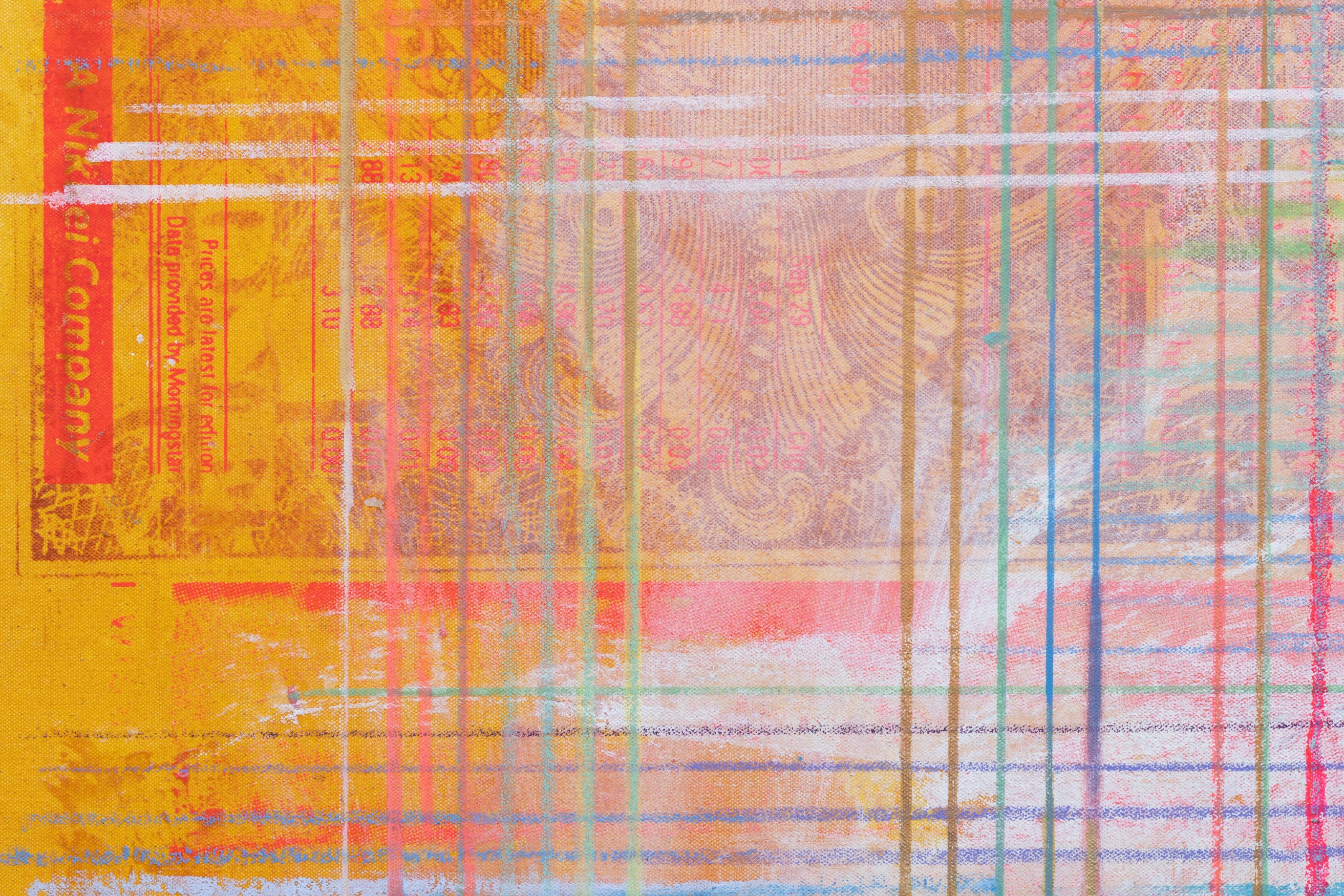
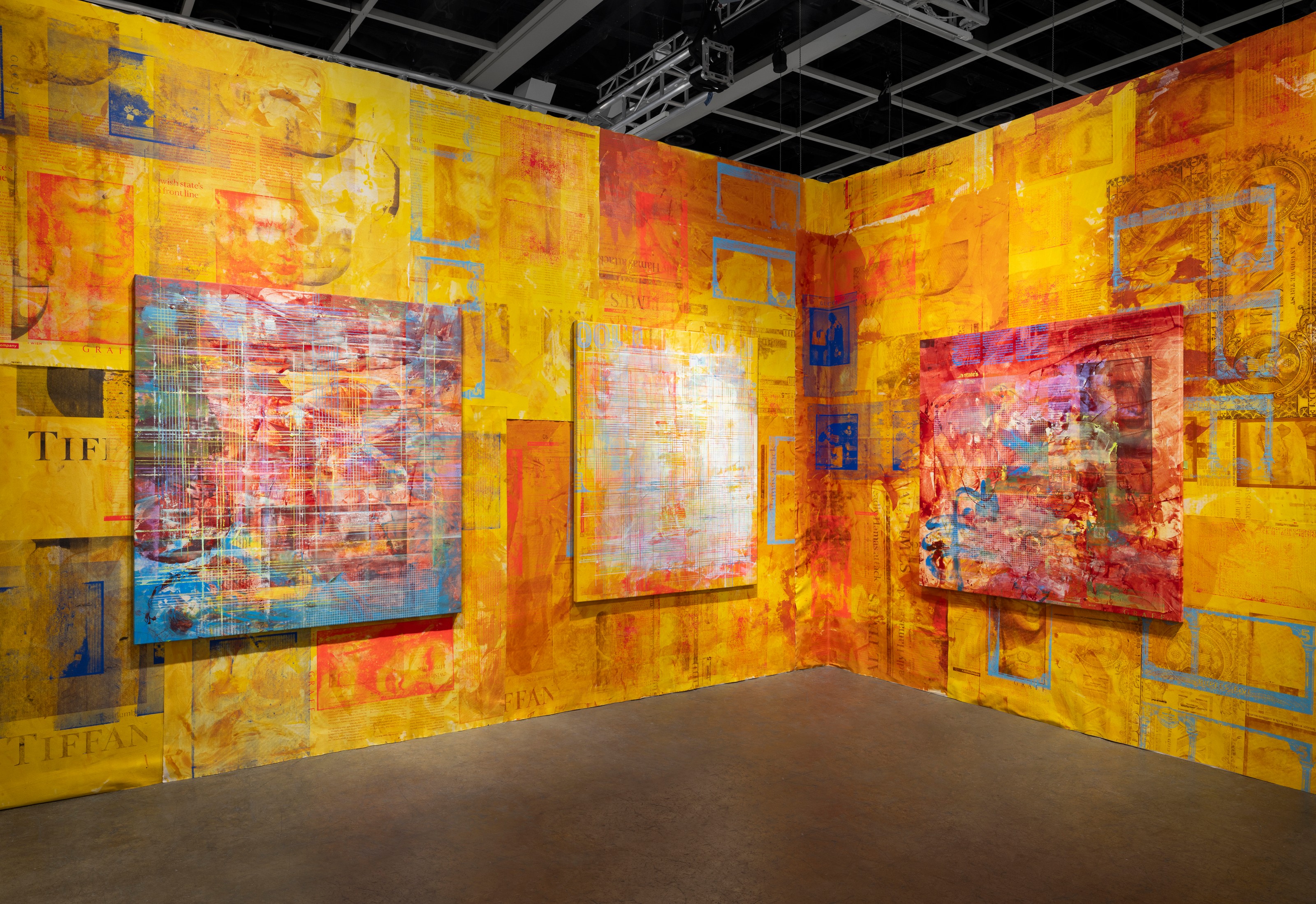
Lehmann Maupin returns to the 2026 edition of Art Basel Hong Kong with a focused presentation of new and historic works by artists from Asia and the diaspora, many of whom have concurrent or forthcoming institutional exhibitions and projects across the region. The presentation includes works by Do Ho Suh, Kim Yun Shin, Tammy Nguyen, Liu Wei, and Anna Park, alongside a curated Kabinett presentation of new works by Mandy El-Sayegh. Additional highlights include works by Kader Attia, Loriel Beltrán, McArthur Binion, Dominic Chambers, Billy Childish, Teresita Fernández, Todd Gray, Chantal Joffe, Marilyn Minter, Catherine Opie, Tony Oursler, Lari Pittman, Alex Prager, Calida Rawles, Sung Neung Kyung, Cecilia Vicuña, Erwin Wurm, and Billie Zangewa.

The gallery’s presentation includes works by Liu Wei, ahead of the debut of his monumental new sculptures for the Genesis Facade Commission at The Metropolitan Museum of Art, opening in the fall. Liu’s practice is critically engaged with 21st-century socio-political realities through an examination of urban transformation and rapidly developing cities. Working with recontextualized found materials and architectural forms, his work reflects a dialogue between regional specificity and global contemporary concerns.

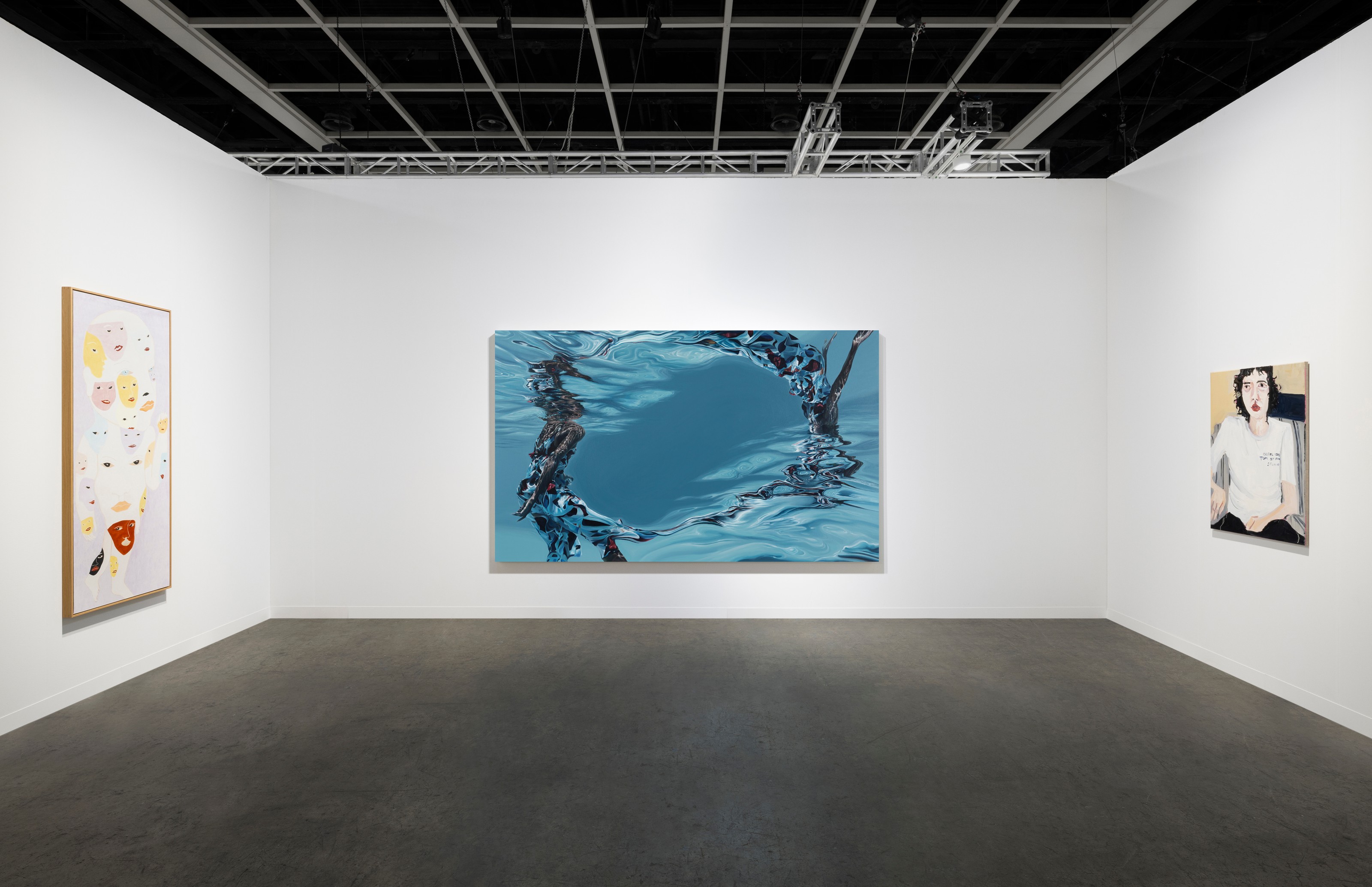
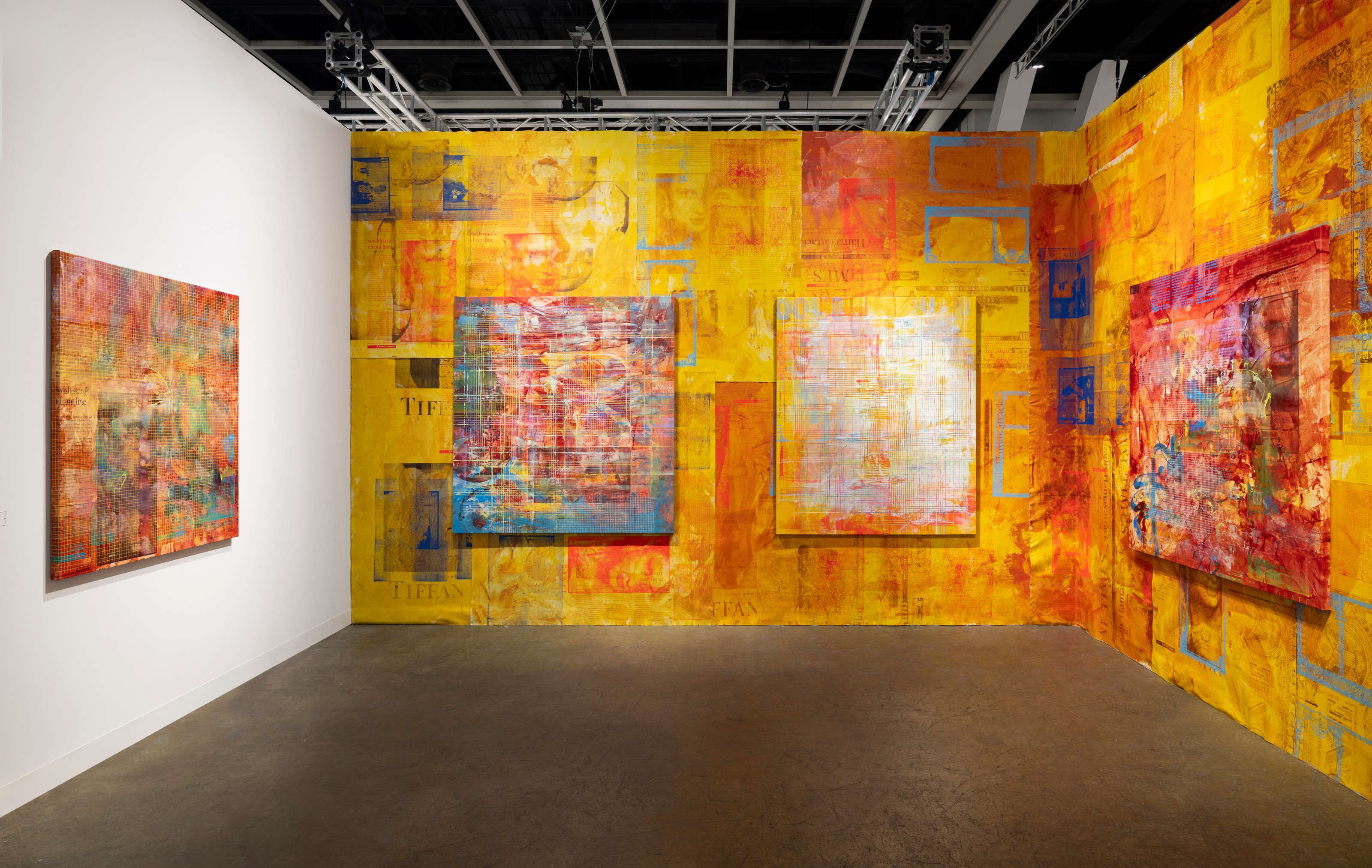
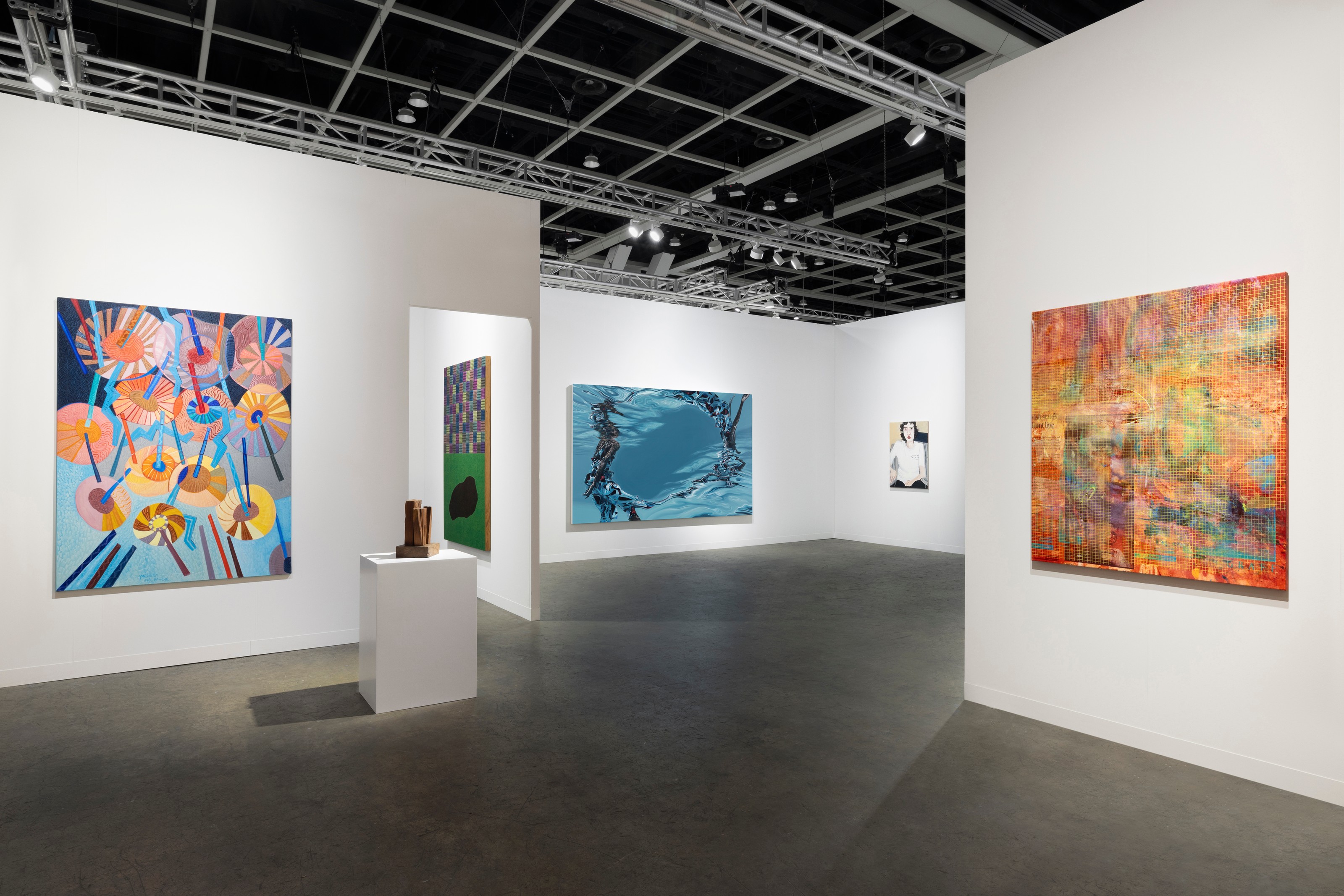
Installation view of Lehmann Maupin, Booth 1C22 at Art Basel Hong Kong
Installation Views: 1 of 4
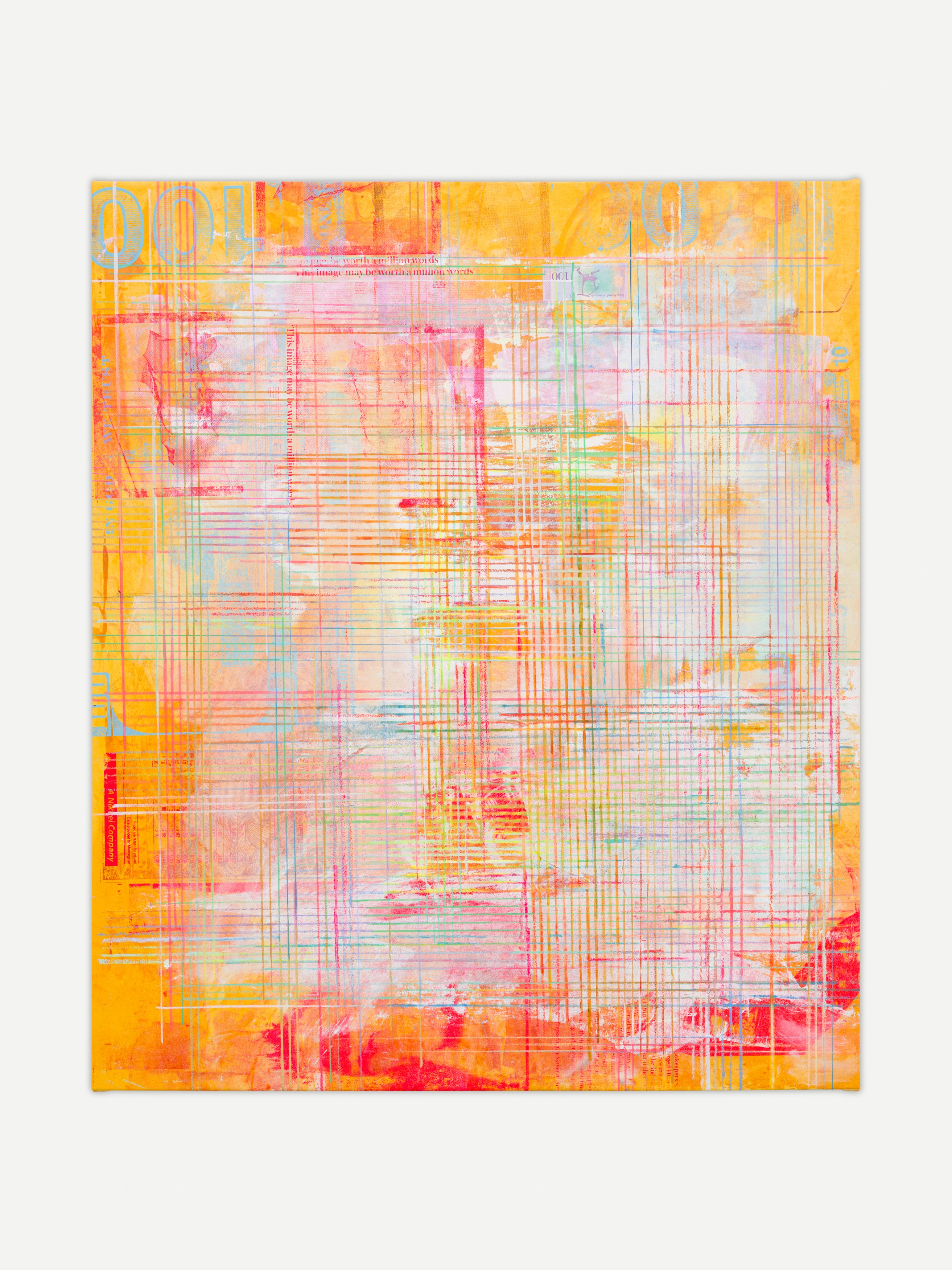
Painting by Mandy El-Sayegh

Mandy El-Sayegh

Net-Grid Study (Canary Diamond), 2026

Painting by Mandy El-Sayegh

Mandy El-Sayegh

Net-Grid Study (Blood Opal), 2026

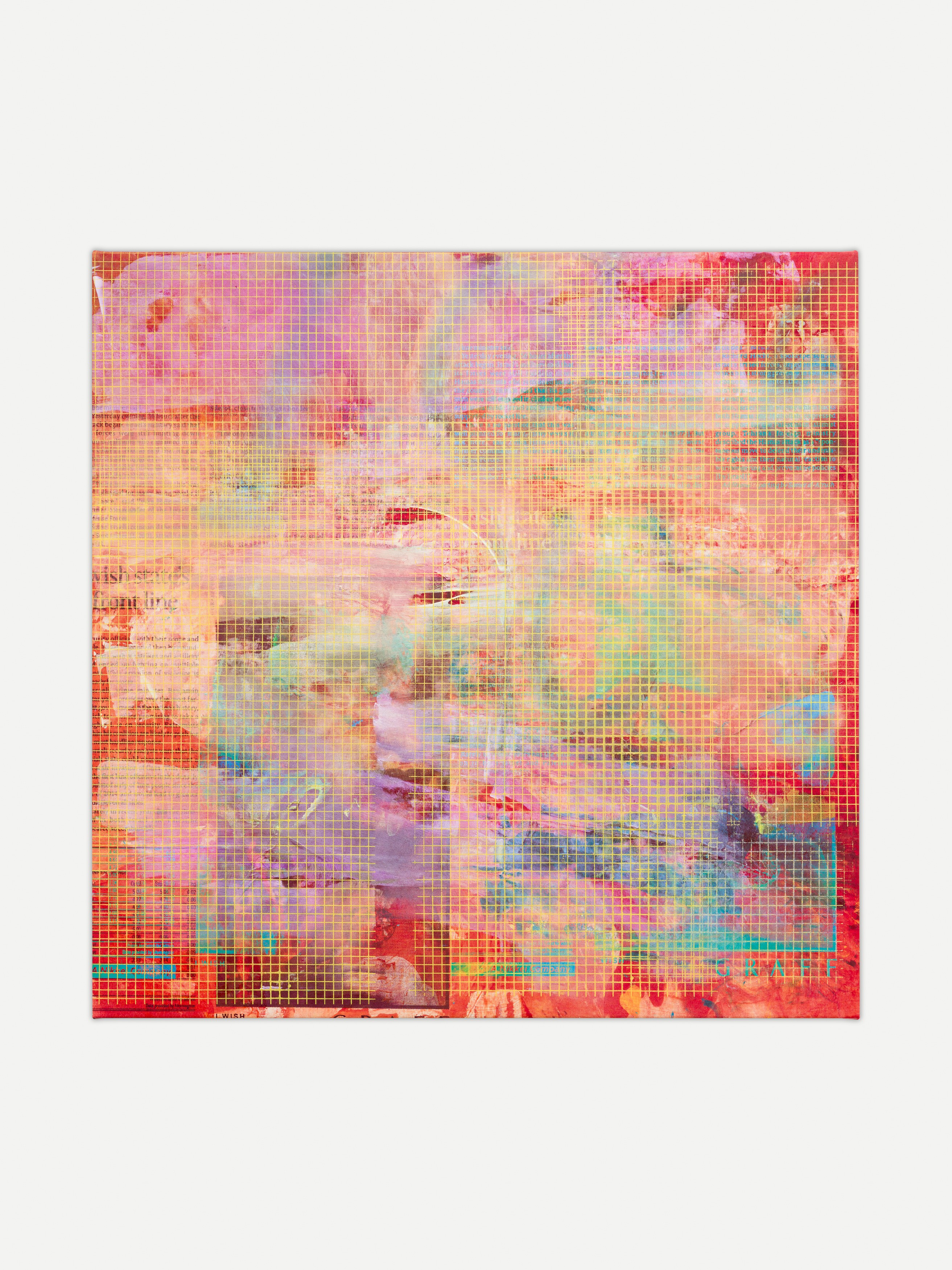
Painting by Mandy El-Sayegh

Mandy El-Sayegh

Net-Grid Study (Wish States), 2026

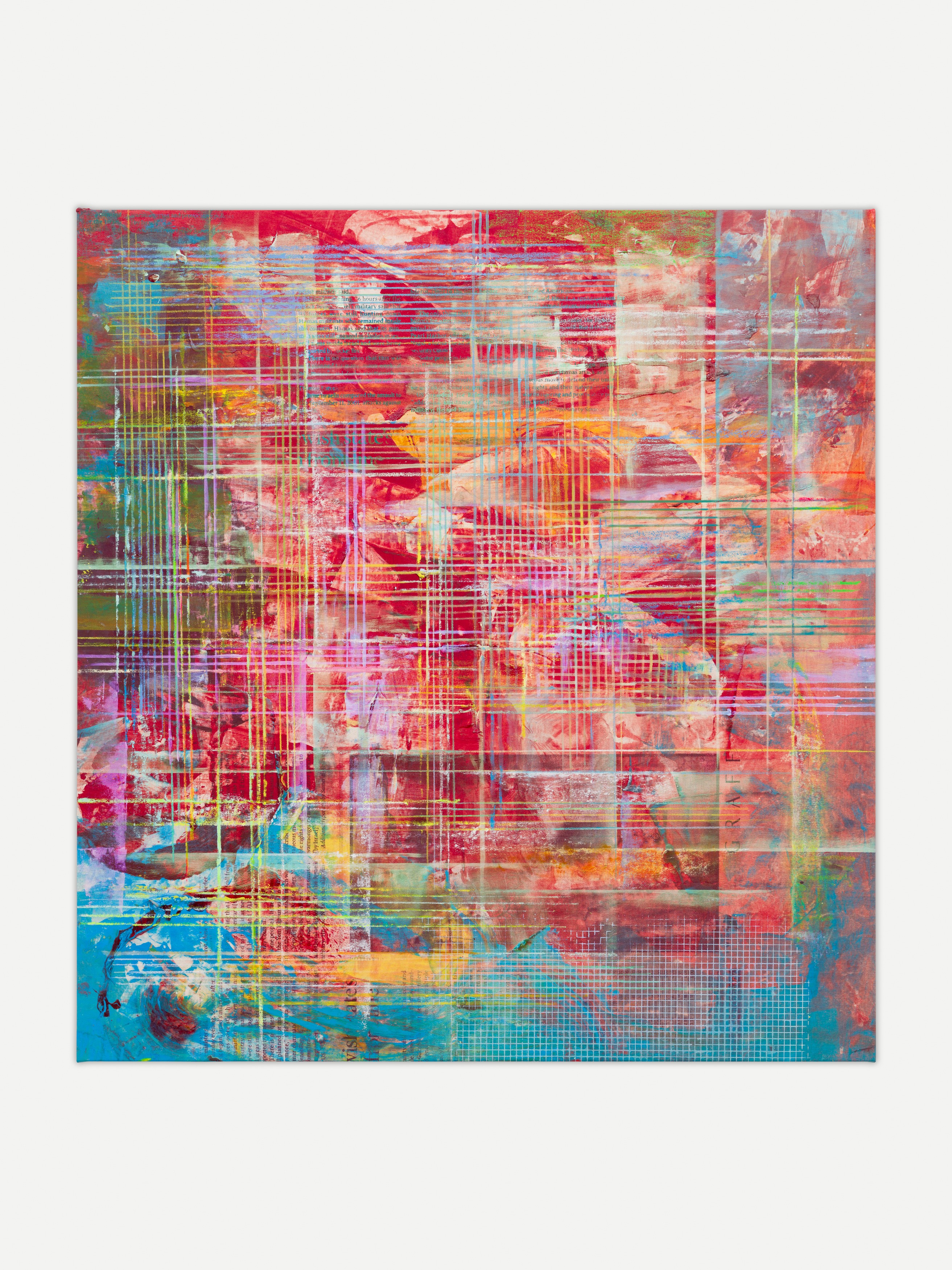
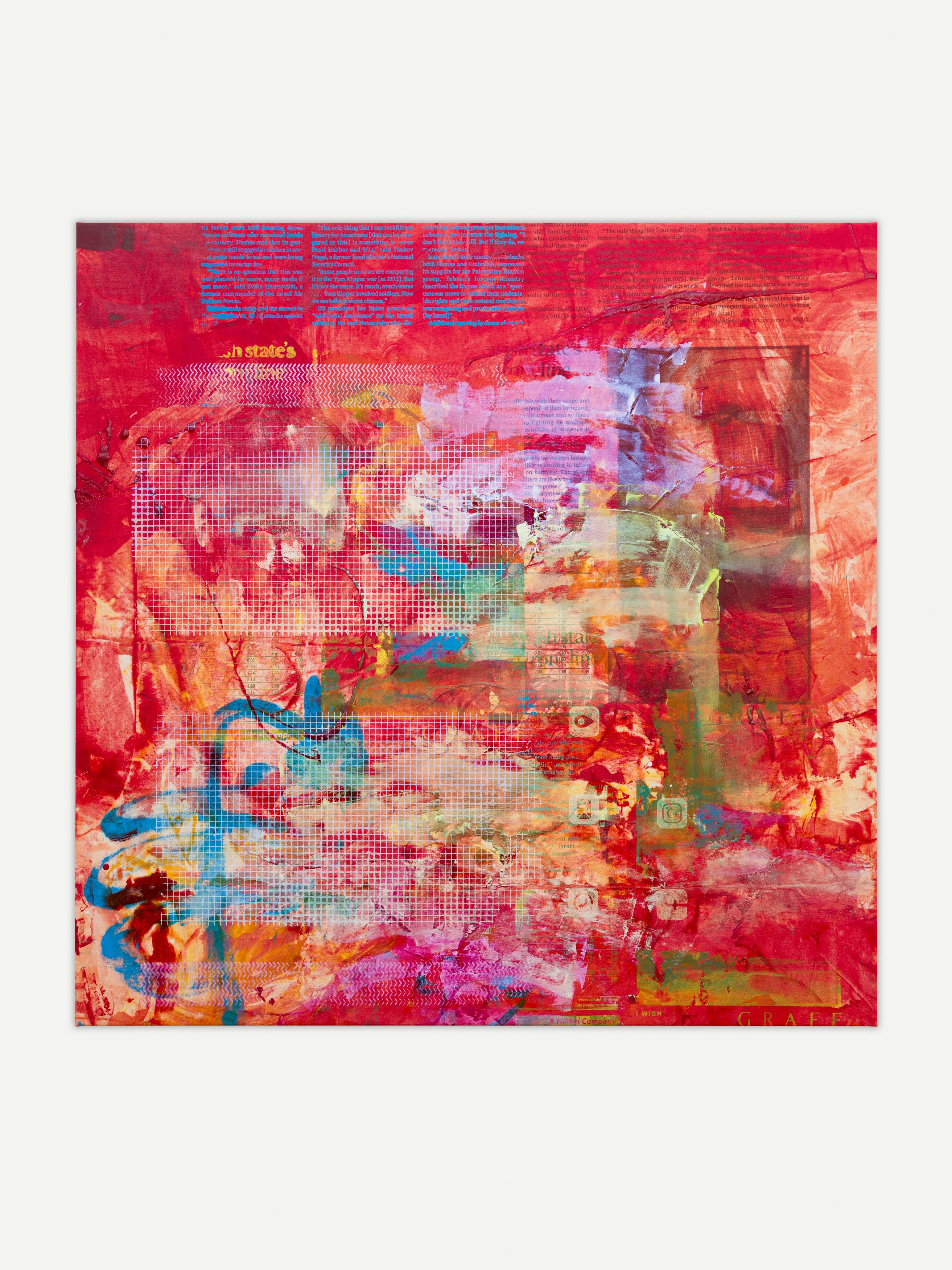
Painting by Mandy El-Sayegh

Mandy El-Sayegh

Net-Grid Study (Graff Opal), 2026

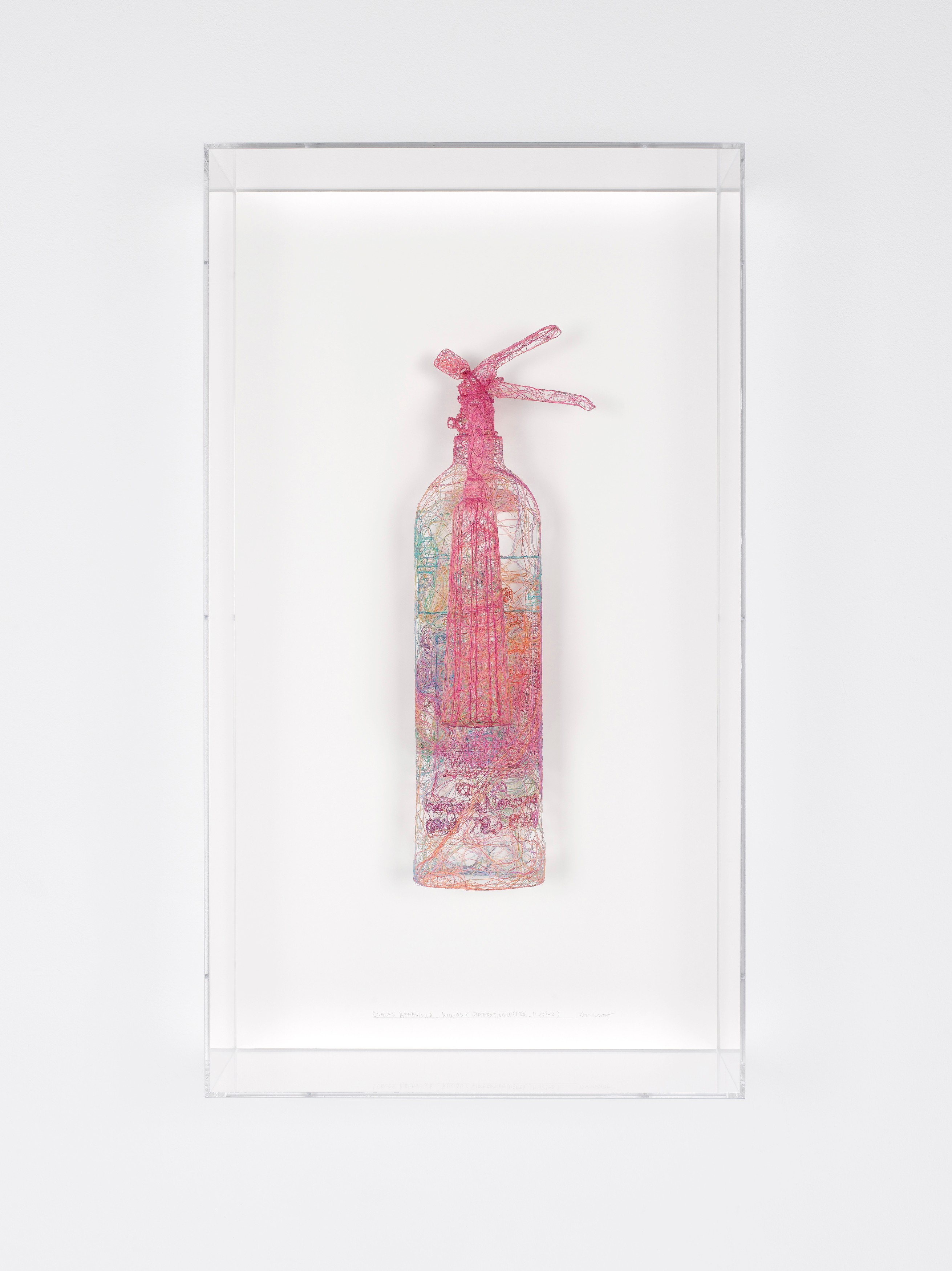
Wall work by Do Ho Suh

Do Ho Suh

ScaledBehaviour_runOn(fireextinguisher_11_153_2), 2025

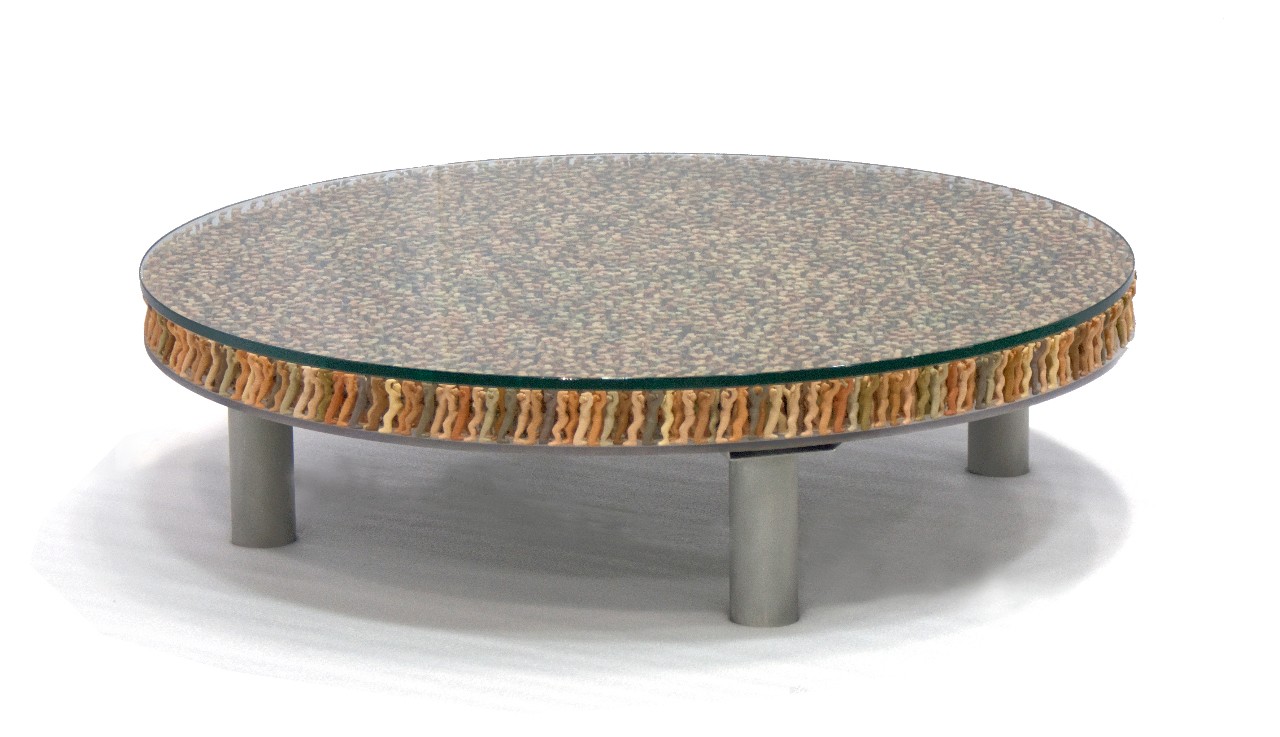
Sculpture by Do Ho Suh

Do Ho Suh

Table, 2008

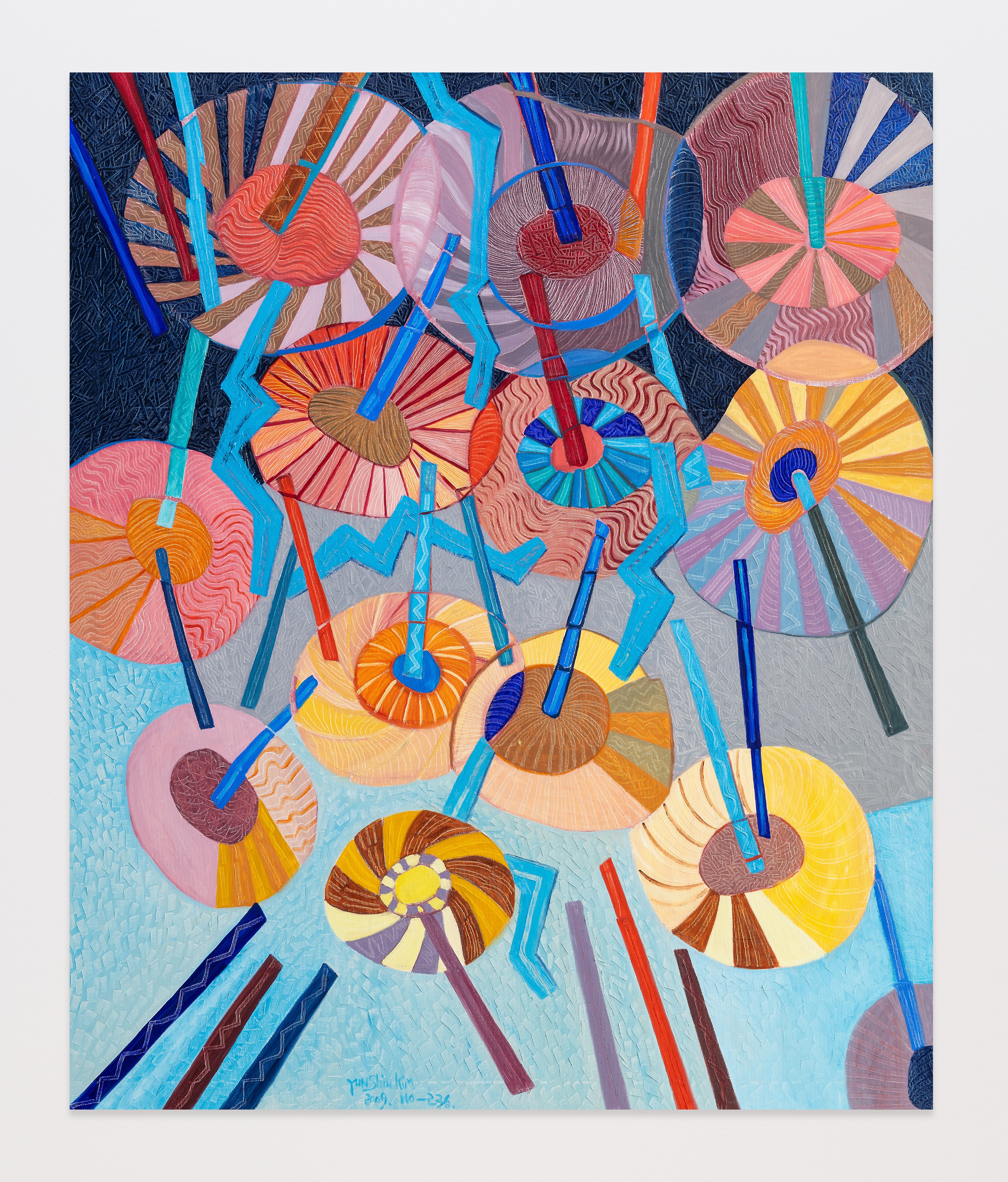
Painting by Kim Yun Shin

Kim Yun Shin

Song of My Soul 2009-No.236, 2009

Installation view of Lehmann Maupin, Booth 1C22 at Art Basel Hong Kong
Installation Views: 1 of 4
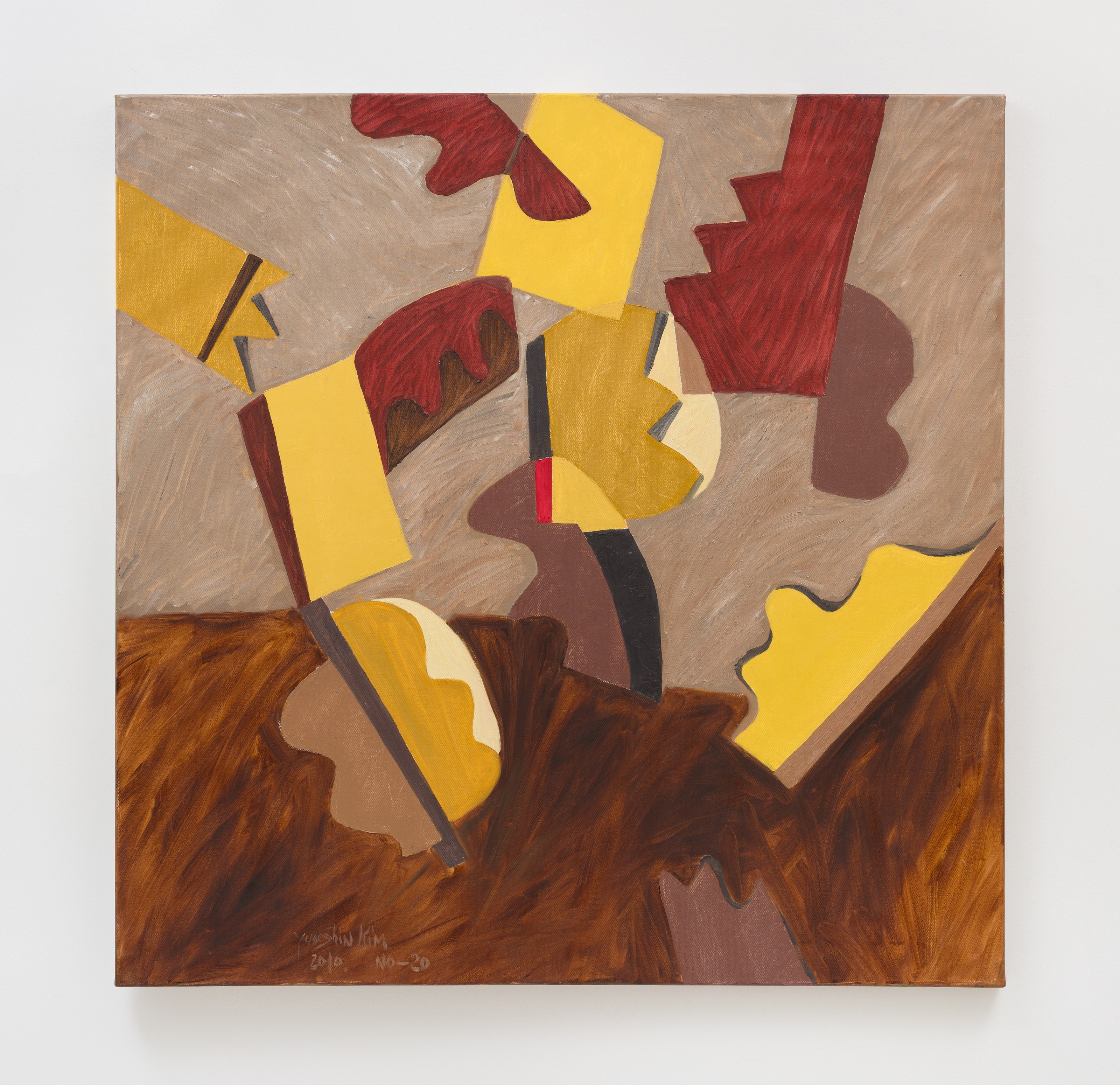
Painting by Kim Yun Shin

Kim Yun Shin

Song of My Soul 2010-20, 2010

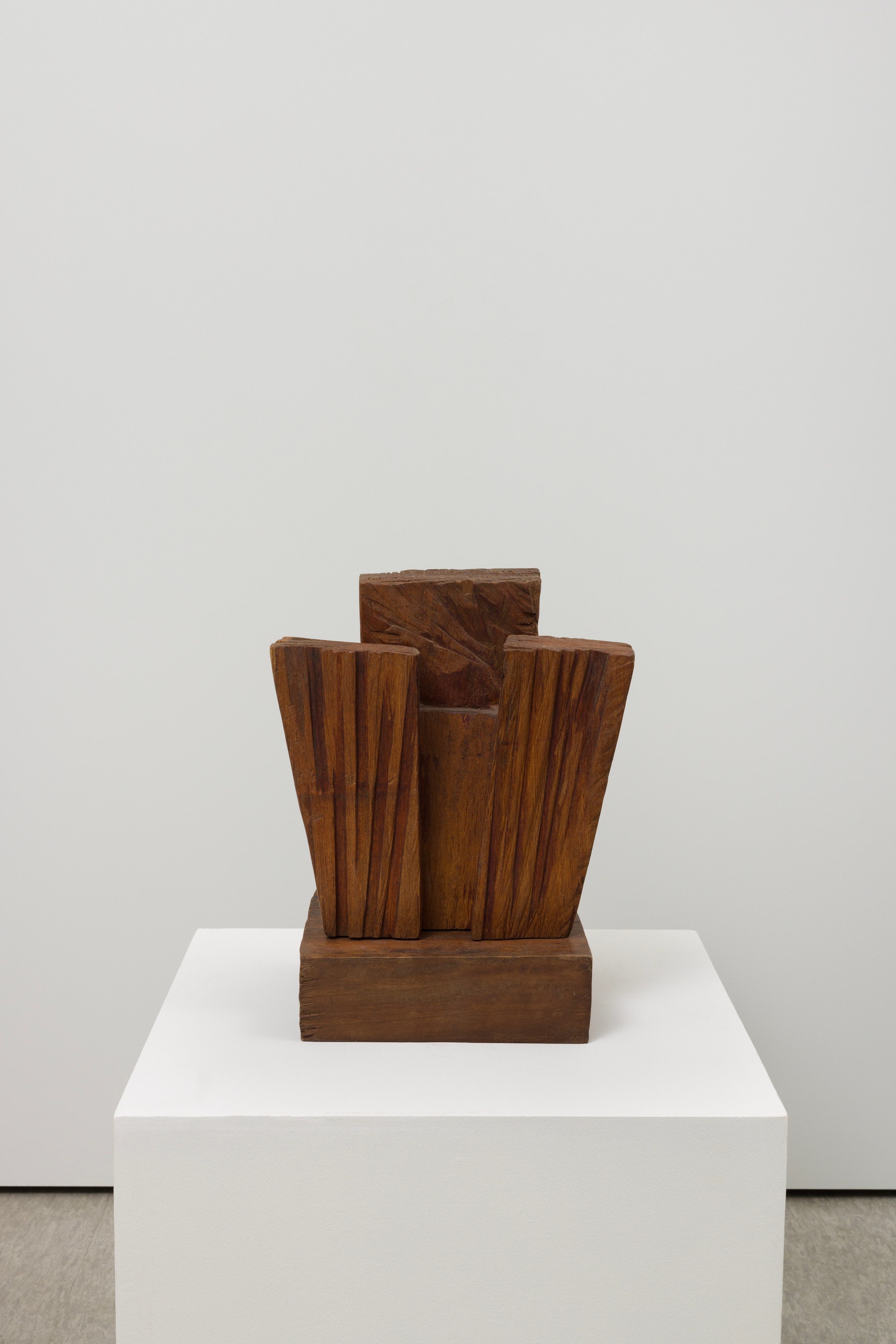
Sculpture by Kim Yun Shin

Kim Yun Shin

Add Two Add One Divide Two Divide One 1998-620, 1998

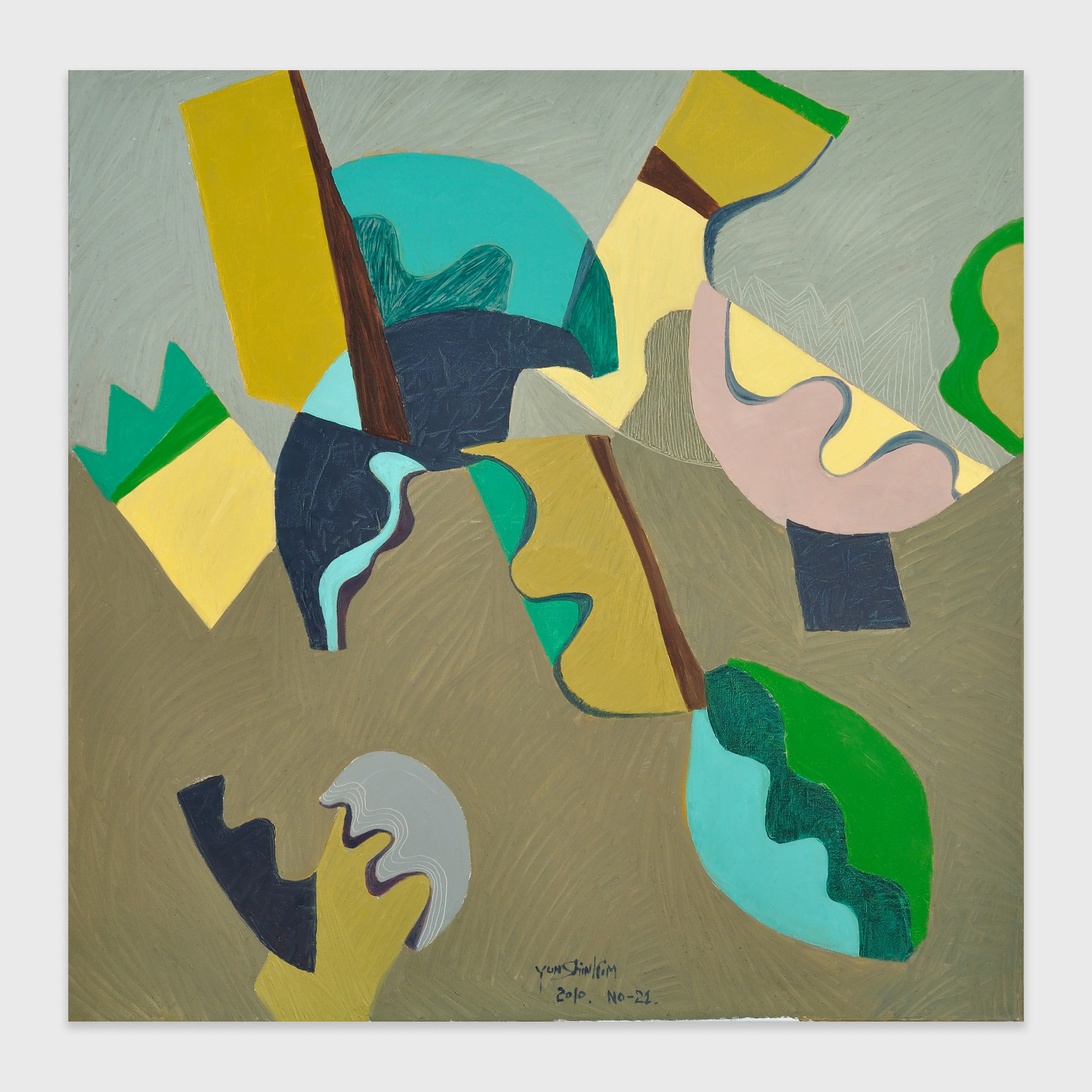
Painting by Kim Yun Shin

Kim Yun Shin

Song of My Soul 2010-21, 2010

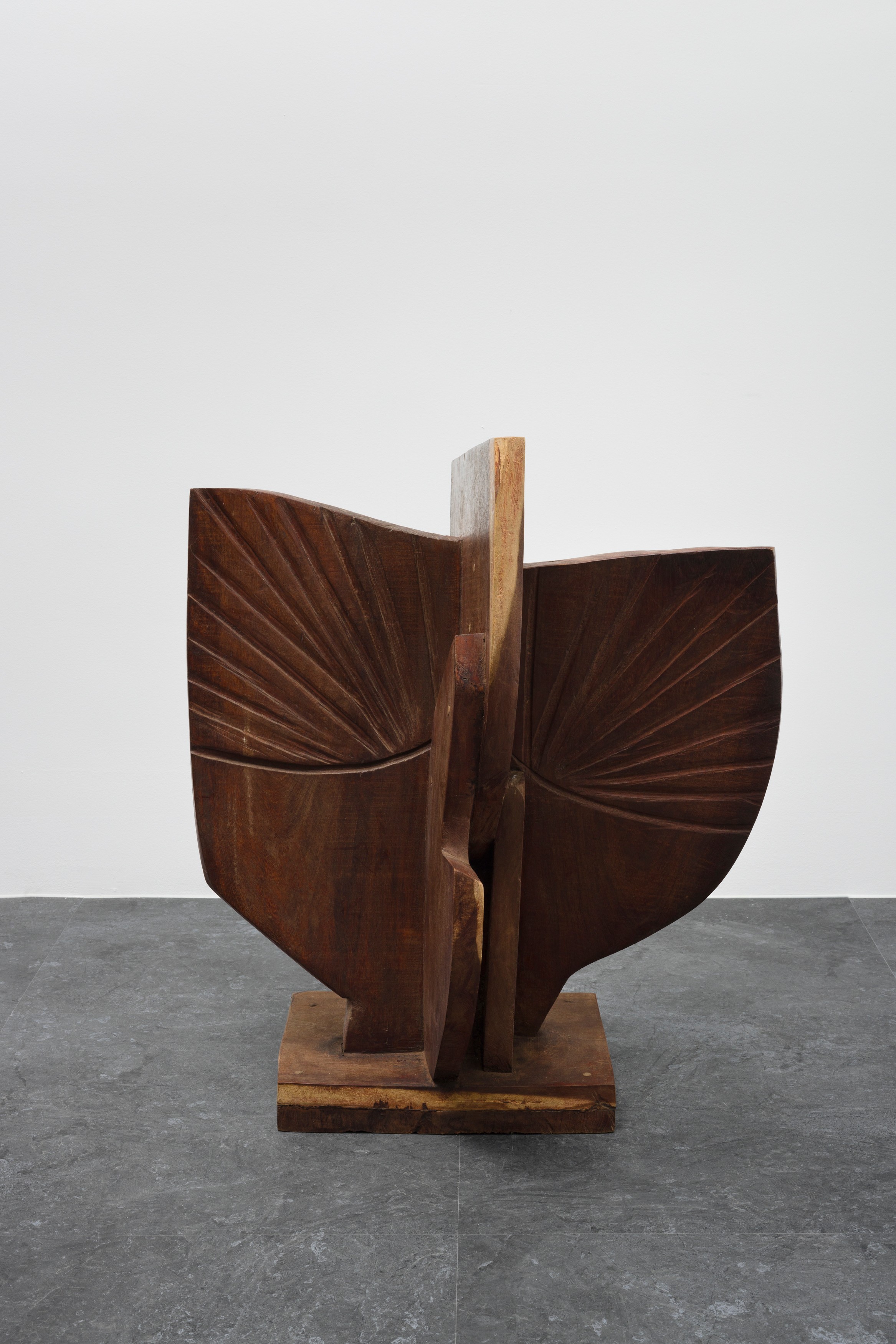
Sculpture by Kim Yun Shin

Kim Yun Shin

Add Two Add One Divide Two Divide One 1994-1, 1994

Painting by Tammy Nguyen

Tammy Nguyen

Pious Woman from the Rainbow, 2024

Painting by Tammy Nguyen

Tammy Nguyen

Furies, Stained with Blood, 2023

Exhibition Artists

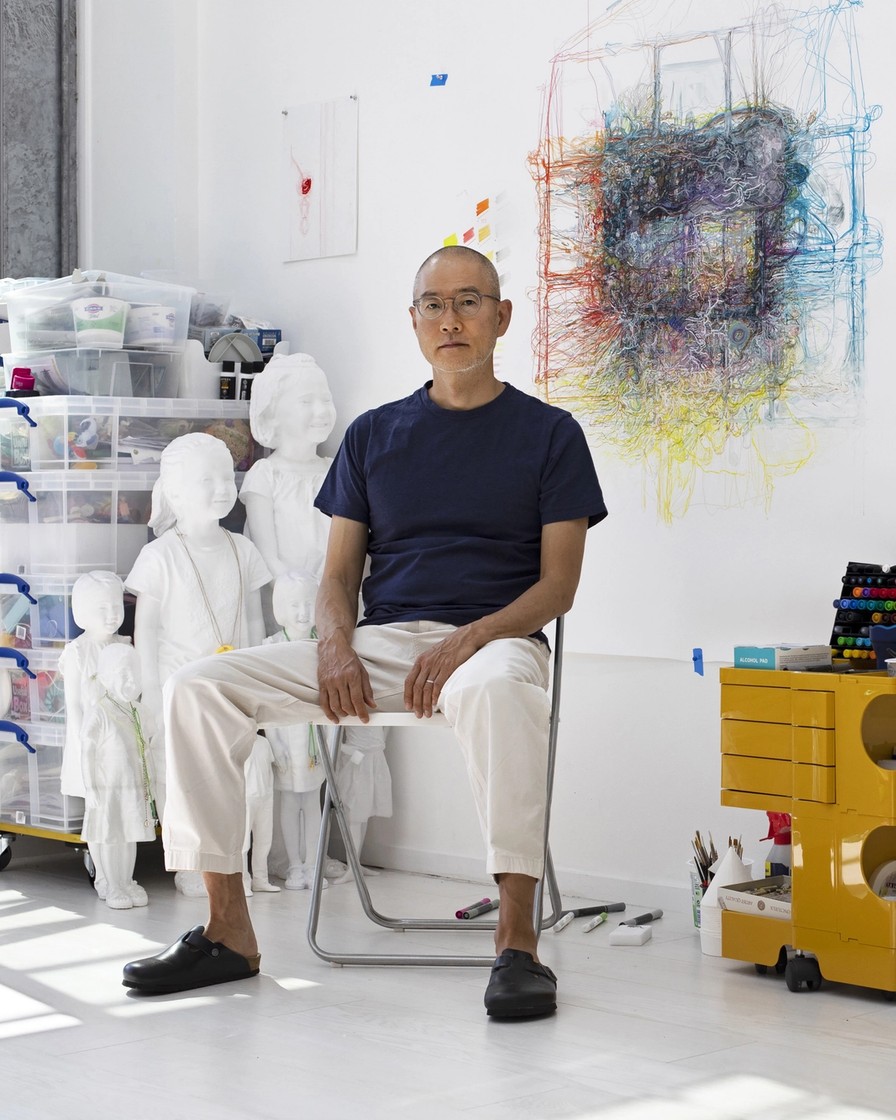
Portrait of Do Ho Suh

Do Ho Suh (b. 1962, Seoul, Korea; lives and works in London, United Kingdom) works across various media, creating drawings, film, and sculptural works that confront questions of home, physical space, displacement, memory, individuality, and collectivity. Suh is best known for his fabric sculptures that reconstruct to scale his past and present homes and studios in Korea, Rhode Island, Berlin, London, and New York.

Suh is interested in the malleability of space in both its physical and metaphorical forms, and examines how the body relates to, inhabits, and interacts with that space. He is particularly interested in domestic space and the way the concept of home can be articulated through architecture that has a specific location, form, and history. For Suh, the spaces we inhabit also contain psychological energy, and in his work he makes visible those markers of memories, personal experiences, and a sense of security, regardless of geographic location.

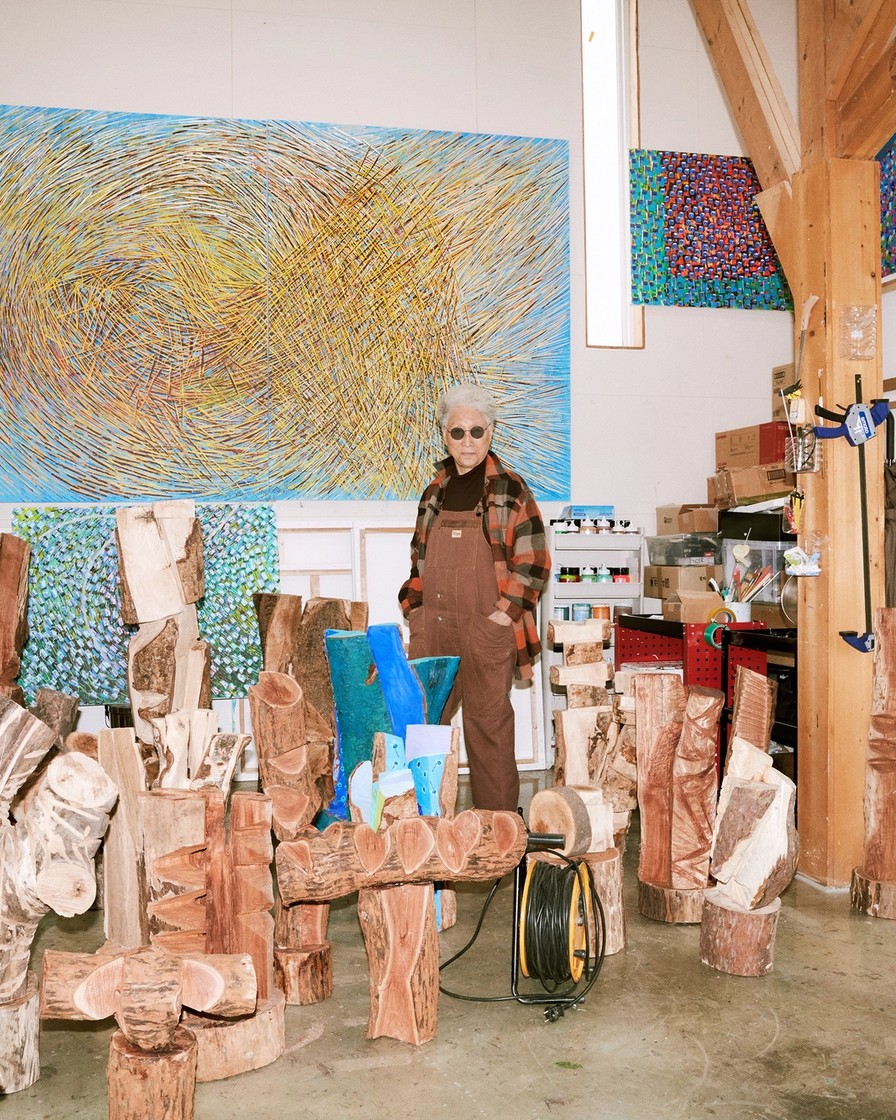
Portrait of Kim Yun Shin

Kim Yun Shin (b. 1935, Wonsan, North Korea; lives and works in Seoul, South Korea) is a multidisciplinary artist known for her dynamic sculpture and painting, which often unfold through a series of interactions with nature. Growing up amidst the backdrop of Korea’s tumultuous history in the 20th century, Kim has established herself as a pioneering figure in the post-war South Korean art scene, overcoming societal norms to carve out a space for herself as a first-generation woman sculptor. Despite facing challenges in a male-dominated field, she ventured to Paris to pursue her artistic aspirations, taught at various universities, and co-founded the Korean Sculptress Association in 1974 to support emerging artists. Partly influenced by her nomadic early life, her work reflects a fearless exploration of diasporic cultures—from France, Mexico, and Brazil, to her adoptive home of Argentina, where she established Museo Kim Yun Shin, the first Korean immigrant art museum. Her journey from turbulent beginnings during the Japanese colonial period and Korean War to becoming a trailblazer in Korean contemporary art reflects the artist’s personal resilience and commitment to artistic innovation.

Across six decades, Kim has developed an aesthetic that engages with the fundamental qualities of materials and nature, navigating themes of confrontation, introspection, and coexistence. Central to her artistic expression is the use of solid wood, a primary medium through which Kim envisions the structural and spiritual elements of antiquity and the primordial world. In doing so, she visualizes the intersection between nature, time, and history, reconsidering the very essence of human existence. Her early sculptures from the 1970s are deeply rooted in traditional Korean hanok architecture, which uses a distinctive technique that joins wooden blocks without nails. In her Stacking Wishes series, the artist also explores traditions of vertical stacking in Korean and Latin American totemism. This notion of organic connection and her interest in East Asian philosophy merge in her iconic Add Two Add One, Divide Two Divide One series, which she began in the late 1970s. The terms “add” and “divide” originate from the philosophical concept of yin (division and fragmentation) and yang (addition and integration). Through a meticulous yet intuitive process—in which Kim “adds” her soul into the solid wood and “divides” the space between the bark and inner wood to create a complete whole—the artist delves into raw materiality and uncovers a newfound vitality.

Portrait of Tammy Nguyen

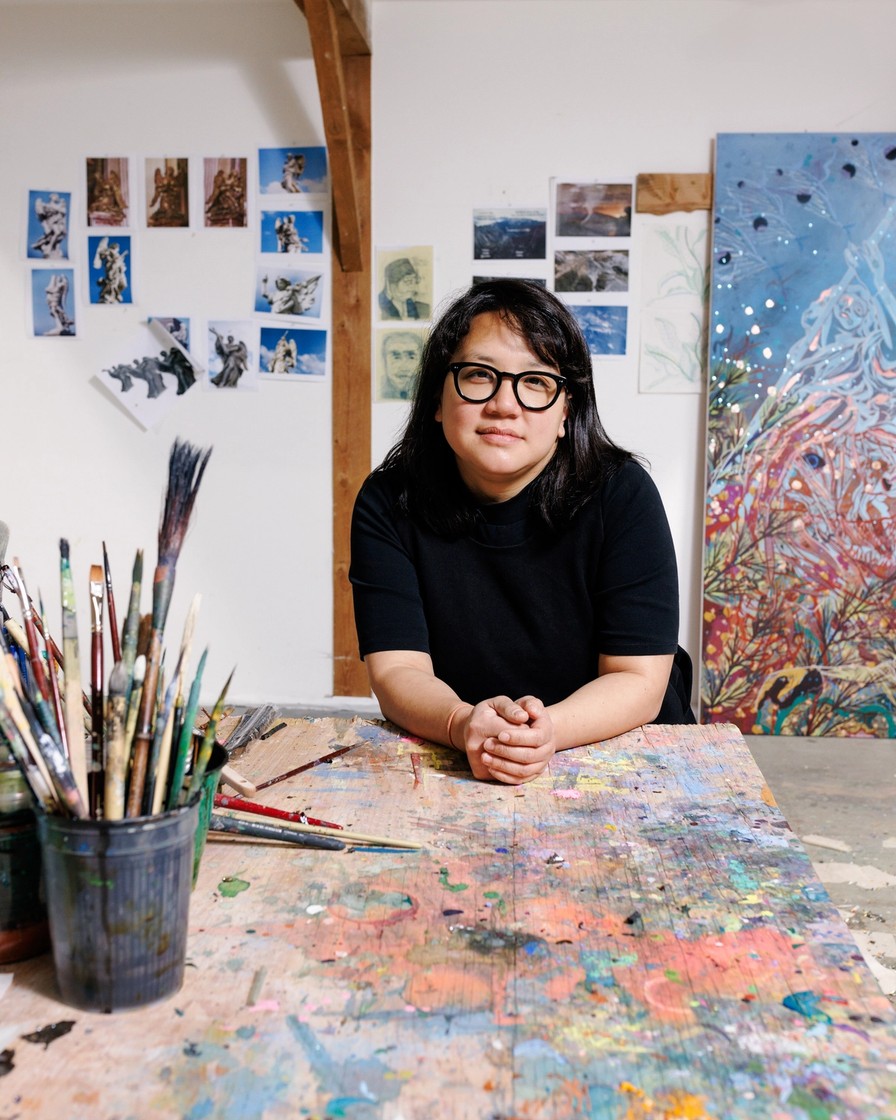
Tammy Nguyen (b. 1984, San Francisco, CA; lives and works in Easton, CT) creates paintings, drawings, artist books, prints, and zines that explore the intersections between geopolitics, ecology, and lesser-known histories. A story teller, Nguyen’s multidisciplinary practice takes two forms—her more traditional fine arts practice, which encompasses her lush, dense paintings, as well as her prints, drawings, and unique artist books, and her publishing practice, embodied through her imprint, Passenger Pigeon Press, which creates and distributes Martha’s Quarterly, a subscription of artist books and interdisciplinary collaborations. Across both domains Nguyen’s work aims to unsettle, and the tension between the artist’s elegant forms and harmonious aesthetics often belies the nature of her content. The confusion this dissonance creates becomes generative, opening space for reevaluation, radical thinking, and the dislodging of complacency.

Many of Nguyen’s paintings expand from her unique artist books, often through engagement with similar themes, questions, or investigations. Throughout her work she has explored a range of topics and ideas, including the Bandung conference, the first large-scale Afro-Asian conference which was attended by world leaders from 29 non-aligned countries during the Cold War, Forest City, a sprawling off-shore development project in Malaysia, and the red-shanked douc langur, an endangered species of monkey native to Laos, Vietnam, and Cambodia. A recent artist book series, Four Ways Through a Cave (2021), relates Nguyen’s travels through the Phong Nha-Ke Bang karst in Vietnam, significant for its numerous underground caverns and passageways and its history in the Vietnam War as a crucial area of the Ho Chi Minh Trail. The book simultaneously invokes Plato’s allegory of the cave—the recognition of truth through the loss of illusion—and conveys the sense of physically moving through a cave, with circular-shaped cutouts that shift from page to page, tunneling through the book and transforming the reader into a momentary spelunker.

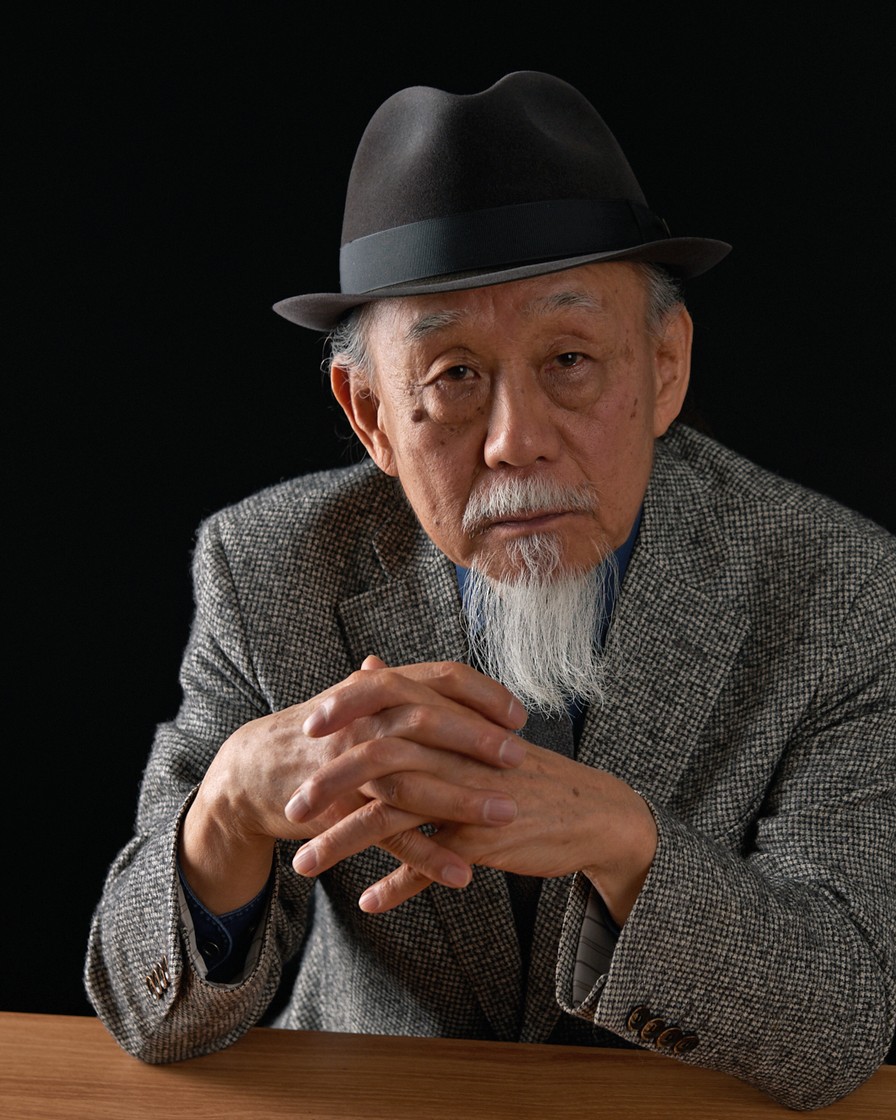
Portrait of Liu Wei

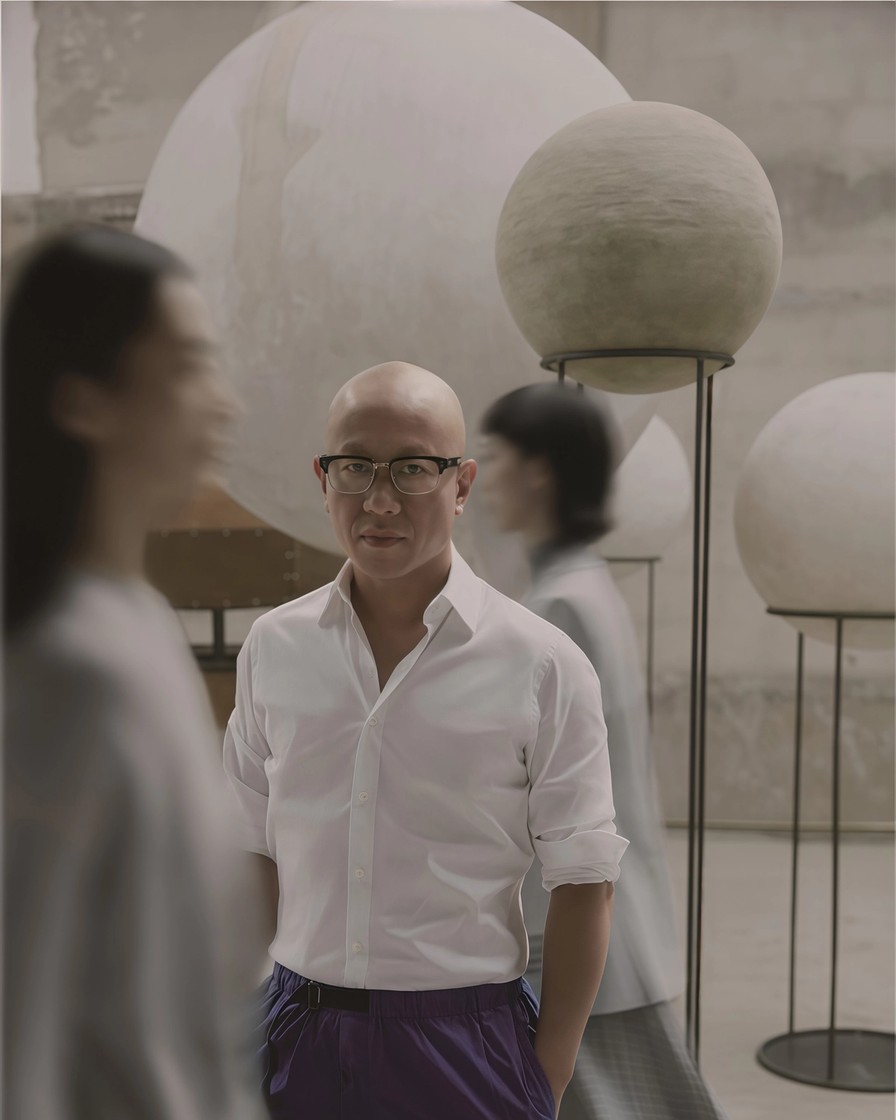
Liu Wei (b. 1972, Beijing, China; lives and works in Beijing, China) explores 21st-century socio-political concepts such as the contradictions of contemporary society and the transformation of developing cities and the urban landscape. In many of his sculptural and installation works, he uses found materials that are re-contextualized to draw new meanings out of the materials from which they are made. Liu Wei frequently uses geometric and architectural forms in his work as a reference to his urban surroundings.

Liu Wei graduated from the China Academy of Art in 1996. Solo exhibitions of his work have been organized at Long Museum, Shanghai, China (2020); Cleveland Museum of Art, Cleveland, OH (2019); Museum of Contemporary Art, Cleveland, OH (2019); PLATEAU, Samsung Museum of Art, Seoul, South Korea (2016); Ullens Center for Contemporary Art (UCCA), Beijing, China (2015); Museum Boijmans Van Beuningen, Rotterdam, the Netherlands (2014); and Minsheng Art Museum, Shanghai, China (2011).

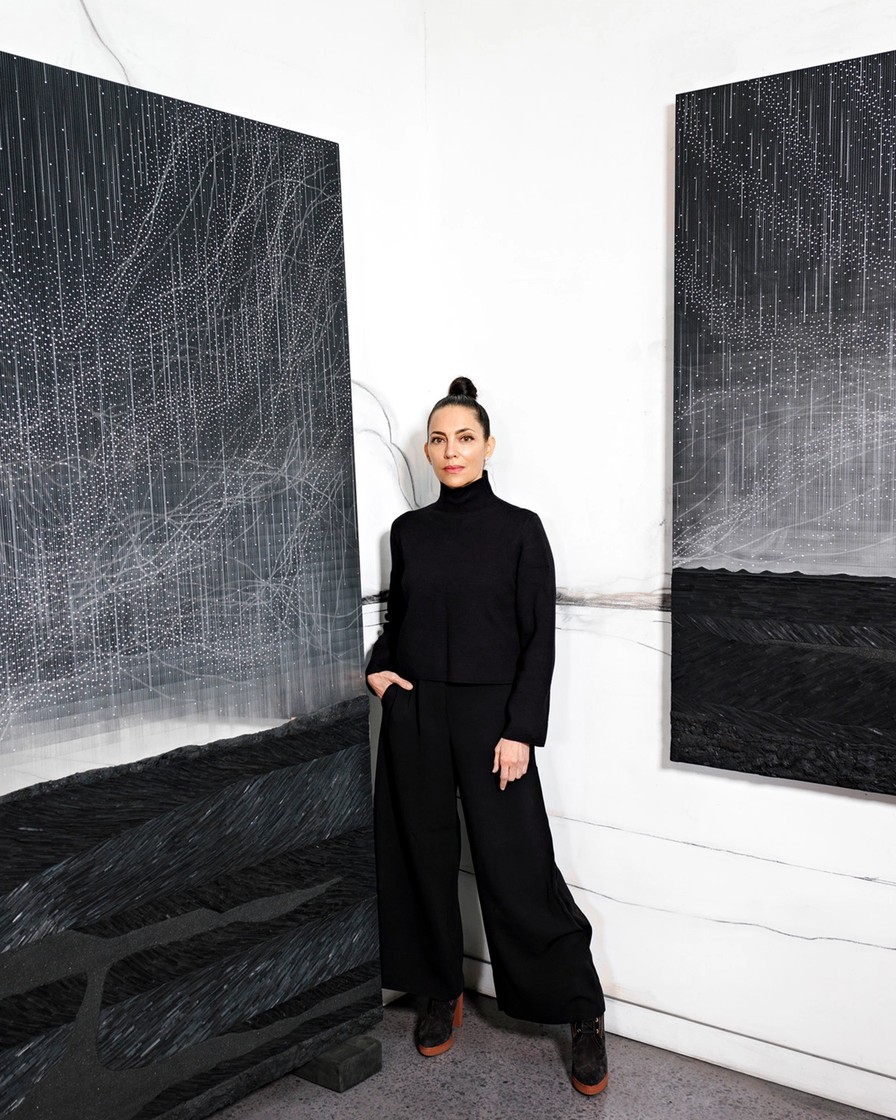
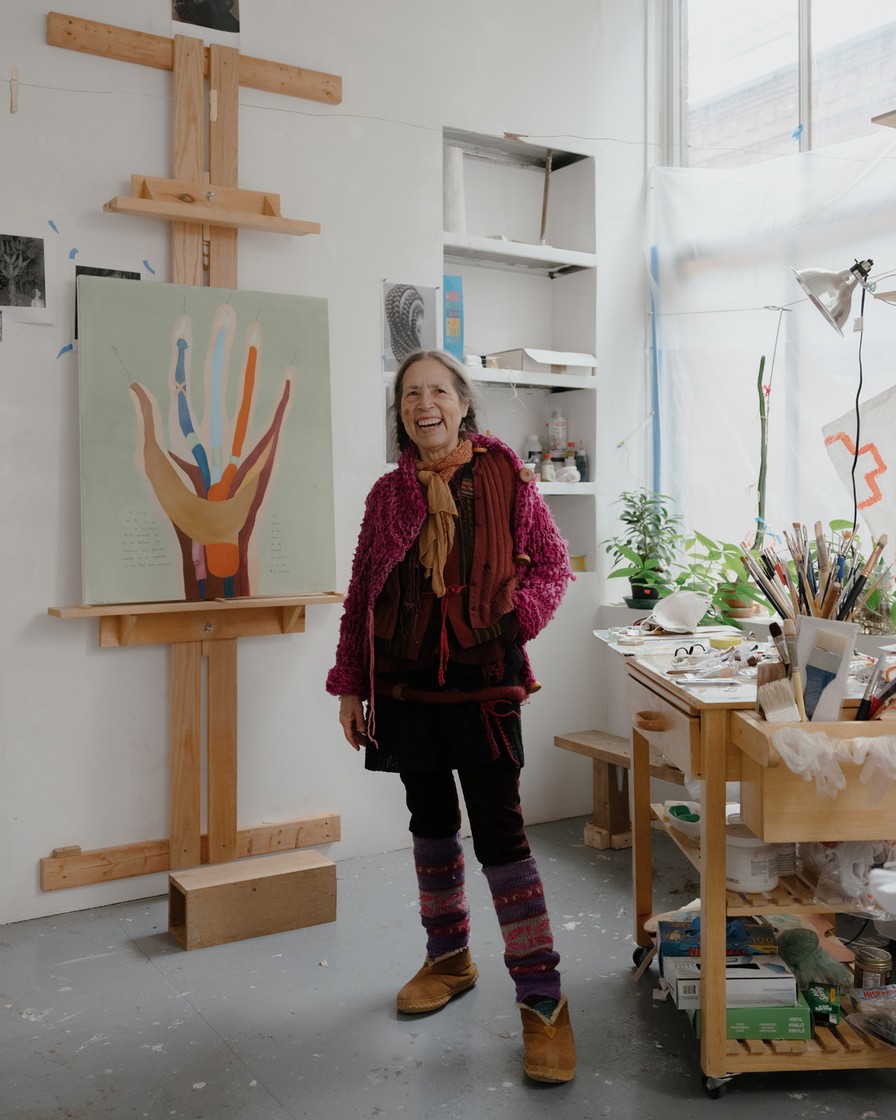
Portrait of Anna Park

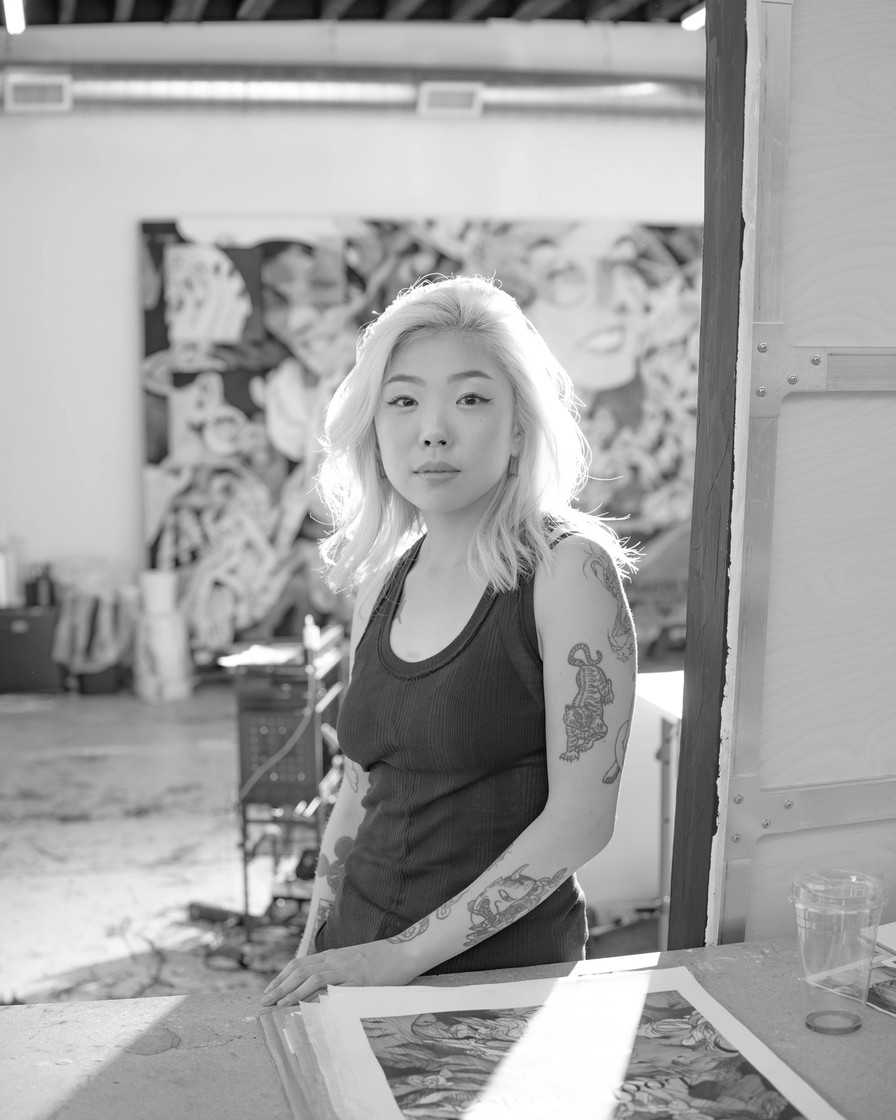
Anna Park (b. 1996, Daegu South Korea; lives and works in Brooklyn, NY) makes charcoal drawings that teeter between abstraction and figuration, with imagery that homes in on the turbulent and frenzied contemporary experience. Beginning each canvas as an improvisational mark-making dance, Park composes scenes that are gestural snapshots of an over-exposed and self-aware human condition – universal moments and interpersonal exchanges she often laces with signifiers of today’s zeitgeist. In black-and-white works that recall the vigorous energy of the graphic novel and radical fragmentation of Cubism, moments collapse into speed streaks, limbs grasp for one another, and glimpses of familiar faces emerge.

Park is from South Korea but spent her formative years in the US state of Utah – an experience that often positioned her on the outside, looking in. This early lesson in observing from a voyeur’s distance permeates Park’s works today, with an interest and sharp eye for the deep emotive range of the human subject. With visual allegory, recurrent archetypes, and tripes of Americana, Park articulates inner conflict, shame, longing, growth, and mortality within her swirling abstracted tableaus.

Portrait of Kader Attia

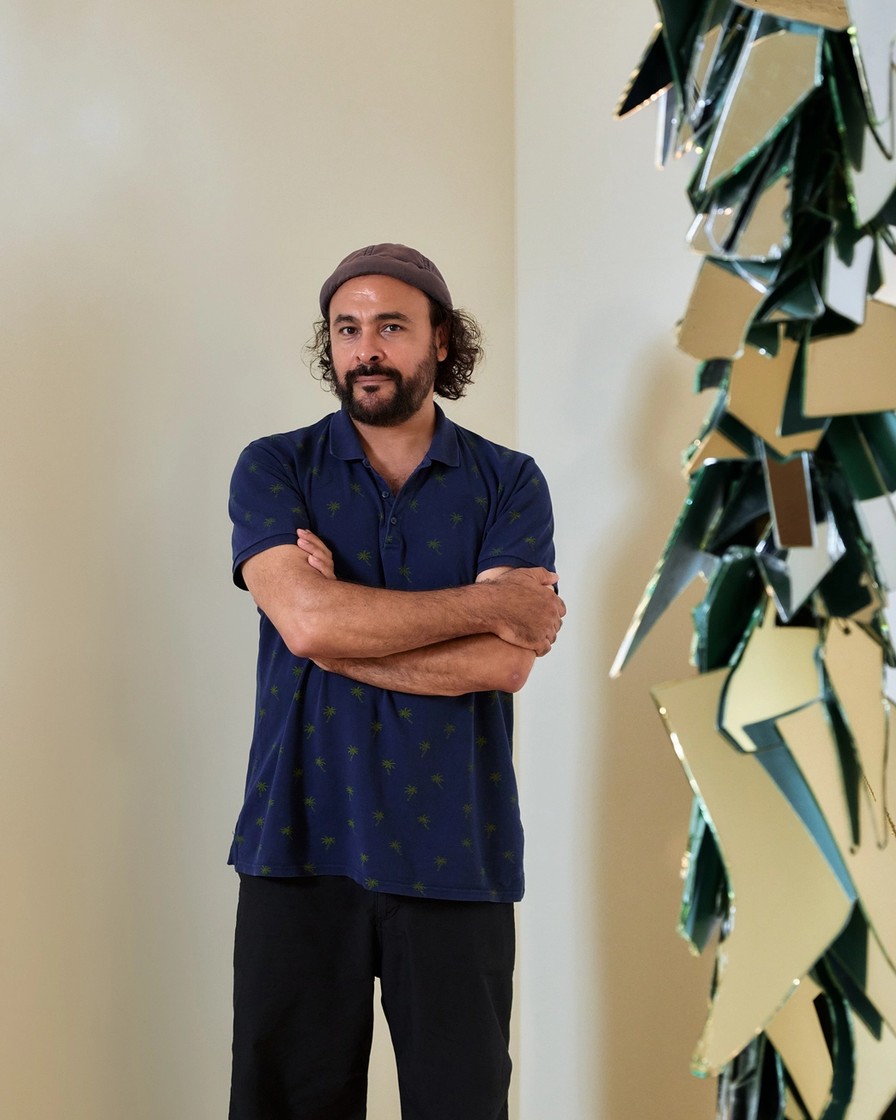
Kader Attia (b. 1970, Seine Saint-Denis, Dugny, France; lives and works in Berlin Germany and Paris, France), grew up in Paris and in Algeria. Preceding his studies at the École Supérieure des Arts Appliqués Duperré and the École Nationale Supérieure des Arts Décoratifs in Paris, and at Escola Massana, Centre d’Art i Disseny in Barcelona, he spent several years in Congo and in South America.The experience with these different cultures, the histories of which over centuries have been characterized by rich trading traditions, colonialism and multi-ethnic societies, has fostered Kader Attia’s intercultural and interdisciplinary approach of research. For many years, he has been exploring the perspective that societies have on their history, especially as regards experiences of deprivation and suppression, violence and loss, and how this affects the evolving of nations and individuals — each of them being connected to collective memory.

His socio-cultural research has led Kader Attia to the notion of Repair, a concept he has been developing philosophically in his writings and symbolically in his oeuvre as a visual artist. With the principle of Repair being a constant in nature — thus also in humanity —, any system, social institution or cultural tradition can be considered as an infinite process of Repair, which is closely linked to loss and wounds, to recuperation and re-appropriation. Repair reaches far beyond the subject and connects the individual to gender, philosophy, science, and architecture, and also involves it in evolutionary processes in nature, culture, myth and history.

Portrait of Loriel Beltrán

Loriel Beltrán (b. 1985, Caracas, Venezuela; lives and works in Miami, FL) creates sculptural accumulations of paint and color that defy traditional notions of artistic media. Poetically merging painting and sculpture, the artist states that his works “resist becoming images” and instead materialize color in its full complexity. Situating his work between the legacy of Latin American modernism and postwar painting in the United States, Beltrán dissolves distinctions between image and object, surface and substance, plane and structure. While the artist considers perceptual effects, he remains equally invested in issues of materiality, process, and industry, foregrounding artistic labor and the residue it leaves behind.

Many of Beltrán’s works consider the interplay between particular combinations of colors, often indicated by technical abbreviations in his works’ titles. Beltrán has described the resulting works as “panels of code,” and rather than depicting a single image, they suggest a distinct visual language, replete with numerous possibilities for imagery. The artist’s surfaces are composed of layers of paint that have dried to create vibrating optical effects. To create his works, Beltrán produces custom molds and pours paint into them, allowing the paint to harden and dry over time. The artist sometimes integrates objects into his molds–such as leftover materials or detritus from his studio–to introduce “interruptions” into his compositions. He repeats this process for months or even years, as layers of paint coagulate and accumulate. The artist then removes the mold and slices the resulting object–a hardened block with swirls and layers of color–into strips using a custom-built machine. The strips are arranged into bold, planar compositions, which he adheres to a wooden substrate.

Portrait of McArthur Binion

McArthur Binion (b. 1946, Macon, MS; lives and works in Chicago, IL) combines collage, drawing, and painting to create autobiographical abstractions of painted minimalist patterns over an “under surface” of personal documents and photographs. From photocopies of his birth certificate and pages from his address book, to pictures from his childhood and found photographs of lynchings, the poignant and charged images that constitute the tiled base of his work are concealed and abstracted by grids of oil stick. The complexly layered works, from a distance, appear to be monochromatic minimalist abstractions that have led many to compare his work to that of Jasper Johns, Robert Ryman, or Brice Marden. However, while his contemporaries focused more on materiality, abstraction, and in some cases the social and political climate of the time, Binion’s works are intensely personal and deeply dedicated to the rigorous process of making a painting. Upon closer inspection, these monochromatic abstractions come into focus: the perfect grid becomes a series of imperfect laboriously hand-drawn lines, behind which emerge intimate details of Binion’s identity and personal history. Binion’s gridded compositions impose rational order to the layers of personal history, allowing only fragments of information from his birth certificate to be read, or details of his mother’s face to be identified—but never enough to be immediately legible. Having begun his career as a writer, Binion is highly influenced by language and music, as can be seen in his titles and the ways in which he layers information to be “read” rather than simply seen. The tension that exists between the grid and the artist’s visible gestures is not unlike that of jazz music, which merges improvisation with the order of a musical composition.

Binion received his B.F.A. from Wayne State University, Detroit, MI in 1971 and his M.F.A. from the Cranbrook Academy of Art, Bloomfield Hills, MI in 1973. Select recent solo exhibitions of his work have been organized at the de la Cruz Gallery at Georgetown University (2025); Museo Novecento, Florence, Italy (2020); the Cranbrook Art Museum, Bloomfield Hills, MI (2018); Contemporary Arts Museum, Houston, TX (2012); and the University of Maryland University College Gallery, Adelphi, MD (2010).

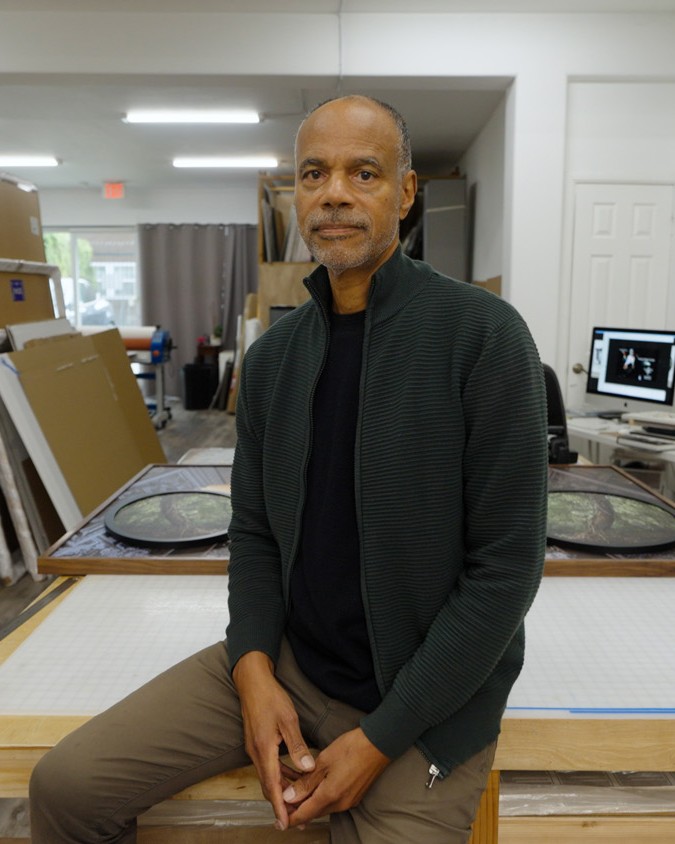
Portrait of Dominic Chambers

Dominic Chambers (b. 1993 St. Louis, MO; lives and works in New Haven, CT) creates vibrant paintings that simultaneously engage art historical models, such as color-field painting and gestural abstraction, and contemporary concerns around race, identity, and the necessity for leisure and reflection. Interested in how art can function as a mode for understanding, recontextualizing, or renegotiating one’s relationship to the world, the artist sees painting as a critical and intellectual endeavor, as much as an aesthetic one. A writer himself, Chambers draws inspiration from literature, especially Magical Realism and the writing of W.E.B. Du Bois, particularly Du Bois’ The Souls of Black Folk, and one of its central themes―the veil. A product of racial injustice that is a metaphorical lens through which Black bodies are observed and experienced, references to the veil appear throughout the artist’s work, whether in large swaths of color that obscure his figures or in the recurring use of a raindrop motif as both an active and passive element in his canvasses.

Chambers sees color as a protagonist in his paintings that is as important to unlocking their meaning as his subjects, and his deft manipulation of the tension and interplay between contrasting colors gives his work a subtle electric charge. In his most recent series, Leave Room for the Wind, Chambers situates his subjects in vivid landscapes that evoke shifting, monochromatic dreamscapes, and reference the mutability of our environment. The richly-hued paintings in this body of work depict open fields saturated in primary hues of red, yellow, and blue. Many of these scenes are populated by figures flying kites―a profoundly domestic activity pursued solely for its own sake, unconnected with external recognition or reward. In these works and throughout his oeuvre, Chambers proposes that enjoyment, stillness, or wonder can act as a gateway to private life and reminds us that leisure and recreation are critical to replenishing our own interiority.

Portrait of Billy Childish

Billy Childish (b. 1959, Chatham, Kent, United Kingdom; lives and works in Chatham, Kent, United Kingdom) is known for his introspective, autobiographical, and deeply emotional paintings, writing, and music. After leaving secondary school at age 16, Childish worked at the Naval Dockyard in Chatham as an apprentice stonemason. Initially denied an interview to the local art school, he produced hundreds of drawings that gained him entry to London’s Saint Martin's School of Art. Childish's defiance of authority led to his eventual expulsion from art school in 1981. Since then, Childish has attained a cult status worldwide, writing and publishing several novels, more than 40 volumes of confessional poetry and recording more than 170 LPs. This artistic output has always existed in tandem with his central practice as a painter, his devotion to the medium evinced by his uninterrupted flow of work dating back to the late 1970s.

Through all of these disciplines, Childish addresses social, political, and personal issues such as war, protest, his turbulent childhood and his struggles with alcoholism. While his confessional poetry and music explore these issues with startling honesty, Childish’s paintings are more subtle. His subjects are often drawn from his environment or are people he knows or admires, transformed into universal motifs: landscape paintings of his native Kent and other familiar lands, such as the Pacific North West and South West United States, appear alongside self-portraits and people significant to Childish’s life (both cultural and personal), including his American wife, Julie, and his children.

Portrait of Teresita Fernández

Teresita Fernández's work is characterized by an expansive rethinking of what constitutes landscape: from the subterranean to the cosmic, from national borders to the more elusive psychic landscapes we carry within. Fernández unravels the intimacies between matter, human beings, and locations. Her luminous, sculptural works poetically challenge ideas about land and landscape by amplifying the powerful, emotional connection in how we imagine place, and, by extension, one another. Fernández exposes the complex narratives that stem from distorted, colonial histories, elaborating on these themes in subtle ways that insist on intertwining beauty, the socio-political, the intimate, and the immense. Imagining the landscape with reciprocal sentience, Fernández has said “You look at the landscape, but the landscape also looks back at you."

Fernández is a 2005 MacArthur Foundation Fellow and the recipient of numerous awards, including a Creative Capital Award; Guggenheim Fellowship; the Louis Comfort Tiffany Biennial Award; an American Academy of Rome Fellowship (AFAAR); and a National Endowment for the Arts Individual Artist’s Grant in Visual Arts, among others. Her works have been exhibited and collected both nationally and internationally including: The Museum of Modern Art, New York; The Whitney Museum of American Art; the San Francisco Museum of Modern Art; The Menil Collection; Philadelphia Museum of Art; Pérez Art Museum Miami; Modern Art Museum of Fort Worth; Centro de Arte Contemporáneo de Málaga, Spain; The Museum of Fine Arts, Boston; SITE Santa Fe; The Smithsonian Museum of American Art; MASS MoCA; and Castello di Rivoli, Italy, among others. She lives and works in Brooklyn, New York

Portrait of Todd Gray

Todd Gray (b. 1954, Los Angeles, CA; lives and works in Los Angeles, CA and Akwidaa, Ghana) is a photo-based artist whose work aims to destabilize assumptions about the veracity of photography and provoke reconsiderations of long-accepted norms and beliefs surrounding the medium, including the role of the viewer in constructing meaning. His lush photo assemblages are composed of images ranging from imperial European gardens, West African landscapes, and architecture, to rock icons and portraits of the artist himself, all carefully arranged to create critical juxtapositions that examine ideas of African diaspora, colonialism, societal power structures, and dominant cultural beliefs. With an eye informed by his four decades as a professional music photographer as well as his B.F.A. and M.F.A. from California Institute of the Arts, Gray’s photo sculptures are infused with a certain subversive beauty, reflecting his strong sense of visual aesthetics.

Gray’s distinctive photo collages range in size from the domestic to the monumental, with his largest to date spanning over 30 feet. The artist utilizes layered frames in his work—from simple wood to ornate, rococo pieces—which are either artist-made or sourced from flea markets and estate sales. Gray stacks these frames on top of one another, deliberately obscuring certain elements of his photographs and striking a delicate balance between revealing and concealing his subject matter. Images are rotated, cropped, and subtly abstracted, even as they remain firmly representational. All of the photographs (with the exception of those from the Hubble telescope) are sourced directly from Gray’s own catalog in a process the artist refers to as “appropriating his own archive.” As the creator of now iconic imagery of cultural figures such as Michael Jackson, Iggy Pop, and the Rolling Stones, the artist navigates an area between the appropriation of the Pictures Generation and Pop Art’s acknowledgement of popular imagery and commerce as drivers of so-called high culture. Across his collages, Gray weaves historical imagery into pictures of the present, reminding us that the realities of our world today are shaped by those of our collective past.

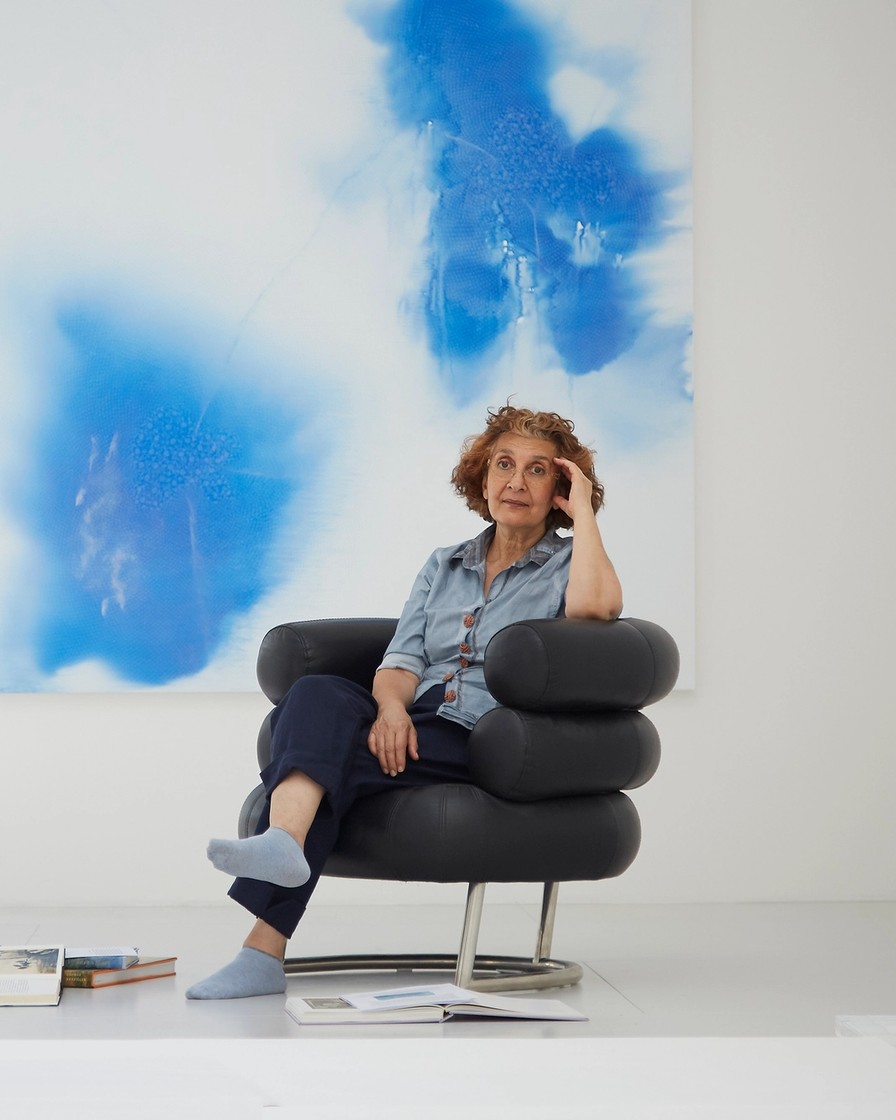
Portrait of Shirazeh Houshiary

Shirazeh Houshiary (b. 1955, Shiraz, Iran; lives and works in London, United Kingdom) makes painting, sculpture, and animation that seek to challenge viewers’ perceptions of time, space, and materiality. Her works often engage opposing ideas and states of being, including transparency and opacity, sound and silence, surface and depth, and presence and absence. From a distance, her paintings are reminiscent of a swirling galaxy, but as the viewer draws closer, the meticulousness, detail, and hidden Arabic letters that make up her amorphous forms begin to unfold. The universe, with its contradiction, paradox, and complexity is a core subject matter in her work. The Arabic words embedded in her compositions are a juxtaposition of the opposing phrases “I am” and “I am not,” oscillating freely between focused and unfocused states, where the meaning of our existence becomes superfluous and lost in Houshiary’s imagined cosmos.

Houshiary’s painting technique involves the successive layering of pigment and line, a laborious process that often takes several months to complete. Her surfaces are composed of intricate patterns that appear to pulse, undulate, and recede into the canvas, like a veil or membrane. She takes a similar methodical approach to her dynamic sculptures, constructing towers out of glass or aluminum bricks that, layer by layer, seem to emerge from the floor. Each vertical plane of bricks echoes the original shape of the structure’s footprint incrementally rotated to the maximum degree the form will allow before the resulting helix shape becomes unstable. For each work, Houshiary attempts to visualize subjects that are inherently intangible—an echo, human breath, or memory.

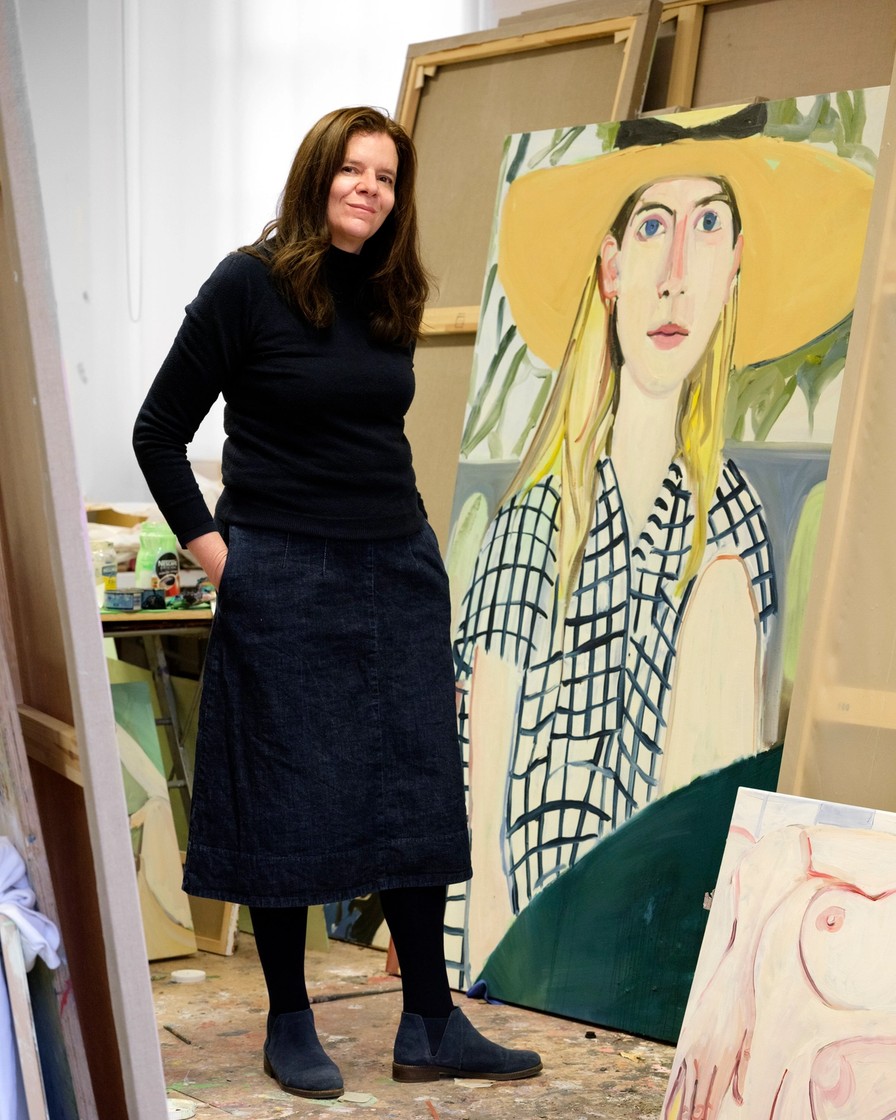
Portrait of Chantal Joffe

Chantal Joffe (b. 1969, St. Albans City, VT; lives and works in London, United Kingdom) creates figurative paintings that address themes of portraiture, motherhood, the passage of time, and art’s relationship to history. Committed to the genre of figurative art, Joffe brings a combination of insight and integrity, as well as psychological and emotional force to her subjects. Almost always depicting women or girls, sometimes in groups, Joffe’s paintings loosely adhere to their source―be it a photograph, magazine page, or reflection in the mirror―reminding us that distortions of scale and form can often make a subject seem more lifelike. Joffe’s paintings alert us to how appearances are carefully constructed and codified, whether in a fashion magazine or the family album, and to the choreography of display. She offers insightful neutrality in her paintings and gives equal billing to catwalk models, porn actresses, mothers and children, loved ones, and literary heroines. Joffe’s choice of subject invites us to question our assumptions about what makes a noble portrait and challenges our expectations of what feminist art might be.

For Joffe, sensuality, self-disclosure, self-consciousness, and intimacy are brought together to heighten already complex narratives about human connection, perception, and representation. These narratives, implicit in the relationship between any artist and subject, are extended to the viewer as propositions and provocations. Whether in paintings a few inches square or ten feet high, Joffe's deceptively casual brushstrokes and ability to combine gesture with a pragmatic approach to representation simultaneously seduces and disarms. Often laying bare the physicality of their making and suffused with a palpable empathetic warmth, Joffe’s paintings offer an insightful examination into ever-shifting human connections and the endless intricacies of looking.

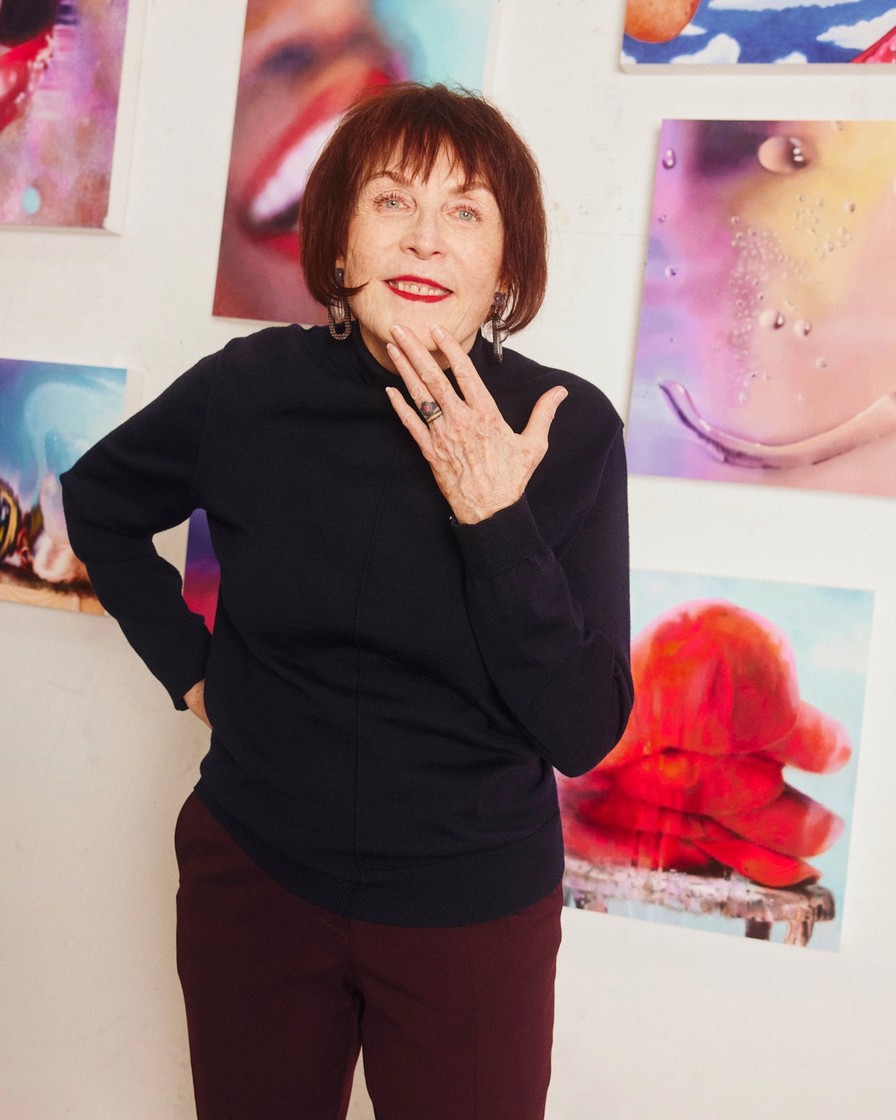
Portrait of Marilyn Minter

Marilyn Minter (b. 1948, Shreveport, LA; lives and works in New York, NY) creates photographs, painting, and videos that offer nuanced representations of women. Well known for her meticulous technical mastery, Minter’s details often highlight natural corporeal qualities that are omitted in mass-media depictions of women, such as body hair and stretch marks, which she deems not only authentic but also beautiful. In her early work, Minter explored erotica—most often images created by men for men—and created new versions of erotic images solely meant for female consumption as a means of reclaiming female sexuality and desire. This revolutionary act was met with serious criticism from leaders of the feminist movement who questioned the ability to reclaim such exploitative images. Nevertheless, Minter has unabashedly continued to advocate for women’s rights and reproductive freedoms, a stance, which for her, always includes women openly expressing their sexuality and desire—reclaiming the female body and subverting the historical objectification of women from the male gaze.

In addition to her commitment to challenging the historic portrayal of women through images, Minter’s work also reveals true mastery of her mediums. Her training in both photography and painting make her working process unique: for each painting she begins with a photograph or series of photographs, which serve as the basis for her larger compositions. Minter replicates the photograph in paint but makes subtle formal adjustments by altering the “focus” of the image, increasing the density of elements such as frost or steam through the use of layering thousands of colors, applying the photographic tenet of focus to the painting process. Likewise, Minter applies painterly approaches to her photography. She physically obscures the pictorial plane, skillfully introducing abstraction into the image. Through steadfast progressive values and a rigorous, time-consuming studio practice, Minter continues to reveal and revel in the exquisite reality of women’s bodies.

Portrait of Catherine Opie

Catherine Opie (b. 1961, Sandusky, OH; lives in Los Angeles, CA) is known for her powerfully dynamic photography that examines the ideals and norms surrounding the culturally constructed American dream and American identity. She first gained recognition in the 1990s for her series of studio portraits, photographing gay, lesbian, and transgender individuals drawn from her circle of friends and artists. Opie has traveled extensively across the country exploring the diversity of America’s communities and landscapes, documenting quintessential American subjects—high school football players and the 2008 presidential inauguration—while also continuing to display America’s subcultures through formal portraits. Using dramatic staging, Opie presents queer and trans bodies in intimate photographs that evoke traditional Renaissance portraiture—images of power and respect. In her portraits and landscapes, Opie establishes a level of ambiguity of both identity and place by exaggerating masculine or feminine characteristics, or by exaggerating distance, cropping, or blurring her landscapes.

Opie received a B.F.A. from San Francisco Art Institute in 1985, and an M.F.A. from CalArts in 1988. Solo exhibitions of her work have been organized at Museum of Art São Paulo (MASP), São Paulo, Brazil (2024); Heide Museum, Melbourne Australia (2023); The Current Now, Stowe, VT (2022); Plug In Institute of Contemporary Art, Winnipeg, Canada (2020); Museum of Contemporary Art (MOCA), Cleveland, OH (2019); Marciano Foundation, Los Angeles, CA (2019); Princeton University School of Architecture, Princeton, NJ (2018); Centro Internazionale di Fotographia, Palermo, Italy (2018); Los Angeles County Museum of Art, Los Angeles, CA (2016); Museum of Contemporary Art, Pacific Design Center, Los Angeles, CA (2016); Hammer Museum, Los Angeles, CA (2016); Wexner Center for the Arts, Columbus, OH (2015); Long Beach Museum of Art, Long Beach, CA (2012); Socrates Sculpture Park, New York, NY (2012); Institute of Contemporary Art, Boston, MA (2011); Portland Art Museum, Portland, OR (2010); Solomon R. Guggenheim Museum, New York, NY (2008); Museum of Contemporary Art Chicago, IL (2006); Walker Art Center, Minneapolis, MN (2002); and the Saint Louis Art Museum, Saint Louis, MO (2000).

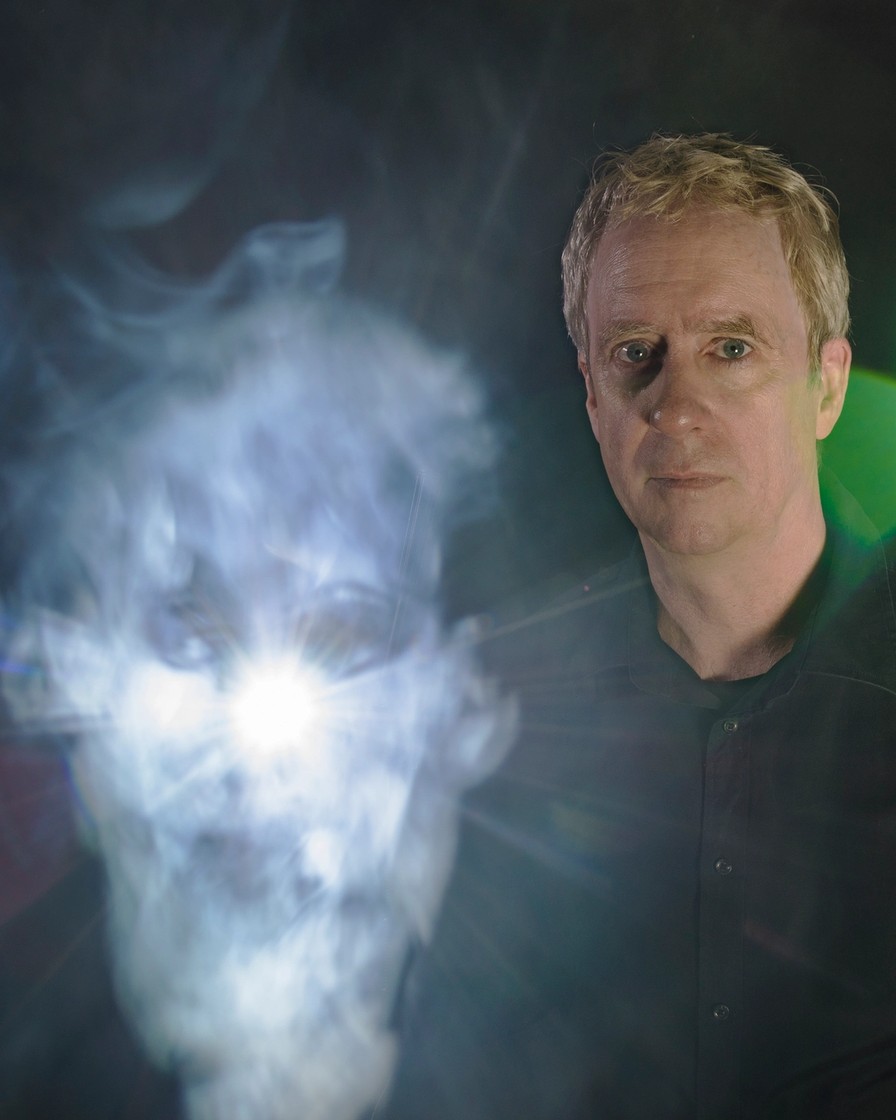
Portrait of Tony Oursler

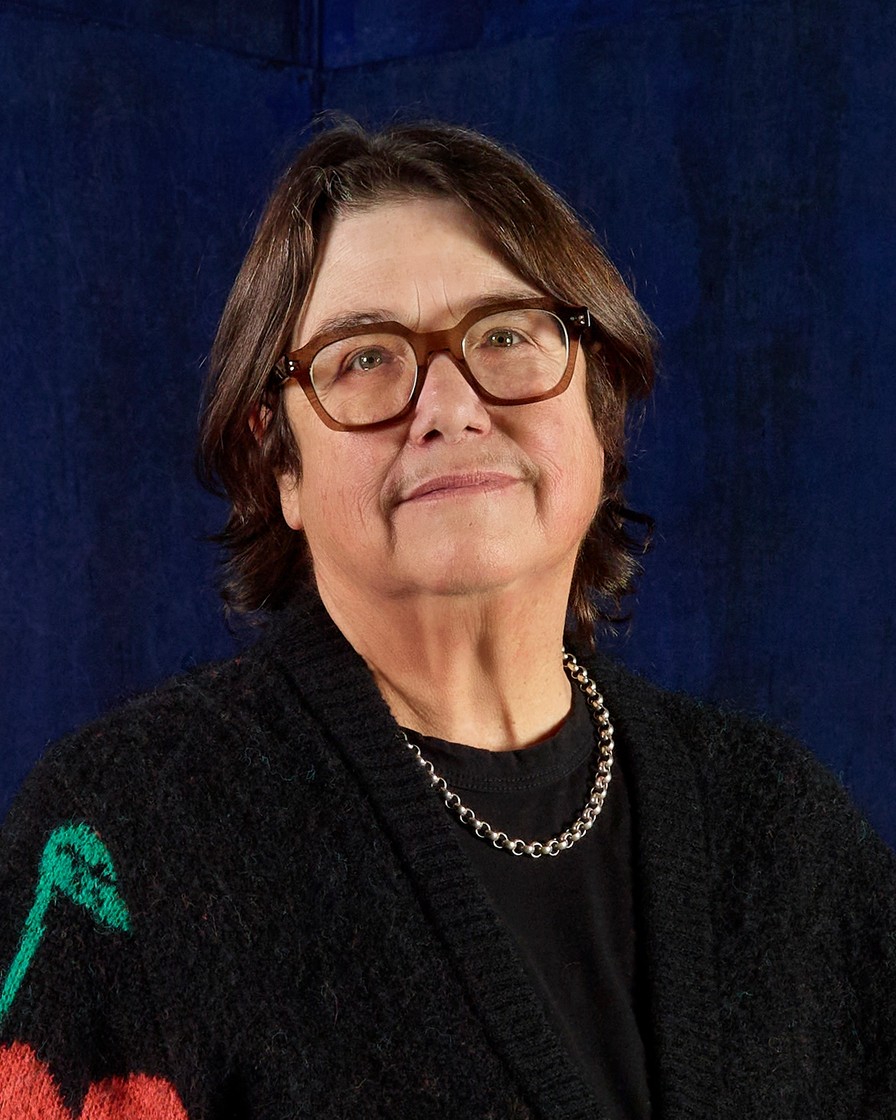
Tony Oursler (b. 1957, New York, NY; lives and works in New York, NY) is best known for his innovative integration of video, sculpture, performance and installation. A pioneering figure in new media since the 1970s, Oursler has since explored diverse methods of exploring popular culture, historical and sub-cultural themes while incorporating the moving image into his practice, breaking video art out of the two-dimensional screen to create immersive environments with the use of light sound and projections. In 2000, Oursler began a series of large scale outdoor projection projects which incorporate landscape, water, smoke, trees, architecture, performative and sculptural elements; some are permanently installed. His sculptures, wall works and installations present a rich visual multimedia experience which often incorporates cultural references and information that seeks to actively engage the viewer. His artworks often employ poetics and humor to explore a wide range of subjects such as belief systems, facial recognition, superstition, conspiracy theories, UFOs and the role technology plays in altering, inhibiting, and expanding social behavior.

Oursler received a B.F.A. from the California Institute of the Arts in 1979. Solo exhibitions of his work have been organized at Kunst Museum Winterthur, Winterthur, Switzerland (forthcoming, 2025); Boca Raton Museum of Art, Boca Raton, FL (2024); SCAI PIRAMIDE, Tokyo, Japan (2024); Photo Elysée, Lausanne, Switzerland (2022); K11 Musea, Hong Kong (2021); Kunstraum Dornbirn, Dornbirn, Austria (2021); Kaohsiung Museum of Fine Arts, Kaohsiung City, Taiwan (2021); Musée d’Arts de Nantes, Nantes, France (2020); Nanging Eye Pedestrian Bridge, Nanjing, China (2019); Public Art Fund, New York, NY (2018); The Museum of Modern Art, New York, NY (2016); LUMA Foundation, Arles, France (2015); Stedelijk Museum, Amsterdam, the Netherlands (2014); Tate Modern, London, United Kingdom (2013); Museu de Arte Moderna, São Paulo, Brazil (2013); Pinchuk Art Centre, Kiev, Ukraine (2013); Art Sonje Center, Seoul, South Korea (2012); ARoS Aarhus Kunstmuseum, Aarhus, Denmark (2012); and Jeu de Paume, Paris, France, traveling to the DA2 Domus Artium, Salamanca, Spain, and the Kunstforeningen, Copenhagen, Denmark (2005), among numerous others.
Portrait of Lari Pittman

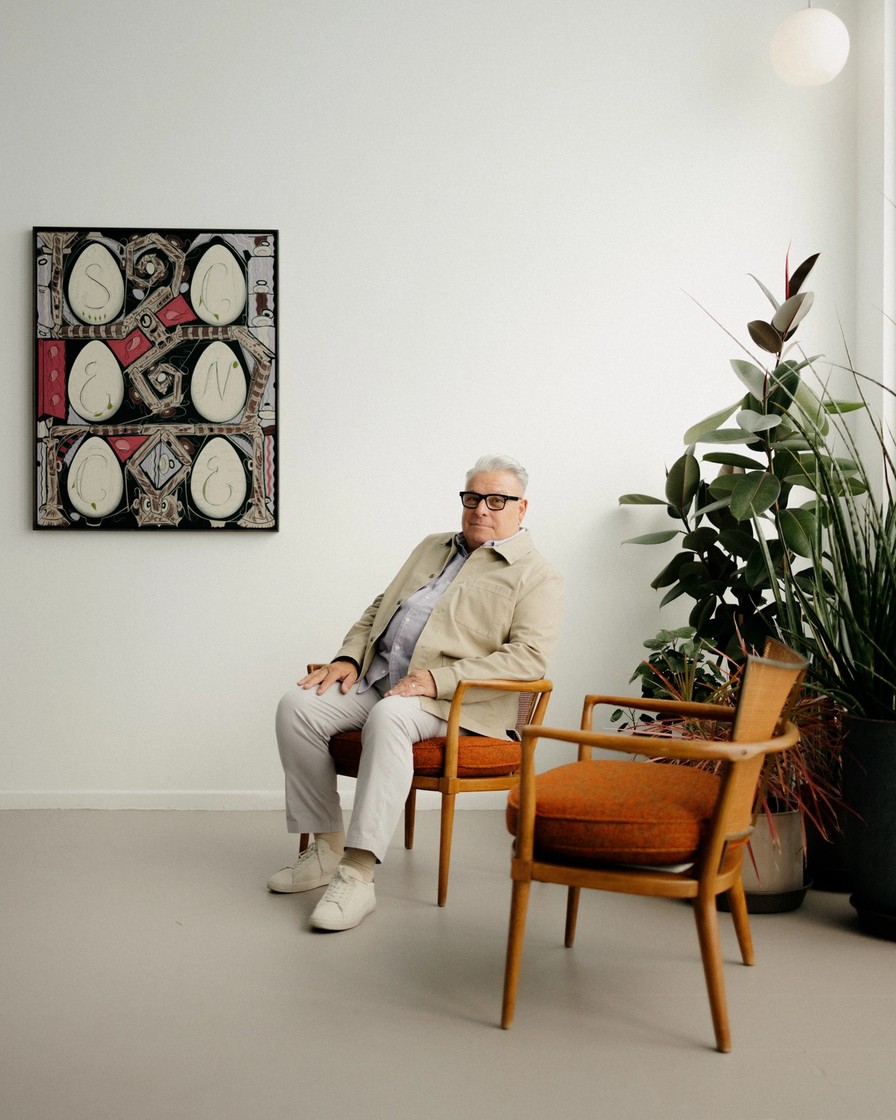
Over the course of his decades-long career, Lari Pittman (b. 1952, Los Angeles, CA, lives and works in Los Angeles, CA) has developed a unique visual aesthetic that has established him as one of the most significant painters of his generation. Pittman’s signature, densely-layered painting style includes a lexicon of signs and symbols (such as bells, eggs, animals, and ropes), a compilation of varied painting techniques, and a clear homage to the handmade, craft, and the decorative. Pittman creates complex compositions that mediate the tension between color, text, and imagery; landscape and decoration; and chaos and order with remarkable dexterity and often on a large scale, and the artist has an innate ability to create compositions in which each element within a painting is given equal space and significance.

In the mid-1970s, Pittman attended California Institute of the Arts in Valencia, California, completing a B.F.A. and an M.F.A. The Institute’s strong feminist arts program challenged the devaluation of art forms traditionally associated with women, and it was partially as a result of his engagement with this program that Pittman developed an interest in undermining aesthetic hierarchies and embracing the decorative arts. Pittman’s strong affinity for the decorative can be seen throughout his numerous bodies of work, and it has contributed to his singular visual style. While Pittman’s early works were informed by the socio-political struggle resulting from the peak of the AIDS epidemic, racial discord, and LGBTQ+ civil rights struggles that defined the last two decades of the 20th century, his later paintings evince a shift in focus towards interior spaces, including domestic and psychological subjects.

Portrait of Calida Rawles

Calida Rawles (b. 1976, Wilmington, DE) is known for paintings that merge hyper-realism with poetic abstraction. Situating Black subjects in dynamic, fluid spaces, Rawles employs water as a vital, multifaceted material and historically charged space through which questions of identity, memory, healing, and belonging come into focus.

At times buoyant and ebullient, at others submerged and mysterious, her subjects float within exquisitely rendered landscapes of bubbles, ripples, and refracted light. For Rawles, water holds a profound duality: it can signify physical and spiritual healing while evoking histories of trauma, racial exclusion, and displacement. Drawing from history, mythology, philosophy, and politics, she uses this complexity to reimagine Black subjects beyond racialized tropes and envisions new possibilities for healing. At times referencing specific geographic locations, Rawles uses place to bring attention to the histories and specific events embedded within them, while water’s ability to alter perception acts as the central force of her practice. A ripple may obscure a face while revealing something less immediately visible.

Portrait of Alex Prager

Alex Prager (b. 1979, Los Angeles, CA; lives and works in Los Angeles, CA) is an American artist, director and screenwriter based in Los Angeles. Prager is known for her uncanny images and films that blur the line between artifice and reality to explore the human condition. Prager has spent over two decades honing her signature style, which draws on traditional movie making techniques from golden-era period styles (like film noir and Technicolor), classical mythology, and the allegorical works of Dutch Renaissance painters Hieronymus Bosch and Pieter Brugel. Over time, large-scale productions have become synonymous with her work.

Working simultaneously across film, photography, and sculpture, Prager constructs highly emotional moments that feel like a fabricated memory or dream. Her distinctive use of archetypes, everyday objects, humor, and allegory—along with her signature technicolor facades—allow her to explore dark and complex topics. Existential concerns are central to her practice, including collective and individual identities and the impact of technology on society. Like the psychological works of artists including Alfred Hitchcock, Edward Hopper, Pipilotti Rist, August Sanders, and Bill Viola, Prager’s work invites the viewer to contemplate the human experience by revealing that the extraordinary lurks within the ordinary.

Portrait of David Salle

David Salle (b. 1952, Norman, OK; lives and works in New York, NY), was born in 1952 and raised in Wichita, Kansas. Salle attended California Institute of Arts (CalArts) in Los Angeles, receiving a B.F.A. in 1973 and an M.A. in 1975. A member of the influential Pictures Generation, Salle combines popular, or commercial imagery with images made from direct observation and a range of art historical references to create a personal pictorial language. His work features a sophisticated and highly intuitive approach to composition, one that suggests new associations and relationships between familiar (or un-familiar) subjects. Salle’s multi-layered works do not rely on subject matter alone, however—his paintings pack an immediate formal impact and present multiple points of entry for the viewer. Built to draw the eye through and across the picture plane, they reward close looking and prolonged contemplation.

Solo exhibitions of Salle’s work have been organized at Times Square Arts, New York, NY (2024); Edward Hopper House Museum, Nyack, NY (2024); Lehmann Maupin, Seoul, Korea (2023); Gladstone Gallery, Brussels, Belgium (2022); the Brant Foundation, Greenwich, CT (2021); Galerie Thaddaeus Ropac, Paris, France (2020); Galeria Javier Lopez & Fer Frances, Madrid, Spain (2019); Centro de Arte Contemporáneo de Málaga (CAC Málaga), Málaga, Spain (2016); Dallas Contemporary, Dallas, TX (2015); Arts Club of Chicago, Chicago, IL (2014); Metropolitan Opera House, New York, NY (2012); Museo de Arte Contemporáneo de Monterrey, Monterrey, Mexico (2000); Museum Moderner Kunst Stiftung, Ludwig, Vienna, Austria (2000); Museo d’Arte Contemporanea Castello di Rivoli, Turin, Italy (2000); Stedelijk Museum, Amsterdam, the Netherlands (1999); and the Guggenheim Museum Bilbao, Bilbao, Spain (1999).

Portrait of Cecilia Vicuña

Cecilia Vicuña (b. 1948 in Santiago, Chile; lives and works in New York, NY and Santiago, Chile) integrates practices of poetry, performance, Conceptualism, and textile craft in response to pressing concerns of the modern world, including ecological destruction, human rights, and cultural homogenization. Born and raised in Santiago, she was exiled during the early 1970s after the violent military coup against President Salvador Allende. This sense of impermanence, and a desire to preserve and pay tribute to the indigenous history and culture of Chile, have characterized her work throughout her career.

While living in Chile during the mid-1960s, Vicuña began an ongoing series of small sculptures she calls precarios, spatial poems in which she combines feathers, stone, plastic, wood, wire, shells, cloth, and other human-made detritus. She coined the term “Arte Precario,” as an independent autonomous category, to name these works defined by their fragility and ephemerality: Vicuña initially composed the precarios along the ocean’s edge, for high tide to complete the work by erasing it. Around the same time, Vicuña came across ancient quipus in a book—and this Andean communication system involving the knotting of colored strings, generated a deep response in her. In the early 1970s she began creating spatial weavings and living quipus, which evolved into her Quipus in multiple materials, including unspun wool. These ephemeral, site-specific installations combine the tactile ritual of weaving with assemblage, poetry, and performance. Vicuña’s surreal figurative paintings of the late 1960s and 1970s are more explicitly personal and political in comparison to her other bodies of work and were created in direct response to European colonization. Their highly charged imagery refers to the subtly subversive images made by 16th-century indigenous artists in Latin America after the Spanish conquest, when they were forced to paint angels and saints for the Catholic church. In Vicuña’s paintings, religious icons are replaced by personal, political, and literary figures, commemorated and mythologized by the artist.

Portrait of Sung Neung Kung

Sung Neung Kyung (b. 1944, Yesan, South Korea; lives and works in Seoul, South Korea) works across non-traditional media, including performance, photography, and archival practices, to examine constructions of knowledge and power. Working at the intersection of representation and the real, Sung’s oeuvre intervenes in the processes of communication, dissemination, and transmission. Through his resistance to traditional discourse, he seeks to challenge and dismantle various authorities, including political and artistic canonical systems. His practice is intrinsically process-oriented and deals in ephemera, frequently involving one-off events or performances; his work is often archived as photographs or contact prints and exhibited as a variety of photographic installations.

Sung is known for his involvement in the avant-garde Korean art group Space & Time (ST), an art and study collective active throughout the 70s and 80s that responded to both Western art and theory and a period of political turmoil in South Korea. Throughout his work, Sung engages hallmarks of Conceptualism; exploring dematerialization, text-based practice, and informational aesthetics, and he reformulates Conceptual tactics for a climate of urgency and unrest. In his seminal Newspapers: from June 1, 1974, on (1974), Sung carefully removed blocks of text from Korean newspapers with scissors, displaying the removed text alongside the cut pieces of newspaper. In his subsequent performance Reading newspaper (1976), Sung carefully “reads” the mangled remains of the periodicals. By performatively removing discursive context from the newspapers and rearranging text to suggest potential new meanings, Sung critiques government censorship of media. As he intercepts modes of dissemination, Sung thwarts long-held notions of language and power, and he cultivates alternative channels for knowledge production.

Portrait of Erwin Wurm

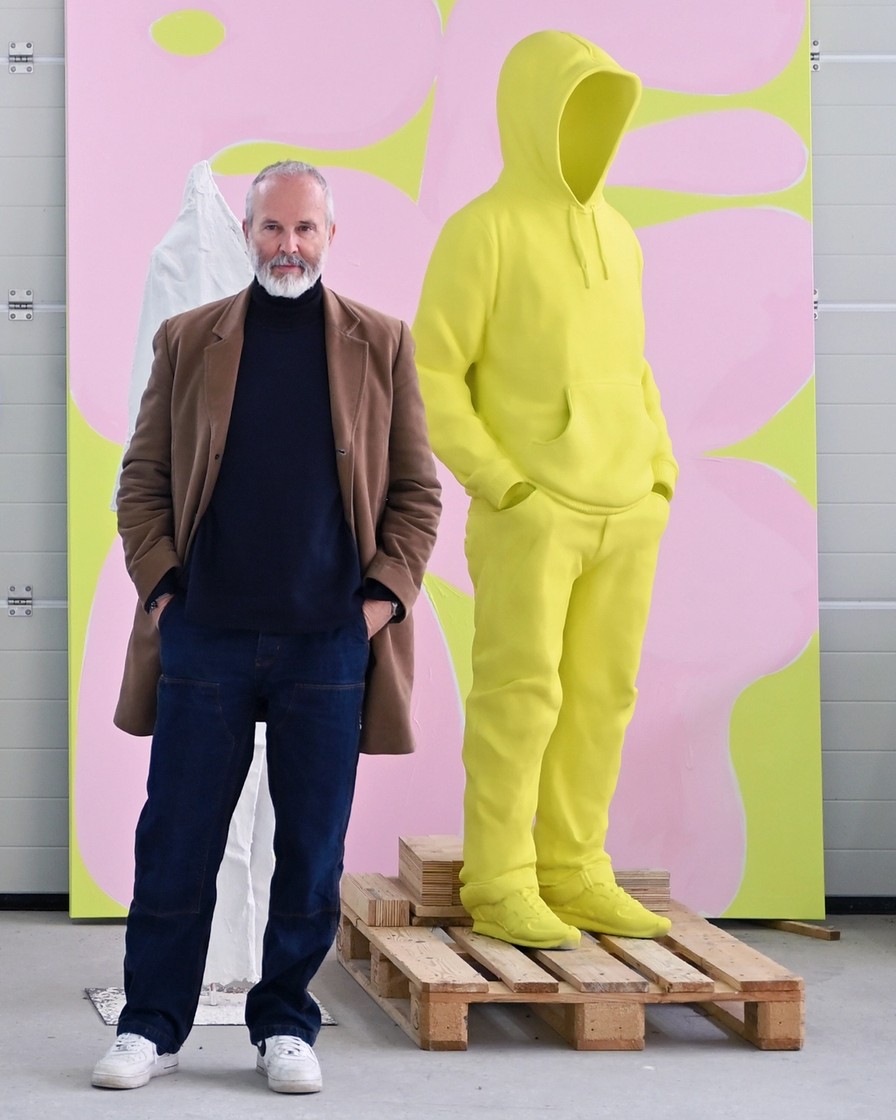
Erwin Wurm (b. 1954 Bruck an der Mur/Styria, Austria; lives and works in Vienna and Limberg, Austria) came to prominence with his One Minute Sculptures, a project that he began in 1996/1997. In these works, Wurm gives written or drawn instructions to participants that indicate actions or poses to perform with everyday objects such as chairs, buckets, fruit, or knit sweaters. These sculptures are by nature ephemeral, and by incorporating photography and performance into the process Wurm challenges the formal qualities of the medium as well as the boundaries between performance and daily life and spectator and participant. While in this series he explores the idea of the human body as sculpture, in some of his more recent work he anthropomorphizes everyday objects in unsettling ways, like contorting sausage-like forms into bronze sculptures in Abstract Sculptures, or distorting and bloating the volume and shape of a car in Fat Car. Wurm considers the physical act of gaining and losing weight a sculptural gesture, and often creates the illusion of bodily growth or shrinkage in his work. While Wurm considers the absurd an important tool, there is always an underlying social critique of contemporary culture, particularly in response to the capitalist influences and resulting societal pressures that the artist sees as contrary to our internal ideals. Wurm emphasizes this dichotomy by working within the liminal space between high and low and merging genres to explore what he views as a farcical and invented reality.
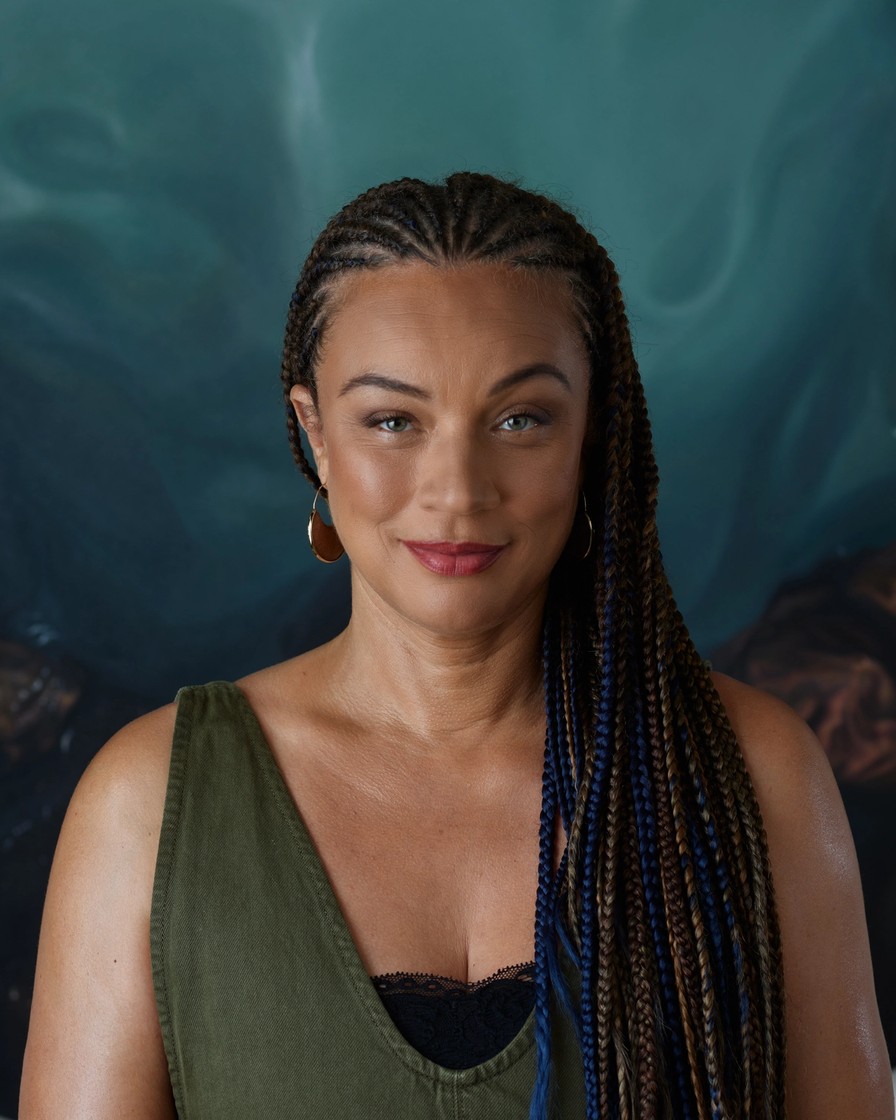
Erwin Wurm graduated from University of Graz, Austria, in 1977, and University of Applied Art and Academy of Fine Art, Vienna in 1982. Solo exhibitions of his work have been organized at the SCAD Museum of Art , Savannah, Georgia (2023); Yorkshire Sculpture Park, West Bretton, United Kingdom (2023); Tel Aviv Museum of Art, Tel Aviv, Israel (2023); Suwon Museum of Art, Suwon, South Korea (2022); Bratislava City Gallery, Bratislava, Slovakia (2022); Museum of Contemporary Art, Belgrade, Serbia (2022); Museum Jan Cunen, Oss, Netherlands (2022); König Galerie, Vienna, Austria (2022); Biblioteca Nazionale Marciana, Venice, Italy (2022); Museum Hartberg, Hartberg, Austria (2021); K11 Atelier, Tianjin, China (2021); Taipei Fine Arts Museum, Taipei, Taiwan (2020); Kunstraum Dornbirn, Dornbirn, Austria (2020); Vancouver Art Gallery, Vancouver, Canada (2019); Vieille Charité, Marseille, France (2019); K11 Musea, Hong Kong (2019); Musée d’Art Contemporain, Marseille, France (2019); The Albertina Museum, Vienna, Austria (2018); Ludwig Museum, Budapest, Hungary (2018); Kunstmuseum Luzern, Luzern, Switzerland (2018); Public Art Fund, New York, NY (2018); Ayala Museum, Manila, Philippines (2018); Indianapolis Museum of Art, Indianapolis, IN (2015); Museum of Contemporary Art in Kraków, Poland (2013); Centro de Arte Contemporáneo de Málaga, Spain (2012); and Dallas Contemporary, TX (2012).

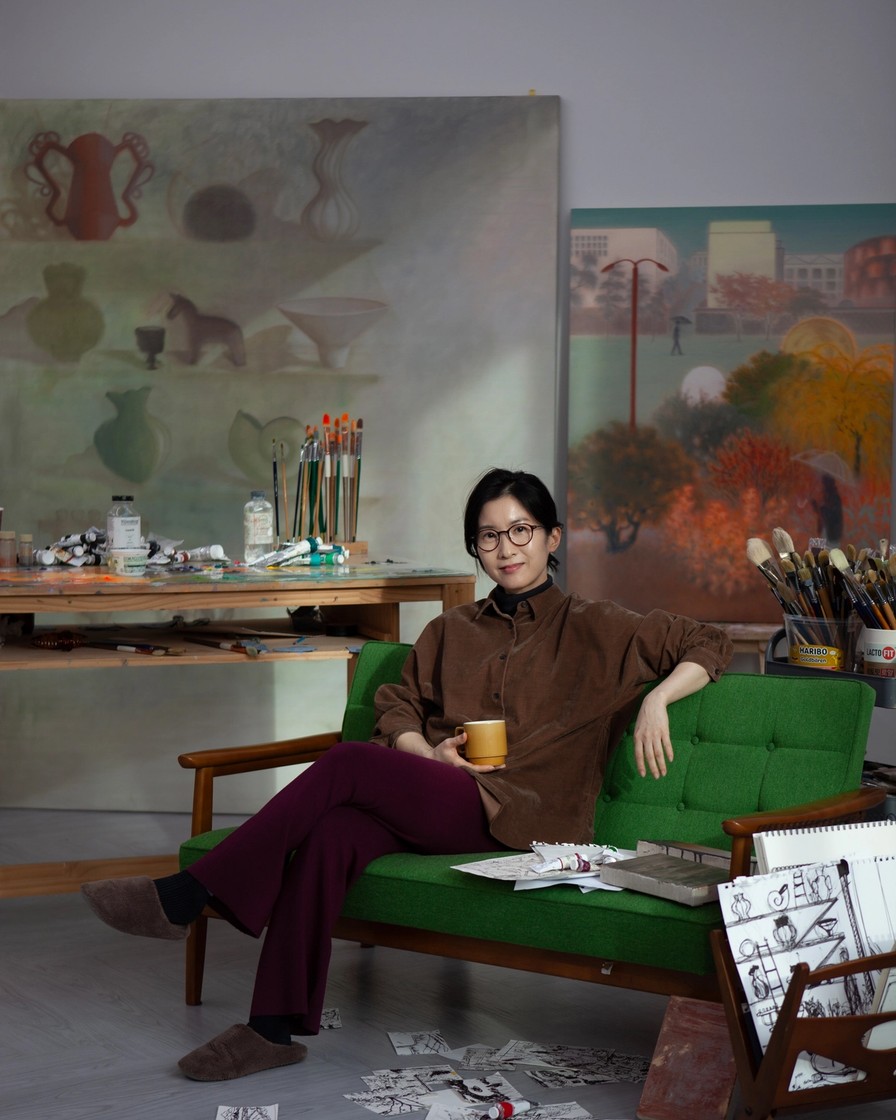
Portrait of Guimi You

Guimi You (b. 1985, Seoul, South Korea; lives and works in Seoul, South Korea) is a painter whose work explores the emotional resonance of landscapes, interiors, and solitude. Through vibrant and poetic use of color, she creates atmospheric scenes that blend observation and imagination, capturing the fleeting sensations of memory, reflection, and presence. Her paintings often depict tranquil environments—flower-filled hillsides, still ponds, domestic spaces—that become sites for introspection and deeper engagement.

Originally trained in East Asian painting, You’s understanding of its pictorial traditions—where painting is not an act of depiction, but of evocation—anchors her approach. Her surfaces are built through a sensitive modulation of tone and translucency, where forms emerge gradually rather than being firmly outlined, echoing the atmospheric principles of traditional Korean landscape painting. After studying in South Korea, she lived in the United Kingdom and the United States, where she began working with oil paint and immersed herself in Western painting, wherein the external world often functions as a mirror for inner states. Today, You’s work sits at the intersection of Eastern and Western traditions, combining the delicacy and fluidity of ink with the depth and materiality of oil.

Art Basel Hong Kong | Lehmann Maupin