Skip to content

Art Basel

Messe Basel

Booth C4

Jun 19–21, 2026

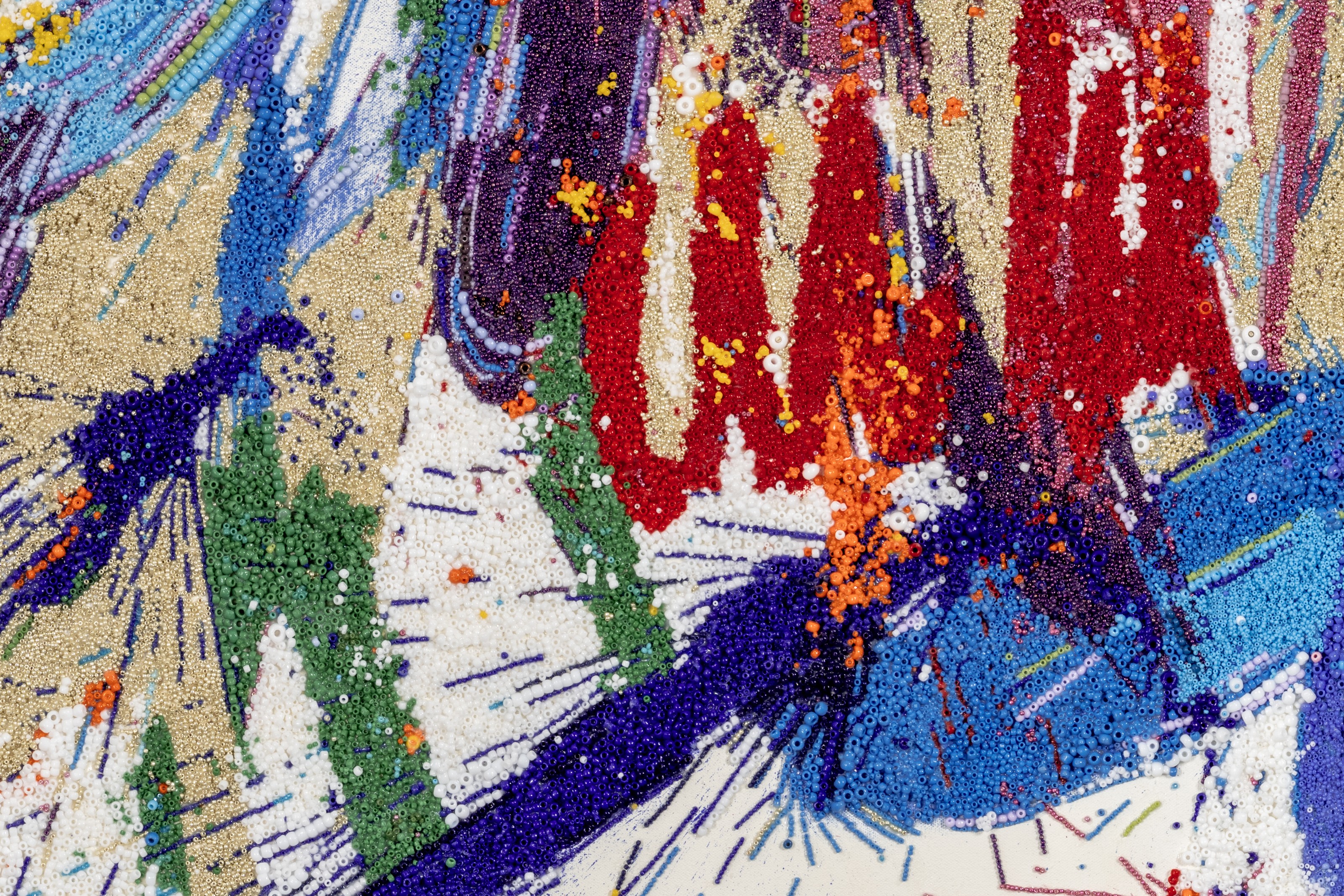
Detail of wall work by Liza Lou

Messe Basel

Basel, Switzerland

Lehmann Maupin is pleased to announce its presentation highlights for the 2026 edition of Art Basel. Coinciding with the gallery’s 30th anniversary, this year’s booth will bring together significant works by leading 20th-century figures, including Louise Bourgeois, Heidi BucherJohn Chamberlain, Wifredo Lam, and Ana Mendieta, and Lucia Wilcox, alongside contemporary works from the program. The booth will also highlight works by artists presenting major museum exhibitions across Europe this summer, including a number of artists who are participating in the 61st International Art Exhibition of La Biennale di Venezia.

Anchoring the gallery’s presentation this year is a historic work by Wifredo Lam, positioned in dialogue with artists from the gallery’s program whose practices have been shaped by his influence, including Kader Attia, McArthur Binion, and Teresita Fernández. The work on view, created in 1941, dates to a pivotal moment in Lam’s practice, when he began developing the hybrid visual language that would later culminate in his iconic Femme Cheval figures. Lam’s work serves as a vital point of departure for understanding the work of Fernández, Attia, and Binion, each of whom engage with questions of power, memory, and identity in their individual work. Across their respective practices—whether through Fernández’s expansive rethinking of what constitutes landscape, Attia’s engagement with colonial aftermaths and processes of repair, or Binion’s layered systems of abstraction grounded in personal archive and repetition—each artist uses their distinct visual language as a vehicle for examining how histories are carried, fragmented, and reassembled within contemporary culture. Collectively, their practices extend Lam’s commitment to expanding the canon by challenging the Eurocentric boundaries of art. This presentation comes on the heels of Wifredo Lam: When I Don’t Sleep, I Dream at MoMA—the first retrospective in the United States to encompass the full trajectory of Lam’s practice.

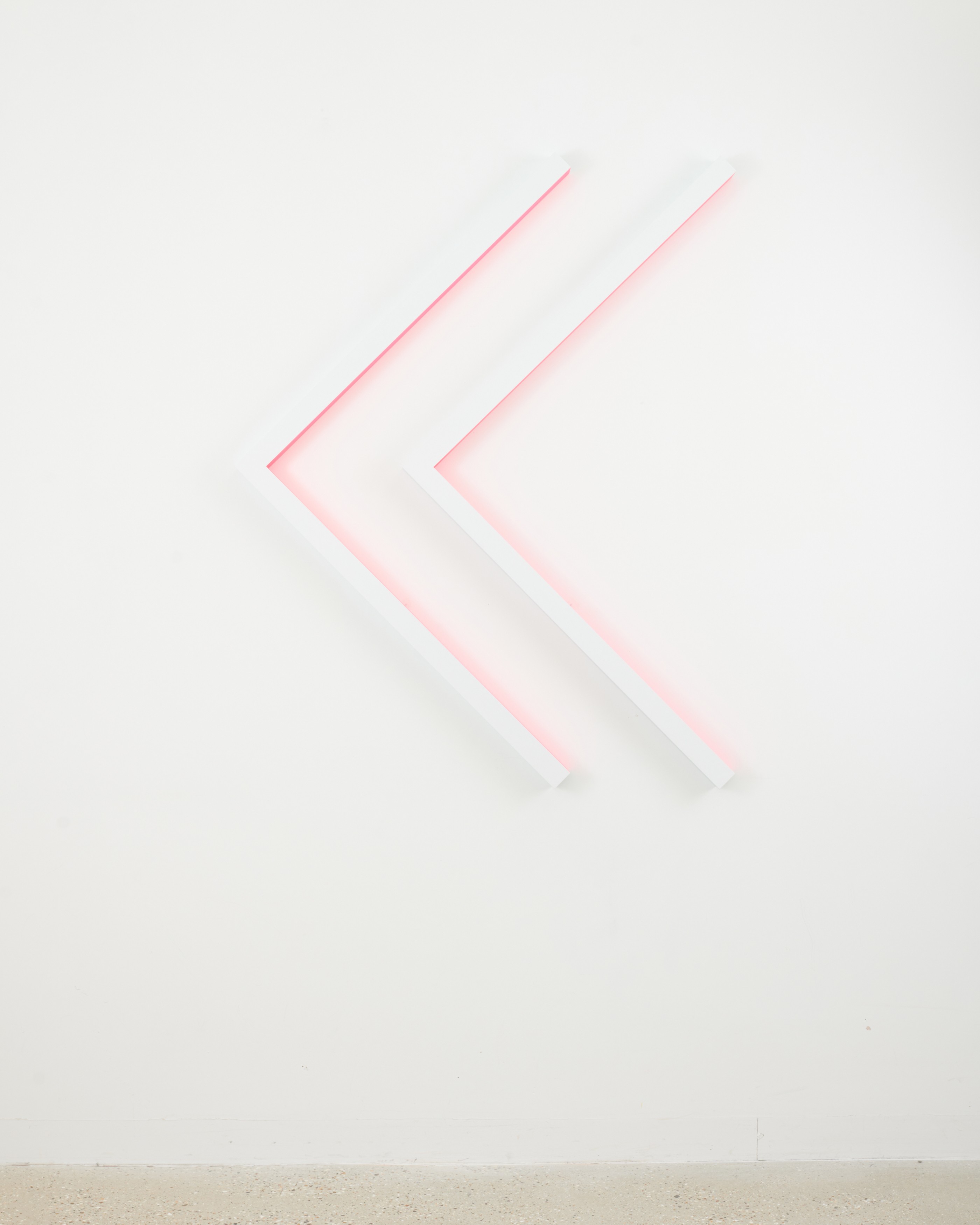
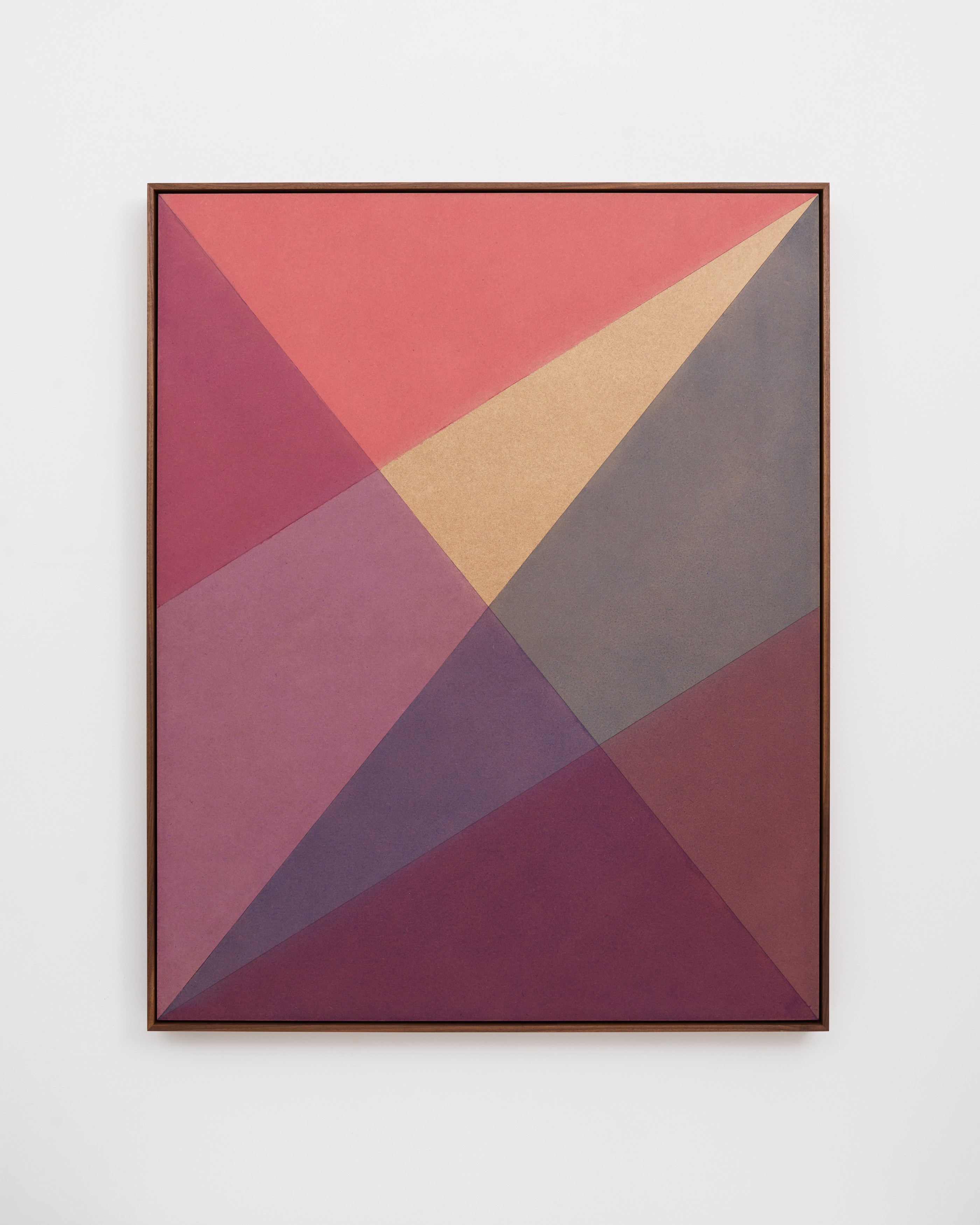
Wall work by Rana Begum

Rana Begum

No. 1369 Chevrons, 2024

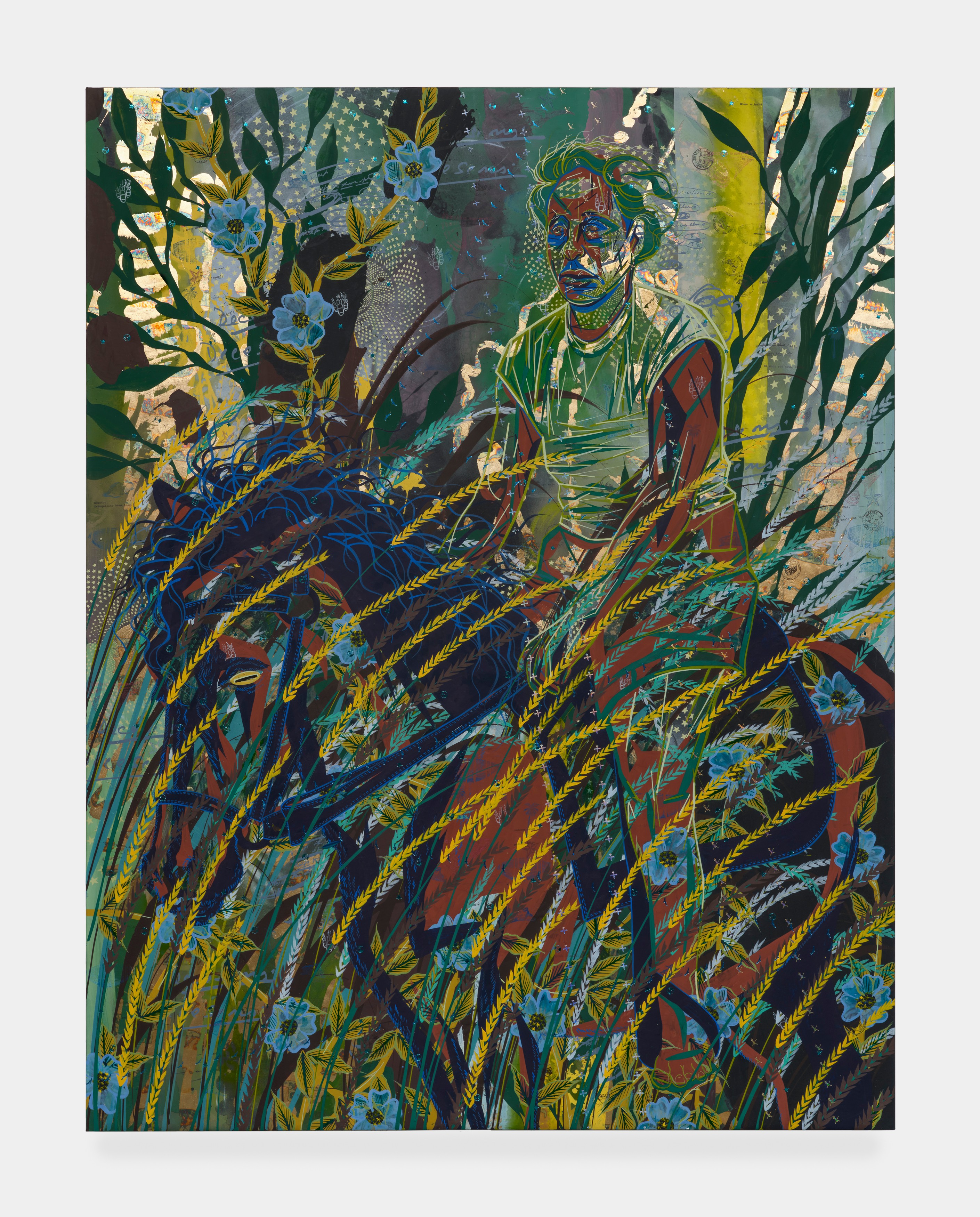
Painting by Tammy Nguyen

Tammy Nguyen

Horserider Leaving Spring, 2026

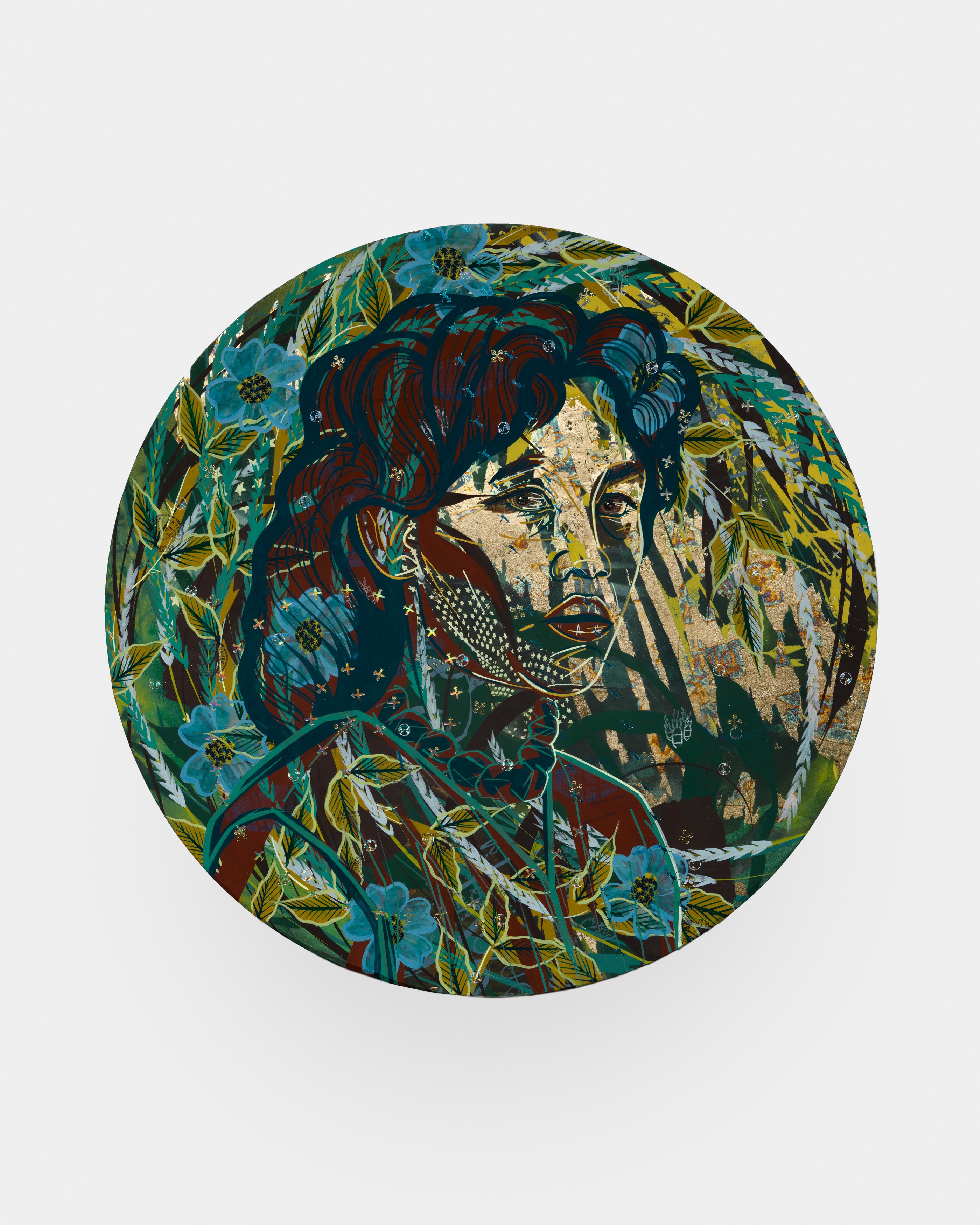
Painting by Tammy Nguyen

Tammy Nguyen

Sunshine on Her Face, 2026

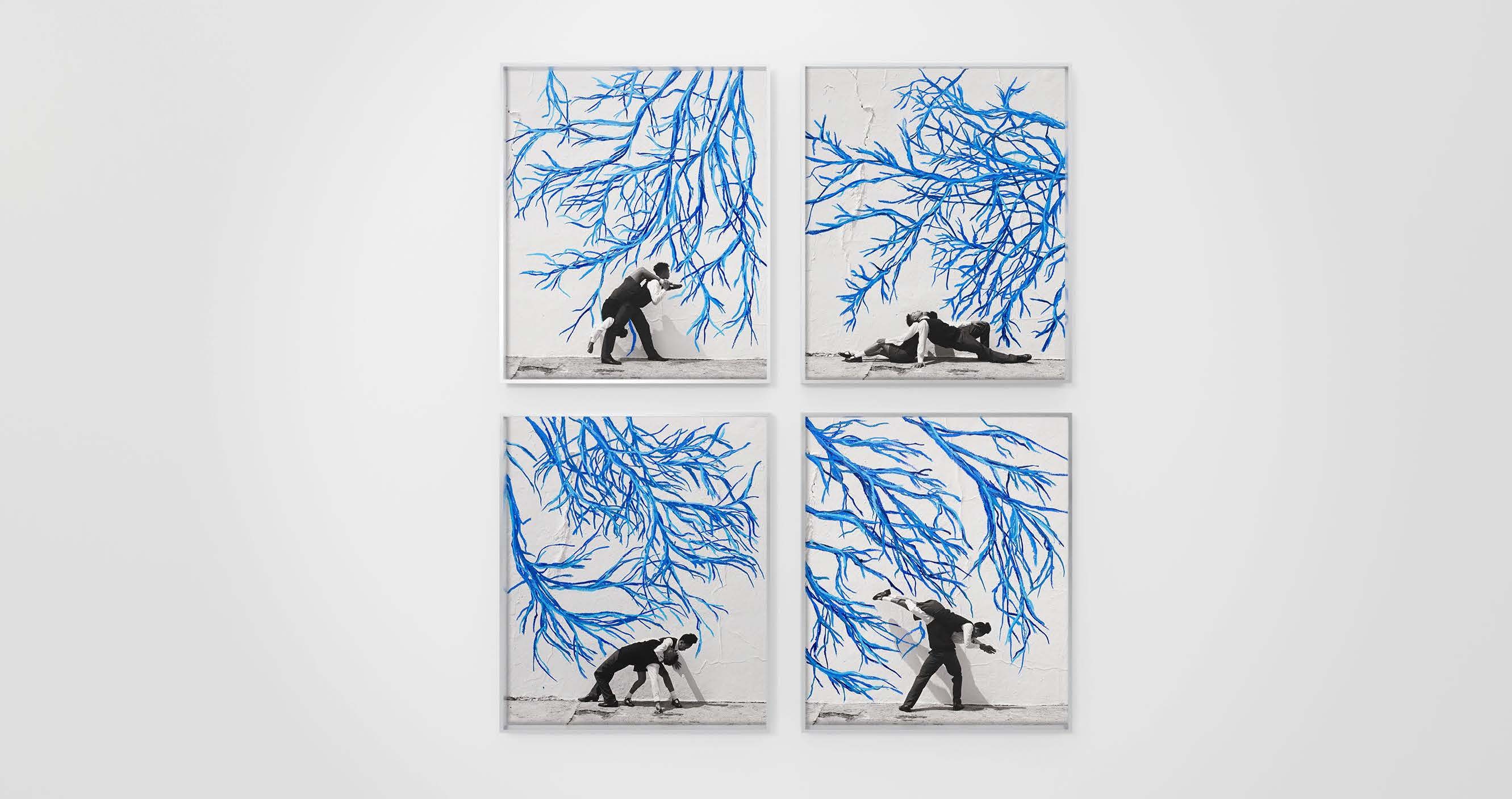
Photograph by Robin Rhode

Robin Rhode

The Abandoned Garden, 2025

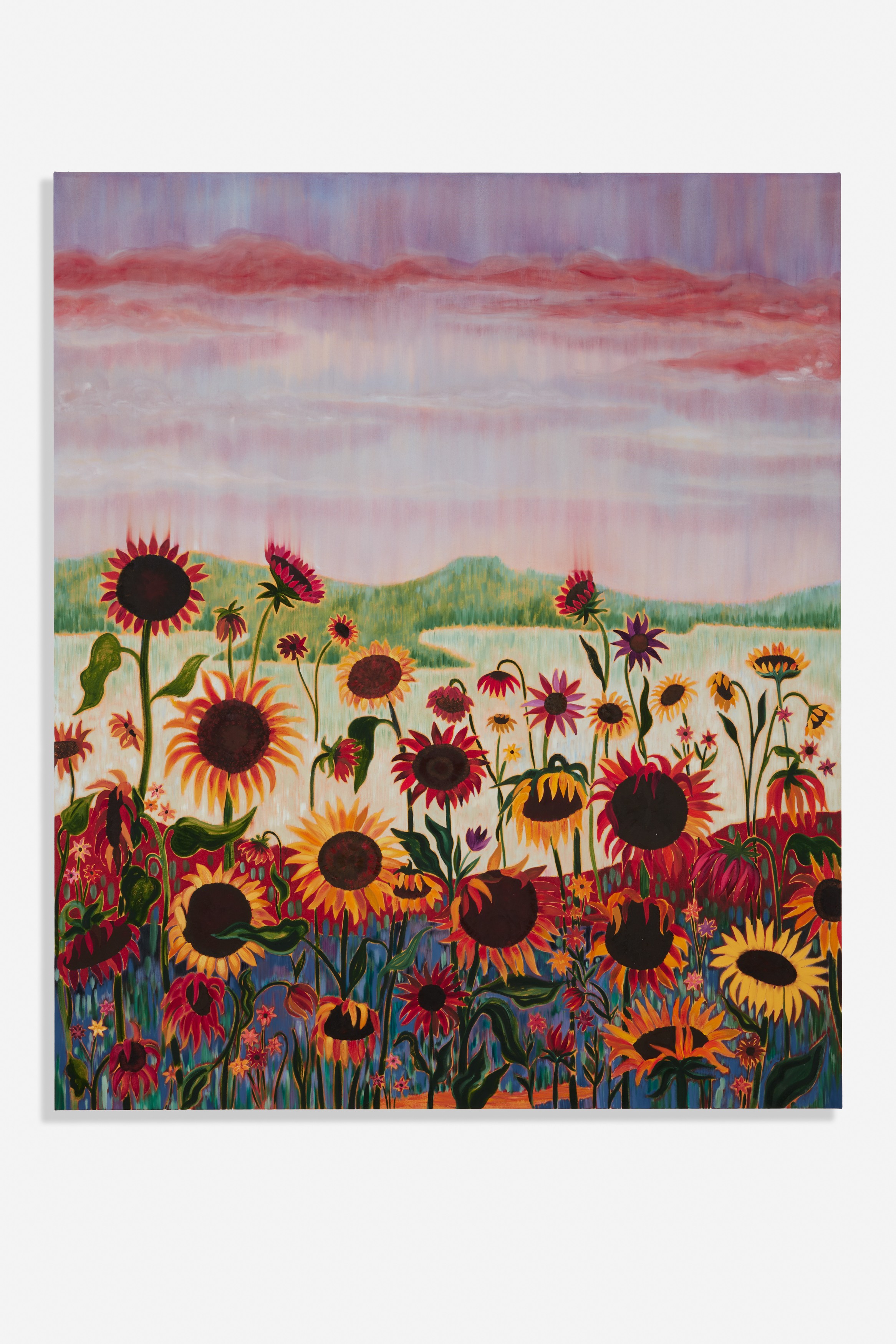
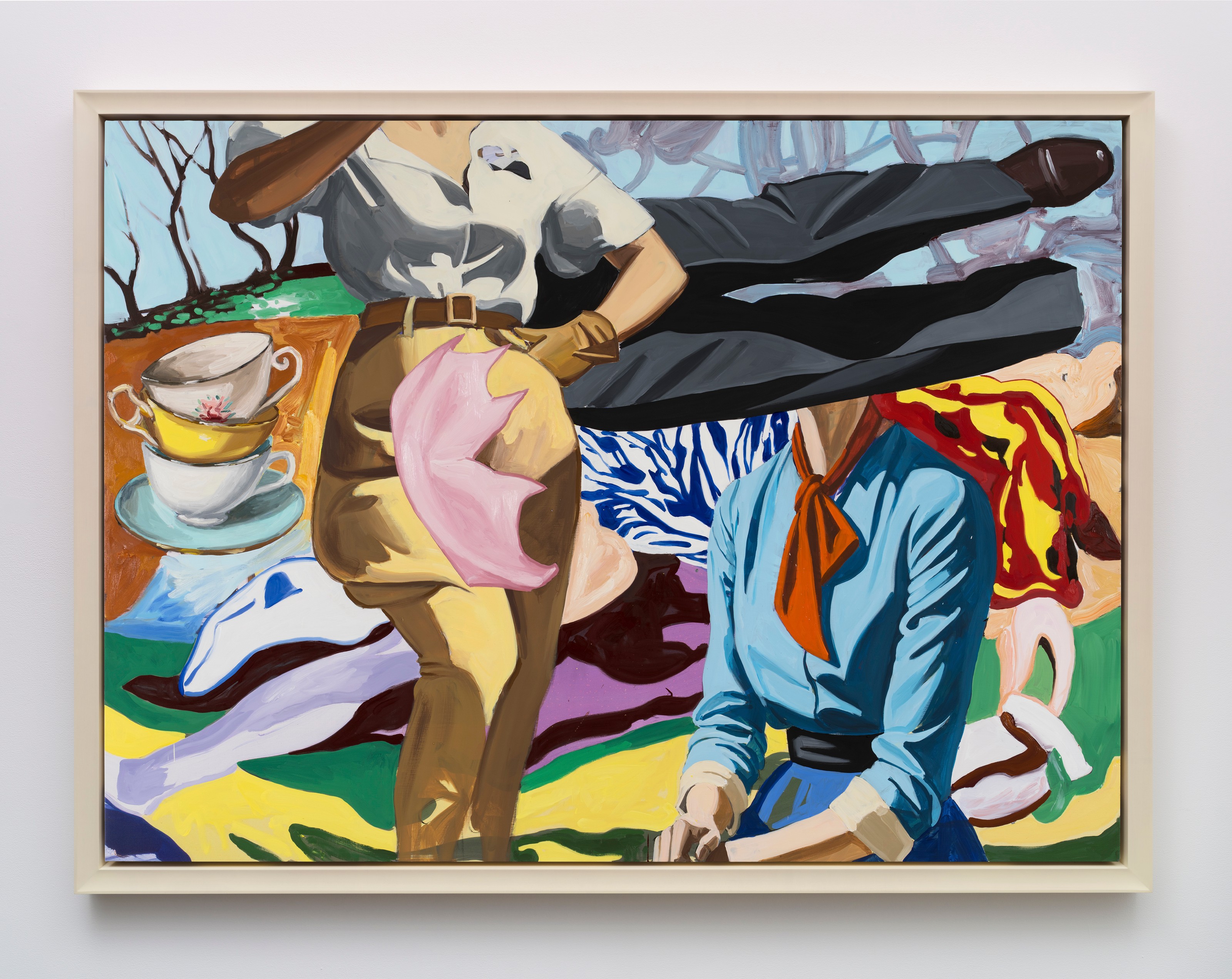
Painting by Freya Douglas-Morris

Freya Douglas-Morris

Tomorrow's day, 2026

Wall work by Rana Begum

Rana Begum

No. 1608 S Fold, 2026

Painting by Rana Begum

Rana Begum

No. 1527 Painting, 2025

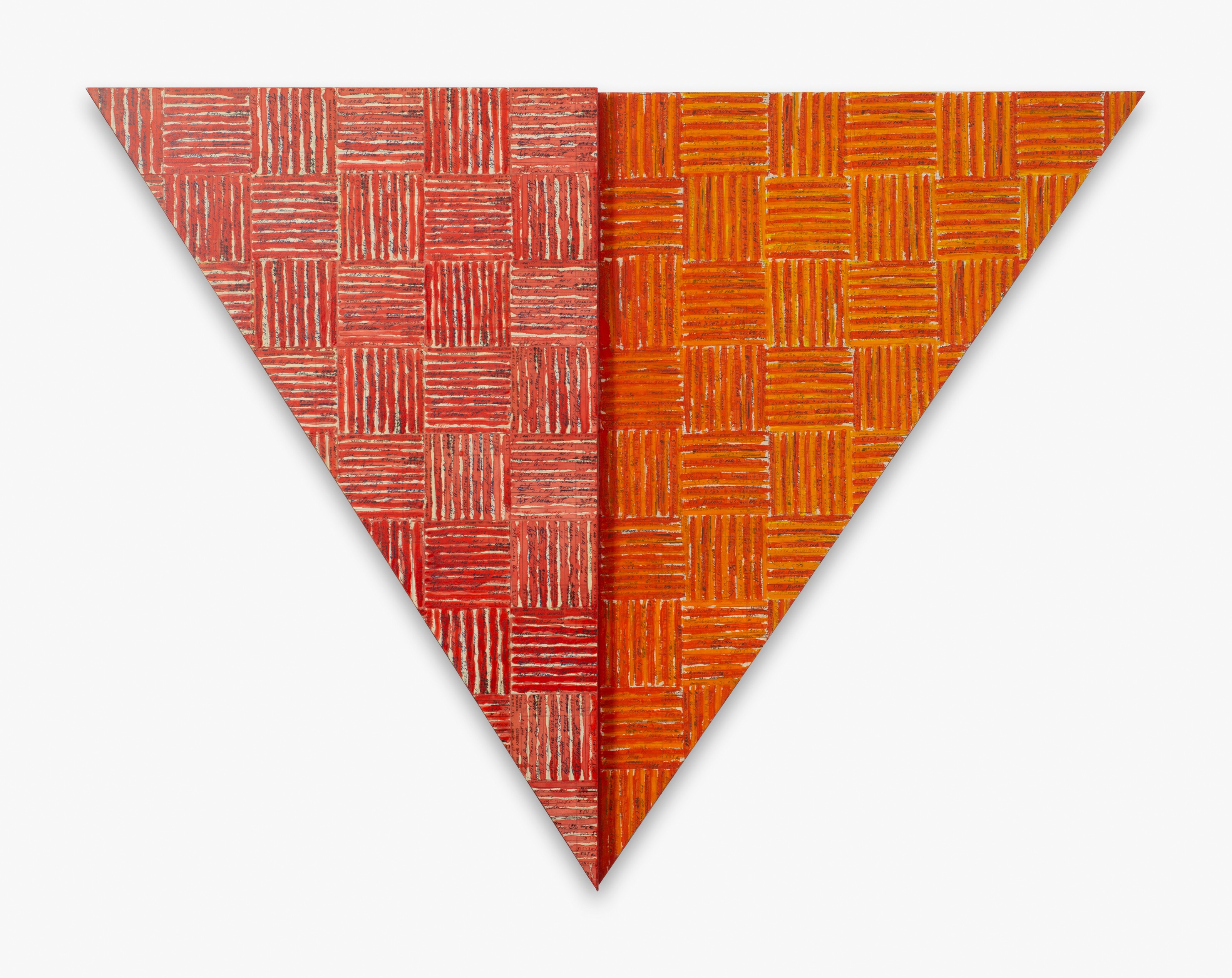
Painting by McArthur Binion

McArthur Binion

Stellucca, 2012

Painting by Dominic Chambers

Dominic Chambers

Field Shimmer pt 1, 2025

Sculpture by Erwin Wurm

Erwin Wurm

Nurse (Dreamers series), 2026

Painting by Billy Childish

Billy Childish

by lake tahoe, 2025

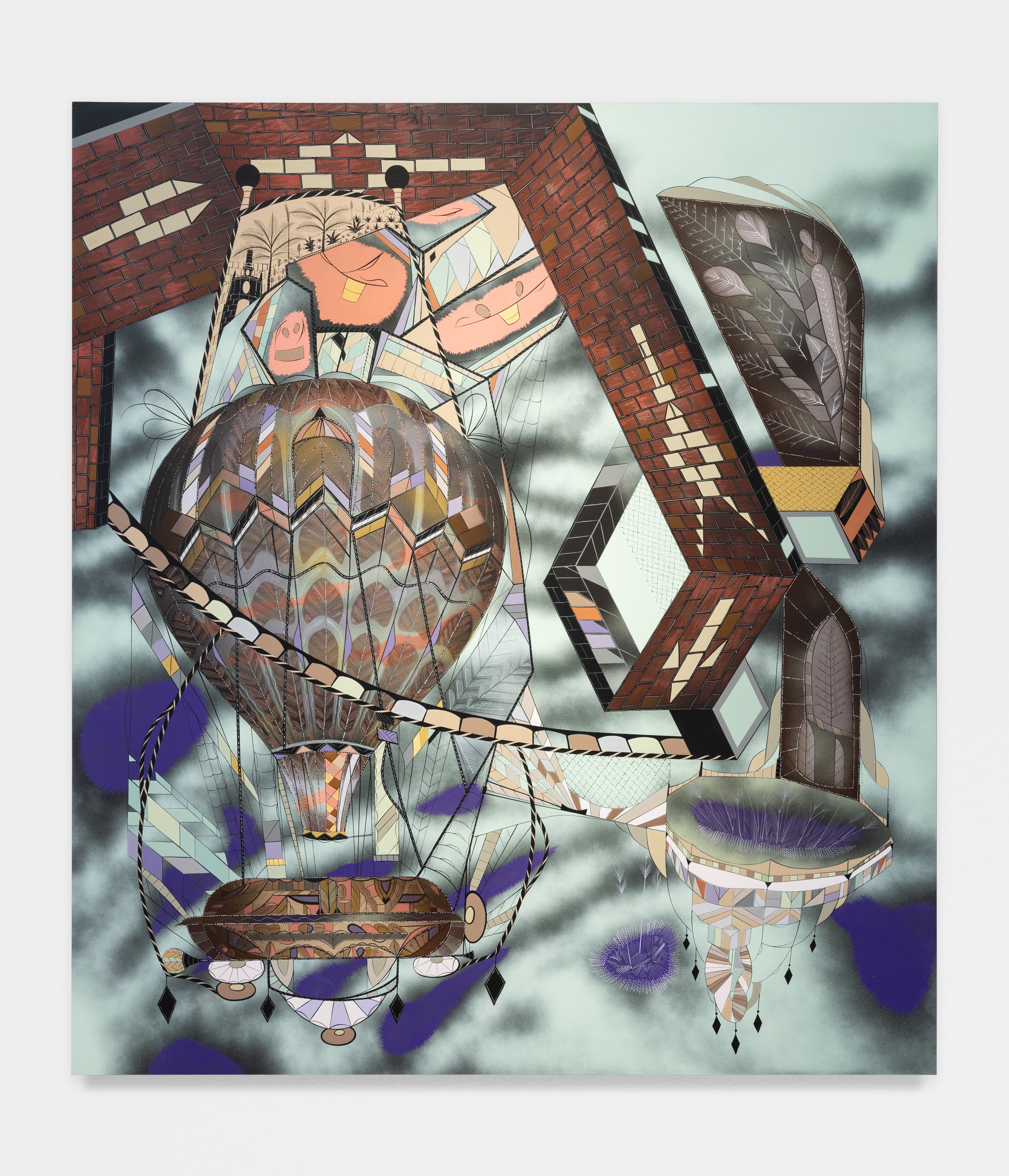
Painting by Lari Pittman

Lari Pittman

The Remedy of Analog Space and Time, 2025

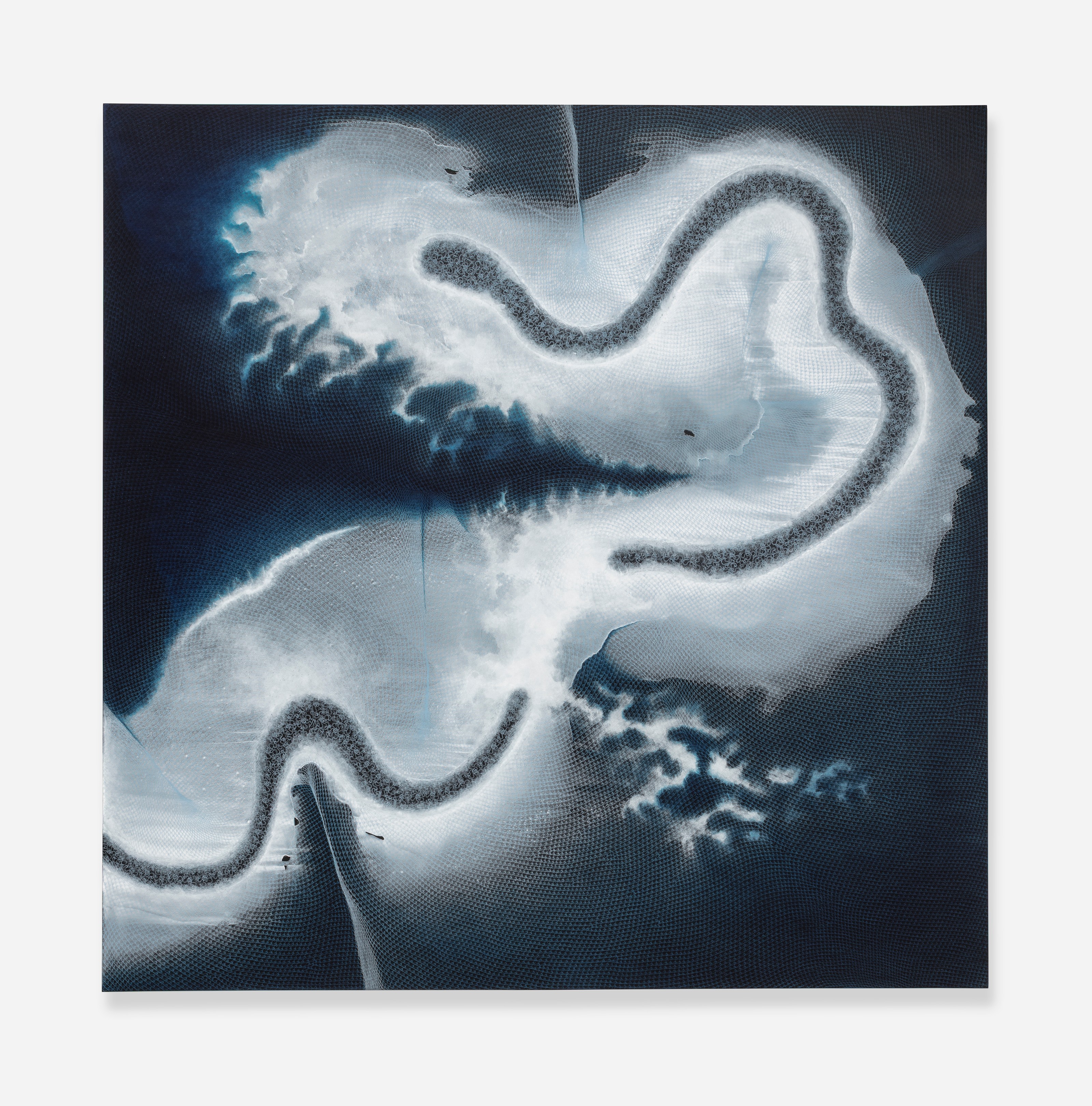
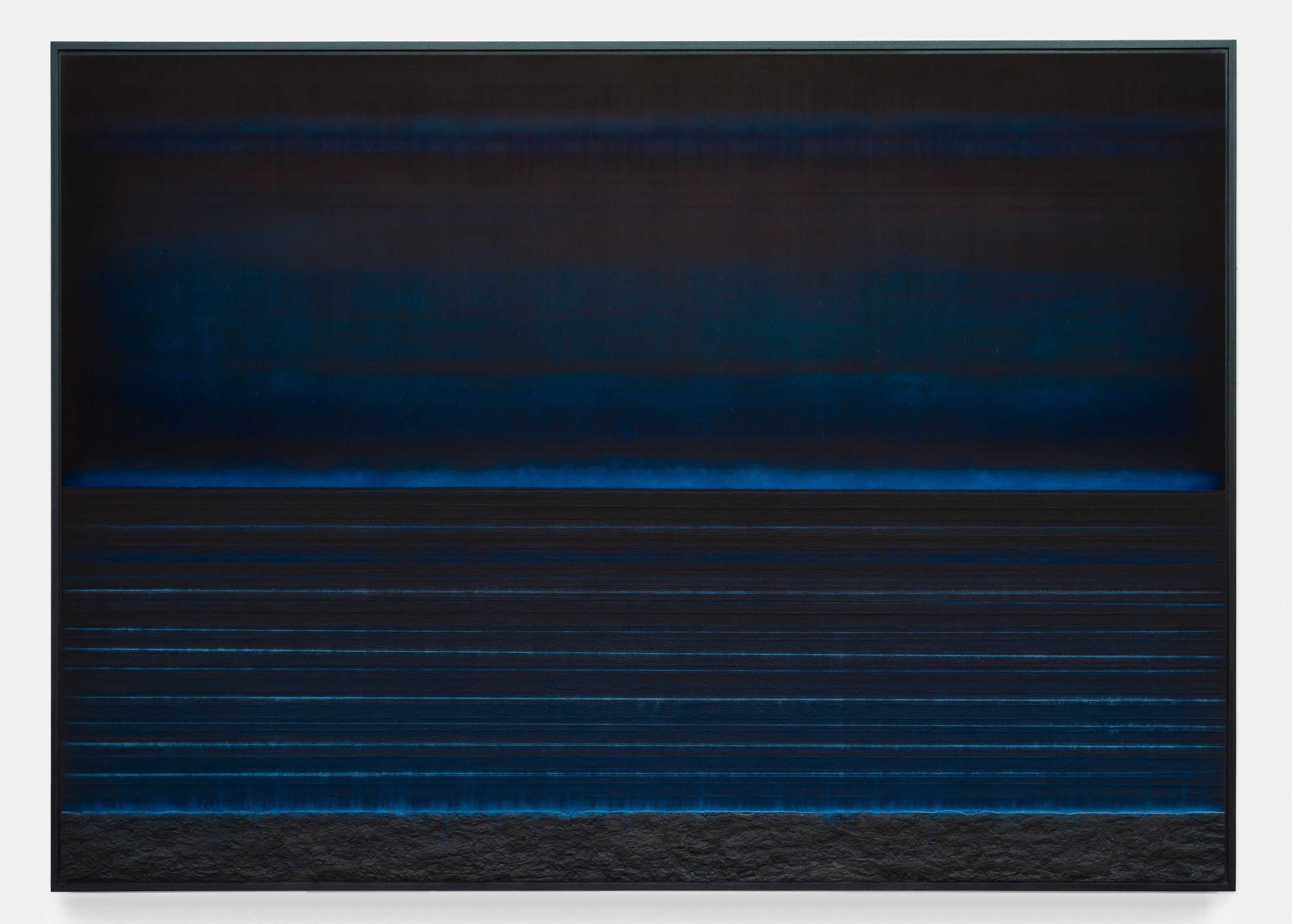
Painting by Shirazeh Houshiary

Shirazeh Houshiary

Entanglements, 2025

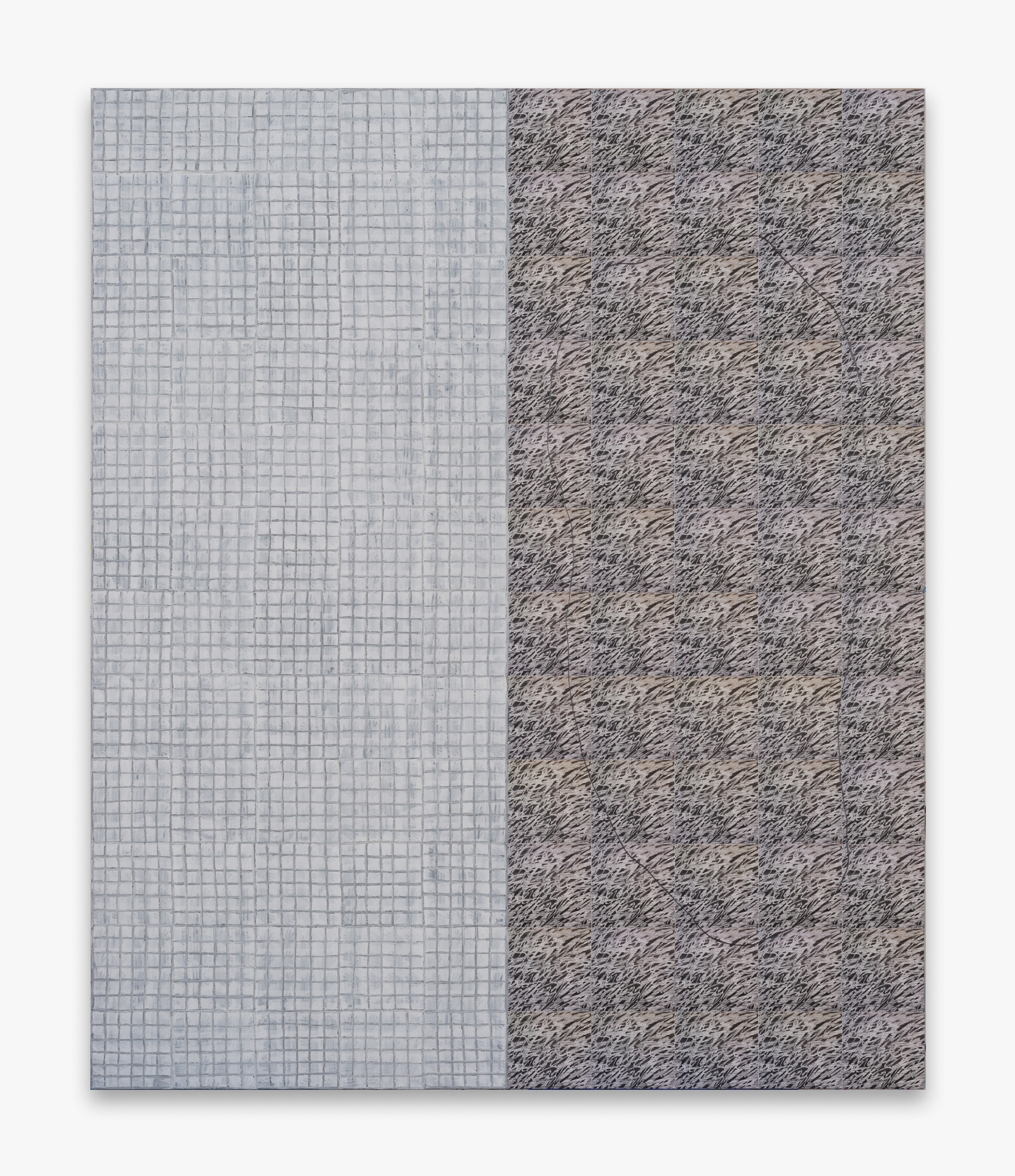
Painting by McArthur Binion

McArthur Binion

under:ground, 2025

Painting by David Salle

David Salle

New Pastoral-Complex, 2025

Wall sculpture by Teresita Fernández

Teresita Fernández

Liquid Horizon 3, 2025

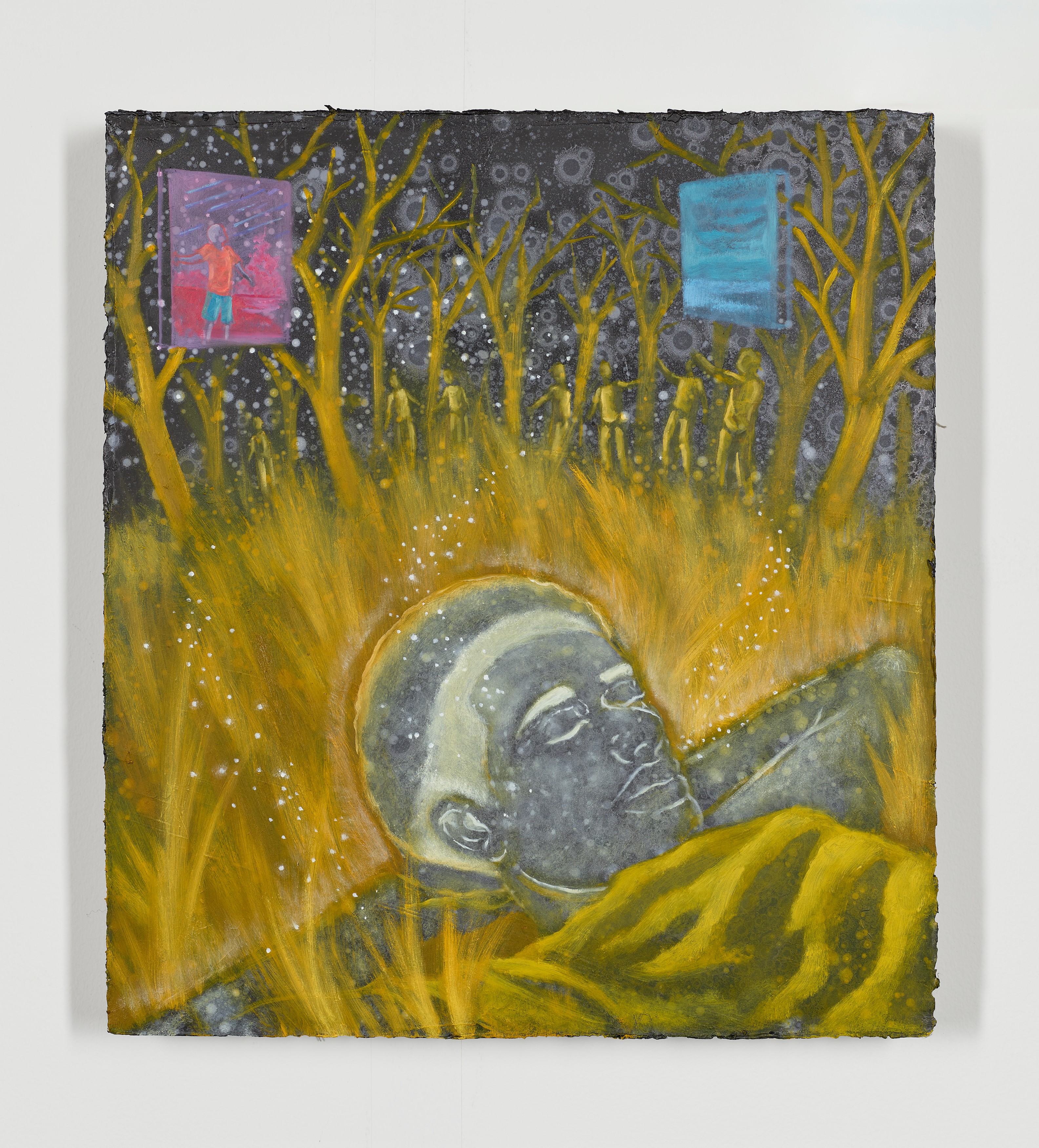
Dominic Chambers

Thunderscape (study for the first tree), 2025

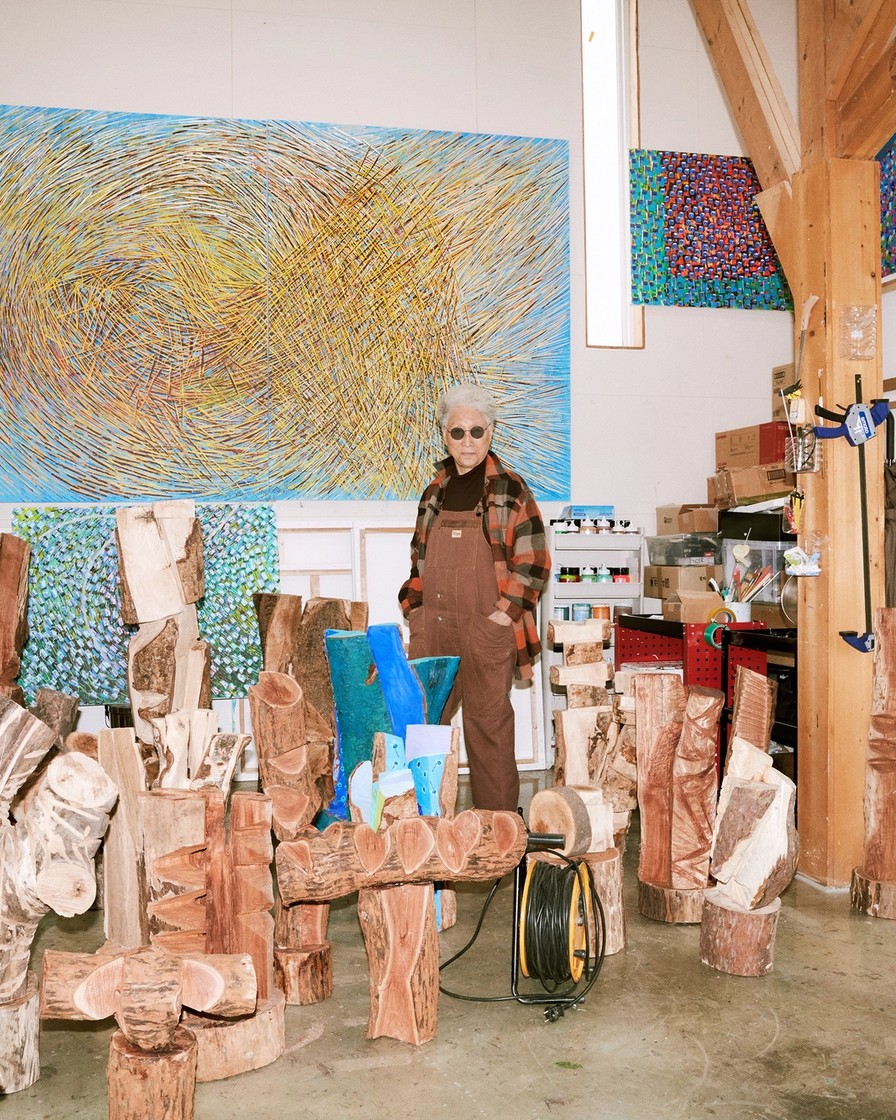
Kim Yun Shin

Song of My Soul 2010-219, 2010

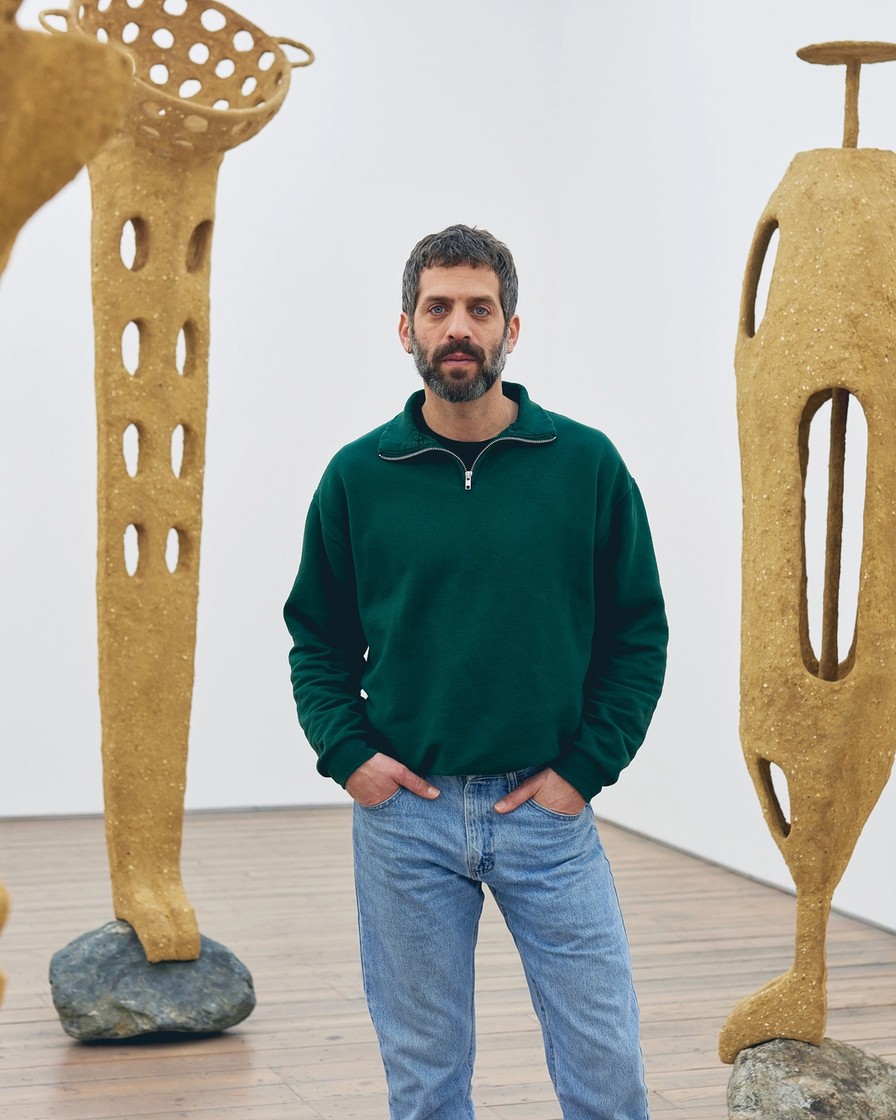
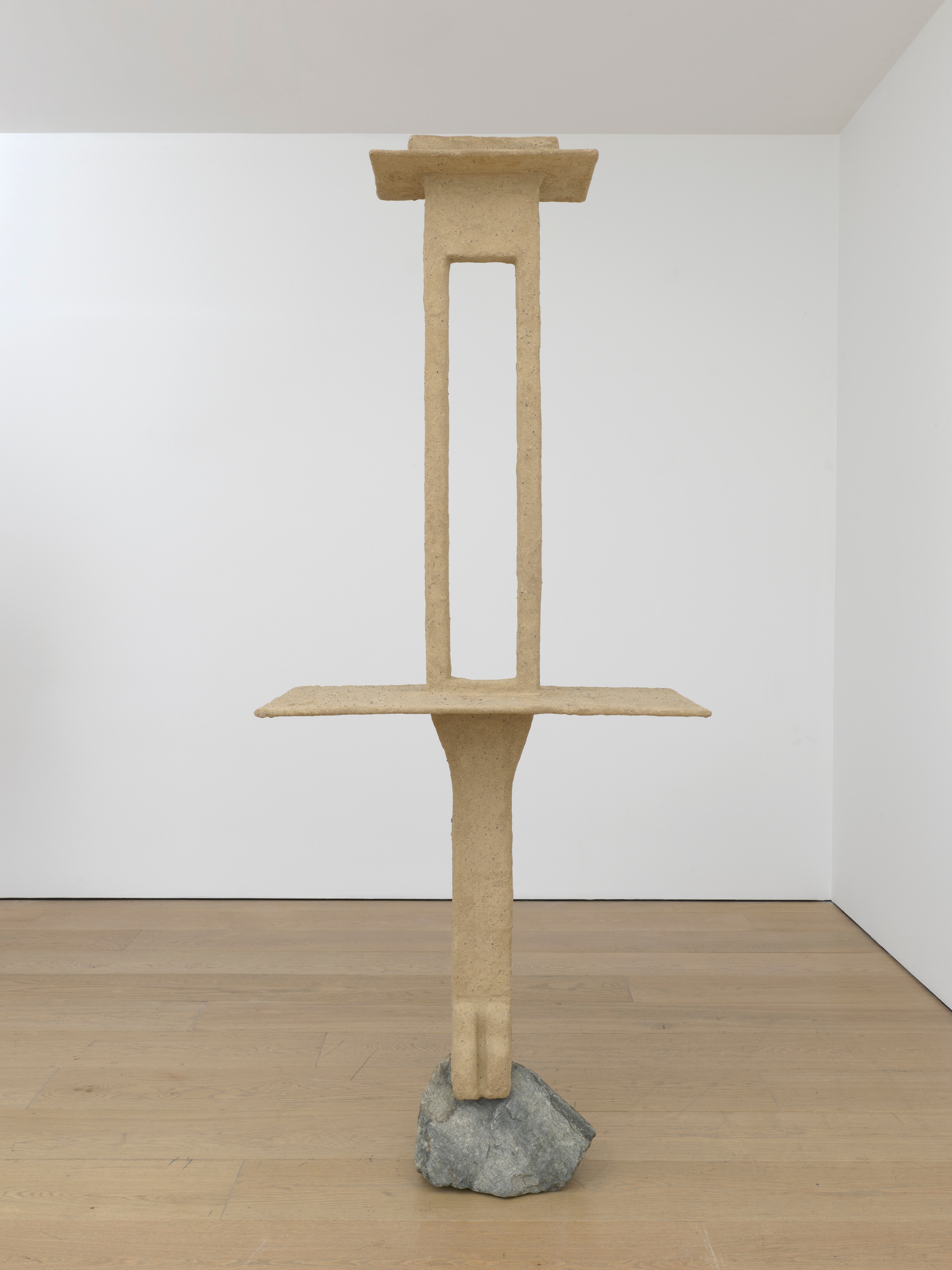
Sculpture by Oren Pinhassi

Oren Pinhassi

Gather Round, 2024

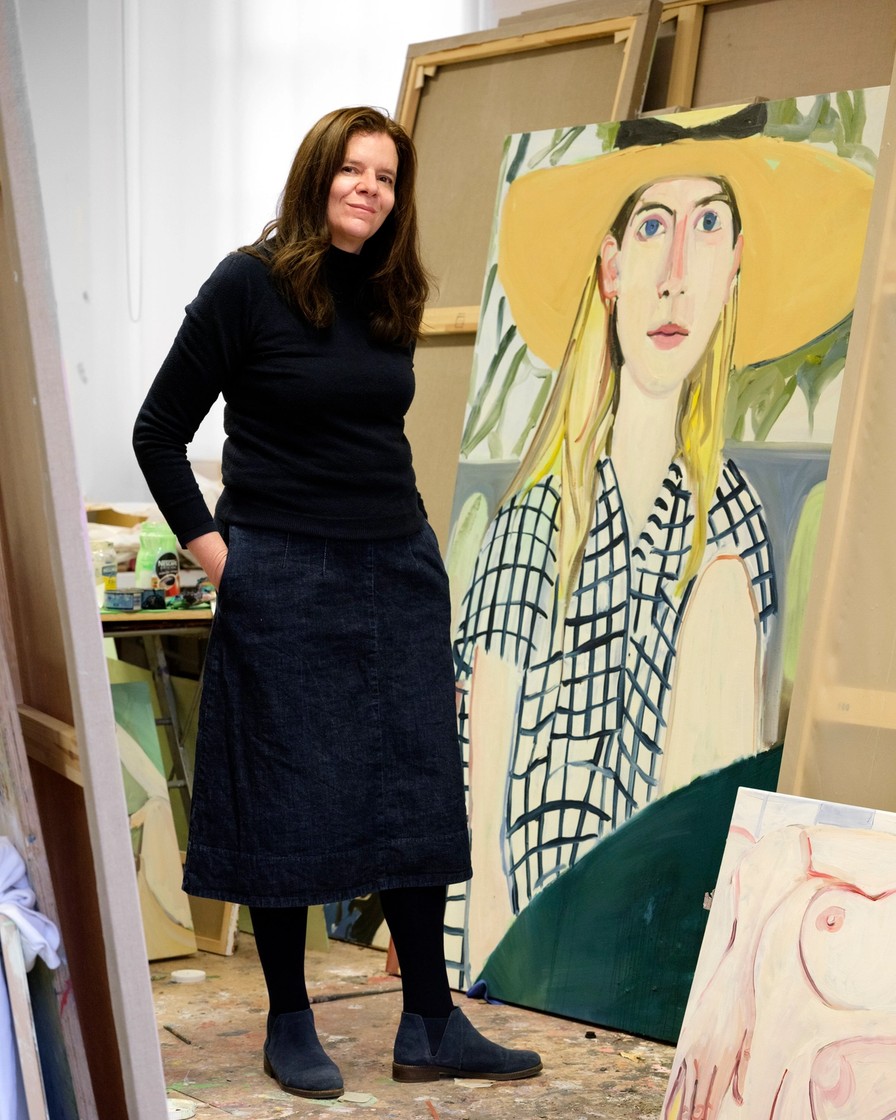
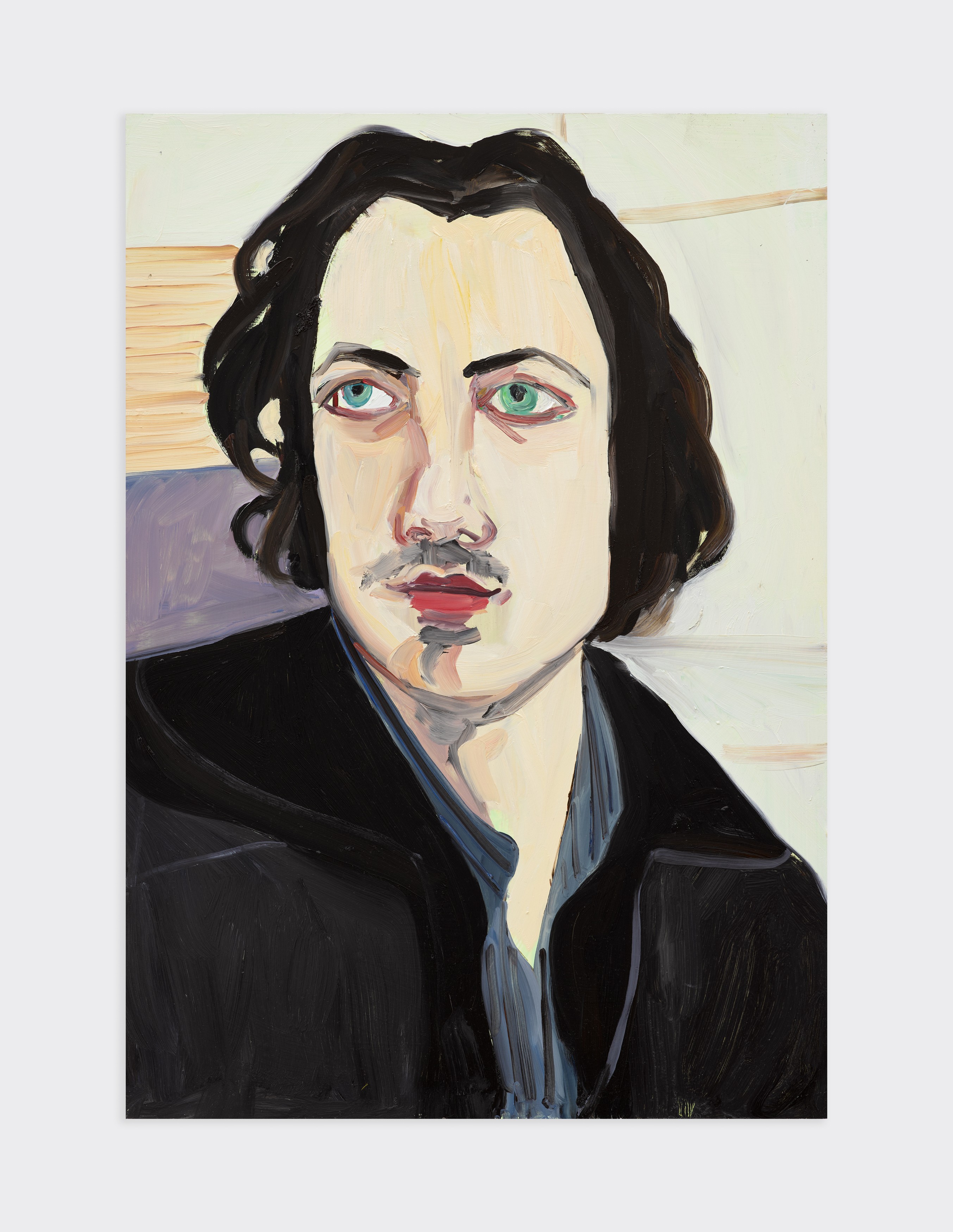
Painting by Chantal Joffe

Chantal Joffe

Gabe, 2023

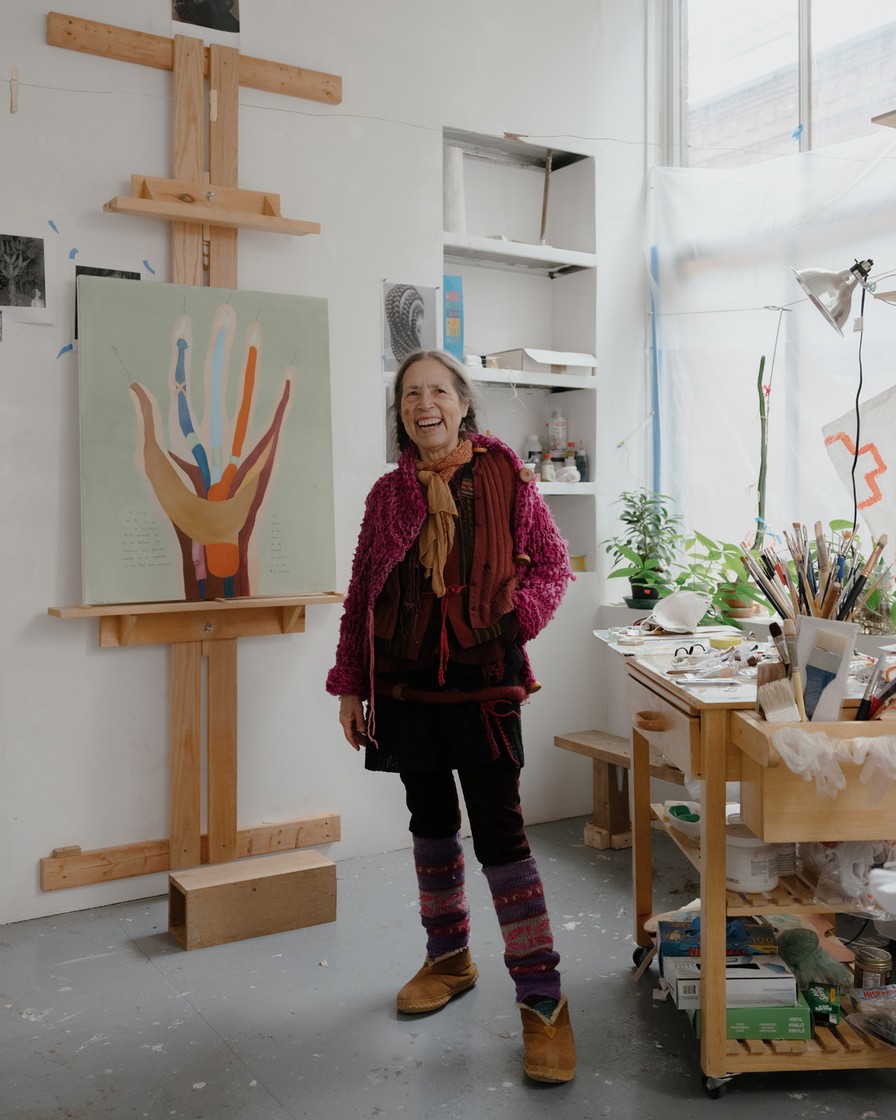
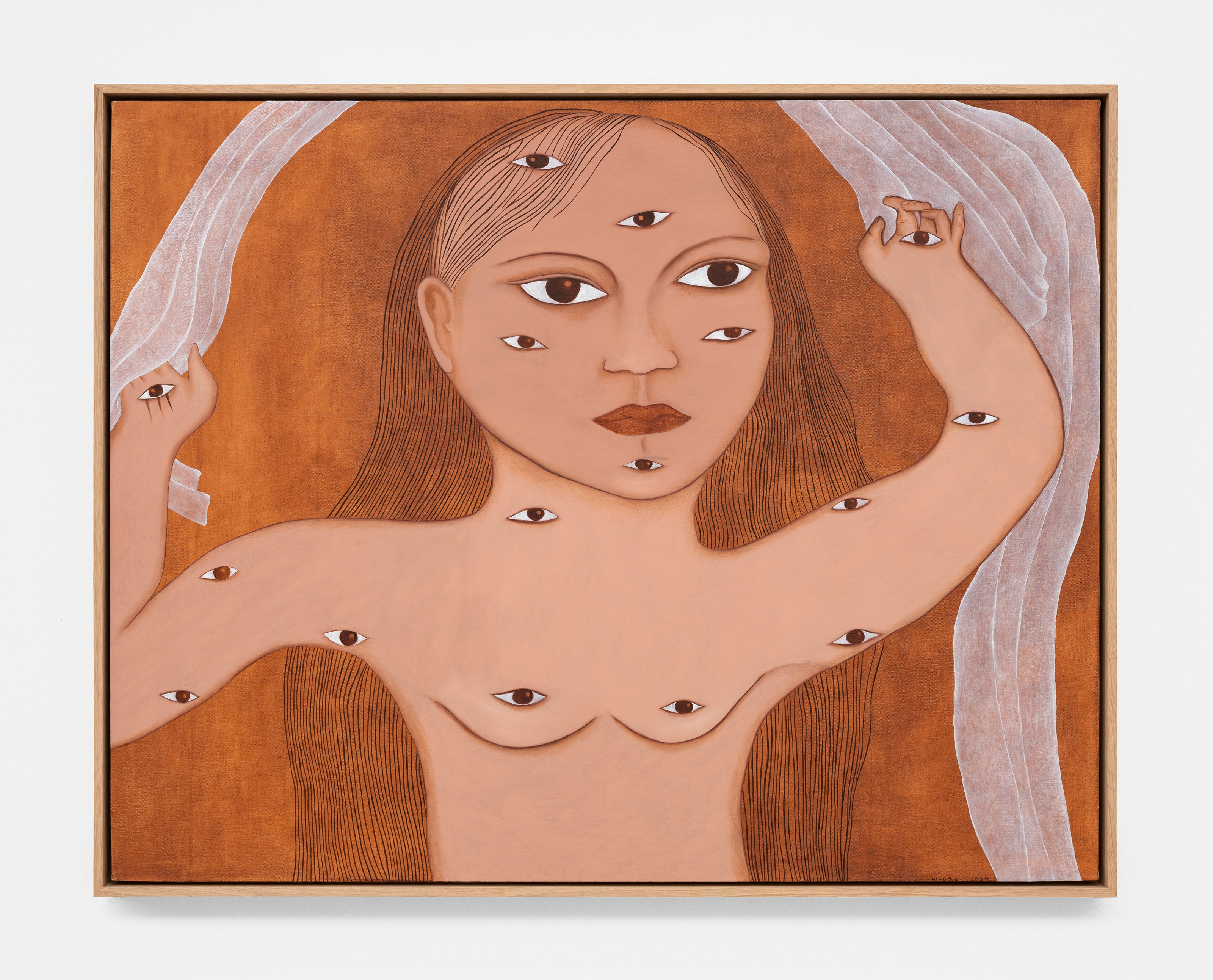
Painting by Cecilia Vicuña

Cecilia Vicuña

Ojitos, 2024

Wall work by Nari Ward

Nari Ward

Still Livin’ Ceaseless, 2024

Wall work by Nari Ward

Nari Ward

Still Livin’ Lasting, 2024

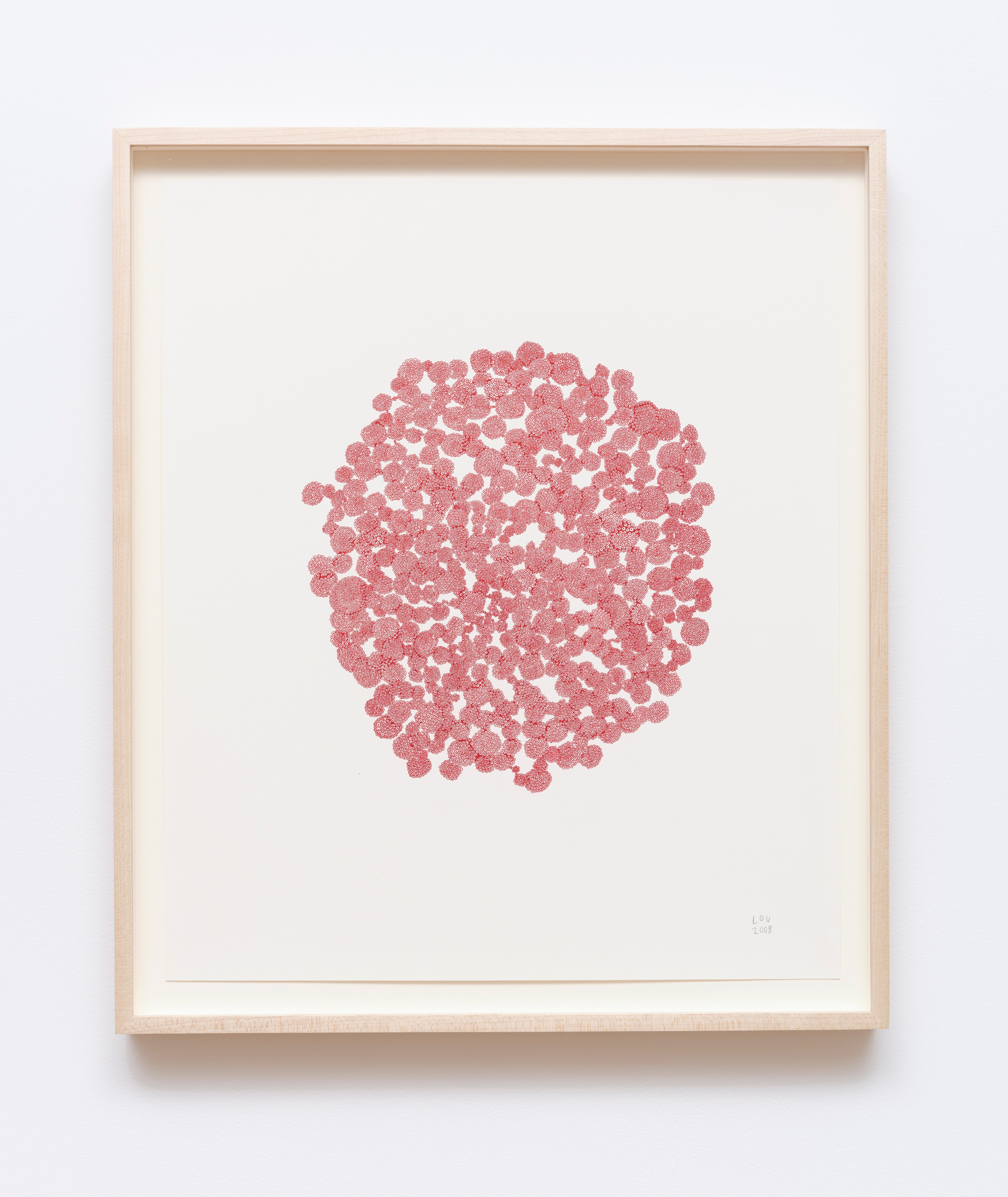
Wall work by Liza Lou

Liza Lou

whole, 2008

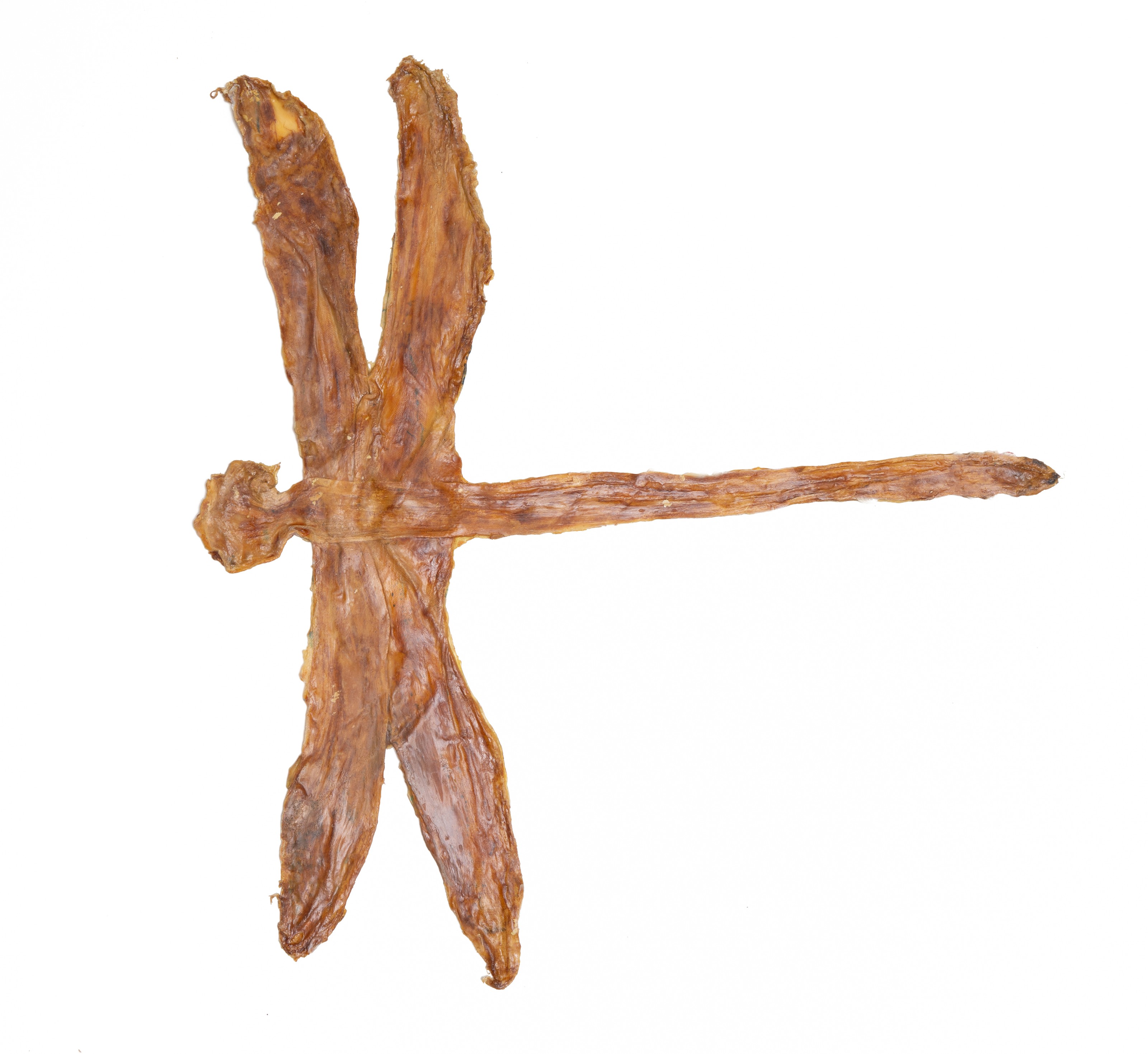
Object by Heidi Bucher

Heidi Bucher

Libellenobjekt (Dragonfly object), 1981

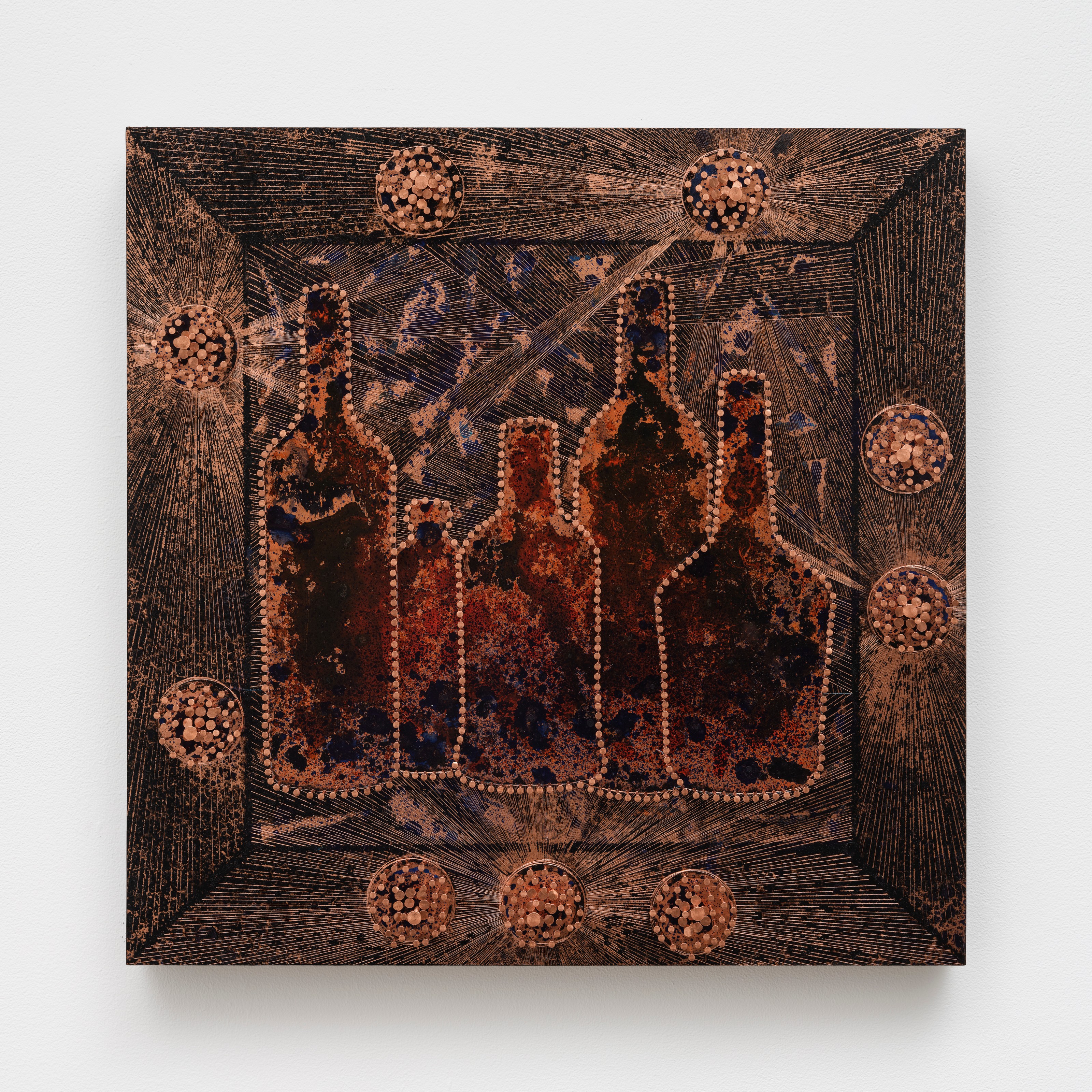
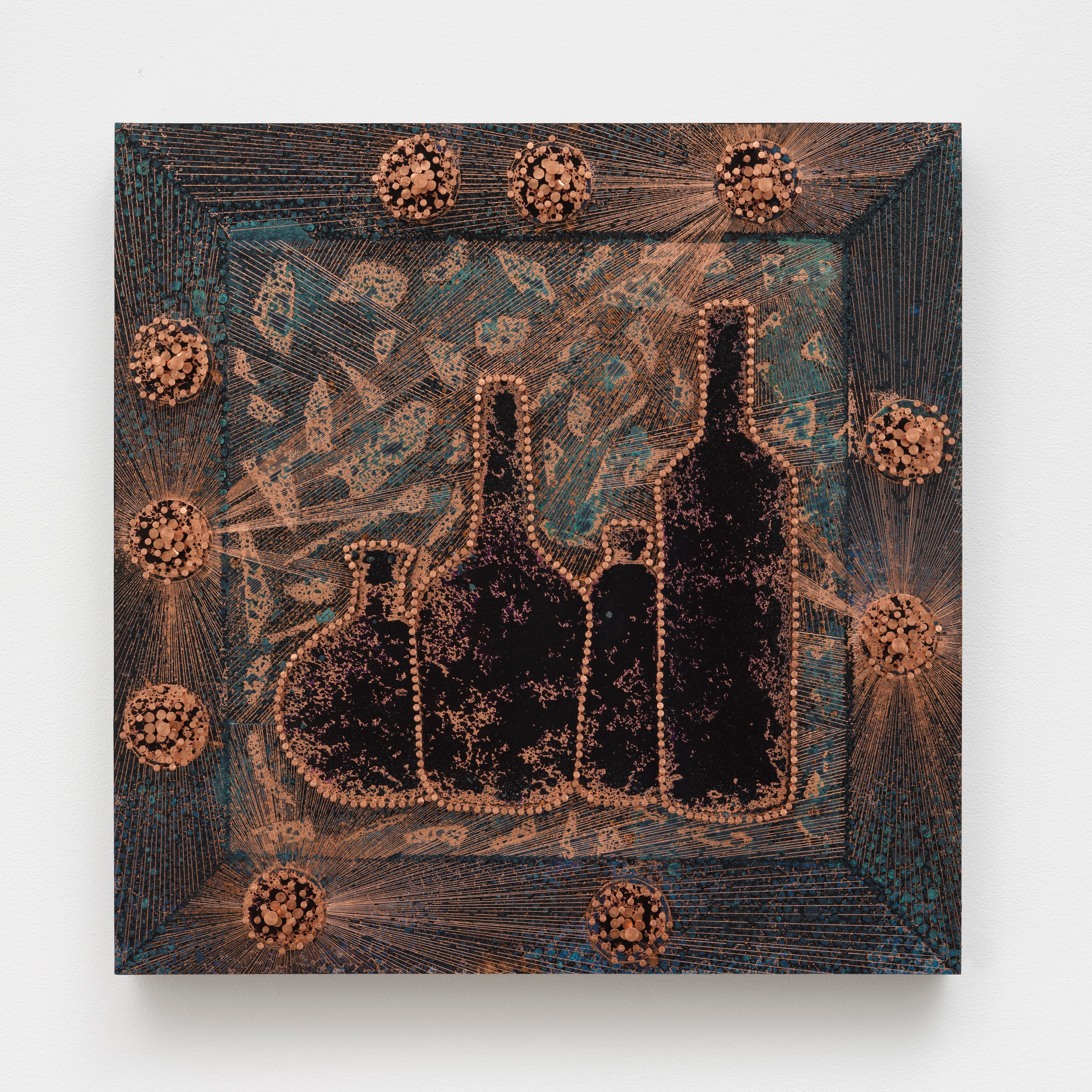
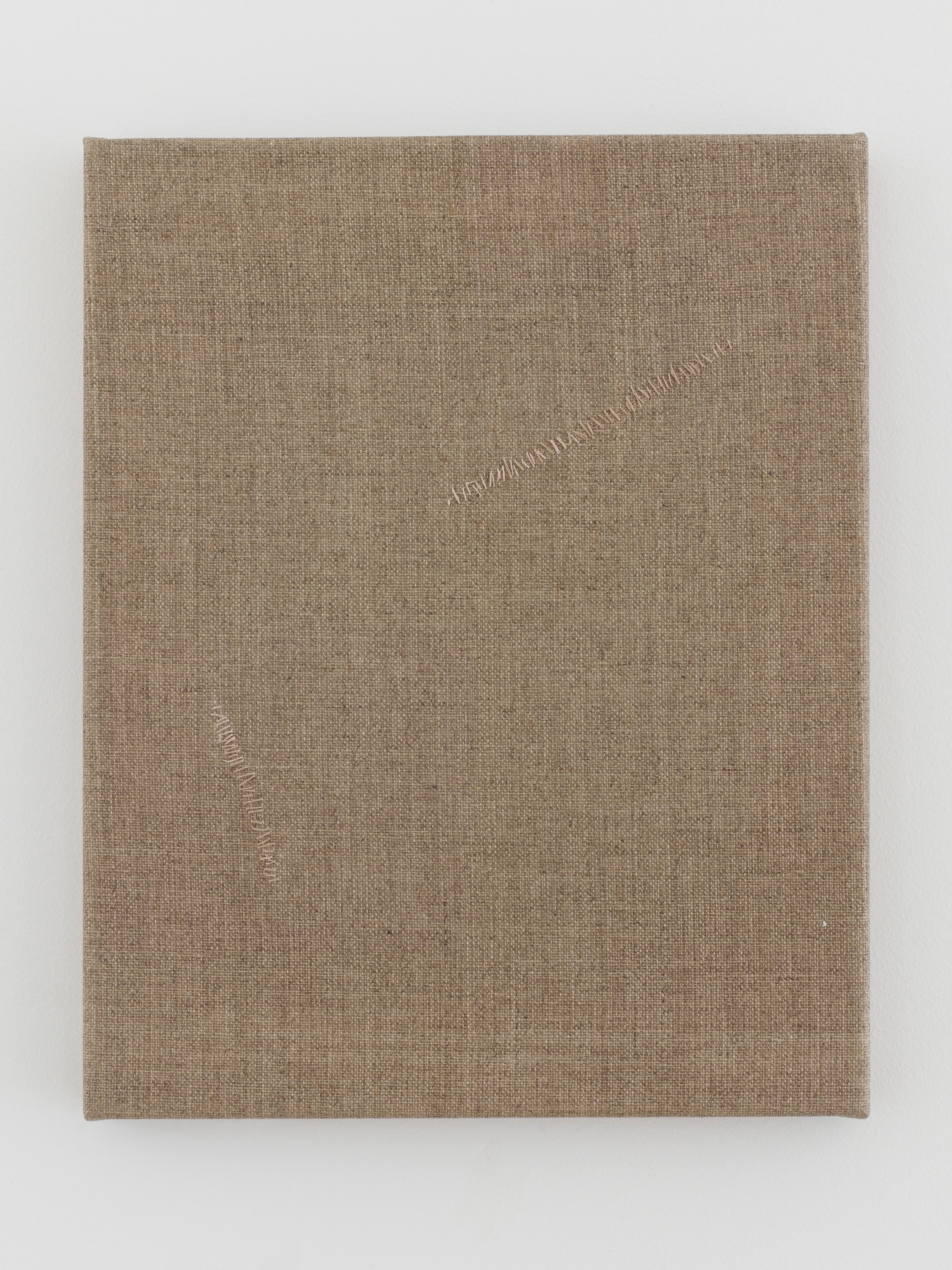
Wall work by Kader Attia

Kader Attia

Mirrors, 2014

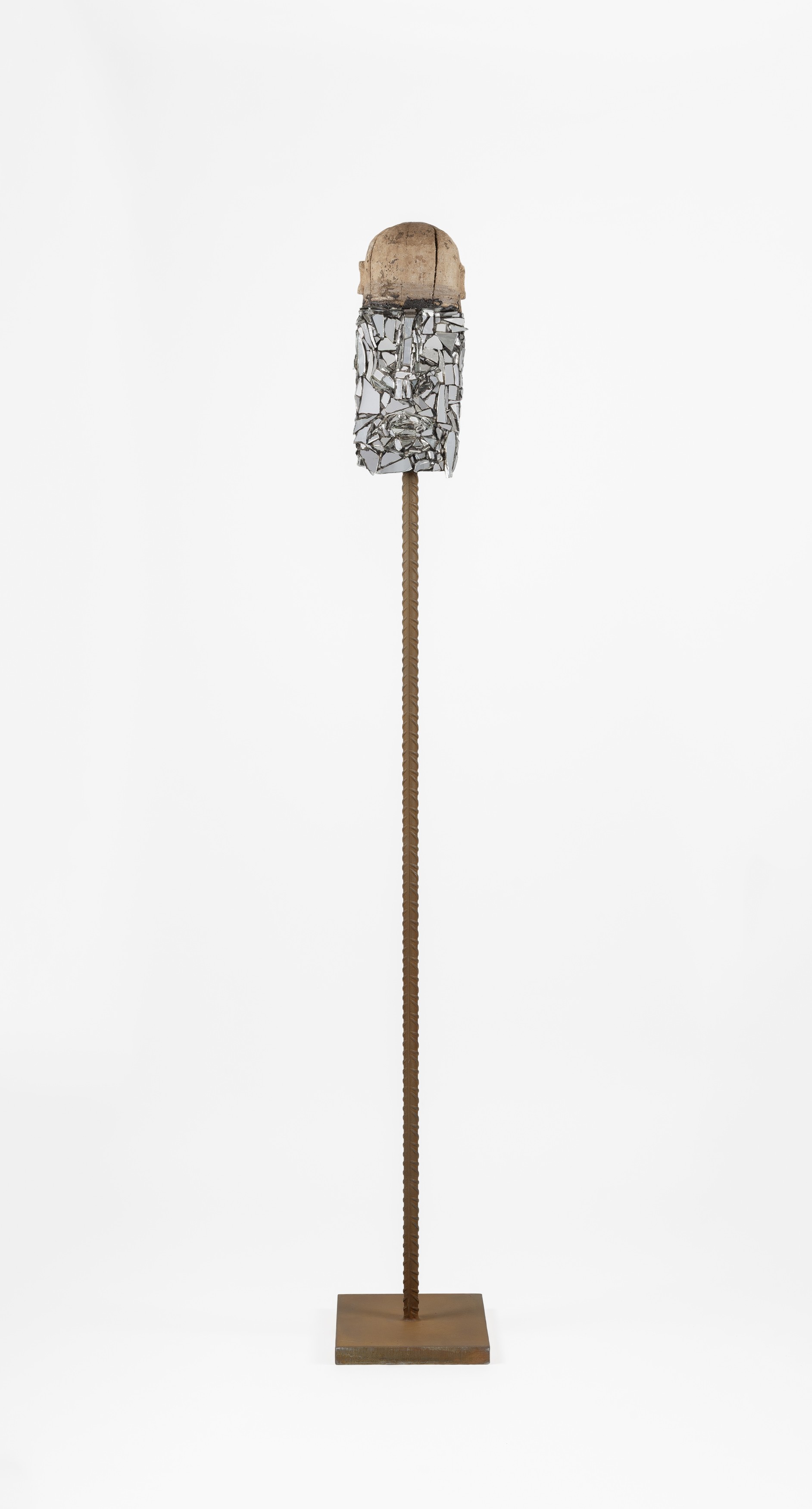
Sculpture by Kader Attia

Kader Attia

Mirror Mask #3

Exhibition Artists

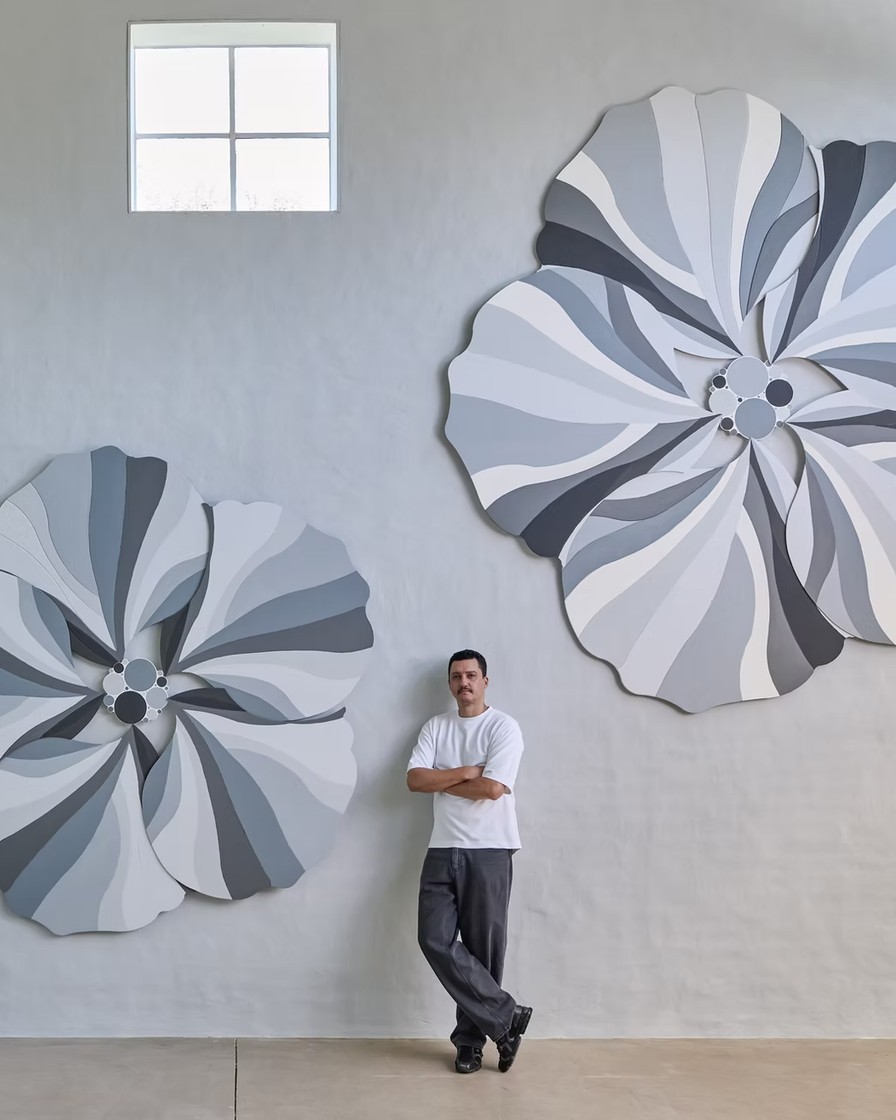
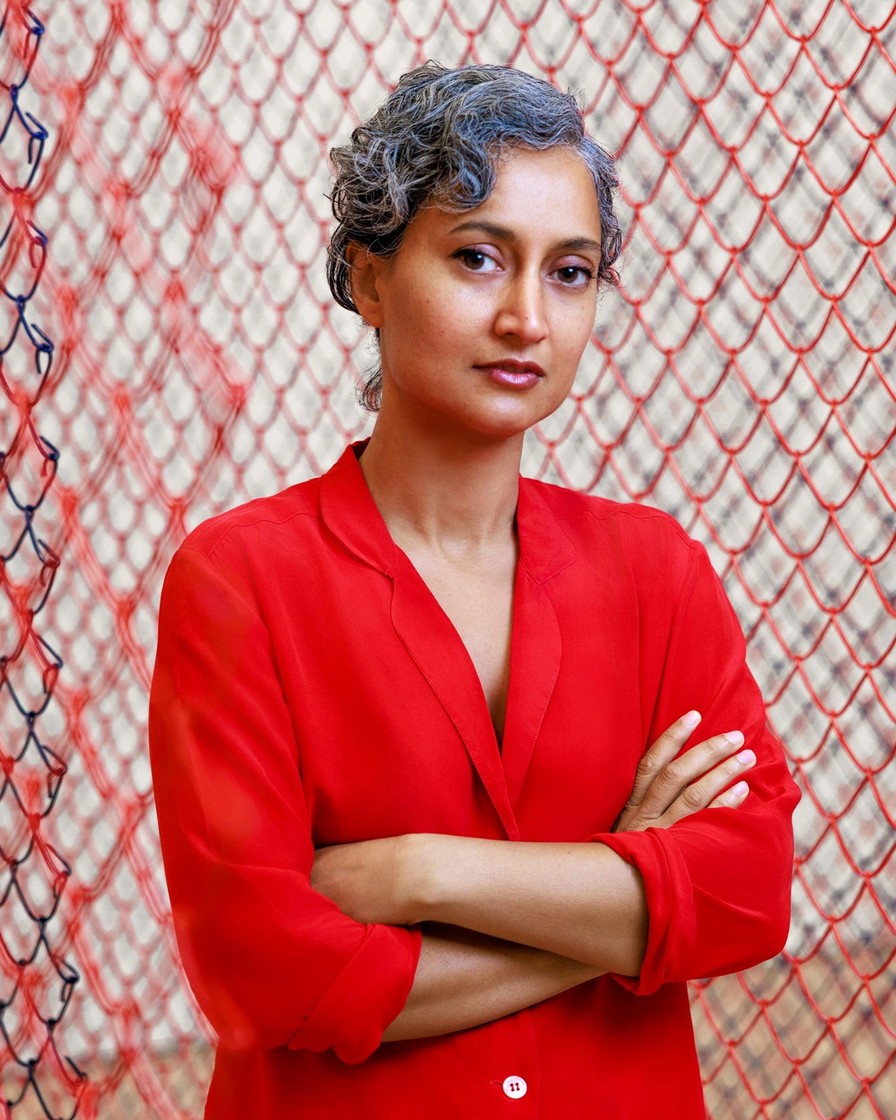
Portrait of Rana Begum

Over the past two decades, Rana Begum has developed a distinct visual language rooted in repetition and abstraction. Drawing on the history of geometric abstraction—as well as the practices of artists such as Agnes Martin, Donald Judd, Mary Martin, Sol Lewitt, Jesús Rafael Soto, and Tess Jaray—Begum’s work is informed by both the urban environment and the geometric motifs of traditional Islamic art and architecture. Central to her work is light, which she treats as both subject and medium, allowing her pieces to absorb, reflect, and transform their surroundings in ways that feel both temporal and sensorial. Often using industrial materials and reflective surfaces, Begum creates visually dynamic experiences that shift with the viewer’s perspective and environment. The influence of Islamic art and the spiritual importance of repetition and ritual is also at the heart of Begum’s practice. Begum’s focus on symmetry, rhythm, and pattern evokes a sense of the infinite, creating meditative spaces in which seemingly static works are activated.

Born in Bangladesh in 1977, Begum lives and works in London. In 1999, Begum graduated with a BA in Fine Art from Chelsea College of Art and Design, and in 2002, she earned an MFA in Painting from Slade School of Fine Art. Begum has exhibited in museums and biennials worldwide and created public art commissions in Europe, Asia, and the United States. Notable museum presentations include her participation in Is this Tomorrow at the Whitechapel Gallery in London, as well as her site-specific installation at the Museum of Fine Arts, Boston, which remains on permanent view. Her work has also been featured in numerous biennials around the world, including the Taipei Biennial in 2026, Desert X in Coachella Valley in 2023, and the 11th Gwangju Biennial in South Korea in 2016, among others.
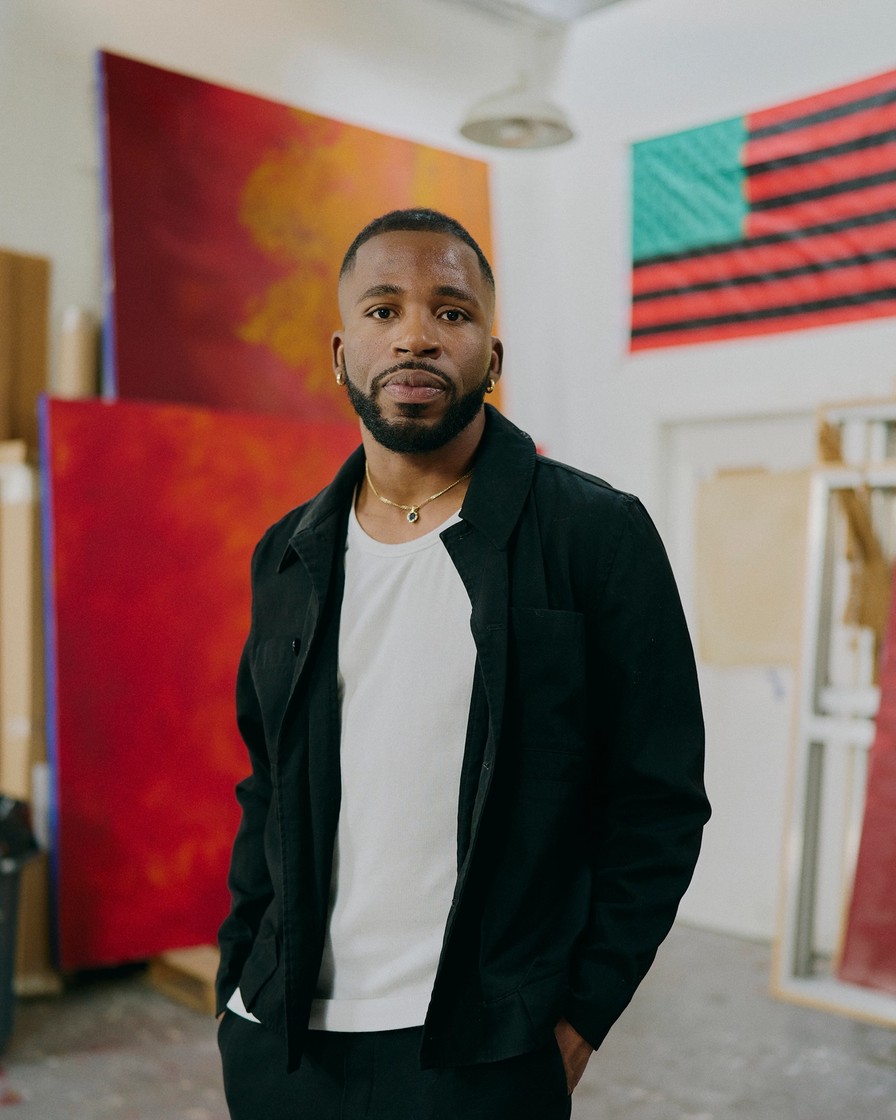
Portrait of Dominic Chambers

Dominic Chambers (b. 1993 St. Louis, MO; lives and works in New Haven, CT) creates vibrant paintings that simultaneously engage art historical models, such as color-field painting and gestural abstraction, and contemporary concerns around race, identity, and the necessity for leisure and reflection. Interested in how art can function as a mode for understanding, recontextualizing, or renegotiating one’s relationship to the world, the artist sees painting as a critical and intellectual endeavor, as much as an aesthetic one. A writer himself, Chambers draws inspiration from literature, especially Magical Realism and the writing of W.E.B. Du Bois, particularly Du Bois’ The Souls of Black Folk, and one of its central themes―the veil. A product of racial injustice that is a metaphorical lens through which Black bodies are observed and experienced, references to the veil appear throughout the artist’s work, whether in large swaths of color that obscure his figures or in the recurring use of a raindrop motif as both an active and passive element in his canvasses.

Chambers sees color as a protagonist in his paintings that is as important to unlocking their meaning as his subjects, and his deft manipulation of the tension and interplay between contrasting colors gives his work a subtle electric charge. In his most recent series, Leave Room for the Wind, Chambers situates his subjects in vivid landscapes that evoke shifting, monochromatic dreamscapes, and reference the mutability of our environment. The richly-hued paintings in this body of work depict open fields saturated in primary hues of red, yellow, and blue. Many of these scenes are populated by figures flying kites―a profoundly domestic activity pursued solely for its own sake, unconnected with external recognition or reward. In these works and throughout his oeuvre, Chambers proposes that enjoyment, stillness, or wonder can act as a gateway to private life and reminds us that leisure and recreation are critical to replenishing our own interiority.

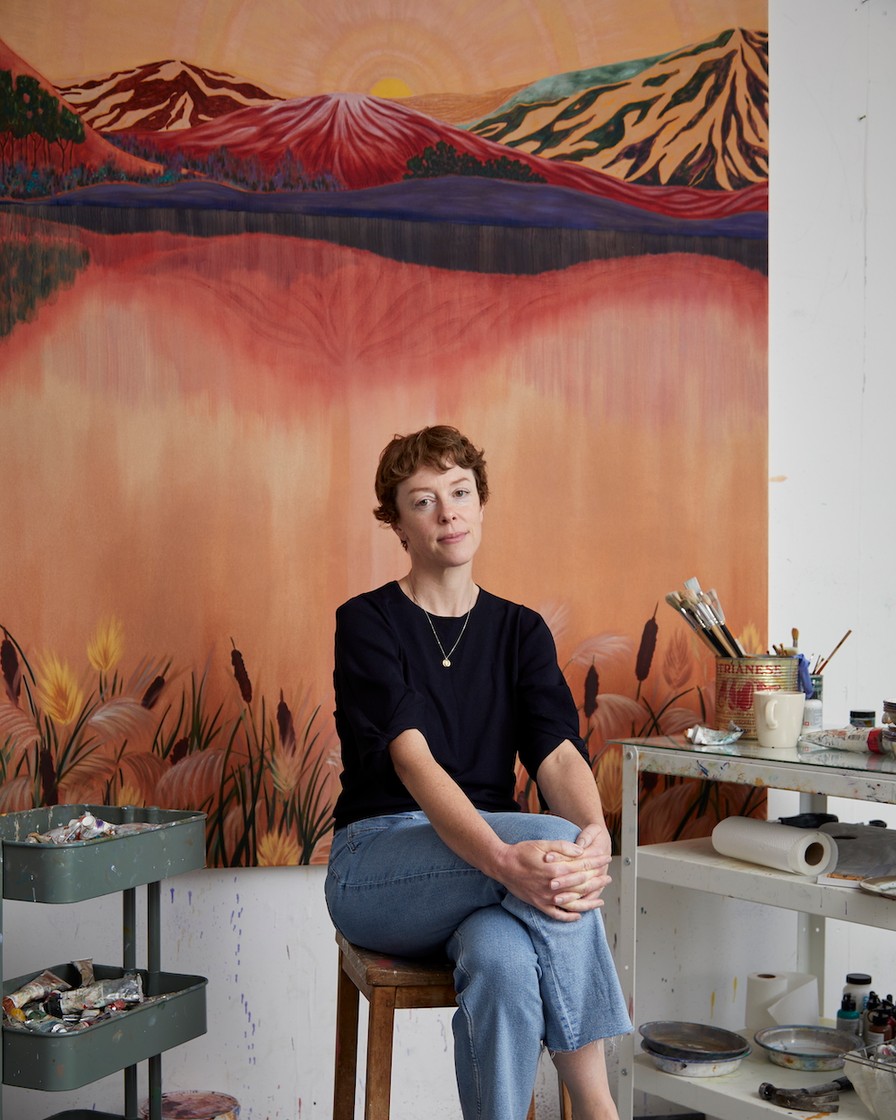
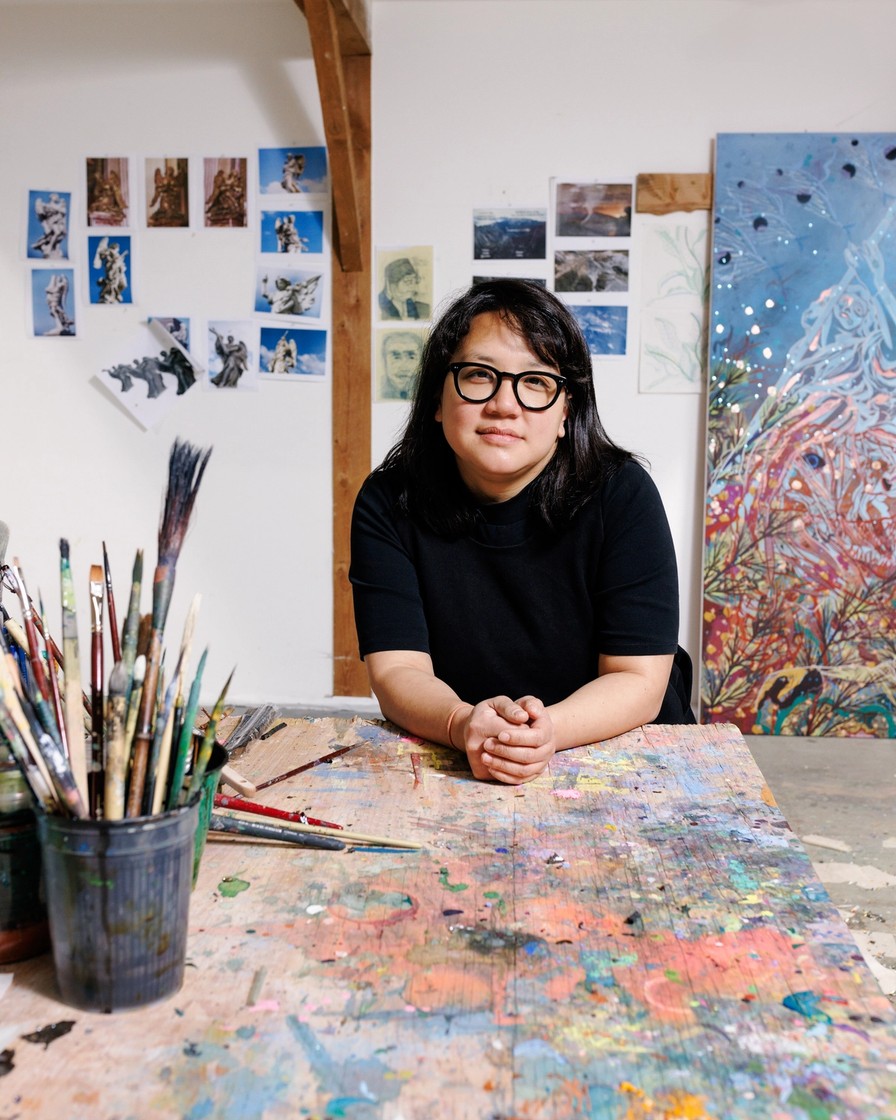
Portrait of Tammy Nguyen

Tammy Nguyen (b. 1984, San Francisco, CA; lives and works in Easton, CT) creates paintings, drawings, artist books, prints, and zines that explore the intersections between geopolitics, ecology, and lesser-known histories. A story teller, Nguyen’s multidisciplinary practice takes two forms—her more traditional fine arts practice, which encompasses her lush, dense paintings, as well as her prints, drawings, and unique artist books, and her publishing practice, embodied through her imprint, Passenger Pigeon Press, which creates and distributes Martha’s Quarterly, a subscription of artist books and interdisciplinary collaborations. Across both domains Nguyen’s work aims to unsettle, and the tension between the artist’s elegant forms and harmonious aesthetics often belies the nature of her content. The confusion this dissonance creates becomes generative, opening space for reevaluation, radical thinking, and the dislodging of complacency.

Many of Nguyen’s paintings expand from her unique artist books, often through engagement with similar themes, questions, or investigations. Throughout her work she has explored a range of topics and ideas, including the Bandung conference, the first large-scale Afro-Asian conference which was attended by world leaders from 29 non-aligned countries during the Cold War, Forest City, a sprawling off-shore development project in Malaysia, and the red-shanked douc langur, an endangered species of monkey native to Laos, Vietnam, and Cambodia. A recent artist book series, Four Ways Through a Cave (2021), relates Nguyen’s travels through the Phong Nha-Ke Bang karst in Vietnam, significant for its numerous underground caverns and passageways and its history in the Vietnam War as a crucial area of the Ho Chi Minh Trail. The book simultaneously invokes Plato’s allegory of the cave—the recognition of truth through the loss of illusion—and conveys the sense of physically moving through a cave, with circular-shaped cutouts that shift from page to page, tunneling through the book and transforming the reader into a momentary spelunker.

Portrait of Freya Douglas-Morris

Freya Douglas-Morris (b. 1980, London, United Kingdom; lives and works in London, United Kingdom) is a British artist known for her vividly colored landscapes that depict rich flora, glowing skies, and serene waters and shorelines. Using a bright, Fauvist color palette, the artist renders imagined scenes inspired by life and her long, meditative walks through nature. Her striking application of oil on canvas—ranging from bold swaths of color, to highly detailed foliage painting, to sheer washes that create a watercolor effect—contributes to the surreal, ethereal quality of her scenes. Rather than recreating physical landscapes, Douglas-Morris often depicts internal terrain, open to her viewers’ own journeys, experiences, relationships, and memories. In visualizing the emotional or personal experience of a place, the artist’s work occupies a universal space, reminding us of our connection to the natural world and to the inner worlds we carry within.

Douglas-Morris studied Fine Art at Brighton University before receiving an MA from the Royal College of Art in 2013. In 2012, her work was included in the Liverpool Biennial. Her work has also been featured in several museum exhibitions, including the Saatchi Gallery in London, UK, and the Dallas Contemporary Museum in Dallas, TX. In 2024, the Dallas Museum of Art acquired a work for its permanent collection. The artist lives and works in London.

Portrait of Robin Rhode

With his research-based and socially engaged practice, Robin Rhode (b. 1976, Cape Town, South Africa; lives and works in Berlin, Germany) engages the urban landscape to create complex, symbolically rich narratives that disrupt and transform their environments.

The artist is best known for his multi-panel works that deftly combine photography, performance, wall painting, and drawing. Negotiating the urban landscape, these photographs often depict silhouetted figures interacting with carefully composed wall paintings that the artist paints in public spaces, most often in the city of Johannesburg. In each succession of photographs, the choreographed movements of the individual or group appear to alter the two-dimensional renderings, compressing space and time and morphing the urban landscape into a fictional storyboard. Using the medium of photography to capture his painted and performative actions, Rhode disrupts the fixity of the wall, rendering it a mobile substrate that can be transported into a variety of contexts.

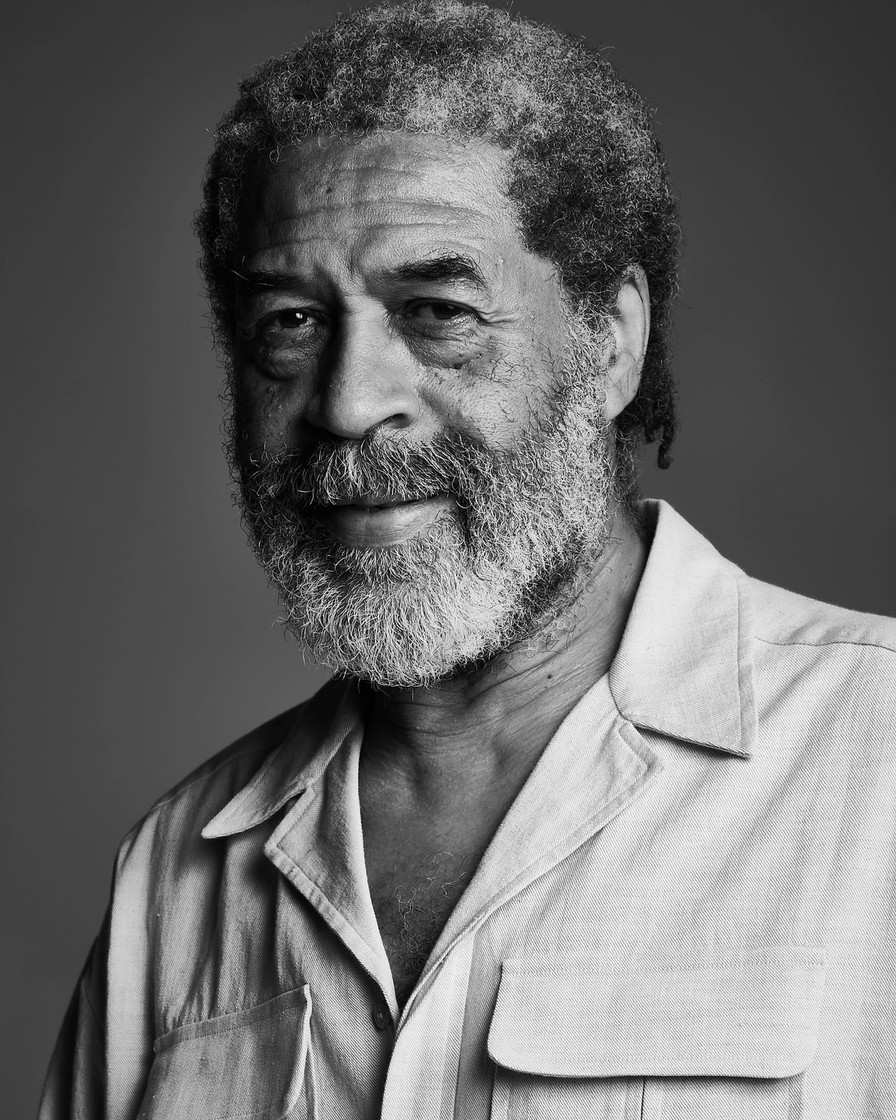
Portrait of McArthur Binion

McArthur Binion (b. 1946, Macon, MS; lives and works in Chicago, IL) combines collage, drawing, and painting to create autobiographical abstractions of painted minimalist patterns over an “under surface” of personal documents and photographs. From photocopies of his birth certificate and pages from his address book, to pictures from his childhood and found photographs of lynchings, the poignant and charged images that constitute the tiled base of his work are concealed and abstracted by grids of oil stick. The complexly layered works, from a distance, appear to be monochromatic minimalist abstractions that have led many to compare his work to that of Jasper Johns, Robert Ryman, or Brice Marden. However, while his contemporaries focused more on materiality, abstraction, and in some cases the social and political climate of the time, Binion’s works are intensely personal and deeply dedicated to the rigorous process of making a painting. Upon closer inspection, these monochromatic abstractions come into focus: the perfect grid becomes a series of imperfect laboriously hand-drawn lines, behind which emerge intimate details of Binion’s identity and personal history. Binion’s gridded compositions impose rational order to the layers of personal history, allowing only fragments of information from his birth certificate to be read, or details of his mother’s face to be identified—but never enough to be immediately legible. Having begun his career as a writer, Binion is highly influenced by language and music, as can be seen in his titles and the ways in which he layers information to be “read” rather than simply seen. The tension that exists between the grid and the artist’s visible gestures is not unlike that of jazz music, which merges improvisation with the order of a musical composition.

Binion received his B.F.A. from Wayne State University, Detroit, MI in 1971 and his M.F.A. from the Cranbrook Academy of Art, Bloomfield Hills, MI in 1973. Select recent solo exhibitions of his work have been organized at the de la Cruz Gallery at Georgetown University (2025); Museo Novecento, Florence, Italy (2020); the Cranbrook Art Museum, Bloomfield Hills, MI (2018); Contemporary Arts Museum, Houston, TX (2012); and the University of Maryland University College Gallery, Adelphi, MD (2010).

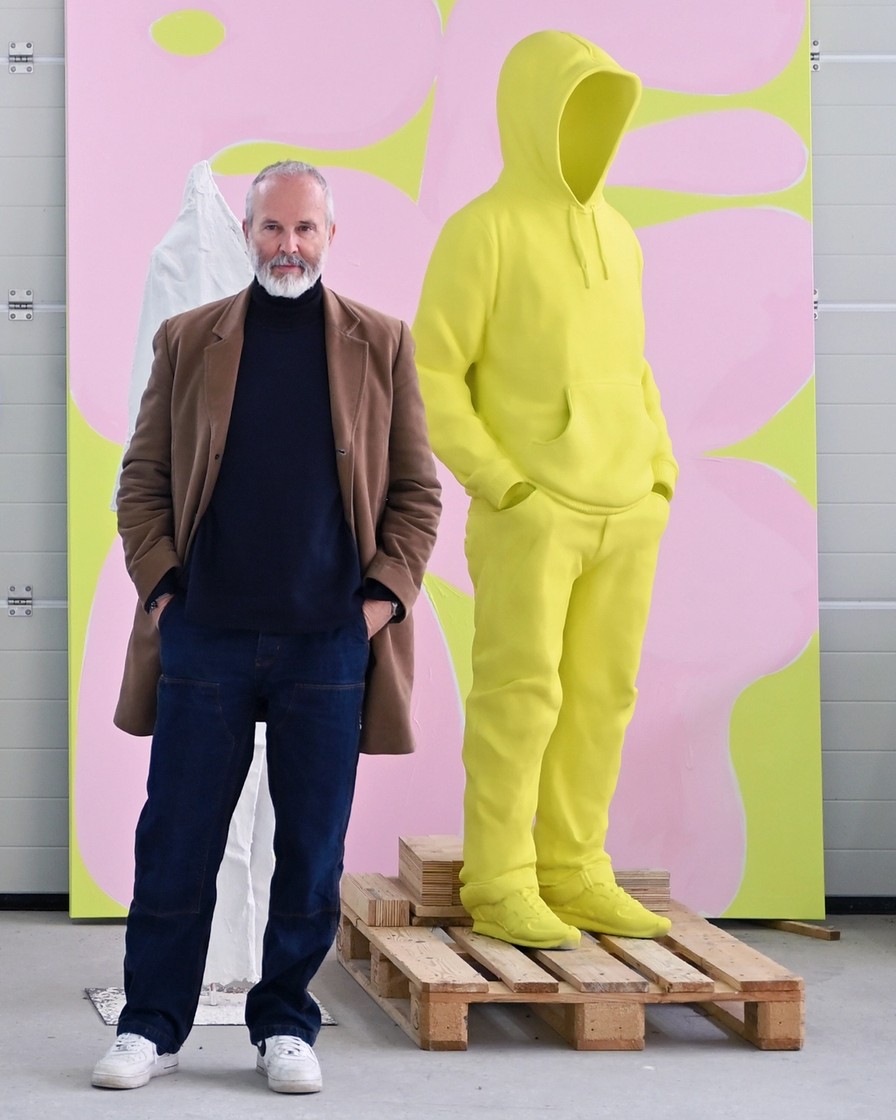
Portrait of Erwin Wurm

Erwin Wurm (b. 1954, Bruck an der Mur/Styria, Austria; lives and works in Vienna and Limberg, Austria) is an Austrian artist whose practice has radically expanded the possibilities of sculpture over the past four decades. Rooted in conceptual questions about what sculpture can be, how it can occupy space, and how the body, everyday objects, and gestures might become sculptural forms, Wurm’s work challenges conventional definitions of the medium. While his oeuvre is filled with larger-than-life-size pickles, anthropomorphic sausages, empty suits, and impossibly proportioned houses, Wurm is best known for his iconic One Minute Sculptures, which provide instructions for participants to create temporary sculptures by performing illogical poses with everyday objects. Through his paradoxical work, Wurm confronts philosophical questions about contemporary society—from obsessions with status and consumerism, to anxieties around traditional value systems, to the complexities of modern psychology. At the same time, the artist explores new possibilities for sculpture through ambitious formal experiments with volume, surface, scale, and duration. While Wurm considers the absurd an important tool, there is always an underlying social critique of contemporary culture. Wurm emphasizes this dichotomy by working within the liminal space between high and low and merging genres to explore what he views as an invented reality.

Portrait of Lari Pittman

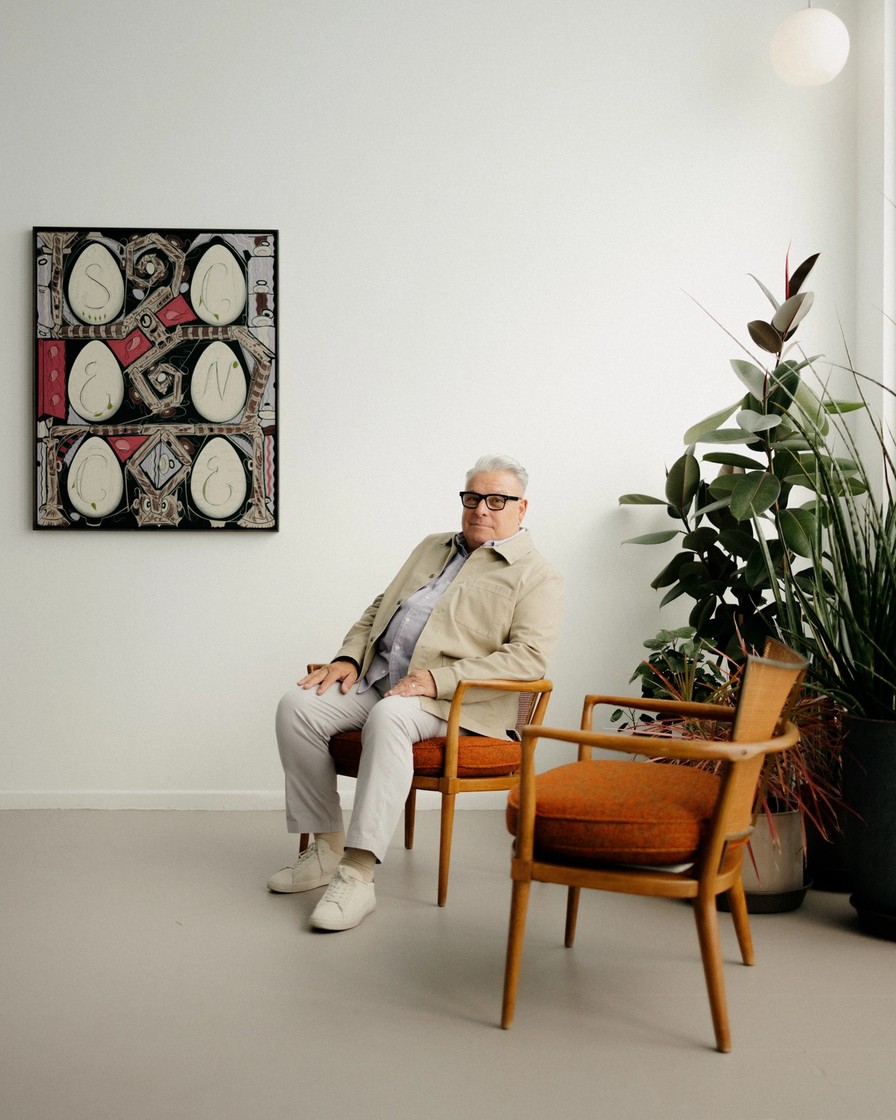
Over the course of his decades-long career, Lari Pittman (b. 1952, Los Angeles, CA, lives and works in Los Angeles, CA) has developed a unique visual aesthetic that has established him as one of the most significant painters of his generation. Pittman’s signature, densely-layered painting style includes a lexicon of signs and symbols (such as bells, eggs, animals, and ropes), a compilation of varied painting techniques, and a clear homage to the handmade, craft, and the decorative. Pittman creates complex compositions that mediate the tension between color, text, and imagery; landscape and decoration; and chaos and order with remarkable dexterity and often on a large scale, and the artist has an innate ability to create compositions in which each element within a painting is given equal space and significance.

In the mid-1970s, Pittman attended California Institute of the Arts in Valencia, California, completing a B.F.A. and an M.F.A. The Institute’s strong feminist arts program challenged the devaluation of art forms traditionally associated with women, and it was partially as a result of his engagement with this program that Pittman developed an interest in undermining aesthetic hierarchies and embracing the decorative arts. Pittman’s strong affinity for the decorative can be seen throughout his numerous bodies of work, and it has contributed to his singular visual style. While Pittman’s early works were informed by the socio-political struggle resulting from the peak of the AIDS epidemic, racial discord, and LGBTQ+ civil rights struggles that defined the last two decades of the 20th century, his later paintings evince a shift in focus towards interior spaces, including domestic and psychological subjects.

Portrait of Shirazeh Houshiary

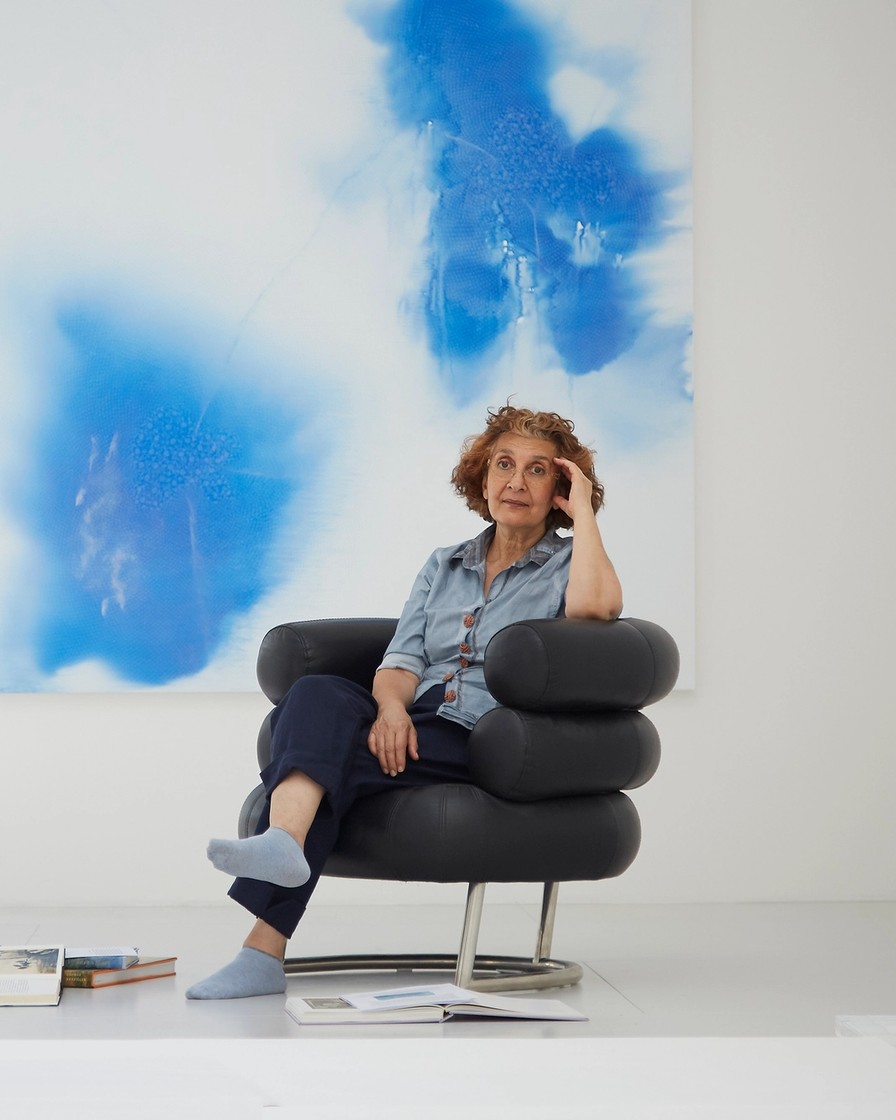
Shirazeh Houshiary (b. 1955, Shiraz, Iran; lives and works in London, United Kingdom) makes painting, sculpture, and animation that seek to challenge viewers’ perceptions of time, space, and materiality. Her works often engage opposing ideas and states of being, including transparency and opacity, sound and silence, surface and depth, and presence and absence. From a distance, her paintings are reminiscent of a swirling galaxy, but as the viewer draws closer, the meticulousness, detail, and hidden Arabic letters that make up her amorphous forms begin to unfold. The universe, with its contradiction, paradox, and complexity is a core subject matter in her work. The Arabic words embedded in her compositions are a juxtaposition of the opposing phrases “I am” and “I am not,” oscillating freely between focused and unfocused states, where the meaning of our existence becomes superfluous and lost in Houshiary’s imagined cosmos.

Houshiary’s painting technique involves the successive layering of pigment and line, a laborious process that often takes several months to complete. Her surfaces are composed of intricate patterns that appear to pulse, undulate, and recede into the canvas, like a veil or membrane. She takes a similar methodical approach to her dynamic sculptures, constructing towers out of glass or aluminum bricks that, layer by layer, seem to emerge from the floor. Each vertical plane of bricks echoes the original shape of the structure’s footprint incrementally rotated to the maximum degree the form will allow before the resulting helix shape becomes unstable. For each work, Houshiary attempts to visualize subjects that are inherently intangible—an echo, human breath, or memory.

Portrait of David Salle

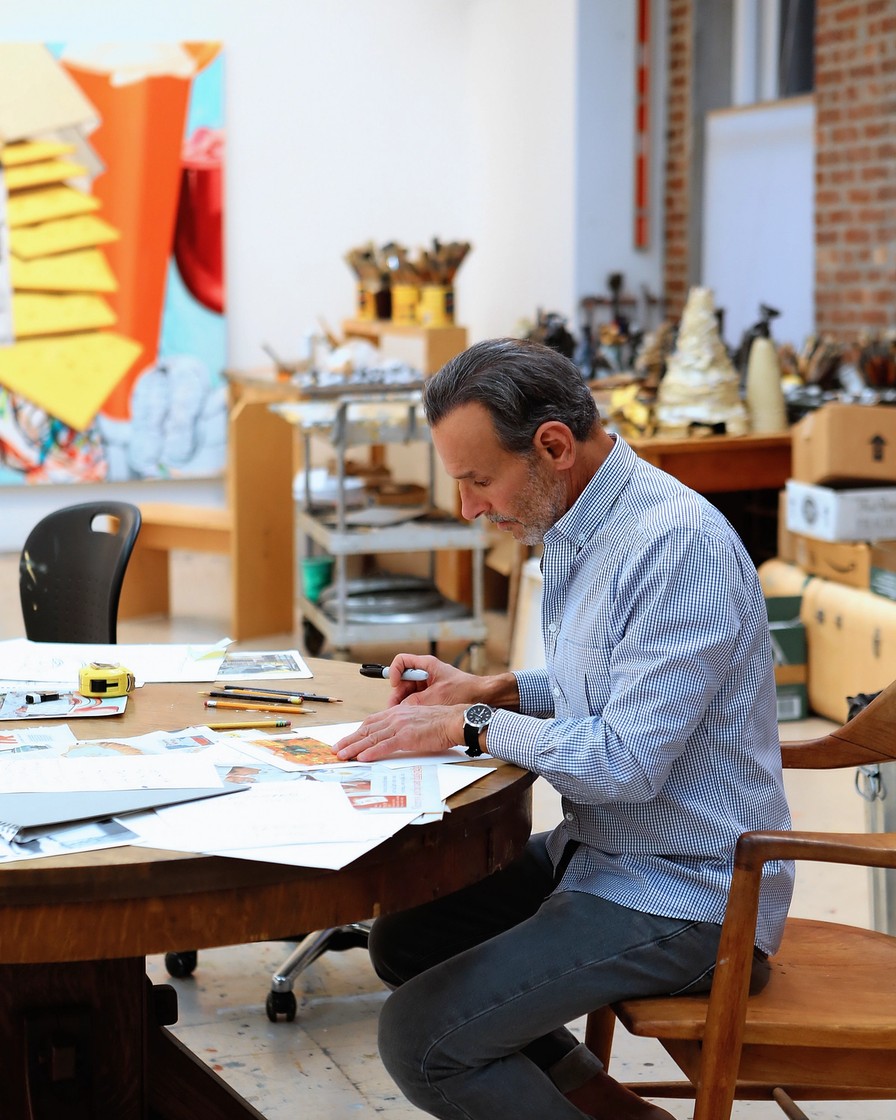
David Salle (b. 1952, Norman, OK; lives and works in New York, NY), was born in 1952 and raised in Wichita, Kansas. Salle attended California Institute of Arts (CalArts) in Los Angeles, receiving a B.F.A. in 1973 and an M.A. in 1975. A member of the influential Pictures Generation, Salle combines popular, or commercial imagery with images made from direct observation and a range of art historical references to create a personal pictorial language. His work features a sophisticated and highly intuitive approach to composition, one that suggests new associations and relationships between familiar (or un-familiar) subjects. Salle’s multi-layered works do not rely on subject matter alone, however—his paintings pack an immediate formal impact and present multiple points of entry for the viewer. Built to draw the eye through and across the picture plane, they reward close looking and prolonged contemplation.

Solo exhibitions of Salle’s work have been organized at Times Square Arts, New York, NY (2024); Edward Hopper House Museum, Nyack, NY (2024); Lehmann Maupin, Seoul, Korea (2023); Gladstone Gallery, Brussels, Belgium (2022); the Brant Foundation, Greenwich, CT (2021); Galerie Thaddaeus Ropac, Paris, France (2020); Galeria Javier Lopez & Fer Frances, Madrid, Spain (2019); Centro de Arte Contemporáneo de Málaga (CAC Málaga), Málaga, Spain (2016); Dallas Contemporary, Dallas, TX (2015); Arts Club of Chicago, Chicago, IL (2014); Metropolitan Opera House, New York, NY (2012); Museo de Arte Contemporáneo de Monterrey, Monterrey, Mexico (2000); Museum Moderner Kunst Stiftung, Ludwig, Vienna, Austria (2000); Museo d’Arte Contemporanea Castello di Rivoli, Turin, Italy (2000); Stedelijk Museum, Amsterdam, the Netherlands (1999); and the Guggenheim Museum Bilbao, Bilbao, Spain (1999).

Portrait of Teresita Fernández

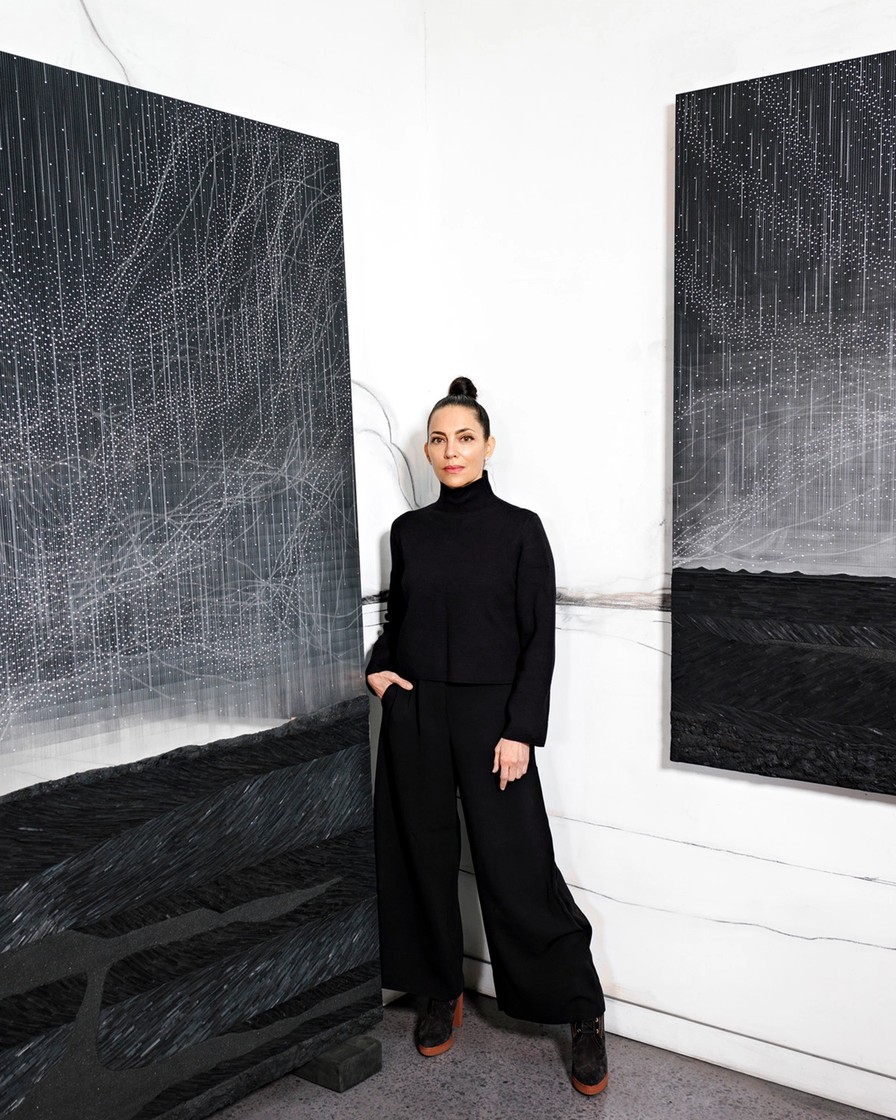
Teresita Fernández's work is characterized by an expansive rethinking of what constitutes landscape: from the subterranean to the cosmic, from national borders to the more elusive psychic landscapes we carry within. Fernández unravels the intimacies between matter, human beings, and locations. Her luminous, sculptural works poetically challenge ideas about land and landscape by amplifying the powerful, emotional connection in how we imagine place, and, by extension, one another. Fernández exposes the complex narratives that stem from distorted, colonial histories, elaborating on these themes in subtle ways that insist on intertwining beauty, the socio-political, the intimate, and the immense. Imagining the landscape with reciprocal sentience, Fernández has said “You look at the landscape, but the landscape also looks back at you."

Fernández is a 2005 MacArthur Foundation Fellow and the recipient of numerous awards, including a Creative Capital Award; Guggenheim Fellowship; the Louis Comfort Tiffany Biennial Award; an American Academy of Rome Fellowship (AFAAR); and a National Endowment for the Arts Individual Artist’s Grant in Visual Arts, among others. Her works have been exhibited and collected both nationally and internationally including: The Museum of Modern Art, New York; The Whitney Museum of American Art; the San Francisco Museum of Modern Art; The Menil Collection; Philadelphia Museum of Art; Pérez Art Museum Miami; Modern Art Museum of Fort Worth; Centro de Arte Contemporáneo de Málaga, Spain; The Museum of Fine Arts, Boston; SITE Santa Fe; The Smithsonian Museum of American Art; MASS MoCA; and Castello di Rivoli, Italy, among others. She lives and works in Brooklyn, New York

Portrait of Kim Yun Shin

Kim Yun Shin (b. 1935, Wonsan, North Korea; lives and works in Seoul, South Korea) is a multidisciplinary artist known for her dynamic sculpture and painting, which often unfold through a series of interactions with nature. Growing up amidst the backdrop of Korea’s tumultuous history in the 20th century, Kim has established herself as a pioneering figure in the post-war South Korean art scene, overcoming societal norms to carve out a space for herself as a first-generation woman sculptor. Despite facing challenges in a male-dominated field, she ventured to Paris to pursue her artistic aspirations, taught at various universities, and co-founded the Korean Sculptress Association in 1974 to support emerging artists. Partly influenced by her nomadic early life, her work reflects a fearless exploration of diasporic cultures—from France, Mexico, and Brazil, to her adoptive home of Argentina, where she established Museo Kim Yun Shin, the first Korean immigrant art museum. Her journey from turbulent beginnings during the Japanese colonial period and Korean War to becoming a trailblazer in Korean contemporary art reflects the artist’s personal resilience and commitment to artistic innovation.

Across six decades, Kim has developed an aesthetic that engages with the fundamental qualities of materials and nature, navigating themes of confrontation, introspection, and coexistence. Central to her artistic expression is the use of solid wood, a primary medium through which Kim envisions the structural and spiritual elements of antiquity and the primordial world. In doing so, she visualizes the intersection between nature, time, and history, reconsidering the very essence of human existence. Her early sculptures from the 1970s are deeply rooted in traditional Korean hanok architecture, which uses a distinctive technique that joins wooden blocks without nails. In her Stacking Wishes series, the artist also explores traditions of vertical stacking in Korean and Latin American totemism. This notion of organic connection and her interest in East Asian philosophy merge in her iconic Add Two Add One, Divide Two Divide One series, which she began in the late 1970s. The terms “add” and “divide” originate from the philosophical concept of yin (division and fragmentation) and yang (addition and integration). Through a meticulous yet intuitive process—in which Kim “adds” her soul into the solid wood and “divides” the space between the bark and inner wood to create a complete whole—the artist delves into raw materiality and uncovers a newfound vitality.

Portrait of Oren Pinhassi

New York-based artist Oren Pinhassi (b. 1985, Tel Aviv, Israel; lives and works in New York, NY) creates sensuous sculptures and large-scale installations that explore the politics of architectural spaces as they relate to the human body. His anthropomorphic sculptures, often standing up to eight feet in height, examine individual vulnerability and fluidity within the built environment, probing new possibilities for coexistence. Pinhassi’s haptic and immersive spaces redefine the relationship between viewer and environment, provoking a visceral interaction with the art object that yields a heightened awareness of humankind’s place within larger socio-political ecosystems.

Pinhassi has developed a distinct visual language that combines the superfluous and ergonomic with the utopian. Mimicking familiar images—such as a palm tree, a shower, or a chaise lounge—Pinhassi’s sculptures break down binary categories between people and objects. This implied borderless polyamory carries a pattern of erotic transmutation that guides the formation of new understandings in which object, architecture, and the body flow seamlessly into one another in free association. Pinhassi is drawn to organic materials for their shape-shifting potential and works primarily with sand and plaster. Akin to the work of Arte Povera artists, this use of non-traditional materials is an integral part of Pinhassi’s practice. Part of his sculpting process consists of the repetitive layering of burlap, plaster, and sand over welded steel skeletons, revealing the touch of the artist’s hand across every piece. The results are totemic-like figures that collapse preconceived notions of private and public space and our agency within them, heralding a futuristic hybridity.

Portrait of Chantal Joffe

Chantal Joffe (b. 1969, St. Albans City, VT; lives and works in London, United Kingdom) creates figurative paintings that address themes of portraiture, motherhood, the passage of time, and art’s relationship to history. Committed to the genre of figurative art, Joffe brings a combination of insight and integrity, as well as psychological and emotional force to her subjects. Almost always depicting women or girls, sometimes in groups, Joffe’s paintings loosely adhere to their source―be it a photograph, magazine page, or reflection in the mirror―reminding us that distortions of scale and form can often make a subject seem more lifelike. Joffe’s paintings alert us to how appearances are carefully constructed and codified, whether in a fashion magazine or the family album, and to the choreography of display. She offers insightful neutrality in her paintings and gives equal billing to catwalk models, porn actresses, mothers and children, loved ones, and literary heroines. Joffe’s choice of subject invites us to question our assumptions about what makes a noble portrait and challenges our expectations of what feminist art might be.

For Joffe, sensuality, self-disclosure, self-consciousness, and intimacy are brought together to heighten already complex narratives about human connection, perception, and representation. These narratives, implicit in the relationship between any artist and subject, are extended to the viewer as propositions and provocations. Whether in paintings a few inches square or ten feet high, Joffe's deceptively casual brushstrokes and ability to combine gesture with a pragmatic approach to representation simultaneously seduces and disarms. Often laying bare the physicality of their making and suffused with a palpable empathetic warmth, Joffe’s paintings offer an insightful examination into ever-shifting human connections and the endless intricacies of looking.

Portrait of Cecilia Vicuña

Cecilia Vicuña (b. 1948 in Santiago, Chile; lives and works in New York, NY and Santiago, Chile) integrates practices of poetry, performance, Conceptualism, and textile craft in response to pressing concerns of the modern world, including ecological destruction, human rights, and cultural homogenization. Born and raised in Santiago, she was exiled during the early 1970s after the violent military coup against President Salvador Allende. This sense of impermanence, and a desire to preserve and pay tribute to the indigenous history and culture of Chile, have characterized her work throughout her career.

While living in Chile during the mid-1960s, Vicuña began an ongoing series of small sculptures she calls precarios, spatial poems in which she combines feathers, stone, plastic, wood, wire, shells, cloth, and other human-made detritus. She coined the term “Arte Precario,” as an independent autonomous category, to name these works defined by their fragility and ephemerality: Vicuña initially composed the precarios along the ocean’s edge, for high tide to complete the work by erasing it. Around the same time, Vicuña came across ancient quipus in a book—and this Andean communication system involving the knotting of colored strings, generated a deep response in her. In the early 1970s she began creating spatial weavings and living quipus, which evolved into her Quipus in multiple materials, including unspun wool. These ephemeral, site-specific installations combine the tactile ritual of weaving with assemblage, poetry, and performance. Vicuña’s surreal figurative paintings of the late 1960s and 1970s are more explicitly personal and political in comparison to her other bodies of work and were created in direct response to European colonization. Their highly charged imagery refers to the subtly subversive images made by 16th-century indigenous artists in Latin America after the Spanish conquest, when they were forced to paint angels and saints for the Catholic church. In Vicuña’s paintings, religious icons are replaced by personal, political, and literary figures, commemorated and mythologized by the artist.

Portrait of Nari Ward

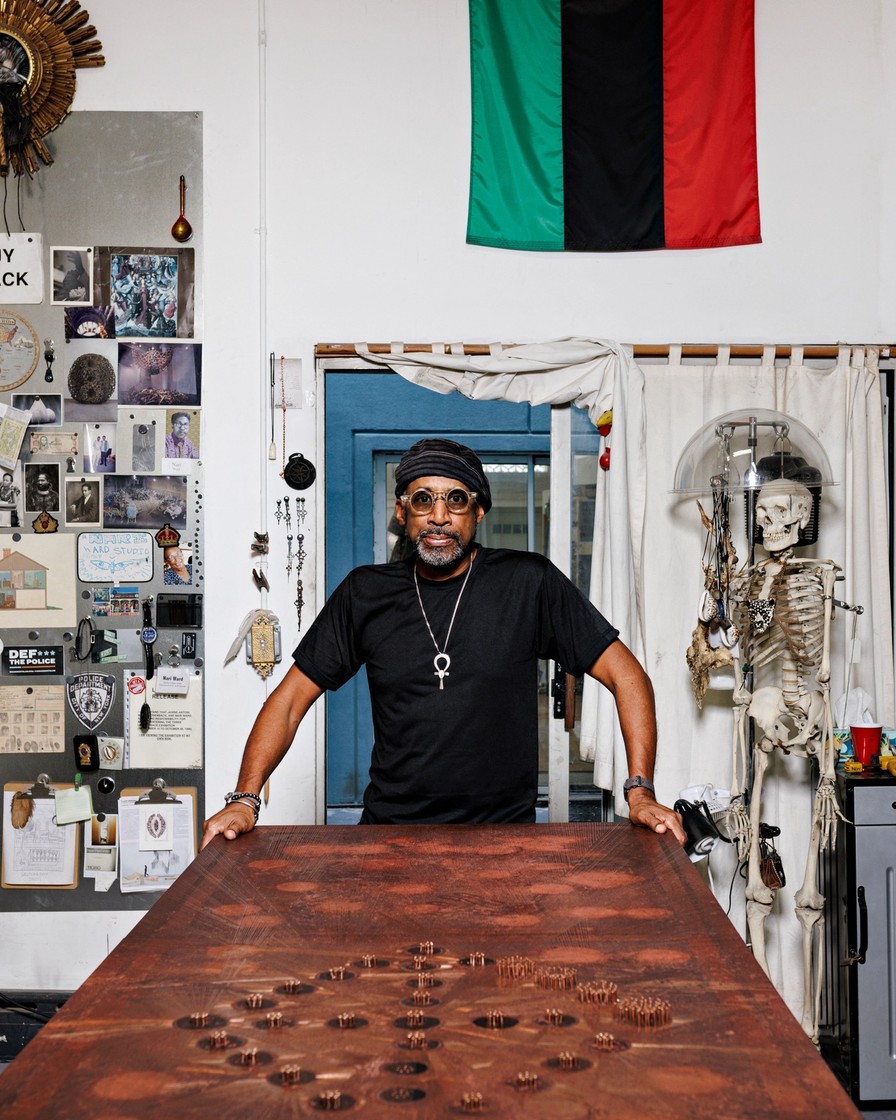
In a career spanning over three decades, artist Nari Ward (b. 1963, St. Andrew, Jamaica; lives and works in New York, NY) has gained recognition for an interdisciplinary and multimedia practice that engages historical and contemporary discourse around race, migration, democracy, identity, and community. Ward is best known for his wall and installation-based sculptural works created primarily from materials found and collected throughout Harlem, his longtime neighborhood in New York. These objects imbue his work with a sense of intimacy, reflecting the shared experience of community. Combining materials to re-contextualize their original meanings, Ward’s assemblages probe a range of spiritual and conceptual issues through literal and metaphorical juxtaposition.

Materially specific but conceptually ambiguous, Ward’s multimedia and performance works unfold into many possible interpretations—as materials and movements accumulate, so too do signifiers. Each found object—including baseball bats, strollers, shoelaces, cash registers, bottles, and shopping carts—contains a multiplicity of meanings and histories that speak to both collective experience and individual memory. The intentional synthesis of such objects, combined with the more traditional disciplines of painting, sculpture, and performance, allows for varied interpretations, inviting viewers to project their own associations and transcend the specific context of any given work. At the same time, Ward’s art reflects on the complexities of contemporary society, transforming overlooked material through artmaking to foreground forgotten histories or marginalized communities.

Portrait of Liza Lou

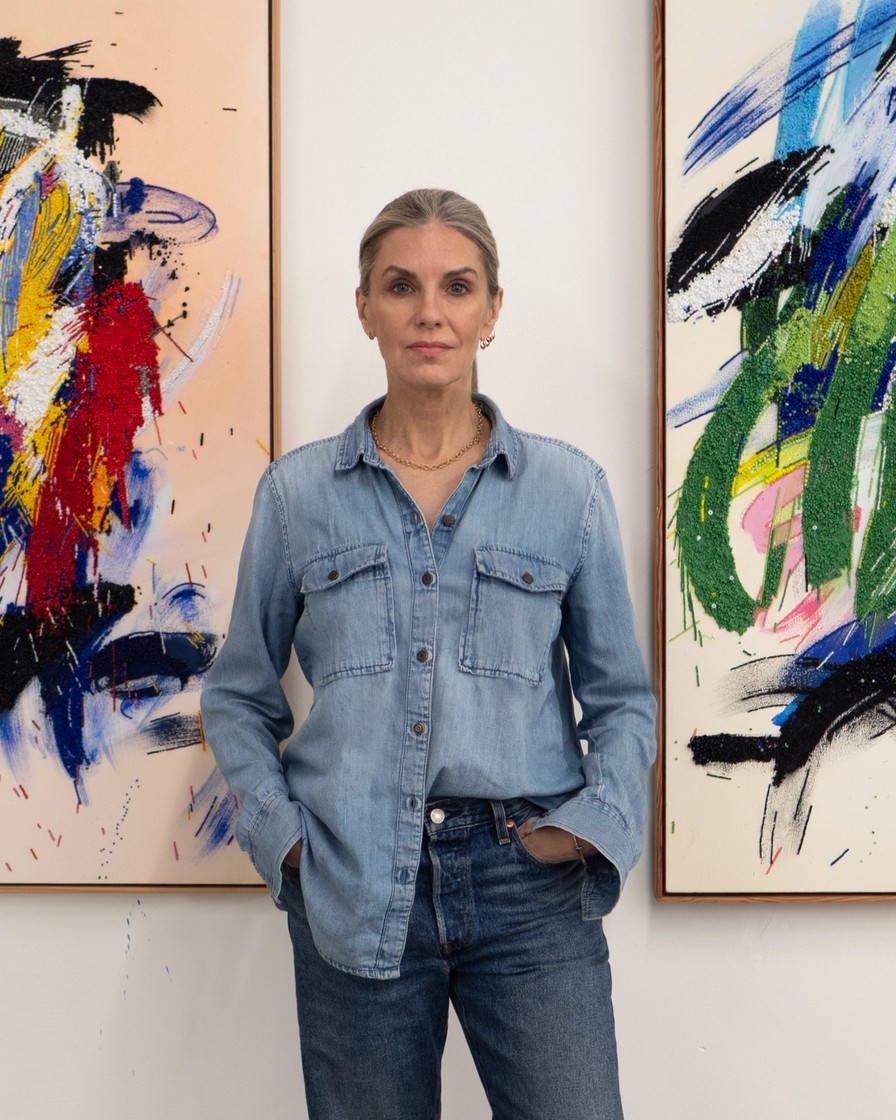
Liza Lou (b. 1969 NYC lives and works in Joshua Tree, California) is widely known for her pioneering work as both an artist and for her groundbreaking social practice of the mid-2000s. Beginning with her conceptual use of glass beads, Lou’s room-size installations of the 1990s challenged stereotypes and gender roles within the art canon and broke down boundaries between art and craft.¹ In 2002, she received a MacArthur Foundation Fellowship, which she utilized to found a women’s advocacy program within her studio in Durban, South Africa which she operated from 2005-20, expanding the possibilities of social engagement within an art studio environment. During the 15 years she lived and worked in South Africa, Lou developed a poetic, handmade approach to Minimalism that utilizes the oils of the human hand as a form of paint in woven paintings, such as Soil | Solid (2012), which is in the permanent collection of the Des Moines Art Center, and room-scaled wall works, sculptures and installations, such as Security Fence (2005), now in the collection of the Los Angeles County Museum of Art, and Continuous Mile (2008), in the collection of the Cleveland Museum of Art.

Current work has the artist in further dialogue with art history as she explores the possibility of her chosen material to act as a fluid paint body, bringing an original and Feminist vision to painting.² Through the slow accrual of a humble material, Lou recalibrates the action of a brushstroke into elaborate, cell-by-cell explorations that combines the exuberance of Pop and Abstract Expressionism with the materiality and sheen of her early work, while pushing the language of painting further forward.

Portrait of Heidi Bucher

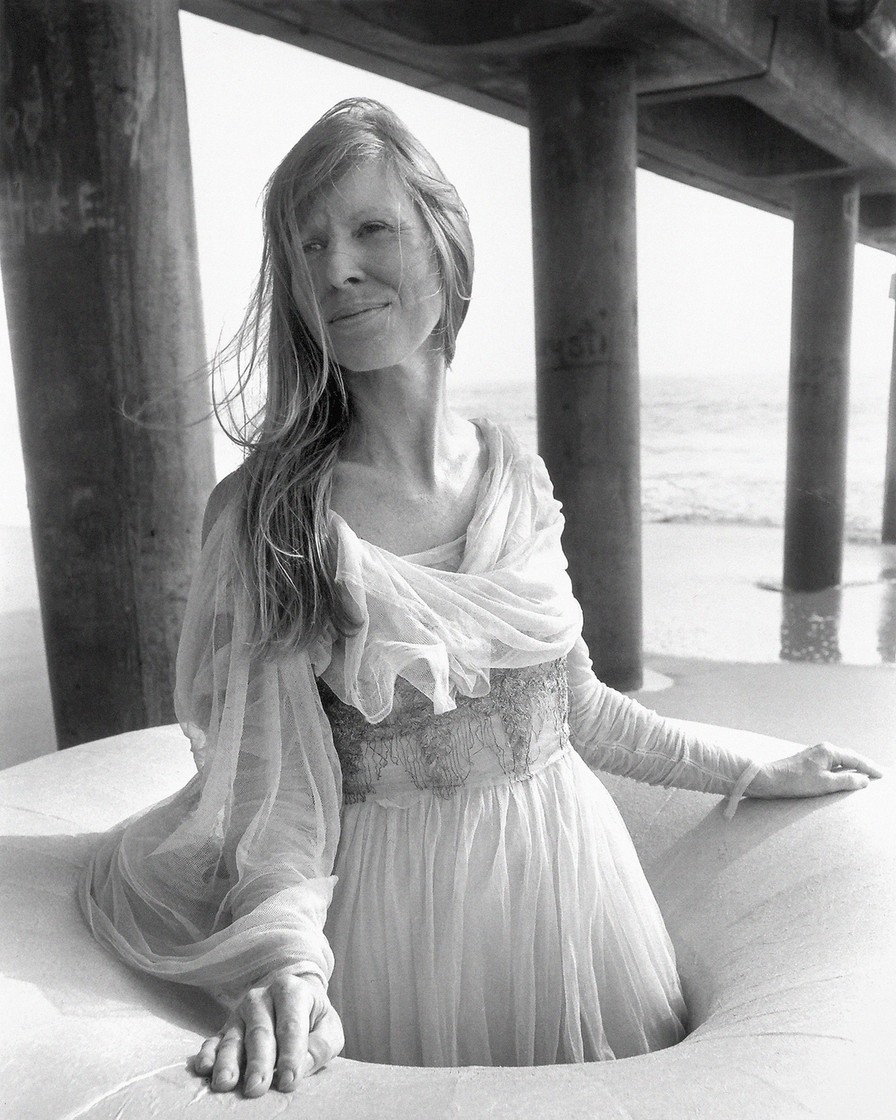
Heidi Bucher (b. 1926, Winterthur, Switzerland; d. 1993, Brunnen, Switzerland) was a Swiss artist who is best remembered for her innovative use of latex and exploration of the physical boundaries between the body and its surroundings. Serving simultaneously as means of historical preservation and metaphorical molting, Bucher’s Hauträume—or “roomskins”—act as indexes of the complicated relationship humans have to their bodies and pasts. Working across the United States, Switzerland, and the Canary Islands, Bucher forged a practice anchored in familial, cultural, and architectural histories and deeply entwined with contemporary concerns around the boundaries between public and private space, and femininity and the body. Though Bucher’s many bodies of work—from her early drawings and wearable sculptures to her later latex-encased objects and Hauträume—each reflect distinct artistic interests and origins, they all trace back to the artist’s mantra, which uniquely summarizes her career-long engagement with bodies and rooms: Räume sind Hüllen, sind Häute (Spaces are shells, are skins).

Beginning in the 1970s, Bucher embalmed clothing in a mixture of latex and mother of pearl, preserving the objects as artifacts of their time and creating a surface that appeared skin-like in both color and texture. Bucher primarily used women’s clothing, such as nightdresses and pantyhose, as a critical response to the rigid gender restrictions she had experienced during her childhood and adolescence. By the end of the decade, Bucher began applying her signature latex medium to the surfaces of domestic objects and spaces, aligning women’s clothing with these designated “feminine” spaces. Allowing the latex mixture to harden, then peeling it off, Bucher produced translucent skins that held elements of paint, rust, dirt, and the minute details and markings of the architecture. During the years that followed, Bucher produced several major bodies of work based on the domestic spaces of her past—her ancestral house in Winterthur, the study in her parents’ home, and her studio in Zurich. Each space she inhabited was rendered translucent and ghostly, like a visual memory that, due to the fragile nature of the latex material, would warp and discolor over time. Displayed suspended mid-air, the series of latex Hauträume are simultaneously monumental and fragile, mimicking the very process by which they are created; the removal of the latex from the architectural space required a great deal of both physical strength and delicate dexterity.

Portrait of Kader Attia

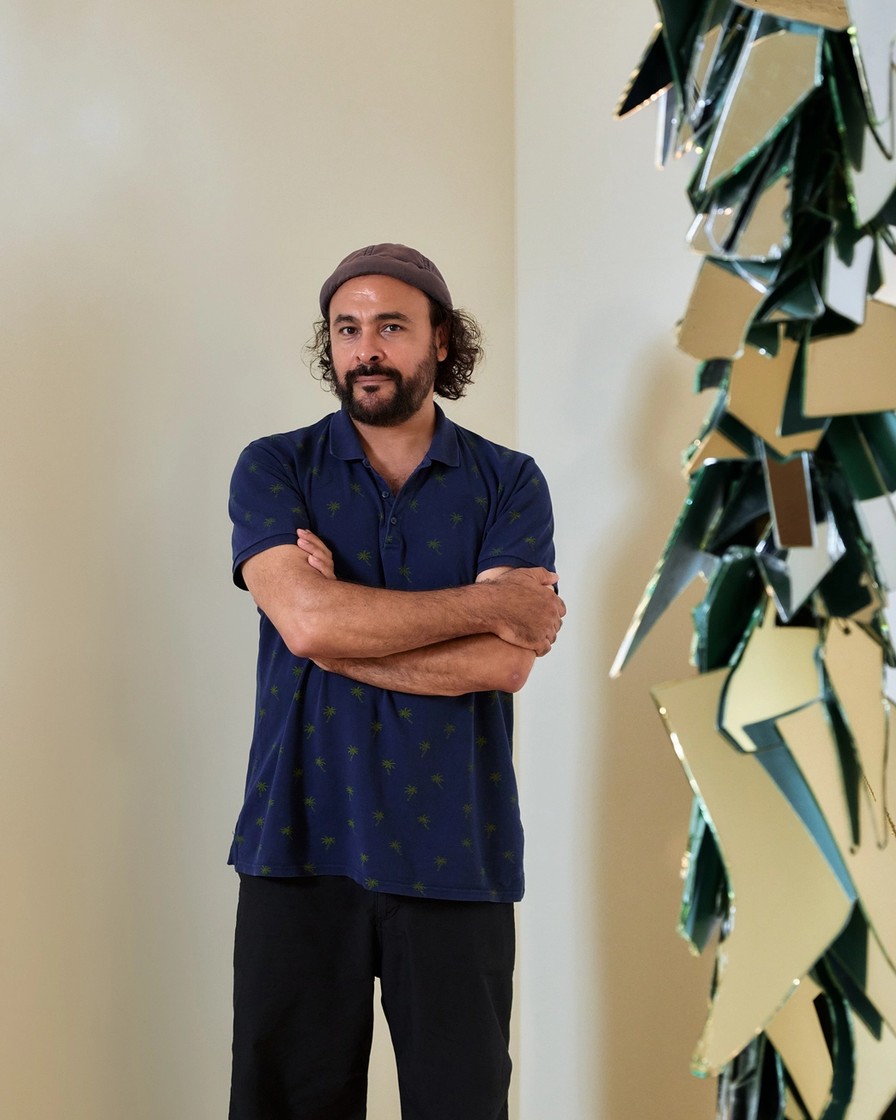
Kader Attia (b. 1970, Seine Saint-Denis, Dugny, France; lives and works in Berlin Germany and Paris, France), grew up in Paris and in Algeria. Preceding his studies at the École Supérieure des Arts Appliqués Duperré and the École Nationale Supérieure des Arts Décoratifs in Paris, and at Escola Massana, Centre d’Art i Disseny in Barcelona, he spent several years in Congo and in South America.The experience with these different cultures, the histories of which over centuries have been characterized by rich trading traditions, colonialism and multi-ethnic societies, has fostered Kader Attia’s intercultural and interdisciplinary approach of research. For many years, he has been exploring the perspective that societies have on their history, especially as regards experiences of deprivation and suppression, violence and loss, and how this affects the evolving of nations and individuals — each of them being connected to collective memory.

His socio-cultural research has led Kader Attia to the notion of Repair, a concept he has been developing philosophically in his writings and symbolically in his oeuvre as a visual artist. With the principle of Repair being a constant in nature — thus also in humanity —, any system, social institution or cultural tradition can be considered as an infinite process of Repair, which is closely linked to loss and wounds, to recuperation and re-appropriation. Repair reaches far beyond the subject and connects the individual to gender, philosophy, science, and architecture, and also involves it in evolutionary processes in nature, culture, myth and history.

Art Basel | Lehmann Maupin