Skip to content

Multiple Artists

THIRTY

London

Nov 5, 2026–Jan 9, 2027

Gilbert and George

No.9 Cork Street

Mayfair, London W1S 3LL

THIRTY brings together works by Lehmann Maupin’s UK-based artists to mark the gallery’s 30th anniversary. The exhibition celebrates the longstanding relationships and sustained commitment that have shaped the gallery’s presence in the UK and its contribution to the city’s cultural landscape. Featured artists include: Rana Begum, Billy Childish, Freya Douglas-Morris, Mandy El-Sayegh, Gilbert & George, Shirazeh Houshiary, Chantal Joffe, and Do Ho Suh.

For the last three decades, Lehmann Maupin has championed artists whose practices are united by innovative approaches to their respective mediums, while also introducing international artists to new geographies, including mounting historic debut shows for its artists in the US, Asia, and Europe.

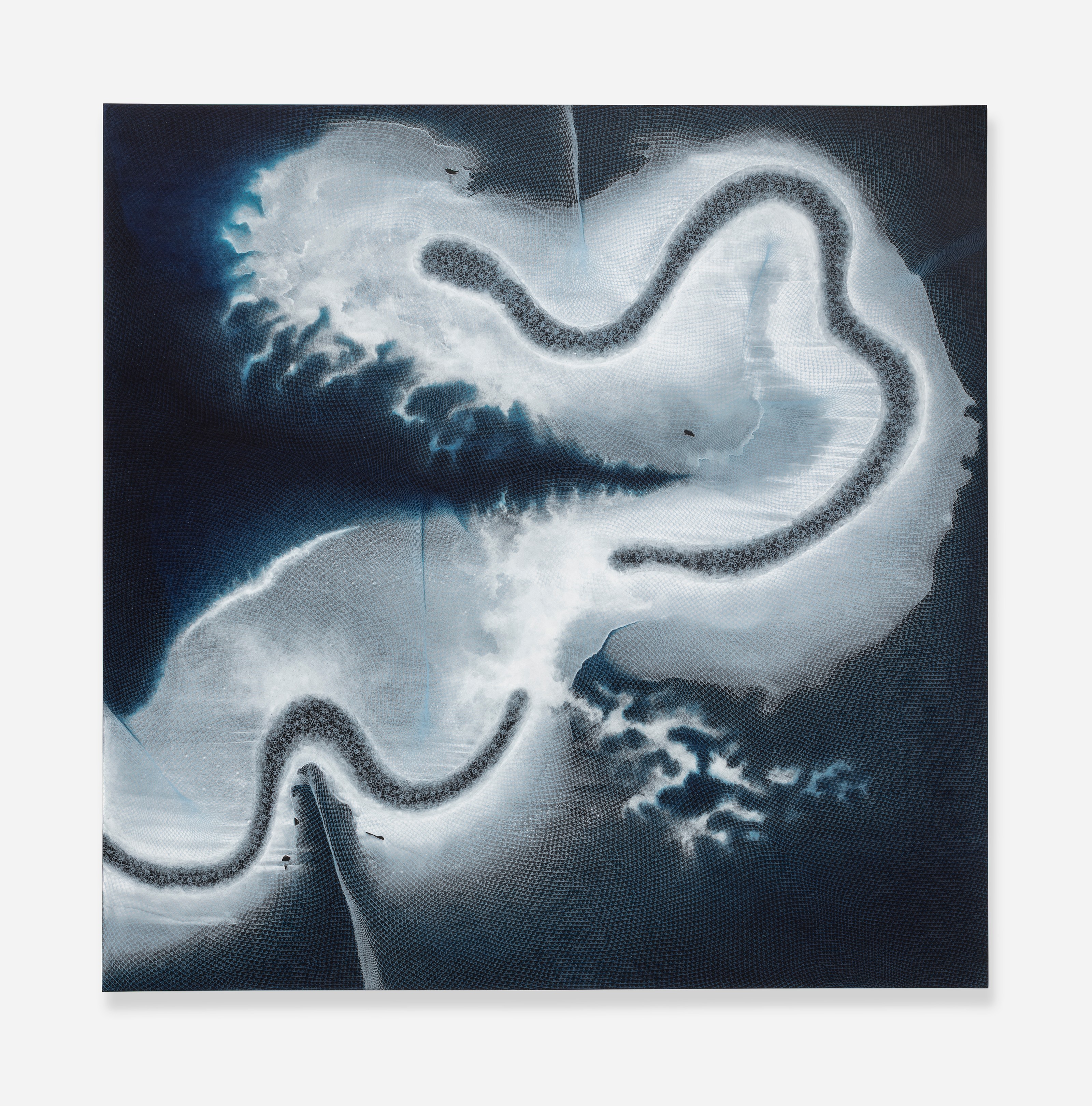
Painting by Shirazeh Houshiary

Shirazeh Houshiary

Entanglements, 2025

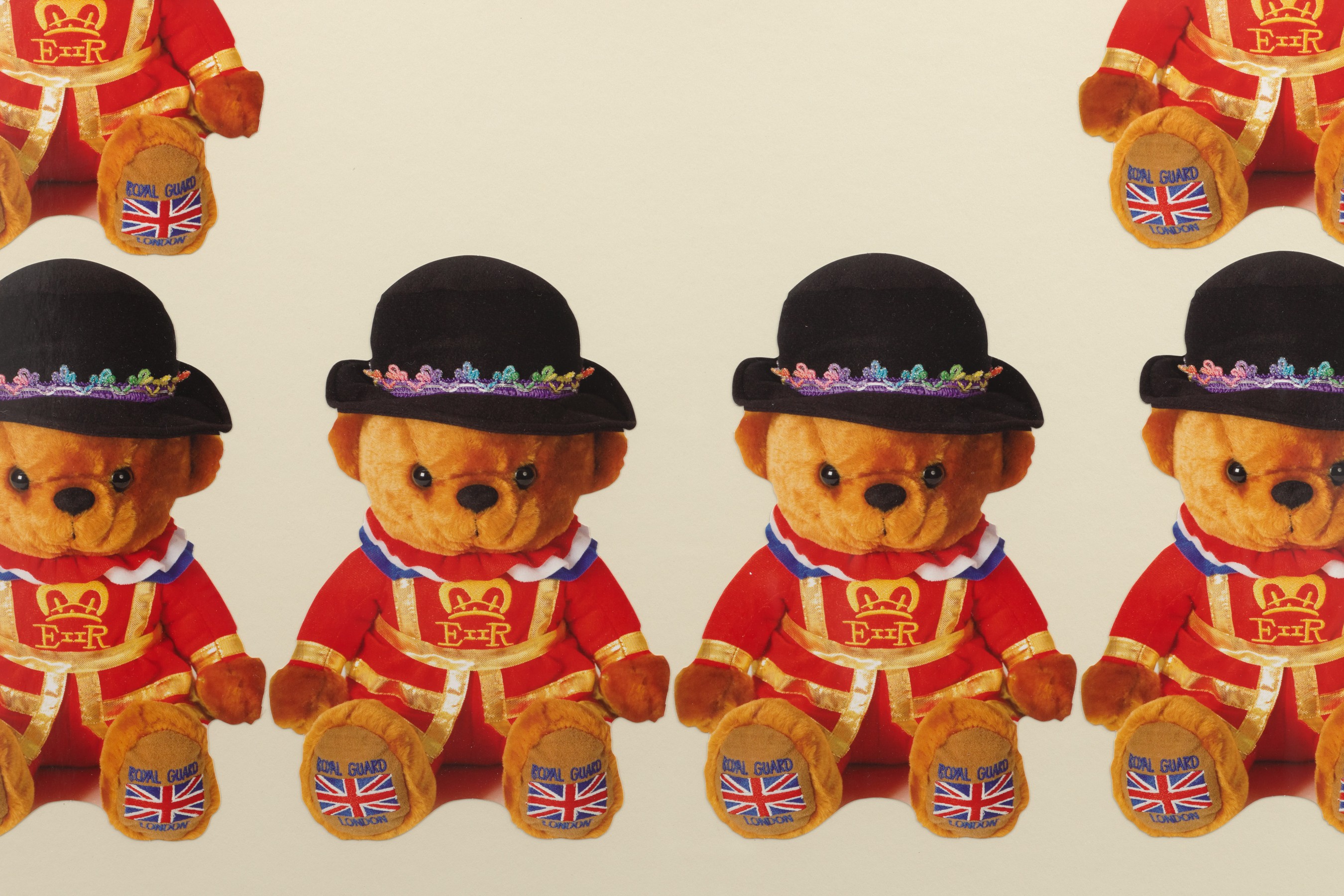
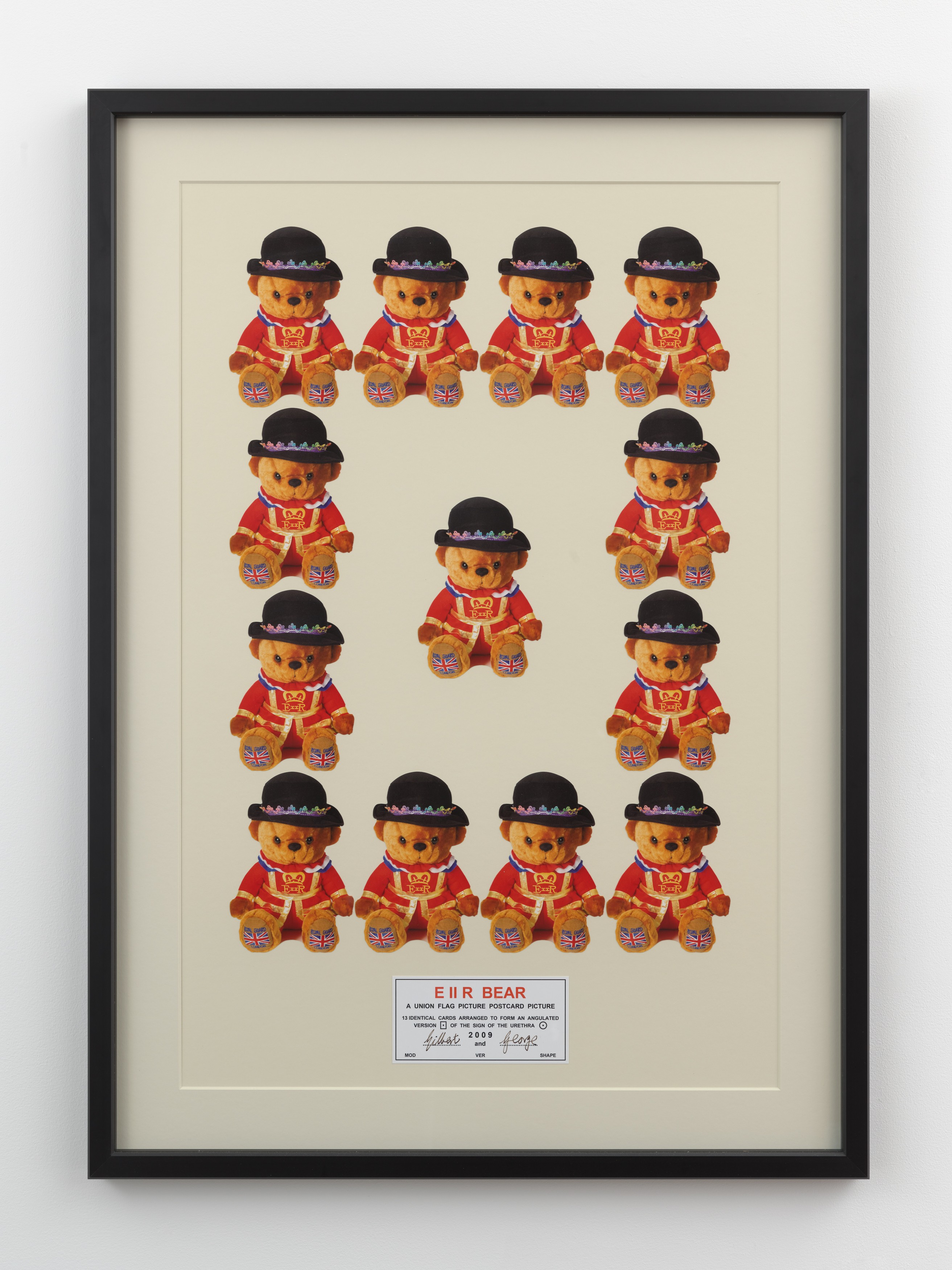
Urethra Postcard by Gilbert & George

Gilbert & George

E II R Bear, 2009

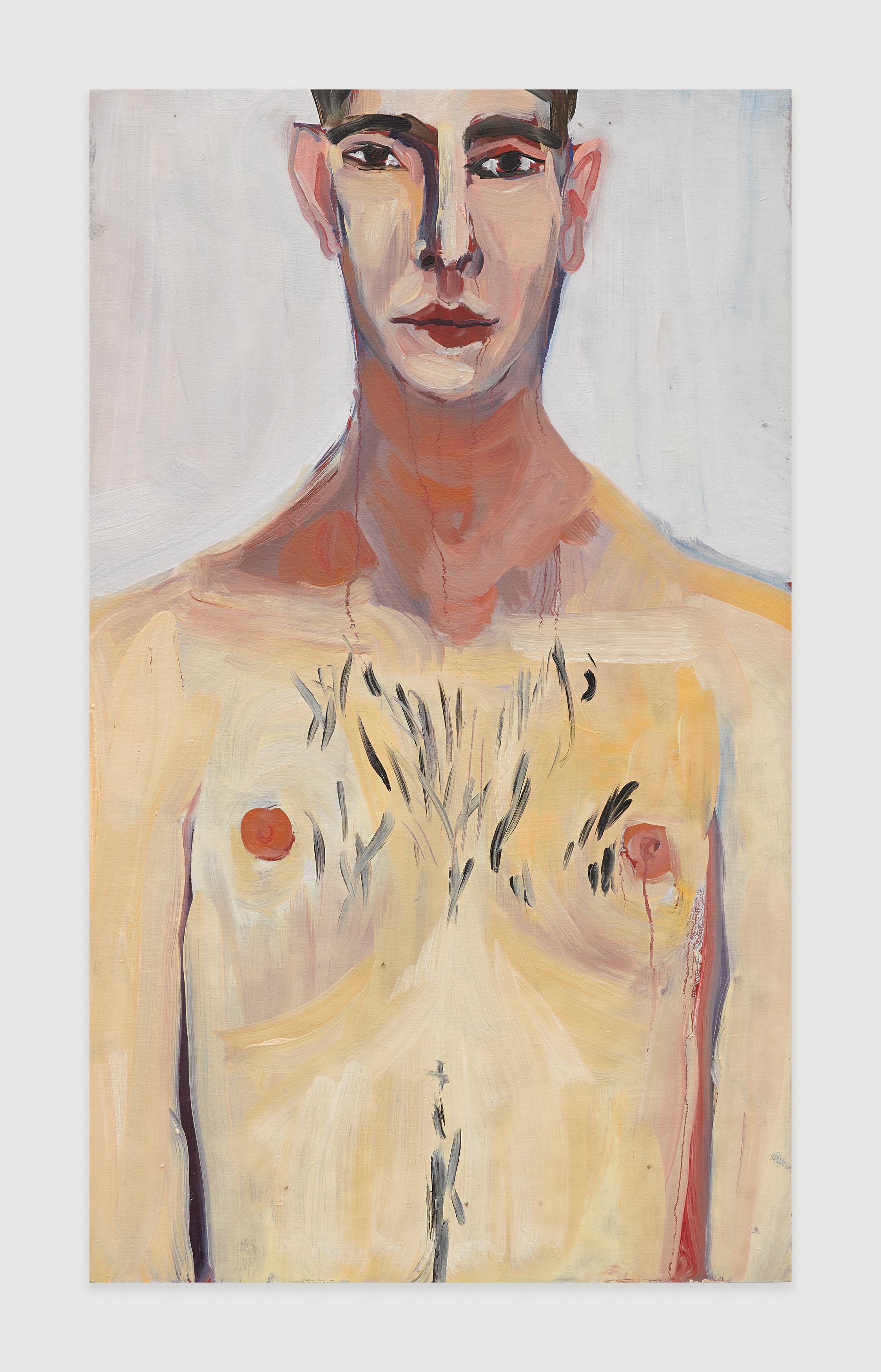
Painting by Chantal Joffe

Chantal Joffe

Self-Portrait III, July, 2018

Painting by Chantal Joffe

Chantal Joffe

Herb, 2019

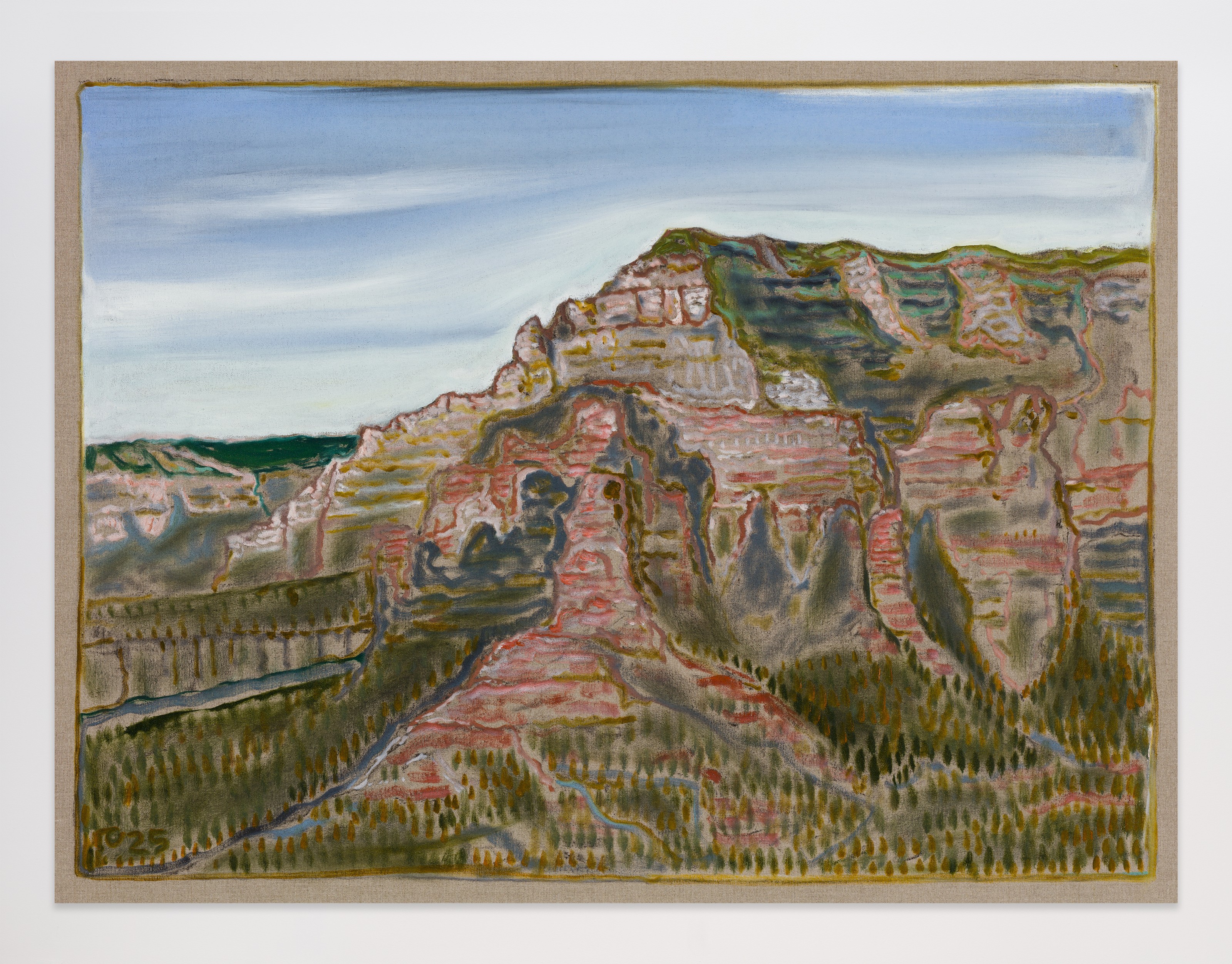
Billy Childish painting

Billy Childish

sadona az, 2025

Exhibition Artists

Portrait of Rana Begum

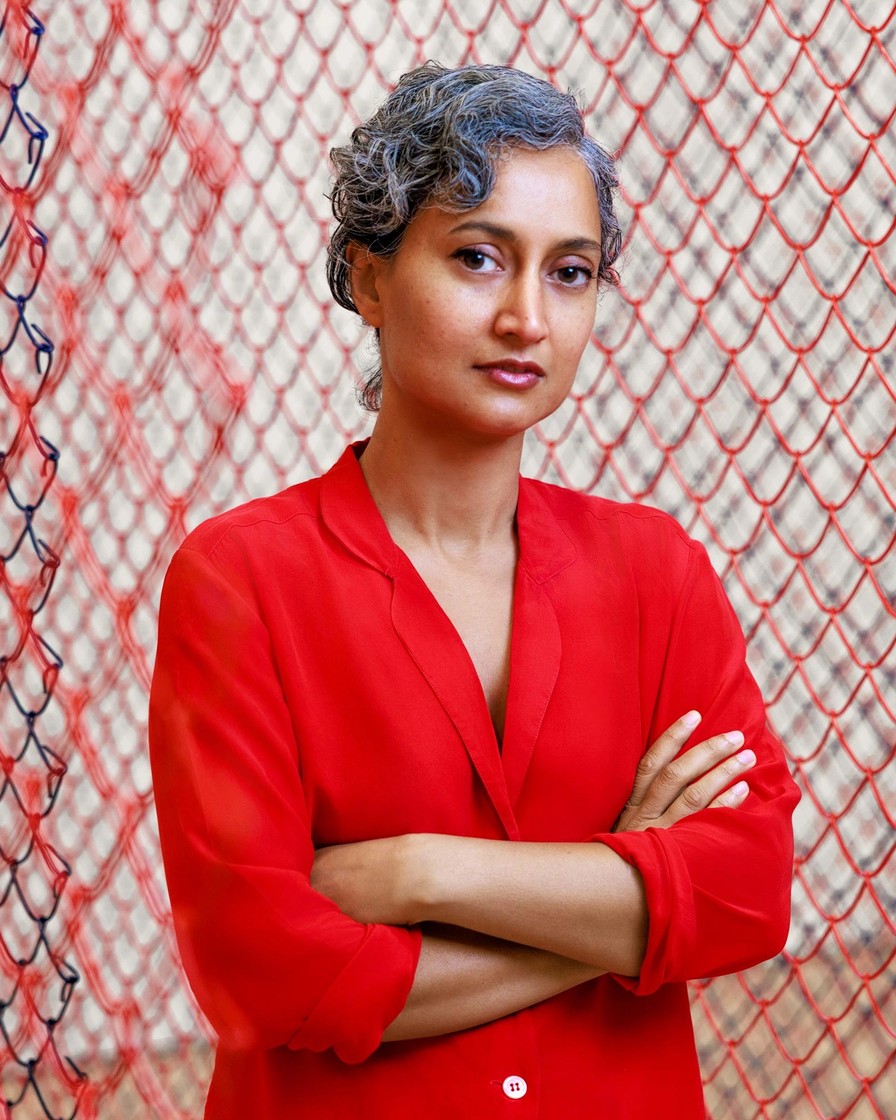
Over the past two decades, Rana Begum has developed a distinct visual language rooted in repetition and abstraction. Drawing on the history of geometric abstraction—as well as the practices of artists such as Agnes Martin, Donald Judd, Mary Martin, Sol Lewitt, Jesús Rafael Soto, and Tess Jaray—Begum’s work is informed by both the urban environment and the geometric motifs of traditional Islamic art and architecture. Central to her work is light, which she treats as both subject and medium, allowing her pieces to absorb, reflect, and transform their surroundings in ways that feel both temporal and sensorial. Often using industrial materials and reflective surfaces, Begum creates visually dynamic experiences that shift with the viewer’s perspective and environment. The influence of Islamic art and the spiritual importance of repetition and ritual is also at the heart of Begum’s practice. Begum’s focus on symmetry, rhythm, and pattern evokes a sense of the infinite, creating meditative spaces in which seemingly static works are activated.

Born in Bangladesh in 1977, Begum lives and works in London. In 1999, Begum graduated with a BA in Fine Art from Chelsea College of Art and Design, and in 2002, she earned an MFA in Painting from Slade School of Fine Art. Begum has exhibited in museums and biennials worldwide and created public art commissions in Europe, Asia, and the United States. Notable museum presentations include her participation in Is this Tomorrow at the Whitechapel Gallery in London, as well as her site-specific installation at the Museum of Fine Arts, Boston, which remains on permanent view. Her work has also been featured in numerous biennials around the world, including the Taipei Biennial in 2026, Desert X in Coachella Valley in 2023, and the 11th Gwangju Biennial in South Korea in 2016, among others.
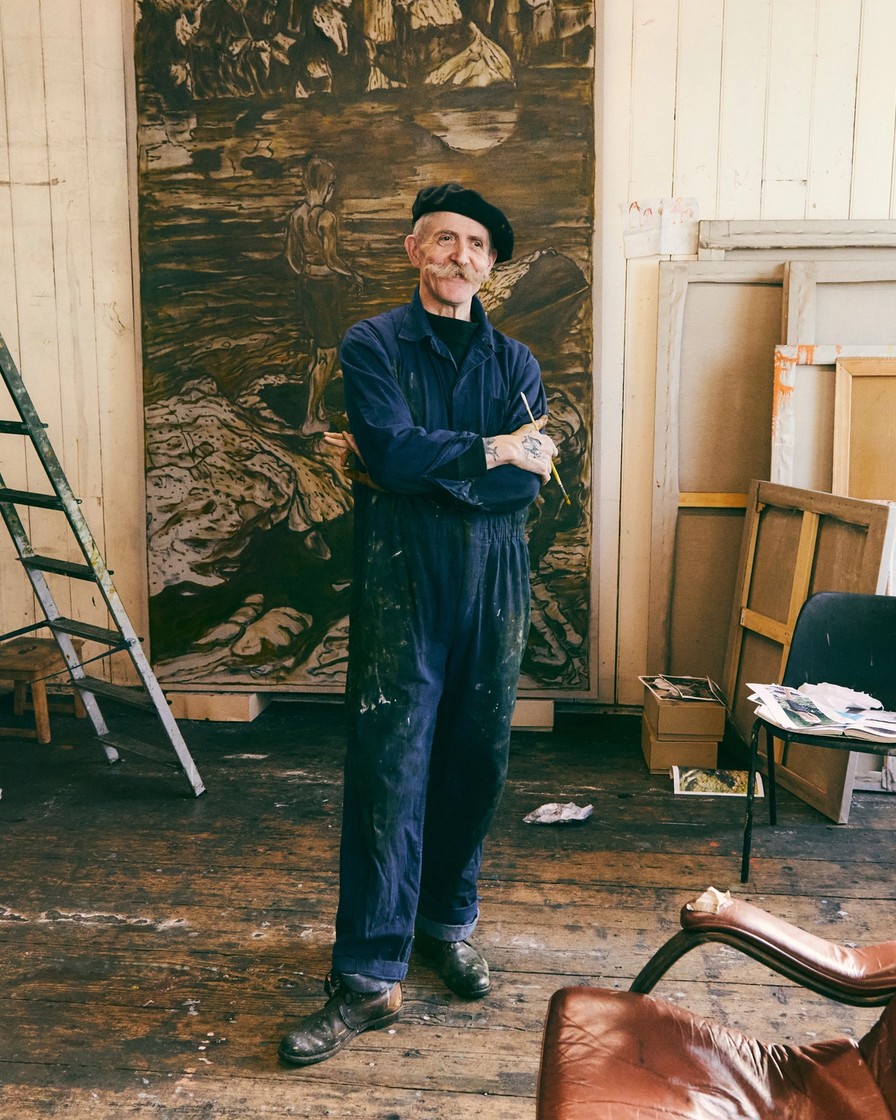
Portrait of Billy Childish

Billy Childish (b. 1959, Chatham, Kent, United Kingdom; lives and works in Chatham, Kent, United Kingdom) is known for his introspective, autobiographical, and deeply emotional paintings, writing, and music. After leaving secondary school at age 16, Childish worked at the Naval Dockyard in Chatham as an apprentice stonemason. Initially denied an interview to the local art school, he produced hundreds of drawings that gained him entry to London’s Saint Martin's School of Art. Childish's defiance of authority led to his eventual expulsion from art school in 1981. Since then, Childish has attained a cult status worldwide, writing and publishing several novels, more than 40 volumes of confessional poetry and recording more than 170 LPs. This artistic output has always existed in tandem with his central practice as a painter, his devotion to the medium evinced by his uninterrupted flow of work dating back to the late 1970s.

Through all of these disciplines, Childish addresses social, political, and personal issues such as war, protest, his turbulent childhood and his struggles with alcoholism. While his confessional poetry and music explore these issues with startling honesty, Childish’s paintings are more subtle. His subjects are often drawn from his environment or are people he knows or admires, transformed into universal motifs: landscape paintings of his native Kent and other familiar lands, such as the Pacific North West and South West United States, appear alongside self-portraits and people significant to Childish’s life (both cultural and personal), including his American wife, Julie, and his children.

Portrait of Freya Douglas-Morris

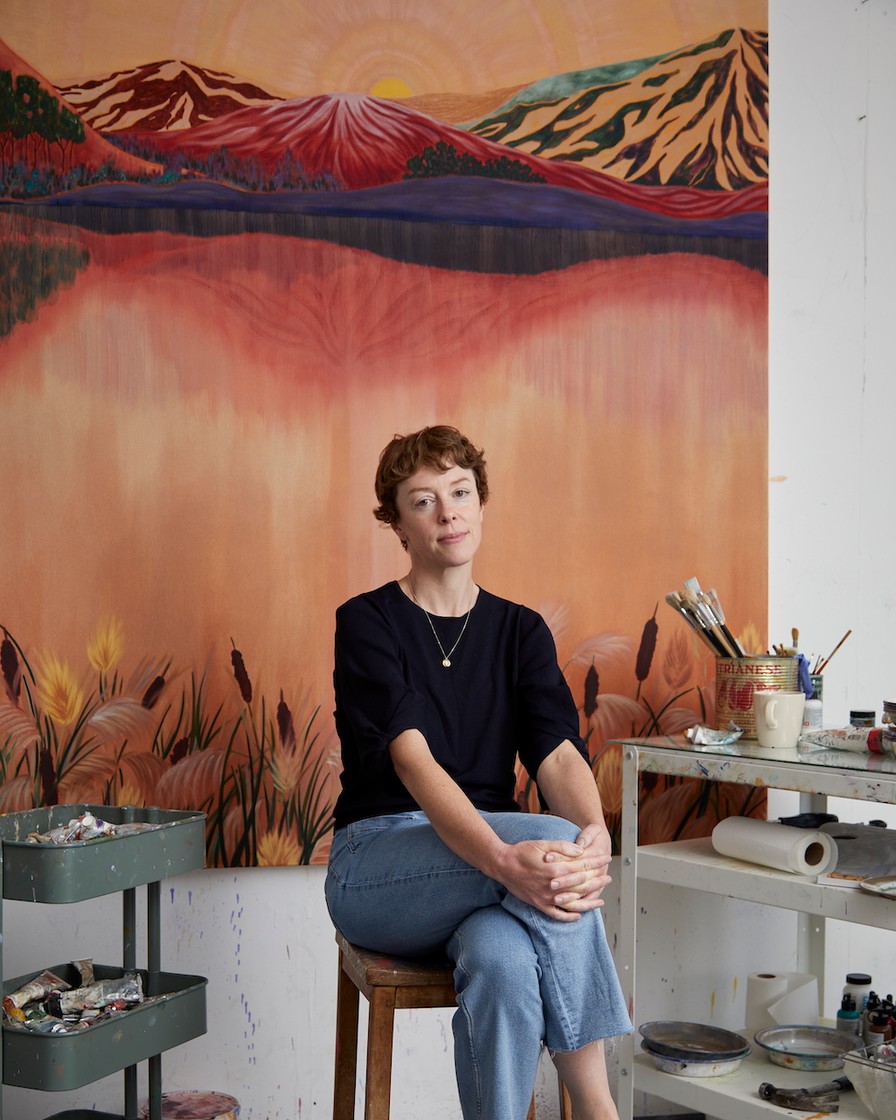
Freya Douglas-Morris (b. 1980, London, United Kingdom; lives and works in London, United Kingdom) is a British artist known for her vividly colored landscapes that depict rich flora, glowing skies, and serene waters and shorelines. Using a bright, Fauvist color palette, the artist renders imagined scenes inspired by life and her long, meditative walks through nature. Her striking application of oil on canvas—ranging from bold swaths of color, to highly detailed foliage painting, to sheer washes that create a watercolor effect—contributes to the surreal, ethereal quality of her scenes. Rather than recreating physical landscapes, Douglas-Morris often depicts internal terrain, open to her viewers’ own journeys, experiences, relationships, and memories. In visualizing the emotional or personal experience of a place, the artist’s work occupies a universal space, reminding us of our connection to the natural world and to the inner worlds we carry within.

Douglas-Morris studied Fine Art at Brighton University before receiving an MA from the Royal College of Art in 2013. In 2012, her work was included in the Liverpool Biennial. Her work has also been featured in several museum exhibitions, including the Saatchi Gallery in London, UK, and the Dallas Contemporary Museum in Dallas, TX. In 2024, the Dallas Museum of Art acquired a work for its permanent collection. The artist lives and works in London.

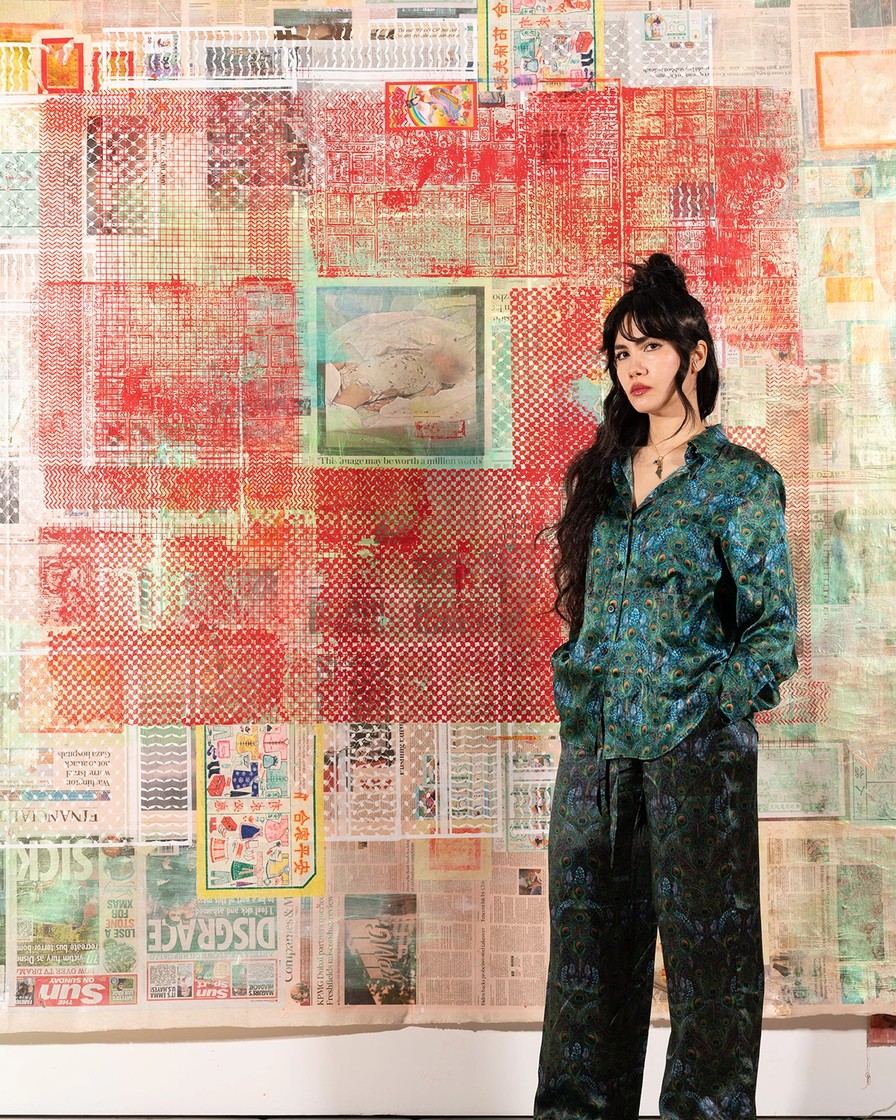
Portrait of Mandy El-Sayegh

Mandy El-Sayegh’s (b. 1985, lives and works in London, United Kingdom) highly process-driven practice is rooted in an exploration of material and language. Executed in a wide range of media, including densely layered paintings, sculpture, installation, diagrams, and sound and video, El-Sayegh’s work investigates the formation and break-down of systems of order, be they bodily, linguistic, or political. She is particularly interested in exploring the Part-Whole relationship–how something significant yet unpremeditated emerges and comes into being through various smaller, micro-interactions or repetitions. She physically demonstrates this by collaging disparate fragments, text, and found imagery, and layering them with materials like latex, rubber, and clay. Through simple, repetitive patterns such as a hand-painted grid or geometric molds, formal and narrative synthesis occurs that is not consciously intended or anticipated.

El-Sayegh likens her exploratory, observational process to the occurrence of contemporary social and political events, which unfold in highly chaotic and often disturbing ways. Justifications or explanations for such events typically appear after the fact; they are devised in an effort to impose order on an inherently subjective and incomplete set of social, cultural, and political processes. The artist’s work aims to remove the veil of these superimposed structures and reveal the intricacies of growth and decay as they happen in real time. El-Sayegh is interested in the observation of process and she believes that through such observation, one can better understand how the social and political phenomena that shape our world exist in a constant state of flux.

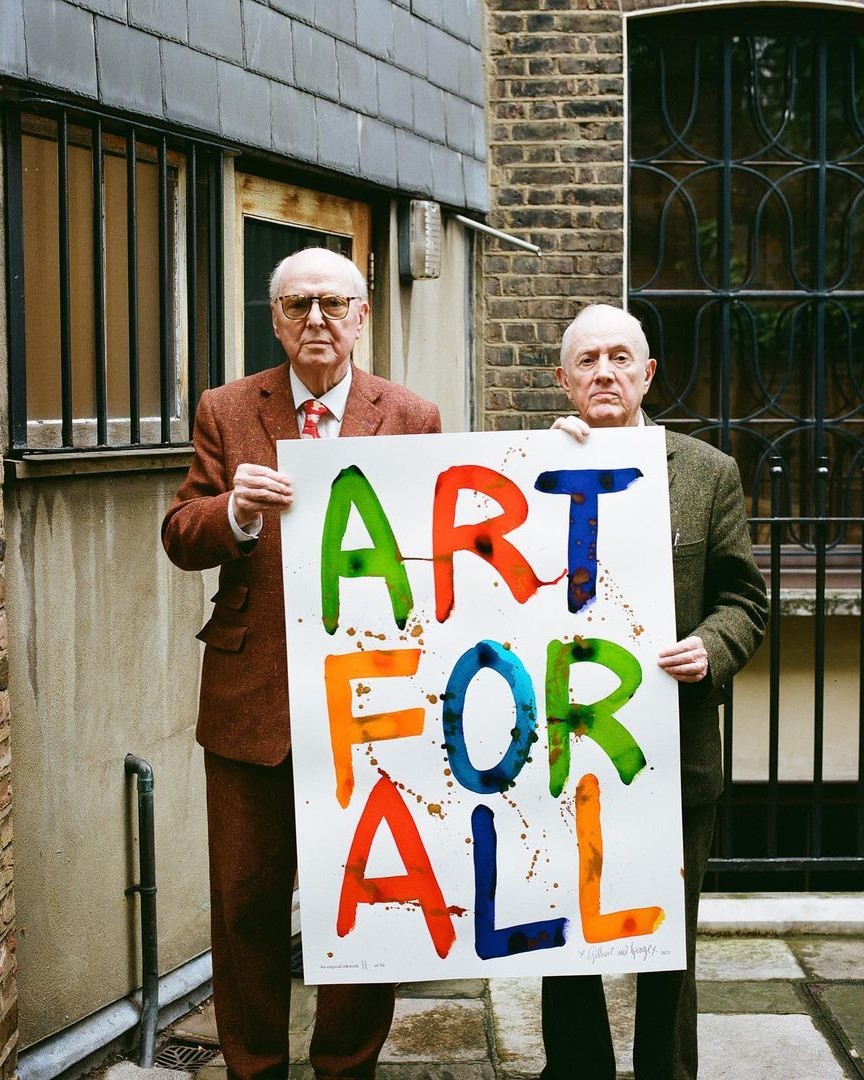
Portrait of Gilbert & George

Gilbert & George (b. 1943, San Martin de Tor, Italy & 1942, Plymouth, United Kingdom; lives and works in London, United Kingdom) met in 1967 in art school at Saint Martin’s, where they first developed their signature form of “living sculptures” by walking around the streets of London with their heads and hands coated with multi-color metallic powders. Since then, they have lived and worked together, their individual identities subsumed into a vision of animate sculpture, becoming representations of the universal human condition, which is a central theme in their work. Their embrace of video technology, along with their well-known photo-collage works, allowed Gilbert & George to extend their living sculptures beyond a particular time and place and broadcast their art to wider audiences, establishing their motto of “art for all.”

Shortly after art school, they moved to London’s East End, then a bustling immigrant and working-class neighborhood, which has served as their home and studio for almost 50 years. Their changing neighborhood, which has become a gentrified creative center, has significantly influenced their work. The artists often appear in their work as witnesses to life unfolding in the sociopolitical and urban conditions of this area. Through imagery specific to London and the East End in particular, Gilbert & George create an ongoing portrait of the city that includes street signs, ginkgo trees, graffiti, postering, and gum-stained sidewalks.

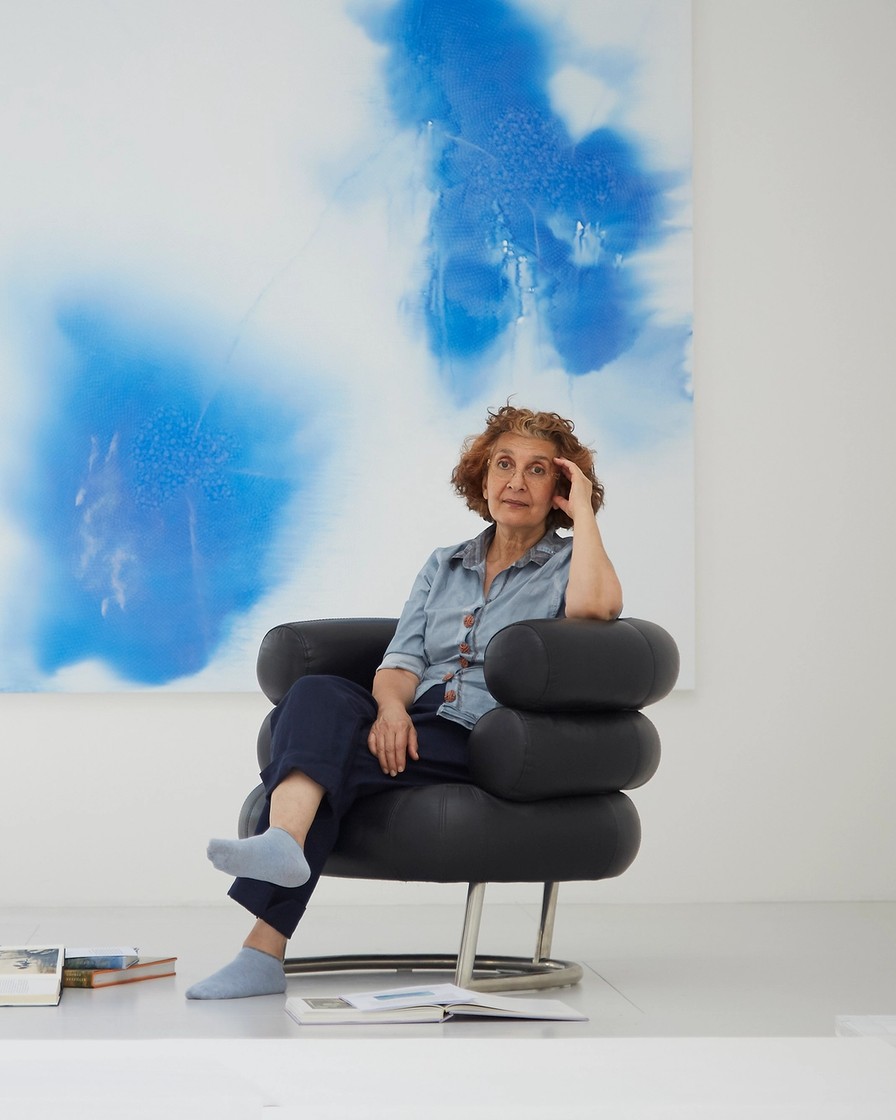
Portrait of Shirazeh Houshiary

Shirazeh Houshiary (b. 1955, Shiraz, Iran; lives and works in London, United Kingdom) makes painting, sculpture, and animation that seek to challenge viewers’ perceptions of time, space, and materiality. Her works often engage opposing ideas and states of being, including transparency and opacity, sound and silence, surface and depth, and presence and absence. From a distance, her paintings are reminiscent of a swirling galaxy, but as the viewer draws closer, the meticulousness, detail, and hidden Arabic letters that make up her amorphous forms begin to unfold. The universe, with its contradiction, paradox, and complexity is a core subject matter in her work. The Arabic words embedded in her compositions are a juxtaposition of the opposing phrases “I am” and “I am not,” oscillating freely between focused and unfocused states, where the meaning of our existence becomes superfluous and lost in Houshiary’s imagined cosmos.

Houshiary’s painting technique involves the successive layering of pigment and line, a laborious process that often takes several months to complete. Her surfaces are composed of intricate patterns that appear to pulse, undulate, and recede into the canvas, like a veil or membrane. She takes a similar methodical approach to her dynamic sculptures, constructing towers out of glass or aluminum bricks that, layer by layer, seem to emerge from the floor. Each vertical plane of bricks echoes the original shape of the structure’s footprint incrementally rotated to the maximum degree the form will allow before the resulting helix shape becomes unstable. For each work, Houshiary attempts to visualize subjects that are inherently intangible—an echo, human breath, or memory.

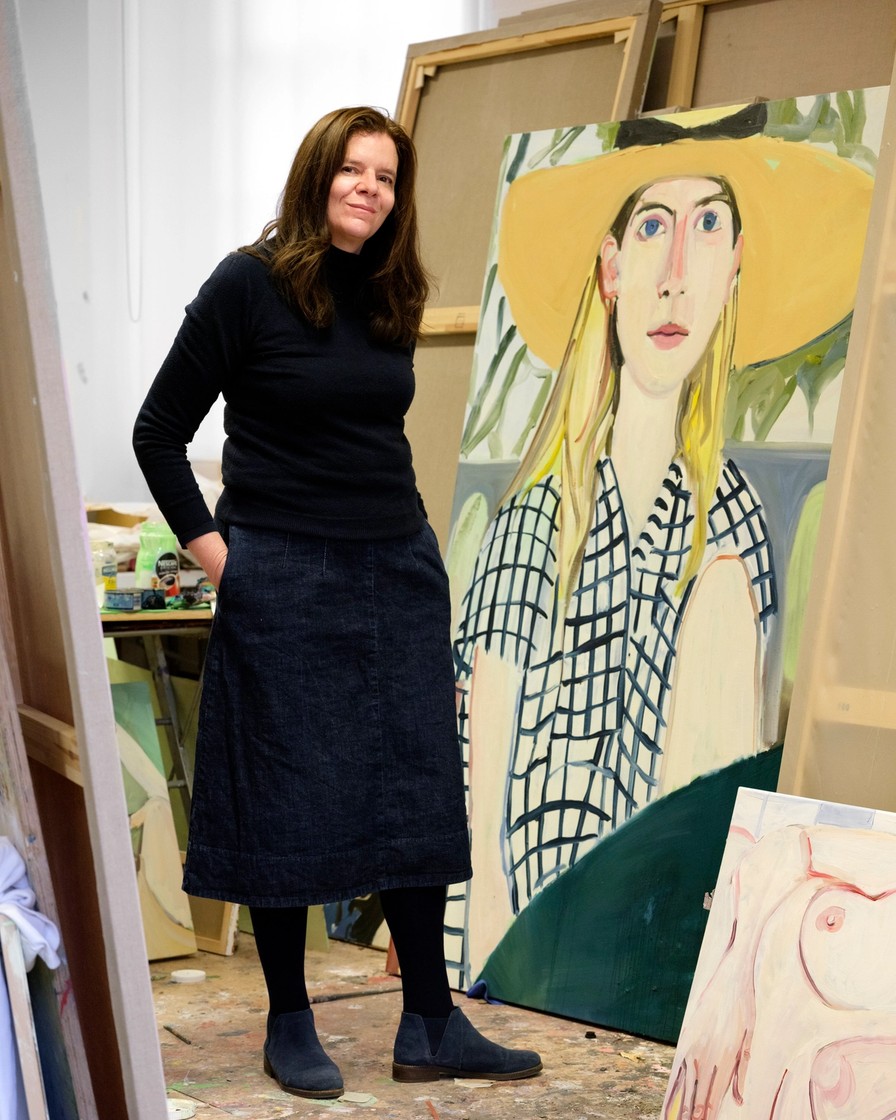
Portrait of Chantal Joffe

Chantal Joffe (b. 1969, St. Albans City, VT; lives and works in London, United Kingdom) creates figurative paintings that address themes of portraiture, motherhood, the passage of time, and art’s relationship to history. Committed to the genre of figurative art, Joffe brings a combination of insight and integrity, as well as psychological and emotional force to her subjects. Almost always depicting women or girls, sometimes in groups, Joffe’s paintings loosely adhere to their source―be it a photograph, magazine page, or reflection in the mirror―reminding us that distortions of scale and form can often make a subject seem more lifelike. Joffe’s paintings alert us to how appearances are carefully constructed and codified, whether in a fashion magazine or the family album, and to the choreography of display. She offers insightful neutrality in her paintings and gives equal billing to catwalk models, porn actresses, mothers and children, loved ones, and literary heroines. Joffe’s choice of subject invites us to question our assumptions about what makes a noble portrait and challenges our expectations of what feminist art might be.

For Joffe, sensuality, self-disclosure, self-consciousness, and intimacy are brought together to heighten already complex narratives about human connection, perception, and representation. These narratives, implicit in the relationship between any artist and subject, are extended to the viewer as propositions and provocations. Whether in paintings a few inches square or ten feet high, Joffe's deceptively casual brushstrokes and ability to combine gesture with a pragmatic approach to representation simultaneously seduces and disarms. Often laying bare the physicality of their making and suffused with a palpable empathetic warmth, Joffe’s paintings offer an insightful examination into ever-shifting human connections and the endless intricacies of looking.

Portrait of Do Ho Suh

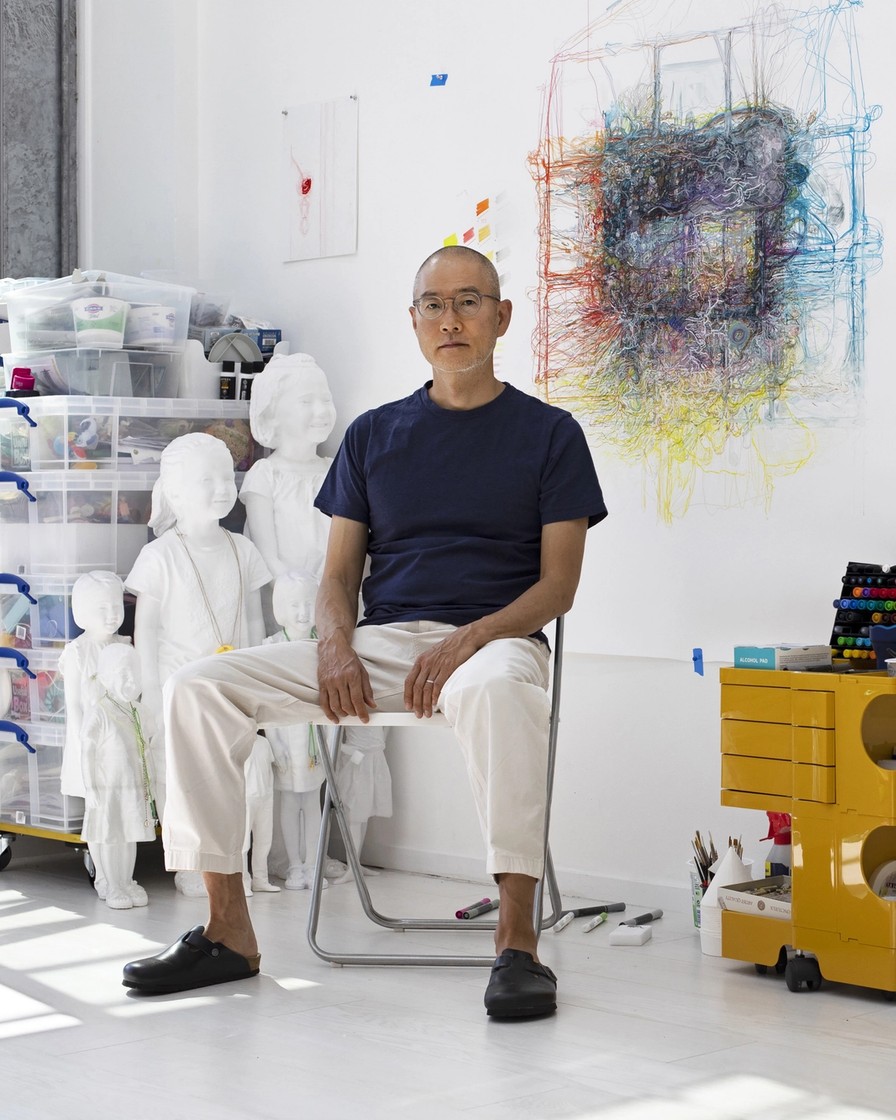
Do Ho Suh (b. 1962, Seoul, Korea; lives and works in London, United Kingdom) works across various media, creating drawings, film, and sculptural works that confront questions of home, physical space, displacement, memory, individuality, and collectivity. Suh is best known for his fabric sculptures that reconstruct to scale his past and present homes and studios in Korea, Rhode Island, Berlin, London, and New York.

Suh is interested in the malleability of space in both its physical and metaphorical forms, and examines how the body relates to, inhabits, and interacts with that space. He is particularly interested in domestic space and the way the concept of home can be articulated through architecture that has a specific location, form, and history. For Suh, the spaces we inhabit also contain psychological energy, and in his work he makes visible those markers of memories, personal experiences, and a sense of security, regardless of geographic location.