Skip to content

Multiple Artists

Haptic Narrative - The Aspen Edition

Aspen

Aug 8–Sep 19, 2020

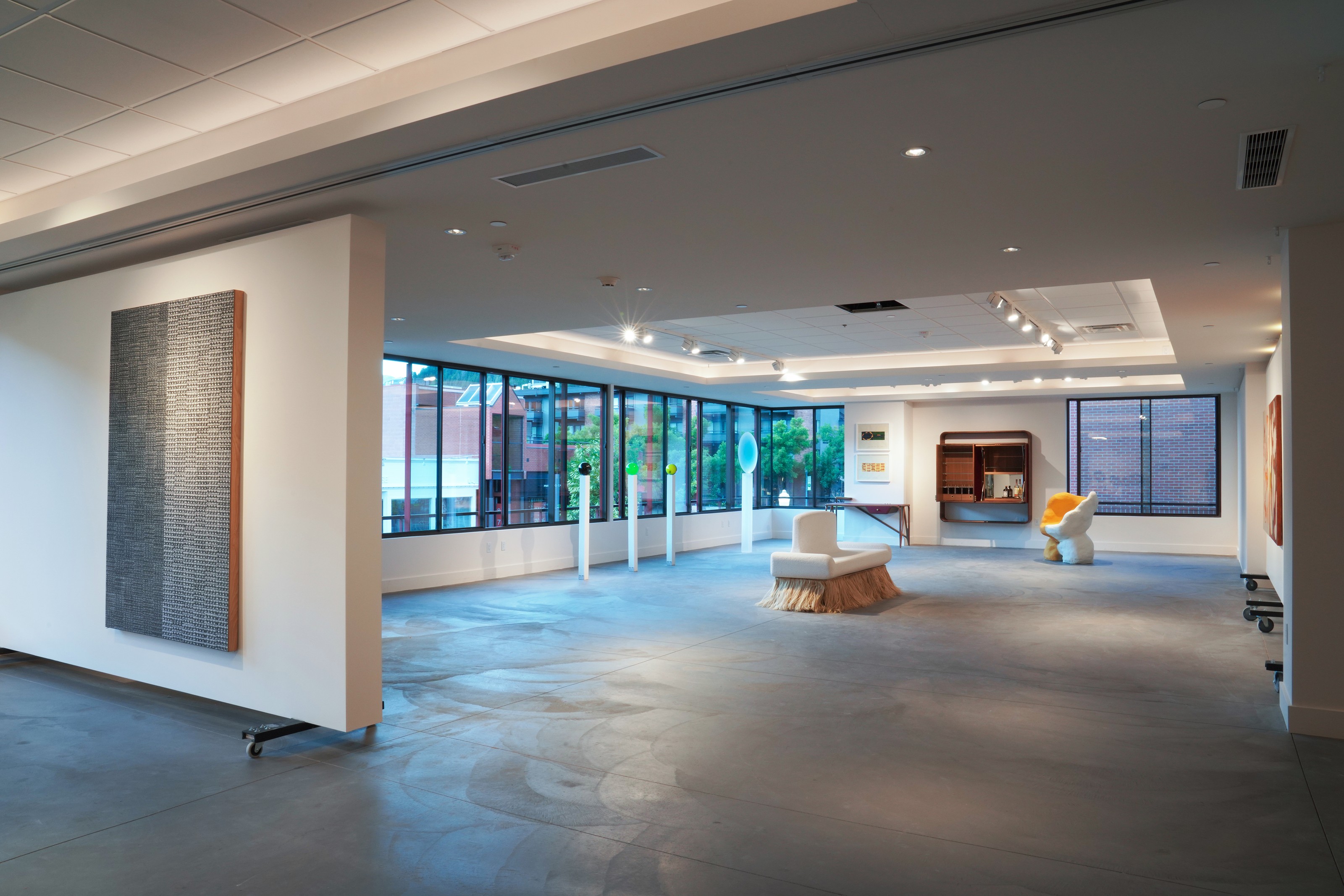
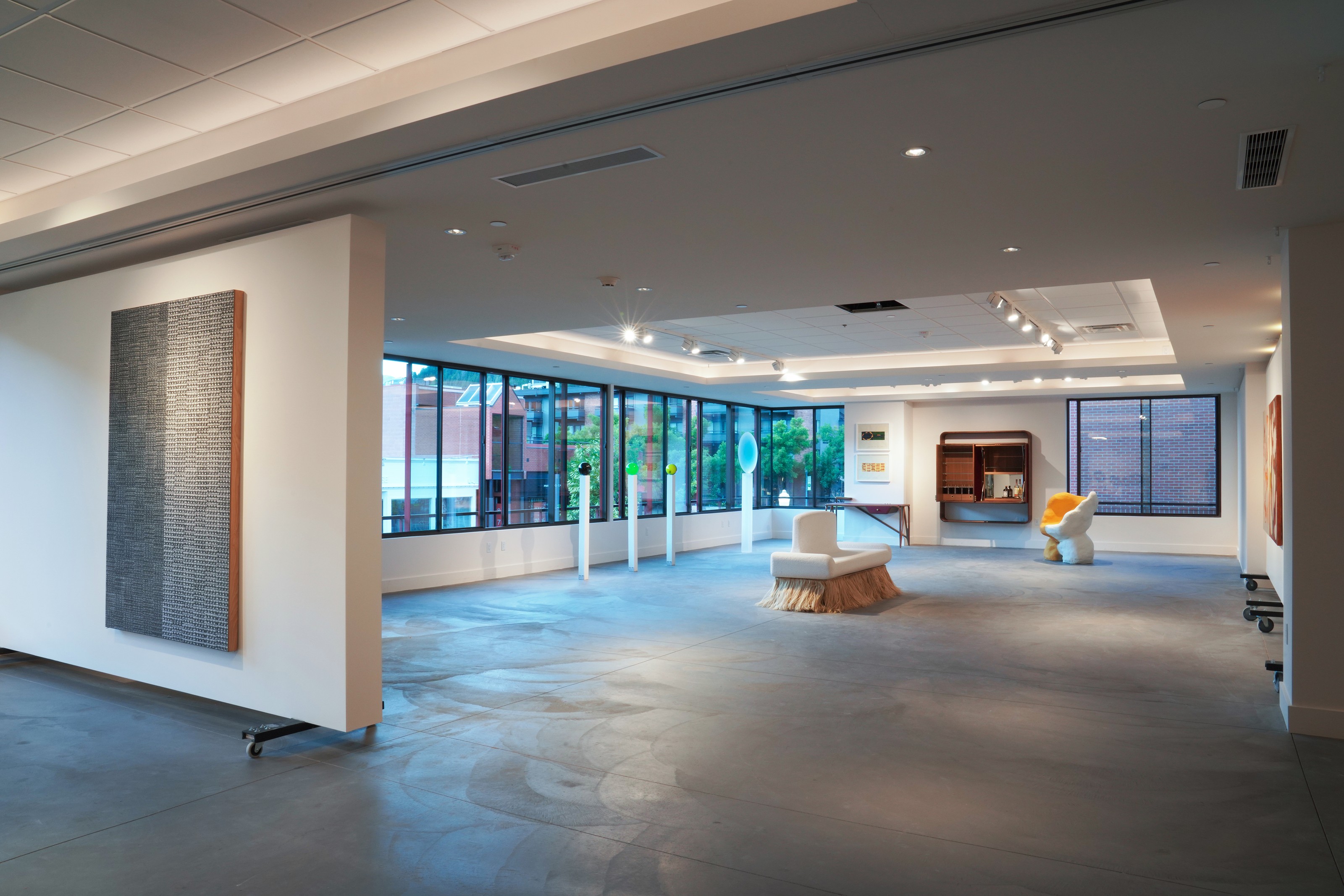
Installation view of Haptic Narrative - The Aspen Edition in Aspen

535 East Hyman Ave, 2nd Floor

Aspen, Colorado 81611

Lehmann Maupin x House of Today x R & Company

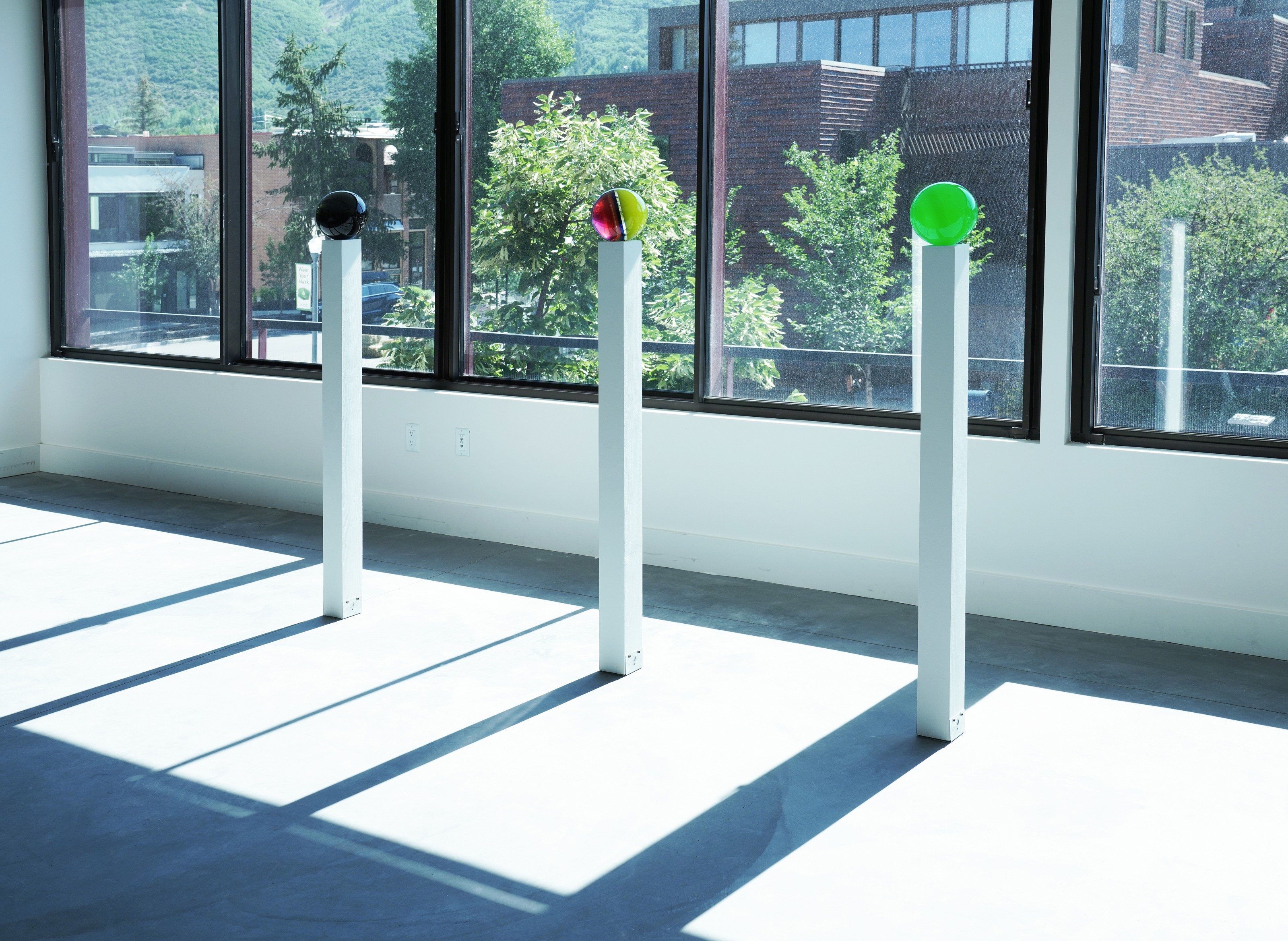
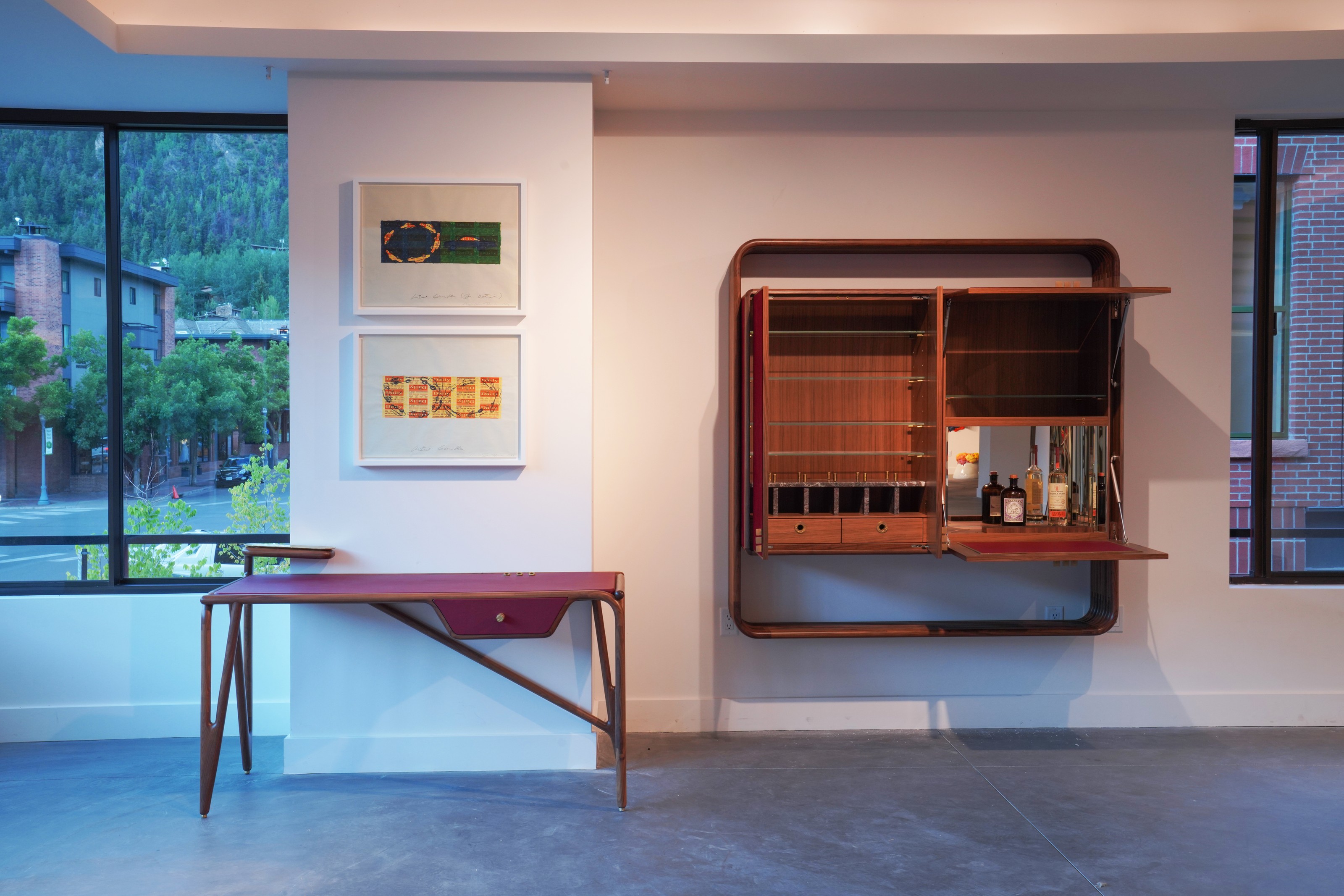
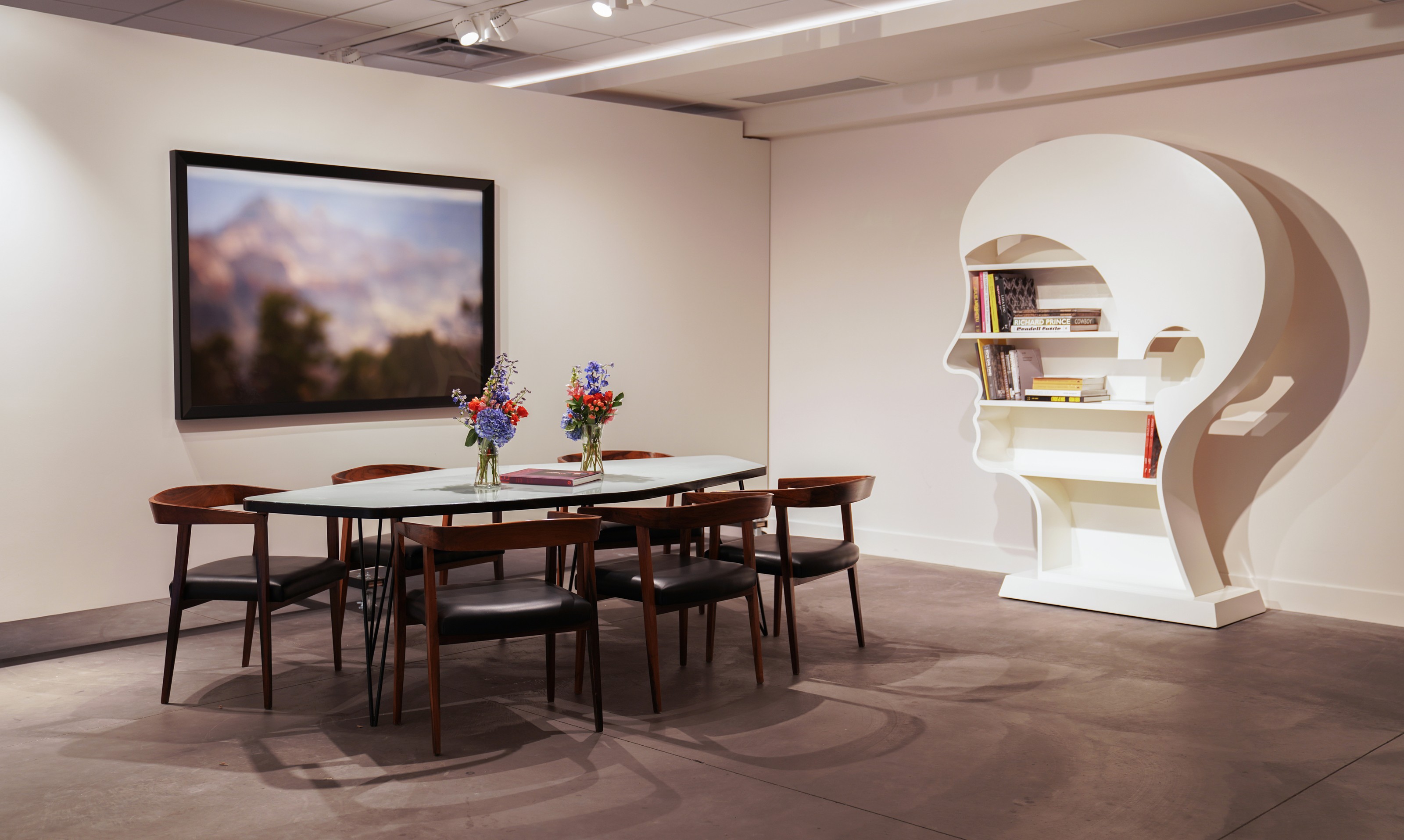
Aspen has been at the vanguard of artistic and intellectual cross-pollination since the 1950s. The city is home to The Aspen Institute, the legendary and ephemeral Aspen Magazine, the Anderson Ranch Arts Center, and the Aspen Art Museum designed by Shigeru Ban in 2014. From August 8–September 15, 2020, the city will host Haptic Narrative - The Aspen Edition, an in-person exhibition of art and collectible design.

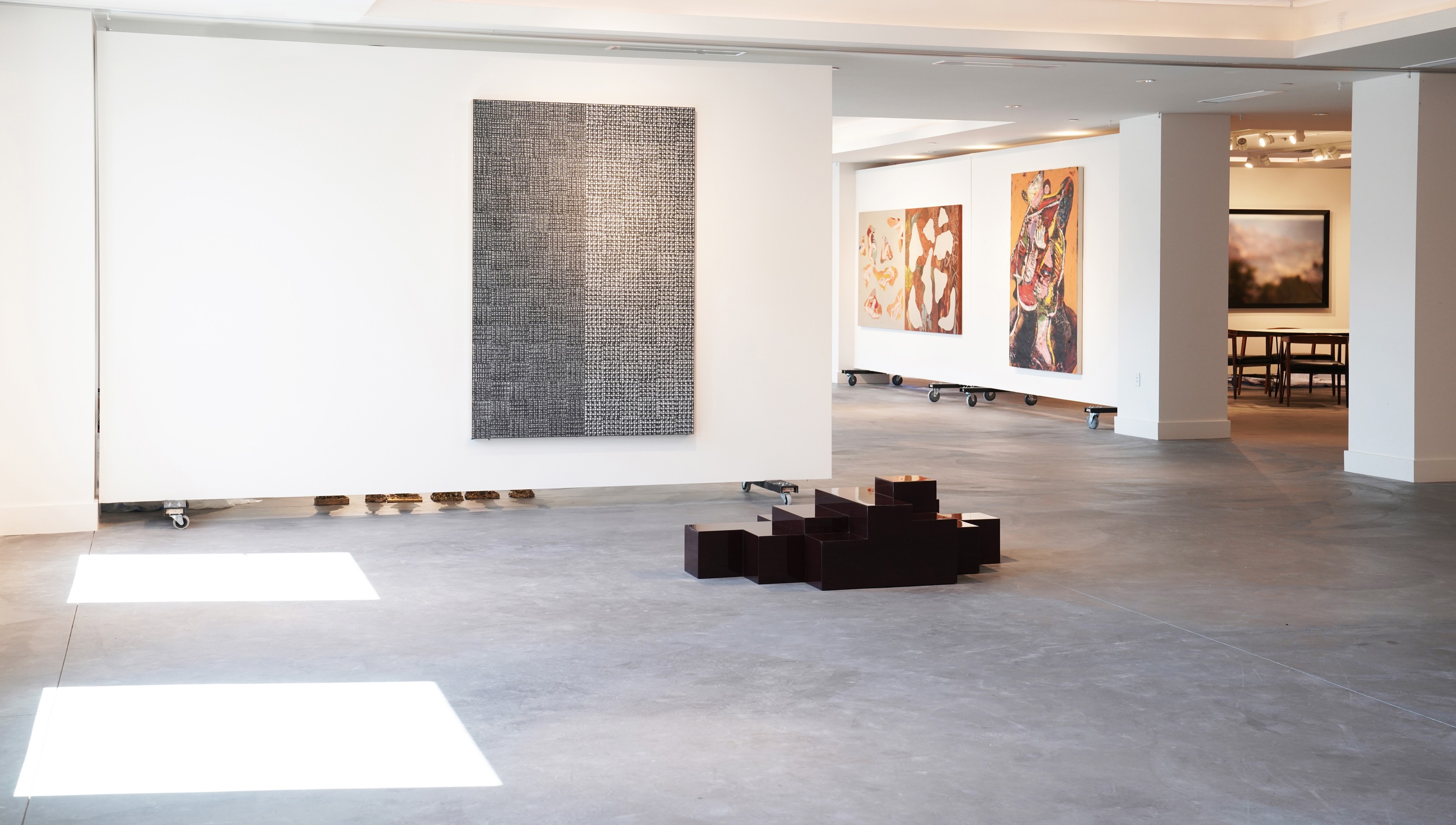
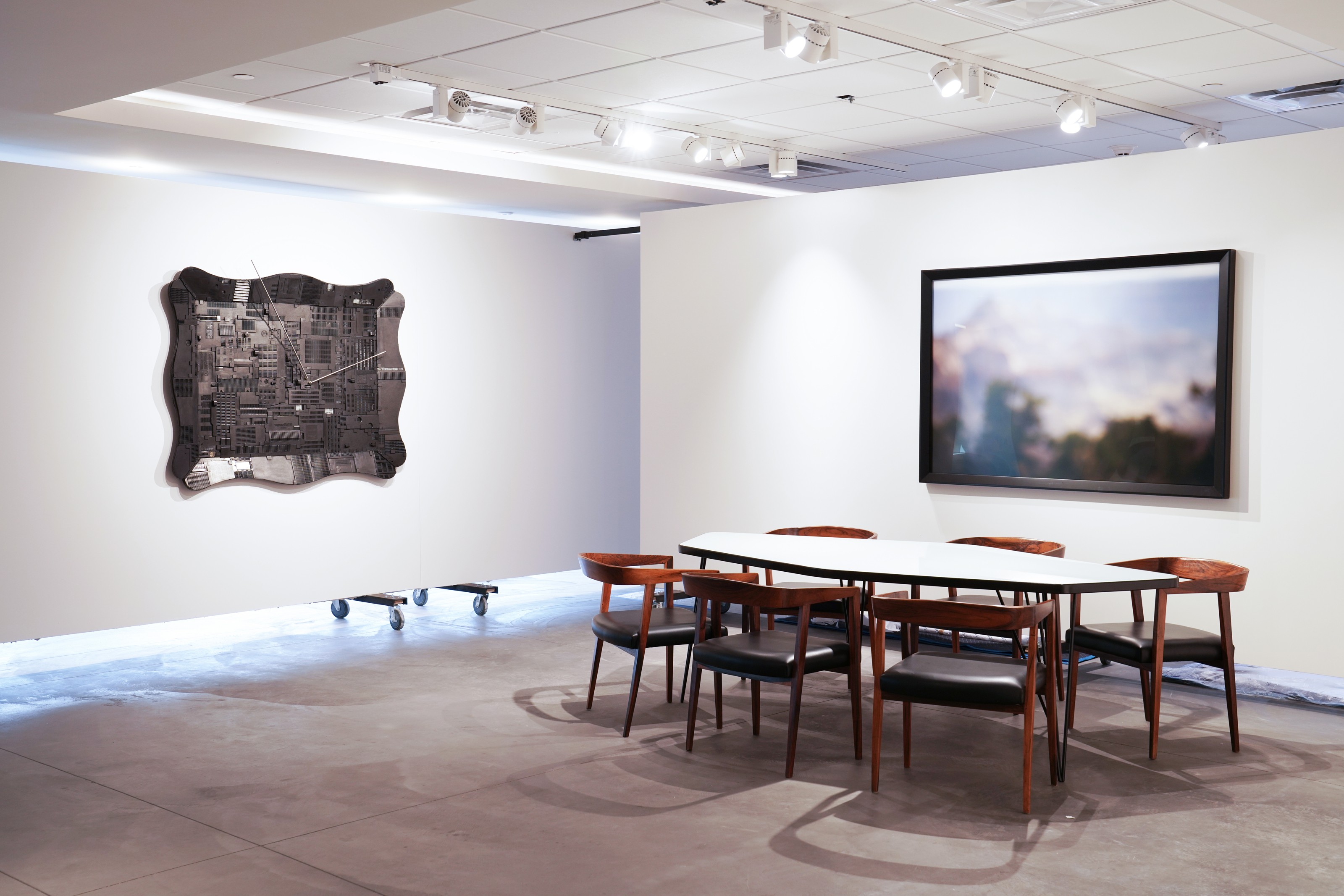
Installation view of Haptic Narrative - The Aspen Edition in Aspen
Installation Views: 1 of 4
Installation view of Haptic Narrative - The Aspen Edition in Aspen
Installation Views: 1 of 4
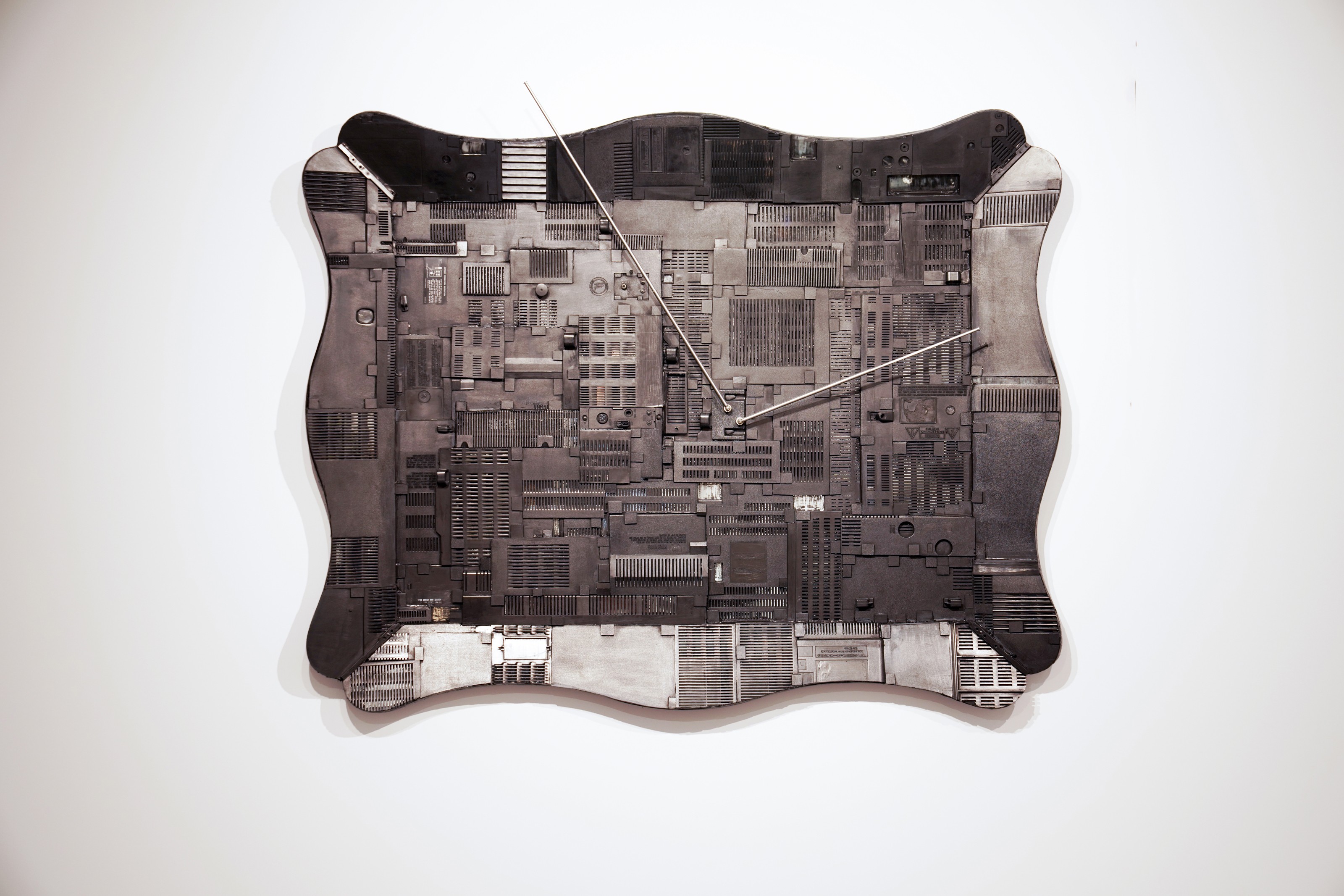
Wall work by Nari Ward

Nari Ward

BE TELEVISED, 2020

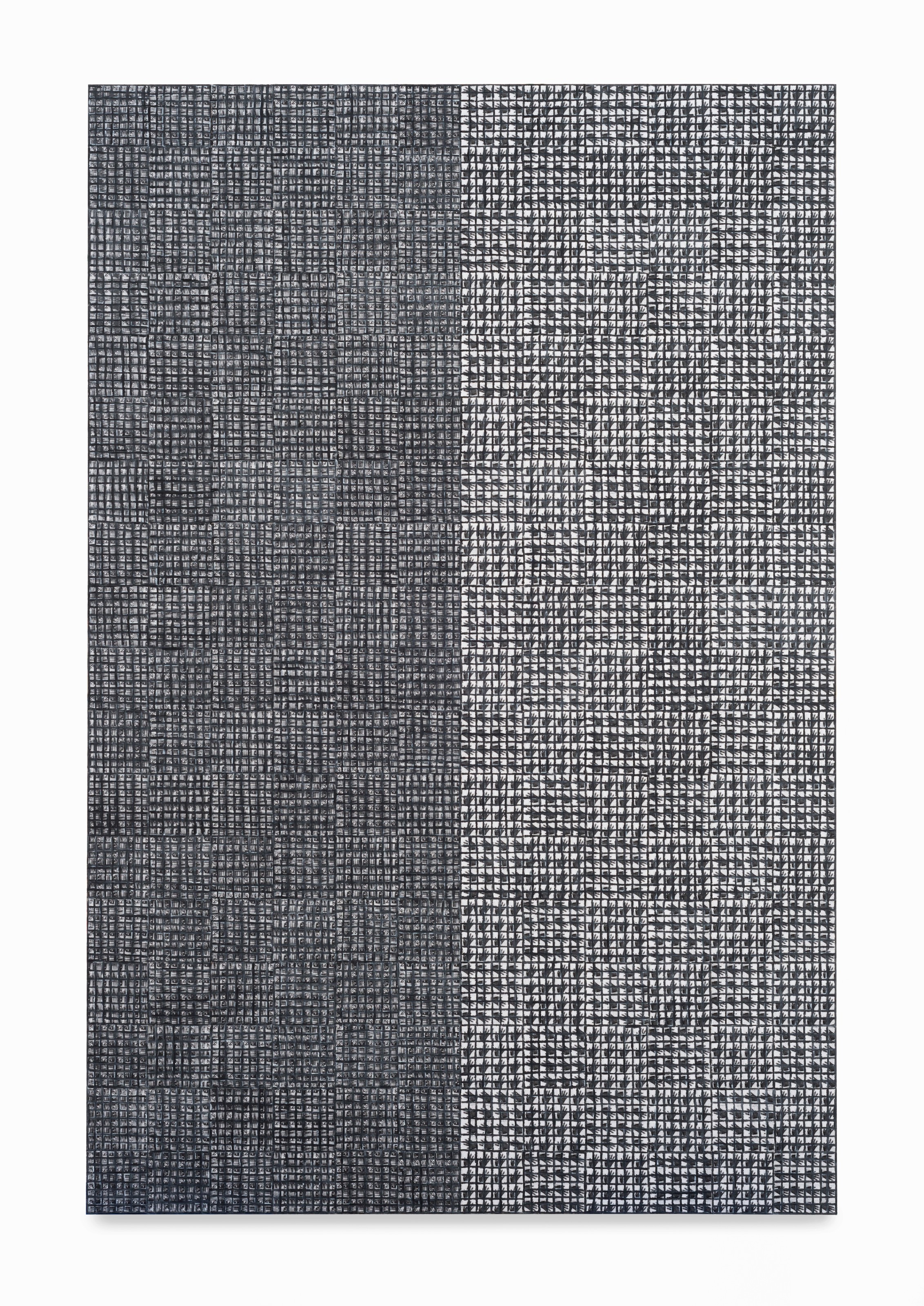
Painting by McArthur Binion

McArthur Binion

Hand:Work, 2019

Books and Editions

Exhibition Artists

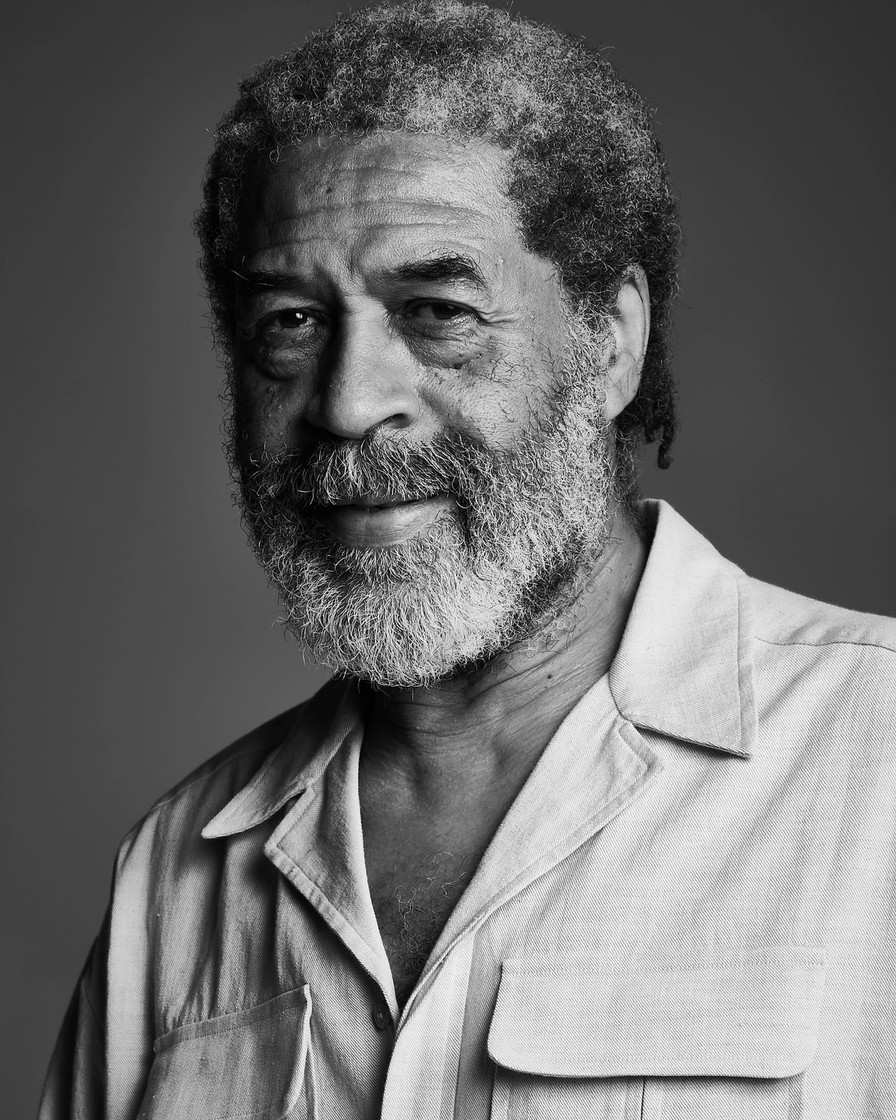
Portrait of McArthur Binion

McArthur Binion (b. 1946, Macon, MS; lives and works in Chicago, IL) combines collage, drawing, and painting to create autobiographical abstractions of painted minimalist patterns over an “under surface” of personal documents and photographs. From photocopies of his birth certificate and pages from his address book, to pictures from his childhood and found photographs of lynchings, the poignant and charged images that constitute the tiled base of his work are concealed and abstracted by grids of oil stick. The complexly layered works, from a distance, appear to be monochromatic minimalist abstractions that have led many to compare his work to that of Jasper Johns, Robert Ryman, or Brice Marden. However, while his contemporaries focused more on materiality, abstraction, and in some cases the social and political climate of the time, Binion’s works are intensely personal and deeply dedicated to the rigorous process of making a painting. Upon closer inspection, these monochromatic abstractions come into focus: the perfect grid becomes a series of imperfect laboriously hand-drawn lines, behind which emerge intimate details of Binion’s identity and personal history. Binion’s gridded compositions impose rational order to the layers of personal history, allowing only fragments of information from his birth certificate to be read, or details of his mother’s face to be identified—but never enough to be immediately legible. Having begun his career as a writer, Binion is highly influenced by language and music, as can be seen in his titles and the ways in which he layers information to be “read” rather than simply seen. The tension that exists between the grid and the artist’s visible gestures is not unlike that of jazz music, which merges improvisation with the order of a musical composition.

Binion received his B.F.A. from Wayne State University, Detroit, MI in 1971 and his M.F.A. from the Cranbrook Academy of Art, Bloomfield Hills, MI in 1973. Select recent solo exhibitions of his work have been organized at the de la Cruz Gallery at Georgetown University (2025); Museo Novecento, Florence, Italy (2020); the Cranbrook Art Museum, Bloomfield Hills, MI (2018); Contemporary Arts Museum, Houston, TX (2012); and the University of Maryland University College Gallery, Adelphi, MD (2010).
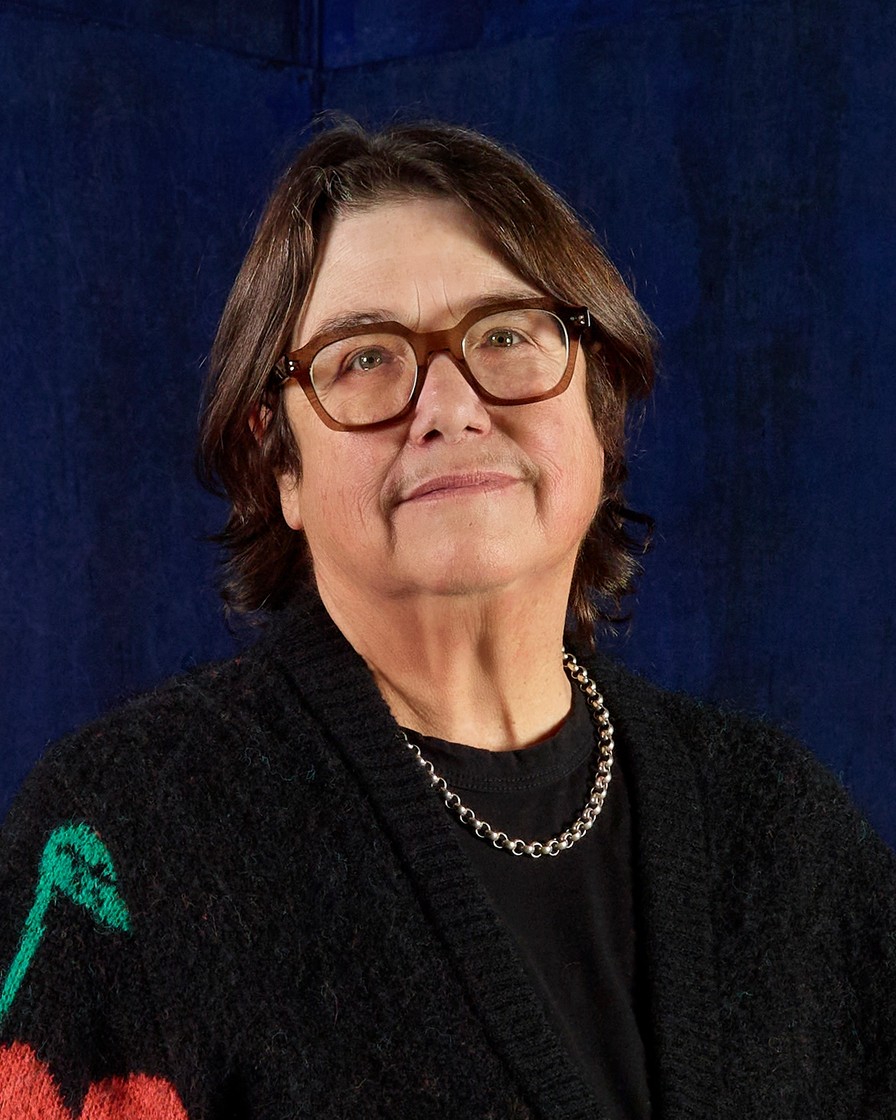
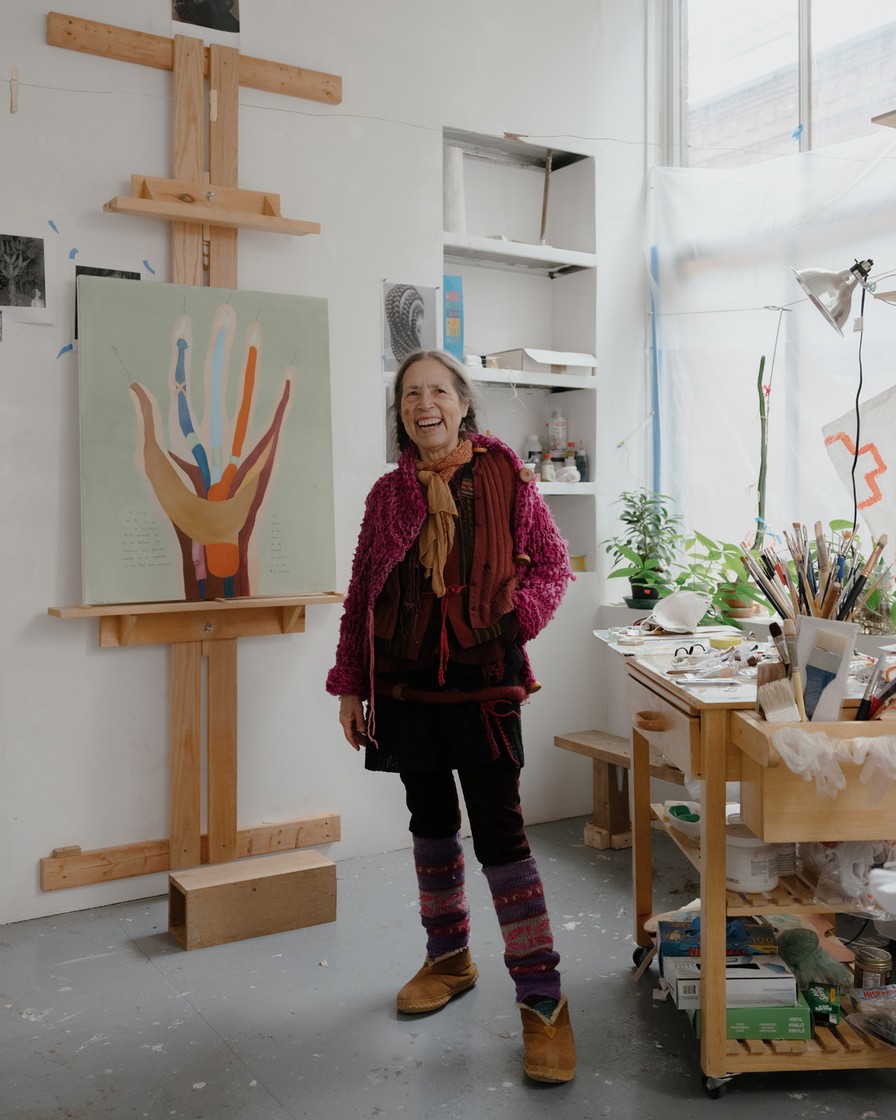
Portrait of Catherine Opie

Catherine Opie (b. 1961, Sandusky, OH; lives in Los Angeles, CA) is known for her powerfully dynamic photography that examines the ideals and norms surrounding the culturally constructed American dream and American identity. She first gained recognition in the 1990s for her series of studio portraits, photographing gay, lesbian, and transgender individuals drawn from her circle of friends and artists. Opie has traveled extensively across the country exploring the diversity of America’s communities and landscapes, documenting quintessential American subjects—high school football players and the 2008 presidential inauguration—while also continuing to display America’s subcultures through formal portraits. Using dramatic staging, Opie presents queer and trans bodies in intimate photographs that evoke traditional Renaissance portraiture—images of power and respect. In her portraits and landscapes, Opie establishes a level of ambiguity of both identity and place by exaggerating masculine or feminine characteristics, or by exaggerating distance, cropping, or blurring her landscapes.

Opie received a B.F.A. from San Francisco Art Institute in 1985, and an M.F.A. from CalArts in 1988. Solo exhibitions of her work have been organized at Museum of Art São Paulo (MASP), São Paulo, Brazil (2024); Heide Museum, Melbourne Australia (2023); The Current Now, Stowe, VT (2022); Plug In Institute of Contemporary Art, Winnipeg, Canada (2020); Museum of Contemporary Art (MOCA), Cleveland, OH (2019); Marciano Foundation, Los Angeles, CA (2019); Princeton University School of Architecture, Princeton, NJ (2018); Centro Internazionale di Fotographia, Palermo, Italy (2018); Los Angeles County Museum of Art, Los Angeles, CA (2016); Museum of Contemporary Art, Pacific Design Center, Los Angeles, CA (2016); Hammer Museum, Los Angeles, CA (2016); Wexner Center for the Arts, Columbus, OH (2015); Long Beach Museum of Art, Long Beach, CA (2012); Socrates Sculpture Park, New York, NY (2012); Institute of Contemporary Art, Boston, MA (2011); Portland Art Museum, Portland, OR (2010); Solomon R. Guggenheim Museum, New York, NY (2008); Museum of Contemporary Art Chicago, IL (2006); Walker Art Center, Minneapolis, MN (2002); and the Saint Louis Art Museum, Saint Louis, MO (2000).

Portrait of Cecilia Vicuña

Cecilia Vicuña (b. 1948 in Santiago, Chile; lives and works in New York, NY and Santiago, Chile) integrates practices of poetry, performance, Conceptualism, and textile craft in response to pressing concerns of the modern world, including ecological destruction, human rights, and cultural homogenization. Born and raised in Santiago, she was exiled during the early 1970s after the violent military coup against President Salvador Allende. This sense of impermanence, and a desire to preserve and pay tribute to the indigenous history and culture of Chile, have characterized her work throughout her career.

While living in Chile during the mid-1960s, Vicuña began an ongoing series of small sculptures she calls precarios, spatial poems in which she combines feathers, stone, plastic, wood, wire, shells, cloth, and other human-made detritus. She coined the term “Arte Precario,” as an independent autonomous category, to name these works defined by their fragility and ephemerality: Vicuña initially composed the precarios along the ocean’s edge, for high tide to complete the work by erasing it. Around the same time, Vicuña came across ancient quipus in a book—and this Andean communication system involving the knotting of colored strings, generated a deep response in her. In the early 1970s she began creating spatial weavings and living quipus, which evolved into her Quipus in multiple materials, including unspun wool. These ephemeral, site-specific installations combine the tactile ritual of weaving with assemblage, poetry, and performance. Vicuña’s surreal figurative paintings of the late 1960s and 1970s are more explicitly personal and political in comparison to her other bodies of work and were created in direct response to European colonization. Their highly charged imagery refers to the subtly subversive images made by 16th-century indigenous artists in Latin America after the Spanish conquest, when they were forced to paint angels and saints for the Catholic church. In Vicuña’s paintings, religious icons are replaced by personal, political, and literary figures, commemorated and mythologized by the artist.

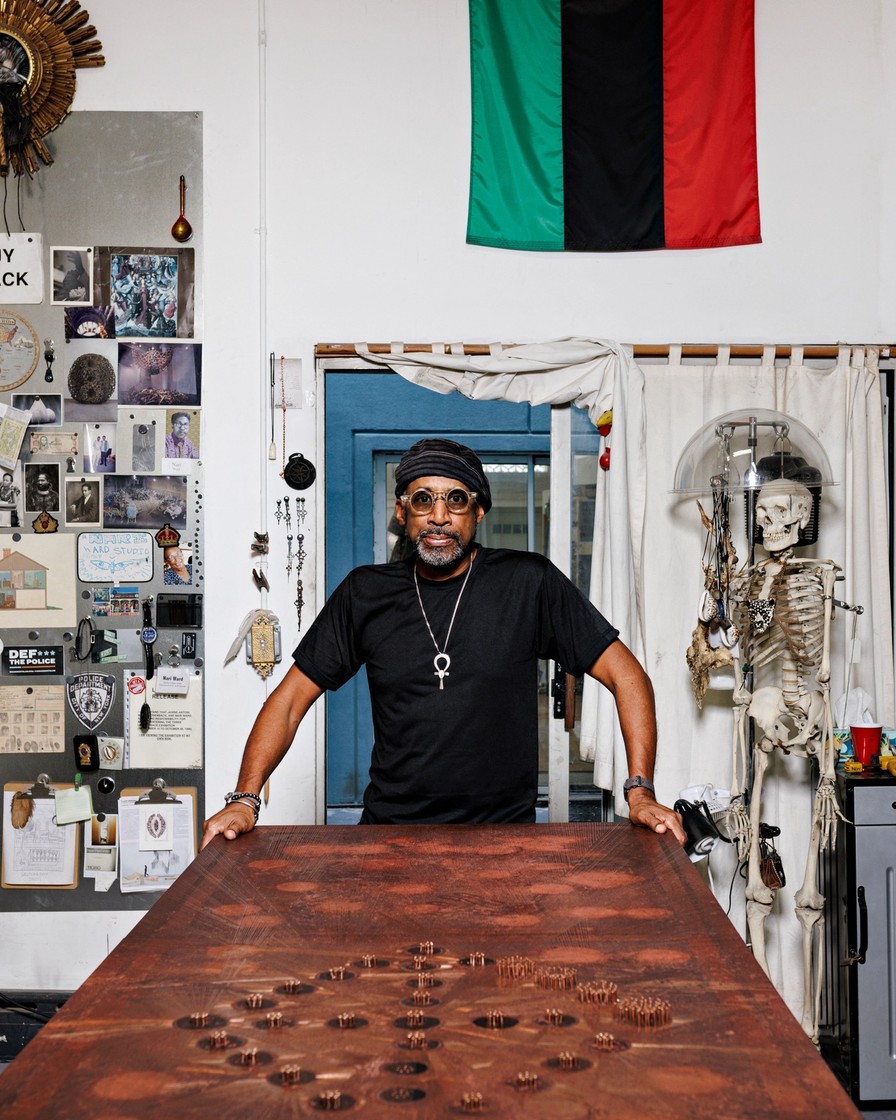
Portrait of Nari Ward

In a career spanning over three decades, artist Nari Ward (b. 1963, St. Andrew, Jamaica; lives and works in New York, NY) has gained recognition for an interdisciplinary and multimedia practice that engages historical and contemporary discourse around race, migration, democracy, identity, and community. Ward is best known for his wall and installation-based sculptural works created primarily from materials found and collected throughout Harlem, his longtime neighborhood in New York. These objects imbue his work with a sense of intimacy, reflecting the shared experience of community. Combining materials to re-contextualize their original meanings, Ward’s assemblages probe a range of spiritual and conceptual issues through literal and metaphorical juxtaposition.

Materially specific but conceptually ambiguous, Ward’s multimedia and performance works unfold into many possible interpretations—as materials and movements accumulate, so too do signifiers. Each found object—including baseball bats, strollers, shoelaces, cash registers, bottles, and shopping carts—contains a multiplicity of meanings and histories that speak to both collective experience and individual memory. The intentional synthesis of such objects, combined with the more traditional disciplines of painting, sculpture, and performance, allows for varied interpretations, inviting viewers to project their own associations and transcend the specific context of any given work. At the same time, Ward’s art reflects on the complexities of contemporary society, transforming overlooked material through artmaking to foreground forgotten histories or marginalized communities.