Skip to content

Art Basel: Throughline

Jun 17–26, 2020

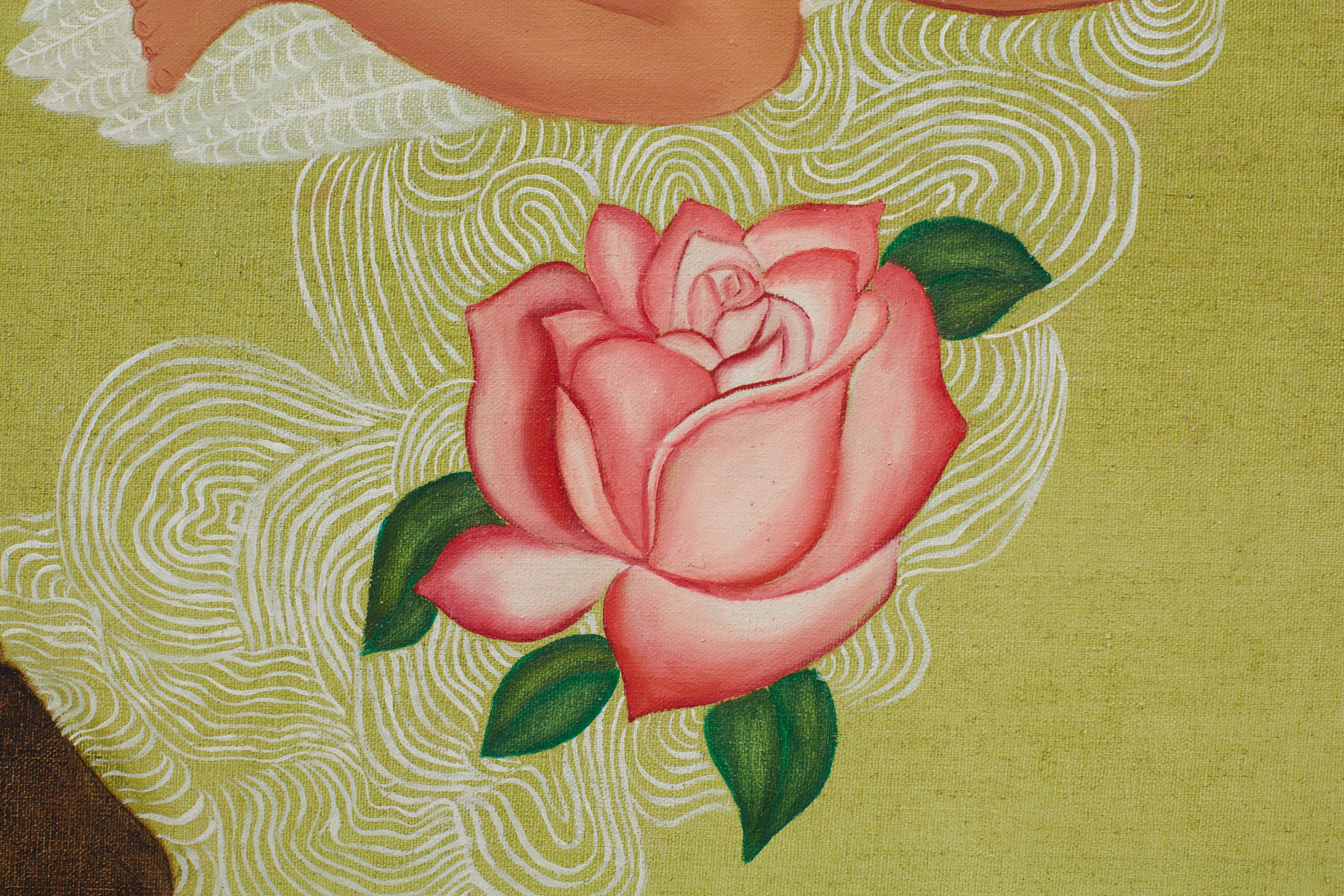
Detail of painting by Cecilia Vicuña

For Art Basel’s Online Viewing Room, Lehmann Maupin will present Throughline, a series of pairings juxtaposing one recent and one historical work by Gilbert & George, Angel Otero, Do Ho Suh, and Cecilia Vicuña, collapsing the time between early and late works to offer viewers a unique snapshot of each artist's development. Featuring a work from early on in their career, as well as an example from the body of work they are creating today, this presentation aims to provide a retrospective experience often found in museum exhibitions and explores the common thread that runs through these artists’ oeuvres and the distinct evolution of their individual practices.

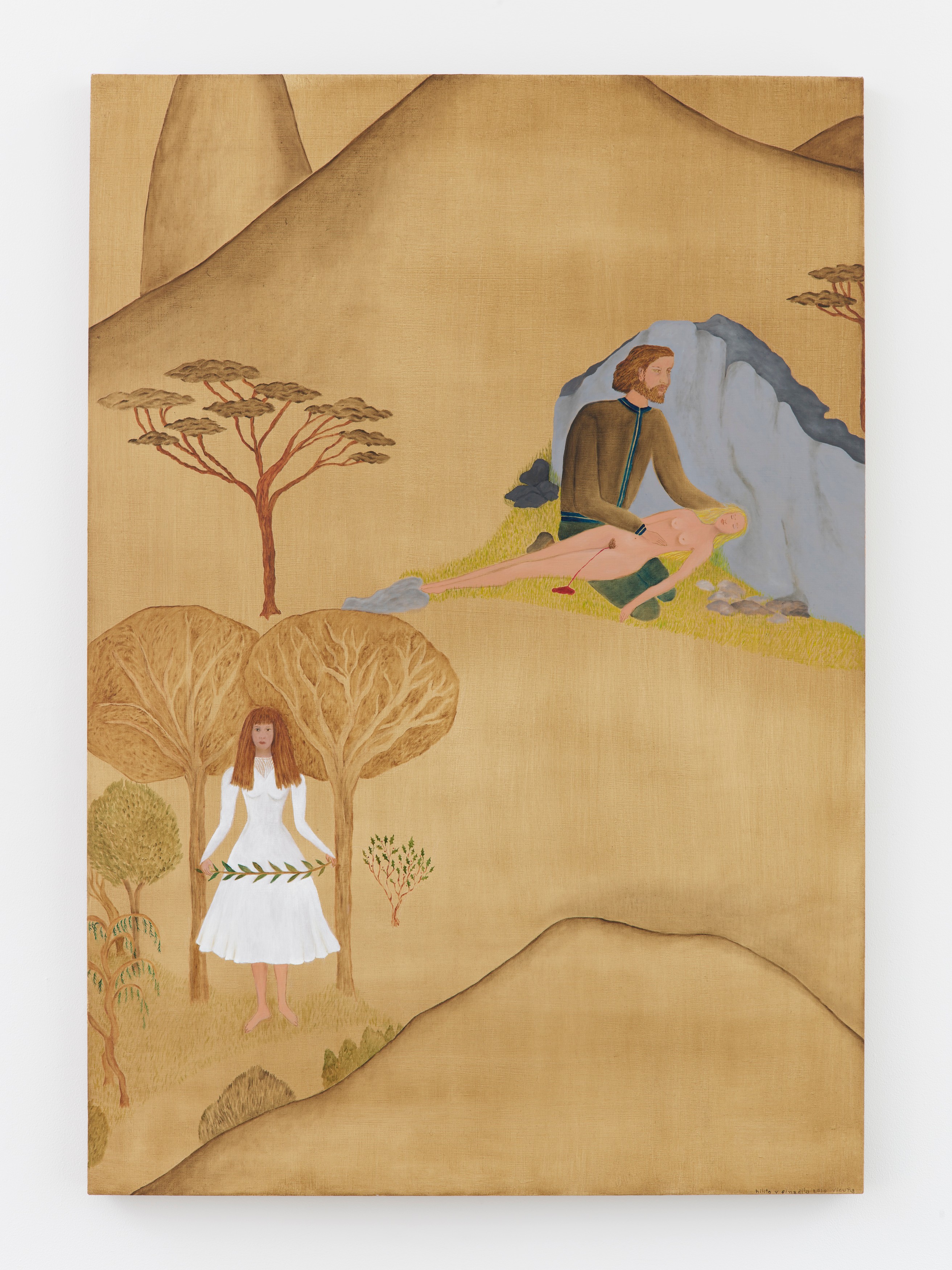
Through this lens, viewers are given the opportunity to explore how each artist takes a different, yet direct approach to engaging with their earlier work. Otero, for example, has recently begun reincorporating previous representational motifs into his abstract paintings, while Suh has continued to examine the significant relationship between human beings and the architectural spaces they inhabit or revere. Gilbert & George have explored a multitude of ways to construct their iconic dual self-portraits, and Vicuña, working from both photographs and memory, has been recreating paintings that have been lost or destroyed over the last 40 years. Although in many cases mediums and methods have changed, this presentation illuminates how each artist has maintained a commitment to the core themes and larger historical and cultural questions that first inspired their work.

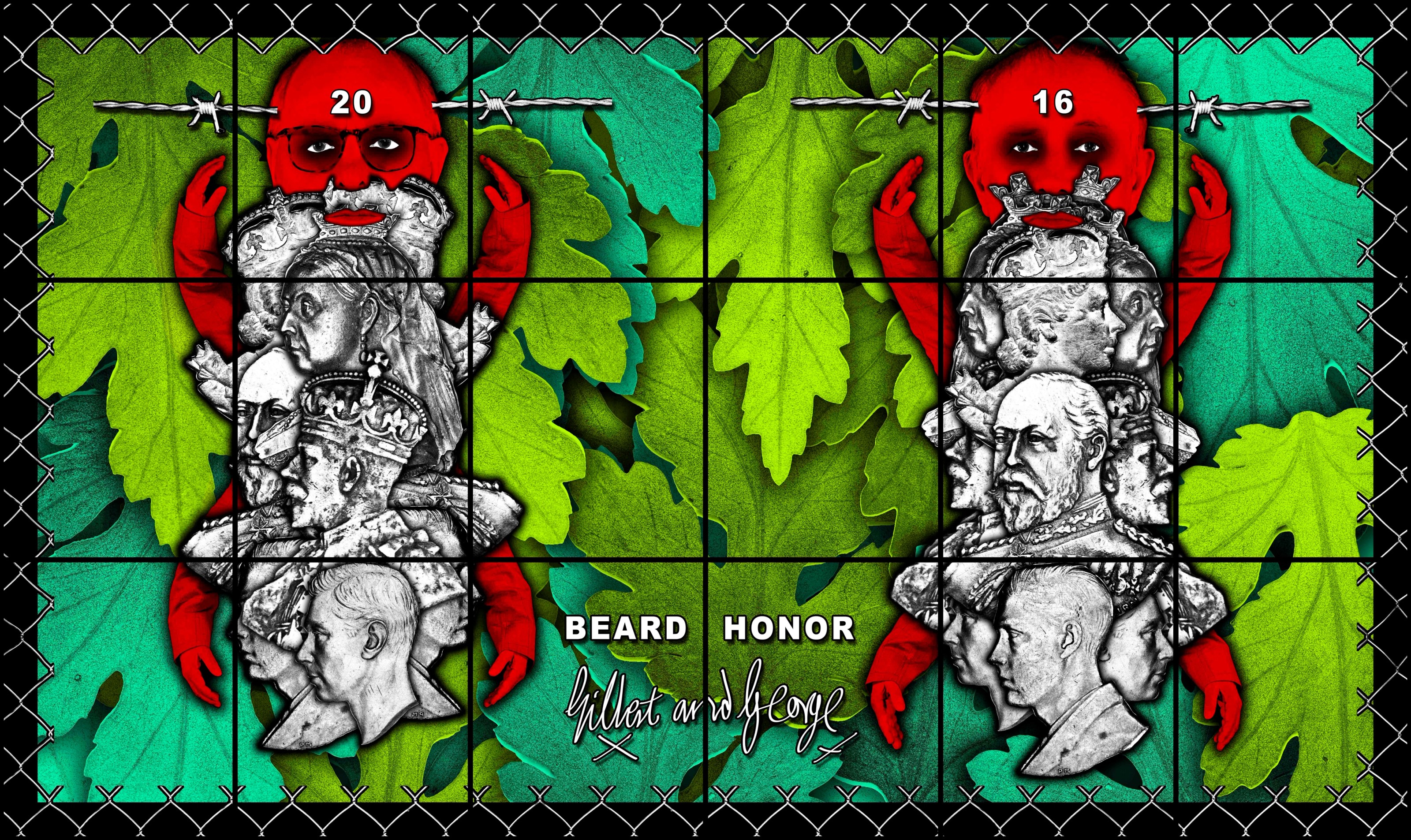
The Beard Pictures by Gilbert & George

Gilbert & George

BEARD HONOR, 2016

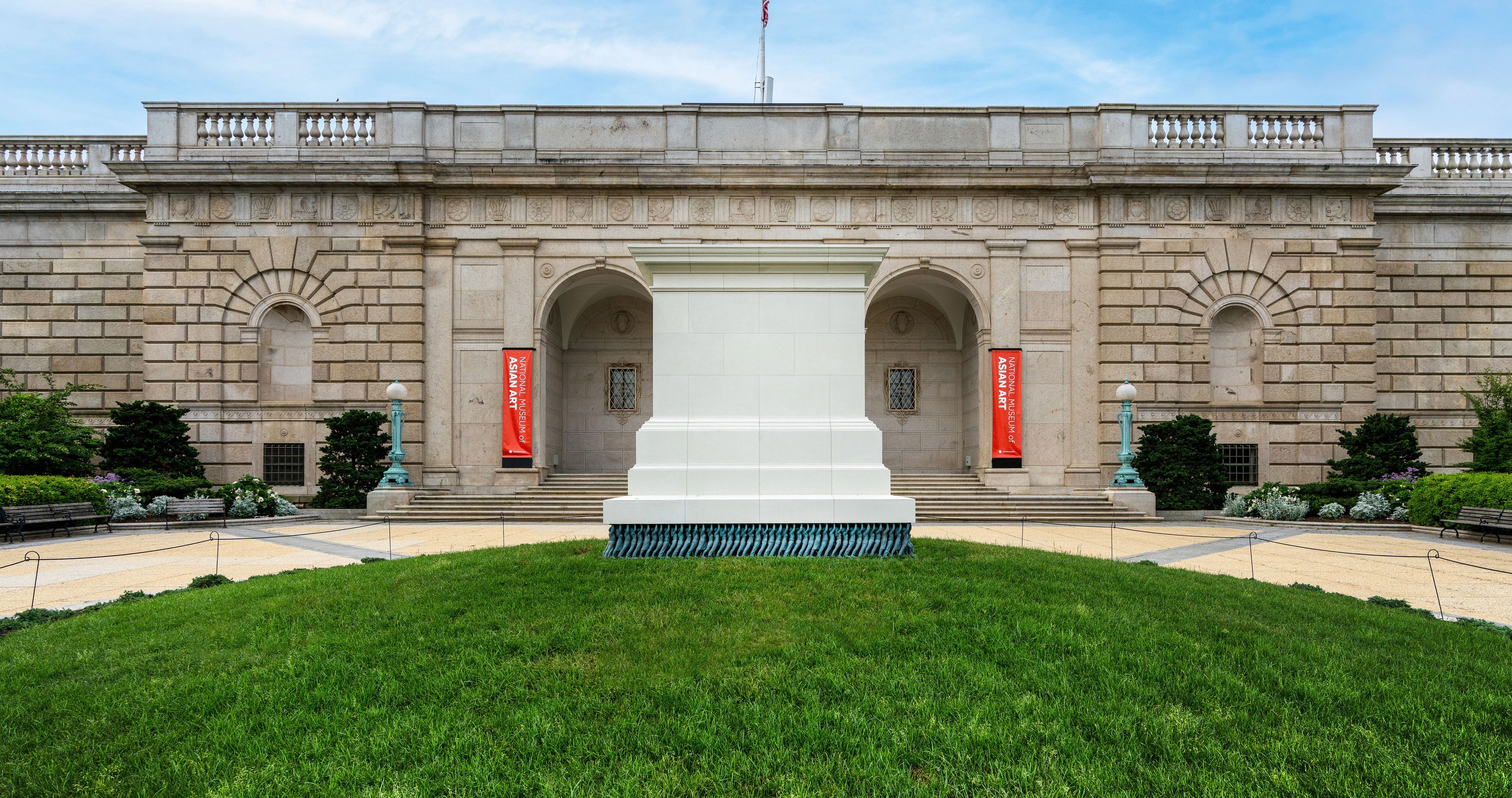
Sculpture by Do Ho Suh

Do Ho Suh

Public Figures, 1998

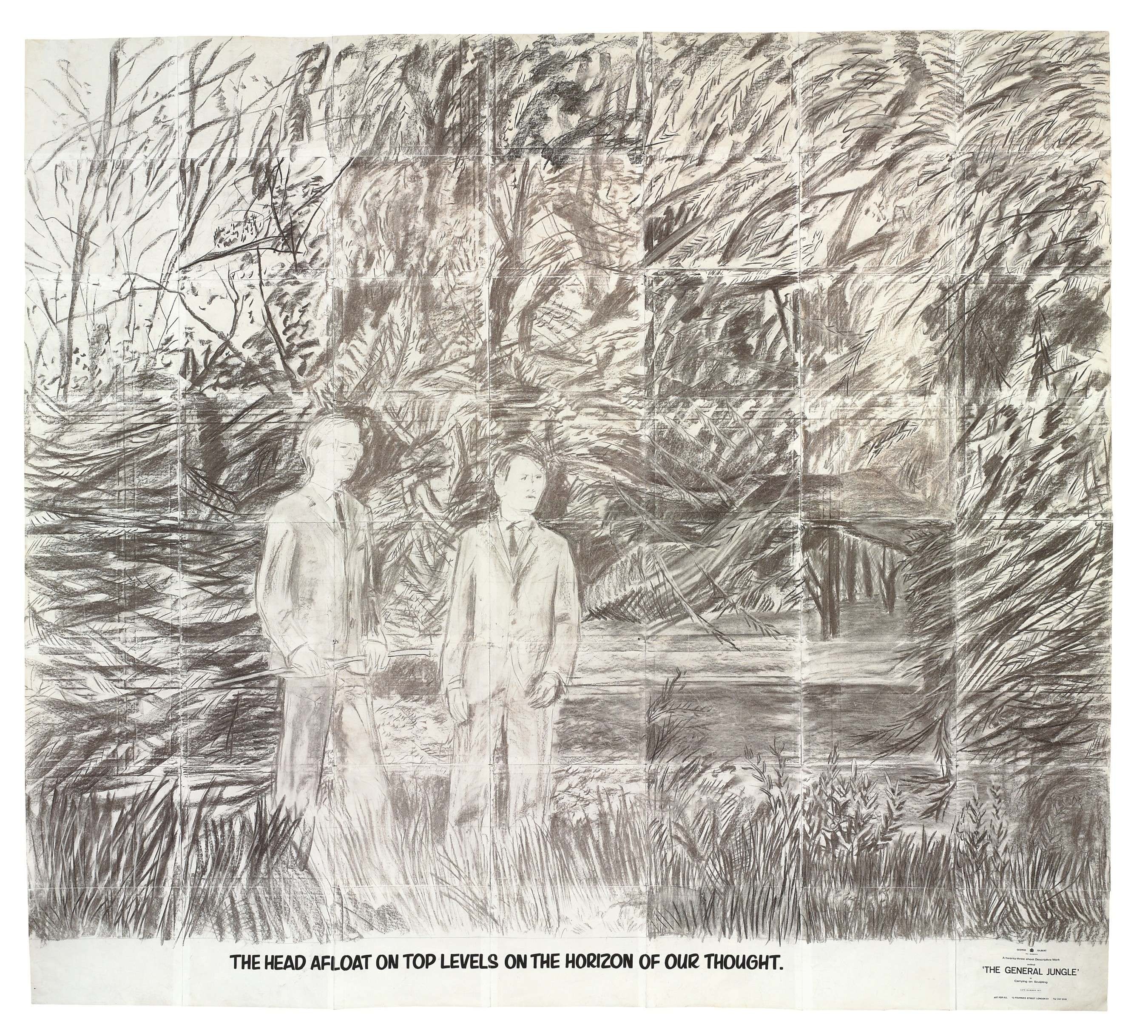
Wall work by Gilbert & George

Gilbert & George

THE HEAD AFLOAT ON TOP LEVELS ON THE HORIZON OF OUR THOUGHTS, (from the series 'The General Jungle' or 'Carrying on Sculpting'), 1971

Angel Otero

Drifting Far From Shore, 2020

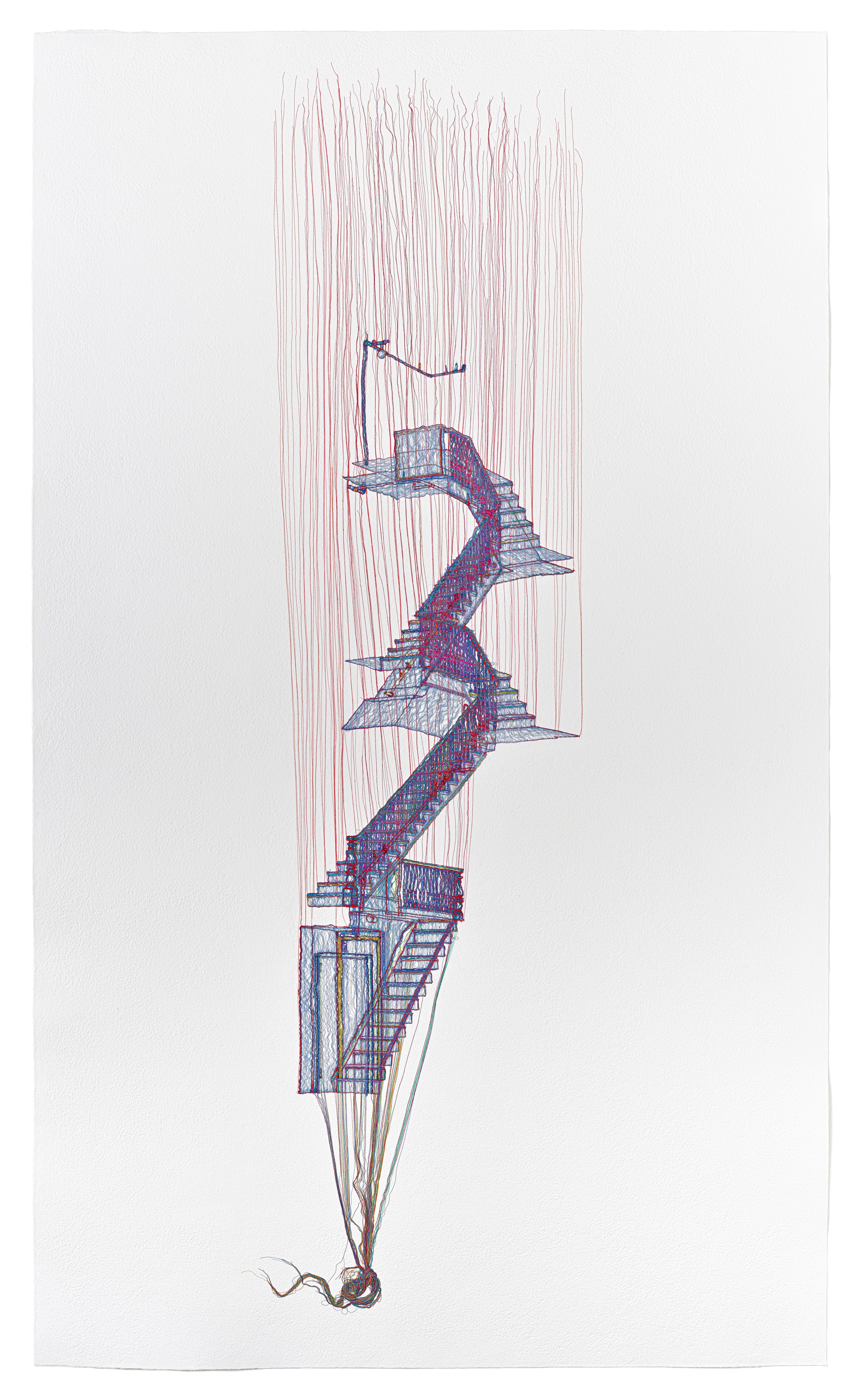
Thread drawing by Do Ho Suh

Do Ho Suh

Staircase/s, 2019

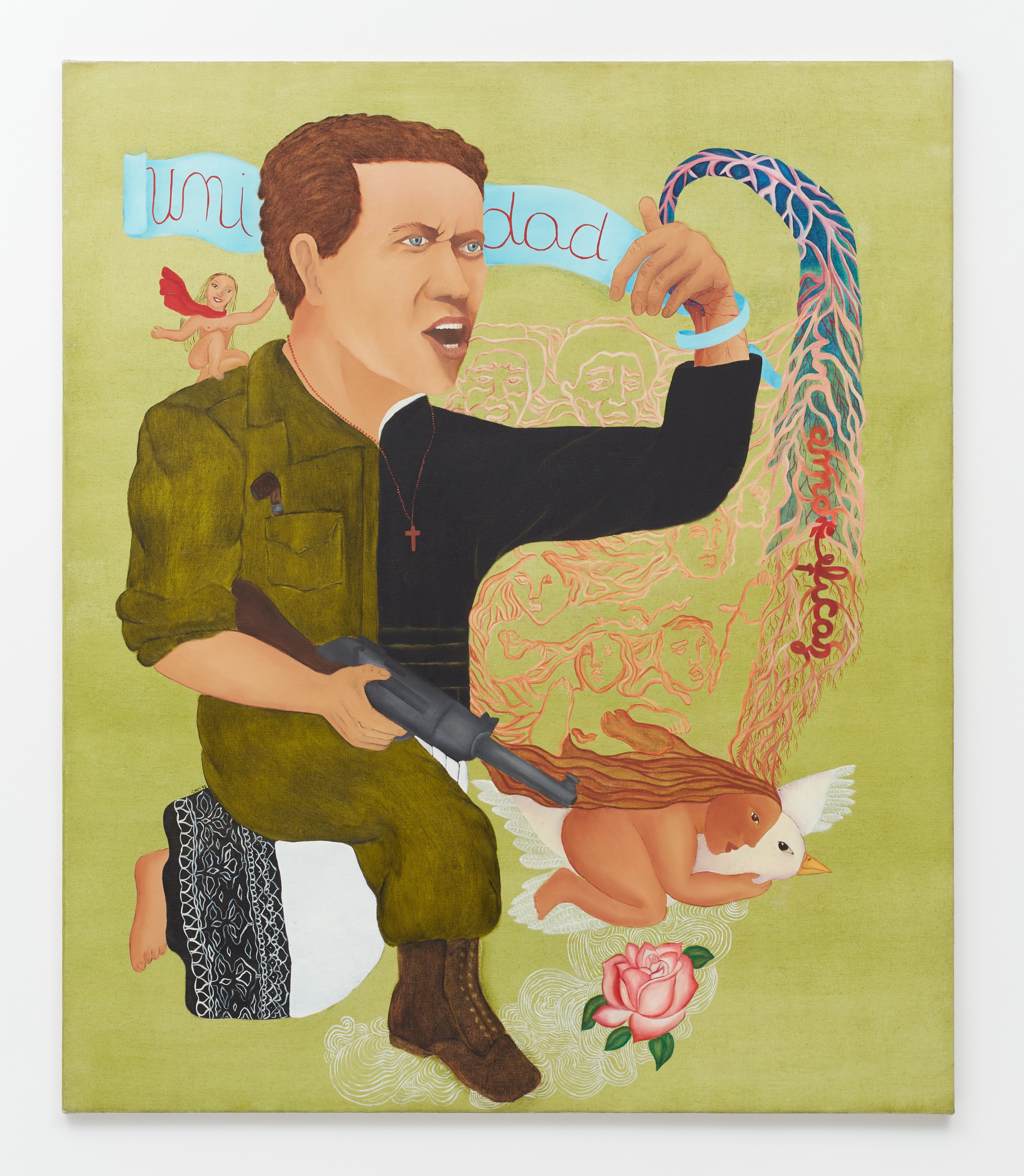
Painting by Cecilia Vicuña

Cecilia Vicuña

Camilo Torres, 1978

Painting by Cecilia Vicuña

Cecilia Vicuña

Hilito y Finadita, 2019, after the lost original 1969 work

Exhibition Artists

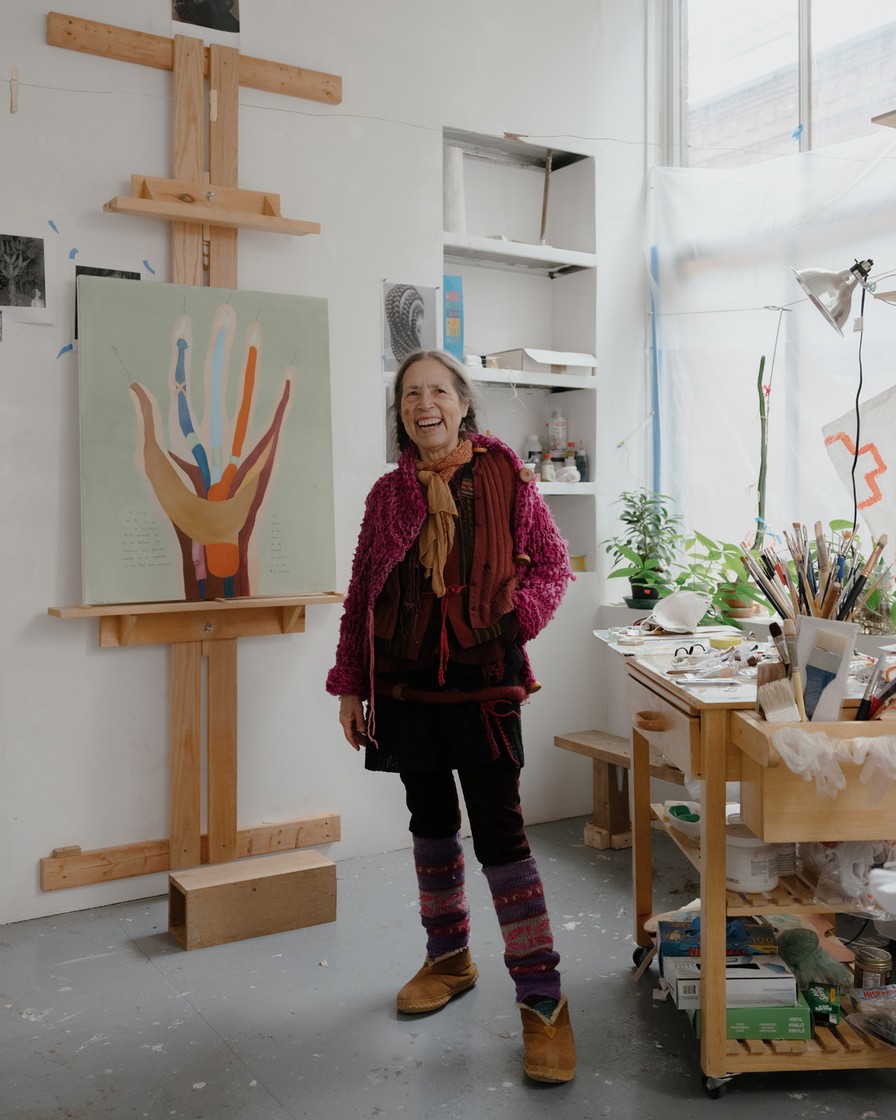
Portrait of Cecilia Vicuña

Cecilia Vicuña (b. 1948 in Santiago, Chile; lives and works in New York, NY and Santiago, Chile) integrates practices of poetry, performance, Conceptualism, and textile craft in response to pressing concerns of the modern world, including ecological destruction, human rights, and cultural homogenization. Born and raised in Santiago, she was exiled during the early 1970s after the violent military coup against President Salvador Allende. This sense of impermanence, and a desire to preserve and pay tribute to the indigenous history and culture of Chile, have characterized her work throughout her career.

While living in Chile during the mid-1960s, Vicuña began an ongoing series of small sculptures she calls precarios, spatial poems in which she combines feathers, stone, plastic, wood, wire, shells, cloth, and other human-made detritus. She coined the term “Arte Precario,” as an independent autonomous category, to name these works defined by their fragility and ephemerality: Vicuña initially composed the precarios along the ocean’s edge, for high tide to complete the work by erasing it. Around the same time, Vicuña came across ancient quipus in a book—and this Andean communication system involving the knotting of colored strings, generated a deep response in her. In the early 1970s she began creating spatial weavings and living quipus, which evolved into her Quipus in multiple materials, including unspun wool. These ephemeral, site-specific installations combine the tactile ritual of weaving with assemblage, poetry, and performance. Vicuña’s surreal figurative paintings of the late 1960s and 1970s are more explicitly personal and political in comparison to her other bodies of work and were created in direct response to European colonization. Their highly charged imagery refers to the subtly subversive images made by 16th-century indigenous artists in Latin America after the Spanish conquest, when they were forced to paint angels and saints for the Catholic church. In Vicuña’s paintings, religious icons are replaced by personal, political, and literary figures, commemorated and mythologized by the artist.
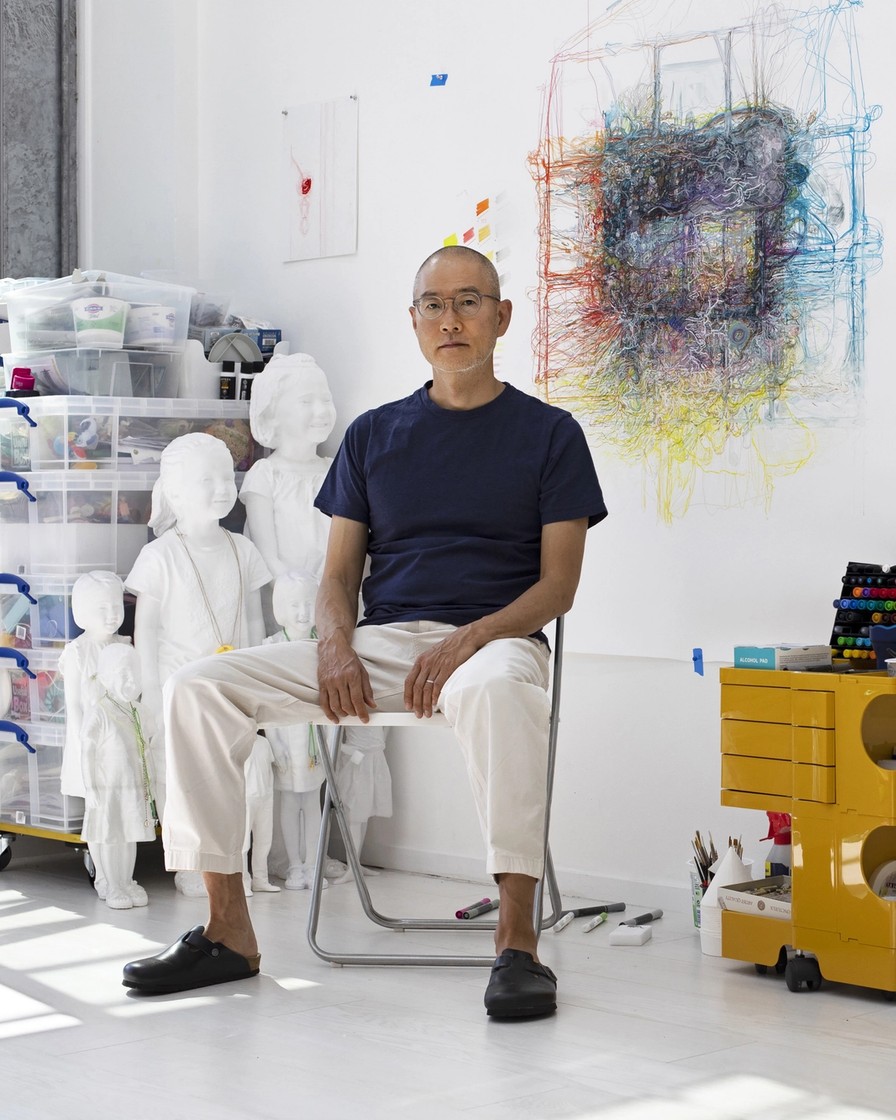
Portrait of Do Ho Suh

Do Ho Suh (b. 1962, Seoul, Korea; lives and works in London, United Kingdom) works across various media, creating drawings, film, and sculptural works that confront questions of home, physical space, displacement, memory, individuality, and collectivity. Suh is best known for his fabric sculptures that reconstruct to scale his past and present homes and studios in Korea, Rhode Island, Berlin, London, and New York.

Suh is interested in the malleability of space in both its physical and metaphorical forms, and examines how the body relates to, inhabits, and interacts with that space. He is particularly interested in domestic space and the way the concept of home can be articulated through architecture that has a specific location, form, and history. For Suh, the spaces we inhabit also contain psychological energy, and in his work he makes visible those markers of memories, personal experiences, and a sense of security, regardless of geographic location.

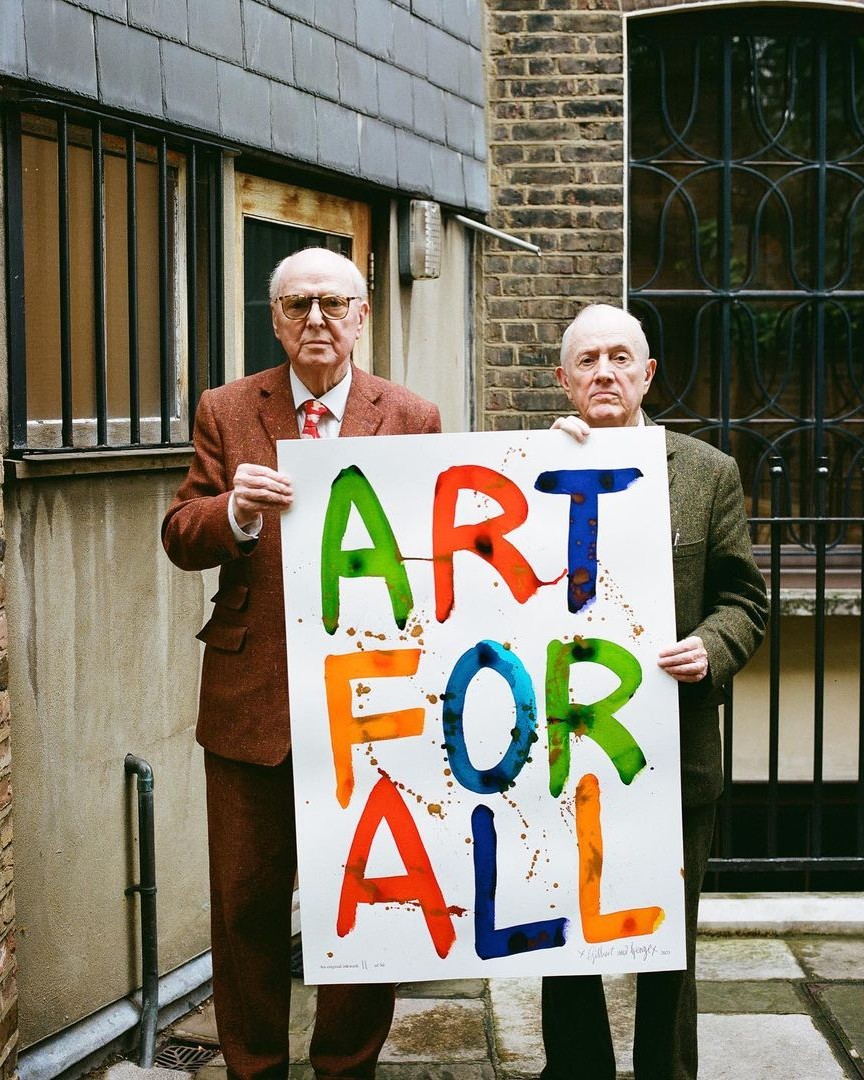
Portrait of Gilbert & George

Gilbert & George (b. 1943, San Martin de Tor, Italy & 1942, Plymouth, United Kingdom; lives and works in London, United Kingdom) met in 1967 in art school at Saint Martin’s, where they first developed their signature form of “living sculptures” by walking around the streets of London with their heads and hands coated with multi-color metallic powders. Since then, they have lived and worked together, their individual identities subsumed into a vision of animate sculpture, becoming representations of the universal human condition, which is a central theme in their work. Their embrace of video technology, along with their well-known photo-collage works, allowed Gilbert & George to extend their living sculptures beyond a particular time and place and broadcast their art to wider audiences, establishing their motto of “art for all.”

Shortly after art school, they moved to London’s East End, then a bustling immigrant and working-class neighborhood, which has served as their home and studio for almost 50 years. Their changing neighborhood, which has become a gentrified creative center, has significantly influenced their work. The artists often appear in their work as witnesses to life unfolding in the sociopolitical and urban conditions of this area. Through imagery specific to London and the East End in particular, Gilbert & George create an ongoing portrait of the city that includes street signs, ginkgo trees, graffiti, postering, and gum-stained sidewalks.

Art Basel: Throughline | Lehmann Maupin