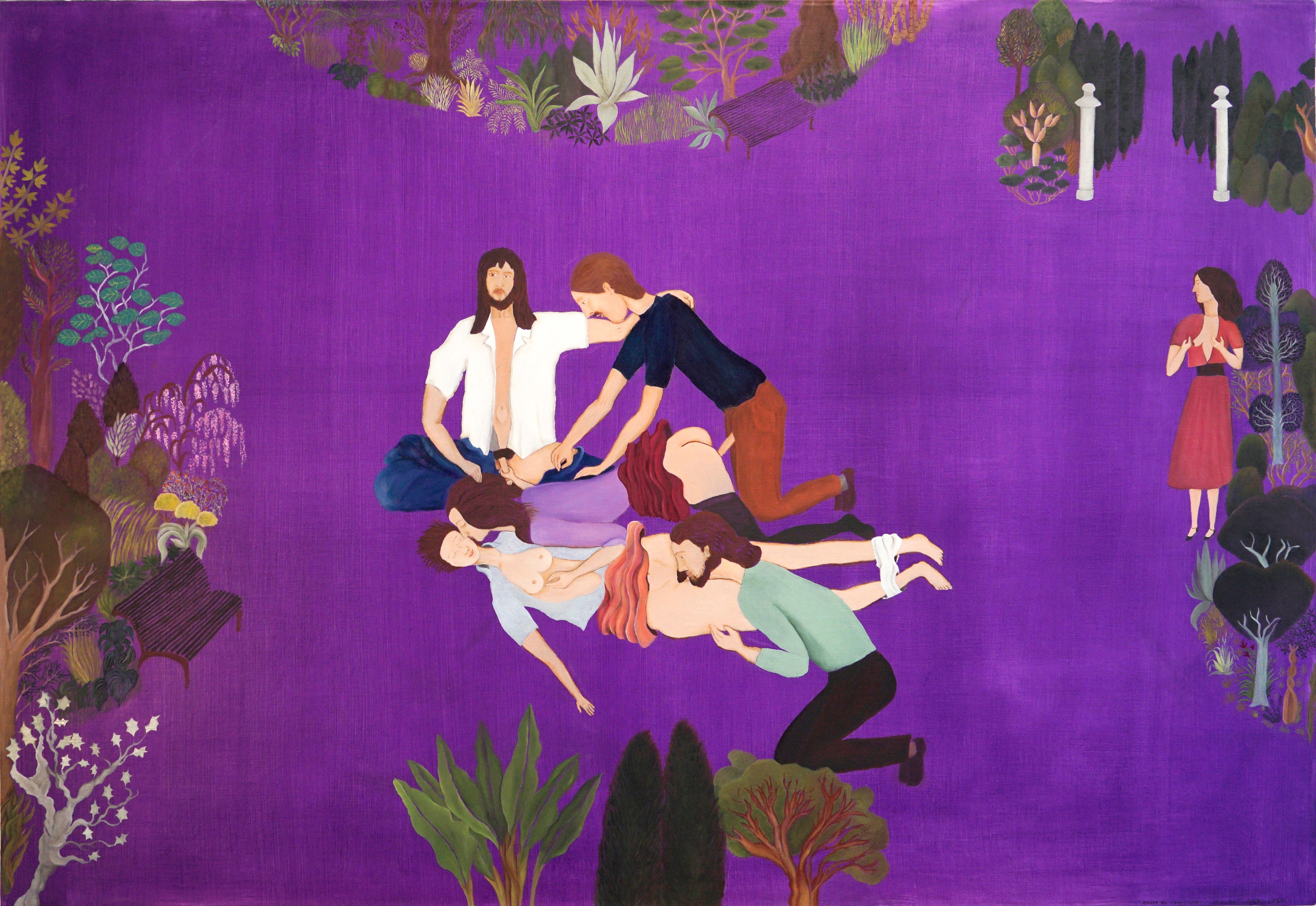
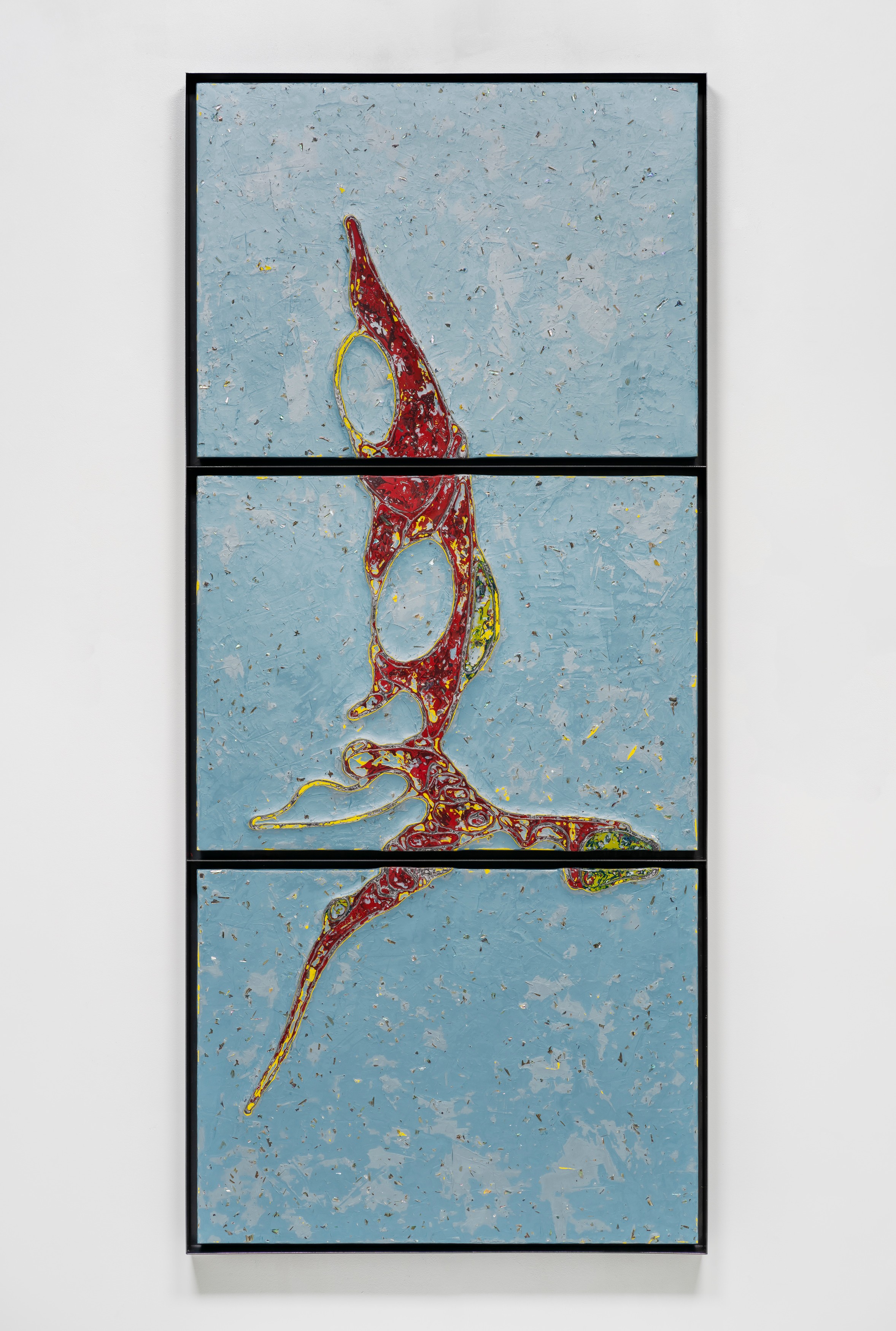
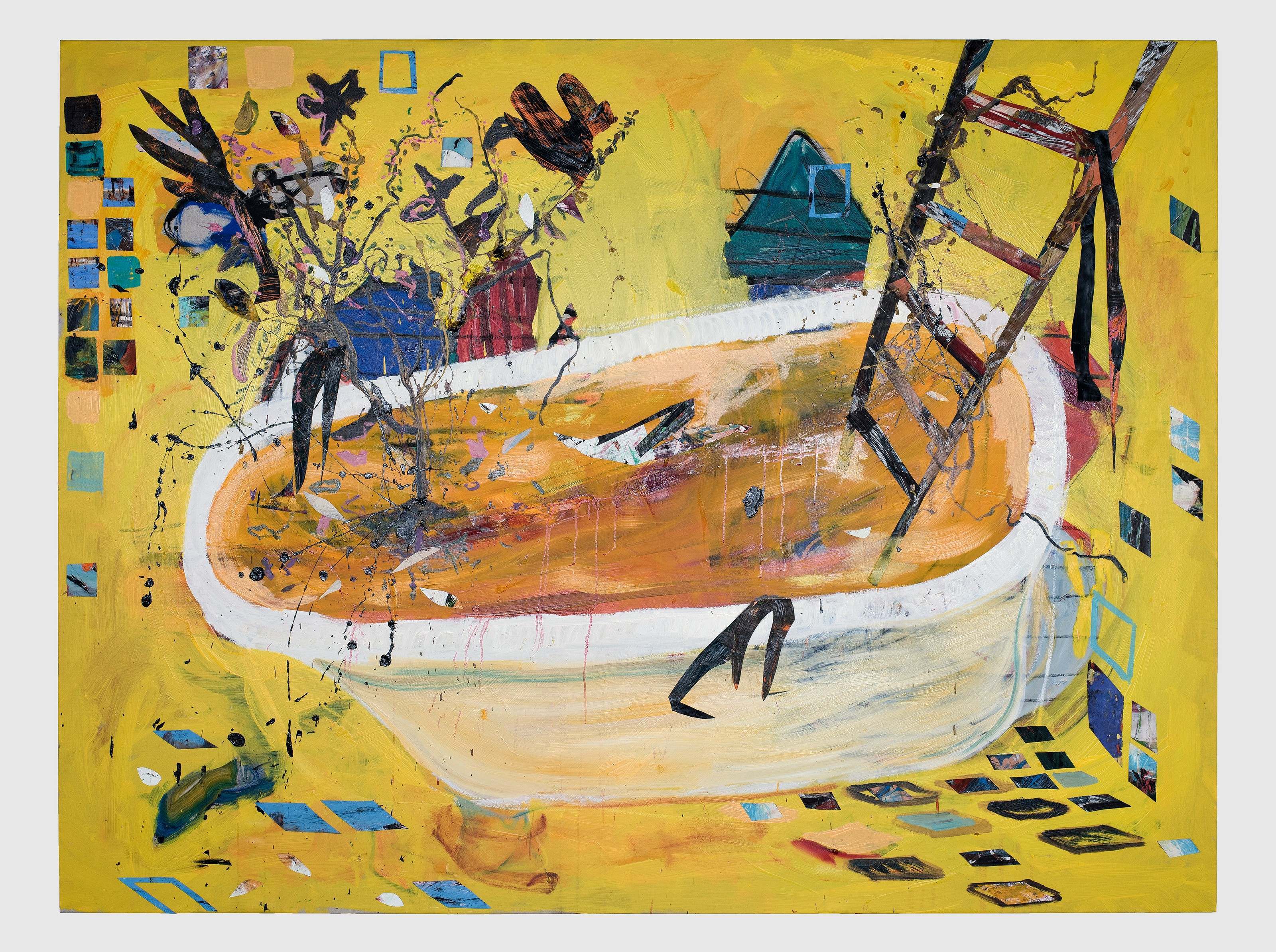
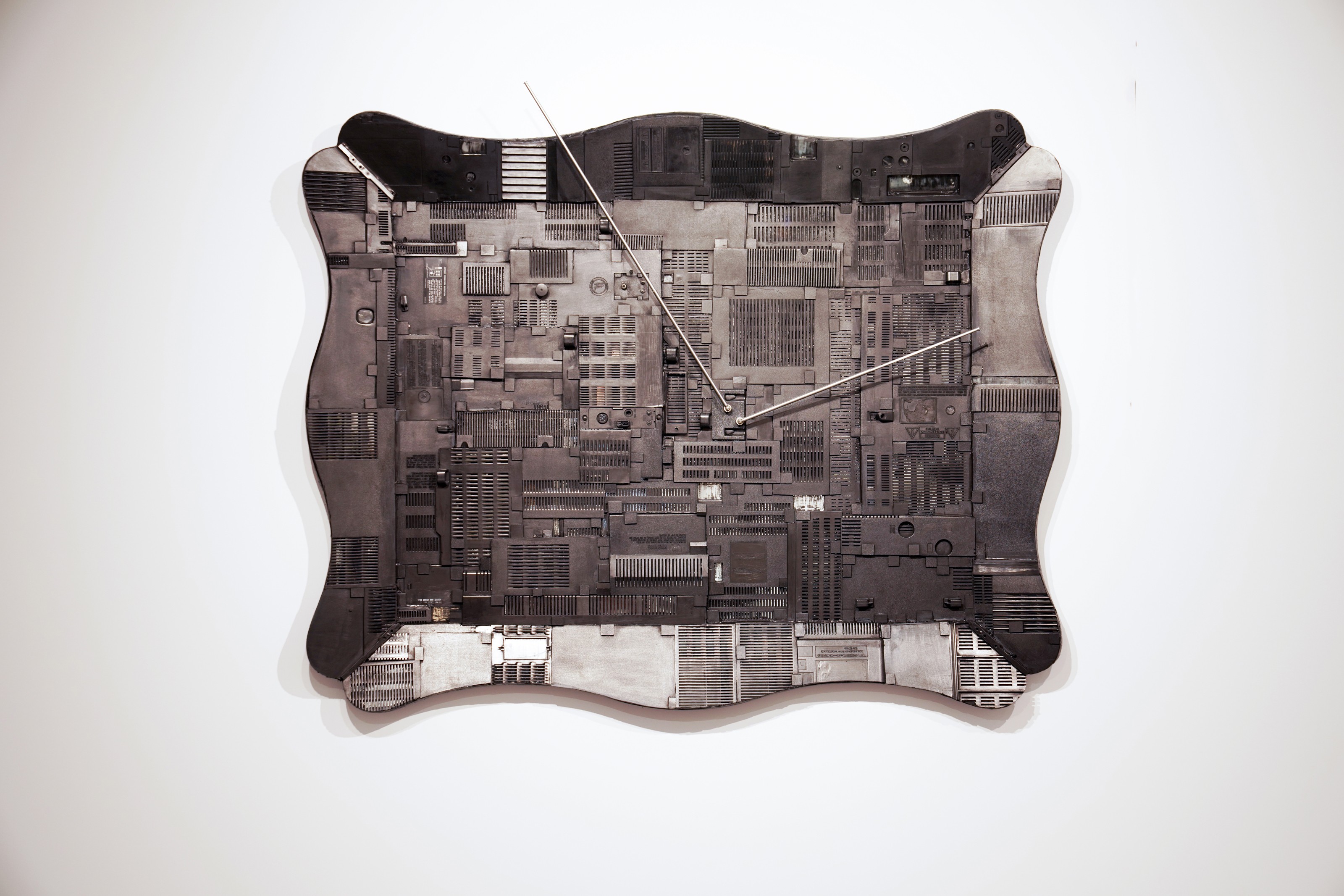
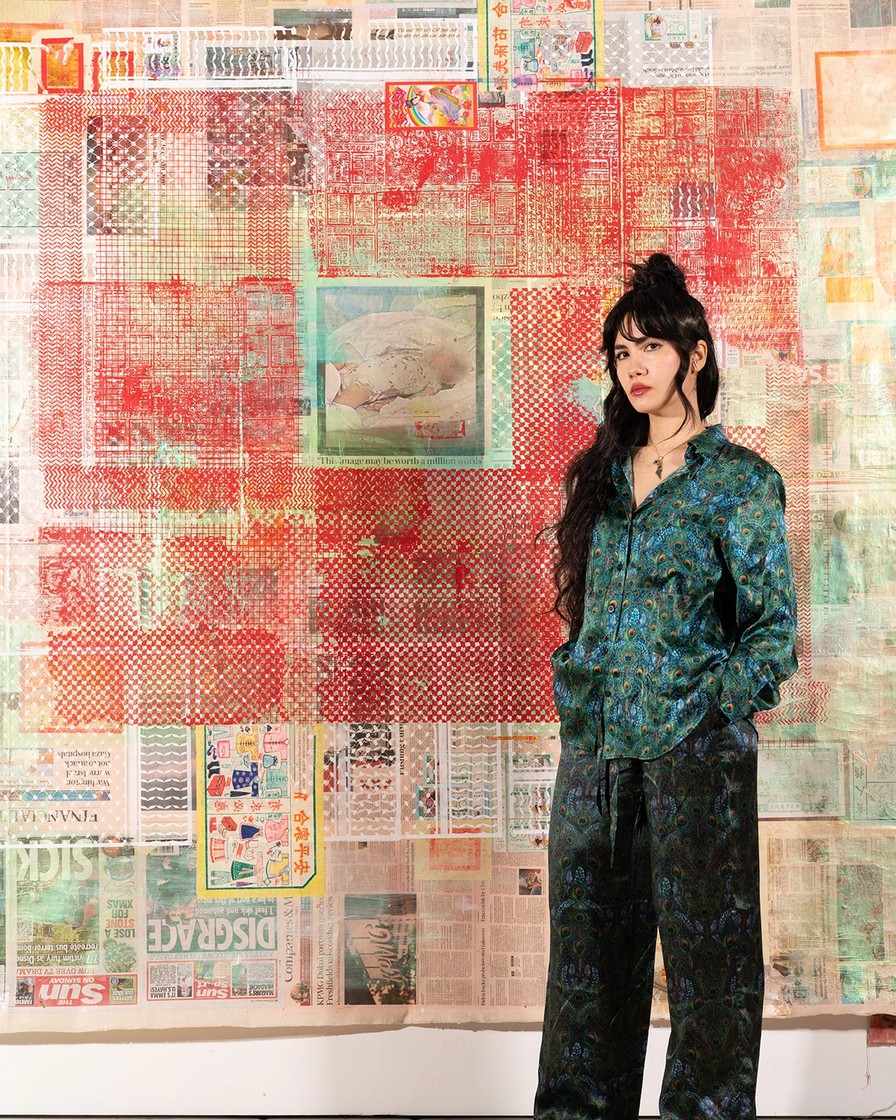
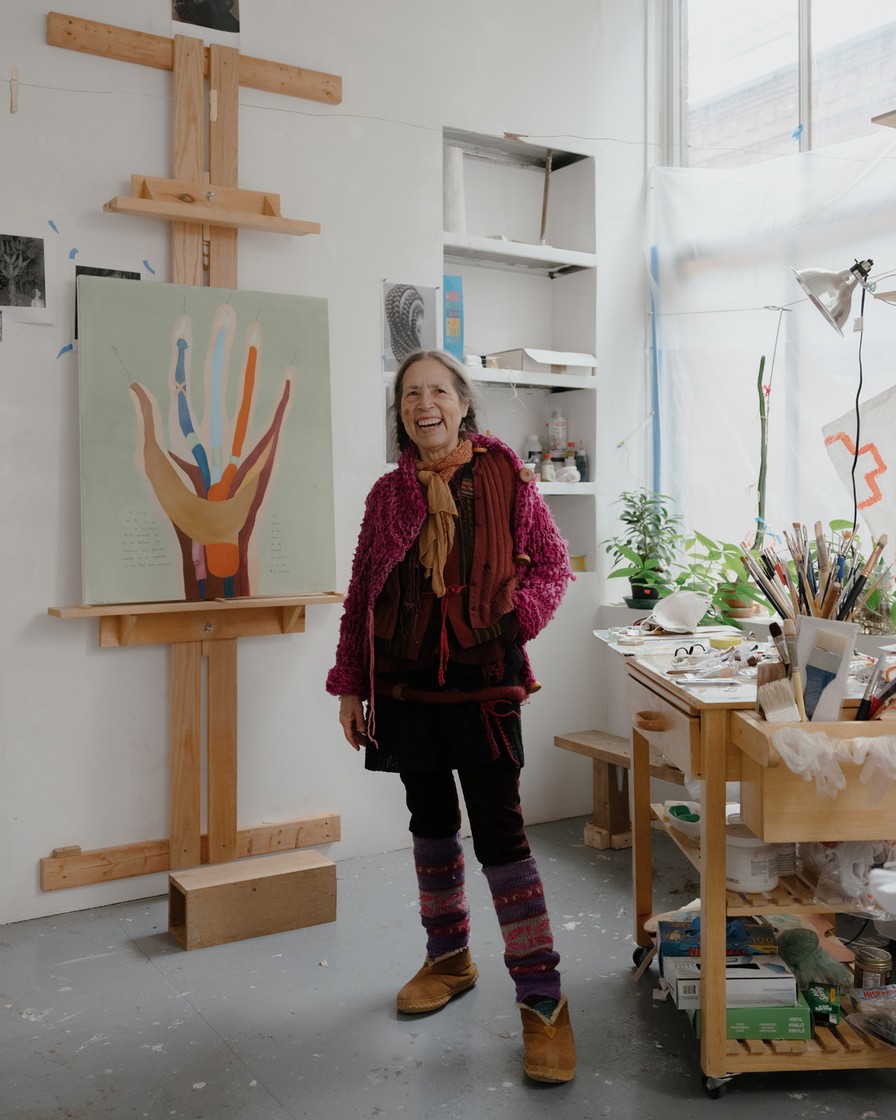
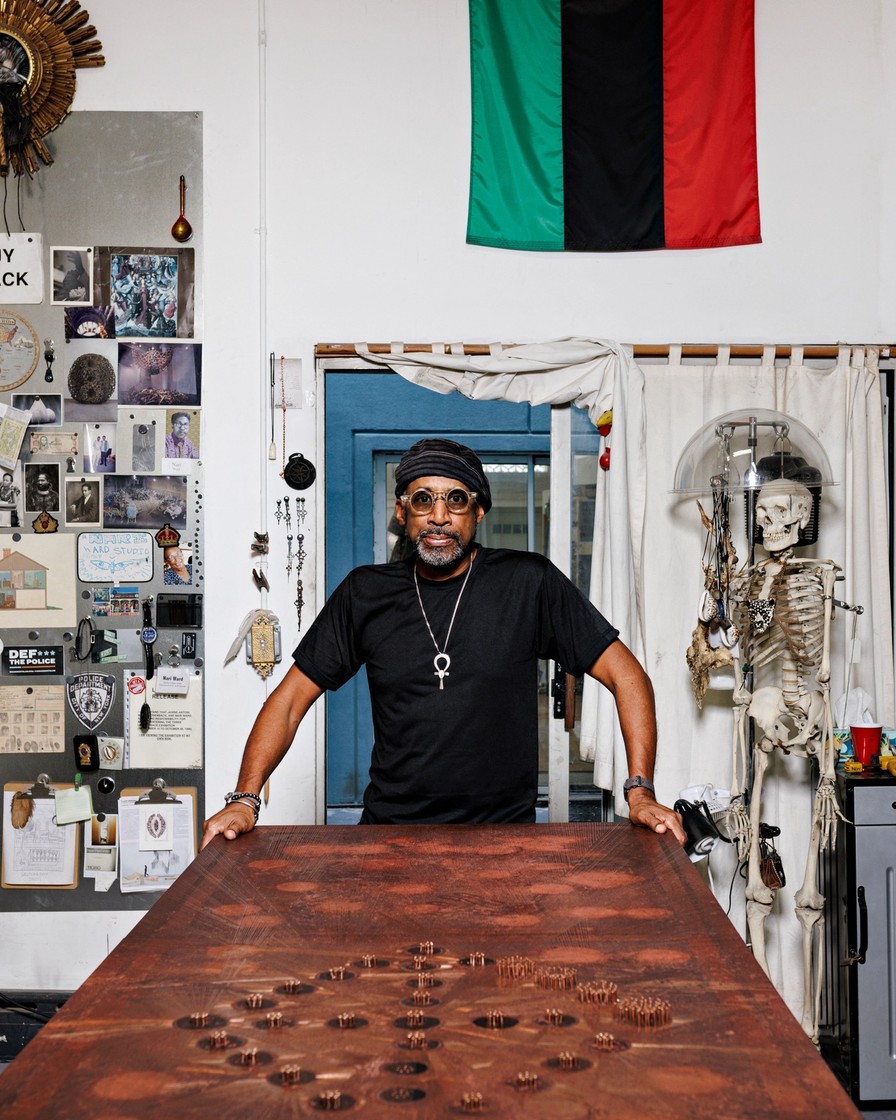
For Art Basel OVR:2020 Lehmann Maupin is proud to present ambitious new works by Mandy El-Sayegh, Lee Bul, Angel Otero, Cecilia Vicuña, Nari Ward, and Billie Zangewa.
In response to a year of global upheaval and uncertainty, the artists featured in this presentation have pushed the boundaries of their media to create work that speaks to this moment and in turn reveals universal themes of memory, loss, and rebirth. Exemplifying the breadth of Lehmann Maupin’s global program, these artists engage in complex conversations around personal and shared history, public and private space, and the physicality of the body in a world increasingly dominated by technology. Together, these works offer a critical examination of identity and belonging.
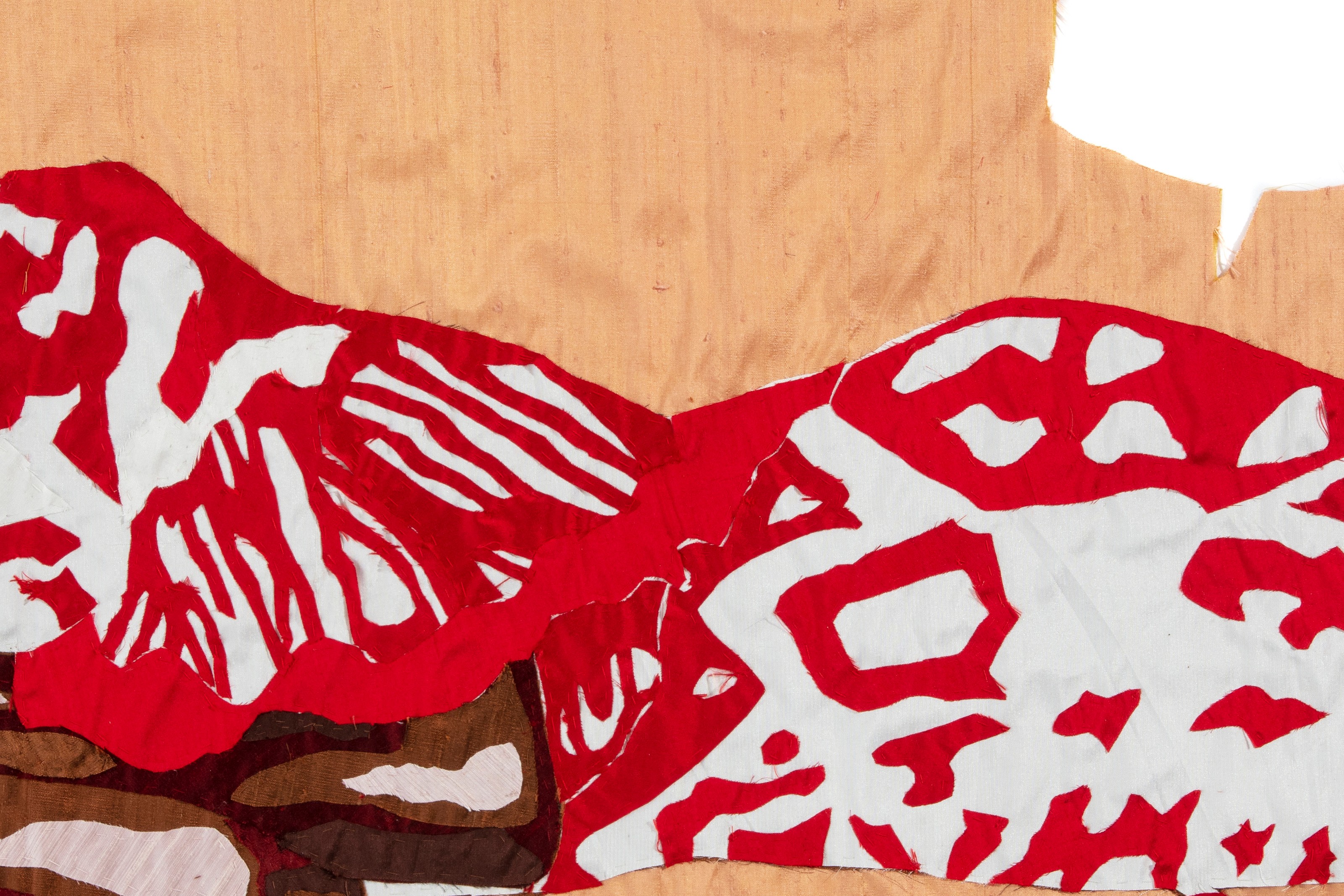
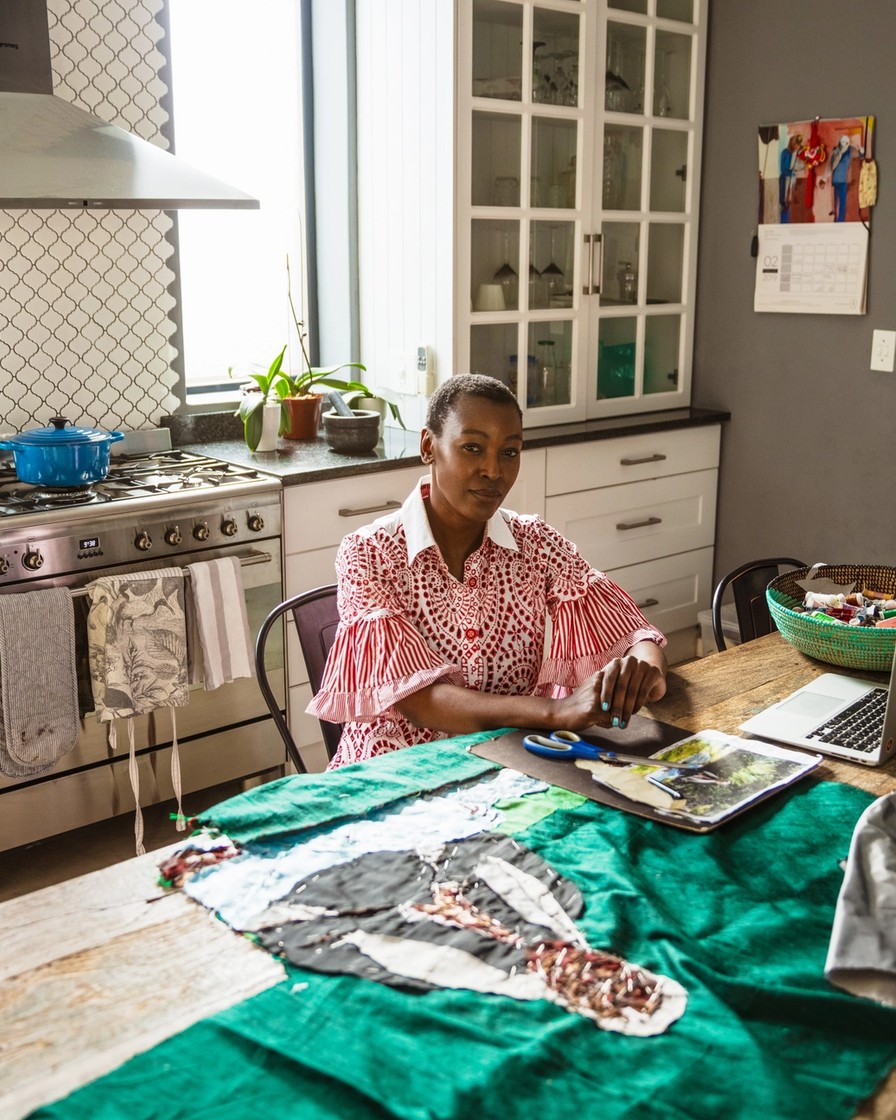
Billie Zangewa (b. 1973, Blantyre, Malawi; lives and works in Johannesburg, South Africa) creates intricate collages composed of hand-stitched fragments of raw silk. These figurative compositions explore contemporary intersectional identity in an attempt to challenge the historical stereotype, objectification, and exploitation of the black female form. Beginning her career in the fashion and advertising industries, Zangewa employs her understanding of textiles to portray personal and universal experiences through domestic interiors, urban landscapes, and portraiture. Her earliest works were embroideries on found fabrics depicting remembered botanical scenes and animals from Botswana, where the artist was raised, but she soon transitioned to creating cityscapes, focusing on her experience as a woman in the city of Johannesburg and her personal relationships. These works explored her experience of the male gaze, leading her to begin to think more critically about how women view themselves and what the visualization of the female gaze, through self-portraiture, could look like.
After the birth of her son, Zangewa began making her well-known domestic interiors to explore the shift in focus from self-examination and femininity to motherhood and the home. Often referencing scenes or experiences from everyday life, Zangewa has stated that she is interested in depicting the work done by women that keeps society running smoothly, but which is often overlooked, undervalued, or ignored. Zangewa refers to this as “daily feminism,” which can be considered a contemporary version of “the personal is political.” Through the method of their making and their narrative content, Zangewa’s silk paintings illustrate gendered labor in a socio-political context, where the domestic sphere becomes a pretext for a deeper understanding of the construction of identity, questions around gender stereotypes, and racial prejudice.