Skip to content

Multiple Artists

The Medium is Memory

Taipei

Aug 28–Sep 18, 2021

Detail of painting by Angel Otero

1F No. 25, Alley 27, Section 4

Ren Ai Road Da’an District, Taipei

Lehmann Maupin presents its new seasonal exhibition space in Da’an District, Taipei, opening August 3 and continuing through September 18. The pop-up marks Lehmann Maupin’s first physical location in Taipei and offers a bridge between the gallery’s global programming and the vibrant local cultural scene. Lehmann Maupin Taipei is located on the ground floor of the Kimpton Hotel Da An, designed by the Shanghai-based architects Neri & Hu. During the course of the summer the gallery will mount two curated presentations in the space.

Opening in Hong Kong in 2013, Lehmann Maupin was one of the first Western galleries to enter the Asian market. Since then, the gallery has expanded its operations to Korea, opening a location in Seoul in 2017 and further increasing its activity with staff based in Beijing and Shanghai. For the past decade, artists on the gallery’s roster have gained heightened visibility through solo and group museum shows, biennials, and regional art fairs. Following two major institutional moments (Erwin Wurm’s solo exhibition at the Taipei Fine Arts Museum and Tony Oursler’s 2021 retrospective at the Kaohsiung Museum of Fine Arts), as well as consistent participation in the region’s Taipei Dangdai art fair, the gallery is strengthening its position in Taipei. Nestled in the city’s bustling cultural, residential, and commercial hub, the pop-up exhibition space in Da’an District is housed near other galleries and major cultural institutions, namely Jut Art Museum, Fubon Living Art Space, Taishin Foundation for Arts & Culture, and Taiwan Contemporary Culture Lab.

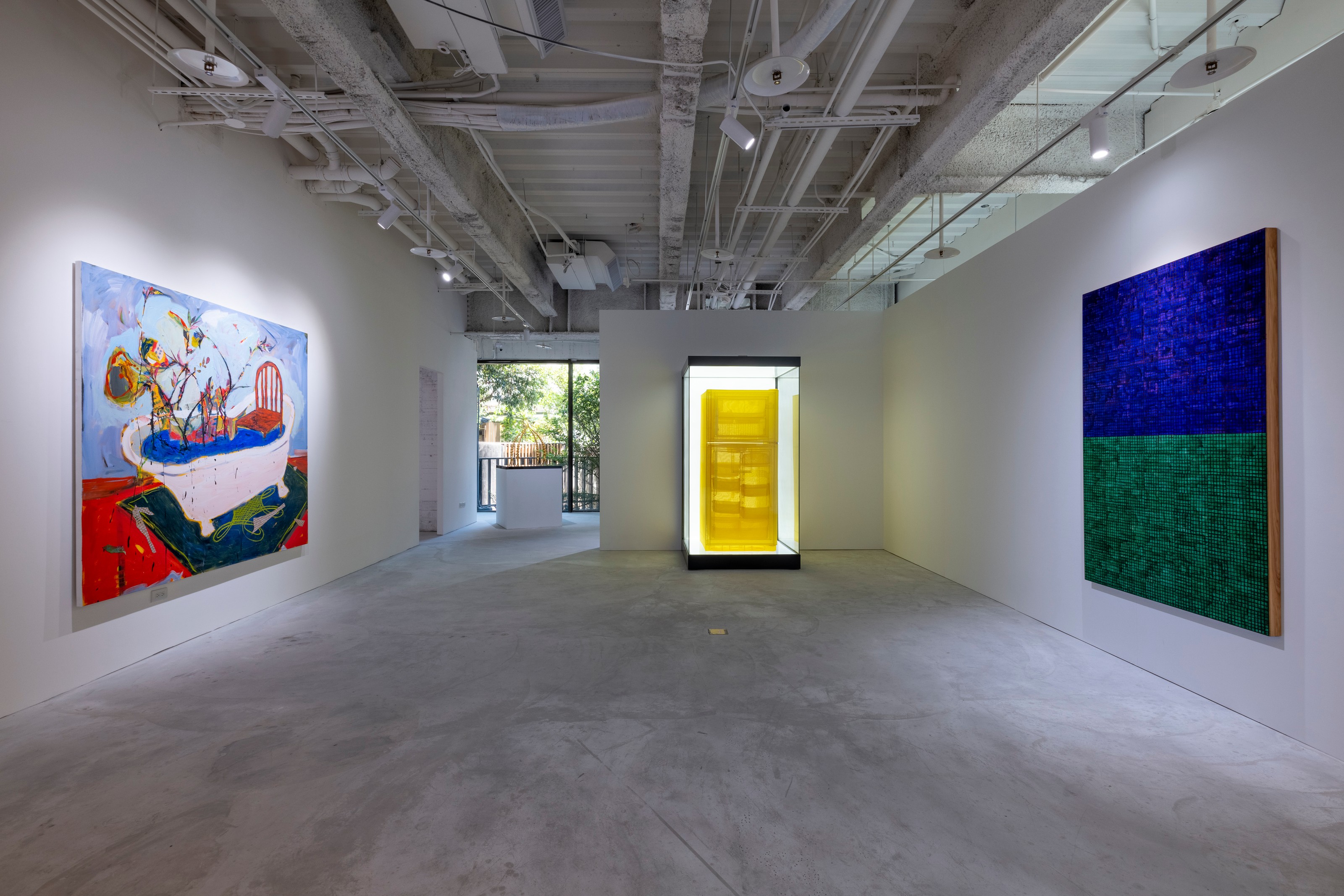
Installation view of The Medium is Memory at Lehmann Maupin Taipei
Installation Views
1 of 3:
Installation view of The Medium is Memory at Lehmann Maupin Taipei
Installation Views
1 of 3:
Painting by Shirazeh Houshiary

Shirazeh Houshiary

Styx, 2018

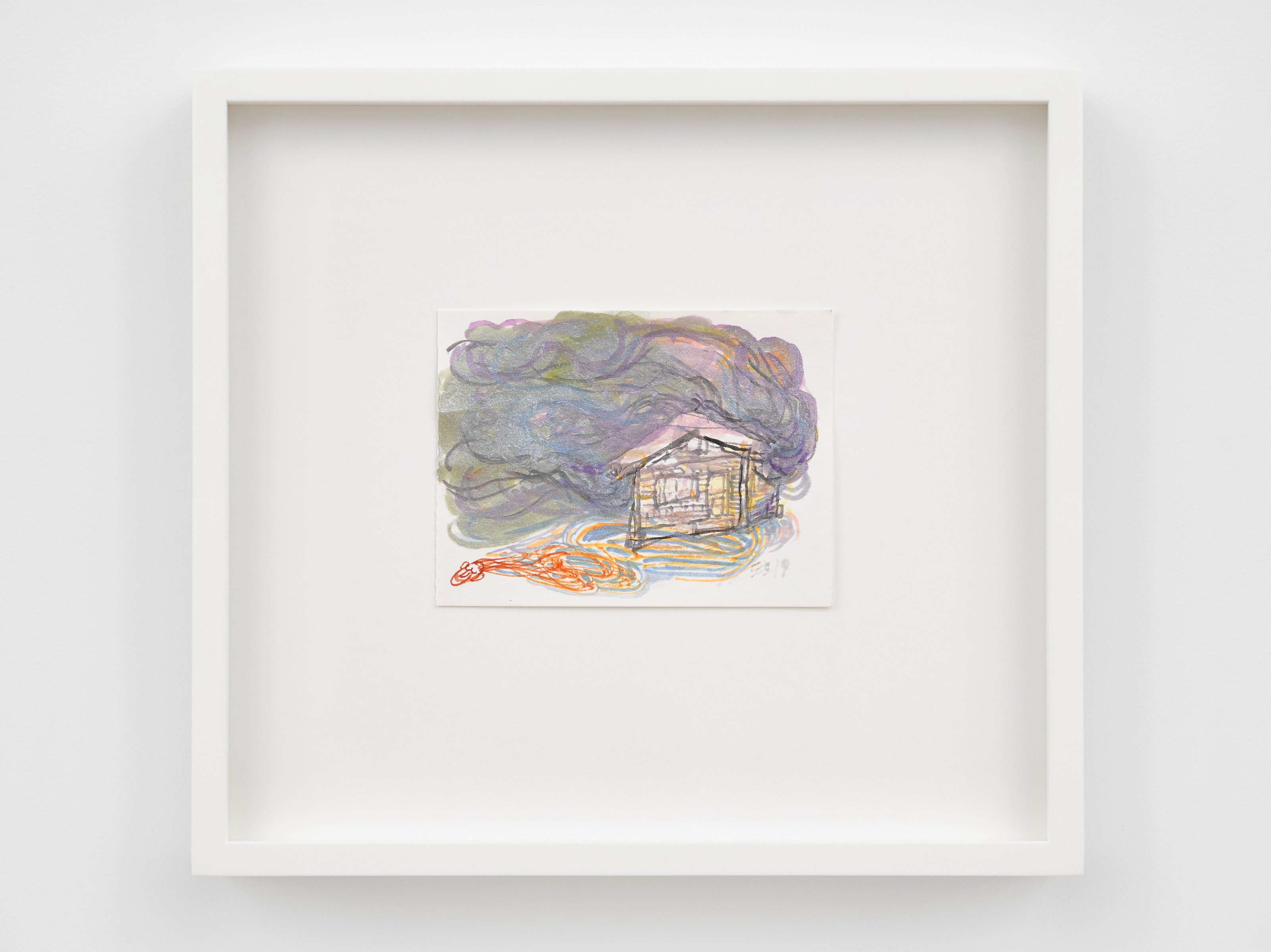
Watercolor by Do Ho Suh

Do Ho Suh

Dreaming Home, 2019

Watercolor by Do Ho Suh

Do Ho Suh

Undressing, 2019

Painting by Mandy El-Sayegh

Mandy El-Sayegh

Dharani, 2021

Painting by Angel Otero

Angel Otero

Red Silence, 2021

Angel Otero

Cold Facts, 2021

Painting by Angel Otero

Angel Otero

Where Everything Ends, 2021

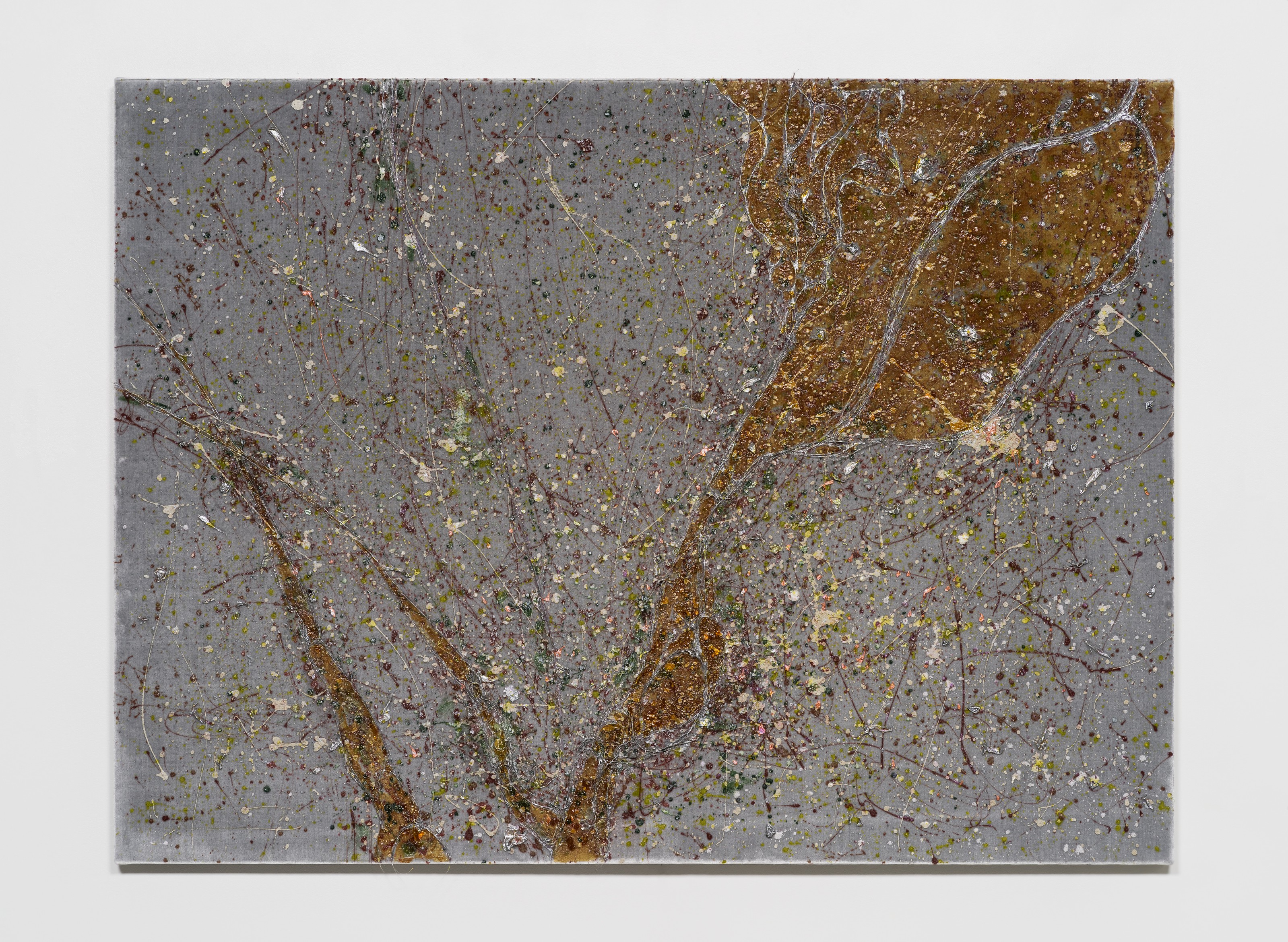
Wall work by Lee Bul

Lee Bul

Perdu LXXVIII, 2021

Wall work by Lee Bul

Lee Bul

Perdu XVIII, 2019

Wall work by Lee Bul

Lee Bul

Untitled (Mekamelencolia - Velvet #16 DDRG35AC), 2020

Sculpture by Shirazeh Houshiary

Shirazeh Houshiary

The Oracle, 2018

Sculpture by Do Ho Suh

Do Ho Suh

Refrigerator, Unit 2, 348 West 22nd Street, New York, NY 10011, USA, 2015

Wall work by Do Ho Suh

Do Ho Suh

Exit Series: Stove Elements, 348 West 22nd Street, New York, NY 10011, USA, 2019

Do Ho Suh

Fire Alarm, Unit G5, Union Wharf, 23 Wenlock Road, London, N1 7SB, UK, 2017

Wall work by Do Ho Suh

Do Ho Suh

Sockets, Unit G5, Union Wharf, 23 Wenlock Road, London, N1 7SB, UK, 2017

Painting by Lari Pittman

Lari Pittman

Found Buried #9, 2020

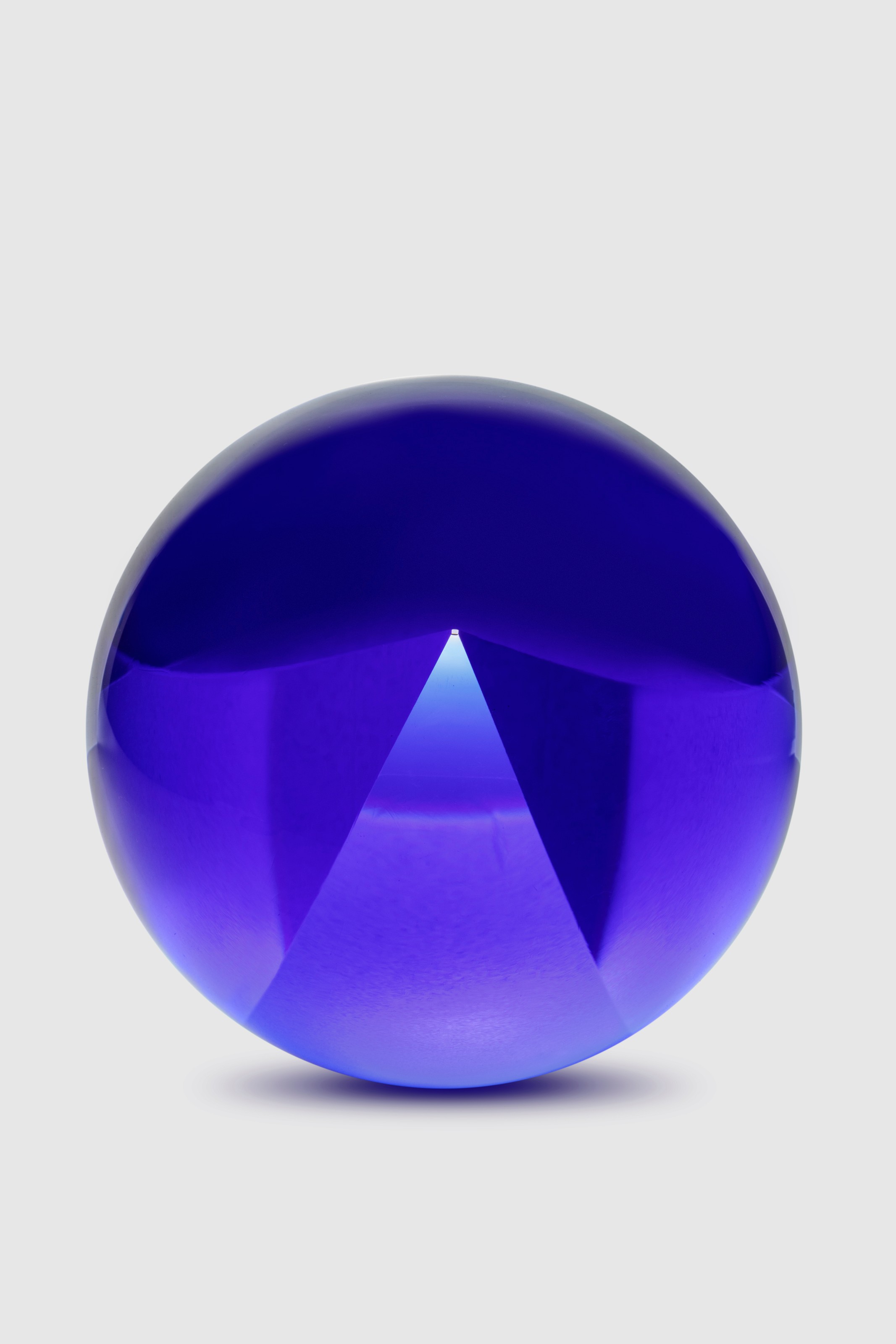
Sphere by Helen Pashgian

Helen Pashgian

Untitled, 2018

Sculpture by Do Ho Suh

Do Ho Suh

Karma (4 columns), 2015

Watercolor by Do Ho Suh

Do Ho Suh

Undressing, 2020

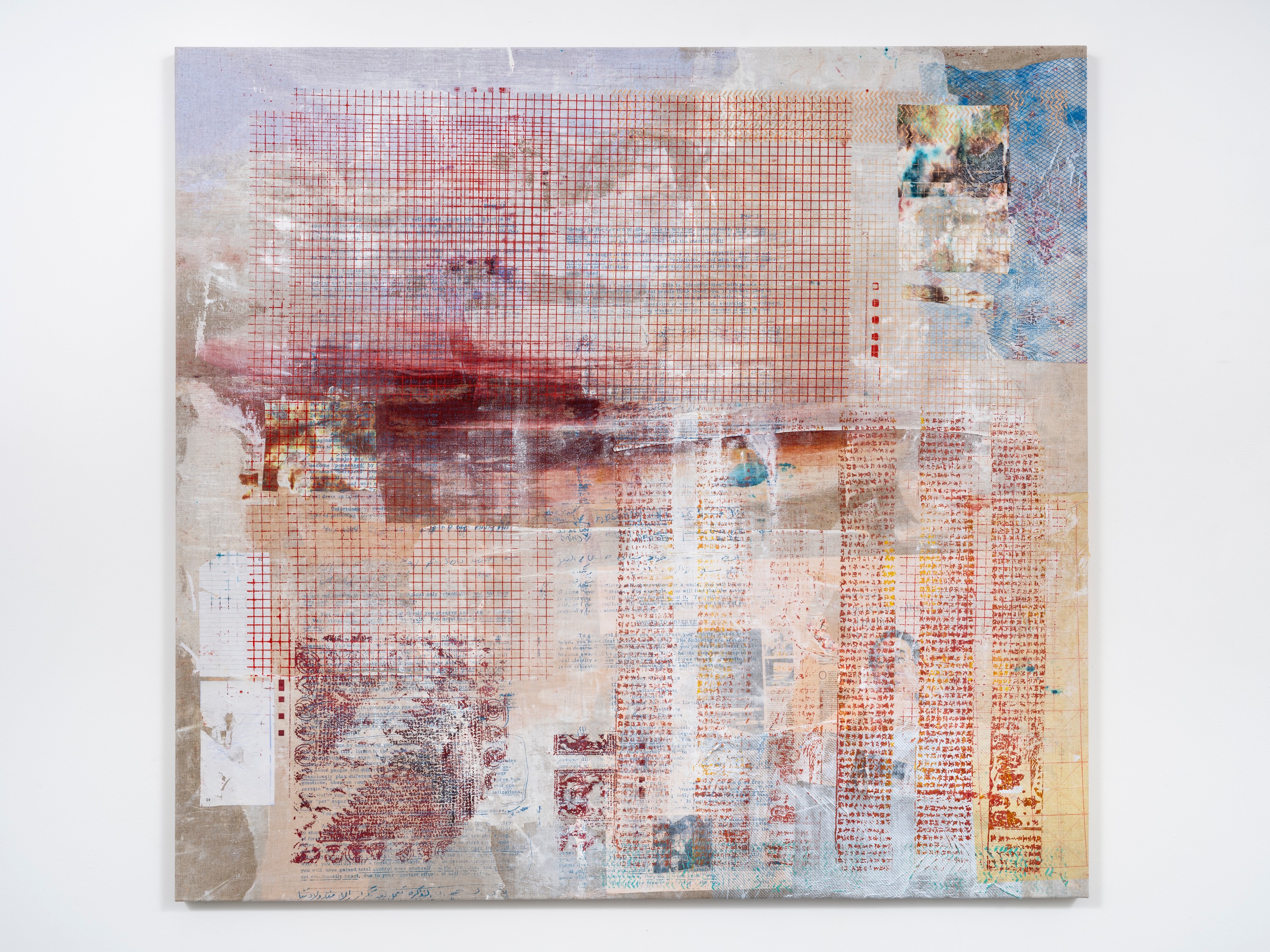
Painting by McArthur Binion

McArthur Binion

DNA:study, 2019

Work on paper by Angel Otero

Angel Otero

Untitled, 2020

Exhibition Artists

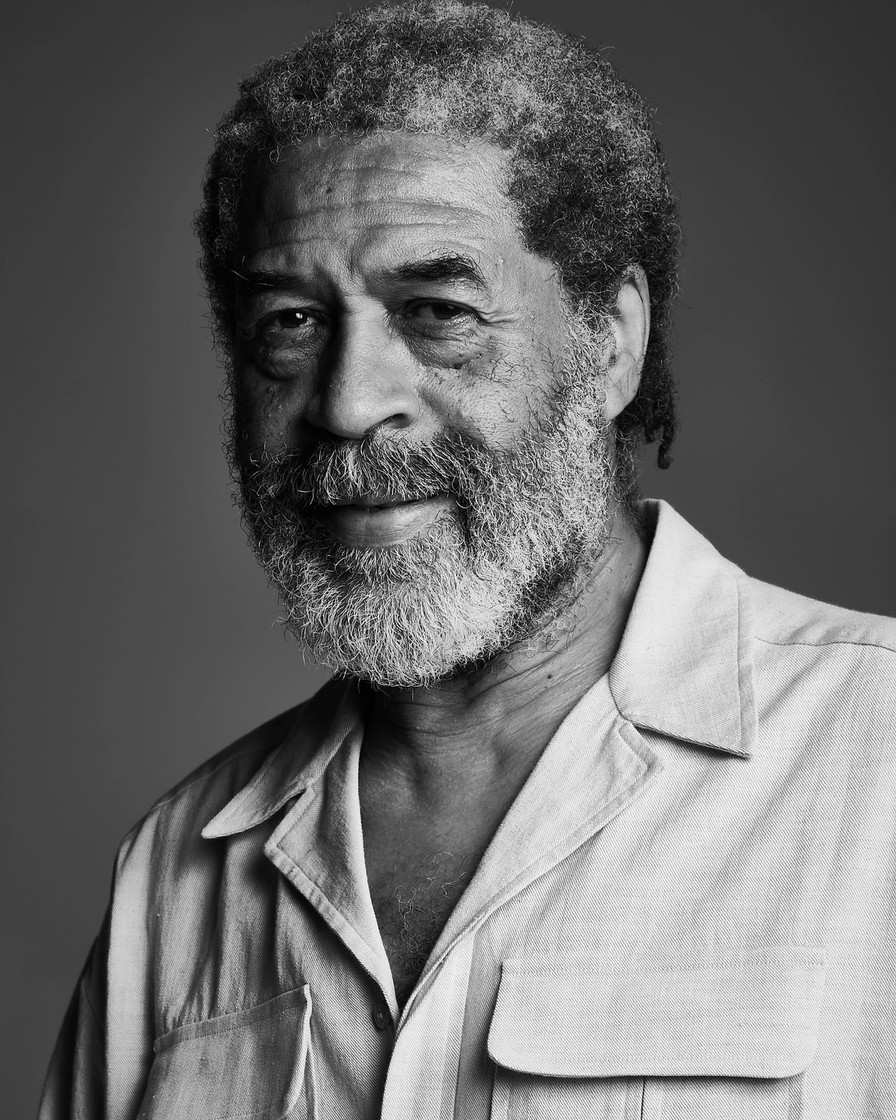
Portrait of McArthur Binion

McArthur Binion (b. 1946, Macon, MS; lives and works in Chicago, IL) combines collage, drawing, and painting to create autobiographical abstractions of painted minimalist patterns over an “under surface” of personal documents and photographs. From photocopies of his birth certificate and pages from his address book, to pictures from his childhood and found photographs of lynchings, the poignant and charged images that constitute the tiled base of his work are concealed and abstracted by grids of oil stick. The complexly layered works, from a distance, appear to be monochromatic minimalist abstractions that have led many to compare his work to that of Jasper Johns, Robert Ryman, or Brice Marden. However, while his contemporaries focused more on materiality, abstraction, and in some cases the social and political climate of the time, Binion’s works are intensely personal and deeply dedicated to the rigorous process of making a painting. Upon closer inspection, these monochromatic abstractions come into focus: the perfect grid becomes a series of imperfect laboriously hand-drawn lines, behind which emerge intimate details of Binion’s identity and personal history. Binion’s gridded compositions impose rational order to the layers of personal history, allowing only fragments of information from his birth certificate to be read, or details of his mother’s face to be identified—but never enough to be immediately legible. Having begun his career as a writer, Binion is highly influenced by language and music, as can be seen in his titles and the ways in which he layers information to be “read” rather than simply seen. The tension that exists between the grid and the artist’s visible gestures is not unlike that of jazz music, which merges improvisation with the order of a musical composition.

Binion received his B.F.A. from Wayne State University, Detroit, MI in 1971 and his M.F.A. from the Cranbrook Academy of Art, Bloomfield Hills, MI in 1973. Select recent solo exhibitions of his work have been organized at the de la Cruz Gallery at Georgetown University (2025); Museo Novecento, Florence, Italy (2020); the Cranbrook Art Museum, Bloomfield Hills, MI (2018); Contemporary Arts Museum, Houston, TX (2012); and the University of Maryland University College Gallery, Adelphi, MD (2010).
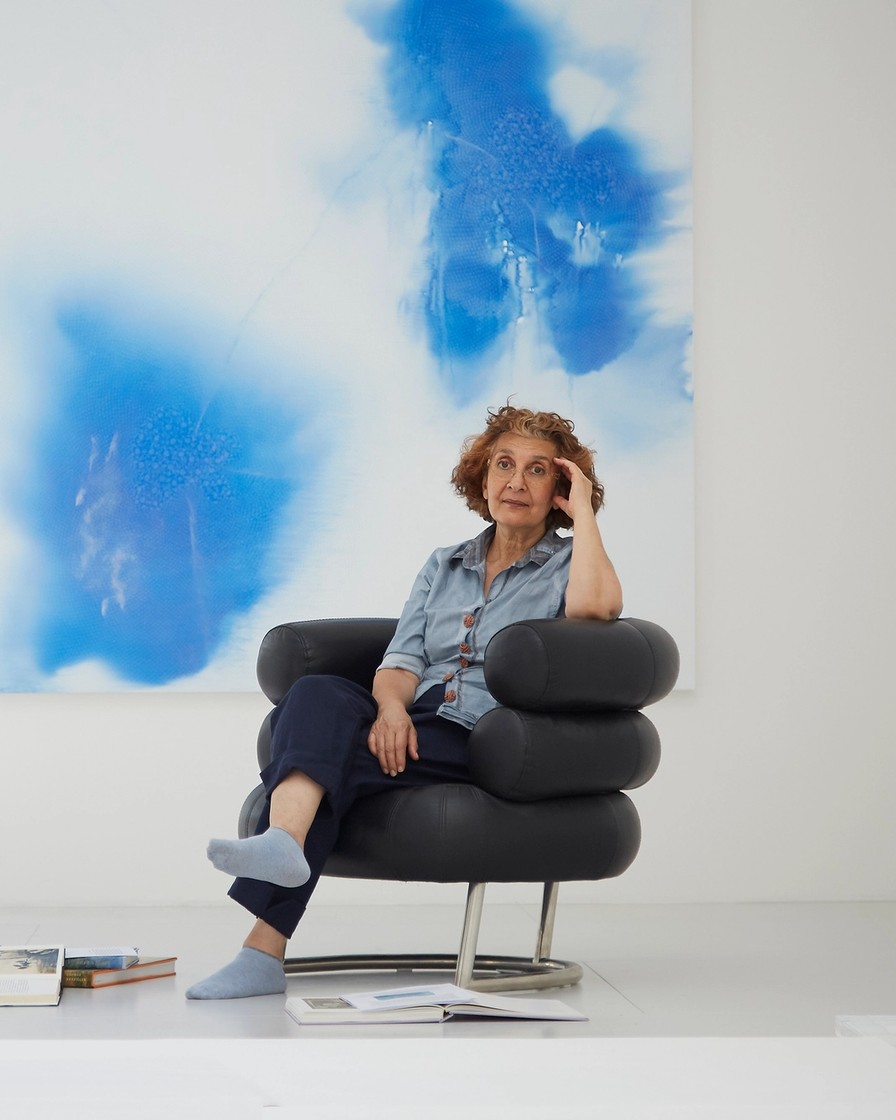
Portrait of Shirazeh Houshiary

Shirazeh Houshiary (b. 1955, Shiraz, Iran; lives and works in London, United Kingdom) makes painting, sculpture, and animation that seek to challenge viewers’ perceptions of time, space, and materiality. Her works often engage opposing ideas and states of being, including transparency and opacity, sound and silence, surface and depth, and presence and absence. From a distance, her paintings are reminiscent of a swirling galaxy, but as the viewer draws closer, the meticulousness, detail, and hidden Arabic letters that make up her amorphous forms begin to unfold. The universe, with its contradiction, paradox, and complexity is a core subject matter in her work. The Arabic words embedded in her compositions are a juxtaposition of the opposing phrases “I am” and “I am not,” oscillating freely between focused and unfocused states, where the meaning of our existence becomes superfluous and lost in Houshiary’s imagined cosmos.

Houshiary’s painting technique involves the successive layering of pigment and line, a laborious process that often takes several months to complete. Her surfaces are composed of intricate patterns that appear to pulse, undulate, and recede into the canvas, like a veil or membrane. She takes a similar methodical approach to her dynamic sculptures, constructing towers out of glass or aluminum bricks that, layer by layer, seem to emerge from the floor. Each vertical plane of bricks echoes the original shape of the structure’s footprint incrementally rotated to the maximum degree the form will allow before the resulting helix shape becomes unstable. For each work, Houshiary attempts to visualize subjects that are inherently intangible—an echo, human breath, or memory.

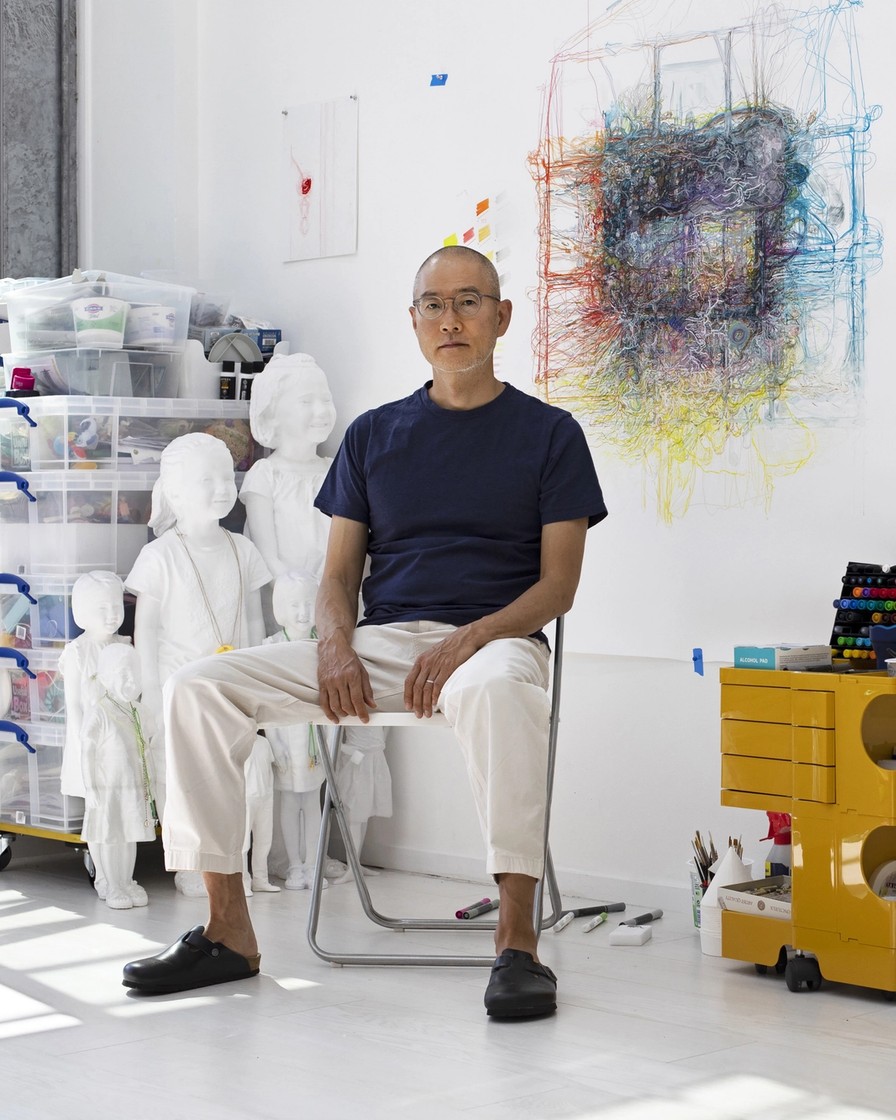
Portrait of Do Ho Suh

Do Ho Suh (b. 1962, Seoul, Korea; lives and works in London, United Kingdom) works across various media, creating drawings, film, and sculptural works that confront questions of home, physical space, displacement, memory, individuality, and collectivity. Suh is best known for his fabric sculptures that reconstruct to scale his past and present homes and studios in Korea, Rhode Island, Berlin, London, and New York.

Suh is interested in the malleability of space in both its physical and metaphorical forms, and examines how the body relates to, inhabits, and interacts with that space. He is particularly interested in domestic space and the way the concept of home can be articulated through architecture that has a specific location, form, and history. For Suh, the spaces we inhabit also contain psychological energy, and in his work he makes visible those markers of memories, personal experiences, and a sense of security, regardless of geographic location.