Skip to content

Multiple Artists

States of Being

Taipei

Aug 3–24, 2021

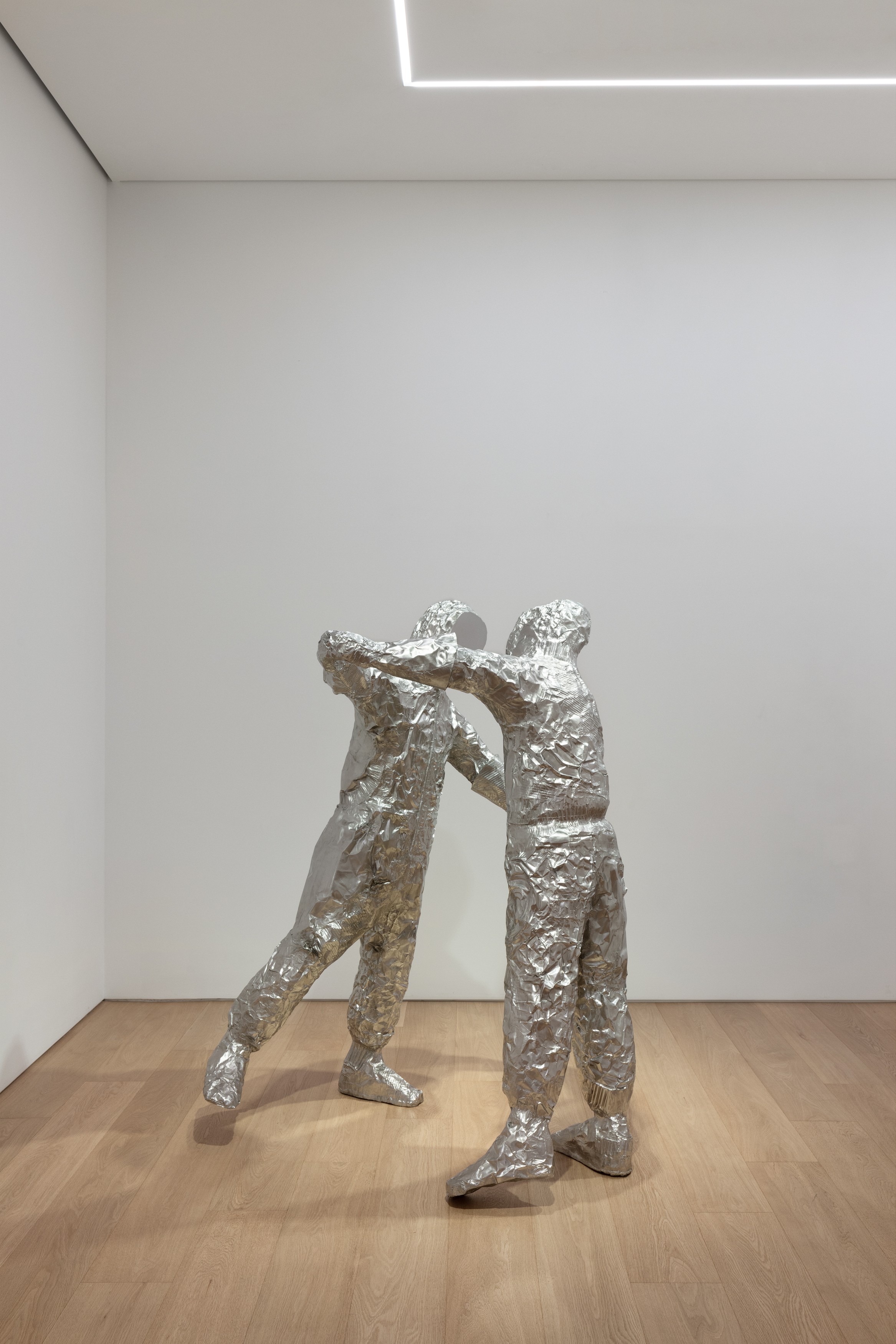
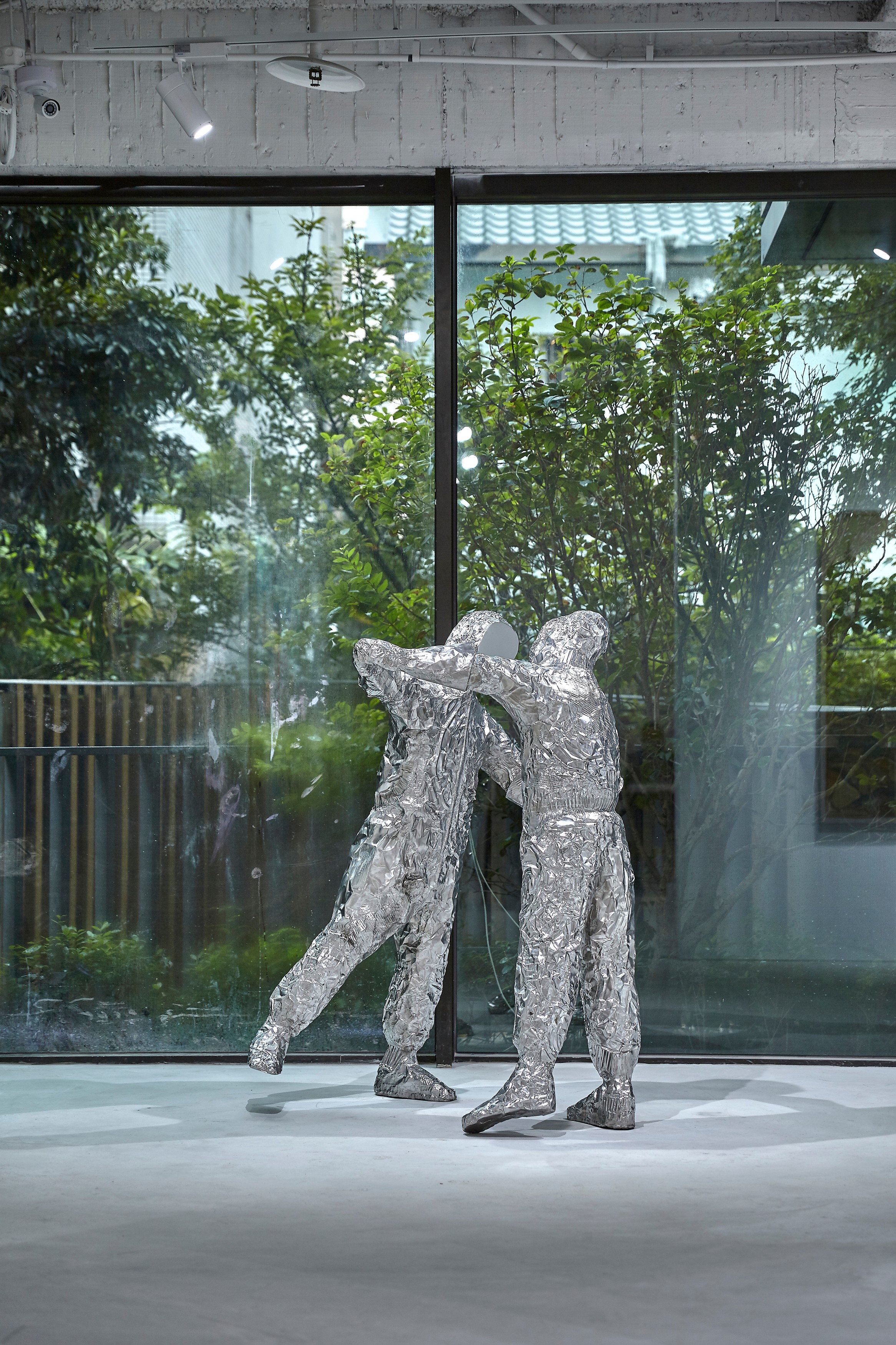
Detail of sculpture by Tom Friedman

1F No. 25, Alley 27, Section 4

Ren Ai Road Da’an District, Taipei

Lehmann Maupin presents its new seasonal exhibition space in Da’an District, Taipei, opening August 3 and continuing through September 18. The pop-up marks Lehmann Maupin’s first physical location in Taipei and offers a bridge between the gallery’s global programming and the vibrant local cultural scene. Lehmann Maupin Taipei is located on the ground floor of the Kimpton Hotel Da An, designed by the Shanghai-based architects Neri & Hu. During the course of the summer the gallery will mount two curated presentations in the space.

Opening in Hong Kong in 2013, Lehmann Maupin was one of the first Western galleries to enter the Asian market. Since then, the gallery has expanded its operations to Korea, opening a location in Seoul in 2017 and further increasing its activity with staff based in Beijing and Shanghai. For the past decade, artists on the gallery’s roster have gained heightened visibility through solo and group museum shows, biennials, and regional art fairs. Following two major institutional moments (Erwin Wurm’s solo exhibition at the Taipei Fine Arts Museum and Tony Oursler’s 2021 retrospective at the Kaohsiung Museum of Fine Arts), as well as consistent participation in the region’s Taipei Dangdai art fair, the gallery is strengthening its position in Taipei. Nestled in the city’s bustling cultural, residential, and commercial hub, the pop-up exhibition space in Da’an District is housed near other galleries and major cultural institutions, namely Jut Art Museum, Fubon Living Art Space, Taishin Foundation for Arts & Culture, and Taiwan Contemporary Culture Lab.

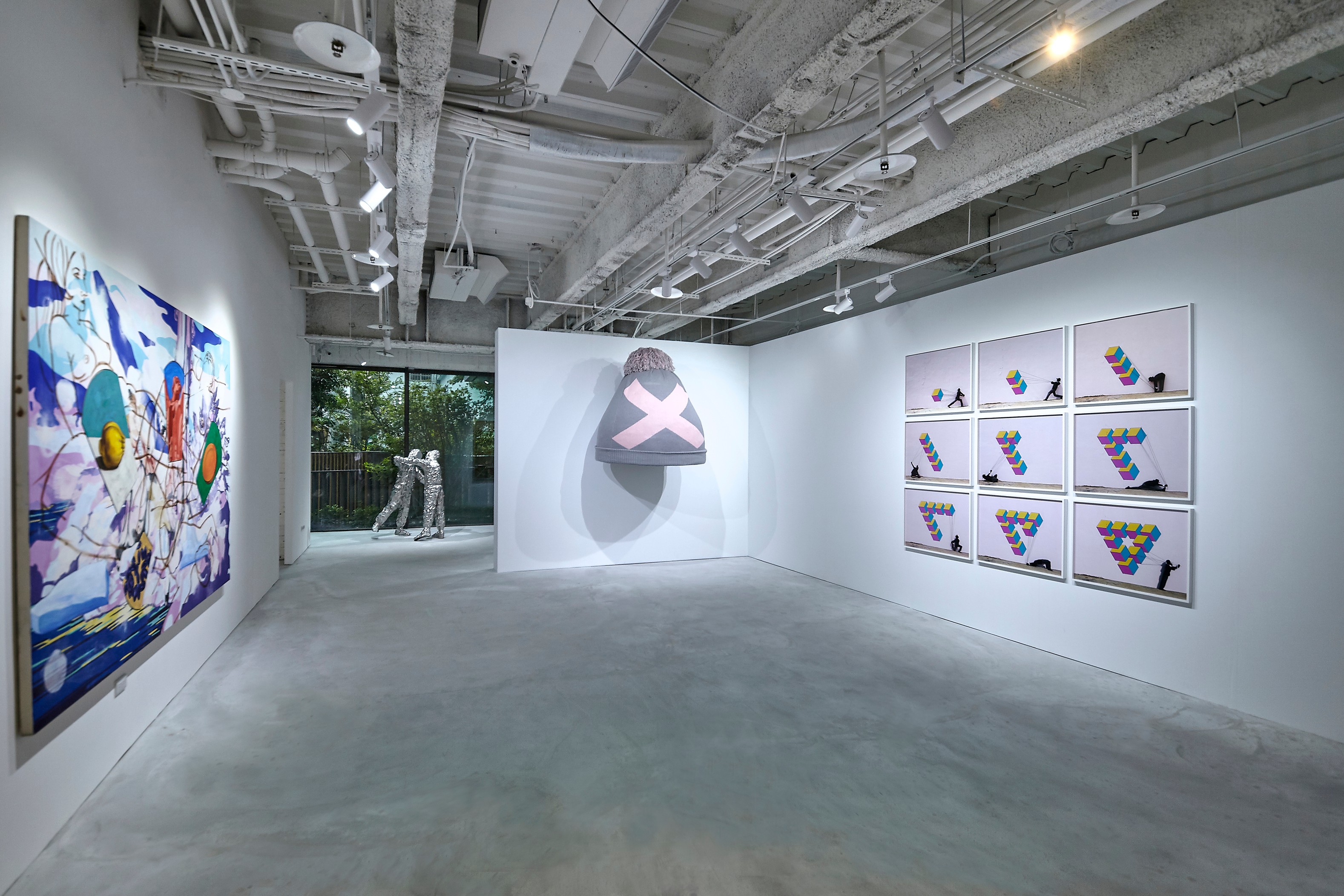
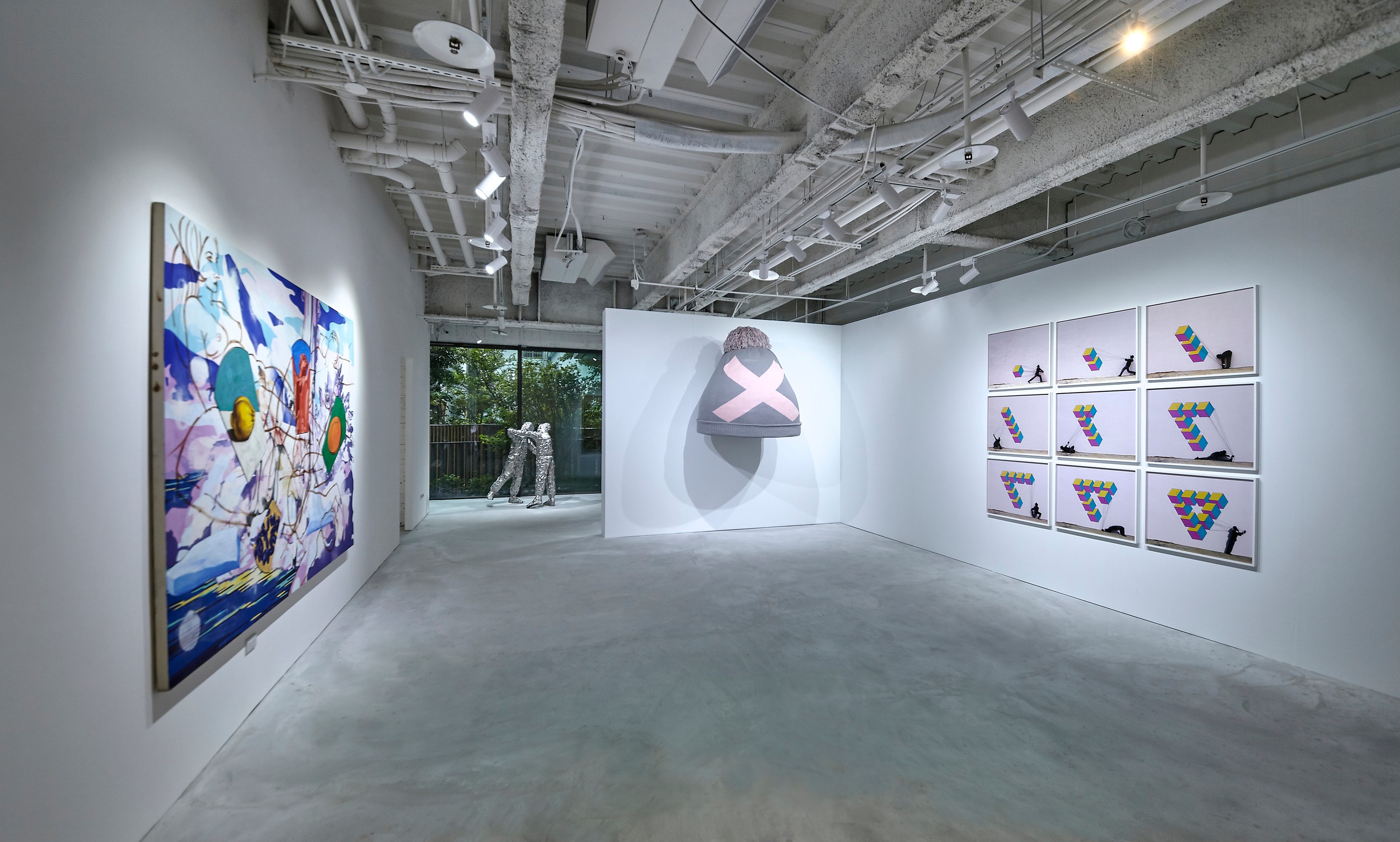
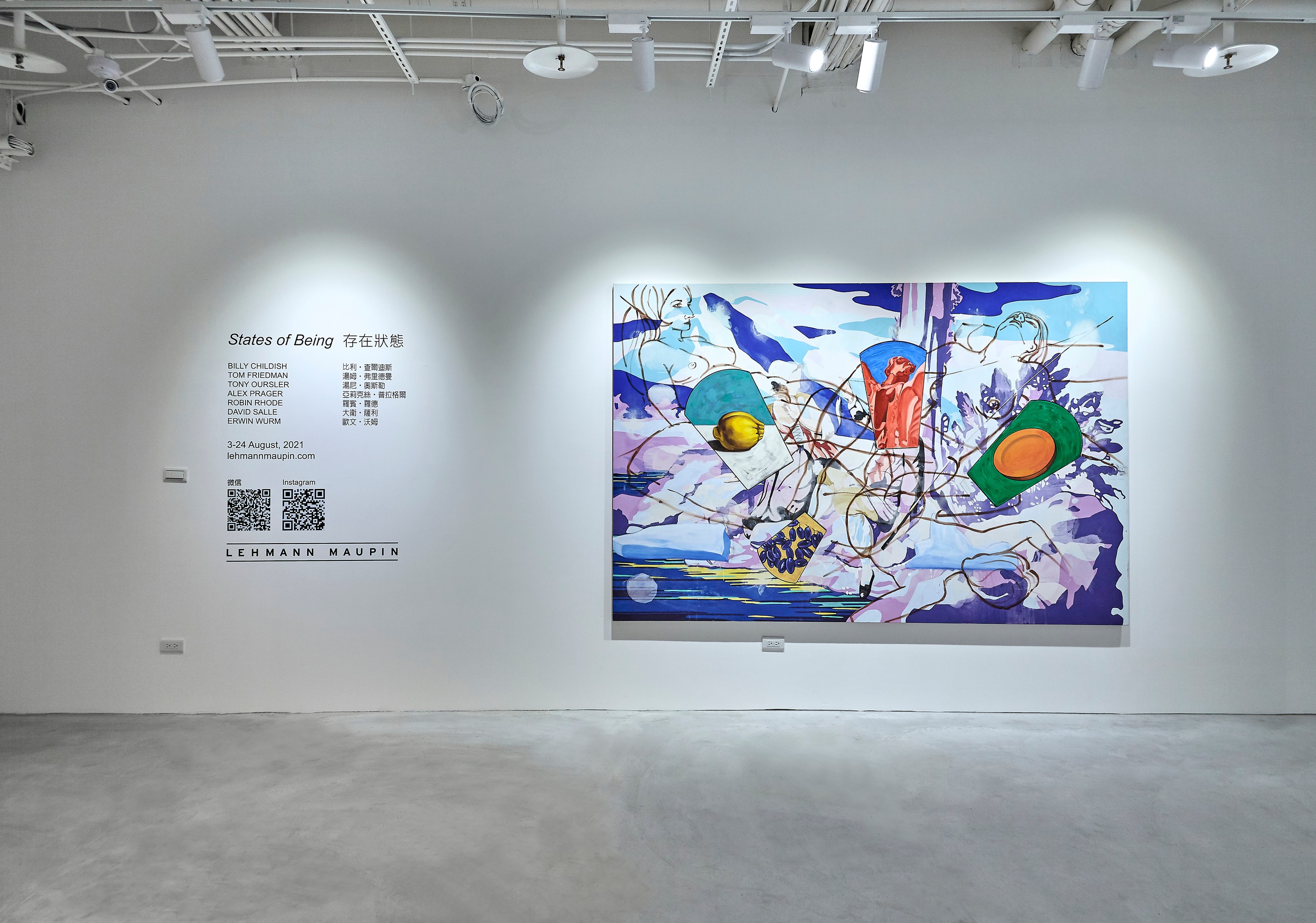
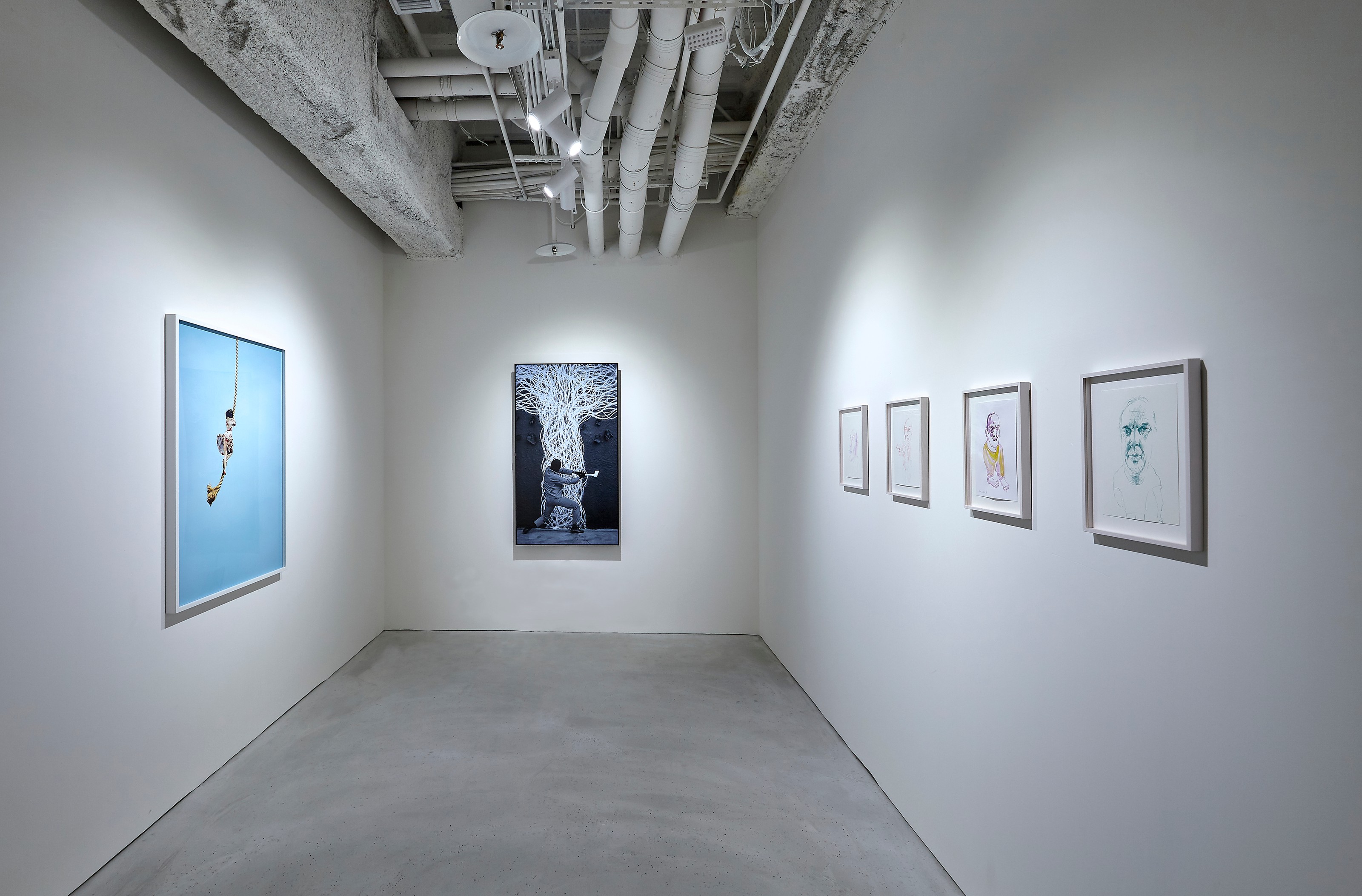
Installation view of States of Being at Lehmann Maupin Taipei
Installation Views
1 of 3:
Sculpture by Tom Friedman

Tom Friedman

Hazmat Love, 2017

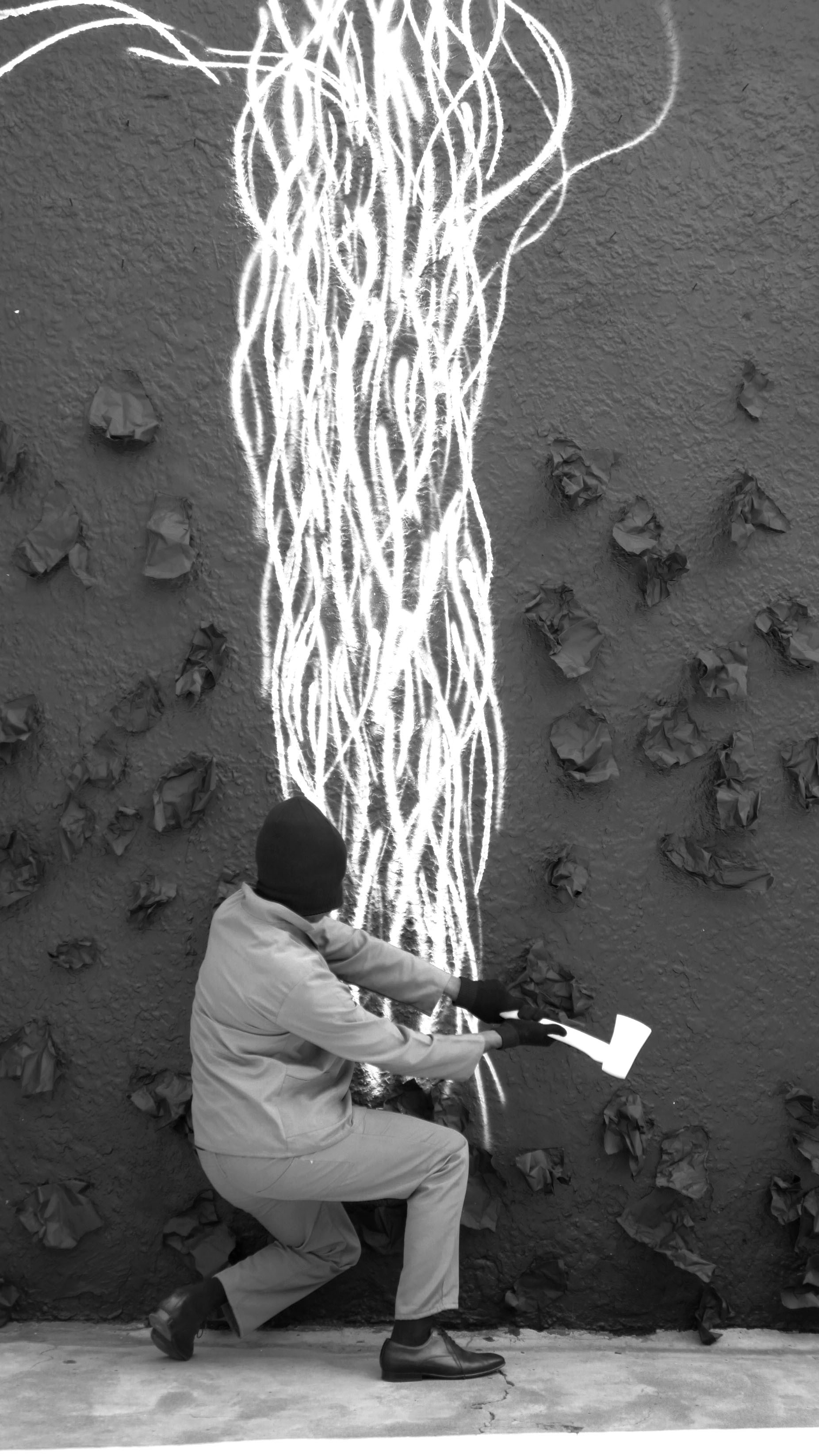
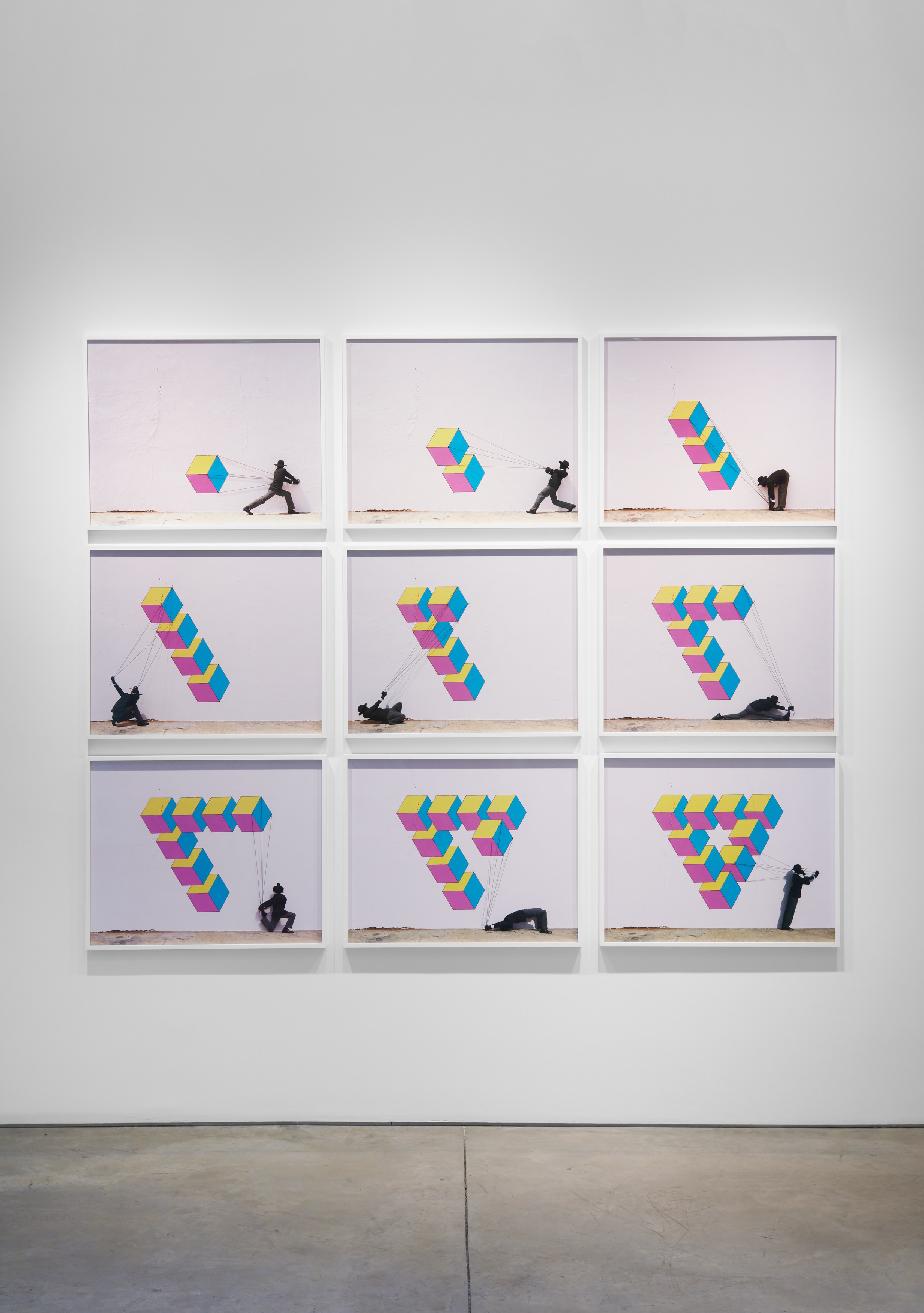
Digital animation still by Robin Rhode

Robin Rhode

Small Axe, 2021

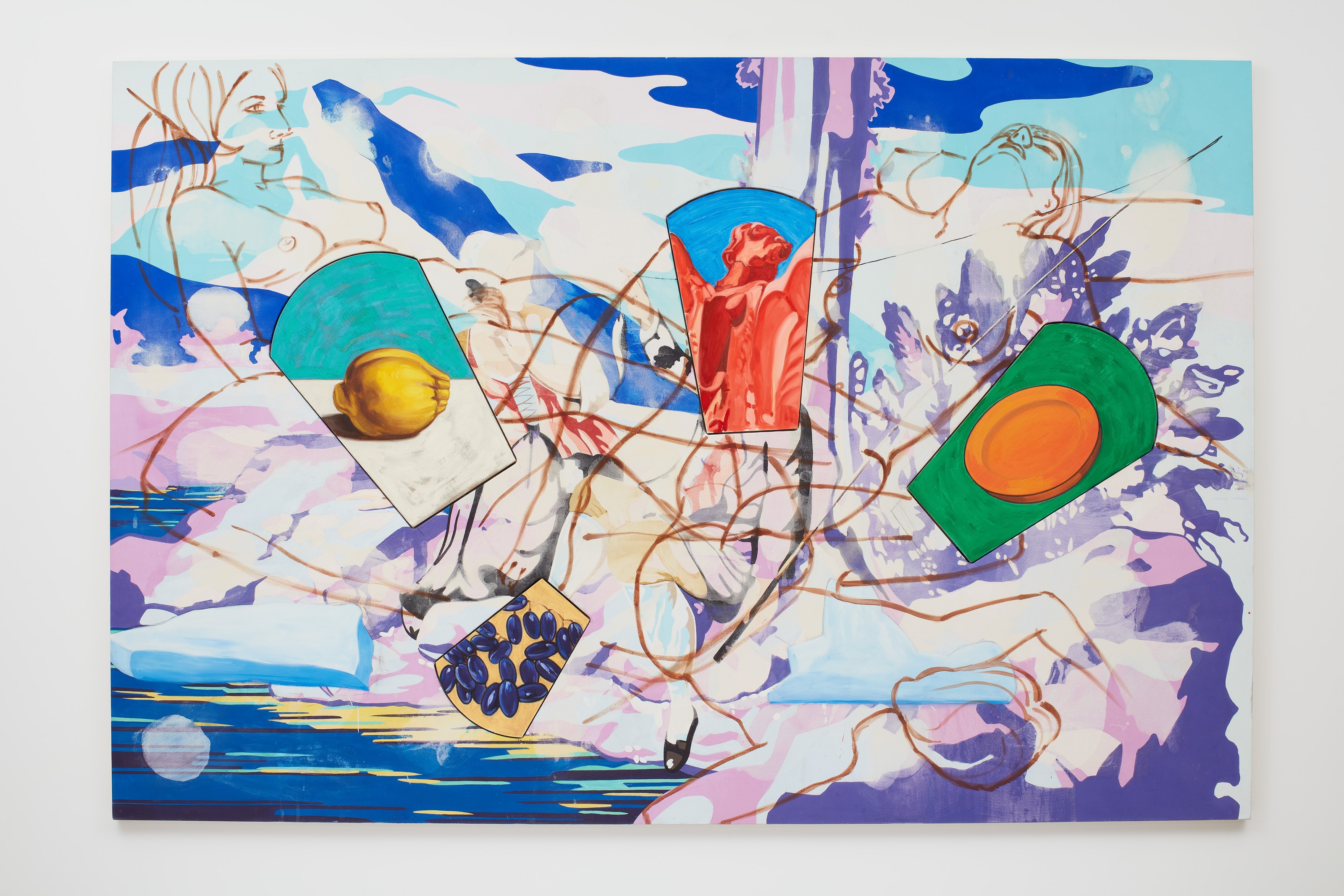
Painting by David Salle

David Salle

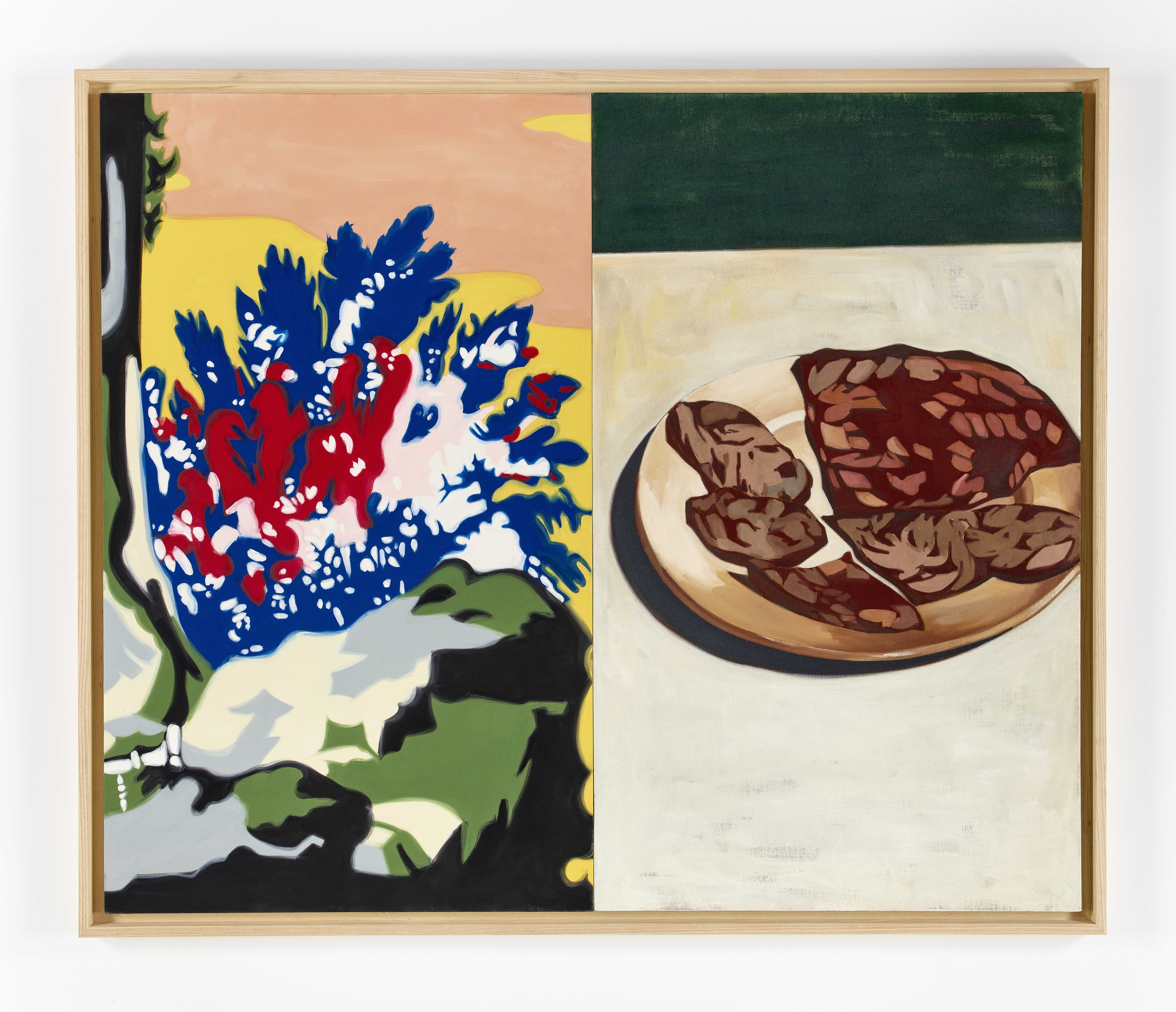
Ice Flow II, 2001

Painting by David Salle

David Salle

Salami, 2001

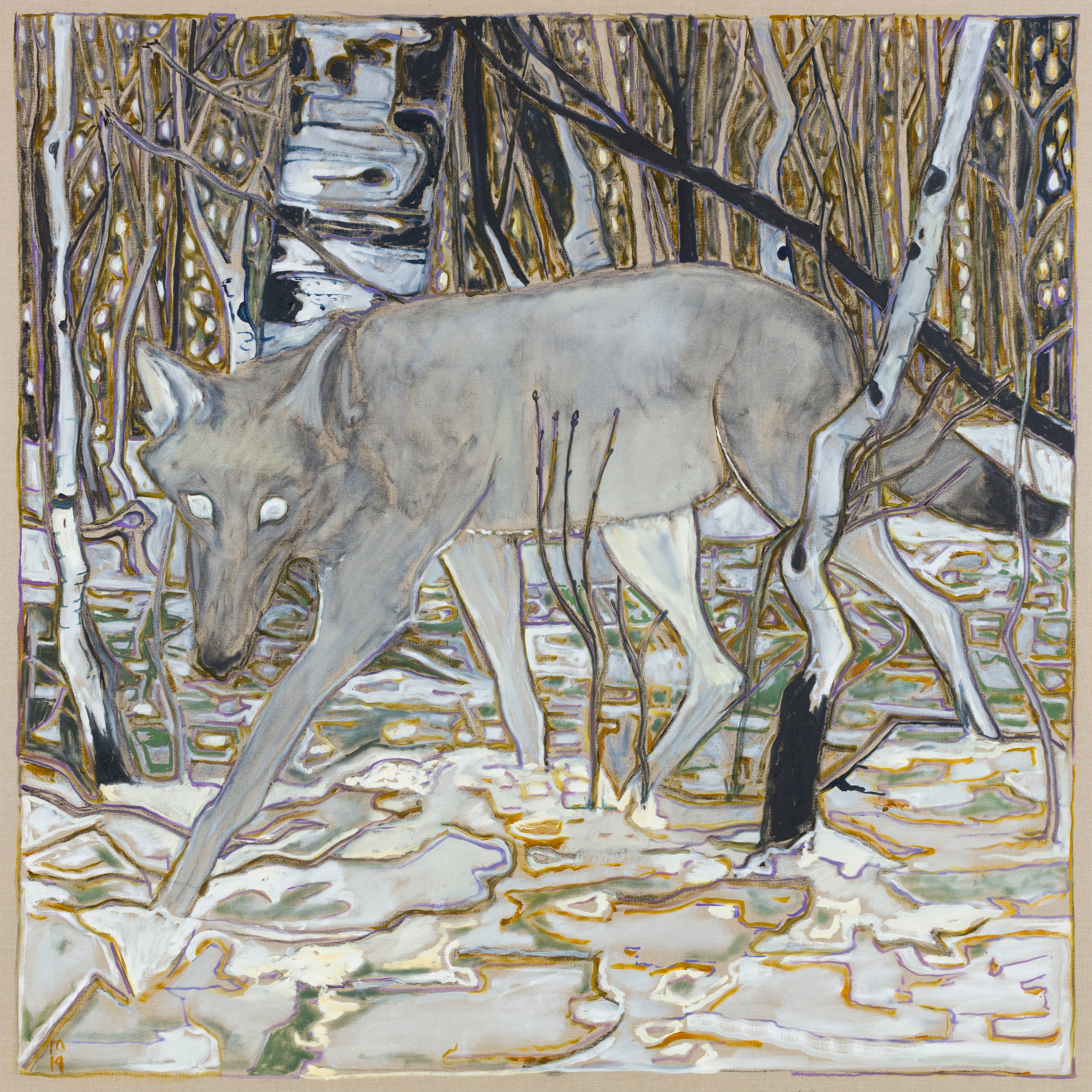
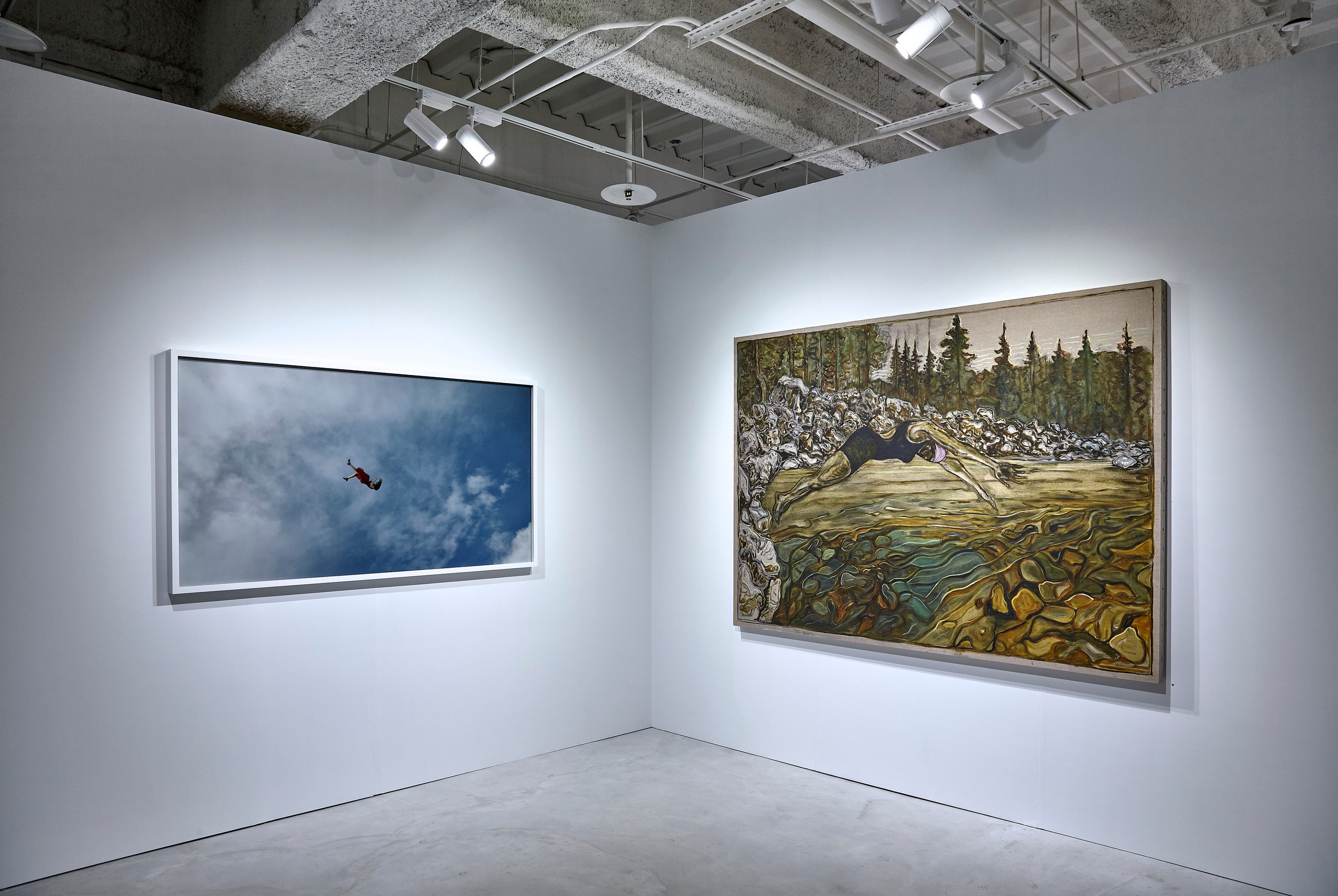
Painting by Billy Childish

Billy Childish

wolf in birch trees, 2019

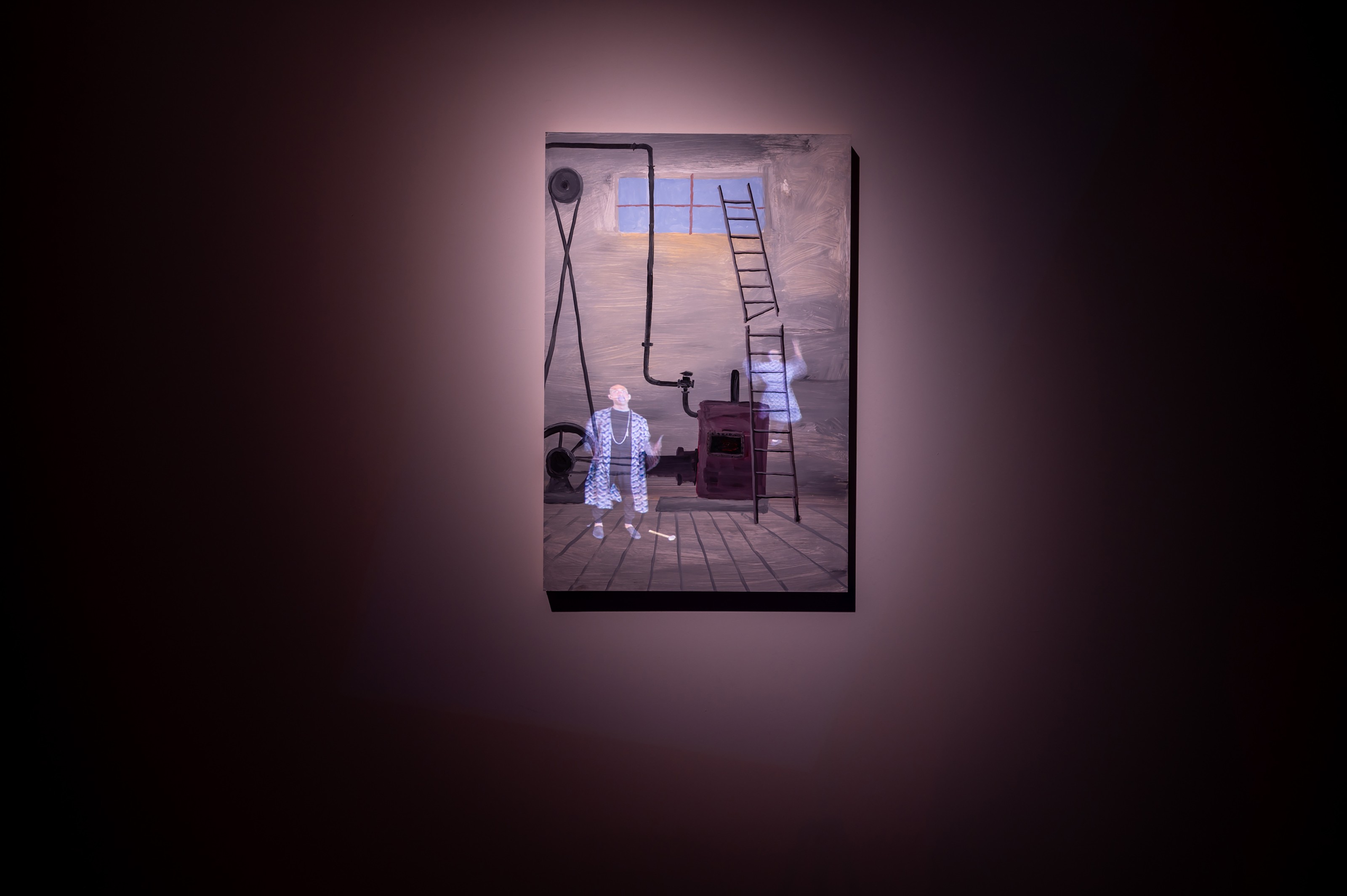
Painting with video by Tony Oursler

Tony Oursler

Luddite, 2017

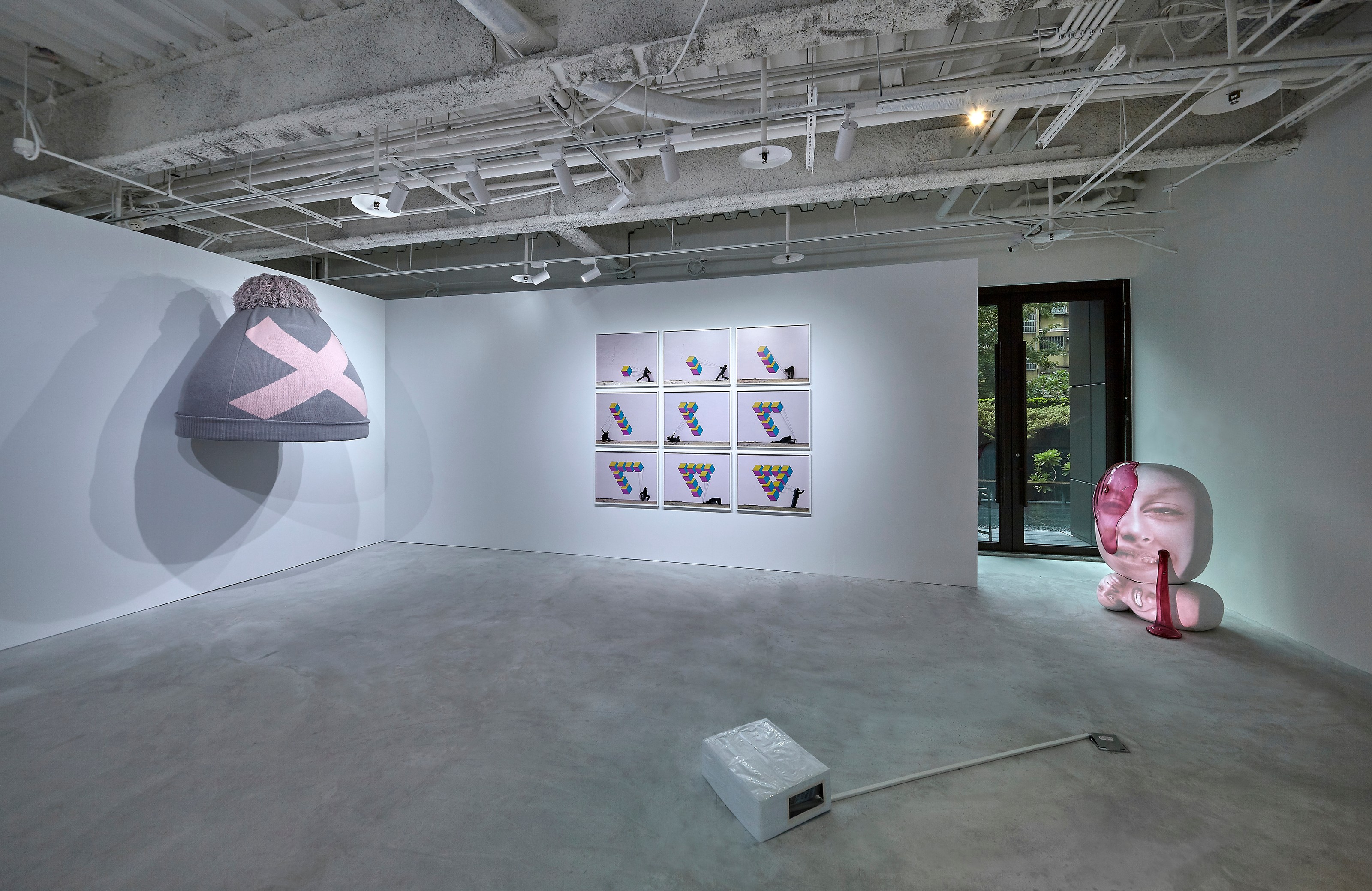
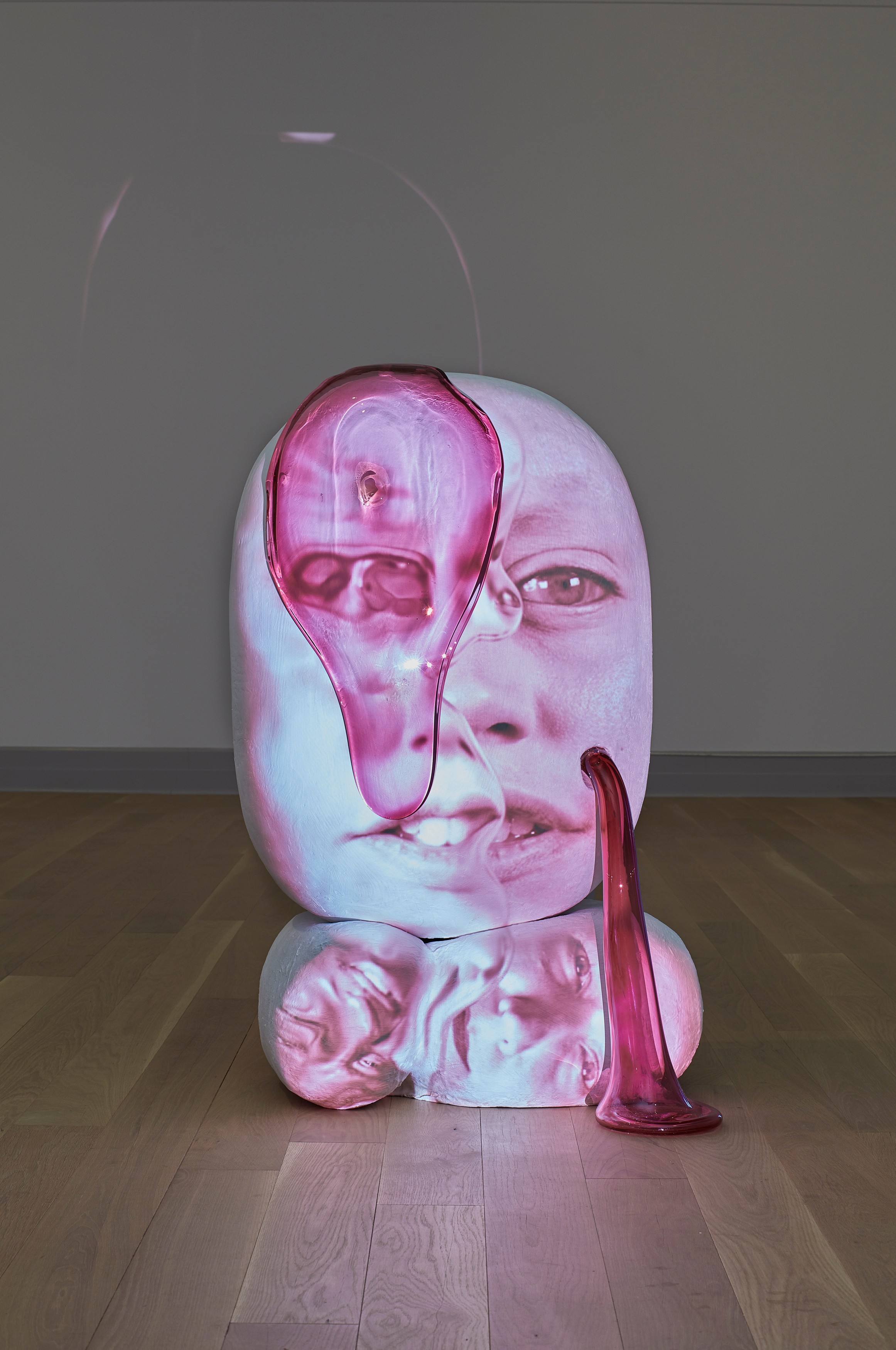
Sculpture & Video Panel by Tony Oursler

Tony Oursler

EntroP, 2019

Photograph by Robin Rhode

Robin Rhode

David, 2017

Installation view of States of Being at Lehmann Maupin Taipei
Installation Views
1 of 3:
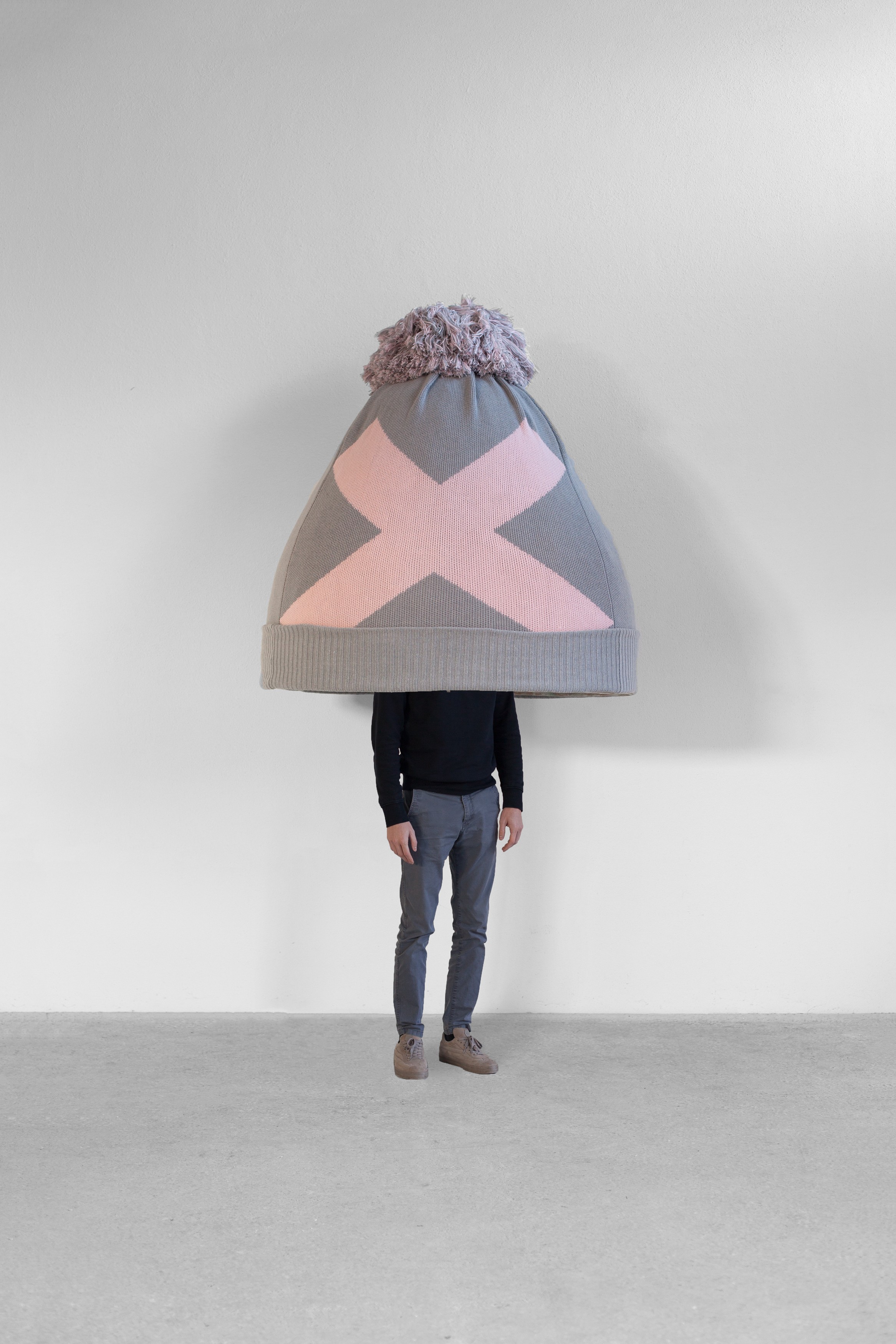
Sculpture by Erwin Wurm

Erwin Wurm

Beanie, 2019

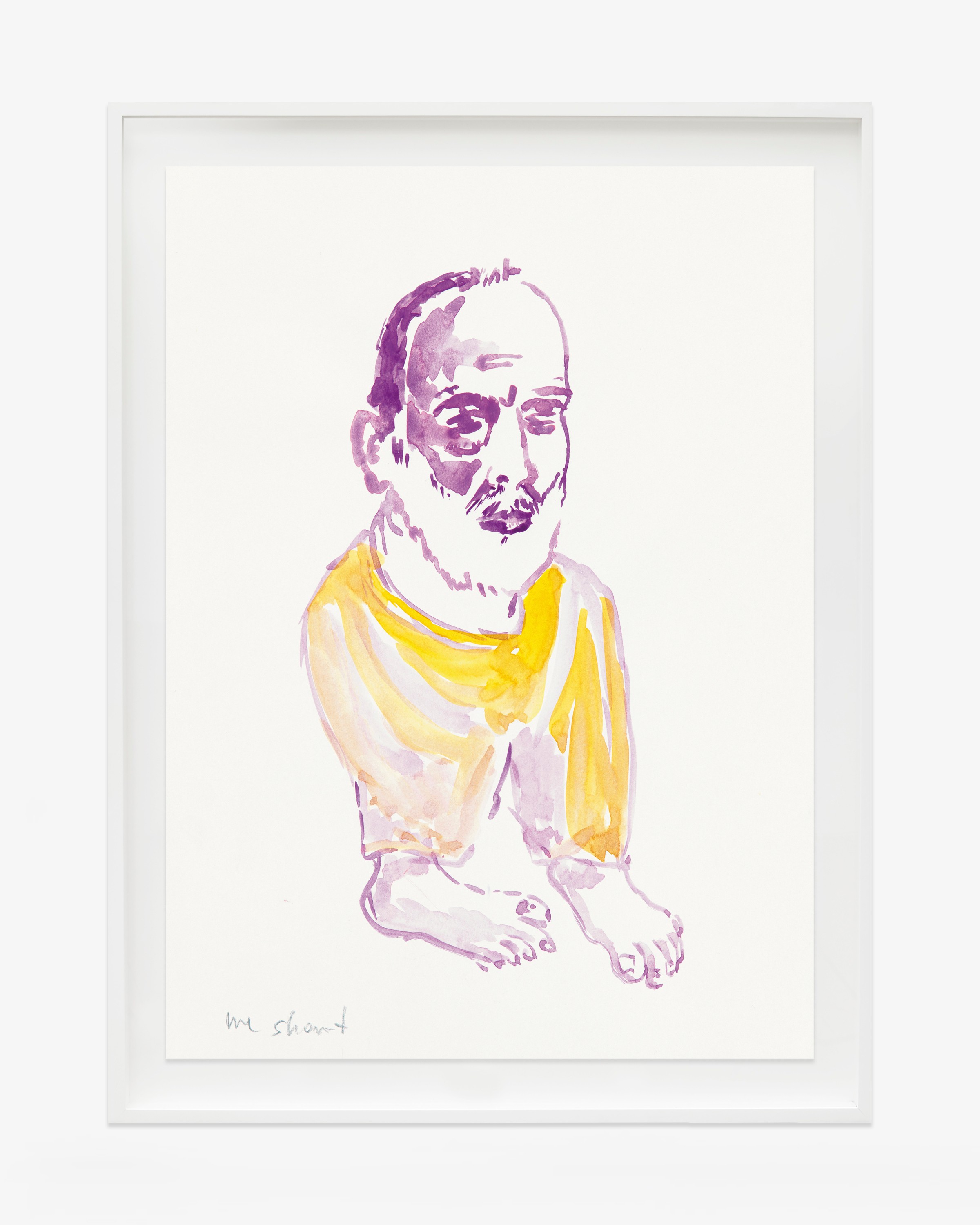
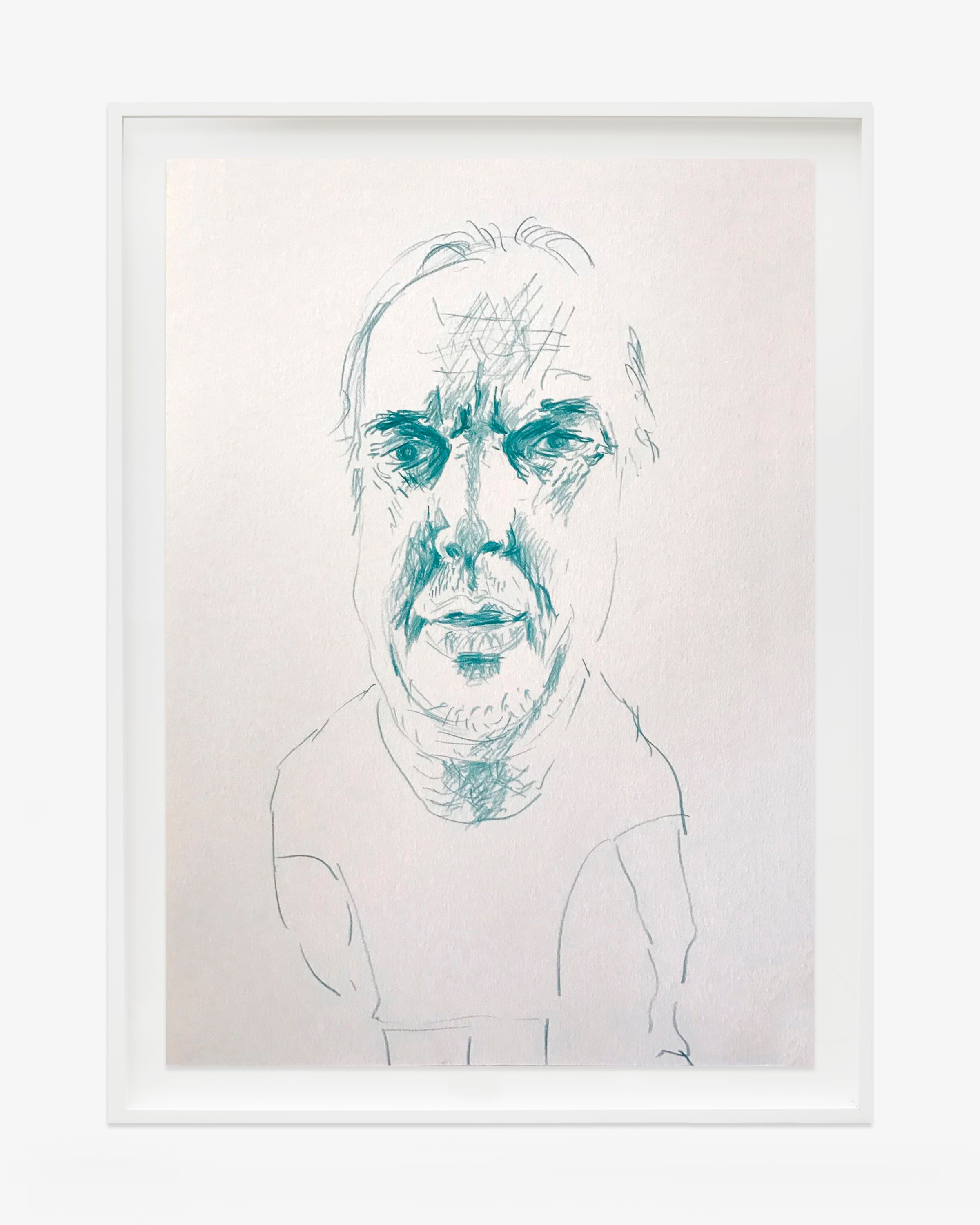
Drawing by Erwin Wurm

Erwin Wurm

Me Short, 2017

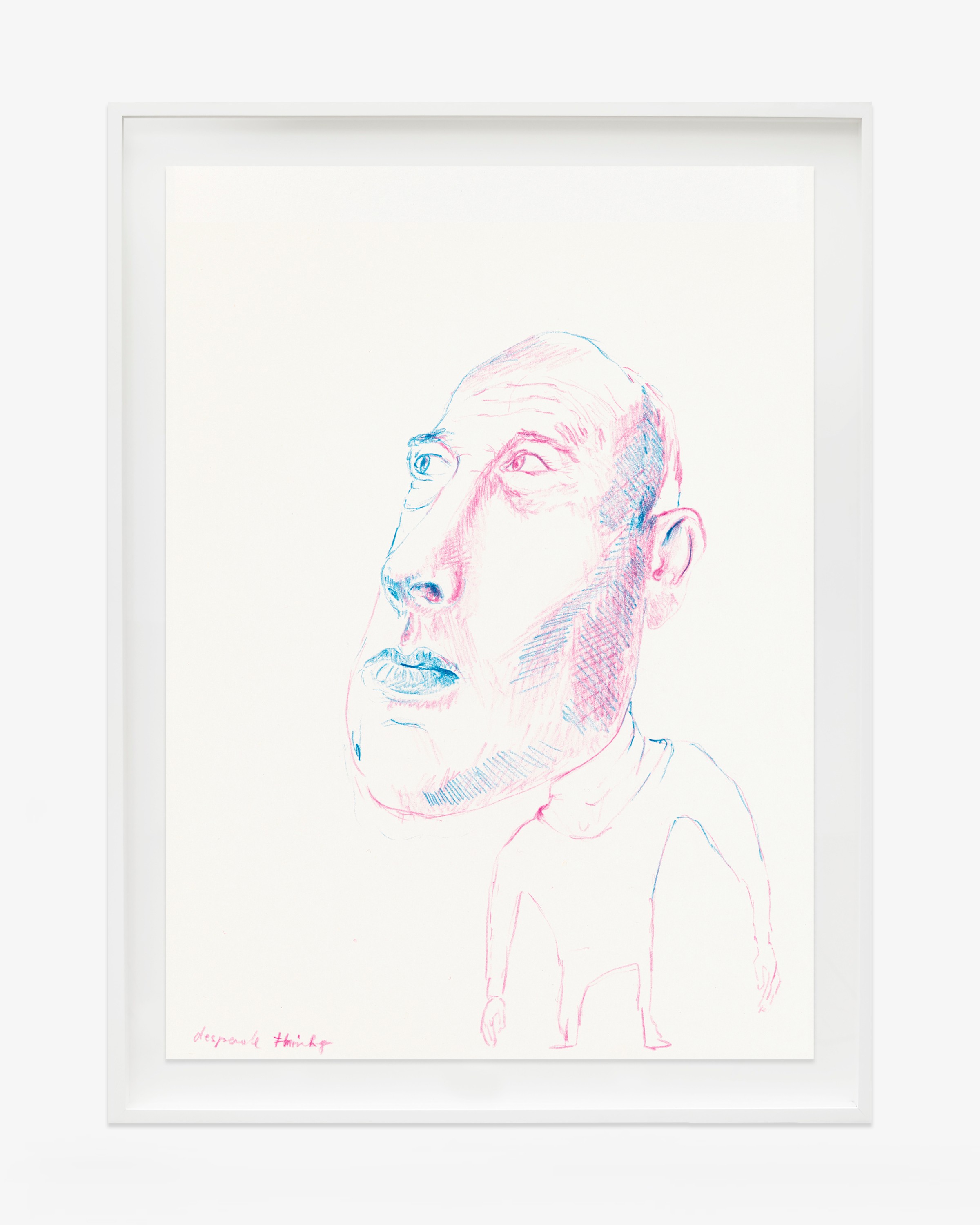
Drawing by Erwin Wurm

Erwin Wurm

Desperate Thinking, 2017

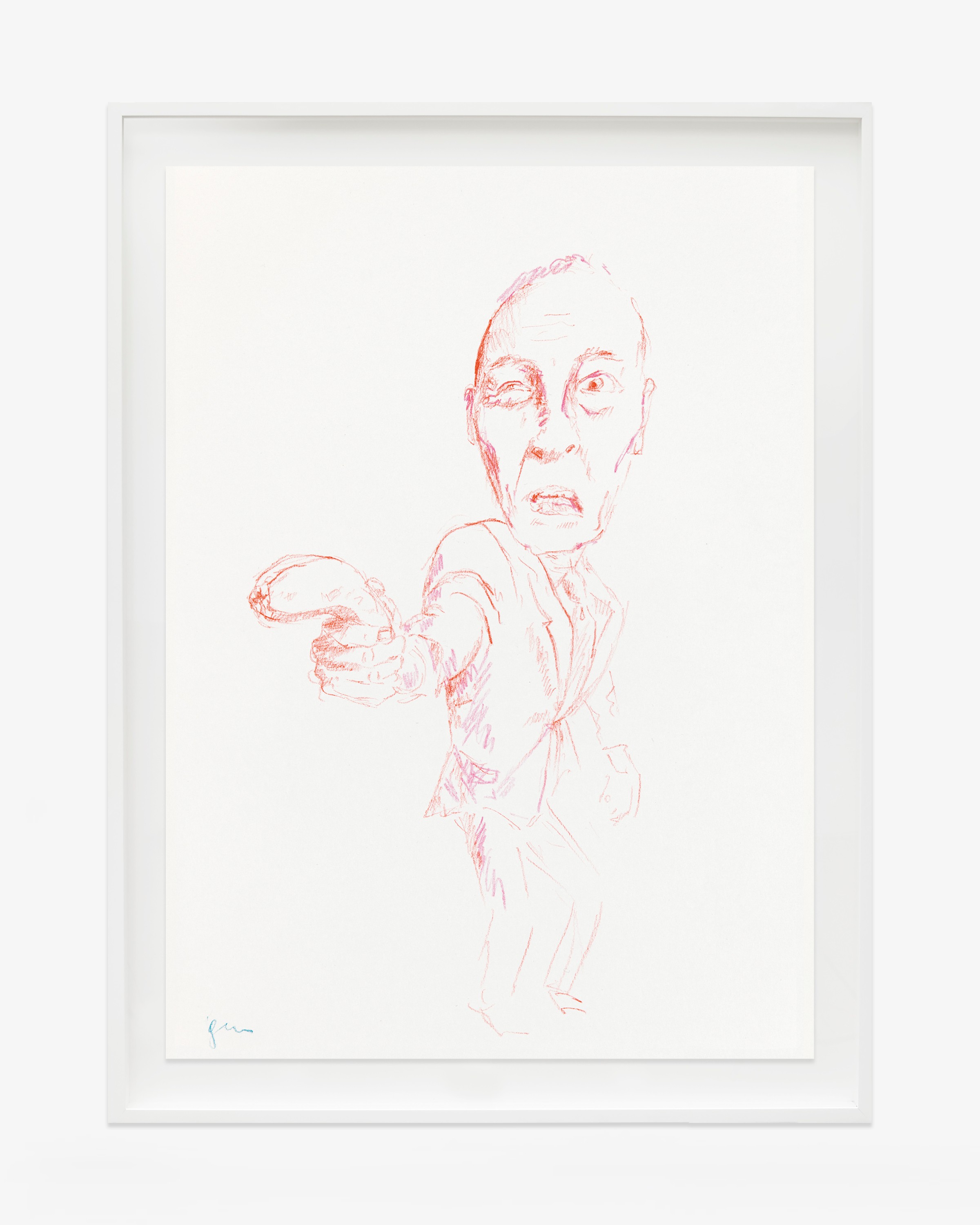
Drawing by Erwin Wurm

Erwin Wurm

Gun (Bullets), 2017

Drawing by Erwin Wurm

Erwin Wurm

Untitled, 2018

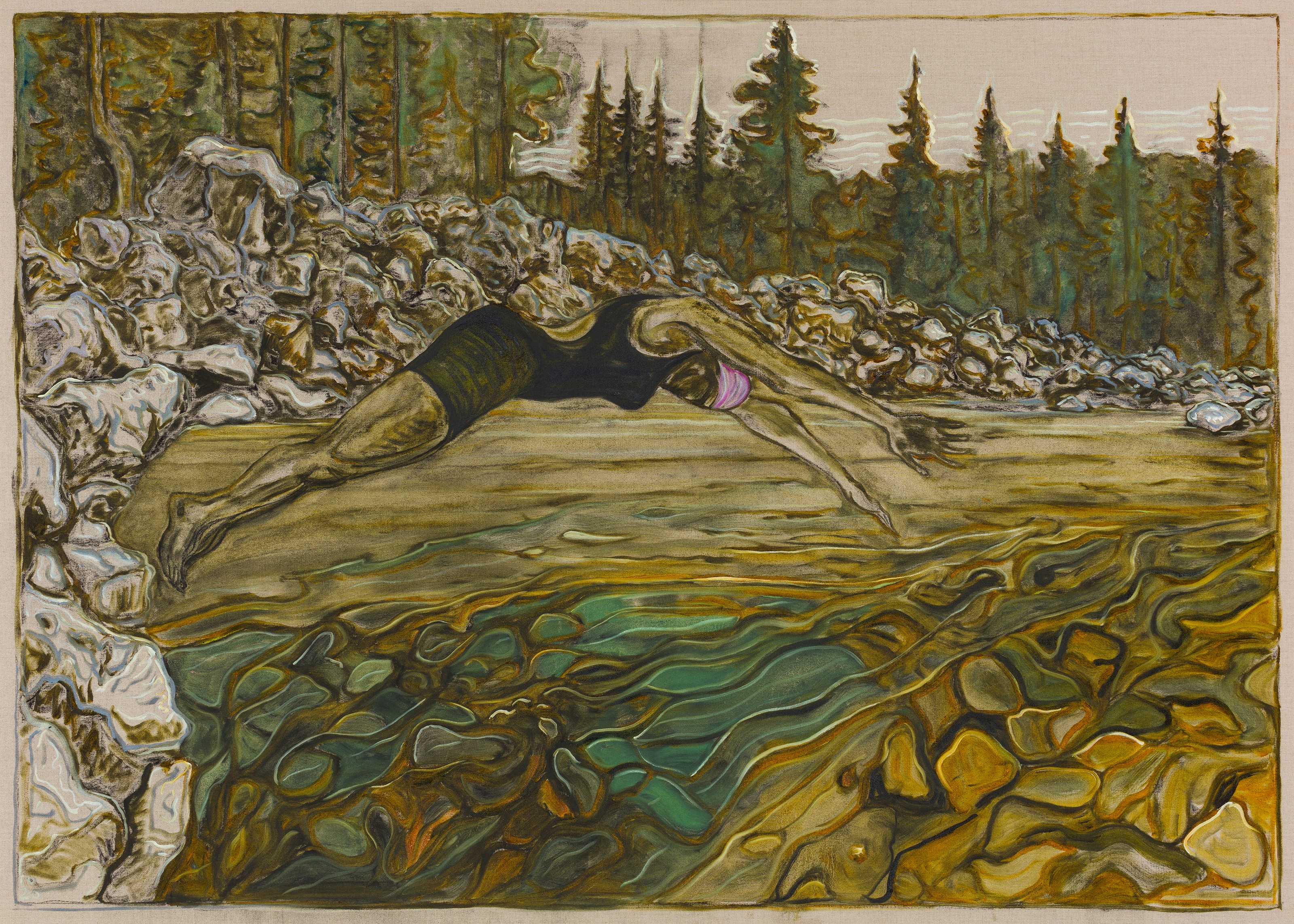
Painting by Billy Childish

Billy Childish

diver, yuba river, 2020

Exhibition Artists

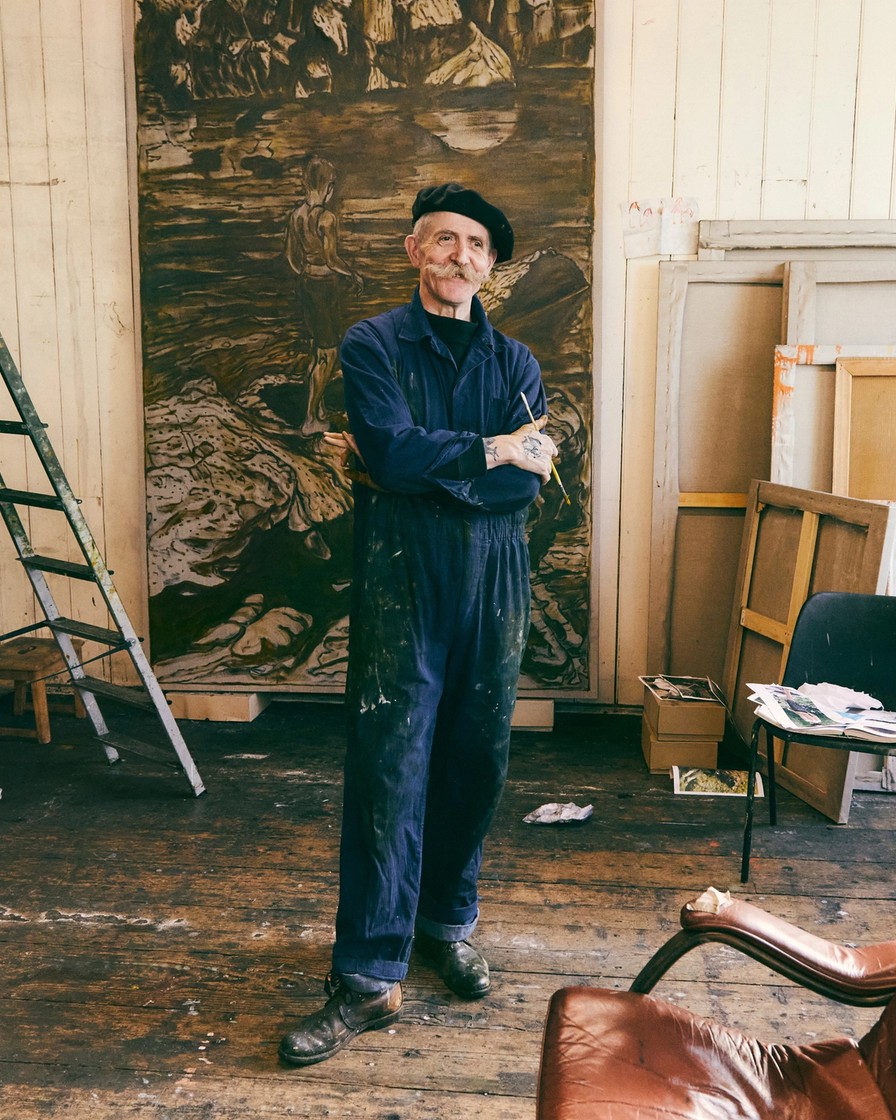
Portrait of Billy Childish

Billy Childish (b. 1959, Chatham, Kent, United Kingdom; lives and works in Chatham, Kent, United Kingdom) is known for his introspective, autobiographical, and deeply emotional paintings, writing, and music. After leaving secondary school at age 16, Childish worked at the Naval Dockyard in Chatham as an apprentice stonemason. Initially denied an interview to the local art school, he produced hundreds of drawings that gained him entry to London’s Saint Martin's School of Art. Childish's defiance of authority led to his eventual expulsion from art school in 1981. Since then, Childish has attained a cult status worldwide, writing and publishing several novels, more than 40 volumes of confessional poetry and recording more than 170 LPs. This artistic output has always existed in tandem with his central practice as a painter, his devotion to the medium evinced by his uninterrupted flow of work dating back to the late 1970s.

Through all of these disciplines, Childish addresses social, political, and personal issues such as war, protest, his turbulent childhood and his struggles with alcoholism. While his confessional poetry and music explore these issues with startling honesty, Childish’s paintings are more subtle. His subjects are often drawn from his environment or are people he knows or admires, transformed into universal motifs: landscape paintings of his native Kent and other familiar lands, such as the Pacific North West and South West United States, appear alongside self-portraits and people significant to Childish’s life (both cultural and personal), including his American wife, Julie, and his children.
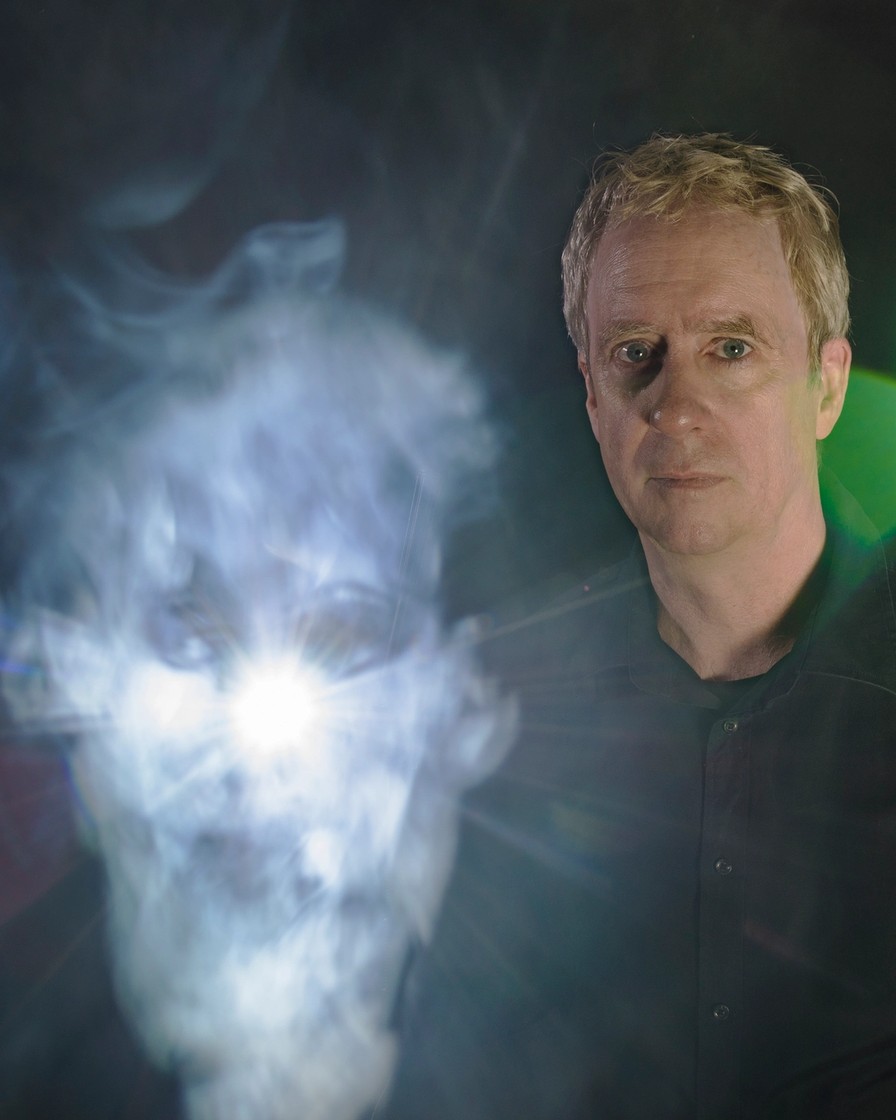
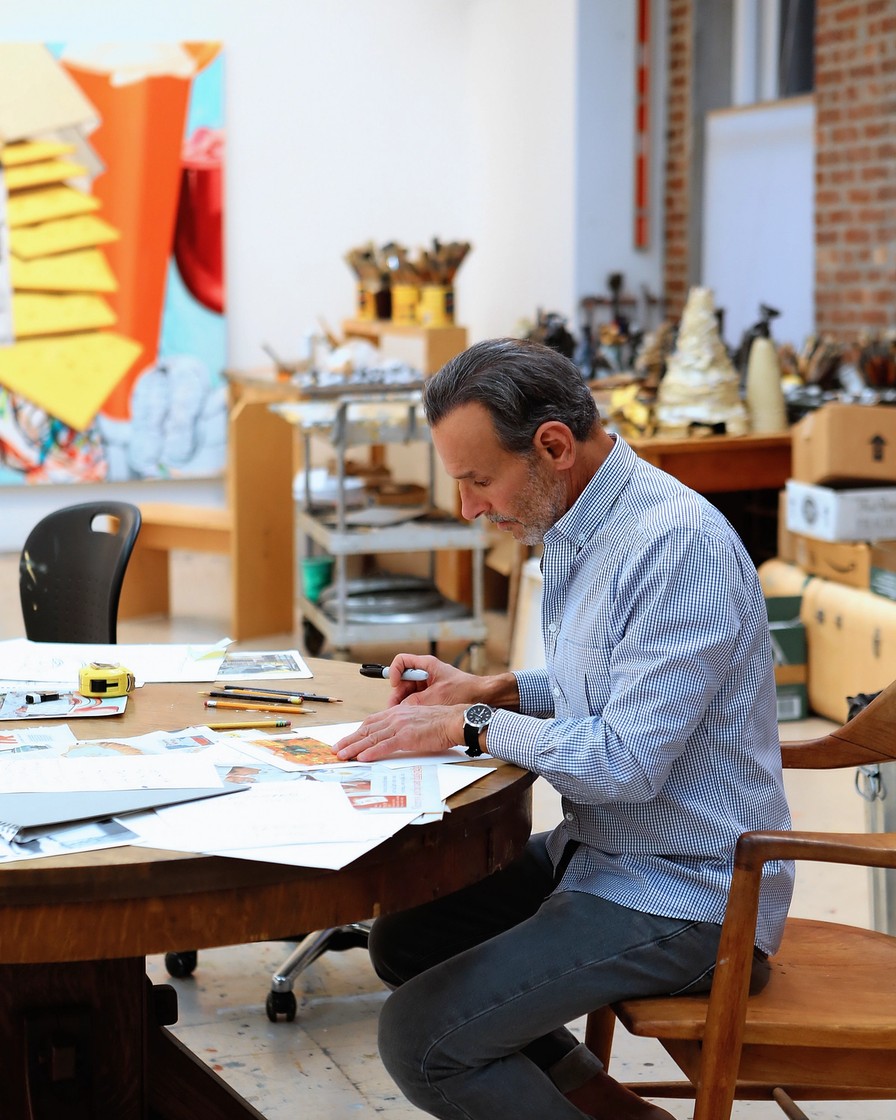
Portrait of Tony Oursler

Tony Oursler (b. 1957, New York, NY; lives and works in New York, NY) is best known for his innovative integration of video, sculpture, performance and installation. A pioneering figure in new media since the 1970s, Oursler has since explored diverse methods of exploring popular culture, historical and sub-cultural themes while incorporating the moving image into his practice, breaking video art out of the two-dimensional screen to create immersive environments with the use of light sound and projections. In 2000, Oursler began a series of large scale outdoor projection projects which incorporate landscape, water, smoke, trees, architecture, performative and sculptural elements; some are permanently installed. His sculptures, wall works and installations present a rich visual multimedia experience which often incorporates cultural references and information that seeks to actively engage the viewer. His artworks often employ poetics and humor to explore a wide range of subjects such as belief systems, facial recognition, superstition, conspiracy theories, UFOs and the role technology plays in altering, inhibiting, and expanding social behavior.

Oursler received a B.F.A. from the California Institute of the Arts in 1979. Solo exhibitions of his work have been organized at Kunst Museum Winterthur, Winterthur, Switzerland (forthcoming, 2025); Boca Raton Museum of Art, Boca Raton, FL (2024); SCAI PIRAMIDE, Tokyo, Japan (2024); Photo Elysée, Lausanne, Switzerland (2022); K11 Musea, Hong Kong (2021); Kunstraum Dornbirn, Dornbirn, Austria (2021); Kaohsiung Museum of Fine Arts, Kaohsiung City, Taiwan (2021); Musée d’Arts de Nantes, Nantes, France (2020); Nanging Eye Pedestrian Bridge, Nanjing, China (2019); Public Art Fund, New York, NY (2018); The Museum of Modern Art, New York, NY (2016); LUMA Foundation, Arles, France (2015); Stedelijk Museum, Amsterdam, the Netherlands (2014); Tate Modern, London, United Kingdom (2013); Museu de Arte Moderna, São Paulo, Brazil (2013); Pinchuk Art Centre, Kiev, Ukraine (2013); Art Sonje Center, Seoul, South Korea (2012); ARoS Aarhus Kunstmuseum, Aarhus, Denmark (2012); and Jeu de Paume, Paris, France, traveling to the DA2 Domus Artium, Salamanca, Spain, and the Kunstforeningen, Copenhagen, Denmark (2005), among numerous others.

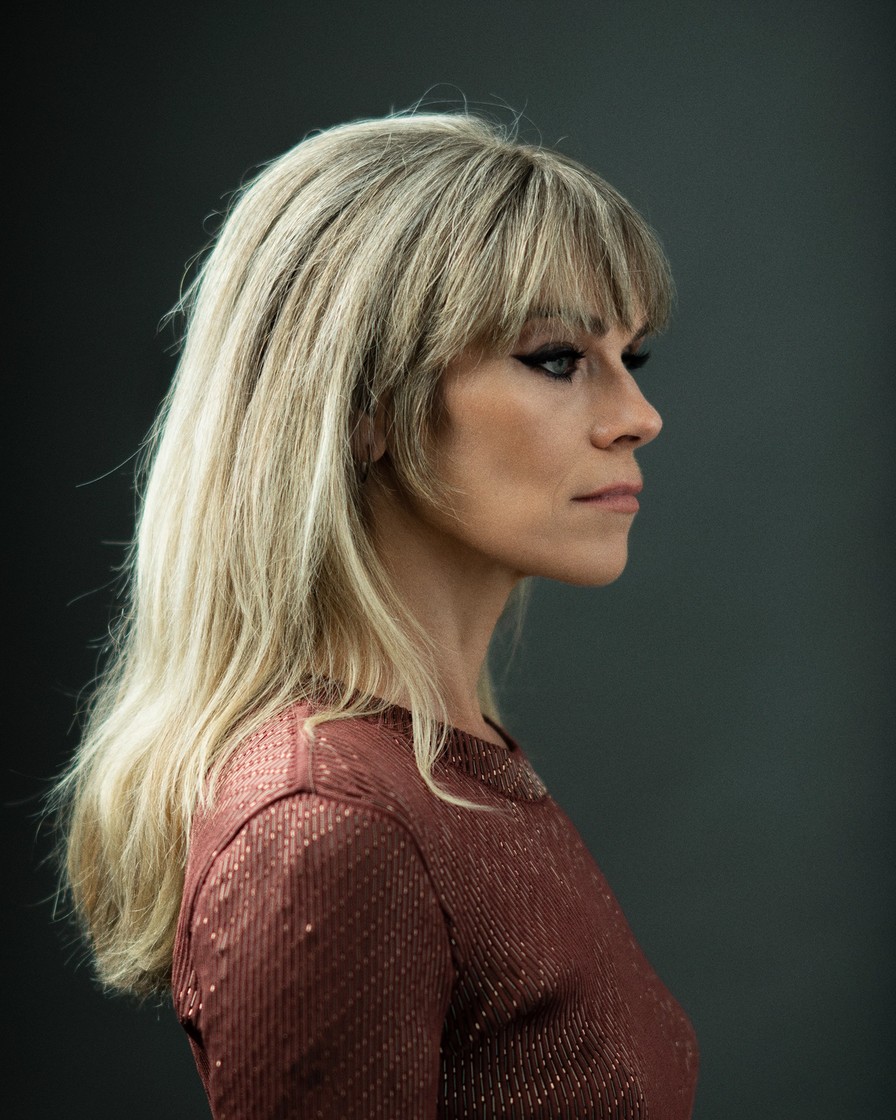
Portrait of Alex Prager

Alex Prager (b. 1979, Los Angeles, CA; lives and works in Los Angeles, CA) is an American artist, director and screenwriter based in Los Angeles. Prager is known for her uncanny images and films that blur the line between artifice and reality to explore the human condition. Prager has spent over two decades honing her signature style, which draws on traditional movie making techniques from golden-era period styles (like film noir and Technicolor), classical mythology, and the allegorical works of Dutch Renaissance painters Hieronymus Bosch and Pieter Brugel. Over time, large-scale productions have become synonymous with her work.

Working simultaneously across film, photography, and sculpture, Prager constructs highly emotional moments that feel like a fabricated memory or dream. Her distinctive use of archetypes, everyday objects, humor, and allegory—along with her signature technicolor facades—allow her to explore dark and complex topics. Existential concerns are central to her practice, including collective and individual identities and the impact of technology on society. Like the psychological works of artists including Alfred Hitchcock, Edward Hopper, Pipilotti Rist, August Sanders, and Bill Viola, Prager’s work invites the viewer to contemplate the human experience by revealing that the extraordinary lurks within the ordinary.

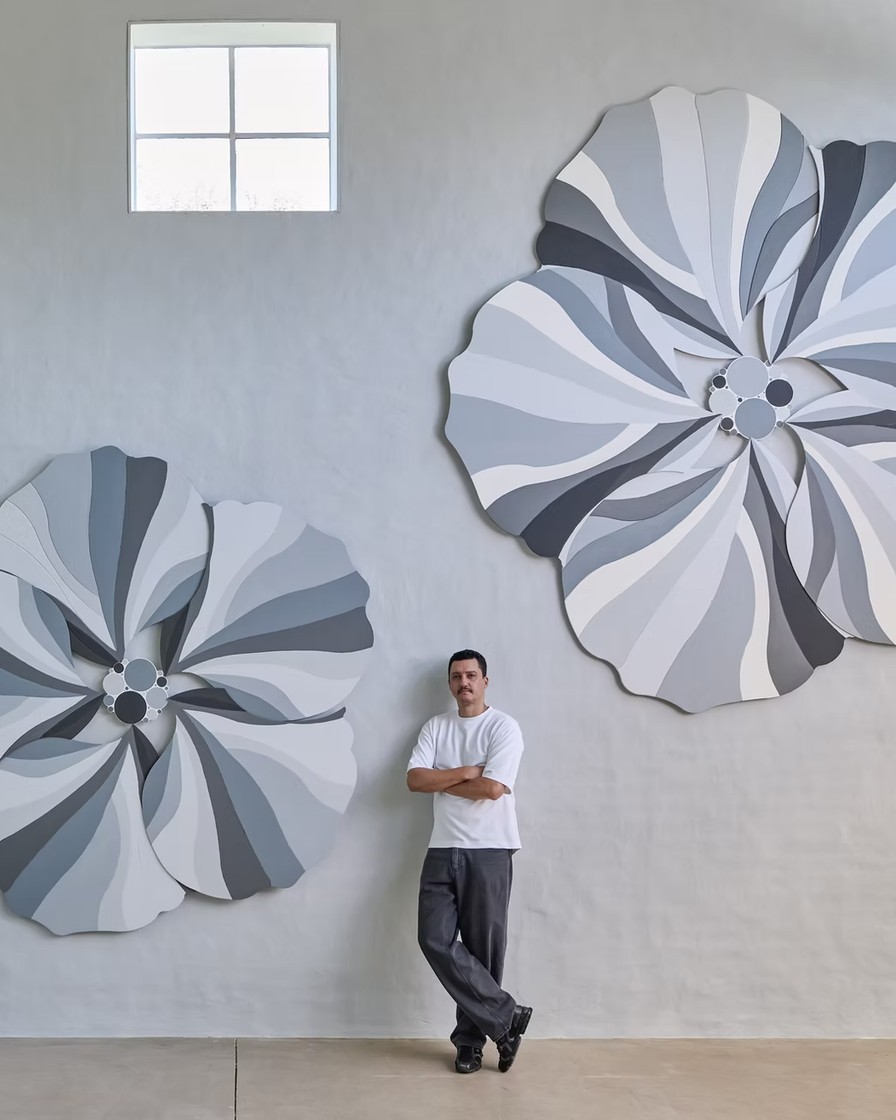
Portrait of Robin Rhode

With his research-based and socially engaged practice, Robin Rhode (b. 1976, Cape Town, South Africa; lives and works in Berlin, Germany) engages the urban landscape to create complex, symbolically rich narratives that disrupt and transform their environments.

The artist is best known for his multi-panel works that deftly combine photography, performance, wall painting, and drawing. Negotiating the urban landscape, these photographs often depict silhouetted figures interacting with carefully composed wall paintings that the artist paints in public spaces, most often in the city of Johannesburg. In each succession of photographs, the choreographed movements of the individual or group appear to alter the two-dimensional renderings, compressing space and time and morphing the urban landscape into a fictional storyboard. Using the medium of photography to capture his painted and performative actions, Rhode disrupts the fixity of the wall, rendering it a mobile substrate that can be transported into a variety of contexts.

Portrait of David Salle

David Salle (b. 1952, Norman, OK; lives and works in New York, NY), was born in 1952 and raised in Wichita, Kansas. Salle attended California Institute of Arts (CalArts) in Los Angeles, receiving a B.F.A. in 1973 and an M.A. in 1975. A member of the influential Pictures Generation, Salle combines popular, or commercial imagery with images made from direct observation and a range of art historical references to create a personal pictorial language. His work features a sophisticated and highly intuitive approach to composition, one that suggests new associations and relationships between familiar (or un-familiar) subjects. Salle’s multi-layered works do not rely on subject matter alone, however—his paintings pack an immediate formal impact and present multiple points of entry for the viewer. Built to draw the eye through and across the picture plane, they reward close looking and prolonged contemplation.

Solo exhibitions of Salle’s work have been organized at Times Square Arts, New York, NY (2024); Edward Hopper House Museum, Nyack, NY (2024); Lehmann Maupin, Seoul, Korea (2023); Gladstone Gallery, Brussels, Belgium (2022); the Brant Foundation, Greenwich, CT (2021); Galerie Thaddaeus Ropac, Paris, France (2020); Galeria Javier Lopez & Fer Frances, Madrid, Spain (2019); Centro de Arte Contemporáneo de Málaga (CAC Málaga), Málaga, Spain (2016); Dallas Contemporary, Dallas, TX (2015); Arts Club of Chicago, Chicago, IL (2014); Metropolitan Opera House, New York, NY (2012); Museo de Arte Contemporáneo de Monterrey, Monterrey, Mexico (2000); Museum Moderner Kunst Stiftung, Ludwig, Vienna, Austria (2000); Museo d’Arte Contemporanea Castello di Rivoli, Turin, Italy (2000); Stedelijk Museum, Amsterdam, the Netherlands (1999); and the Guggenheim Museum Bilbao, Bilbao, Spain (1999).

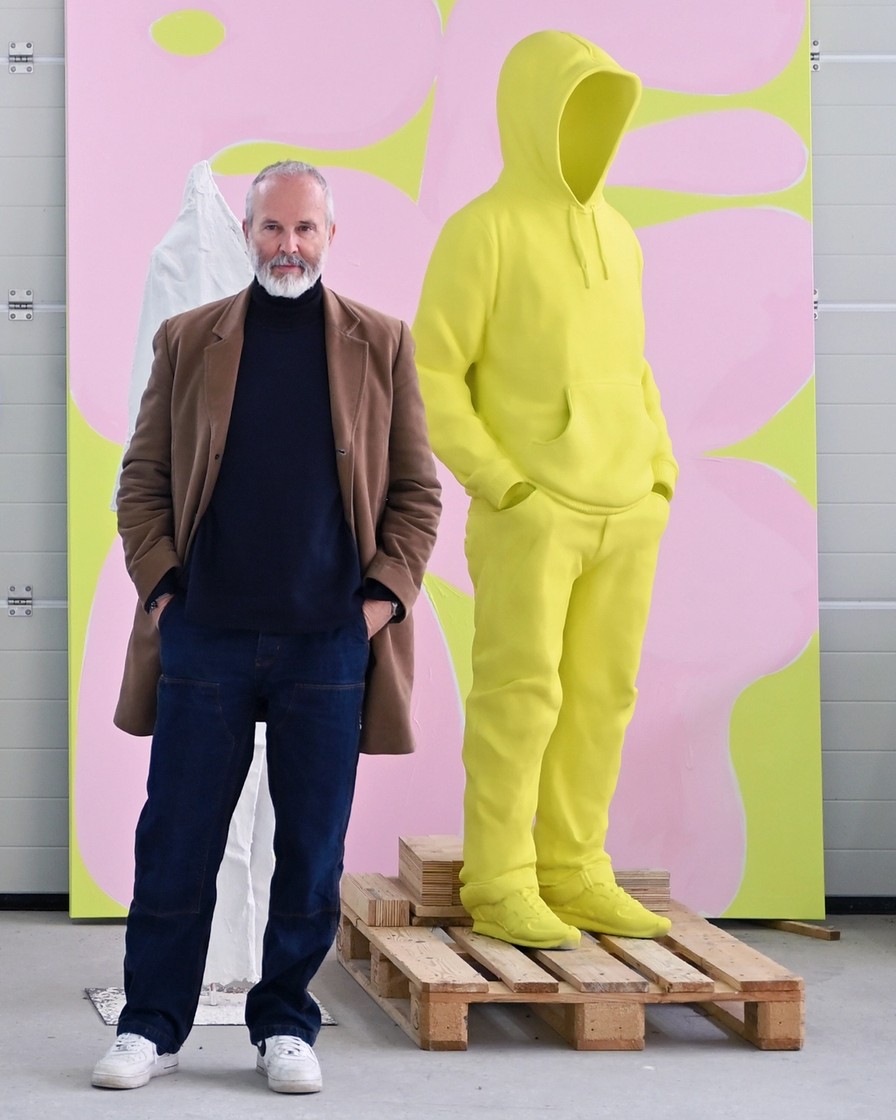
Portrait of Erwin Wurm

Erwin Wurm (b. 1954, Bruck an der Mur/Styria, Austria; lives and works in Vienna and Limberg, Austria) is an Austrian artist whose practice has radically expanded the possibilities of sculpture over the past four decades. Rooted in conceptual questions about what sculpture can be, how it can occupy space, and how the body, everyday objects, and gestures might become sculptural forms, Wurm’s work challenges conventional definitions of the medium. While his oeuvre is filled with larger-than-life-size pickles, anthropomorphic sausages, empty suits, and impossibly proportioned houses, Wurm is best known for his iconic One Minute Sculptures, which provide instructions for participants to create temporary sculptures by performing illogical poses with everyday objects. Through his paradoxical work, Wurm confronts philosophical questions about contemporary society—from obsessions with status and consumerism, to anxieties around traditional value systems, to the complexities of modern psychology. At the same time, the artist explores new possibilities for sculpture through ambitious formal experiments with volume, surface, scale, and duration. While Wurm considers the absurd an important tool, there is always an underlying social critique of contemporary culture. Wurm emphasizes this dichotomy by working within the liminal space between high and low and merging genres to explore what he views as an invented reality.

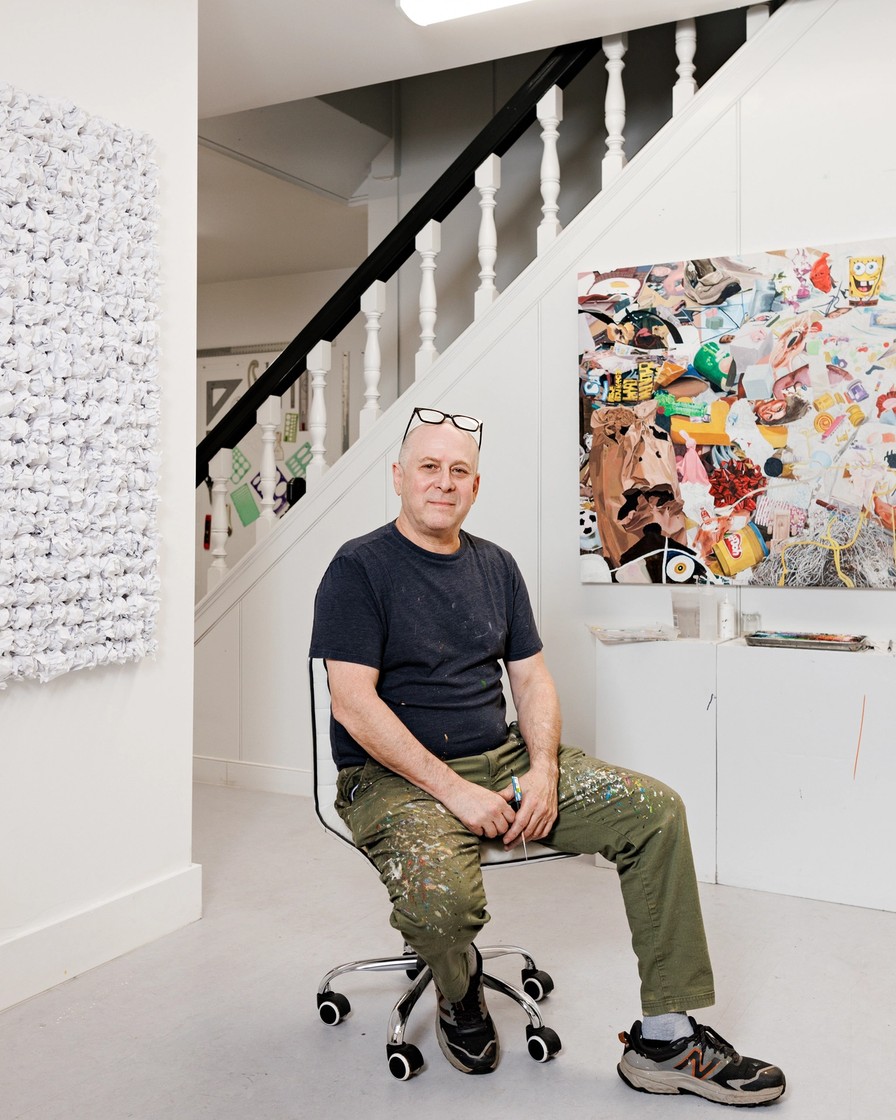
Portrait of Tom Friedman

Tom Friedman (b. 1965, Saint Louis, MO; lives and works in Leverett, MA) is a conceptual artist known for his meticulously disparate works, including sculpture, painting, drawing, video, and installation. Friedman investigates the concepts of perception, logic, and the cosmology of being. Since the early 1990s, Friedman has utilized and invented a multitude of processes unique to each artwork. His work engages the full spectrum between maximalist and minimalist aesthetics, and anti-aesthetics, recalling the Dadaists, Futurists, Arte Povera, and Pop Art.

Friedman says he is not a professional artist, and he’s not really an artist, more a philosopher. His work tends toward the darkly humorous, and his often-sarcastic use of materials has distinguished his practice over the last 30 years. Made from a wide variety of unconventional materials, such as Styrofoam, aluminum foil, toilet paper, bubble gum, soap and hair, Friedman’s work plays on the unpredictable. You never know what to expect. As Roberta Smith, formerly of the New York Times writes, “The artist Tom Friedman tends to blow our minds then move on, rarely repeating himself.”