Skip to content

Multiple Artists

Second Nature

Aspen

Jul 1–31, 2021

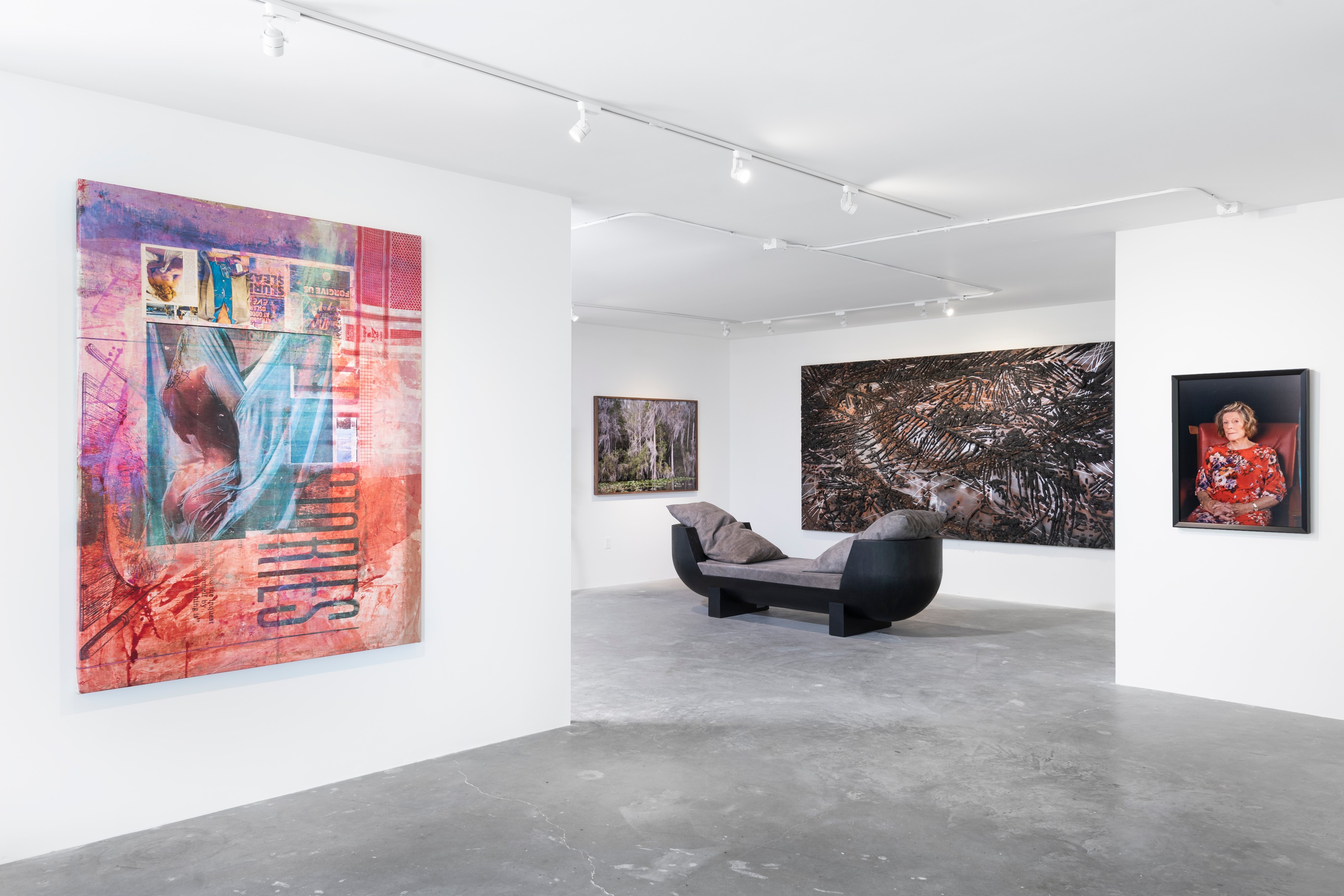
Installation view of Second Nature in Aspen

601 East Hyman Ave, 2nd Floor

Aspen, Colorado

Featured artists and designers: Maarten Baas, Camanpa Brothers, Nacho Carbonell, Wendell Castle, Paul Cocksedge, Vincenzo De Cotiis, Ingrid Donat, Mandy El-Sayegh, Najla El Zein, Teresita Fernández, Steven Haulenbeek, Lee Bul, Liu Wei, Frederick Molenschot, Angel Otero, Tony Oursler, Rick Owens, Charles Tevelyan, and Joep Van Lieshout.

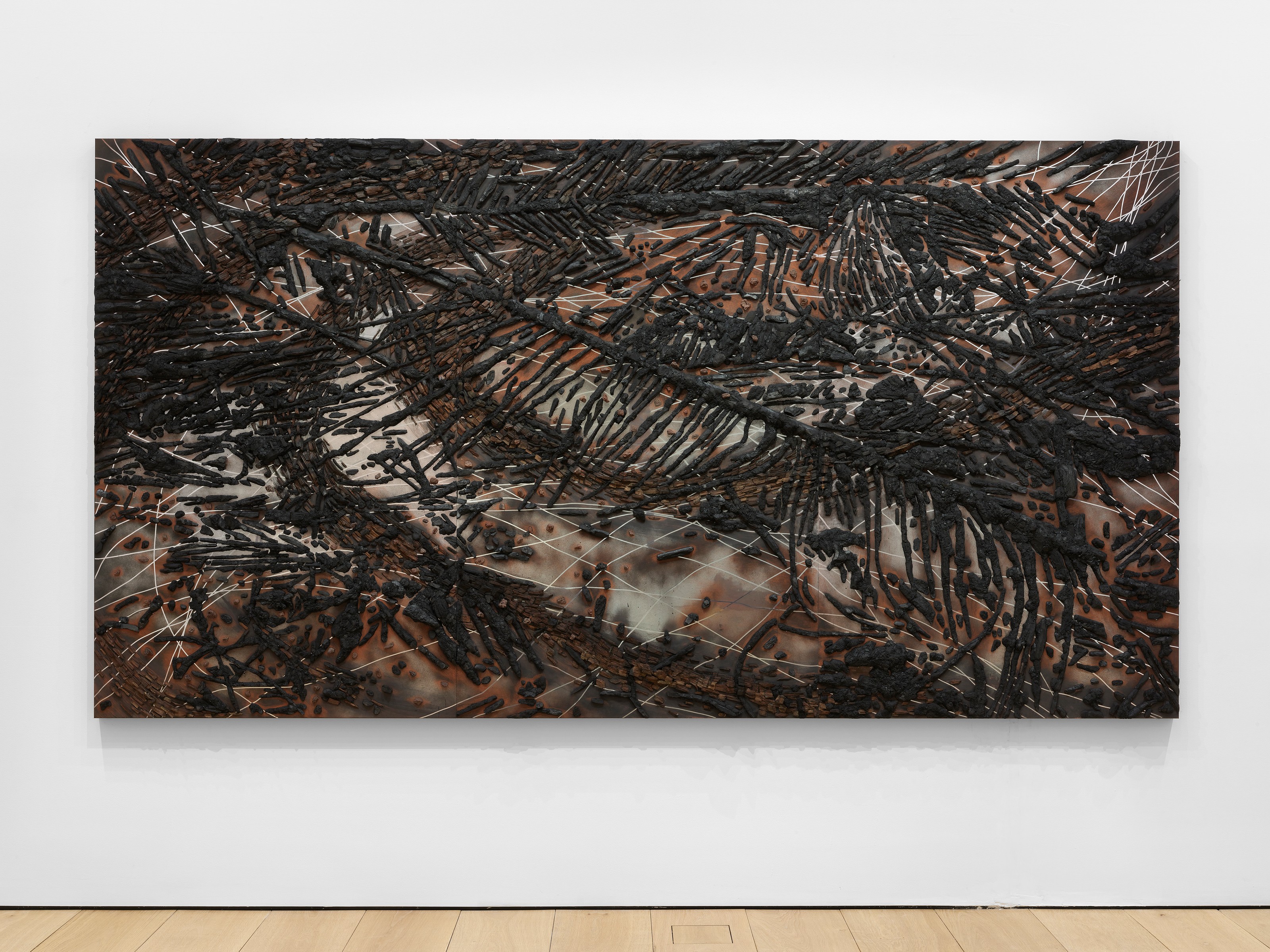
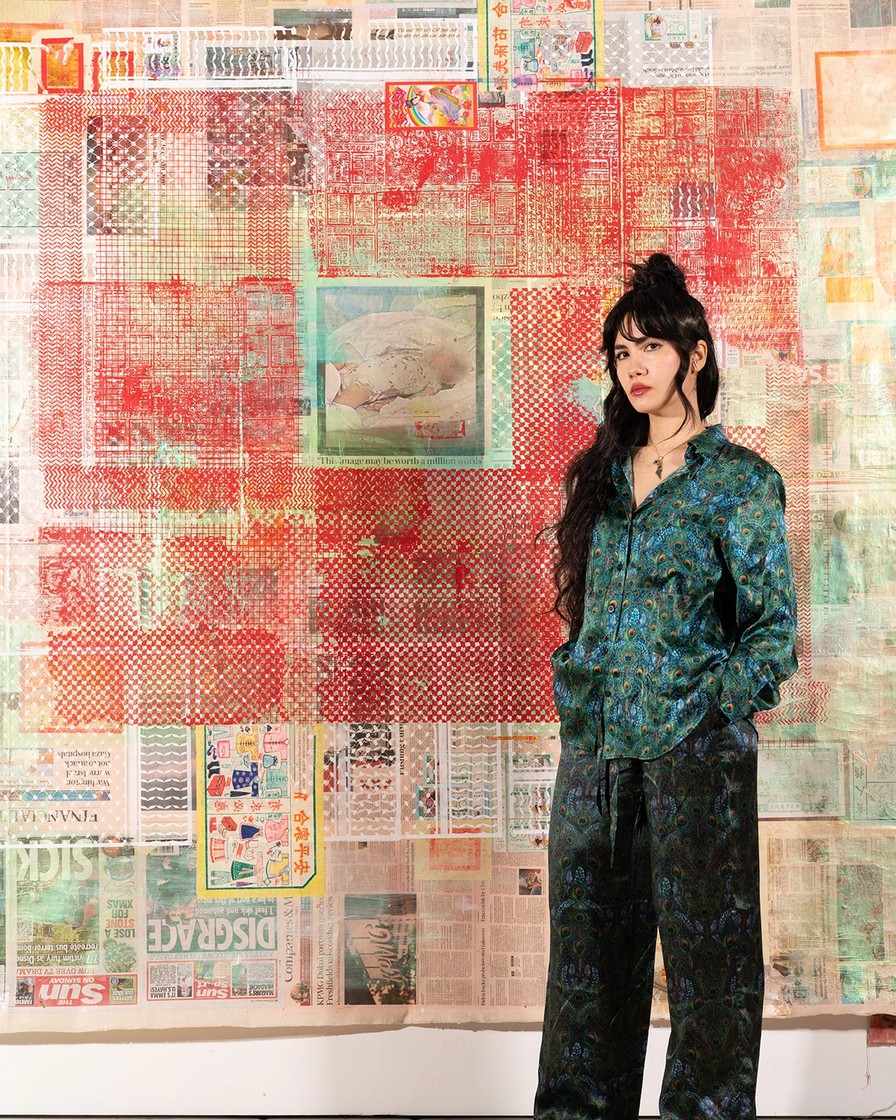
Second Nature will bring together contemporary artists and designers whose practices explore the ways in which the natural world coexists with the technological. Lee Bul, Liu Wei, and Mandy El-Sayegh explore these themes on scales ranging from the intimate (the human body) to the immense (the cityscape). While Bul’s Perdu series explores the binary of the artificial and the organic, El-Sayegh examines the fragmented nature of human identification through the use of medical illustrations, imprints of her body, and cultural and personal ephemera. Teresita Fernández explores the complex relationship between the Americas and the Caribbean archipelago through meticulously elaborated charcoal and wood reliefs that offer the viewer a point of stability in their own reflection among the fragmented slivers of untouched mirror. Simultaneously, Nacho Carbonell, DRIFT and Vincenzo de Cotiis interrogate this contrast through varied media, from ipe wood, Murano glass and sheep’s wool to concrete, steel and LED light. Through their light sculptures, DRIFT explores the relationship between humans, the environment and technology. The labor-intensive, meticulous process of making works acts as a clear statement against mass production and throwaway culture. De Cotiis takes inspiration from Japanese gardens, bonsai and cherry trees, and uses hand-blown Murano glass to mimic the effects of water. He presents these organic inspirations using materials like fibreglass and aluminum, highlighting the contrast between the natural and the industrial.

Installation view of Second Nature in Aspen
Installation Views
1 of 3:
Installation view of Second Nature in Aspen
Installation Views
1 of 3:
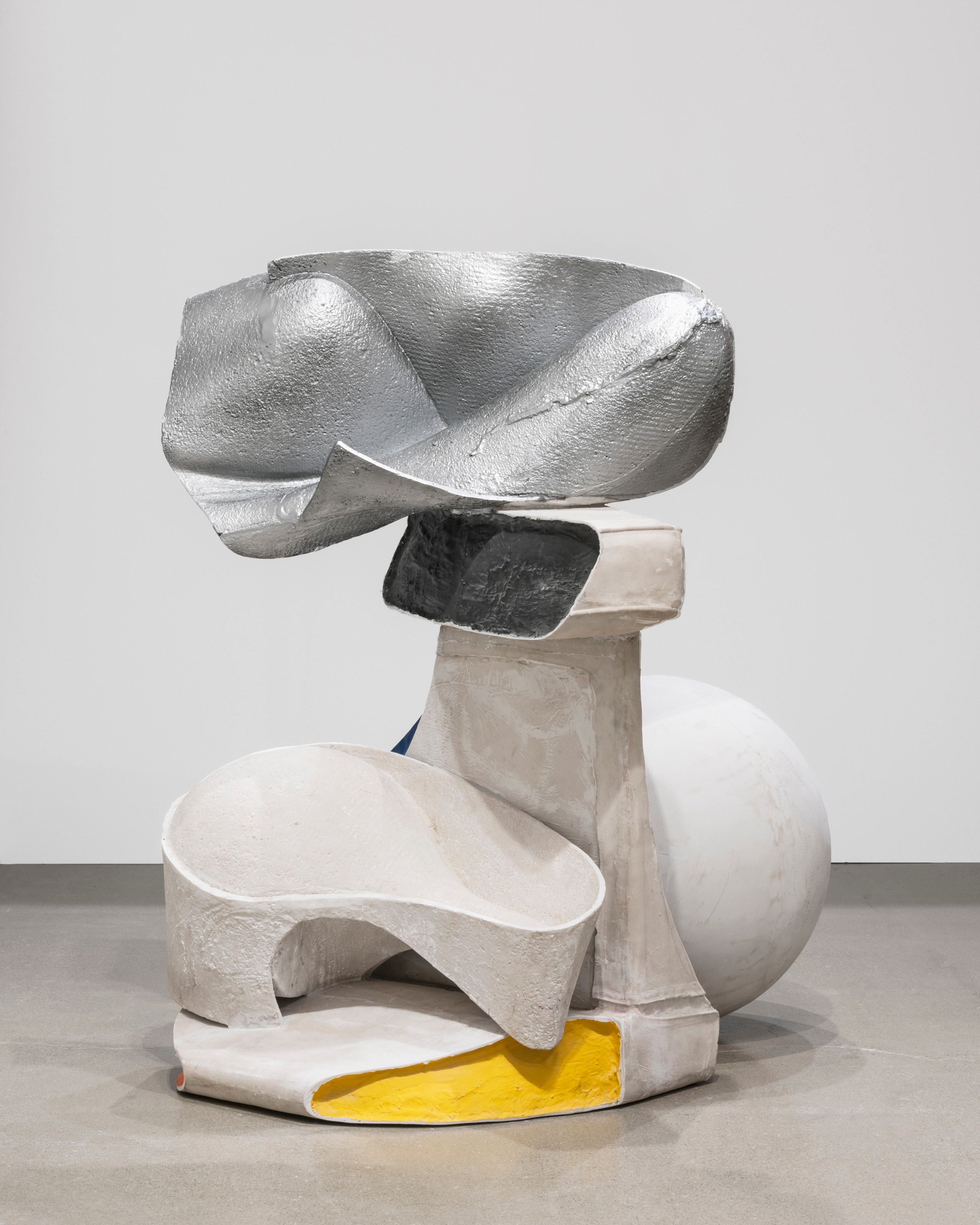
Sculpture by Liu Wei

Liu Wei

The Wasteland (Sculpture I), 2019

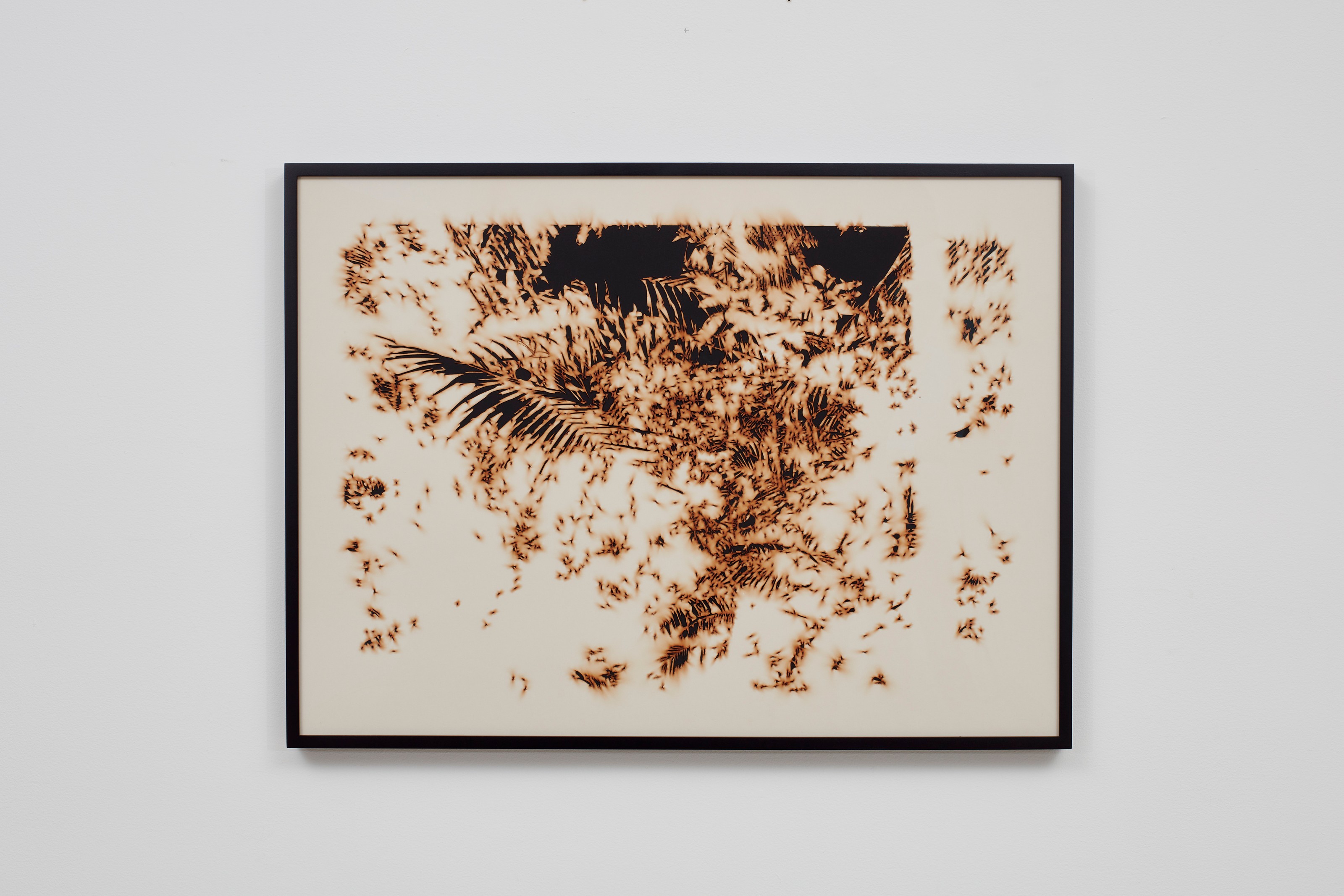
Work on paper by Teresita Fernández

Teresita Fernández

Puerto Rico (Burned) 6, 2018

Work on paper by Teresita Fernández

Teresita Fernández

Puerto Rico (Burned) 8, 2018

Wall sculpture by Teresita Fernández

Teresita Fernández

Black Beach(Unpolished Diamond) 2, 2020

Sculpture by Lee Bul

Lee Bul

Untitled sculpture (M4), 2014

Wall work by Lee Bul

Lee Bul

Perdu V, 2017

Wall work by Lee Bul

Lee Bul

Perdu IV, 2017

Wall work by Lee Bul

Lee Bul

Perdu XXV, 2019

Painting by Liu Wei

Liu Wei

The East 2019 No.2, 2019

Mandy El-Sayegh

Stories (forgive us), 2021

Painting by Mandy El-Sayegh

Mandy El-Sayegh

Stories (race to India), 2021

Painting by Mandy El-Sayegh

Mandy El-Sayegh

Net-Grid Study (brazilian), 2021

Painting by Mandy El-Sayegh

Mandy El-Sayegh

Net-Grid Study (Hail), 2021

Painting by Angel Otero

Angel Otero

A Mirror in Every Drawer, 2021

Painting by Angel Otero

Angel Otero

Harsh Shadows, 2021

Painting by Angel Otero

Angel Otero

Silence, 2021

Painting by Angel Otero

Angel Otero

Born, 2021

Painting by Angel Otero

Angel Otero

Dream, 2021

Sculpture & Video Panel by Tony Oursler

Tony Oursler

|#•, 2016

Sculpture & Video Panel by Tony Oursler

Tony Oursler

Phura-LUFT, 2019

Wall sculpture by Liu Wei

Liu Wei

Untitled, 2019

Painting by Angel Otero

Angel Otero

Untitled, 2016

Exhibition Artists

Portrait of Mandy El-Sayegh

Mandy El-Sayegh’s (b. 1985, lives and works in London, United Kingdom) highly process-driven practice is rooted in an exploration of material and language. Executed in a wide range of media, including densely layered paintings, sculpture, installation, diagrams, and sound and video, El-Sayegh’s work investigates the formation and break-down of systems of order, be they bodily, linguistic, or political. She is particularly interested in exploring the Part-Whole relationship–how something significant yet unpremeditated emerges and comes into being through various smaller, micro-interactions or repetitions. She physically demonstrates this by collaging disparate fragments, text, and found imagery, and layering them with materials like latex, rubber, and clay. Through simple, repetitive patterns such as a hand-painted grid or geometric molds, formal and narrative synthesis occurs that is not consciously intended or anticipated.

El-Sayegh likens her exploratory, observational process to the occurrence of contemporary social and political events, which unfold in highly chaotic and often disturbing ways. Justifications or explanations for such events typically appear after the fact; they are devised in an effort to impose order on an inherently subjective and incomplete set of social, cultural, and political processes. The artist’s work aims to remove the veil of these superimposed structures and reveal the intricacies of growth and decay as they happen in real time. El-Sayegh is interested in the observation of process and she believes that through such observation, one can better understand how the social and political phenomena that shape our world exist in a constant state of flux.
Portrait of Teresita Fernández

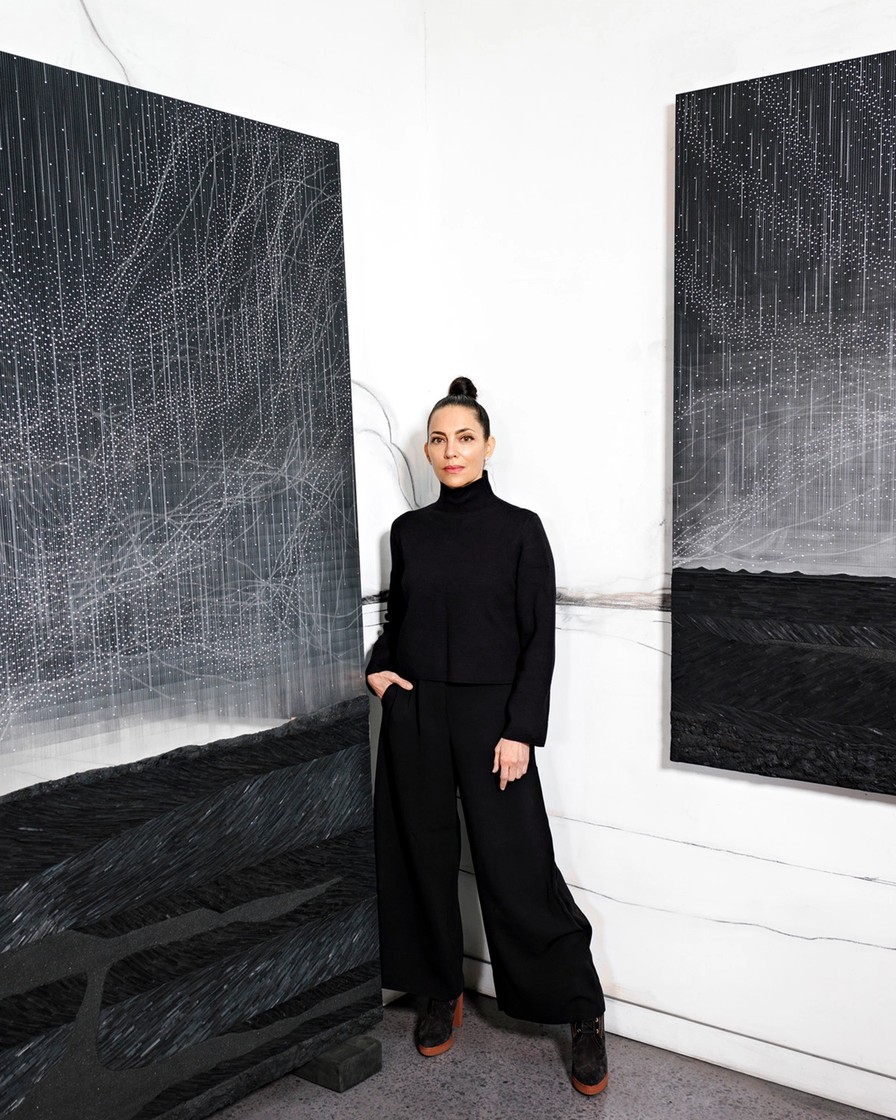
Teresita Fernández's work is characterized by an expansive rethinking of what constitutes landscape: from the subterranean to the cosmic, from national borders to the more elusive psychic landscapes we carry within. Fernández unravels the intimacies between matter, human beings, and locations. Her luminous, sculptural works poetically challenge ideas about land and landscape by amplifying the powerful, emotional connection in how we imagine place, and, by extension, one another. Fernández exposes the complex narratives that stem from distorted, colonial histories, elaborating on these themes in subtle ways that insist on intertwining beauty, the socio-political, the intimate, and the immense. Imagining the landscape with reciprocal sentience, Fernández has said “You look at the landscape, but the landscape also looks back at you."

Fernández is a 2005 MacArthur Foundation Fellow and the recipient of numerous awards, including a Creative Capital Award; Guggenheim Fellowship; the Louis Comfort Tiffany Biennial Award; an American Academy of Rome Fellowship (AFAAR); and a National Endowment for the Arts Individual Artist’s Grant in Visual Arts, among others. Her works have been exhibited and collected both nationally and internationally including: The Museum of Modern Art, New York; The Whitney Museum of American Art; the San Francisco Museum of Modern Art; The Menil Collection; Philadelphia Museum of Art; Pérez Art Museum Miami; Modern Art Museum of Fort Worth; Centro de Arte Contemporáneo de Málaga, Spain; The Museum of Fine Arts, Boston; SITE Santa Fe; The Smithsonian Museum of American Art; MASS MoCA; and Castello di Rivoli, Italy, among others. She lives and works in Brooklyn, New York

Portrait of Liu Wei

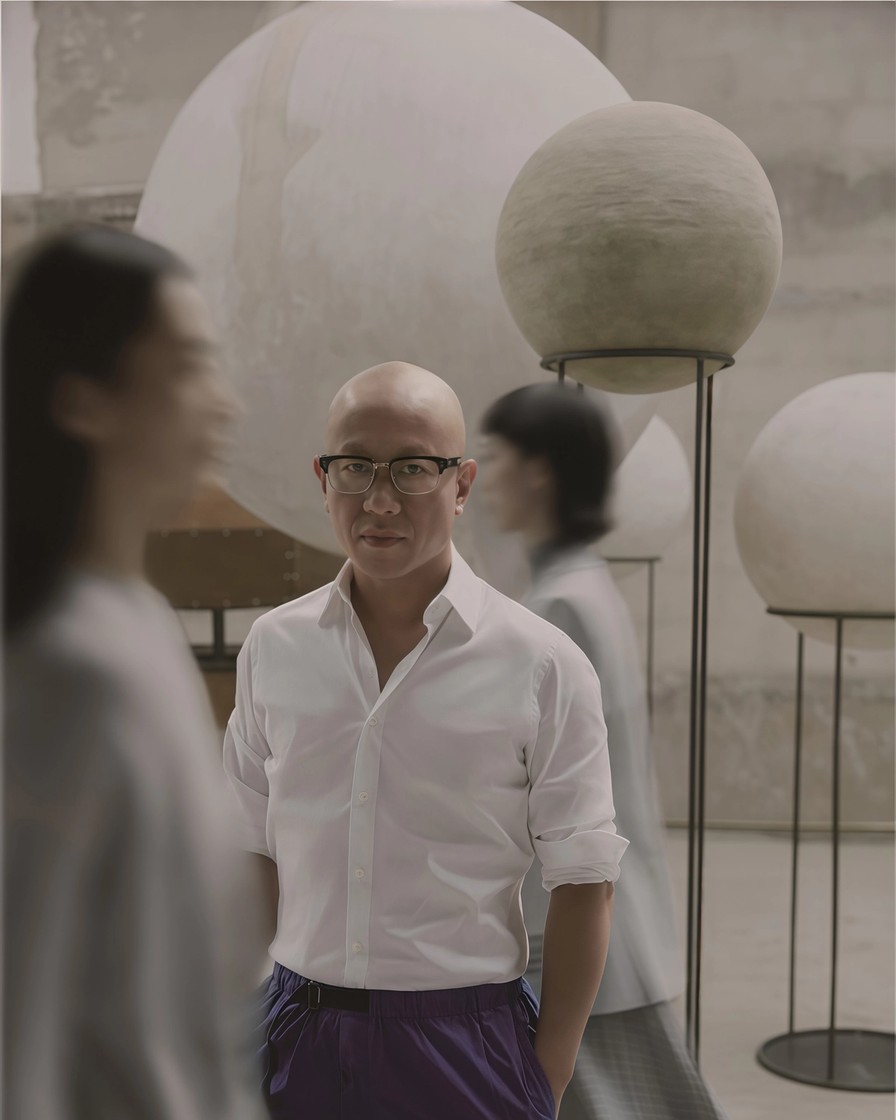
Liu Wei (b. 1972, Beijing, China; lives and works in Beijing, China) explores 21st-century socio-political concepts such as the contradictions of contemporary society and the transformation of developing cities and the urban landscape. In many of his sculptural and installation works, he uses found materials that are re-contextualized to draw new meanings out of the materials from which they are made. Liu Wei frequently uses geometric and architectural forms in his work as a reference to his urban surroundings.

Liu Wei graduated from the China Academy of Art in 1996. Solo exhibitions of his work have been organized at Long Museum, Shanghai, China (2020); Cleveland Museum of Art, Cleveland, OH (2019); Museum of Contemporary Art, Cleveland, OH (2019); PLATEAU, Samsung Museum of Art, Seoul, South Korea (2016); Ullens Center for Contemporary Art (UCCA), Beijing, China (2015); Museum Boijmans Van Beuningen, Rotterdam, the Netherlands (2014); and Minsheng Art Museum, Shanghai, China (2011).

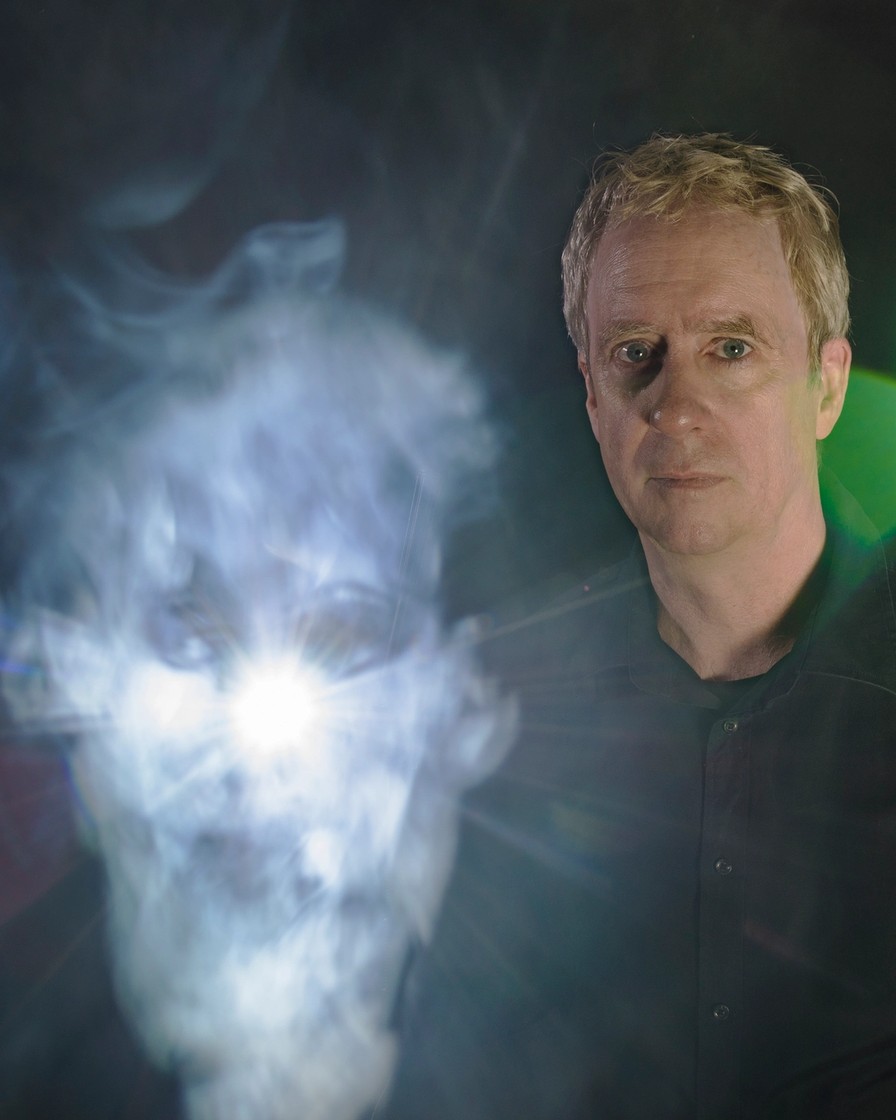
Portrait of Tony Oursler

Tony Oursler (b. 1957, New York, NY; lives and works in New York, NY) is best known for his innovative integration of video, sculpture, performance and installation. A pioneering figure in new media since the 1970s, Oursler has since explored diverse methods of exploring popular culture, historical and sub-cultural themes while incorporating the moving image into his practice, breaking video art out of the two-dimensional screen to create immersive environments with the use of light sound and projections. In 2000, Oursler began a series of large scale outdoor projection projects which incorporate landscape, water, smoke, trees, architecture, performative and sculptural elements; some are permanently installed. His sculptures, wall works and installations present a rich visual multimedia experience which often incorporates cultural references and information that seeks to actively engage the viewer. His artworks often employ poetics and humor to explore a wide range of subjects such as belief systems, facial recognition, superstition, conspiracy theories, UFOs and the role technology plays in altering, inhibiting, and expanding social behavior.

Oursler received a B.F.A. from the California Institute of the Arts in 1979. Solo exhibitions of his work have been organized at Kunst Museum Winterthur, Winterthur, Switzerland (forthcoming, 2025); Boca Raton Museum of Art, Boca Raton, FL (2024); SCAI PIRAMIDE, Tokyo, Japan (2024); Photo Elysée, Lausanne, Switzerland (2022); K11 Musea, Hong Kong (2021); Kunstraum Dornbirn, Dornbirn, Austria (2021); Kaohsiung Museum of Fine Arts, Kaohsiung City, Taiwan (2021); Musée d’Arts de Nantes, Nantes, France (2020); Nanging Eye Pedestrian Bridge, Nanjing, China (2019); Public Art Fund, New York, NY (2018); The Museum of Modern Art, New York, NY (2016); LUMA Foundation, Arles, France (2015); Stedelijk Museum, Amsterdam, the Netherlands (2014); Tate Modern, London, United Kingdom (2013); Museu de Arte Moderna, São Paulo, Brazil (2013); Pinchuk Art Centre, Kiev, Ukraine (2013); Art Sonje Center, Seoul, South Korea (2012); ARoS Aarhus Kunstmuseum, Aarhus, Denmark (2012); and Jeu de Paume, Paris, France, traveling to the DA2 Domus Artium, Salamanca, Spain, and the Kunstforeningen, Copenhagen, Denmark (2005), among numerous others.

Second Nature | Lehmann Maupin