Skip to content

Robin Rhode, Erwin Wurm

Photography Pt. II

Seoul

Jul 12–Aug 10, 2018

Photography by Erwin Wurm

213 Itaewon-ro, Yongsan-gu

Seoul, 04349

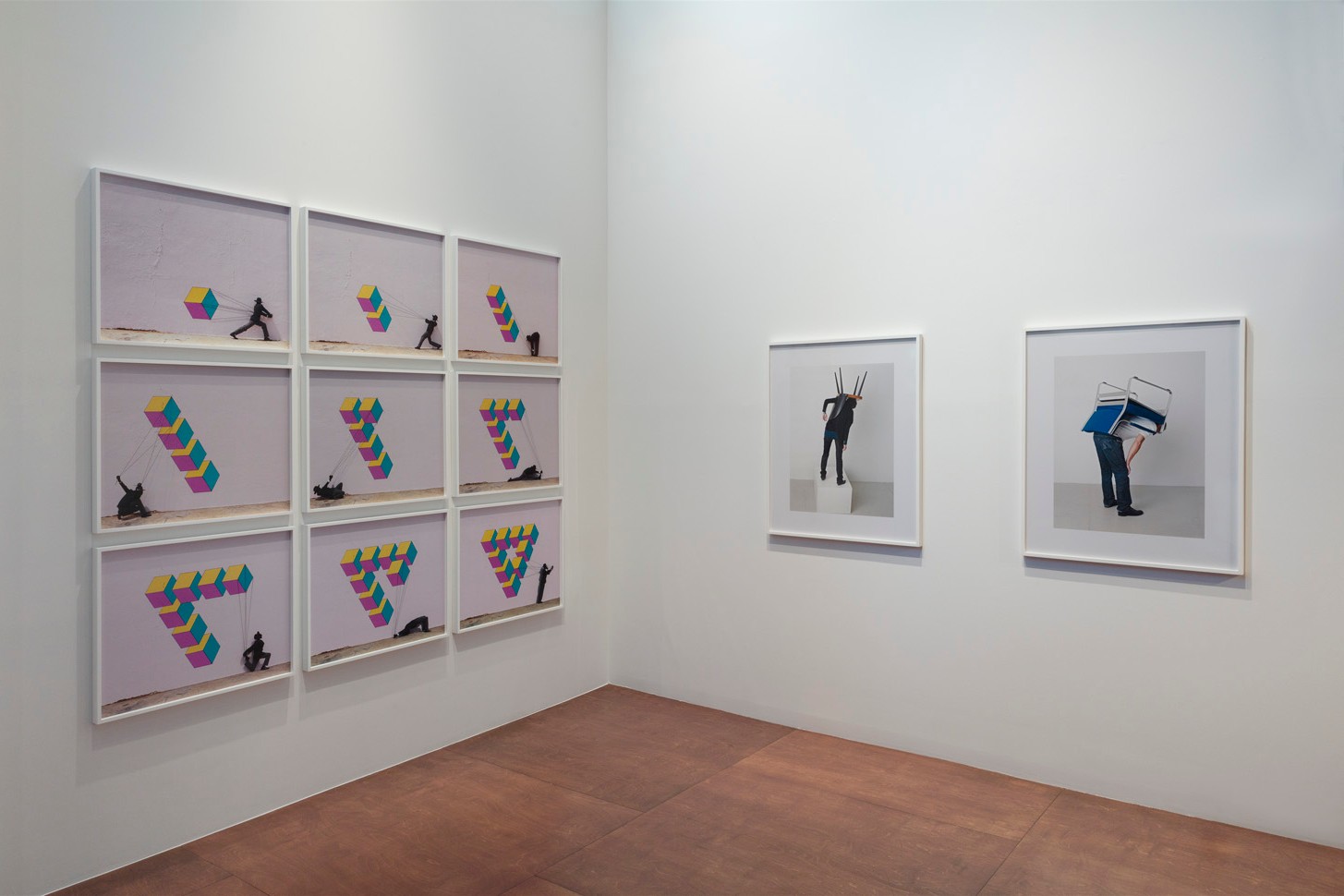
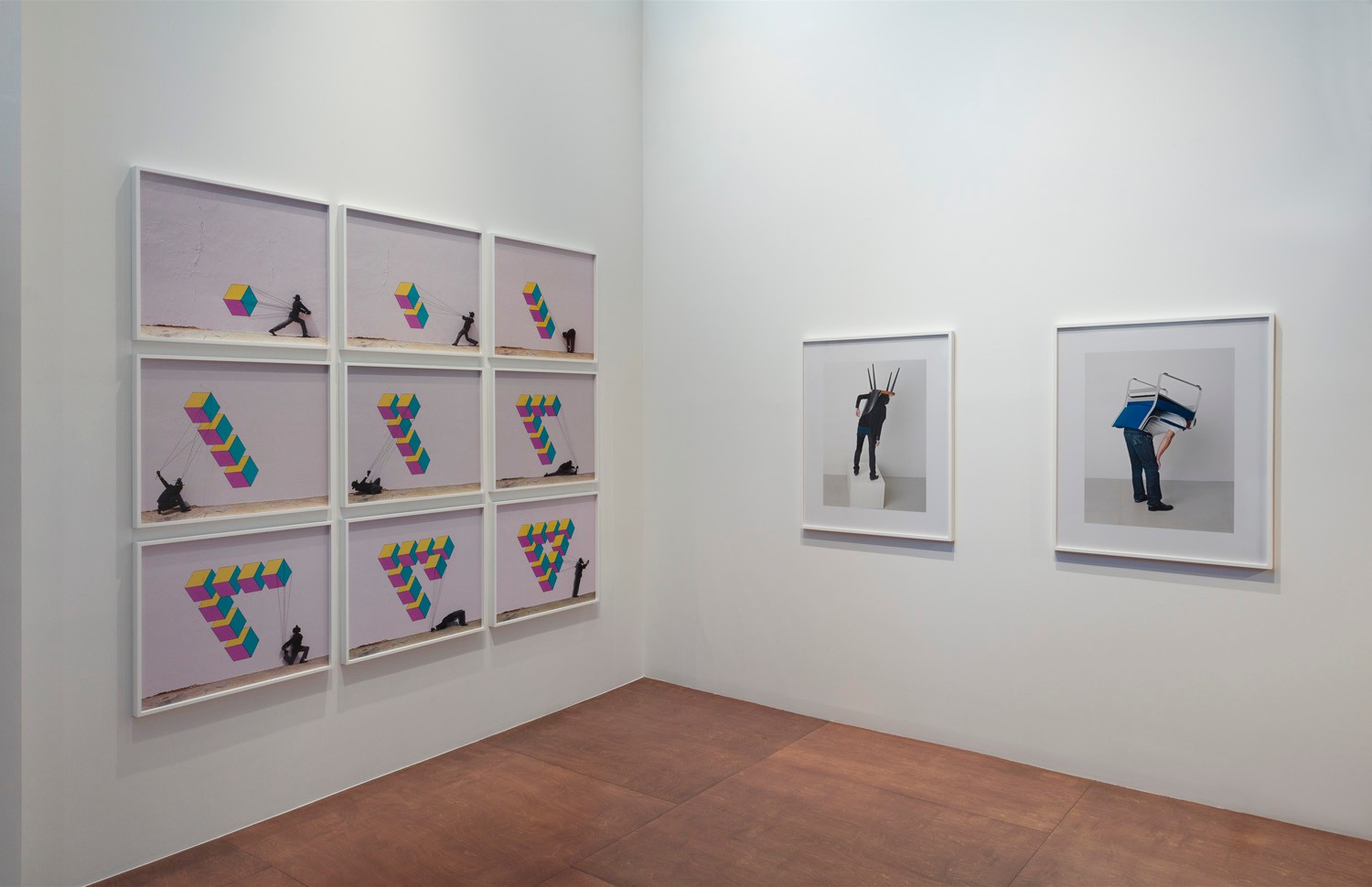
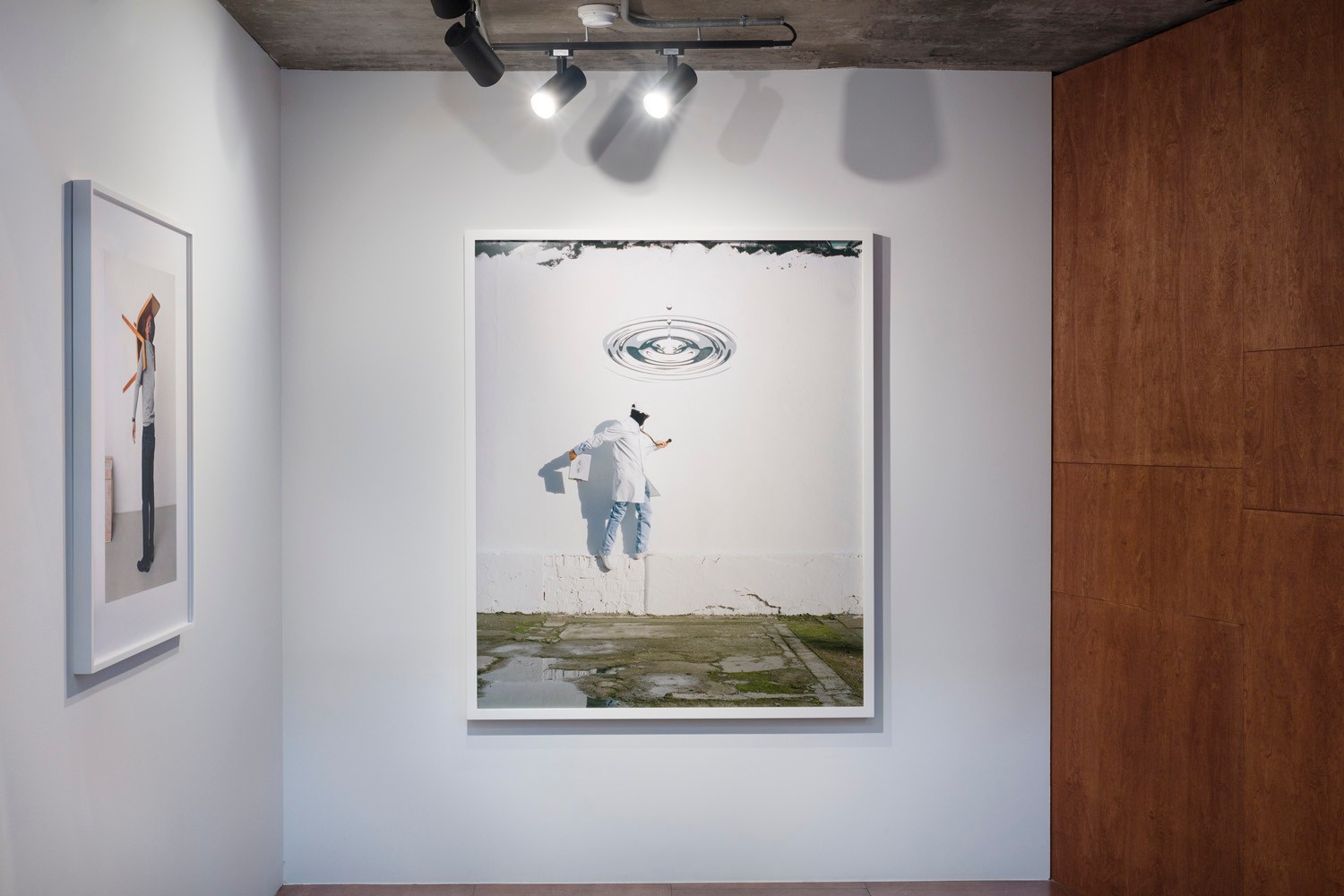
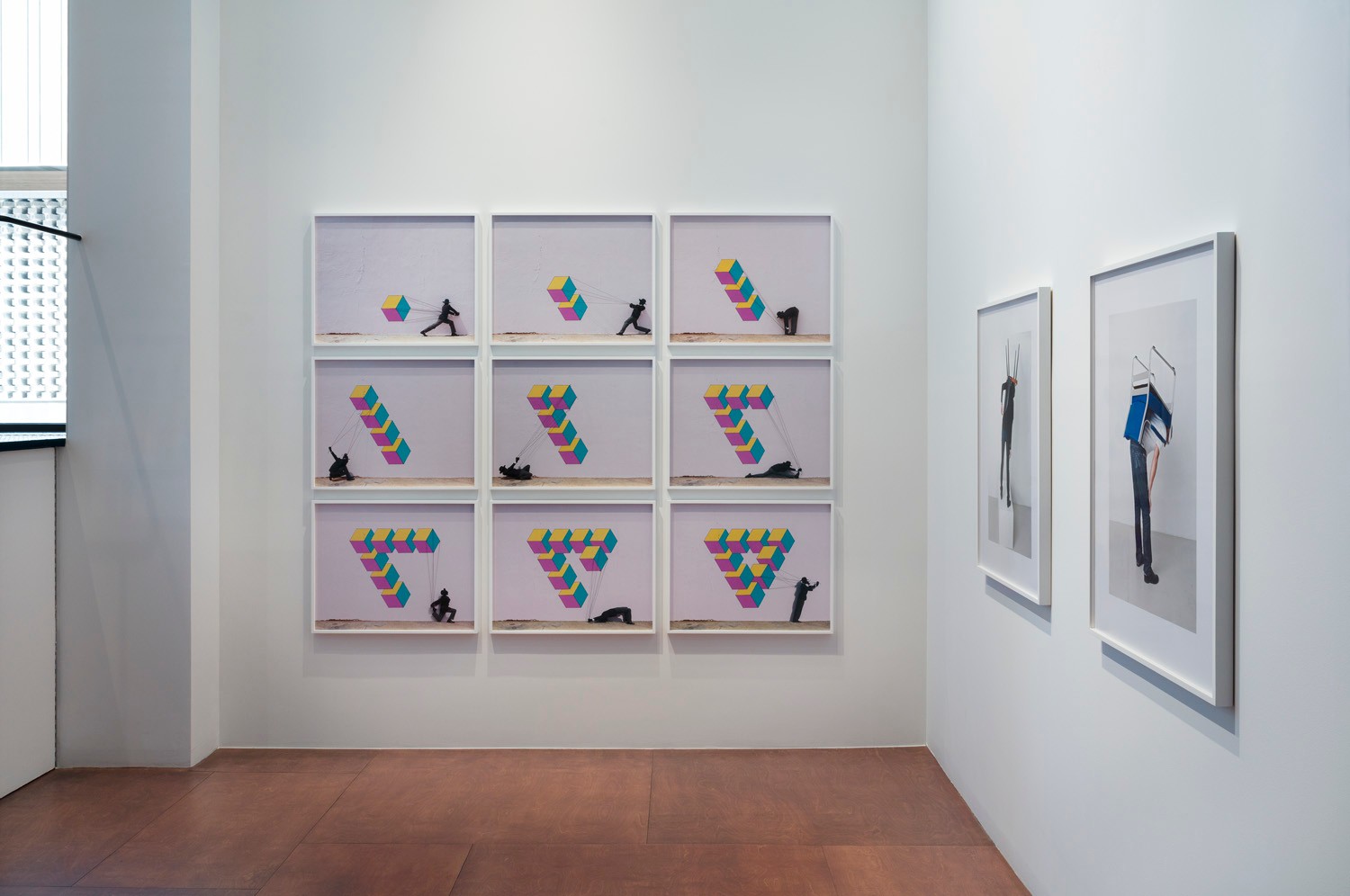
Lehmann Maupin is pleased to present Robin Rhode and Erwin Wurm in the second of a two part summer exhibition examining contemporary photography. In Part II, the gallery has selected Rhode and Wurm, artists not typically classified as photographers, but who both use photography as the physical artwork documenting their performance and public engagement oriented practices.

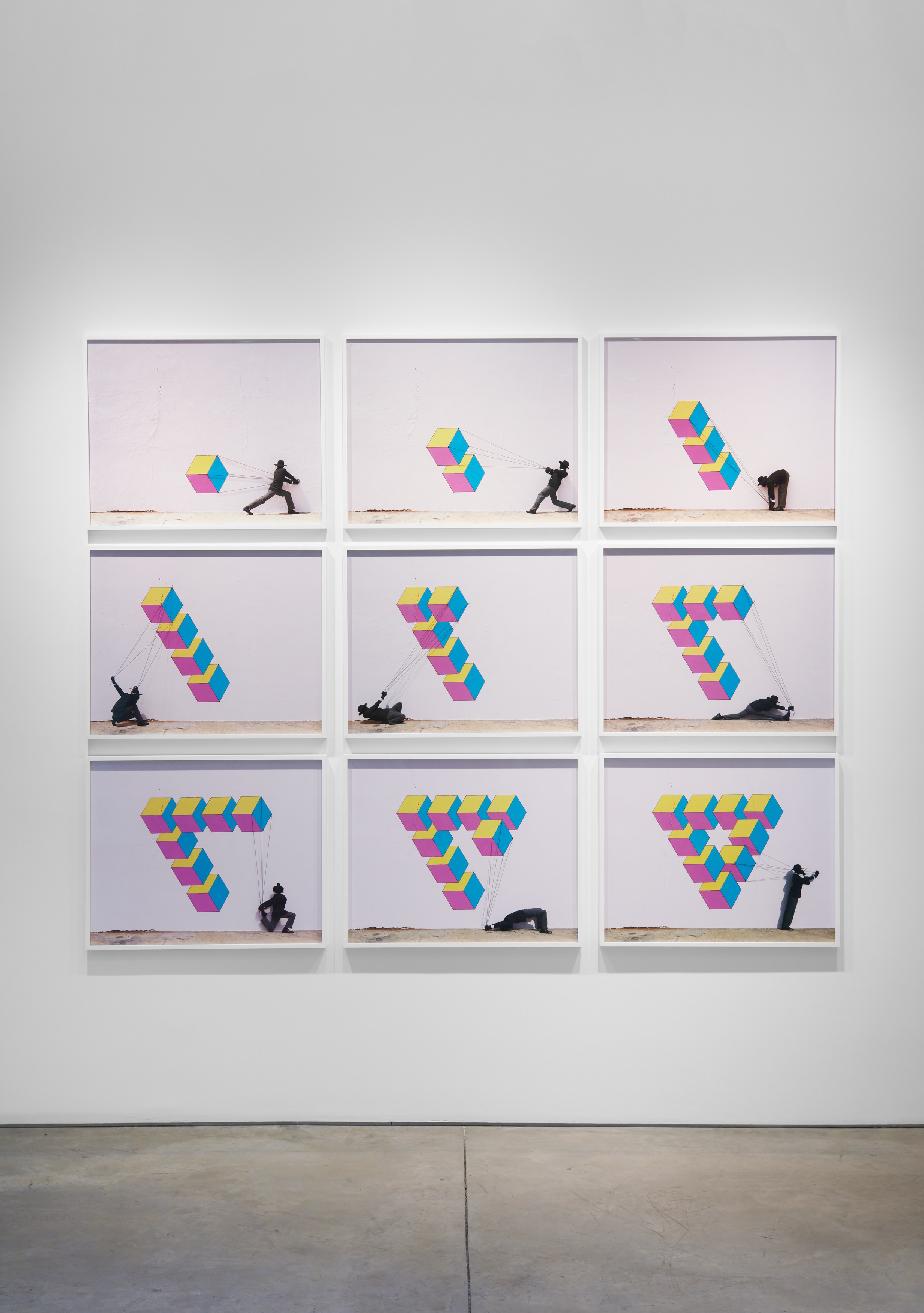
Robin Rhode (b. 1976, Cape Town, South Africa; lives and works in Berlin) has established his unique practice with a multifold approach, working across media, including drawing, performance, photography, video, and music. As a young artist inspired by the rebellion and possibility of graffiti, he was first drawn to working in public, unsanctioned spaces. Since then, his practice has evolved to become more closely aligned with and influenced by the minimal wall drawings of Sol Lewitt, and the 1970s performance work of artists such as Vito Acconci and Bruce Nauman, as well as earlier art historical references such as Eadweard Muybridge’s stop-motion photography. His piece David (2017), was painted, performed, and photographed at a location in Johannesburg the artist has returned to for many years, working with a crew of assistants including a doppelgänger performer whom Rhode photographs activating the serial painting. Rhode emphasizes the reciprocal and collaborative nature of his work, saying, “The reactions and responses of the people on the street, the conditions pervading that particular process—that's part of the narrative."

Installation view of Photography Pt. II at Lehmann Maupin Seoul
Installation Views: 1 of 4
Photograph by Robin Rhode

Robin Rhode

David, 2017

Books and Editions

Exhibition Artists

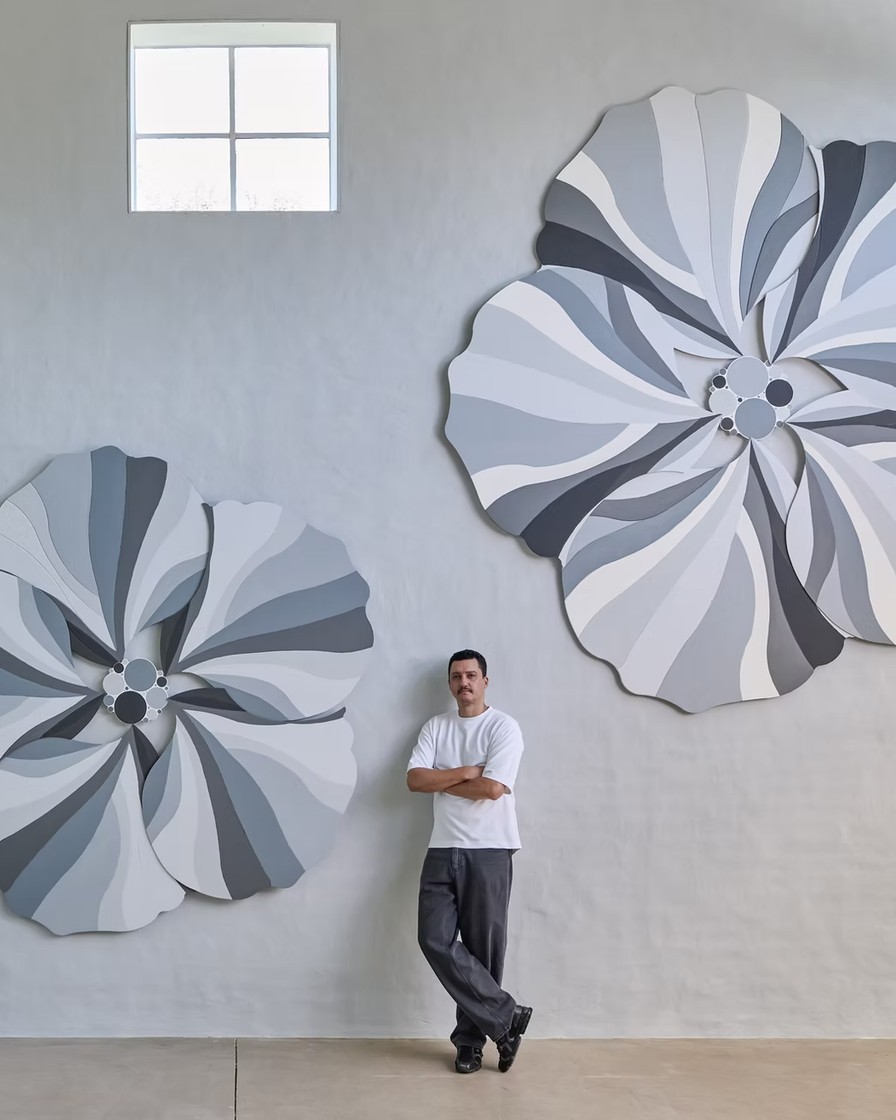
Portrait of Robin Rhode

With his research-based and socially engaged practice, Robin Rhode (b. 1976, Cape Town, South Africa; lives and works in Berlin, Germany) engages the urban landscape to create complex, symbolically rich narratives that disrupt and transform their environments.

The artist is best known for his multi-panel works that deftly combine photography, performance, wall painting, and drawing. Negotiating the urban landscape, these photographs often depict silhouetted figures interacting with carefully composed wall paintings that the artist paints in public spaces, most often in the city of Johannesburg. In each succession of photographs, the choreographed movements of the individual or group appear to alter the two-dimensional renderings, compressing space and time and morphing the urban landscape into a fictional storyboard. Using the medium of photography to capture his painted and performative actions, Rhode disrupts the fixity of the wall, rendering it a mobile substrate that can be transported into a variety of contexts.
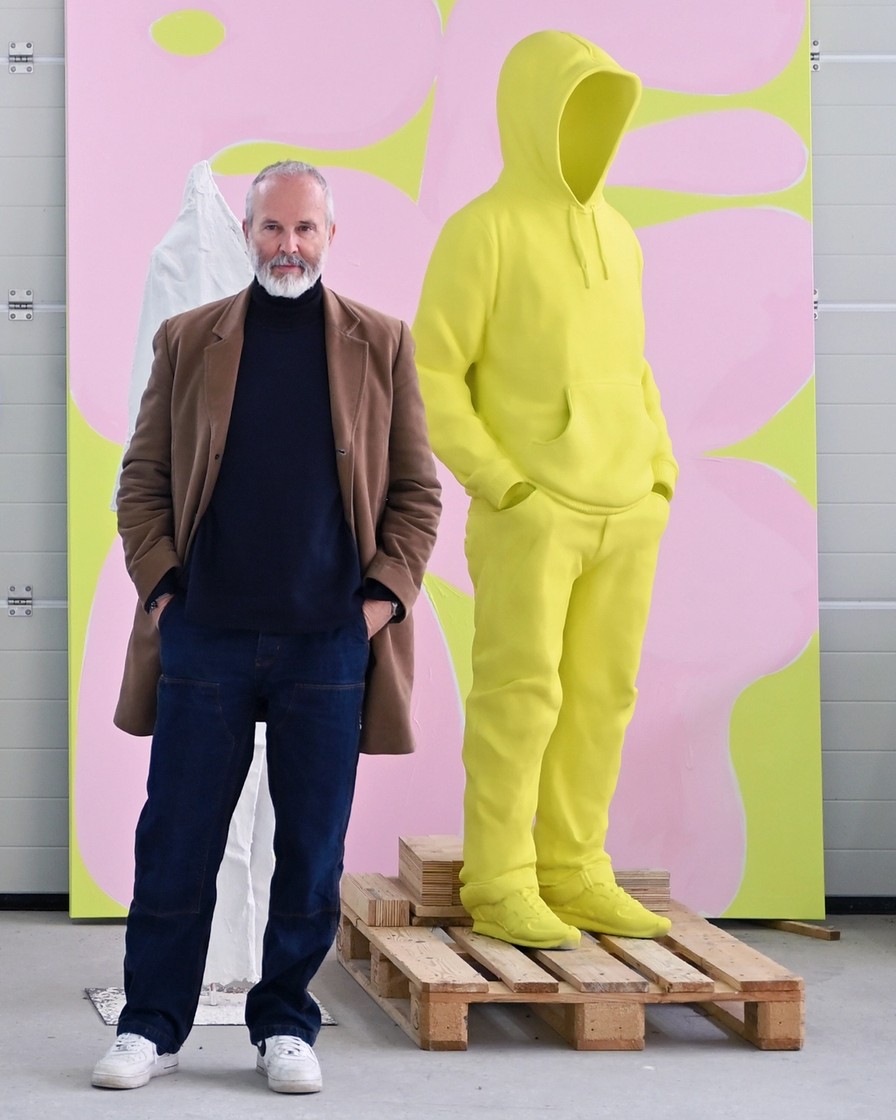
Portrait of Erwin Wurm

Erwin Wurm (b. 1954, Bruck an der Mur/Styria, Austria; lives and works in Vienna and Limberg, Austria) is an Austrian artist whose practice has radically expanded the possibilities of sculpture over the past four decades. Rooted in conceptual questions about what sculpture can be, how it can occupy space, and how the body, everyday objects, and gestures might become sculptural forms, Wurm’s work challenges conventional definitions of the medium. While his oeuvre is filled with larger-than-life-size pickles, anthropomorphic sausages, empty suits, and impossibly proportioned houses, Wurm is best known for his iconic One Minute Sculptures, which provide instructions for participants to create temporary sculptures by performing illogical poses with everyday objects. Through his paradoxical work, Wurm confronts philosophical questions about contemporary society—from obsessions with status and consumerism, to anxieties around traditional value systems, to the complexities of modern psychology. At the same time, the artist explores new possibilities for sculpture through ambitious formal experiments with volume, surface, scale, and duration. While Wurm considers the absurd an important tool, there is always an underlying social critique of contemporary culture. Wurm emphasizes this dichotomy by working within the liminal space between high and low and merging genres to explore what he views as an invented reality.