Skip to content

Multiple Artists

Photography Pt. I

Seoul

Jun 7–Jul 6, 2018

Photograph by Alex Prager

213 Itaewon-ro, Yongsan-gu

Seoul, 04349

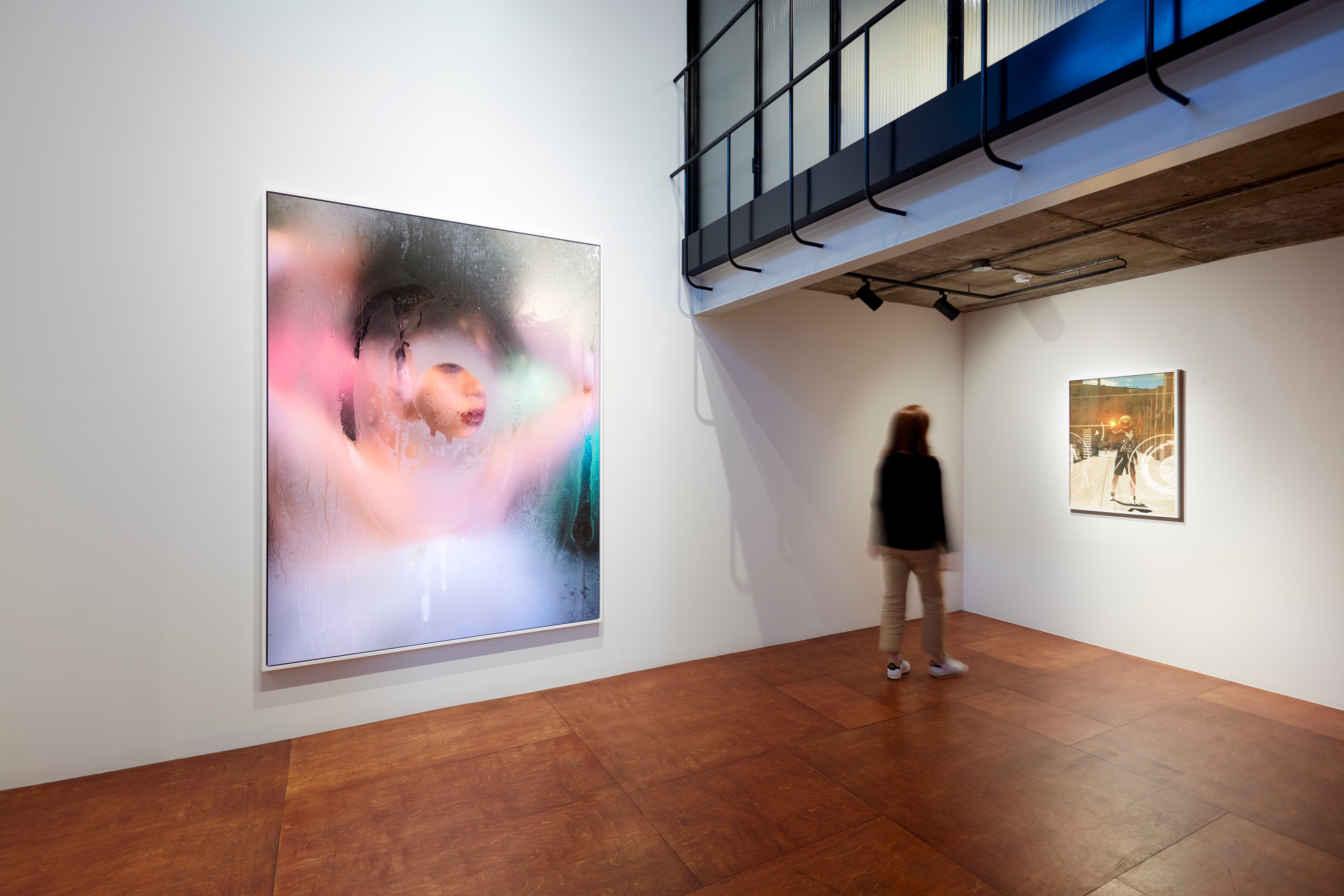
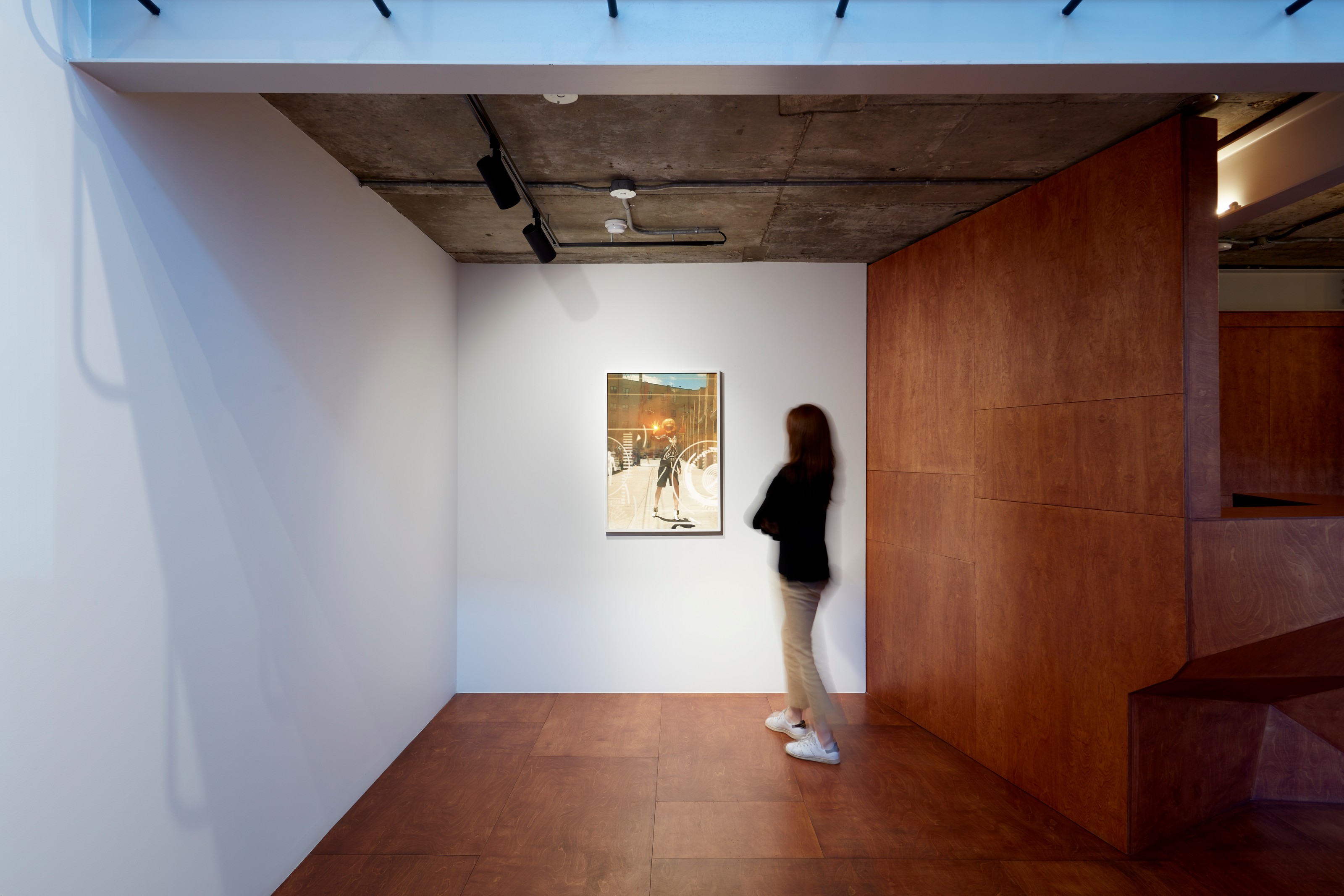
Lehmann Maupin is pleased to present Marilyn Minter, Catherine Opie, and Alex Prager in the first of a two part summer exhibiton examining contemporary photography. In Part I, the gallery has selected three women artists who use photography at the core of their practice. Among these artists, viewers will be introduced to themes central to the Lehmann Maupin program—identity, feminism, and personal narrative—while also engaging with artists whose work may seem categorically similar, but upon deeper reflection offers multiple distinct perspectives and approaches to a shared medium.

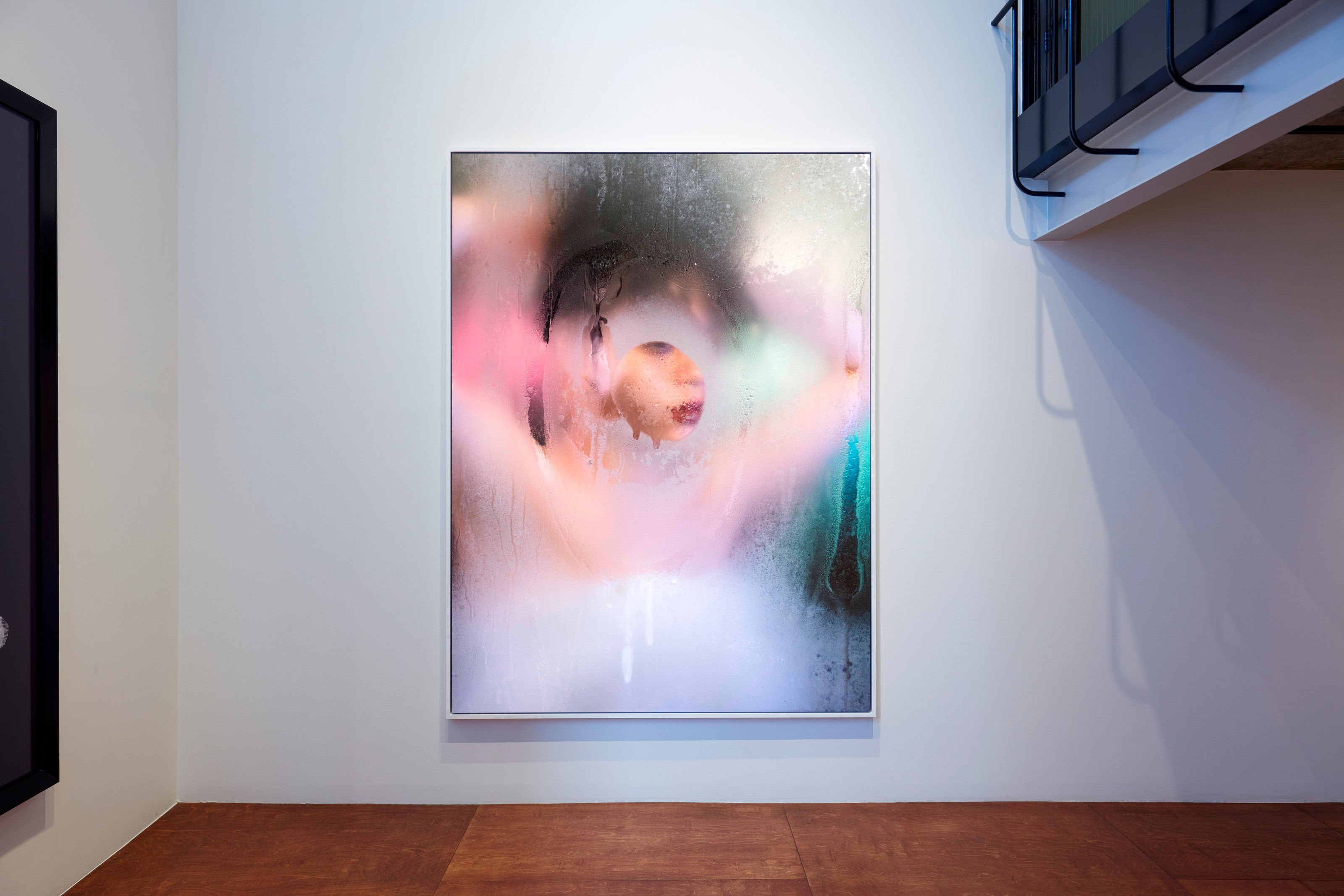
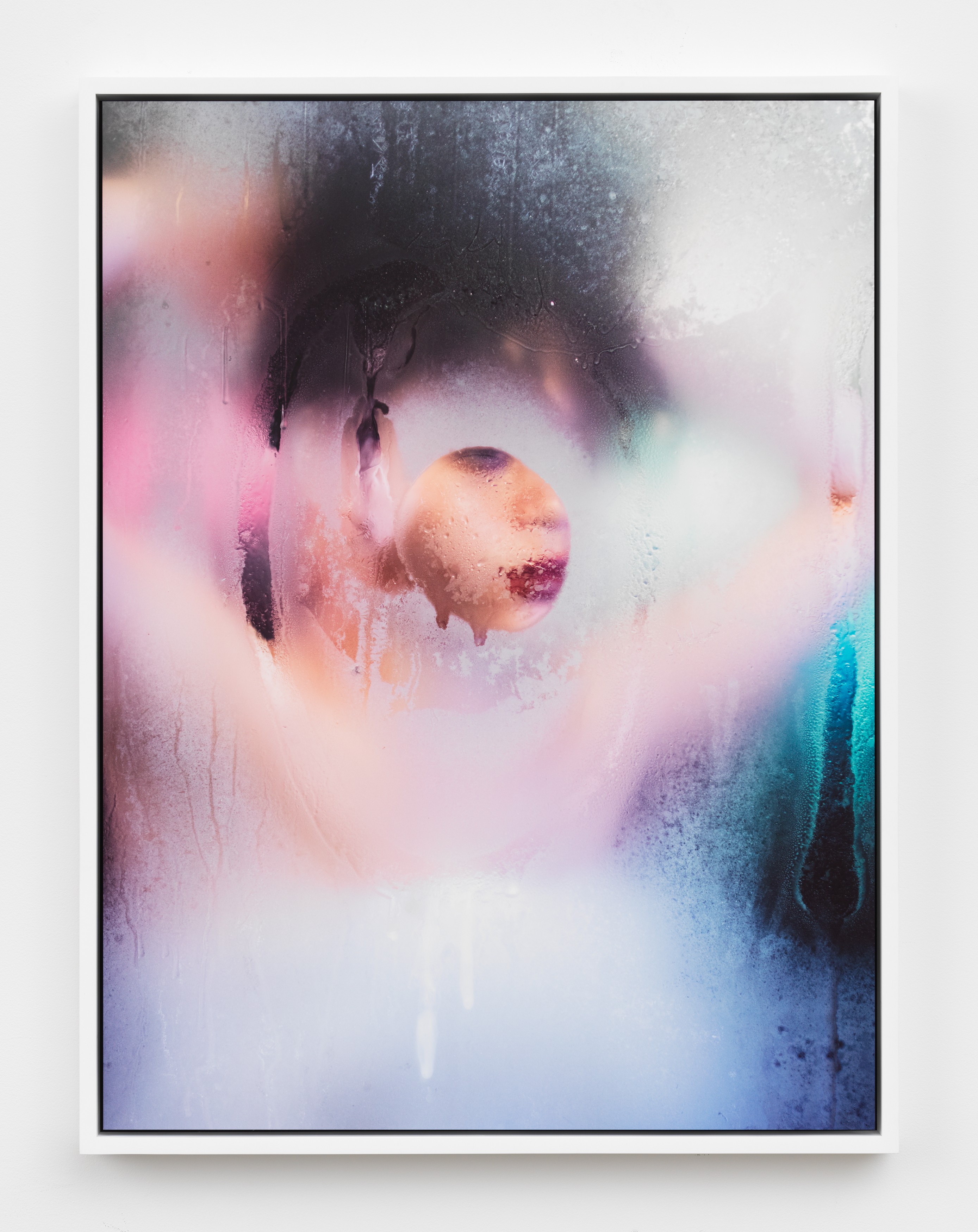
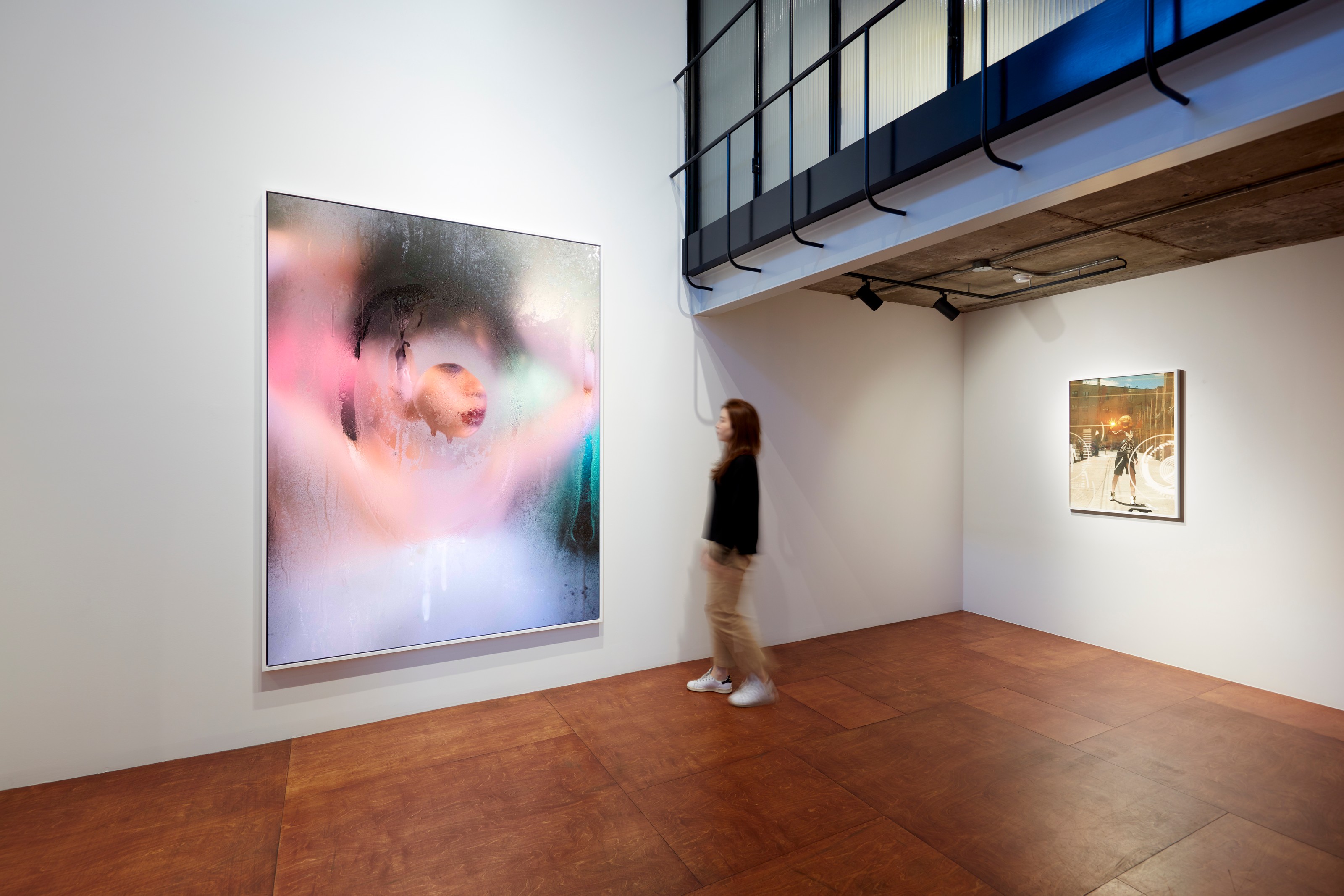
Marilyn Minter (b. 1948, Shreveport, LA; lives and works in New York) has been at the forefront of the on-going dialogue surrounding depictions of women in art and media with her raw, honest, and at times explicit paintings and photographs of women. Often depicted obscured from behind wet or foggy glass, her subjects are presented fully in control of their attributes, allowing for a depiction of female desire and power—sexual, economic, and political—that has long been treated by society as a natural aberration. As an activist and woman, Minter understands the causation between representations of women and their social agency.

Installation view of Photography Pt. I at Lehmann Maupin Seoul
Installation Views: 1 of 5
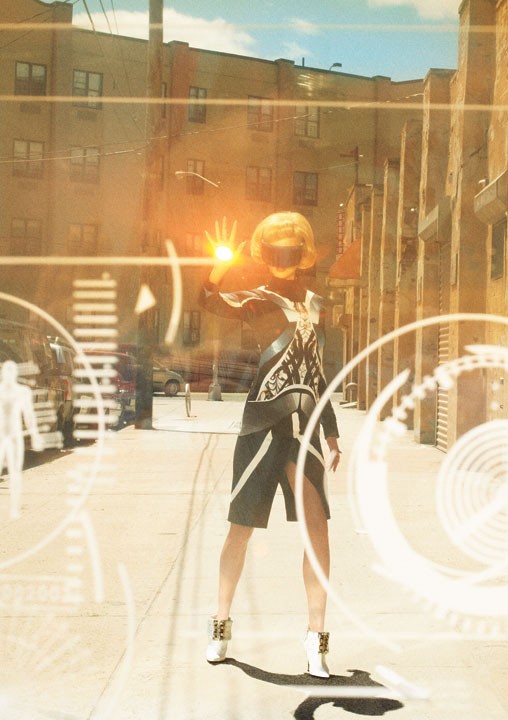
Photograph by Alex Prager

Alex Prager

Vogue Outtake #3, 2013

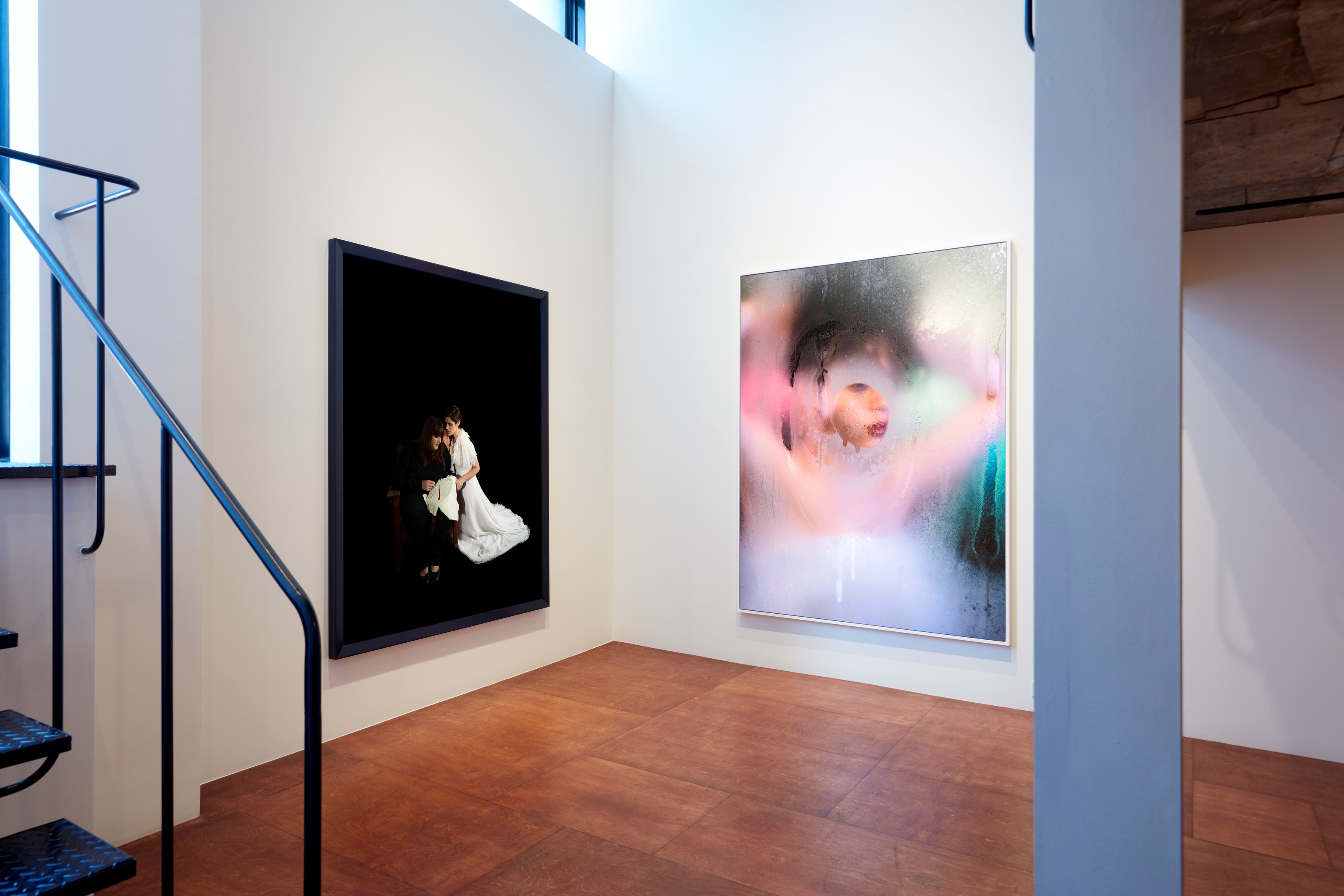
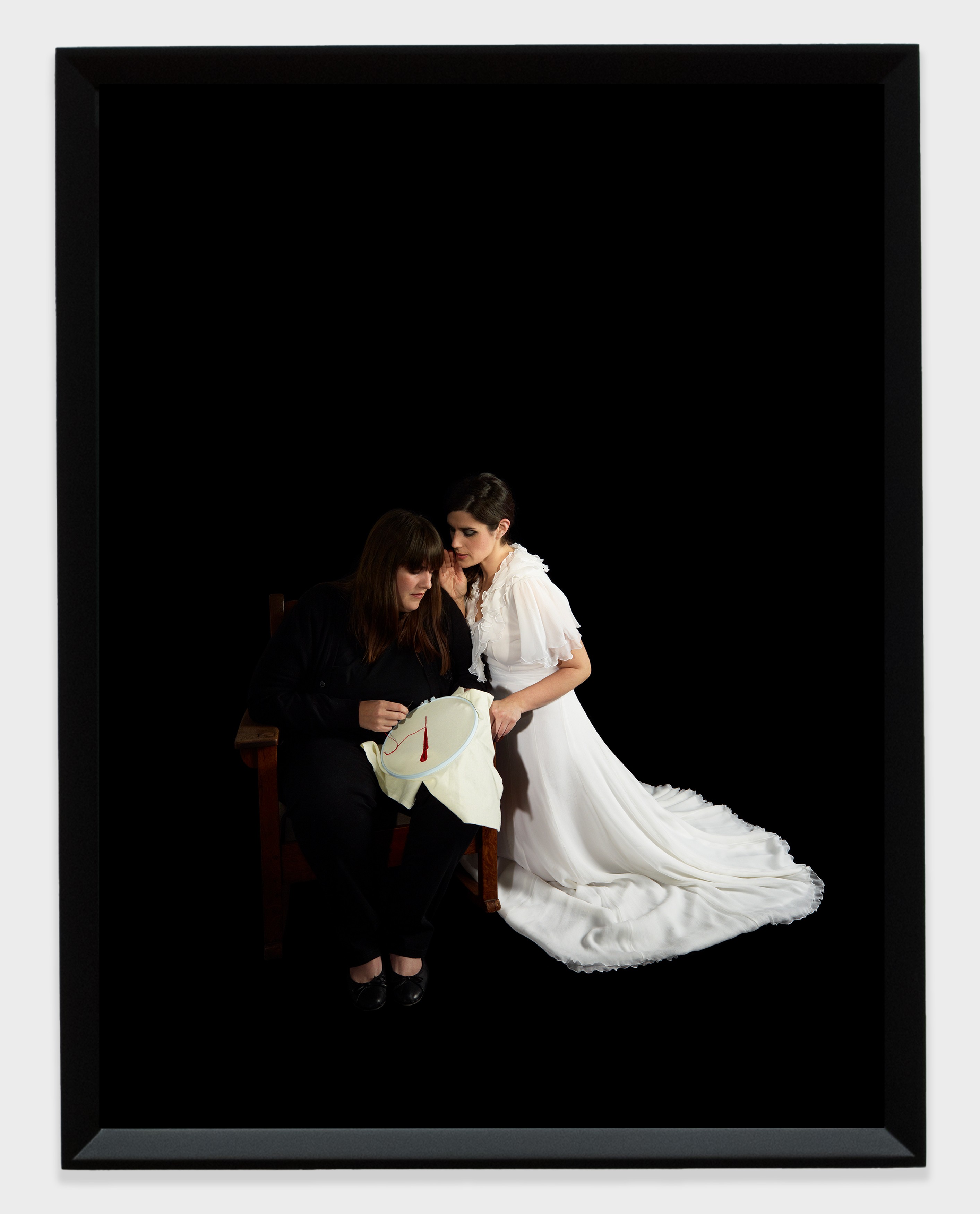
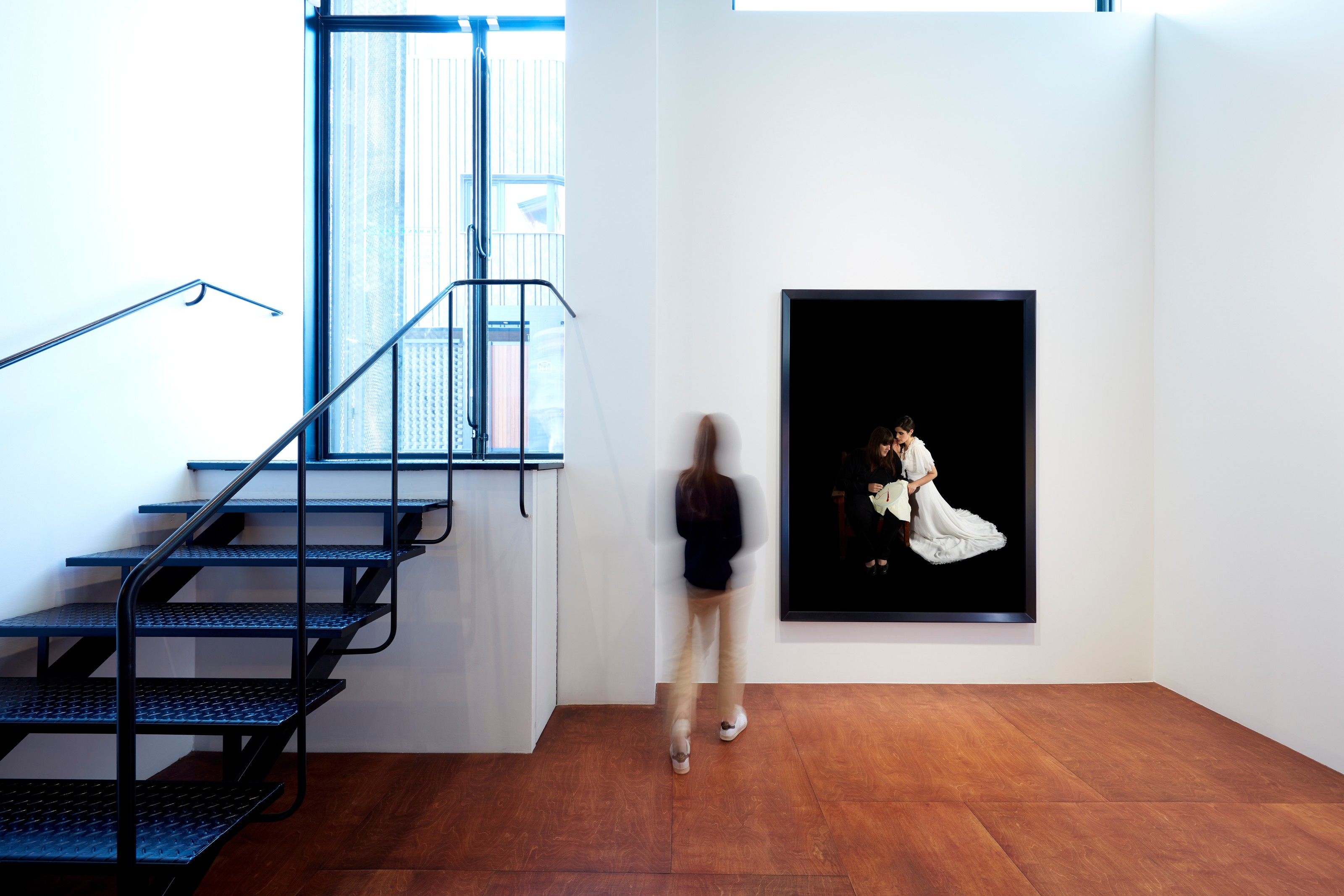
Photograph by Catherine Opie

Catherine Opie

Kate & Laura, 2012

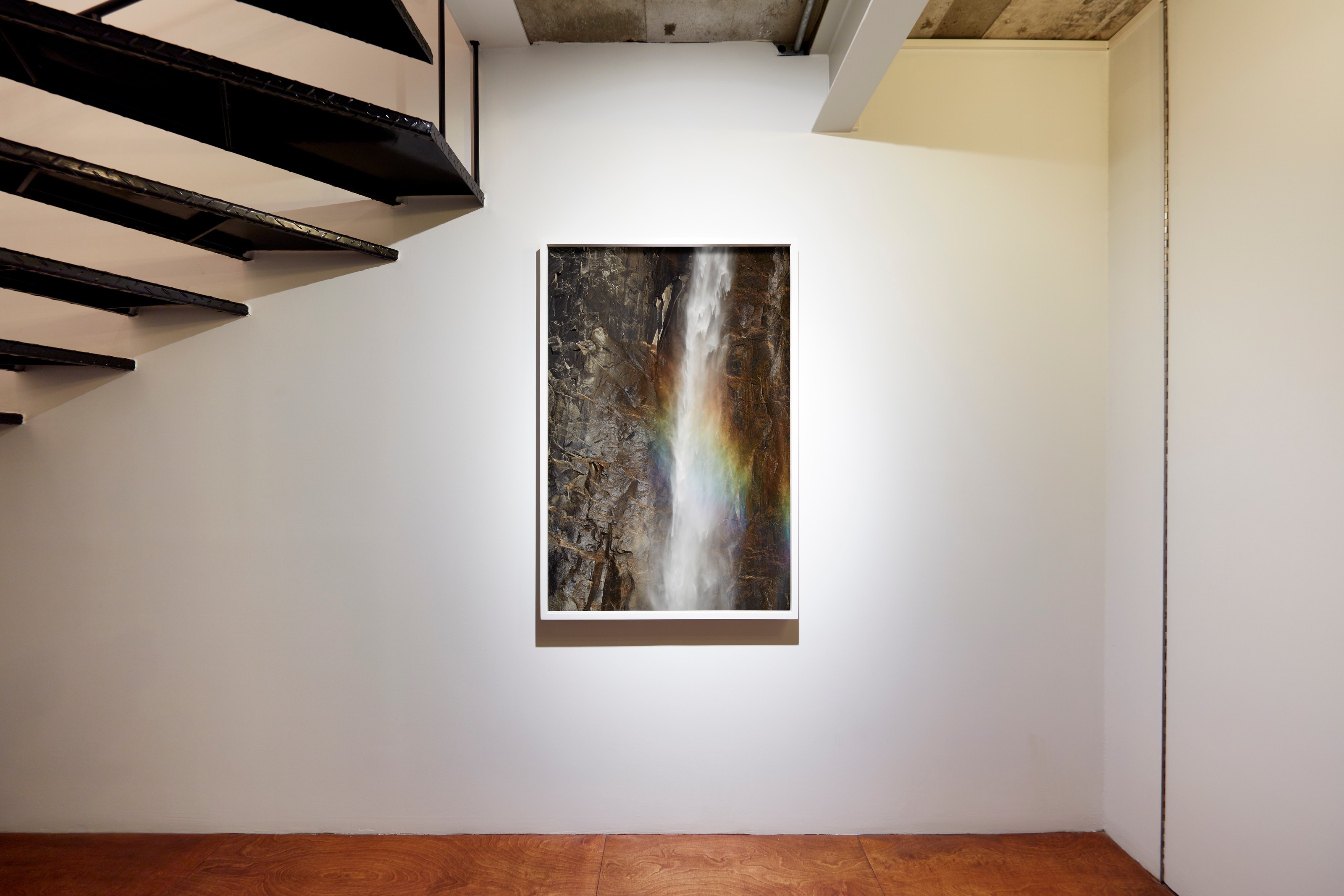
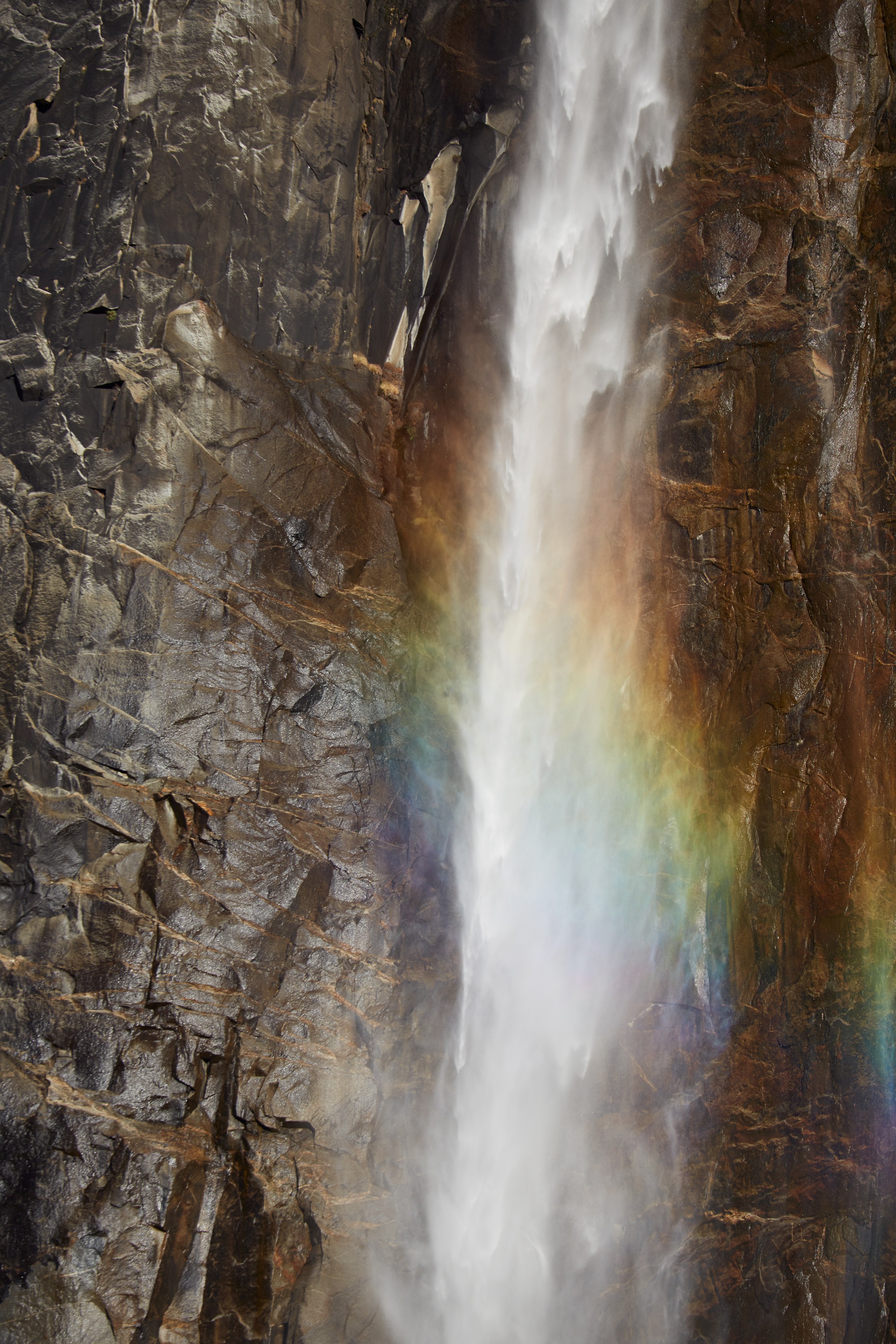
Photograph by Catherine Opie

Catherine Opie

Rainbow Falls, 2015

Photograph by Marilyn Minter

Marilyn Minter

Target, 2017

Installation view of Photography Pt. I at Lehmann Maupin Seoul
Installation Views: 1 of 4

Books and Editions

Exhibition Artists

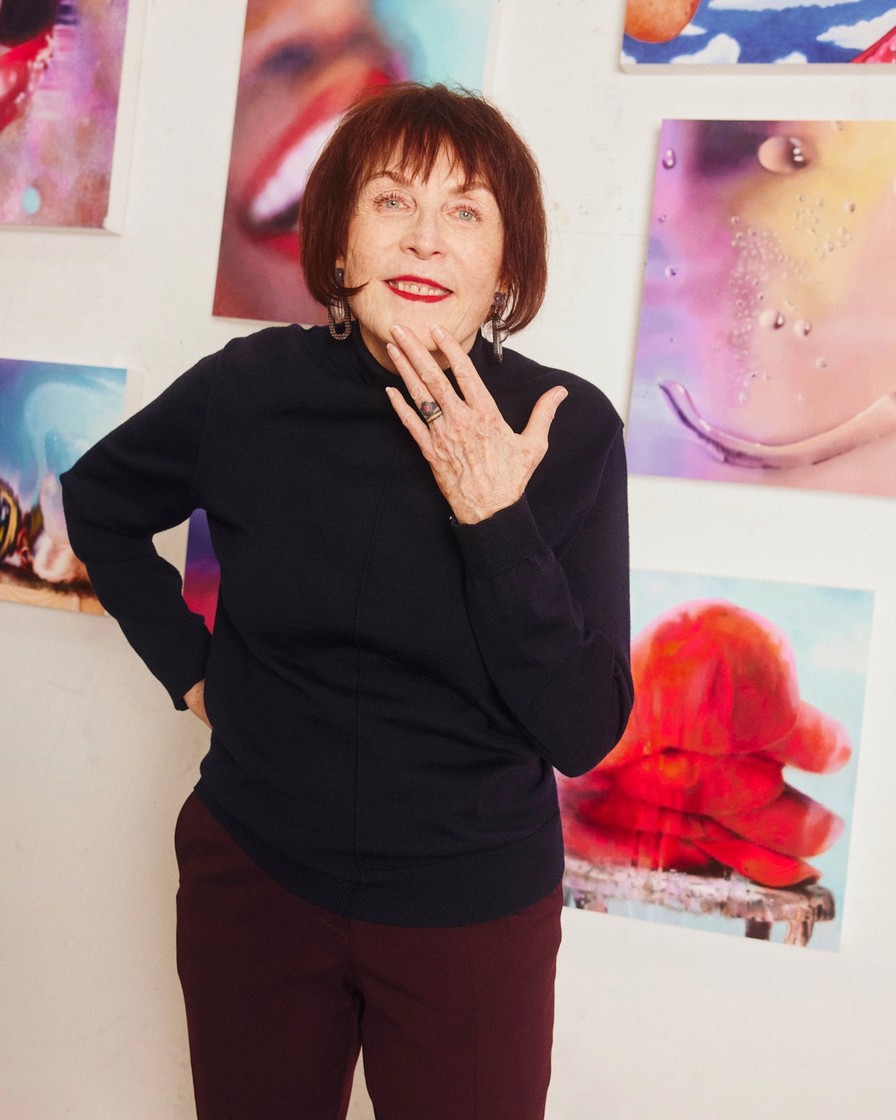
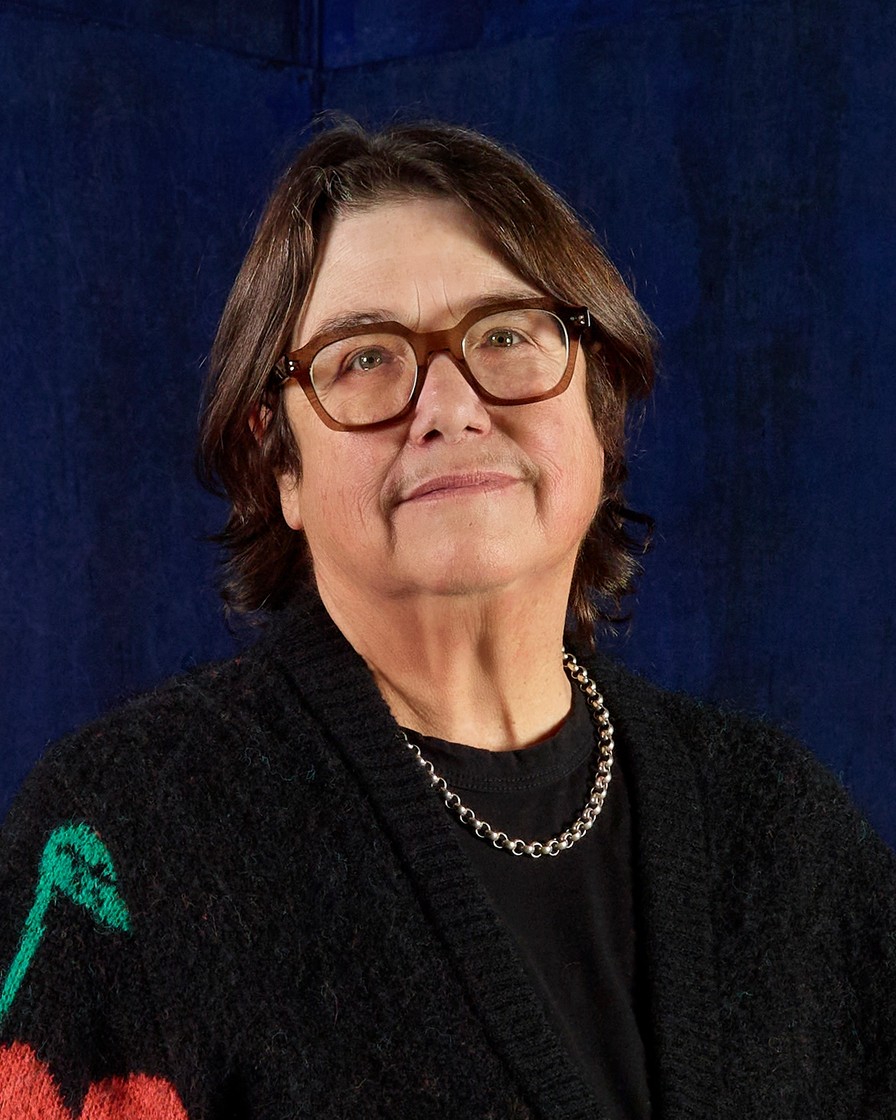
Portrait of Marilyn Minter

Marilyn Minter (b. 1948, Shreveport, LA; lives and works in New York, NY) creates photographs, painting, and videos that offer nuanced representations of women. Well known for her meticulous technical mastery, Minter’s details often highlight natural corporeal qualities that are omitted in mass-media depictions of women, such as body hair and stretch marks, which she deems not only authentic but also beautiful. In her early work, Minter explored erotica—most often images created by men for men—and created new versions of erotic images solely meant for female consumption as a means of reclaiming female sexuality and desire. This revolutionary act was met with serious criticism from leaders of the feminist movement who questioned the ability to reclaim such exploitative images. Nevertheless, Minter has unabashedly continued to advocate for women’s rights and reproductive freedoms, a stance, which for her, always includes women openly expressing their sexuality and desire—reclaiming the female body and subverting the historical objectification of women from the male gaze.

In addition to her commitment to challenging the historic portrayal of women through images, Minter’s work also reveals true mastery of her mediums. Her training in both photography and painting make her working process unique: for each painting she begins with a photograph or series of photographs, which serve as the basis for her larger compositions. Minter replicates the photograph in paint but makes subtle formal adjustments by altering the “focus” of the image, increasing the density of elements such as frost or steam through the use of layering thousands of colors, applying the photographic tenet of focus to the painting process. Likewise, Minter applies painterly approaches to her photography. She physically obscures the pictorial plane, skillfully introducing abstraction into the image. Through steadfast progressive values and a rigorous, time-consuming studio practice, Minter continues to reveal and revel in the exquisite reality of women’s bodies.
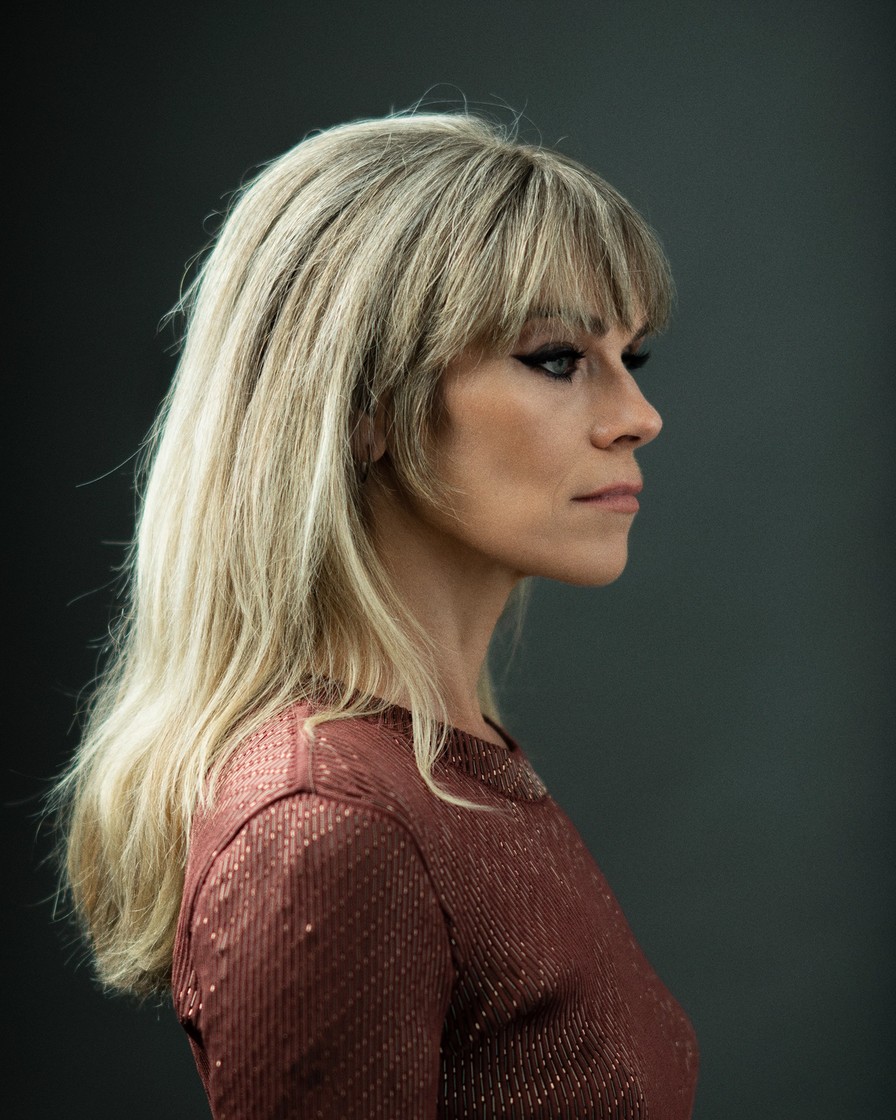
Portrait of Alex Prager

Alex Prager (b. 1979, Los Angeles, CA; lives and works in Los Angeles, CA) is an American artist, director and screenwriter based in Los Angeles. Prager is known for her uncanny images and films that blur the line between artifice and reality to explore the human condition. Prager has spent over two decades honing her signature style, which draws on traditional movie making techniques from golden-era period styles (like film noir and Technicolor), classical mythology, and the allegorical works of Dutch Renaissance painters Hieronymus Bosch and Pieter Brugel. Over time, large-scale productions have become synonymous with her work.

Working simultaneously across film, photography, and sculpture, Prager constructs highly emotional moments that feel like a fabricated memory or dream. Her distinctive use of archetypes, everyday objects, humor, and allegory—along with her signature technicolor facades—allow her to explore dark and complex topics. Existential concerns are central to her practice, including collective and individual identities and the impact of technology on society. Like the psychological works of artists including Alfred Hitchcock, Edward Hopper, Pipilotti Rist, August Sanders, and Bill Viola, Prager’s work invites the viewer to contemplate the human experience by revealing that the extraordinary lurks within the ordinary.

Portrait of Catherine Opie

Catherine Opie (b. 1961, Sandusky, OH; lives in Los Angeles, CA) is known for her powerfully dynamic photography that examines the ideals and norms surrounding the culturally constructed American dream and American identity. She first gained recognition in the 1990s for her series of studio portraits, photographing gay, lesbian, and transgender individuals drawn from her circle of friends and artists. Opie has traveled extensively across the country exploring the diversity of America’s communities and landscapes, documenting quintessential American subjects—high school football players and the 2008 presidential inauguration—while also continuing to display America’s subcultures through formal portraits. Using dramatic staging, Opie presents queer and trans bodies in intimate photographs that evoke traditional Renaissance portraiture—images of power and respect. In her portraits and landscapes, Opie establishes a level of ambiguity of both identity and place by exaggerating masculine or feminine characteristics, or by exaggerating distance, cropping, or blurring her landscapes.

Opie received a B.F.A. from San Francisco Art Institute in 1985, and an M.F.A. from CalArts in 1988. Solo exhibitions of her work have been organized at Museum of Art São Paulo (MASP), São Paulo, Brazil (2024); Heide Museum, Melbourne Australia (2023); The Current Now, Stowe, VT (2022); Plug In Institute of Contemporary Art, Winnipeg, Canada (2020); Museum of Contemporary Art (MOCA), Cleveland, OH (2019); Marciano Foundation, Los Angeles, CA (2019); Princeton University School of Architecture, Princeton, NJ (2018); Centro Internazionale di Fotographia, Palermo, Italy (2018); Los Angeles County Museum of Art, Los Angeles, CA (2016); Museum of Contemporary Art, Pacific Design Center, Los Angeles, CA (2016); Hammer Museum, Los Angeles, CA (2016); Wexner Center for the Arts, Columbus, OH (2015); Long Beach Museum of Art, Long Beach, CA (2012); Socrates Sculpture Park, New York, NY (2012); Institute of Contemporary Art, Boston, MA (2011); Portland Art Museum, Portland, OR (2010); Solomon R. Guggenheim Museum, New York, NY (2008); Museum of Contemporary Art Chicago, IL (2006); Walker Art Center, Minneapolis, MN (2002); and the Saint Louis Art Museum, Saint Louis, MO (2000).

Photography Pt. I | Lehmann Maupin