Skip to content

Do Ho Suh

Seattle Art Museum

Seattle

Oct 13, 2011–Jan 8, 2012

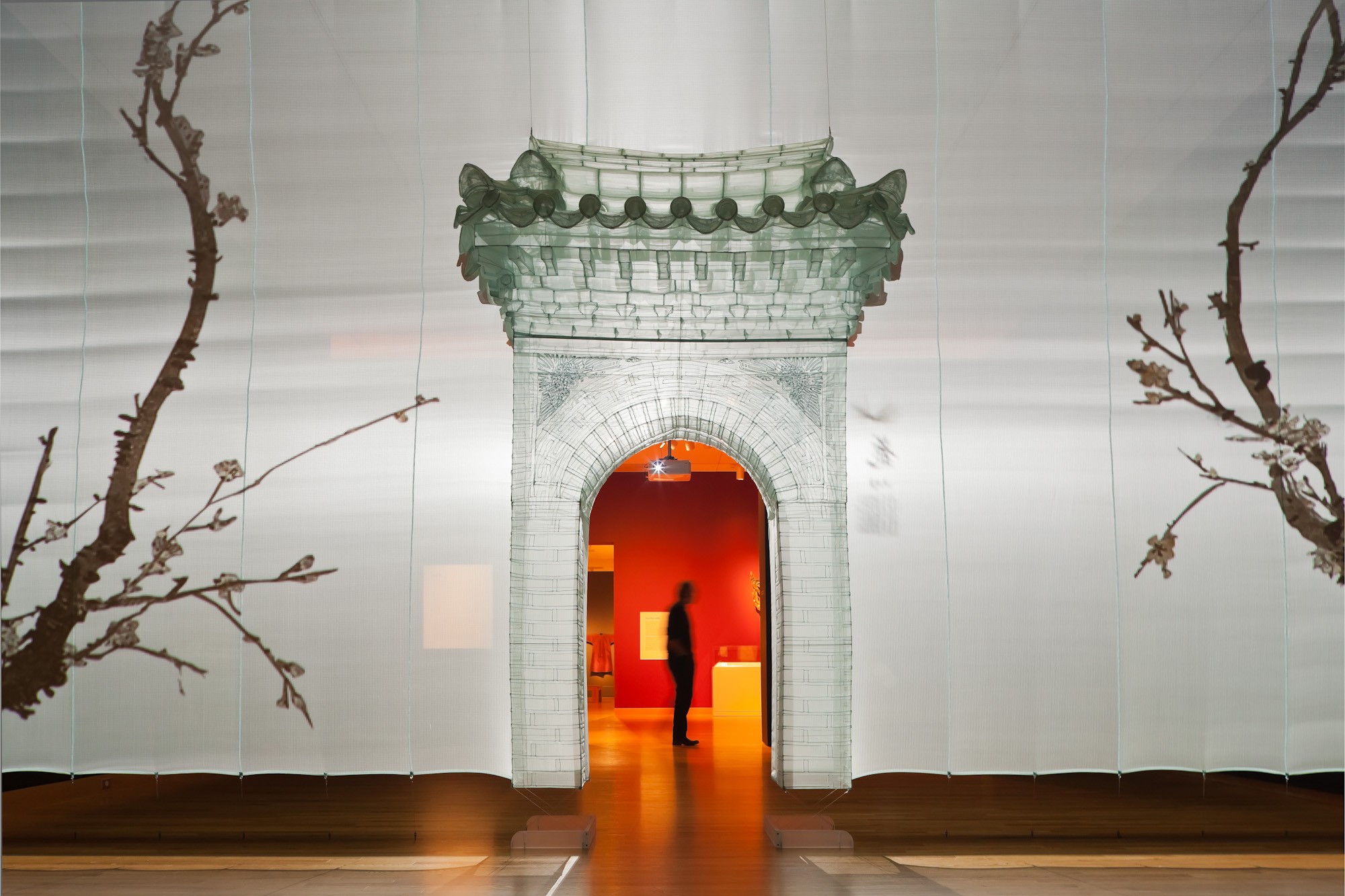
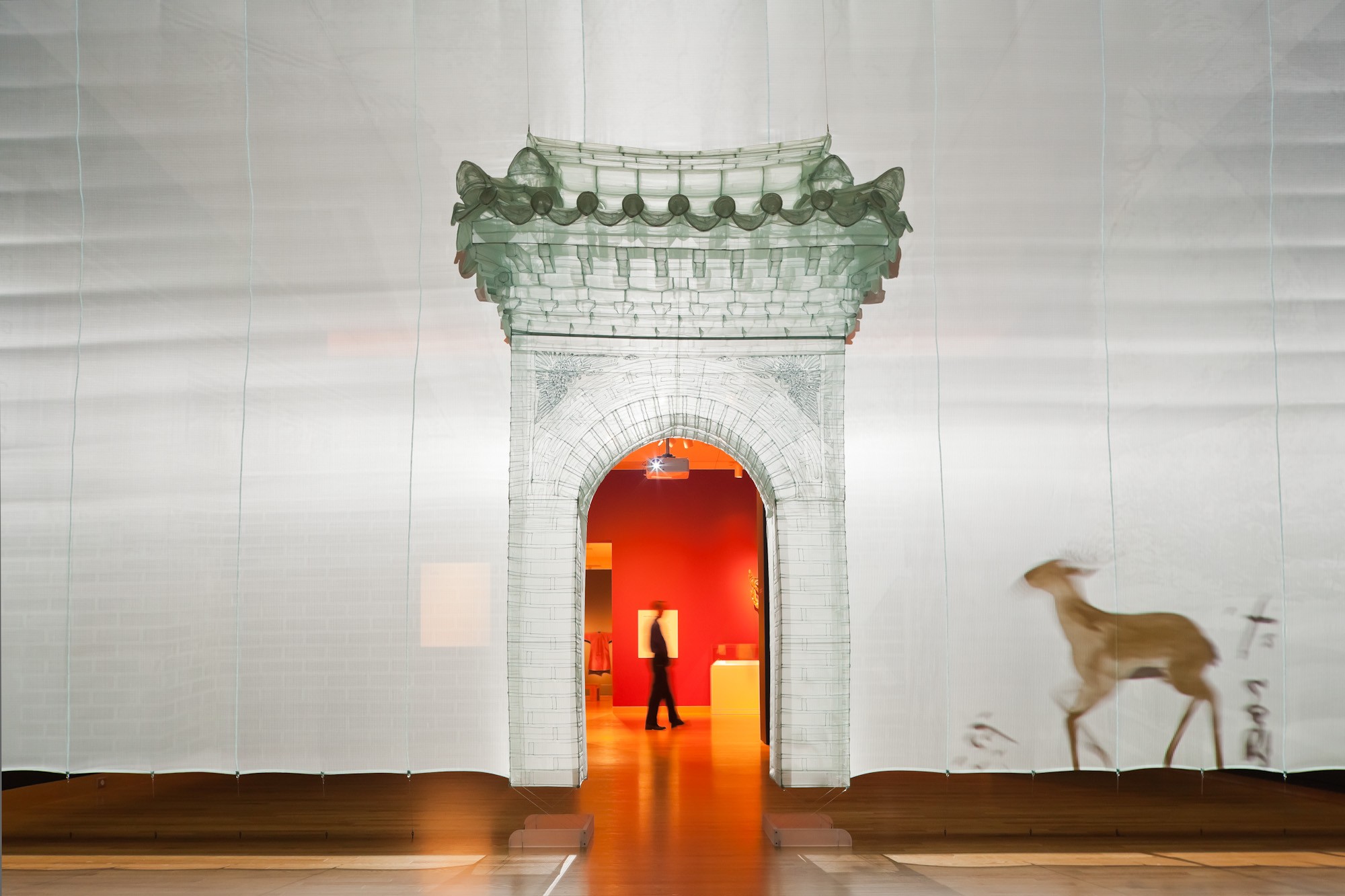
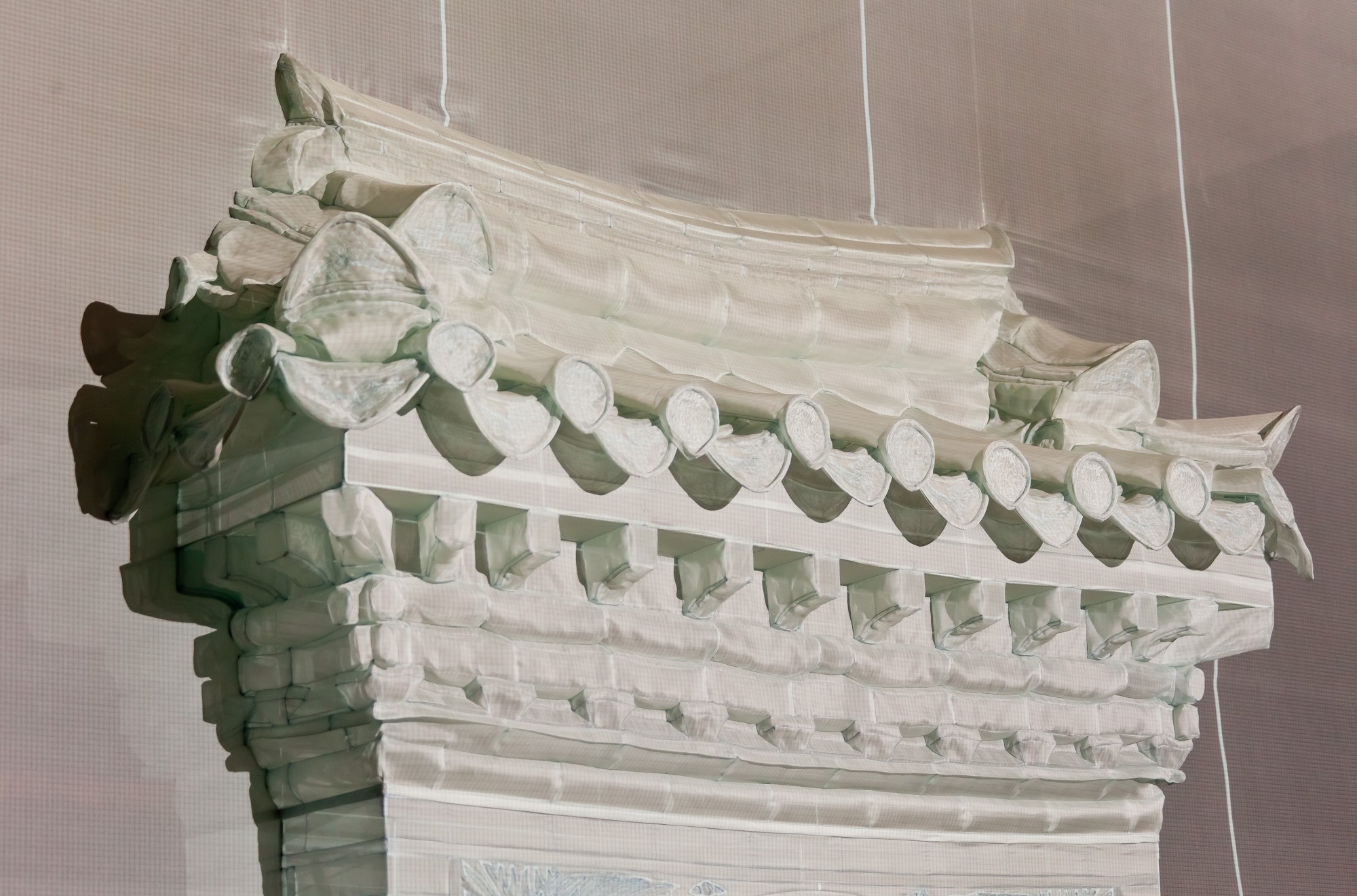
Installation view of Do Ho Suh at Seattle Art Museum

Seattle, WA

Fresh from a celebrated tour throughout Japan, Luminous: The Art of Asia will showcase the jewels of Seattle Art Museum’s (SAM) Asian collections, featuring 160 of the museum’s masterpieces including paintings, screens, sculpture, ceramics, stone, wood, lacquer and metal ware. All objects come from the Seattle Art Museum, home to one of the finest collections of Asian art in North America. The exhibition opens on October 13, 2011, marking the first time these objects have been assembled in a major exhibition at SAM Downtown.

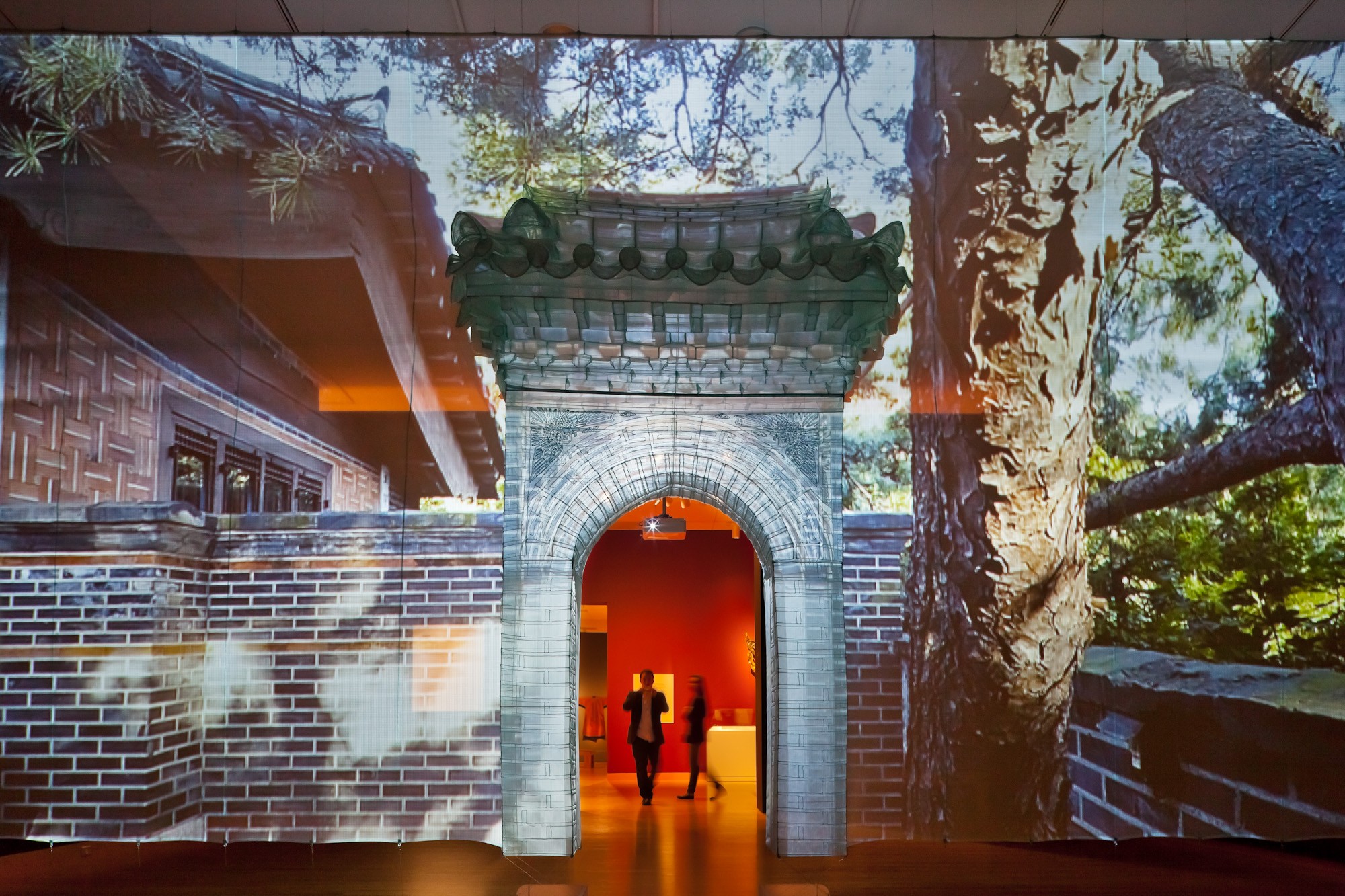
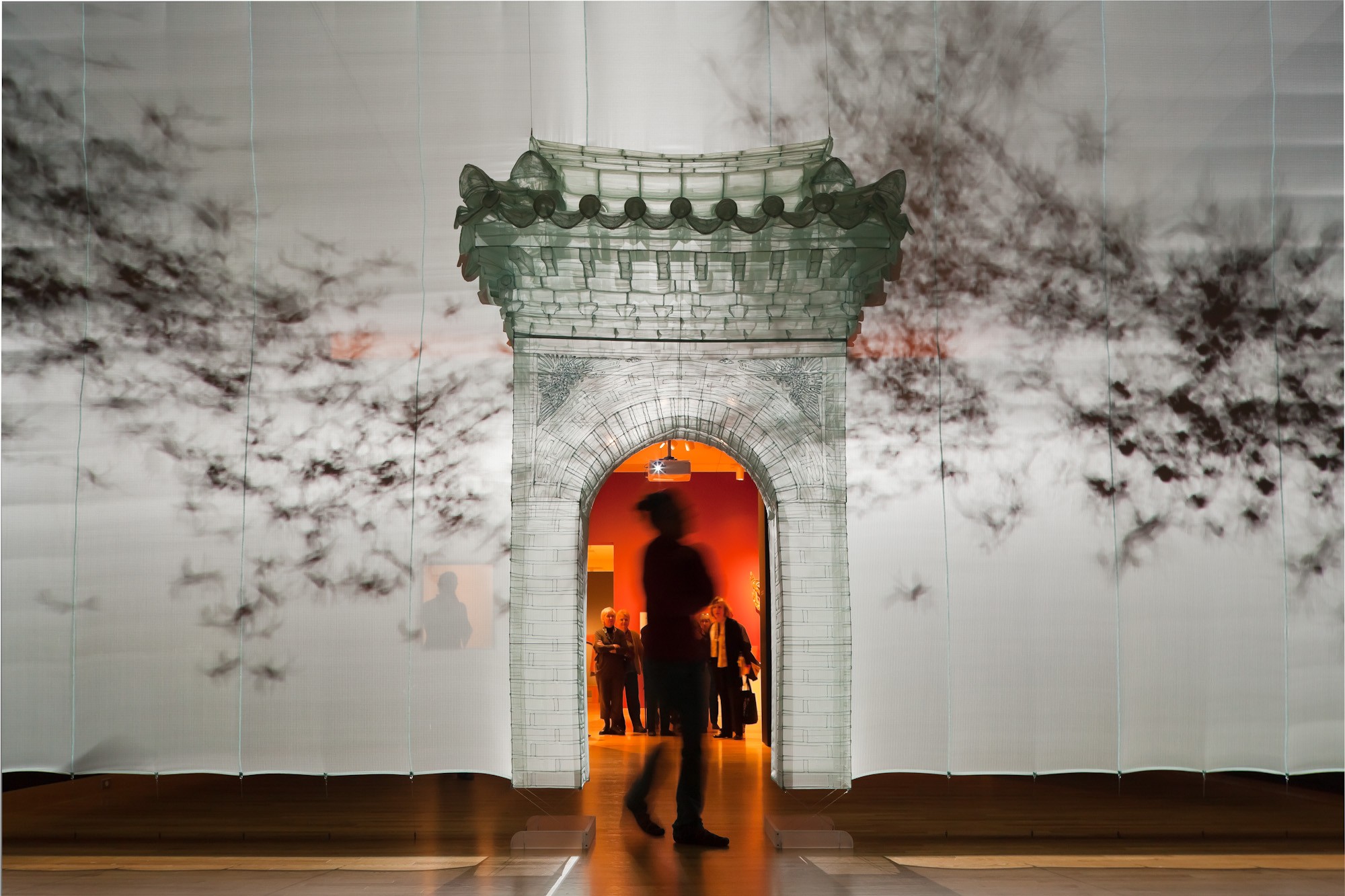
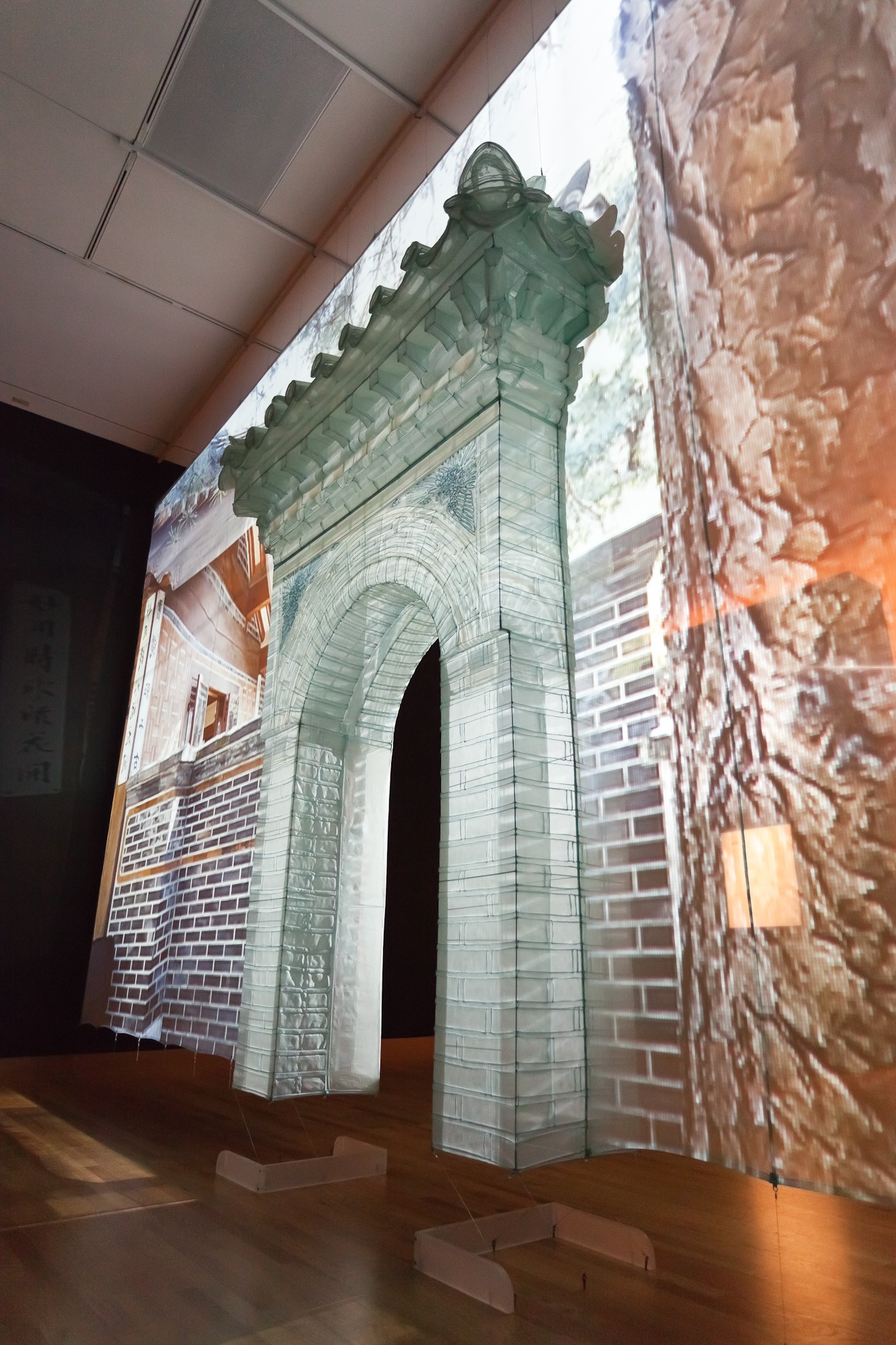
Invited to provide a contemporary response to the historical material, internationally recognized artist Do Ho Suh (born 1962) has created a new multimedia installation for the exhibition. In addition, his observations pepper the text panels throughout the show, offering insight, adding perspective and provoking further questions. Born in Korea and presently living in New York and London, Suh is the creator of SAM’s famed “dog-tag” sculpture Some/One (2001), currently installed on the third floor of SAM Downtown. Over the past year Suh and SAM have engaged in a dialogue on such topics such as eastern philosophy, East Asian painting, the contemporary art scene, and art museum practices.

Installation view of Do Ho Suh at Seattle Art Museum
Installation Views
1 of 3:
Installation view of Do Ho Suh at Seattle Art Museum
Installation Views
1 of 2:
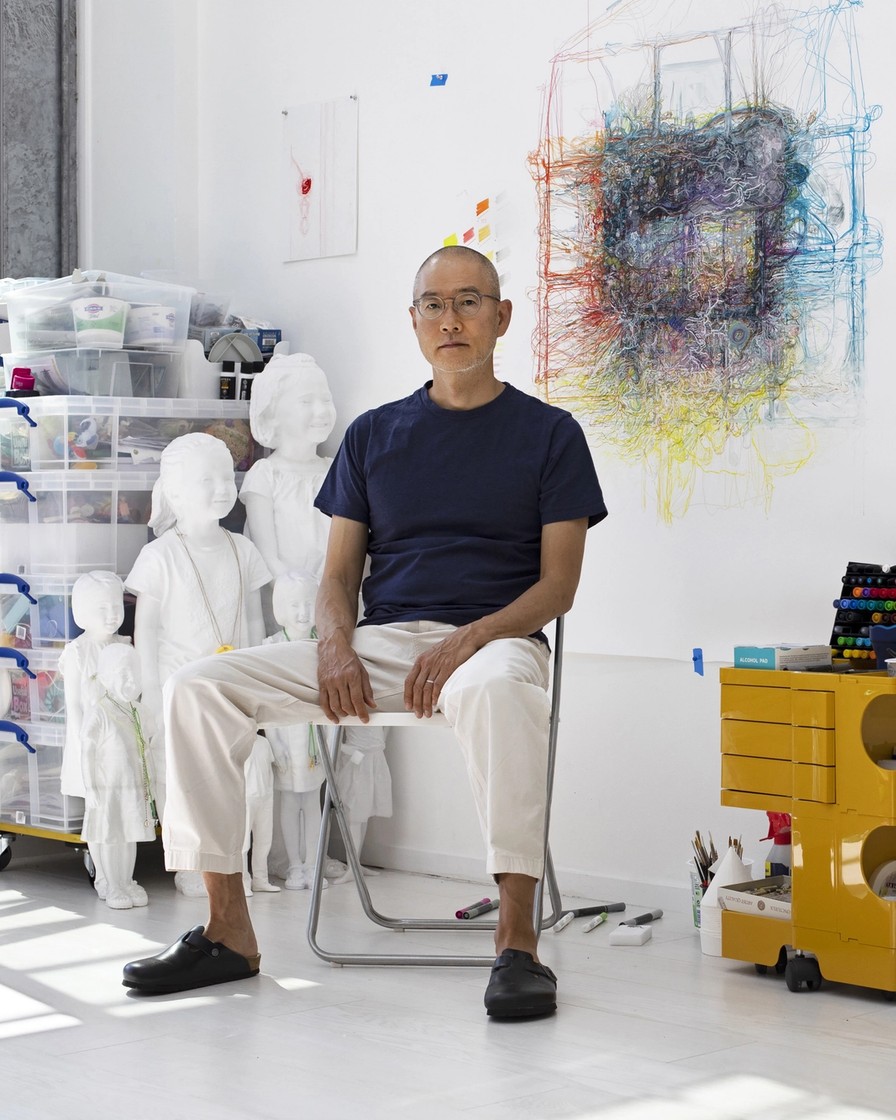
Portrait of Do Ho Suh

Do Ho Suh (b. 1962, Seoul, Korea; lives and works in London, United Kingdom) works across various media, creating drawings, film, and sculptural works that confront questions of home, physical space, displacement, memory, individuality, and collectivity. Suh is best known for his fabric sculptures that reconstruct to scale his past and present homes and studios in Korea, Rhode Island, Berlin, London, and New York.

Suh is interested in the malleability of space in both its physical and metaphorical forms, and examines how the body relates to, inhabits, and interacts with that space. He is particularly interested in domestic space and the way the concept of home can be articulated through architecture that has a specific location, form, and history. For Suh, the spaces we inhabit also contain psychological energy, and in his work he makes visible those markers of memories, personal experiences, and a sense of security, regardless of geographic location.