Skip to content

Multiple Artists

Beyond Material

London

Mar 20–May 10, 2025

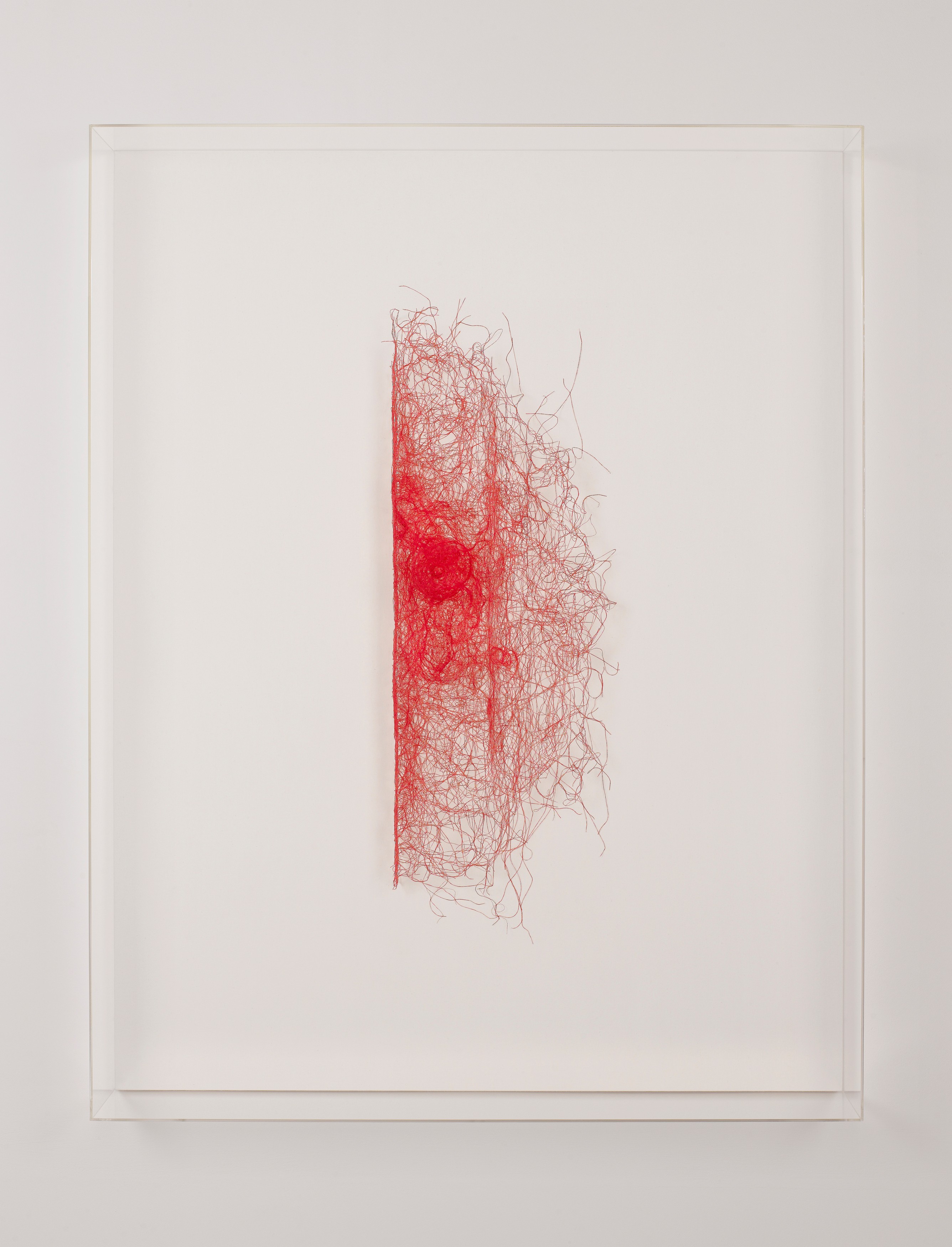
Detail of wall work by Do Ho Suh

No.9 Cork Street

Mayfair, London W1S 3LL

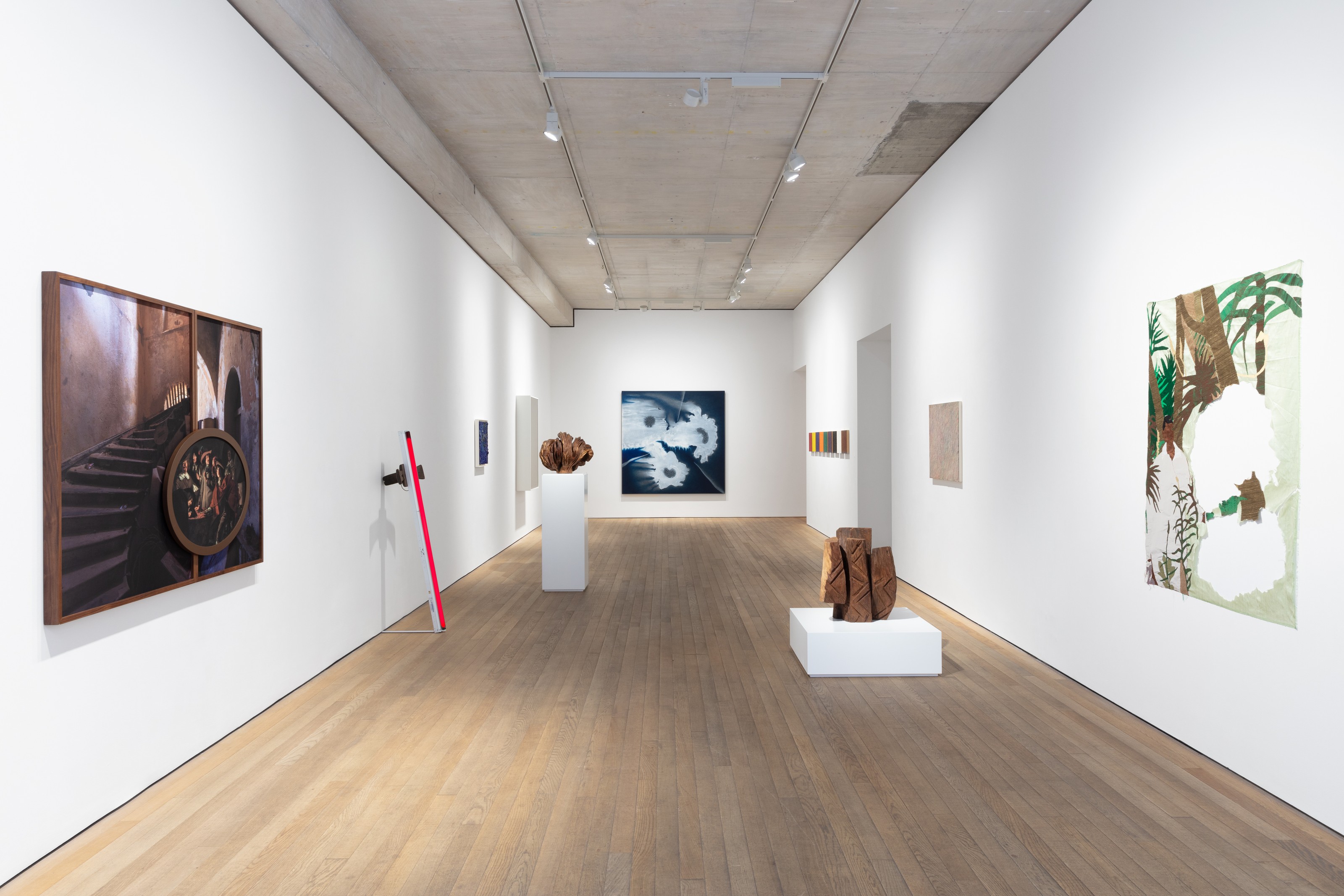
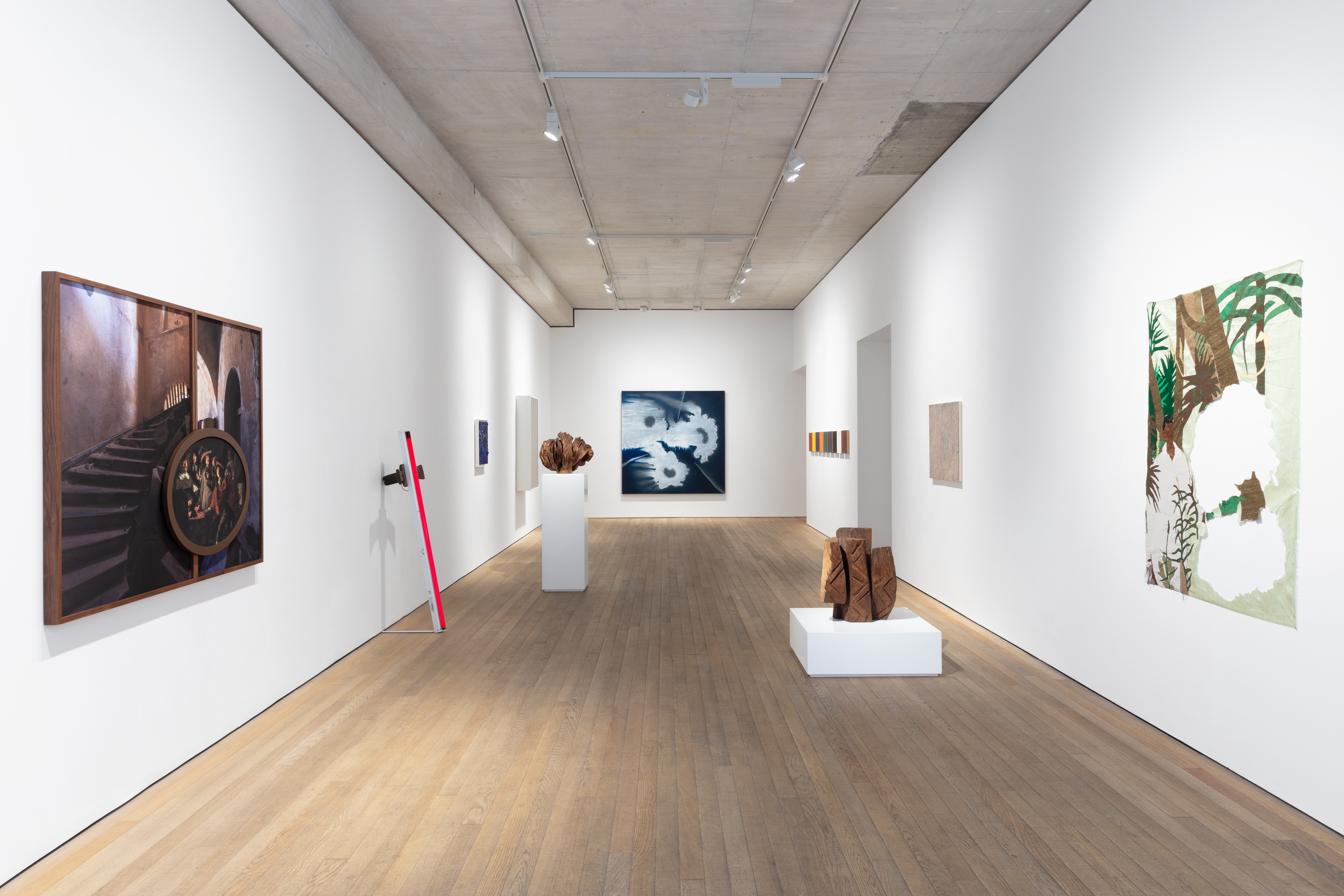
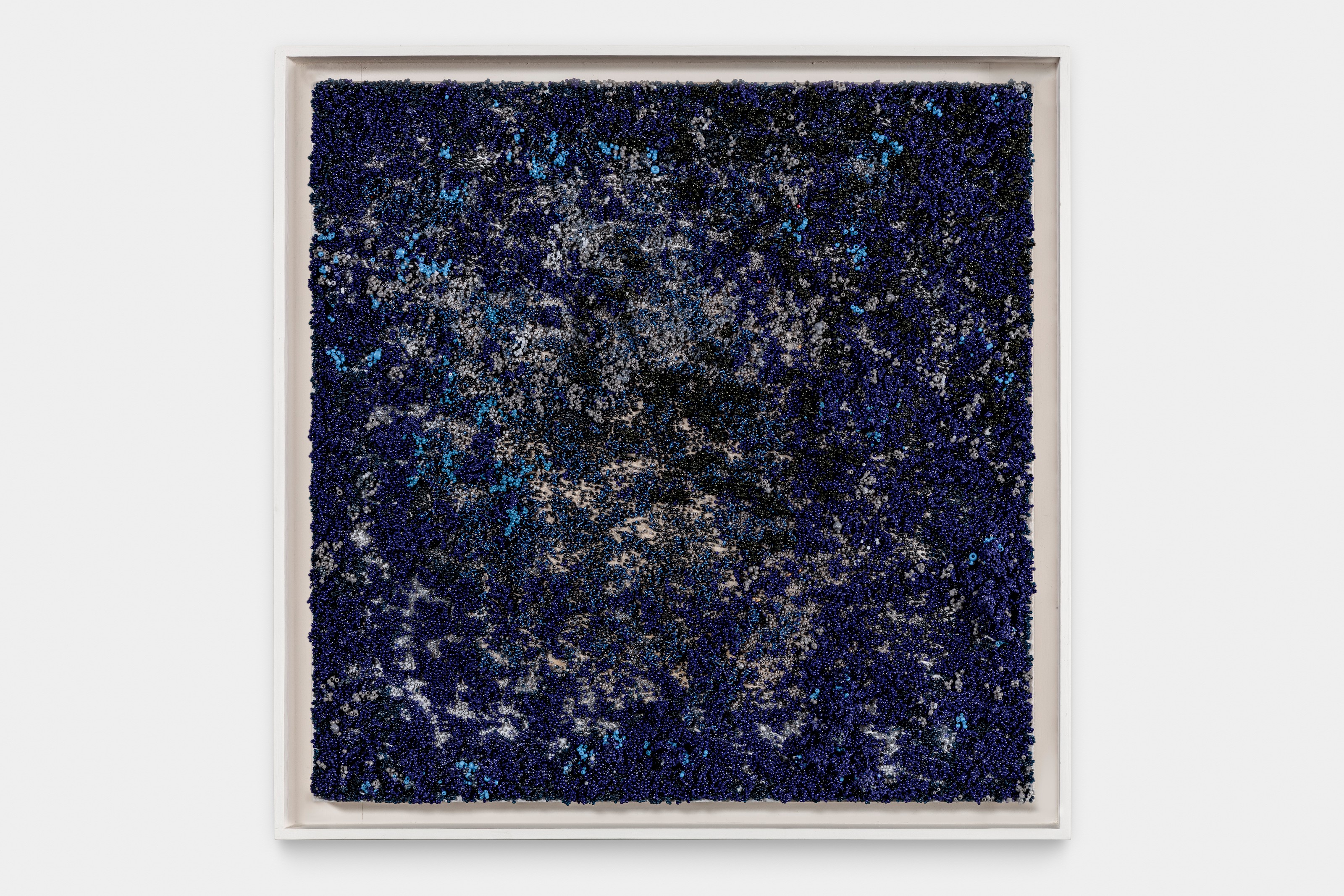
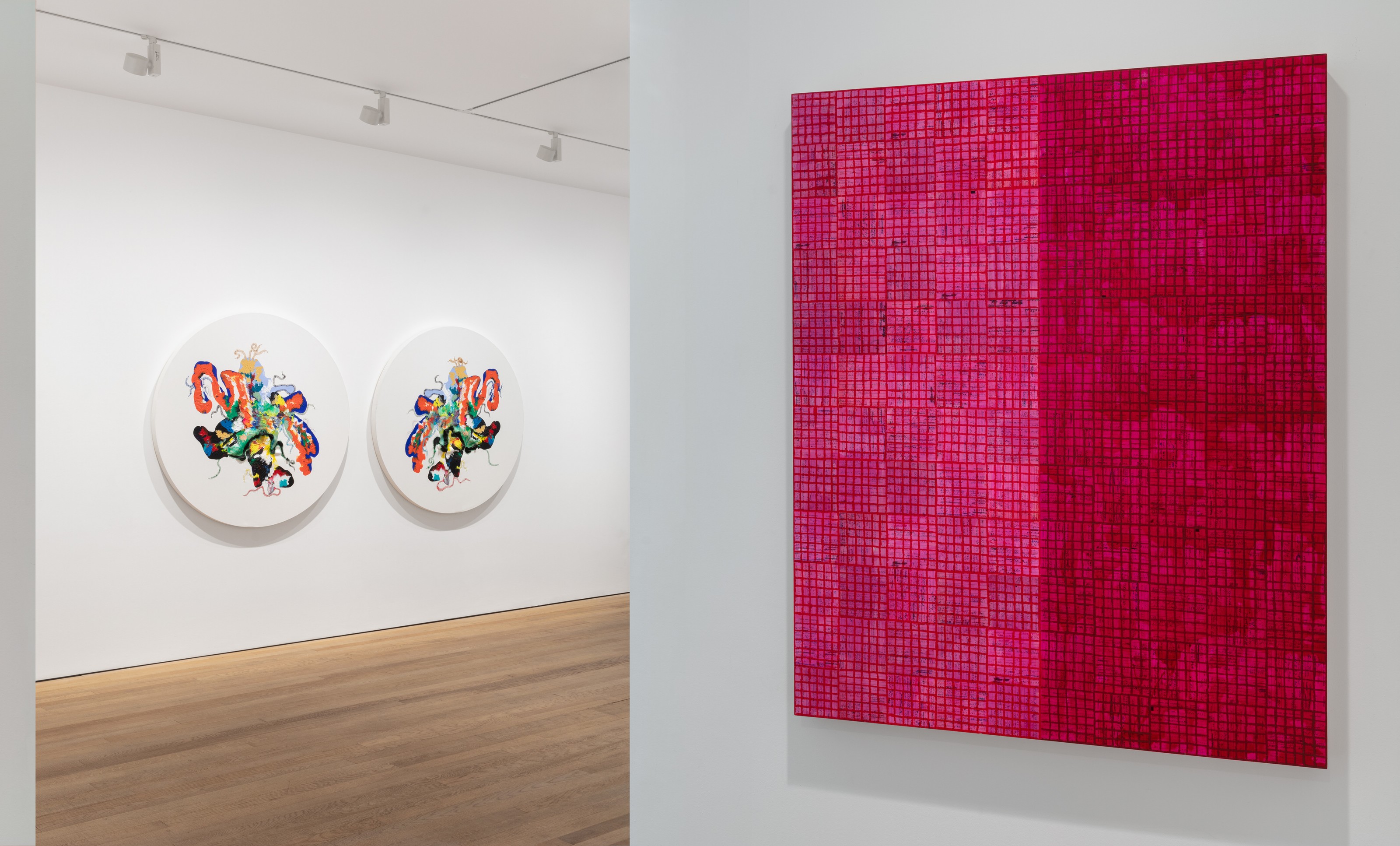
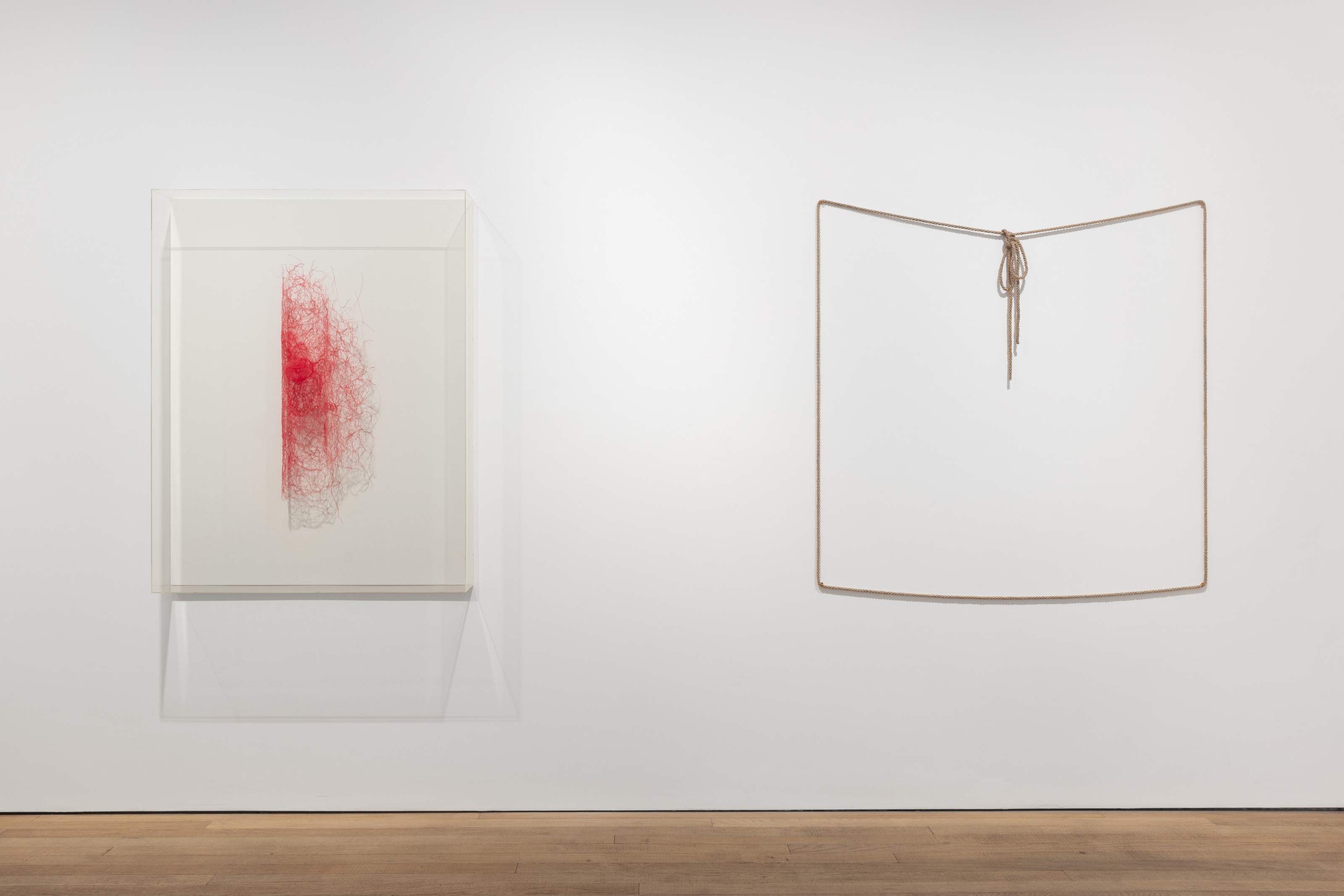
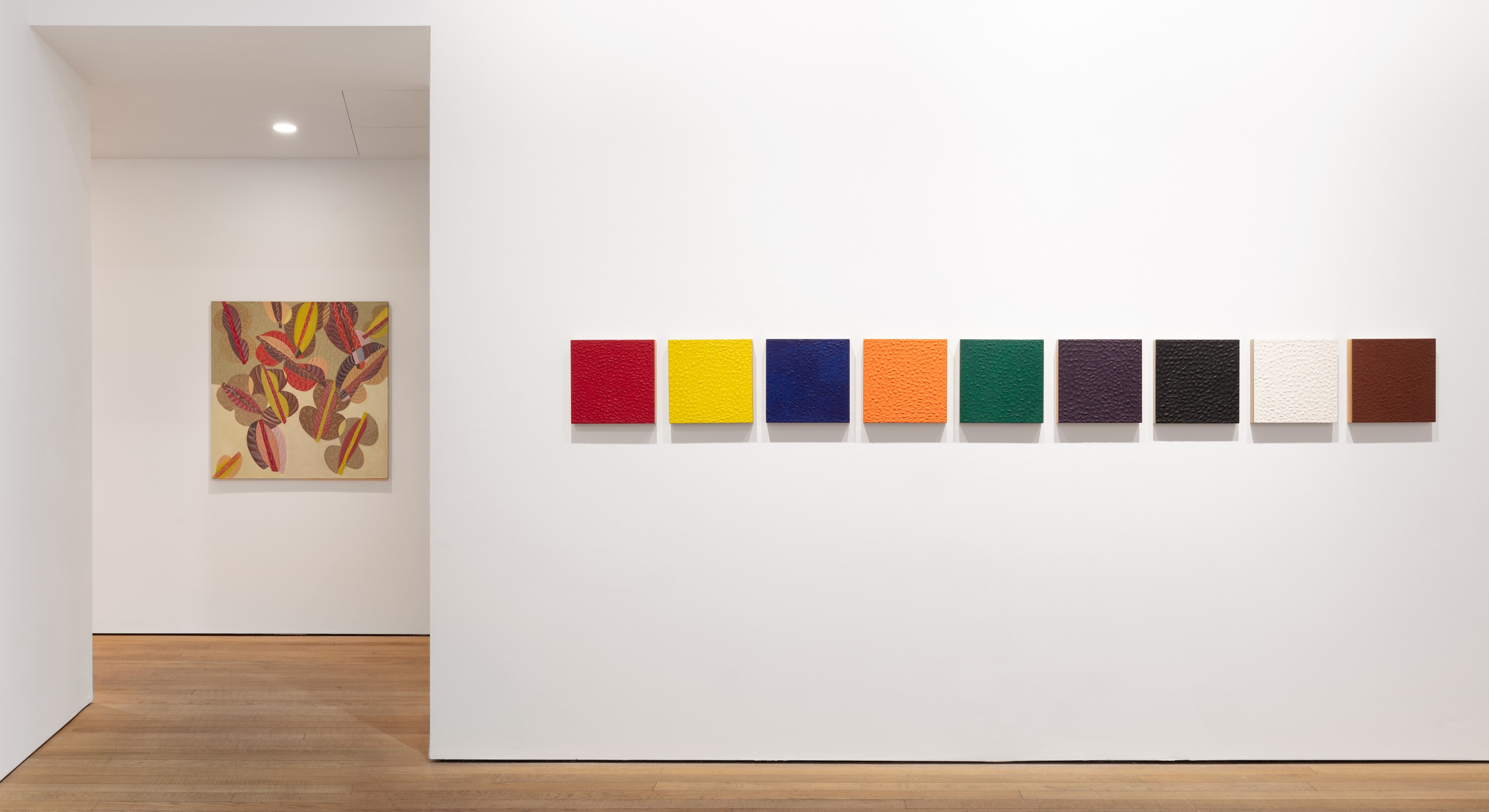
Lehmann Maupin is pleased to present Beyond Material, a group show curated by the gallery’s London-based Partner Isabella Icoz. Beyond Material brings together work from nine artists within the gallery’s program, including Kader Attia, McArthur Binion, Todd Gray, Nicholas Hlobo, Shirazeh Houshiary, Liza Lou, Kim Yun Shin, Do Ho Suh, and Billie Zangewa. The exhibition is centred around the unique approach each of these artists take to material within their practices—from Houshiary’s use of water and aquacryl to create fluid, ethereal forms, to Lou’s decades-long engagement with glass beads as a primary sculptural medium, to Zangewa’s hand-stitched silk collages, which she imbues with a sense of warm domesticity.

Icoz, who was named Partner in October of 2023 after over a decade with the gallery, has played a pivotal role in developing Lehmann Maupin’s presence in Europe and the UK. She has overseen the UK debuts of many of its artists, including most recently Kim Yun Shin and Dominic Chambers. Icoz has previously curated several exhibitions at Lehmann Maupin, including the 2022 exhibition Beneath the Surface and the 2021 exhibition Body Topographies, both in London.

Installation view of Beyond Material at Lehmann Maupin London
Installation Views: 1 of 5
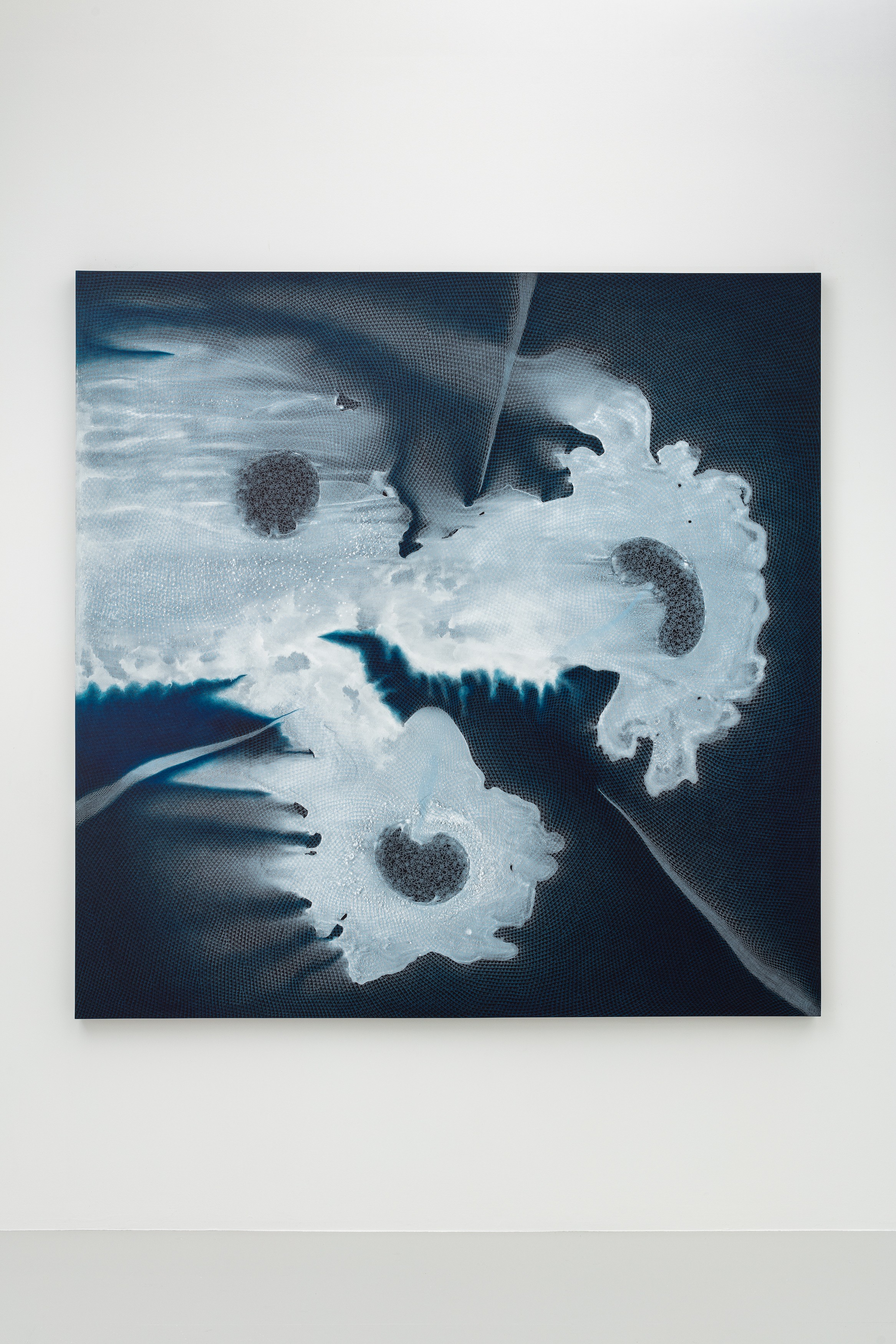
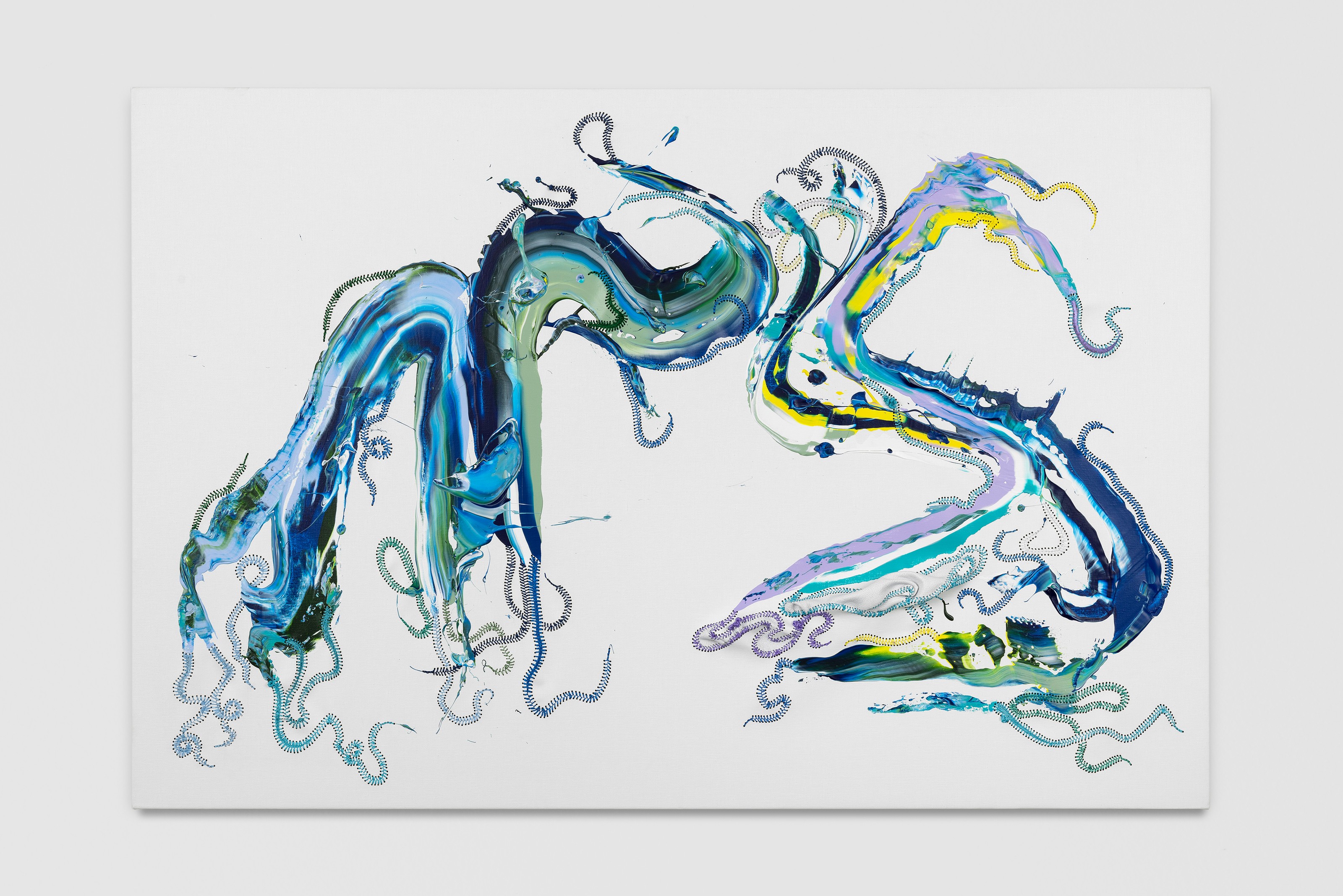
Painting by Shirazeh Houshiary

Shirazeh Houshiary

Three Moons, 2025

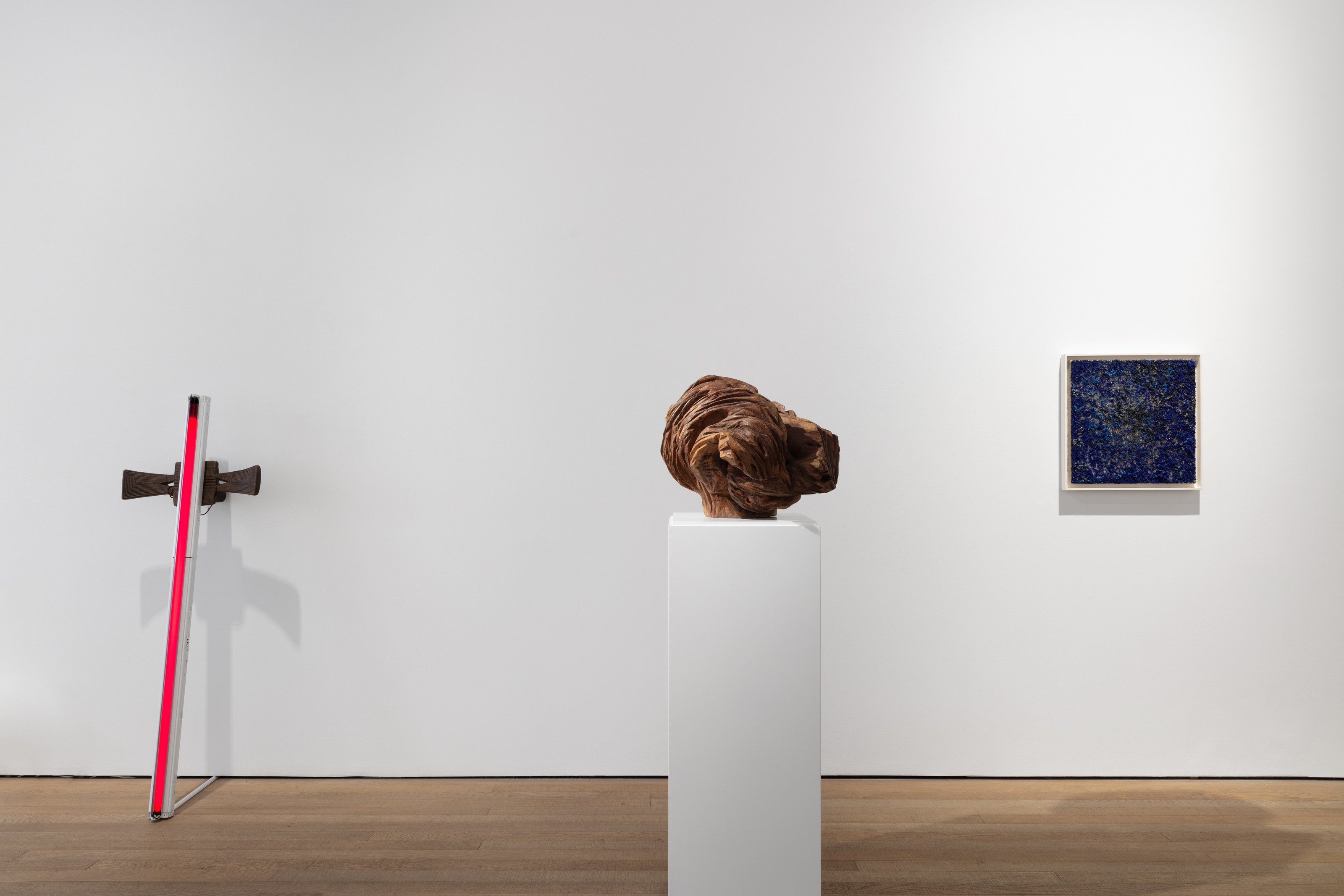
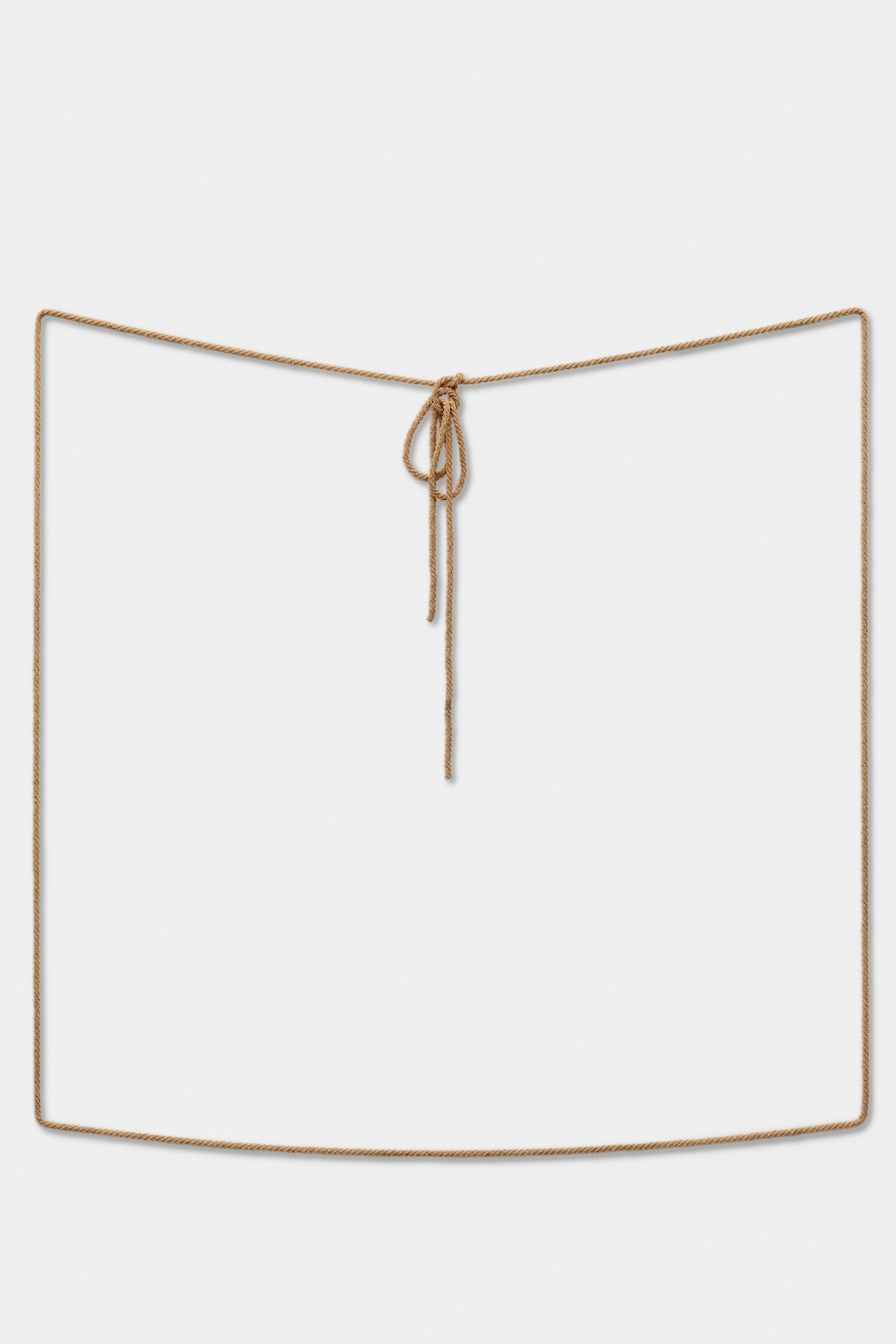
Wall work by Do Ho Suh

Do Ho Suh

ScaledBehaviour_runOn(doorknob_1.16.3), 2023

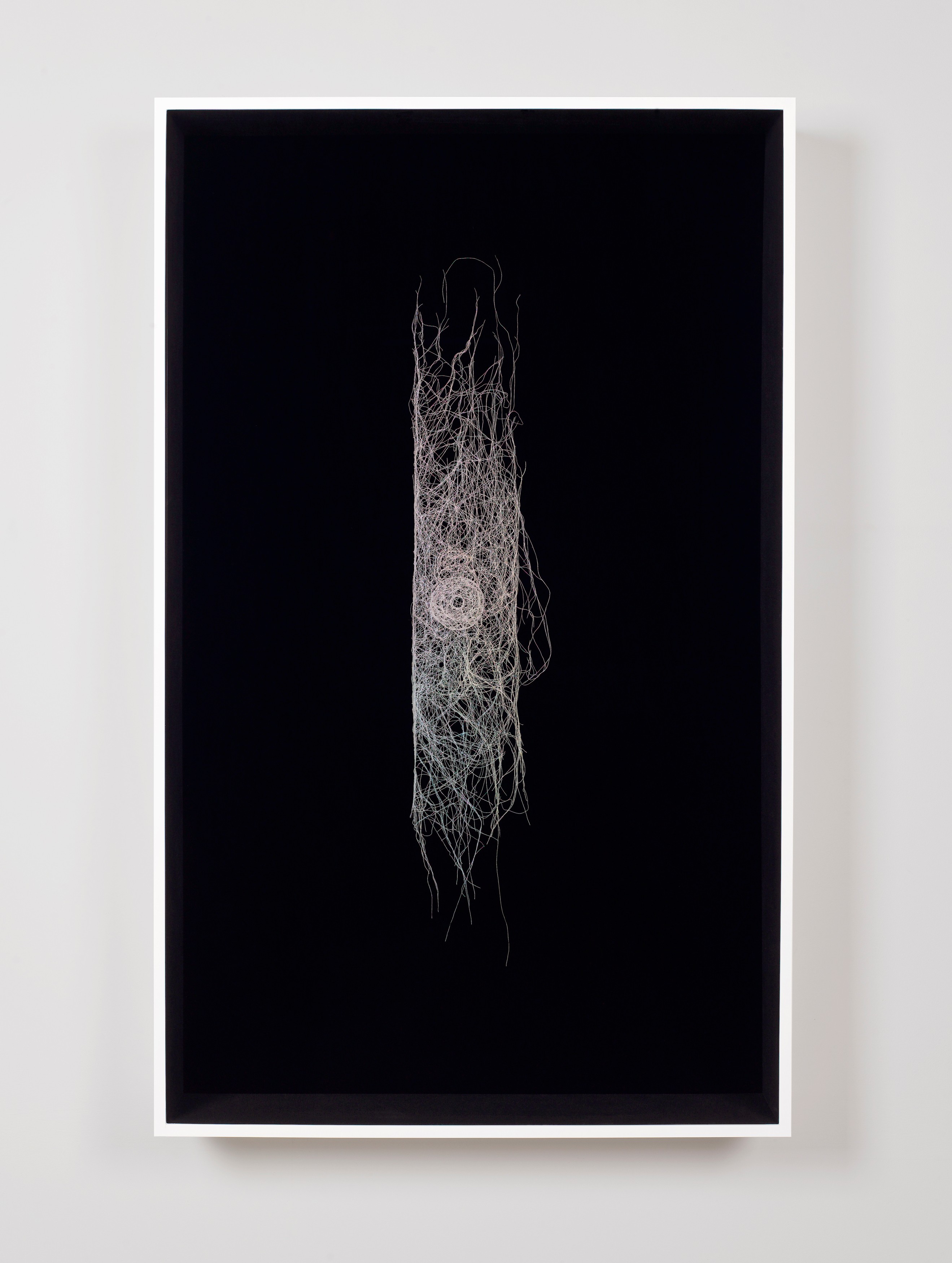
Wall work by Do Ho Suh

Do Ho Suh

ScaledBehaviour_runOn(doorknob_2.4.1), 2023

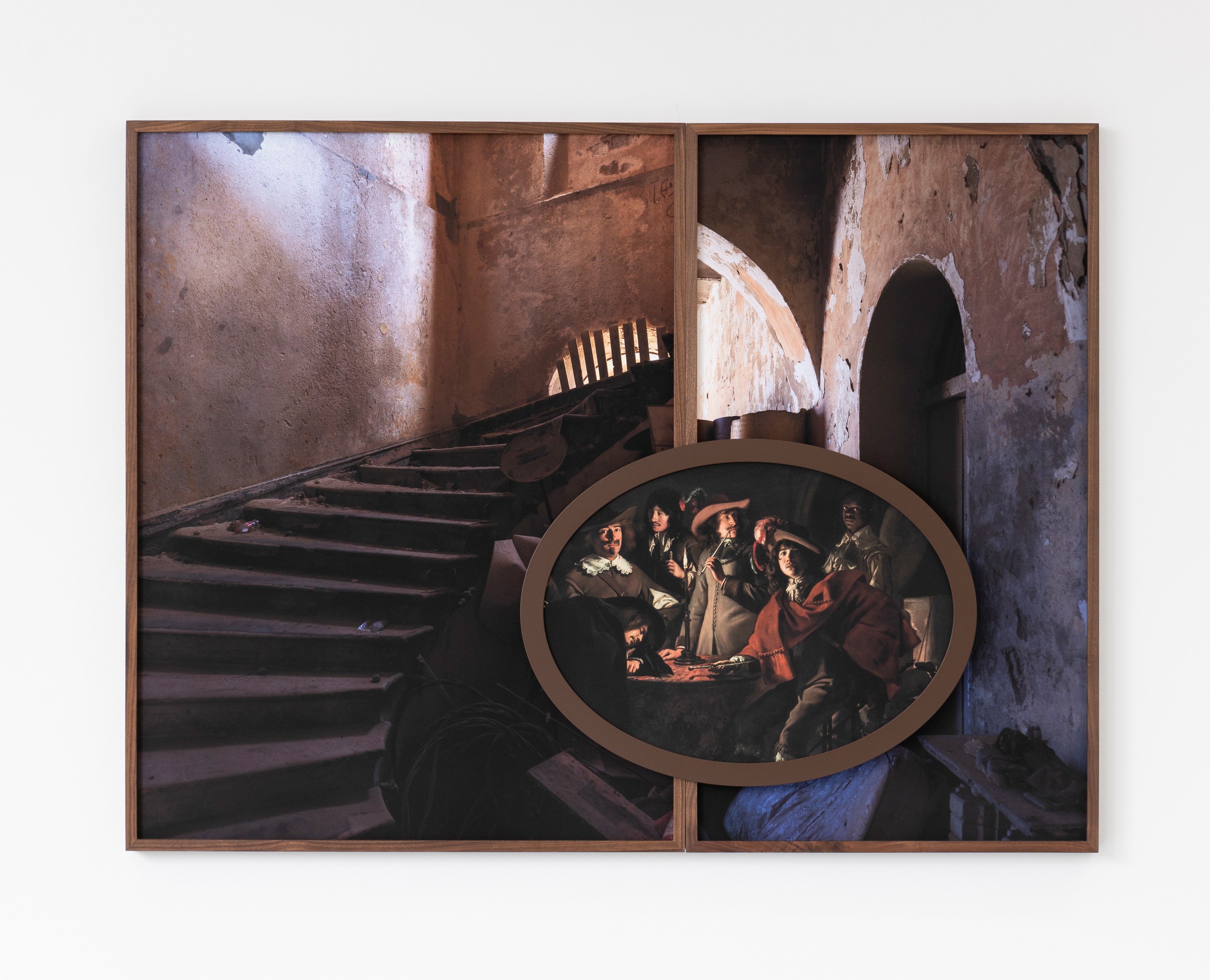
Wall work by Todd Gray

Todd Gray

Time Warp (Gorée, Louvre), 2024

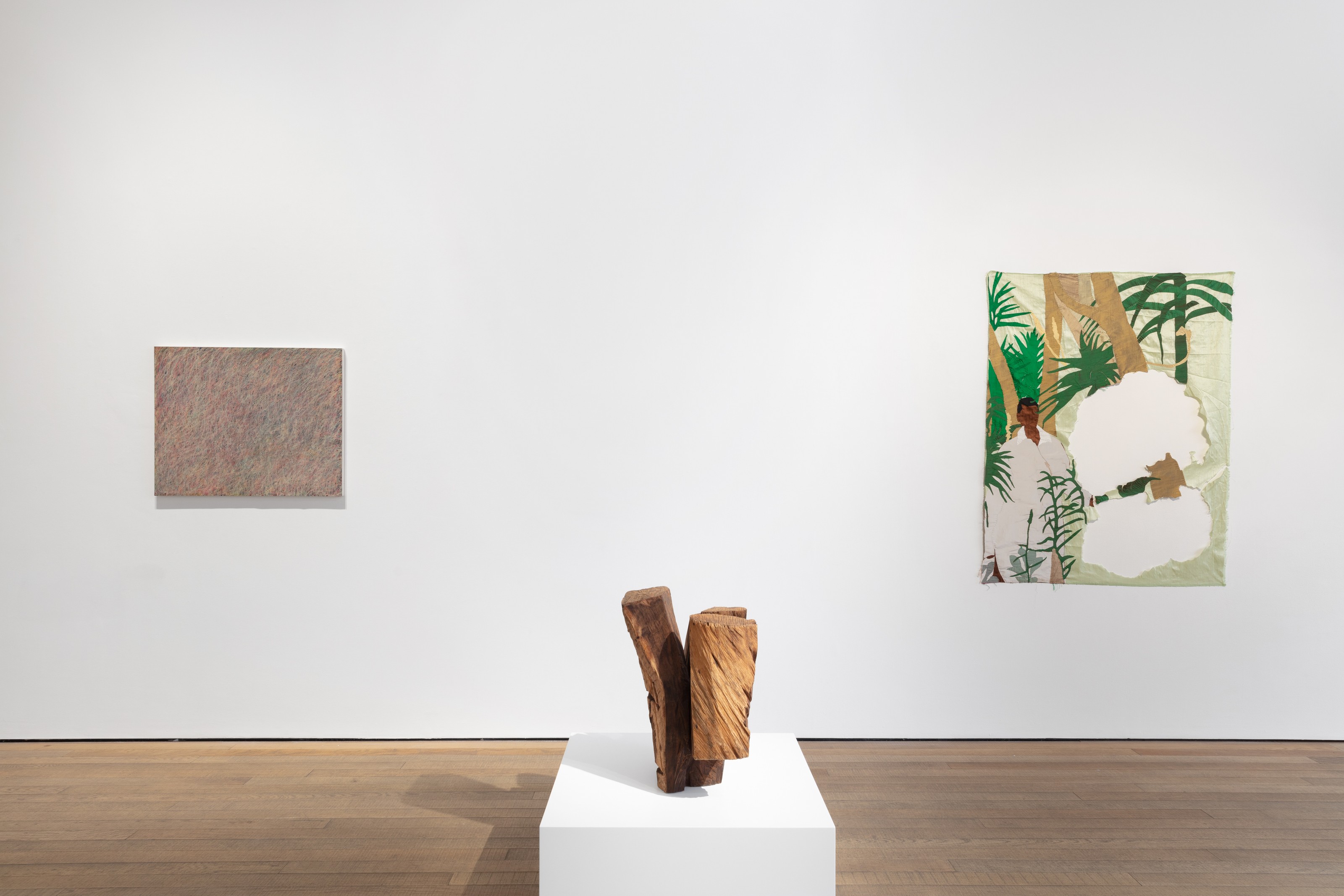
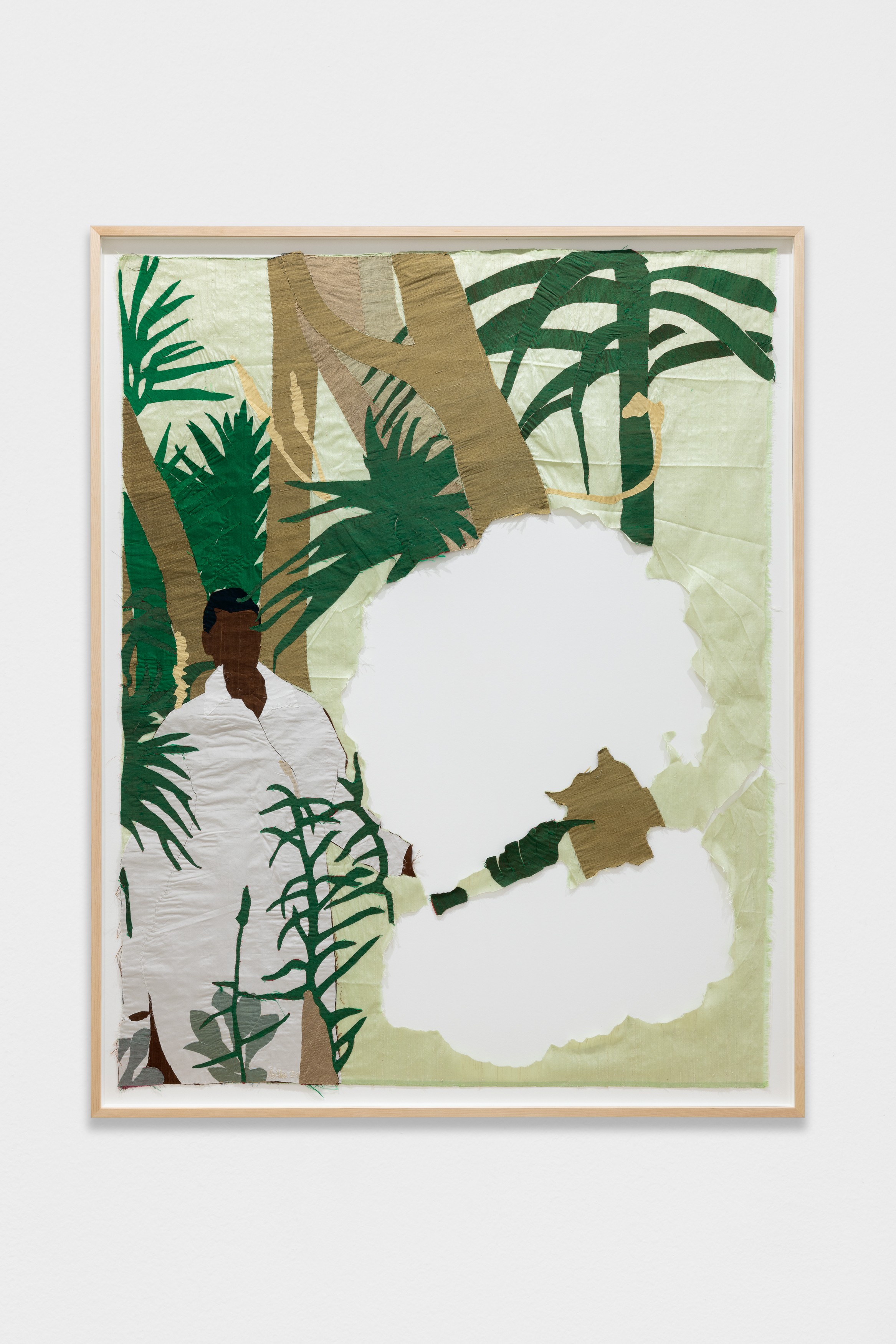
Wall work by Billie Zangewa

Billie Zangewa

Splendour in the Plants, 2024

Painting by McArthur Binion

McArthur Binion

dna:sketch, 2024

Wall work by Liza Lou

Liza Lou

Ode, 2024

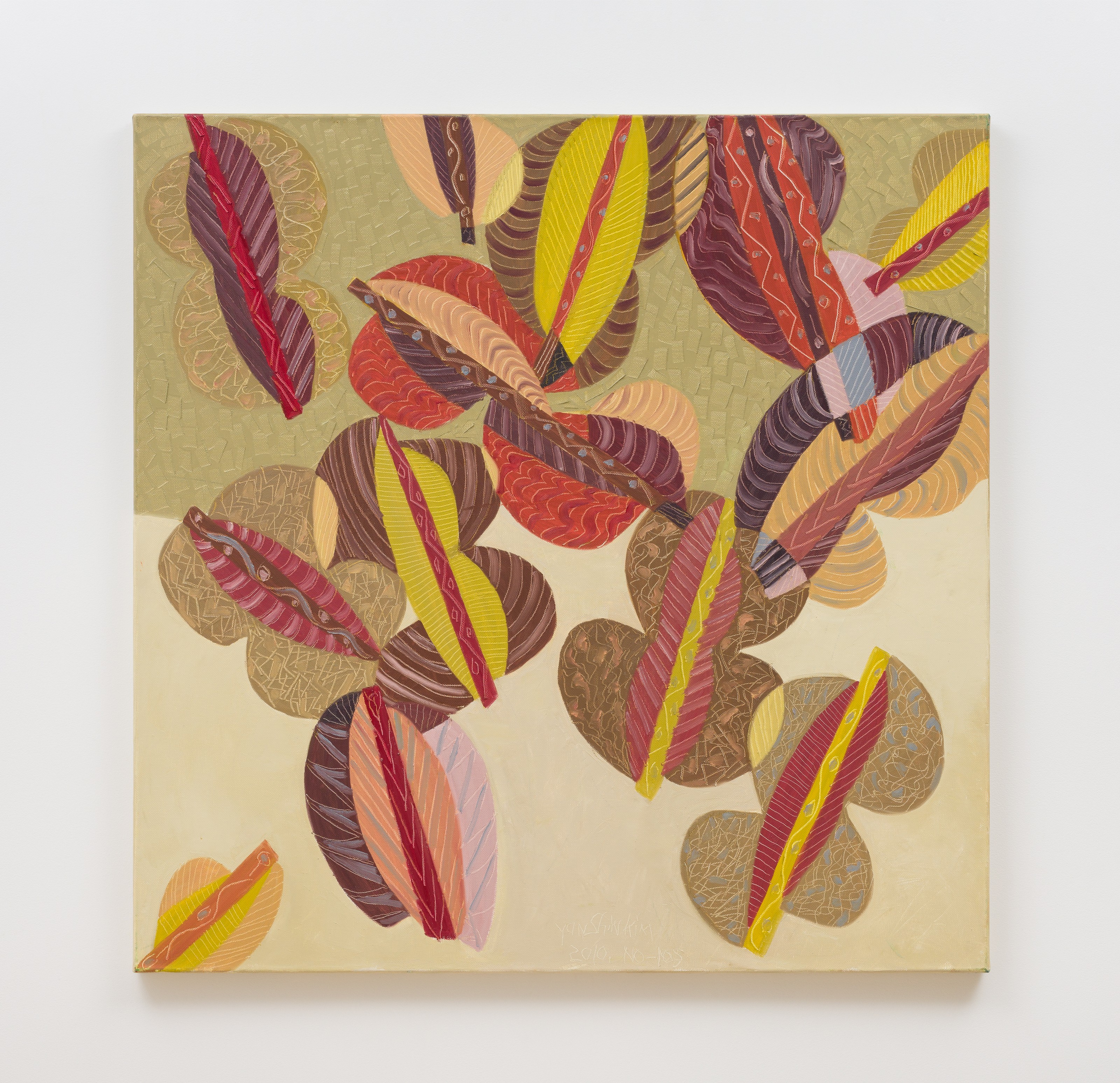
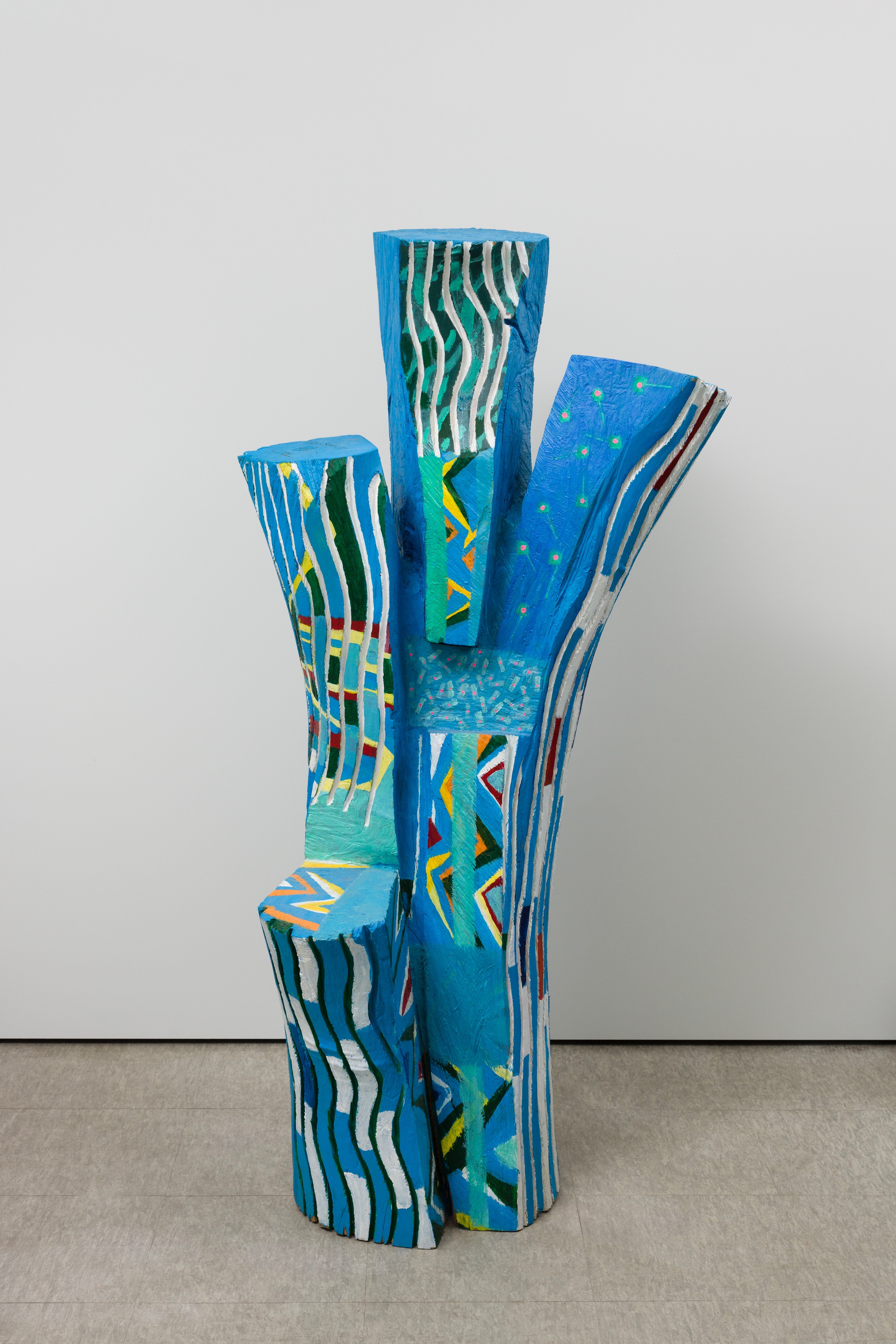
Painting by Kim Yun Shin

Kim Yun Shin

Song of My Soul 2010-100, 2010

Installation view of Beyond Material at Lehmann Maupin London
Installation Views: 1 of 5
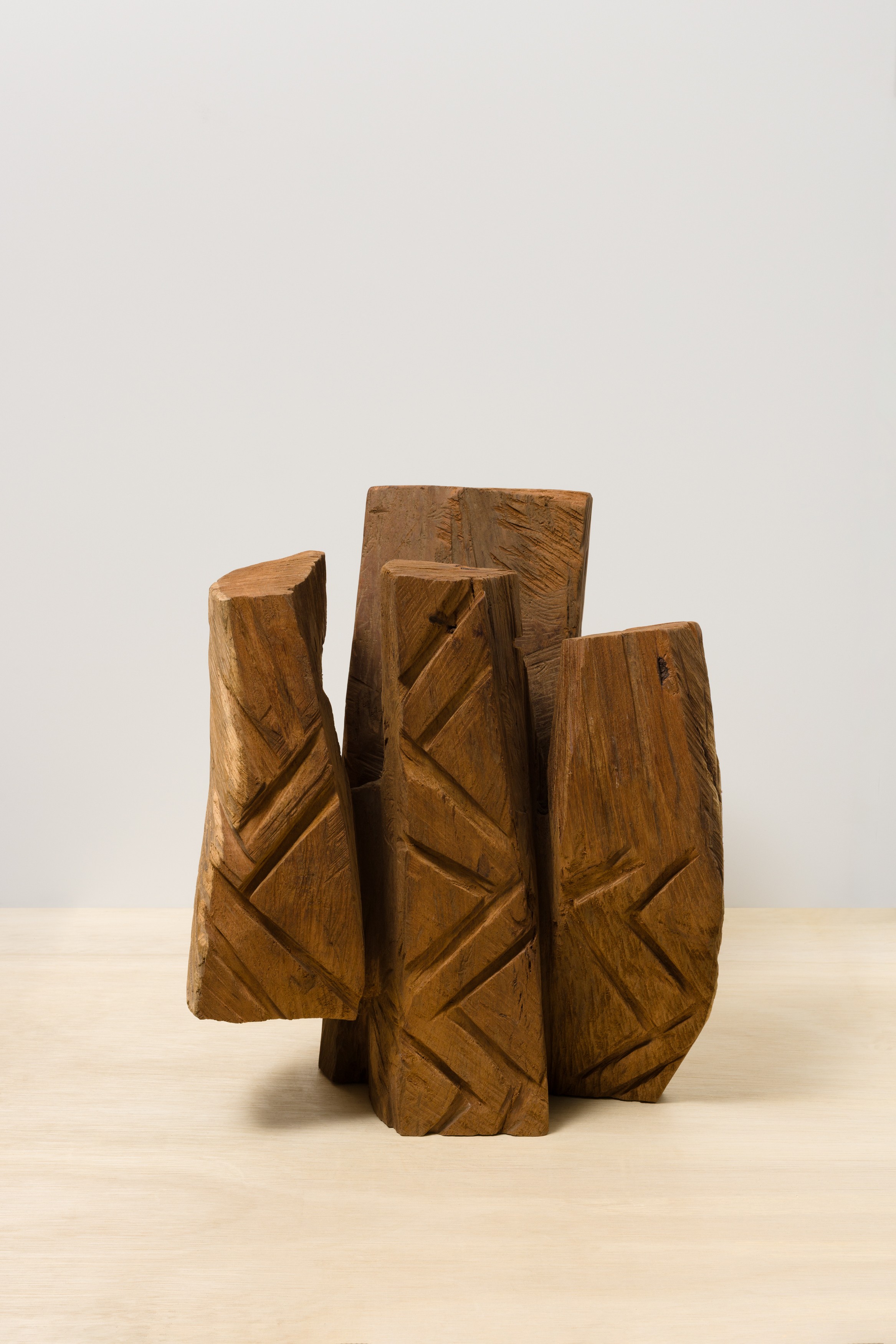
Sculpture by Kim Yun Shin

Kim Yun Shin

Add Two Add One Divide Two Divide One 2010-132, 2010

Sculpture by Kim Yun Shin

Kim Yun Shin

Add Two Add One Divide Two Divide One 2001-10, 1998-2001

Sculpture by Kim Yun Shin

Kim Yun Shin

Add Two Add One, Divide Two Divide One 2022-6b, 2022

Wall work by Liza Lou

Liza Lou

The Present, 2008

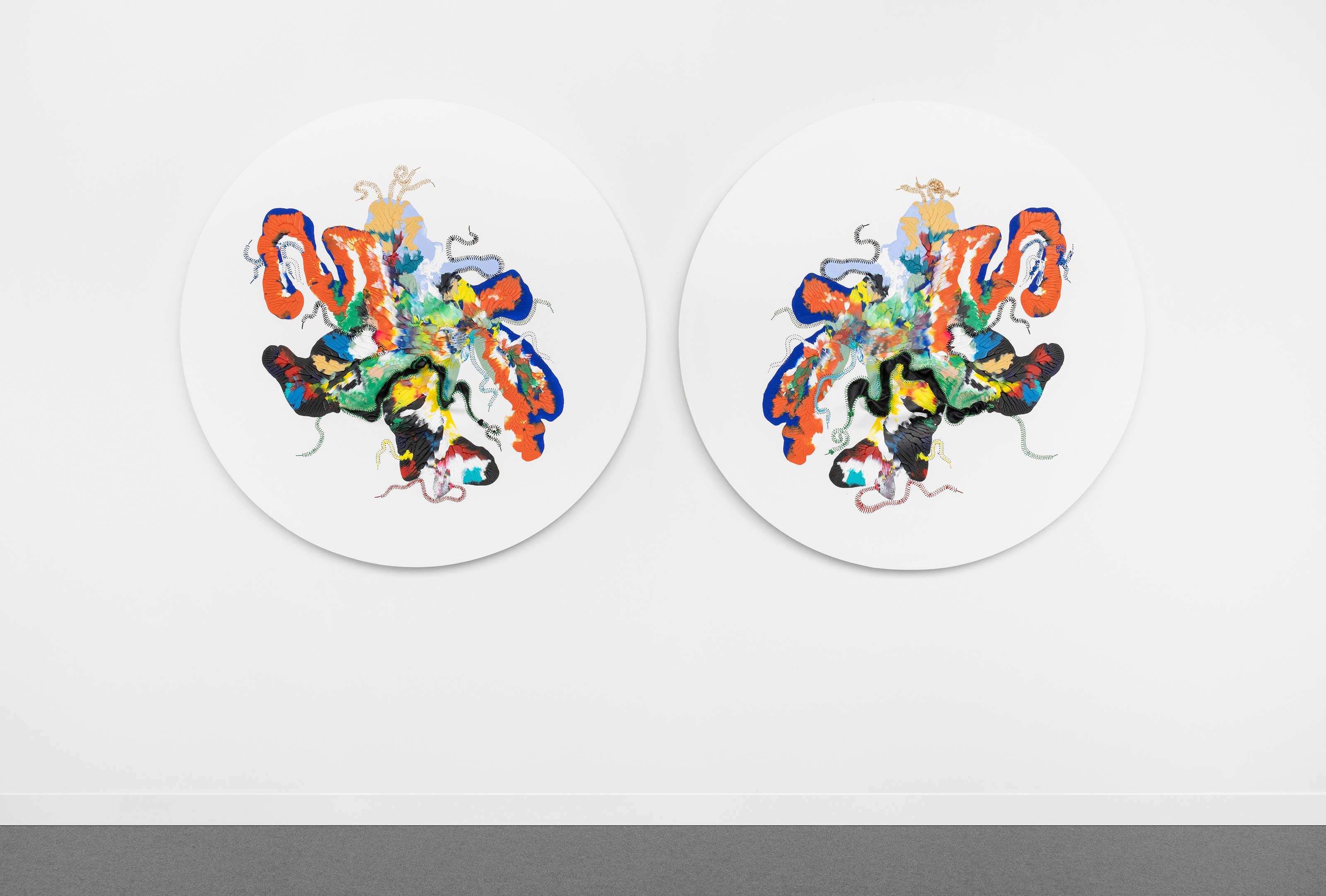
Wall work by Nicholas Hlobo

Nicholas Hlobo

Ilangabi Iamanzi, 2023

Wall work by Nicholas Hlobo

Nicholas Hlobo

Uvathel'umsitho, 2023

Exhibition Artists

Portrait of Kader Attia

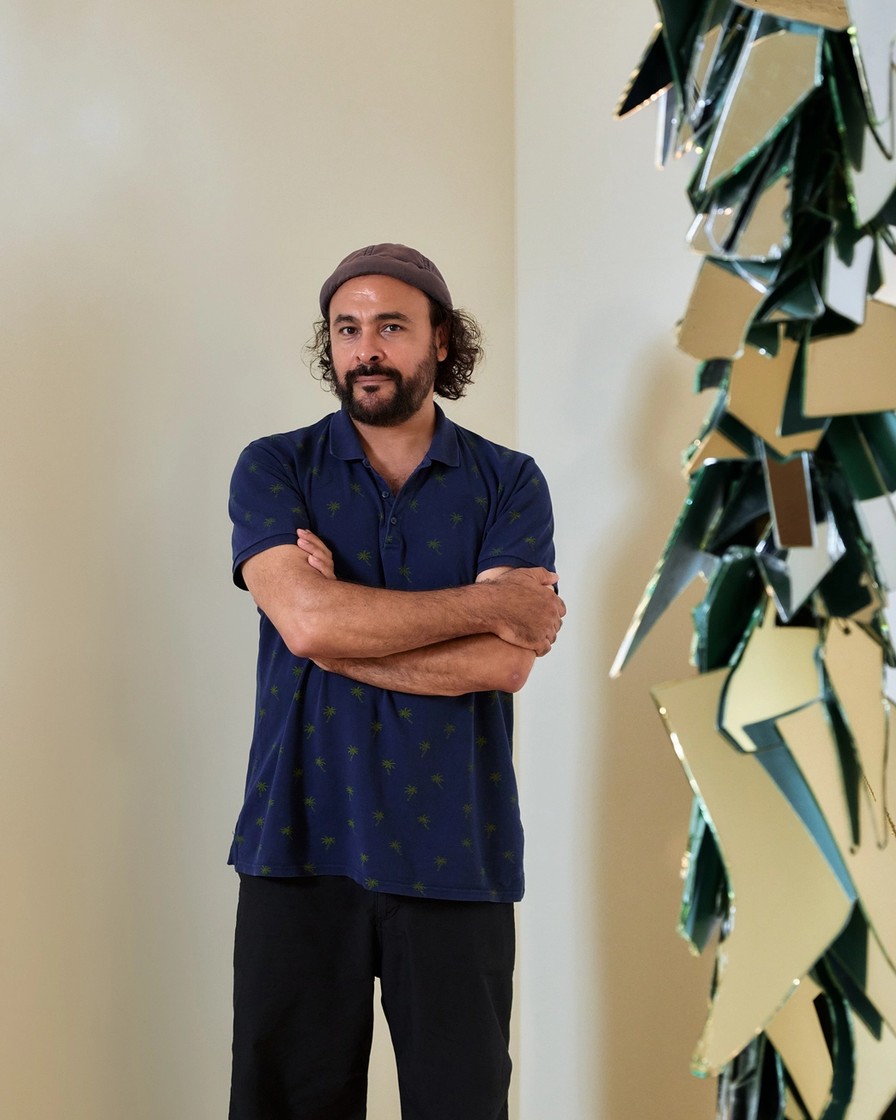
Kader Attia (b. 1970, Seine Saint-Denis, Dugny, France; lives and works in Berlin Germany and Paris, France), grew up in Paris and in Algeria. Preceding his studies at the École Supérieure des Arts Appliqués Duperré and the École Nationale Supérieure des Arts Décoratifs in Paris, and at Escola Massana, Centre d’Art i Disseny in Barcelona, he spent several years in Congo and in South America.The experience with these different cultures, the histories of which over centuries have been characterized by rich trading traditions, colonialism and multi-ethnic societies, has fostered Kader Attia’s intercultural and interdisciplinary approach of research. For many years, he has been exploring the perspective that societies have on their history, especially as regards experiences of deprivation and suppression, violence and loss, and how this affects the evolving of nations and individuals — each of them being connected to collective memory.

His socio-cultural research has led Kader Attia to the notion of Repair, a concept he has been developing philosophically in his writings and symbolically in his oeuvre as a visual artist. With the principle of Repair being a constant in nature — thus also in humanity —, any system, social institution or cultural tradition can be considered as an infinite process of Repair, which is closely linked to loss and wounds, to recuperation and re-appropriation. Repair reaches far beyond the subject and connects the individual to gender, philosophy, science, and architecture, and also involves it in evolutionary processes in nature, culture, myth and history.
Portrait of Todd Gray

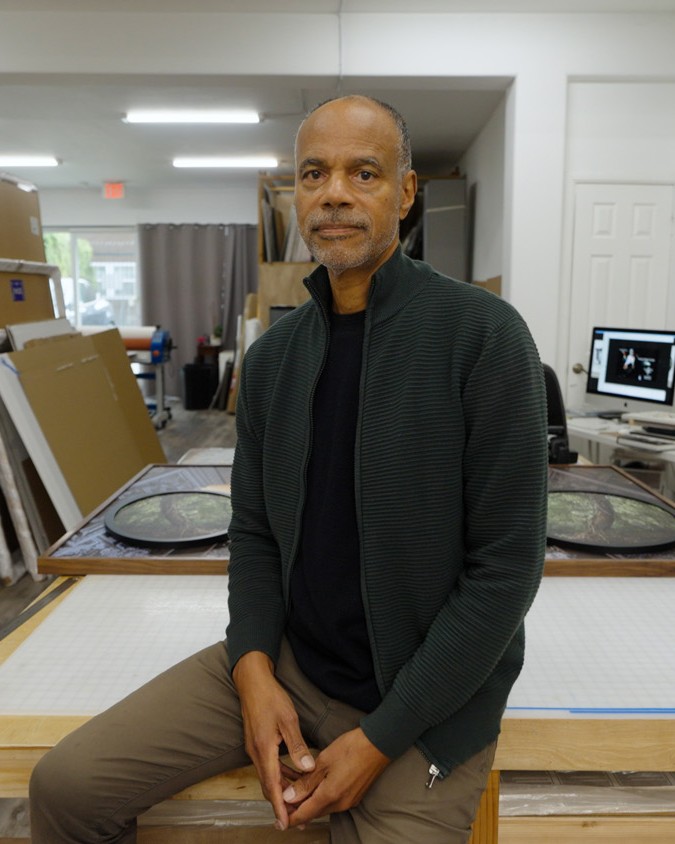
Todd Gray (b. 1954, Los Angeles, CA; lives and works in Los Angeles, CA and Akwidaa, Ghana) is a photo-based artist whose work aims to destabilize assumptions about the veracity of photography and provoke reconsiderations of long-accepted norms and beliefs surrounding the medium, including the role of the viewer in constructing meaning. His lush photo assemblages are composed of images ranging from imperial European gardens, West African landscapes, and architecture, to rock icons and portraits of the artist himself, all carefully arranged to create critical juxtapositions that examine ideas of African diaspora, colonialism, societal power structures, and dominant cultural beliefs. With an eye informed by his four decades as a professional music photographer as well as his B.F.A. and M.F.A. from California Institute of the Arts, Gray’s photo sculptures are infused with a certain subversive beauty, reflecting his strong sense of visual aesthetics.

Gray’s distinctive photo collages range in size from the domestic to the monumental, with his largest to date spanning over 30 feet. The artist utilizes layered frames in his work—from simple wood to ornate, rococo pieces—which are either artist-made or sourced from flea markets and estate sales. Gray stacks these frames on top of one another, deliberately obscuring certain elements of his photographs and striking a delicate balance between revealing and concealing his subject matter. Images are rotated, cropped, and subtly abstracted, even as they remain firmly representational. All of the photographs (with the exception of those from the Hubble telescope) are sourced directly from Gray’s own catalog in a process the artist refers to as “appropriating his own archive.” As the creator of now iconic imagery of cultural figures such as Michael Jackson, Iggy Pop, and the Rolling Stones, the artist navigates an area between the appropriation of the Pictures Generation and Pop Art’s acknowledgement of popular imagery and commerce as drivers of so-called high culture. Across his collages, Gray weaves historical imagery into pictures of the present, reminding us that the realities of our world today are shaped by those of our collective past.

Portrait of McArthur Binion

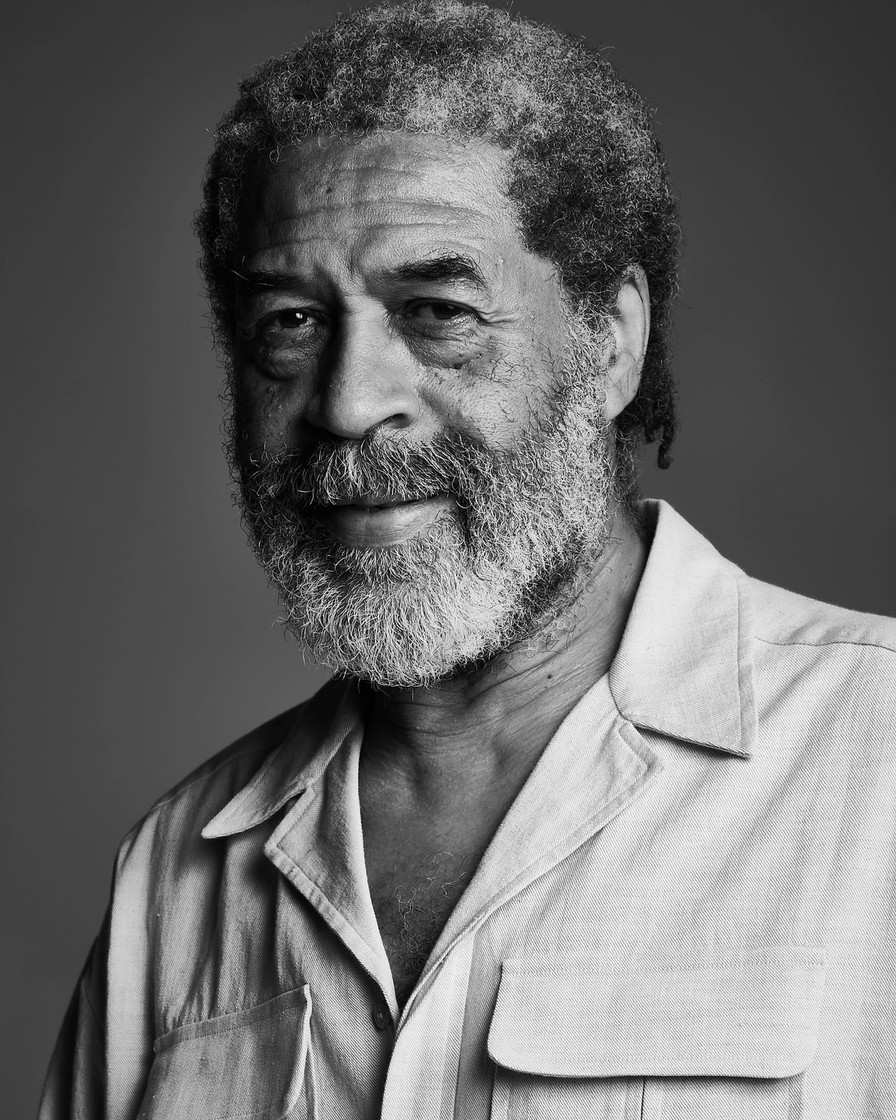
McArthur Binion (b. 1946, Macon, MS; lives and works in Chicago, IL) combines collage, drawing, and painting to create autobiographical abstractions of painted minimalist patterns over an “under surface” of personal documents and photographs. From photocopies of his birth certificate and pages from his address book, to pictures from his childhood and found photographs of lynchings, the poignant and charged images that constitute the tiled base of his work are concealed and abstracted by grids of oil stick. The complexly layered works, from a distance, appear to be monochromatic minimalist abstractions that have led many to compare his work to that of Jasper Johns, Robert Ryman, or Brice Marden. However, while his contemporaries focused more on materiality, abstraction, and in some cases the social and political climate of the time, Binion’s works are intensely personal and deeply dedicated to the rigorous process of making a painting. Upon closer inspection, these monochromatic abstractions come into focus: the perfect grid becomes a series of imperfect laboriously hand-drawn lines, behind which emerge intimate details of Binion’s identity and personal history. Binion’s gridded compositions impose rational order to the layers of personal history, allowing only fragments of information from his birth certificate to be read, or details of his mother’s face to be identified—but never enough to be immediately legible. Having begun his career as a writer, Binion is highly influenced by language and music, as can be seen in his titles and the ways in which he layers information to be “read” rather than simply seen. The tension that exists between the grid and the artist’s visible gestures is not unlike that of jazz music, which merges improvisation with the order of a musical composition.

Binion received his B.F.A. from Wayne State University, Detroit, MI in 1971 and his M.F.A. from the Cranbrook Academy of Art, Bloomfield Hills, MI in 1973. Select recent solo exhibitions of his work have been organized at the de la Cruz Gallery at Georgetown University (2025); Museo Novecento, Florence, Italy (2020); the Cranbrook Art Museum, Bloomfield Hills, MI (2018); Contemporary Arts Museum, Houston, TX (2012); and the University of Maryland University College Gallery, Adelphi, MD (2010).

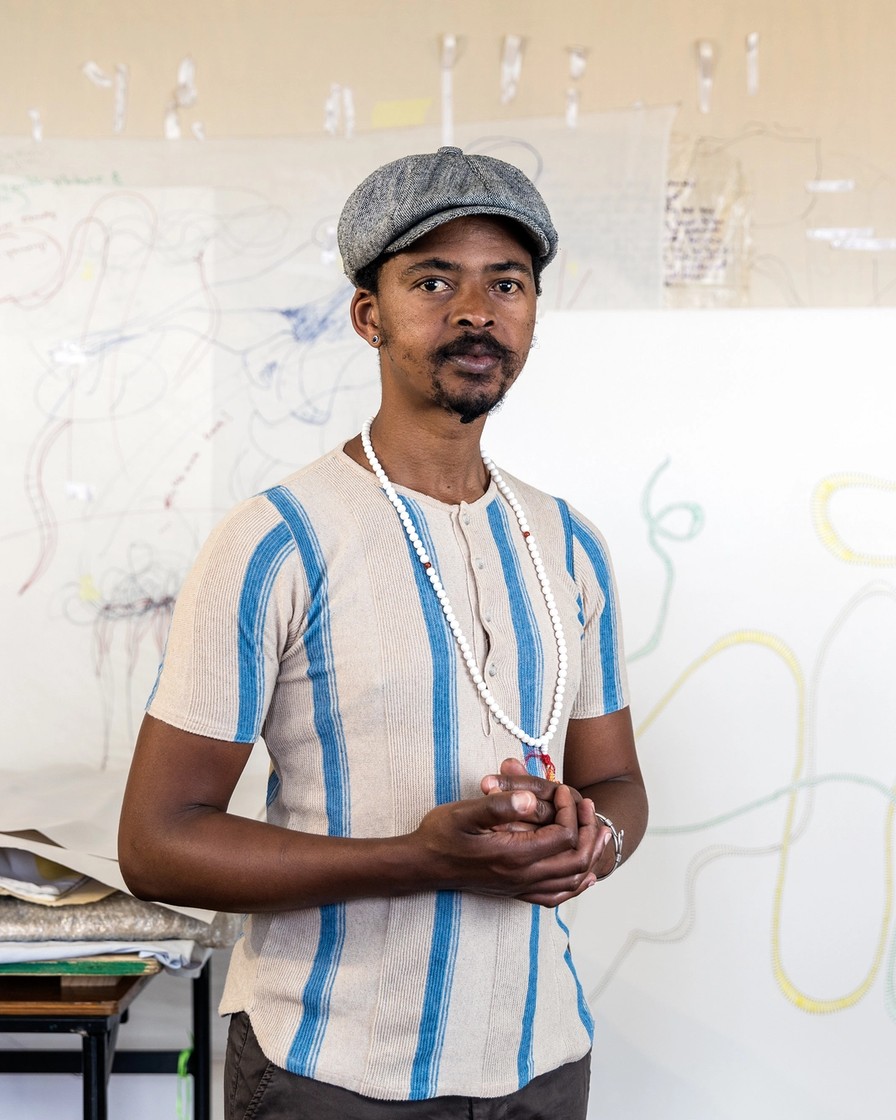
Portrait of Nicholas Hlobo

Nicholas Hlobo (b. 1975, Cape Town, South Africa; lives and works in Johannesburg, South Africa) began his career around the end of apartheid in 1994, when there was a new sense of freedom and national pride in South Africa. With the eradication of legalized and enforced discrimination and segregation, Hlobo and his peers were empowered to openly voice their opinions and ideas under the protection of new laws, and Hlobo’s subtle commentary on the democratic realities of his home country and concerns with the changing international discourse of art formed a foundational tenet of his practice.

Hlobo uses metaphorically charged materials such as ribbon, leather, wood, and rubber detritus, which he melds and weaves together to create two- and three-dimensional hybrid objects that are intricate and seductively tactile. Each material holds a particular association with cultural, gendered, sexual, or ethnic identities, and the works form complex visual narratives that reflect the various dichotomies present within the artist’s home country, as well as those that exist around the world. The results are highly evocative, and the artist combines anthropomorphic imagery with cultural symbols and traditions to create amalgamated forms that feel at once familiar, alien, and ancient. At its core, Hlobo’s practice engages themes of self-discovery and explores the intersections of race, gender, and cultural and sexual identity within the context of his South African heritage.

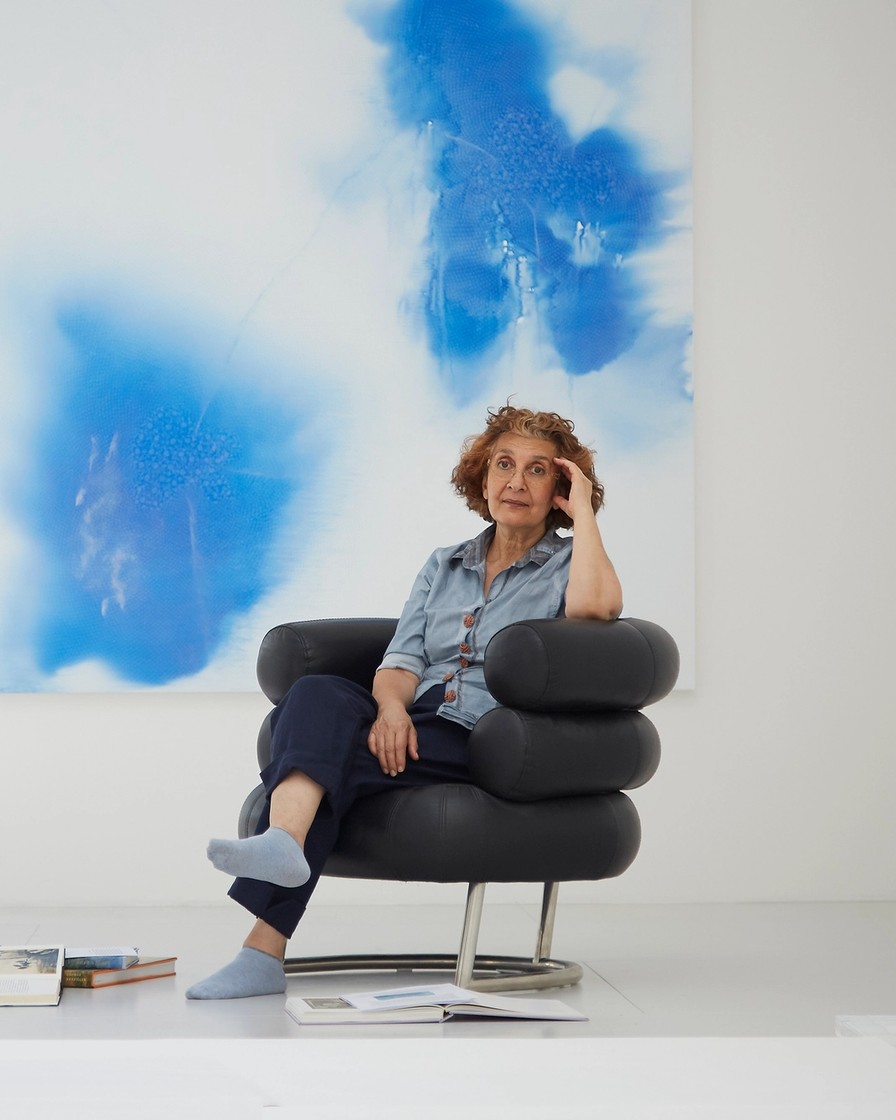
Portrait of Shirazeh Houshiary

Shirazeh Houshiary (b. 1955, Shiraz, Iran; lives and works in London, United Kingdom) makes painting, sculpture, and animation that seek to challenge viewers’ perceptions of time, space, and materiality. Her works often engage opposing ideas and states of being, including transparency and opacity, sound and silence, surface and depth, and presence and absence. From a distance, her paintings are reminiscent of a swirling galaxy, but as the viewer draws closer, the meticulousness, detail, and hidden Arabic letters that make up her amorphous forms begin to unfold. The universe, with its contradiction, paradox, and complexity is a core subject matter in her work. The Arabic words embedded in her compositions are a juxtaposition of the opposing phrases “I am” and “I am not,” oscillating freely between focused and unfocused states, where the meaning of our existence becomes superfluous and lost in Houshiary’s imagined cosmos.

Houshiary’s painting technique involves the successive layering of pigment and line, a laborious process that often takes several months to complete. Her surfaces are composed of intricate patterns that appear to pulse, undulate, and recede into the canvas, like a veil or membrane. She takes a similar methodical approach to her dynamic sculptures, constructing towers out of glass or aluminum bricks that, layer by layer, seem to emerge from the floor. Each vertical plane of bricks echoes the original shape of the structure’s footprint incrementally rotated to the maximum degree the form will allow before the resulting helix shape becomes unstable. For each work, Houshiary attempts to visualize subjects that are inherently intangible—an echo, human breath, or memory.

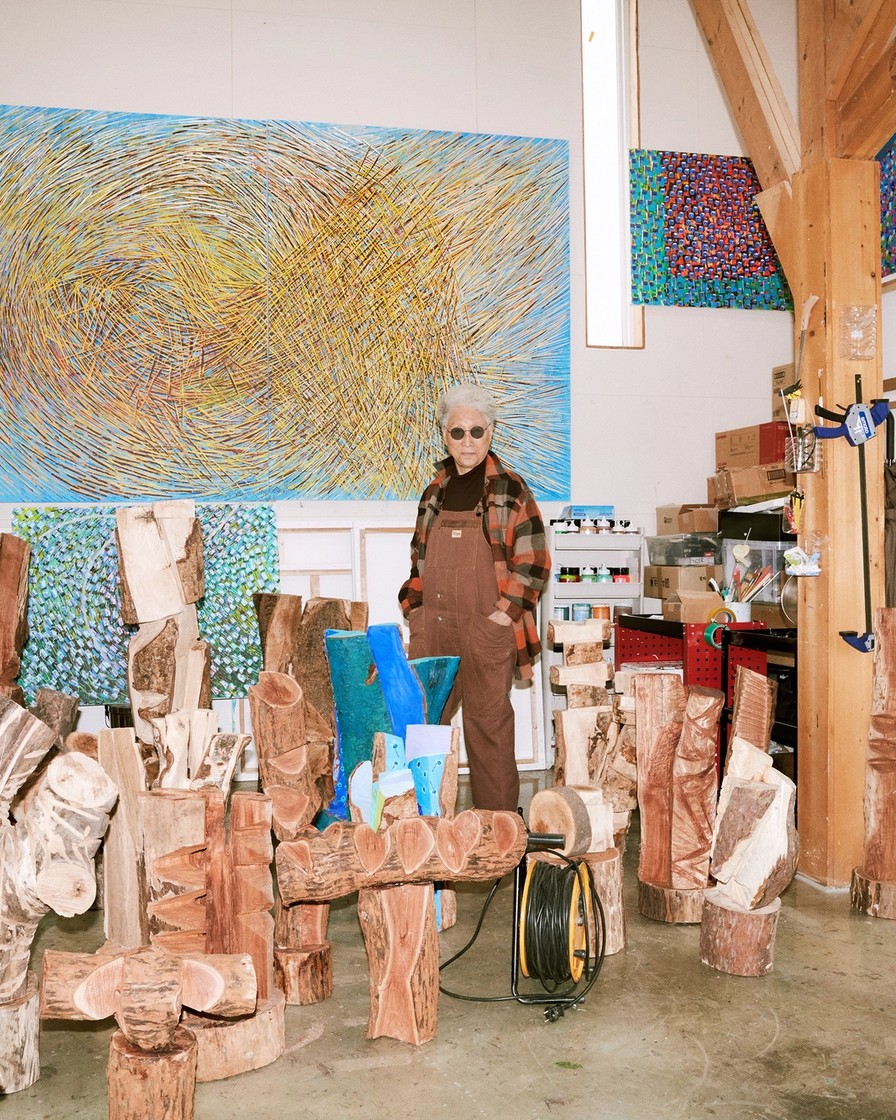
Portrait of Kim Yun Shin

Kim Yun Shin (b. 1935, Wonsan, North Korea; lives and works in Seoul, South Korea) is a multidisciplinary artist known for her dynamic sculpture and painting, which often unfold through a series of interactions with nature. Growing up amidst the backdrop of Korea’s tumultuous history in the 20th century, Kim has established herself as a pioneering figure in the post-war South Korean art scene, overcoming societal norms to carve out a space for herself as a first-generation woman sculptor. Despite facing challenges in a male-dominated field, she ventured to Paris to pursue her artistic aspirations, taught at various universities, and co-founded the Korean Sculptress Association in 1974 to support emerging artists. Partly influenced by her nomadic early life, her work reflects a fearless exploration of diasporic cultures—from France, Mexico, and Brazil, to her adoptive home of Argentina, where she established Museo Kim Yun Shin, the first Korean immigrant art museum. Her journey from turbulent beginnings during the Japanese colonial period and Korean War to becoming a trailblazer in Korean contemporary art reflects the artist’s personal resilience and commitment to artistic innovation.

Across six decades, Kim has developed an aesthetic that engages with the fundamental qualities of materials and nature, navigating themes of confrontation, introspection, and coexistence. Central to her artistic expression is the use of solid wood, a primary medium through which Kim envisions the structural and spiritual elements of antiquity and the primordial world. In doing so, she visualizes the intersection between nature, time, and history, reconsidering the very essence of human existence. Her early sculptures from the 1970s are deeply rooted in traditional Korean hanok architecture, which uses a distinctive technique that joins wooden blocks without nails. In her Stacking Wishes series, the artist also explores traditions of vertical stacking in Korean and Latin American totemism. This notion of organic connection and her interest in East Asian philosophy merge in her iconic Add Two Add One, Divide Two Divide One series, which she began in the late 1970s. The terms “add” and “divide” originate from the philosophical concept of yin (division and fragmentation) and yang (addition and integration). Through a meticulous yet intuitive process—in which Kim “adds” her soul into the solid wood and “divides” the space between the bark and inner wood to create a complete whole—the artist delves into raw materiality and uncovers a newfound vitality.

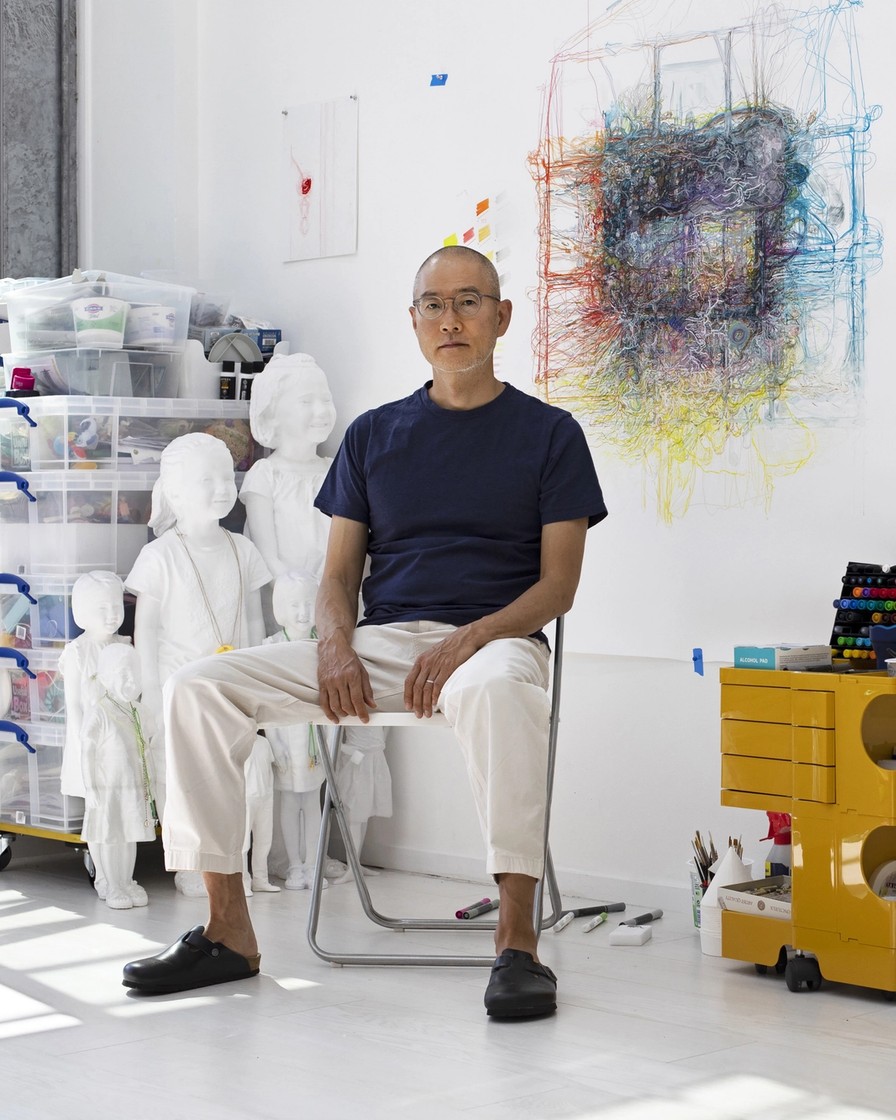
Portrait of Do Ho Suh

Do Ho Suh (b. 1962, Seoul, Korea; lives and works in London, United Kingdom) works across various media, creating drawings, film, and sculptural works that confront questions of home, physical space, displacement, memory, individuality, and collectivity. Suh is best known for his fabric sculptures that reconstruct to scale his past and present homes and studios in Korea, Rhode Island, Berlin, London, and New York.

Suh is interested in the malleability of space in both its physical and metaphorical forms, and examines how the body relates to, inhabits, and interacts with that space. He is particularly interested in domestic space and the way the concept of home can be articulated through architecture that has a specific location, form, and history. For Suh, the spaces we inhabit also contain psychological energy, and in his work he makes visible those markers of memories, personal experiences, and a sense of security, regardless of geographic location.

Portrait of Billie Zangewa

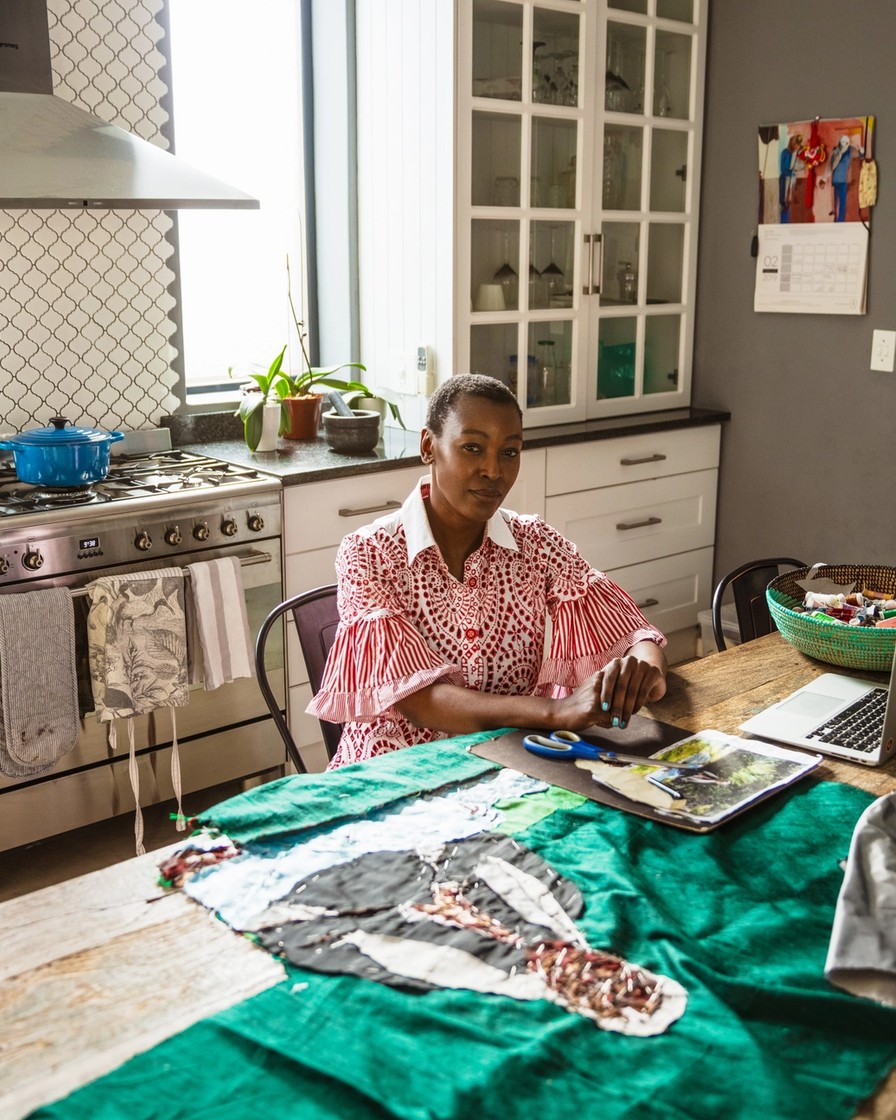
Billie Zangewa (b. 1973, Blantyre, Malawi; lives and works in Johannesburg, South Africa) creates intricate collages composed of hand-stitched fragments of raw silk. These figurative compositions explore contemporary intersectional identity in an attempt to challenge the historical stereotype, objectification, and exploitation of the black female form. Beginning her career in the fashion and advertising industries, Zangewa employs her understanding of textiles to portray personal and universal experiences through domestic interiors, urban landscapes, and portraiture. Her earliest works were embroideries on found fabrics depicting remembered botanical scenes and animals from Botswana, where the artist was raised, but she soon transitioned to creating cityscapes, focusing on her experience as a woman in the city of Johannesburg and her personal relationships. These works explored her experience of the male gaze, leading her to begin to think more critically about how women view themselves and what the visualization of the female gaze, through self-portraiture, could look like.

After the birth of her son, Zangewa began making her well-known domestic interiors to explore the shift in focus from self-examination and femininity to motherhood and the home. Often referencing scenes or experiences from everyday life, Zangewa has stated that she is interested in depicting the work done by women that keeps society running smoothly, but which is often overlooked, undervalued, or ignored. Zangewa refers to this as “daily feminism,” which can be considered a contemporary version of “the personal is political.” Through the method of their making and their narrative content, Zangewa’s silk paintings illustrate gendered labor in a socio-political context, where the domestic sphere becomes a pretext for a deeper understanding of the construction of identity, questions around gender stereotypes, and racial prejudice.