Skip to content

Multiple Artists

Inside Out: The Body Politic

Jul 2–Aug 22, 2020

Sculpture by Lee Bul

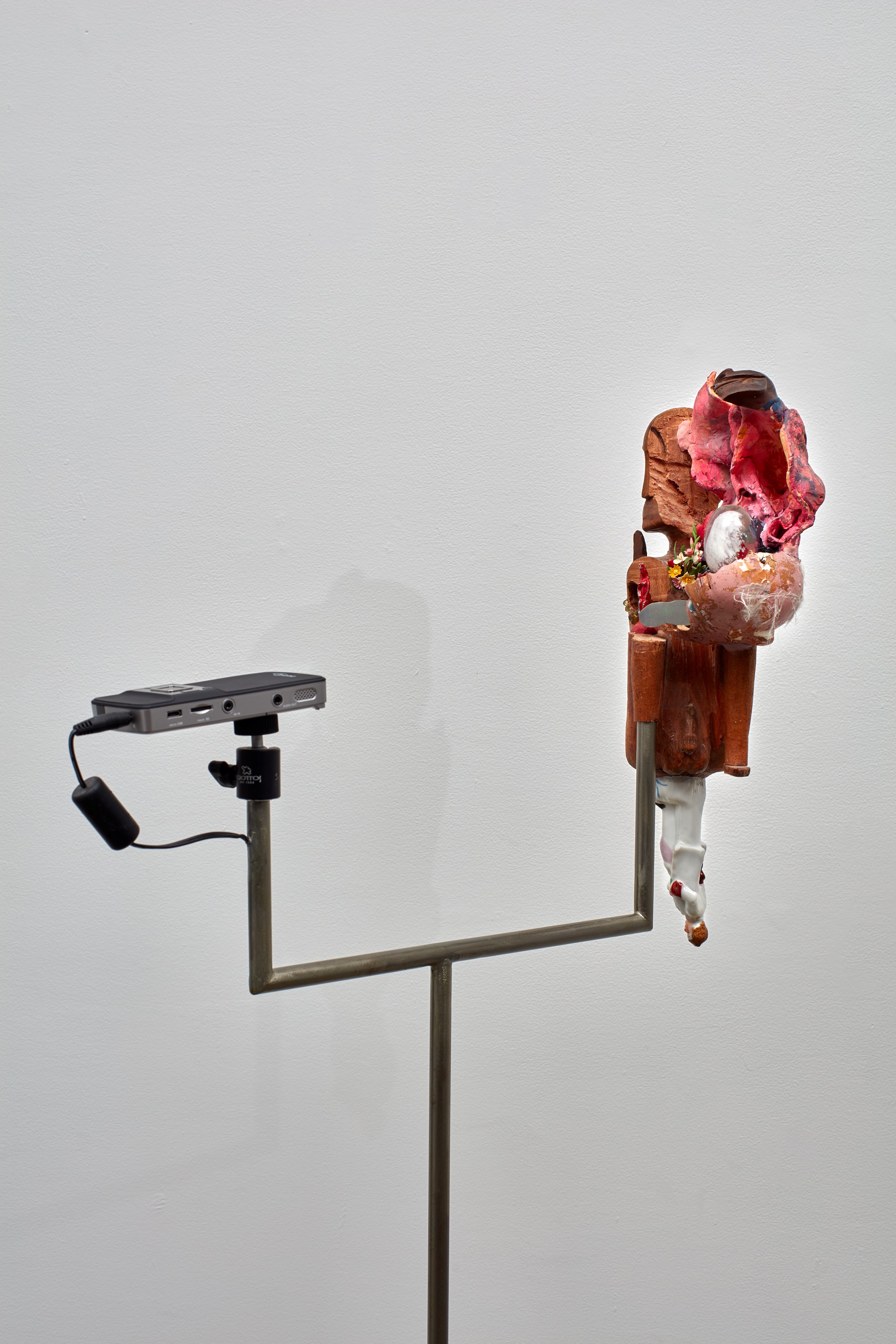
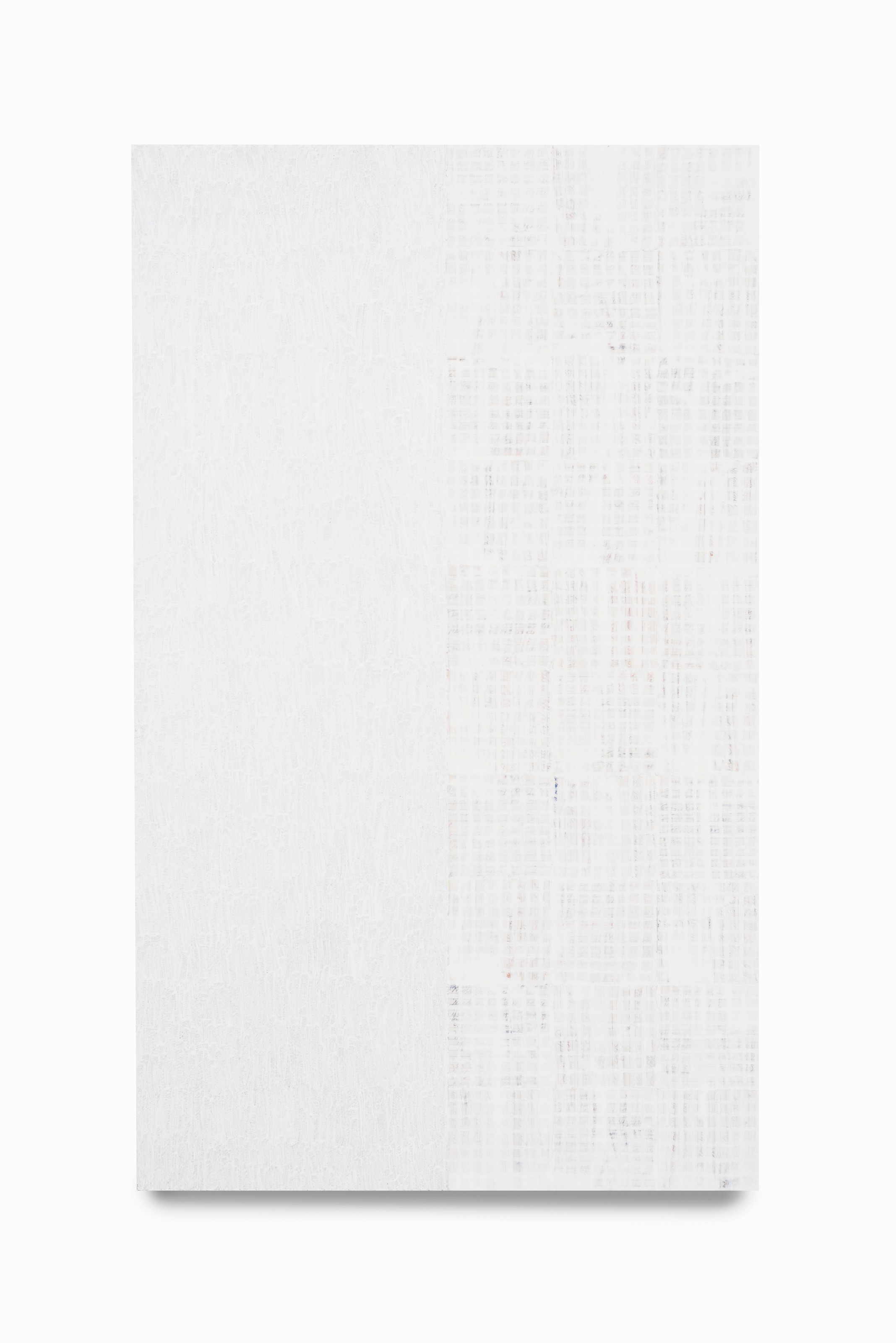
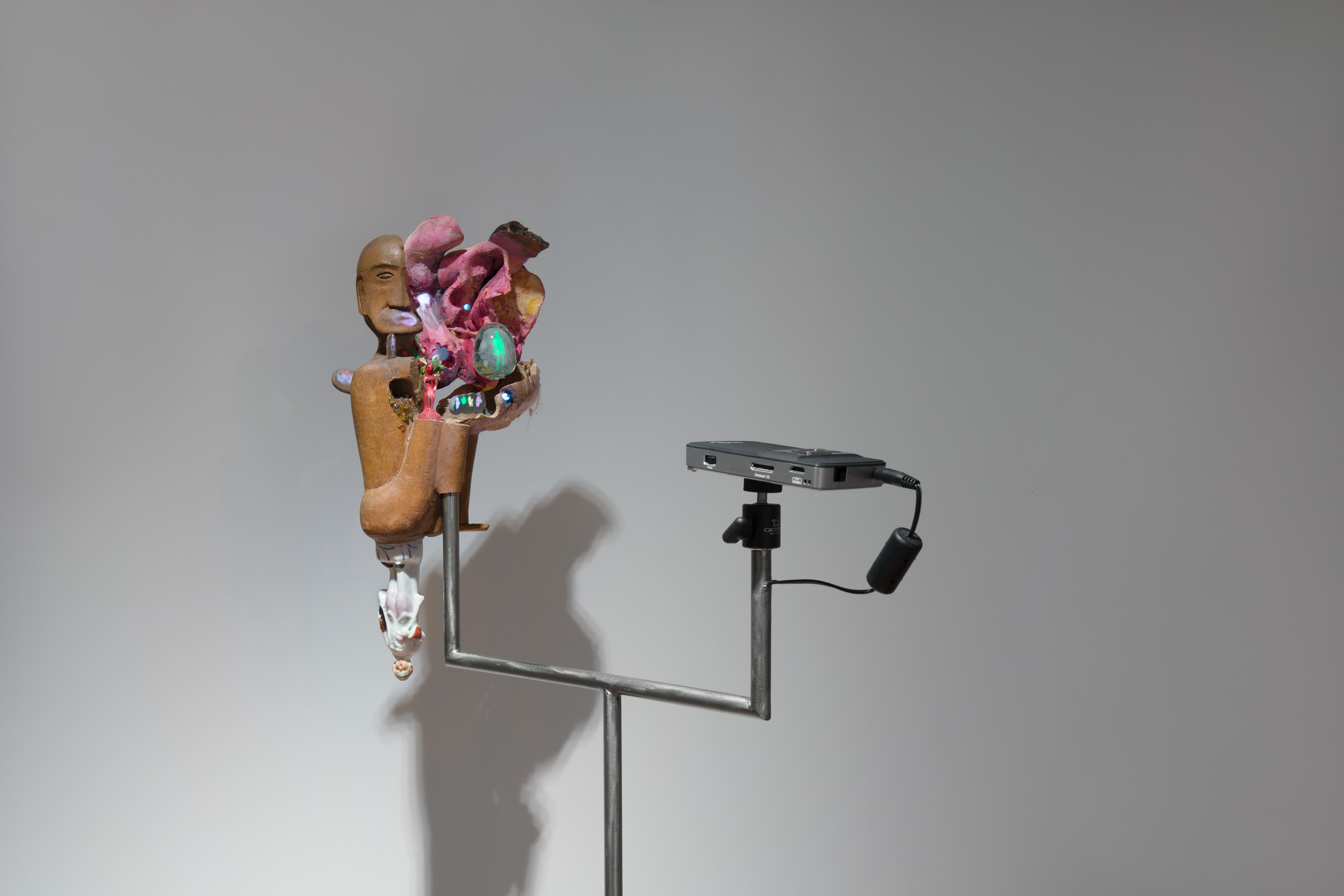
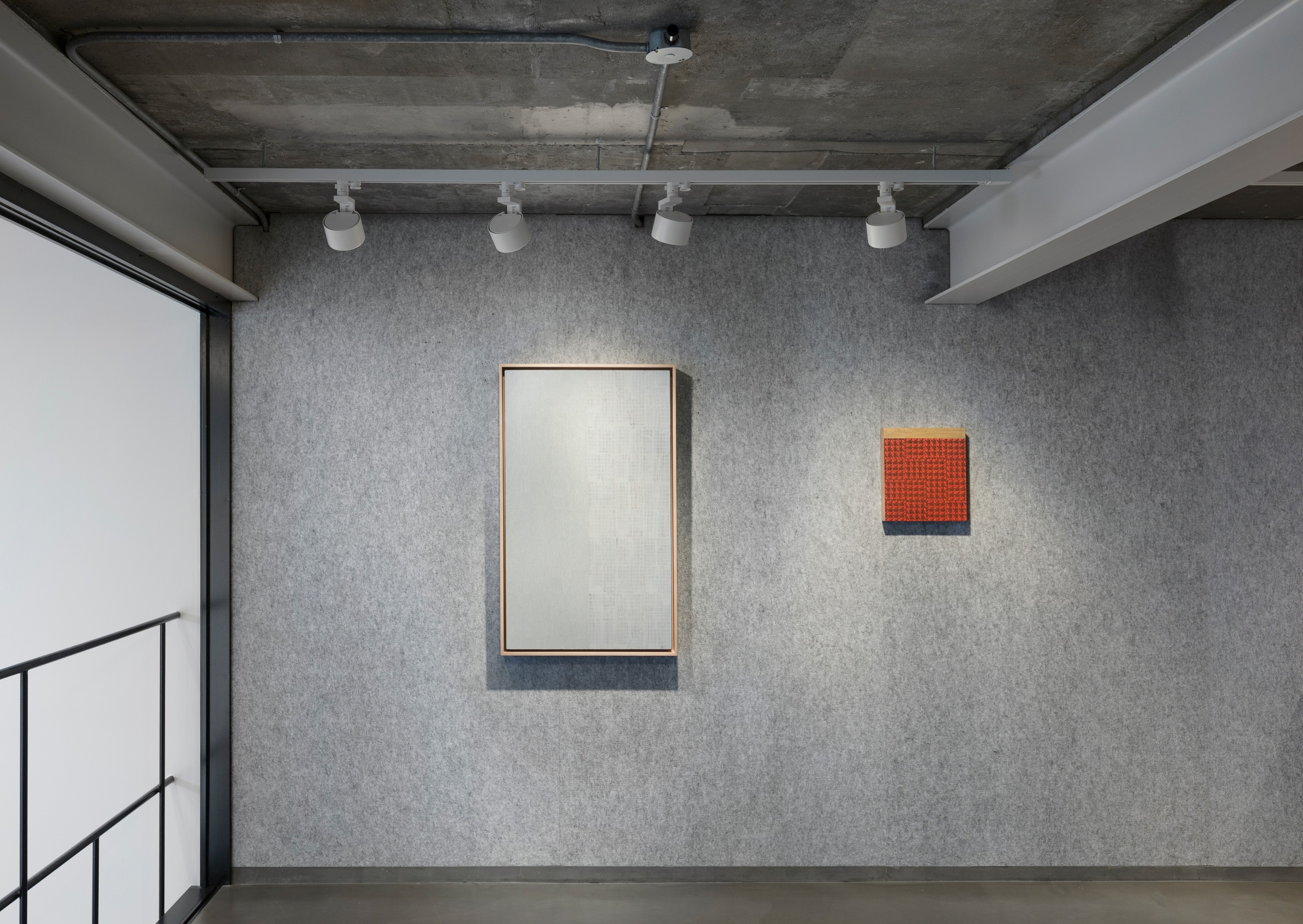
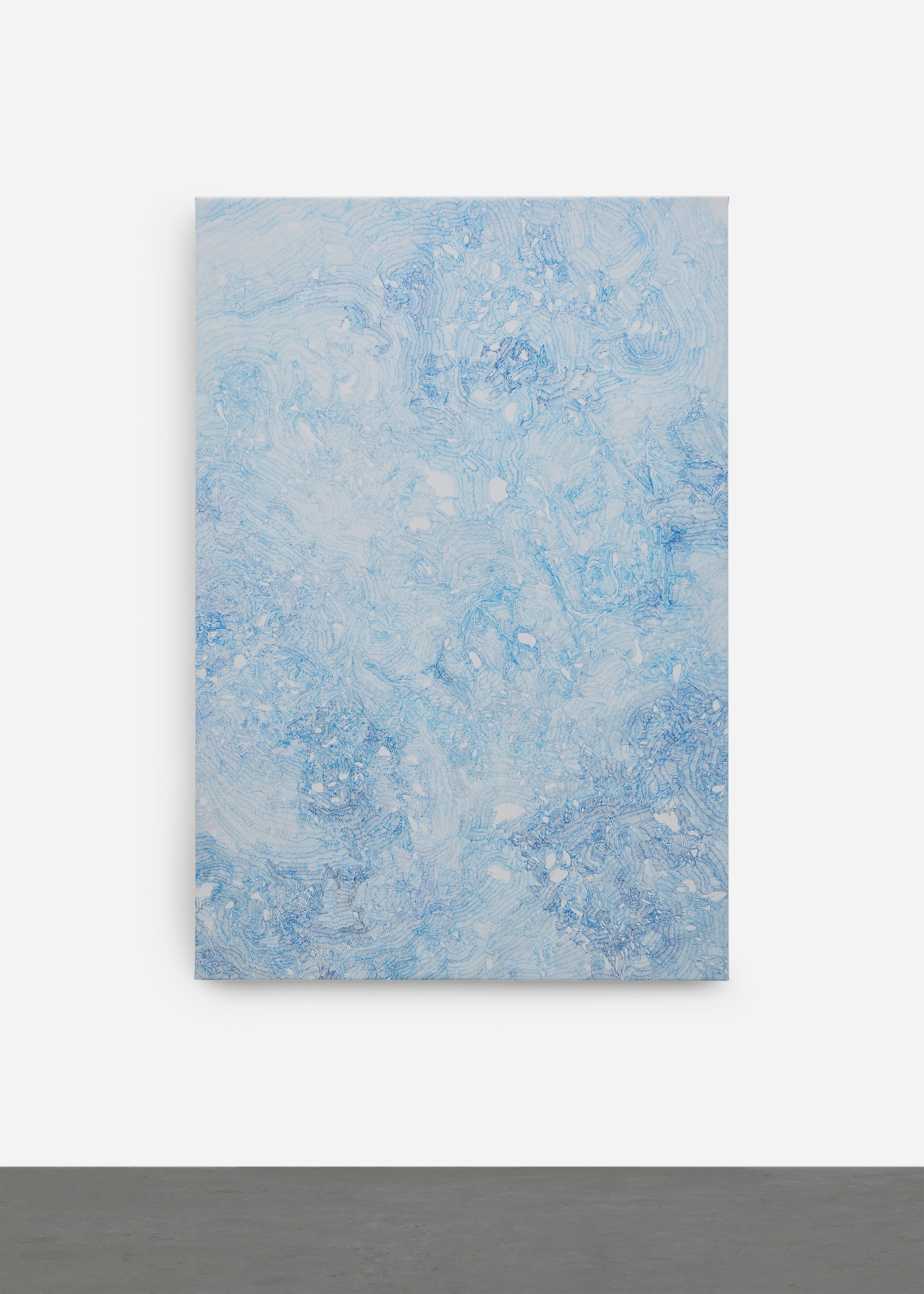
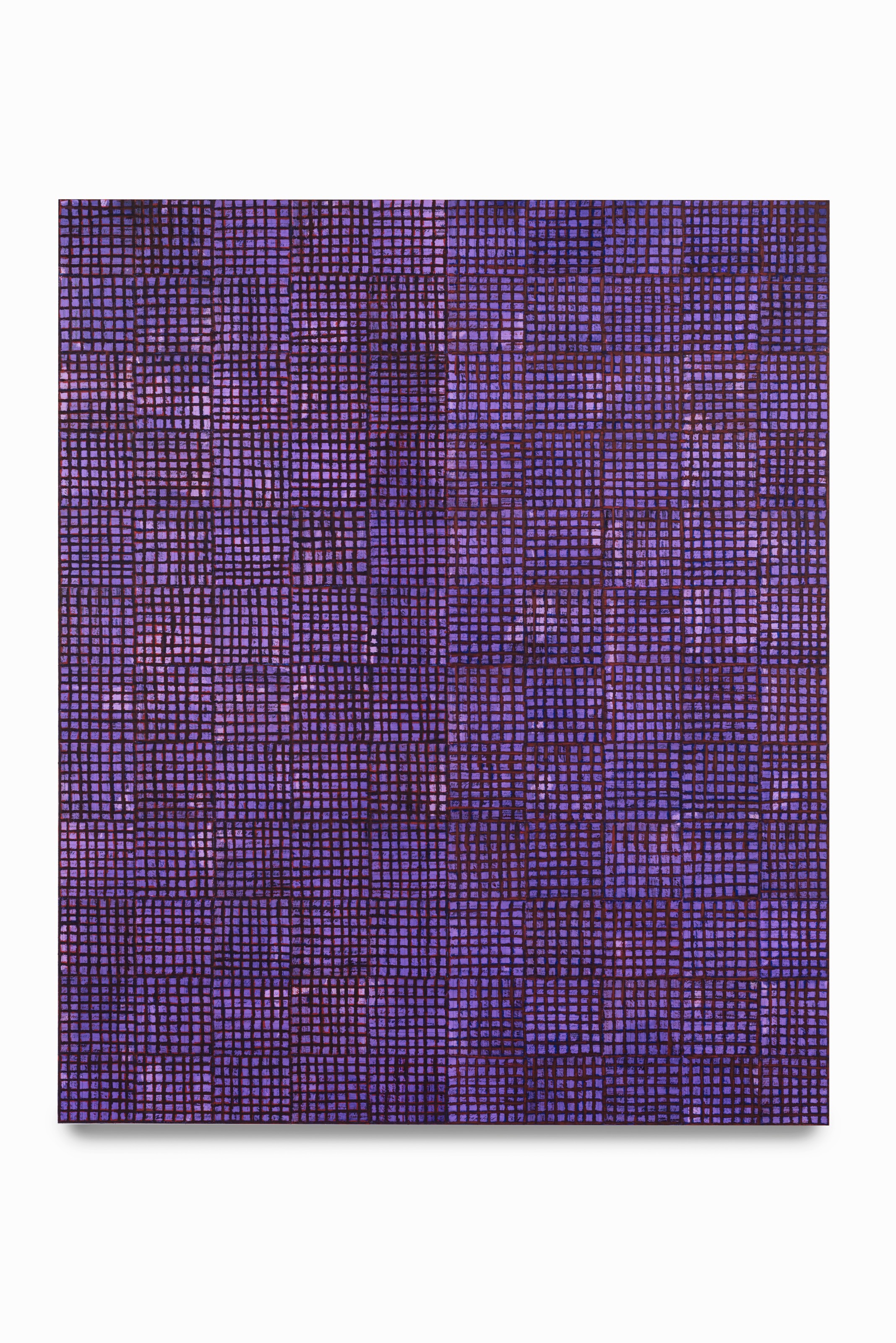
Lehmann Maupin Seoul is pleased to present Inside Out: The Body Politic, an exhibition featuring sculpture, work on paper, and painting by Lee Bul, Tony Oursler, Mandy El-Sayegh, and McArthur Binion. In light of the current global uprisings against systems of oppression, this exhibition examines the ways each artist has dealt with an expansive notion of the political in relation to globalization, technology, and personal identity. While Lee Bul creates sculptures and installations that investigate the societal desire for utopian idealism and its inevitable failure, Oursler examines the role that technology plays in controlling and understanding humanity and human psychology. El-Sayegh makes drawings and paintings using an intensive exploratory and observational process—which she likens to the mechanics of contemporary social and political events that unfold in unanticipated and often chaotic ways—while Binion creates abstract paintings of laboriously hand-drawn grids of oil stick and ink over images containing details of his identity and personal history as an African American man.

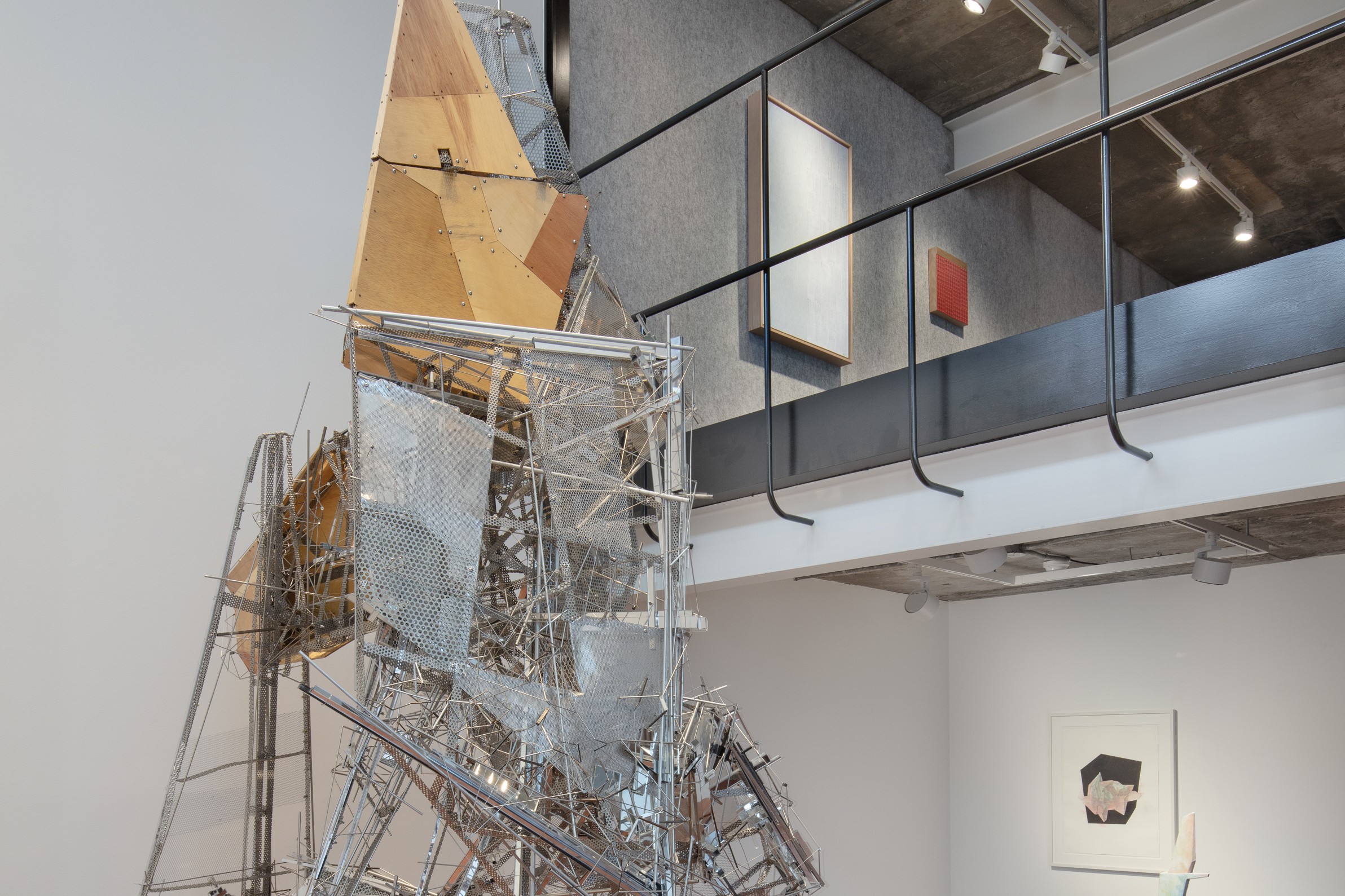
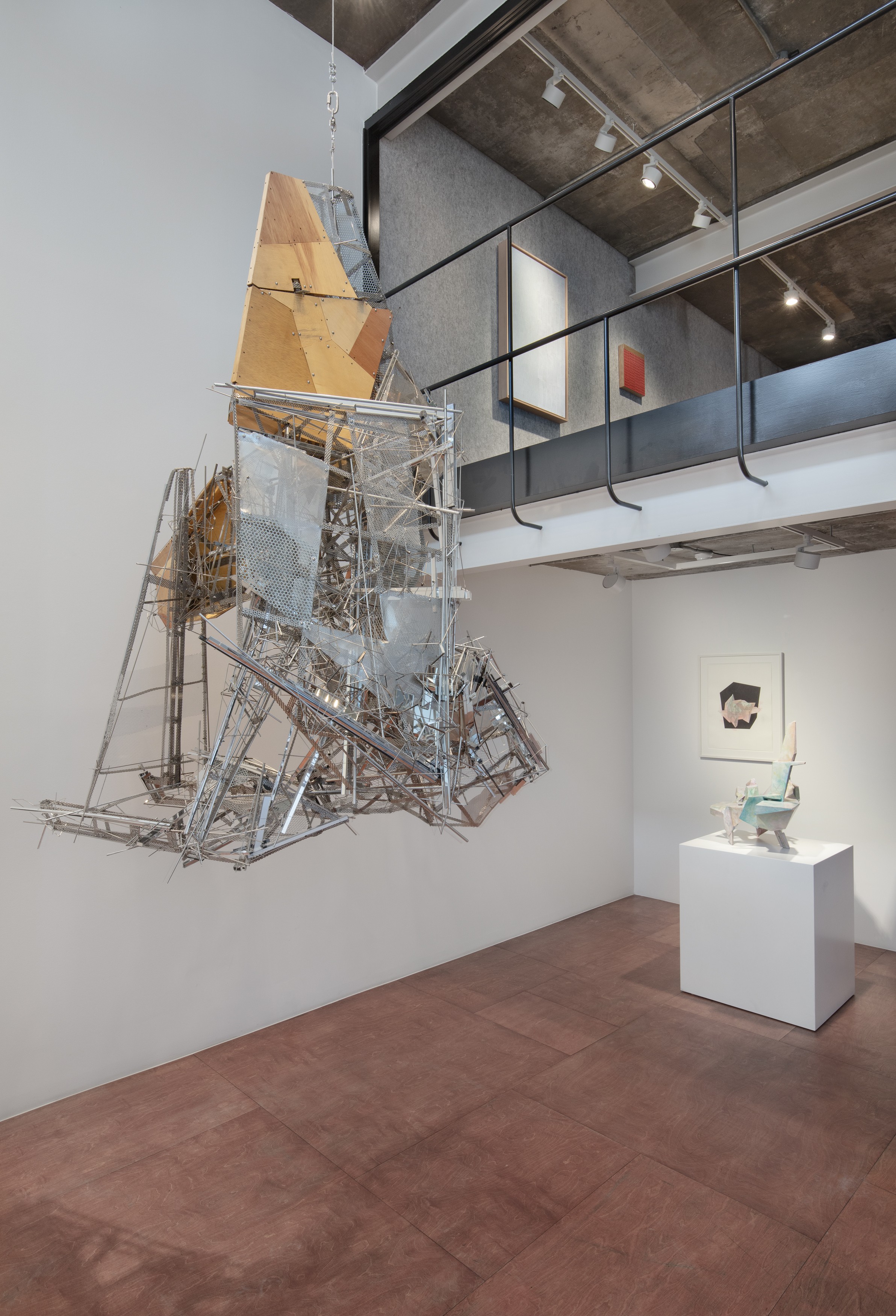
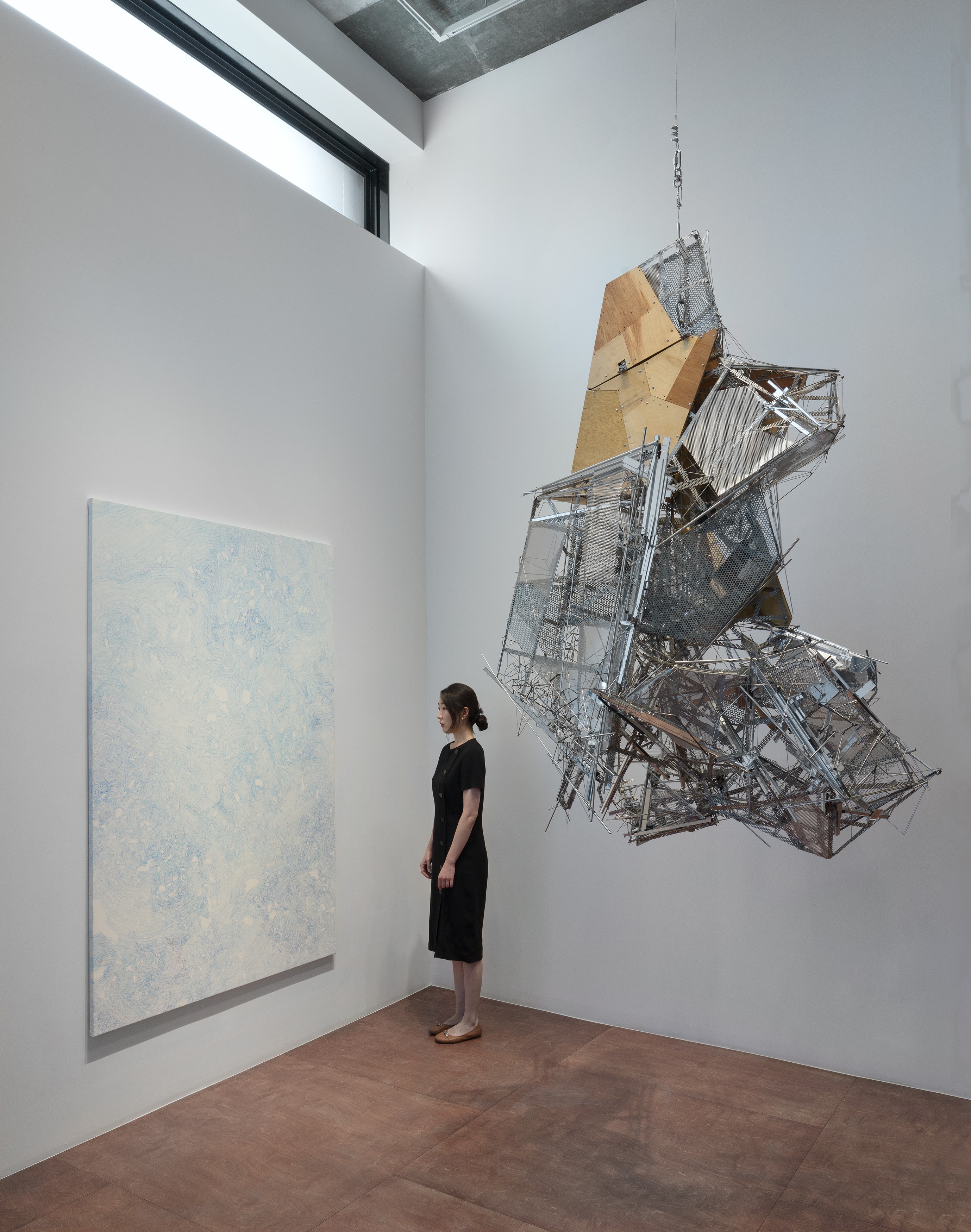
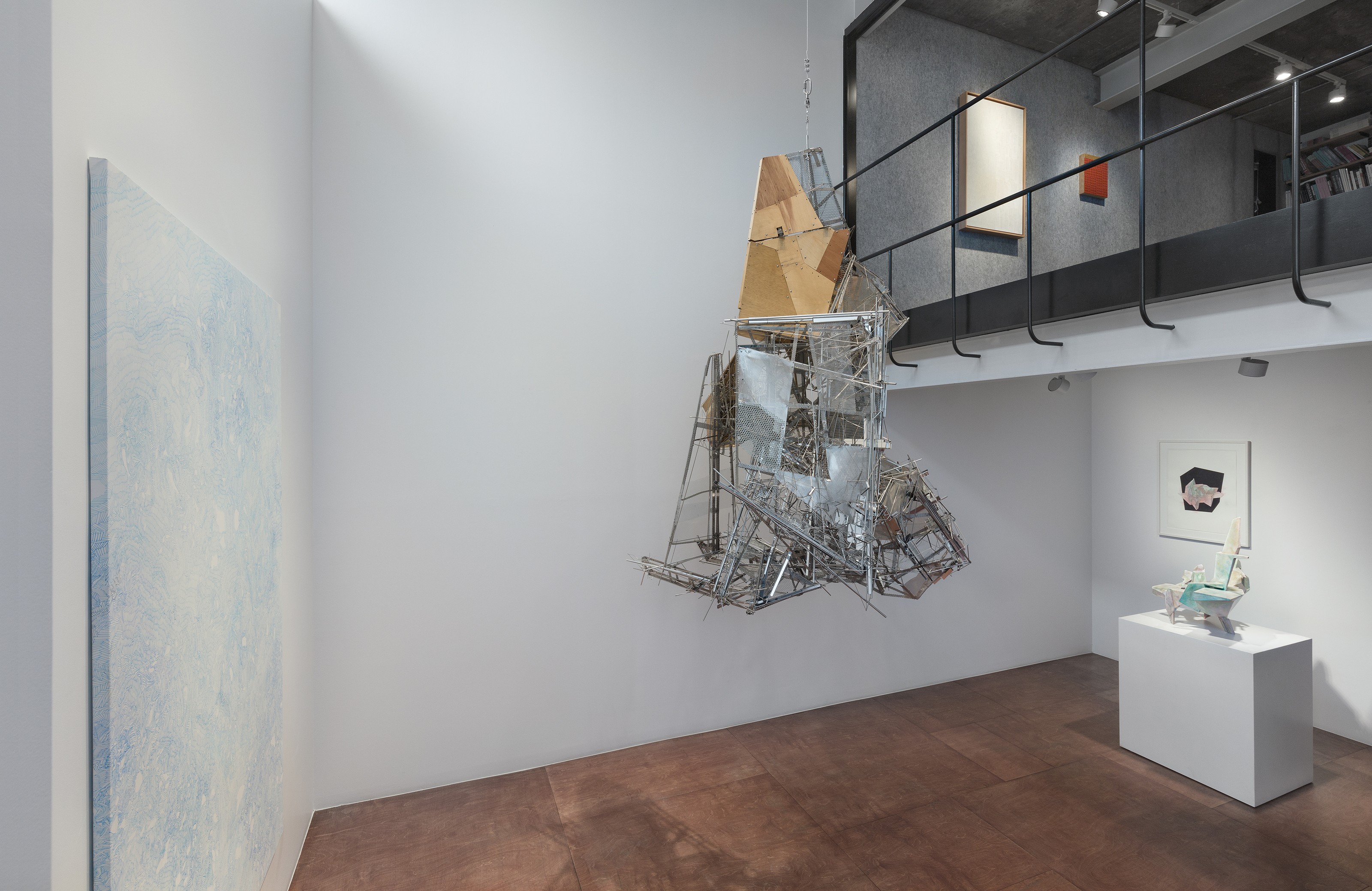
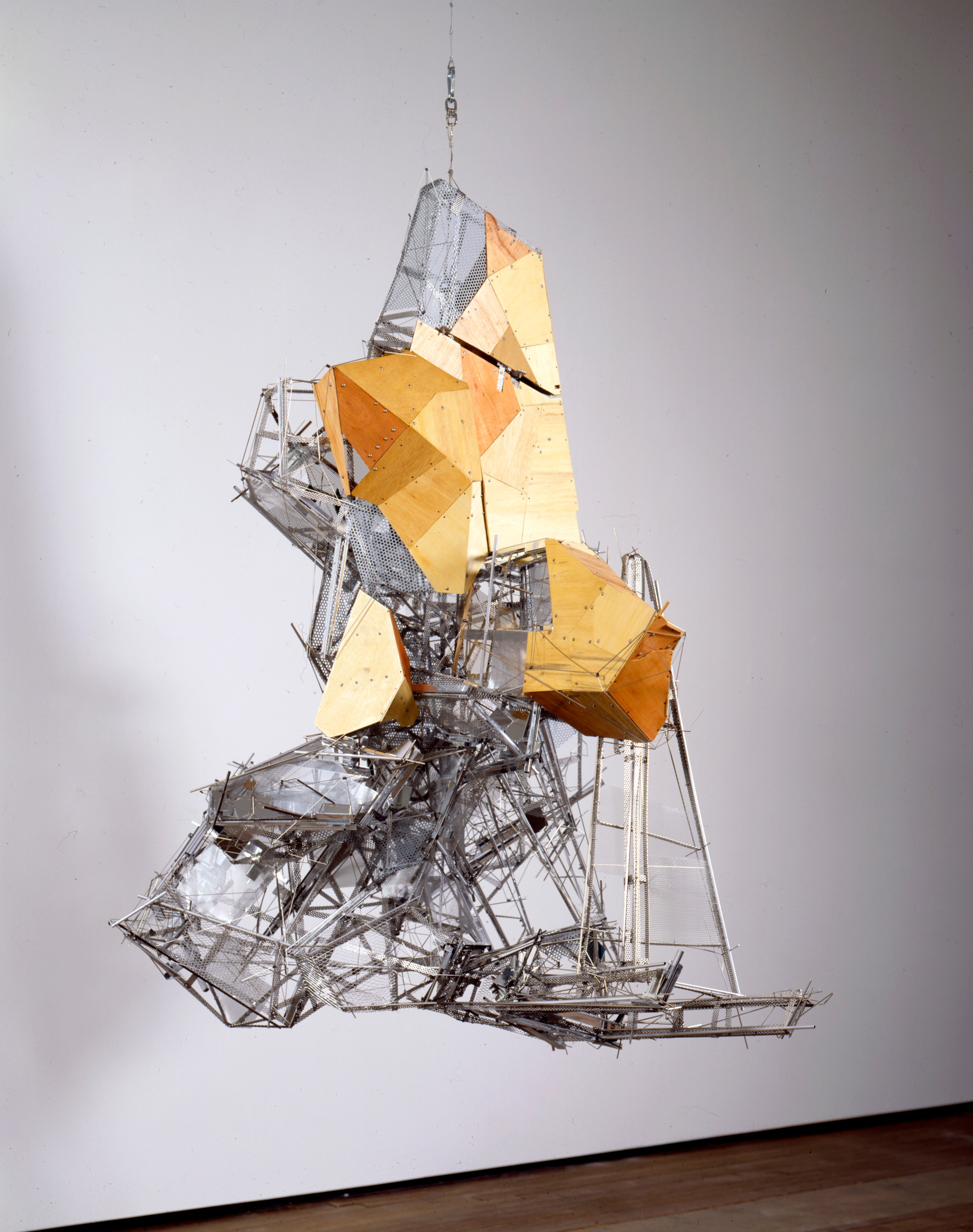
Lee Bul and El-Sayegh both engage with external political issues, such as the broader construction of social and political systems, or particular events such as Brexit. Lee Bul’s sculptures explore universal themes including the utopian desire to achieve perfection through technological advances and the dystopian suspicions and failures that are often the result. Exploring structural systems—from the individual body to larger architectural frameworks that encompass cities and utopian societies—Lee Bul visualizes our preoccupations with the human form and our desire to transcend the flesh in pursuit of immortality through the use of technological advances. In Untitled Sculpture W1 and False Azure in the Windowpane, the artist presents two architectural sculptures that appear structurally unsound. Each, containing anthropomorphic qualities, hovers between stability and instability, as though in the process of transformation or completion.

Installation view of Inside Out: The Body Politic at Lehmann Maupin Seoul
Installation Views: 1 of 4
Installation view of Inside Out: The Body Politic at Lehmann Maupin Seoul
Installation Views: 1 of 4
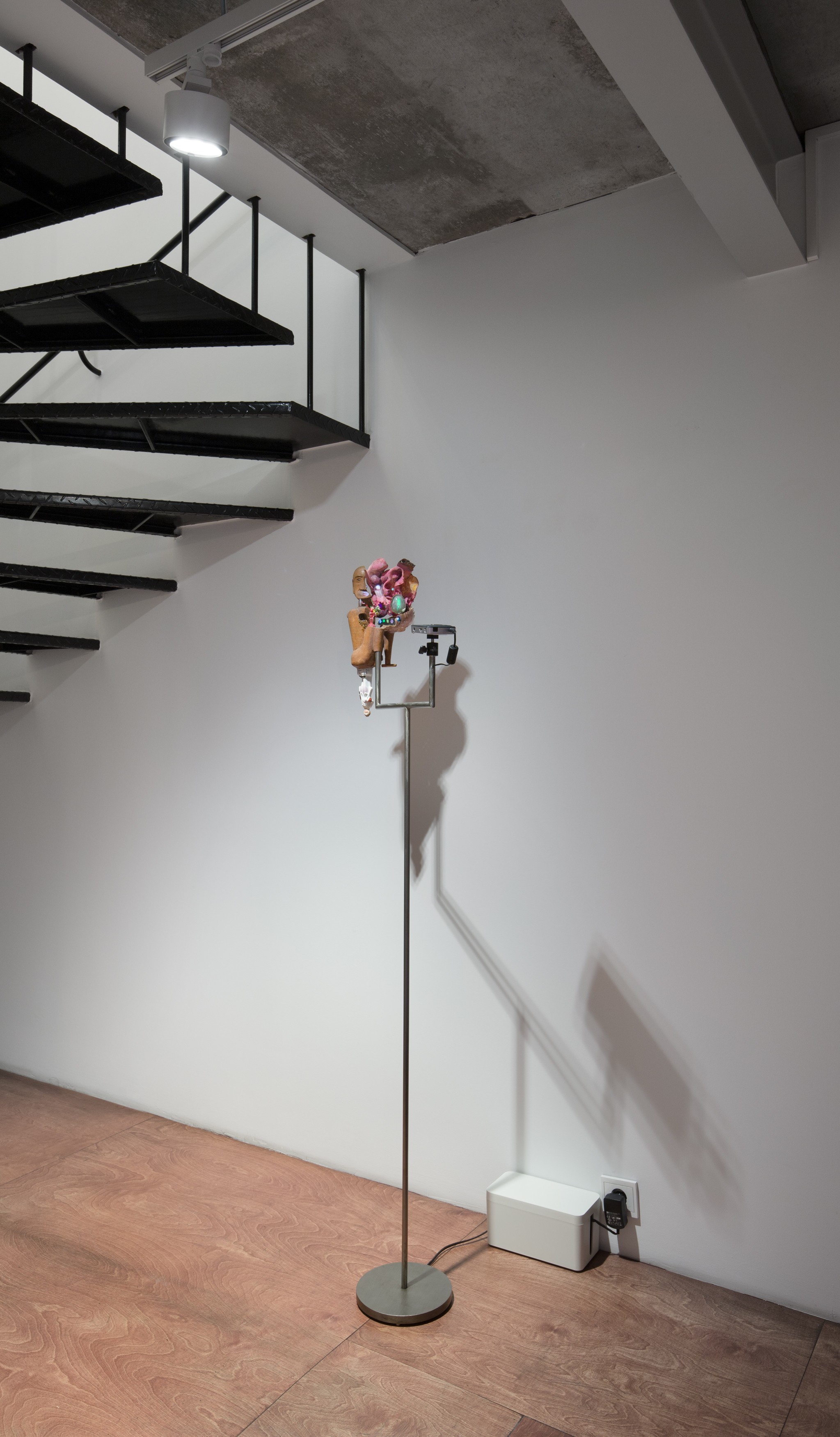
Projection by Tony Oursler

Tony Oursler

Reductio ad Absurdum, 2011

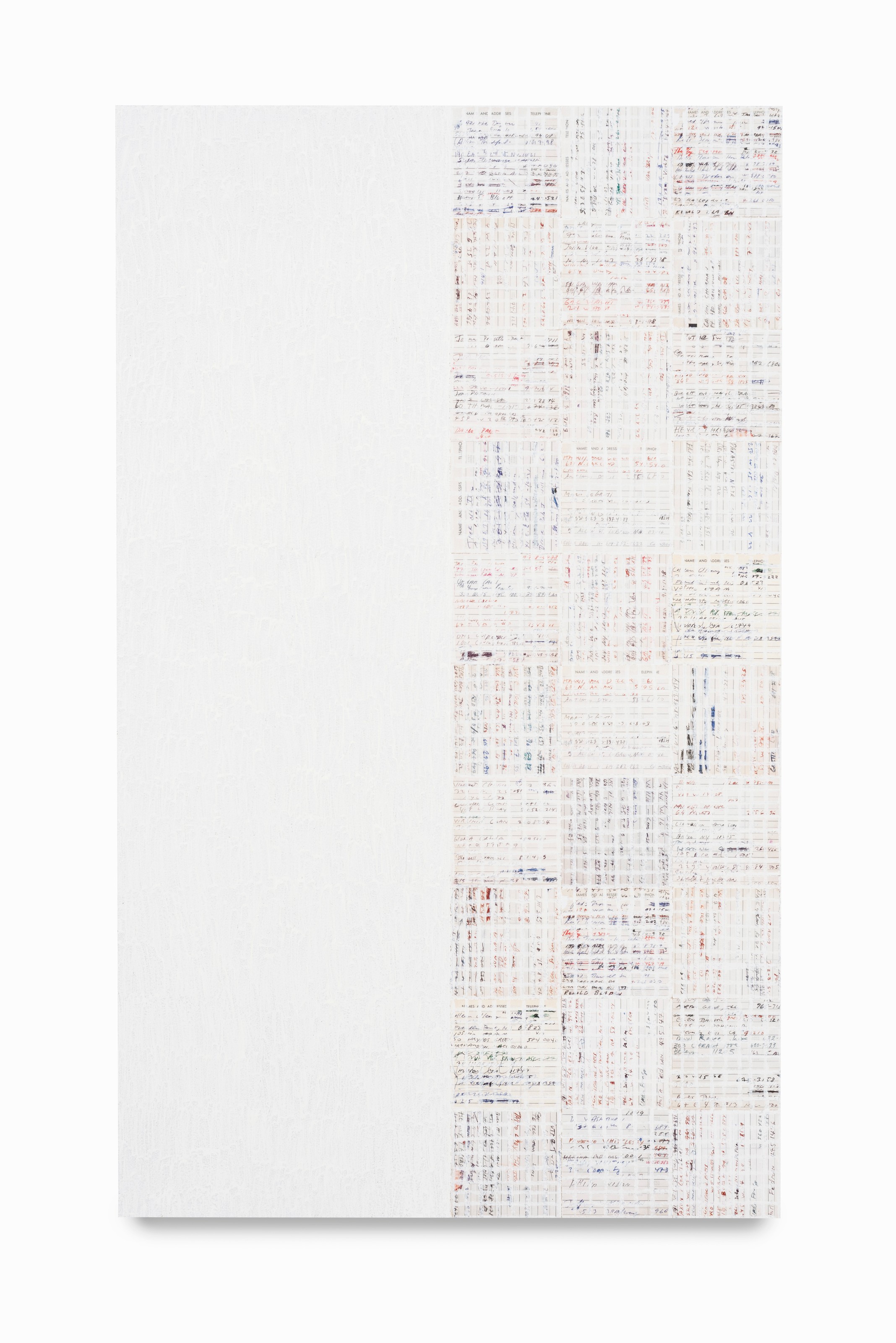
Painting by McArthur Binion

McArthur Binion

white:work, 2019

Painting by McArthur Binion

McArthur Binion

white:work, 2019

Sculpture by Lee Bul

Lee Bul

False Azure in the Windowpane, 2013

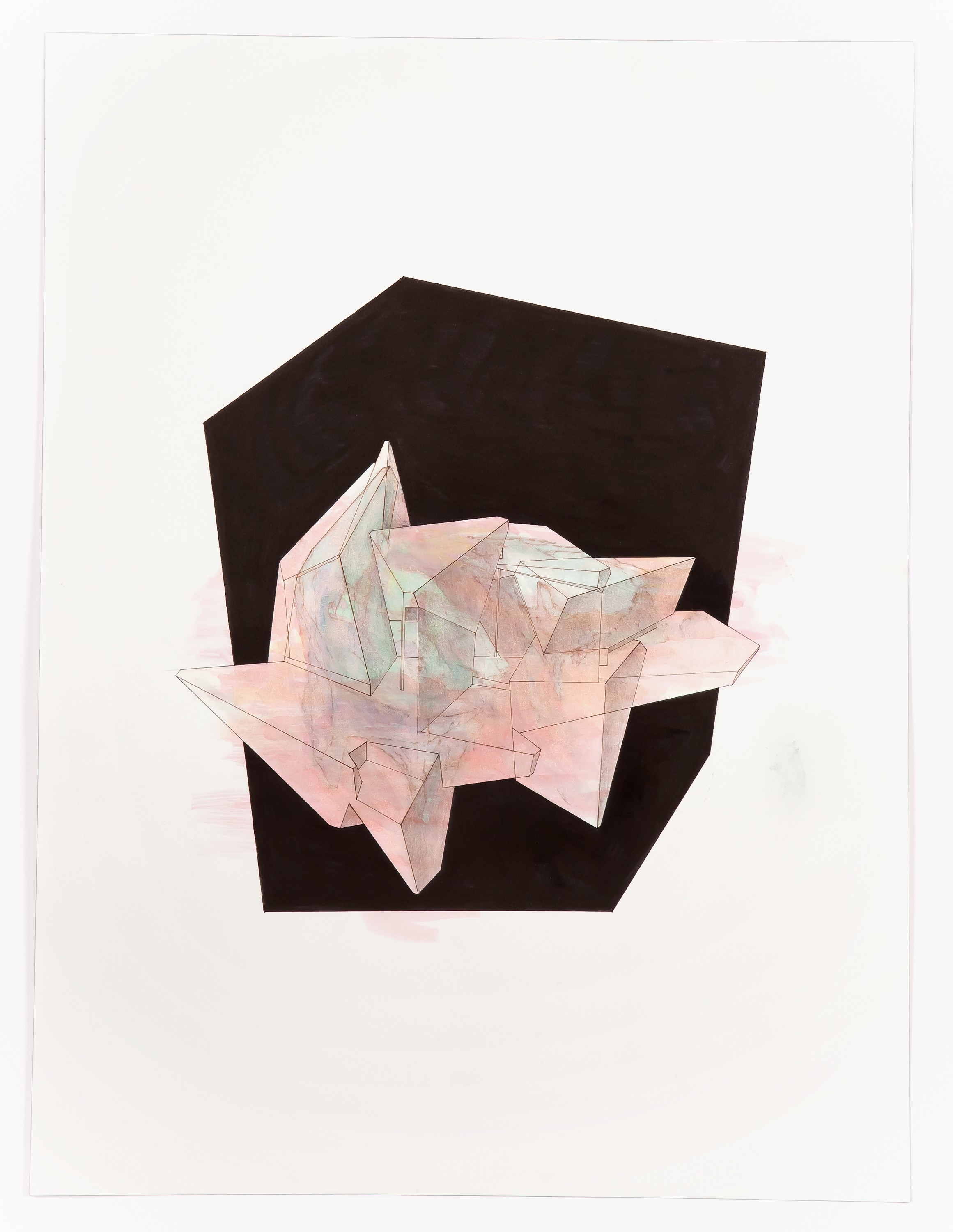
Drawing  by Lee Bul

Lee Bul

Untitled (Structure for wraparound topography - flush), 2010

Sculpture by Lee Bul

Lee Bul

Untitled sculpture W1, 2010

Painting by Mandy El-Sayegh

Mandy El-Sayegh

Windows 4 (to leave), 2018

Painting by McArthur Binion

McArthur Binion

dna:study, 2019

Exhibition Artists

Portrait of McArthur Binion

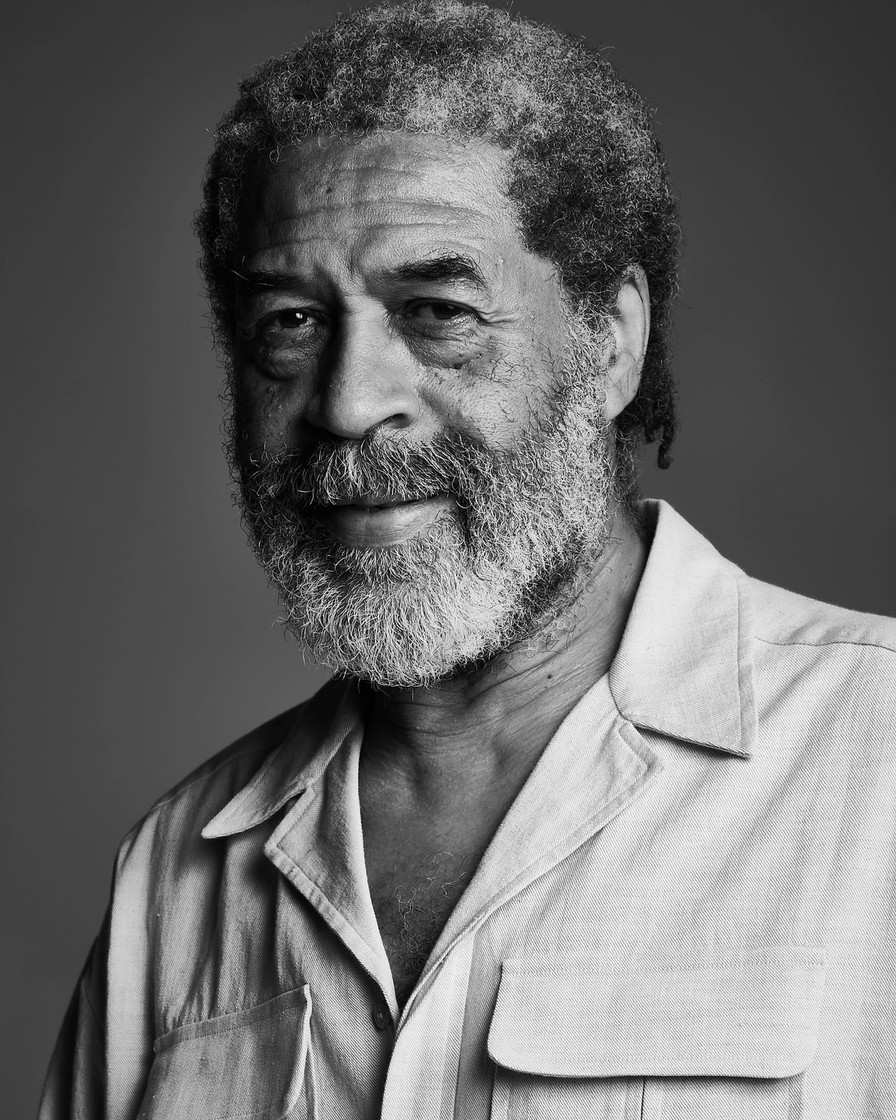
McArthur Binion (b. 1946, Macon, MS; lives and works in Chicago, IL) combines collage, drawing, and painting to create autobiographical abstractions of painted minimalist patterns over an “under surface” of personal documents and photographs. From photocopies of his birth certificate and pages from his address book, to pictures from his childhood and found photographs of lynchings, the poignant and charged images that constitute the tiled base of his work are concealed and abstracted by grids of oil stick. The complexly layered works, from a distance, appear to be monochromatic minimalist abstractions that have led many to compare his work to that of Jasper Johns, Robert Ryman, or Brice Marden. However, while his contemporaries focused more on materiality, abstraction, and in some cases the social and political climate of the time, Binion’s works are intensely personal and deeply dedicated to the rigorous process of making a painting. Upon closer inspection, these monochromatic abstractions come into focus: the perfect grid becomes a series of imperfect laboriously hand-drawn lines, behind which emerge intimate details of Binion’s identity and personal history. Binion’s gridded compositions impose rational order to the layers of personal history, allowing only fragments of information from his birth certificate to be read, or details of his mother’s face to be identified—but never enough to be immediately legible. Having begun his career as a writer, Binion is highly influenced by language and music, as can be seen in his titles and the ways in which he layers information to be “read” rather than simply seen. The tension that exists between the grid and the artist’s visible gestures is not unlike that of jazz music, which merges improvisation with the order of a musical composition.

Binion received his B.F.A. from Wayne State University, Detroit, MI in 1971 and his M.F.A. from the Cranbrook Academy of Art, Bloomfield Hills, MI in 1973. Select recent solo exhibitions of his work have been organized at the de la Cruz Gallery at Georgetown University (2025); Museo Novecento, Florence, Italy (2020); the Cranbrook Art Museum, Bloomfield Hills, MI (2018); Contemporary Arts Museum, Houston, TX (2012); and the University of Maryland University College Gallery, Adelphi, MD (2010).
Portrait of Mandy El-Sayegh

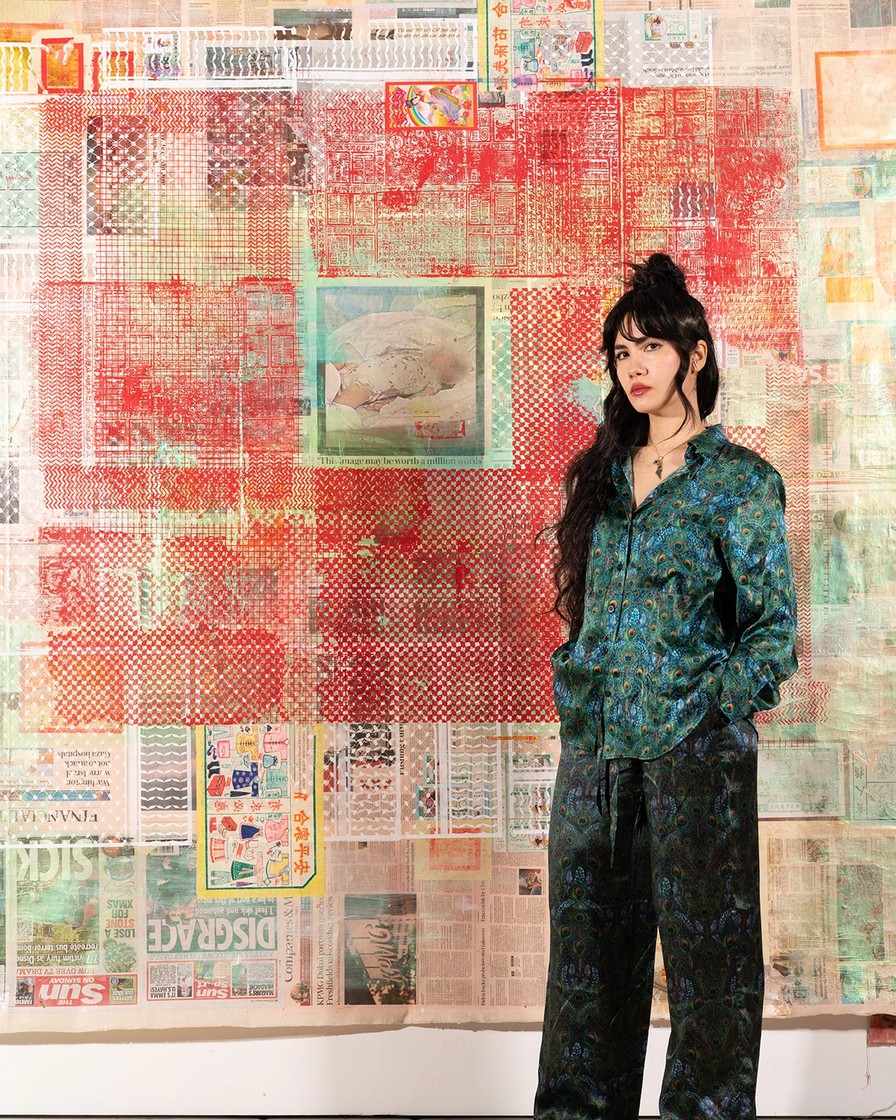
Mandy El-Sayegh’s (b. 1985, lives and works in London, United Kingdom) highly process-driven practice is rooted in an exploration of material and language. Executed in a wide range of media, including densely layered paintings, sculpture, installation, diagrams, and sound and video, El-Sayegh’s work investigates the formation and break-down of systems of order, be they bodily, linguistic, or political. She is particularly interested in exploring the Part-Whole relationship–how something significant yet unpremeditated emerges and comes into being through various smaller, micro-interactions or repetitions. She physically demonstrates this by collaging disparate fragments, text, and found imagery, and layering them with materials like latex, rubber, and clay. Through simple, repetitive patterns such as a hand-painted grid or geometric molds, formal and narrative synthesis occurs that is not consciously intended or anticipated.

El-Sayegh likens her exploratory, observational process to the occurrence of contemporary social and political events, which unfold in highly chaotic and often disturbing ways. Justifications or explanations for such events typically appear after the fact; they are devised in an effort to impose order on an inherently subjective and incomplete set of social, cultural, and political processes. The artist’s work aims to remove the veil of these superimposed structures and reveal the intricacies of growth and decay as they happen in real time. El-Sayegh is interested in the observation of process and she believes that through such observation, one can better understand how the social and political phenomena that shape our world exist in a constant state of flux.

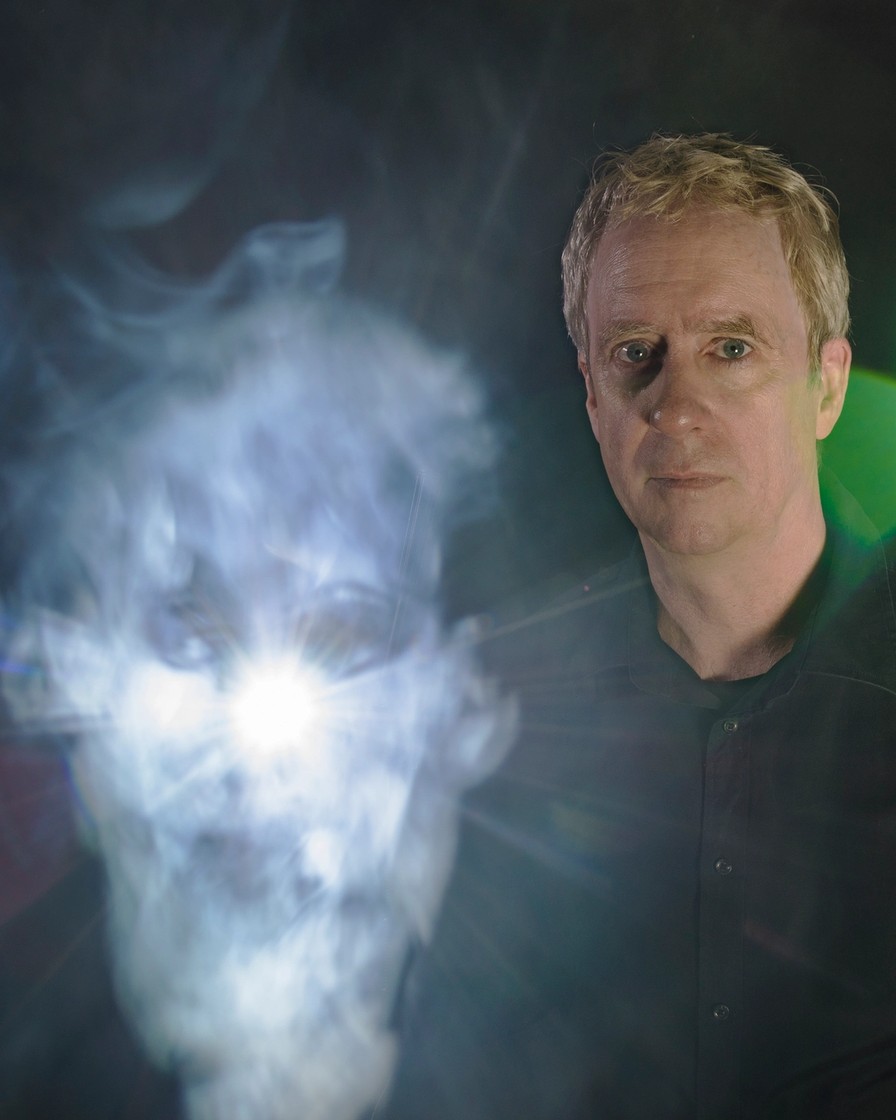
Portrait of Tony Oursler

Tony Oursler (b. 1957, New York, NY; lives and works in New York, NY) is best known for his innovative integration of video, sculpture, performance and installation. A pioneering figure in new media since the 1970s, Oursler has since explored diverse methods of exploring popular culture, historical and sub-cultural themes while incorporating the moving image into his practice, breaking video art out of the two-dimensional screen to create immersive environments with the use of light sound and projections. In 2000, Oursler began a series of large scale outdoor projection projects which incorporate landscape, water, smoke, trees, architecture, performative and sculptural elements; some are permanently installed. His sculptures, wall works and installations present a rich visual multimedia experience which often incorporates cultural references and information that seeks to actively engage the viewer. His artworks often employ poetics and humor to explore a wide range of subjects such as belief systems, facial recognition, superstition, conspiracy theories, UFOs and the role technology plays in altering, inhibiting, and expanding social behavior.

Oursler received a B.F.A. from the California Institute of the Arts in 1979. Solo exhibitions of his work have been organized at Kunst Museum Winterthur, Winterthur, Switzerland (forthcoming, 2025); Boca Raton Museum of Art, Boca Raton, FL (2024); SCAI PIRAMIDE, Tokyo, Japan (2024); Photo Elysée, Lausanne, Switzerland (2022); K11 Musea, Hong Kong (2021); Kunstraum Dornbirn, Dornbirn, Austria (2021); Kaohsiung Museum of Fine Arts, Kaohsiung City, Taiwan (2021); Musée d’Arts de Nantes, Nantes, France (2020); Nanging Eye Pedestrian Bridge, Nanjing, China (2019); Public Art Fund, New York, NY (2018); The Museum of Modern Art, New York, NY (2016); LUMA Foundation, Arles, France (2015); Stedelijk Museum, Amsterdam, the Netherlands (2014); Tate Modern, London, United Kingdom (2013); Museu de Arte Moderna, São Paulo, Brazil (2013); Pinchuk Art Centre, Kiev, Ukraine (2013); Art Sonje Center, Seoul, South Korea (2012); ARoS Aarhus Kunstmuseum, Aarhus, Denmark (2012); and Jeu de Paume, Paris, France, traveling to the DA2 Domus Artium, Salamanca, Spain, and the Kunstforeningen, Copenhagen, Denmark (2005), among numerous others.

Inside Out: The Body Politic | Lehmann Maupin