Skip to content

Do Ho Suh

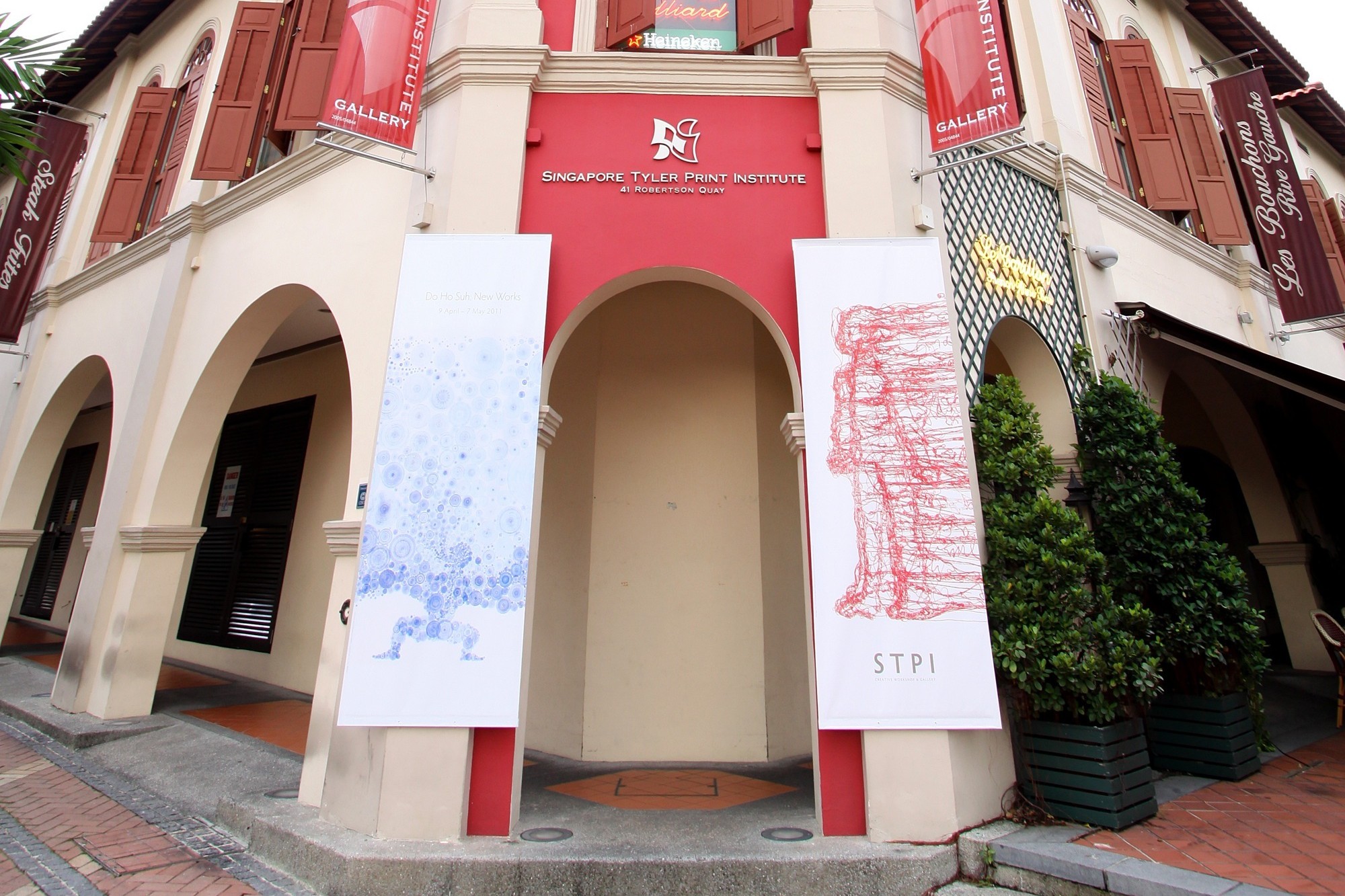
Singapore Tyler Print Institute - Creative Workshop & Gallery

Singapore

Apr 9–May 7, 2011

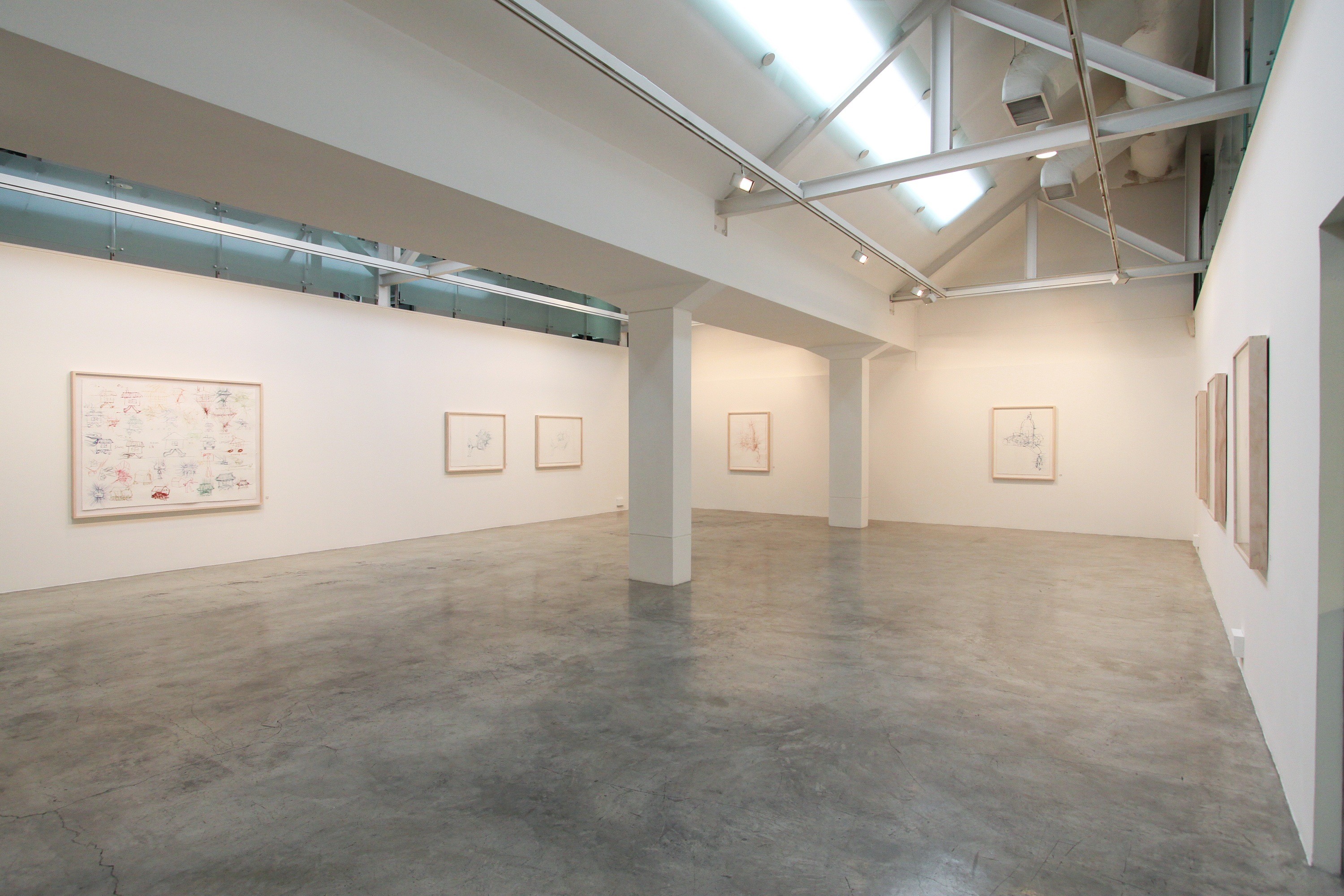
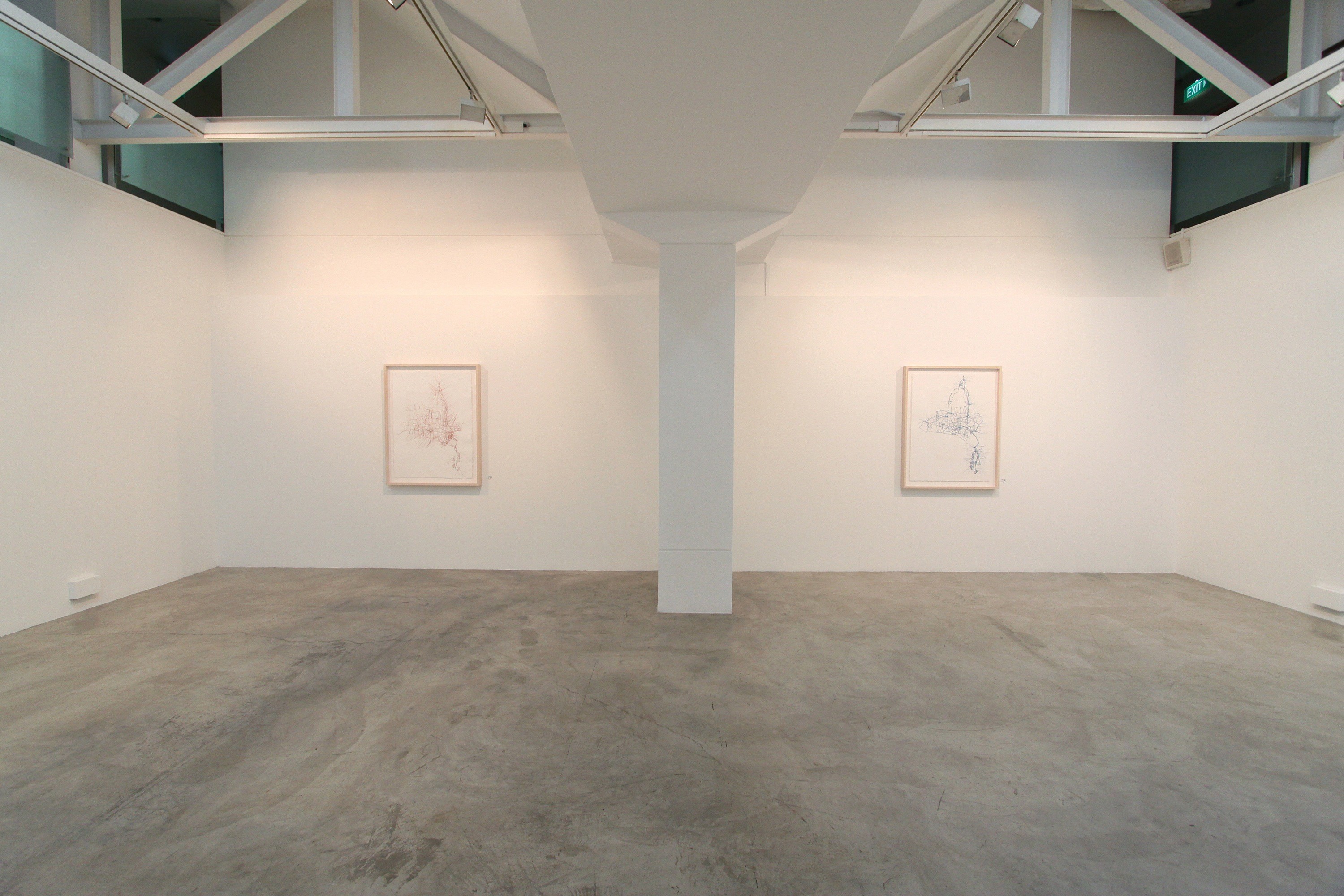
Installation view of New Works at STPI

Being an outsider can be frustrating but it can also be a source for creative release. This led internationally acclaimed Korean artist, Do Ho Suh, to conceive ways of engaging with his personal reflections of living in different cities and the transient nature of global cultures. In this new body of works created at STPI in 2010, Suh’s concepts of self and space are pushed to new frontiers in an exceptionally different scale and medium.

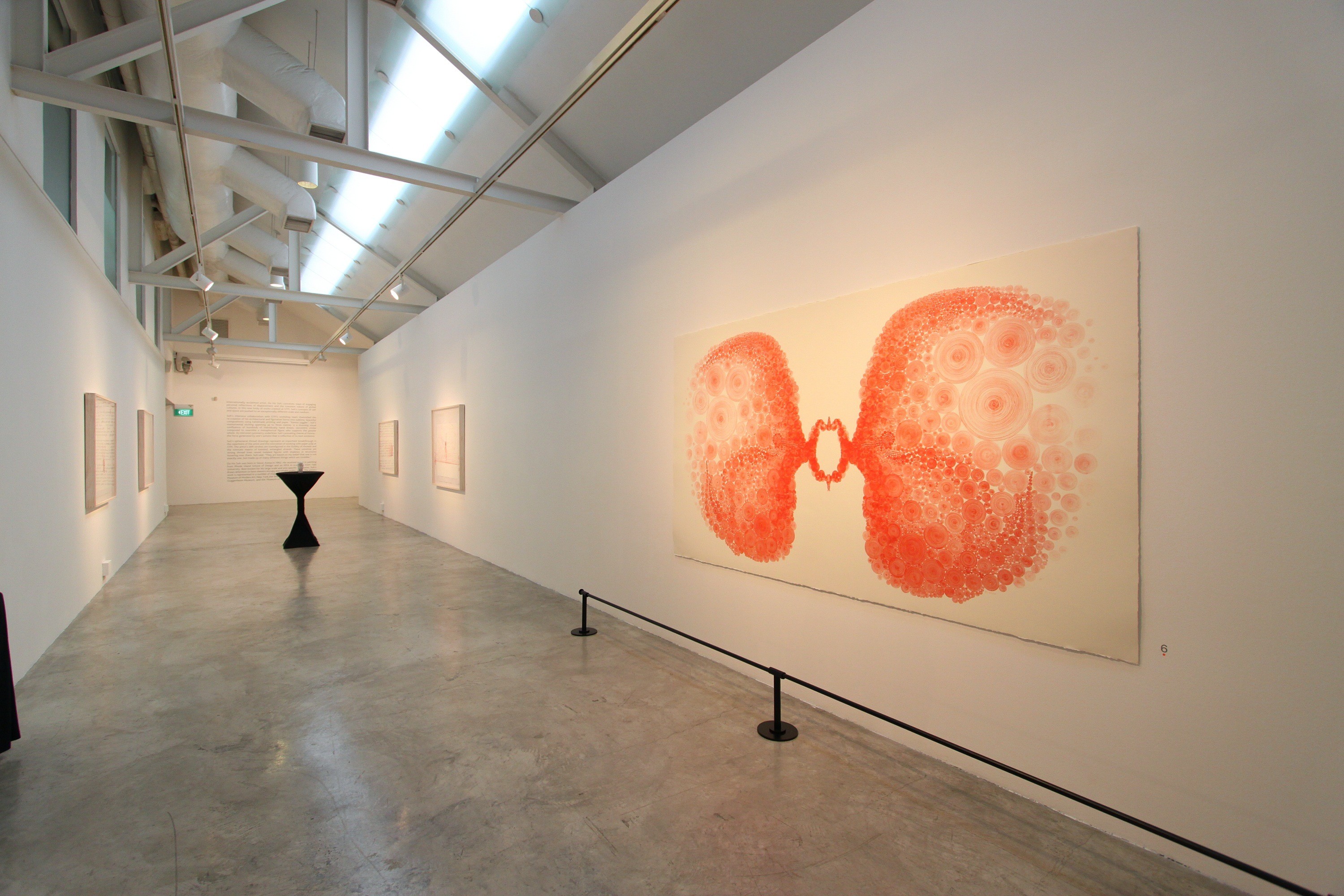
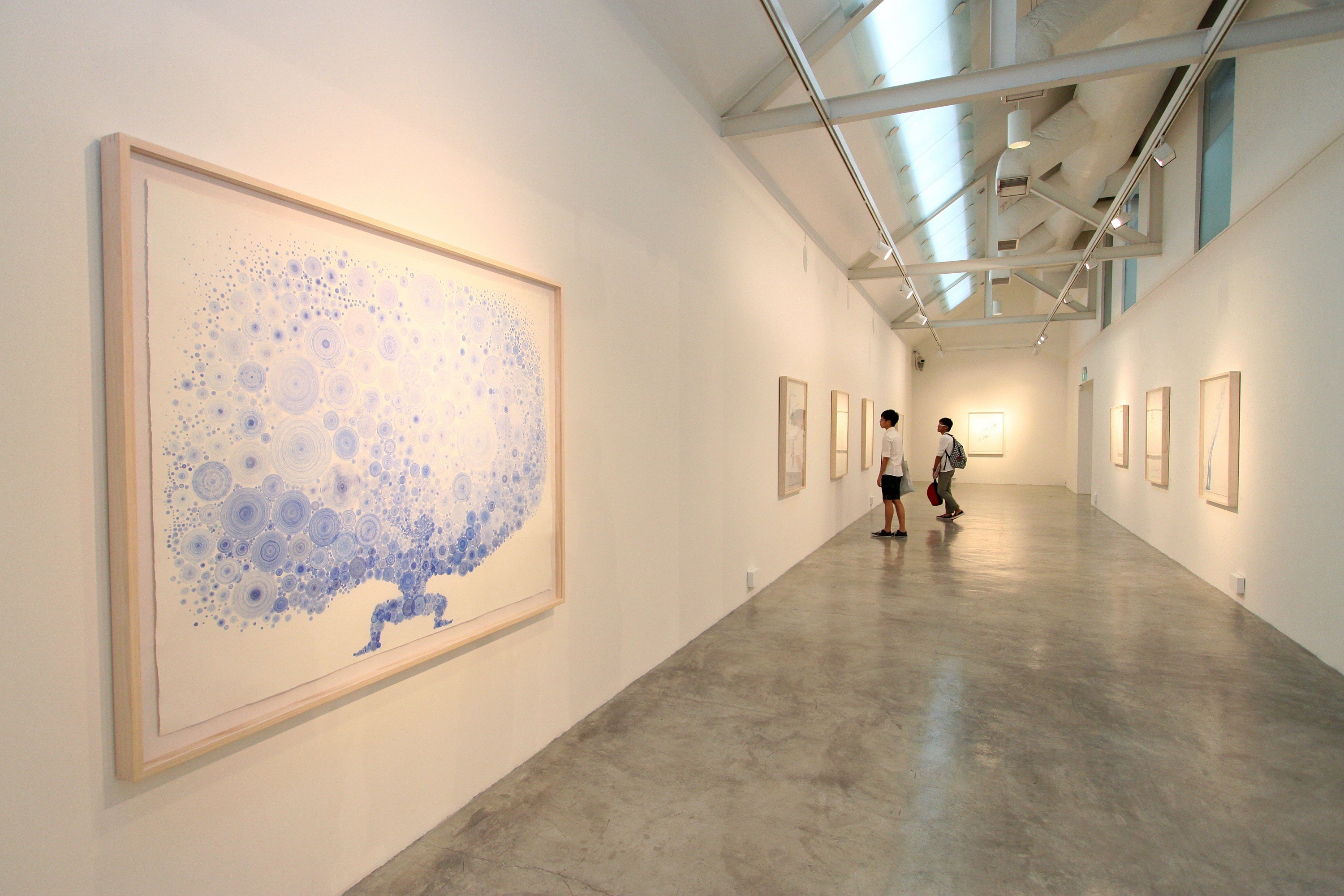
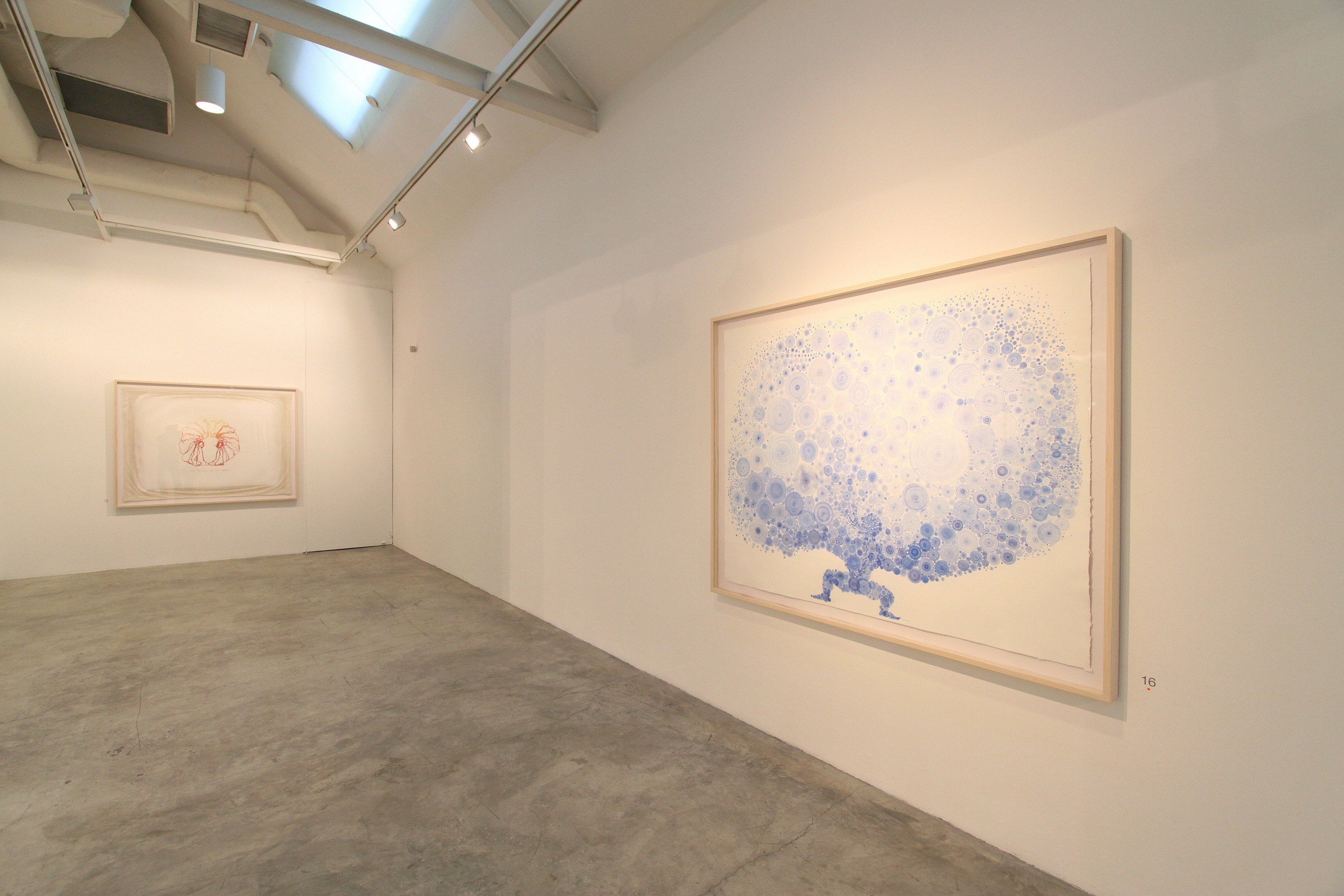
Suh’s intensive collaboration with STPI’s workshop team channeled the recreation of his architectural and figurative forms into sublime and beautiful compositions using handmade printing and paper. “Karma Juggler”, Suh’s monumental etching spanning up to three metres, is a stunning visual confluence of hundreds of individually hand drawn, concentric circles composed to resemble a metaphorical figure supporting the greater whole. Its mirrored symmetry underlines Suh’s prevailing theme of Karma - the force generated by one’s actions that is reflective of its next existence.

Installation view of New Works at STPI
Installation Views
1 of 5:
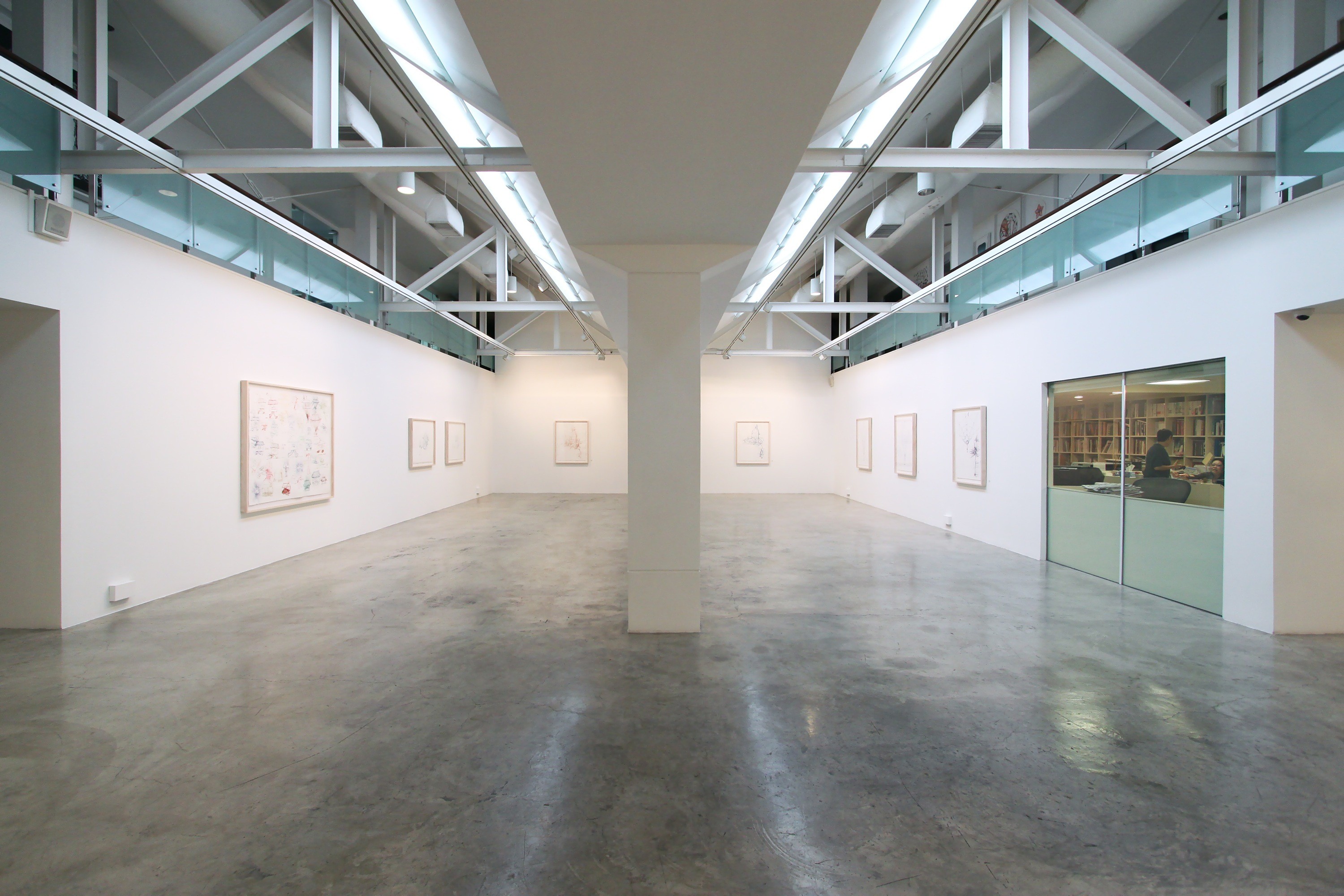
Installation view of New Works at STPI
Installation Views
1 of 4:
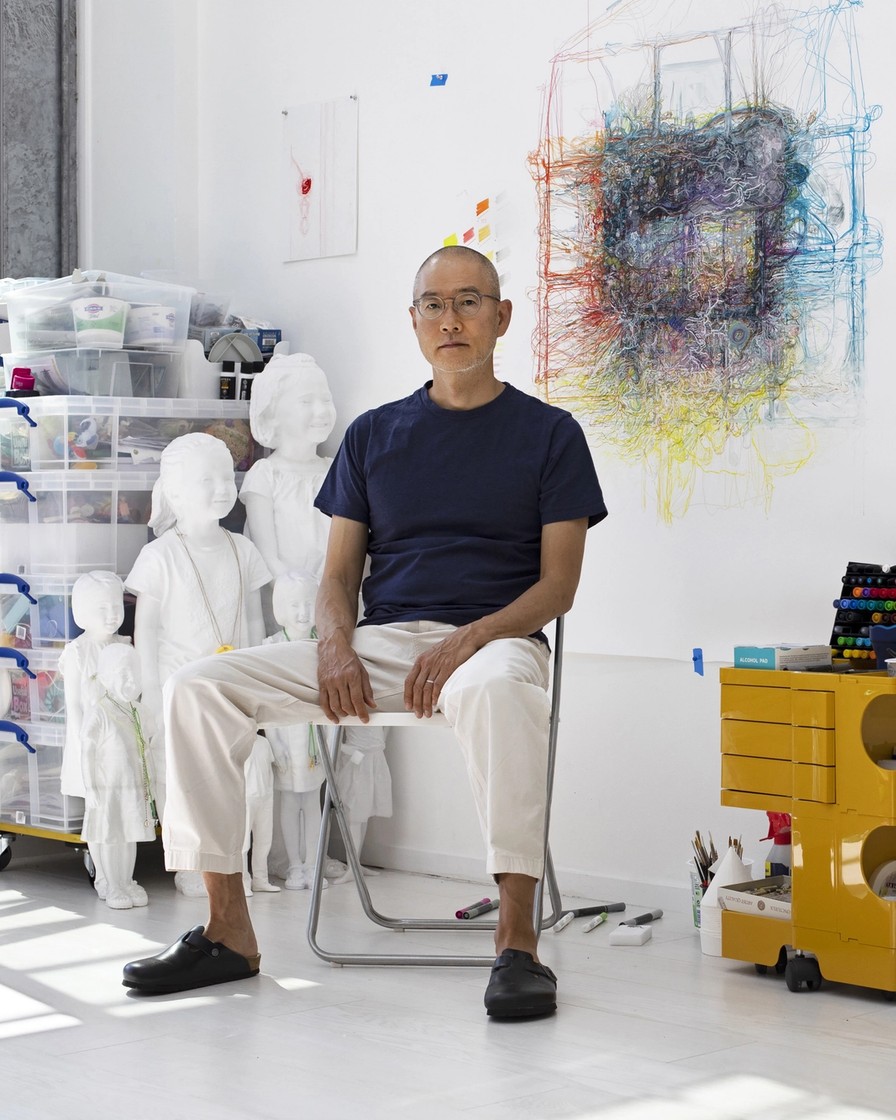
Portrait of Do Ho Suh

Do Ho Suh (b. 1962, Seoul, Korea; lives and works in London, United Kingdom) works across various media, creating drawings, film, and sculptural works that confront questions of home, physical space, displacement, memory, individuality, and collectivity. Suh is best known for his fabric sculptures that reconstruct to scale his past and present homes and studios in Korea, Rhode Island, Berlin, London, and New York.

Suh is interested in the malleability of space in both its physical and metaphorical forms, and examines how the body relates to, inhabits, and interacts with that space. He is particularly interested in domestic space and the way the concept of home can be articulated through architecture that has a specific location, form, and history. For Suh, the spaces we inhabit also contain psychological energy, and in his work he makes visible those markers of memories, personal experiences, and a sense of security, regardless of geographic location.