Skip to content

Do Ho Suh

Art Sonje Center

Seoul

Jun 28–Sep 7, 2003

Installation view of Do Ho Suh at Art Sonje Center

Seoul

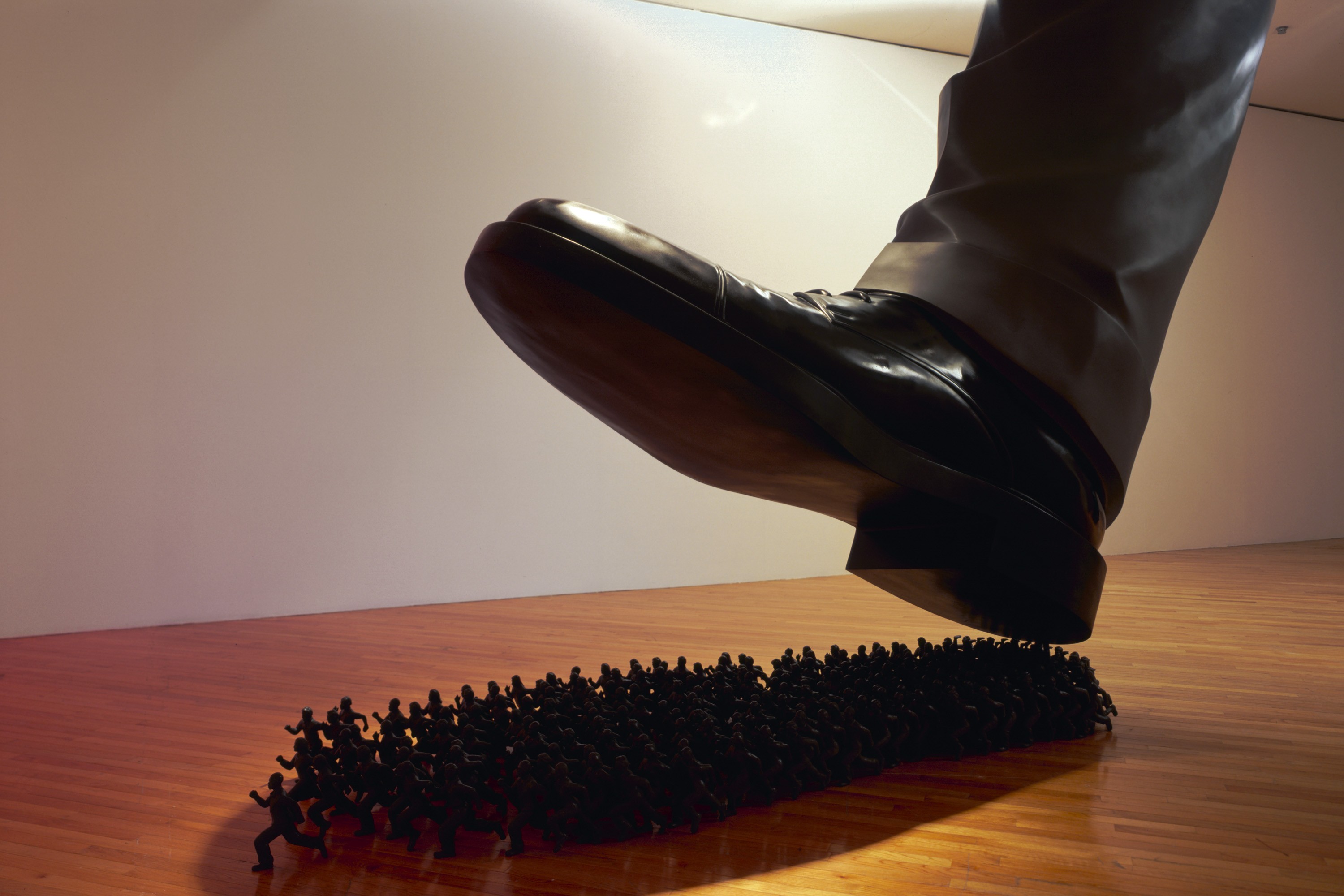
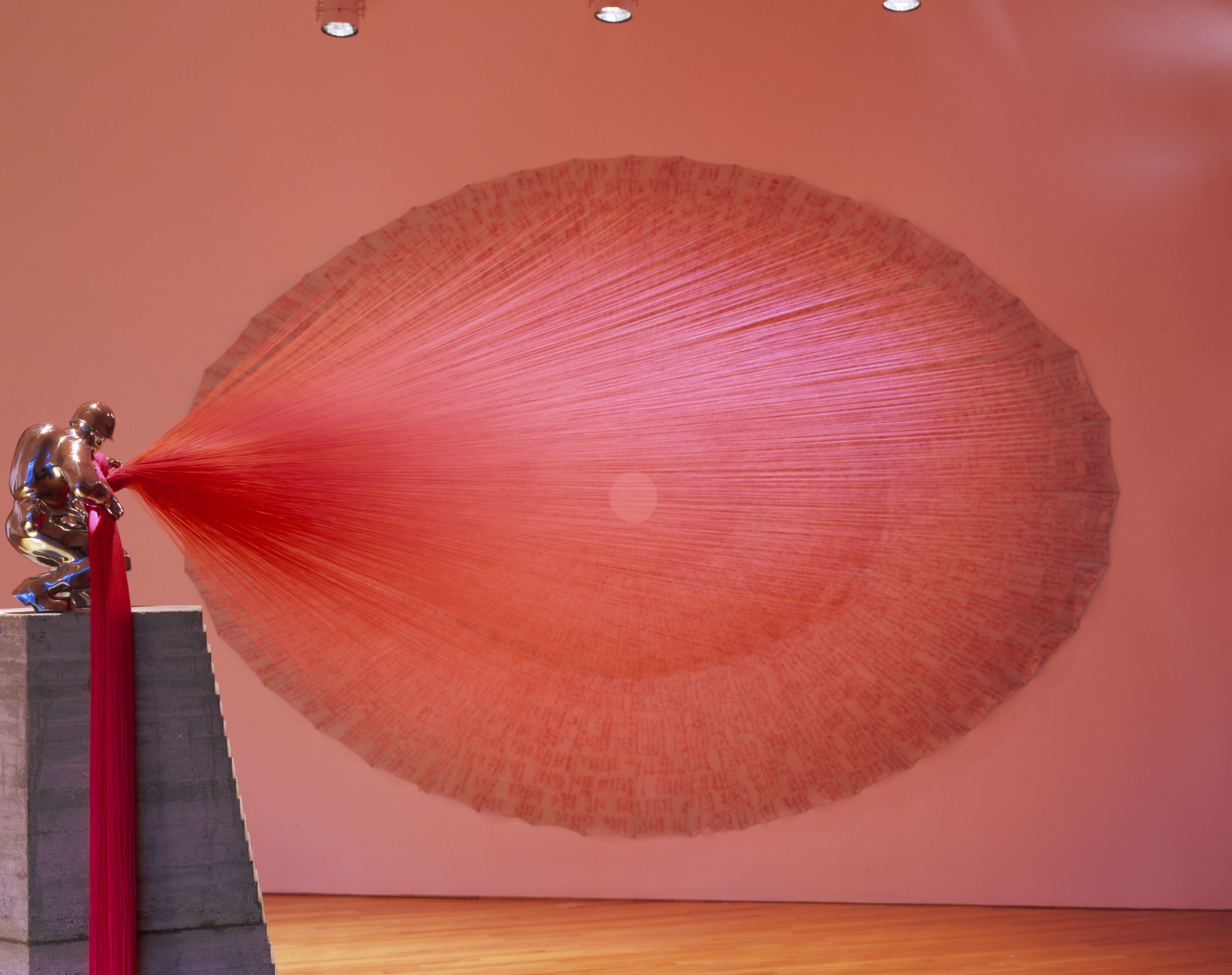
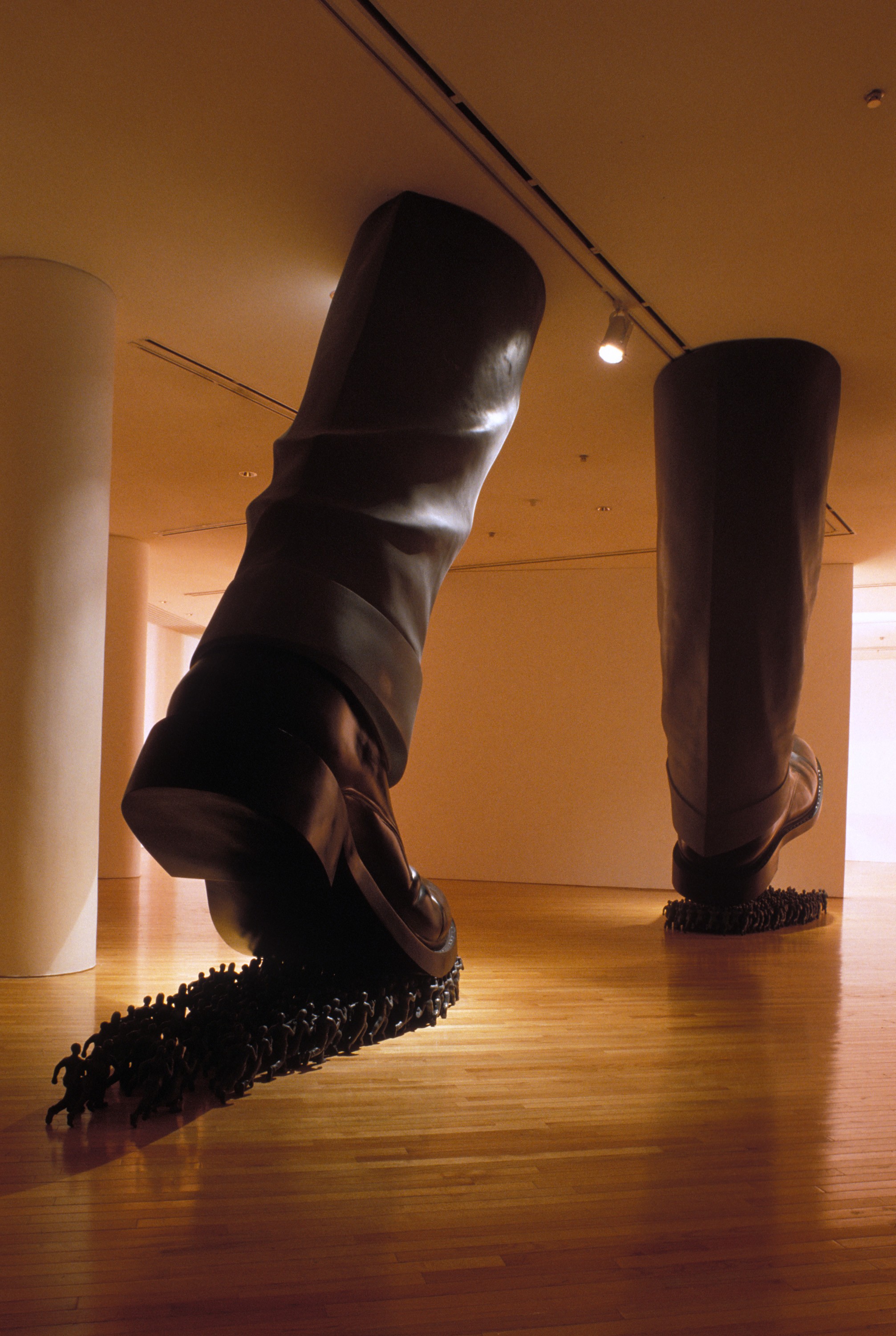
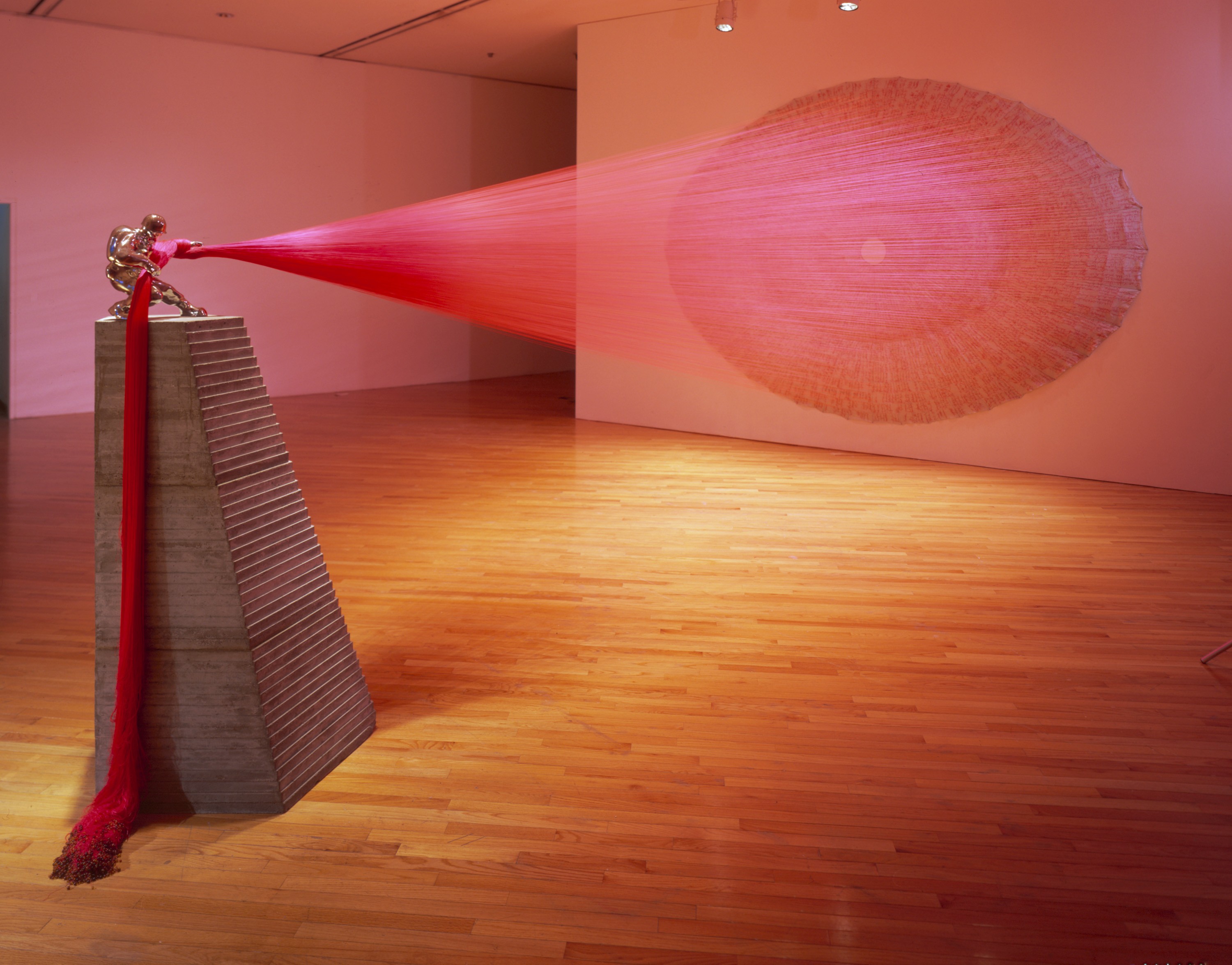
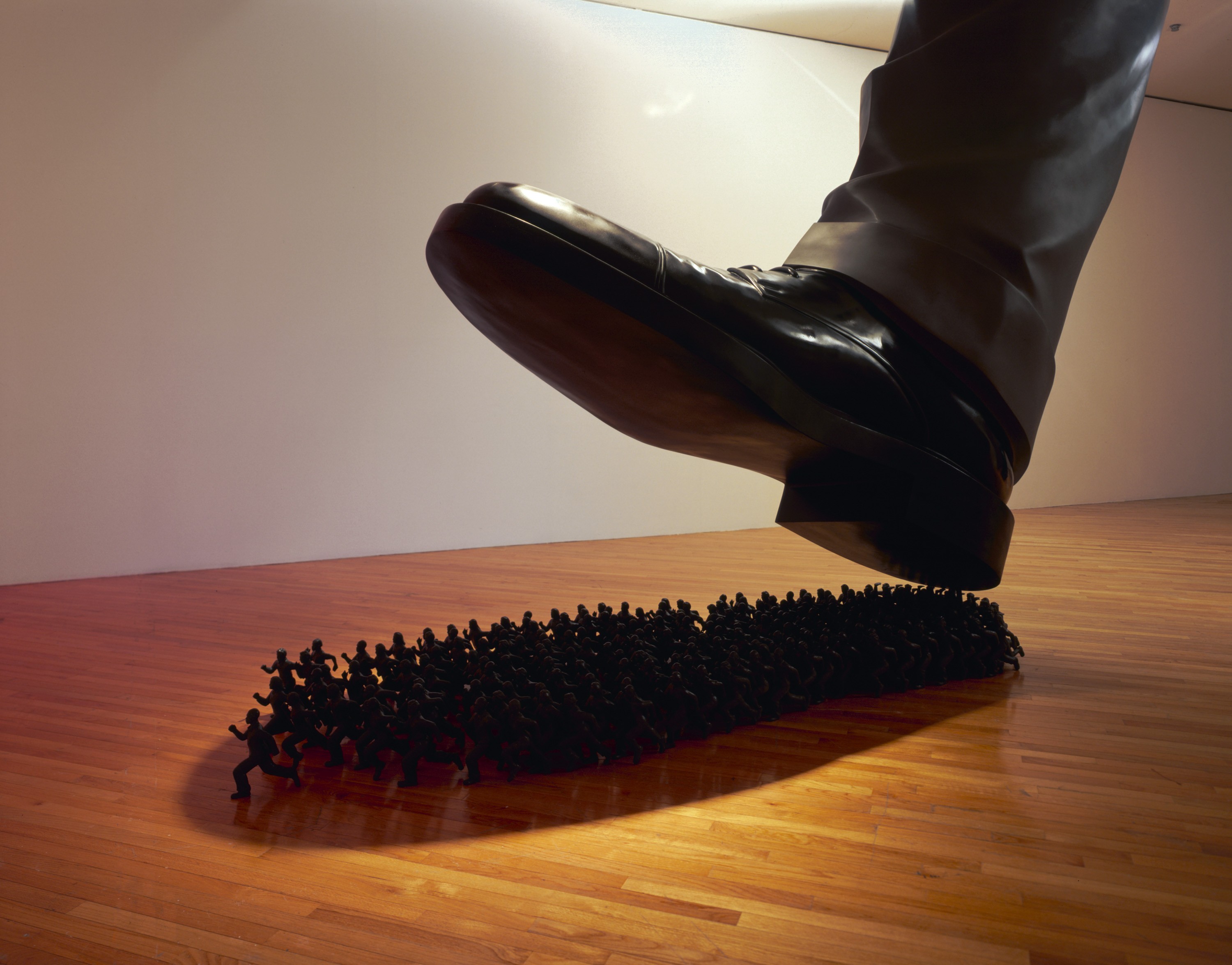
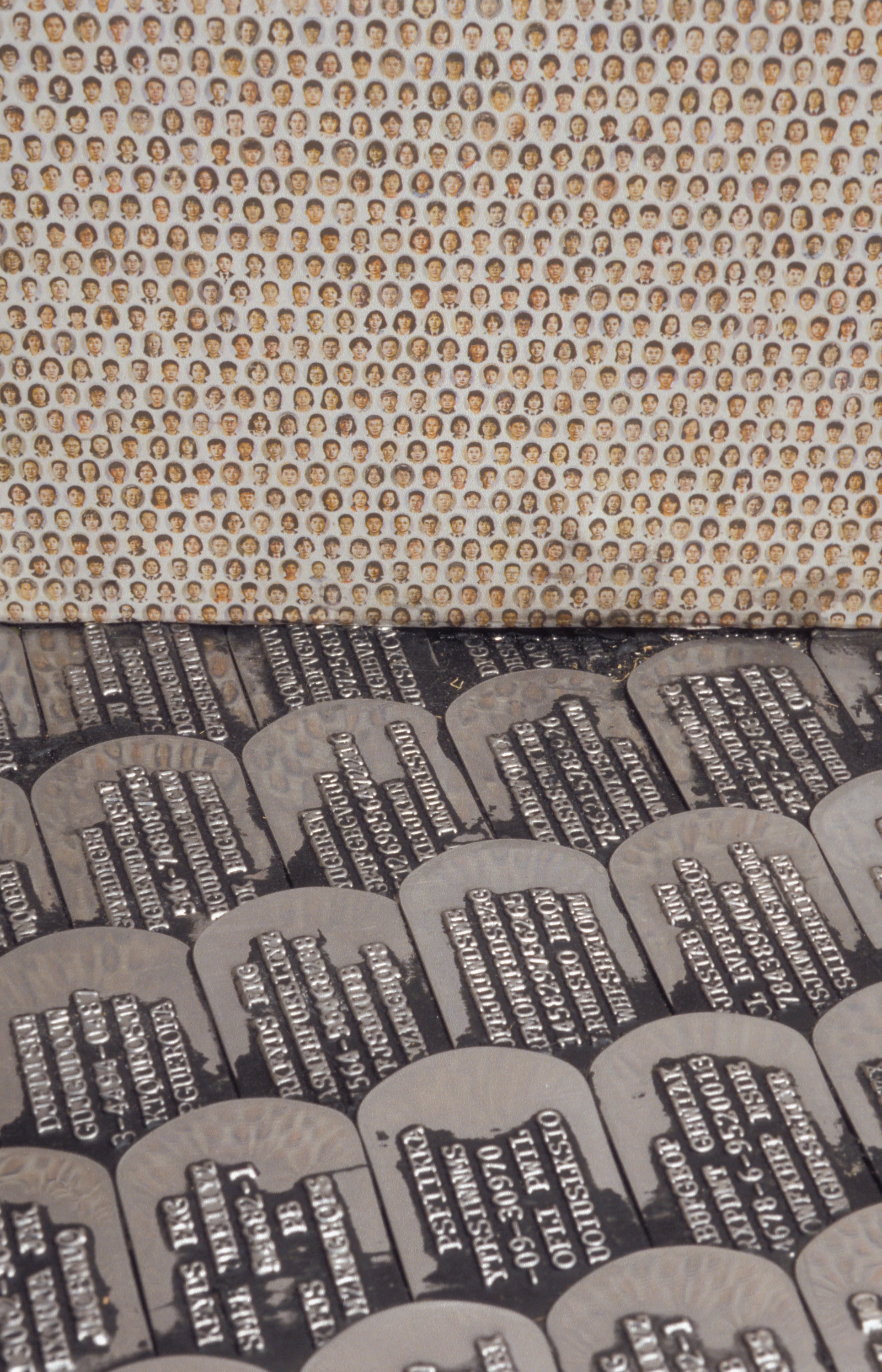
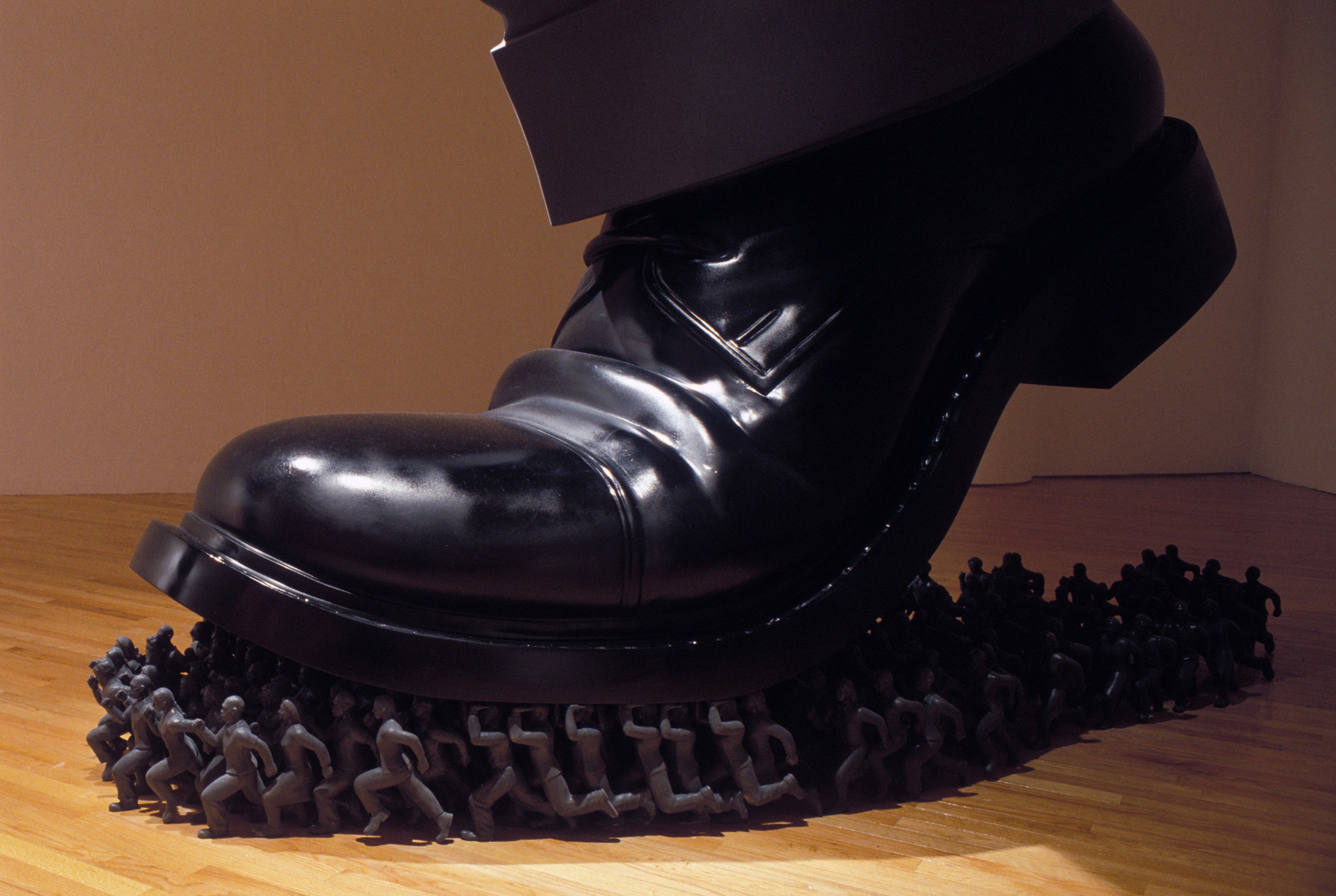
This is the first-ever solo exhibition of Do-Ho Suh who has been actively working in the international art scene, and has become a representative artist of Korea. This exhibition will provide an opportunity to thoroughly study the artist’s body of works. Suh exhibited his works both at the main exhibition hall and the Korean pavilion at Venice Biennale in 2001, and at such international venues as Whitney Museum at Philip Morris, New York, Serpentine Gallery, London, and Seattle Art Museum. Suh will be showing works that have been widely exhibited at international shows, such as Some/One, Floor, Who Am We?,and will examine the relationship between the individual and the society as well as the identity of modern day people of diverse backgrounds. Also, through his most recent works (e.g., the Paratrooper), the artist attempts to evoke Oriental beliefs such as fate/kismet between people and invisible virtue.

Installation view of Do Ho Suh at Art Sonje Center
Installation Views
1 of 6:
Installation view of Do Ho Suh at Art Sonje Center
Installation Views
1 of 5:

About the Artist

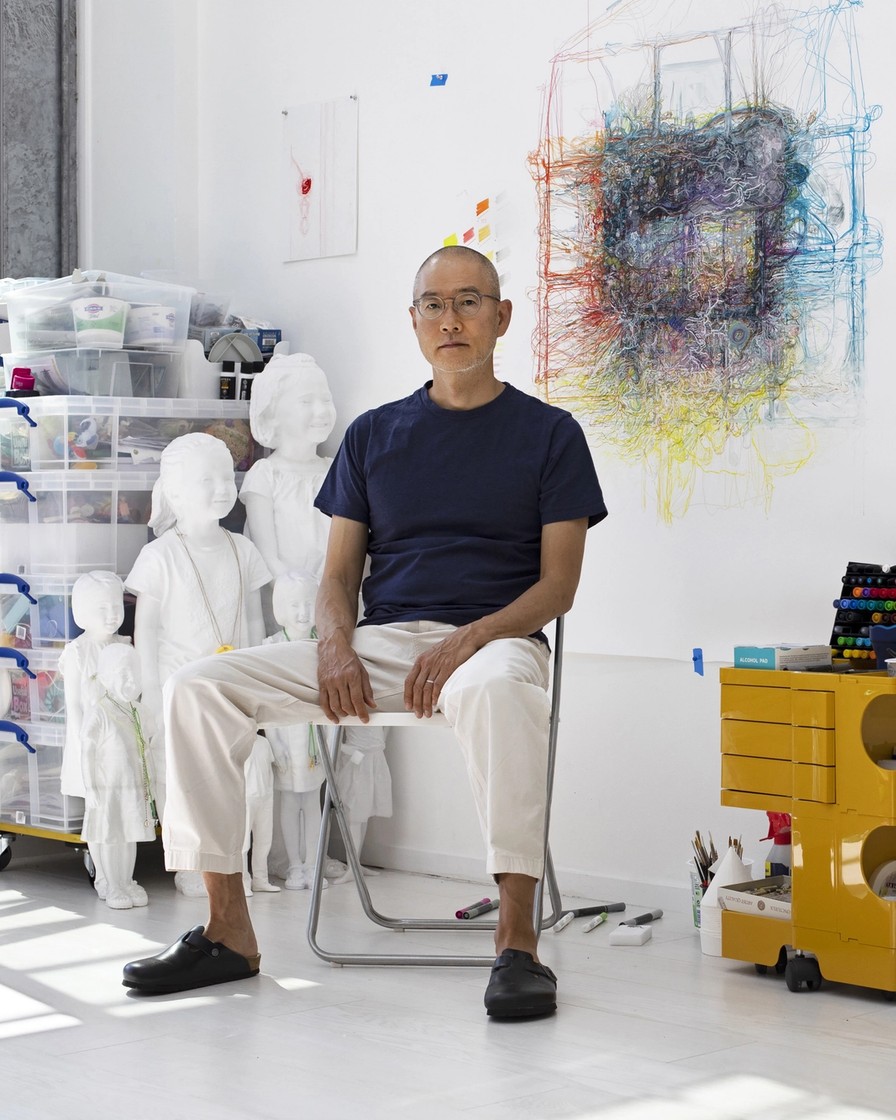
Portrait of Do Ho Suh

Do Ho Suh (b. 1962, Seoul, Korea; lives and works in London, United Kingdom) works across various media, creating drawings, film, and sculptural works that confront questions of home, physical space, displacement, memory, individuality, and collectivity. Suh is best known for his fabric sculptures that reconstruct to scale his past and present homes and studios in Korea, Rhode Island, Berlin, London, and New York.

Suh is interested in the malleability of space in both its physical and metaphorical forms, and examines how the body relates to, inhabits, and interacts with that space. He is particularly interested in domestic space and the way the concept of home can be articulated through architecture that has a specific location, form, and history. For Suh, the spaces we inhabit also contain psychological energy, and in his work he makes visible those markers of memories, personal experiences, and a sense of security, regardless of geographic location.