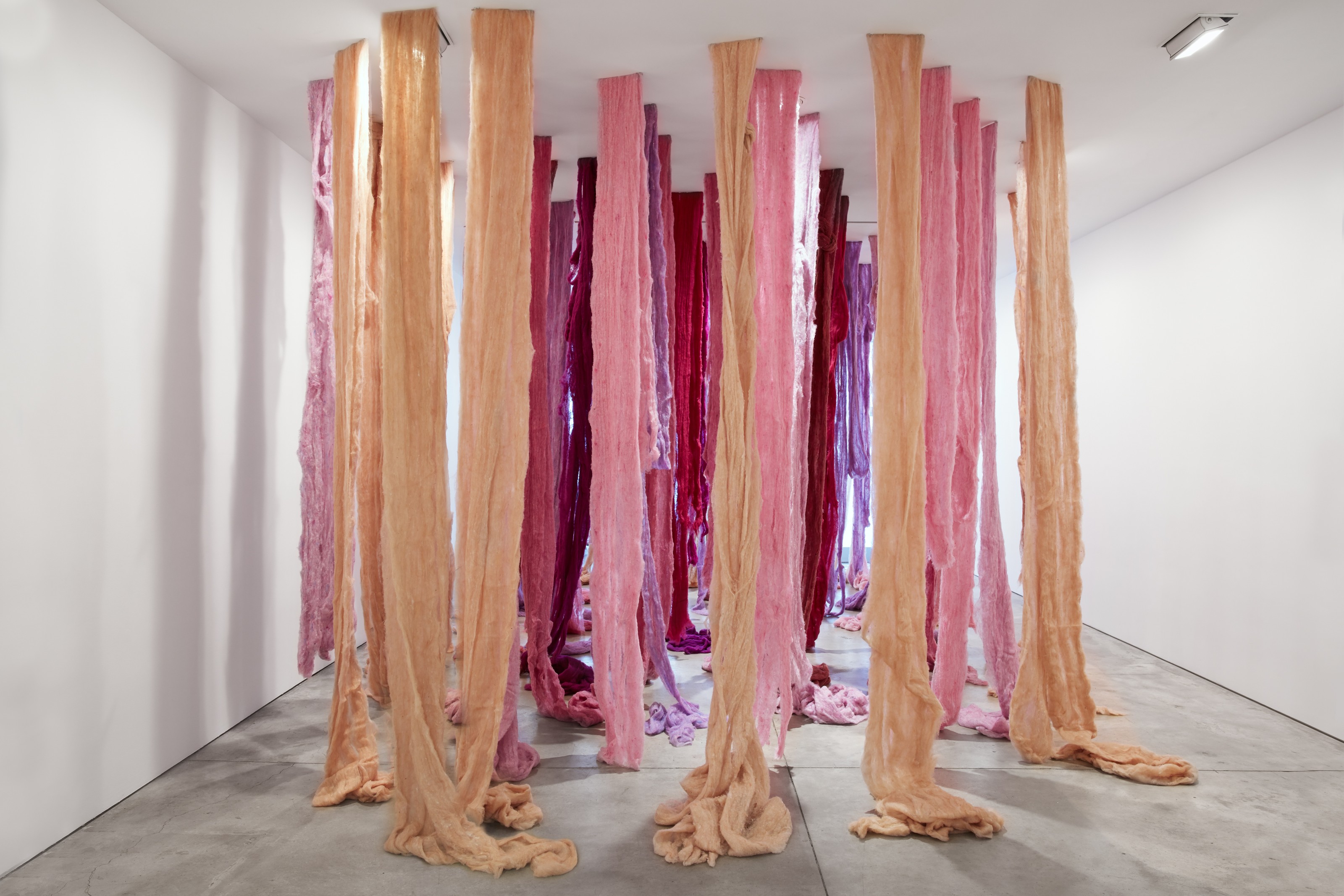
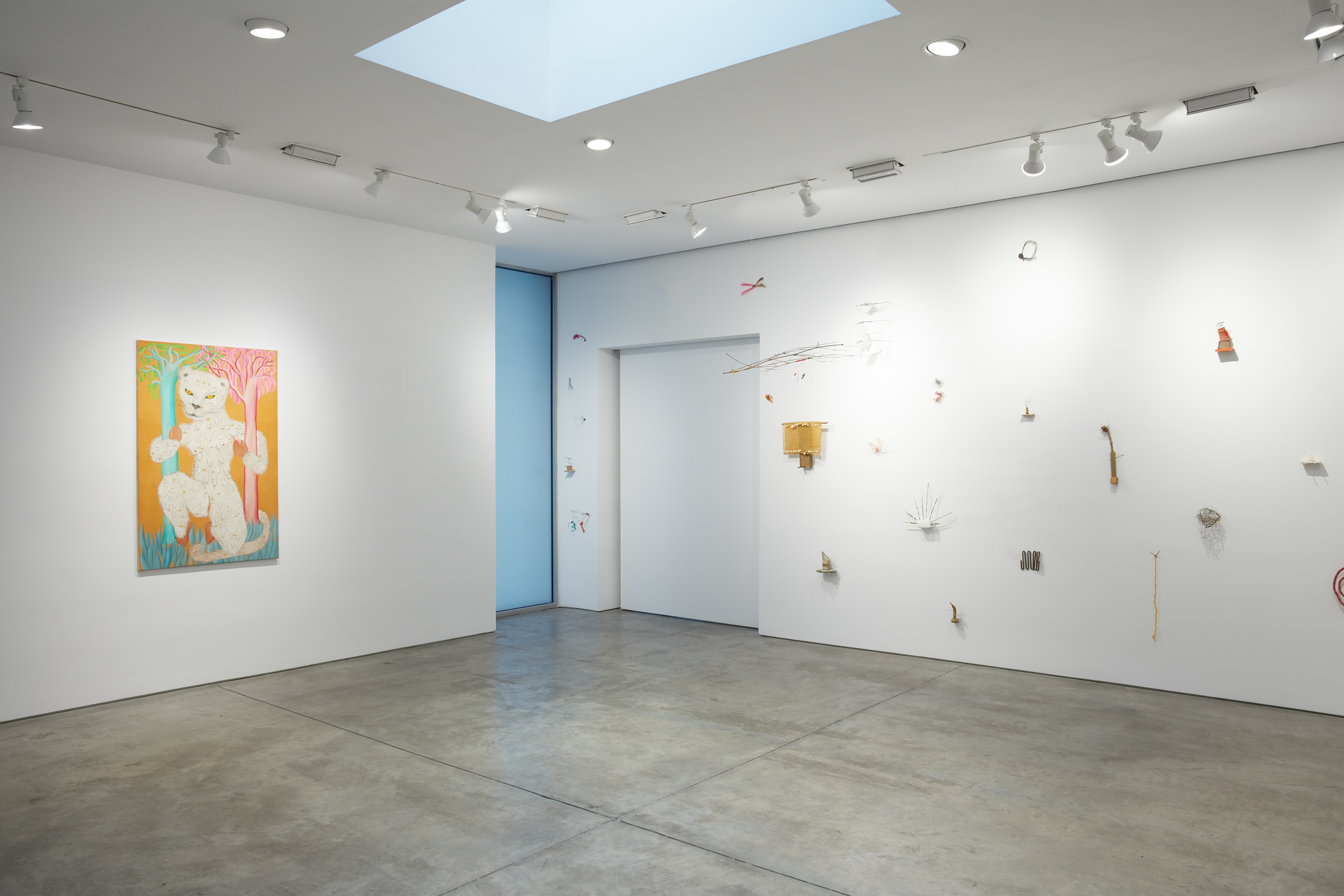
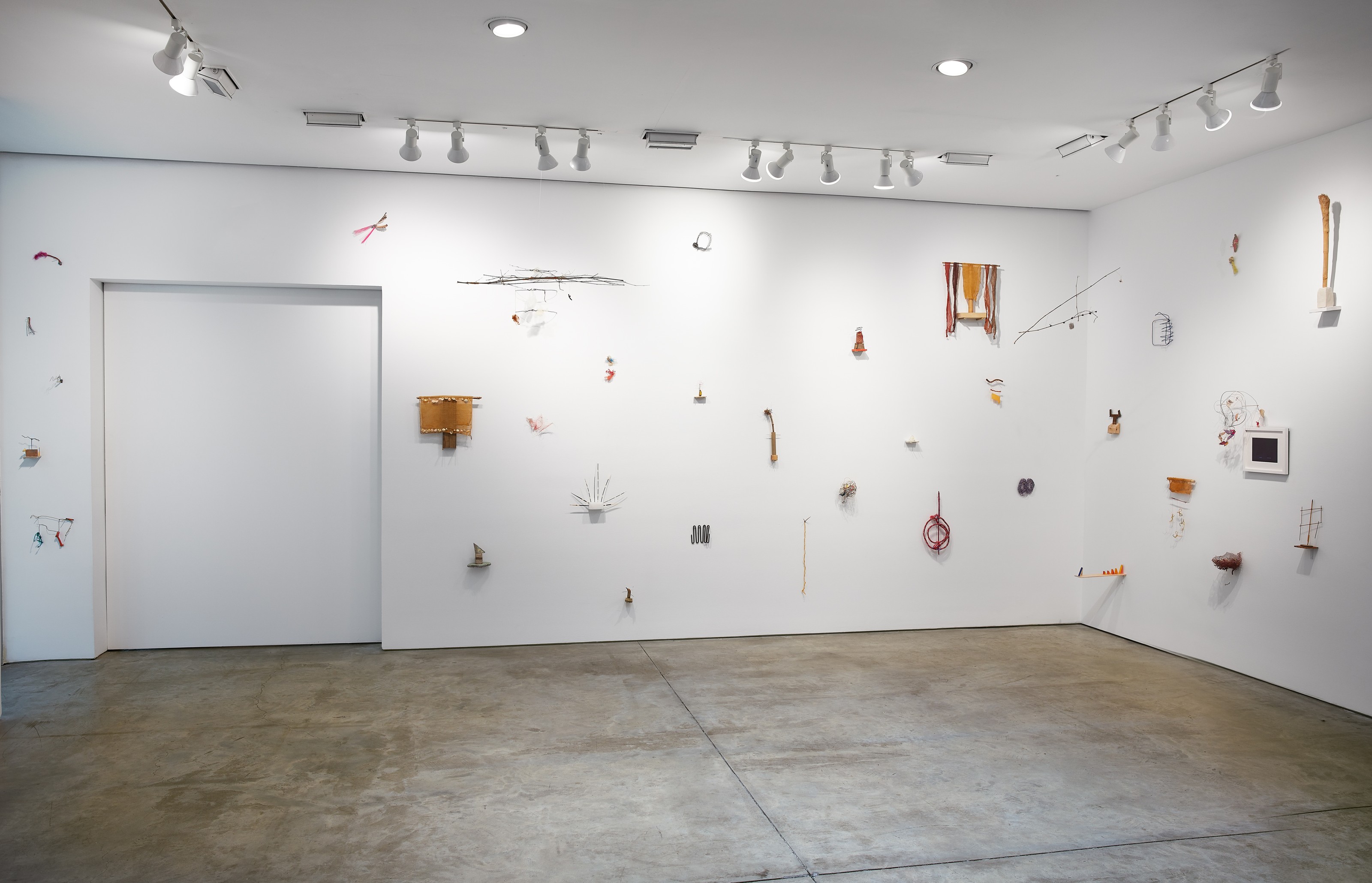
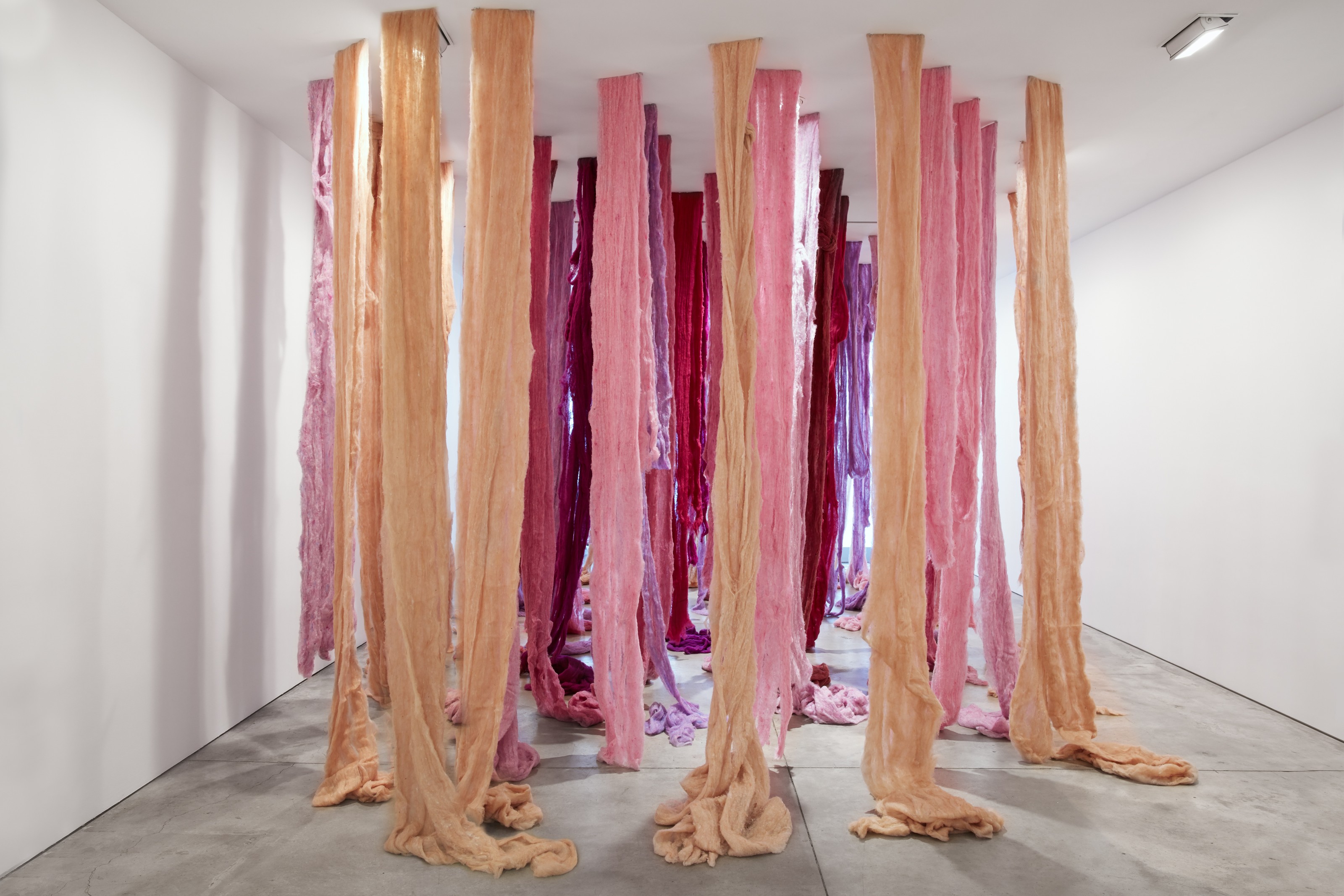
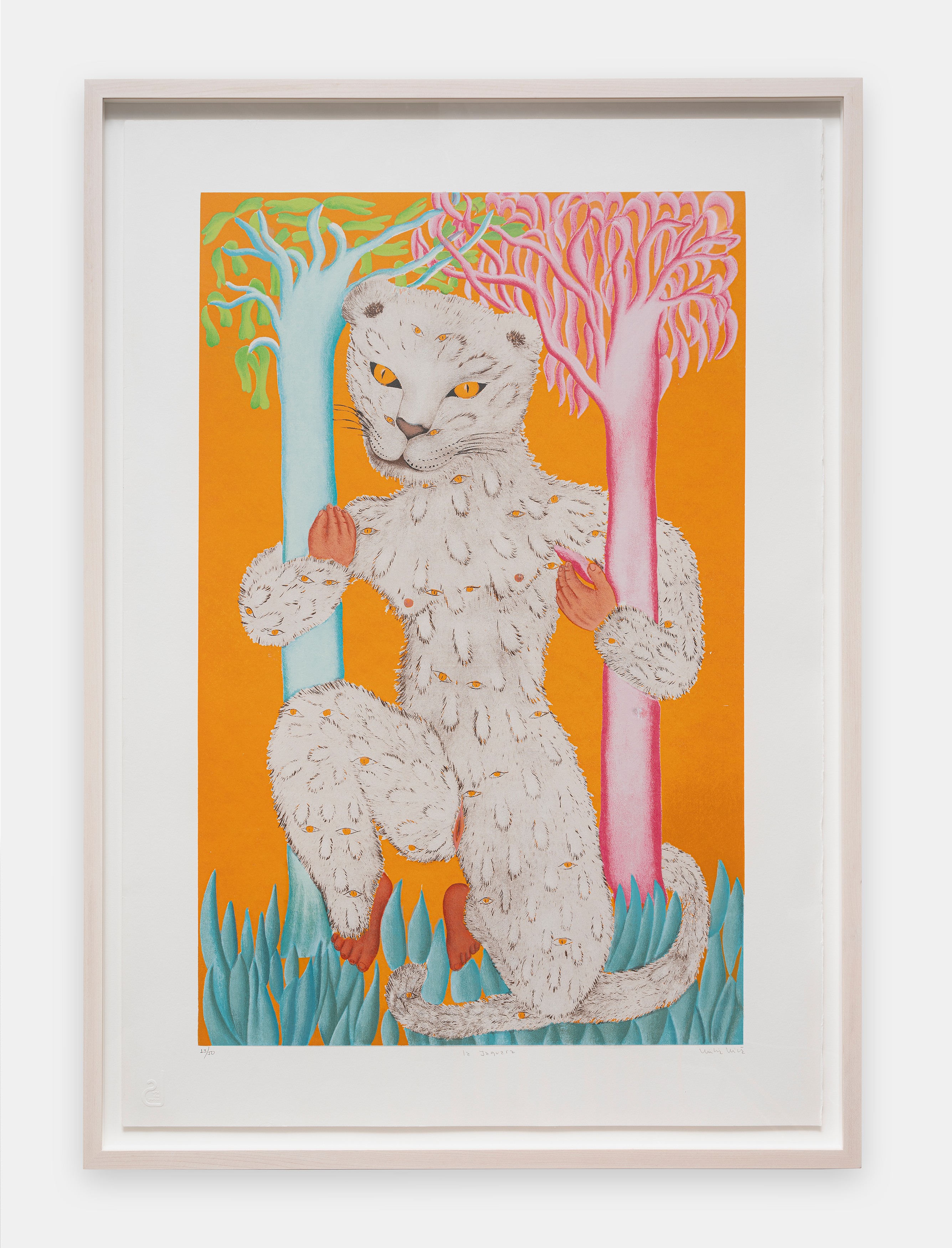
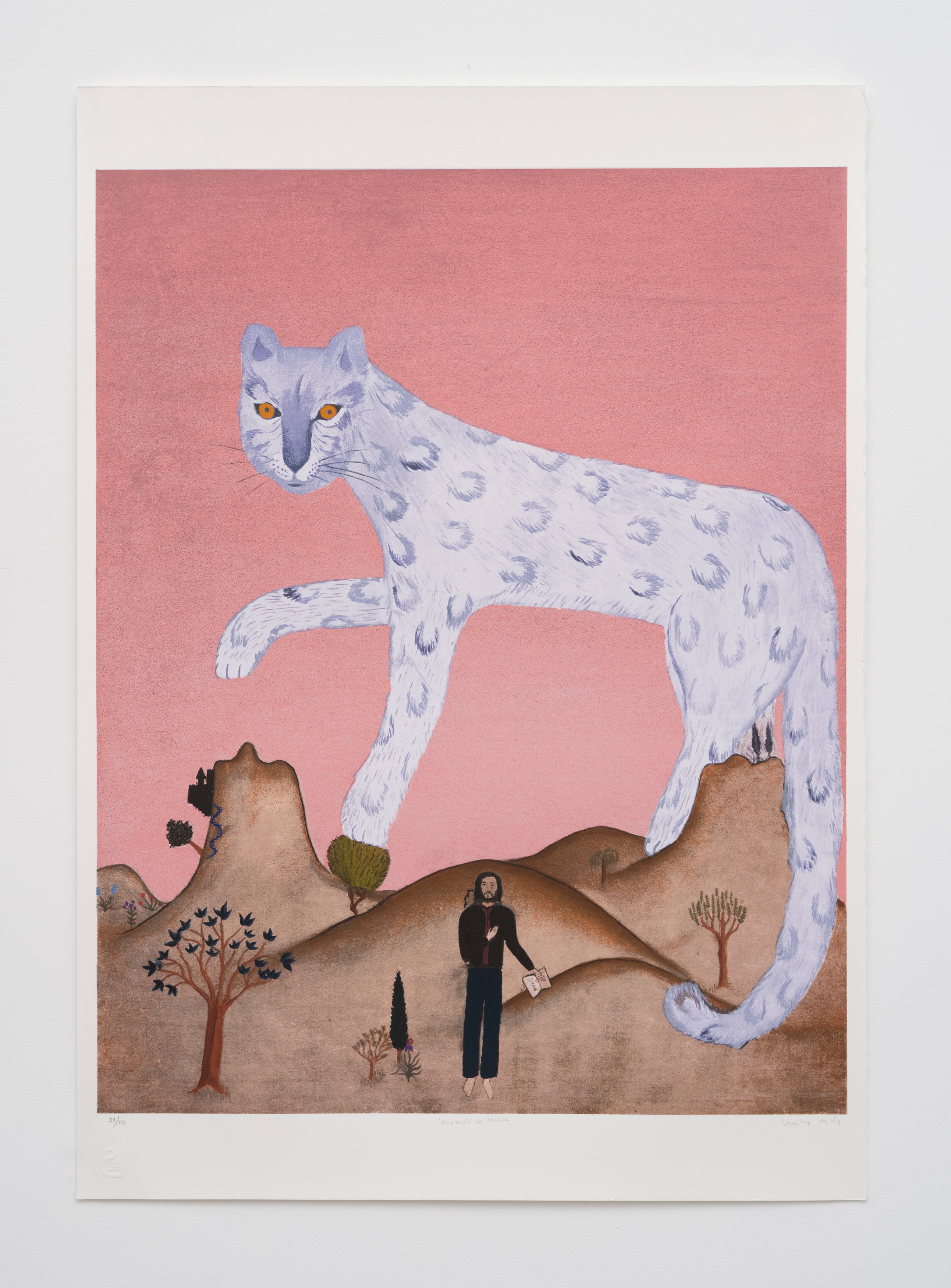
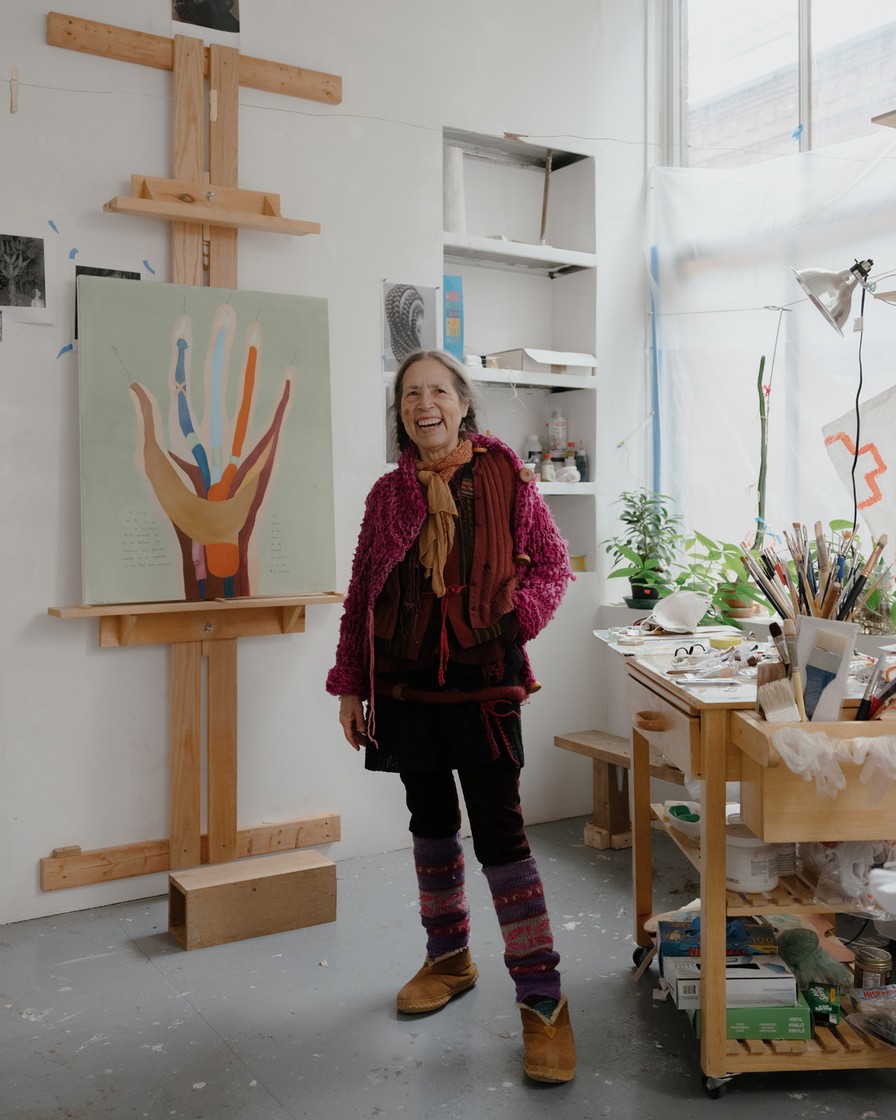
Cecilia Vicuña (b. 1948 in Santiago, Chile; lives and works in New York, NY and Santiago, Chile) integrates practices of poetry, performance, Conceptualism, and textile in response to pressing concerns of the modern world, including ecological destruction, human rights, and cultural homogenization. Born and raised in Santiago, she was exiled during the early 1970s after the violent military coup against President Salvador Allende. This sense of impermanence, and a desire to preserve and pay tribute to the indigenous history and culture of Chile, have characterized her work throughout her career.
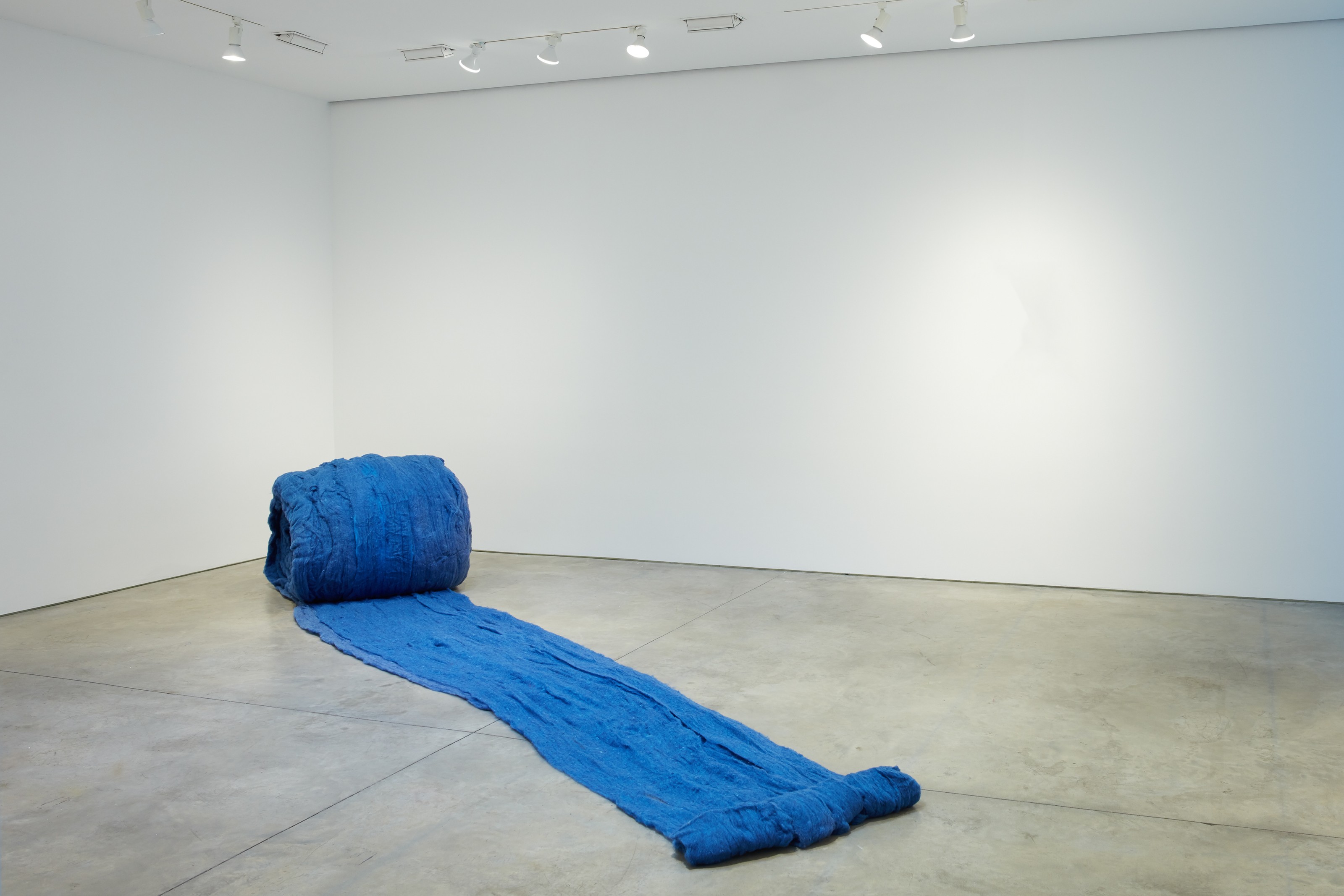
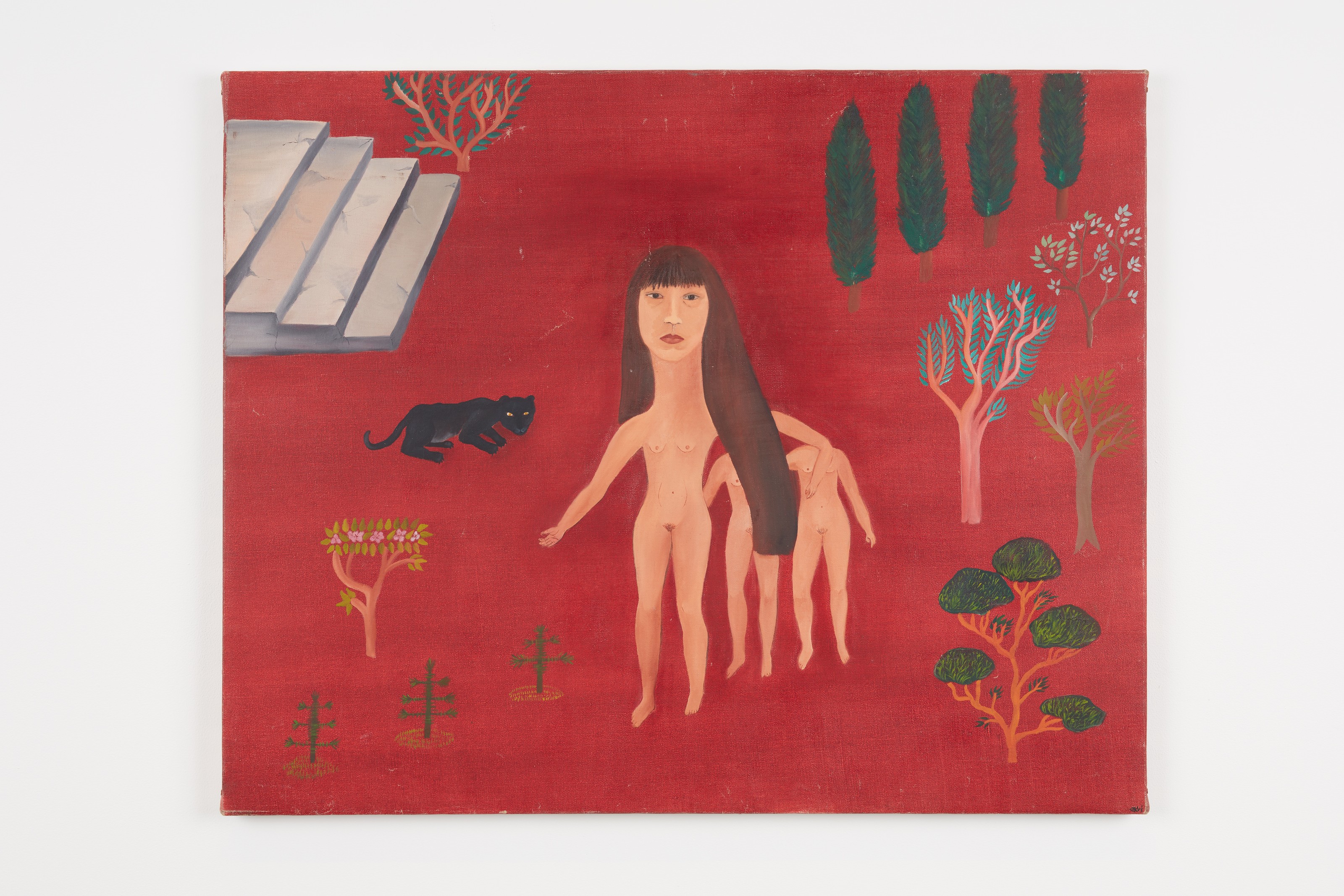
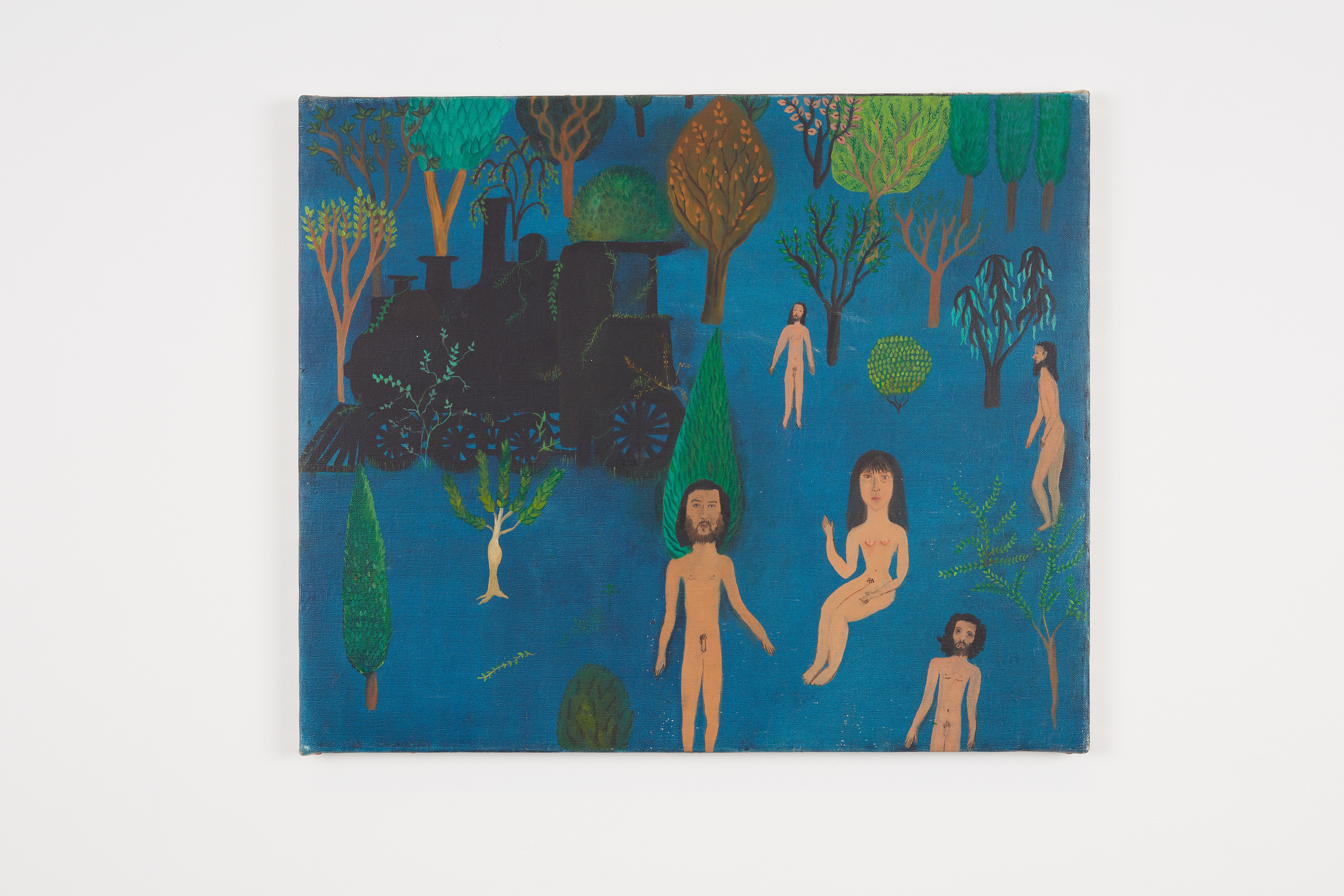
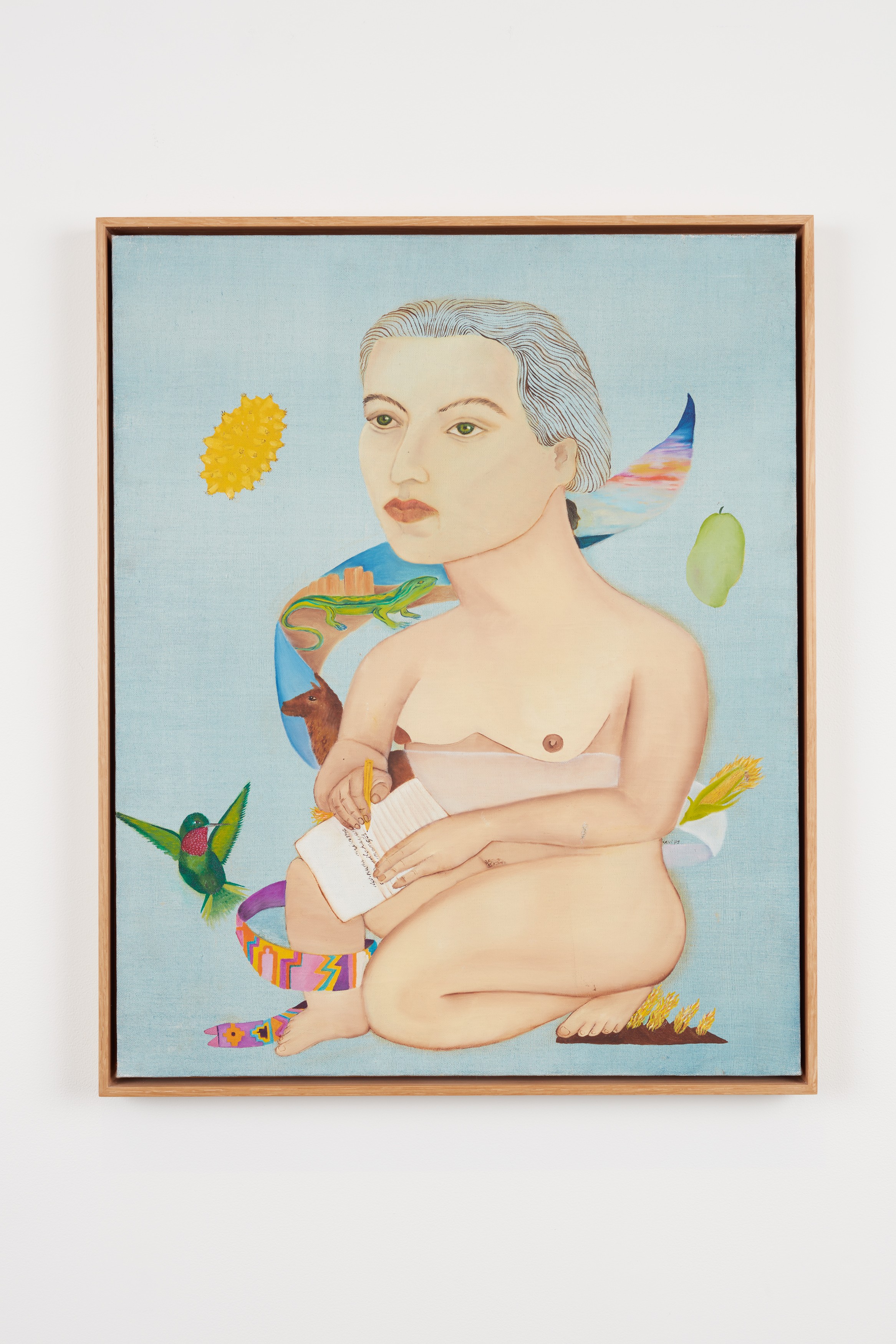
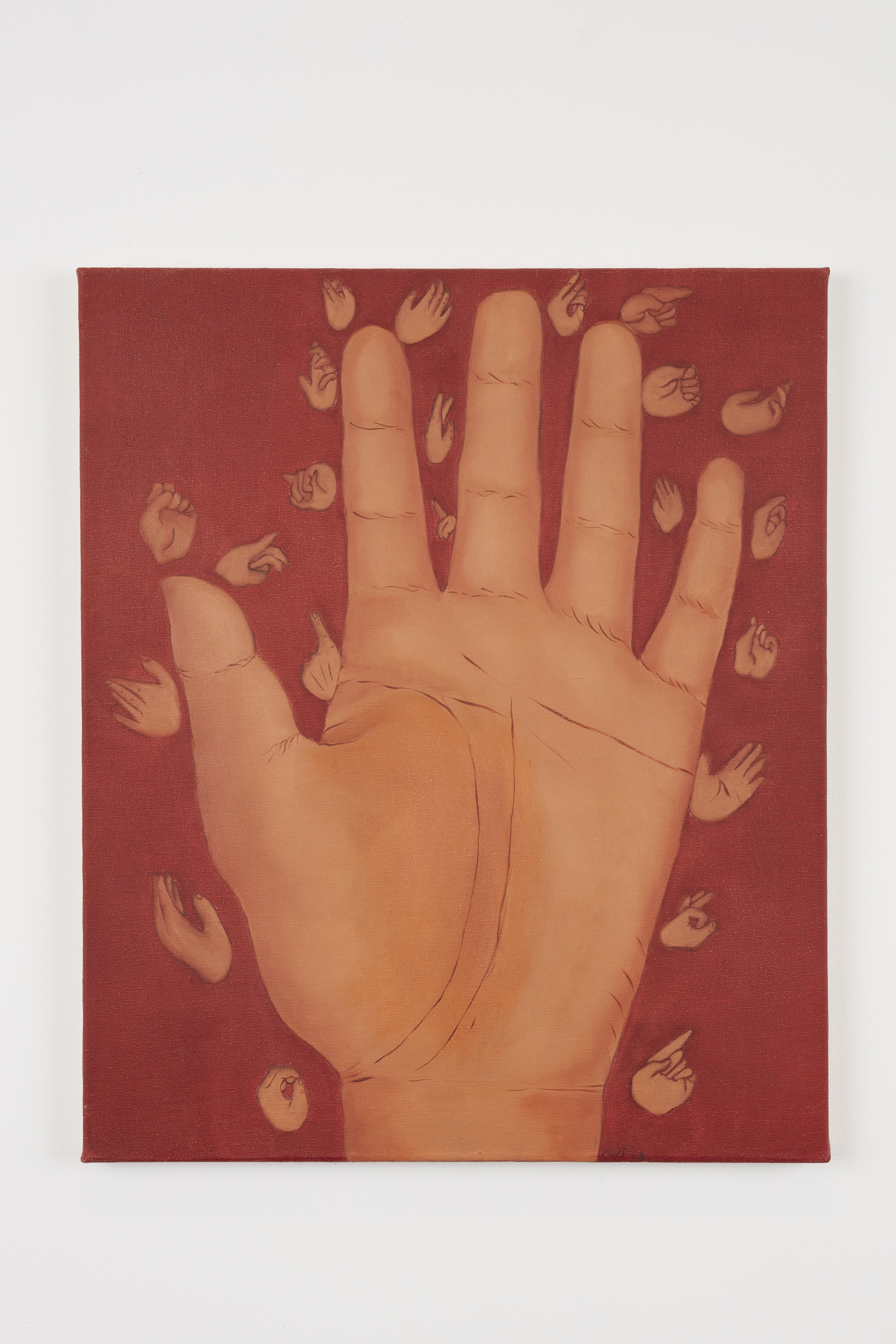
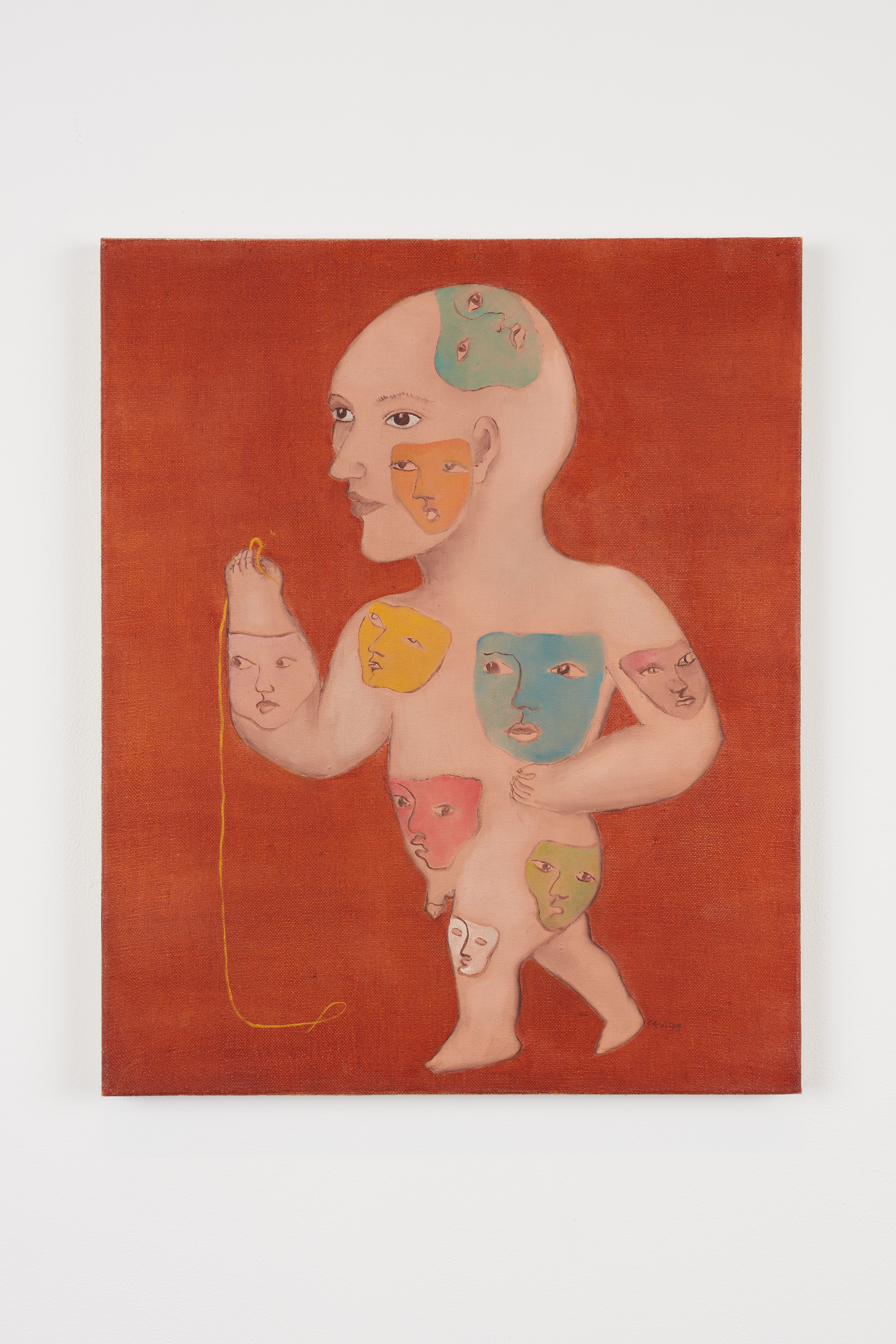
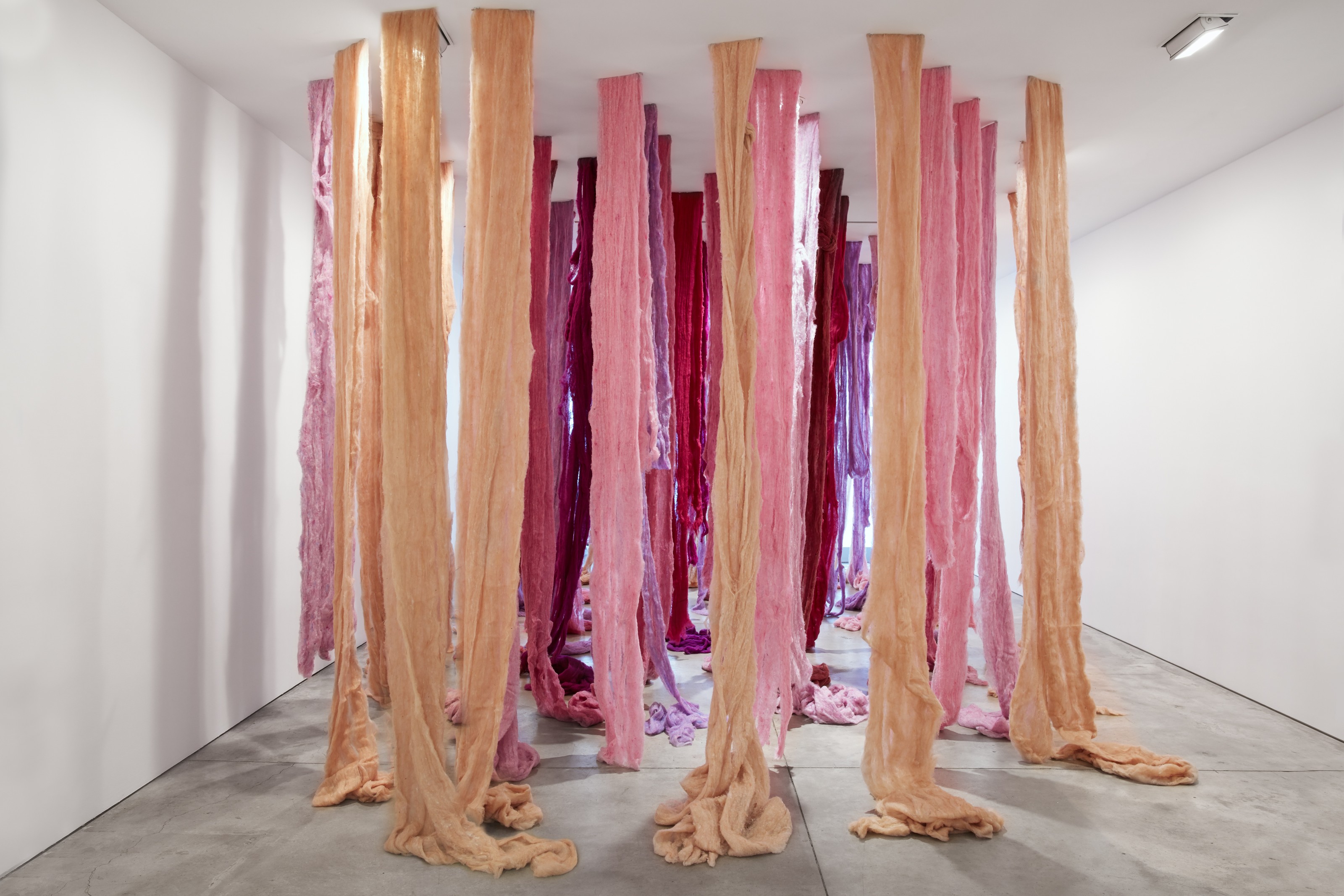
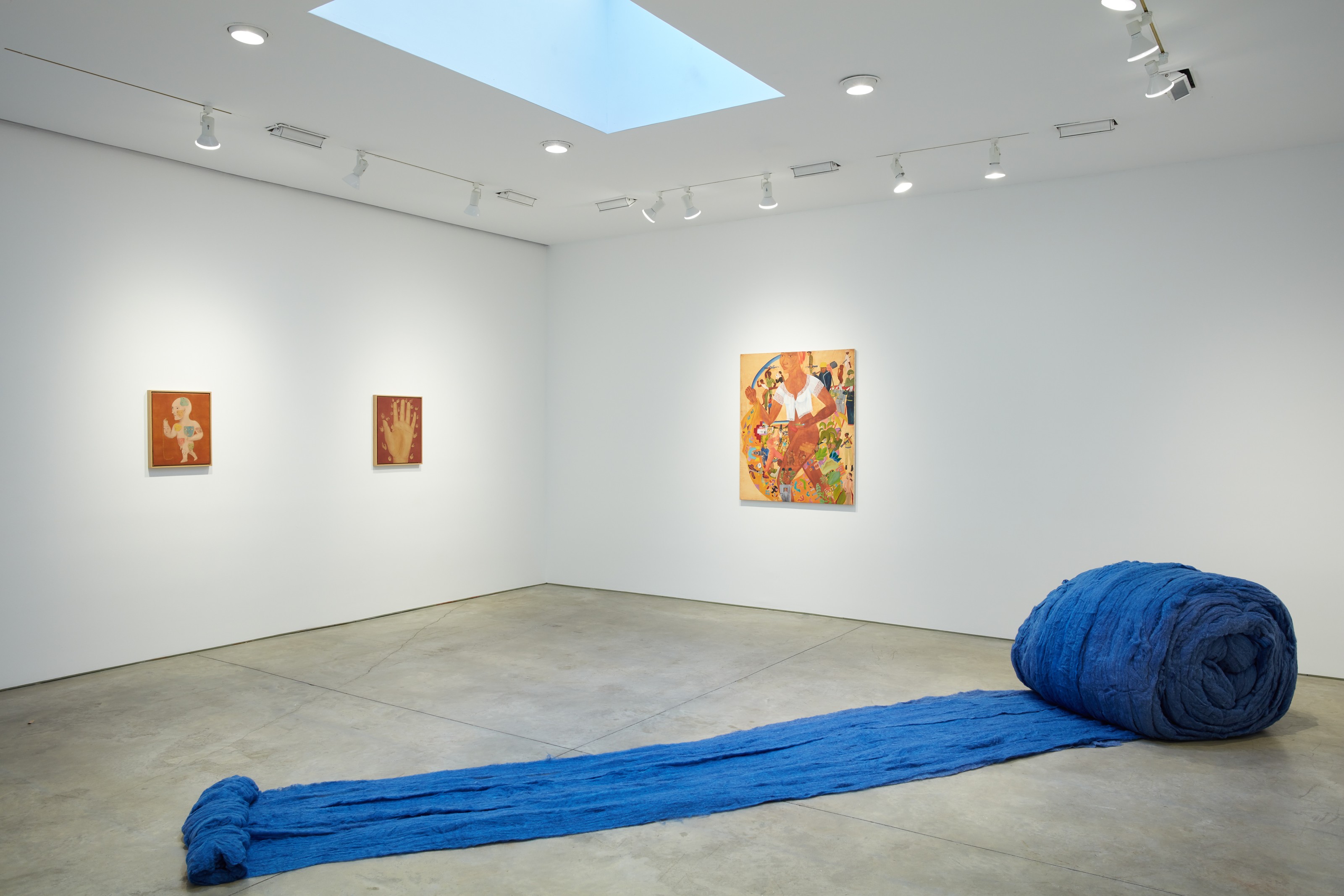
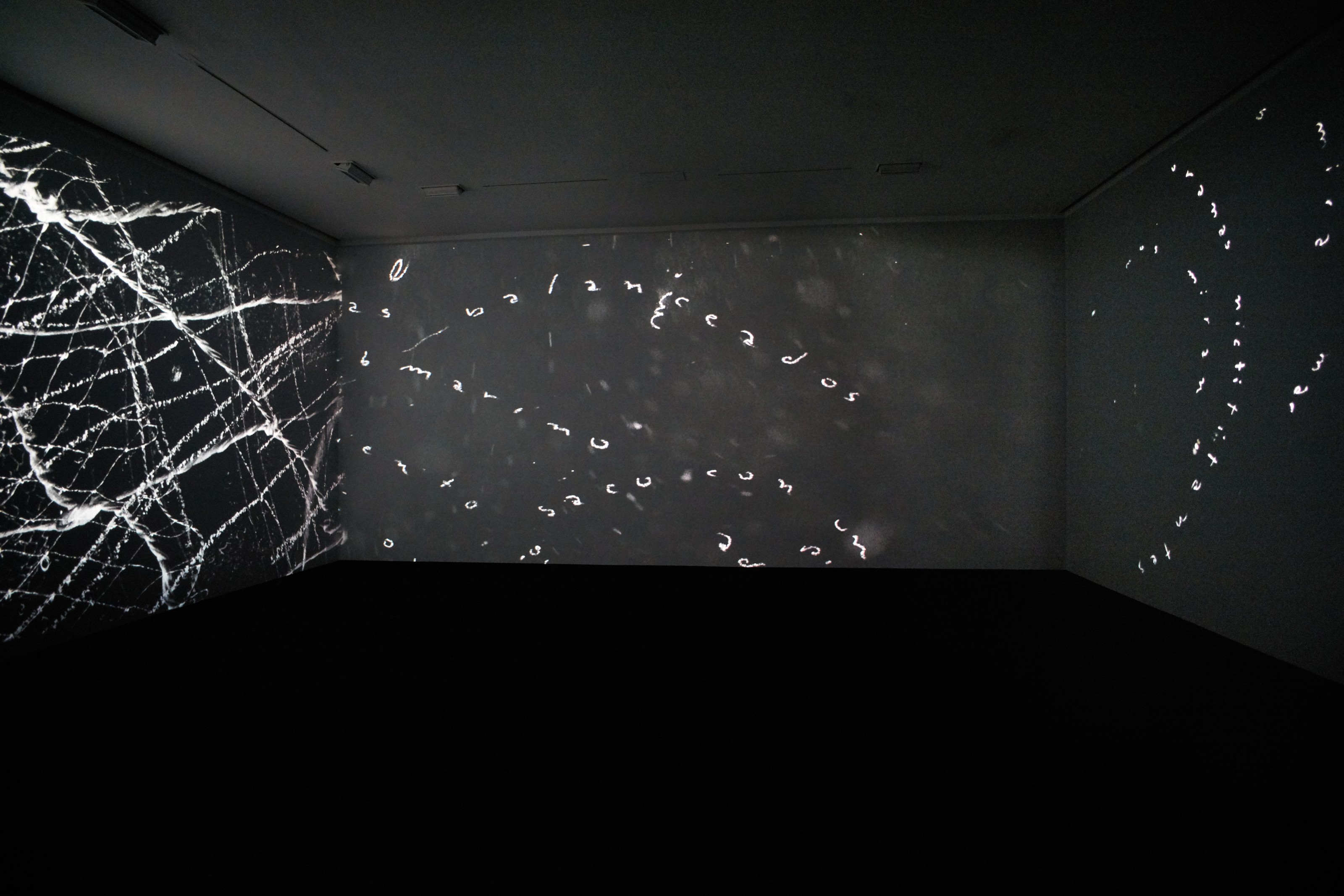
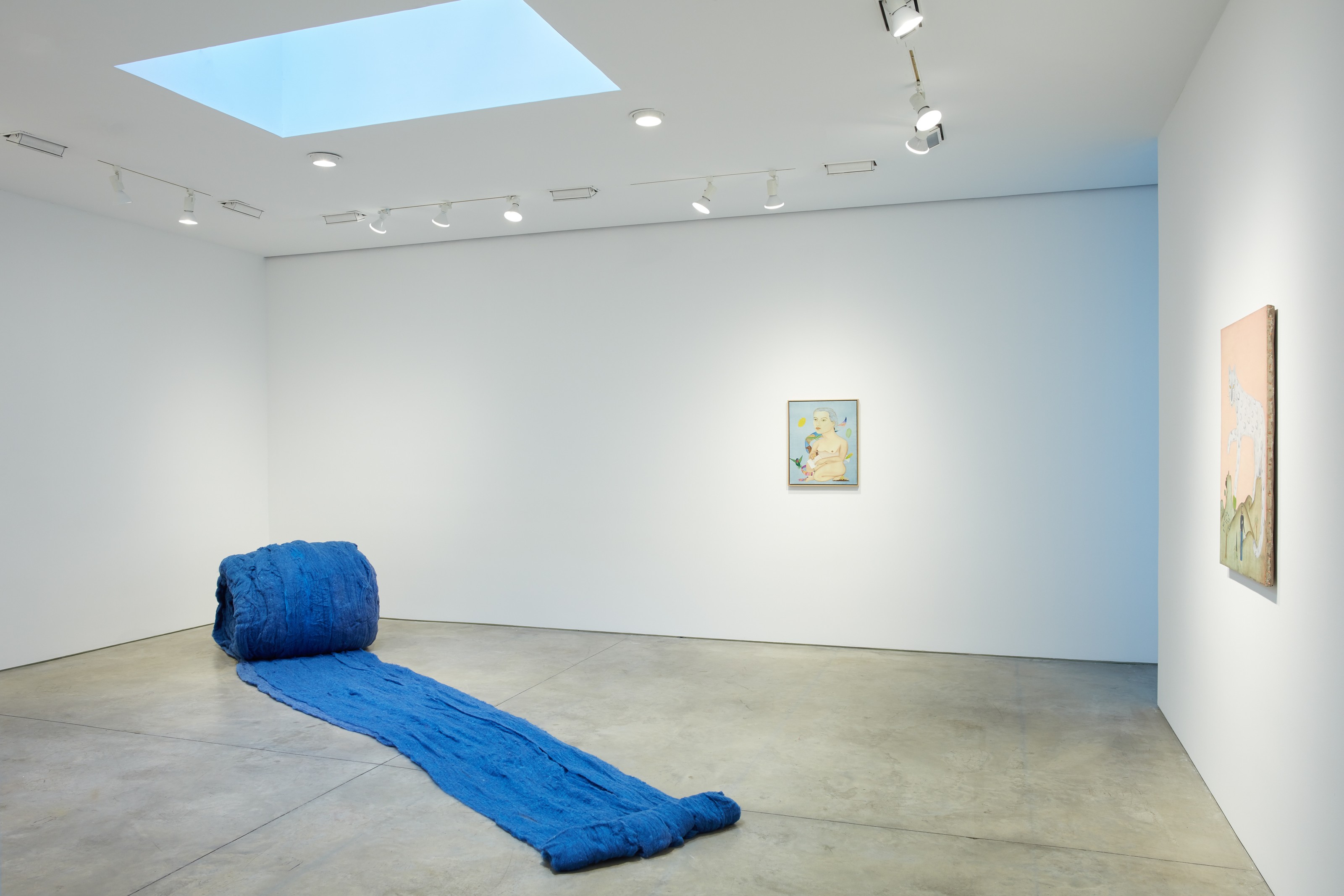
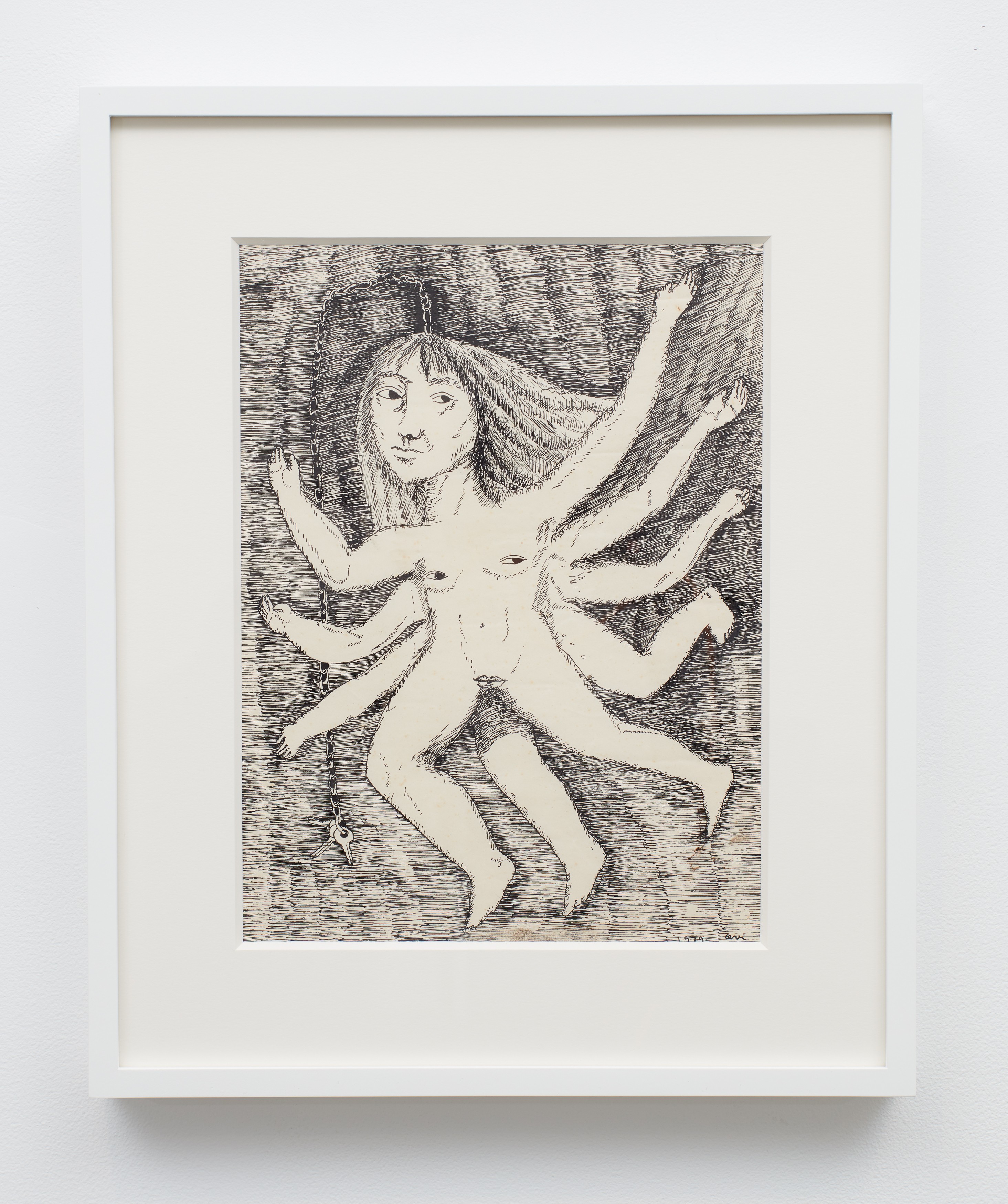
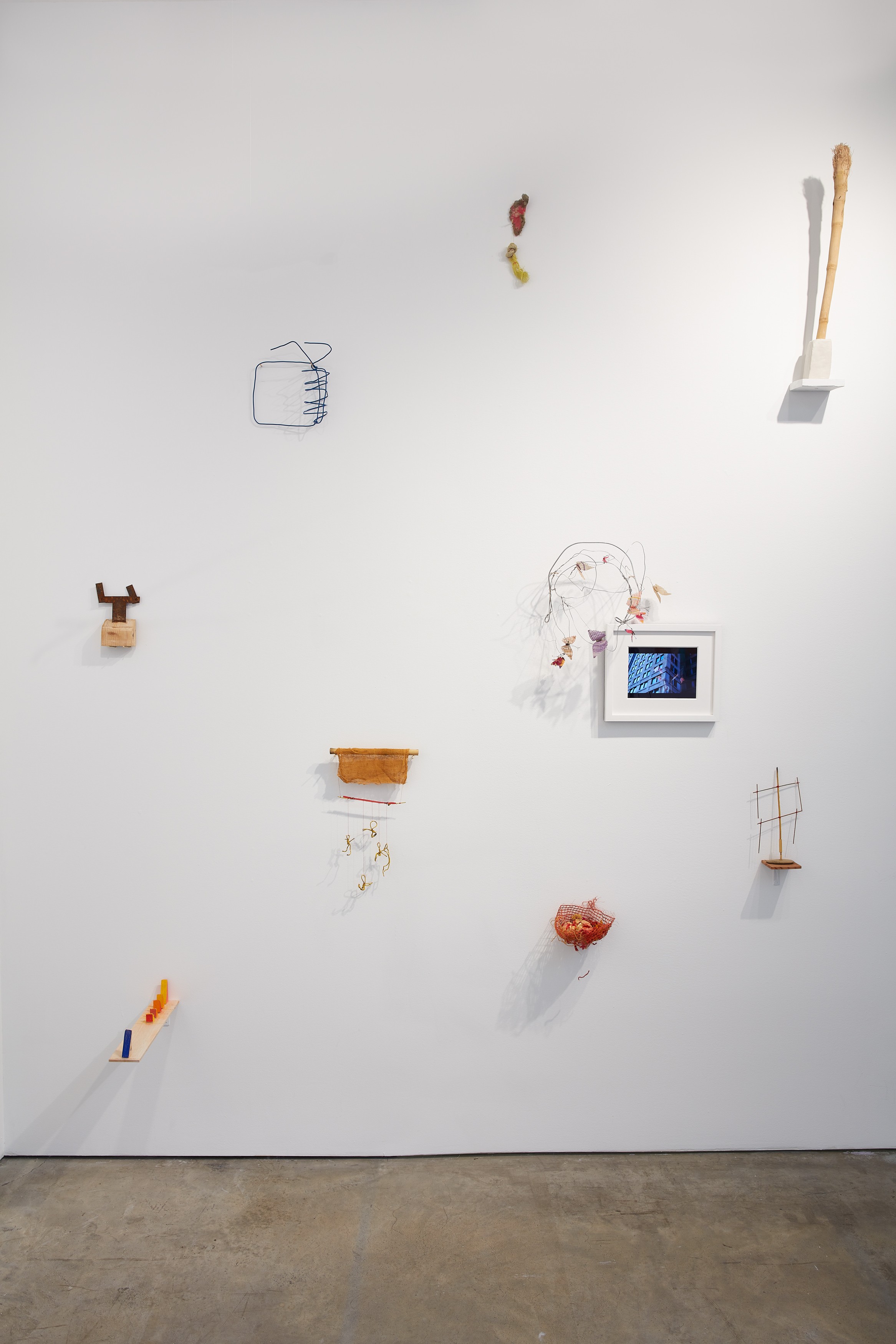
While living in Chile during the mid-1960s, Vicuña began an ongoing series of small sculptures she calls precarios, spatial poems in which she combines feathers, stone, plastic, wood, wire, shells, cloth, and other human-made detritus. She coined the term “Arte Precario,” as an independent autonomous category, to name these works defined by their fragility and ephemerality: Vicuña initially composed the precarios along the ocean’s edge, for high tide to complete the work by erasing it. Around the same time, Vicuña came across ancient quipus in a book—and this Andean communication system involving the knotting of colored strings, generated a deep response in her. In the early 1970s she began creating spatial weavings and living quipus, which evolved into her Quipus in multiple materials, including unspun wool. These ephemeral, site-specific installations combine the tactile ritual of weaving with assemblage, poetry, and performance. Vicuña’s surreal figurative paintings of the late 1960s and 1970s are more explicitly personal and political in comparison to her other bodies of work and were created in direct response to European colonization. Their highly charged imagery refers to the subtly subversive images made by 16th-century indigenous artists in Latin America after the Spanish conquest, when they were forced to paint angels and saints for the Catholic church. In Vicuña’s paintings, religious icons are replaced by personal, political, and literary figures, commemorated and mythologized by the artist.