Skip to content

Multiple Artists

be/longing

Hong Kong

Jun 26–Aug 15, 2020

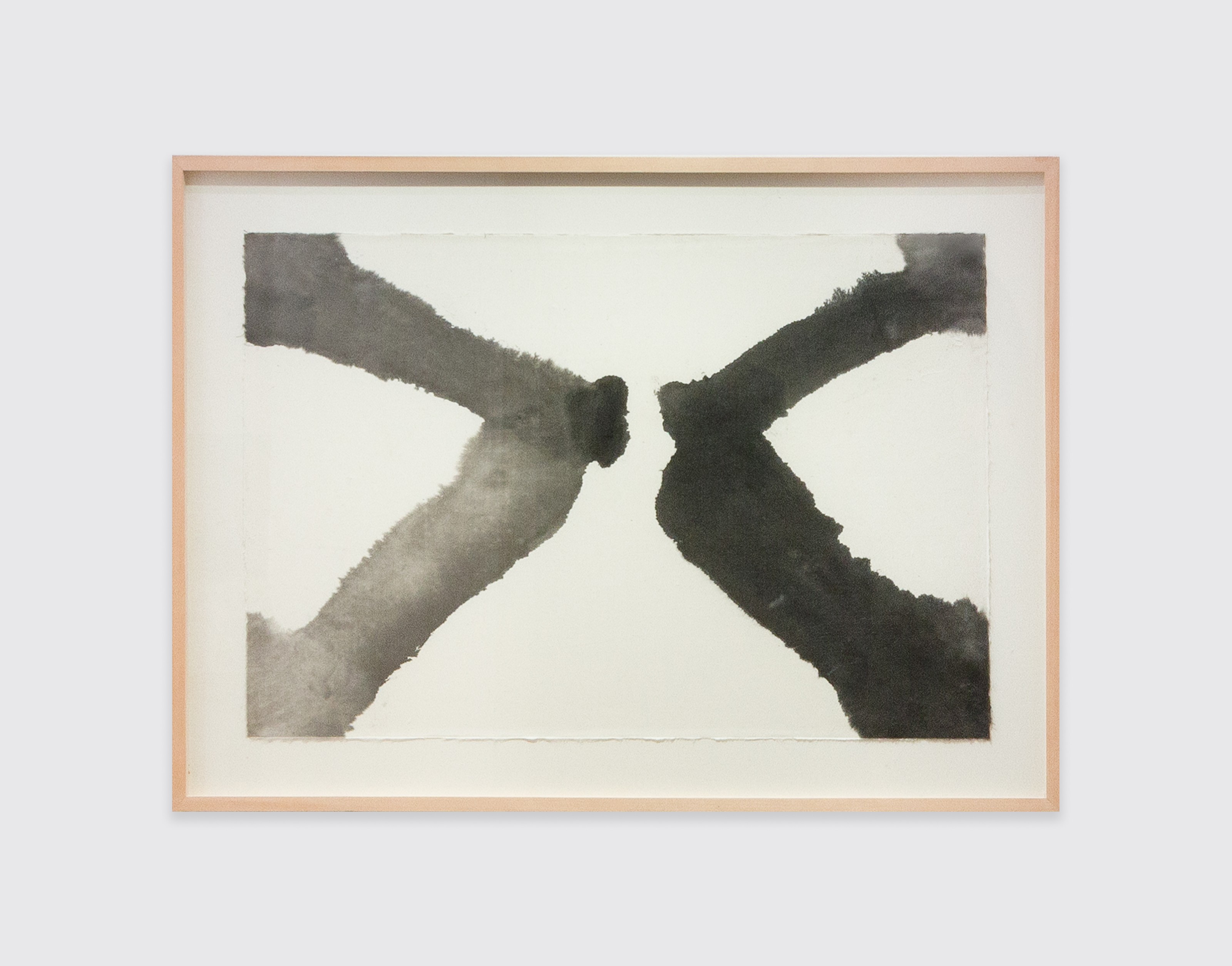
Work on paper by Suh Se Ok

12 Pedder Street

Central, Hong Kong

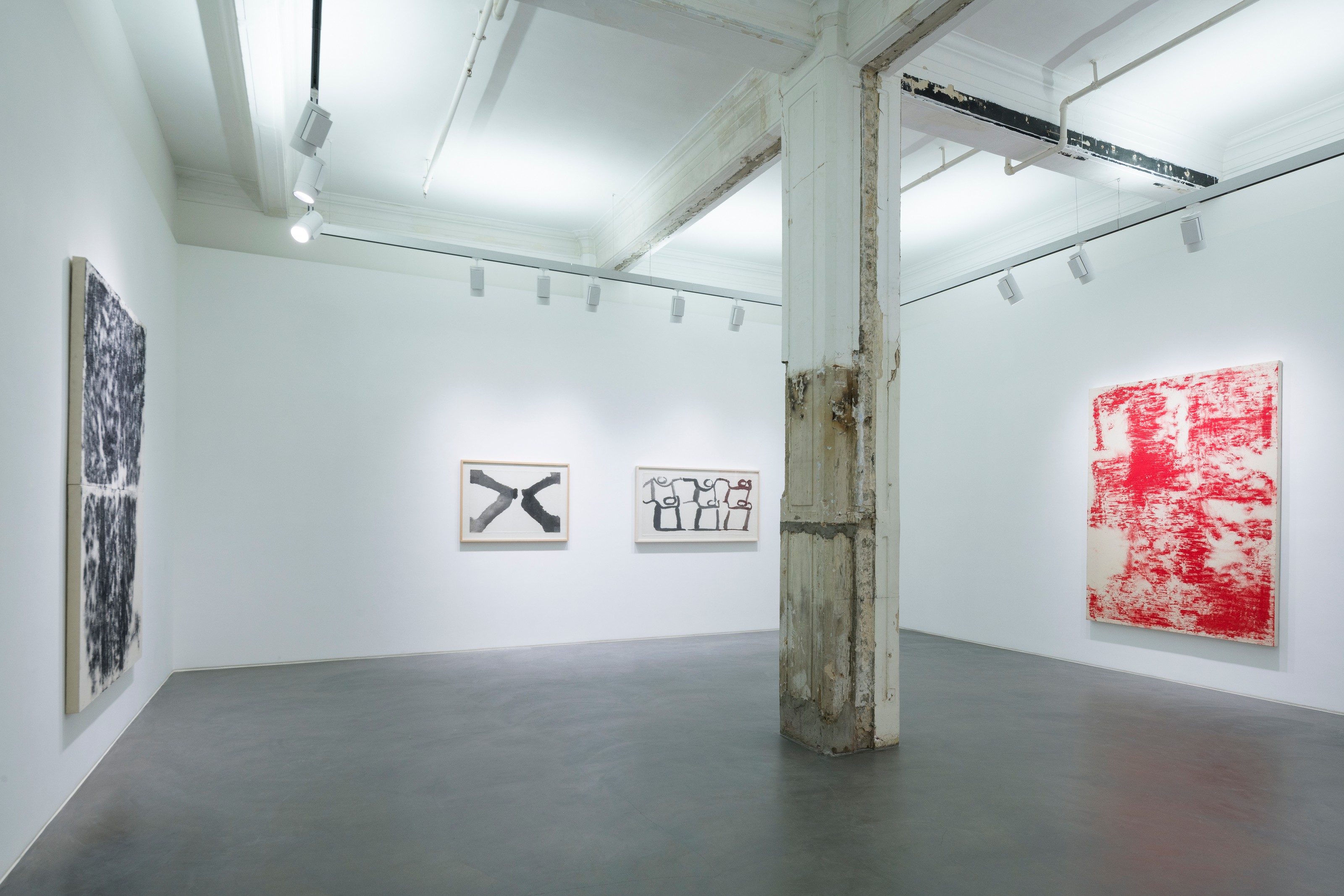
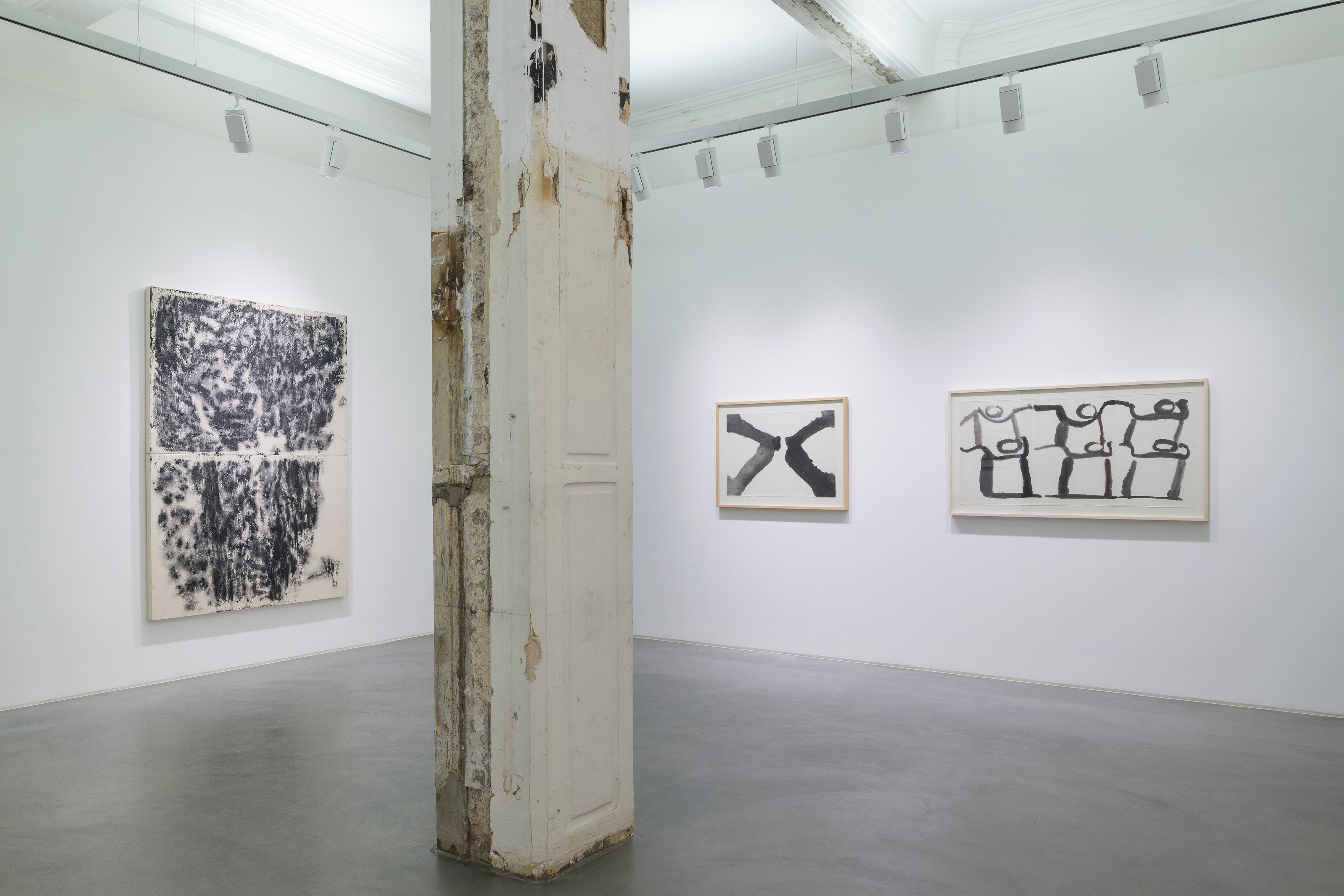
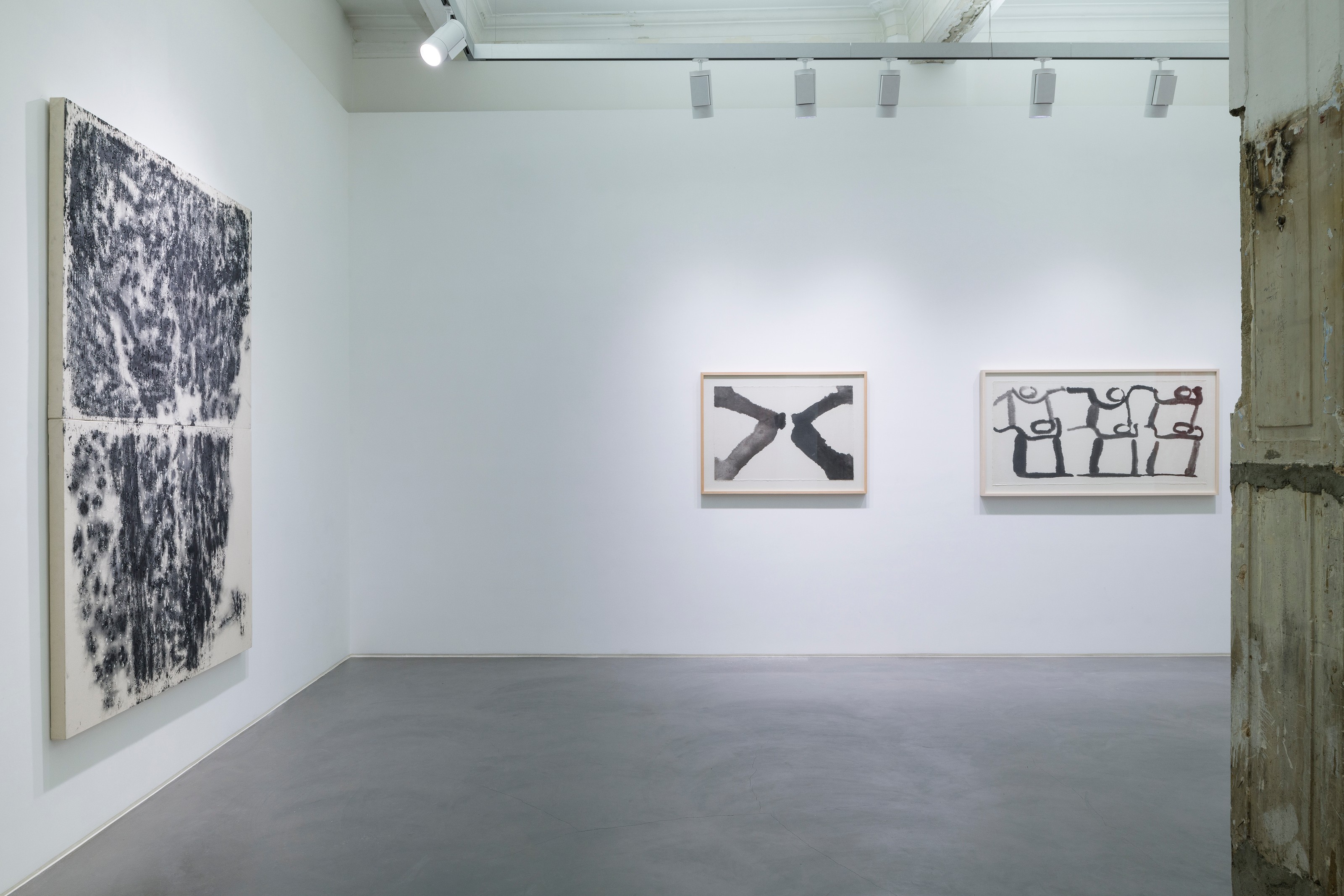
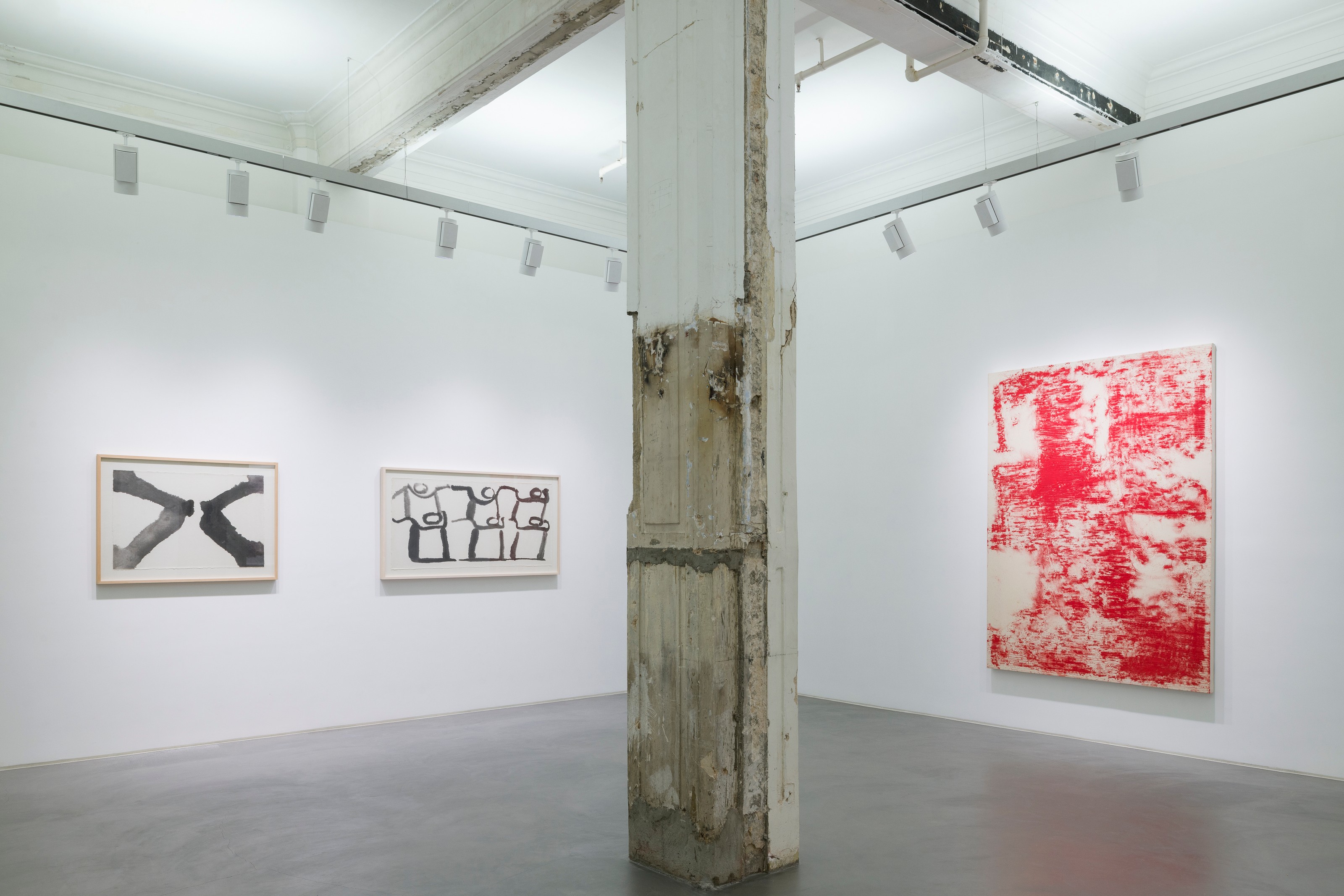
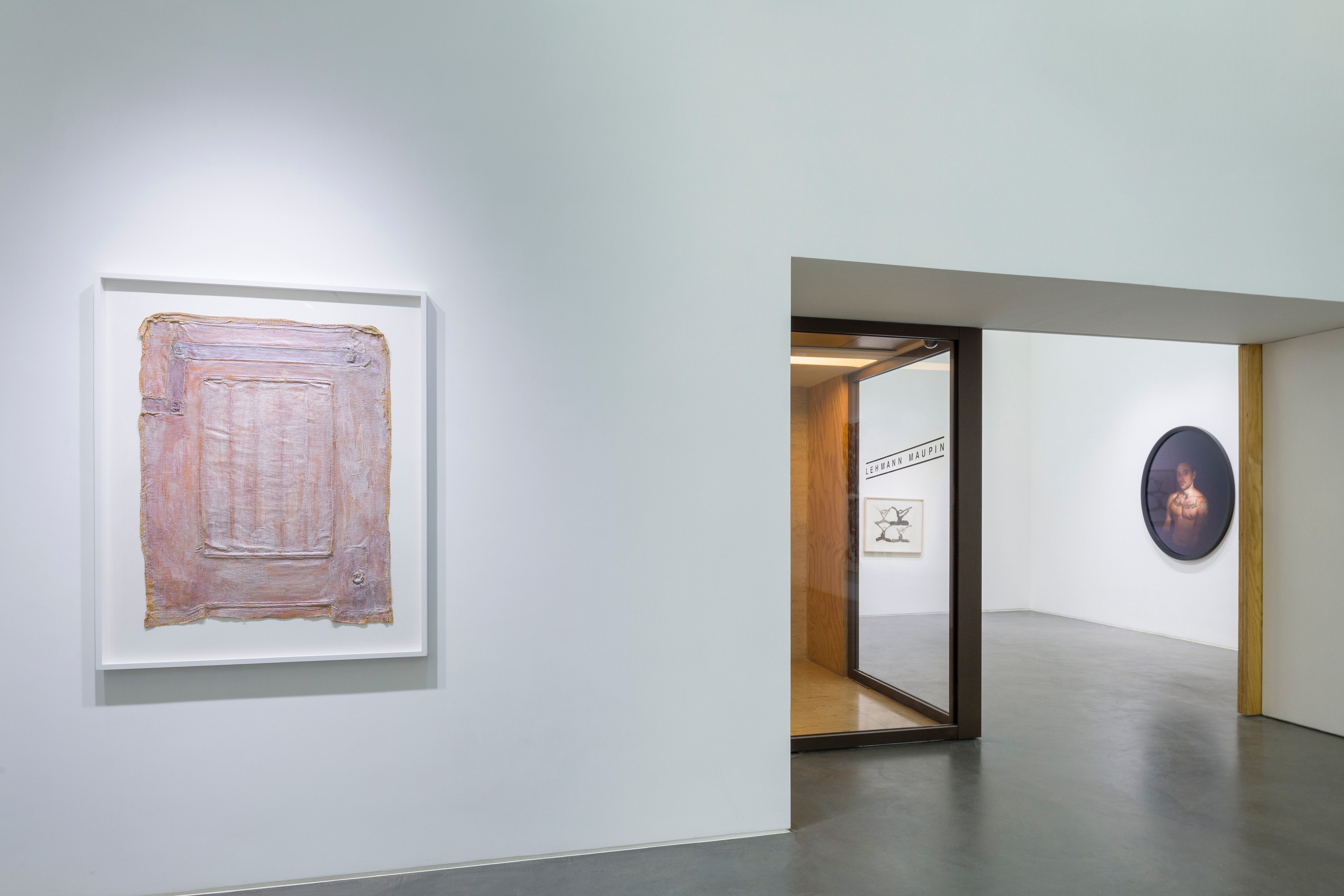
Lehmann Maupin Hong Kong is pleased to announce be/longing, the first exhibition since the global onset of the COVID-19 pandemic. The exhibition will feature latex sculpture, photography, works on paper, and painting by Heidi Bucher, Catherine Opie, Angel Otero, and Suh Se Ok. In light of the recent self-isolation measures taken across the globe, this exhibition examines the myriad ways each artist has dealt with feelings of alienation stemming from gender and sexual orientation discrimination, the longing for family and home, and feeling distance from a community. The title’s play on words evokes the human need to feel a sense of belonging as well as the universal longing for companionship and connection in moments of isolation.

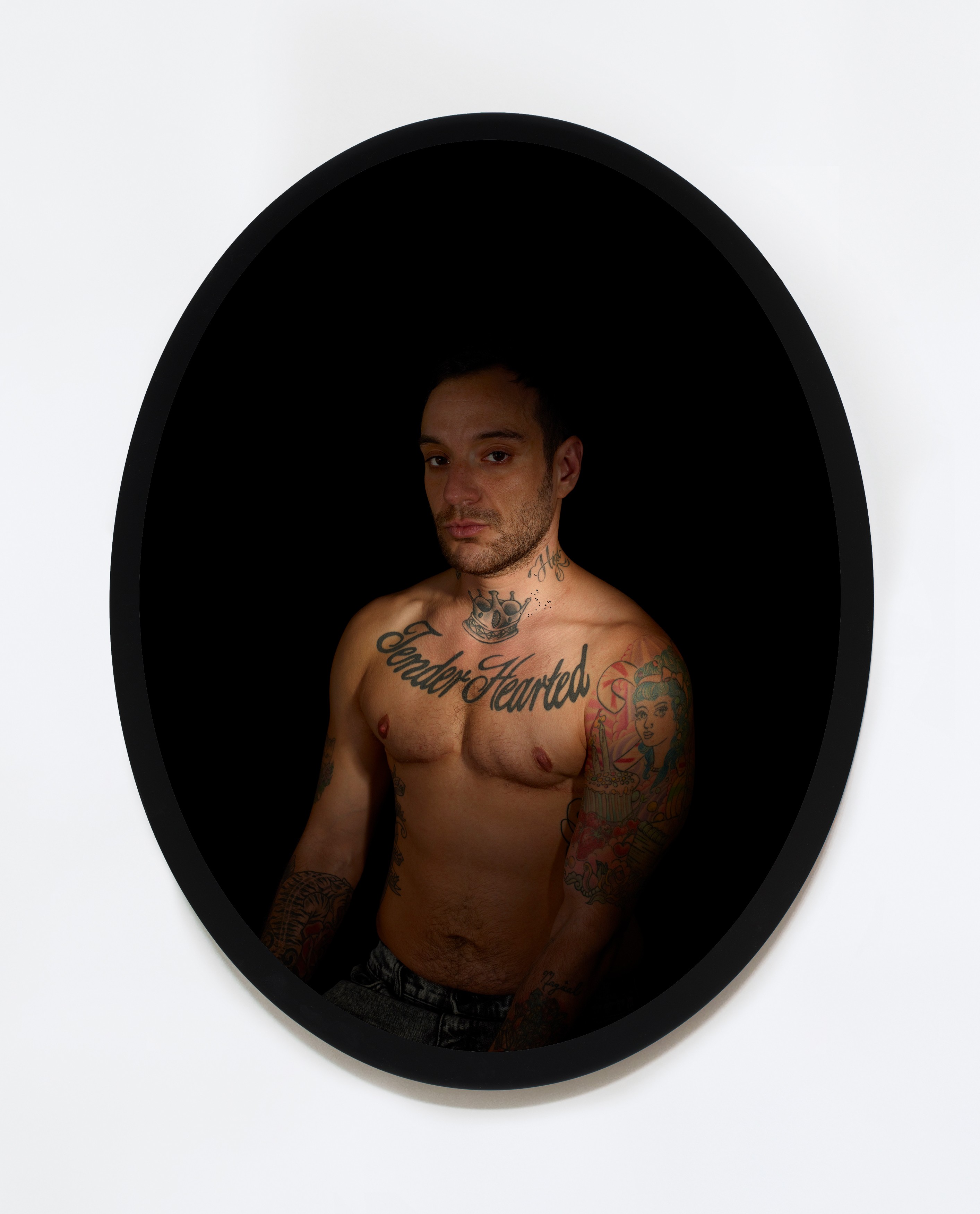
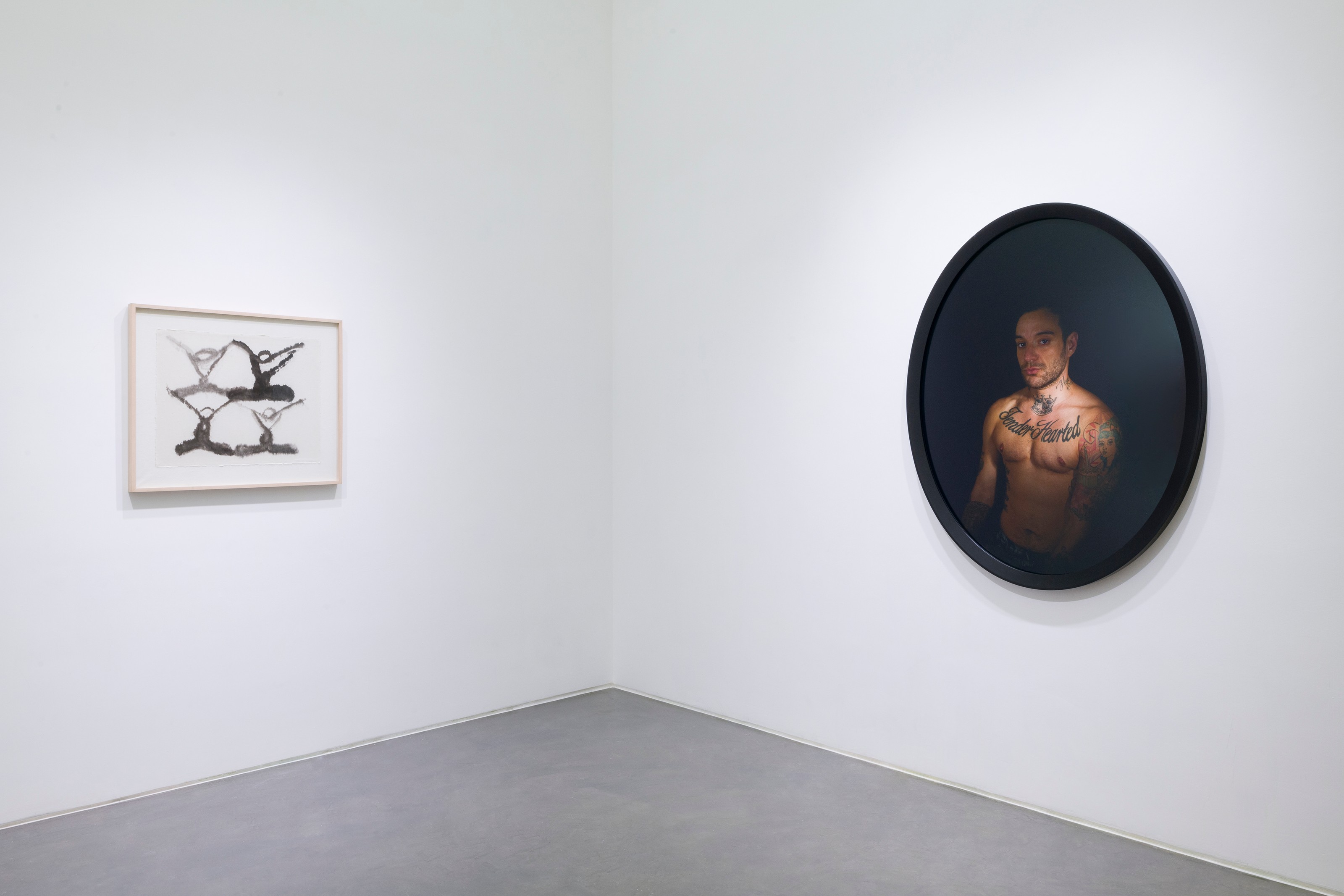
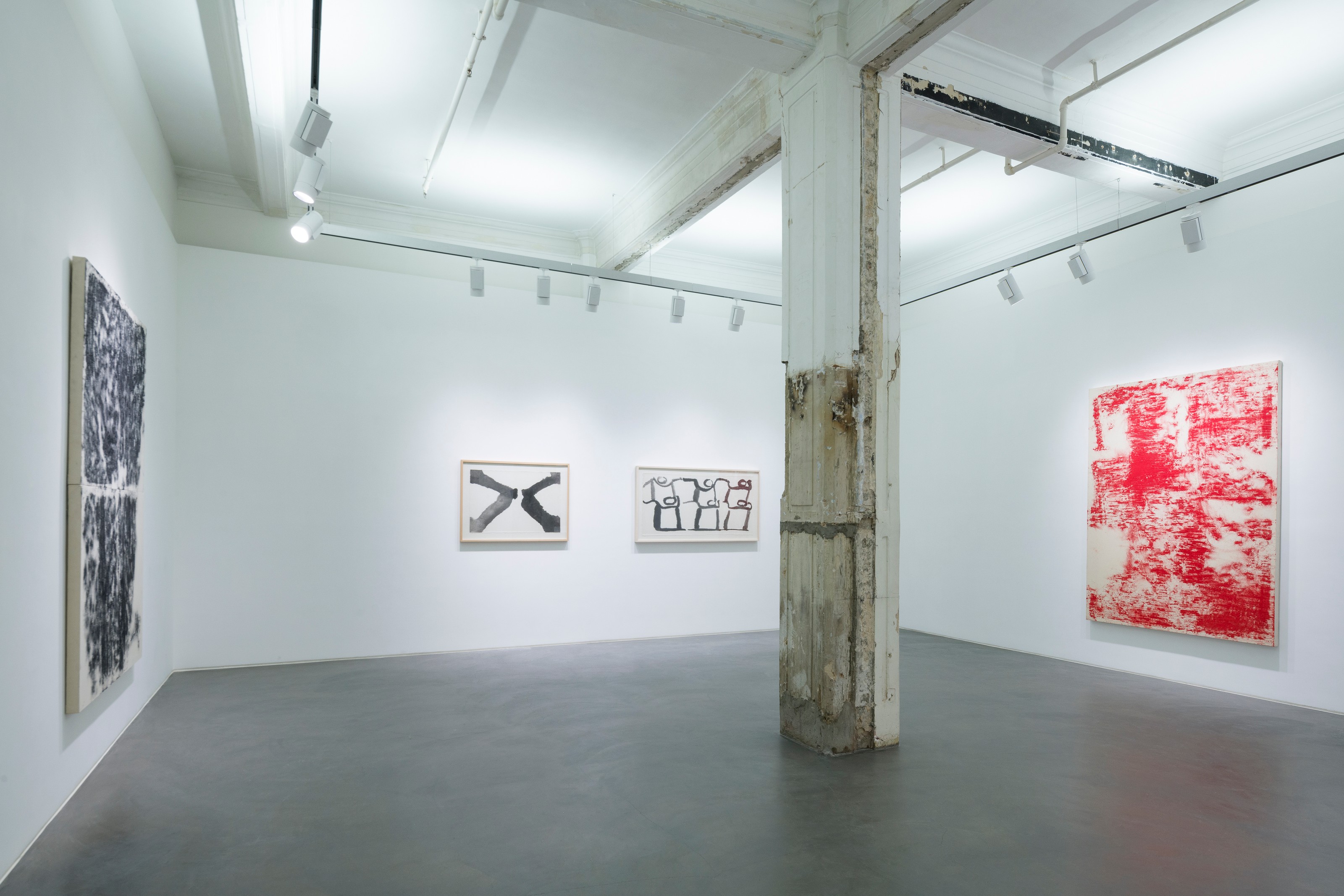
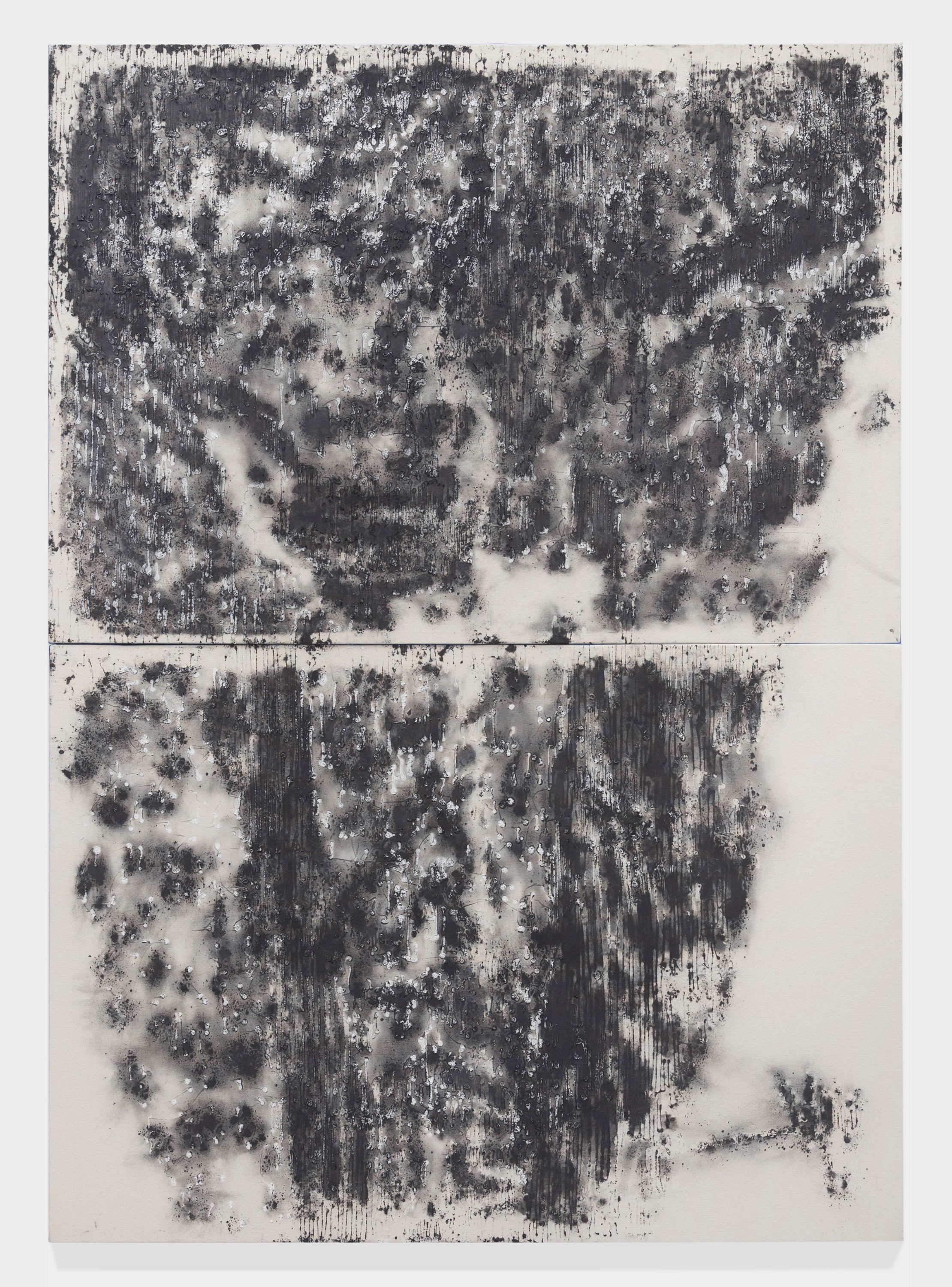
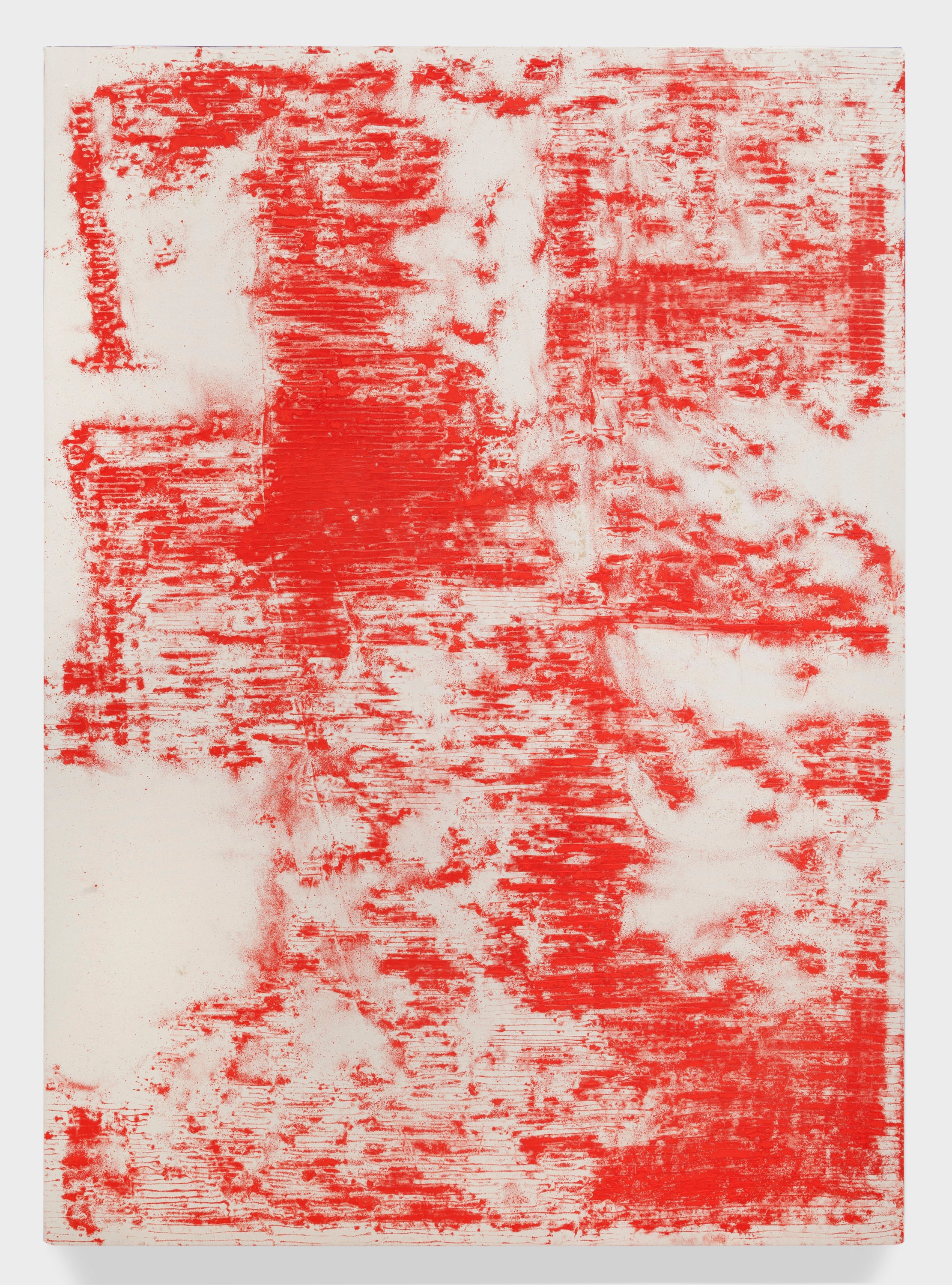
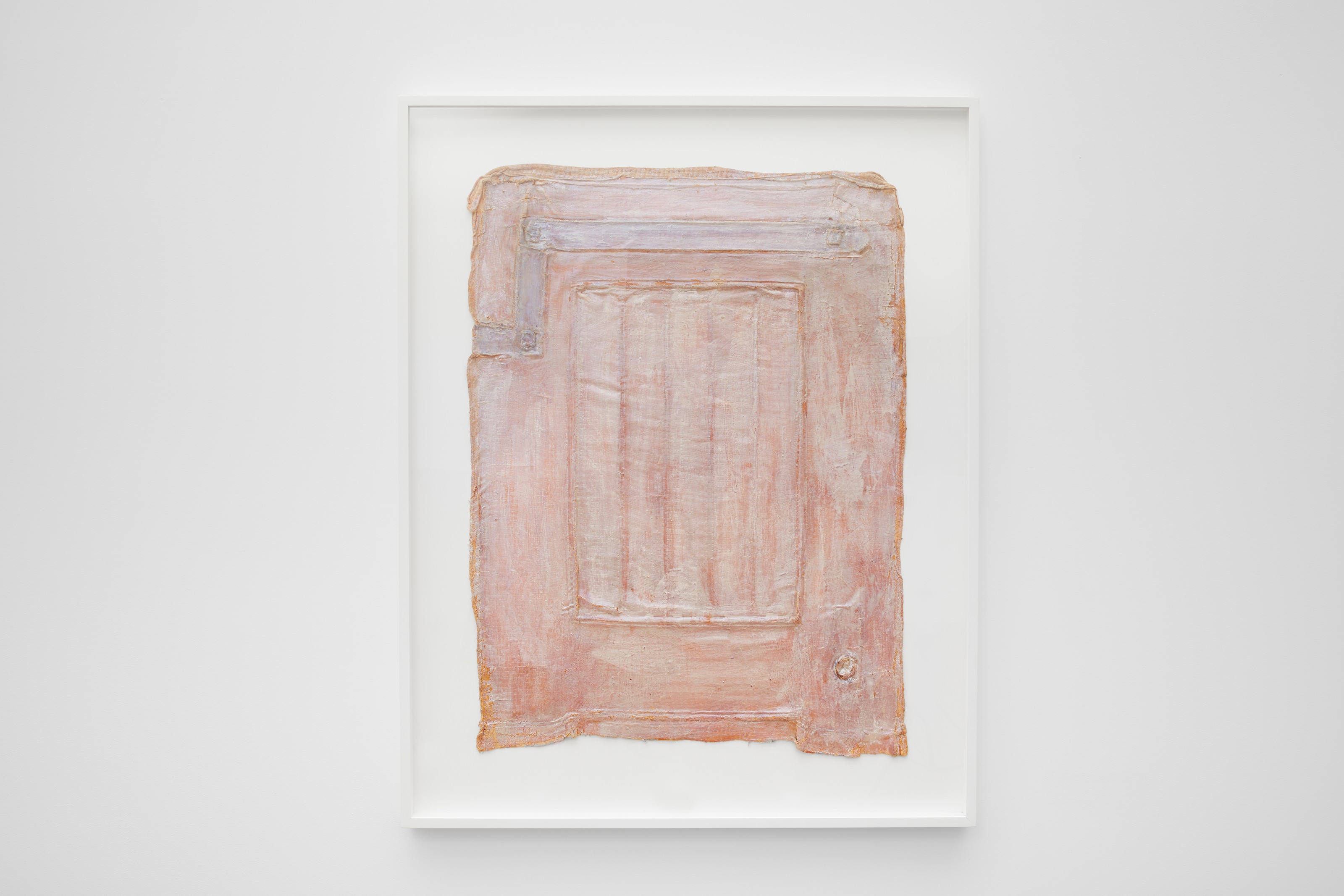
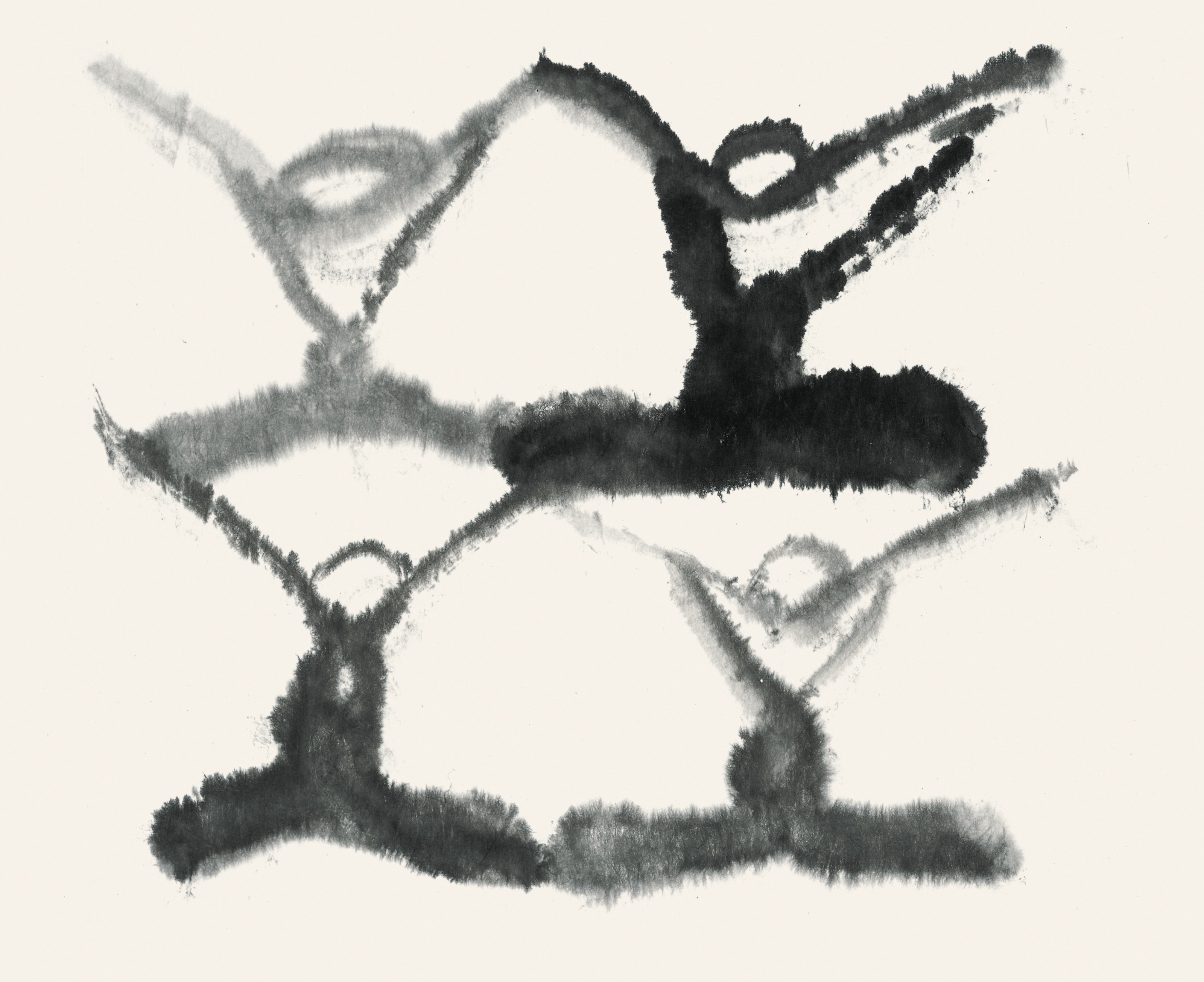
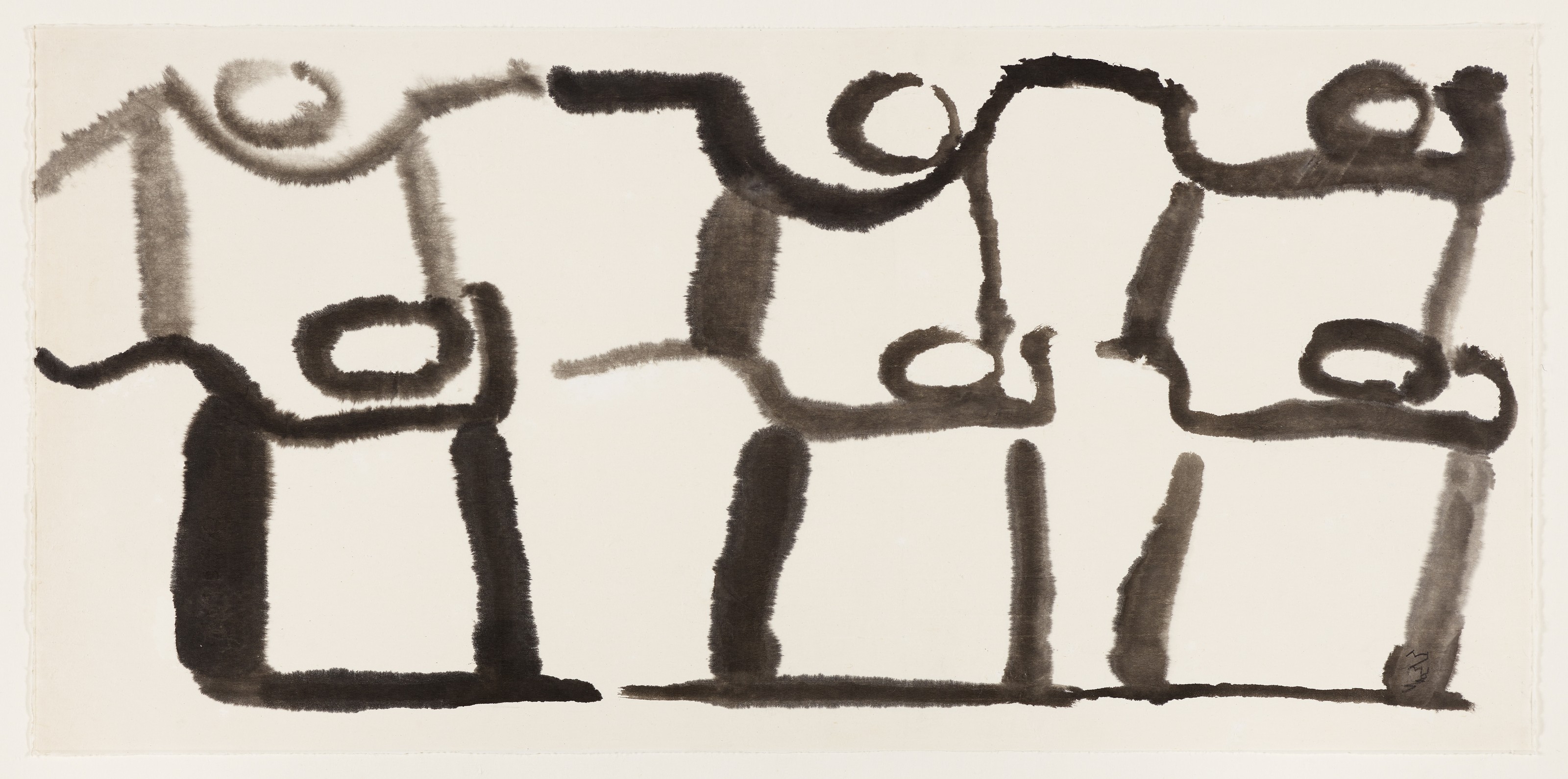
Each of the artists featured in be/longing engages with the themes of connection, belonging, and isolation in their own way. Opie creates regal portraits of the LBGTQ+ community to bring visibility to an often underrepresented group, while Otero creates abstract representations of family and friends through a labor-intensive process that employs silicone and graphite dust to explore the amorphous nature of memory and how it changes over time. Suh strips the human figure down to its bare essentials, creating a series of ink on paper works depicting solitary or linked figures that represent the relationship between the individual and the community, while in Bucher’s work, the figure is completely omitted―the artist uses latex to capture the imprint of domestic spaces and objects, which hold the residue of their occupants.

Installation view of be/longing at Lehmann Maupin Hong Kong
Installation Views: 1 of 6
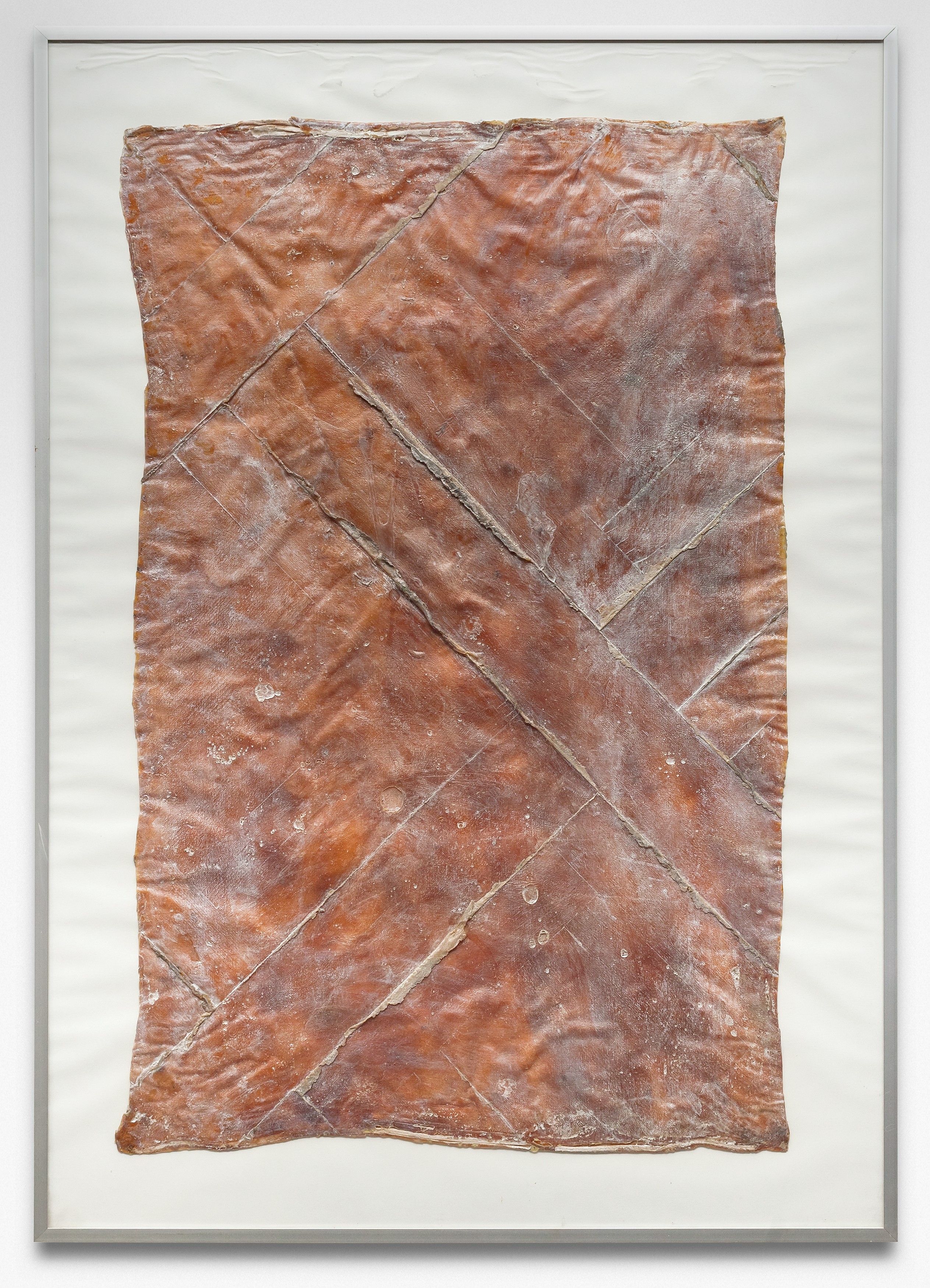
Latex & Rubber Work by Heidi Bucher

Heidi Bucher

Untitled (Der Parkettboden des Herrenzimmer / The Parquet floor of the Herrenzimmer), 1979

Photograph by Catherine Opie

Catherine Opie

Rocco, 2012

Installation view of be/longing at Lehmann Maupin Hong Kong
Installation Views: 1 of 5
Painting by Angel Otero

Angel Otero

Las Minas, 2014

Painting by Angel Otero

Angel Otero

Little Child Running Wild, 2015

Latex & rubber work by Heidi Bucher

Heidi Bucher

Door of the Borg, detail, 1976

Work on paper by Suh Se Ok

Suh Se Ok

Person, 1998

Work on paper by Suh Se Ok

Suh Se Ok

Dancing People, 2000s

Work on paper by Suh Se Ok

Suh Se Ok

Dancing People, 2000s

Exhibition Artists

Portrait of Heidi Bucher

Heidi Bucher (b. 1926, Winterthur, Switzerland; d. 1993, Brunnen, Switzerland) was a Swiss artist who is best remembered for her innovative use of latex and exploration of the physical boundaries between the body and its surroundings. Serving simultaneously as means of historical preservation and metaphorical molting, Bucher’s Hauträume—or “roomskins”—act as indexes of the complicated relationship humans have to their bodies and pasts. Working across the United States, Switzerland, and the Canary Islands, Bucher forged a practice anchored in familial, cultural, and architectural histories and deeply entwined with contemporary concerns around the boundaries between public and private space, and femininity and the body. Though Bucher’s many bodies of work—from her early drawings and wearable sculptures to her later latex-encased objects and Hauträume—each reflect distinct artistic interests and origins, they all trace back to the artist’s mantra, which uniquely summarizes her career-long engagement with bodies and rooms: Räume sind Hüllen, sind Häute (Spaces are shells, are skins).

Beginning in the 1970s, Bucher embalmed clothing in a mixture of latex and mother of pearl, preserving the objects as artifacts of their time and creating a surface that appeared skin-like in both color and texture. Bucher primarily used women’s clothing, such as nightdresses and pantyhose, as a critical response to the rigid gender restrictions she had experienced during her childhood and adolescence. By the end of the decade, Bucher began applying her signature latex medium to the surfaces of domestic objects and spaces, aligning women’s clothing with these designated “feminine” spaces. Allowing the latex mixture to harden, then peeling it off, Bucher produced translucent skins that held elements of paint, rust, dirt, and the minute details and markings of the architecture. During the years that followed, Bucher produced several major bodies of work based on the domestic spaces of her past—her ancestral house in Winterthur, the study in her parents’ home, and her studio in Zurich. Each space she inhabited was rendered translucent and ghostly, like a visual memory that, due to the fragile nature of the latex material, would warp and discolor over time. Displayed suspended mid-air, the series of latex Hauträume are simultaneously monumental and fragile, mimicking the very process by which they are created; the removal of the latex from the architectural space required a great deal of both physical strength and delicate dexterity.
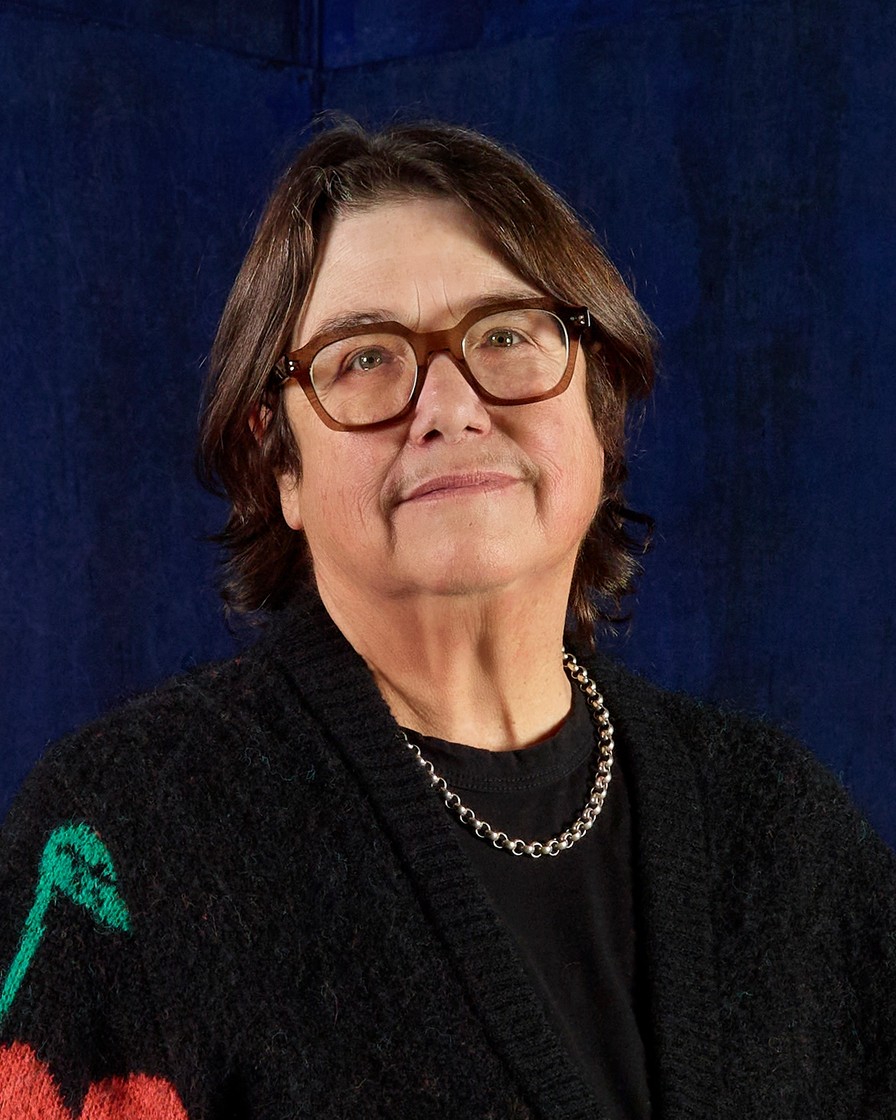
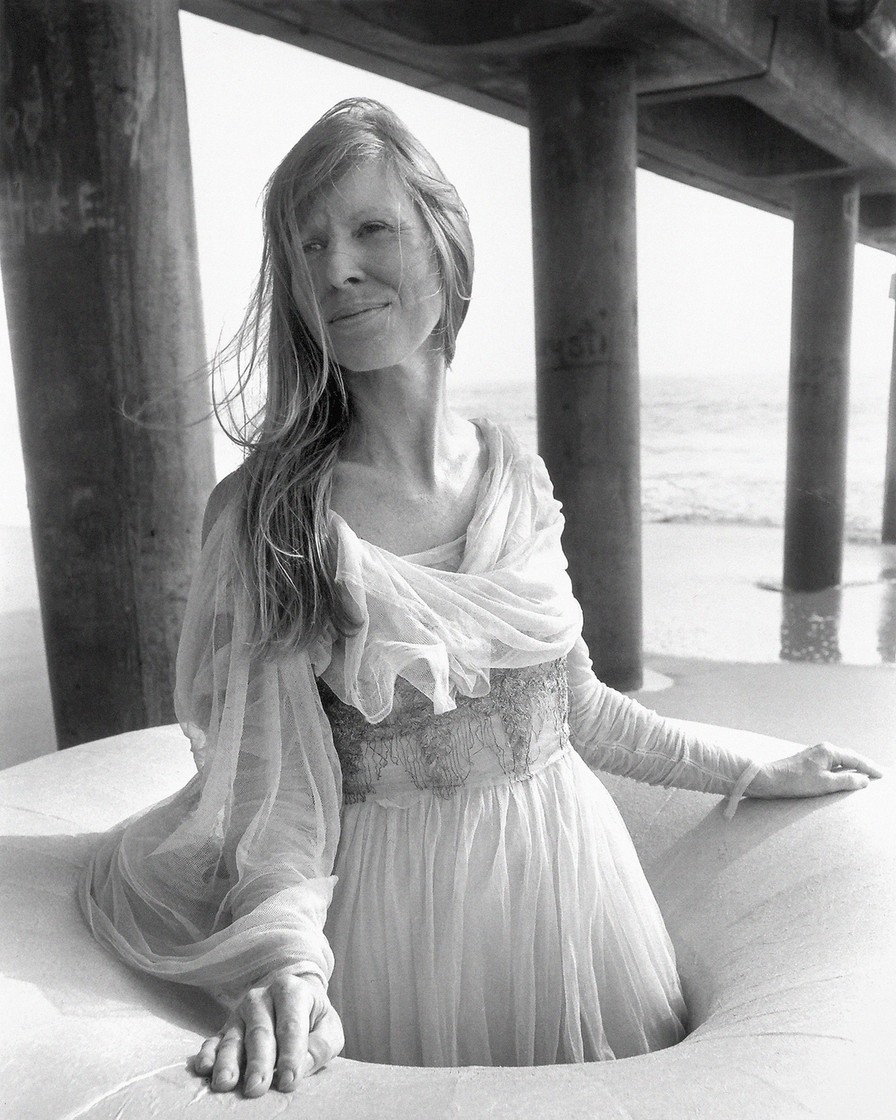
Portrait of Catherine Opie

Catherine Opie (b. 1961, Sandusky, OH; lives in Los Angeles, CA) is known for her powerfully dynamic photography that examines the ideals and norms surrounding the culturally constructed American dream and American identity. She first gained recognition in the 1990s for her series of studio portraits, photographing gay, lesbian, and transgender individuals drawn from her circle of friends and artists. Opie has traveled extensively across the country exploring the diversity of America’s communities and landscapes, documenting quintessential American subjects—high school football players and the 2008 presidential inauguration—while also continuing to display America’s subcultures through formal portraits. Using dramatic staging, Opie presents queer and trans bodies in intimate photographs that evoke traditional Renaissance portraiture—images of power and respect. In her portraits and landscapes, Opie establishes a level of ambiguity of both identity and place by exaggerating masculine or feminine characteristics, or by exaggerating distance, cropping, or blurring her landscapes.

Opie received a B.F.A. from San Francisco Art Institute in 1985, and an M.F.A. from CalArts in 1988. Solo exhibitions of her work have been organized at Museum of Art São Paulo (MASP), São Paulo, Brazil (2024); Heide Museum, Melbourne Australia (2023); The Current Now, Stowe, VT (2022); Plug In Institute of Contemporary Art, Winnipeg, Canada (2020); Museum of Contemporary Art (MOCA), Cleveland, OH (2019); Marciano Foundation, Los Angeles, CA (2019); Princeton University School of Architecture, Princeton, NJ (2018); Centro Internazionale di Fotographia, Palermo, Italy (2018); Los Angeles County Museum of Art, Los Angeles, CA (2016); Museum of Contemporary Art, Pacific Design Center, Los Angeles, CA (2016); Hammer Museum, Los Angeles, CA (2016); Wexner Center for the Arts, Columbus, OH (2015); Long Beach Museum of Art, Long Beach, CA (2012); Socrates Sculpture Park, New York, NY (2012); Institute of Contemporary Art, Boston, MA (2011); Portland Art Museum, Portland, OR (2010); Solomon R. Guggenheim Museum, New York, NY (2008); Museum of Contemporary Art Chicago, IL (2006); Walker Art Center, Minneapolis, MN (2002); and the Saint Louis Art Museum, Saint Louis, MO (2000).

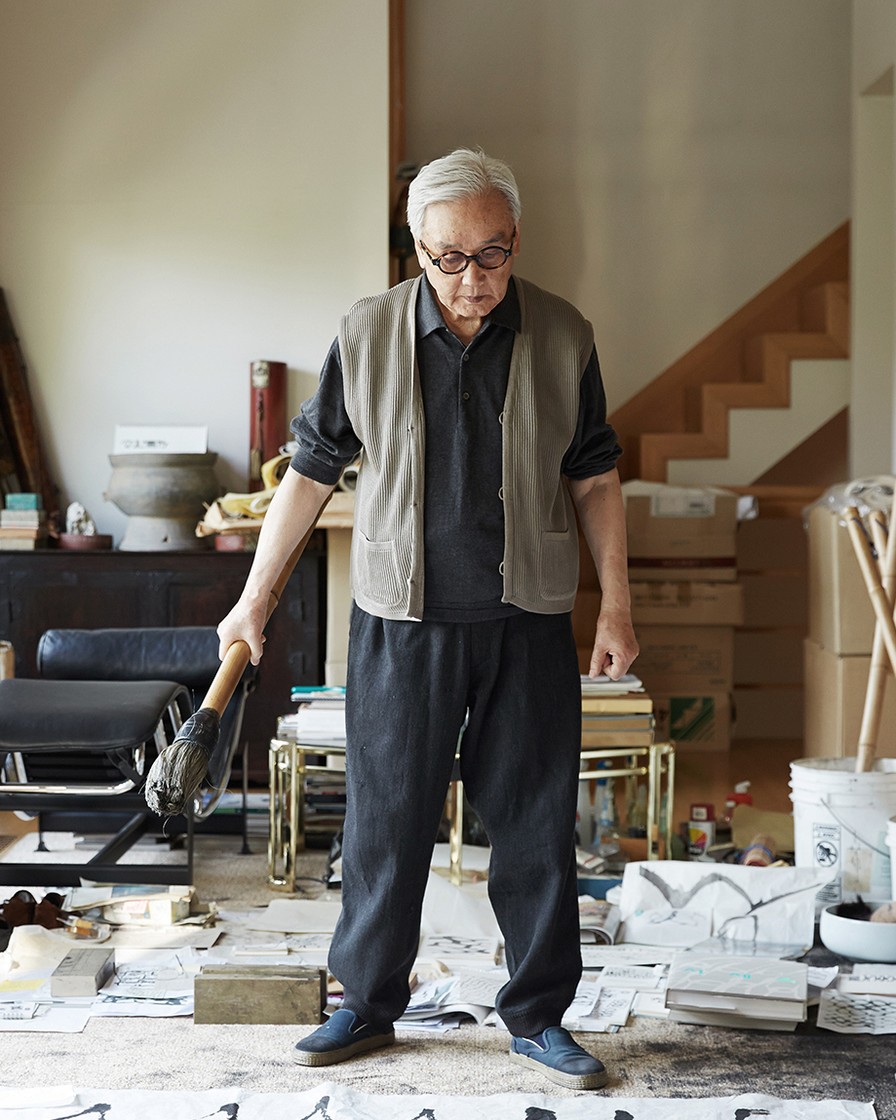
Portrait of Suh Se Ok

Suh Se Ok (b. 1929, Daegu, South Korea; d. 2020, Seoul, South Korea) received a BFA from the Oriental Painting department of Seoul National University in 1950. Solo exhibitions of his work have been organized at Gallery Hyundai, Seoul, South Korea (2016); National Museum of Modern and Contemporary Art, Seoul, South Korea (2015); Museum of Fine Arts Houston, Houston, TX (2008); Maison Hermes, Tokyo, Japan (2007); Daejeon Museum of Art, Daejeon, South Korea (2007); and Uijae Art Museum, Gwangju, South Korea (2003), among others. Selected group exhibitions and international biennials featuring his work include Beyond Line: The Art of Korean Writing, LACMA, Los Angeles, CA (2019); Another History of Korean Contemporary Art, Museum of Art, Seoul National University, Seoul, South Korea (2016); College of Fine Arts Archives: Oriental Painting, Seoul National University, Seoul, South Korea (2015); Leeum 10th Anniversary Exhibition: Beyond and Between, Leeum, Samsung Museum of Art, Seoul, South Korea (2014); Then and Now: Celebrating 60th Anniversary of The National Academy of Arts of The Republic of Korea, National Museum of Modern and Contemporary Art, Deoksugung, South Korea (2014); Closer to Contemporary Art II-Abstract Art Is Real, Gyeonggi Museum of Modern Art, Ansan, South Korea (2013); Busan Biennale 2008: ART IS ALIVE, Busan, South Korea (2008); and the 7th Biennial de São Paulo, São Paulo, Brazil (1963), among others.

Suh received the Order of Cultural Merit – Gold medal in 2021, and Silver medal in 2012 from the South Korean government and was awarded the 52nd National Academy of Arts Award, South Korea in 2007; the Artistic and Culture Prize of 13th Federation of Artistic and Culture, South Korea in 1999; Ilmin Art Prize, Seoul, South Korea in 1994; an Honorary Doctorate from the Rhode Island School of Design Fine Art, Providence, RI in 1988; and the Prime Minister Prize at the 1st National Art Exhibition in 1949. His work is in numerous international public and private collections, including the British Museum, London, United Kingdom; Fukuoka Art Museum, Fukuoka, Japan; Ho-Am Museum, Yongin, South Korea; Ministry of Culture, Paris, France; Museum of Fine Arts, Houston, TX; National Museum of Modern and Contemporary Art, South Korea; Rhode Island School of Design Museum, Providence, RI; Royal Ontario Museum, Ontario, Canada; Seoul Museum of Art, Seoul, South Korea; Seoul National University Museum, Seoul, South Korea; Sonje Museum of Contemporary Art, Gyeongju, South Korea; USC Pacific Asia Museum, Pasadena, CA; Wonkwang University Museum, Iksan, South Korea; and the Yonsei University Museum, Seoul, South Korea.

be/longing | Lehmann Maupin