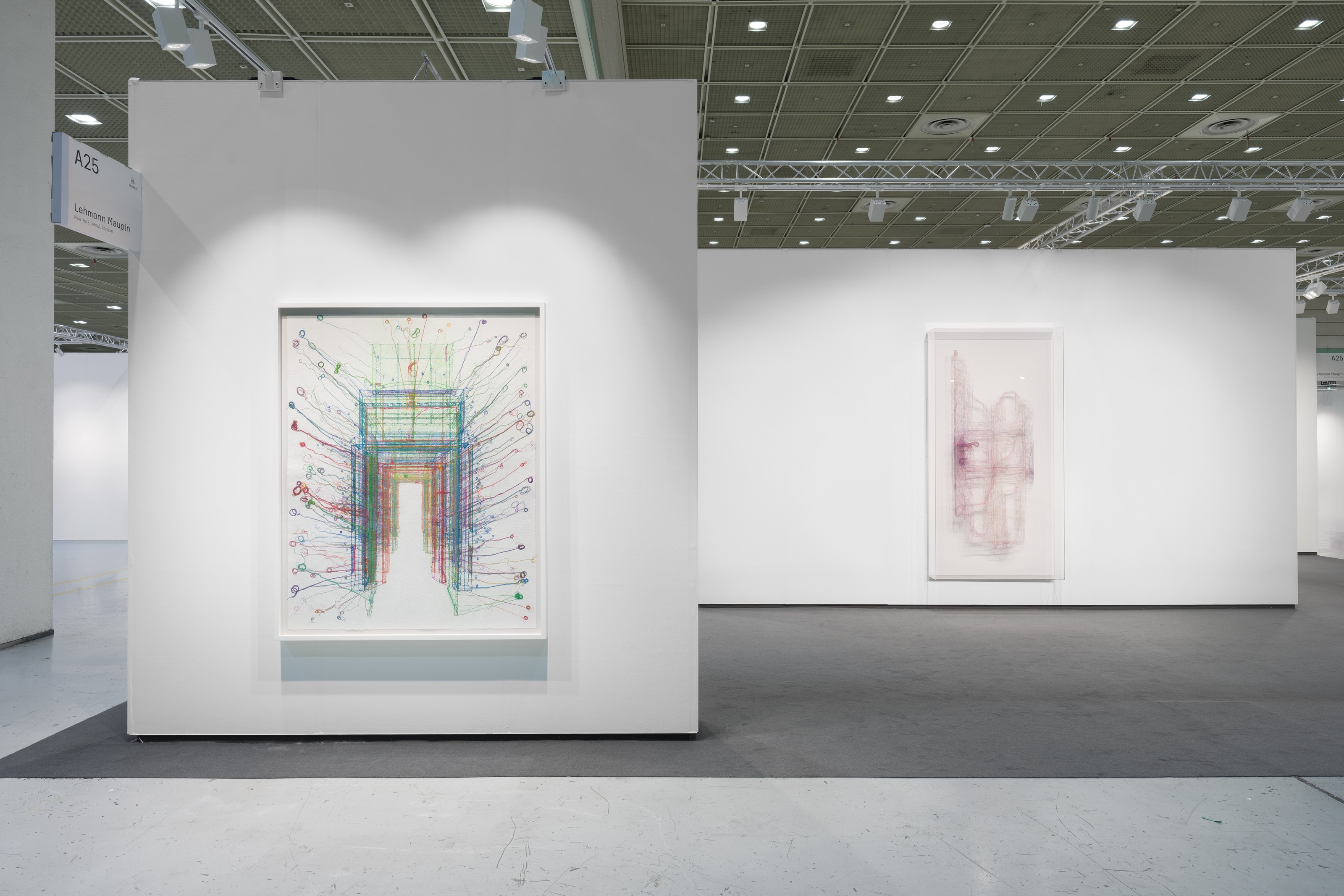
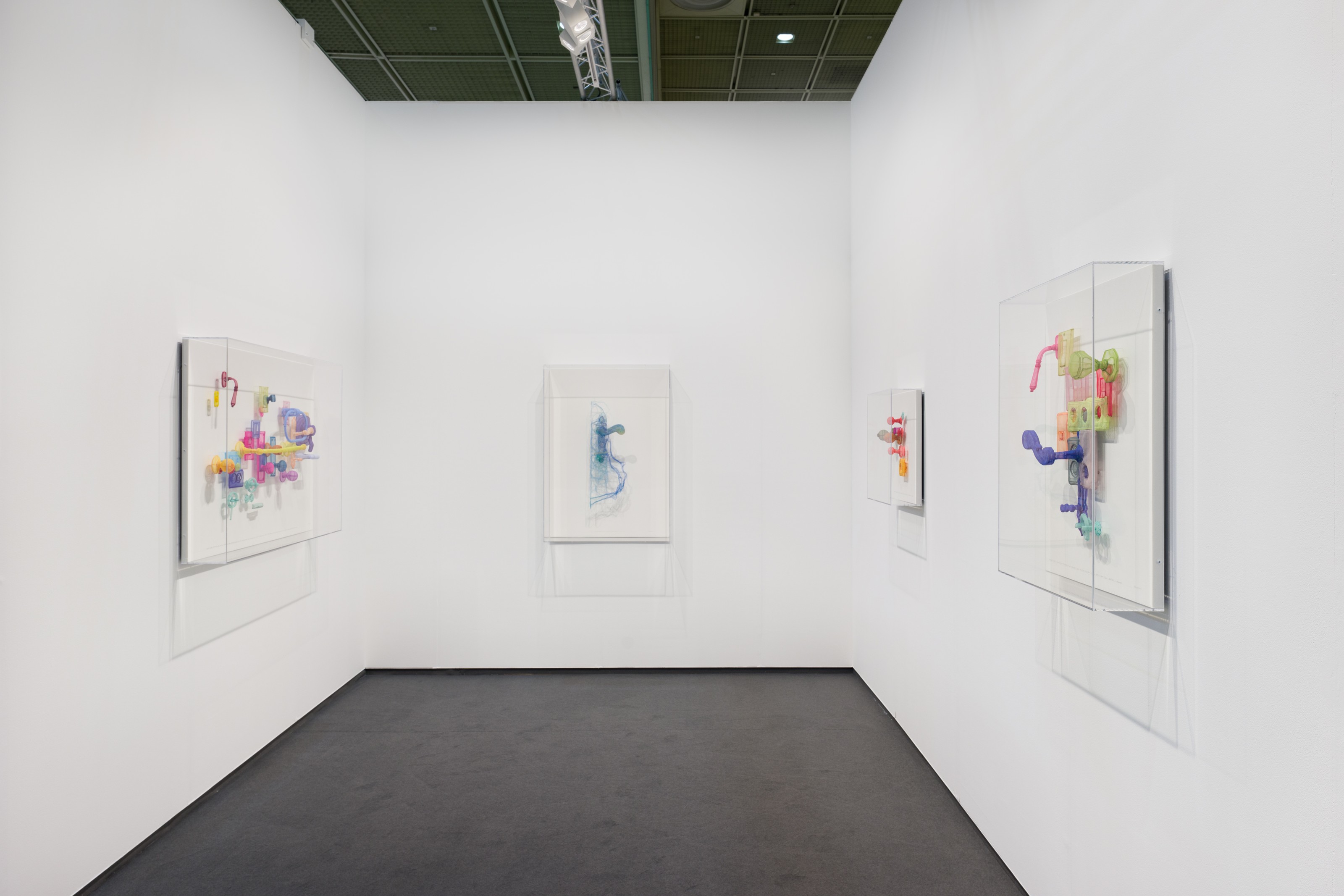
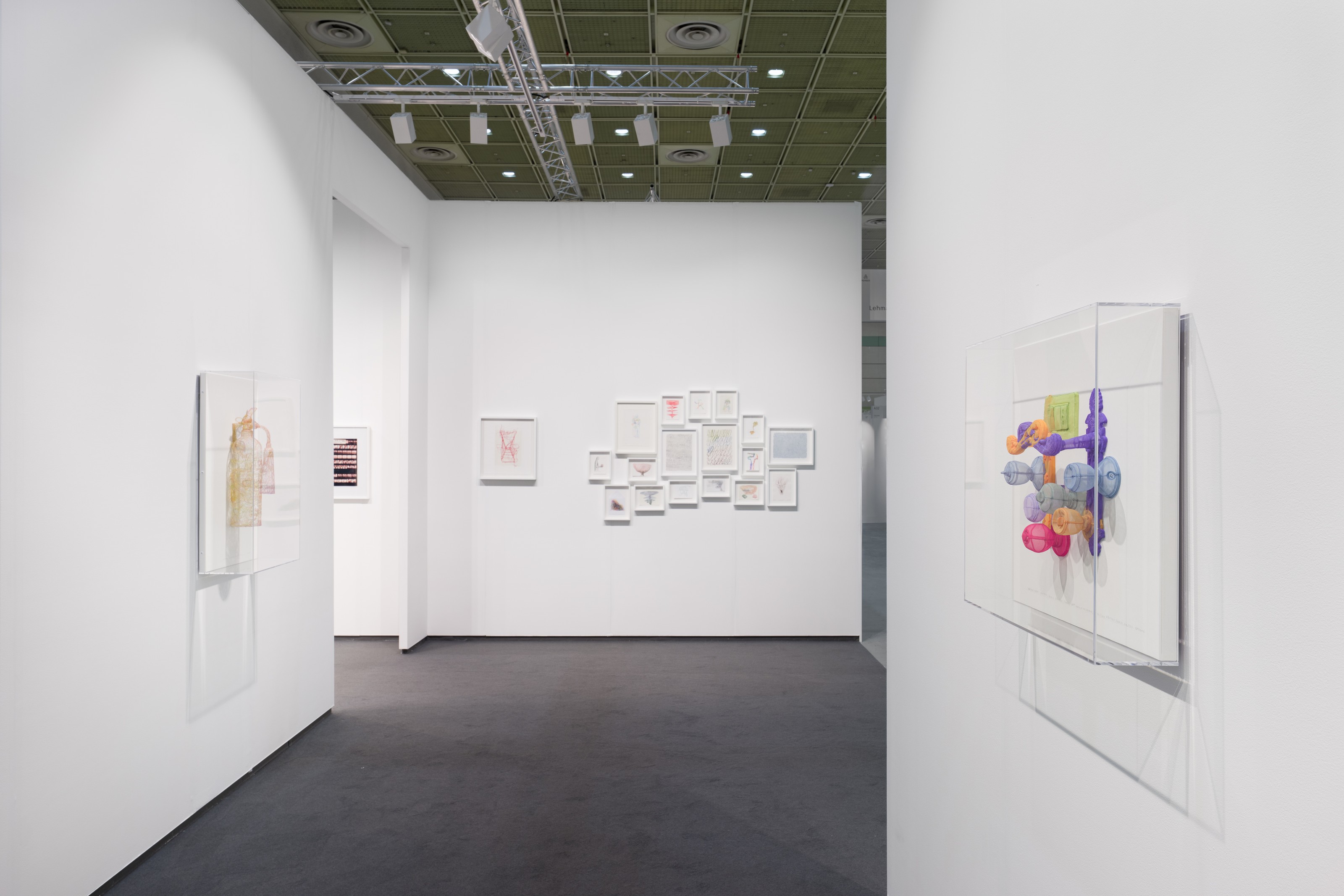
Lehmann Maupin is pleased to return to the fifth edition of Frieze Seoul with a solo presentation of works by renowned Korean artist Do Ho Suh, coinciding with the gallery’s 30th anniversary. Suh, whose first solo New York exhibition was presented by Lehmann Maupin in 2000, has been represented by the gallery for nearly three decades. The presentation follows a landmark year for Suh, including the unveiling of Jagyeong Hall, Gyeongbok Palace,a site-specific installation for the new David Geffen Galleries at the Los Angeles County Museum of Art. Concurrent to Frieze Seoul, Suh’s major survey will be on view at the National Museum of Modern and Contemporary Art, Korea running through February 2027.
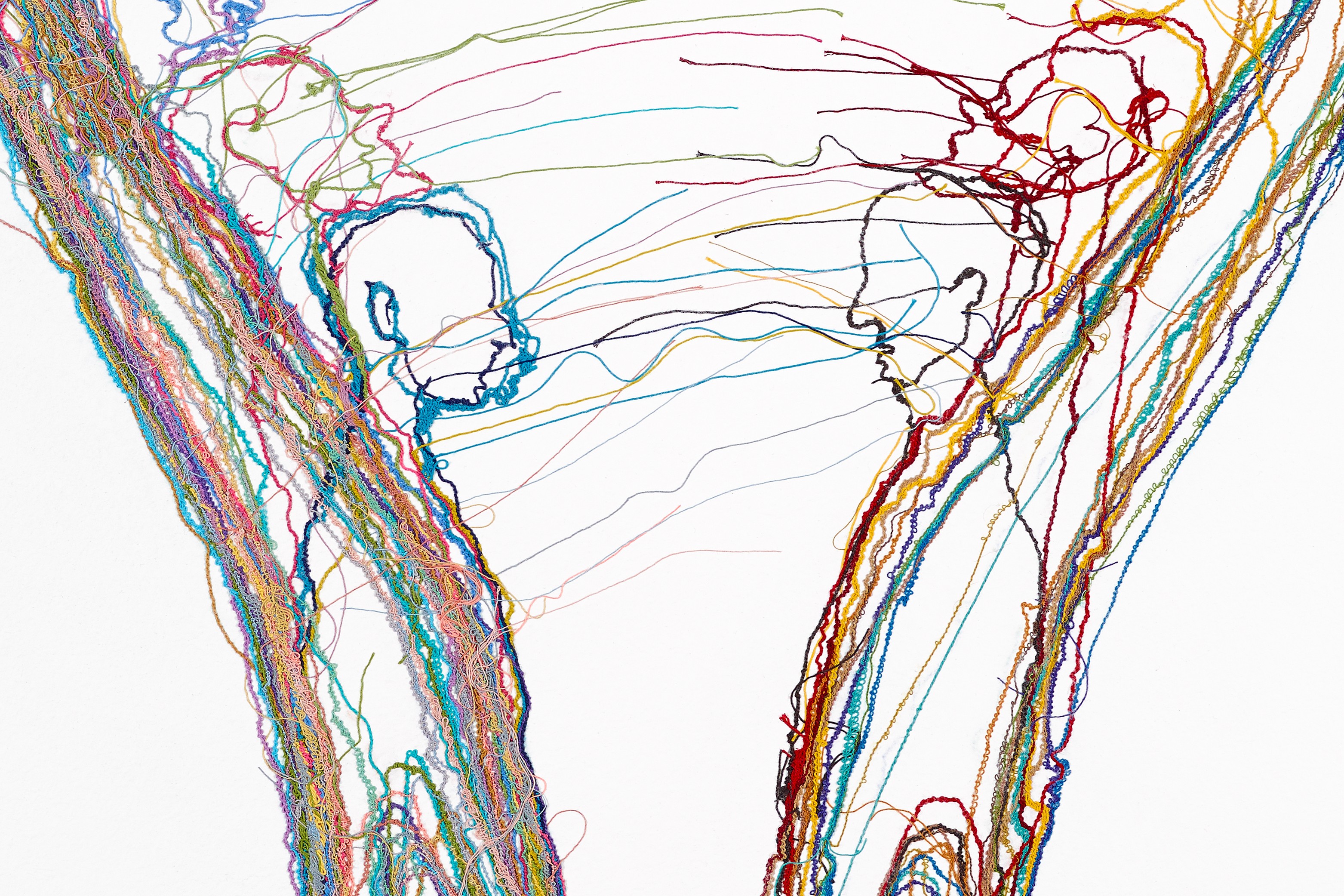
Anchored by the artist's ongoing exploration of identity, belonging, memory, and home, the fair presentation includes earlier works like Who Am We?—a phrase that is grammatically correct in Korean but intentionally disorienting in English. The expression encapsulates Suh's longstanding inquiry into the relationship between the individual and the collective, and the ways in which personal identity is shaped through family, community, and place.
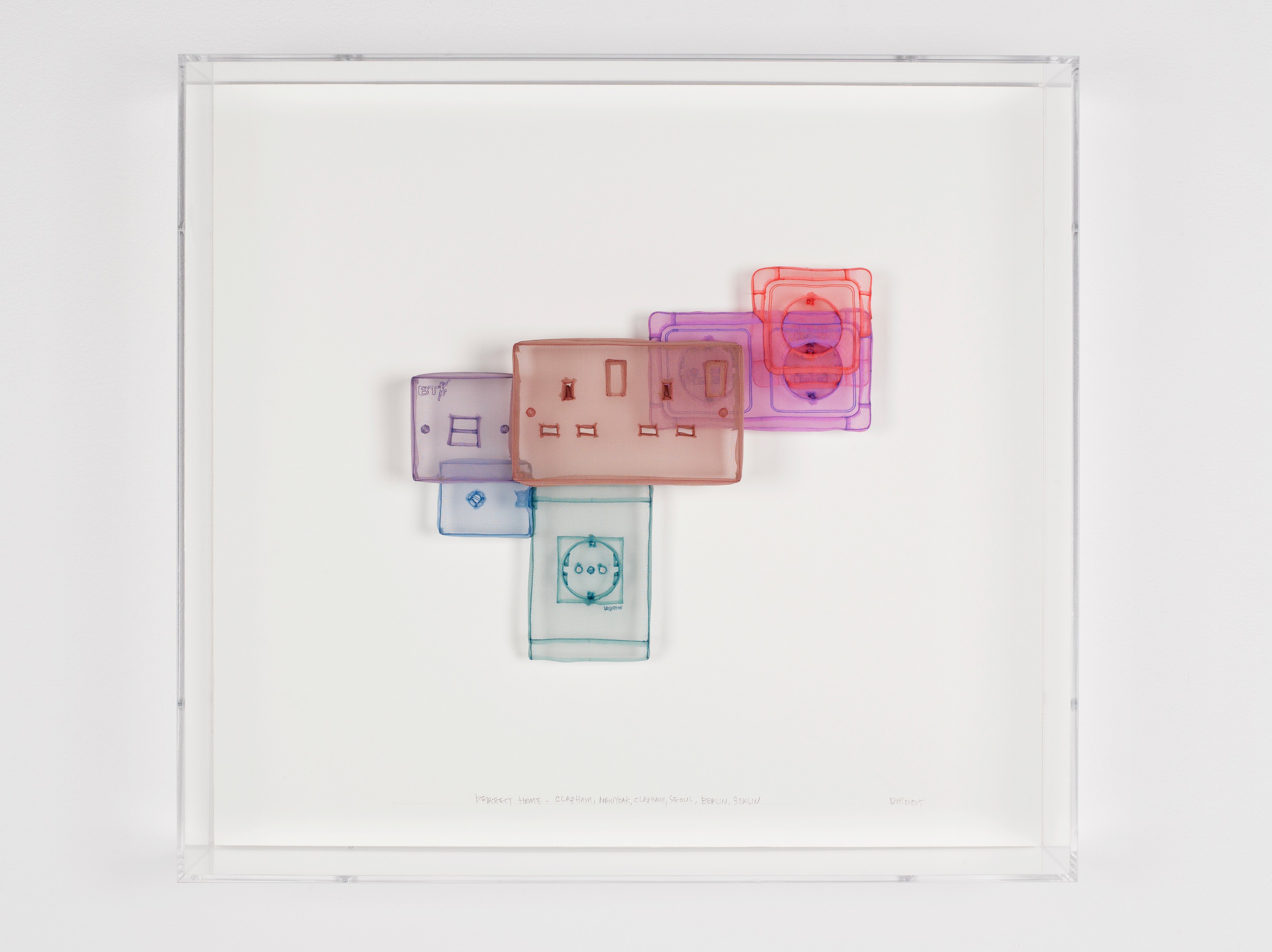
Do Ho Suh
Perfect Home - Clapham, New York, Clapham, Seoul, Berlin, Berlin, 2025
Do Ho Suh
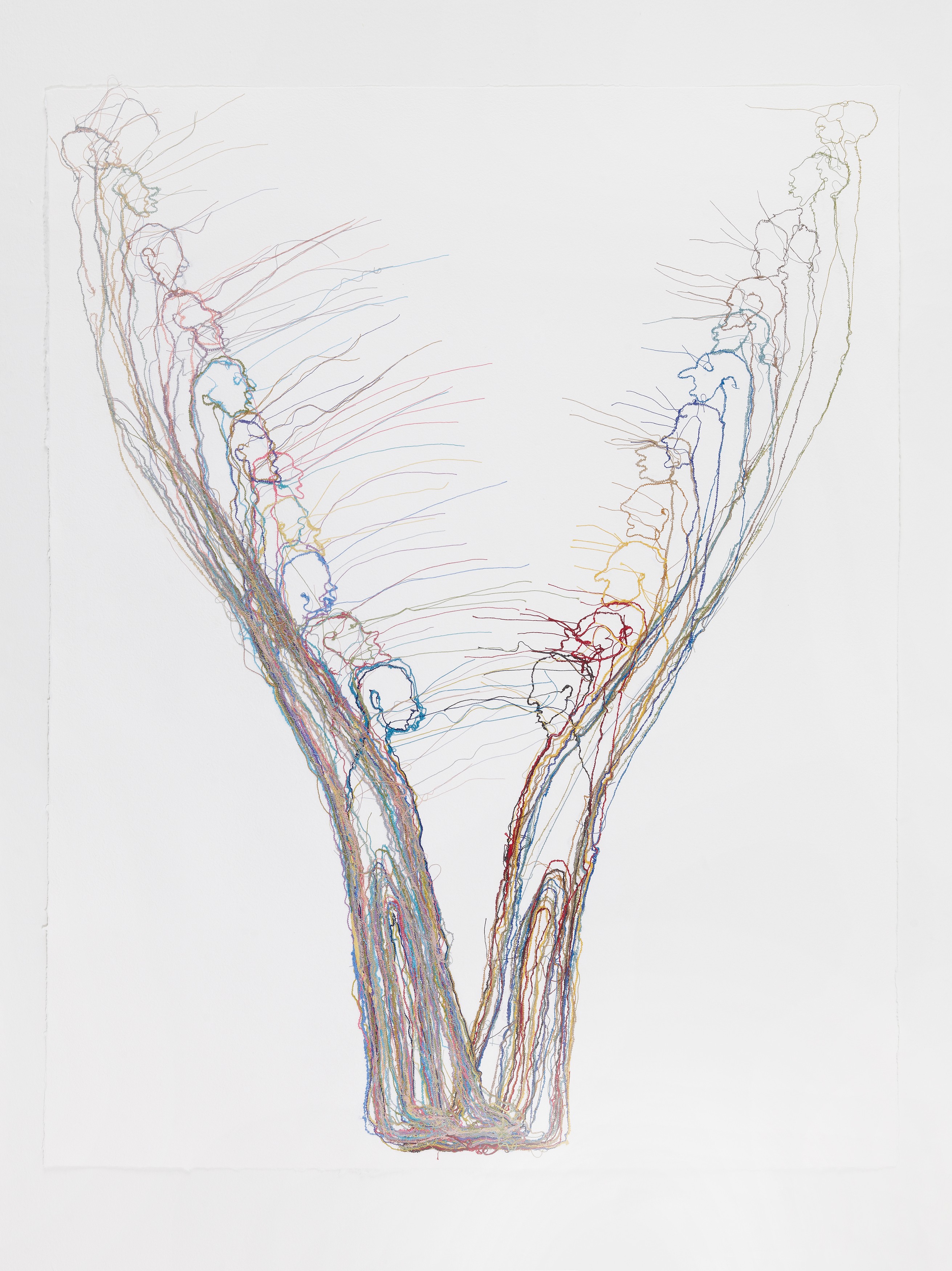
Family Cuddle, 2020
Do Ho Suh
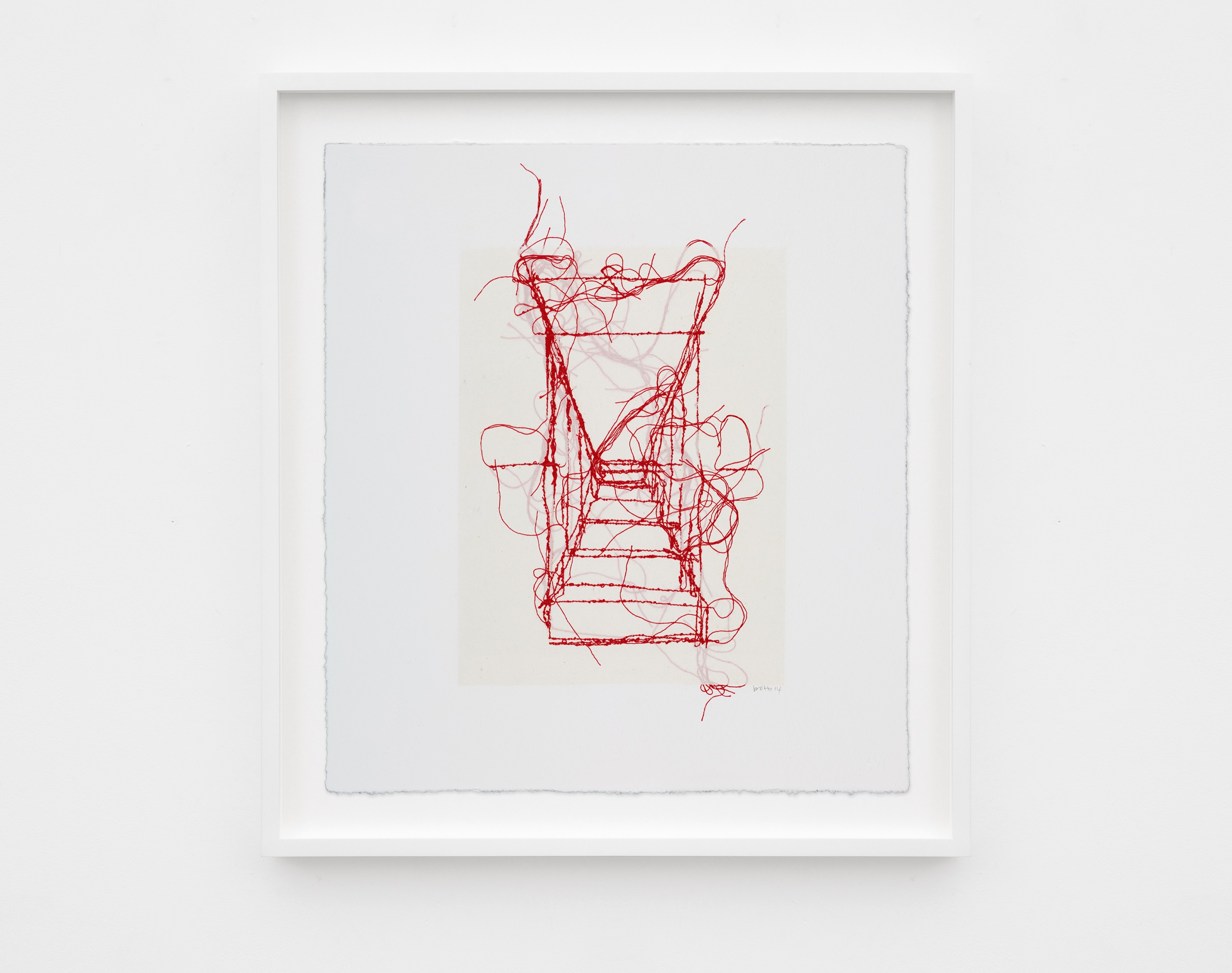
Staircase, 2014
Do Ho Suh
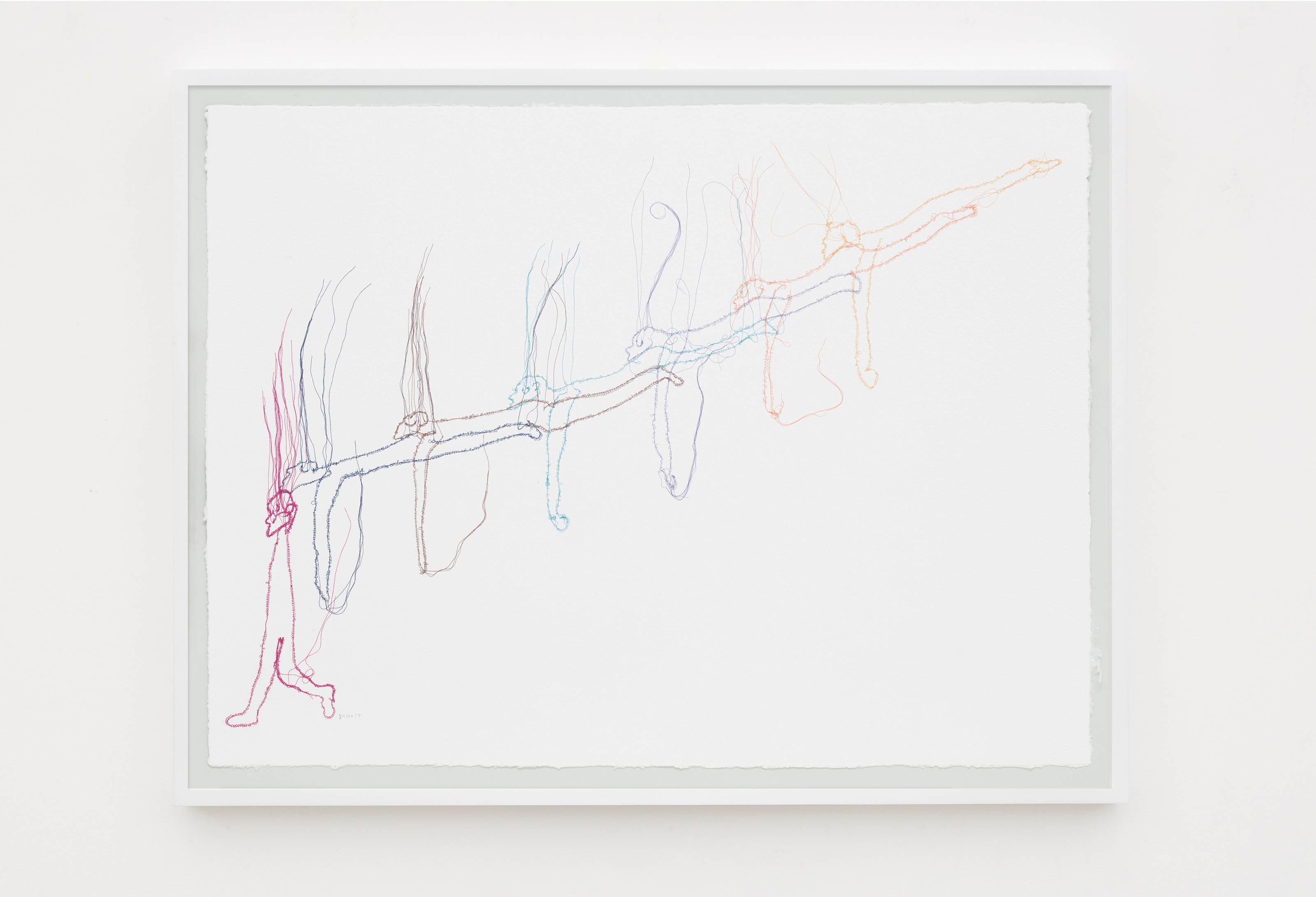
Sleepy Heads, 2017
Do Ho Suh
Myselves, 2013
In a focused section of the booth, the gallery will also present works by gallery artists with a strong presence in the region, including Kim Yun Shin, Sung Neung Kyung and Guimi You, among others.
Kim Yun Shin
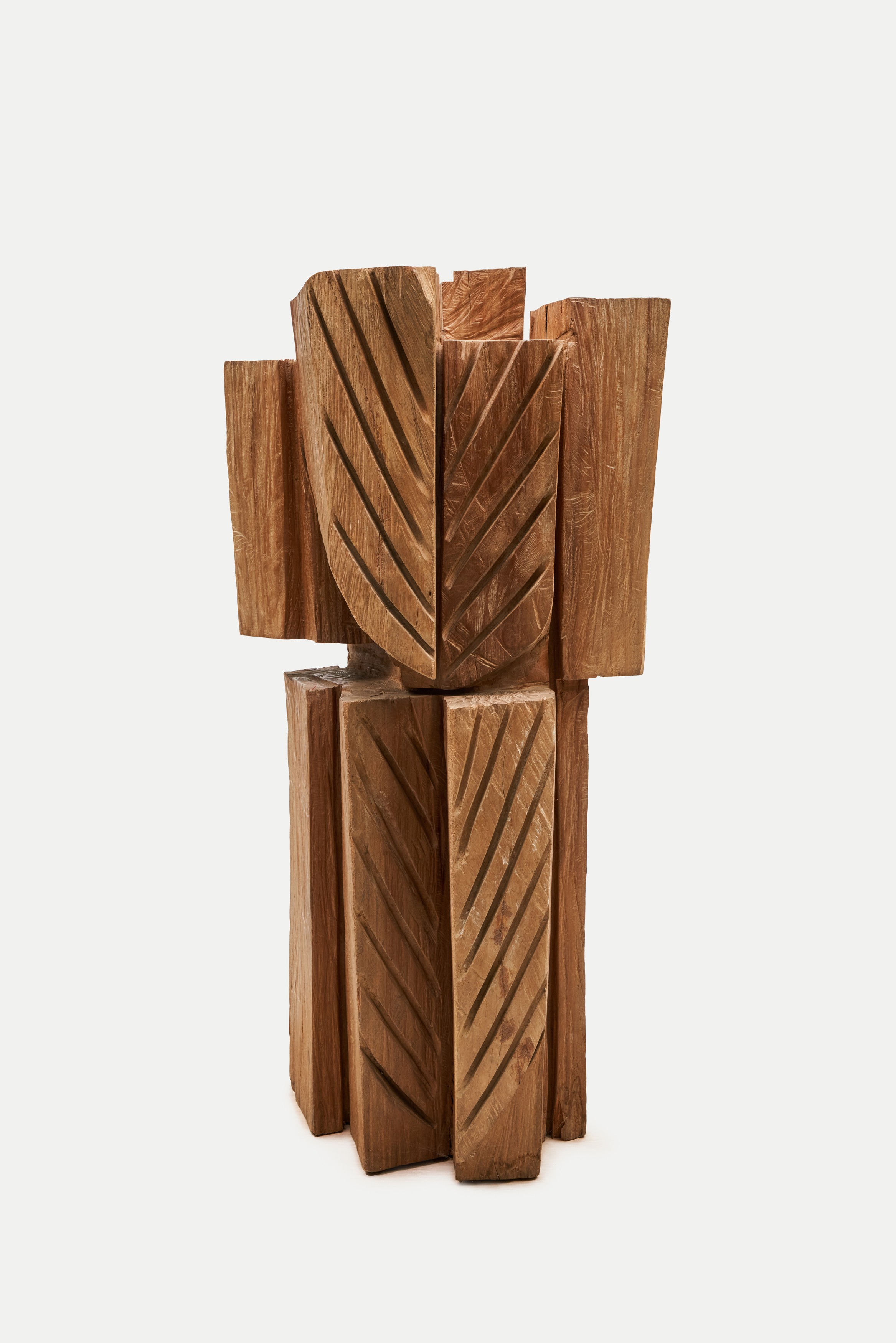
Add Two Add One Divide Two Divide One 1995-566, 1995
Kim Yun Shin
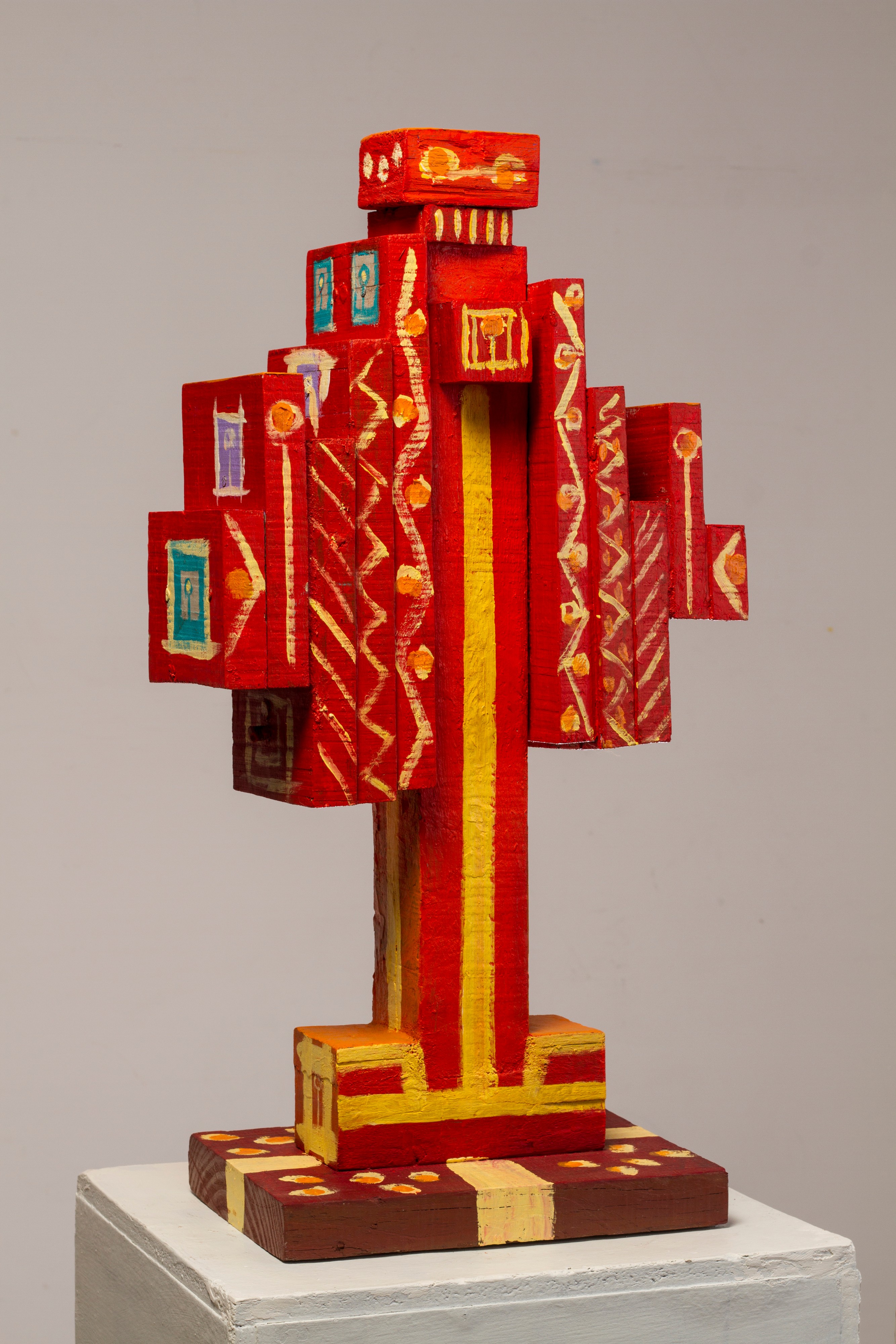
Add Two Add One, Divide Two Divide One 2020-10, 2020
Kim Yun Shin
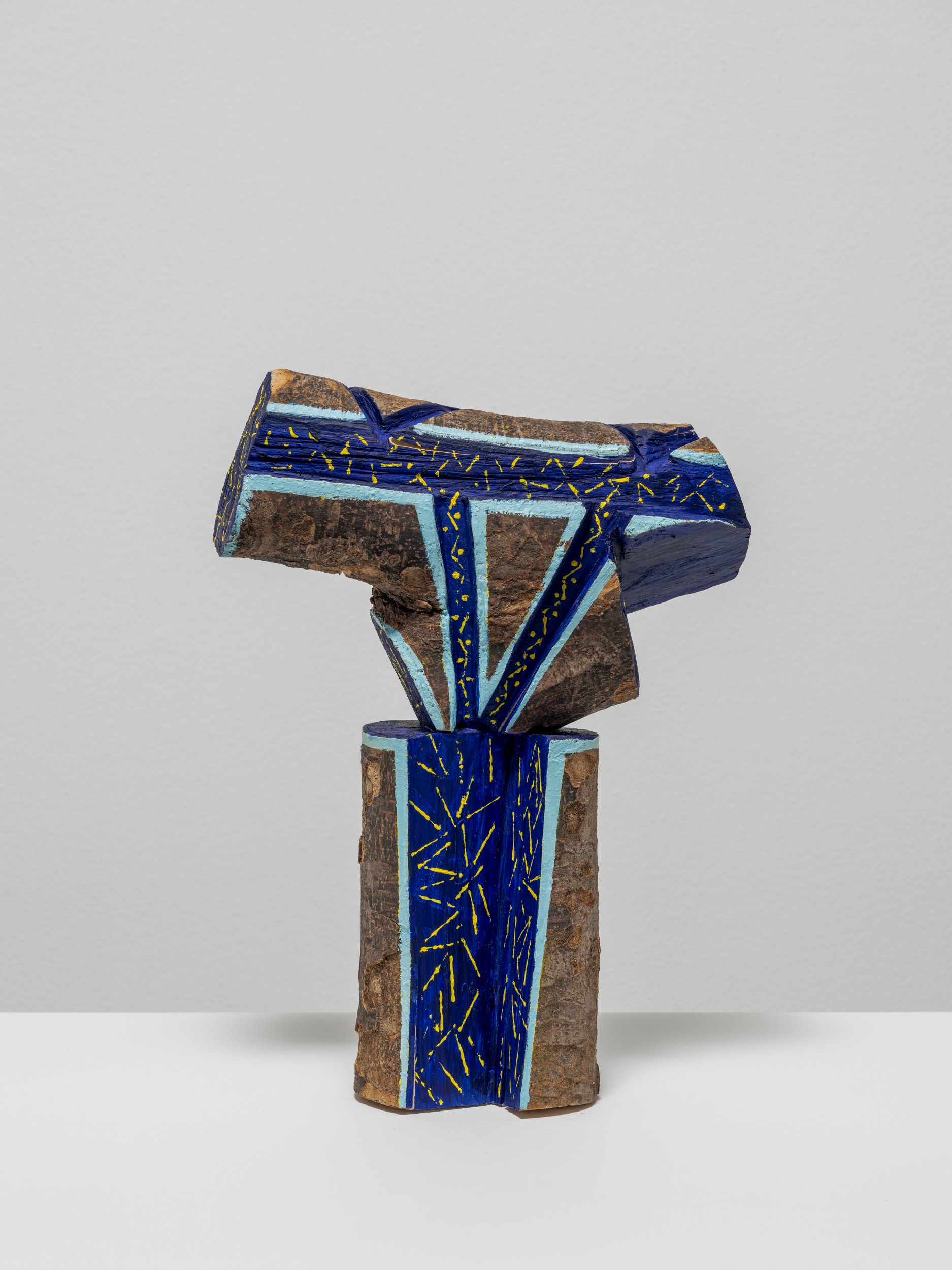
Add Two Add One Divide Two Divide One 2023-28, 2023
Sung Neung Kyung
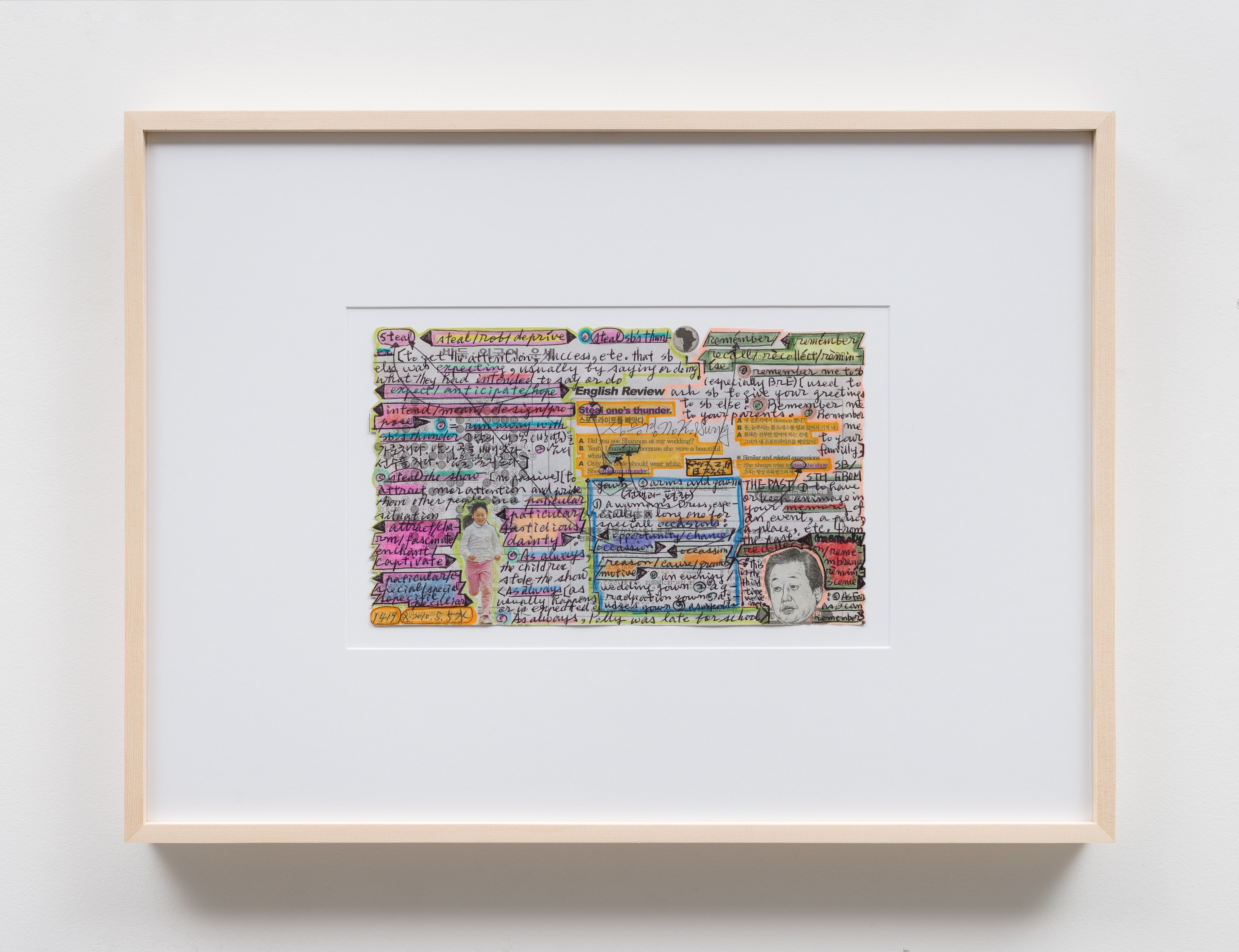
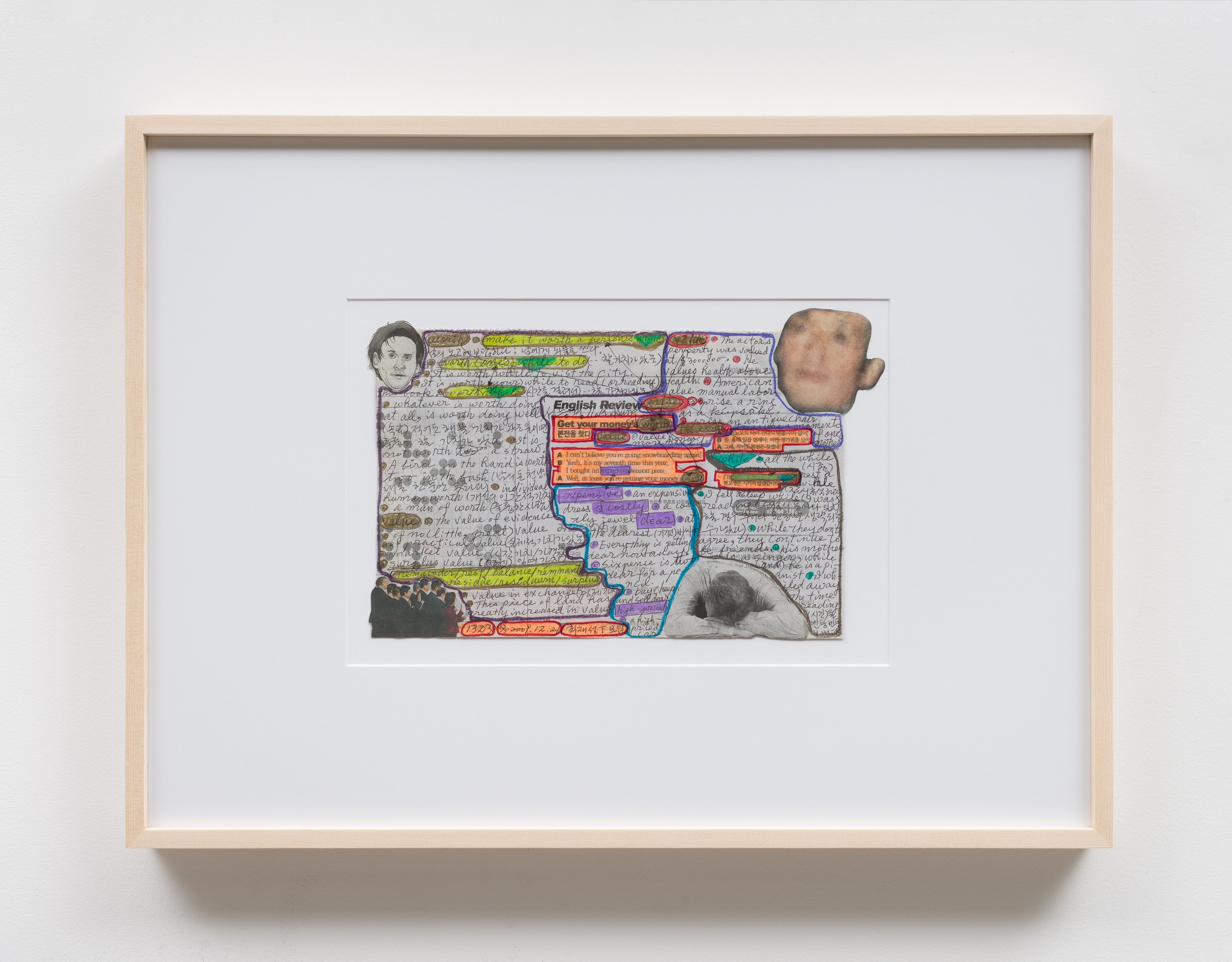
Everyday English 6-84-44, 2009
Sung Neung Kyung
Everyday English 6-84-40, 2009
Sung Neung Kyung
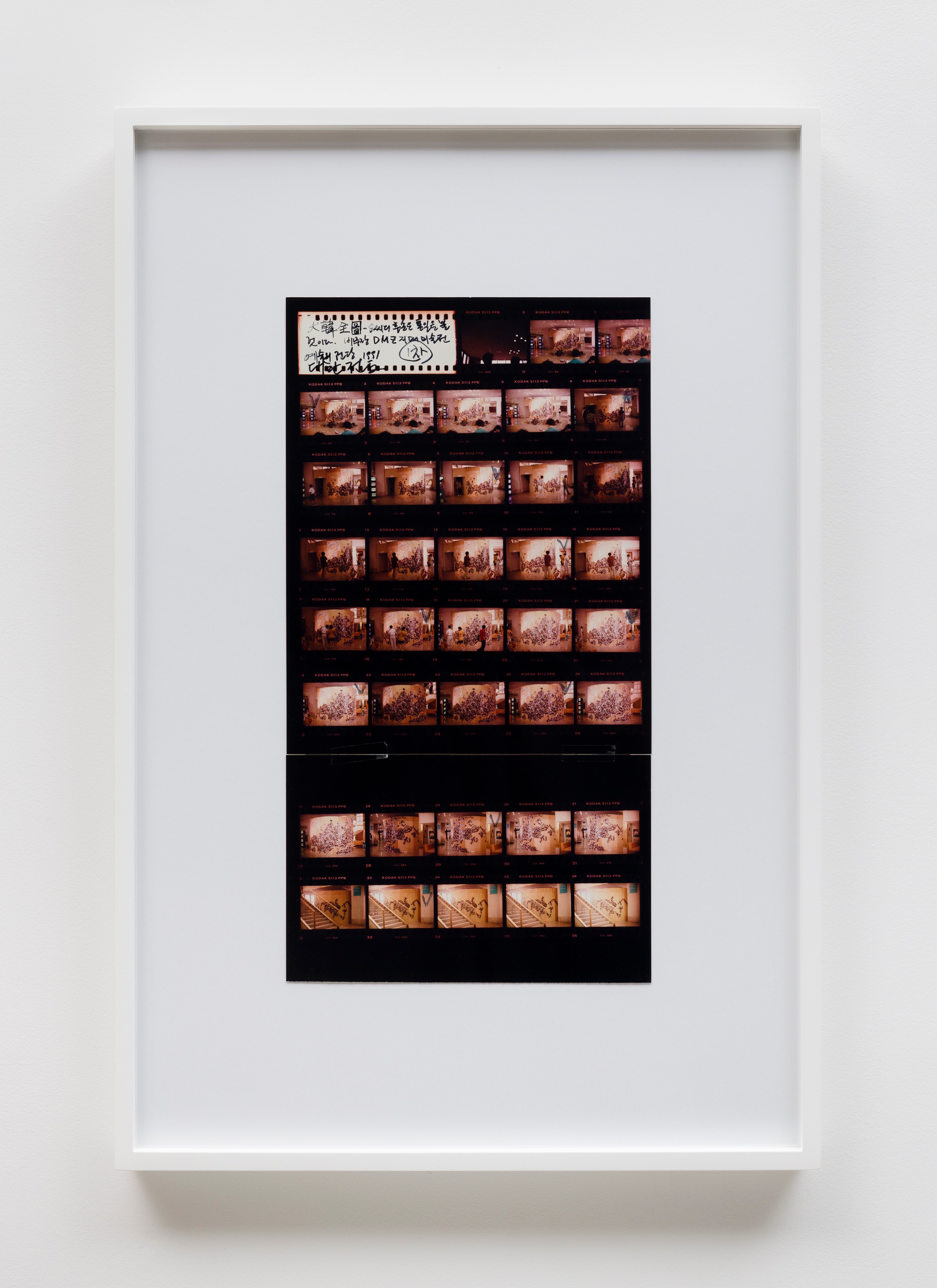
大韓全圖 - S’s descendants will see unification - contact print, 1991
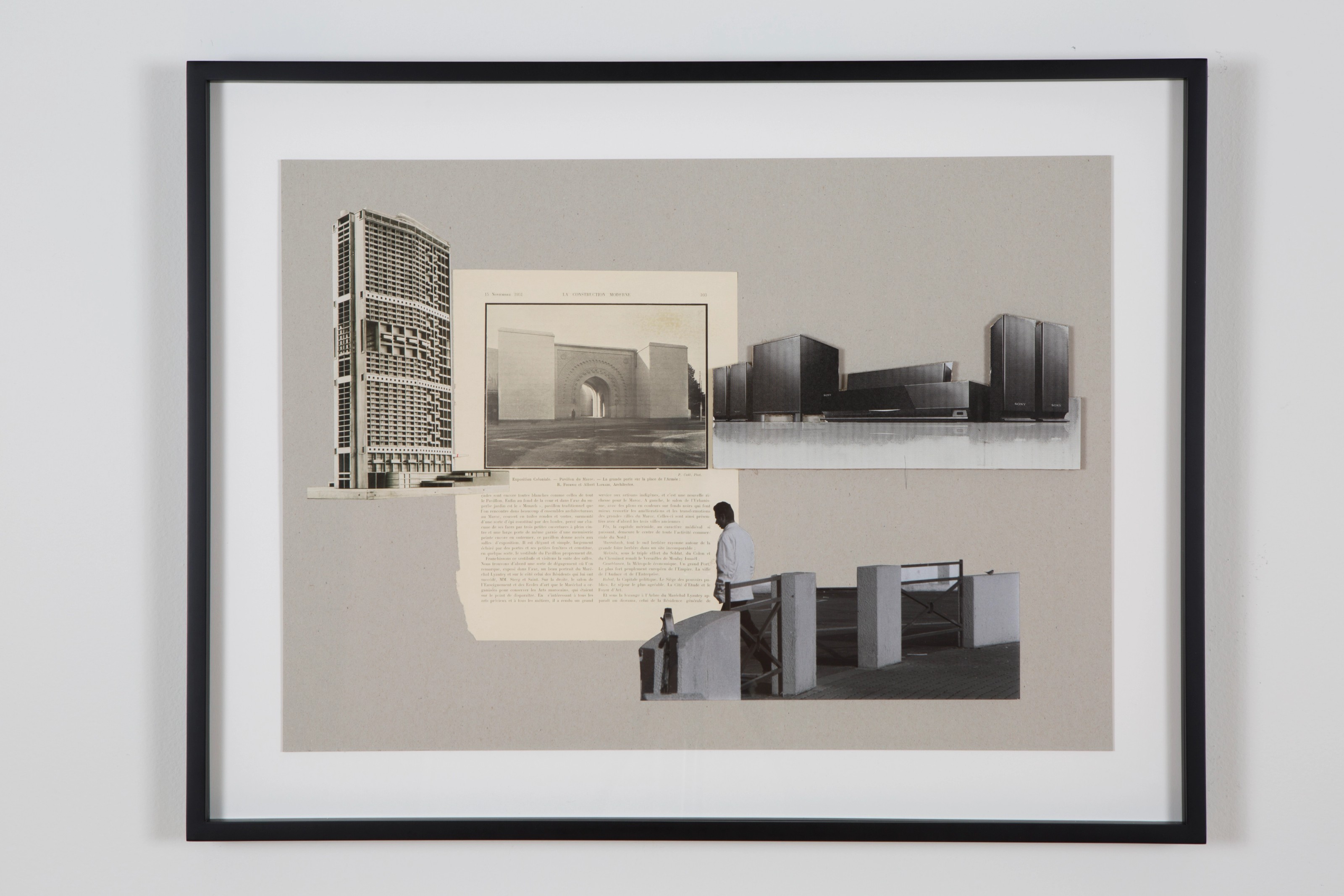
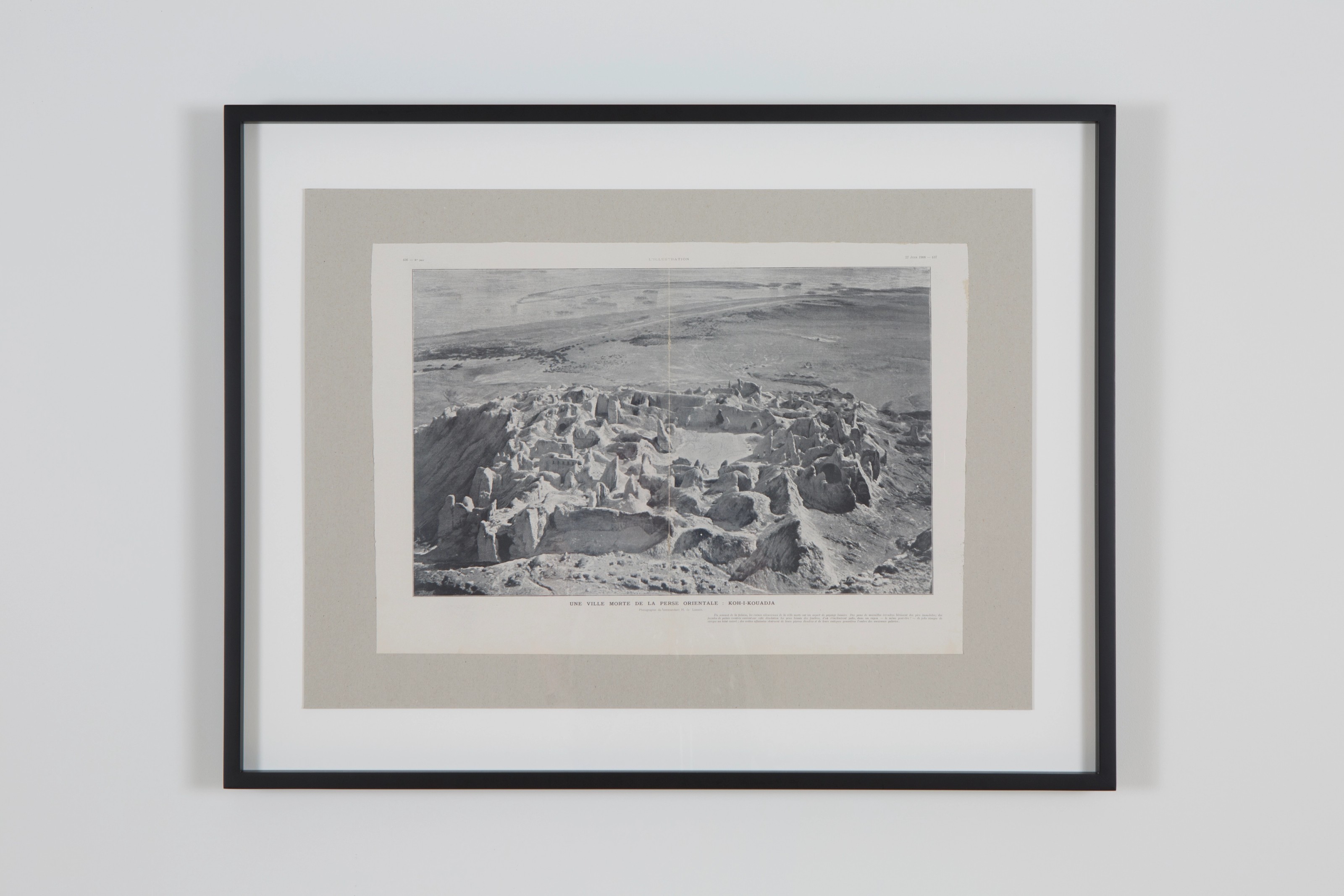
Opening concurrently with Frieze Seoul, Lehmann Maupin will present Kader Attia’s first solo exhibition in Seoul, following his inclusion in the 61st Venice Biennale and his recent appointment as curator of the seventh Kochi-Muziris Biennale.
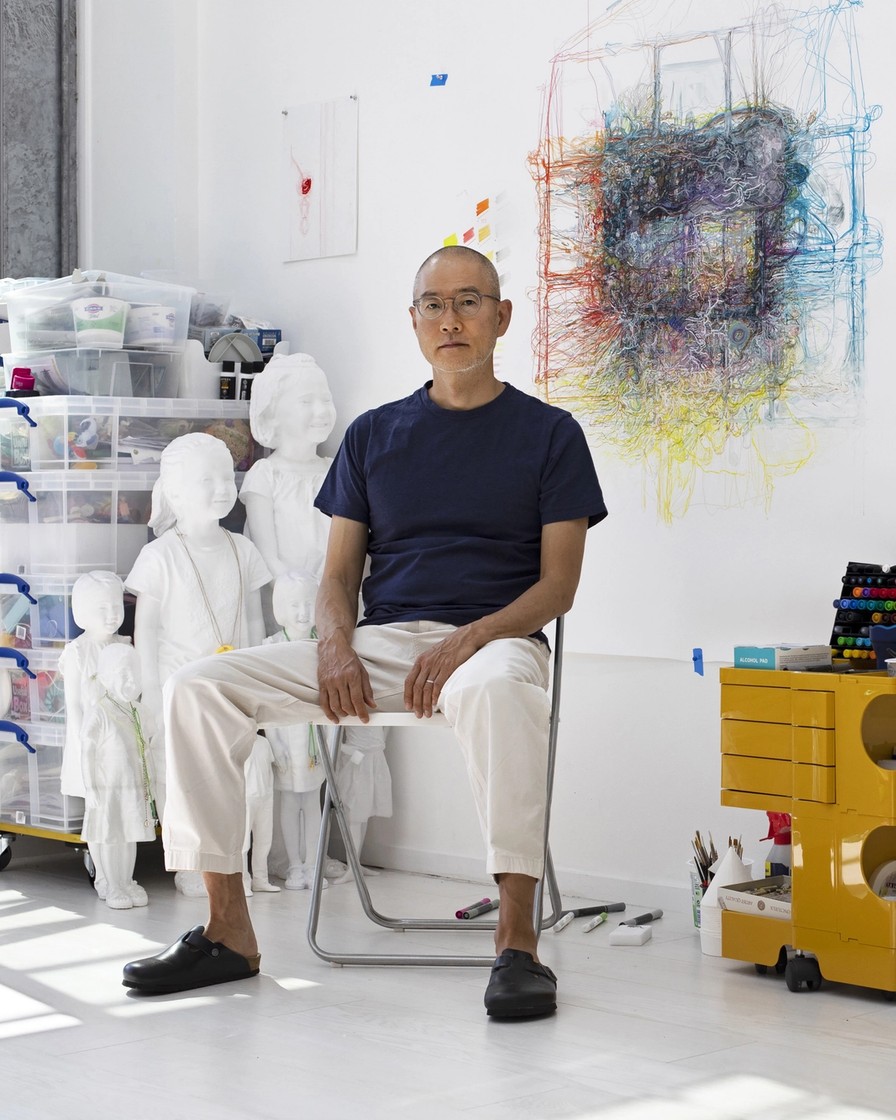
Do Ho Suh (b. 1962, Seoul, Korea; lives and works in London, United Kingdom) works across various media, creating drawings, film, and sculptural works that confront questions of home, physical space, displacement, memory, individuality, and collectivity. Suh is best known for his fabric sculptures that reconstruct to scale his past and present homes and studios in Korea, Rhode Island, Berlin, London, and New York.
Suh is interested in the malleability of space in both its physical and metaphorical forms, and examines how the body relates to, inhabits, and interacts with that space. He is particularly interested in domestic space and the way the concept of home can be articulated through architecture that has a specific location, form, and history. For Suh, the spaces we inhabit also contain psychological energy, and in his work he makes visible those markers of memories, personal experiences, and a sense of security, regardless of geographic location.
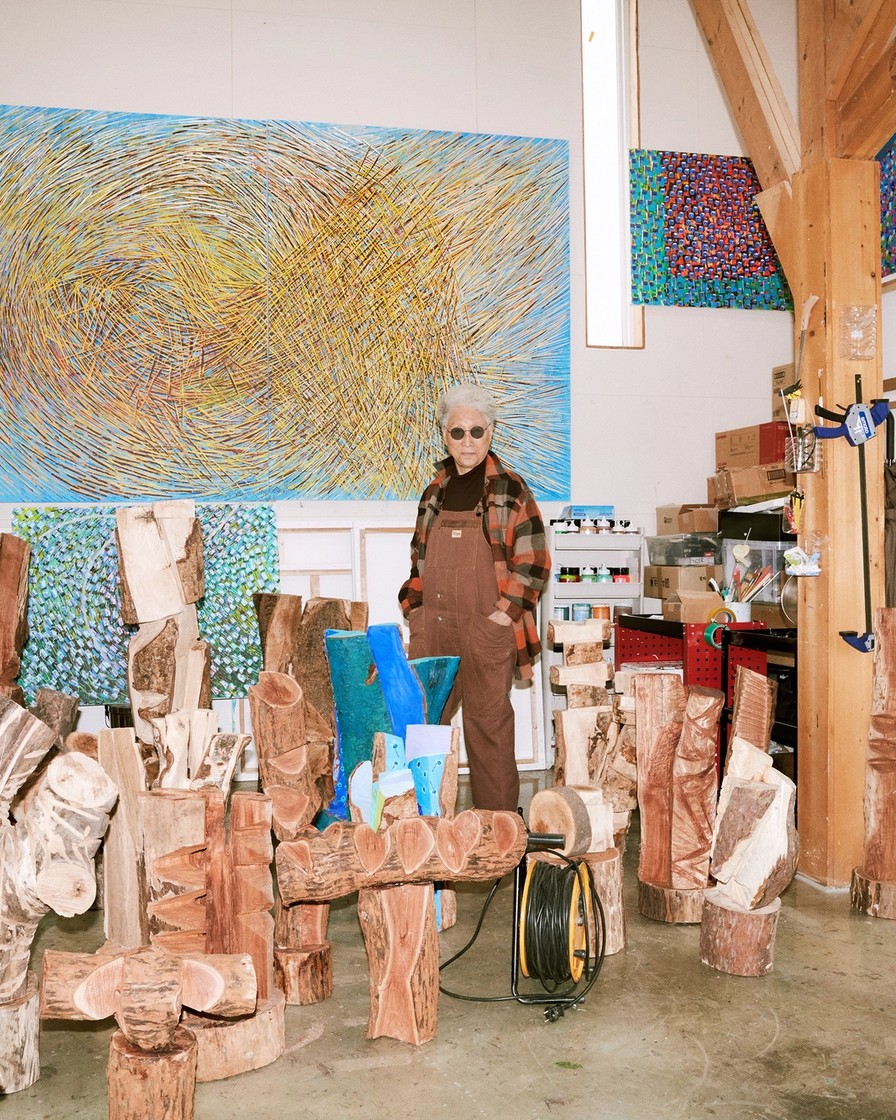
Kim Yun Shin (b. 1935, Wonsan, North Korea; lives and works in Seoul, South Korea) is a multidisciplinary artist known for her dynamic sculpture and painting, which often unfold through a series of interactions with nature. Growing up amidst the backdrop of Korea’s tumultuous history in the 20th century, Kim has established herself as a pioneering figure in the post-war South Korean art scene, overcoming societal norms to carve out a space for herself as a first-generation woman sculptor. Despite facing challenges in a male-dominated field, she ventured to Paris to pursue her artistic aspirations, taught at various universities, and co-founded the Korean Sculptress Association in 1974 to support emerging artists. Partly influenced by her nomadic early life, her work reflects a fearless exploration of diasporic cultures—from France, Mexico, and Brazil, to her adoptive home of Argentina, where she established Museo Kim Yun Shin, the first Korean immigrant art museum. Her journey from turbulent beginnings during the Japanese colonial period and Korean War to becoming a trailblazer in Korean contemporary art reflects the artist’s personal resilience and commitment to artistic innovation.
Across six decades, Kim has developed an aesthetic that engages with the fundamental qualities of materials and nature, navigating themes of confrontation, introspection, and coexistence. Central to her artistic expression is the use of solid wood, a primary medium through which Kim envisions the structural and spiritual elements of antiquity and the primordial world. In doing so, she visualizes the intersection between nature, time, and history, reconsidering the very essence of human existence. Her early sculptures from the 1970s are deeply rooted in traditional Korean hanok architecture, which uses a distinctive technique that joins wooden blocks without nails. In her Stacking Wishes series, the artist also explores traditions of vertical stacking in Korean and Latin American totemism. This notion of organic connection and her interest in East Asian philosophy merge in her iconic Add Two Add One, Divide Two Divide One series, which she began in the late 1970s. The terms “add” and “divide” originate from the philosophical concept of yin (division and fragmentation) and yang (addition and integration). Through a meticulous yet intuitive process—in which Kim “adds” her soul into the solid wood and “divides” the space between the bark and inner wood to create a complete whole—the artist delves into raw materiality and uncovers a newfound vitality.
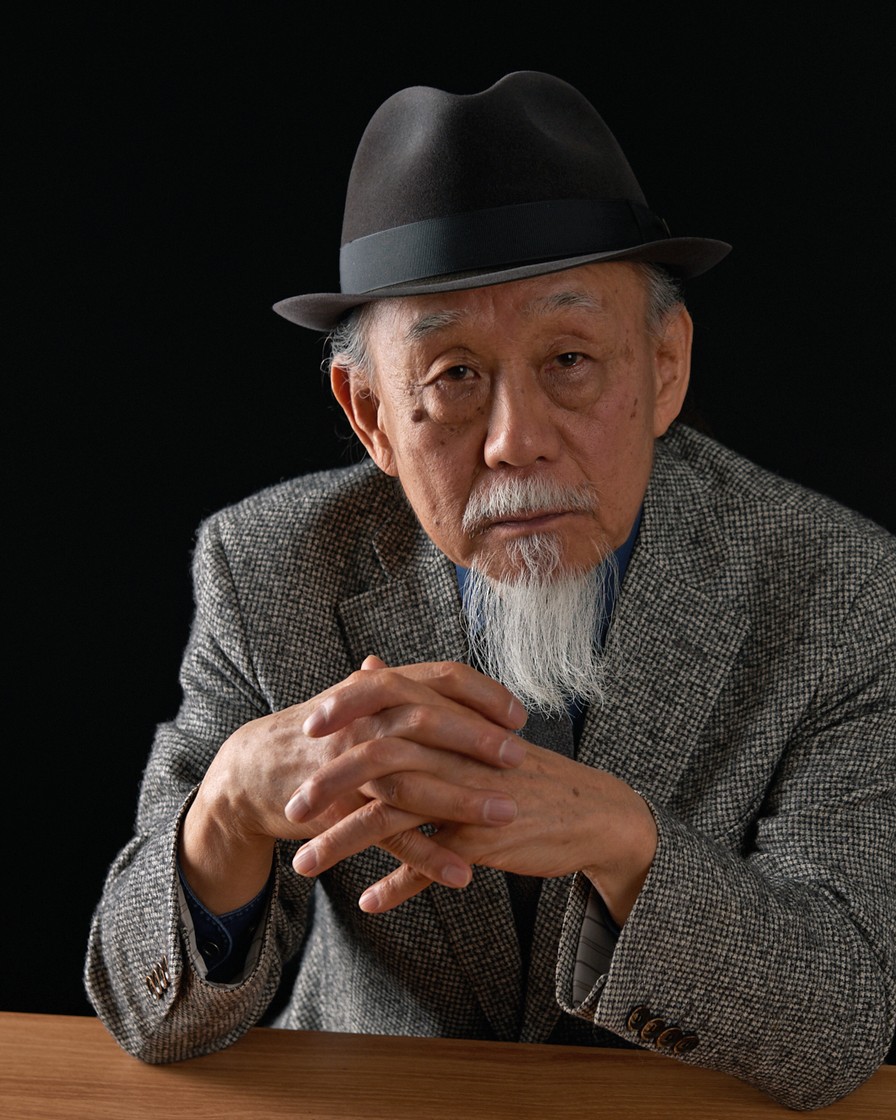
Sung Neung Kyung (b. 1944, Yesan, South Korea; lives and works in Seoul, South Korea) works across non-traditional media, including performance, photography, and archival practices, to examine constructions of knowledge and power. Working at the intersection of representation and the real, Sung’s oeuvre intervenes in the processes of communication, dissemination, and transmission. Through his resistance to traditional discourse, he seeks to challenge and dismantle various authorities, including political and artistic canonical systems. His practice is intrinsically process-oriented and deals in ephemera, frequently involving one-off events or performances; his work is often archived as photographs or contact prints and exhibited as a variety of photographic installations.
Sung is known for his involvement in the avant-garde Korean art group Space & Time (ST), an art and study collective active throughout the 70s and 80s that responded to both Western art and theory and a period of political turmoil in South Korea. Throughout his work, Sung engages hallmarks of Conceptualism; exploring dematerialization, text-based practice, and informational aesthetics, and he reformulates Conceptual tactics for a climate of urgency and unrest. In his seminal Newspapers: from June 1, 1974, on (1974), Sung carefully removed blocks of text from Korean newspapers with scissors, displaying the removed text alongside the cut pieces of newspaper. In his subsequent performance Reading newspaper (1976), Sung carefully “reads” the mangled remains of the periodicals. By performatively removing discursive context from the newspapers and rearranging text to suggest potential new meanings, Sung critiques government censorship of media. As he intercepts modes of dissemination, Sung thwarts long-held notions of language and power, and he cultivates alternative channels for knowledge production.
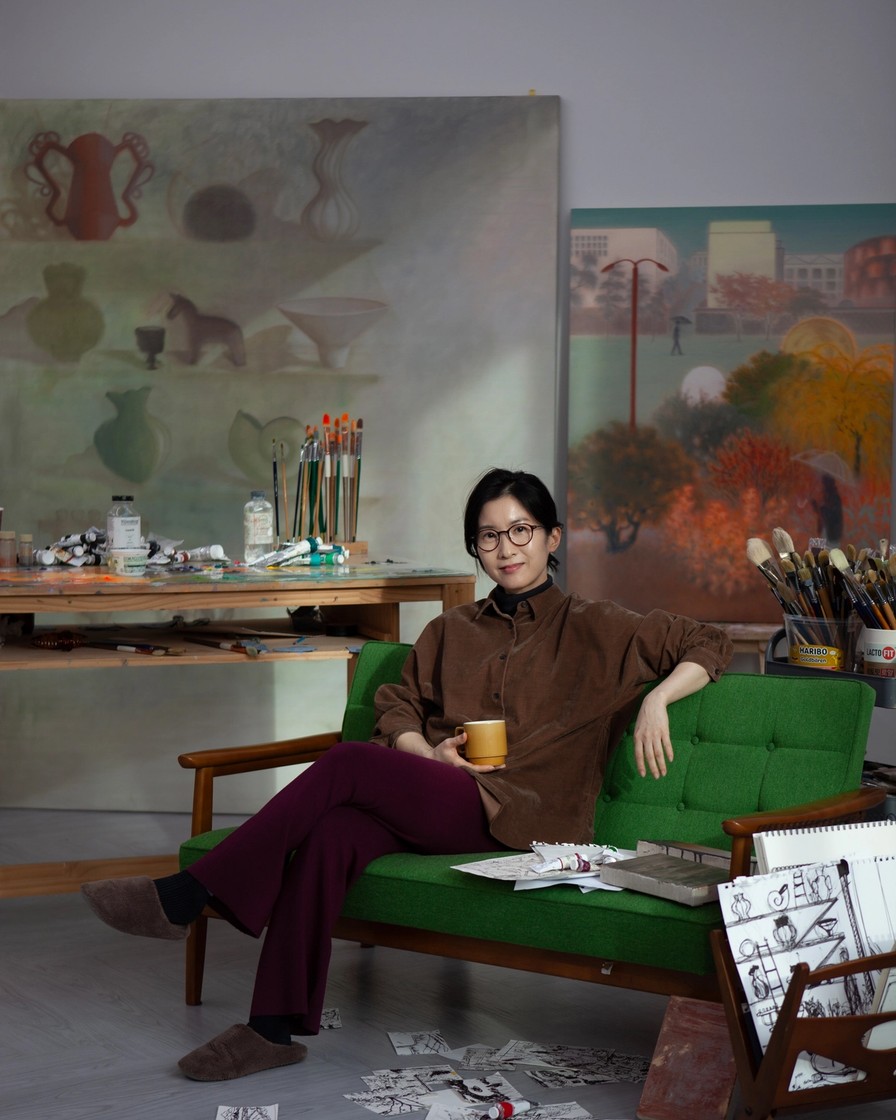
Guimi You (b. 1985, Seoul, South Korea; lives and works in Seoul, South Korea) is a painter whose work explores the emotional resonance of landscapes, interiors, and solitude. Through vibrant and poetic use of color, she creates atmospheric scenes that blend observation and imagination, capturing the fleeting sensations of memory, reflection, and presence. Her paintings often depict tranquil environments—flower-filled hillsides, still ponds, domestic spaces—that become sites for introspection and deeper engagement.
Originally trained in East Asian painting, You’s understanding of its pictorial traditions—where painting is not an act of depiction, but of evocation—anchors her approach. Her surfaces are built through a sensitive modulation of tone and translucency, where forms emerge gradually rather than being firmly outlined, echoing the atmospheric principles of traditional Korean landscape painting. After studying in South Korea, she lived in the United Kingdom and the United States, where she began working with oil paint and immersed herself in Western painting, wherein the external world often functions as a mirror for inner states. Today, You’s work sits at the intersection of Eastern and Western traditions, combining the delicacy and fluidity of ink with the depth and materiality of oil.