Skip to content

Art Basel Qatar

Doha

Booth D105

Feb 5–7, 2026

Wall work by Nari Ward

Doha

Doha, Qatar

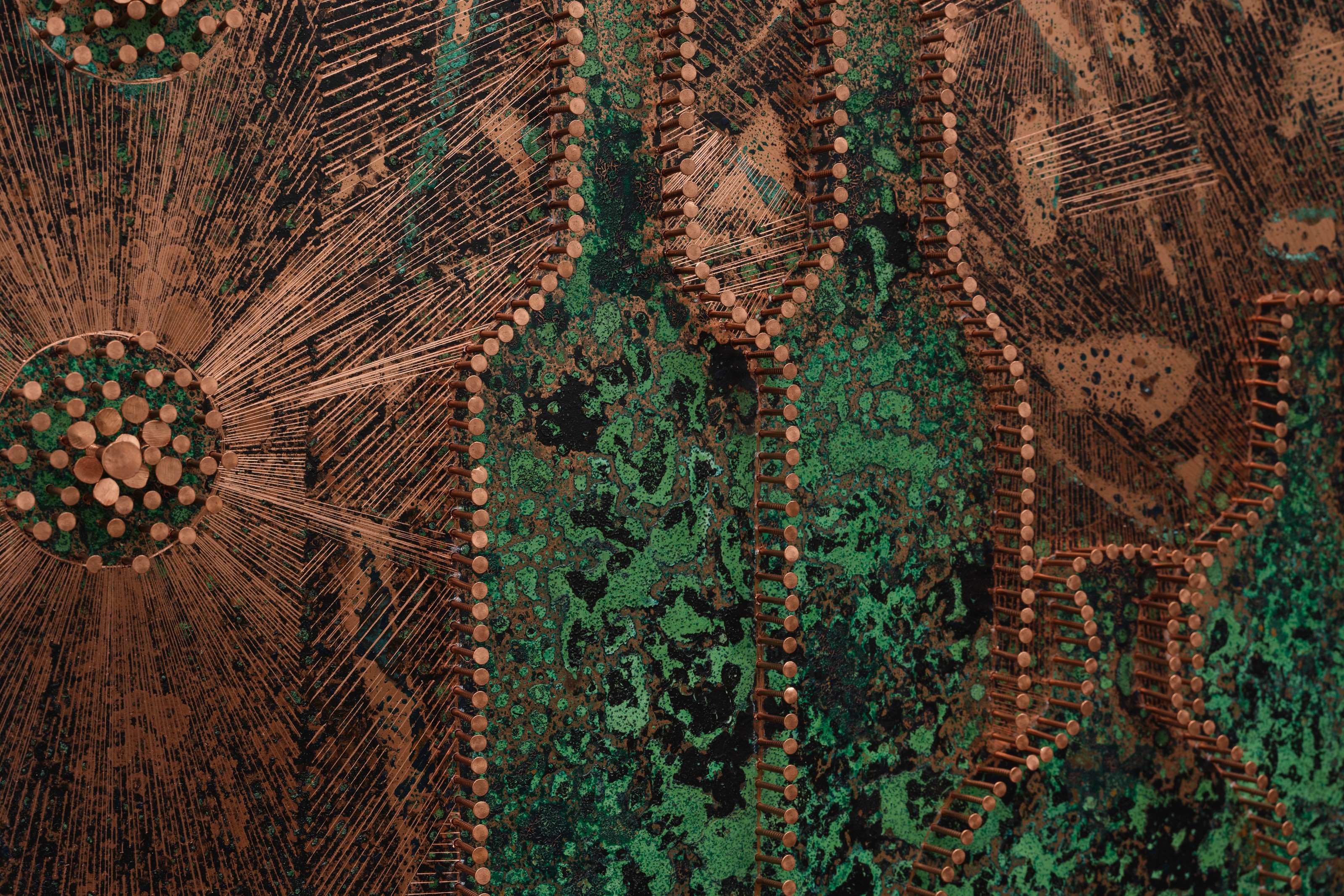
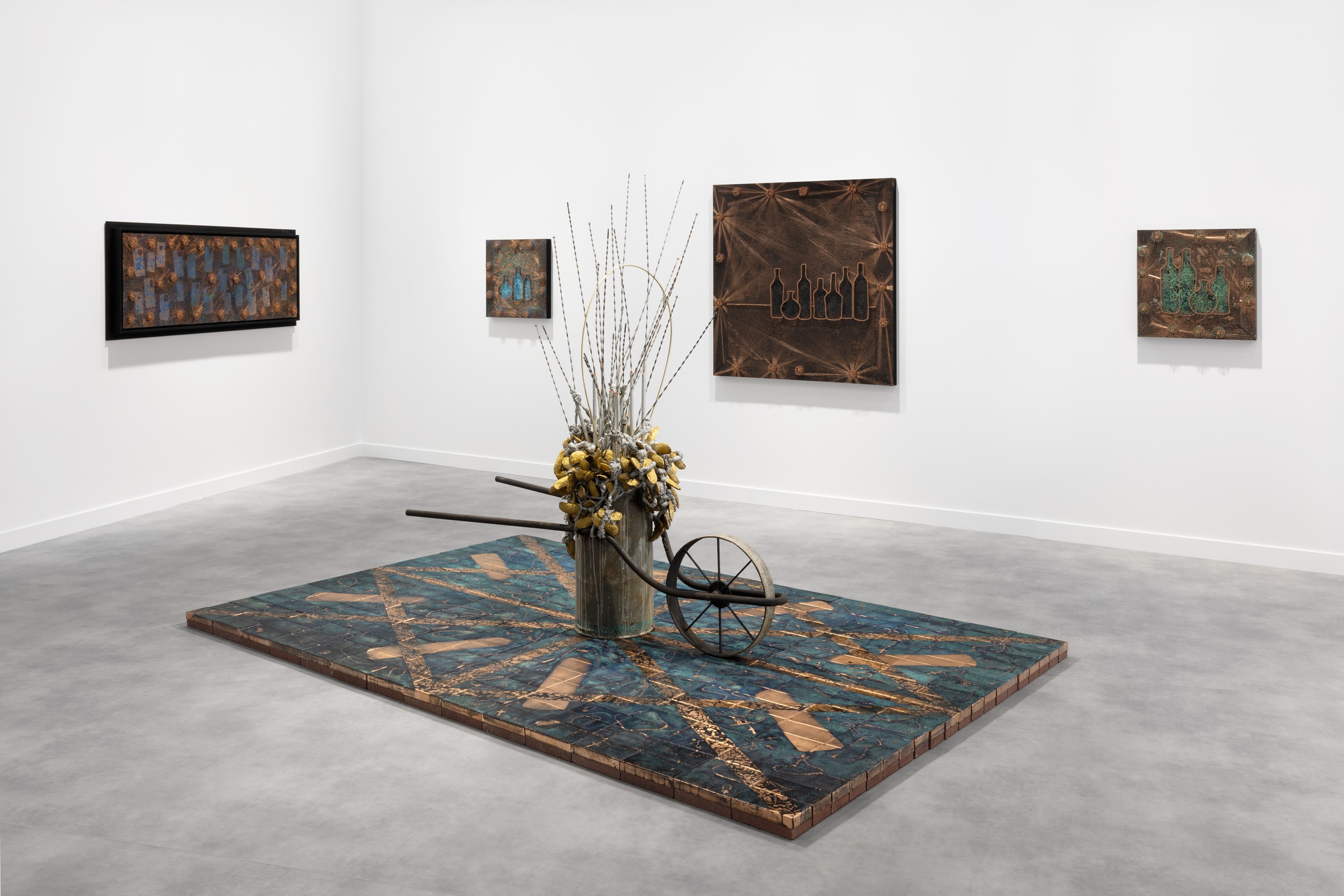
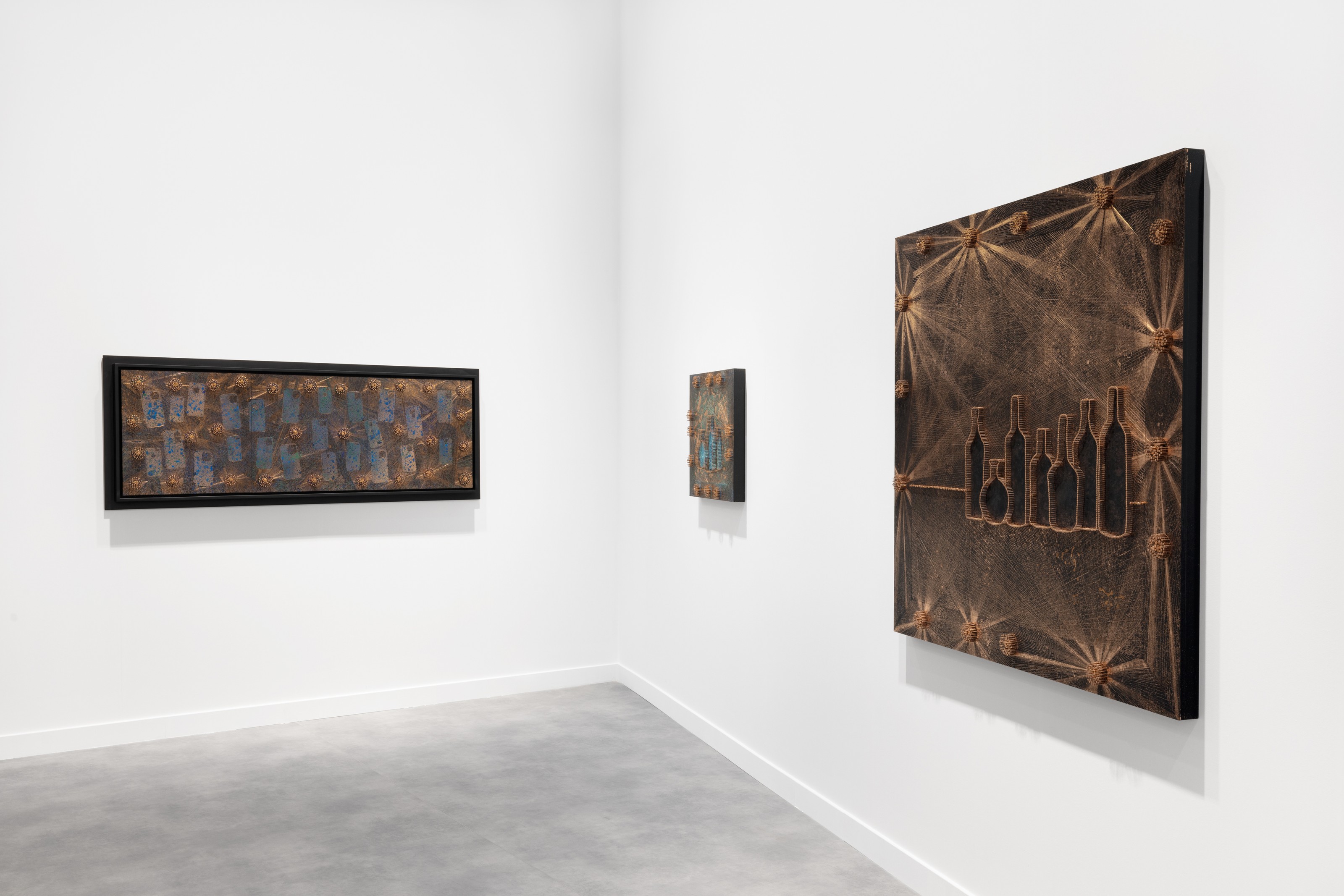
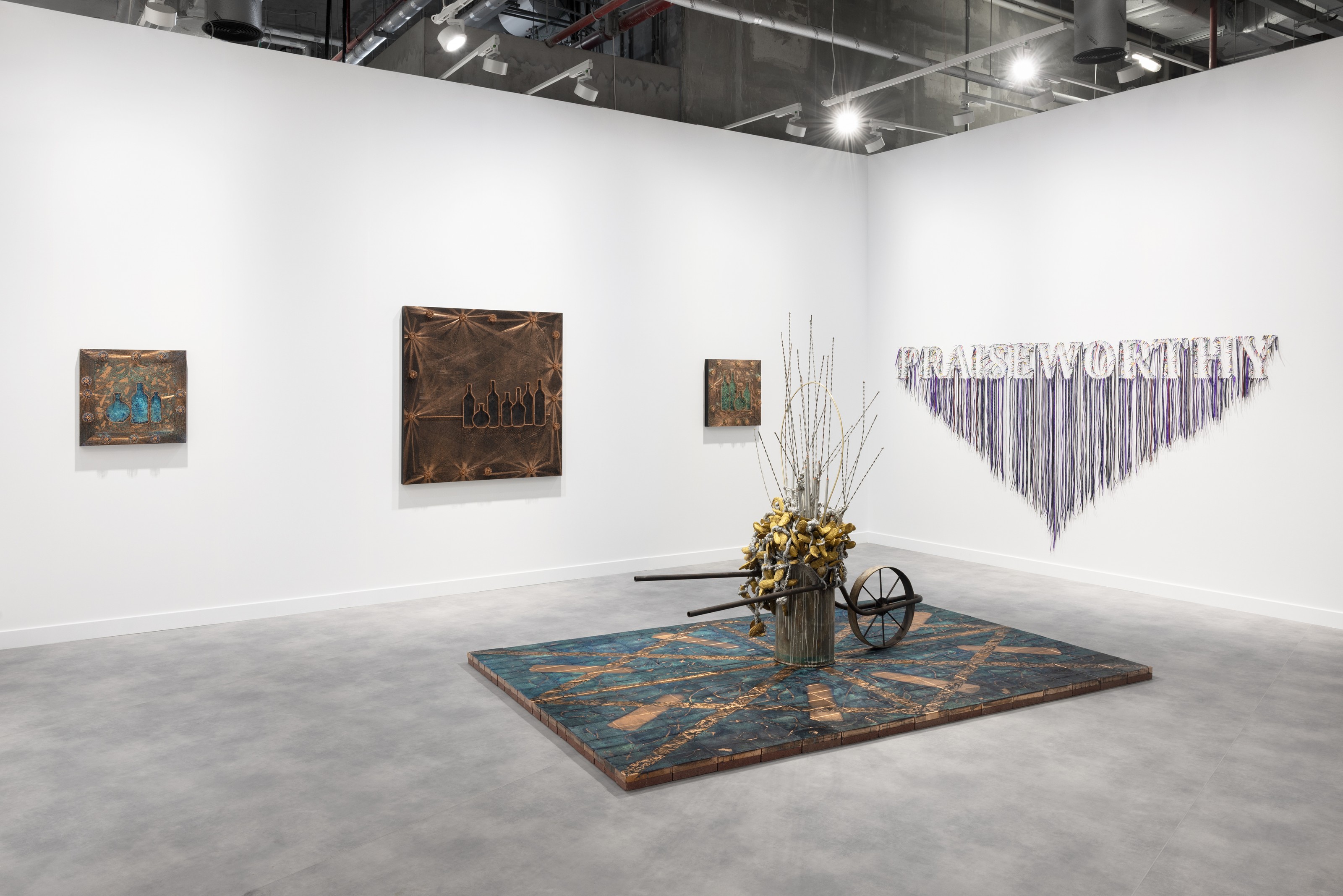
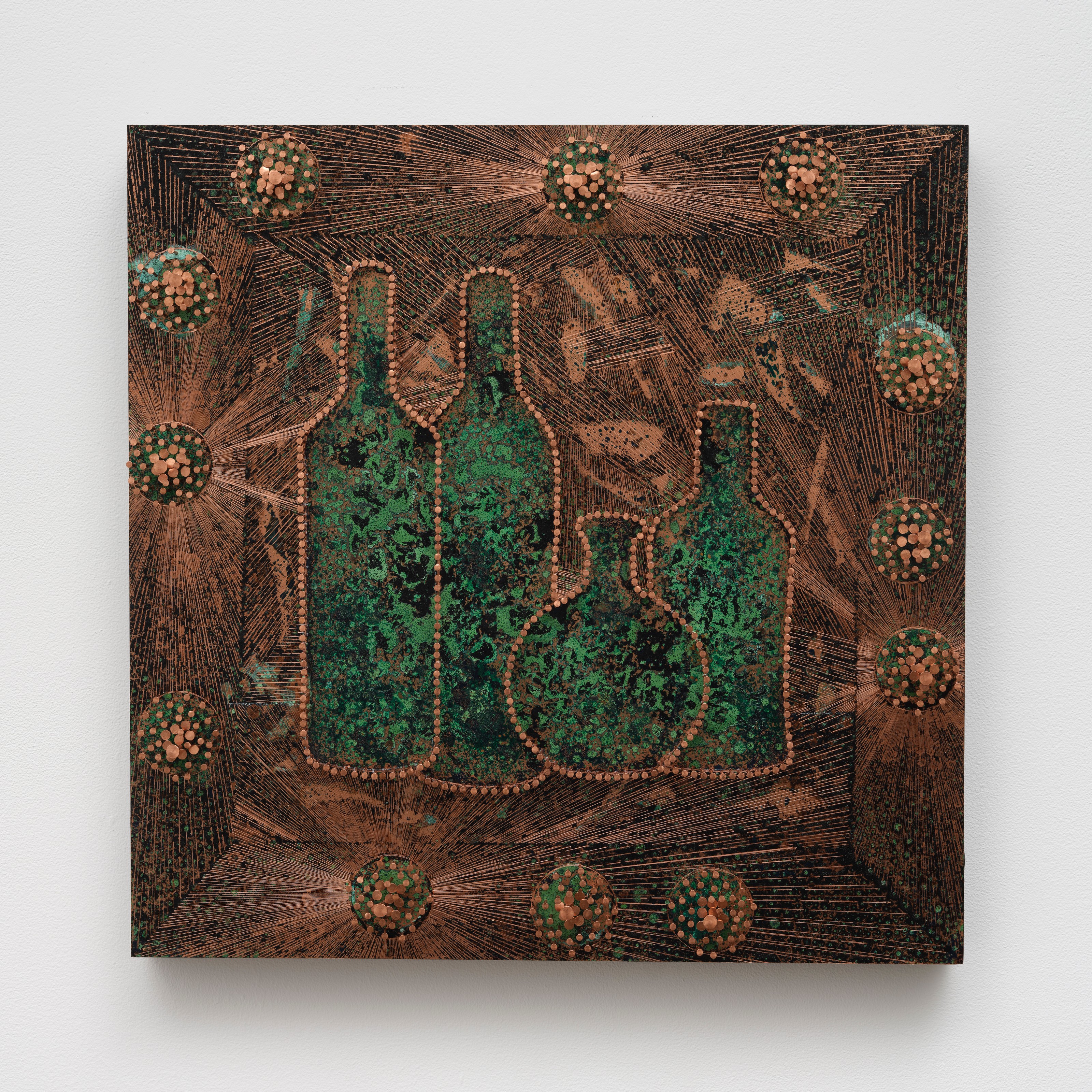
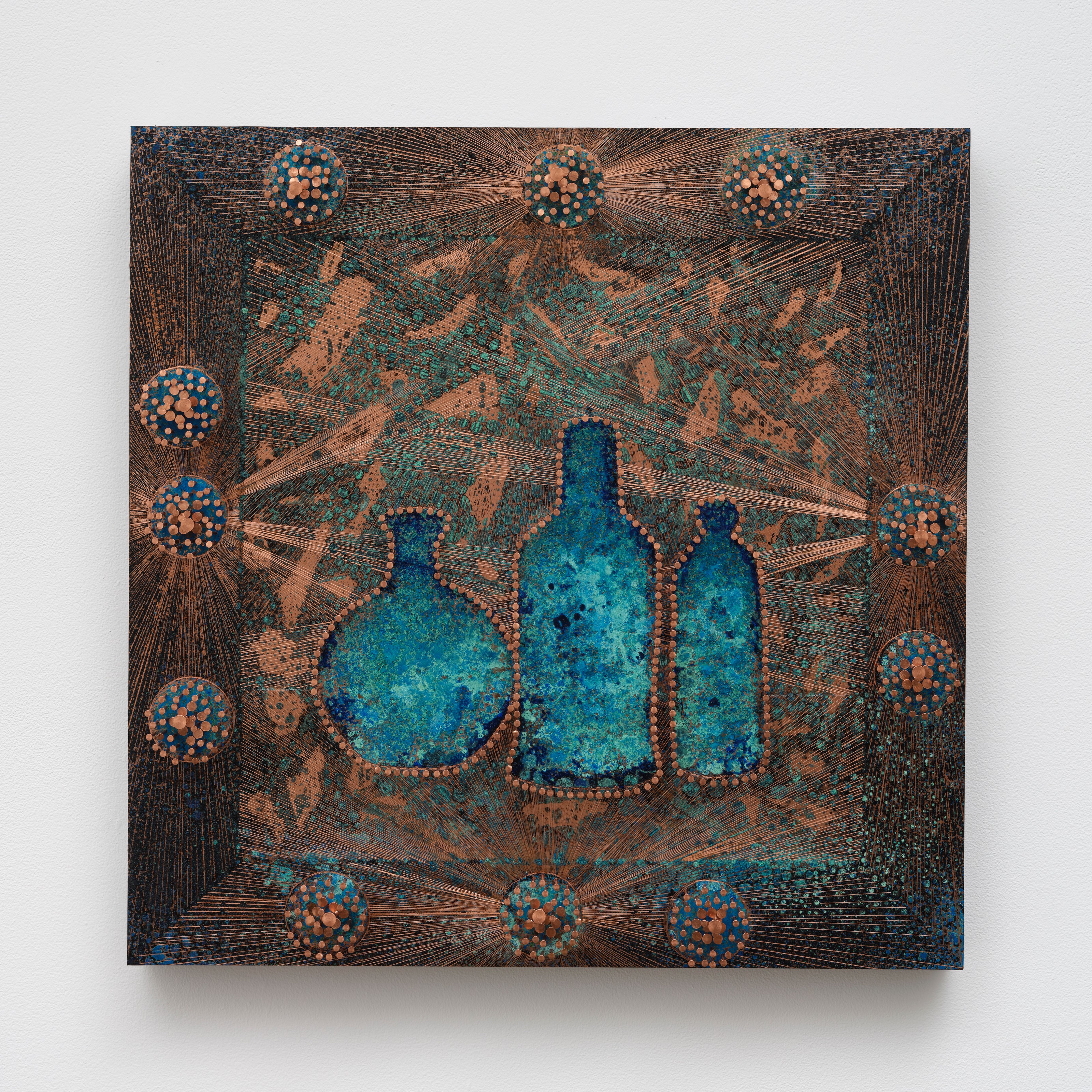
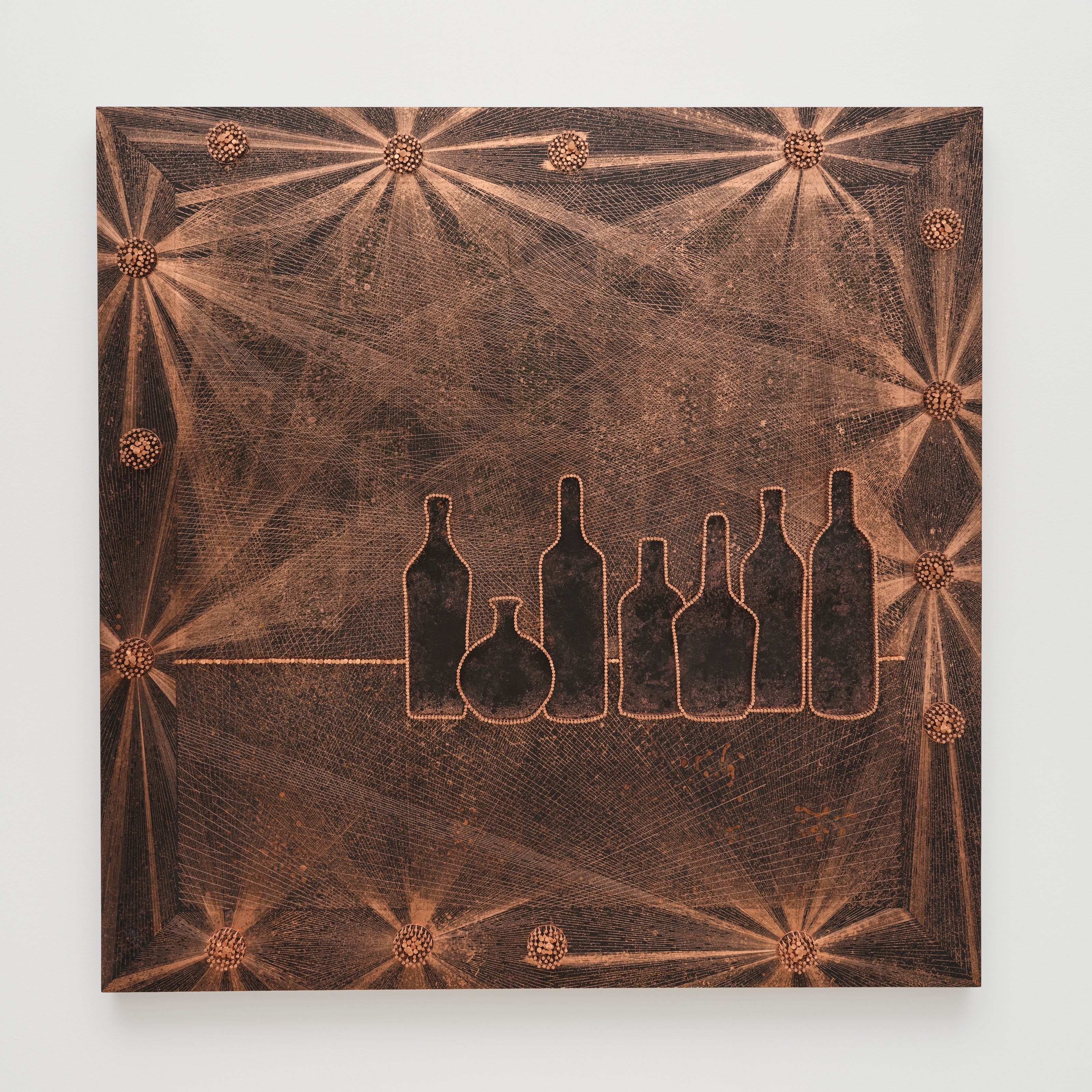
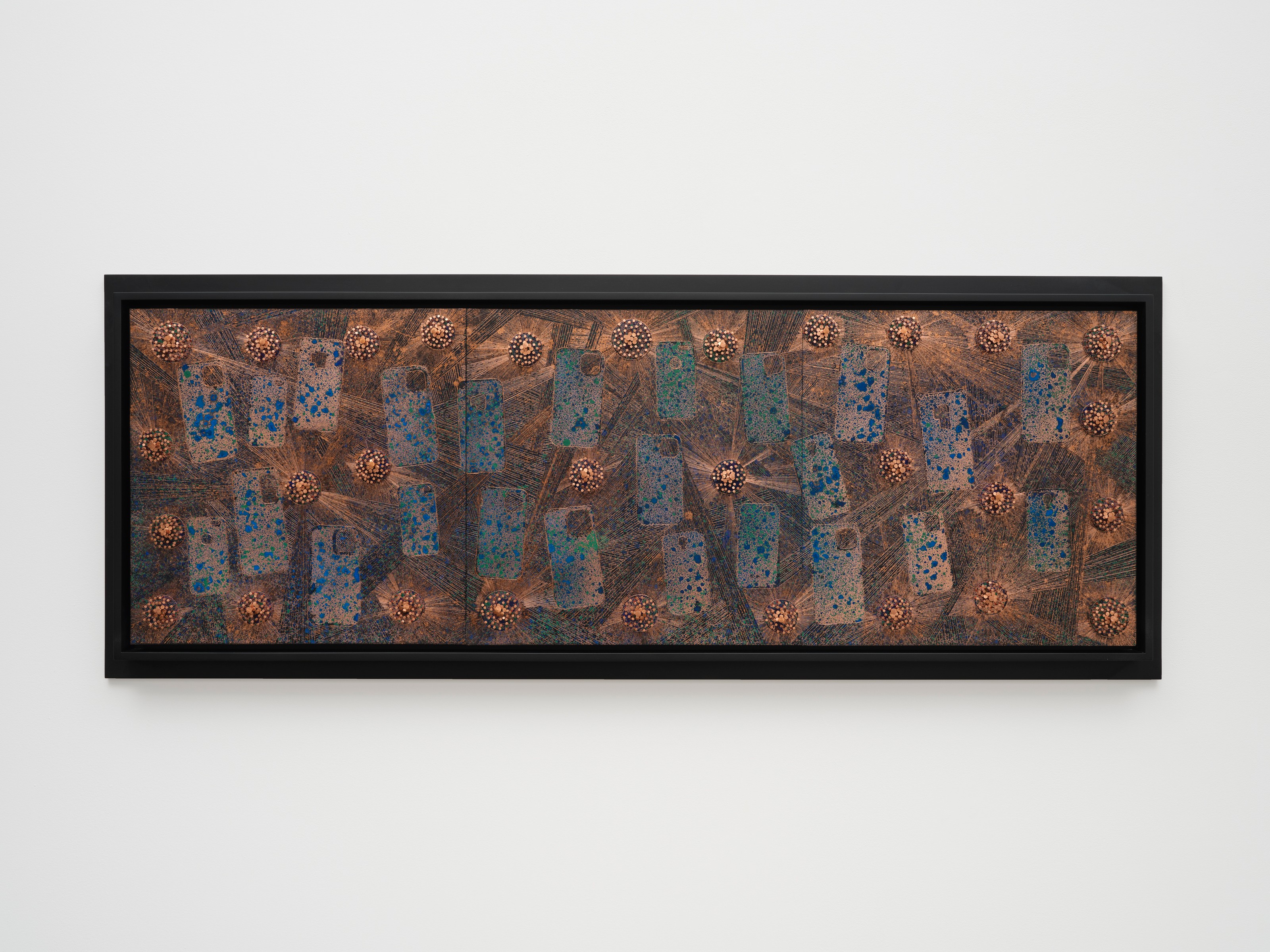
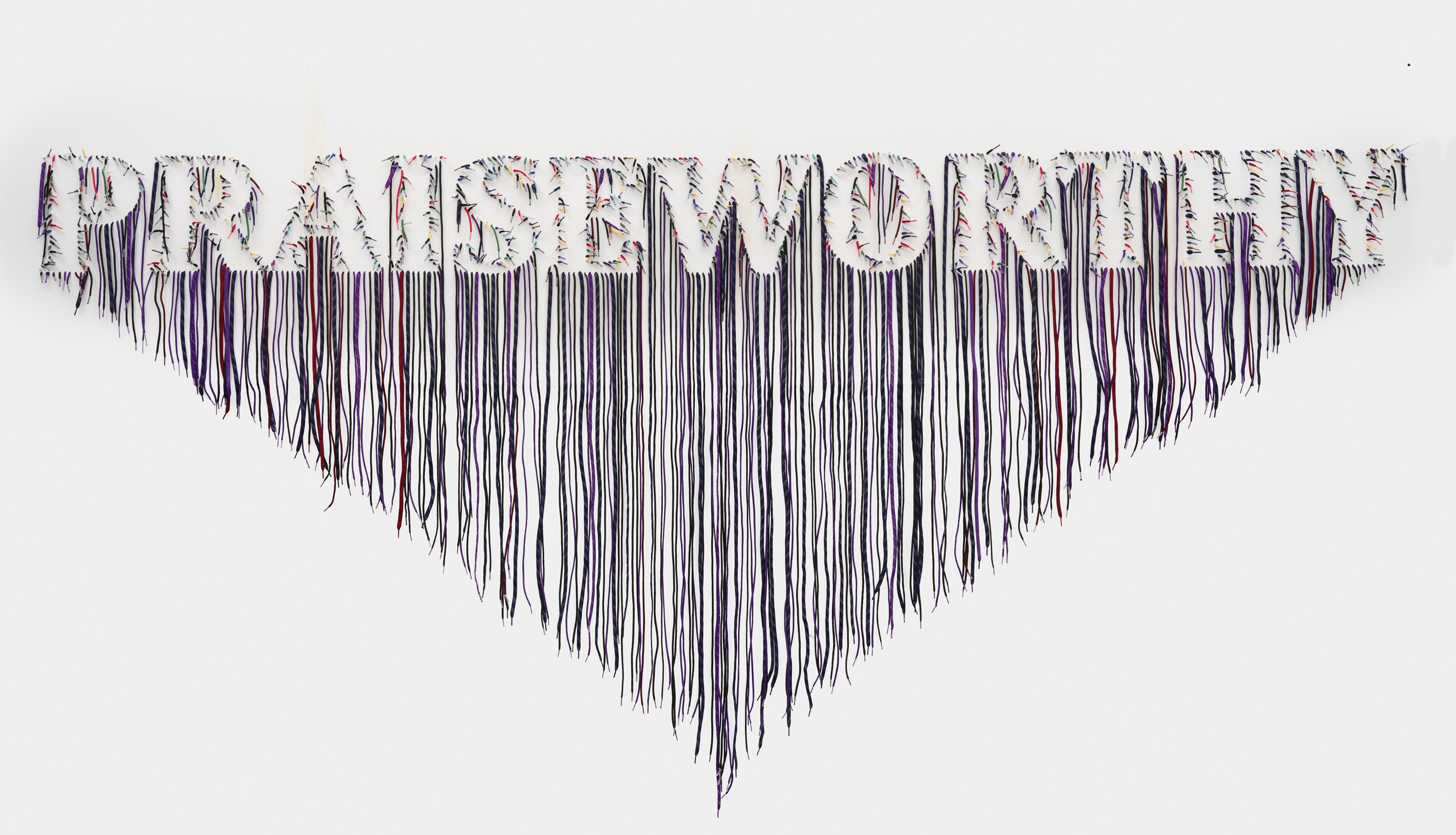
For the inaugural edition of Art Basel Qatar, Lehmann Maupin is pleased to present a solo presentation featuring new and recent work by New York-based artist Nari Ward. In a career spanning three decades, Ward has gained international recognition for his large-scale, mixed-media installations that use found and repurposed materials to explore themes of race, migration, identity, community, and consumer culture. The presentation brings together a series of signature works by the artist, including: new copper panel works, a new wall-based piece from the artist’s shoelace series, and a large-scale floor installation. Concurrent to Art Basel Qatar, Ward’s work is featured prominently in a number of biennials around the world, including in India and Taiwan. The presentation also comes on the heels of Ward’s major retrospective exhibition Ground Break at Pirelli HangarBicocca in Milan, Italy in 2023.

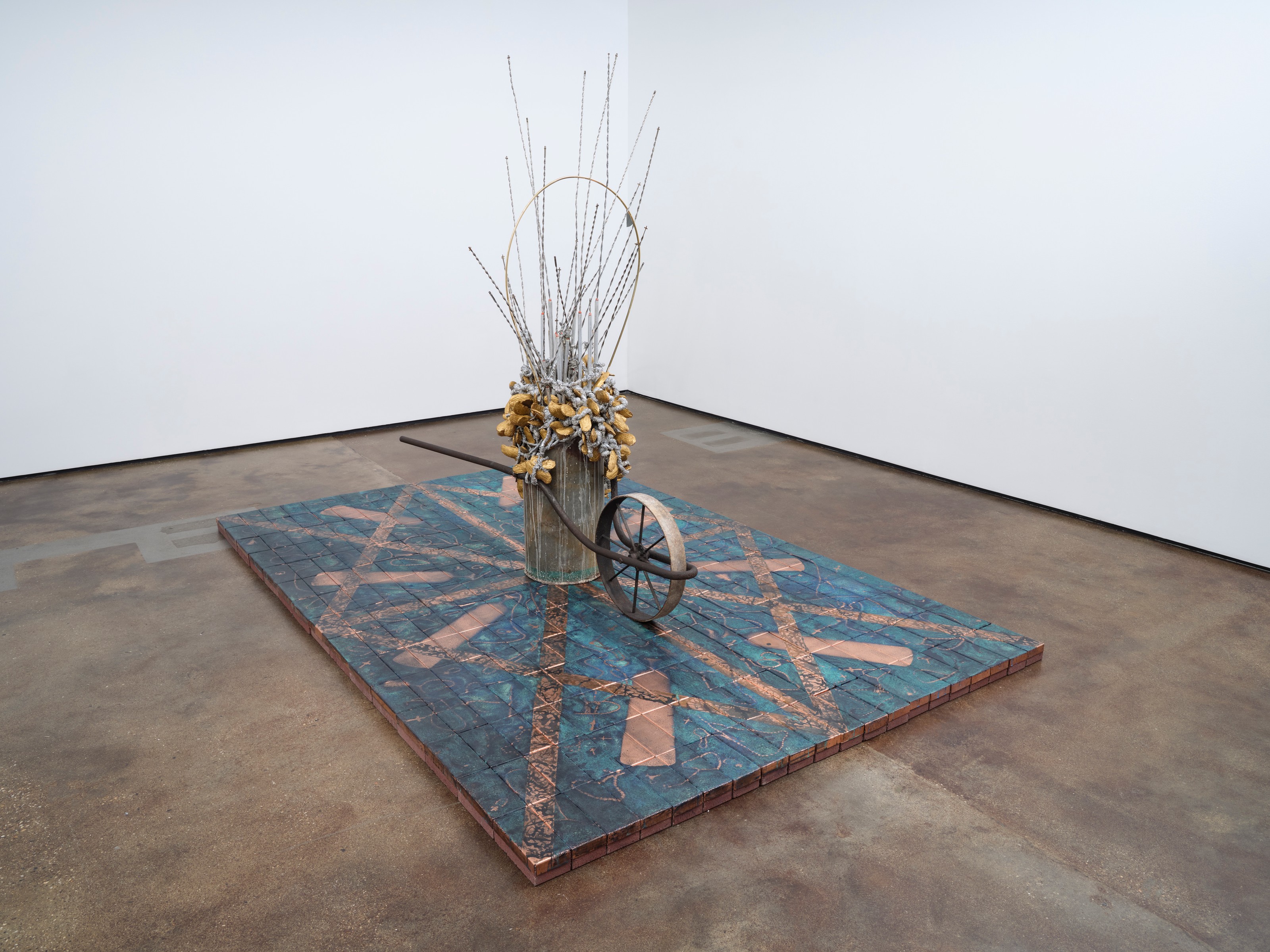
Combining materials to re-contextualize their original meanings, Ward’s assemblages probe a range of spiritual and conceptual issues through literal and metaphorical juxtaposition. The presentation in Qatar will foreground a large-scale installation featuring two sculptures. Balance Fountain (2013—2014) recalls a wheelbarrow overflowing with mysterious cargo. Strands of silver shade cloth, oversized golden mango seeds, and long metal window balances exceed the confines of an antique barrel. Freed from their functional context, Ward’s window balances suggest an array of metaphorical resonances. If a window is used to see, then a window balance is a purveyor of vision. The work sits atop a floor installation titled Groundin’ Visible (2023), which is composed of bricks overlaid with a sheet of copper. Ward has long been drawn to copper as an artistic medium for both its energetic properties and its many cultural associations with medicine and healing. Together, these two works explore the restorative possibilities of communal gathering. 

Installation view of Lehmann Maupin, Booth D105 at Art Basel Qatar
Installation Views: 1 of 4
Sculpture by Nari Ward

Nari Ward

Balance Fountain, 2013-2014

Nari Ward

Groundin' Visible, 2023

Wall work by Nari Ward

Nari Ward

Still Livin' Everlasting, 2024

Wall work by Nari Ward

Nari Ward

Still Livin' Forever, 2024

Wall work by Nari Ward

Nari Ward

Still Livin' Spectral Followers, 2025

Wall work by Nari Ward

Nari Ward

Watchlight, 2025

Wall work by Nari Ward

Nari Ward

PRAISEWORTHY, 2025

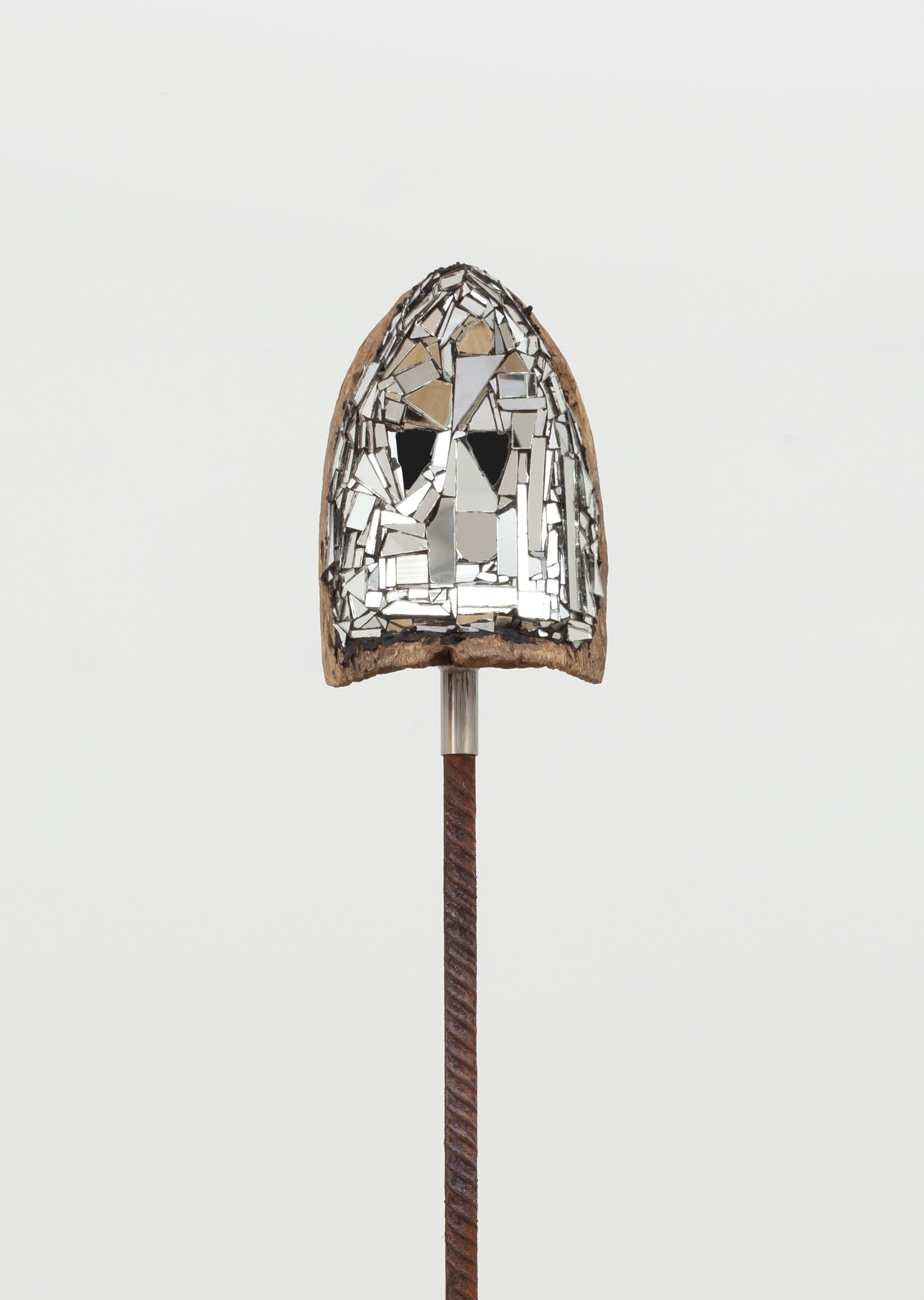
Sculpture by Kader Attia

Kader Attia

Mirrors and Masks, 2023

Sculpture by Kader Attia

Kader Attia

Untitled, 2025

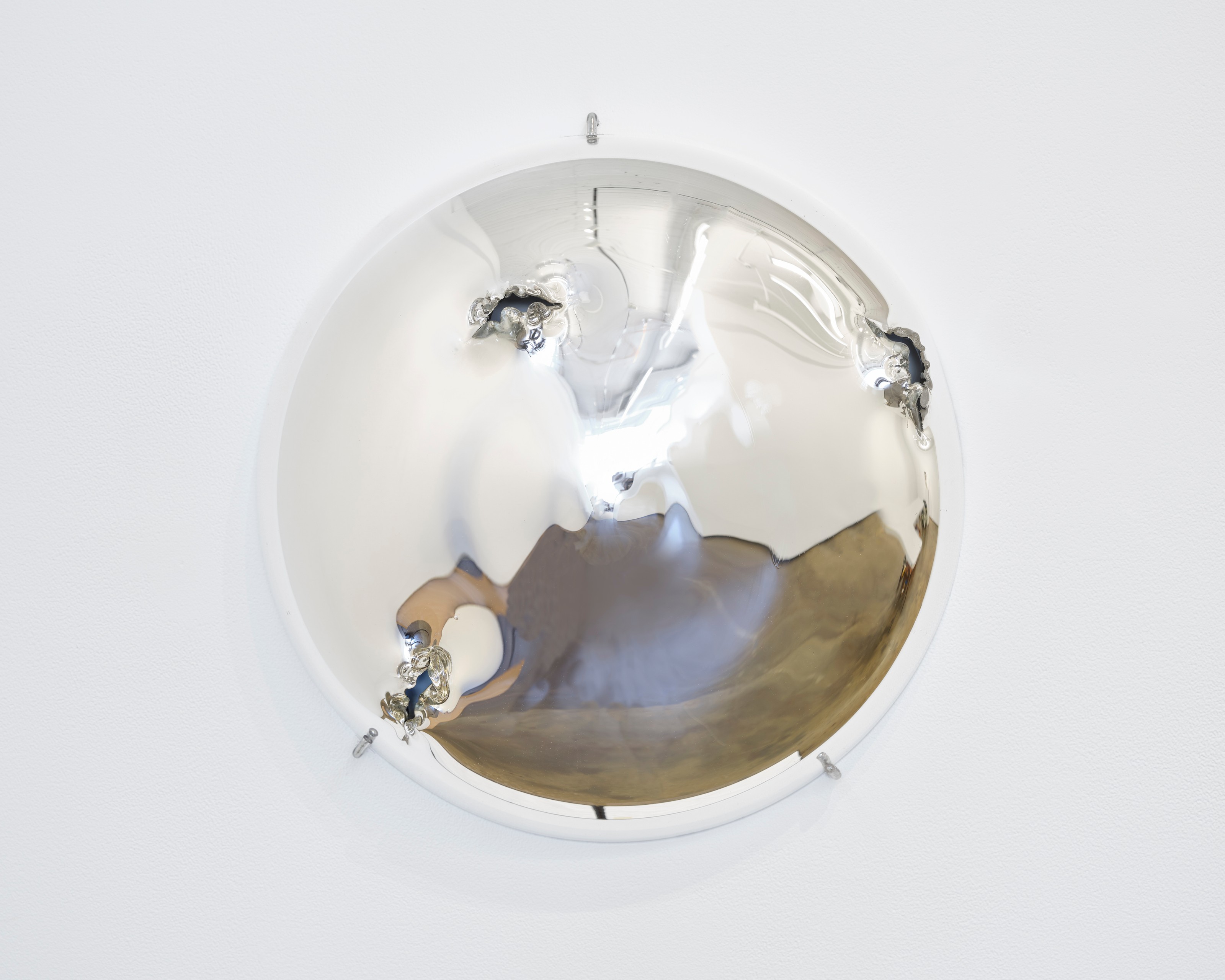
Wall work by Kader Attia

Kader Attia

Untitled, 2025

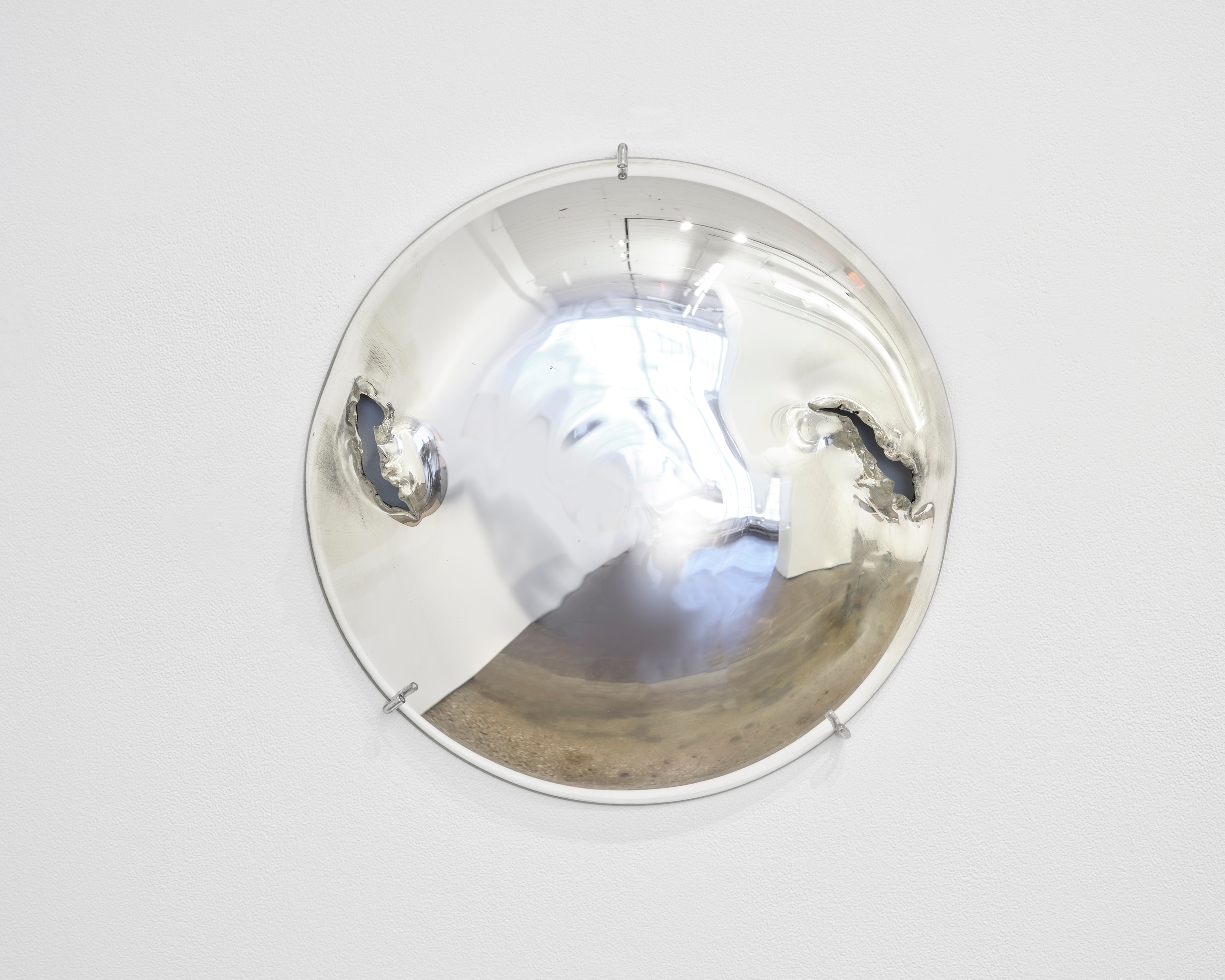
Wall work by Kader Attia

Kader Attia

Untitled, 2025

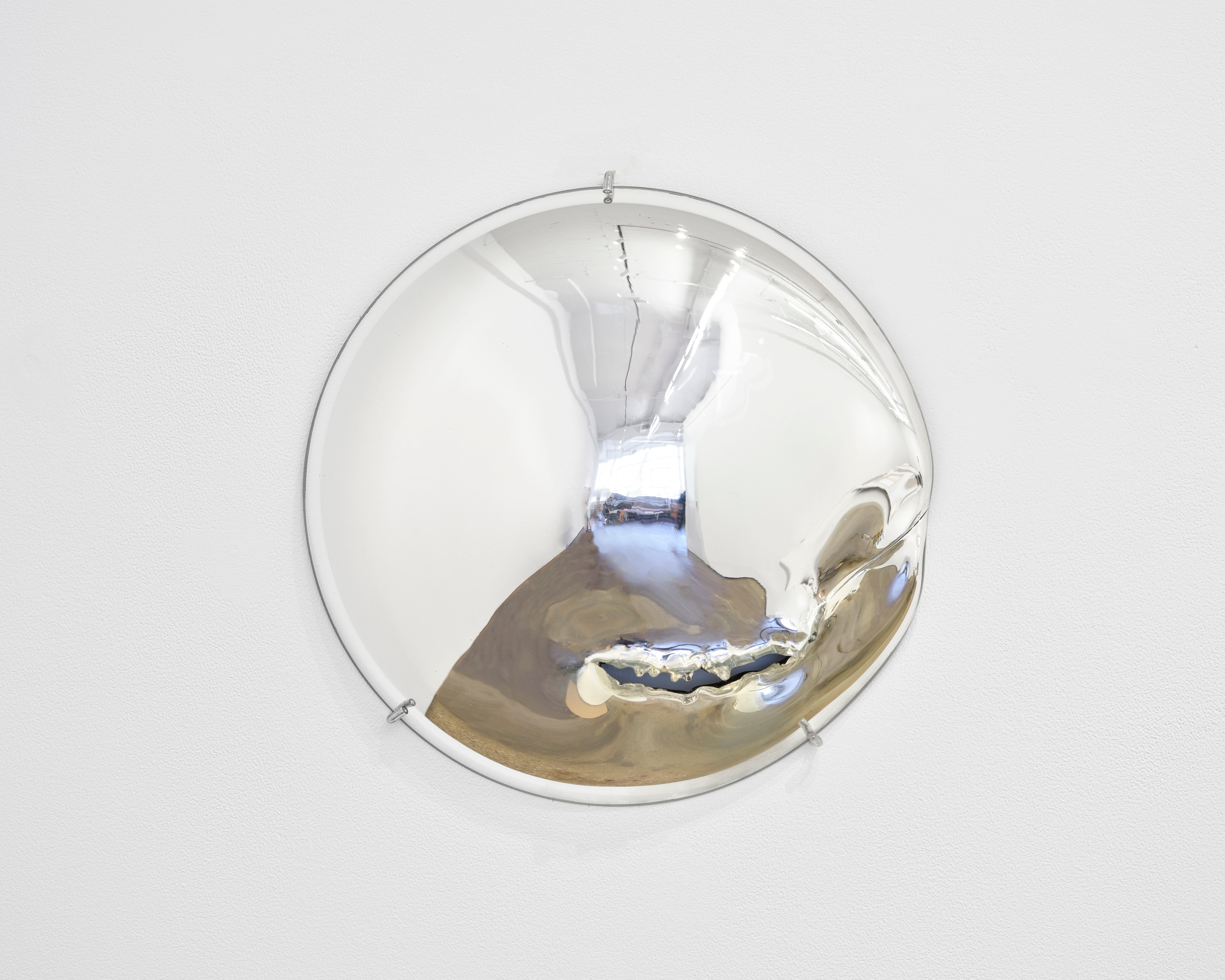
Wall work by Kader Attia

Kader Attia

Untitled, 2025

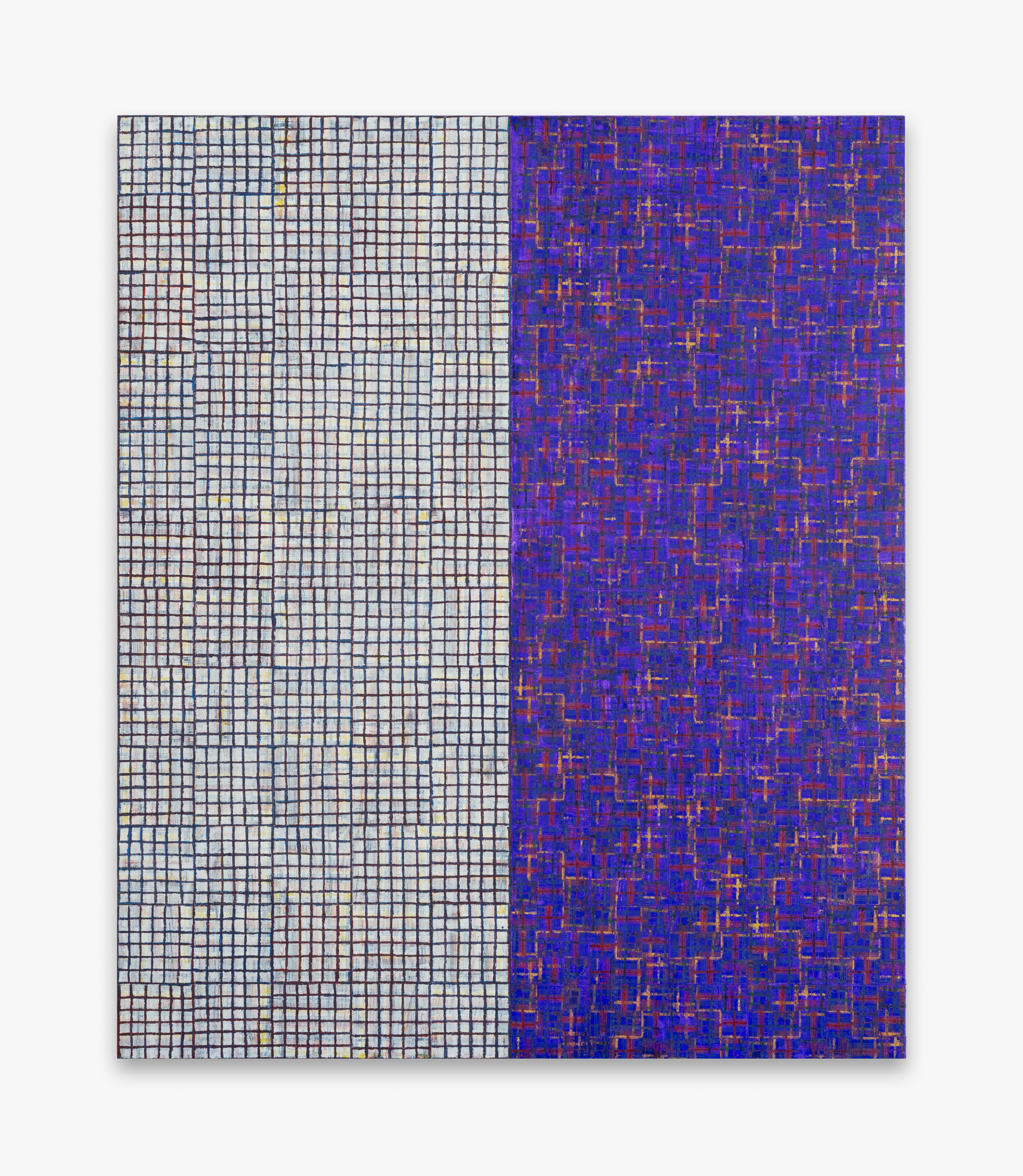
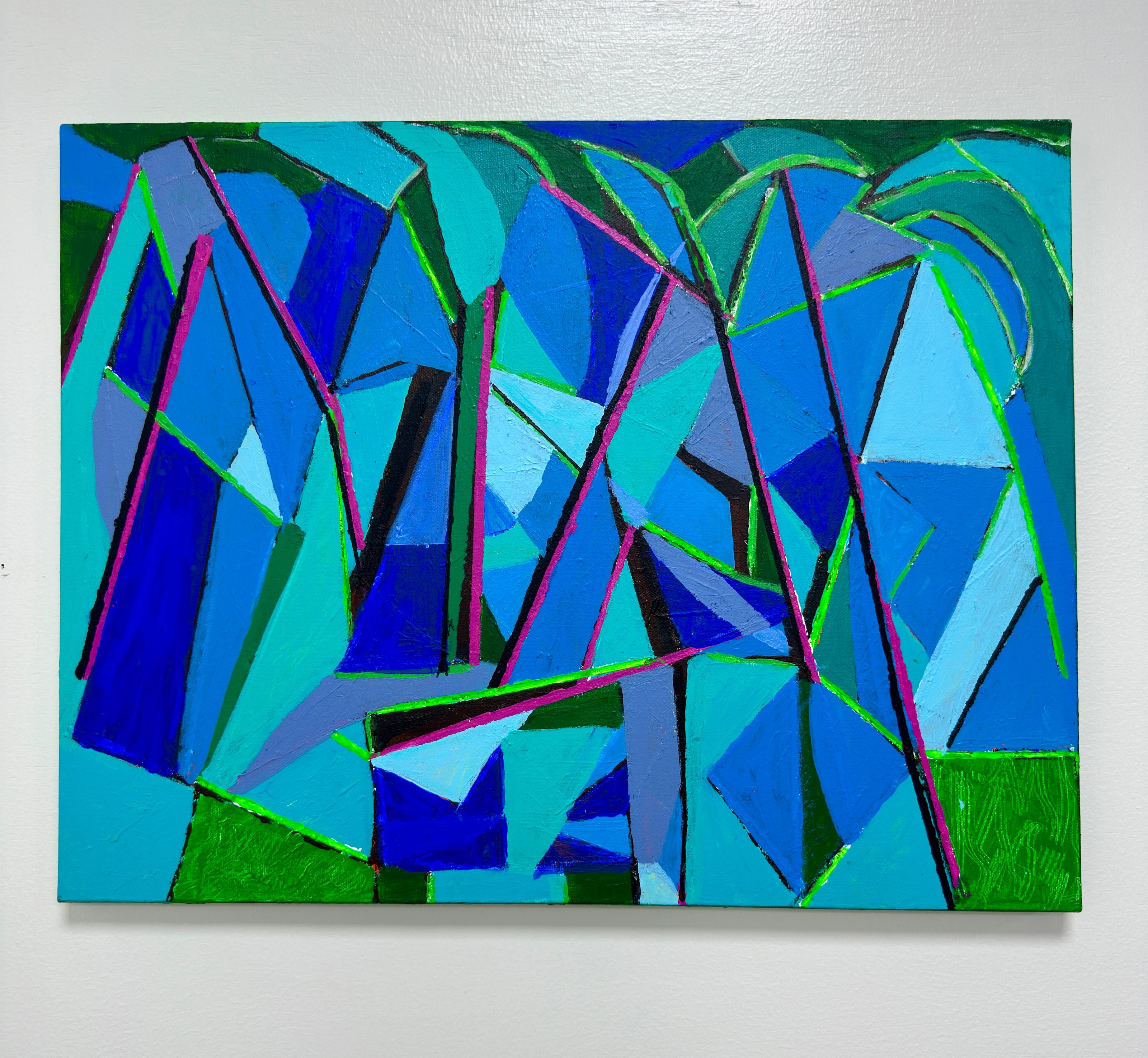
Painting by McArthur Binion

McArthur Binion

Visual:Ear, 2023

Painting by McArthur Binion

McArthur Binion

detroit:2025, 2025

Painting by McArthur Binion

McArthur Binion

under:ground, 2025

Painting by McArthur Binion

McArthur Binion

under:ground, 2025

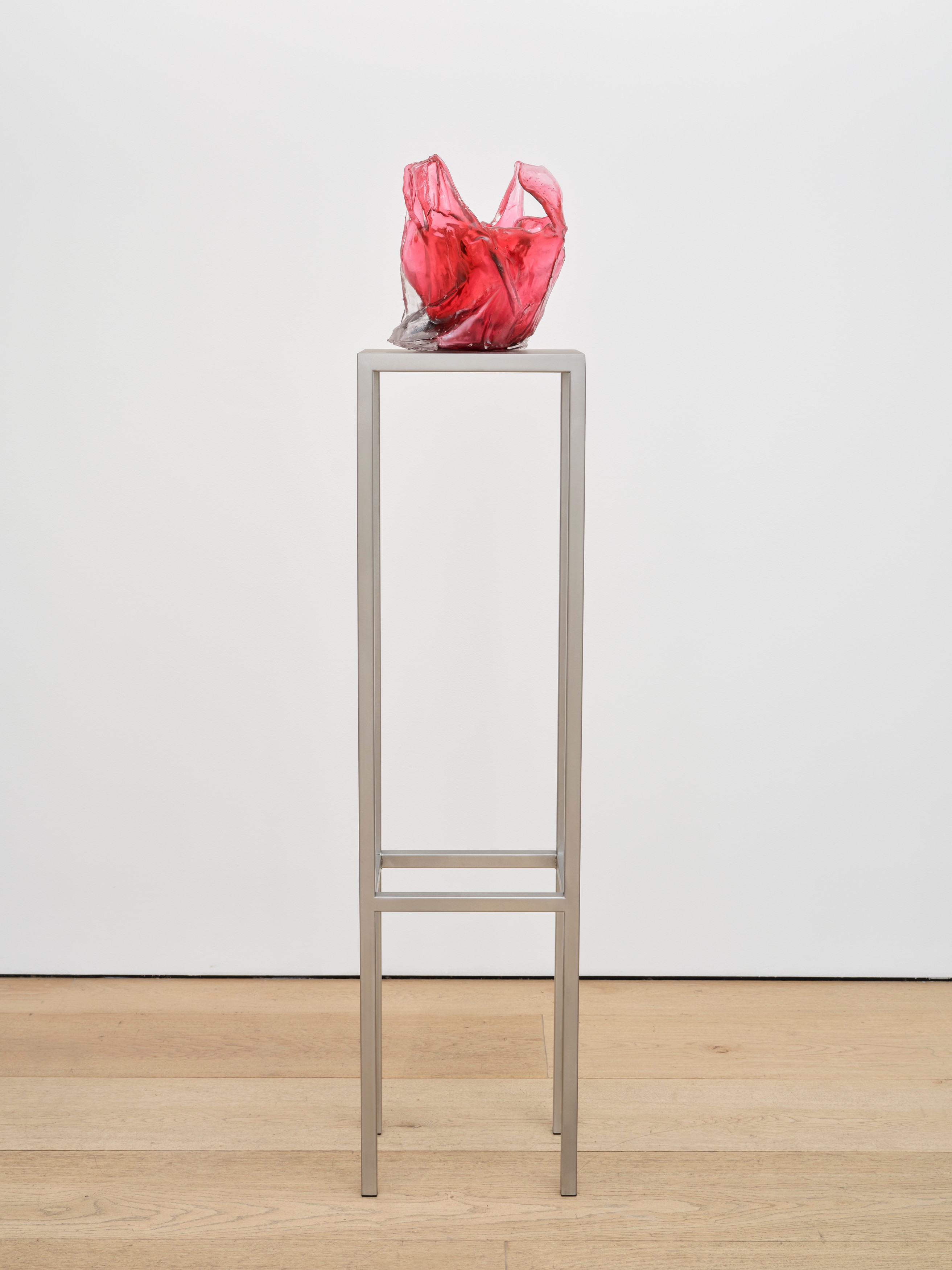
Wall sculpture by Teresita Fernández

Teresita Fernández

Liquid Horizon 1, 2025

Painting by Shirazeh Houshiary

Shirazeh Houshiary

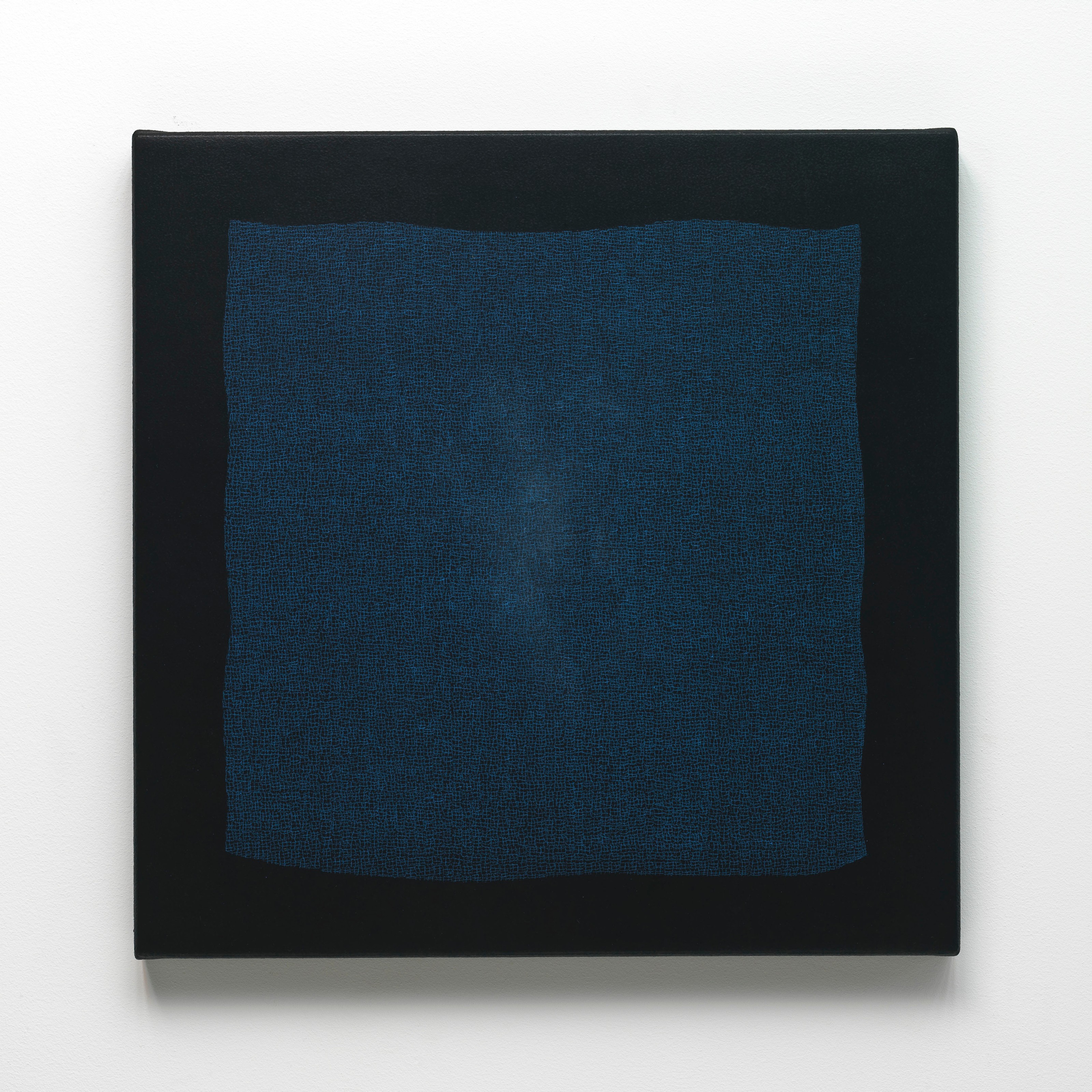
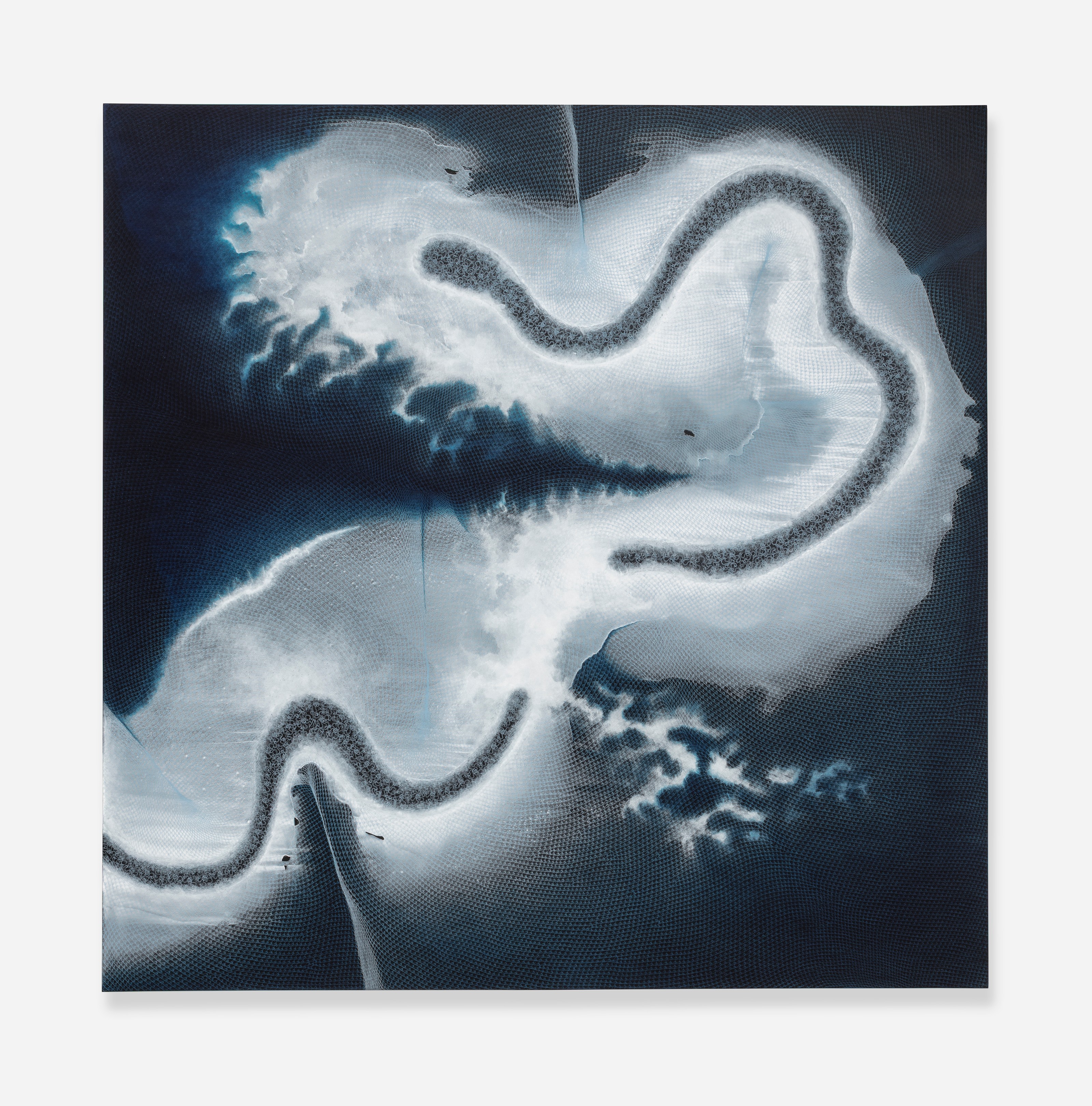
Untitled, 2008

Painting by Shirazeh Houshiary

Shirazeh Houshiary

Entanglements, 2025

Painting by Kim Yun Shin

Kim Yun Shin

Waves of Joy 2025-9, 2025

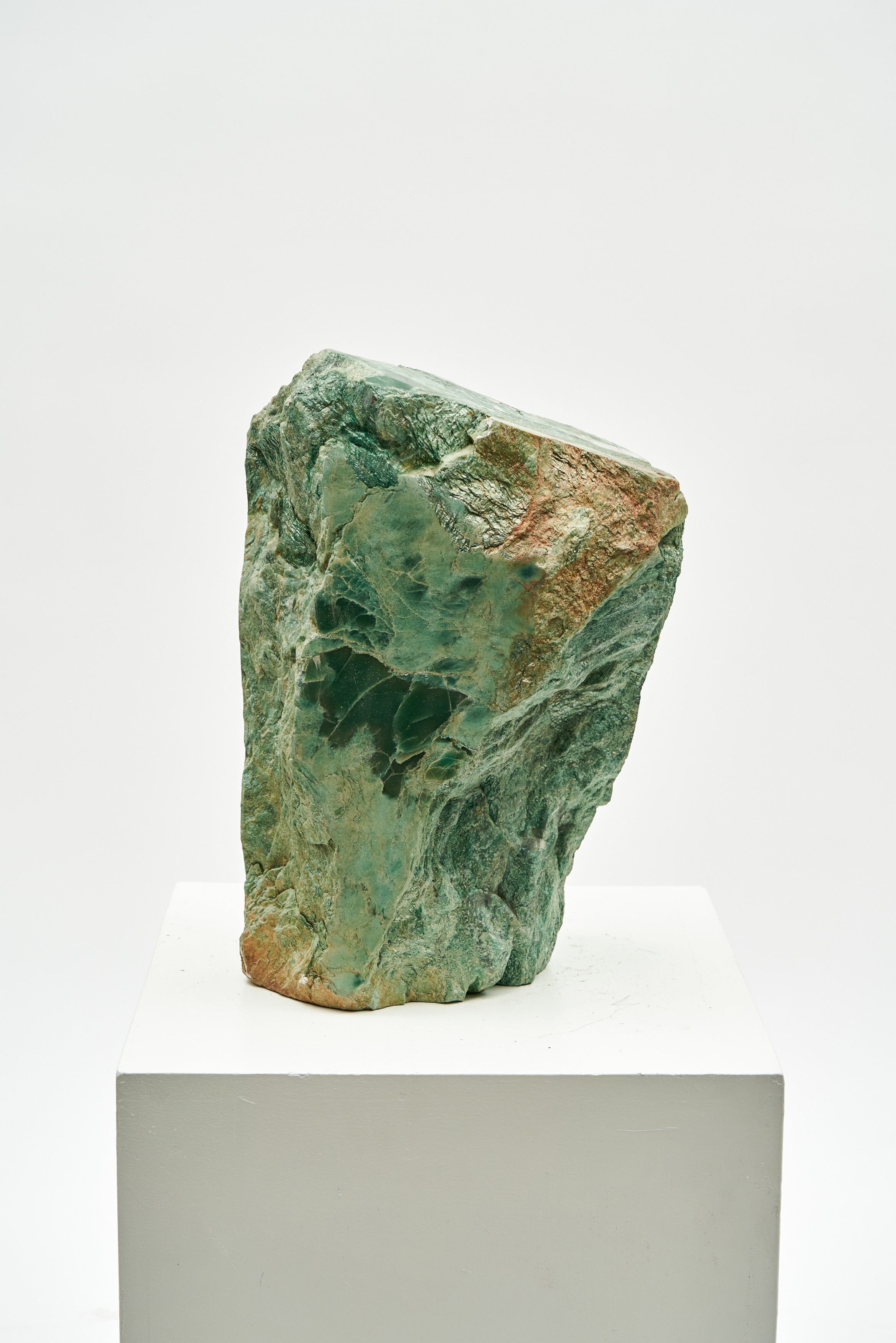
Sculpture by Kim Yun Shin

Kim Yun Shin

Add Two Add One Divide Two Divide One 2002-758, 2002

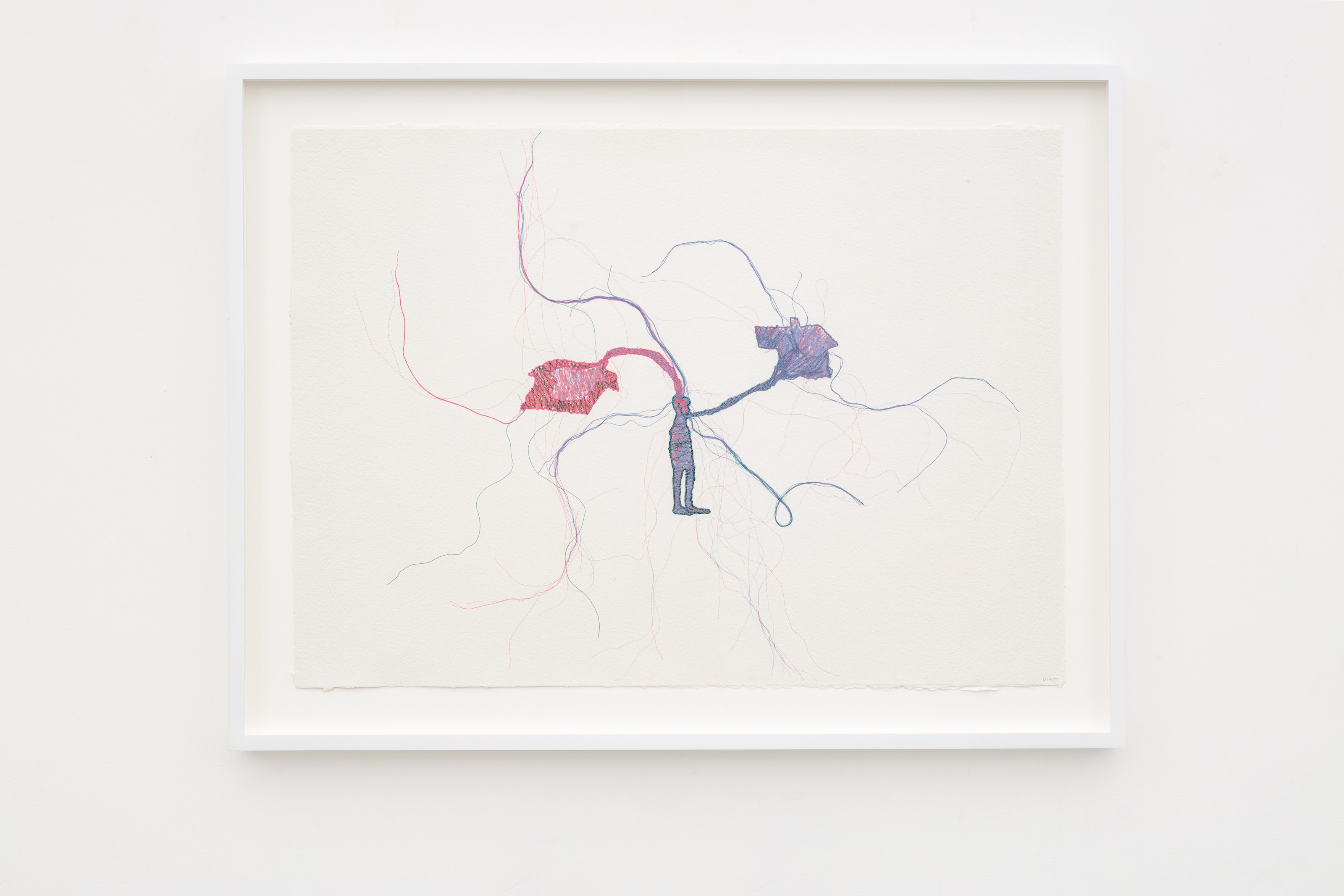
Thread drawing by Do Ho Suh

Do Ho Suh

My Home/s, 2025

Exhibition Artists

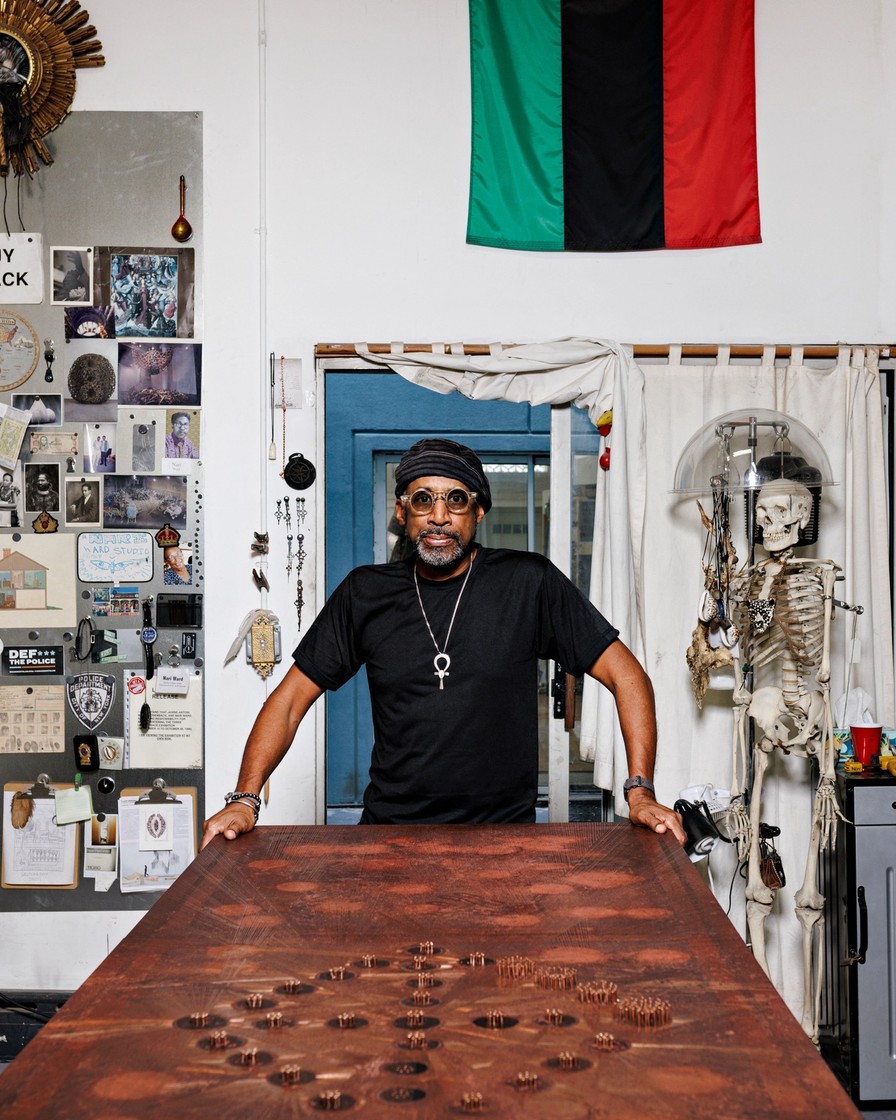
Portrait of Nari Ward

In a career spanning over three decades, artist Nari Ward (b. 1963, St. Andrew, Jamaica; lives and works in New York, NY) has gained recognition for an interdisciplinary and multimedia practice that engages historical and contemporary discourse around race, migration, democracy, identity, and community. Ward is best known for his wall and installation-based sculptural works created primarily from materials found and collected throughout Harlem, his longtime neighborhood in New York. These objects imbue his work with a sense of intimacy, reflecting the shared experience of community. Combining materials to re-contextualize their original meanings, Ward’s assemblages probe a range of spiritual and conceptual issues through literal and metaphorical juxtaposition.

Materially specific but conceptually ambiguous, Ward’s multimedia and performance works unfold into many possible interpretations—as materials and movements accumulate, so too do signifiers. Each found object—including baseball bats, strollers, shoelaces, cash registers, bottles, and shopping carts—contains a multiplicity of meanings and histories that speak to both collective experience and individual memory. The intentional synthesis of such objects, combined with the more traditional disciplines of painting, sculpture, and performance, allows for varied interpretations, inviting viewers to project their own associations and transcend the specific context of any given work. At the same time, Ward’s art reflects on the complexities of contemporary society, transforming overlooked material through artmaking to foreground forgotten histories or marginalized communities.
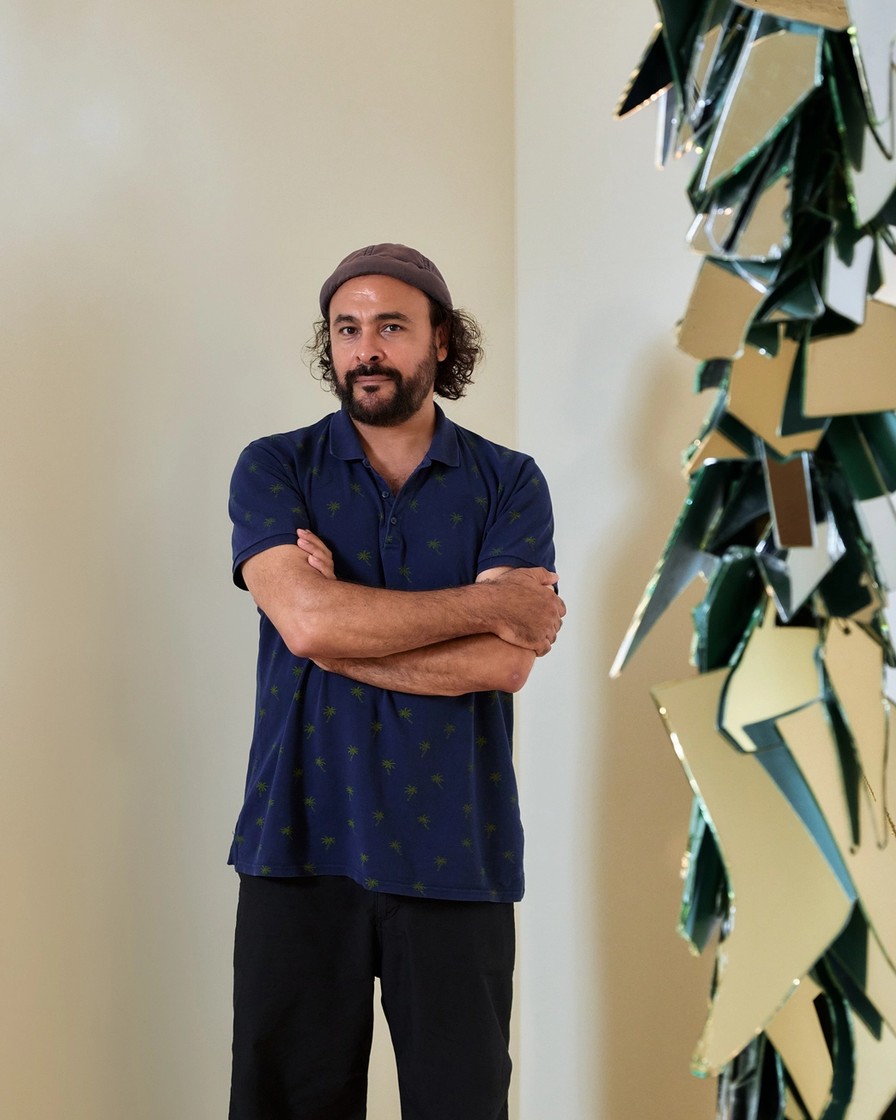
Portrait of Kader Attia

Kader Attia (b. 1970, Seine Saint-Denis, Dugny, France; lives and works in Berlin Germany and Paris, France), grew up in Paris and in Algeria. Preceding his studies at the École Supérieure des Arts Appliqués Duperré and the École Nationale Supérieure des Arts Décoratifs in Paris, and at Escola Massana, Centre d’Art i Disseny in Barcelona, he spent several years in Congo and in South America.The experience with these different cultures, the histories of which over centuries have been characterized by rich trading traditions, colonialism and multi-ethnic societies, has fostered Kader Attia’s intercultural and interdisciplinary approach of research. For many years, he has been exploring the perspective that societies have on their history, especially as regards experiences of deprivation and suppression, violence and loss, and how this affects the evolving of nations and individuals — each of them being connected to collective memory.

His socio-cultural research has led Kader Attia to the notion of Repair, a concept he has been developing philosophically in his writings and symbolically in his oeuvre as a visual artist. With the principle of Repair being a constant in nature — thus also in humanity —, any system, social institution or cultural tradition can be considered as an infinite process of Repair, which is closely linked to loss and wounds, to recuperation and re-appropriation. Repair reaches far beyond the subject and connects the individual to gender, philosophy, science, and architecture, and also involves it in evolutionary processes in nature, culture, myth and history.

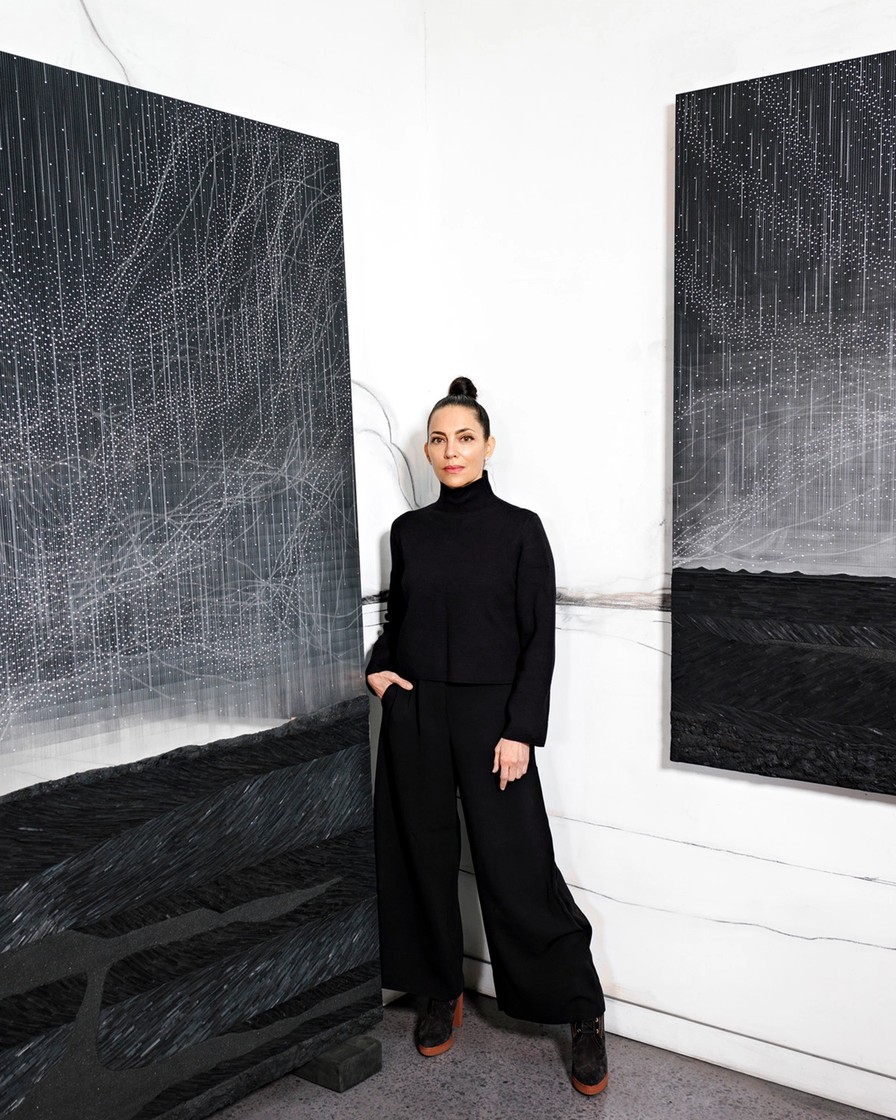
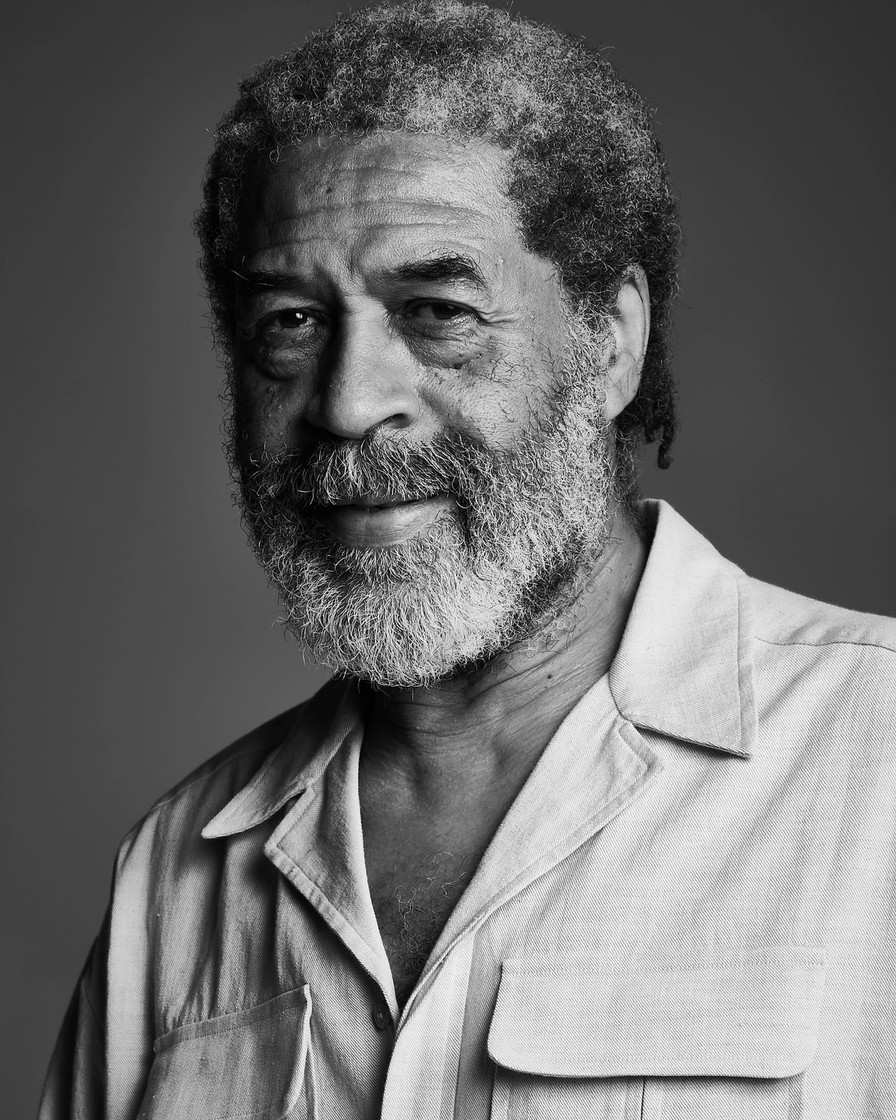
Portrait of McArthur Binion

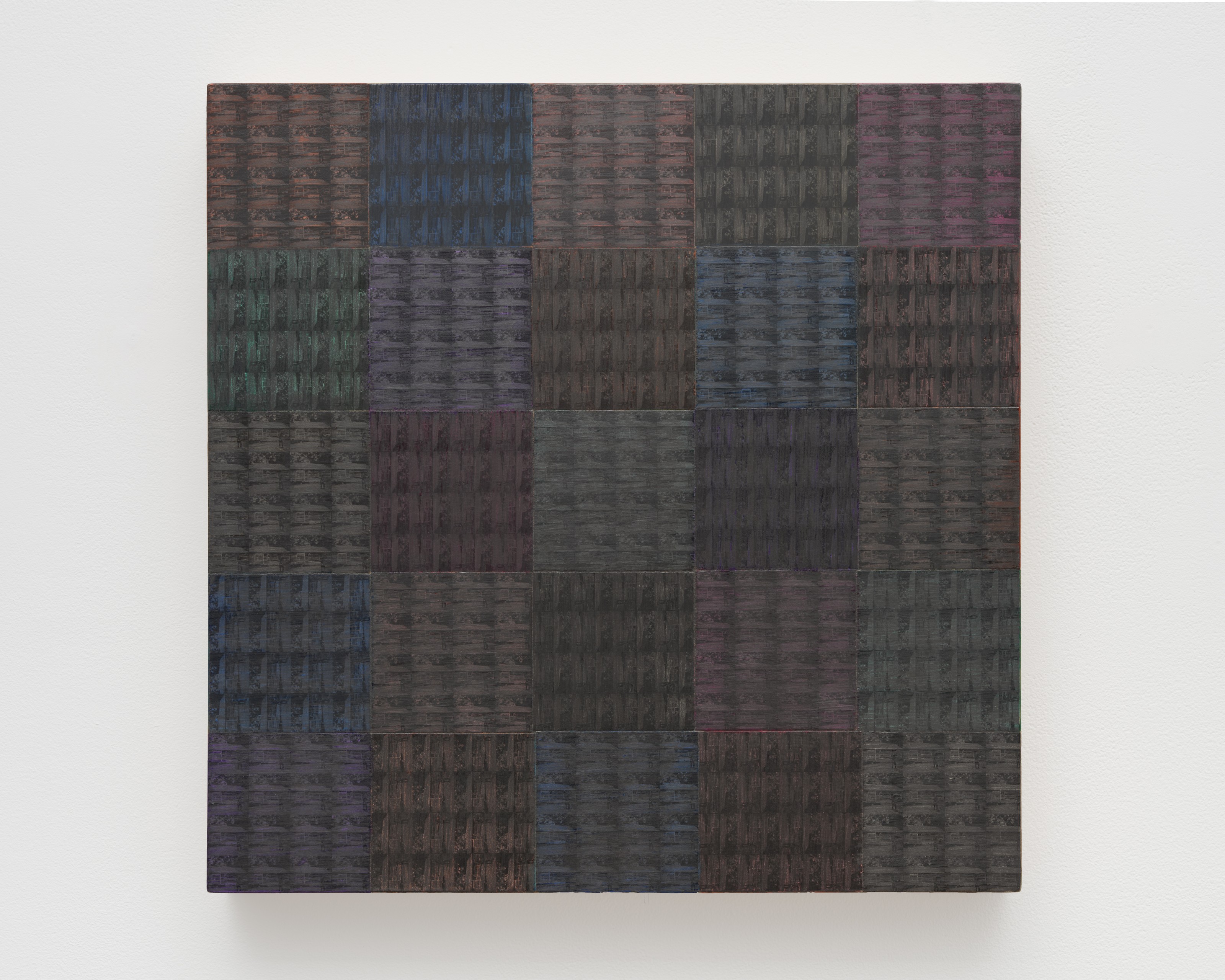
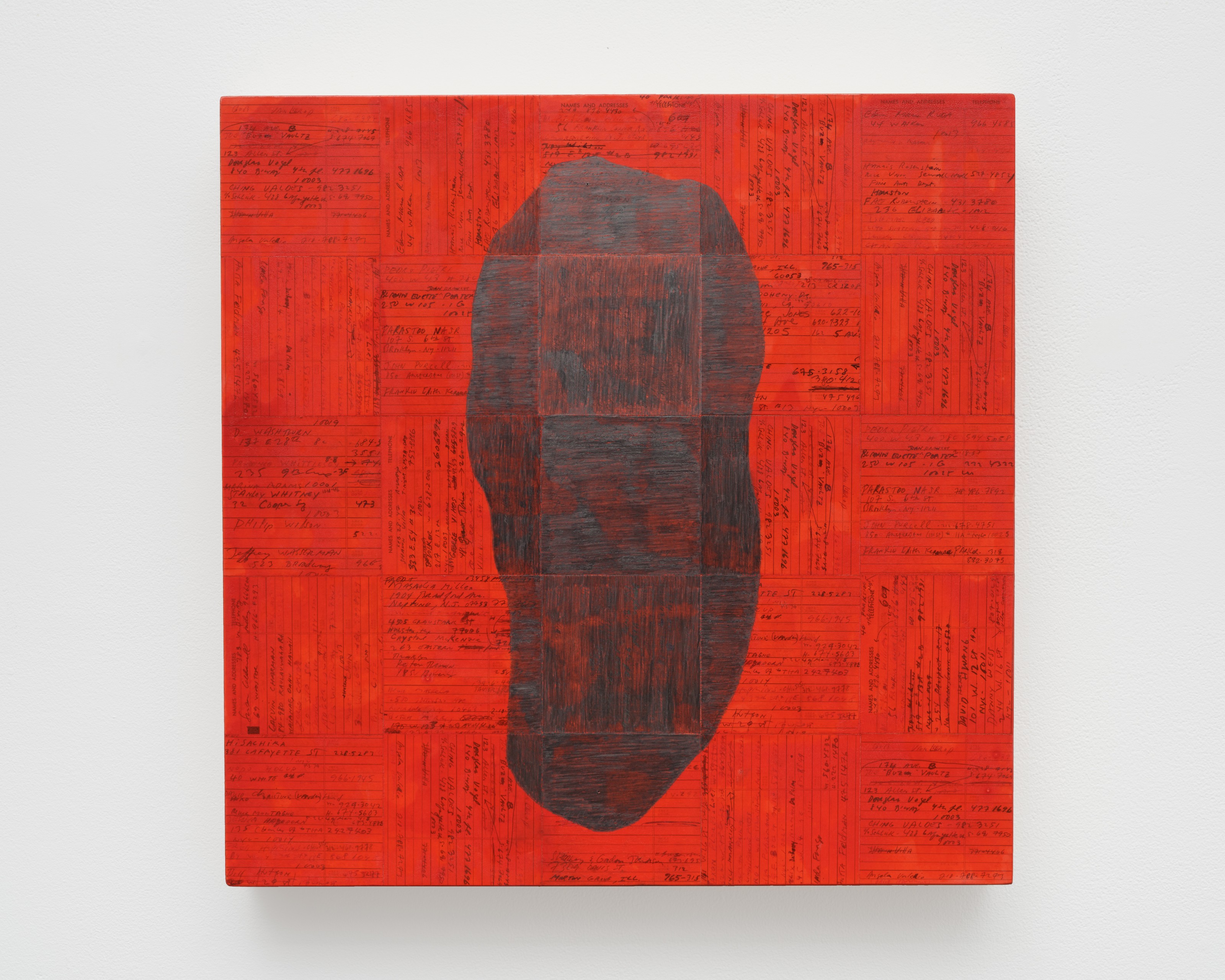
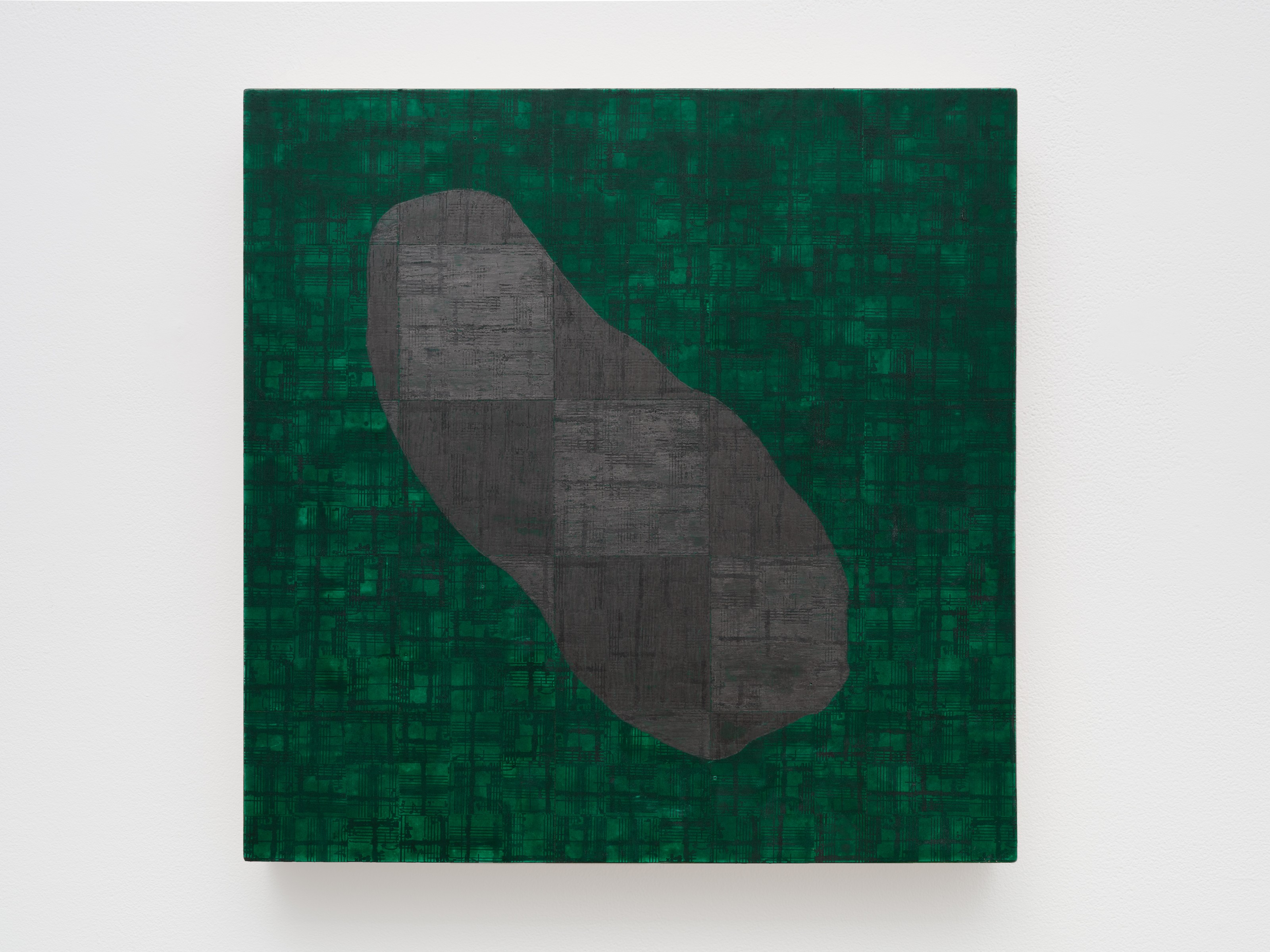
McArthur Binion (b. 1946, Macon, MS; lives and works in Chicago, IL) combines collage, drawing, and painting to create autobiographical abstractions of painted minimalist patterns over an “under surface” of personal documents and photographs. From photocopies of his birth certificate and pages from his address book, to pictures from his childhood and found photographs of lynchings, the poignant and charged images that constitute the tiled base of his work are concealed and abstracted by grids of oil stick. The complexly layered works, from a distance, appear to be monochromatic minimalist abstractions that have led many to compare his work to that of Jasper Johns, Robert Ryman, or Brice Marden. However, while his contemporaries focused more on materiality, abstraction, and in some cases the social and political climate of the time, Binion’s works are intensely personal and deeply dedicated to the rigorous process of making a painting. Upon closer inspection, these monochromatic abstractions come into focus: the perfect grid becomes a series of imperfect laboriously hand-drawn lines, behind which emerge intimate details of Binion’s identity and personal history. Binion’s gridded compositions impose rational order to the layers of personal history, allowing only fragments of information from his birth certificate to be read, or details of his mother’s face to be identified—but never enough to be immediately legible. Having begun his career as a writer, Binion is highly influenced by language and music, as can be seen in his titles and the ways in which he layers information to be “read” rather than simply seen. The tension that exists between the grid and the artist’s visible gestures is not unlike that of jazz music, which merges improvisation with the order of a musical composition.

Binion received his B.F.A. from Wayne State University, Detroit, MI in 1971 and his M.F.A. from the Cranbrook Academy of Art, Bloomfield Hills, MI in 1973. Select recent solo exhibitions of his work have been organized at the de la Cruz Gallery at Georgetown University (2025); Museo Novecento, Florence, Italy (2020); the Cranbrook Art Museum, Bloomfield Hills, MI (2018); Contemporary Arts Museum, Houston, TX (2012); and the University of Maryland University College Gallery, Adelphi, MD (2010).

Portrait of Teresita Fernández

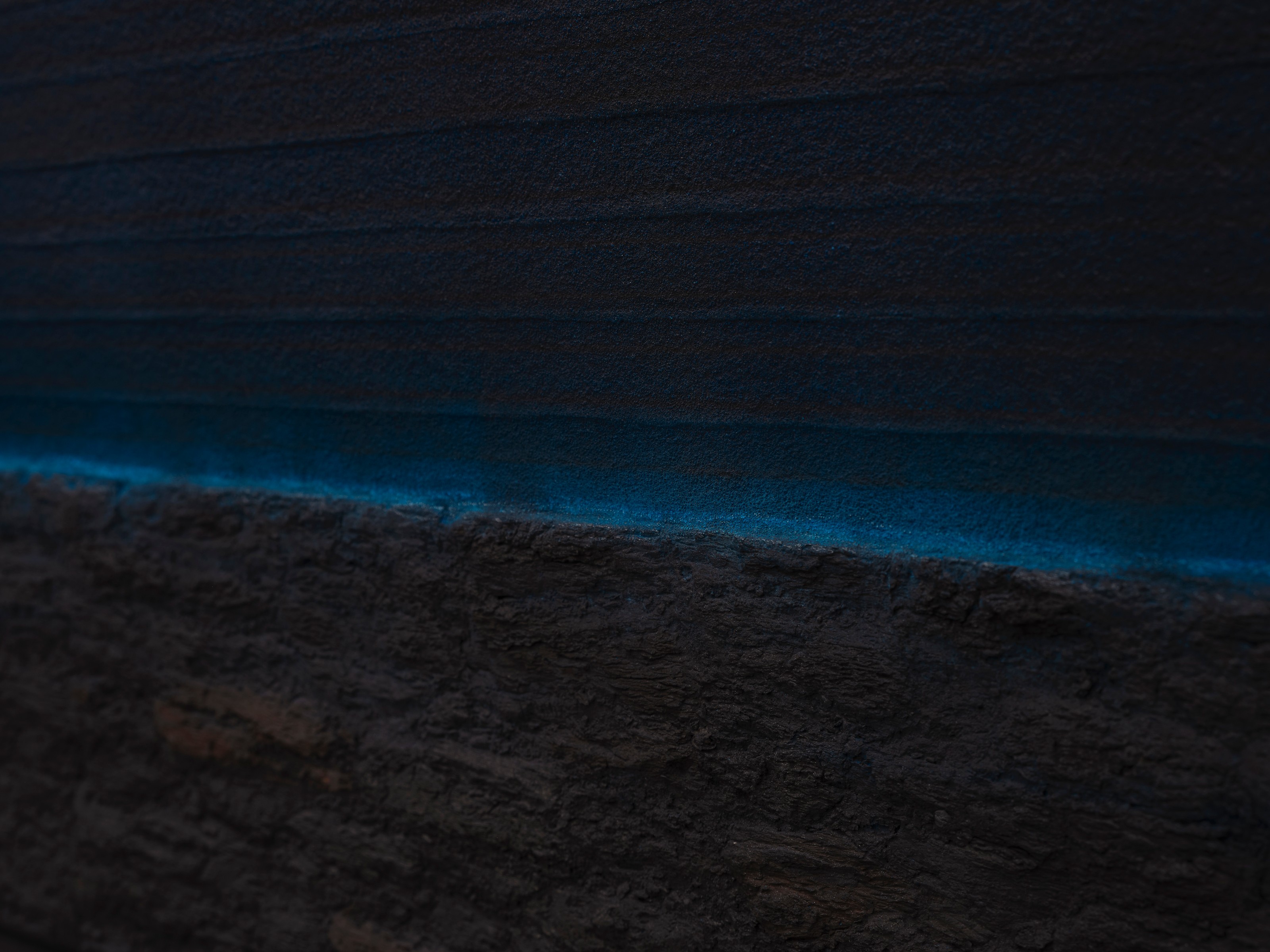
Teresita Fernández's work is characterized by an expansive rethinking of what constitutes landscape: from the subterranean to the cosmic, from national borders to the more elusive psychic landscapes we carry within. Fernández unravels the intimacies between matter, human beings, and locations. Her luminous, sculptural works poetically challenge ideas about land and landscape by amplifying the powerful, emotional connection in how we imagine place, and, by extension, one another. Fernández exposes the complex narratives that stem from distorted, colonial histories, elaborating on these themes in subtle ways that insist on intertwining beauty, the socio-political, the intimate, and the immense. Imagining the landscape with reciprocal sentience, Fernández has said “You look at the landscape, but the landscape also looks back at you."

Fernández is a 2005 MacArthur Foundation Fellow and the recipient of numerous awards, including a Creative Capital Award; Guggenheim Fellowship; the Louis Comfort Tiffany Biennial Award; an American Academy of Rome Fellowship (AFAAR); and a National Endowment for the Arts Individual Artist’s Grant in Visual Arts, among others. Her works have been exhibited and collected both nationally and internationally including: The Museum of Modern Art, New York; The Whitney Museum of American Art; the San Francisco Museum of Modern Art; The Menil Collection; Philadelphia Museum of Art; Pérez Art Museum Miami; Modern Art Museum of Fort Worth; Centro de Arte Contemporáneo de Málaga, Spain; The Museum of Fine Arts, Boston; SITE Santa Fe; The Smithsonian Museum of American Art; MASS MoCA; and Castello di Rivoli, Italy, among others. She lives and works in Brooklyn, New York

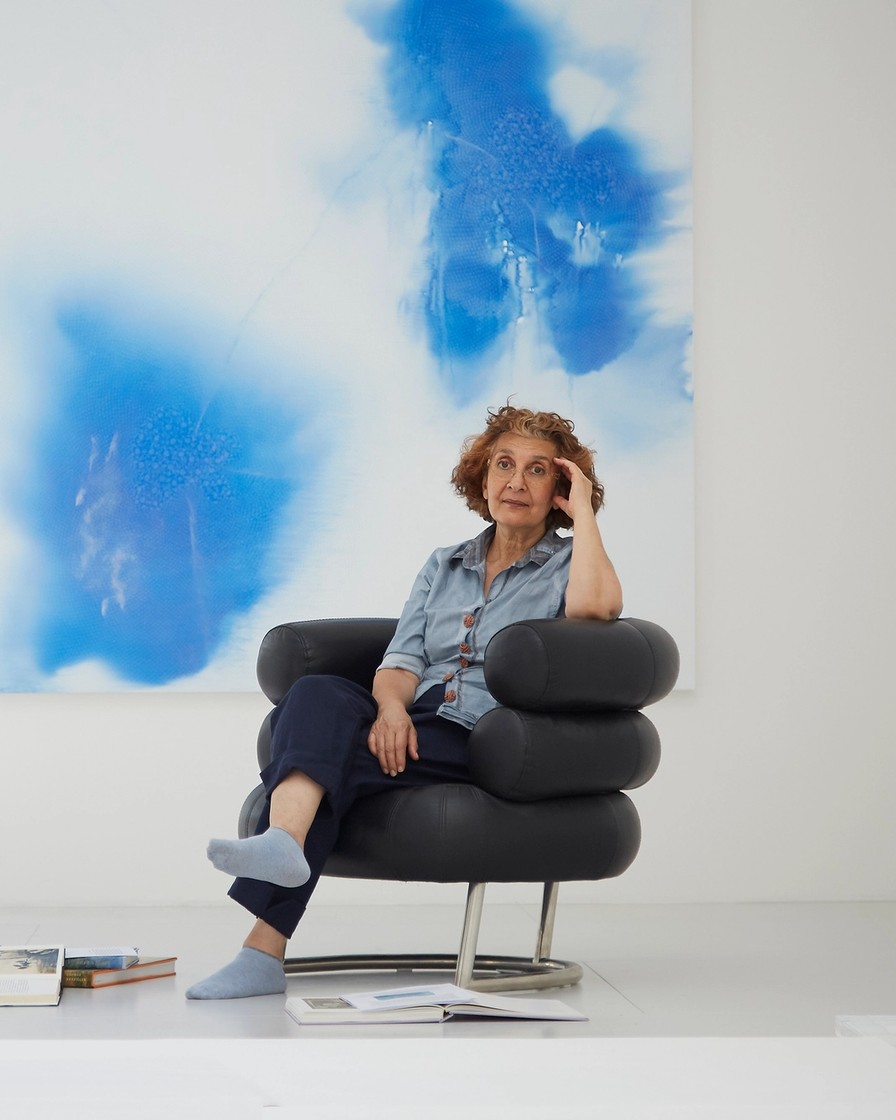
Portrait of Shirazeh Houshiary

Shirazeh Houshiary (b. 1955, Shiraz, Iran; lives and works in London, United Kingdom) makes painting, sculpture, and animation that seek to challenge viewers’ perceptions of time, space, and materiality. Her works often engage opposing ideas and states of being, including transparency and opacity, sound and silence, surface and depth, and presence and absence. From a distance, her paintings are reminiscent of a swirling galaxy, but as the viewer draws closer, the meticulousness, detail, and hidden Arabic letters that make up her amorphous forms begin to unfold. The universe, with its contradiction, paradox, and complexity is a core subject matter in her work. The Arabic words embedded in her compositions are a juxtaposition of the opposing phrases “I am” and “I am not,” oscillating freely between focused and unfocused states, where the meaning of our existence becomes superfluous and lost in Houshiary’s imagined cosmos.

Houshiary’s painting technique involves the successive layering of pigment and line, a laborious process that often takes several months to complete. Her surfaces are composed of intricate patterns that appear to pulse, undulate, and recede into the canvas, like a veil or membrane. She takes a similar methodical approach to her dynamic sculptures, constructing towers out of glass or aluminum bricks that, layer by layer, seem to emerge from the floor. Each vertical plane of bricks echoes the original shape of the structure’s footprint incrementally rotated to the maximum degree the form will allow before the resulting helix shape becomes unstable. For each work, Houshiary attempts to visualize subjects that are inherently intangible—an echo, human breath, or memory.

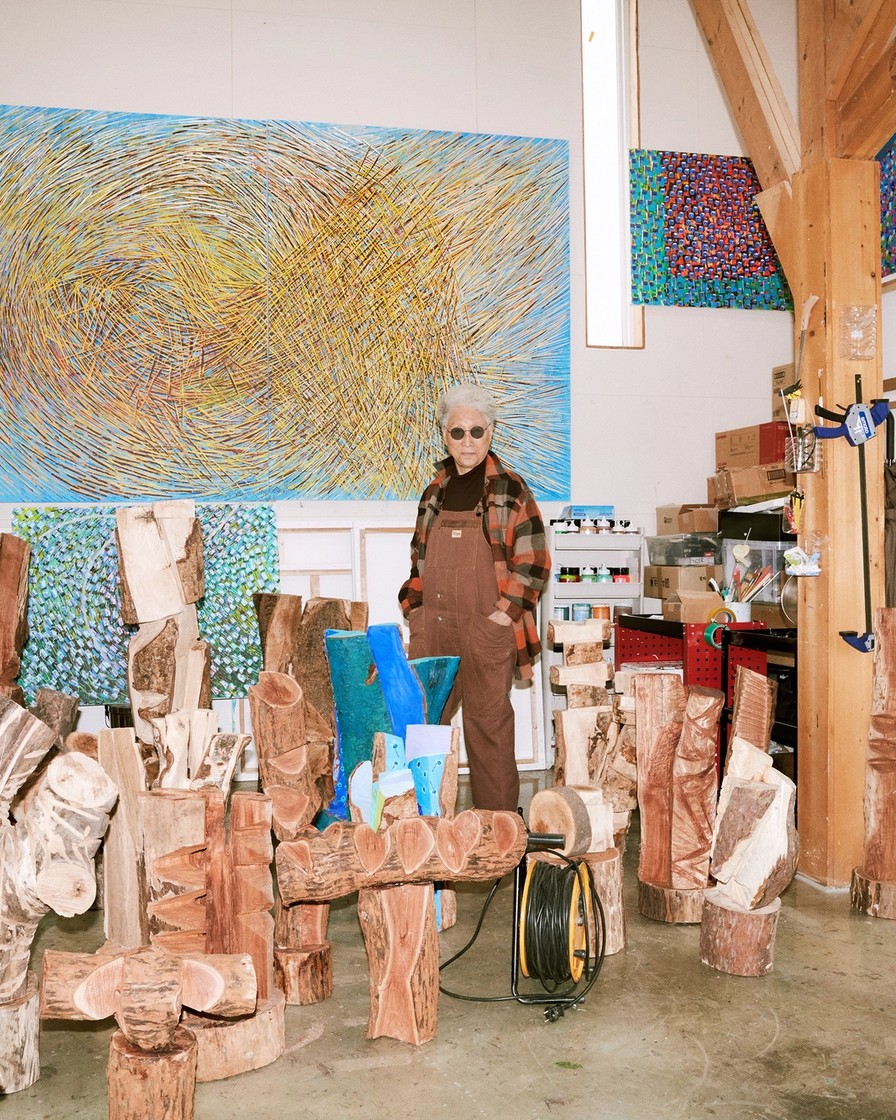
Portrait of Kim Yun Shin

Kim Yun Shin (b. 1935, Wonsan, North Korea; lives and works in Seoul, South Korea) is a multidisciplinary artist known for her dynamic sculpture and painting, which often unfold through a series of interactions with nature. Growing up amidst the backdrop of Korea’s tumultuous history in the 20th century, Kim has established herself as a pioneering figure in the post-war South Korean art scene, overcoming societal norms to carve out a space for herself as a first-generation woman sculptor. Despite facing challenges in a male-dominated field, she ventured to Paris to pursue her artistic aspirations, taught at various universities, and co-founded the Korean Sculptress Association in 1974 to support emerging artists. Partly influenced by her nomadic early life, her work reflects a fearless exploration of diasporic cultures—from France, Mexico, and Brazil, to her adoptive home of Argentina, where she established Museo Kim Yun Shin, the first Korean immigrant art museum. Her journey from turbulent beginnings during the Japanese colonial period and Korean War to becoming a trailblazer in Korean contemporary art reflects the artist’s personal resilience and commitment to artistic innovation.

Across six decades, Kim has developed an aesthetic that engages with the fundamental qualities of materials and nature, navigating themes of confrontation, introspection, and coexistence. Central to her artistic expression is the use of solid wood, a primary medium through which Kim envisions the structural and spiritual elements of antiquity and the primordial world. In doing so, she visualizes the intersection between nature, time, and history, reconsidering the very essence of human existence. Her early sculptures from the 1970s are deeply rooted in traditional Korean hanok architecture, which uses a distinctive technique that joins wooden blocks without nails. In her Stacking Wishes series, the artist also explores traditions of vertical stacking in Korean and Latin American totemism. This notion of organic connection and her interest in East Asian philosophy merge in her iconic Add Two Add One, Divide Two Divide One series, which she began in the late 1970s. The terms “add” and “divide” originate from the philosophical concept of yin (division and fragmentation) and yang (addition and integration). Through a meticulous yet intuitive process—in which Kim “adds” her soul into the solid wood and “divides” the space between the bark and inner wood to create a complete whole—the artist delves into raw materiality and uncovers a newfound vitality.

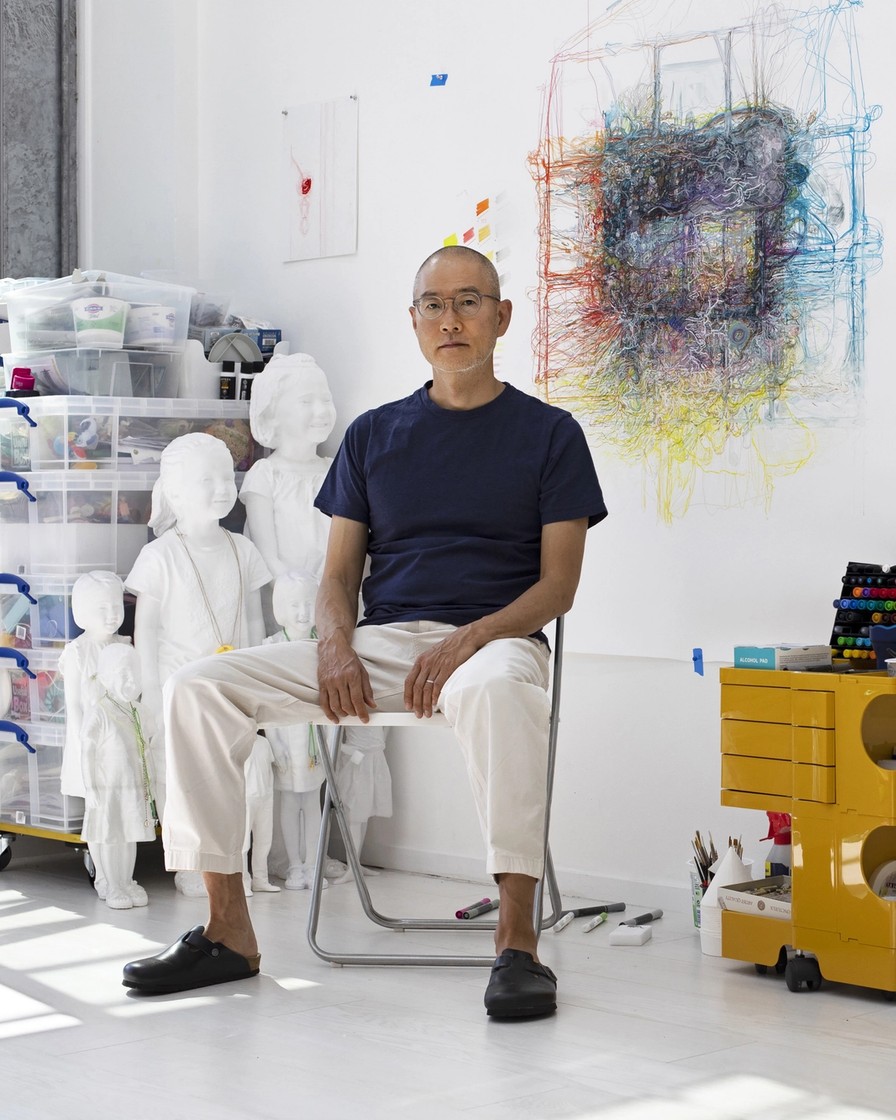
Portrait of Do Ho Suh

Do Ho Suh (b. 1962, Seoul, Korea; lives and works in London, United Kingdom) works across various media, creating drawings, film, and sculptural works that confront questions of home, physical space, displacement, memory, individuality, and collectivity. Suh is best known for his fabric sculptures that reconstruct to scale his past and present homes and studios in Korea, Rhode Island, Berlin, London, and New York.

Suh is interested in the malleability of space in both its physical and metaphorical forms, and examines how the body relates to, inhabits, and interacts with that space. He is particularly interested in domestic space and the way the concept of home can be articulated through architecture that has a specific location, form, and history. For Suh, the spaces we inhabit also contain psychological energy, and in his work he makes visible those markers of memories, personal experiences, and a sense of security, regardless of geographic location.

Art Basel Qatar | Lehmann Maupin