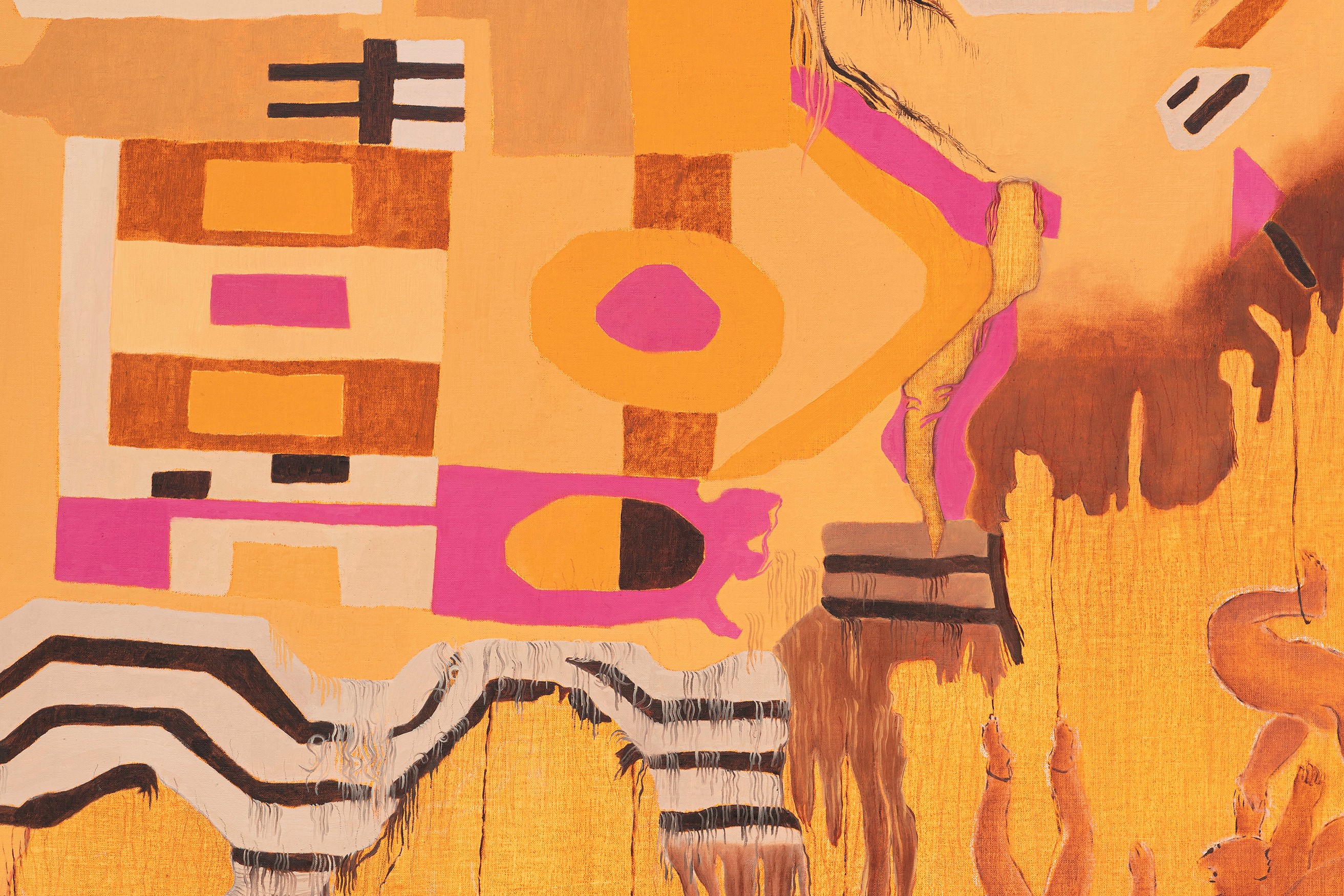
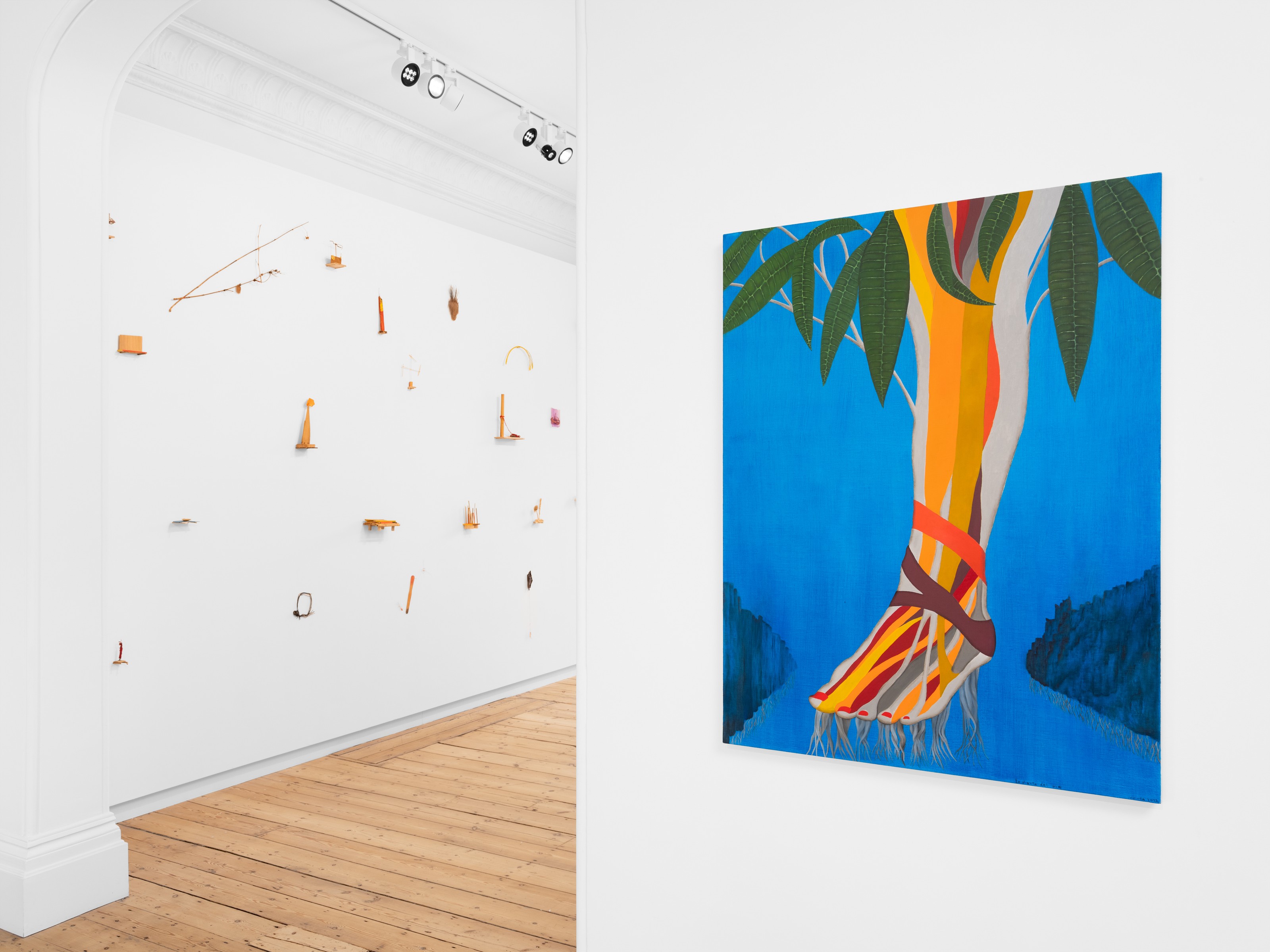
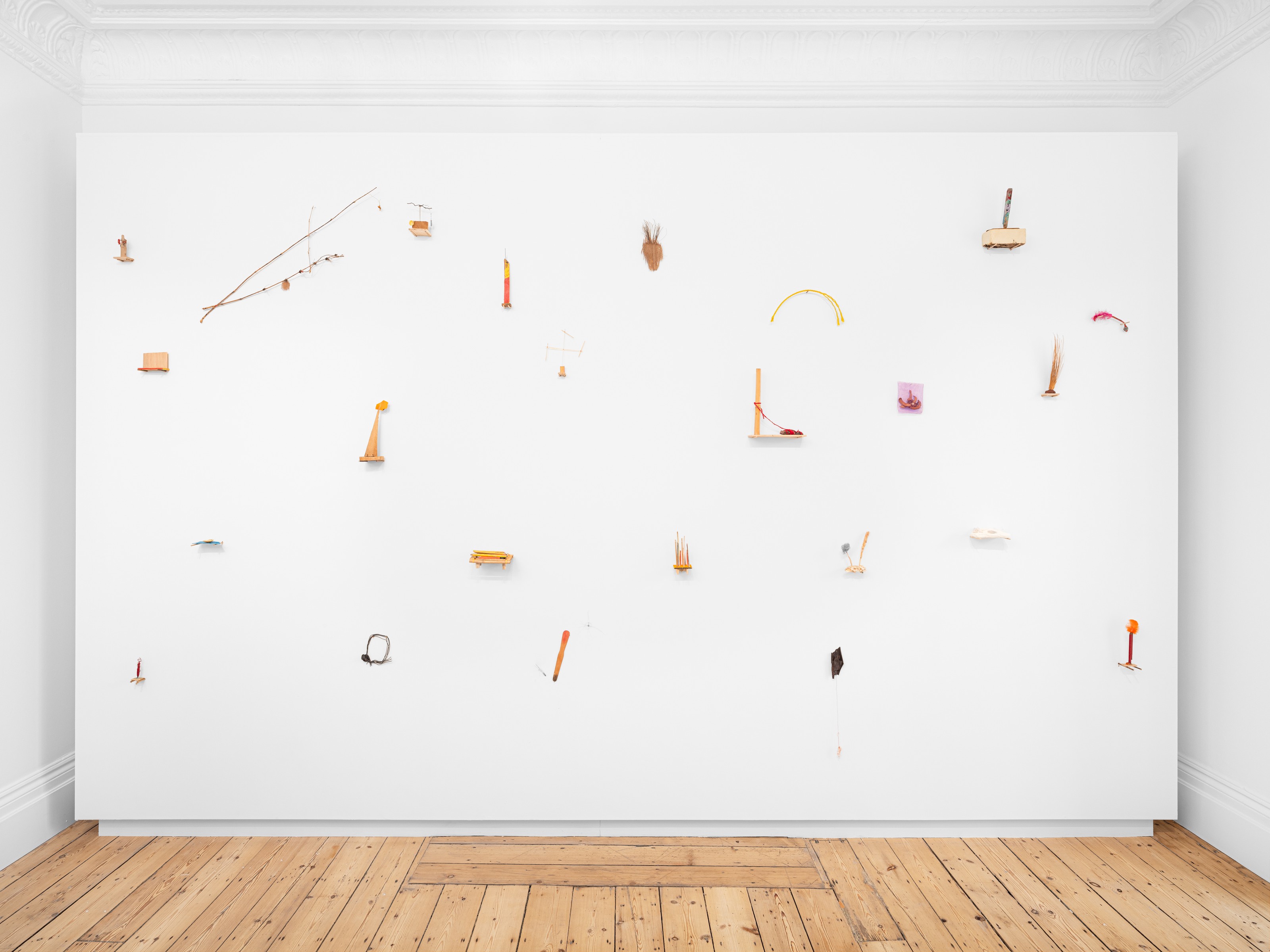
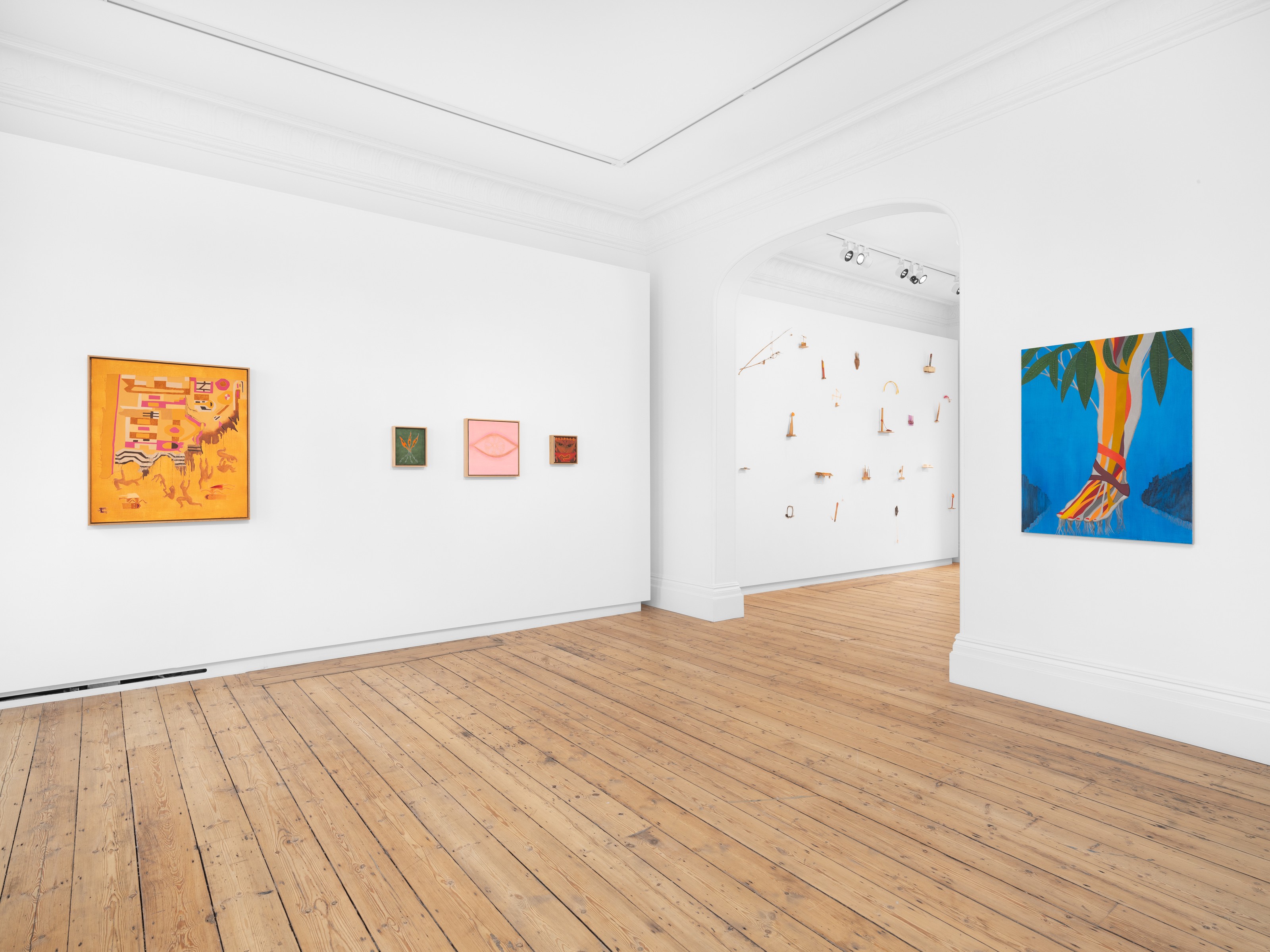
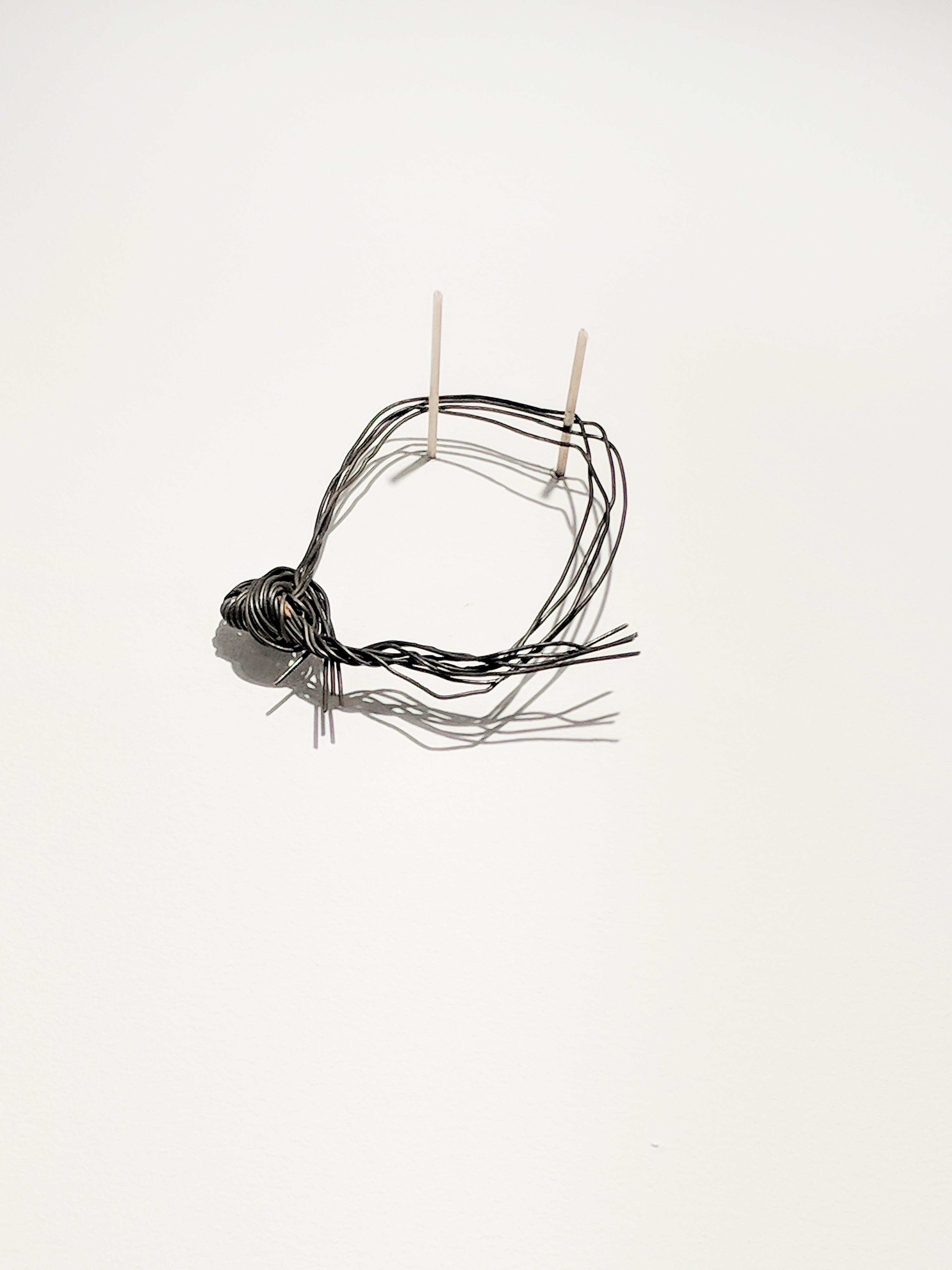
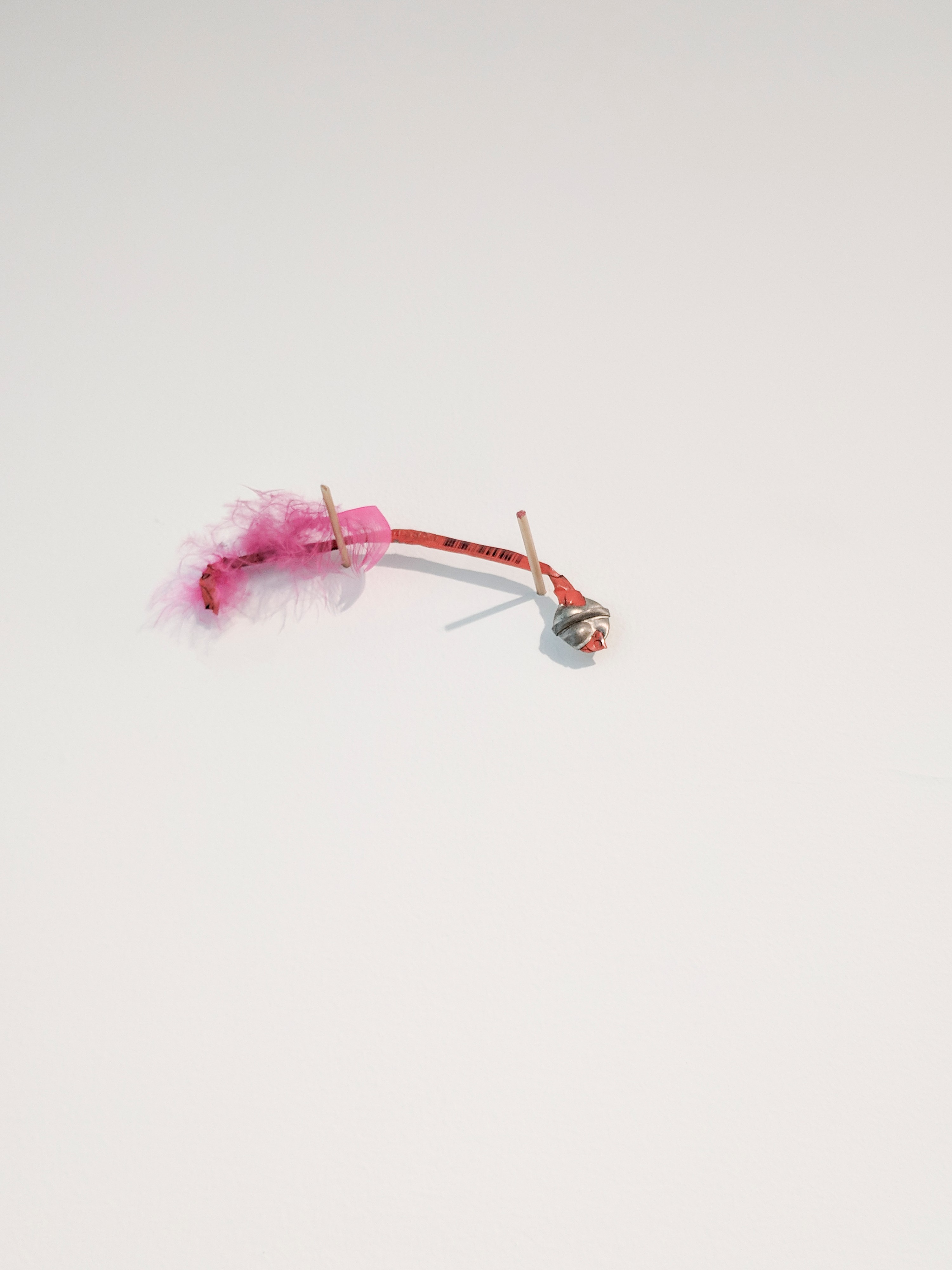
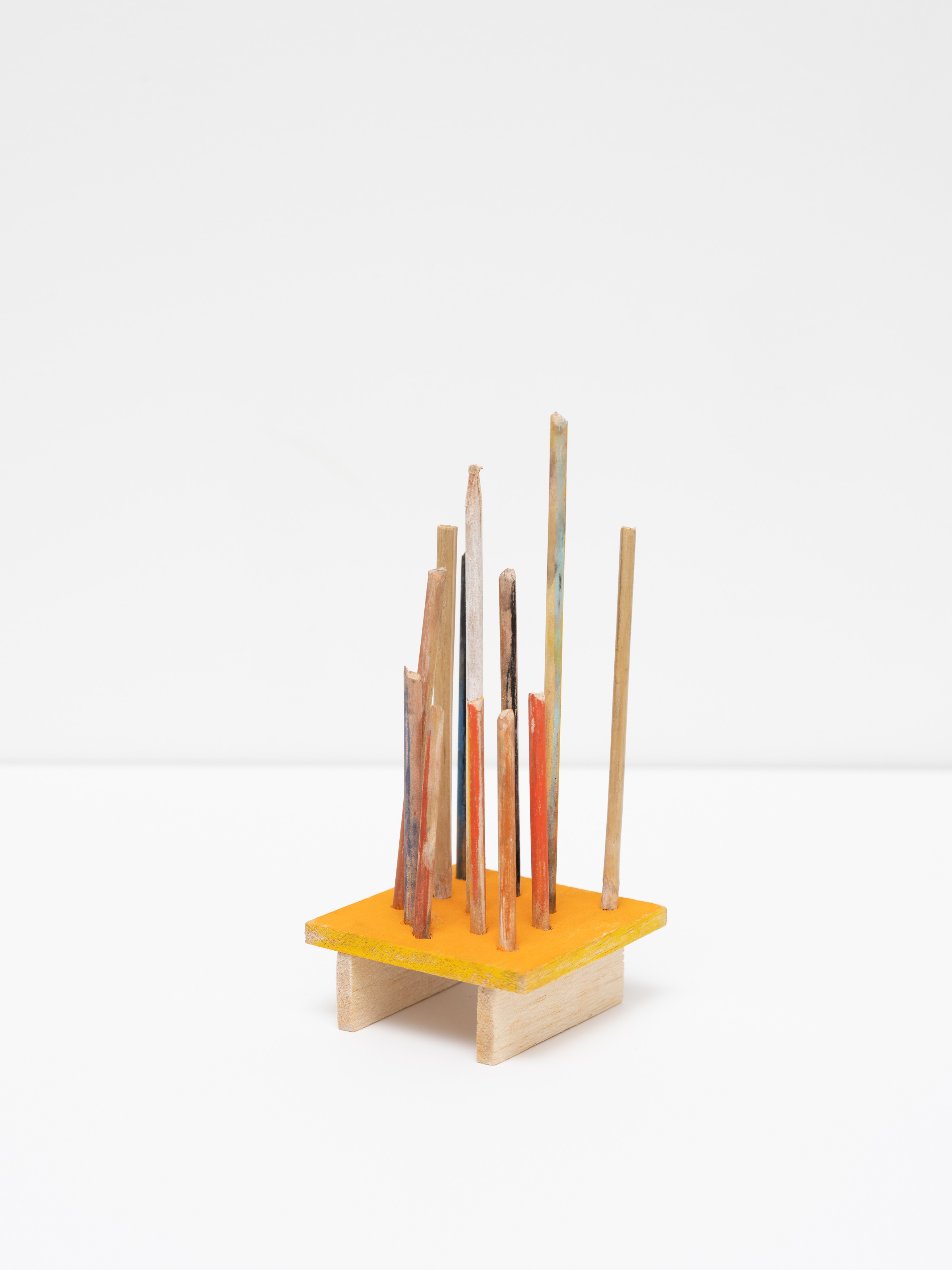
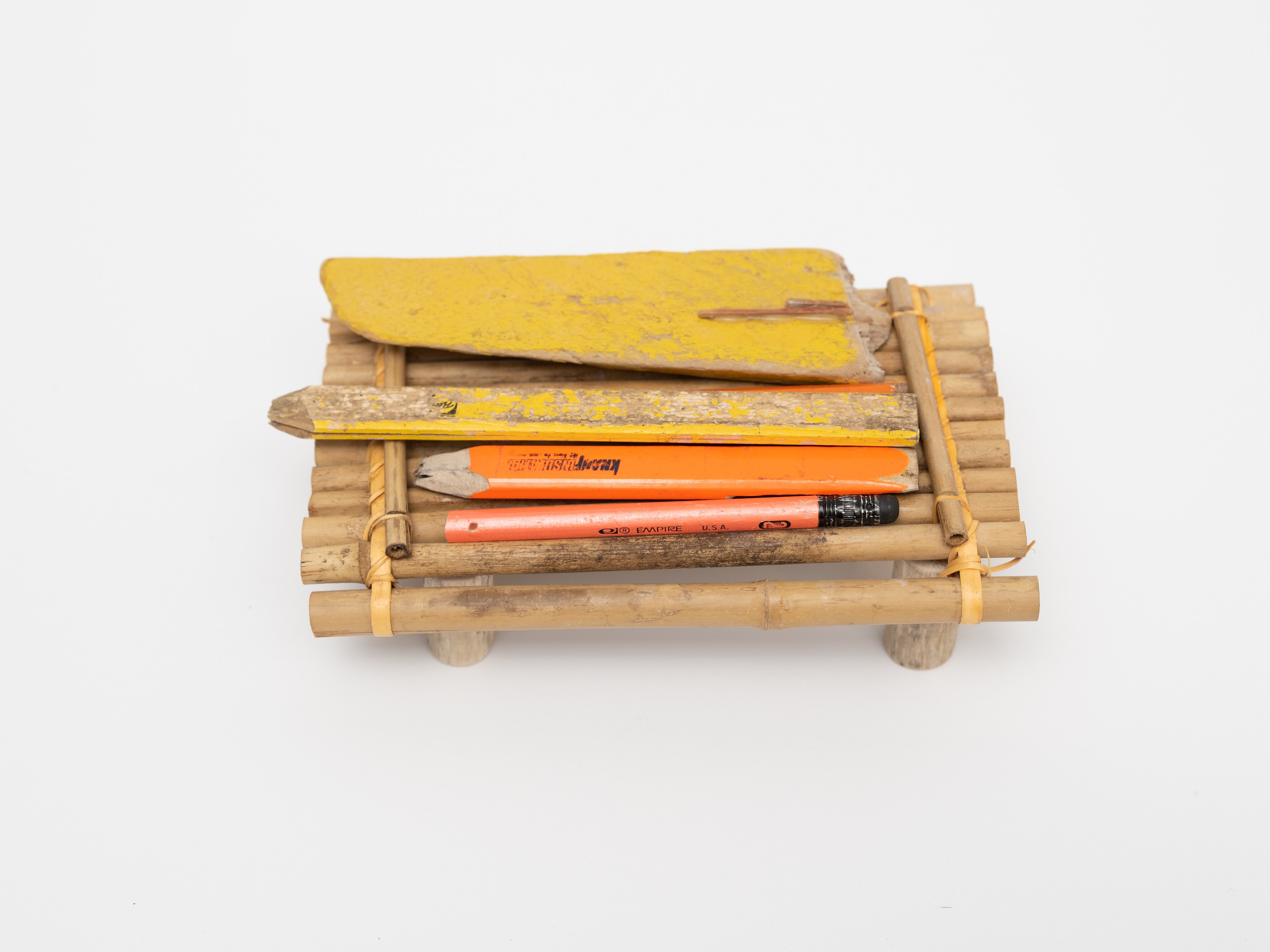
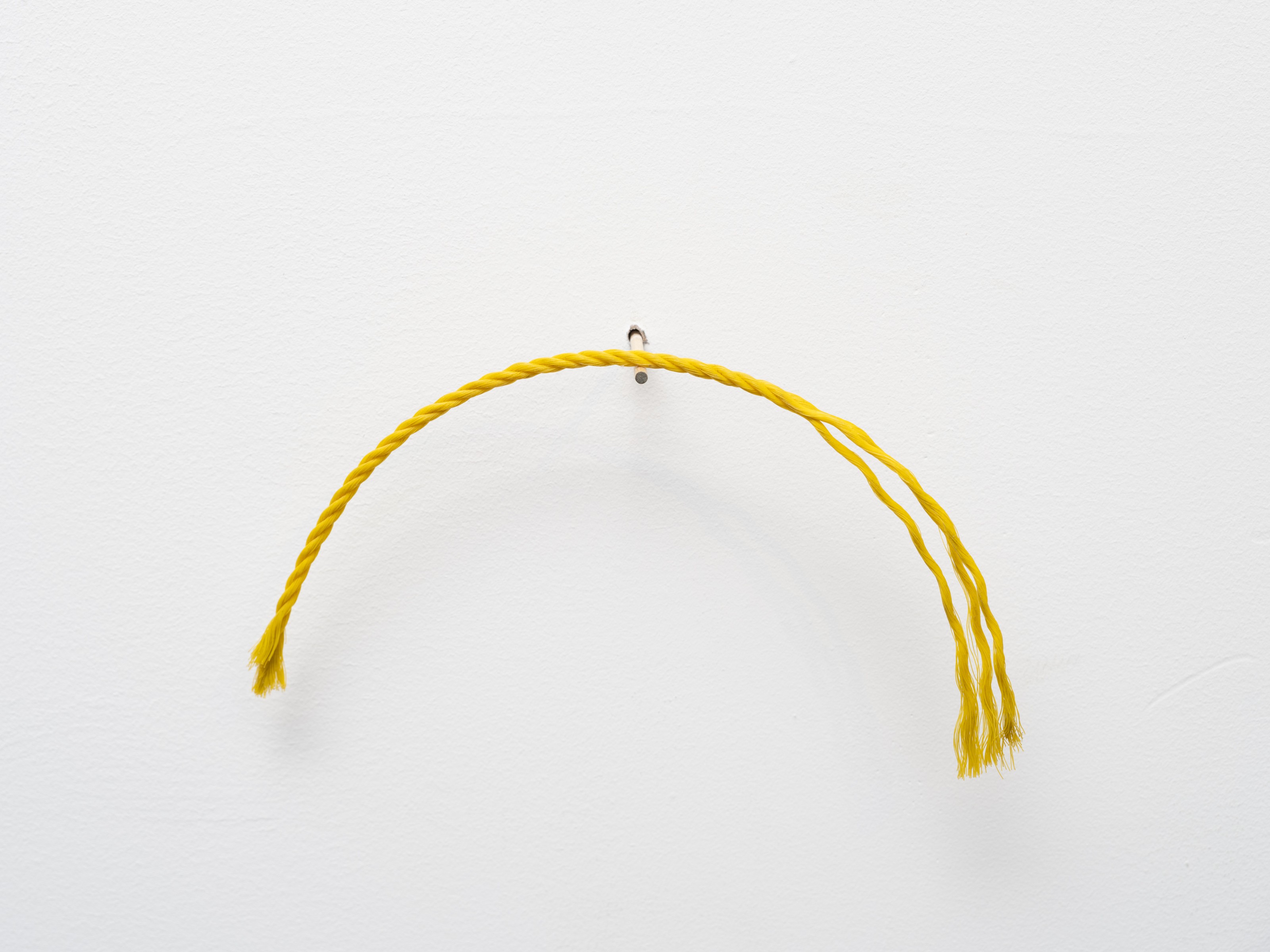
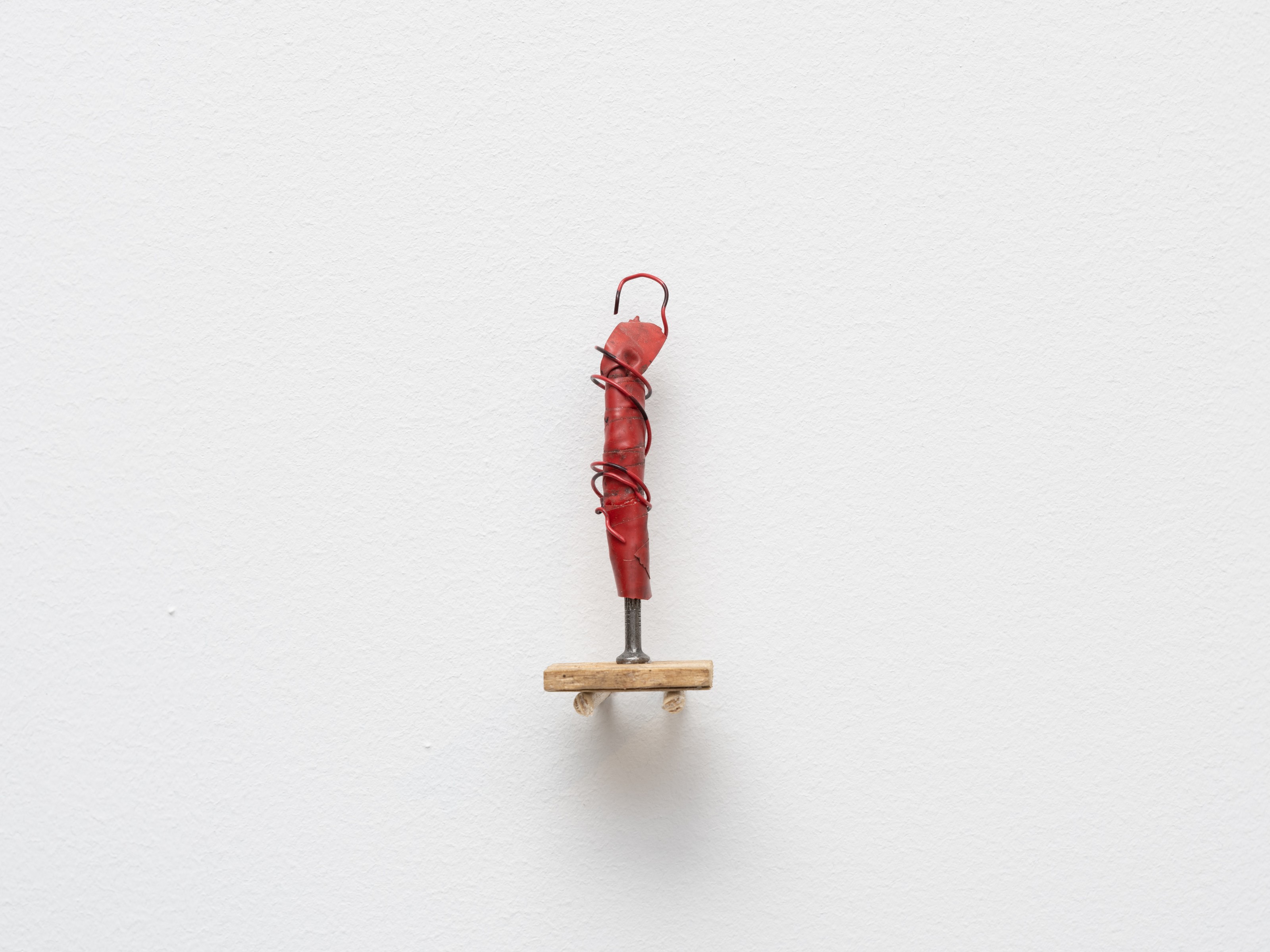
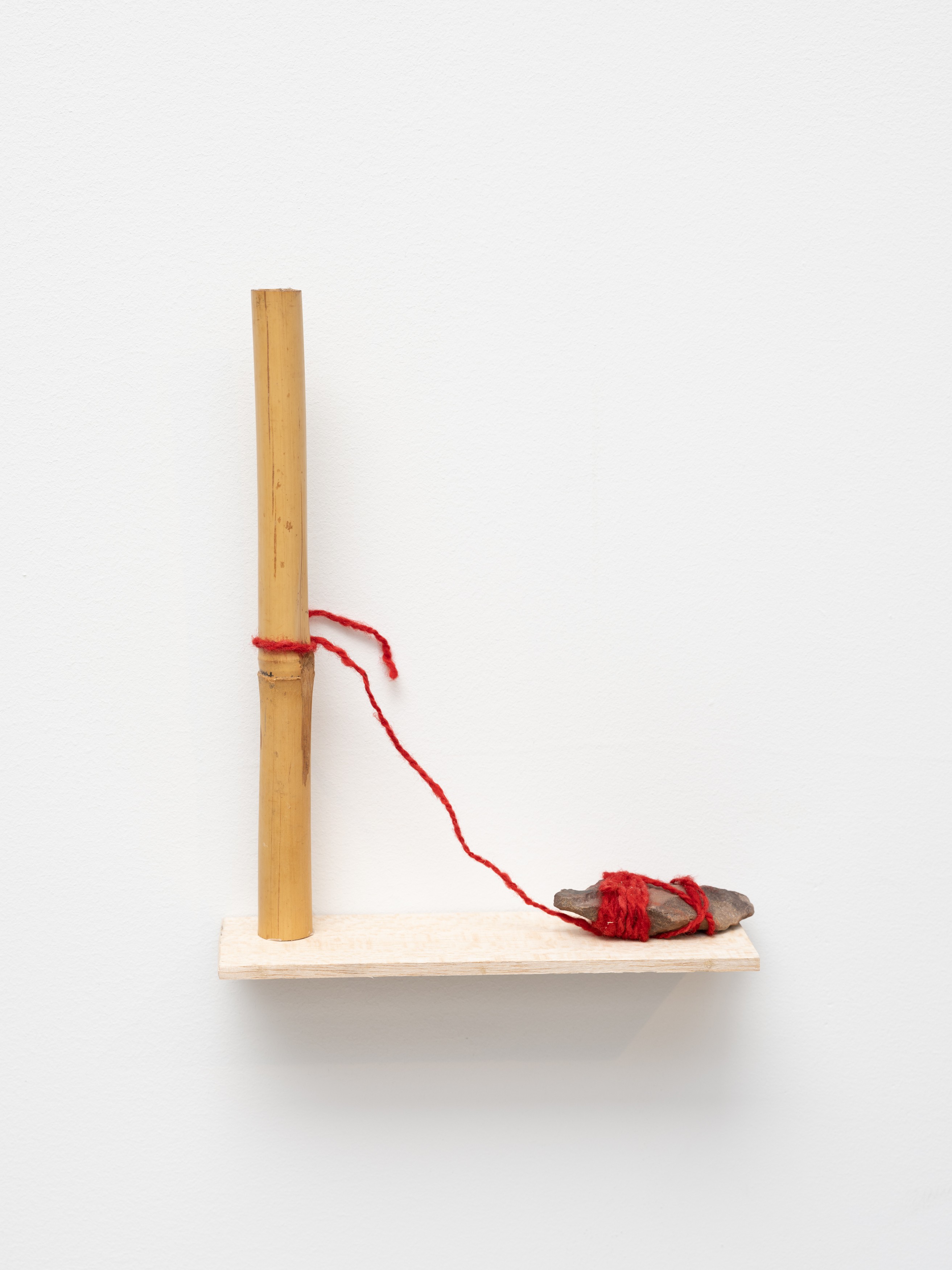
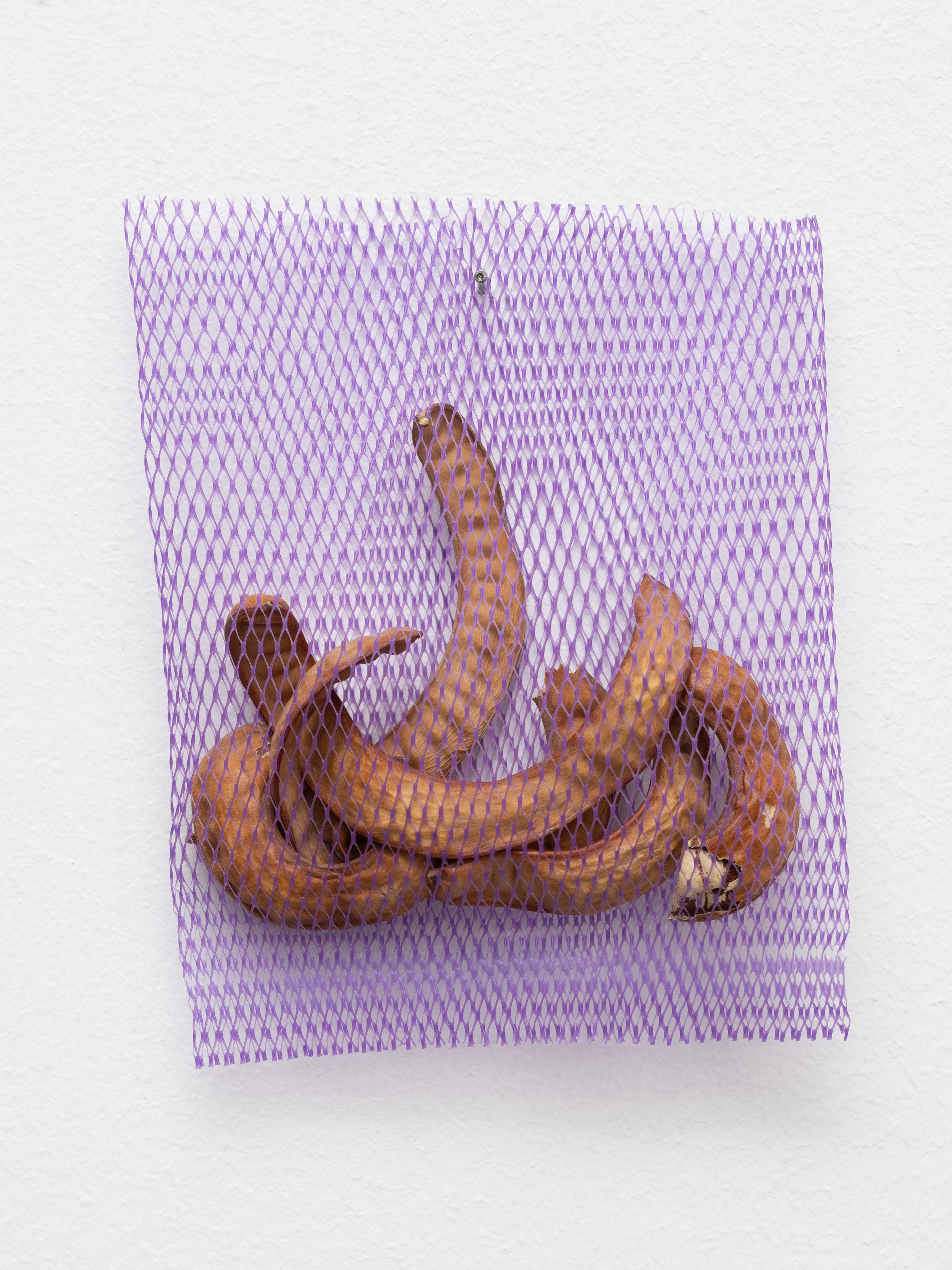
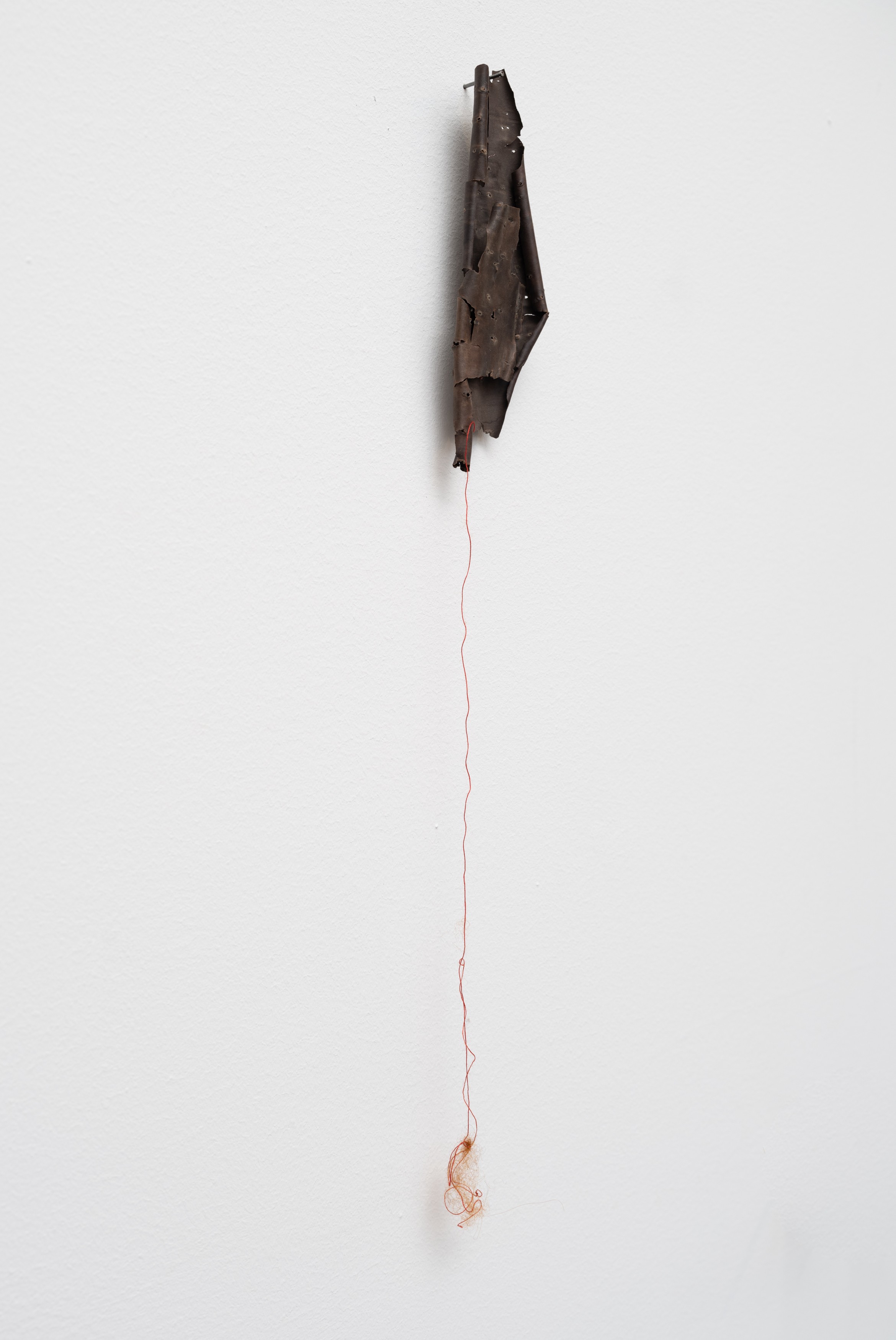
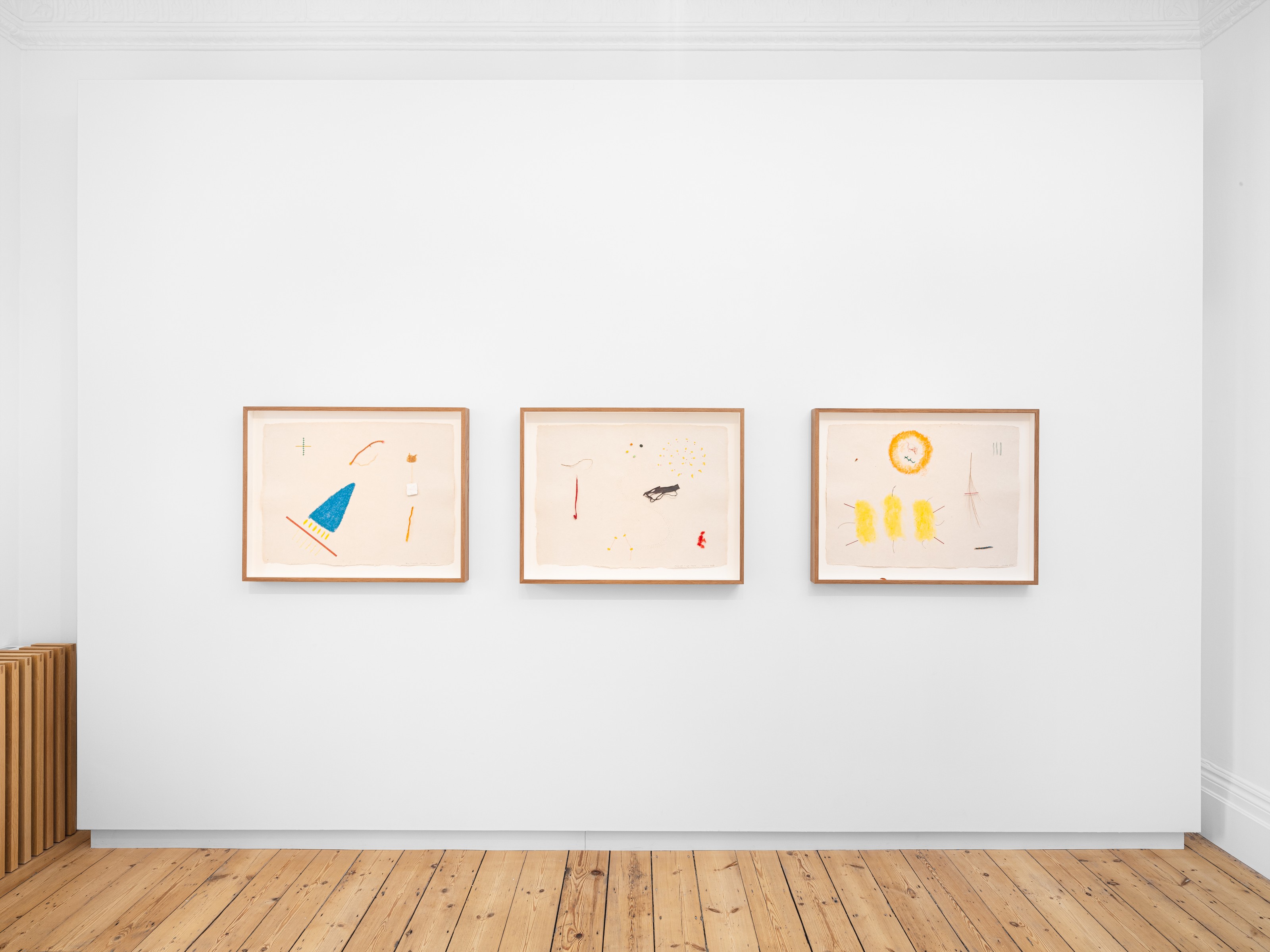
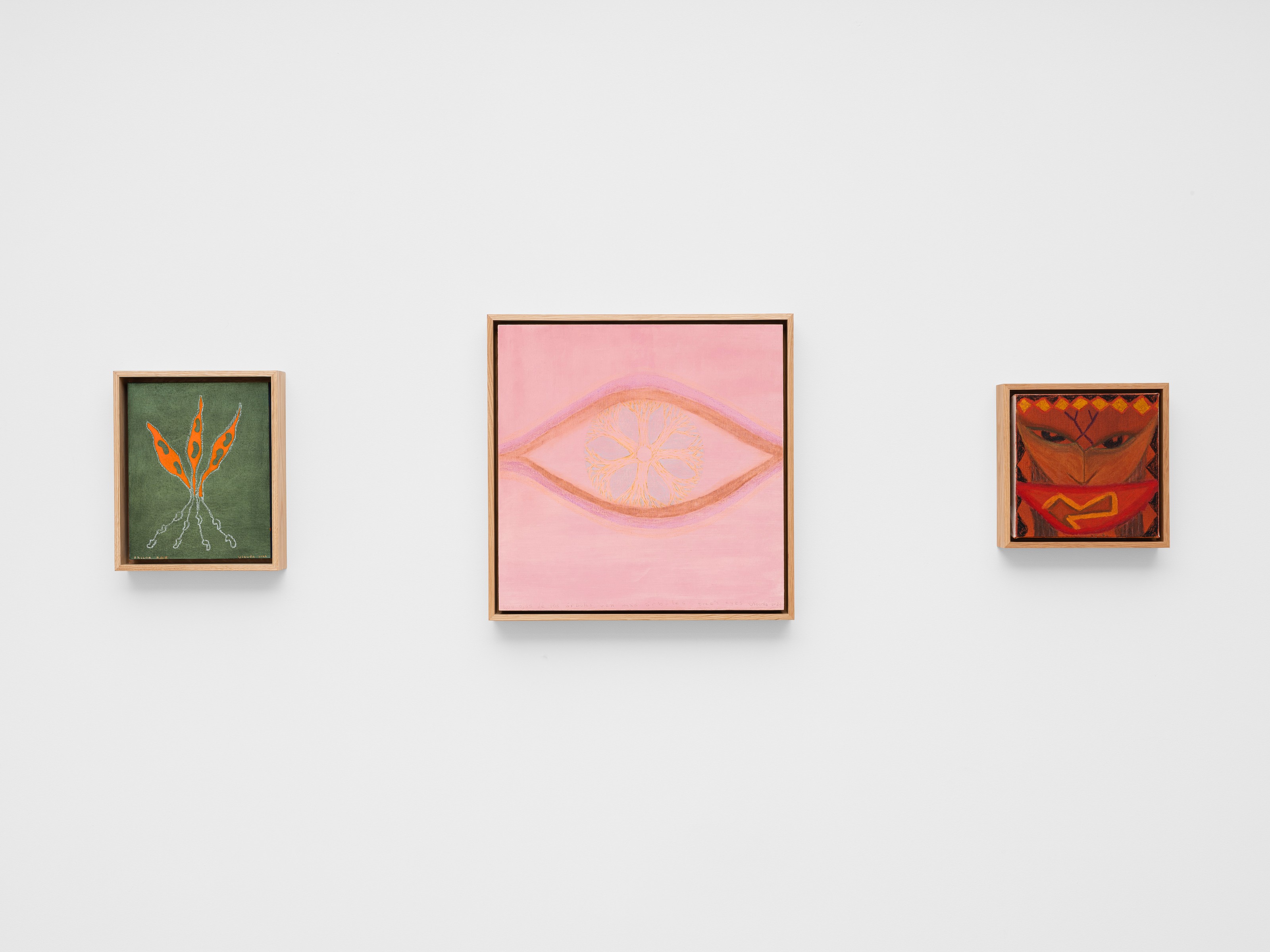
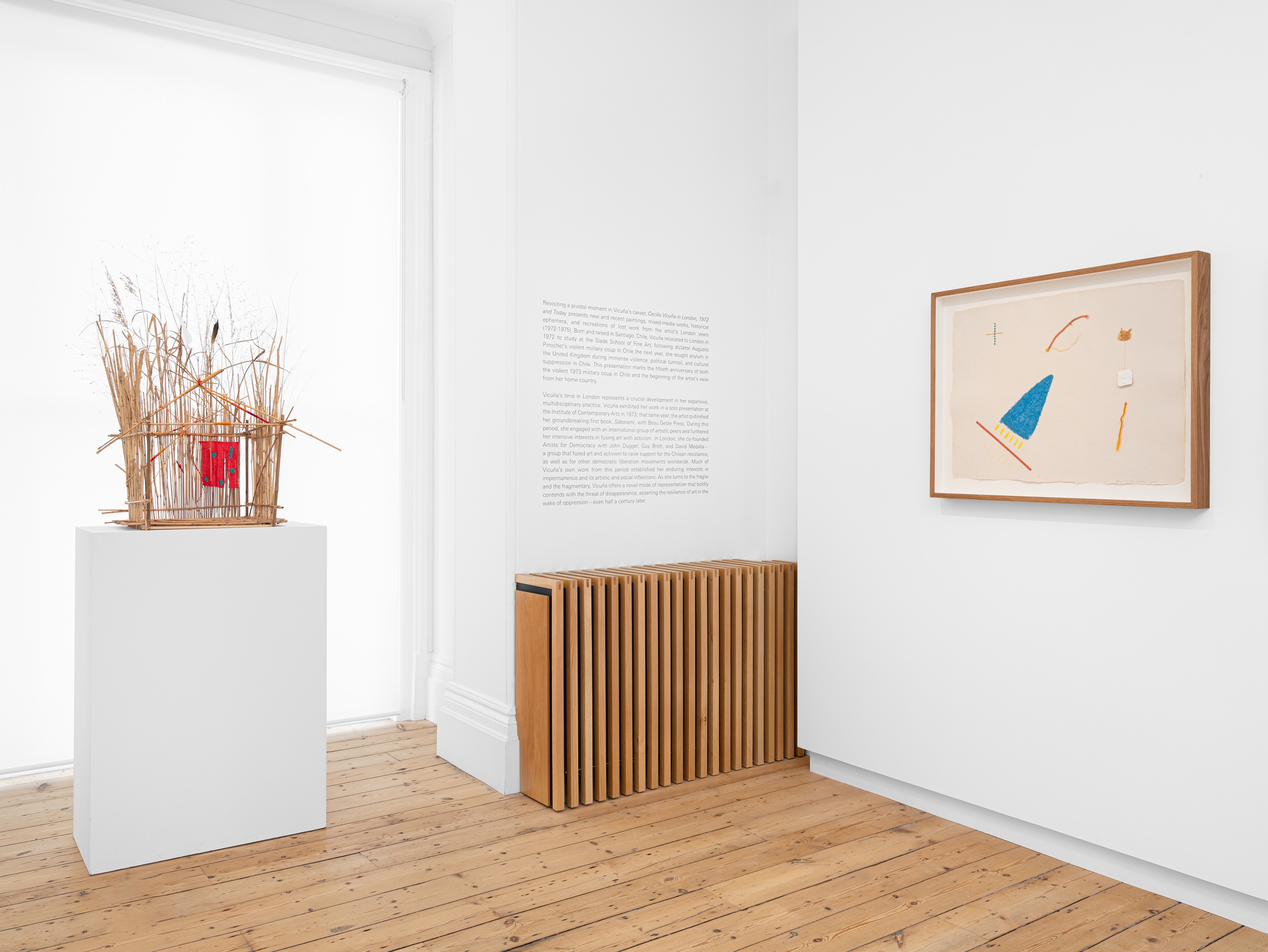
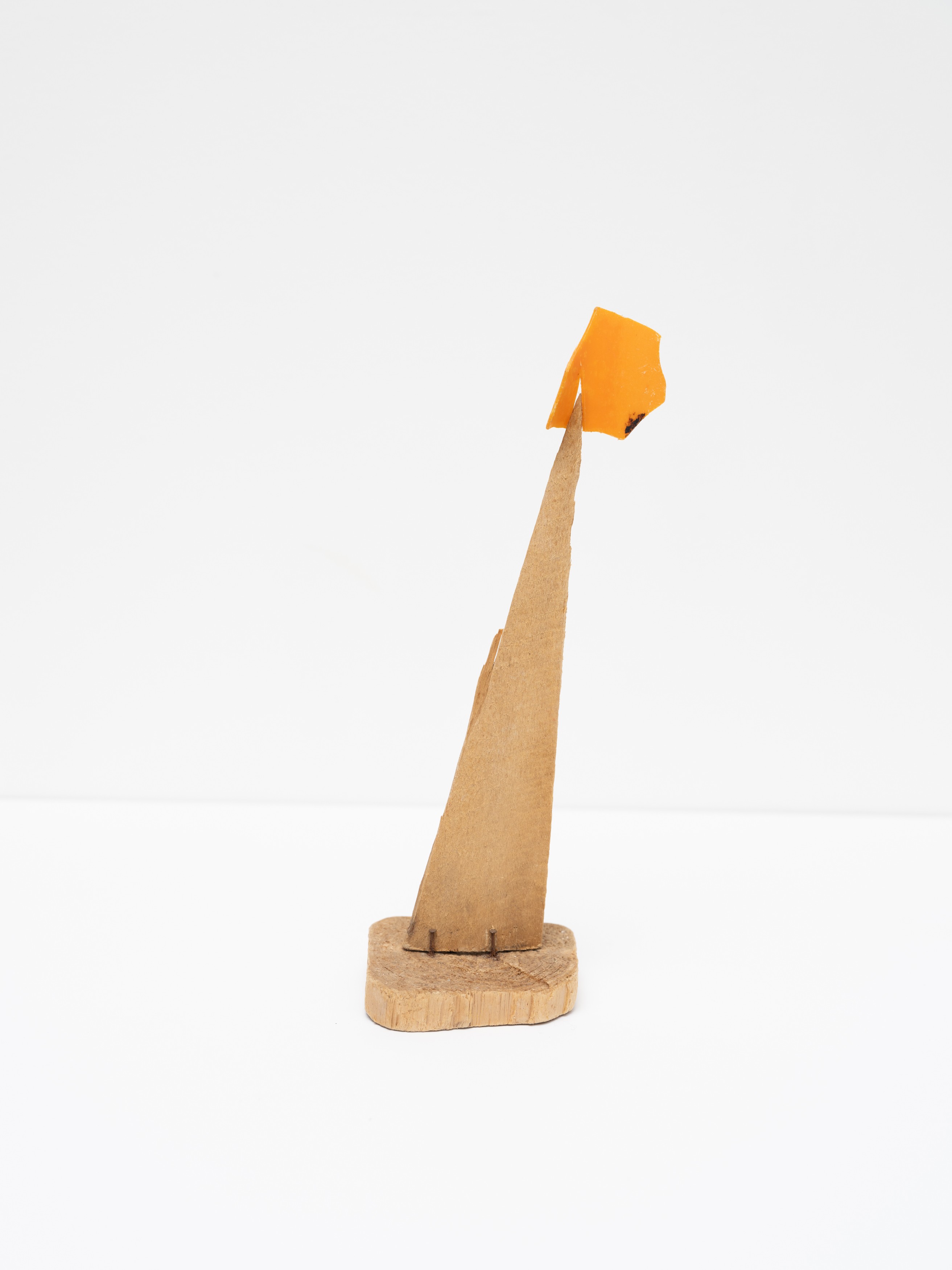
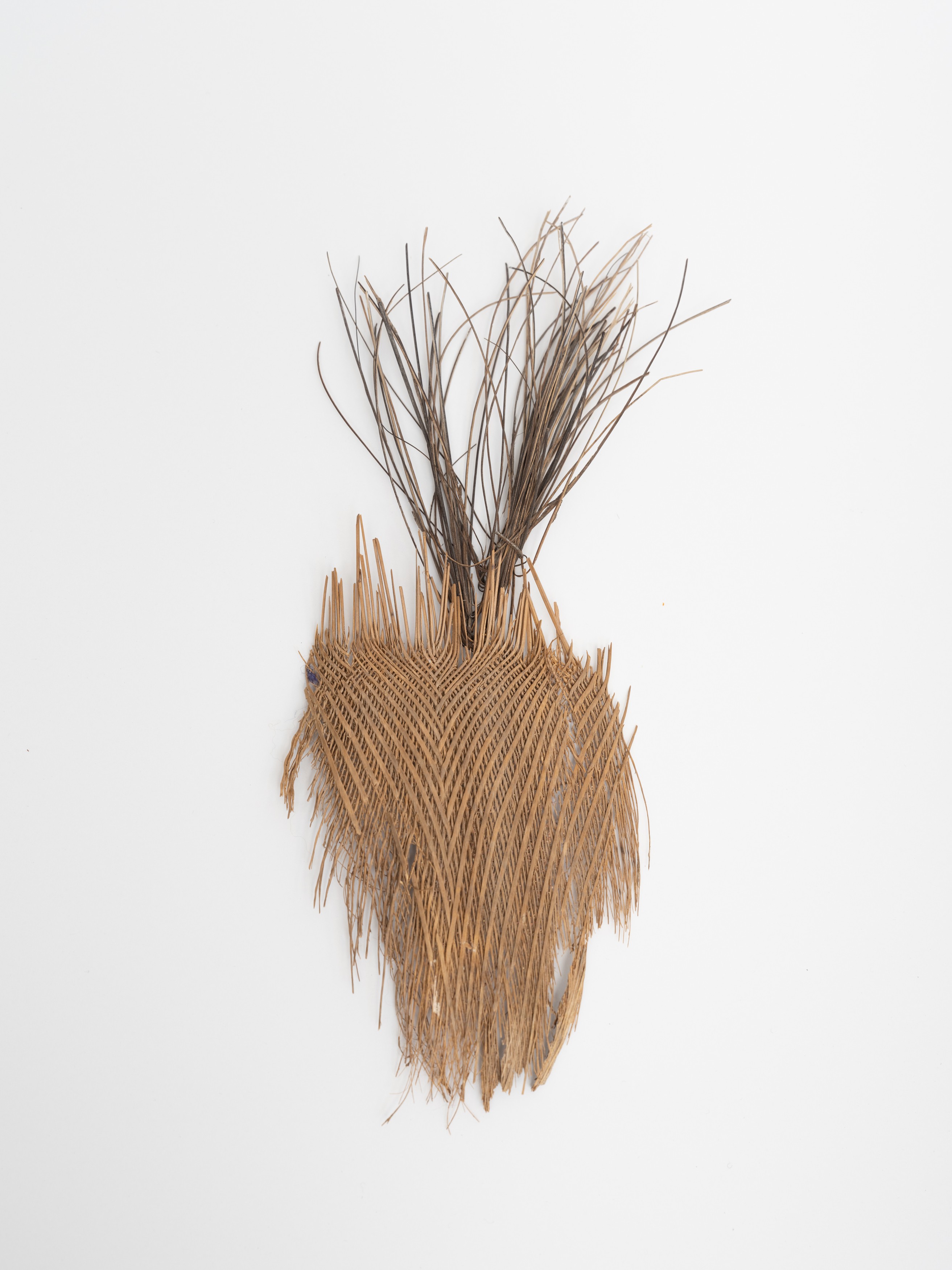
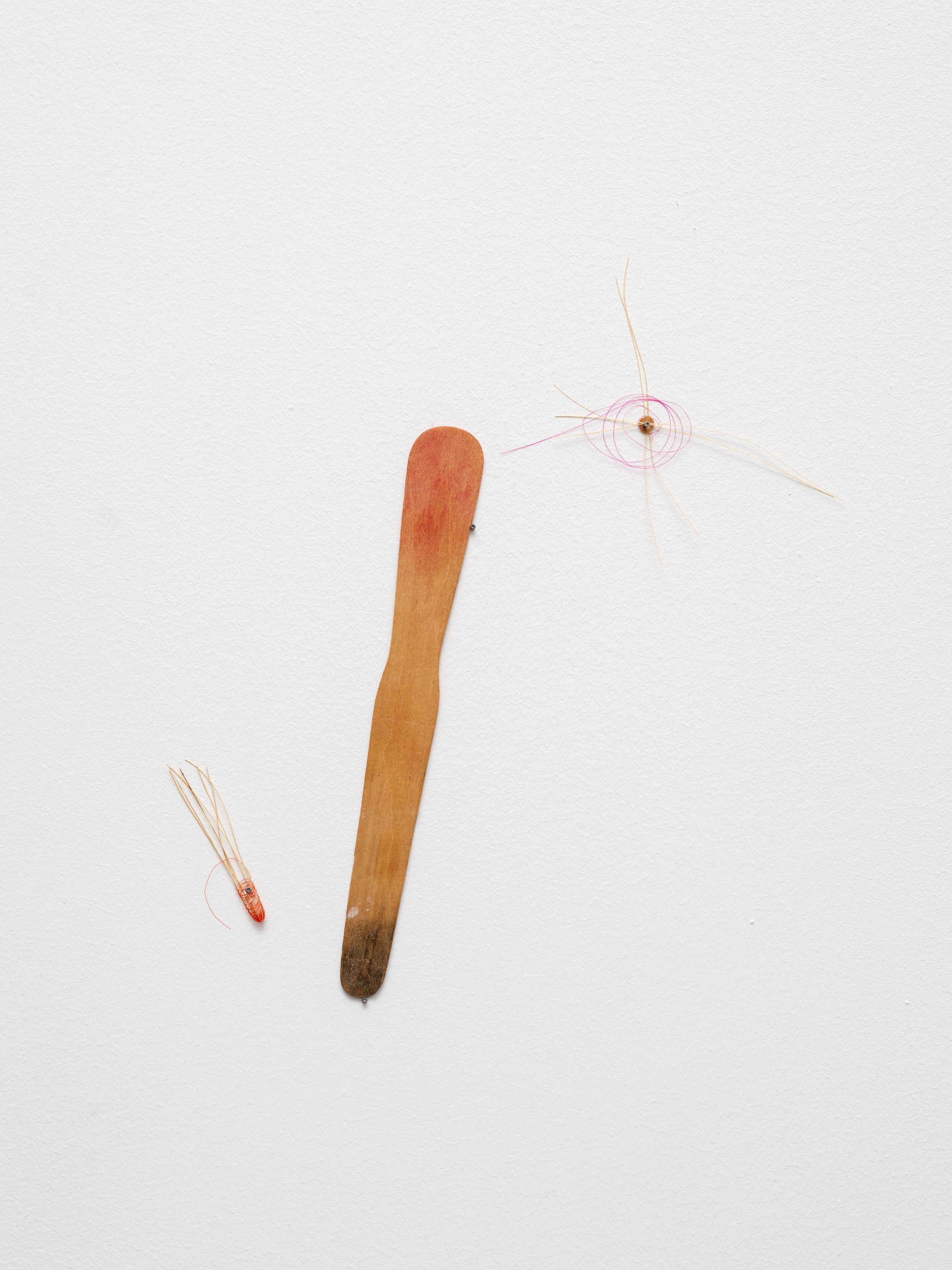
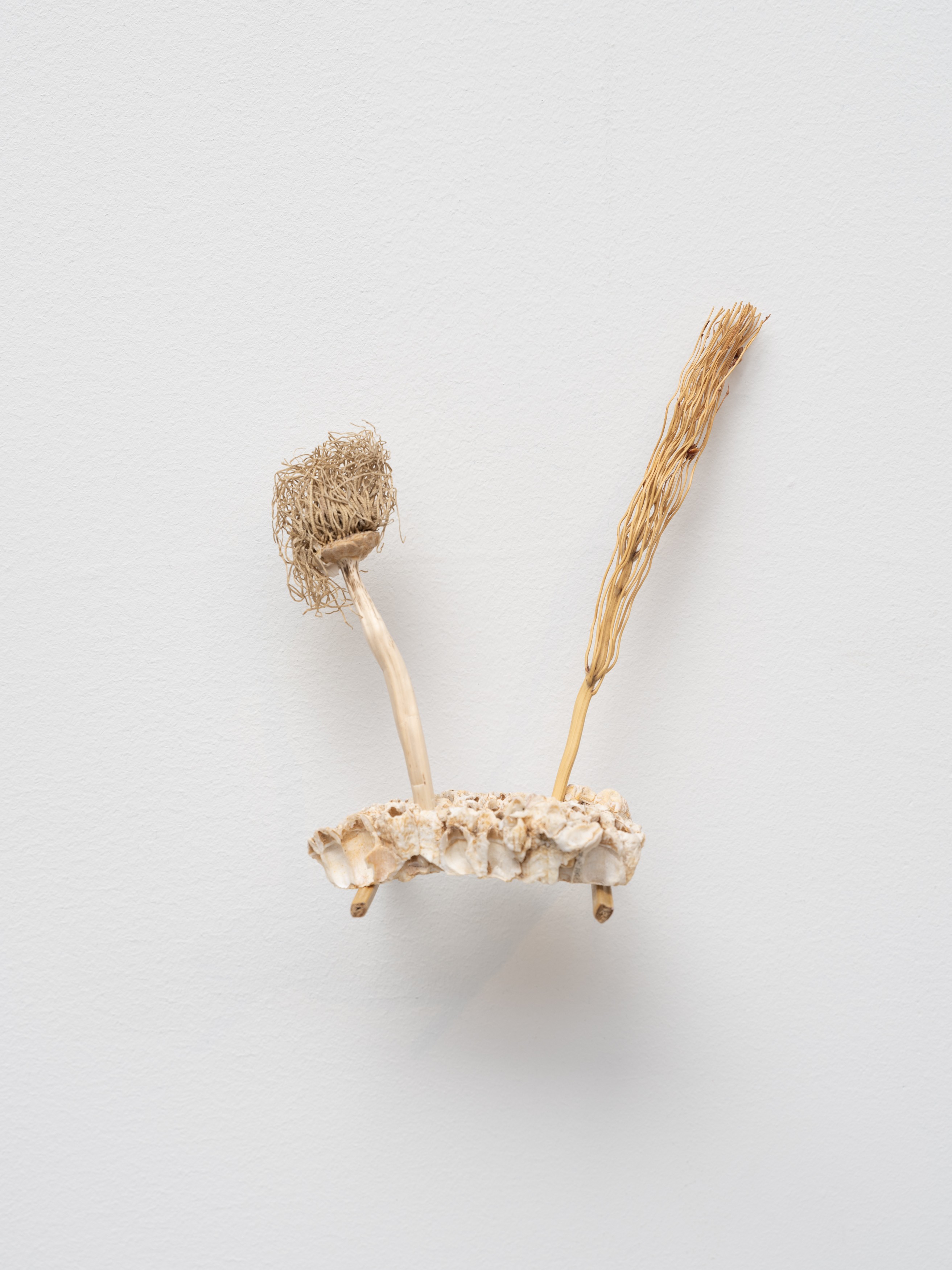
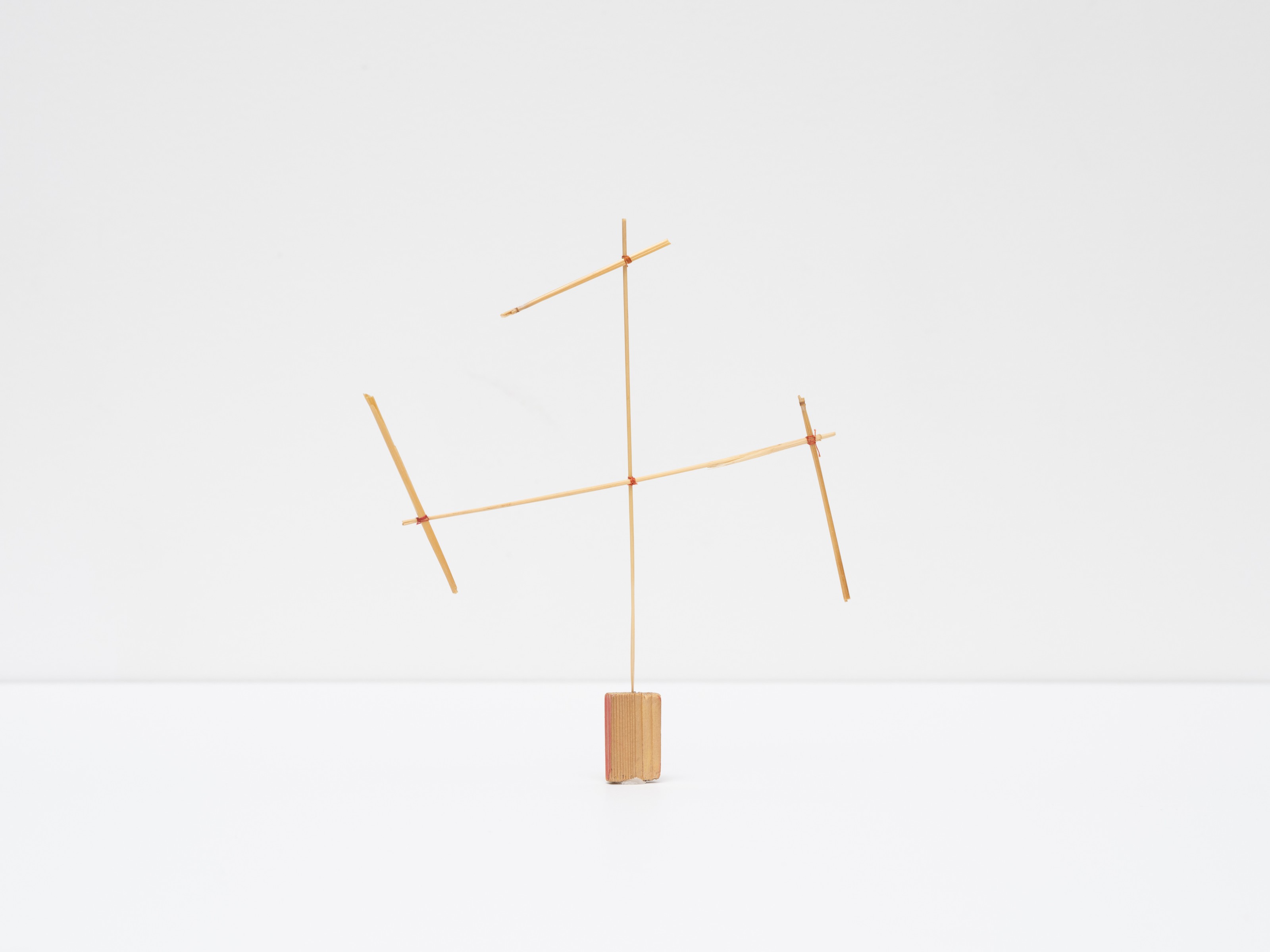
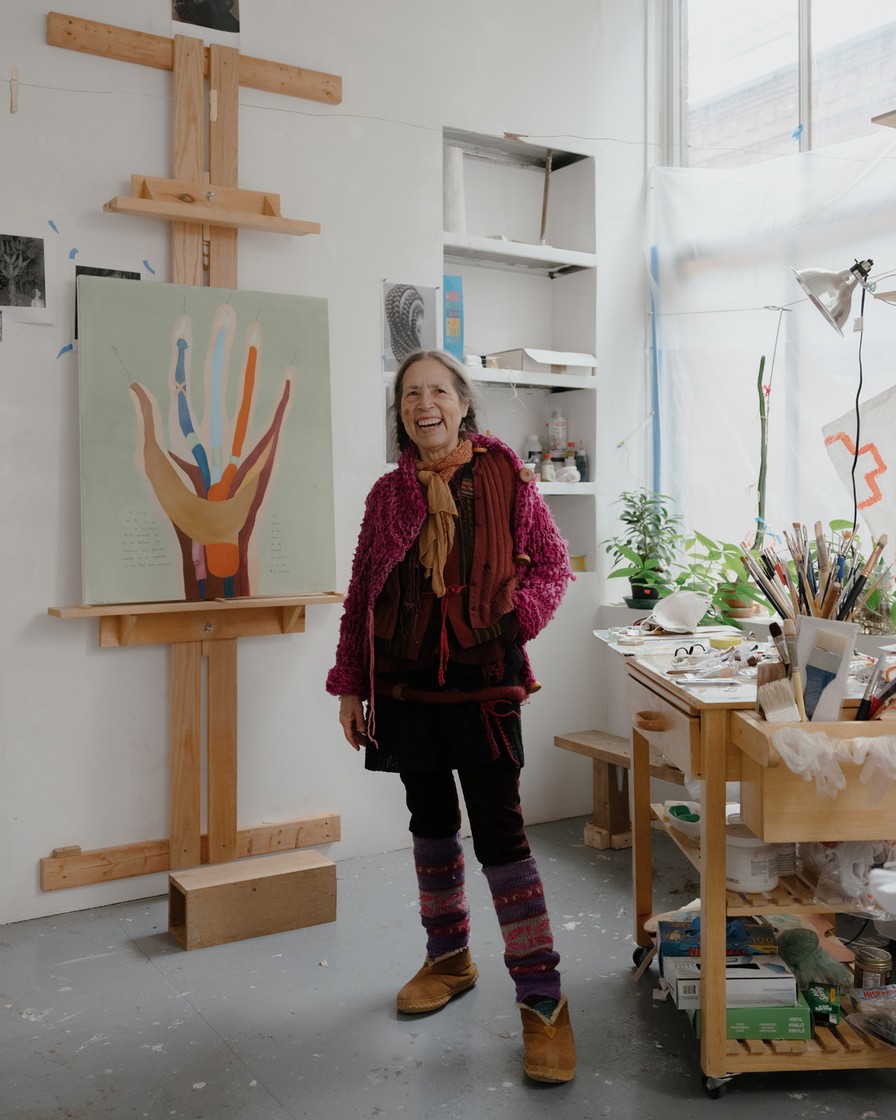
Lehmann Maupin presents Cecilia Vicuña in London, 1972 and Today, an exhibition of new and historical work by the artist following her 2022—2023 Turbine Hall commission at Tate Modern. Revisiting a pivotal moment in Vicuña’s career, Cecilia Vicuña in London, 1972 and Today presents new and recent paintings, mixed-media works, historical ephemera, and recreations of lost work from the artist’s London years (1972—1975). Born and raised in Santiago, Chile, Vicuña relocated to London in 1972 to study at the Slade School of Fine Art; following dictator Augusto Pinochet’s violent military coup in Chile the next year, she sought asylum in the United Kingdom during immense violence, political turmoil, and cultural suppression in Chile. This presentation marks the fiftieth anniversary of both the violent 1973 military coup in Chile and the beginning of the artist’s exile from her home country.
Vicuña’s time in London represents a crucial development in her expansive, multidisciplinary practice. During this period, she engaged with an international group of artistic peers and furthered her intensive interests in fusing art with activism. Responding to catastrophe and loss in Chile, Vicuña expanded her earlier precarious work in nature in Chile around issues of disappearance and impermanence as both political and aesthetic concerns. Vicuña studied at the Slade School of Fine Art and exhibited her work in a solo presentation at the Institute of Contemporary Arts in 1973. That same year, the artist published her groundbreaking first book, Saborami, with Beau Geste Press in Devon, where she encountered a number of fellow international artists such Carolee Schneeman and Ulises Carrión. Shortly after its release, Saborami became the subject of a BBC documentary, which was among the first widely broadcast pieces to introduce British audiences to the gravity of the Chilean political climate and the powerful activist and artistic resistance efforts that arose in response. A new edition of Saborami, among the first pieces of literature to address Salvador Allende’s death, will be released this fall with Book Works Publishing to mark the fiftieth anniversary of the coup.