跳到主要内容

塞西莉亞·維庫納

MoCA LA

Los Angeles

2026年11月15日–2027年6月6日

Performance by Cecilia Vicuña

Los Angeles, California

As an inaugural recipient of the Eric and Wendy Schmidt Environment and Art Prize, New York-based Chilean artist Cecilia Vicuña debuts a newly commissioned project at MOCA.

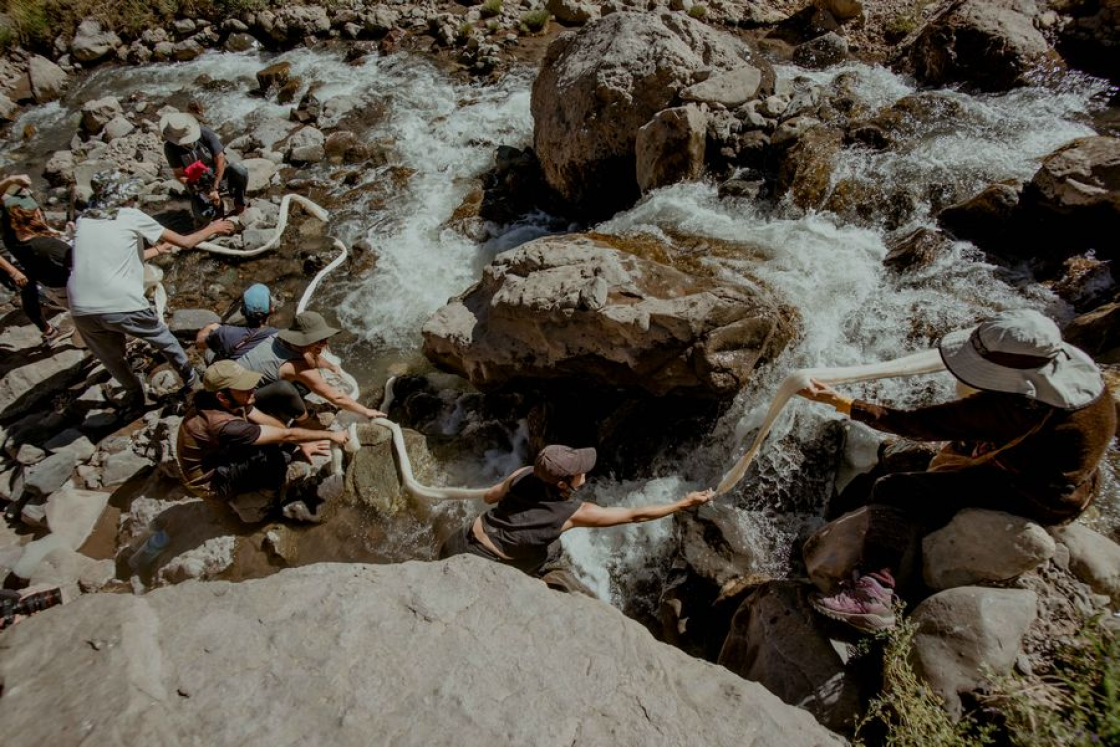
Titled The Dream of Water: Quipu of Encounters Maricunga, the work is the latest in Vicuña’s series of collective actions developed with the participation of communities and publics, in both museums and natural sites, that she has created around the world since the 1960s. Quipu comes from the Quechua word for “knot,” and this multi-phase, collaborative “quipu of encounters" will engage local artists, youth, scientists, and Indigenous water defenders in Chile and in LA in poetic and political exchanges that confront the ongoing water crises unfolding in each region.

关于艺术家

媒体聚焦

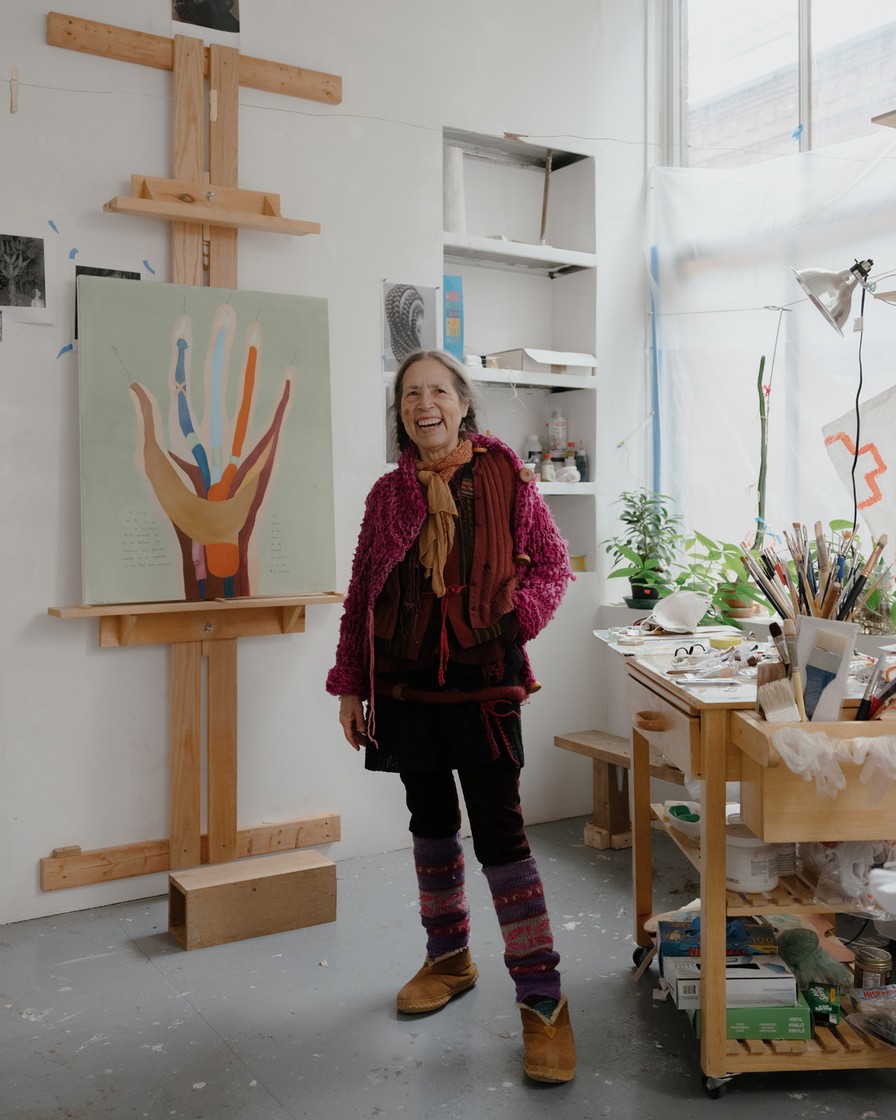
Portrait of Cecilia Vicuña

塞西莉亞·維庫納(1948年生於智利聖地亞哥, 現於紐約及聖地亞哥生活和工作)的創作融合了詩歌、表演、概念主義及紡織工藝,深入探討現代世界所熱切關注的議題,包括環境生態、人權和文化同質化。藝術家出生及成長於智利聖地亞哥。1970年代,智利軍方發動暴力軍事政變,把當時的薩爾瓦多·阿葉德(Salvador Allende)總統推倒,維庫納隨後被流放。這種無常的感覺及對智利土著歷史文化的敬意一直伴隨著藝術家,深深影響著她往後的藝術生涯。

維庫納於1960年代在智利生活期間,開始創作一系列名為「precarios」的小型雕塑,這種充滿詩意的作品使用了羽毛、石頭、塑料、木材、電線、貝殼、布以及其他人體毛髮。 她一般會使用繩子把這些小型雕塑輕輕的綁在一起,讓作品看似是自然地聯繫。作品的脆弱和短暫性尤其重要,維庫納初期更會在海邊創作,讓作品隨海浪隨意飄走。 同期,維庫納對古代的「奇普」(Quipus) 產生了興趣,「奇普」是一種印加文化中以彩色繩結紀事和交流的方法。她初次編織的經歷可追溯到70年代初,但不久之后她開始用羊毛製作獨特的「奇普」,作為一種短暫和場域特定的裝置作品,將編織和紡紗的儀式與聚會、詩歌和表演結合在一起。 相比維庫納其他作品,她在70年代創作的超現實具象繪畫更明顯地體現了其個人和政治色彩,對當時智利不明局勢和隨後被流放的經歷作出回應。另外,她的畫作也參考了16世紀拉丁美洲藝術家的創作精神。拉丁美洲被西班牙征服後,當地的畫家被迫為天主教會繪畫天使和聖人,但他們同時會創作一些微妙隱晦及具顛覆性的作品。在維庫納的畫作中,她以神話化的個人、政治和文學人物代替宗教偶像,以紀念他們。

The Dream of Water: Quipu of Encounters Maricunga | Lehmann Maupin