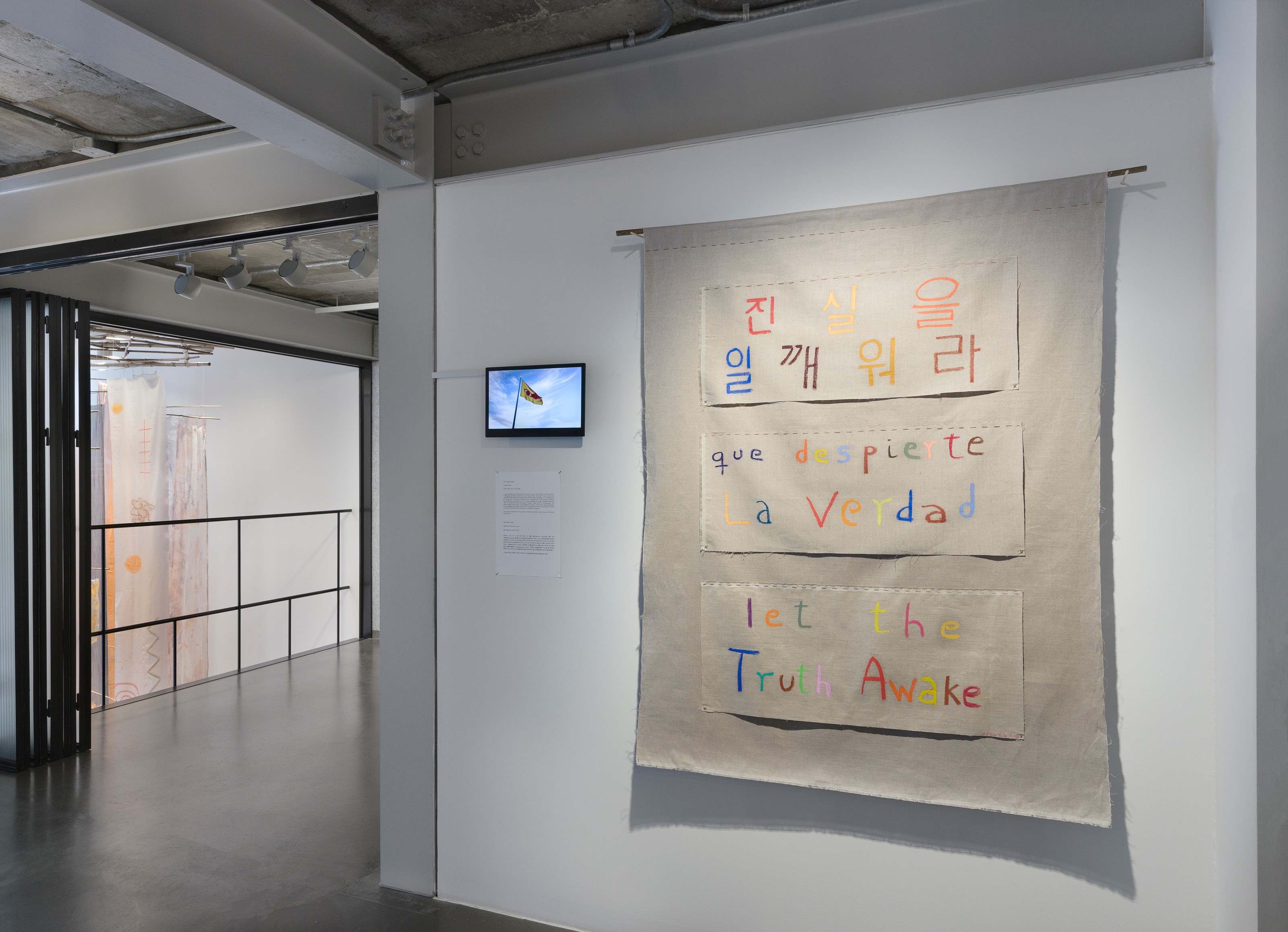
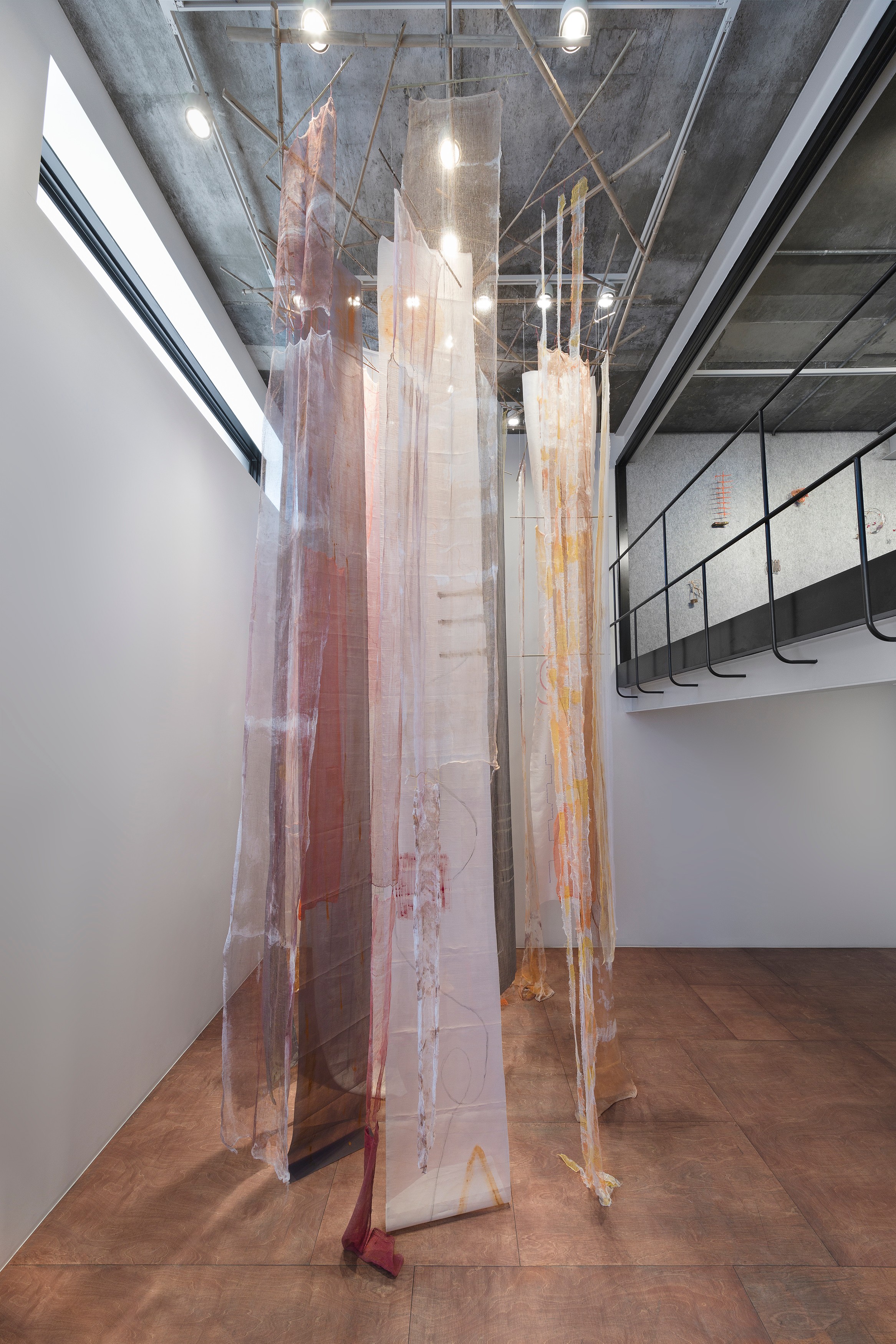
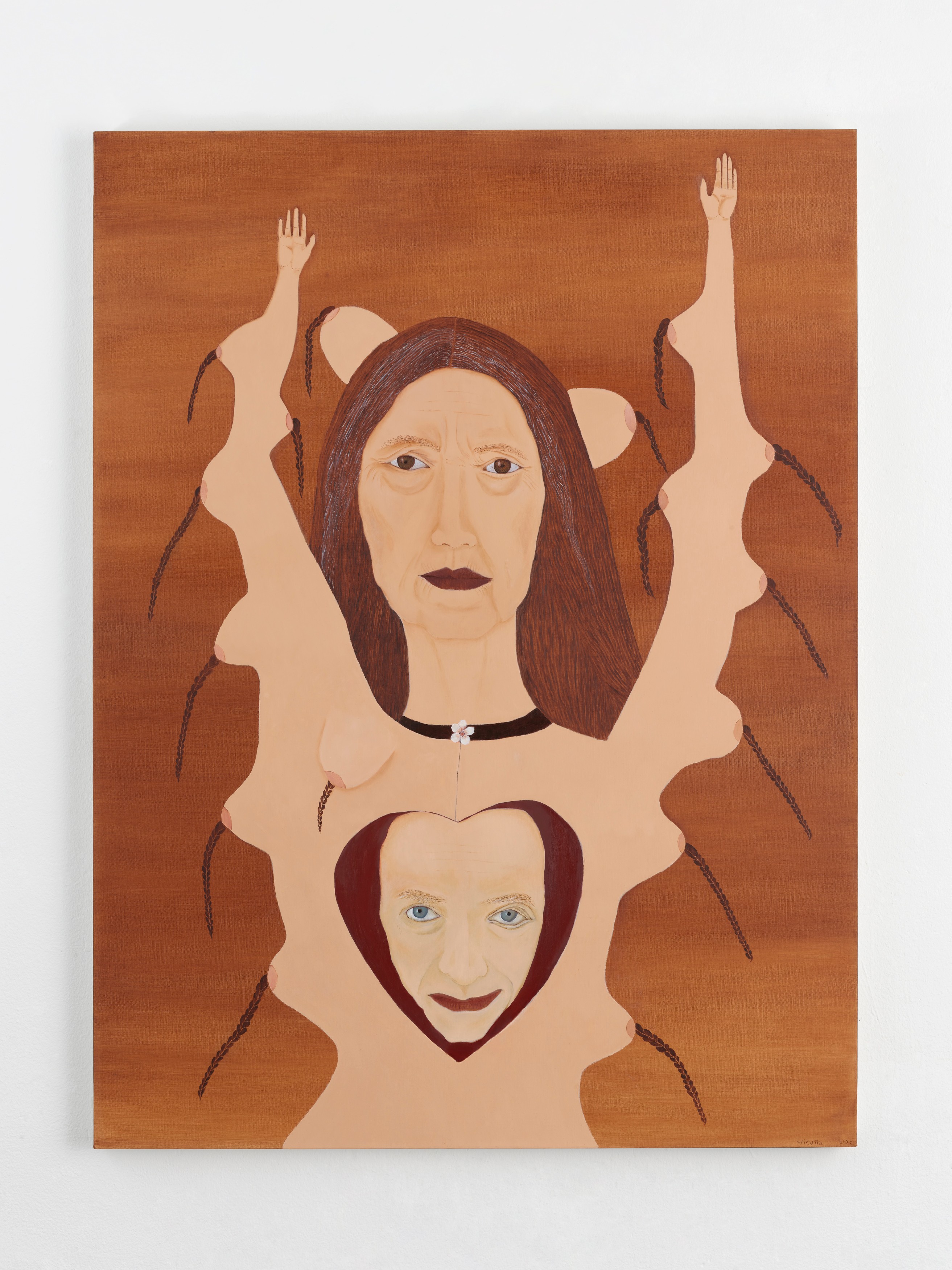
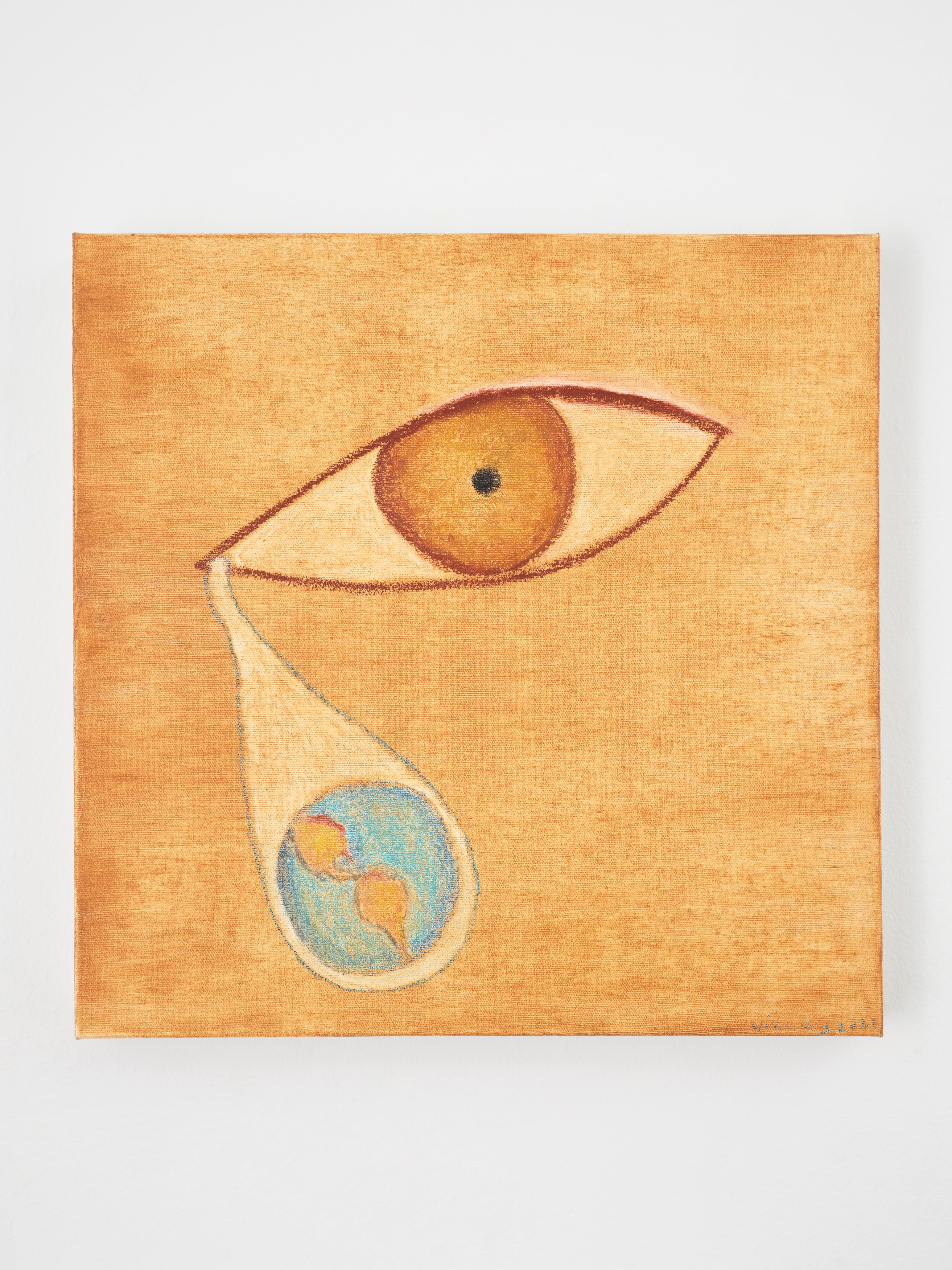
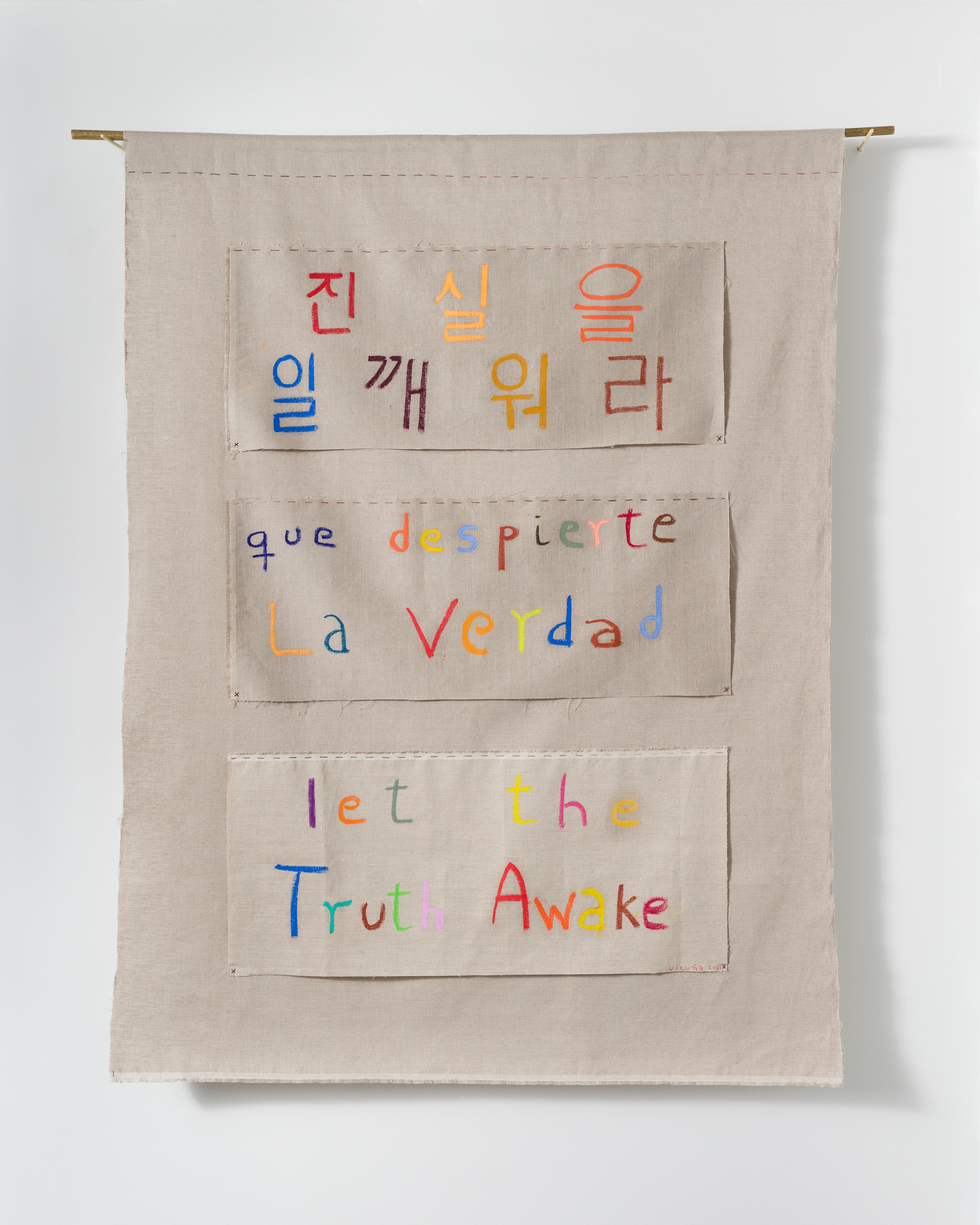
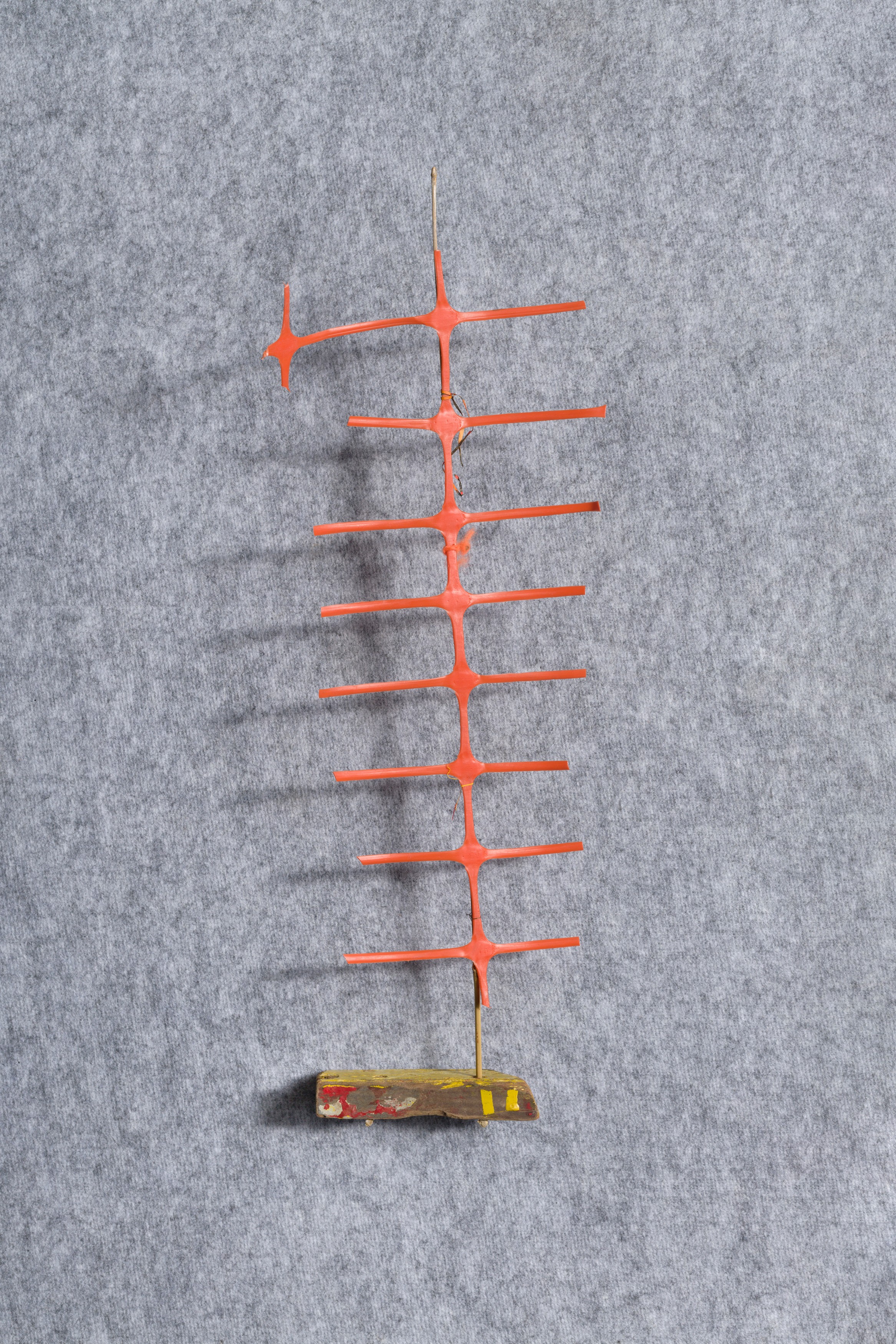
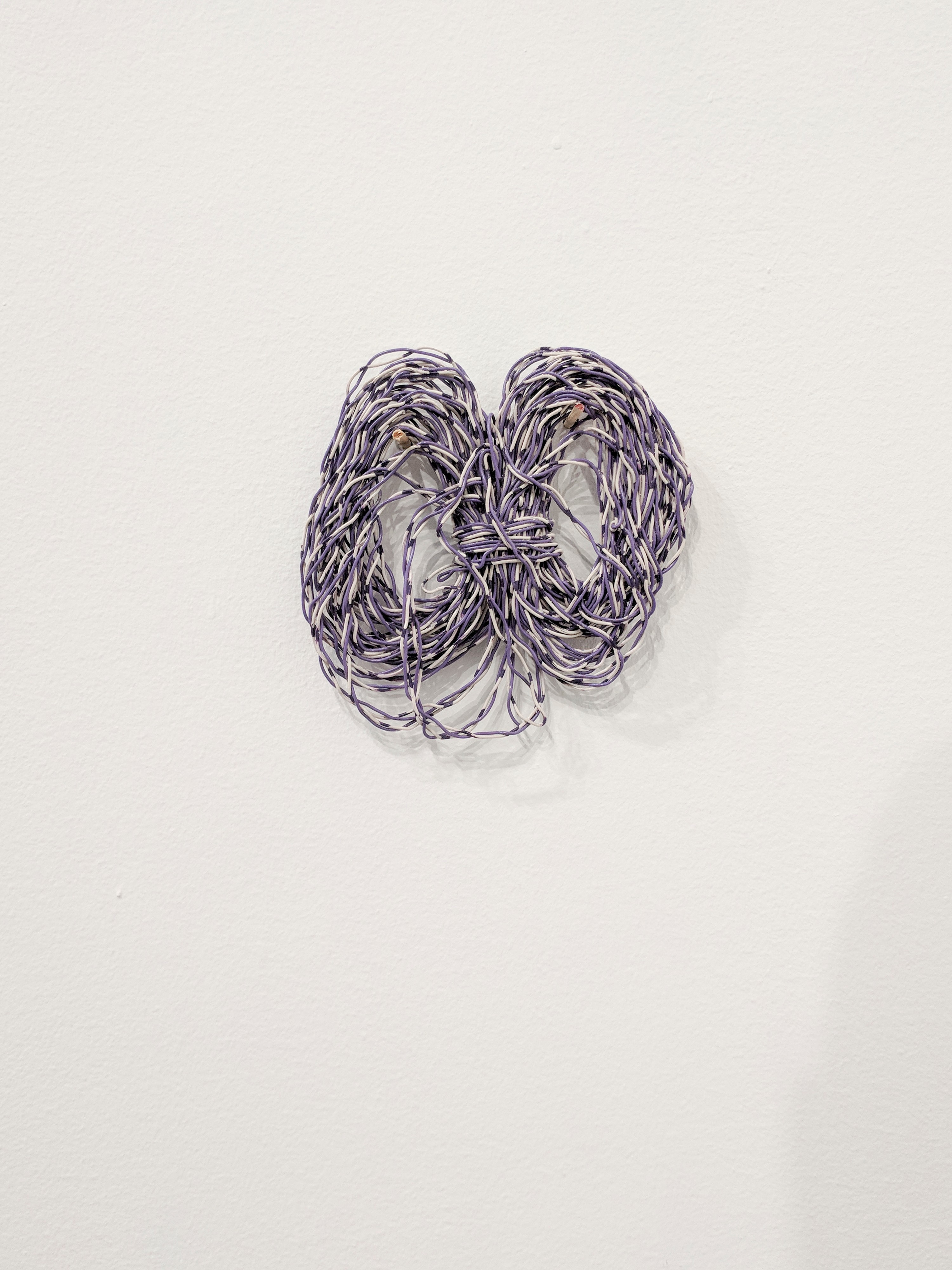
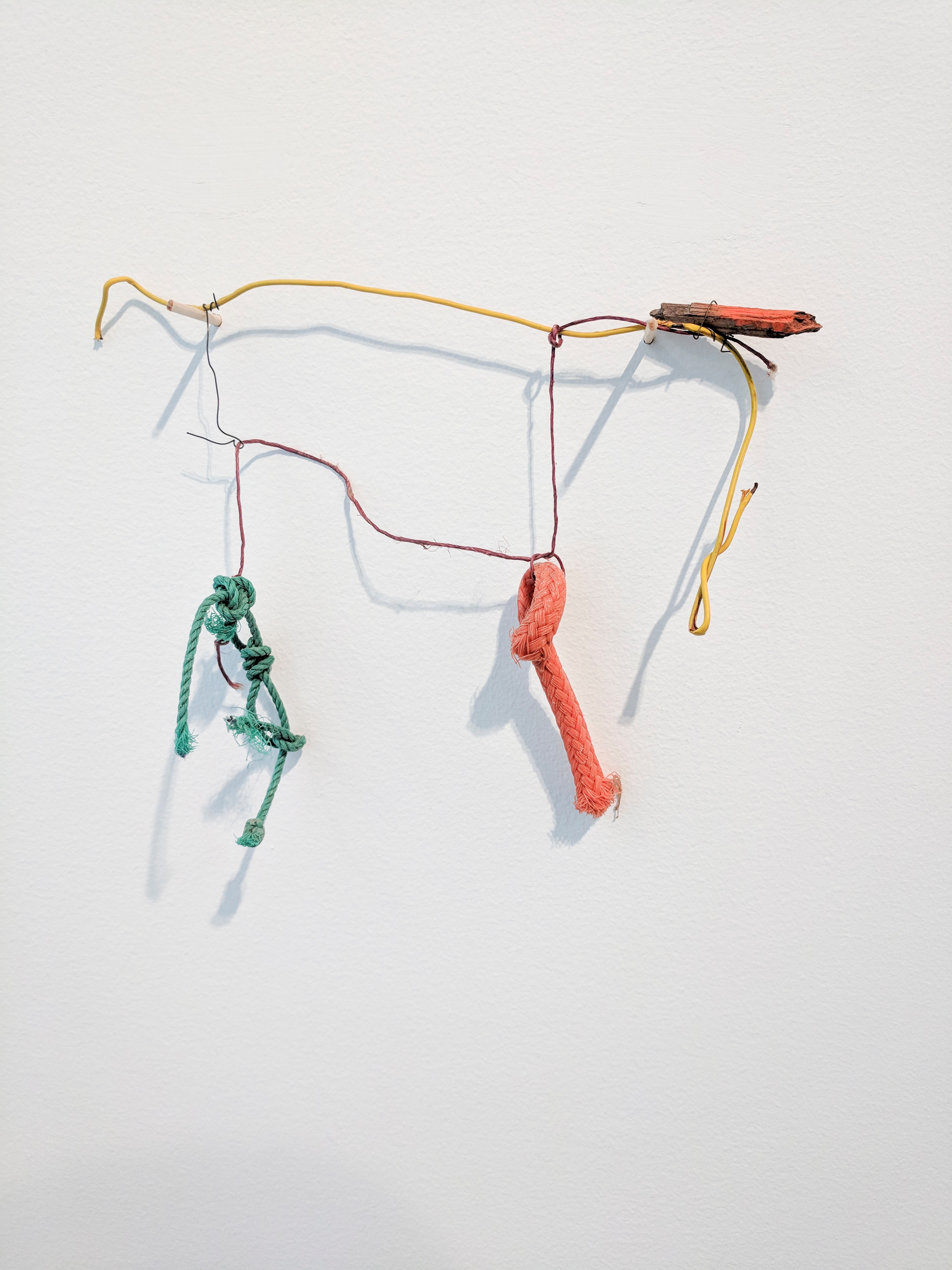
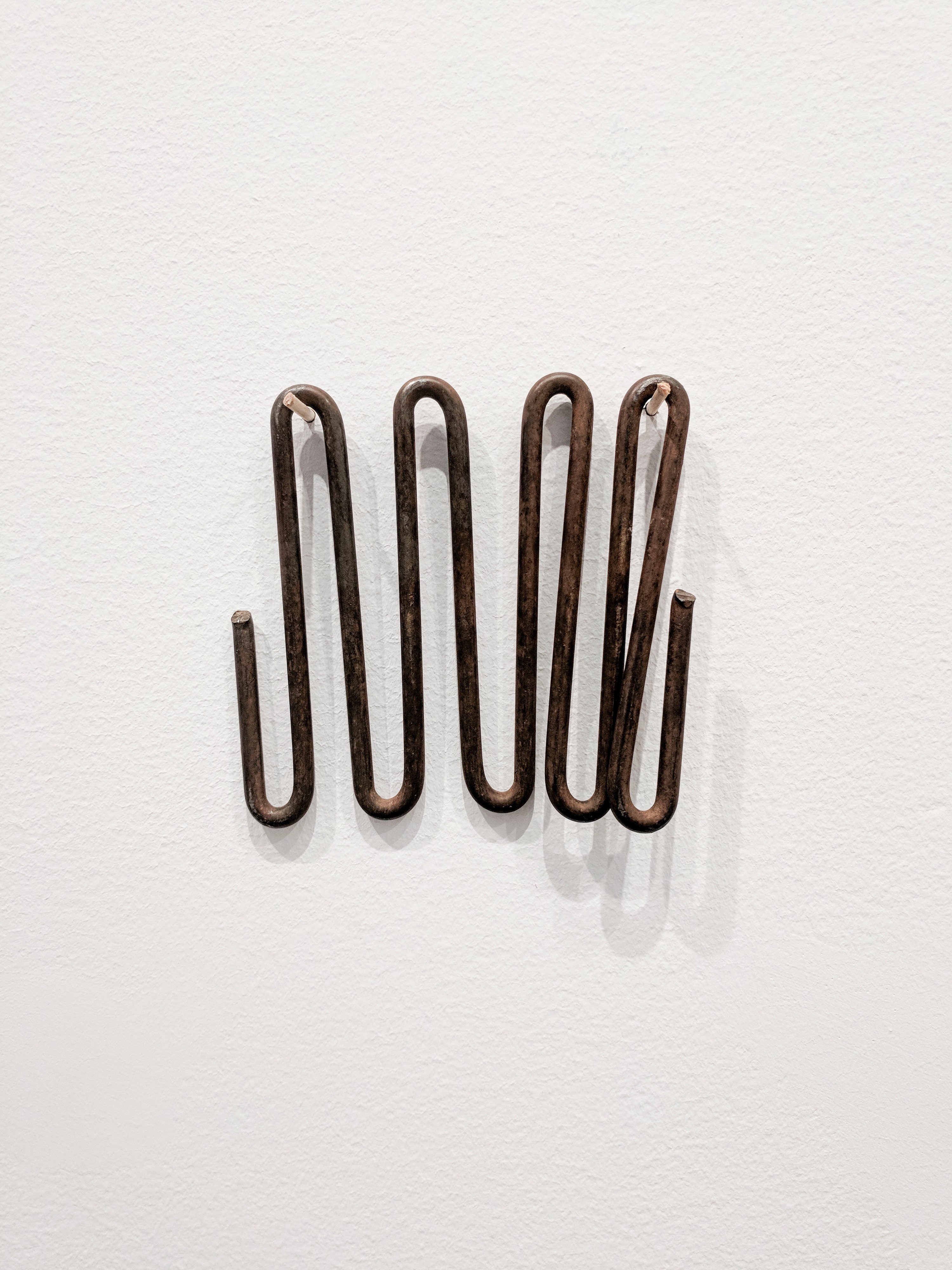
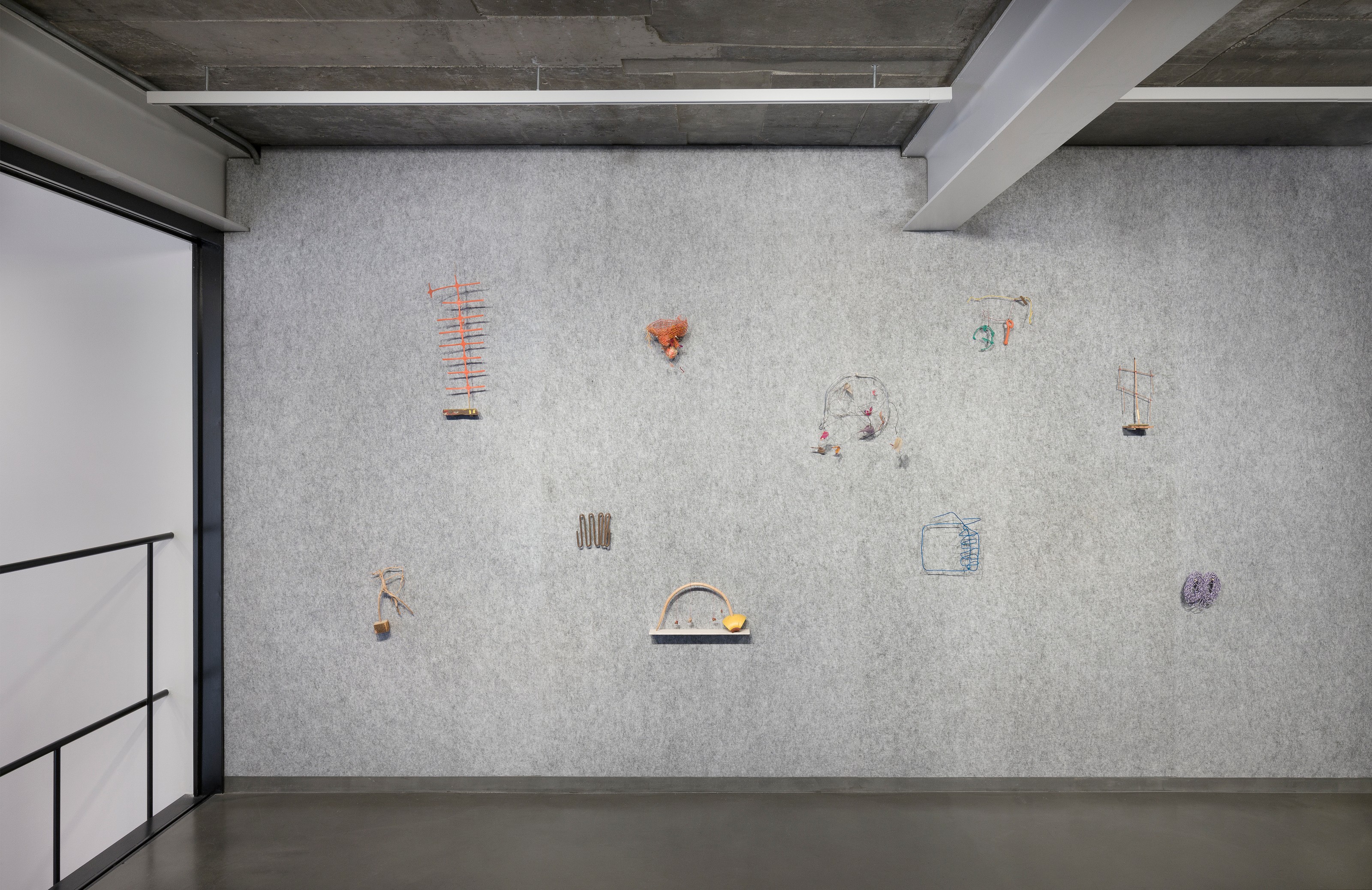
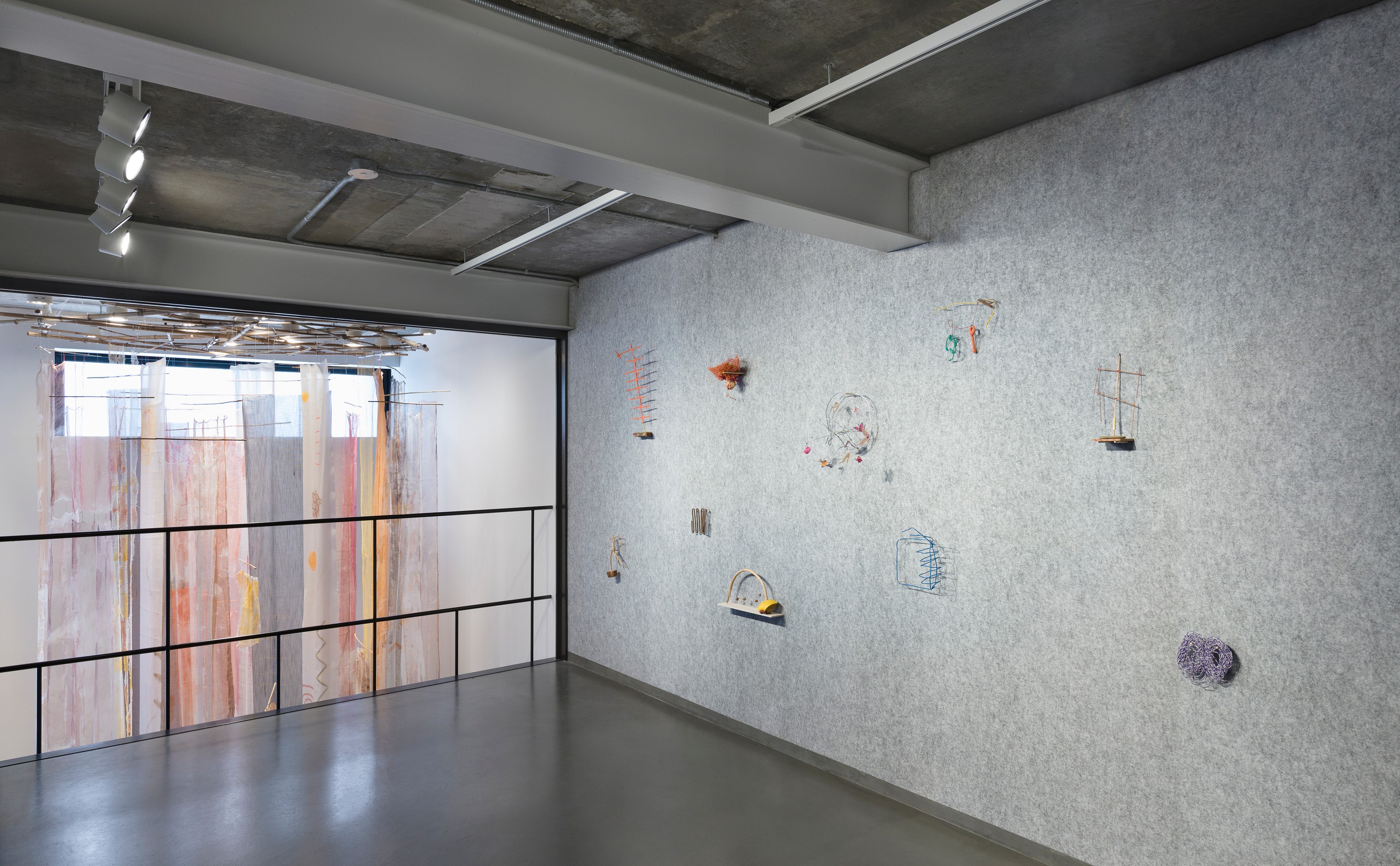
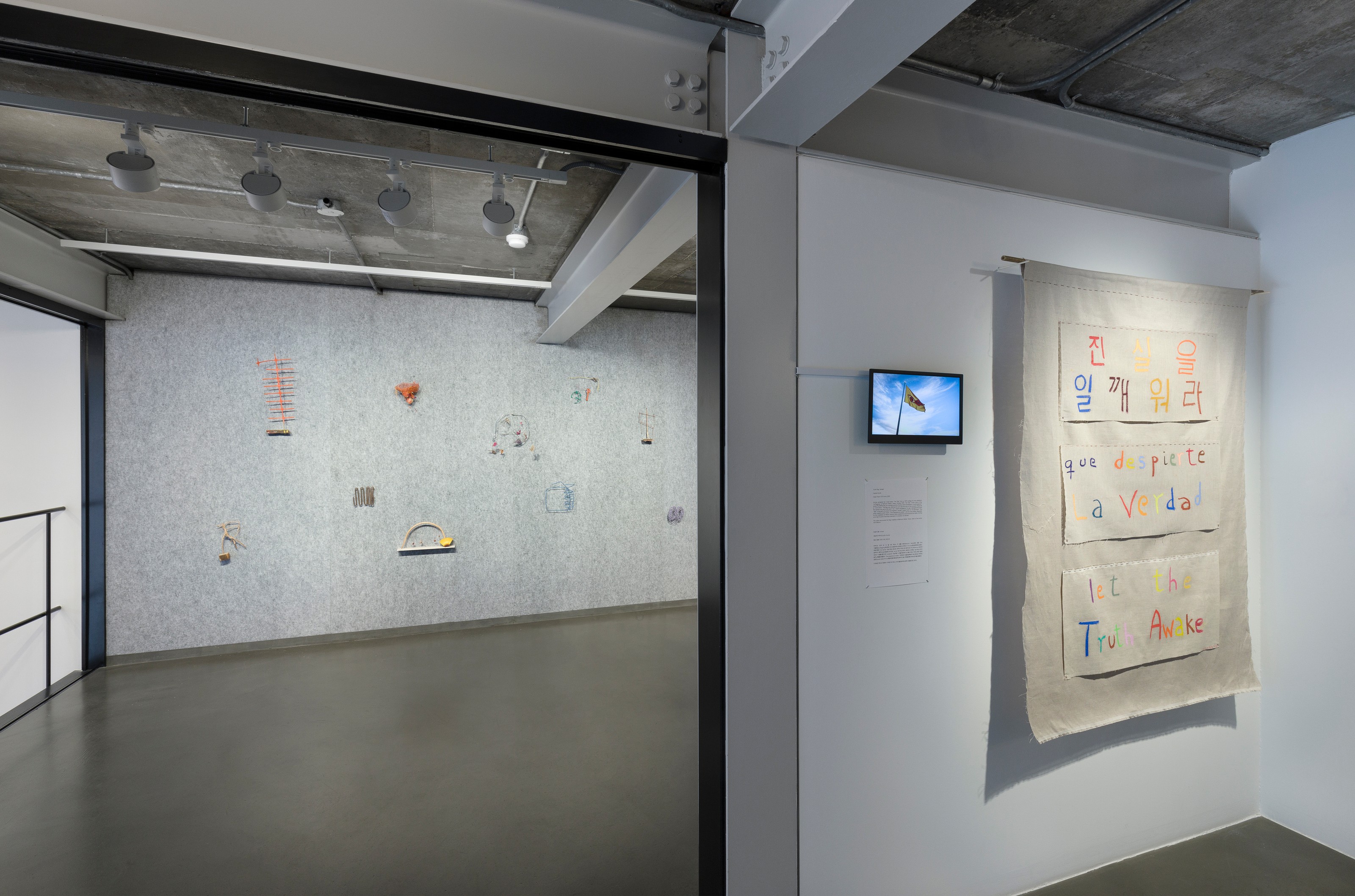
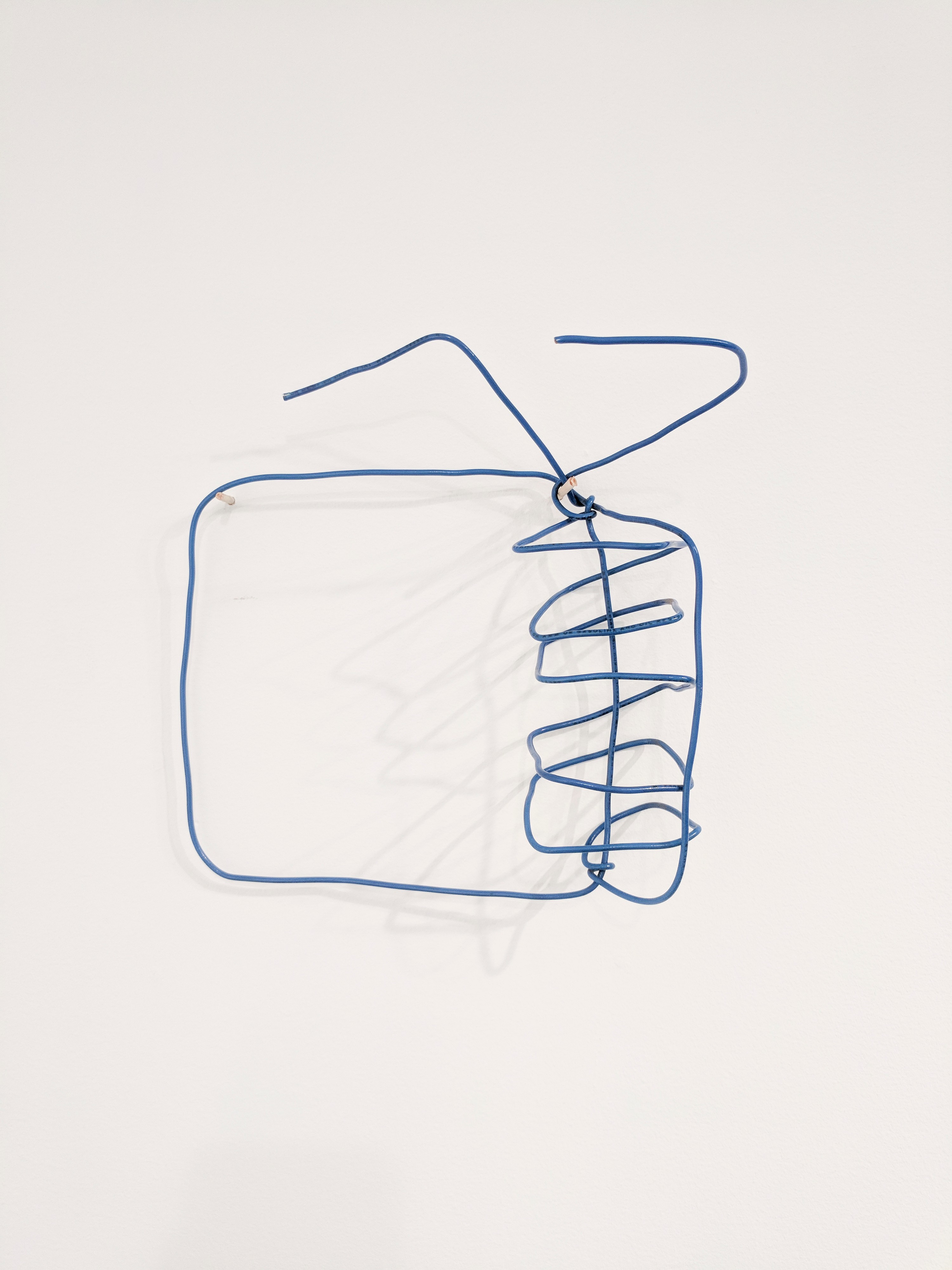
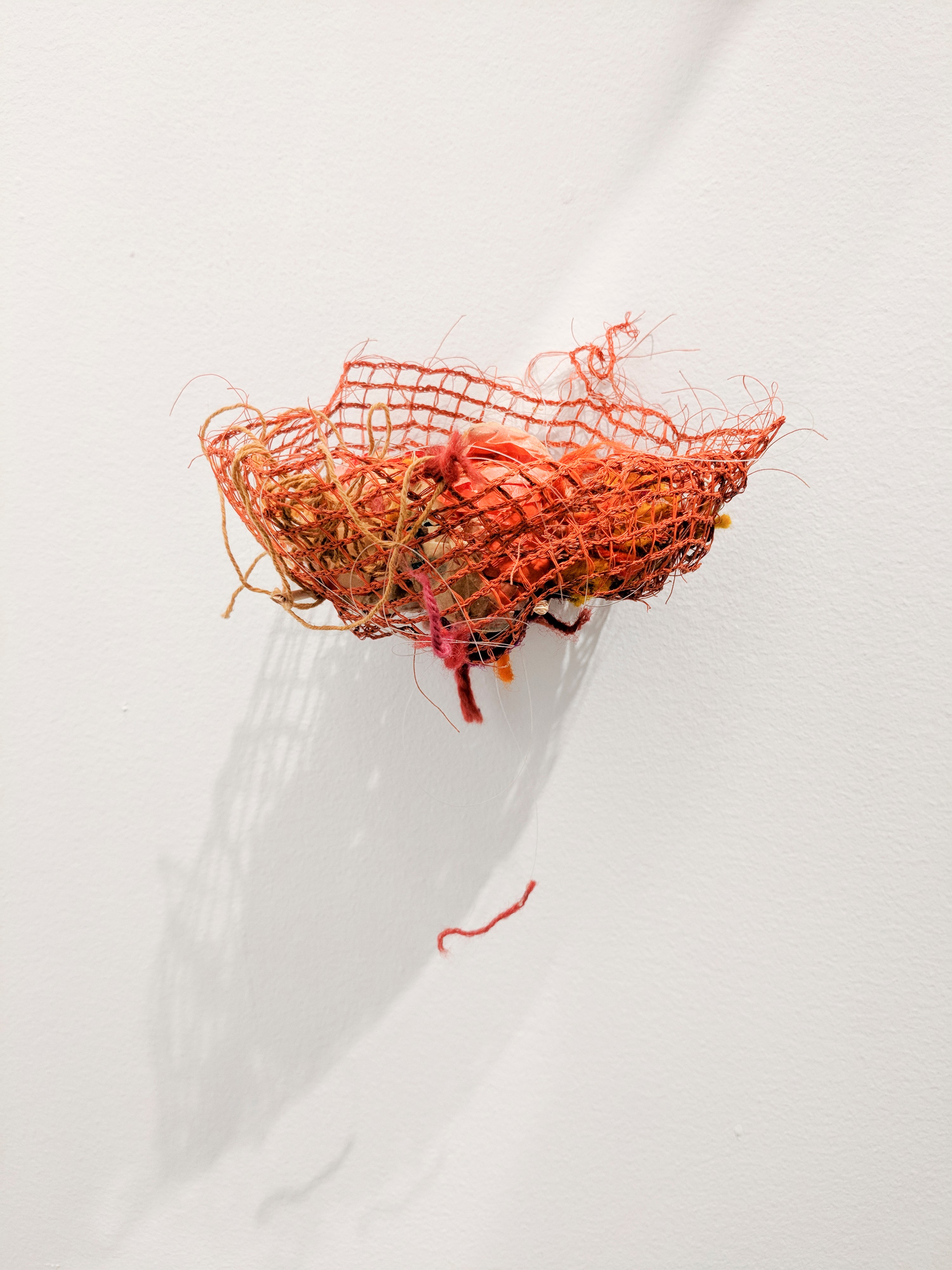
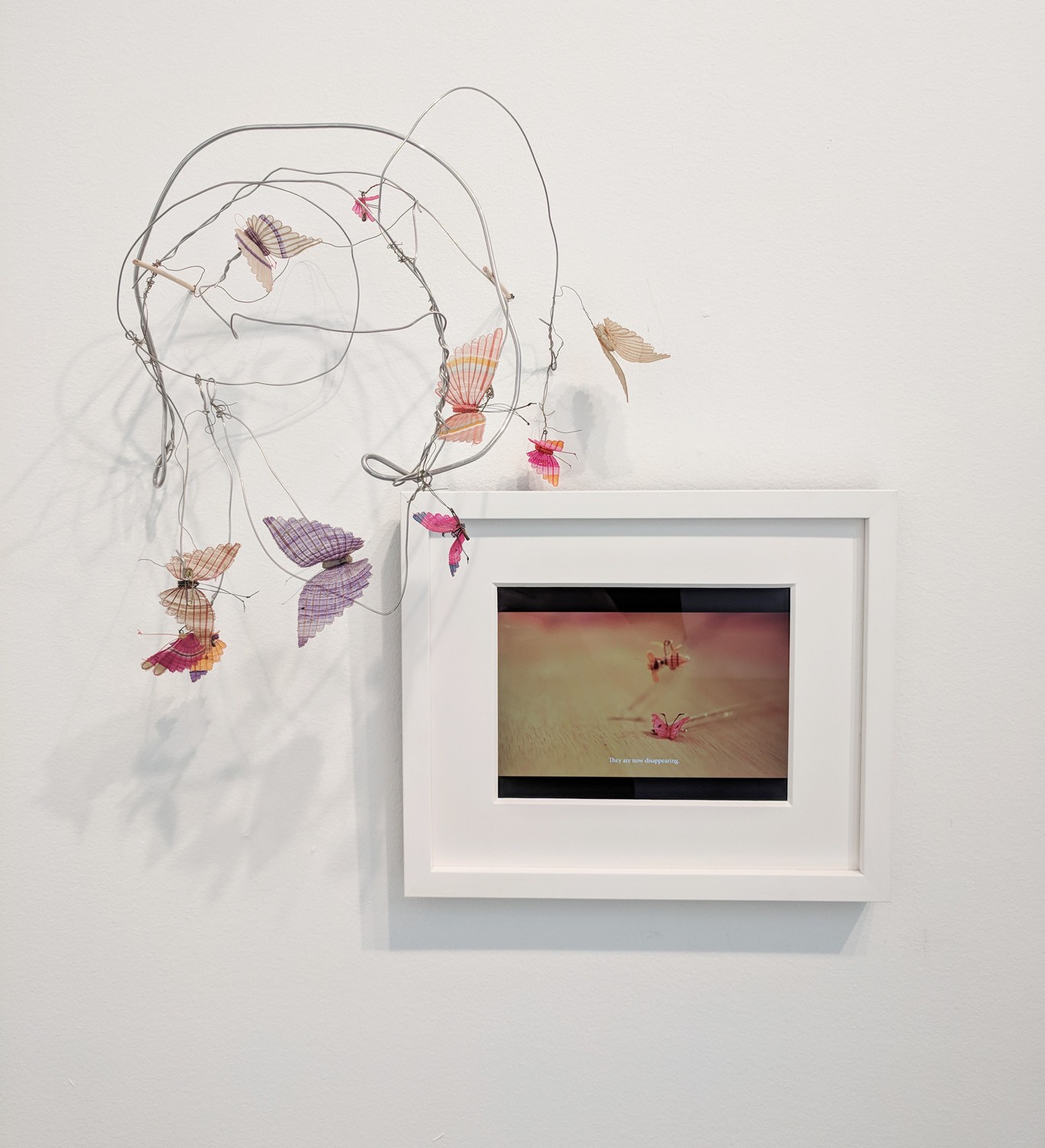
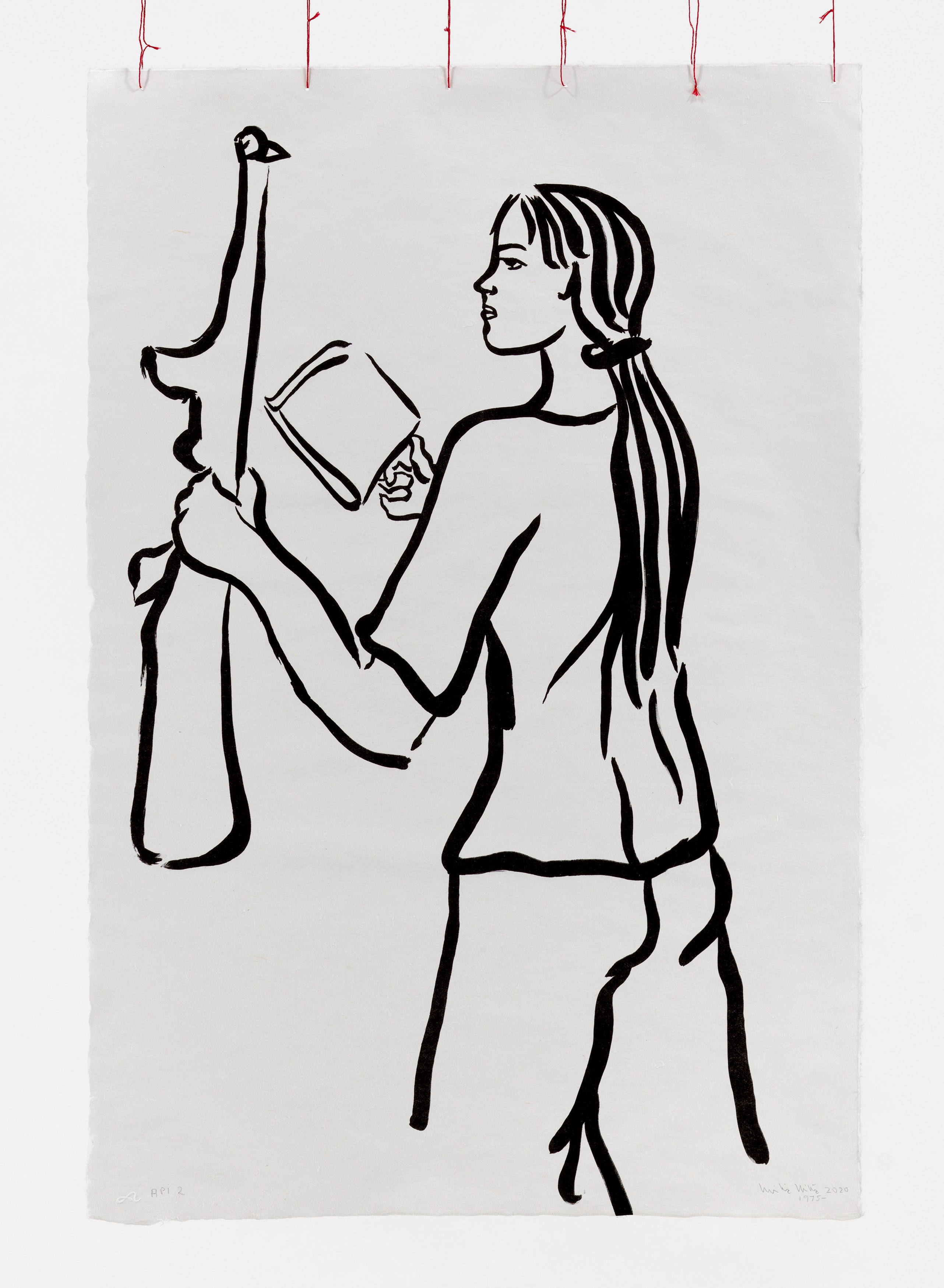
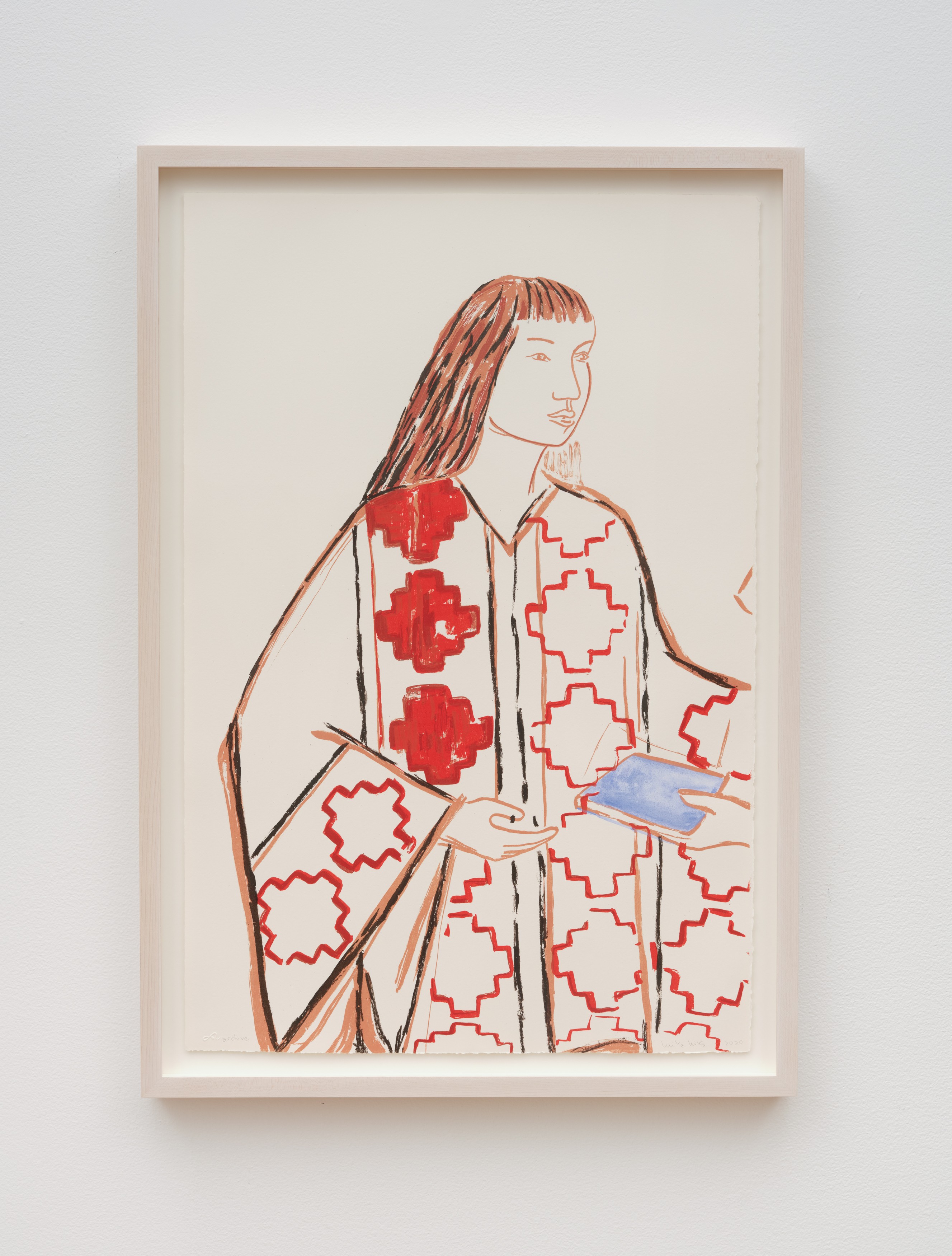
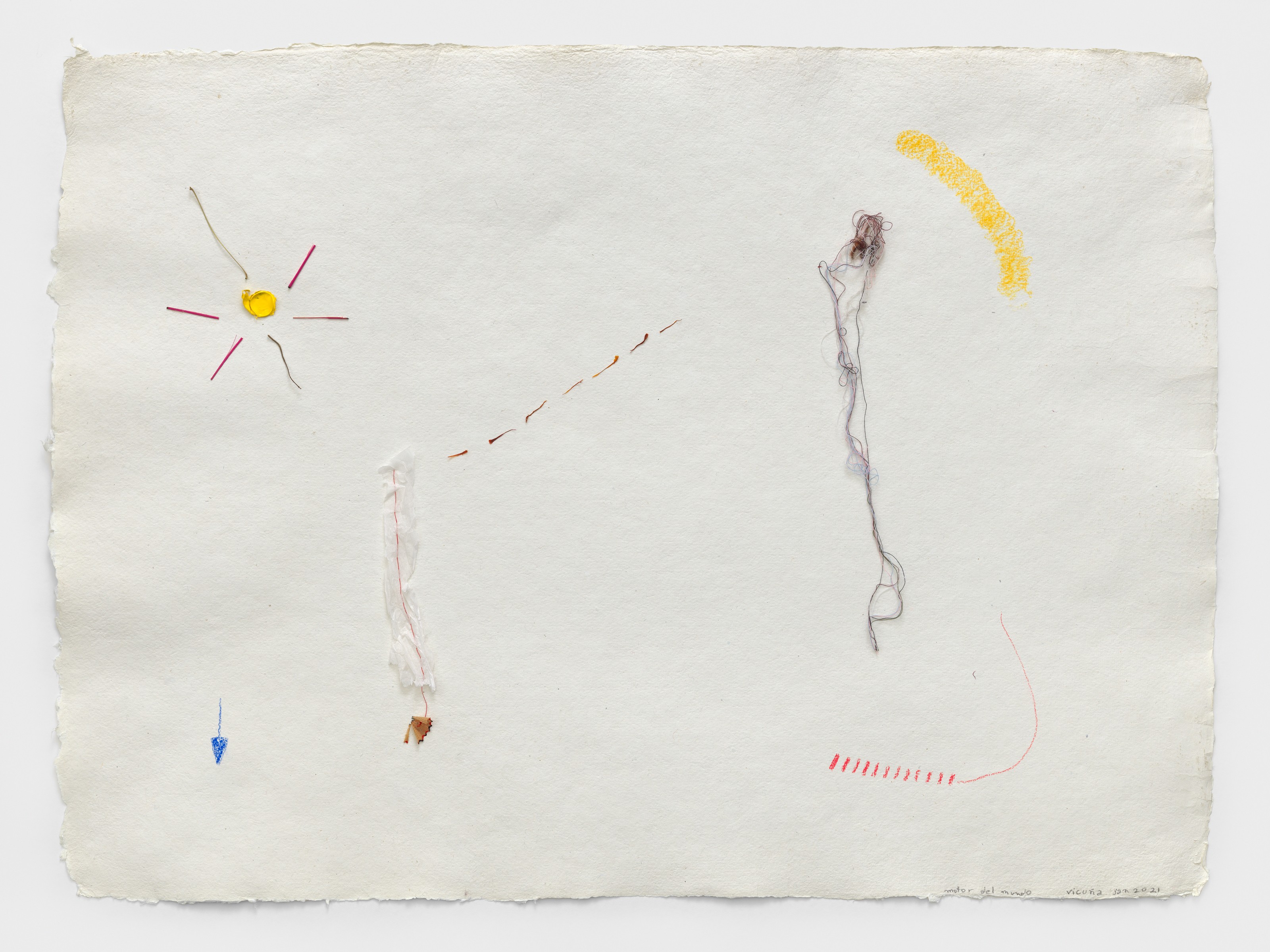
Lehmann Maupin is pleased to announce Quipu Girok, an exhibition of new work by Chilean artist Cecilia Vicuña featuring her first “painted” quipu, a recent video, hand-painted prints, drawings, and an installation of precarios that will engage a dialogue between Korean and Andean textile traditions and techniques. An artist, filmmaker, poet, and activist based in New York, Vicuña’s work ranges from performance, to painting, to poetry, to large-scale installations that address pressing concerns of the modern world, including ecological destruction, human rights, and cultural homogenization. The exhibition marks Vicuña’s second with the gallery and is her first solo presentation in Asia. Quipu Girok will coincide with the Gwangju Biennale, which will feature a selection of Vicuña’s paintings from the 1970s and a number of textile prints. These prints are a recreation of a series of paintings on fabric that the artist produced from 1975-1977 as an homage to the women who served in the Vietnam War.
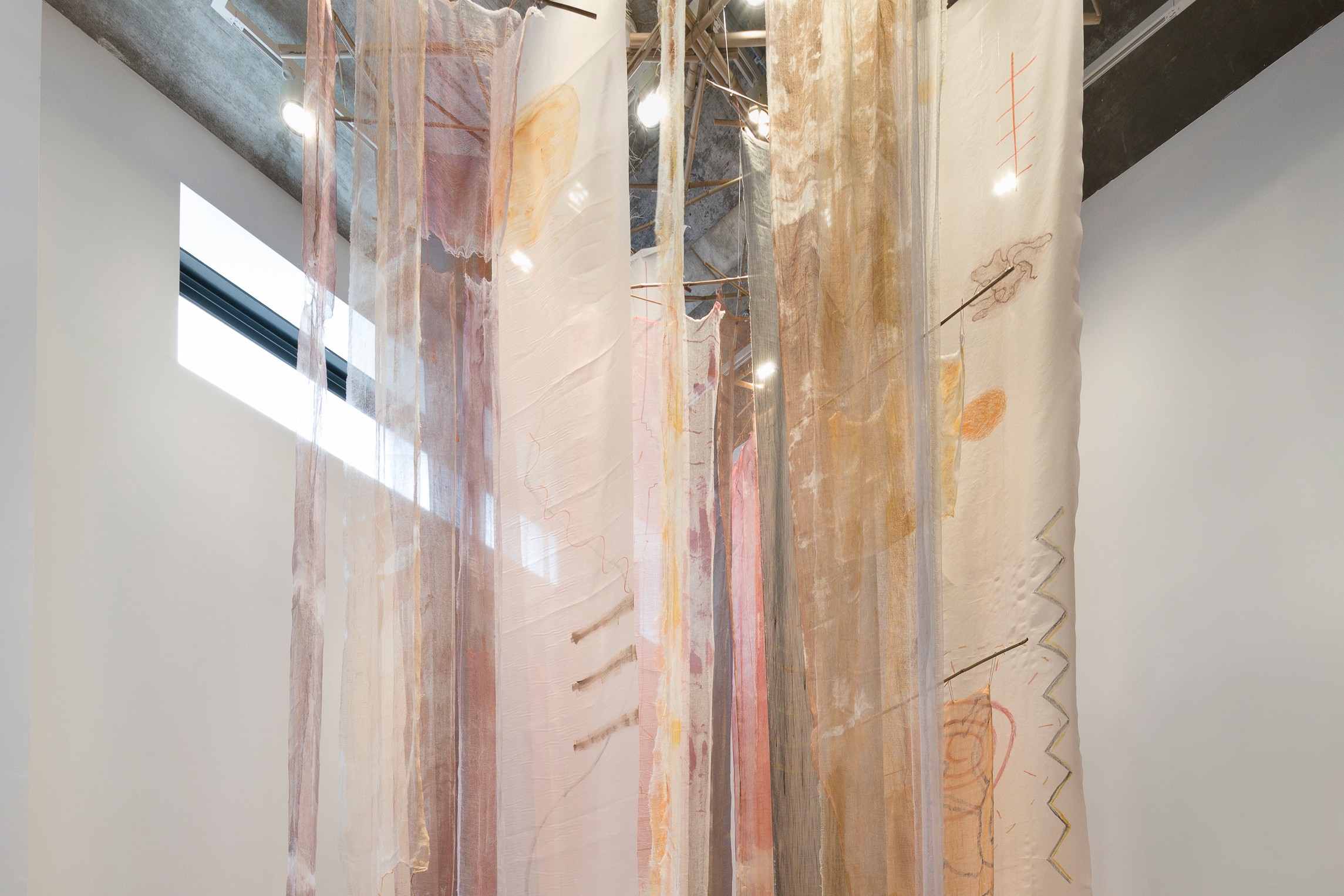
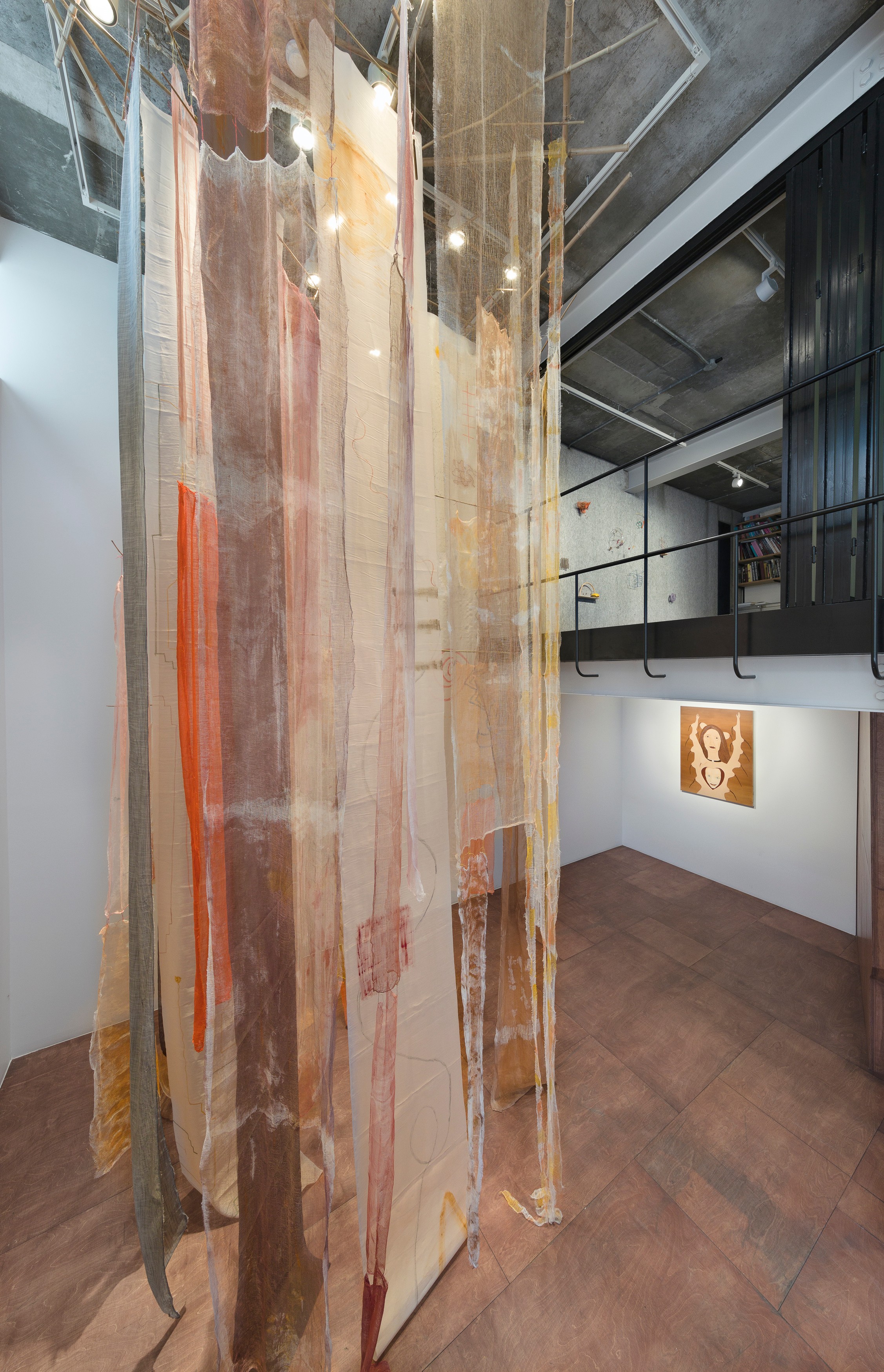
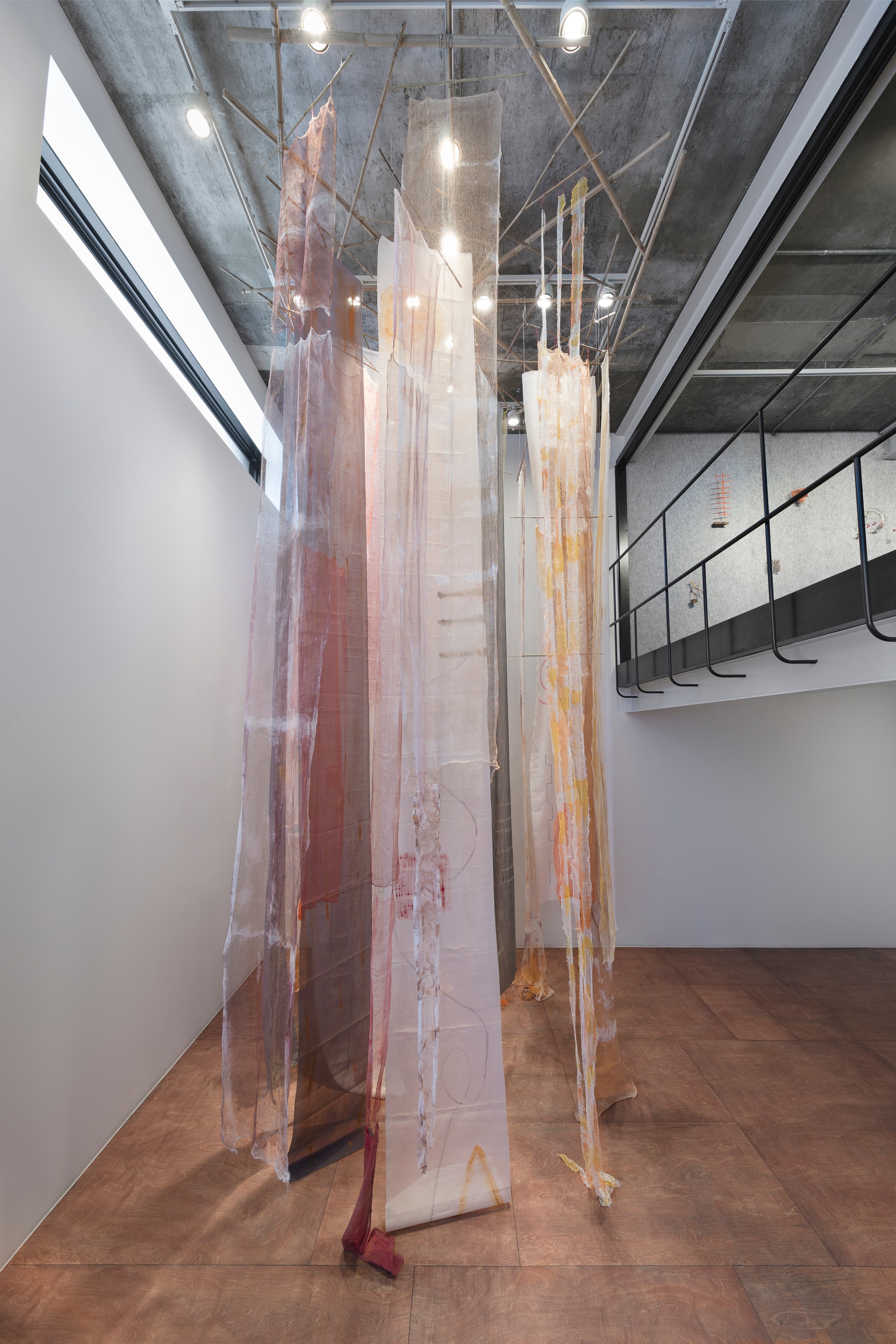
The title Quipu Girok combines ancient Andean language and Korean, loosely translating to Knot (quipu) Record (girok). The quipu—an Andean method of visual-tactile communication and recordkeeping system involving the knotting of colored strings—has featured prominently throughout Vicuña’s oeuvre since the 1960s and 70s. In the artist’s varied renditions, the quipu becomes a conceptual and performative poem in space, an act of resistance based on Vicuña’s desire to recover the lost history of this ancient form of writing. The centerpiece of the exhibition, from which it takes its name, is Quipu Girok—a large-scale quipu installation comprised of columns of painted gauze (reminiscent of ancient forms of indigenous painting on weaving), silk polyester (hanbok), and cotton (used in traditional Korean textiles) that hang vertically from uneven bamboo sticks. Each panel of transparent fabric is painted using pigment and pastel crayon to create a multi-layered work inspired by a series of Solar paintings the artist created during the 1970s. These paintings, like the installation Quipu Girok, feature simplified marks and geometric signs and symbols that recall the very beginning of painting on textiles in the pre-Columbian Andes. For Vicuña, these early artworks (forms of visual communication) are “abstract in a very profound sense.” As with poetry, there is a general sense of what the image signifies while its specific reference point remains unknown.