跳到主要内容

Frieze Seoul

COEX

A25

9月2日–2026年9月5日

Work on paper by Do Ho Suh

COEX

Seoul

Hannam Night at our Seoul gallery: Tuesday, September 1, 6–9 PM

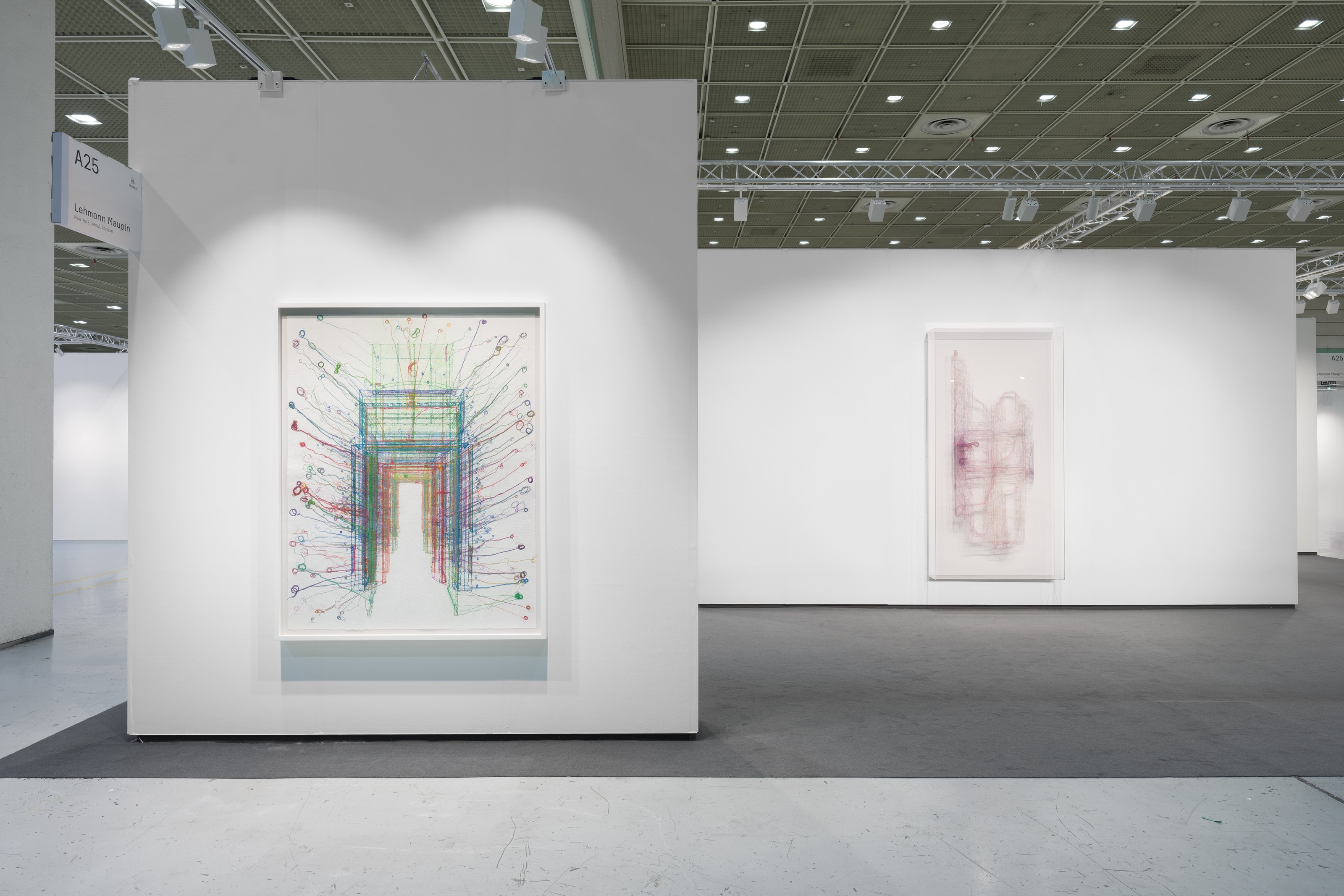
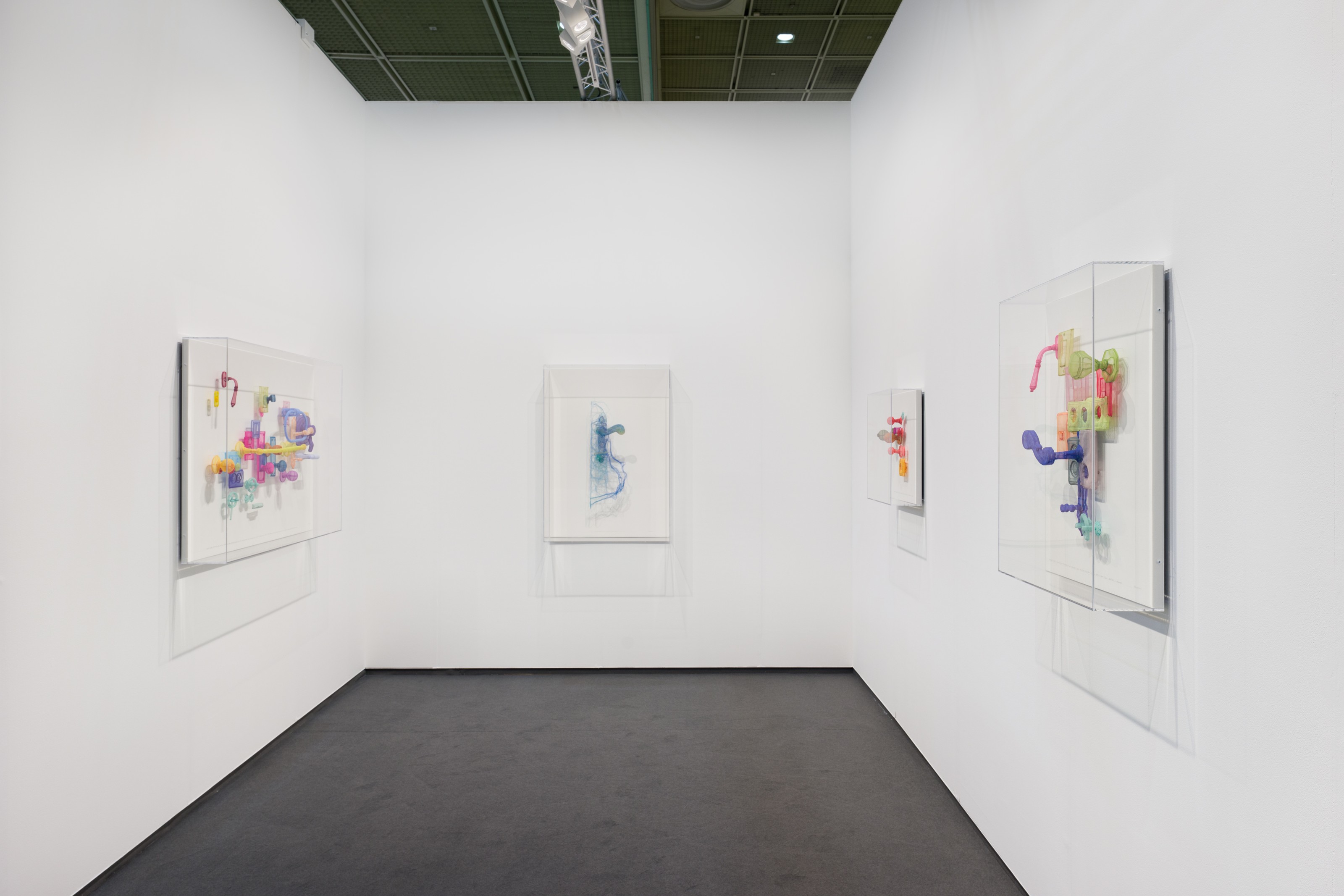
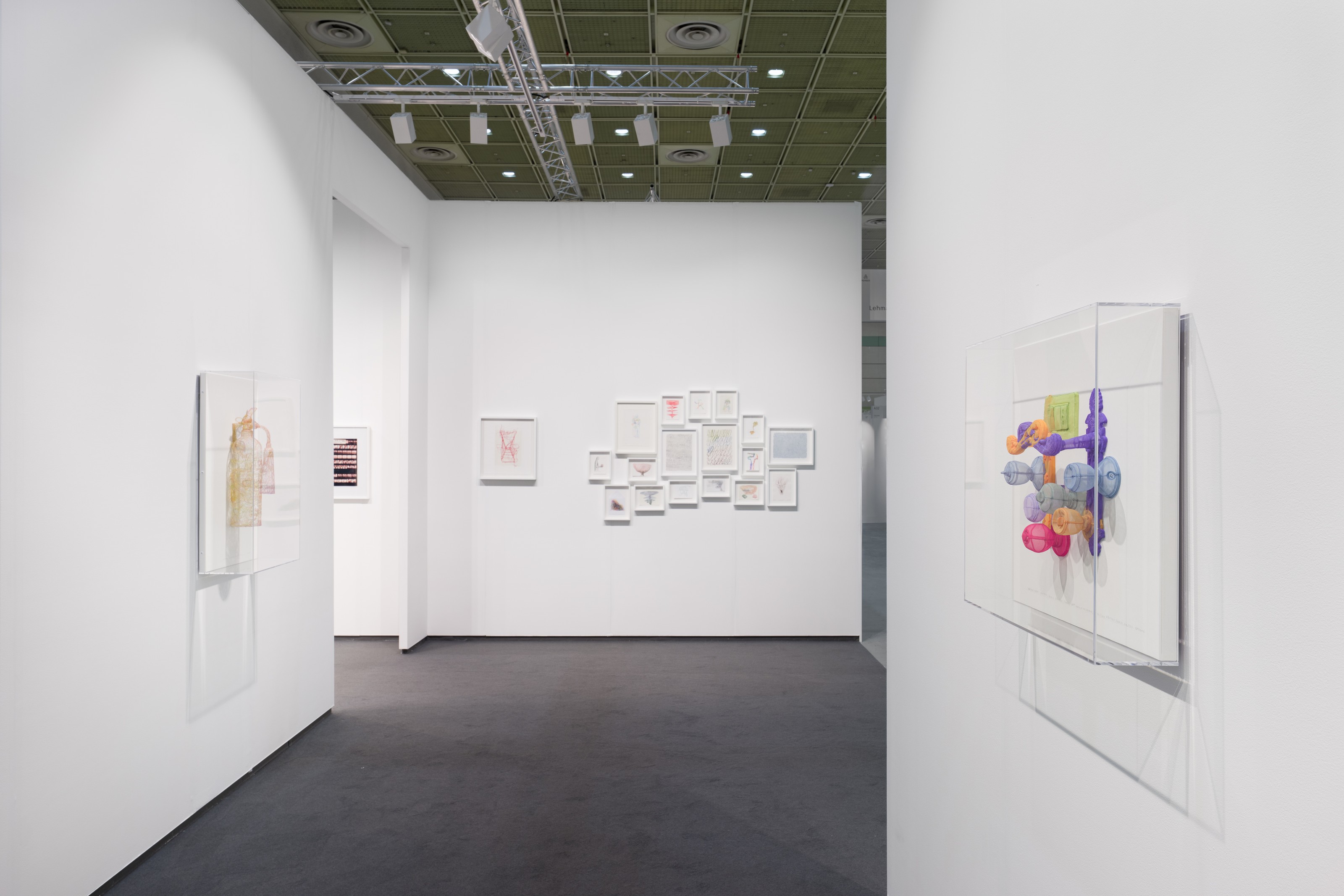
Lehmann Maupin is pleased to return to the fifth edition of Frieze Seoul with a solo presentation of works by renowned Korean artist Do Ho Suh, coinciding with the gallery’s 30th anniversary. Suh, whose first solo New York exhibition was presented by Lehmann Maupin in 2000, has been represented by the gallery for nearly three decades. The presentation follows a landmark year for Suh, including the unveiling of Jagyeong Hall, Gyeongbok Palace, a site-specific installation for the new David Geffen Galleries at the Los Angeles County Museum of Art. Concurrent to Frieze Seoul, Suh’s major survey will be on view at the National Museum of Modern and Contemporary Art, Korea running through February 2027.

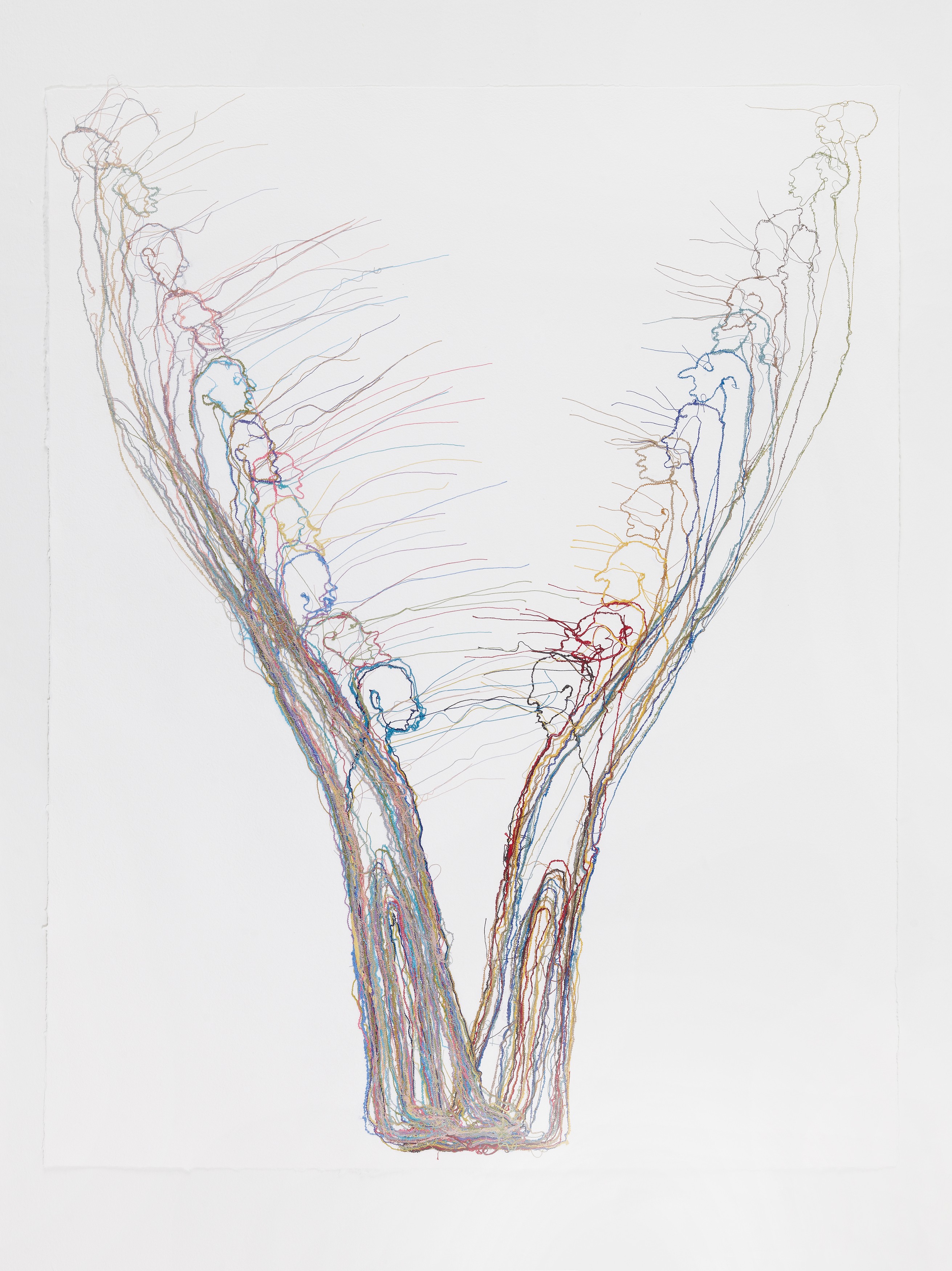
Anchored by the artist's ongoing exploration of identity, belonging, memory, and home, the fair presentation includes earlier works like Who Am We?—a phrase that is grammatically correct in Korean but intentionally disorienting in English. The expression encapsulates Suh's longstanding inquiry into the relationship between the individual and the collective, and the ways in which personal identity is shaped through family, community, and place.

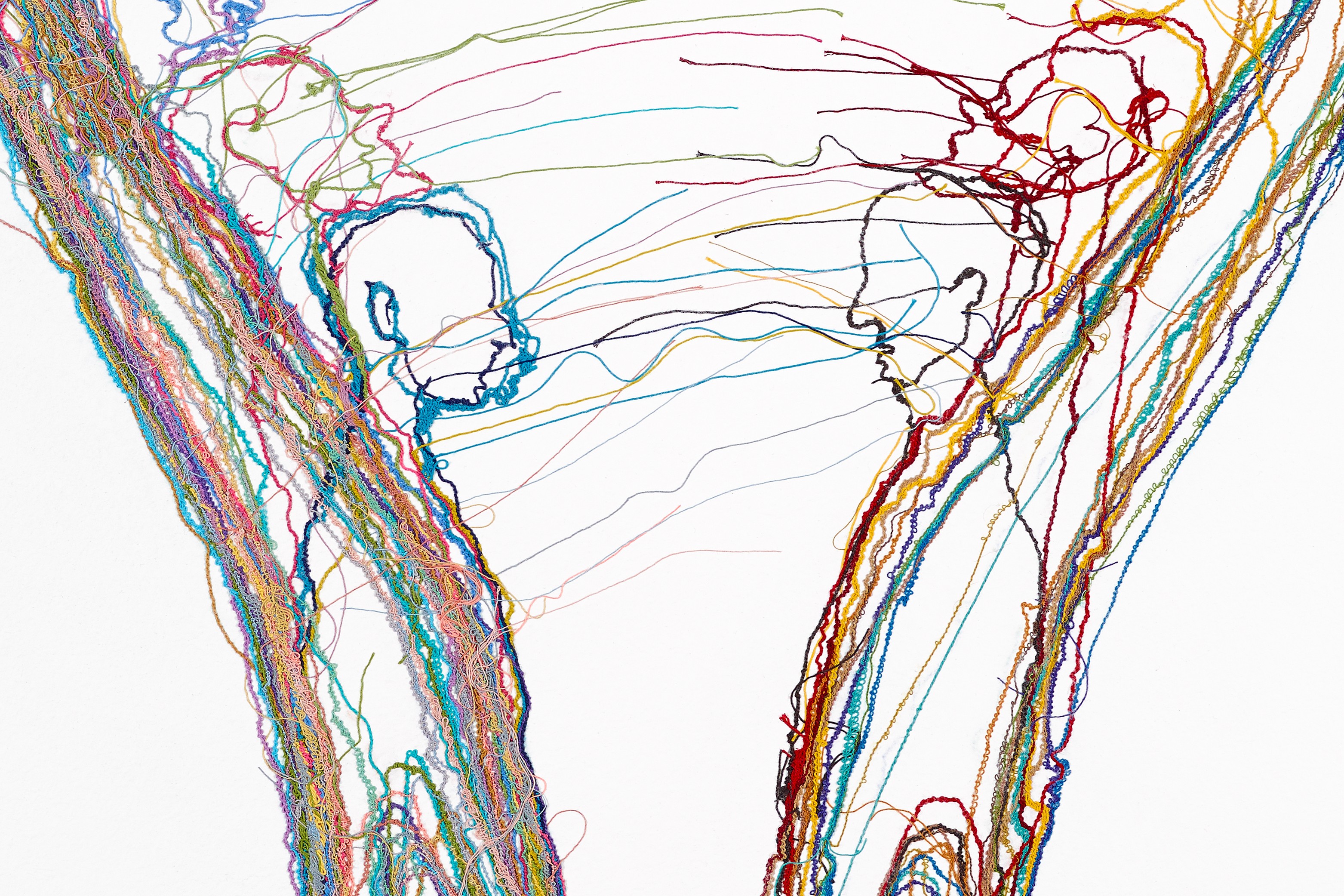
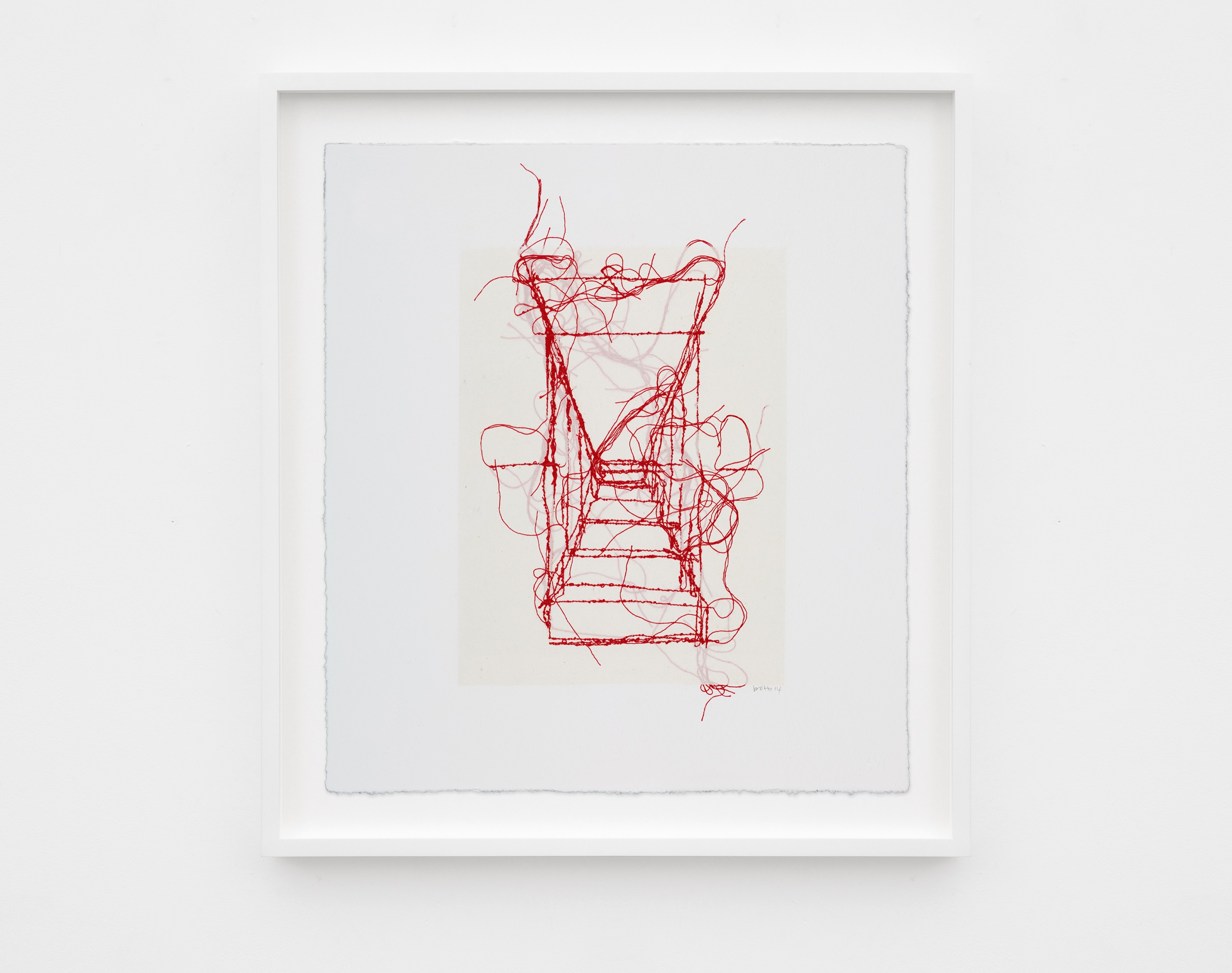
Thread drawing by Do Ho Suh

徐道獲

Staircase, 2014

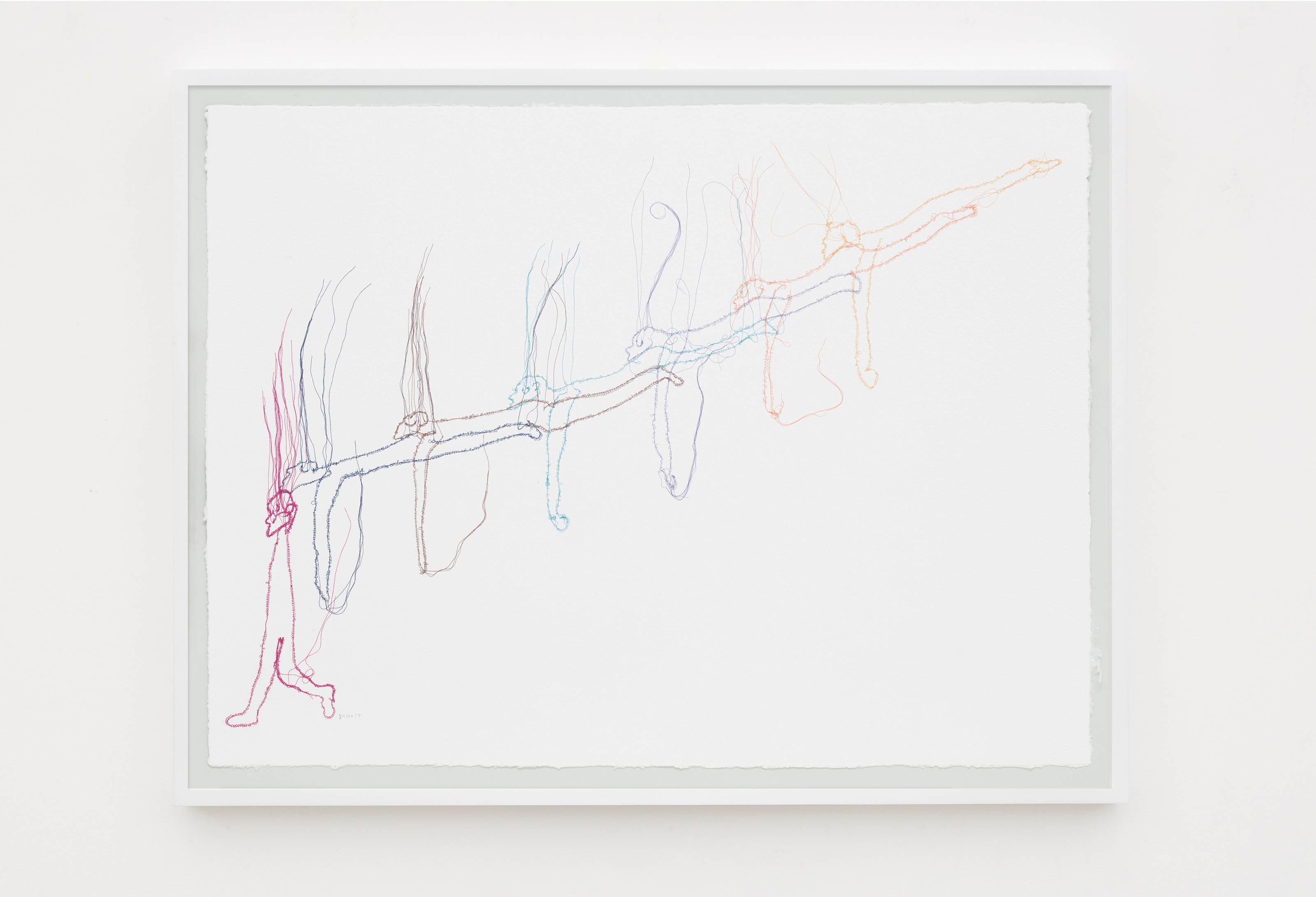
Thread drawing by Do Ho Suh

徐道獲

Sleepy Heads, 2017

Thread drawing by Do Ho Suh

徐道獲

Myselves, 2013

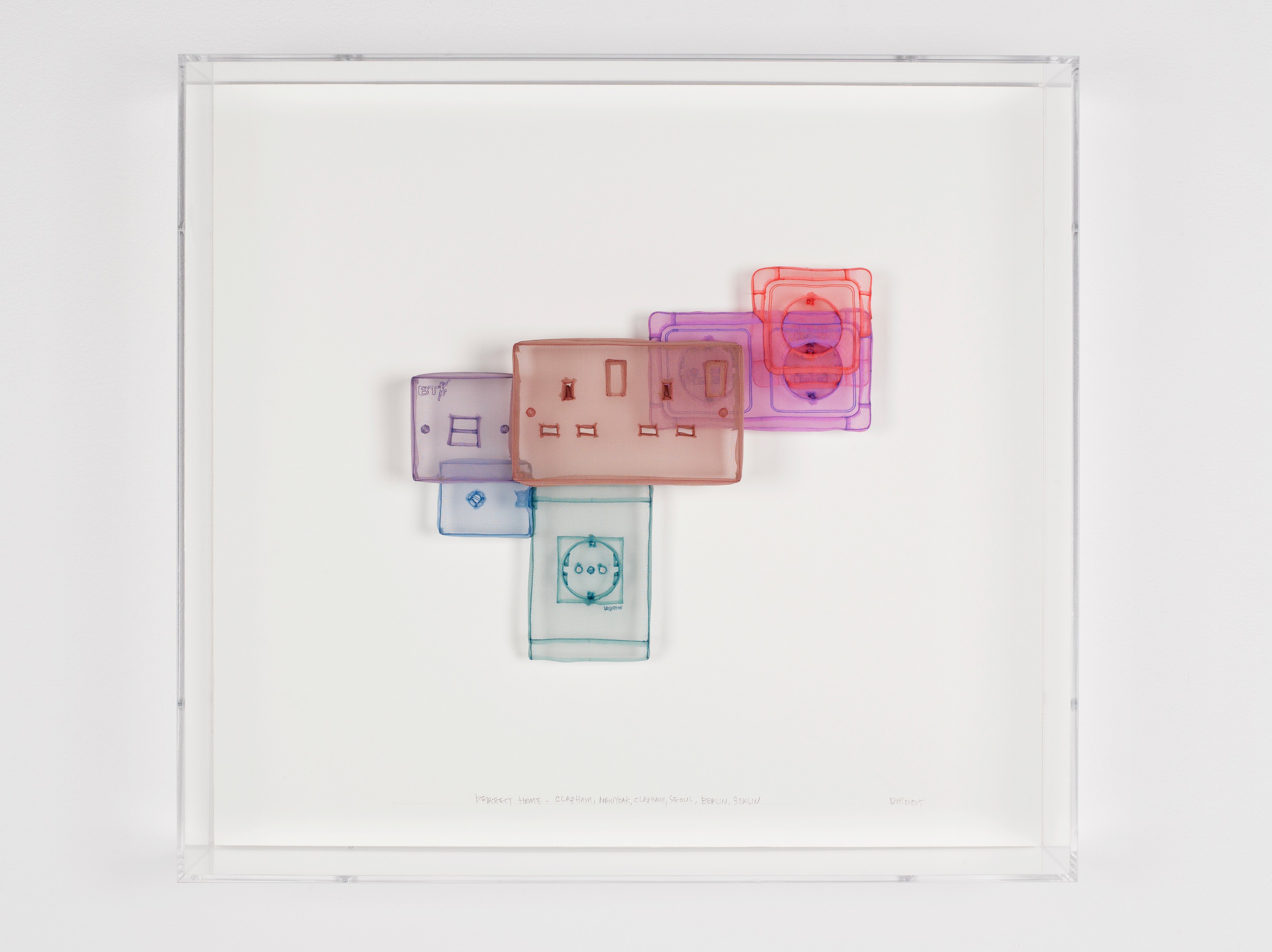
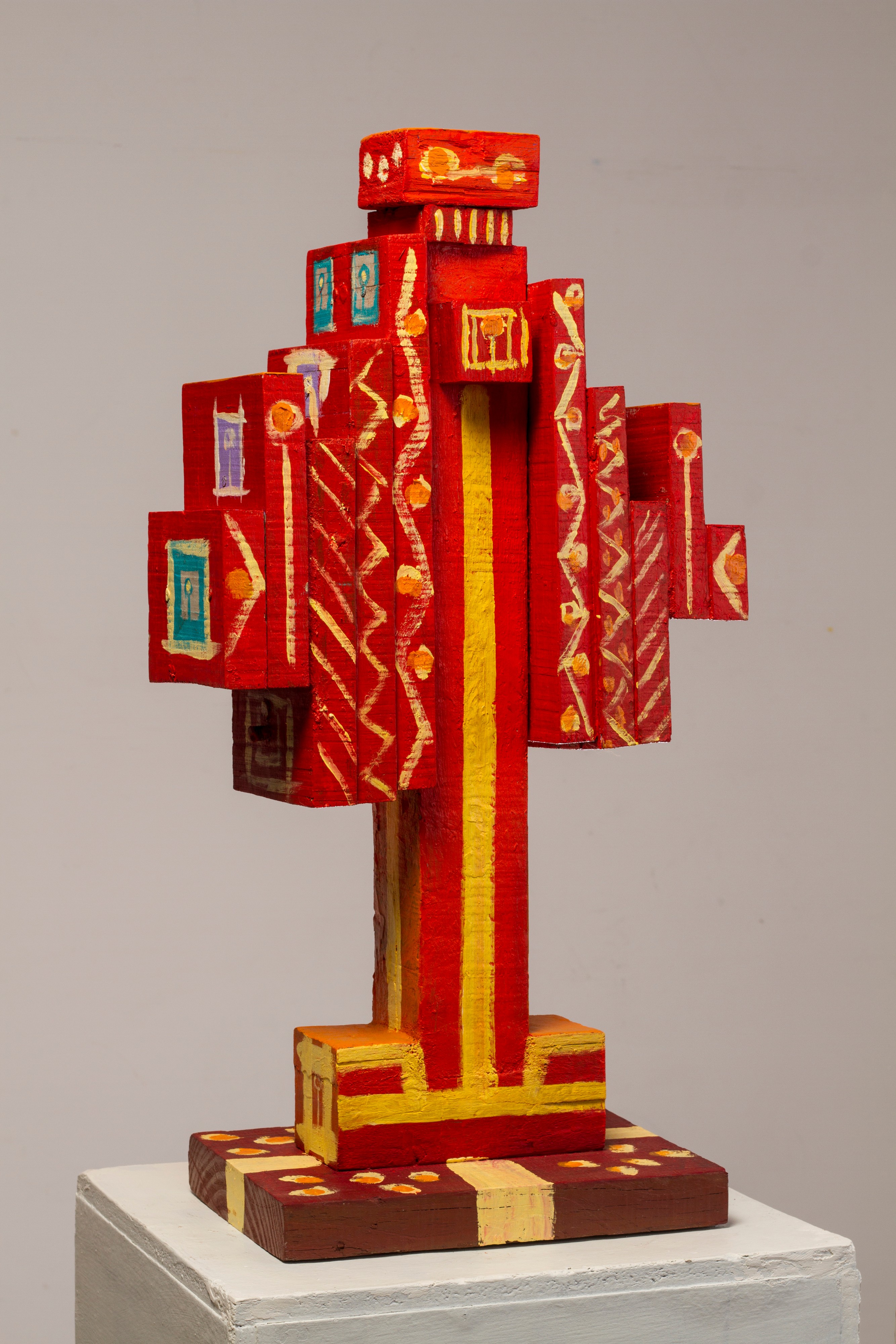
Sculpture by Do Ho Suh

In a focused section of the booth, the gallery will also present works by gallery artists with a strong presence in the region, including Kim Yun Shin, Sung Neung Kyung and Guimi You, among others.

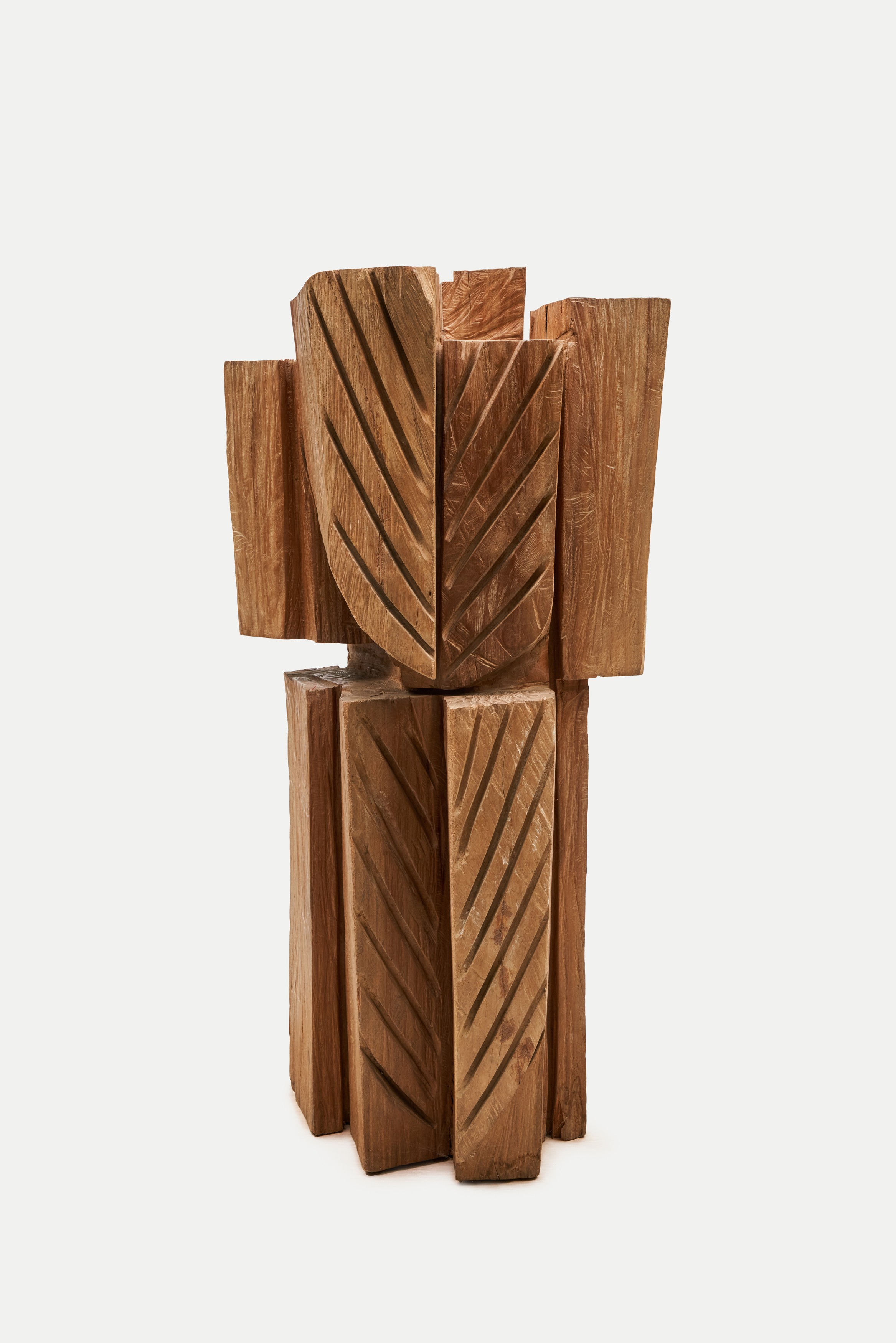
Sculpture by Kim Yun Shin

金允信

Add Two Add One Divide Two Divide One 1995-566, 1995

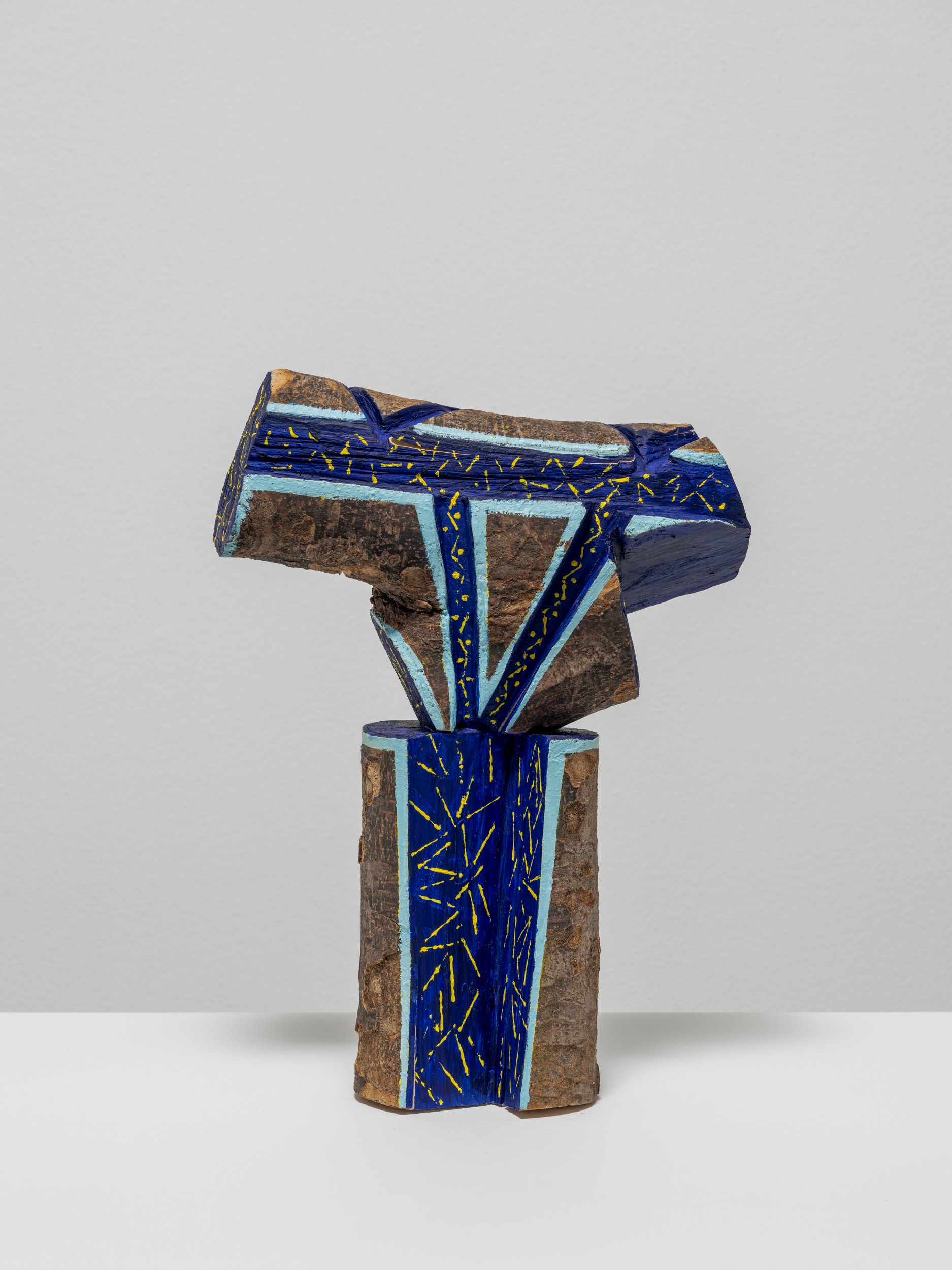
Sculpture by Kim Yun Shin

金允信

Add Two Add One, Divide Two Divide One 2020-10, 2020

Sculpture by Kim Yun Shin

金允信

Add Two Add One Divide Two Divide One 2023-28, 2023

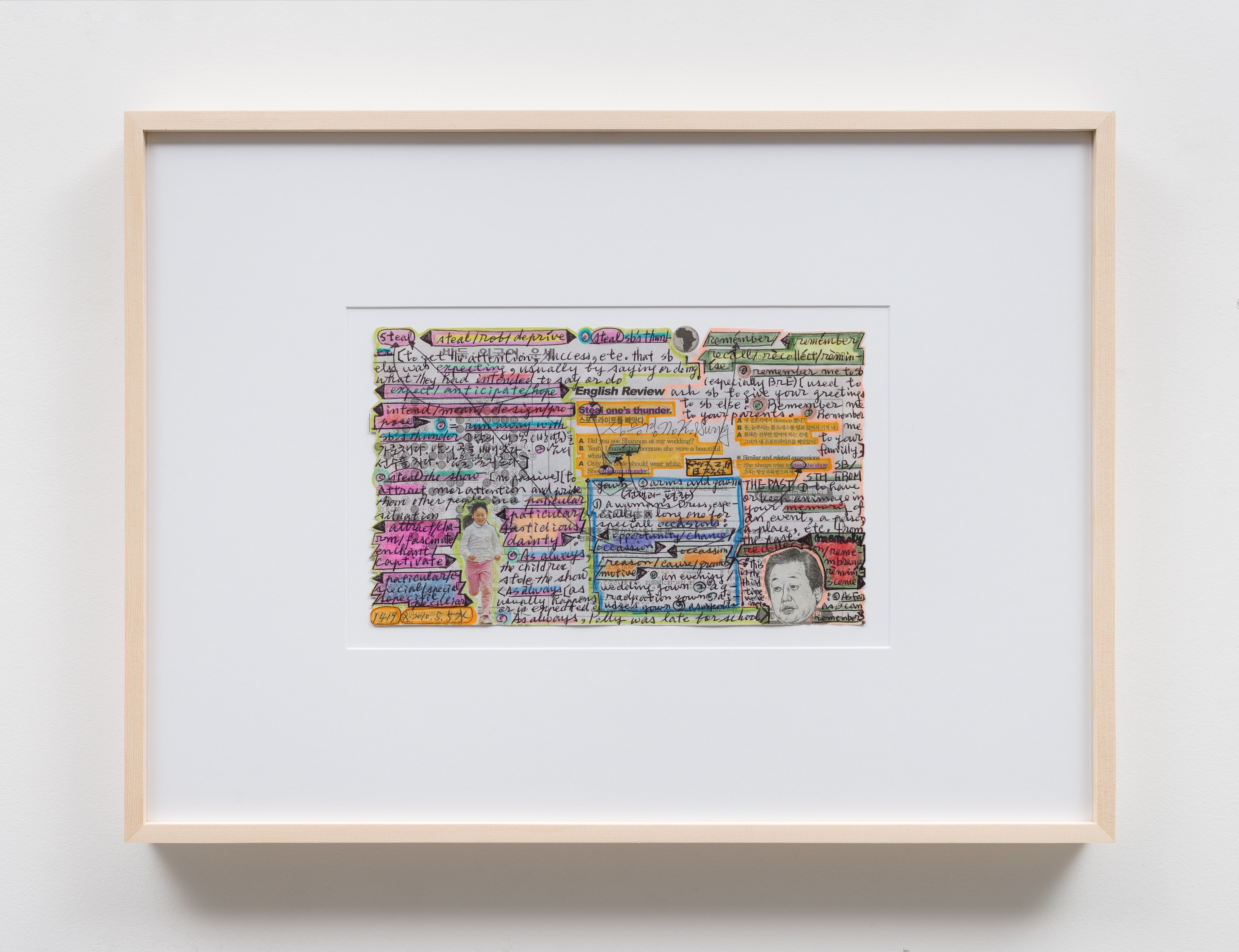
Work on paper by Sung Neung Kyung

成能慶

Everyday English 6-84-44, 2009

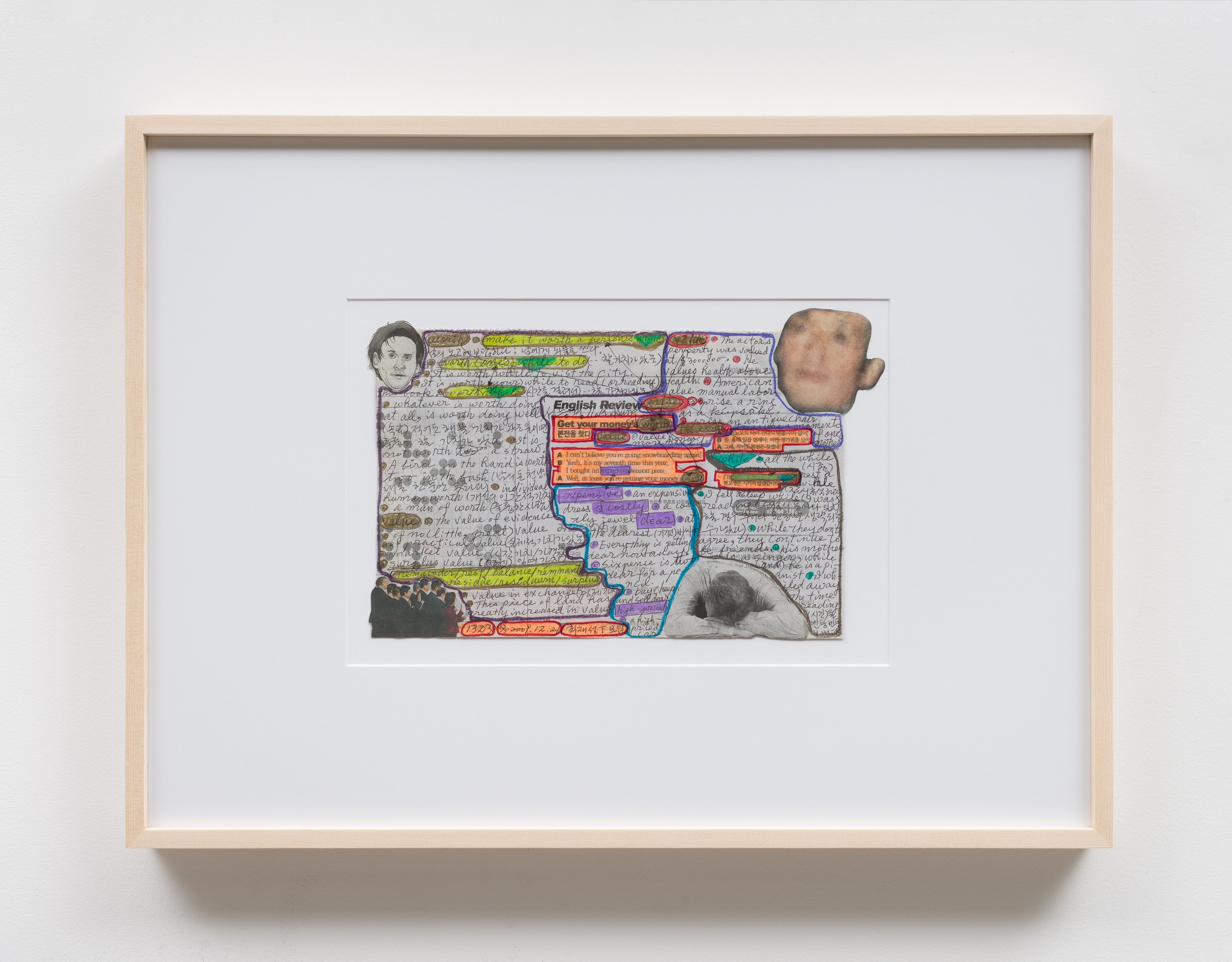
Work on paper by Sung Neung Kyung

成能慶

Everyday English 6-84-40, 2009

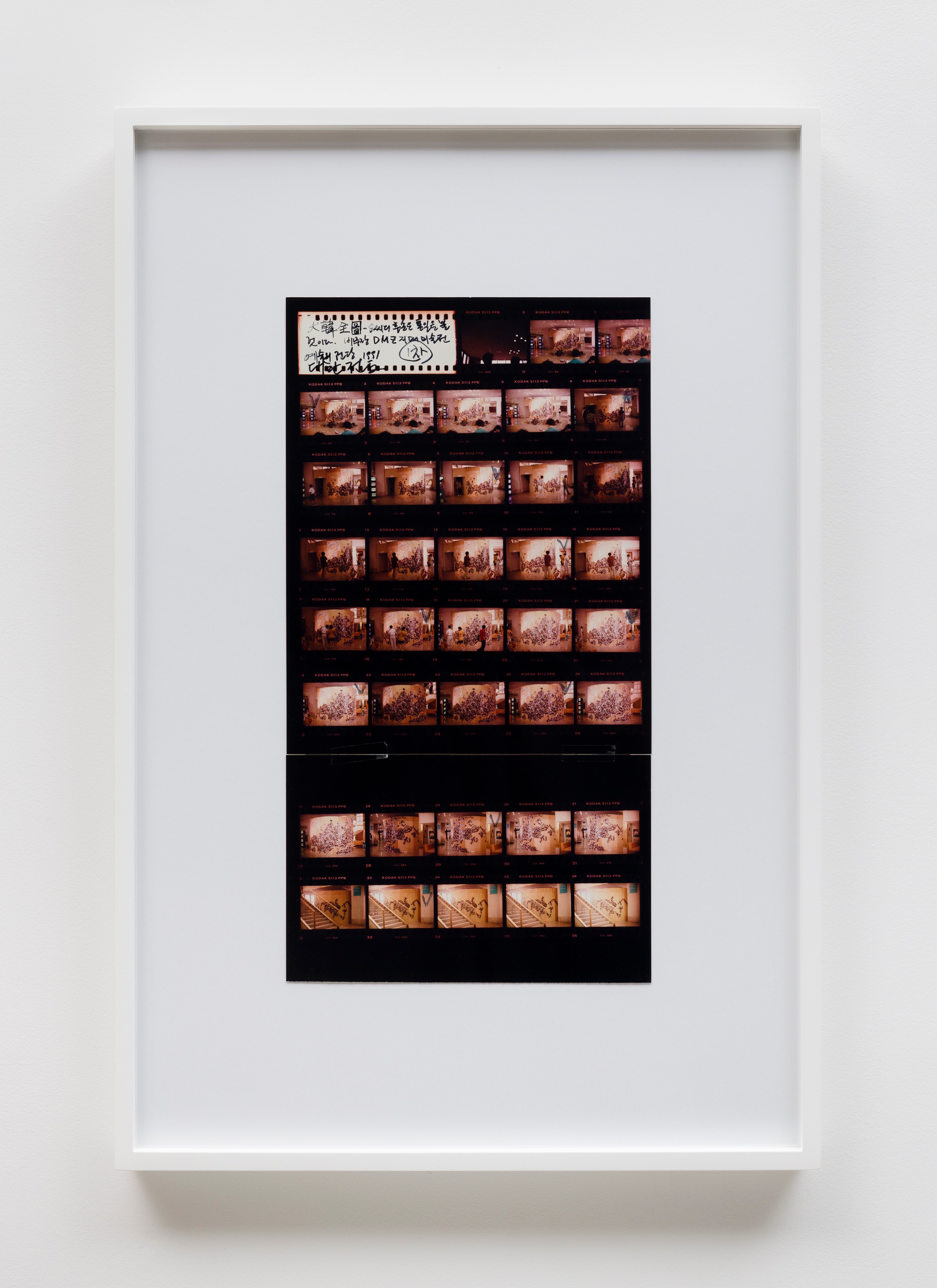
Contact print by Sung Neung Kyung

成能慶

大韓全圖 - S’s descendants will see unification - contact print, 1991

Opening concurrently with Frieze Seoul, Lehmann Maupin will present Kader Attia’s first solo exhibition in Seoul, following his inclusion in the 61st Venice Biennale and his recent appointment as curator of the seventh Kochi-Muziris Biennale.

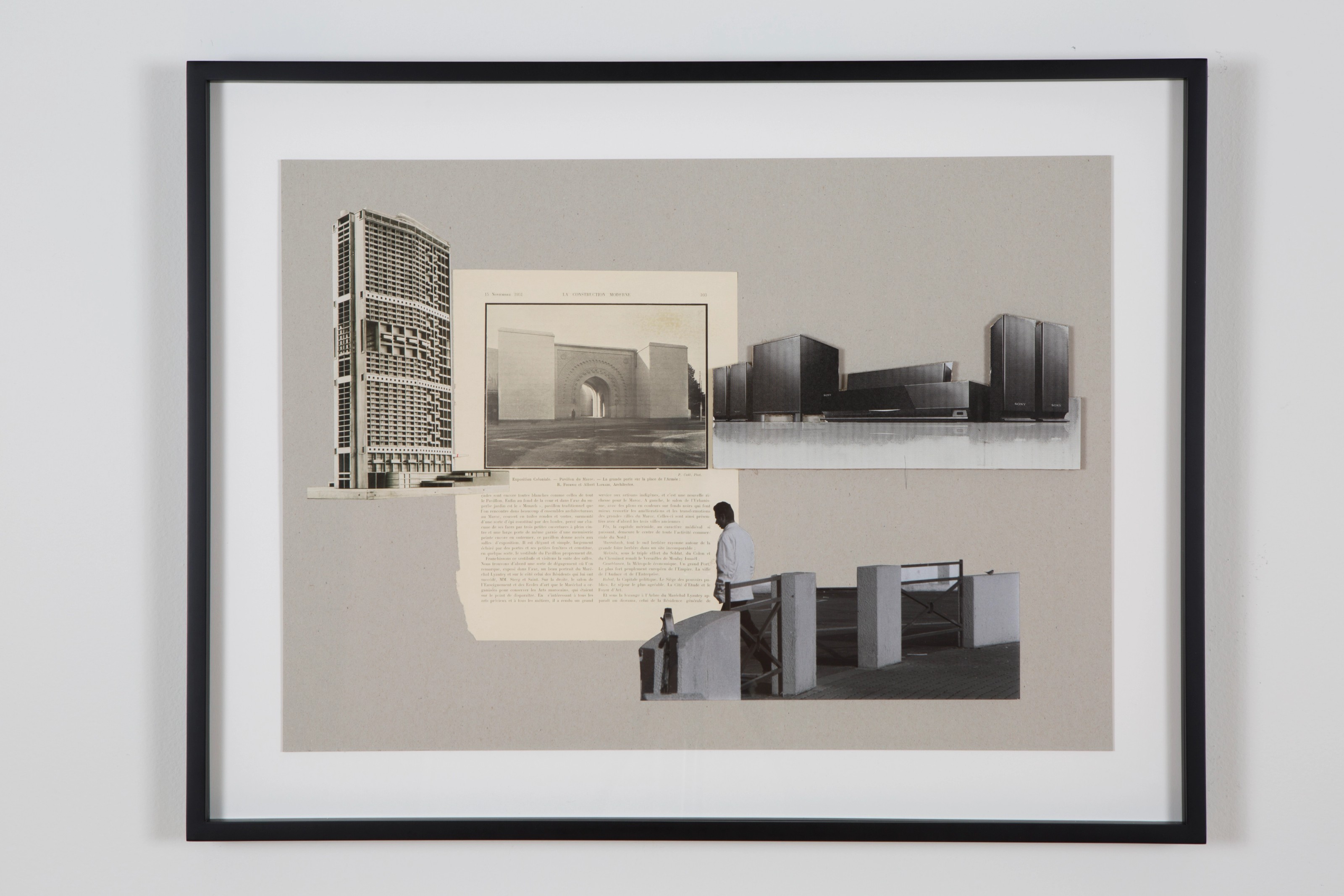
Work on paper by Kader Attia

卡德‧阿提亞

Untitled, 2016

Work on paper by Kader Attia

卡德‧阿提亞

Untitled, 2016

Exhibition Artists

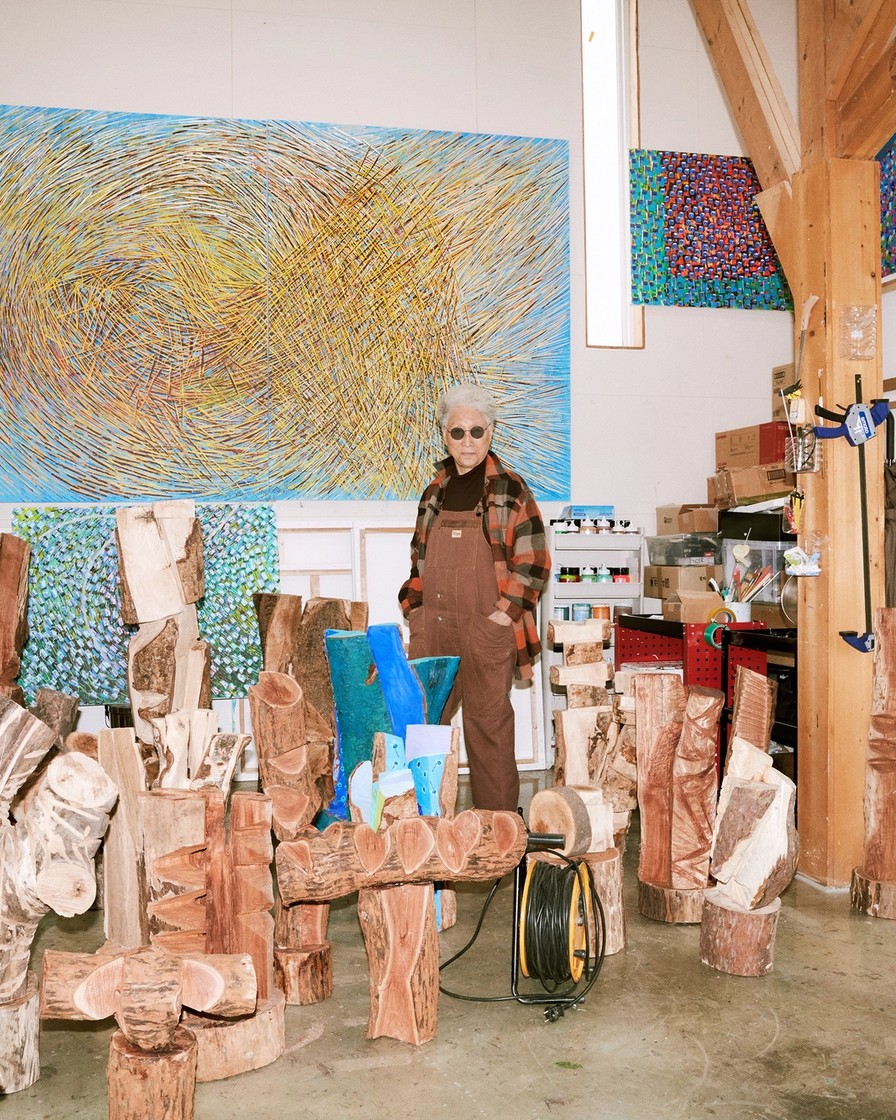
Portrait of Do Ho Suh

徐道獲(1962年生於韓國首爾)曾於韓國國立大學主修東方油畫,其後分別在羅德島設計學院及耶魯大學學習油畫及雕塑。自九十年代中期,他開始對傳統個人空間的概念提出質疑,並對其概念在實體及隱喻呈現方面的變維及移動性進行探索。多年來,徐道獲的裝置、繪畫、雕塑和電影作品一直備受國際關註,當中探討的主題包括藝術家的個人經歷和家族歷史,如「家」、「遷徙」、「回憶」和「個體」等。徐道獲認為我們所居住的空間也含有心理的力量,而他嘗試在這些居所以外的地方作品中把記憶、個人體驗和安全感具像化。

徐道獲先後在美國羅德島設計學院及耶魯大學獲得藝術學士學位(1994年)和雕塑的藝術碩士學位。他曾在眾多美術館及博物館舉行個人展覽,包括丹麥奧胡斯藝術博物館(2018年,即將展出)、日本十和田現代美術館(2018年)、美國弗裏斯特視覺藝術中心(2018年,即將展出)、美國華盛頓史密森尼美國藝術博物館(2018年)、美國麥迪遜當代藝術博物館(2017年)、美國聖地牙哥當代美術館(2016年)、美國辛辛那提現代藝術中心(2016年)、美國克利夫蘭現代藝術博物館(2015年)、日本東京森美術館(2015年)、美國奧斯汀當代藝術博物館(2014年)、韓國首爾國立當代藝術博物館(2013年)、日本金沢21世紀美術館(2012-2013年)、日本廣島市現代美術館(2012年)、加利福尼亞大學聖地亞哥分校(2012年)、韓國首爾三星美術館(2012年)及英國倫敦泰特現代藝術館(2011年)。他亦曾參與多個群體展覽,包括意大利威尼斯第16屆國際建築展覽(2018年)、西班牙萊昂卡斯蒂利亞當代藝術博物館的「Shelter in the Storm. A Look at the Exile in the MUSAC Collection」(2018年)、奧爾布賴特·諾克斯藝術館的「Art of the Senses」(2017年,即將展出)、耶路撒冷以色列博物館的「No Place Like Home」(2017年)、美國洛杉磯哈默博物館和曼尼爾私人收藏博物館的「Apparitions: Frottages and Rubbings from 1860 to Now」(2015年)、韓國首爾三星美術館的「Beyond and Between」(2014年)、皇後區藝術博物館的「Shades of Time: An Exhibition from the Archive of Korean American Artists, Part Two 1989 - 2001」(2014年)、 美國芝加哥當代藝術博物館的「Homebodies」(2013年)、韓國大邱藝術博物館的「Dislocation」(2012年)及韓國果川國立當代藝術博物館的「Peppermint Candy: Contemporary Korean Art」(2009年)。徐道獲曾參與多個雙年展,包括新加坡雙年展(2016年)、南韓第9屆光州雙年展(2012年)、英國第6屆利物浦雙年展(2010年)、意大利威尼斯第12屆建築雙年展(2010年)、第8屆伊斯坦布爾國際雙年展(2003年)、第13屆悉尼雙年展(2002年),並作為韓國代表出席了第49屆威尼斯雙年展(2001年)。其作品可見於多個國際公營以及私人收藏,包括美國紐約現代美術博物館、美國紐約惠特尼美國藝術博物館、美國紐約所羅門·古根漢美術館、美國洛杉磯縣立美術館、美國沃克藝術中心、英國倫敦泰特現代藝術館、奧地利維也納Thyssen-Bornemisza Art Contemporary Collection、荷蘭弗爾林登美術館、韓國首爾三星美術館、韓國首爾Art Sonje Center、日本東京都現代美術館、日本東京森美術館及日本金沢21世紀美術館。
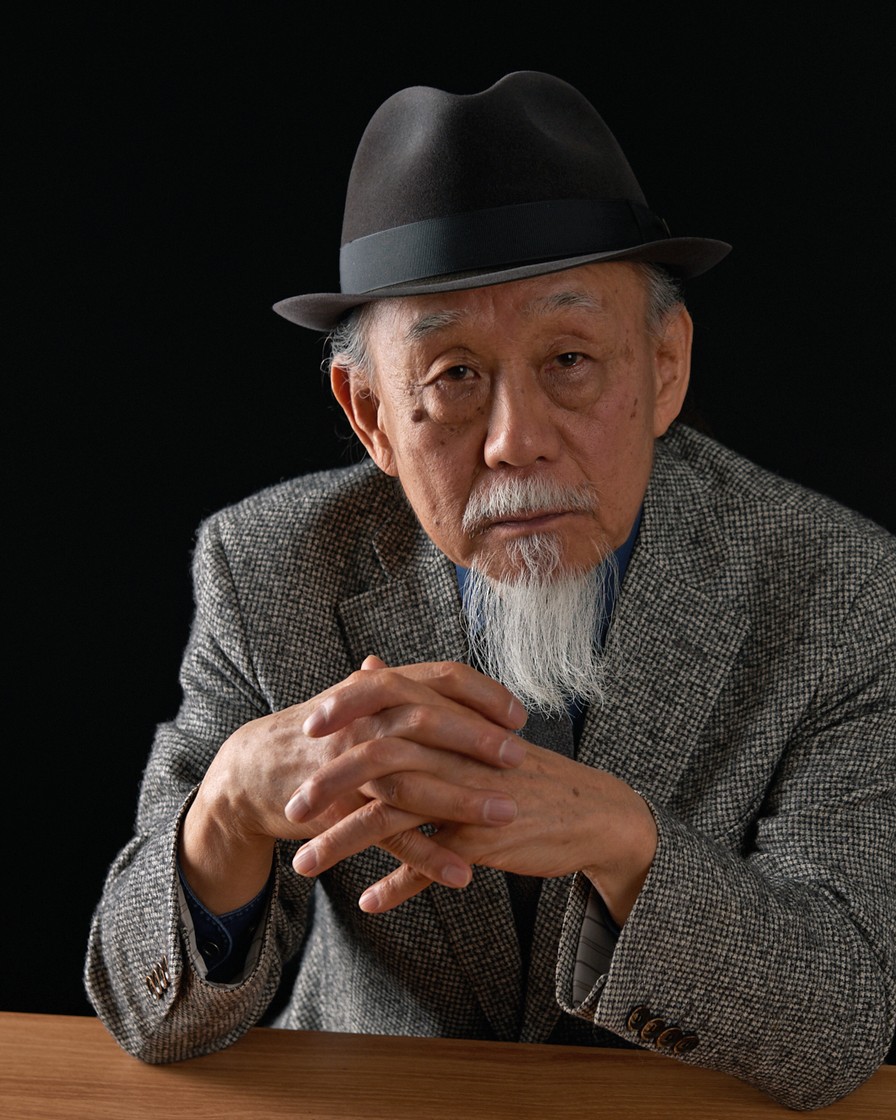
Portrait of Kim Yun Shin

Kim Yun Shin (b. 1935, Wonsan, North Korea; lives and works in Seoul, South Korea) is a multidisciplinary artist known for her dynamic sculpture and painting, which often unfold through a series of interactions with nature. Growing up amidst the backdrop of Korea’s tumultuous history in the 20th century, Kim has established herself as a pioneering figure in the post-war South Korean art scene, overcoming societal norms to carve out a space for herself as a first-generation woman sculptor. Despite facing challenges in a male-dominated field, she ventured to Paris to pursue her artistic aspirations, taught at various universities, and co-founded the Korean Sculptress Association in 1974 to support emerging artists. Partly influenced by her nomadic early life, her work reflects a fearless exploration of diasporic cultures—from France, Mexico, and Brazil, to her adoptive home of Argentina, where she established Museo Kim Yun Shin, the first Korean immigrant art museum. Her journey from turbulent beginnings during the Japanese colonial period and Korean War to becoming a trailblazer in Korean contemporary art reflects the artist’s personal resilience and commitment to artistic innovation.

Across six decades, Kim has developed an aesthetic that engages with the fundamental qualities of materials and nature, navigating themes of confrontation, introspection, and coexistence. Central to her artistic expression is the use of solid wood, a primary medium through which Kim envisions the structural and spiritual elements of antiquity and the primordial world. In doing so, she visualizes the intersection between nature, time, and history, reconsidering the very essence of human existence. Her early sculptures from the 1970s are deeply rooted in traditional Korean hanok architecture, which uses a distinctive technique that joins wooden blocks without nails. In her Stacking Wishes series, the artist also explores traditions of vertical stacking in Korean and Latin American totemism. This notion of organic connection and her interest in East Asian philosophy merge in her iconic Add Two Add One, Divide Two Divide One series, which she began in the late 1970s. The terms “add” and “divide” originate from the philosophical concept of yin (division and fragmentation) and yang (addition and integration). Through a meticulous yet intuitive process—in which Kim “adds” her soul into the solid wood and “divides” the space between the bark and inner wood to create a complete whole—the artist delves into raw materiality and uncovers a newfound vitality.

Portrait of Sung Neung Kung

Sung Neung Kyung (b. 1944, Yesan, South Korea; lives and works in Seoul, South Korea) works across non-traditional media, including performance, photography, and archival practices, to examine constructions of knowledge and power. Working at the intersection of representation and the real, Sung’s oeuvre intervenes in the processes of communication, dissemination, and transmission. Through his resistance to traditional discourse, he seeks to challenge and dismantle various authorities, including political and artistic canonical systems. His practice is intrinsically process-oriented and deals in ephemera, frequently involving one-off events or performances; his work is often archived as photographs or contact prints and exhibited as a variety of photographic installations.

Sung is known for his involvement in the avant-garde Korean art group Space & Time (ST), an art and study collective active throughout the 70s and 80s that responded to both Western art and theory and a period of political turmoil in South Korea. Throughout his work, Sung engages hallmarks of Conceptualism; exploring dematerialization, text-based practice, and informational aesthetics, and he reformulates Conceptual tactics for a climate of urgency and unrest. In his seminal Newspapers: from June 1, 1974, on (1974), Sung carefully removed blocks of text from Korean newspapers with scissors, displaying the removed text alongside the cut pieces of newspaper. In his subsequent performance Reading newspaper (1976), Sung carefully “reads” the mangled remains of the periodicals. By performatively removing discursive context from the newspapers and rearranging text to suggest potential new meanings, Sung critiques government censorship of media. As he intercepts modes of dissemination, Sung thwarts long-held notions of language and power, and he cultivates alternative channels for knowledge production.

Portrait of Guimi You

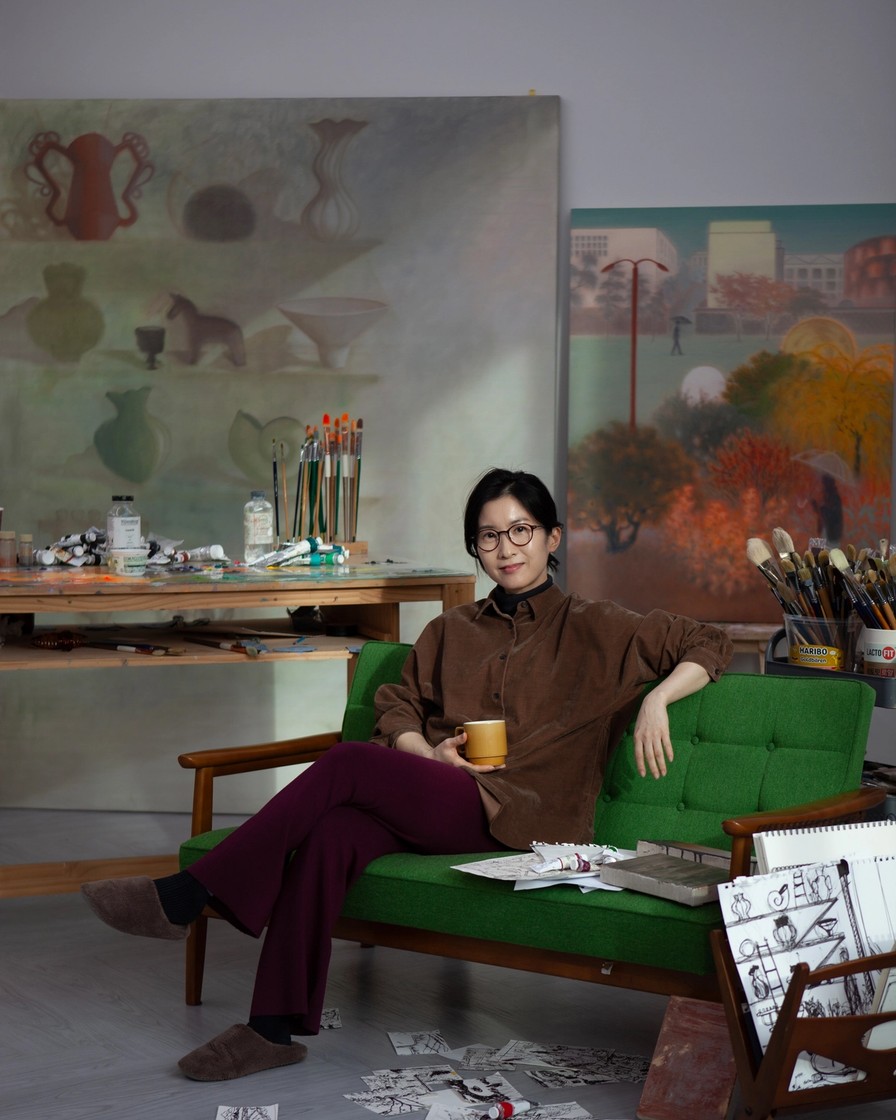
Guimi You (b. 1985, Seoul, South Korea; lives and works in Seoul, South Korea) is a painter whose work explores the emotional resonance of landscapes, interiors, and solitude. Through vibrant and poetic use of color, she creates atmospheric scenes that blend observation and imagination, capturing the fleeting sensations of memory, reflection, and presence. Her paintings often depict tranquil environments—flower-filled hillsides, still ponds, domestic spaces—that become sites for introspection and deeper engagement.

Originally trained in East Asian painting, You’s understanding of its pictorial traditions—where painting is not an act of depiction, but of evocation—anchors her approach. Her surfaces are built through a sensitive modulation of tone and translucency, where forms emerge gradually rather than being firmly outlined, echoing the atmospheric principles of traditional Korean landscape painting. After studying in South Korea, she lived in the United Kingdom and the United States, where she began working with oil paint and immersed herself in Western painting, wherein the external world often functions as a mirror for inner states. Today, You’s work sits at the intersection of Eastern and Western traditions, combining the delicacy and fluidity of ink with the depth and materiality of oil.