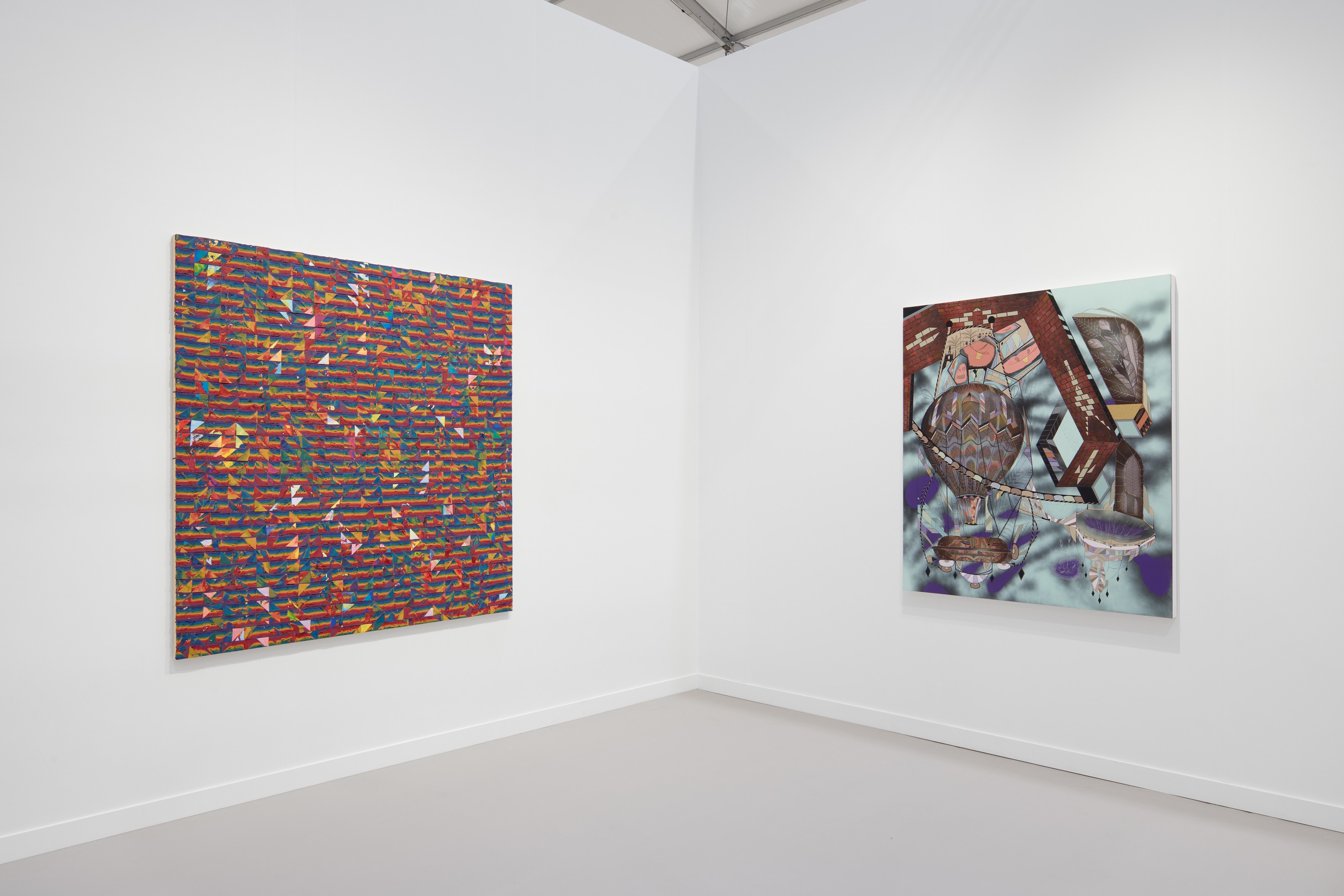
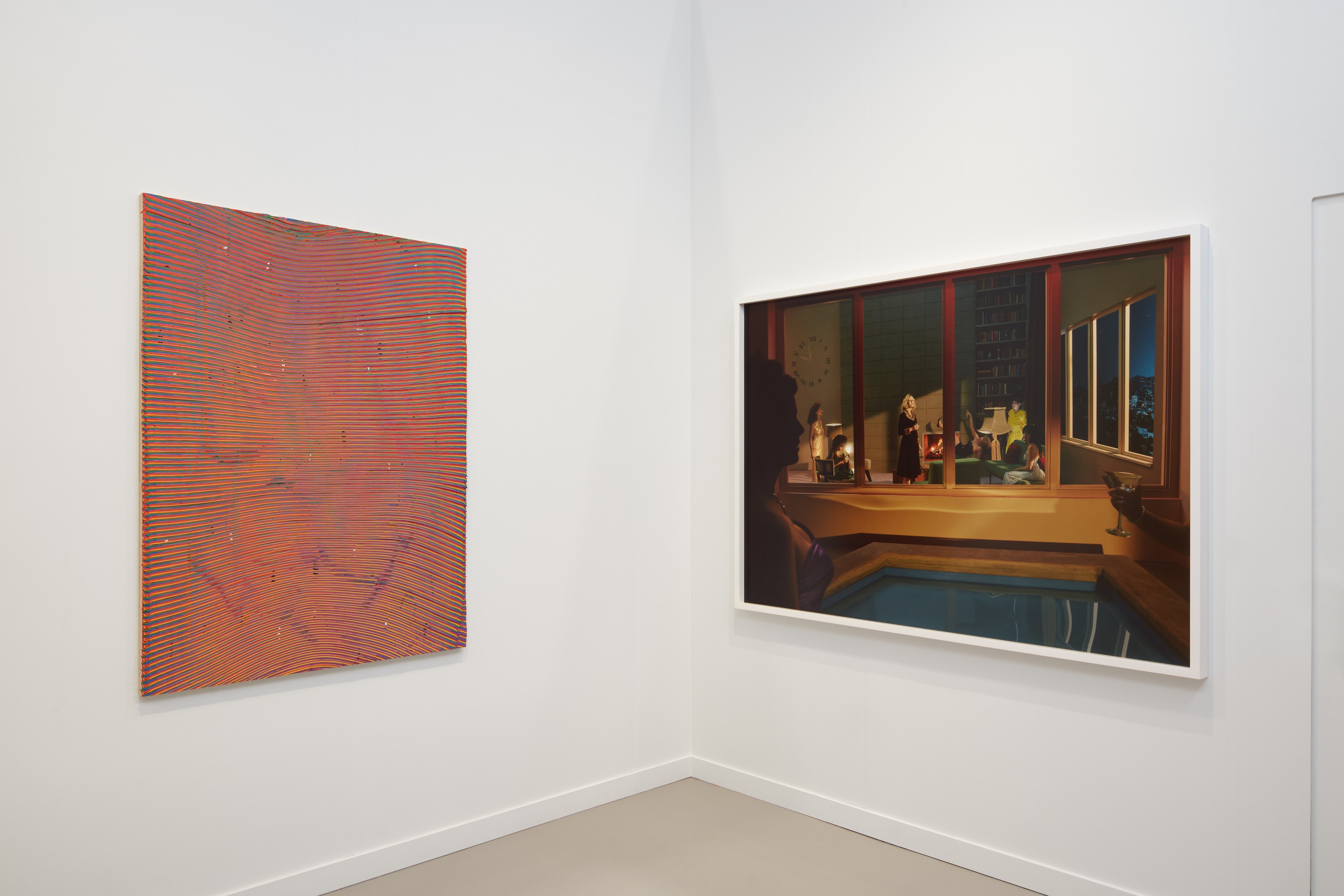
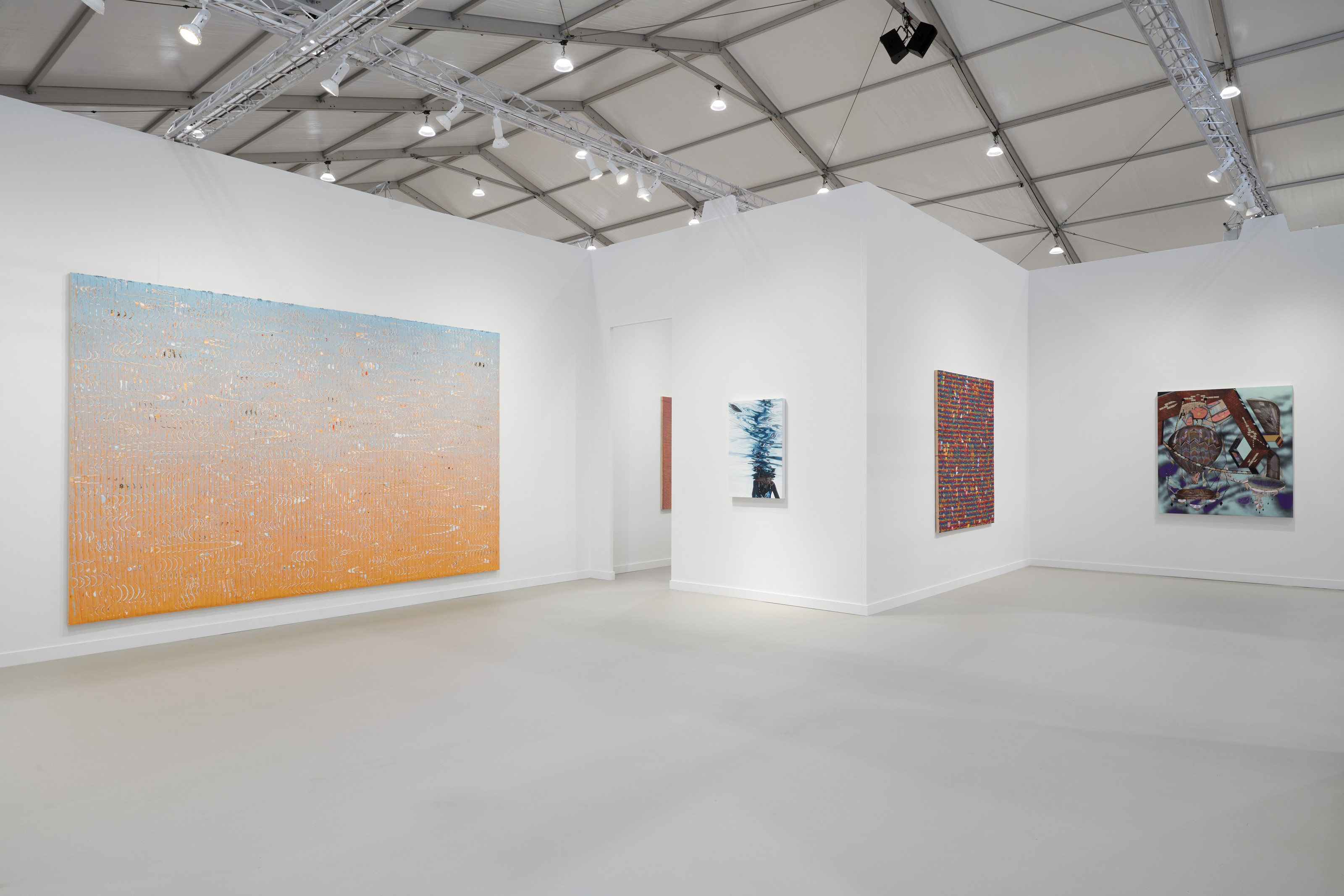
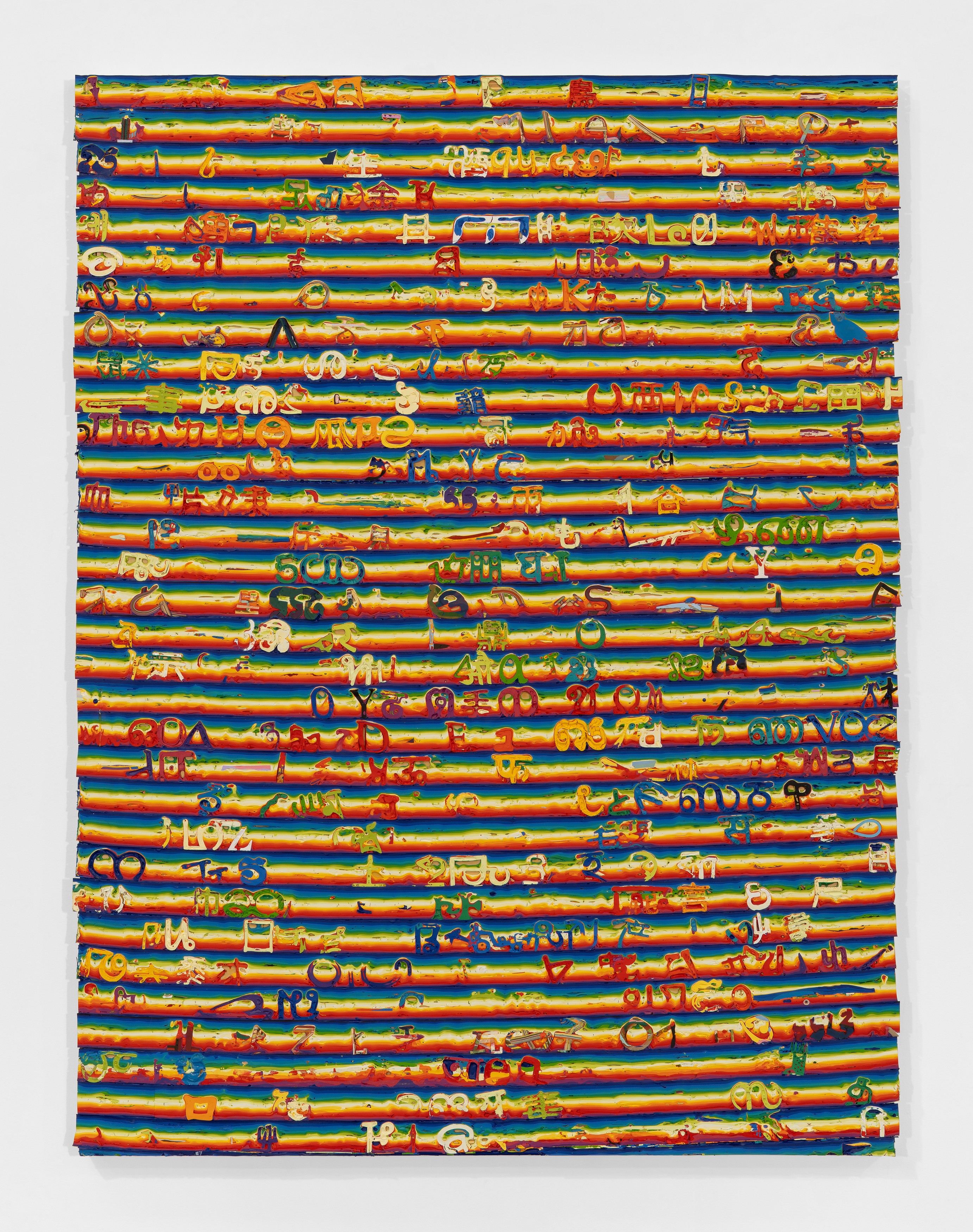
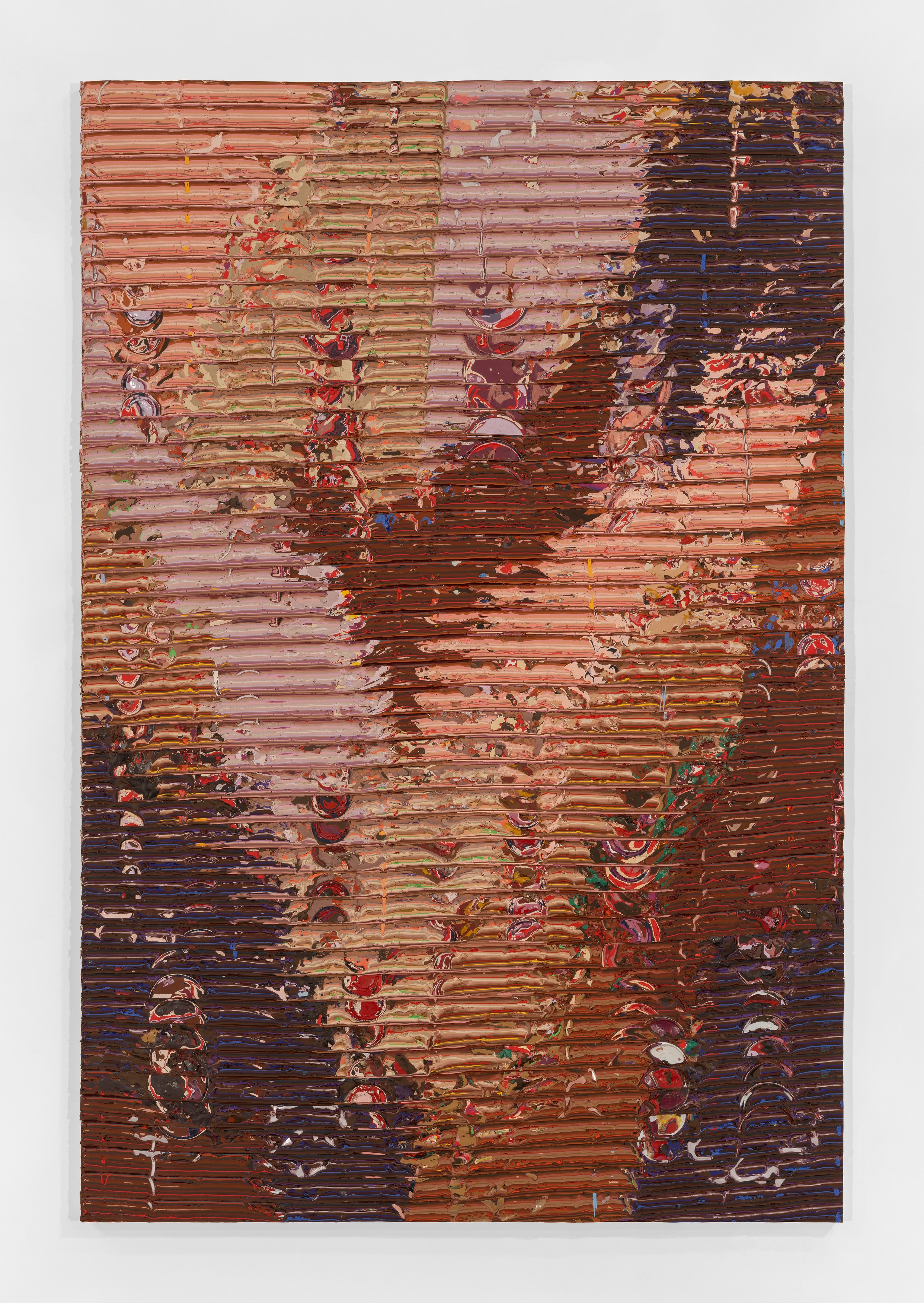
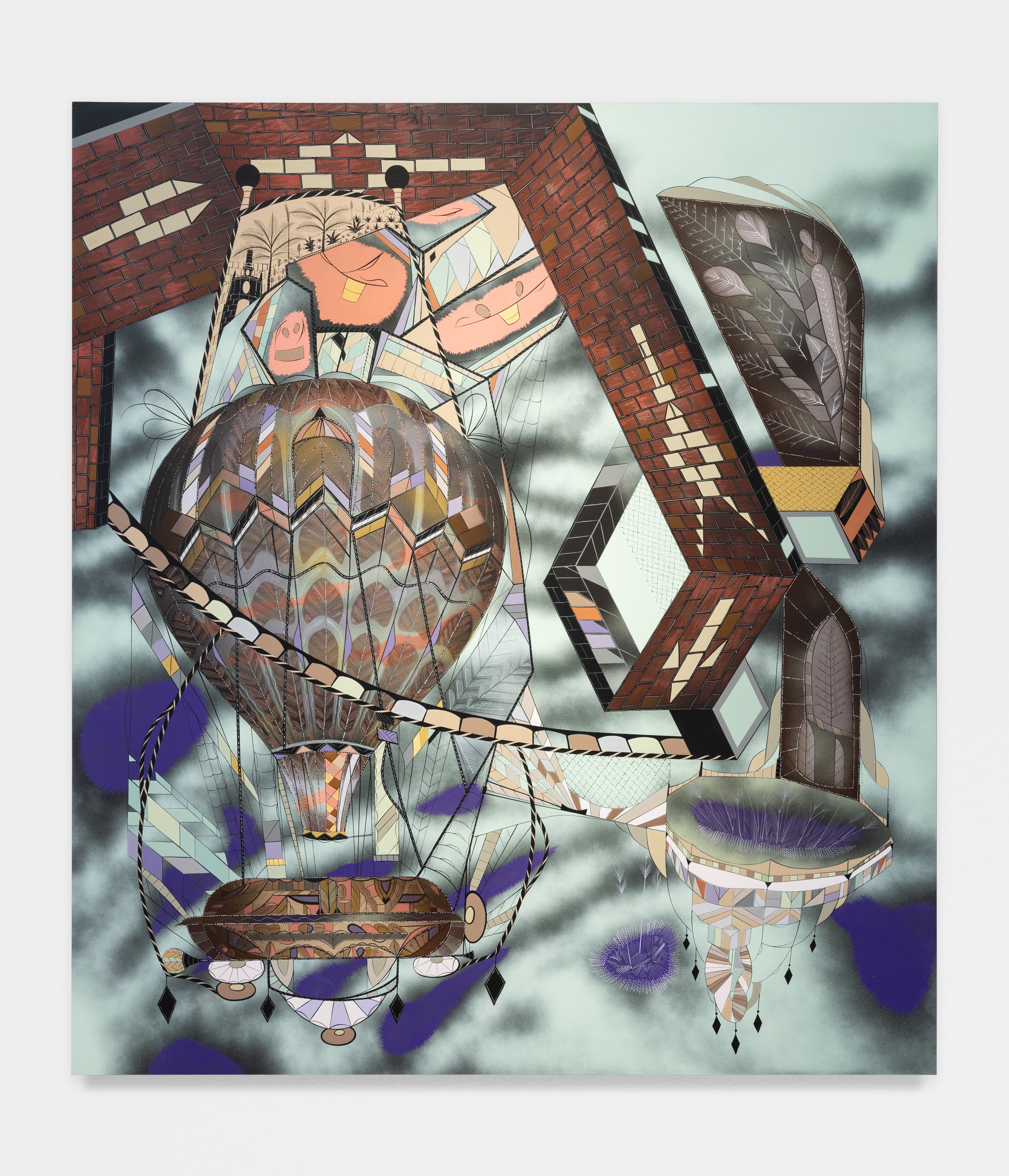
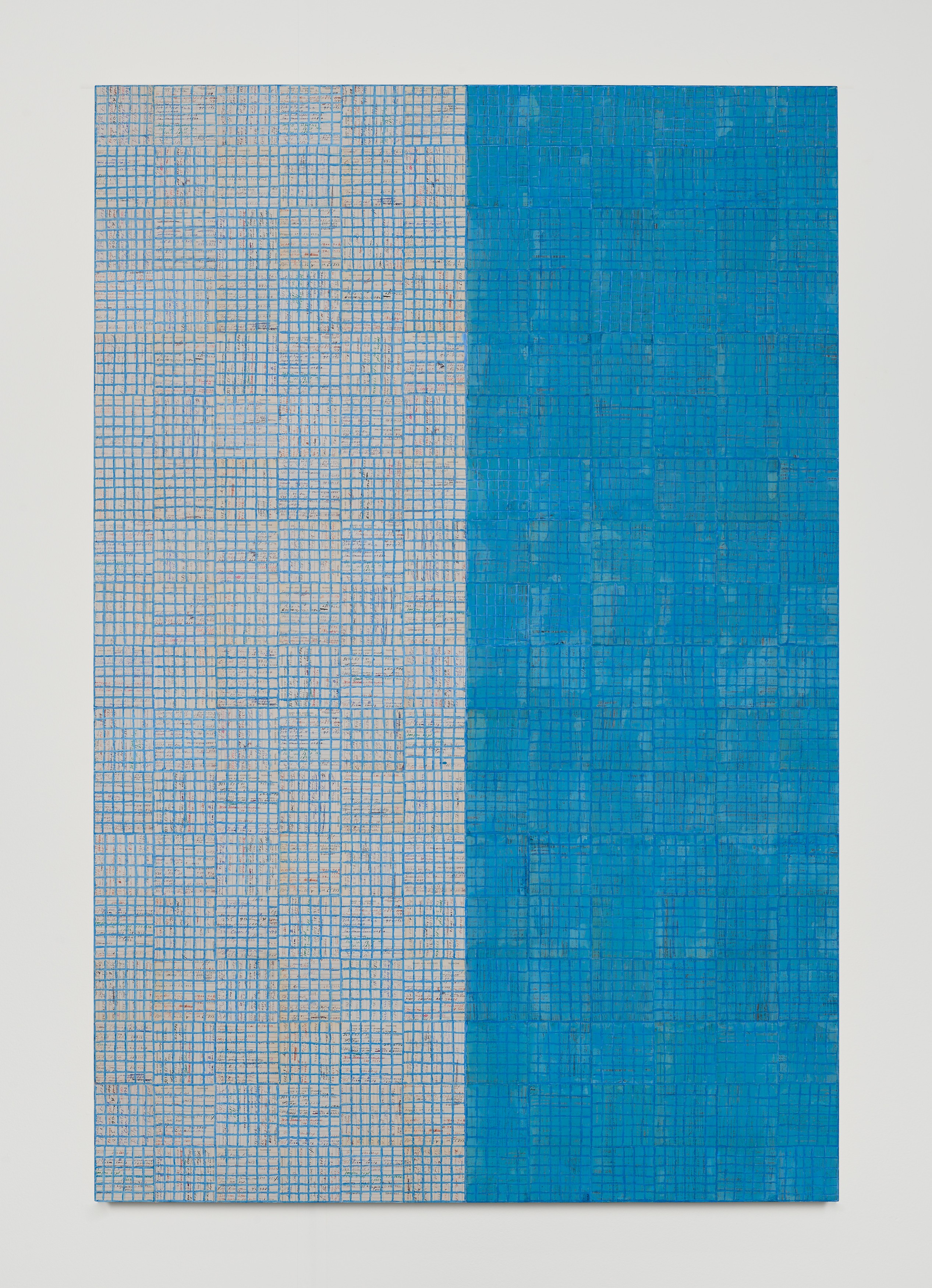
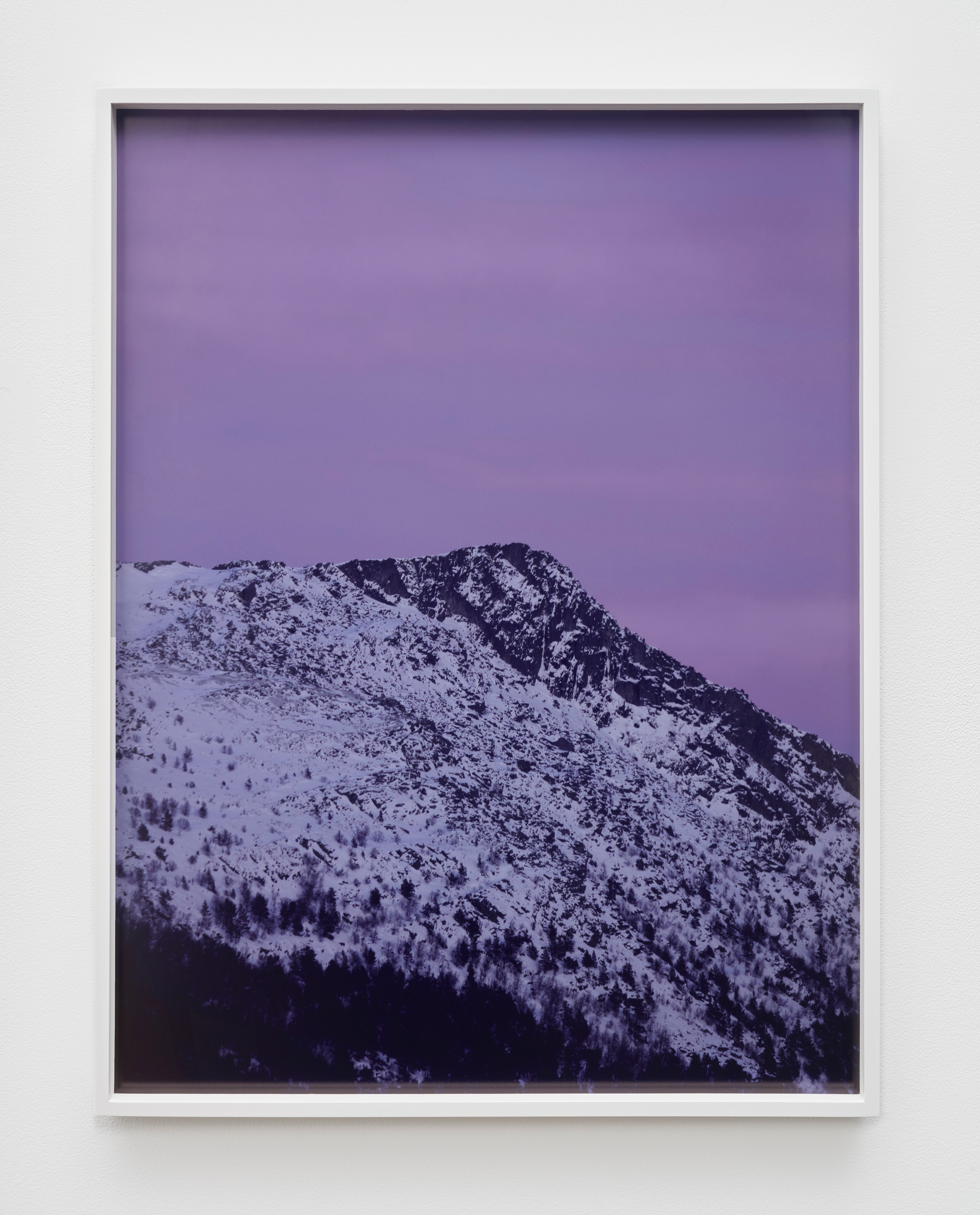
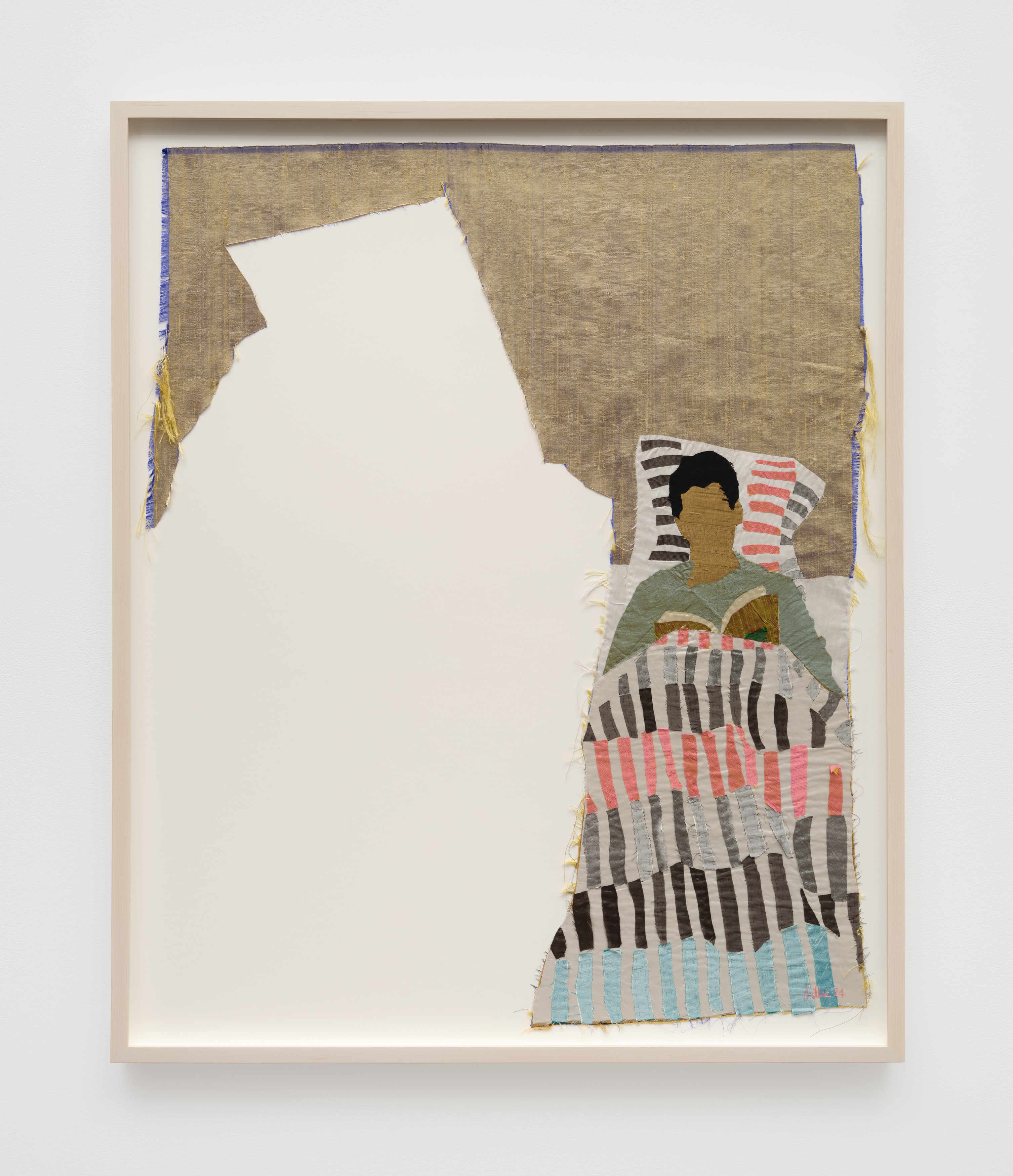
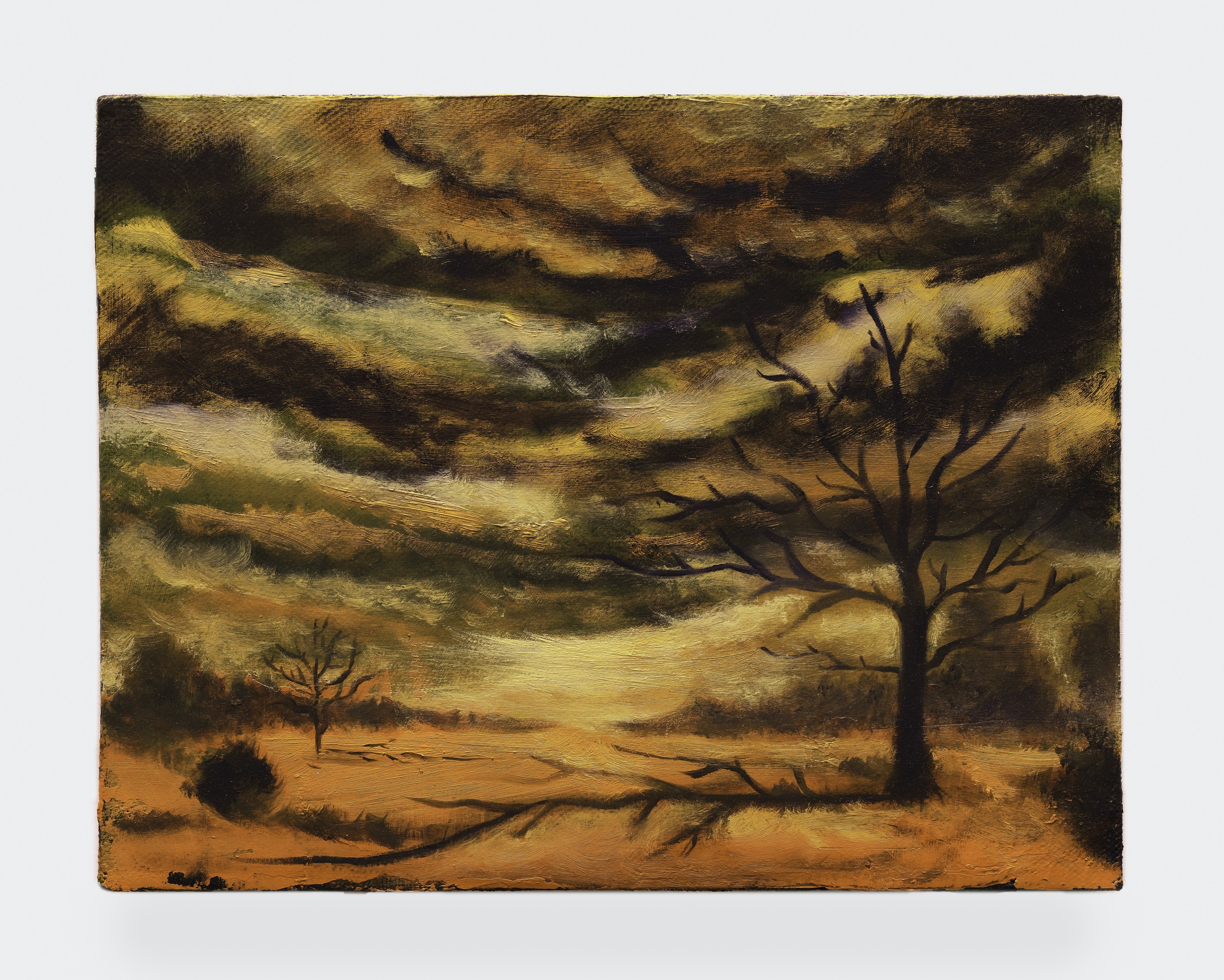
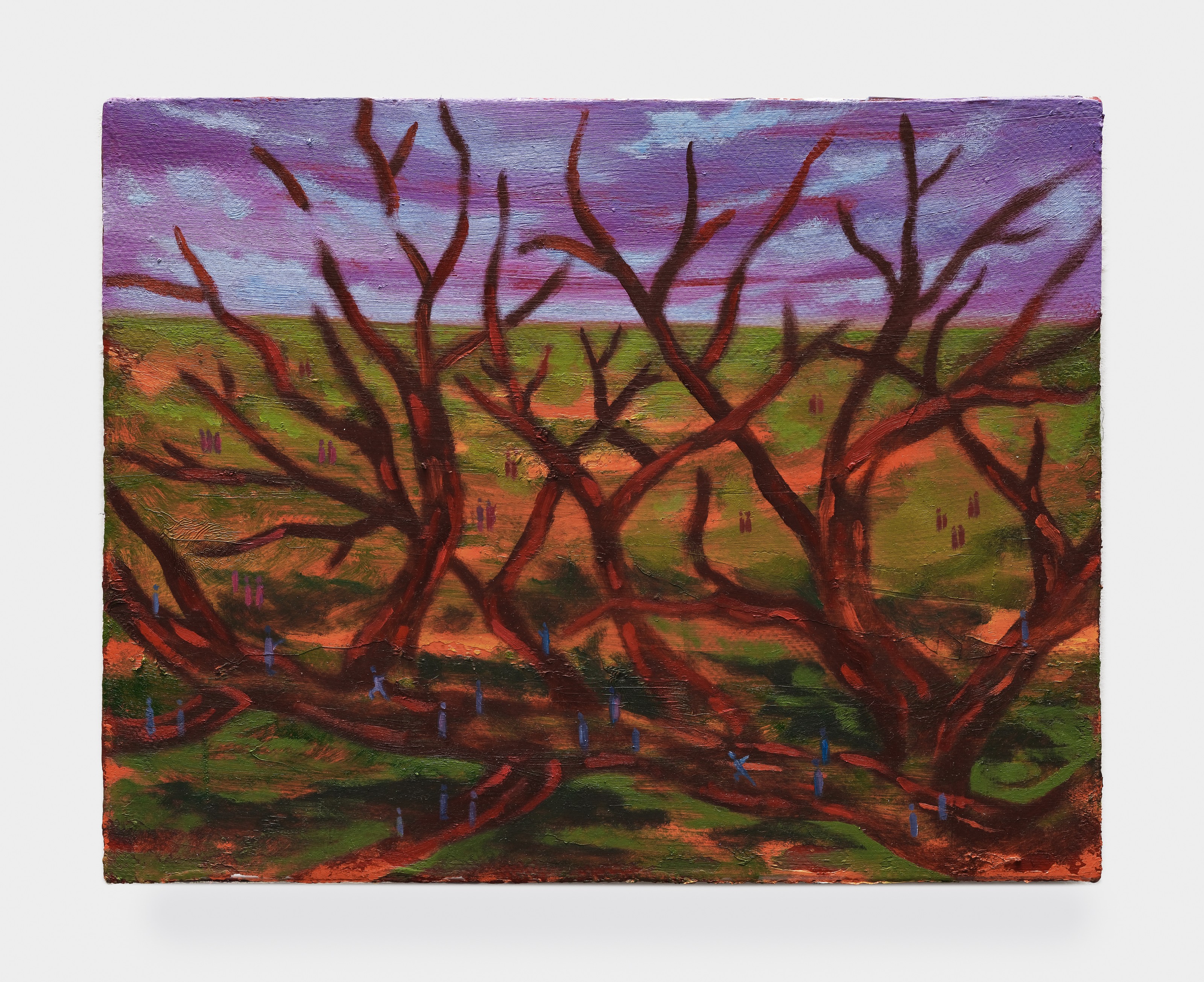
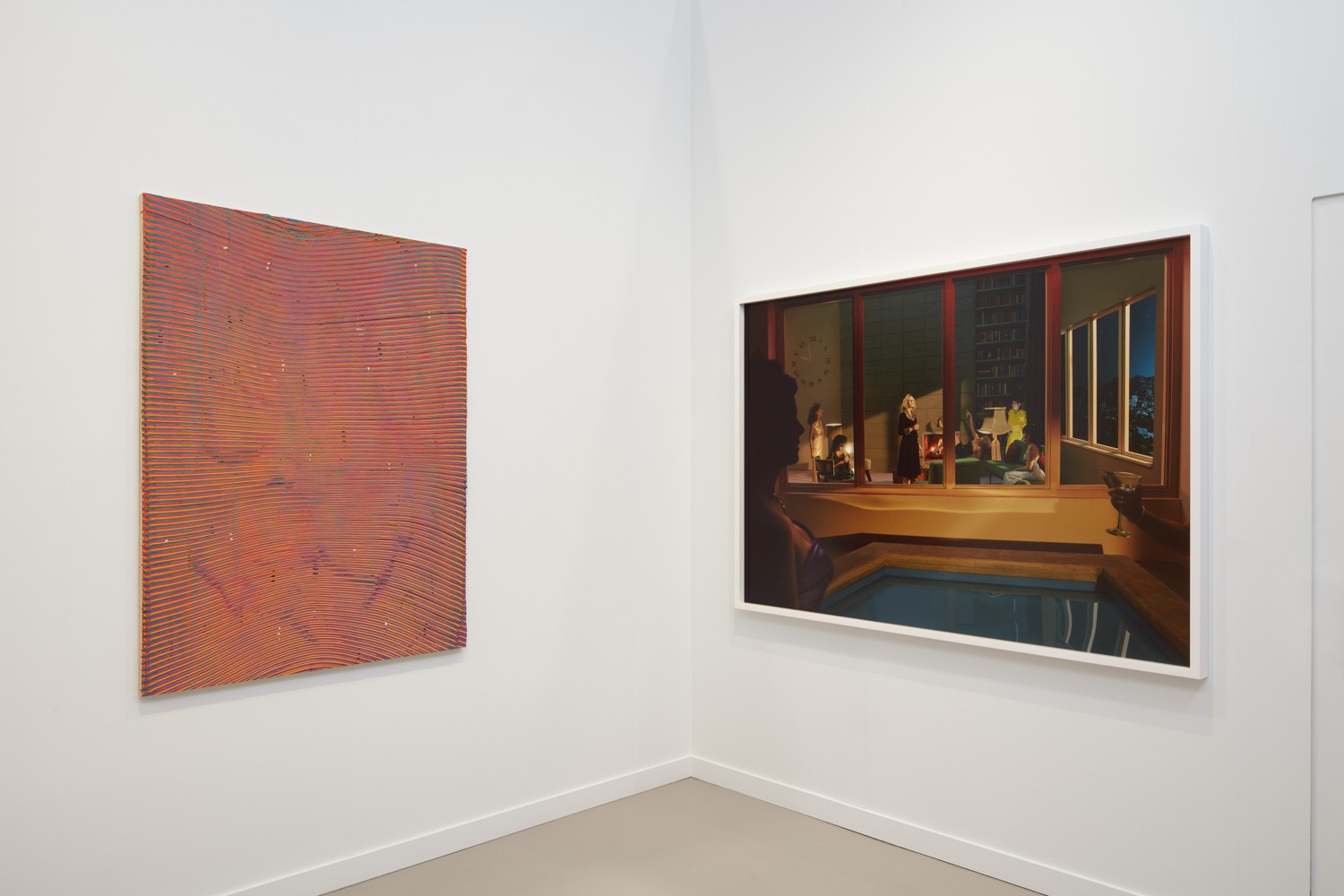
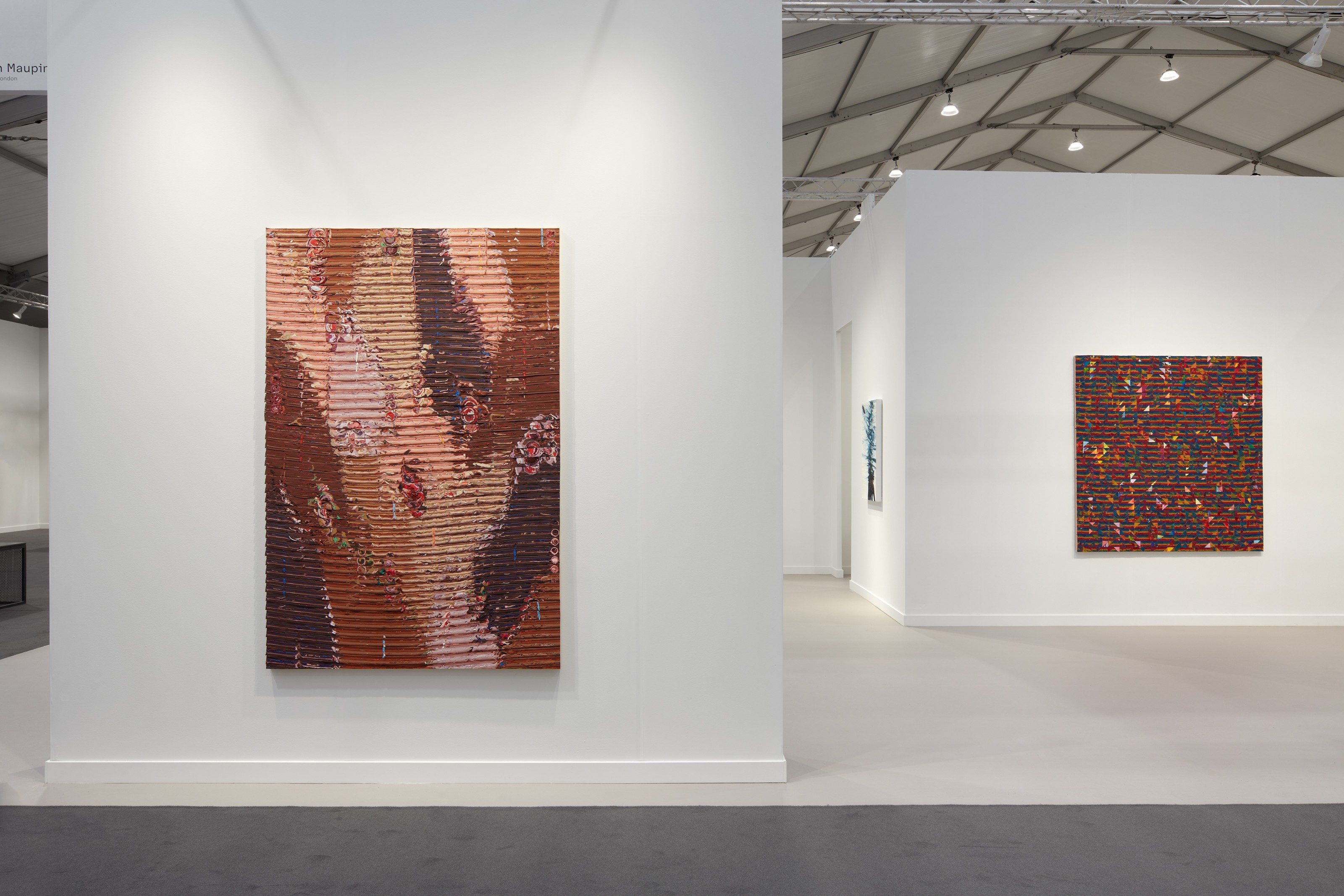
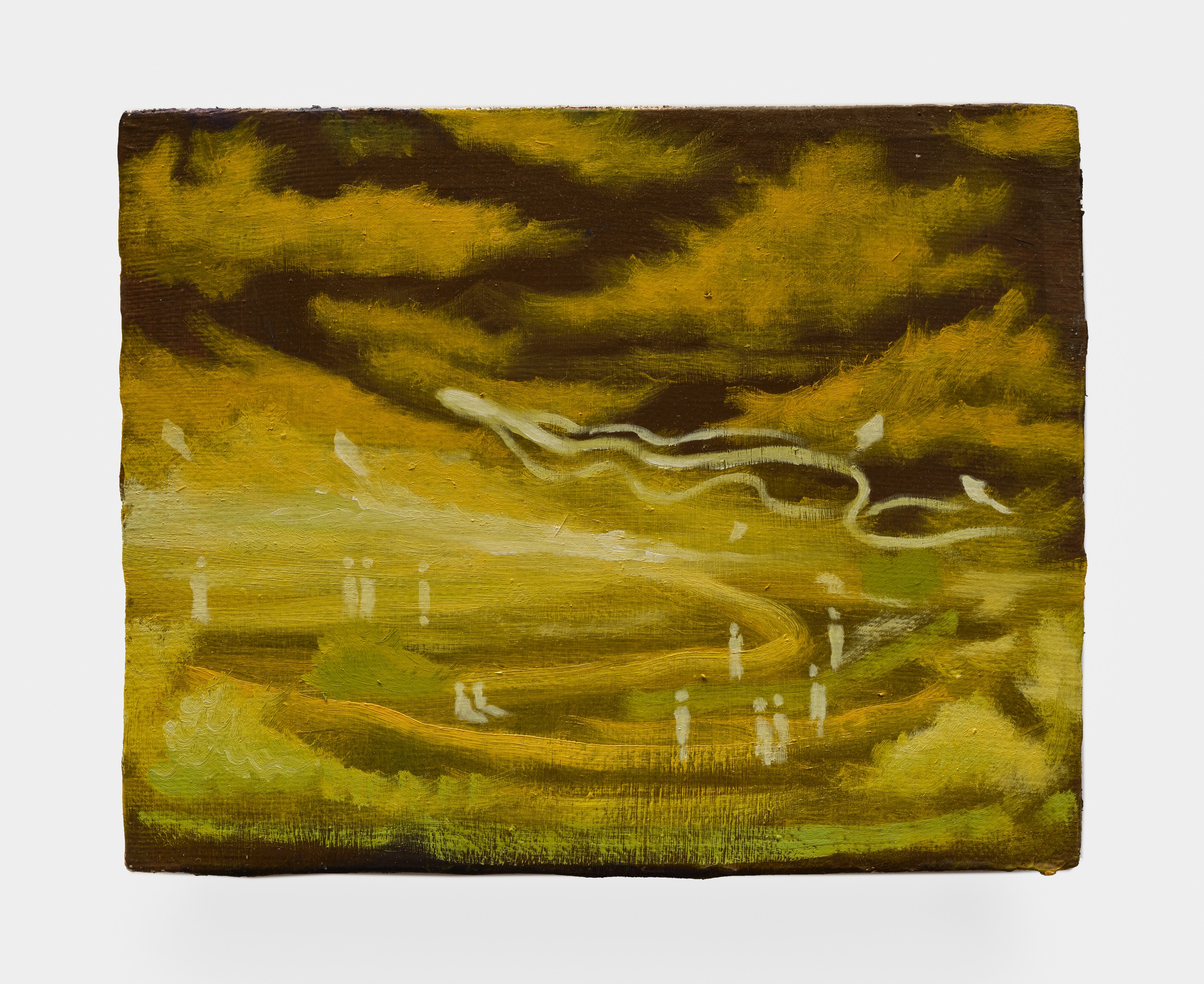
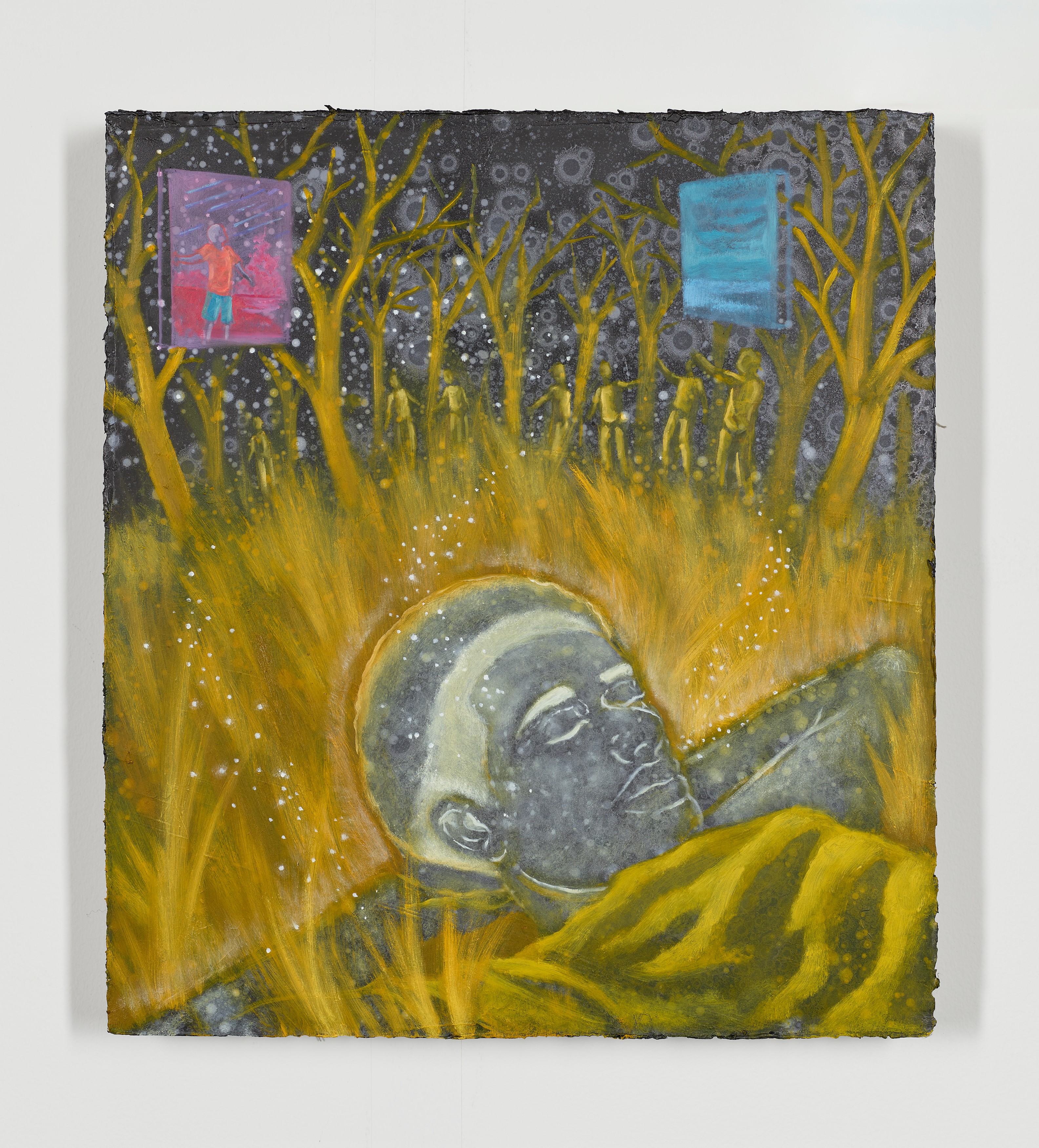
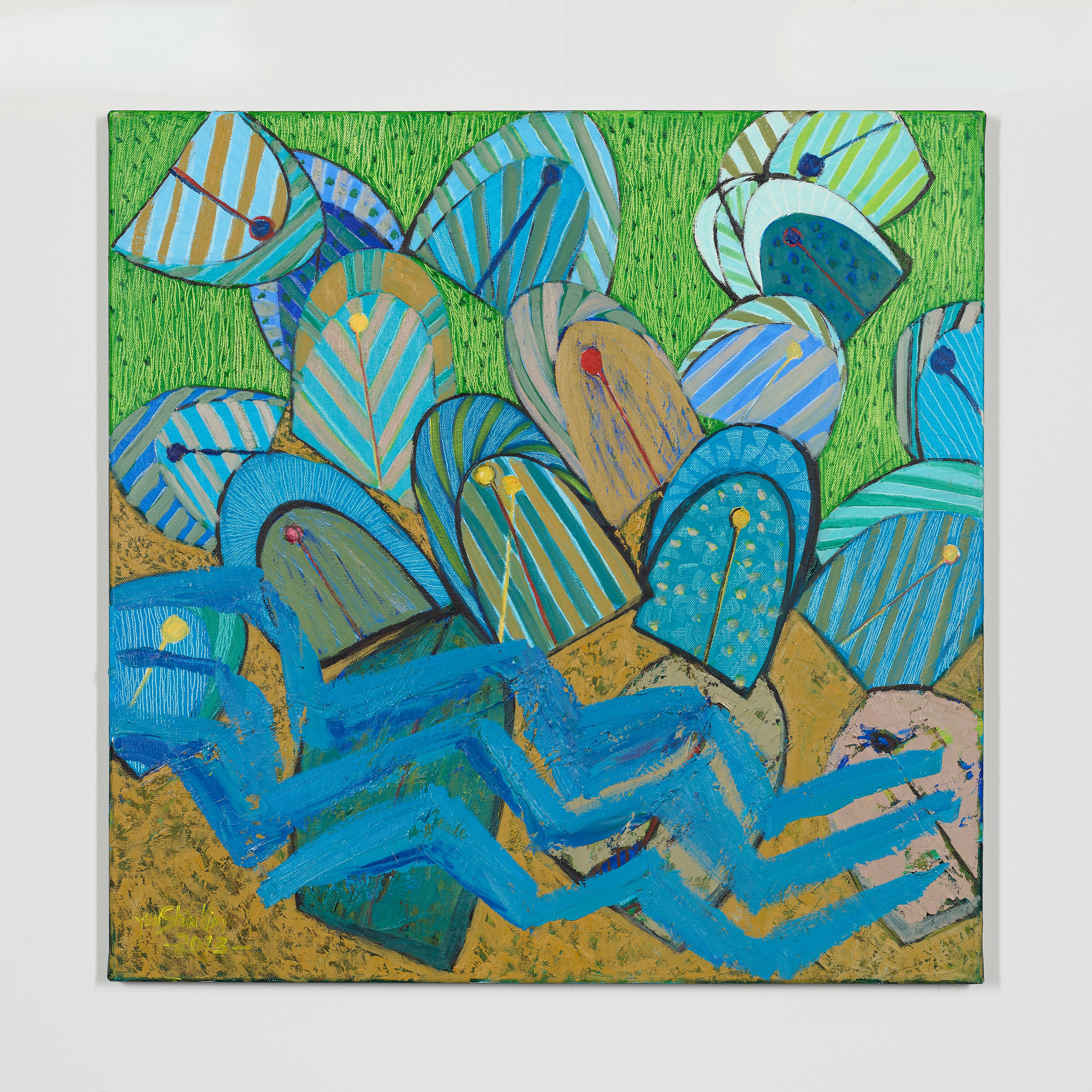
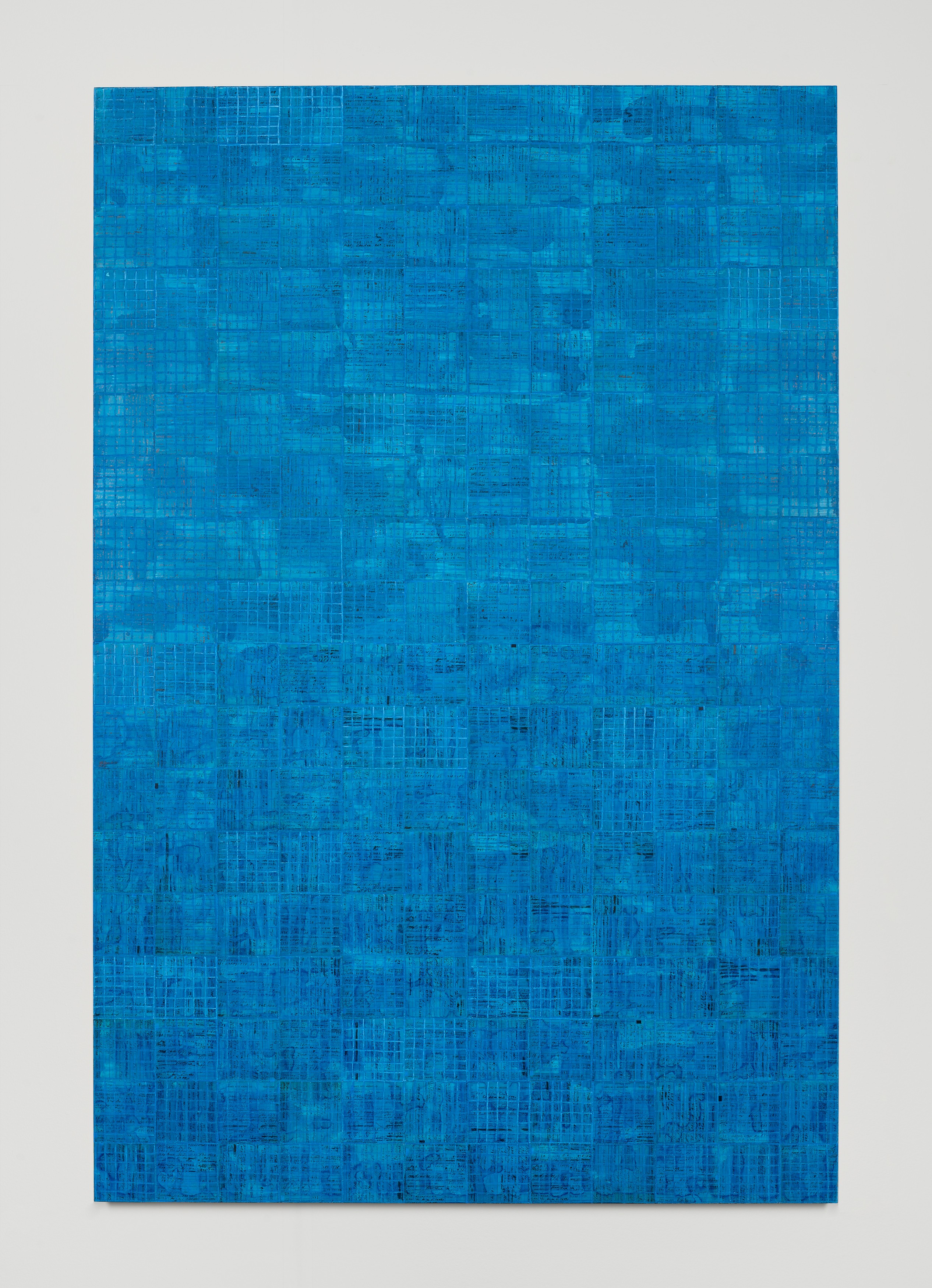
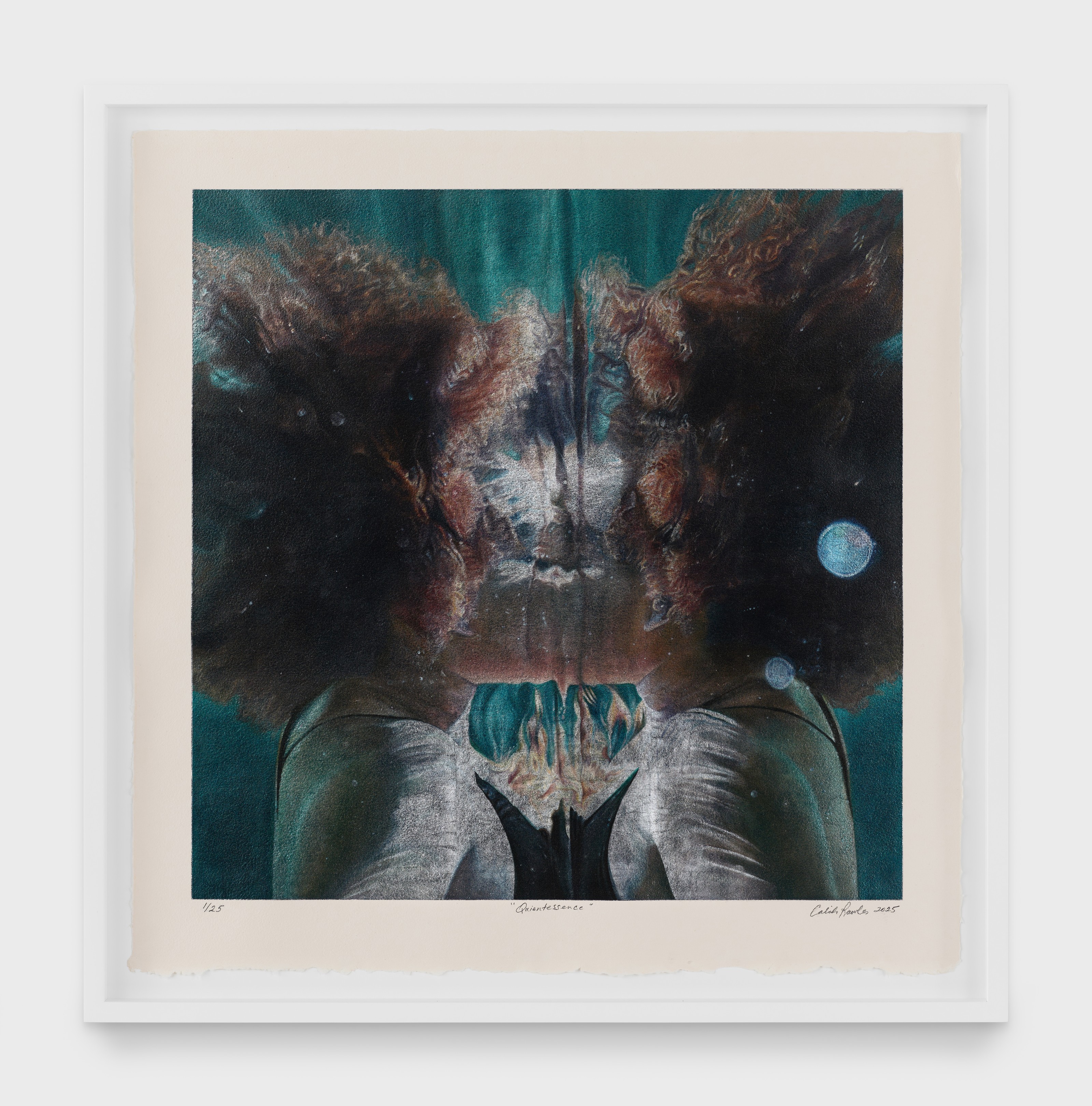
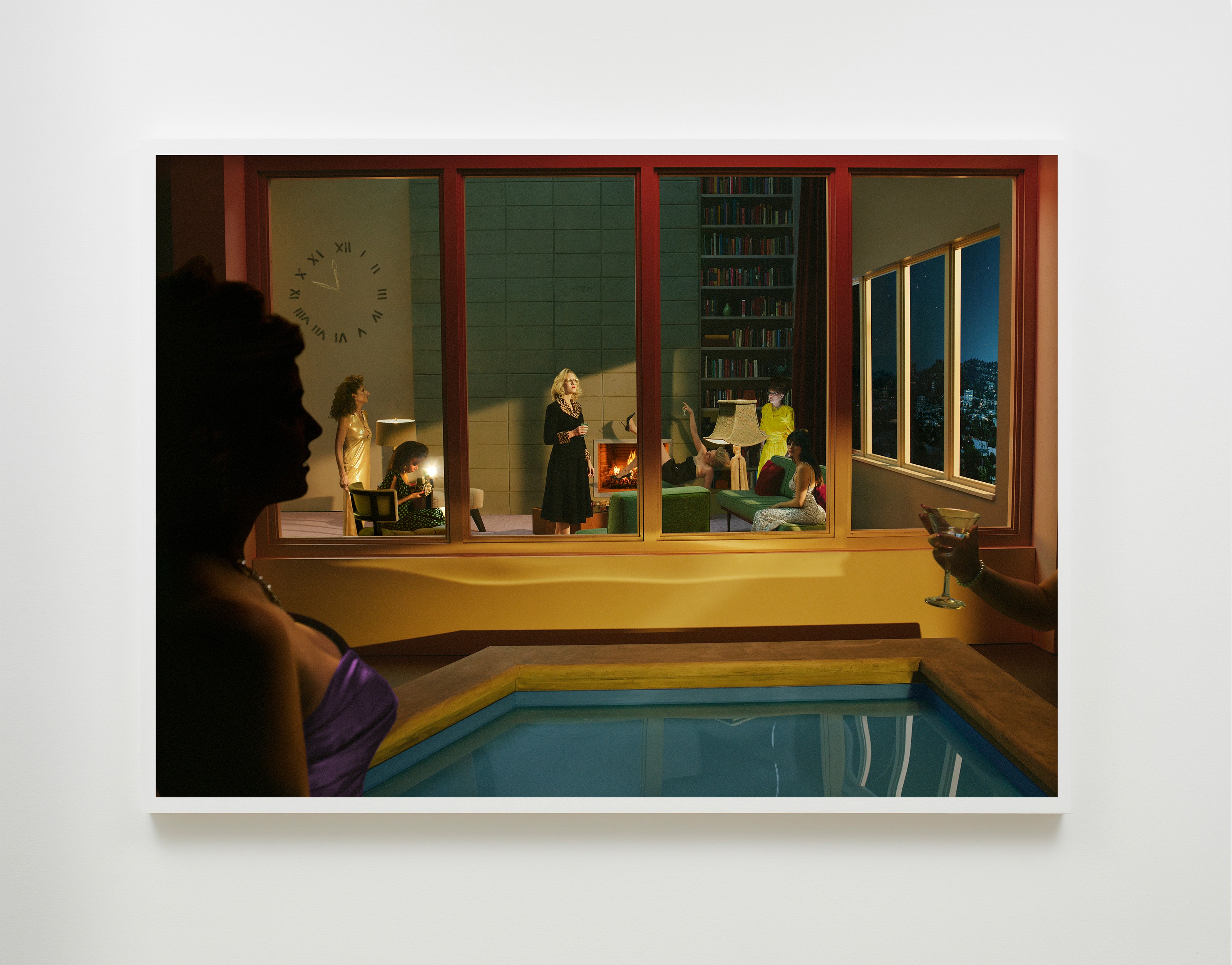
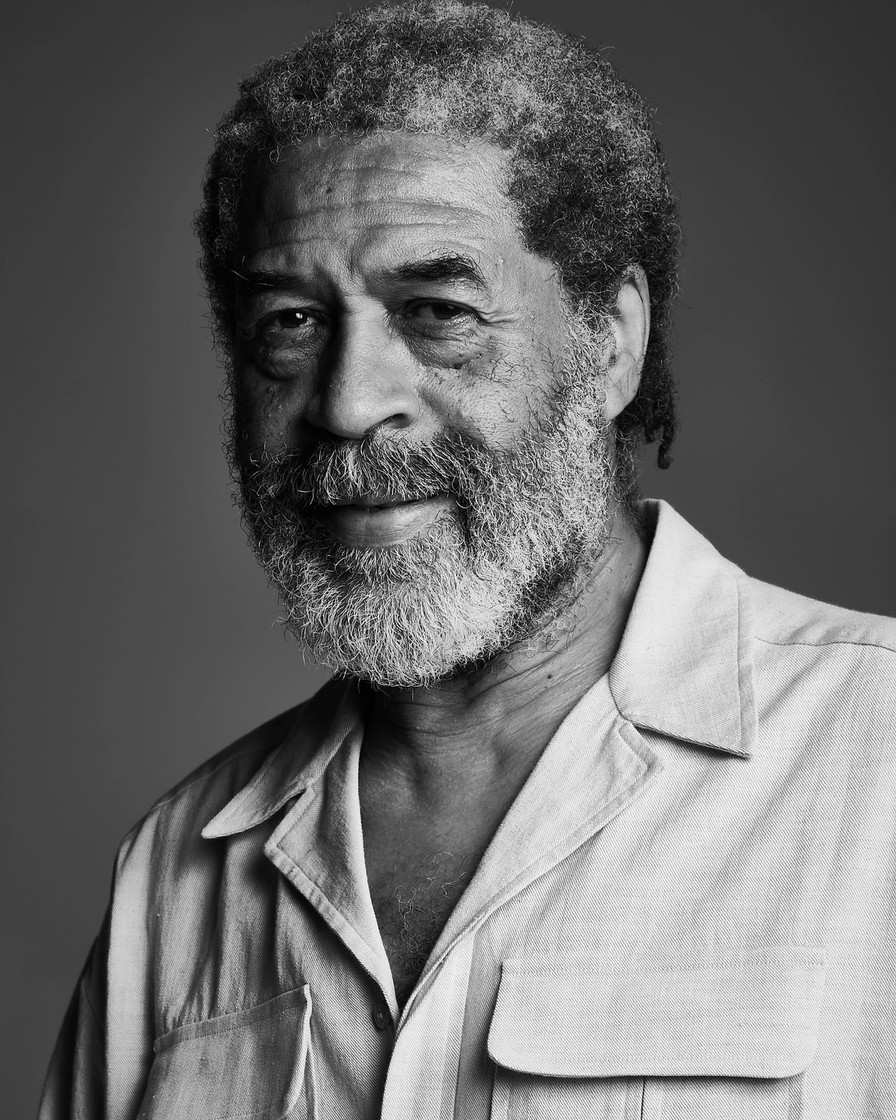
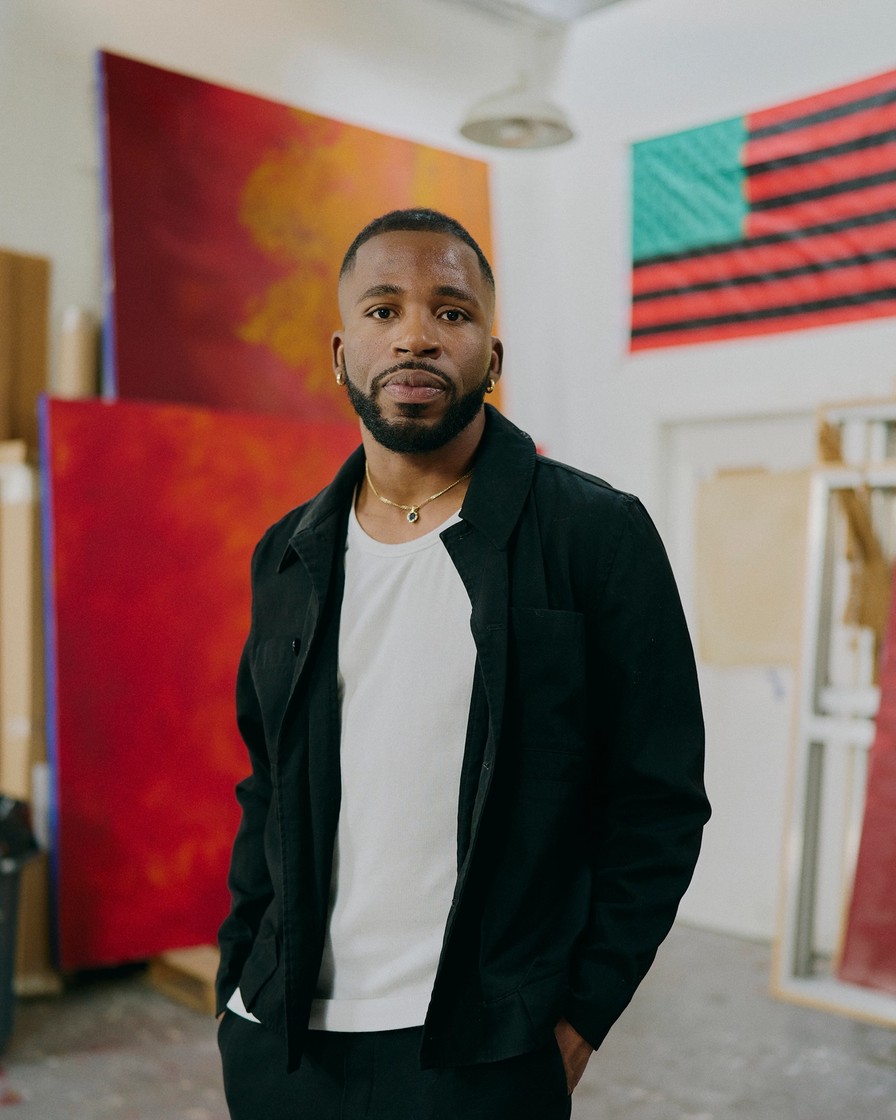
Lehmann Maupin is pleased to announce details of its presentation at the 2026 edition of Frieze Los Angeles. The gallery will present a focused selection of new works by Venezuelan-American artist Loriel Beltrán, whose practice is distinguished by sculptural accumulations of paint and color that challenge conventional definitions of painting. The presentation will be complemented by a selection of new and recent work by the gallery’s Los Angeles–based artists, including Todd Gray, Catherine Opie, Lari Pittman, Alex Prager, and Calida Rawles, alongside works by McArthur Binion, and Kim Yun Shin.
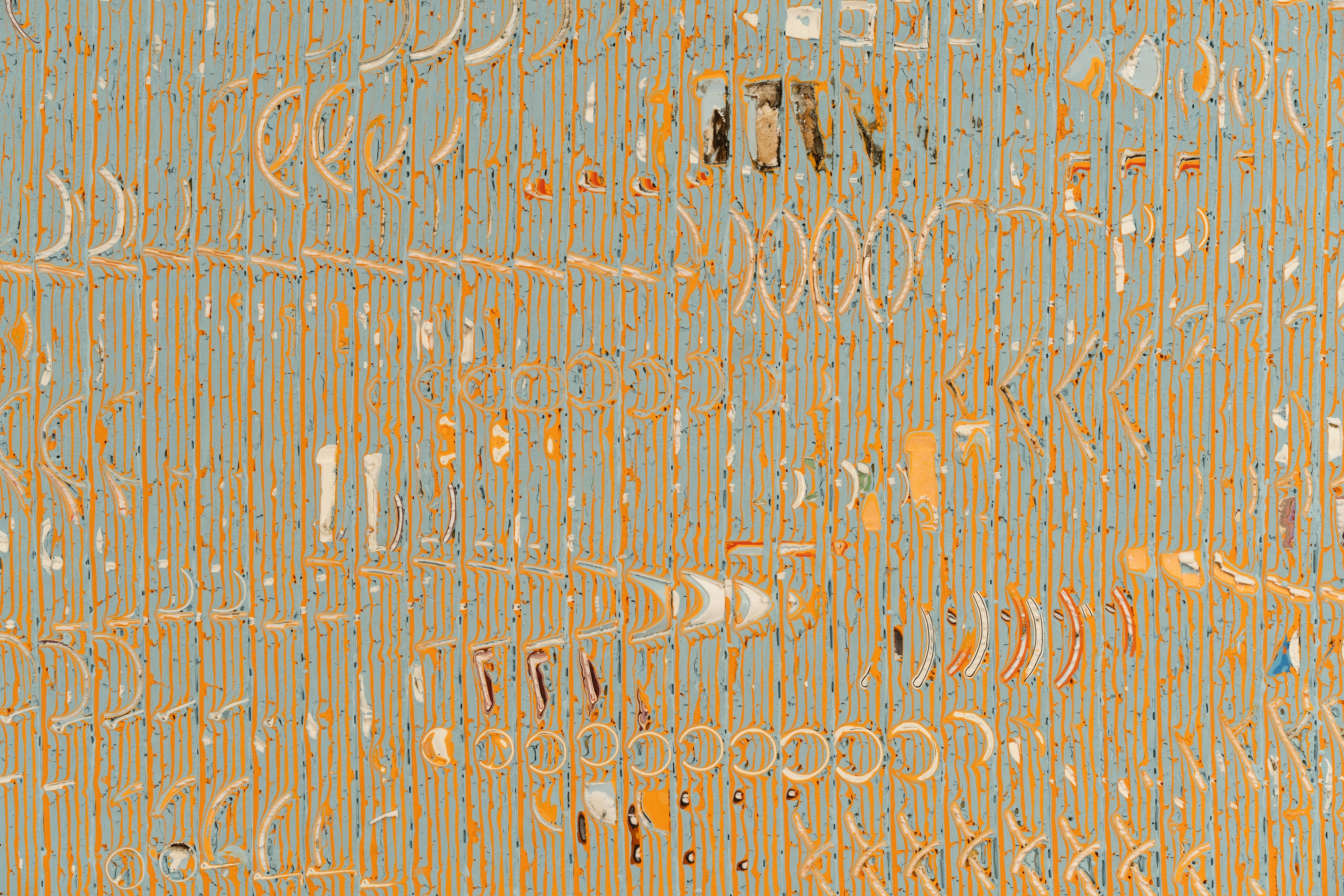
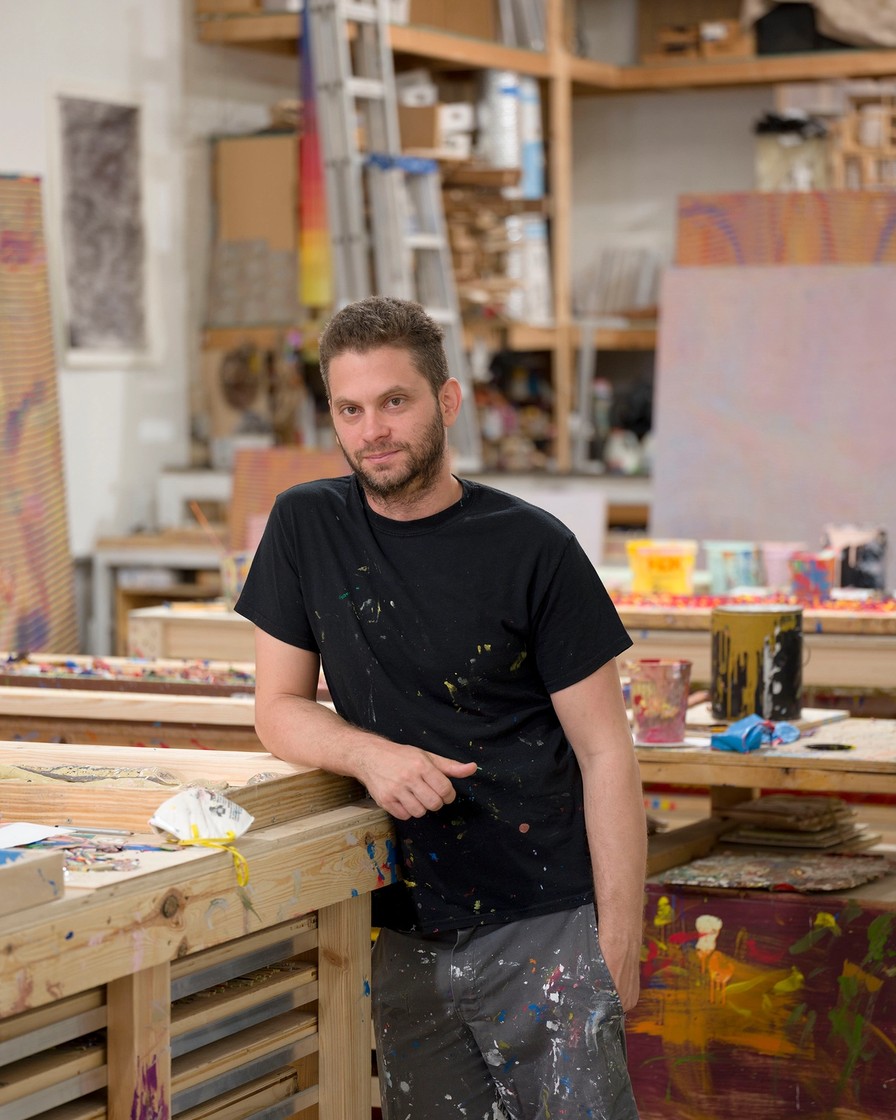
Beltrán’s newest body of work will anchor the gallery’s booth. Merging painting and sculpture, his works are composed of layered paint that, once dried, produce vibrant optical effects. Employing custom-made molds and layers of latex paint, each work is produced through a meticulous process of pouring, embedding, compressing, drying, slicing, and finally assembling each pigmented cross section into an abstract composition. Beltrán’s practice brings together three forms of accumulation—geological, organic, and linguistic—shaping a view of painting as layered and built up over time. Blocks of pigment evoke geological processes such as sedimentation and excavation, serving as metaphors for the mining of history. His chromatic language incorporates an element of chance in the interplay between material viscosity, gravity, and time. The resulting works function as surface-archives: geological layering, organic, variability, and linguistic coding compacted into single forms.
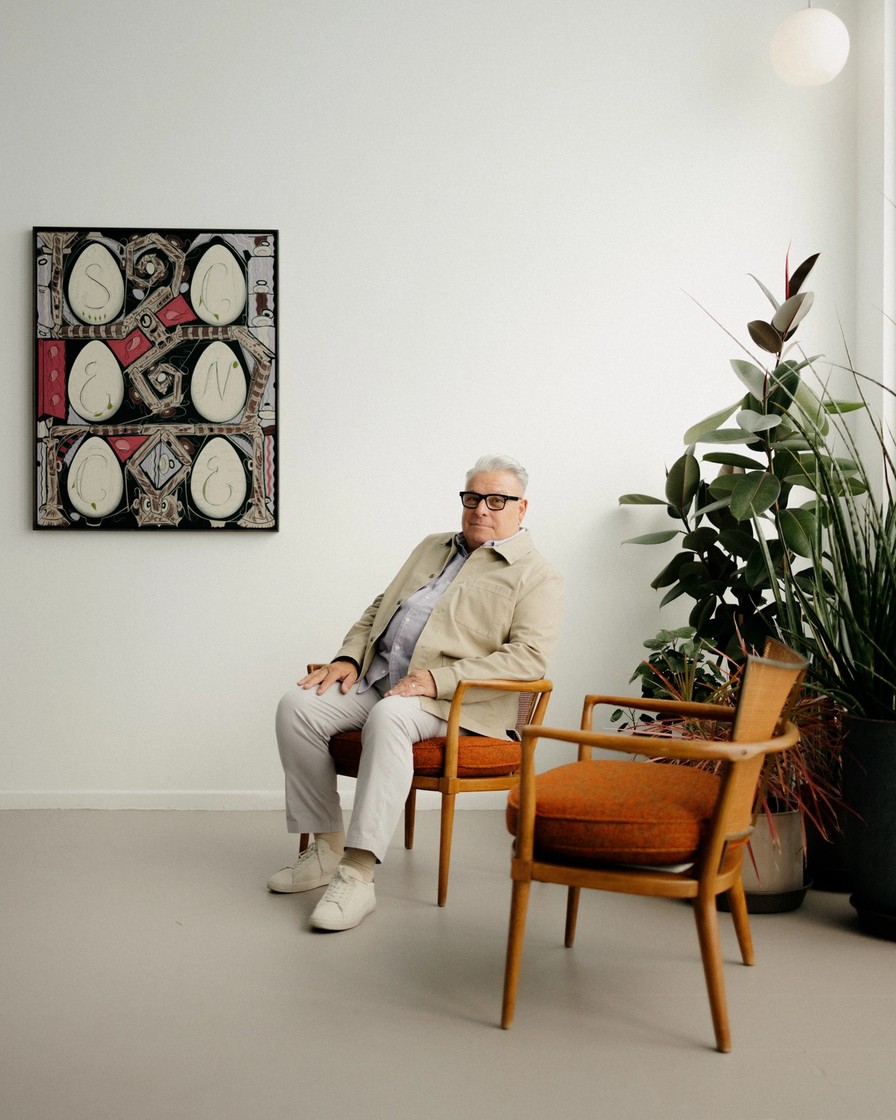
Over the course of his decades-long career, Lari Pittman (b. 1952, Los Angeles, CA, lives and works in Los Angeles, CA) has developed a unique visual aesthetic that has established him as one of the most significant painters of his generation. Pittman’s signature, densely-layered painting style includes a lexicon of signs and symbols (such as bells, eggs, animals, and ropes), a compilation of varied painting techniques, and a clear homage to the handmade, craft, and the decorative. Pittman creates complex compositions that mediate the tension between color, text, and imagery; landscape and decoration; and chaos and order with remarkable dexterity and often on a large scale, and the artist has an innate ability to create compositions in which each element within a painting is given equal space and significance.
In the mid-1970s, Pittman attended California Institute of the Arts in Valencia, California, completing a B.F.A. and an M.F.A. The Institute’s strong feminist arts program challenged the devaluation of art forms traditionally associated with women, and it was partially as a result of his engagement with this program that Pittman developed an interest in undermining aesthetic hierarchies and embracing the decorative arts. Pittman’s strong affinity for the decorative can be seen throughout his numerous bodies of work, and it has contributed to his singular visual style. While Pittman’s early works were informed by the socio-political struggle resulting from the peak of the AIDS epidemic, racial discord, and LGBTQ+ civil rights struggles that defined the last two decades of the 20th century, his later paintings evince a shift in focus towards interior spaces, including domestic and psychological subjects.
Todd Gray (b. 1954, Los Angeles, CA; lives and works in Los Angeles, CA and Akwidaa, Ghana) is a photo-based artist whose work aims to destabilize assumptions about the veracity of photography and provoke reconsiderations of long-accepted norms and beliefs surrounding the medium, including the role of the viewer in constructing meaning. His lush photo assemblages are composed of images ranging from imperial European gardens, West African landscapes, and architecture, to rock icons and portraits of the artist himself, all carefully arranged to create critical juxtapositions that examine ideas of African diaspora, colonialism, societal power structures, and dominant cultural beliefs. With an eye informed by his four decades as a professional music photographer as well as his B.F.A. and M.F.A. from California Institute of the Arts, Gray’s photo sculptures are infused with a certain subversive beauty, reflecting his strong sense of visual aesthetics.
Gray’s distinctive photo collages range in size from the domestic to the monumental, with his largest to date spanning over 30 feet. The artist utilizes layered frames in his work—from simple wood to ornate, rococo pieces—which are either artist-made or sourced from flea markets and estate sales. Gray stacks these frames on top of one another, deliberately obscuring certain elements of his photographs and striking a delicate balance between revealing and concealing his subject matter. Images are rotated, cropped, and subtly abstracted, even as they remain firmly representational. All of the photographs (with the exception of those from the Hubble telescope) are sourced directly from Gray’s own catalog in a process the artist refers to as “appropriating his own archive.” As the creator of now iconic imagery of cultural figures such as Michael Jackson, Iggy Pop, and the Rolling Stones, the artist navigates an area between the appropriation of the Pictures Generation and Pop Art’s acknowledgement of popular imagery and commerce as drivers of so-called high culture. Across his collages, Gray weaves historical imagery into pictures of the present, reminding us that the realities of our world today are shaped by those of our collective past.
嘉芙蓮·奧比(1961年生於美國桑達斯基,現居於美國洛杉磯)以充滿活力的彩色攝影著名,她考究美國生活的各個層面,從個人的身份、亞文化、社區、城市以至壯麗的自然。九十年代,奧比展出「Being and Having」人像攝影系列使她受到關注。「Being and Having」系列她拍攝身邊圈子的男同性戀者、女同性戀者、跨性別人士和藝術家。奧比遊歷多個國家去探索美國群體和地貌的多元性,記錄典型美國個體 - 高中足球運動員和2008年總統就職典禮 - 透過人像攝影繼續展示美國亞文化。就像充滿戲劇性的舞台表演,奧比在親密攝影作品中展示了易服人士、同性伴侶、紋身、疤痕和穿孔的身體,喚起傳統文藝覆興時期的人像創作 - 權力和尊重。在她的人像攝影中,奧比建立了一種模糊性 - 身份和地點 - 誇大男性或女性特征,或是誇大鏡頭的距離、裁剪或模糊景觀。
奧比於1985年美國三藩市藝術學院獲得學士學位,並於1988年於美國加州藝術學院獲得碩士學位。奧比曾經舉辦多個個人展覽,包括包括美國洛杉磯馬爾恰諾藝術基金會(2019年)、立木畫廊紐約(2018年)、美國新澤西州普林斯頓大學建築學院(2018年)、挪威奧斯陸海涅昂斯塔德藝術中心(2017年)、美國諾瓦東南大學藝術博物館(2017年)、美國洛杉磯縣藝術博物館(2016年)、美國洛杉磯當代藝術博物館(太平洋設計中心)(2016年)、美國洛杉磯哈默博物館(2016年)、美國哥倫布衛克斯那藝術中心(2015年)、 美國長灘藝術博物館(2012年)、美國紐約蘇格拉底雕塑公園(2012年)、美國波士頓當代藝術學院(2011年)、波蘭藝術博物館(2010年)、美國紐約所羅門古根漢博物館(2008年)、美國芝加哥當代藝術博物館(2006年)、美國沃克藝術中心(2002年),以及美國聖路易斯藝術博物館(2000年)。奧比的作品亦可見於多個群展,包括英國倫敦海沃德畫廊的「Kiss My Geners」(2019年)、美國紐約所羅門·R·古根漢美術館的「Implicit Tensions: Mapplethorpe Now」(2019年)、美國芝加哥當代藝術館的「West by Midwest」(2019年)、美國波士頓美術博物館的「Ansel Adams in Our Time」(2018年)、美國洛杉磯當代藝術博物館的「Permanent Collection: Catherine Opie and Sterling Ruby」(2017年)、美國洛杉磯蓋蒂中心的「Breaking News」(2016 - 2017年)、美國舊金山當代藝術博物館的「A Slow Succession with Many Interruptions」(2016 -2017年)、美國紐約惠特尼美國藝術館的「Human Interest: Portraits from the Whitney’s Collection」(2016年)、美國紐約布魯克林博物館的「Who Shot Sports: A Photographic History」(2016年)、美國洛杉磯哈默博物館的「Residue: The Persistence of the Real」(2015年)、美國紐約惠特尼美國藝術館的「America Is Hard to See」(2015年)、美國密歇根大學美術館的「Storylines: Contemporary Art at the Guggenheim」(2015年)、美國芝加哥當代藝術博物館的「Unbound: Contemporary Art After Frida Kahlo」(2014年)、美國華盛頓國家婦女藝術博物館「Role Models: Feminine Identity in Contemporary American Photography」(2008年)。奧比的作品可見於多個國際公營和私營收藏,包括美國紐約Albright-Knox藝廊、美國邁阿密藝術博物館、美國紐約所羅門古根漢博物館、以色列耶路撒冷以色列博物館、美國波士頓當代藝術學院、美國紐約惠特尼美術館、美國紐約現代藝術博物館、美國洛杉磯哈默博物館、倫敦泰特現代美術館。
Billie Zangewa (b. 1973, Blantyre, Malawi; lives and works in Johannesburg, South Africa) creates intricate collages composed of hand-stitched fragments of raw silk. These figurative compositions explore contemporary intersectional identity in an attempt to challenge the historical stereotype, objectification, and exploitation of the black female form. Beginning her career in the fashion and advertising industries, Zangewa employs her understanding of textiles to portray personal and universal experiences through domestic interiors, urban landscapes, and portraiture. Her earliest works were embroideries on found fabrics depicting remembered botanical scenes and animals from Botswana, where the artist was raised, but she soon transitioned to creating cityscapes, focusing on her experience as a woman in the city of Johannesburg and her personal relationships. These works explored her experience of the male gaze, leading her to begin to think more critically about how women view themselves and what the visualization of the female gaze, through self-portraiture, could look like.
After the birth of her son, Zangewa began making her well-known domestic interiors to explore the shift in focus from self-examination and femininity to motherhood and the home. Often referencing scenes or experiences from everyday life, Zangewa has stated that she is interested in depicting the work done by women that keeps society running smoothly, but which is often overlooked, undervalued, or ignored. Zangewa refers to this as “daily feminism,” which can be considered a contemporary version of “the personal is political.” Through the method of their making and their narrative content, Zangewa’s silk paintings illustrate gendered labor in a socio-political context, where the domestic sphere becomes a pretext for a deeper understanding of the construction of identity, questions around gender stereotypes, and racial prejudice.
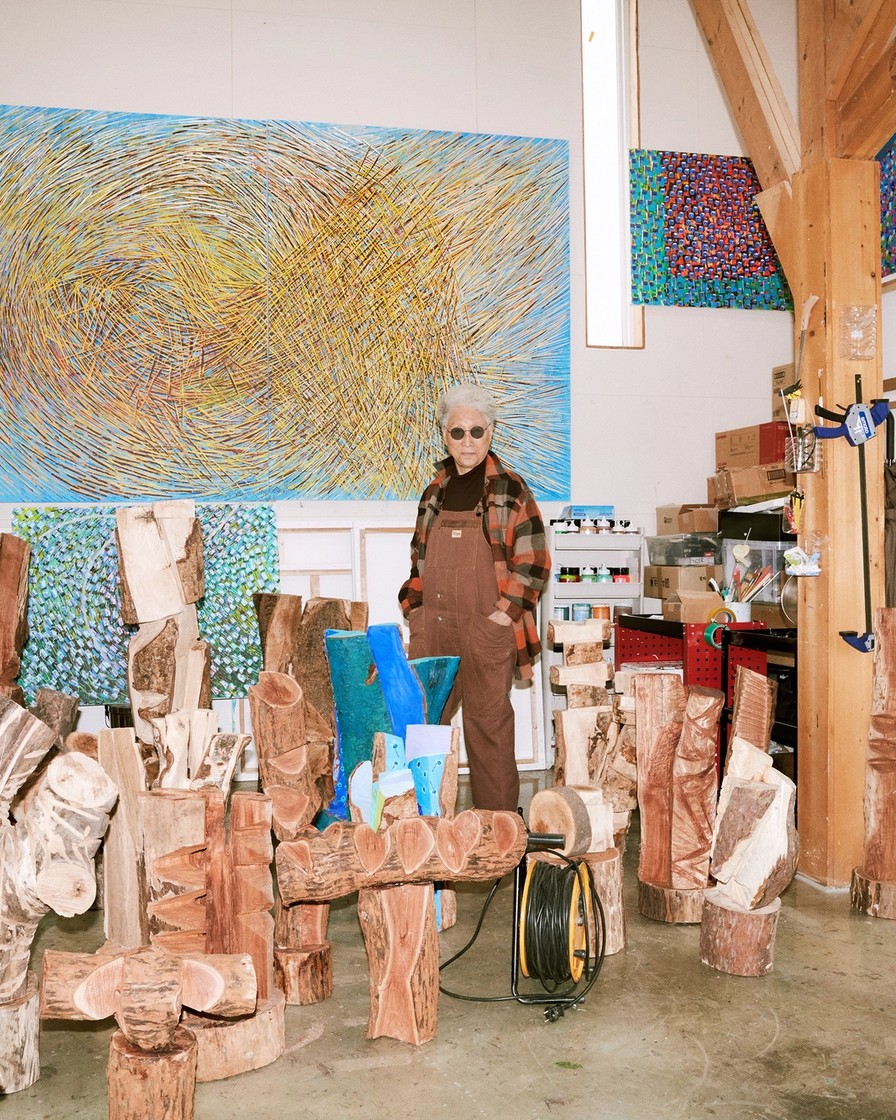
Kim Yun Shin (b. 1935, Wonsan, North Korea; lives and works in Seoul, South Korea) is a multidisciplinary artist known for her dynamic sculpture and painting, which often unfold through a series of interactions with nature. Growing up amidst the backdrop of Korea’s tumultuous history in the 20th century, Kim has established herself as a pioneering figure in the post-war South Korean art scene, overcoming societal norms to carve out a space for herself as a first-generation woman sculptor. Despite facing challenges in a male-dominated field, she ventured to Paris to pursue her artistic aspirations, taught at various universities, and co-founded the Korean Sculptress Association in 1974 to support emerging artists. Partly influenced by her nomadic early life, her work reflects a fearless exploration of diasporic cultures—from France, Mexico, and Brazil, to her adoptive home of Argentina, where she established Museo Kim Yun Shin, the first Korean immigrant art museum. Her journey from turbulent beginnings during the Japanese colonial period and Korean War to becoming a trailblazer in Korean contemporary art reflects the artist’s personal resilience and commitment to artistic innovation.
Across six decades, Kim has developed an aesthetic that engages with the fundamental qualities of materials and nature, navigating themes of confrontation, introspection, and coexistence. Central to her artistic expression is the use of solid wood, a primary medium through which Kim envisions the structural and spiritual elements of antiquity and the primordial world. In doing so, she visualizes the intersection between nature, time, and history, reconsidering the very essence of human existence. Her early sculptures from the 1970s are deeply rooted in traditional Korean hanok architecture, which uses a distinctive technique that joins wooden blocks without nails. In her Stacking Wishes series, the artist also explores traditions of vertical stacking in Korean and Latin American totemism. This notion of organic connection and her interest in East Asian philosophy merge in her iconic Add Two Add One, Divide Two Divide One series, which she began in the late 1970s. The terms “add” and “divide” originate from the philosophical concept of yin (division and fragmentation) and yang (addition and integration). Through a meticulous yet intuitive process—in which Kim “adds” her soul into the solid wood and “divides” the space between the bark and inner wood to create a complete whole—the artist delves into raw materiality and uncovers a newfound vitality.
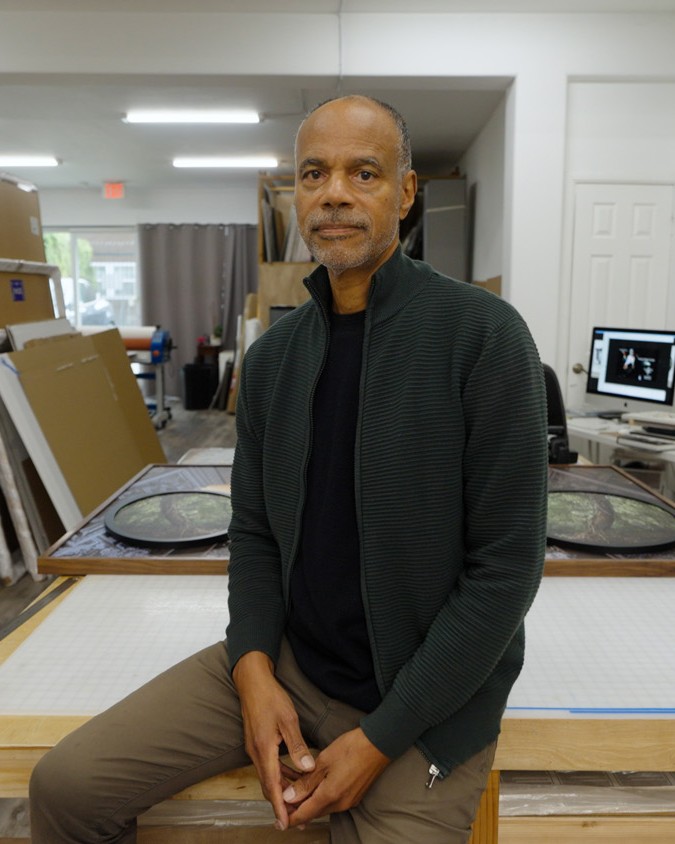
比尼恩除了在第57屆威尼斯雙年展「VIVA ARTE VIVA」(2017年)展出作品,也曾舉辦個人展覽,包括美國休斯頓當代藝術博物館(2012年)及美國馬裏蘭大學學院畫廊(2010年)。他最近參與的群體展覽包括美國密西西比藝術館的「Picturing Mississippi, 1817-2017: Land of Plenty, Pain, and Promise」(2017年)、美國聖地亞哥當代藝術博物館的「Dimensions of Black: a Collaboration with the San Diego African American Museum of Fine Art」(2017年)、美國新奧爾良美術館的「New at NOMA: Recent Acquisitions in Modern and Contemporary Art」(2017年)、美國國立非裔美國人歷史和文化博物館的「Through the African American Lens」(2017年)、美國紐約哈林工作室博物館的「Circa 1970」(2016年)和「When the Stars Begin to Fall: Imagination in the American South」(2014年)、以及美國休斯頓當代藝術博物館的「Black in the Abstract」(2013年)。他的作品可見於多個公營及私人收藏,包括美國密歇根克蘭布魯克藝術博物館、美國底特律藝術學院、美國肯尼亞堪薩斯城肯珀當代藝術博物館、美國紐約大都會藝術博物館、美國國立非裔美國人歷史和文化博物館、美國新奧爾良美術館、美國菲利普斯收藏館、美國底特律韋恩州立大學和美國紐約惠特尼美國藝術博物館。