跳到主要内容

Frieze Los Angeles

Santa Monica Airport

Booth E9

2月16日–2023年2月19日

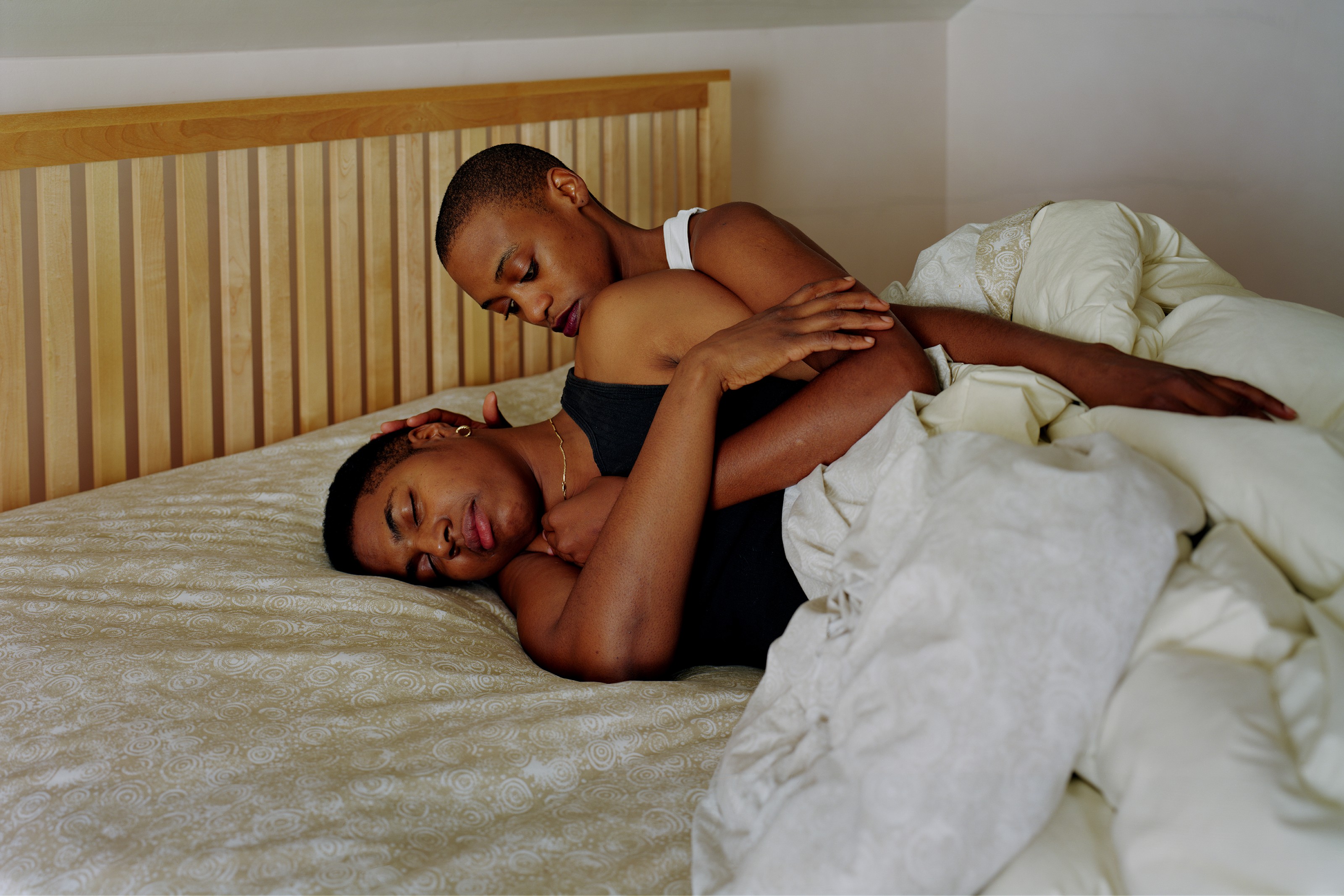
Photograph by Catherine Opie

Santa Monica Airport

Santa Monica, California

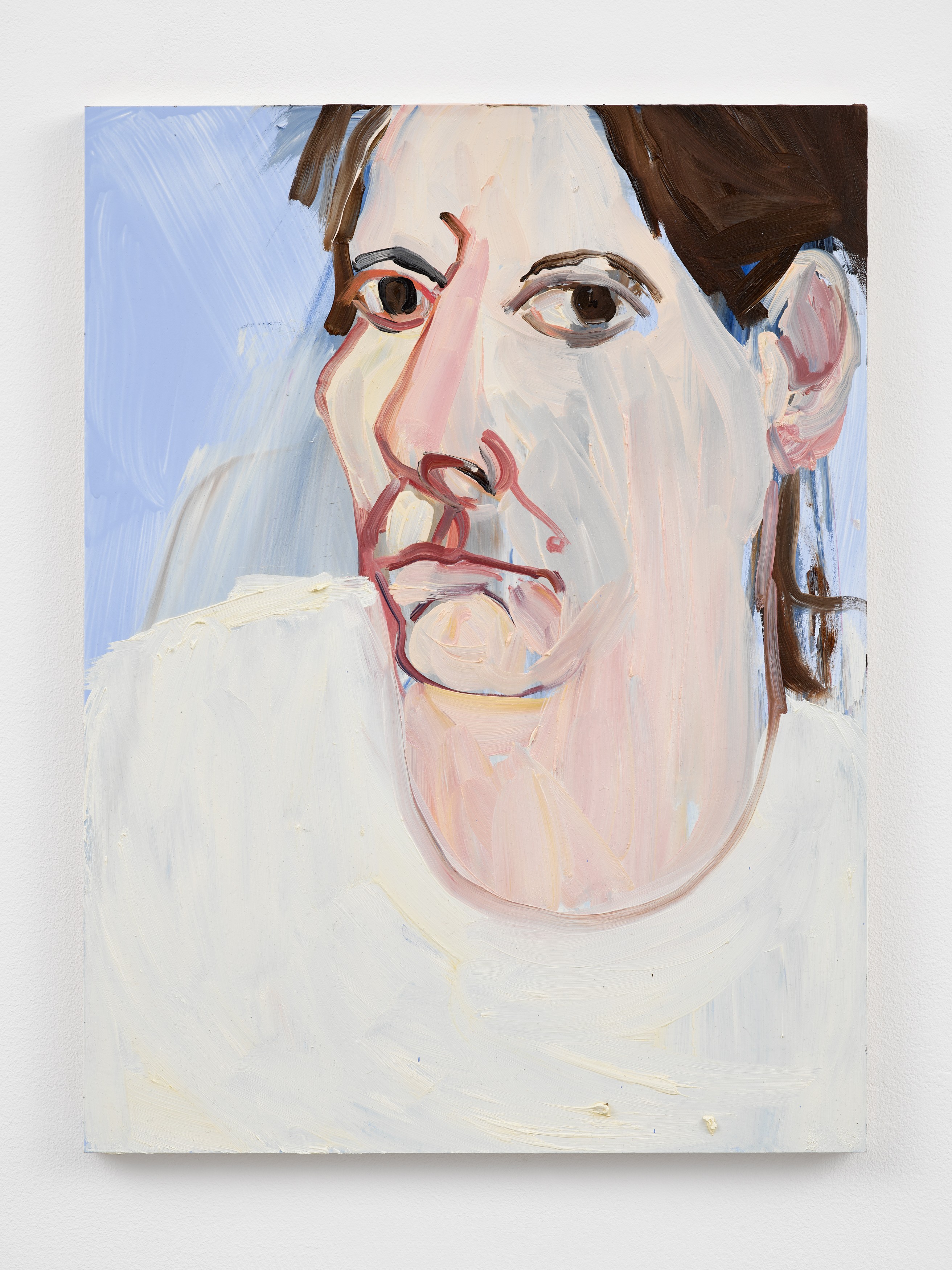
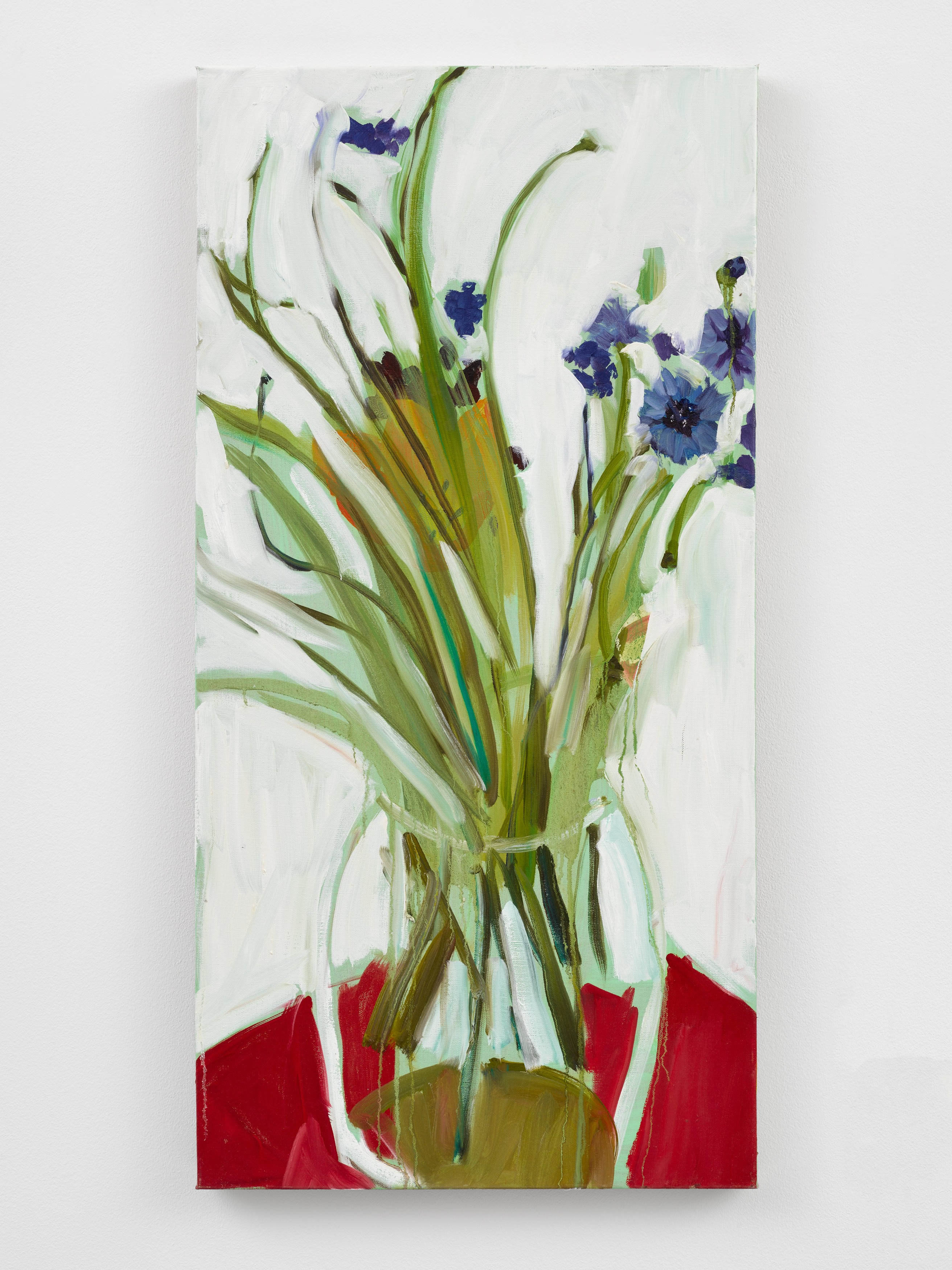
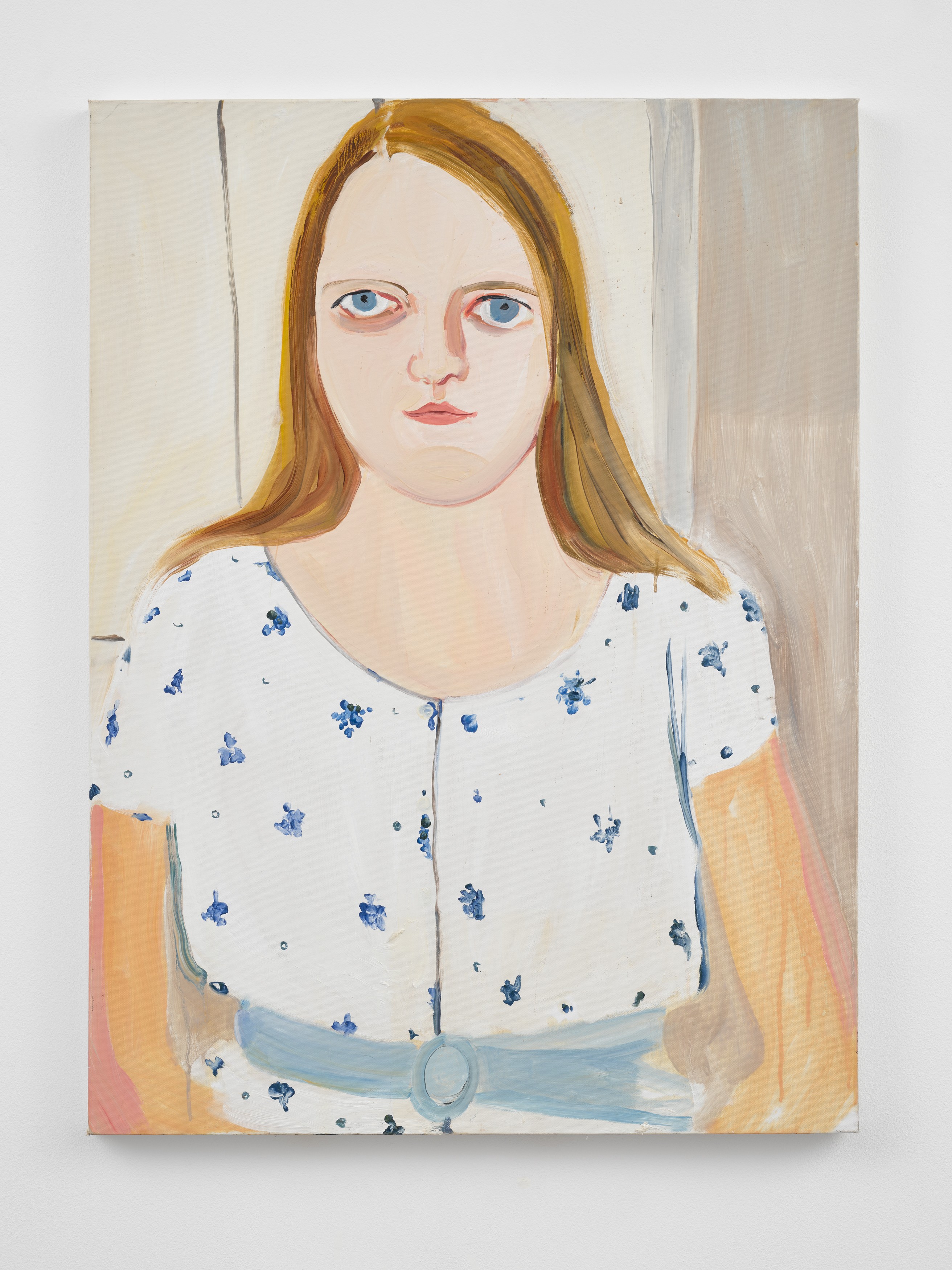
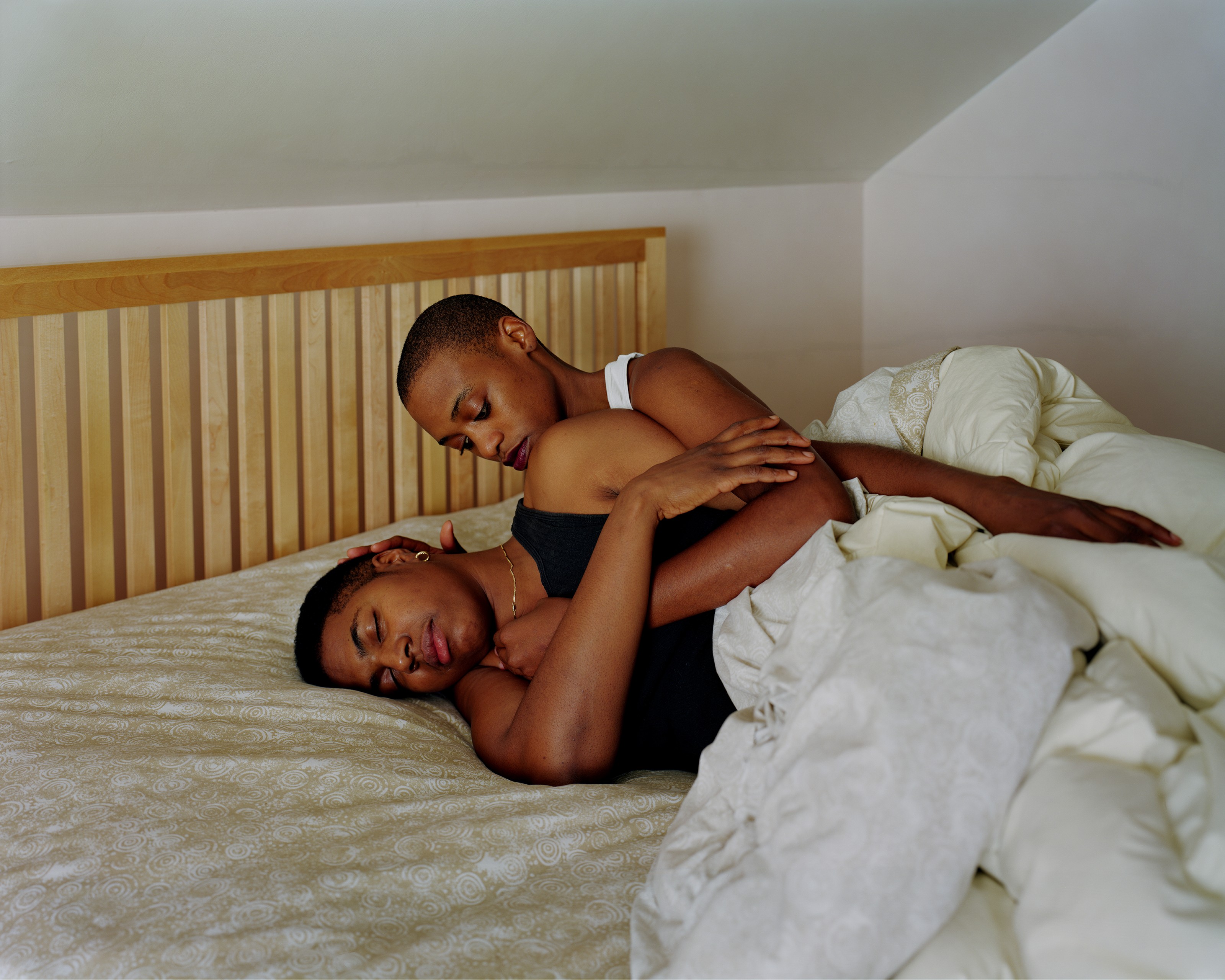
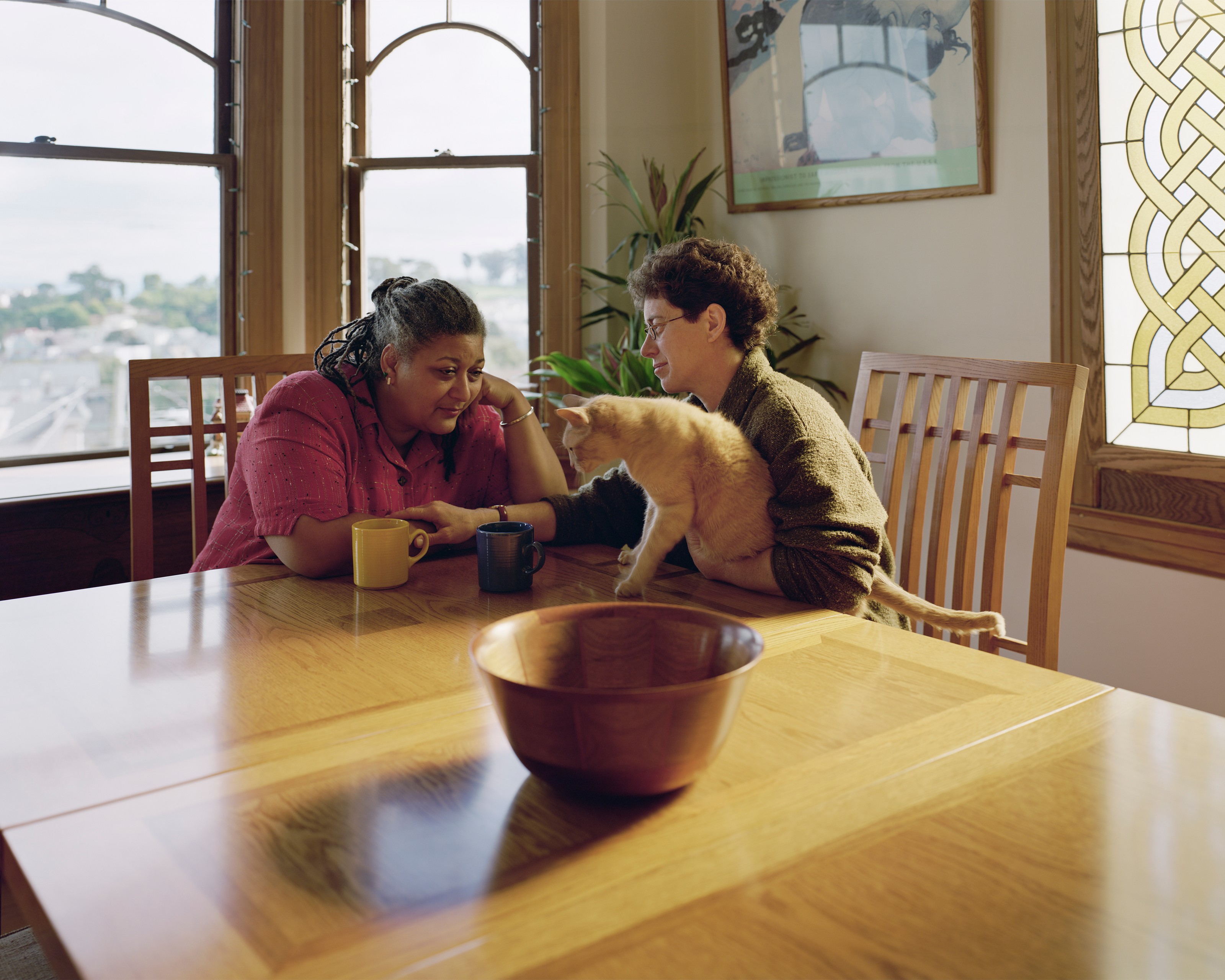
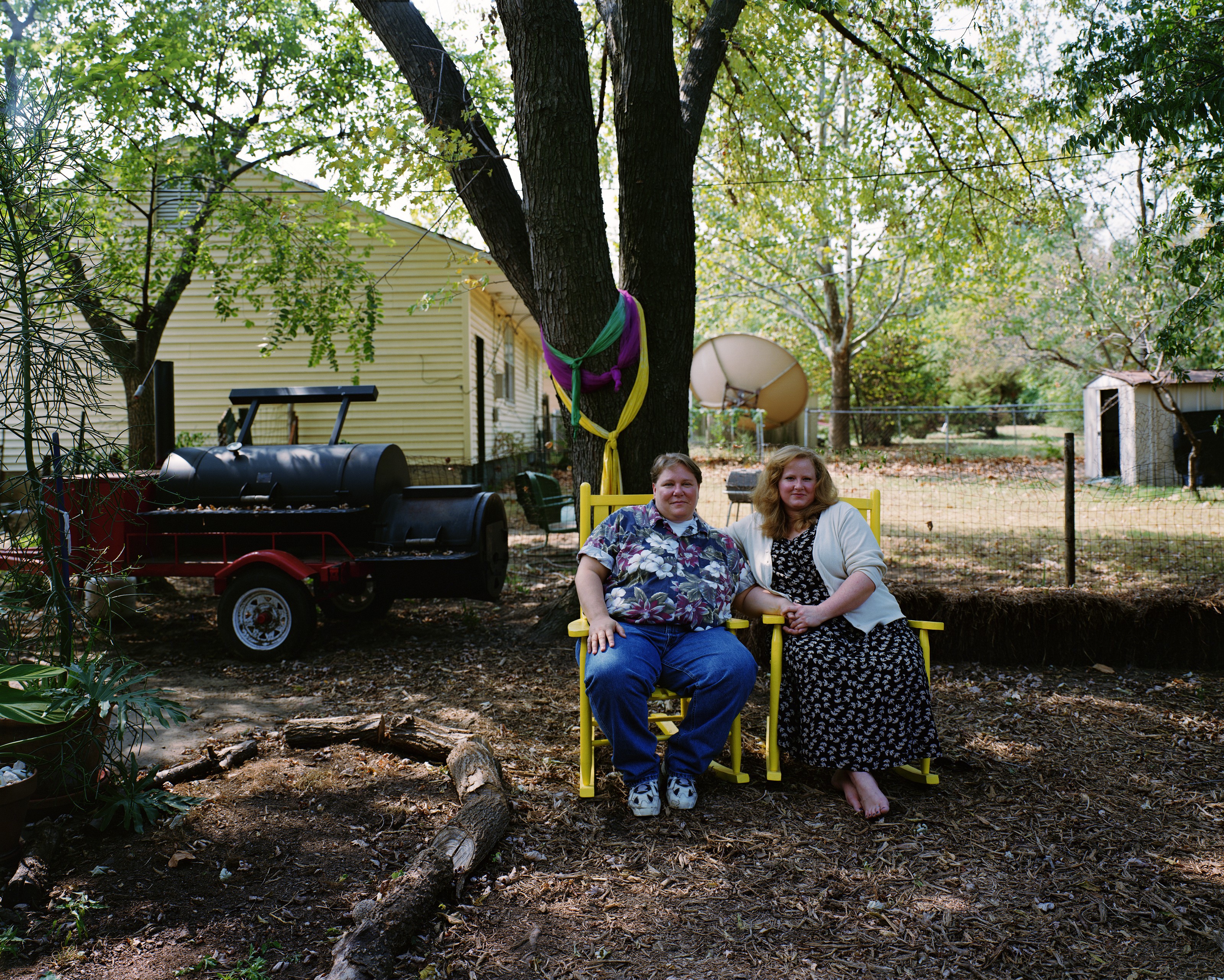
Lehmann Maupin returns to Frieze LA with a curated presentation of works by three gallery artists–Chantal Joffe, Catherine Opie, and Billie Zangewa. The works on view render the nuances of family life, interior space, and private labor as unabashedly public, yet boldly intimate, breaking free of traditional notions of domesticity. Through painting, photography, and hand embroidery, each artist depicts quiet and tender moments of human connection. Their radical visibility presents intimacy as subversively powerful, insisting on this kind of emotional labor as both a cornerstone of public life and a deep well of artistic inspiration. Lehmann Maupin’s booth will also include a focused presentation of new paintings and sculpture by Japanese artist Mr., on the heels of his exhibition Mr: You Can Hear the Song of This Town at the Phoenix Art Museum (on view through March 12, 2023).

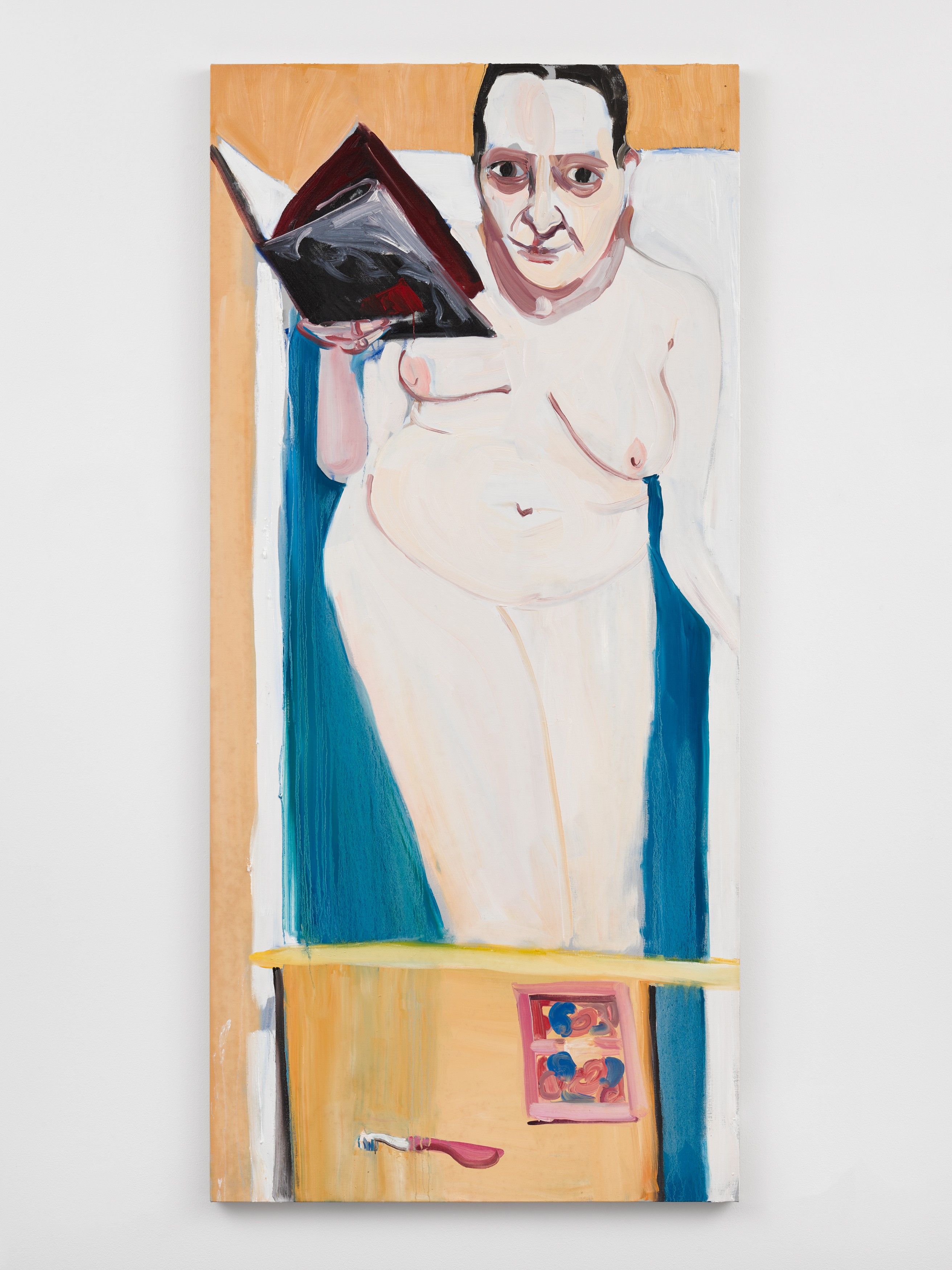
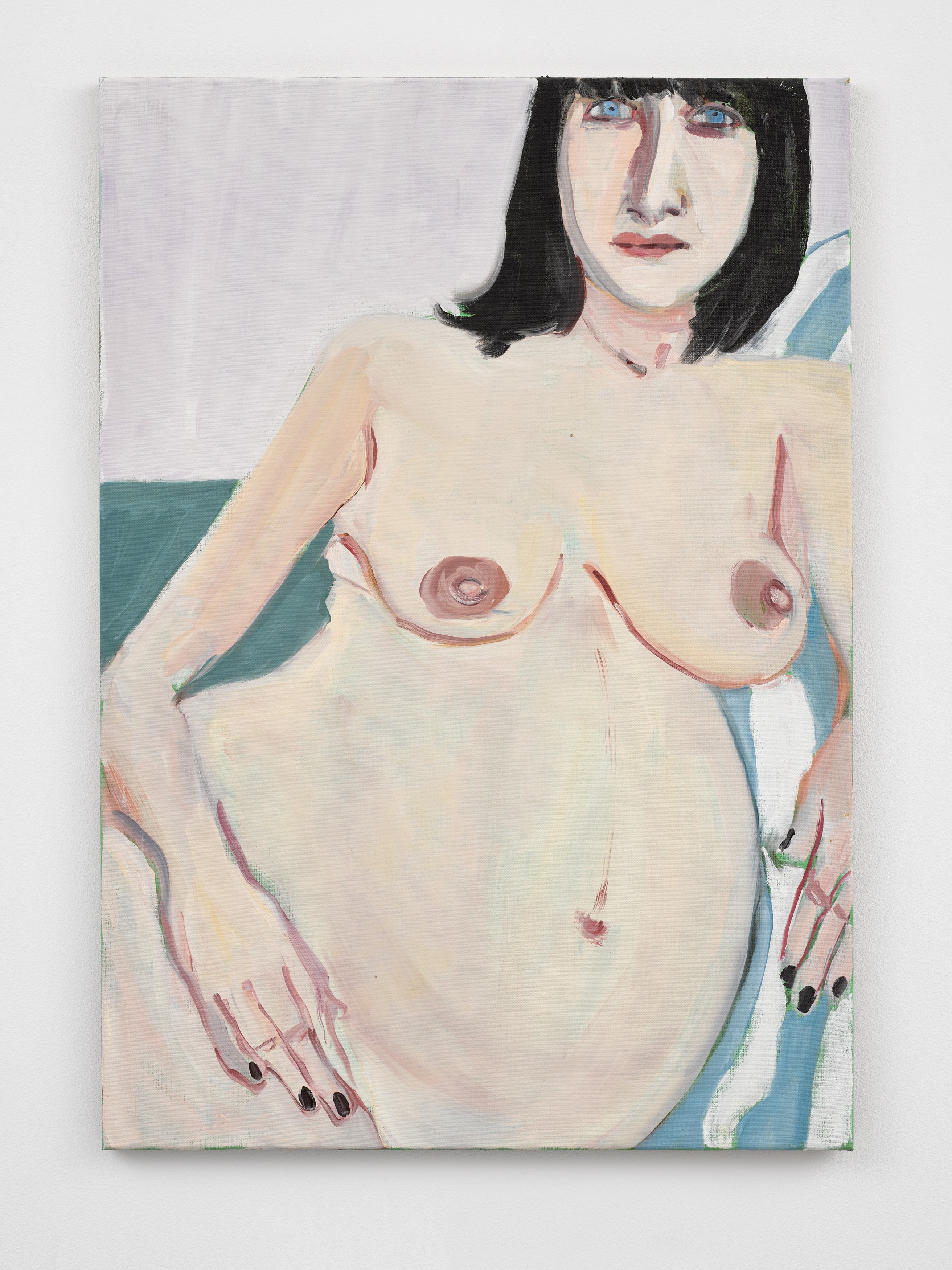
London-based artist Chantal Joffe is known for her whimsical portraits of herself and of the people she is closest to, including her immediate family, her friends, and her extended family members. By creating tension between the scale of her compositions and the proposed intimacy of their subject matter—as in her self portrait Love Letter 1 (2023), where Joffe is seen reclining nude in the bathtub while reading—Joffe prioritizes the human identities and relationships that undergird her compositions over any kind of painterly realism. This approach heightens already complex narratives around connection, perception, and representation (implicit in the relationship between artist and subject), inviting viewers to reconsider their own interpersonal worlds. 

Painting by Chantal Joffe

尚塔爾‧約菲

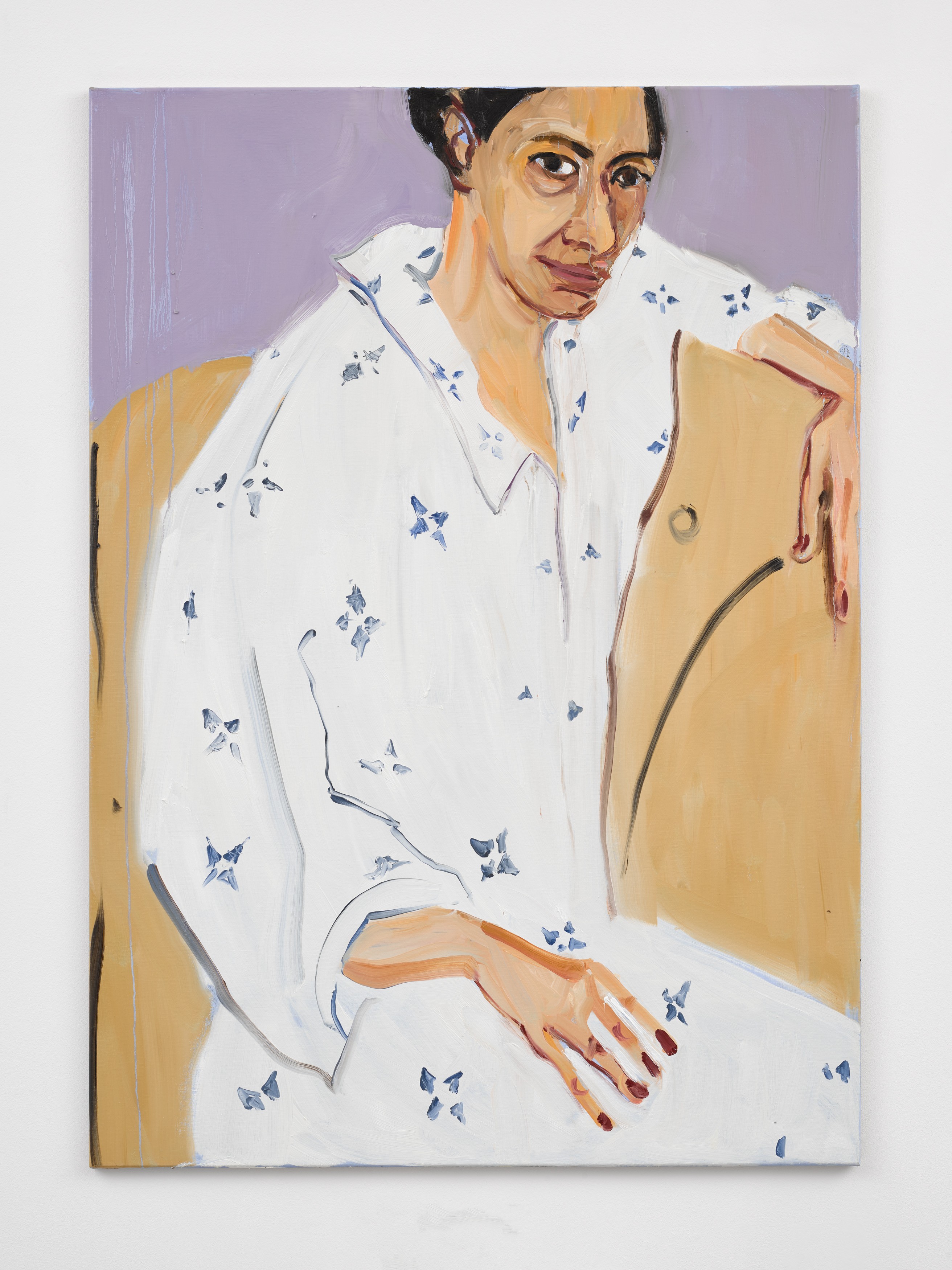
Self-Portrait in a White Shirt, 2023

Painting by Chantal Joffe

尚塔爾‧約菲

Cornflowers, 2020

Painting by Chantal Joffe

尚塔爾‧約菲

Moll at Marina, 2015

Painting by Chantal Joffe

尚塔爾‧約菲

Love Letter 1, 2023

Painting by Chantal Joffe

尚塔爾‧約菲

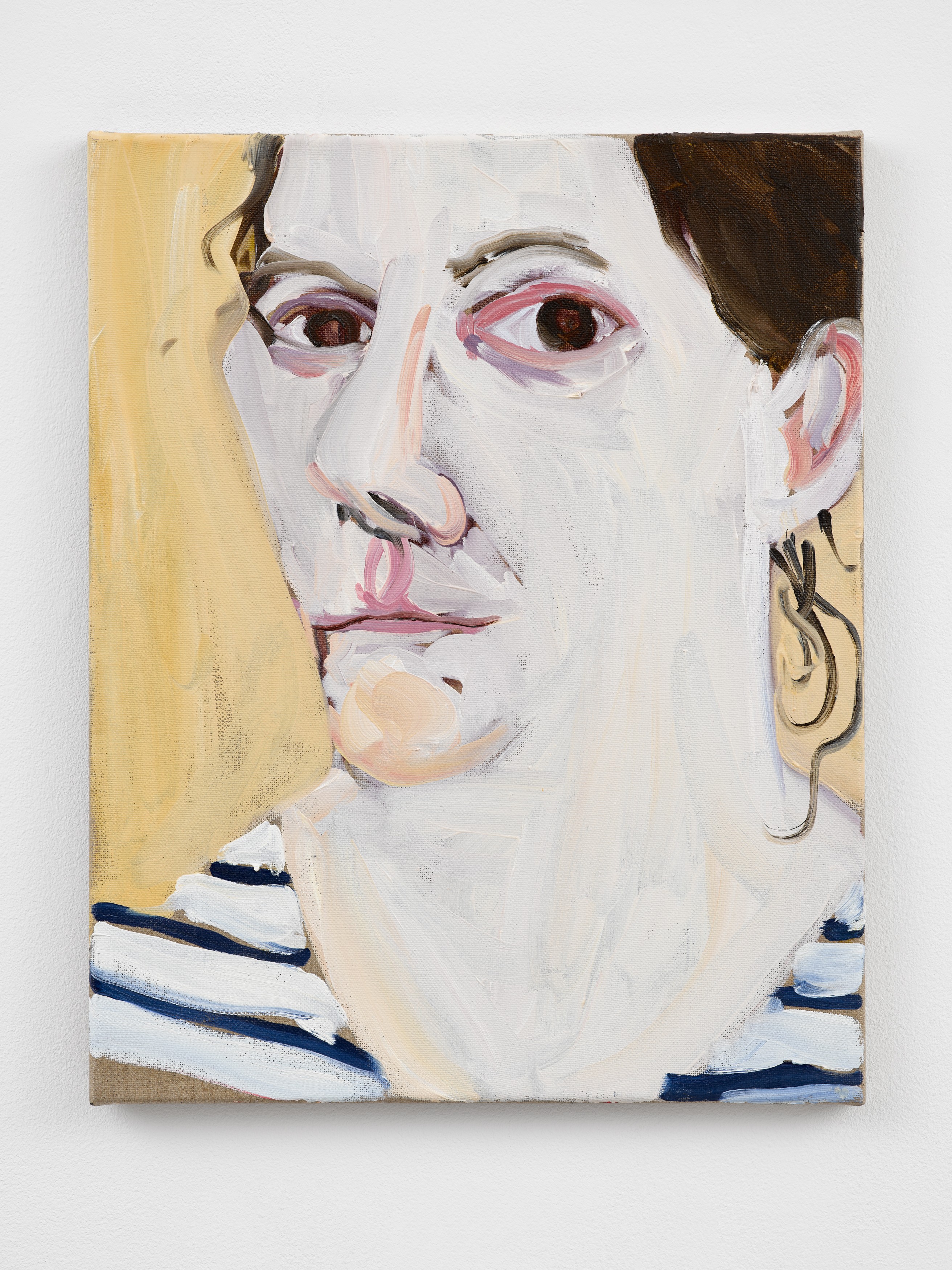
Self-Portrait in Stripes, 2022

Painting by Chantal Joffe

尚塔爾‧約菲

Faith, 2022

Painting by Chantal Joffe

尚塔爾‧約菲

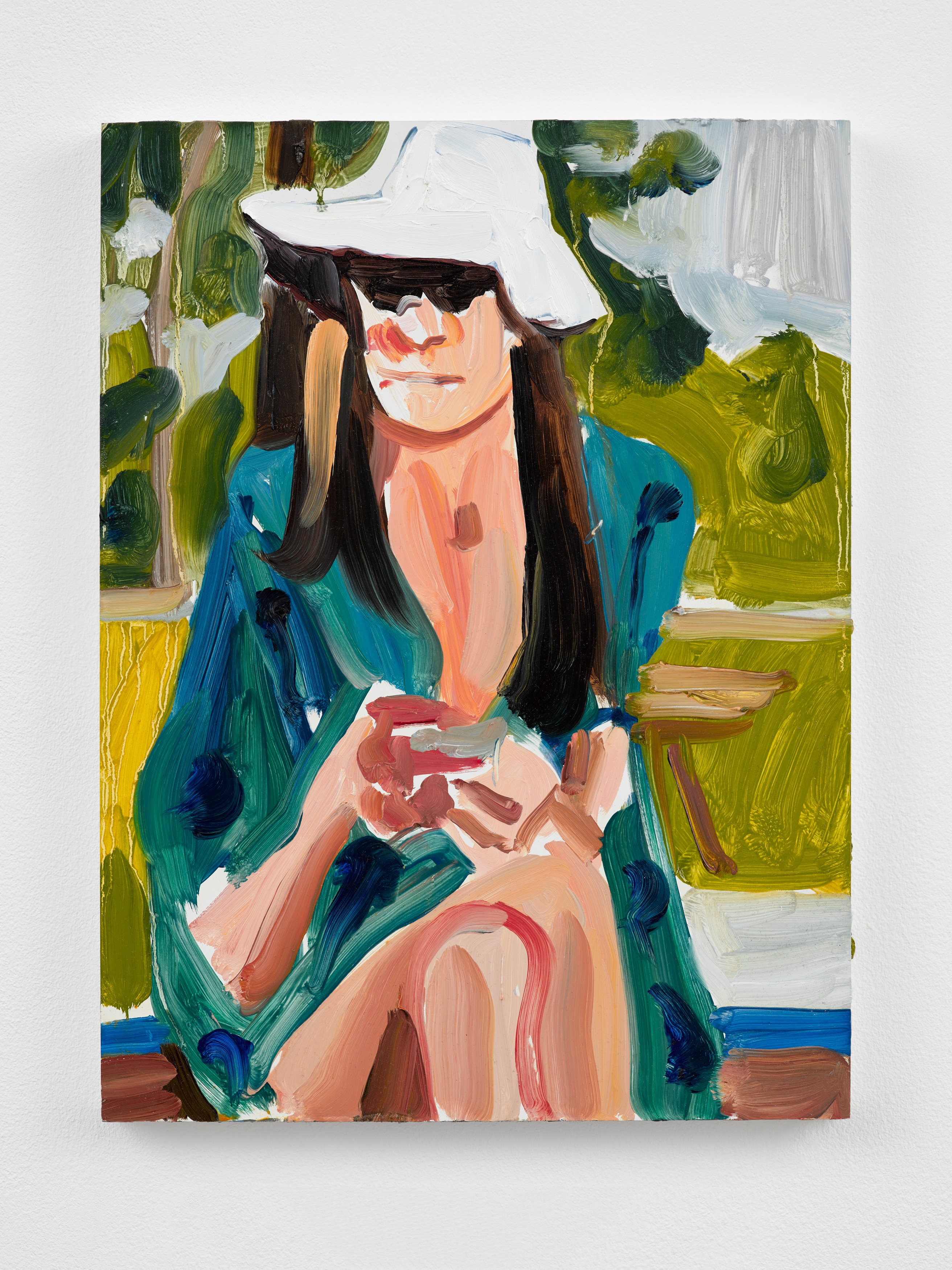
Alison in a White Hat, 2019

Painting by Chantal Joffe

尚塔爾‧約菲

Gemma (The Snail), 2018

Wall work by Billie Zangewa

比利‧桑格瓦

Sea of Love, 2022

Wall work by Billie Zangewa

比利‧桑格瓦

Under African Skies, 2023

Photograph by Catherine Opie

嘉芙蓮·奥比

Gina & April, Minneapolis, 1998

Photograph by Catherine Opie

嘉芙蓮·奥比

Jewelle & Diane, San Francisco, California, 1998

Photograph by Catherine Opie

嘉芙蓮·奥比

Kristopher & Clara, Tulsa, Oklahoma, 1998

Exhibition Artists

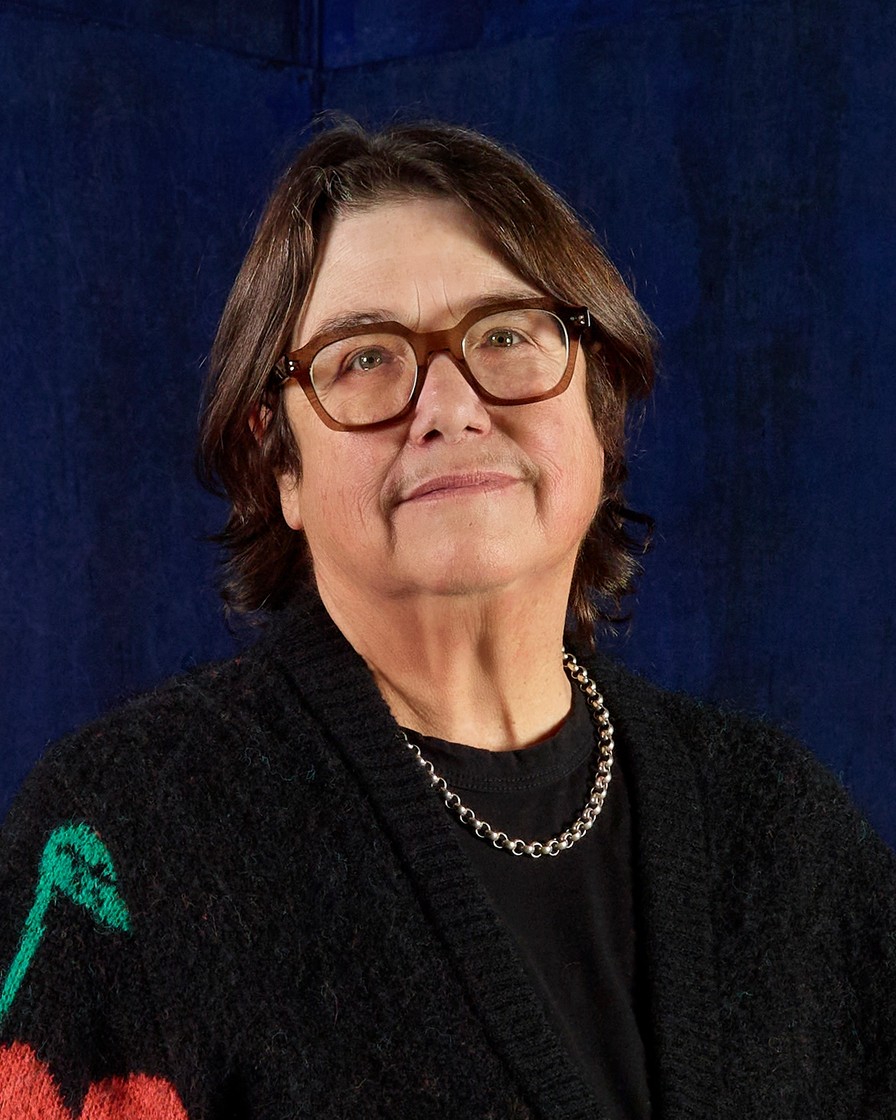
Portrait of Catherine Opie

嘉芙蓮·奧比(1961年生於美國桑達斯基,現居於美國洛杉磯)以充滿活力的彩色攝影著名,她考究美國生活的各個層面,從個人的身份、亞文化、社區、城市以至壯麗的自然。九十年代,奧比展出「Being and Having」人像攝影系列使她受到關注。「Being and Having」系列她拍攝身邊圈子的男同性戀者、女同性戀者、跨性別人士和藝術家。奧比遊歷多個國家去探索美國群體和地貌的多元性,記錄典型美國個體 - 高中足球運動員和2008年總統就職典禮 - 透過人像攝影繼續展示美國亞文化。就像充滿戲劇性的舞台表演,奧比在親密攝影作品中展示了易服人士、同性伴侶、紋身、疤痕和穿孔的身體,喚起傳統文藝覆興時期的人像創作 - 權力和尊重。在她的人像攝影中,奧比建立了一種模糊性 - 身份和地點 - 誇大男性或女性特征,或是誇大鏡頭的距離、裁剪或模糊景觀。

奧比於1985年美國三藩市藝術學院獲得學士學位,並於1988年於美國加州藝術學院獲得碩士學位。奧比曾經舉辦多個個人展覽,包括包括美國洛杉磯馬爾恰諾藝術基金會(2019年)、立木畫廊紐約(2018年)、美國新澤西州普林斯頓大學建築學院(2018年)、挪威奧斯陸海涅昂斯塔德藝術中心(2017年)、美國諾瓦東南大學藝術博物館(2017年)、美國洛杉磯縣藝術博物館(2016年)、美國洛杉磯當代藝術博物館(太平洋設計中心)(2016年)、美國洛杉磯哈默博物館(2016年)、美國哥倫布衛克斯那藝術中心(2015年)、 美國長灘藝術博物館(2012年)、美國紐約蘇格拉底雕塑公園(2012年)、美國波士頓當代藝術學院(2011年)、波蘭藝術博物館(2010年)、美國紐約所羅門古根漢博物館(2008年)、美國芝加哥當代藝術博物館(2006年)、美國沃克藝術中心(2002年),以及美國聖路易斯藝術博物館(2000年)。奧比的作品亦可見於多個群展,包括英國倫敦海沃德畫廊的「Kiss My Geners」(2019年)、美國紐約所羅門·R·古根漢美術館的「Implicit Tensions: Mapplethorpe Now」(2019年)、美國芝加哥當代藝術館的「West by Midwest」(2019年)、美國波士頓美術博物館的「Ansel Adams in Our Time」(2018年)、美國洛杉磯當代藝術博物館的「Permanent Collection: Catherine Opie and Sterling Ruby」(2017年)、美國洛杉磯蓋蒂中心的「Breaking News」(2016 - 2017年)、美國舊金山當代藝術博物館的「A Slow Succession with Many Interruptions」(2016 -2017年)、美國紐約惠特尼美國藝術館的「Human Interest: Portraits from the Whitney’s Collection」(2016年)、美國紐約布魯克林博物館的「Who Shot Sports: A Photographic History」(2016年)、美國洛杉磯哈默博物館的「Residue: The Persistence of the Real」(2015年)、美國紐約惠特尼美國藝術館的「America Is Hard to See」(2015年)、美國密歇根大學美術館的「Storylines: Contemporary Art at the Guggenheim」(2015年)、美國芝加哥當代藝術博物館的「Unbound: Contemporary Art After Frida Kahlo」(2014年)、美國華盛頓國家婦女藝術博物館「Role Models: Feminine Identity in Contemporary American Photography」(2008年)。奧比的作品可見於多個國際公營和私營收藏,包括美國紐約Albright-Knox藝廊、美國邁阿密藝術博物館、美國紐約所羅門古根漢博物館、以色列耶路撒冷以色列博物館、美國波士頓當代藝術學院、美國紐約惠特尼美術館、美國紐約現代藝術博物館、美國洛杉磯哈默博物館、倫敦泰特現代美術館。
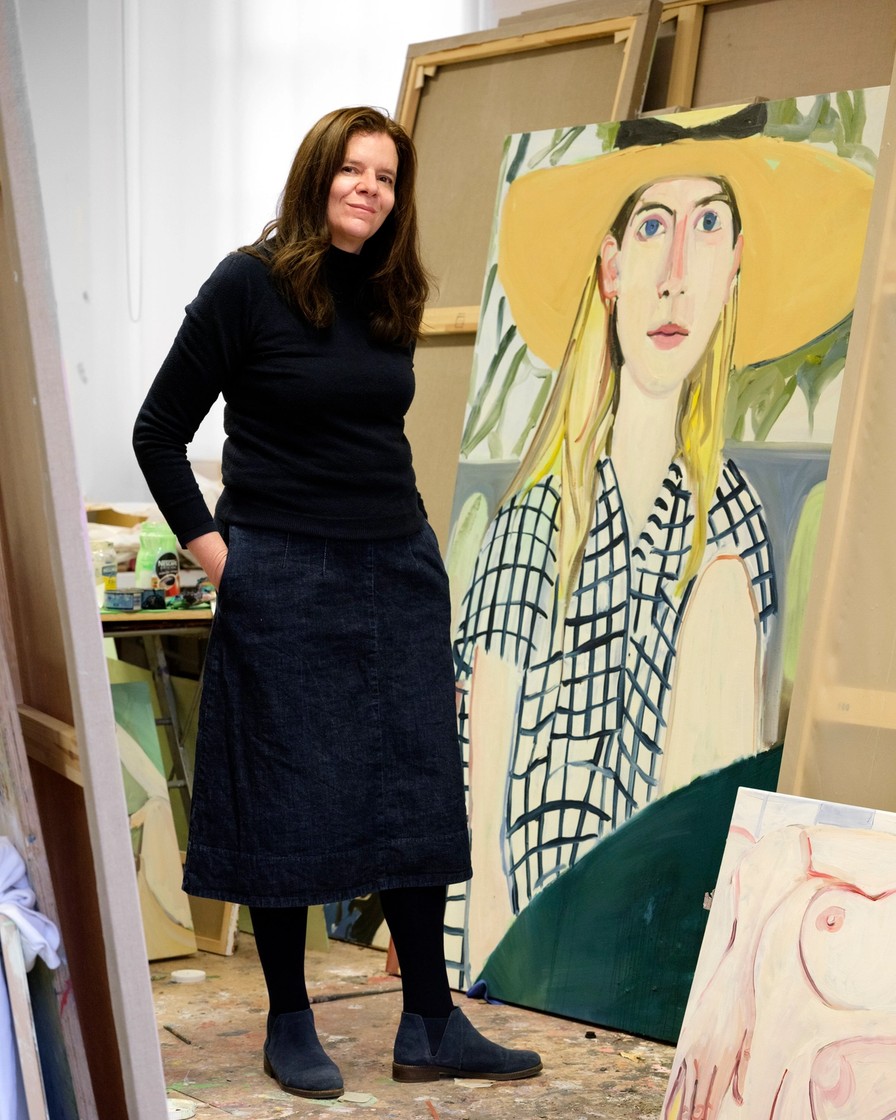
Portrait of Chantal Joffe

Chantal Joffe (b. 1969, St. Albans City, VT; lives and works in London, United Kingdom) creates figurative paintings that address themes of portraiture, motherhood, the passage of time, and art’s relationship to history. Committed to the genre of figurative art, Joffe brings a combination of insight and integrity, as well as psychological and emotional force to her subjects. Almost always depicting women or girls, sometimes in groups, Joffe’s paintings loosely adhere to their source―be it a photograph, magazine page, or reflection in the mirror―reminding us that distortions of scale and form can often make a subject seem more lifelike. Joffe’s paintings alert us to how appearances are carefully constructed and codified, whether in a fashion magazine or the family album, and to the choreography of display. She offers insightful neutrality in her paintings and gives equal billing to catwalk models, porn actresses, mothers and children, loved ones, and literary heroines. Joffe’s choice of subject invites us to question our assumptions about what makes a noble portrait and challenges our expectations of what feminist art might be.

For Joffe, sensuality, self-disclosure, self-consciousness, and intimacy are brought together to heighten already complex narratives about human connection, perception, and representation. These narratives, implicit in the relationship between any artist and subject, are extended to the viewer as propositions and provocations. Whether in paintings a few inches square or ten feet high, Joffe's deceptively casual brushstrokes and ability to combine gesture with a pragmatic approach to representation simultaneously seduces and disarms. Often laying bare the physicality of their making and suffused with a palpable empathetic warmth, Joffe’s paintings offer an insightful examination into ever-shifting human connections and the endless intricacies of looking.

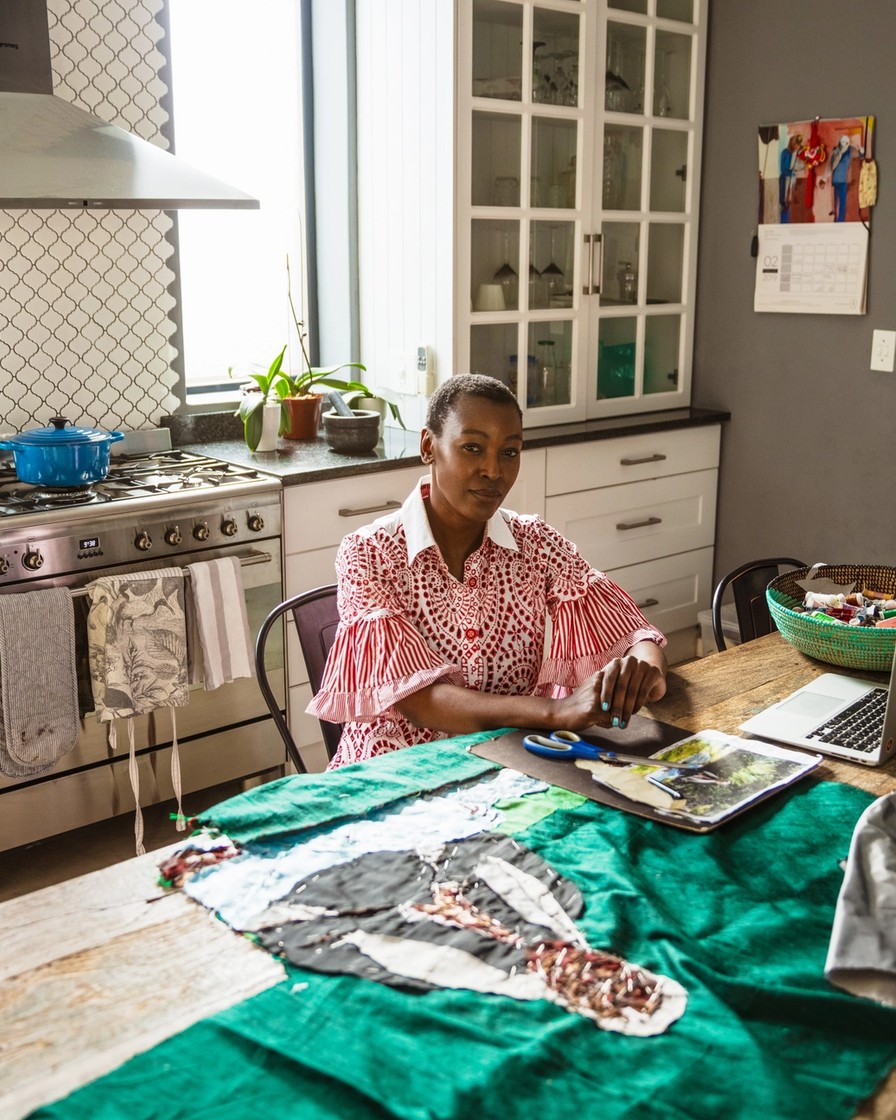
Portrait of Billie Zangewa

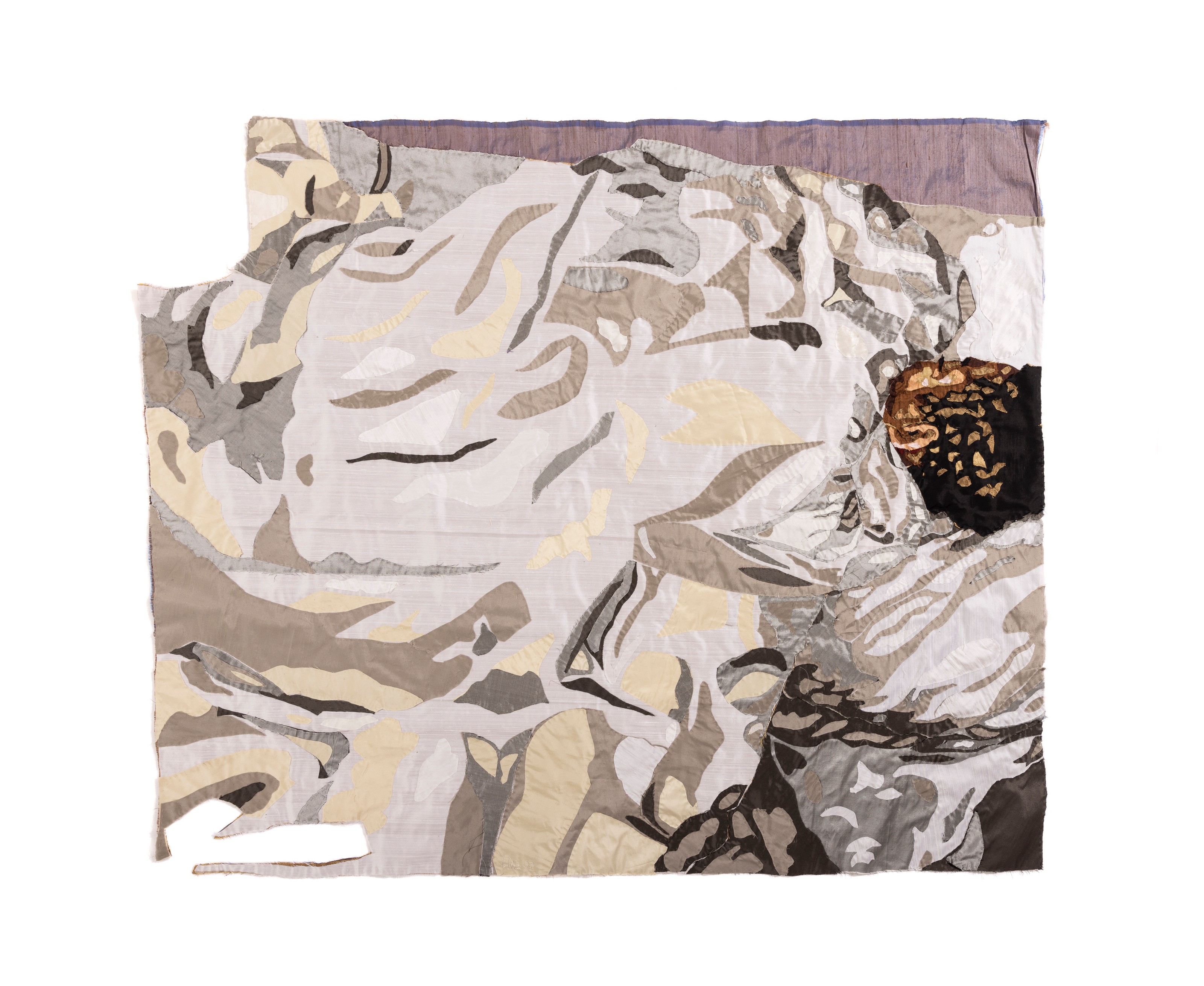
Billie Zangewa (b. 1973, Blantyre, Malawi; lives and works in Johannesburg, South Africa) creates intricate collages composed of hand-stitched fragments of raw silk. These figurative compositions explore contemporary intersectional identity in an attempt to challenge the historical stereotype, objectification, and exploitation of the black female form. Beginning her career in the fashion and advertising industries, Zangewa employs her understanding of textiles to portray personal and universal experiences through domestic interiors, urban landscapes, and portraiture. Her earliest works were embroideries on found fabrics depicting remembered botanical scenes and animals from Botswana, where the artist was raised, but she soon transitioned to creating cityscapes, focusing on her experience as a woman in the city of Johannesburg and her personal relationships. These works explored her experience of the male gaze, leading her to begin to think more critically about how women view themselves and what the visualization of the female gaze, through self-portraiture, could look like.

After the birth of her son, Zangewa began making her well-known domestic interiors to explore the shift in focus from self-examination and femininity to motherhood and the home. Often referencing scenes or experiences from everyday life, Zangewa has stated that she is interested in depicting the work done by women that keeps society running smoothly, but which is often overlooked, undervalued, or ignored. Zangewa refers to this as “daily feminism,” which can be considered a contemporary version of “the personal is political.” Through the method of their making and their narrative content, Zangewa’s silk paintings illustrate gendered labor in a socio-political context, where the domestic sphere becomes a pretext for a deeper understanding of the construction of identity, questions around gender stereotypes, and racial prejudice.