본문으로 건너뛰기

Multiple Artists

Beyond Material

London

3월 20일–2025년 5월 10일

Detail of wall work by Do Ho Suh

No.9 Cork Street

Mayfair, London W1S 3LL

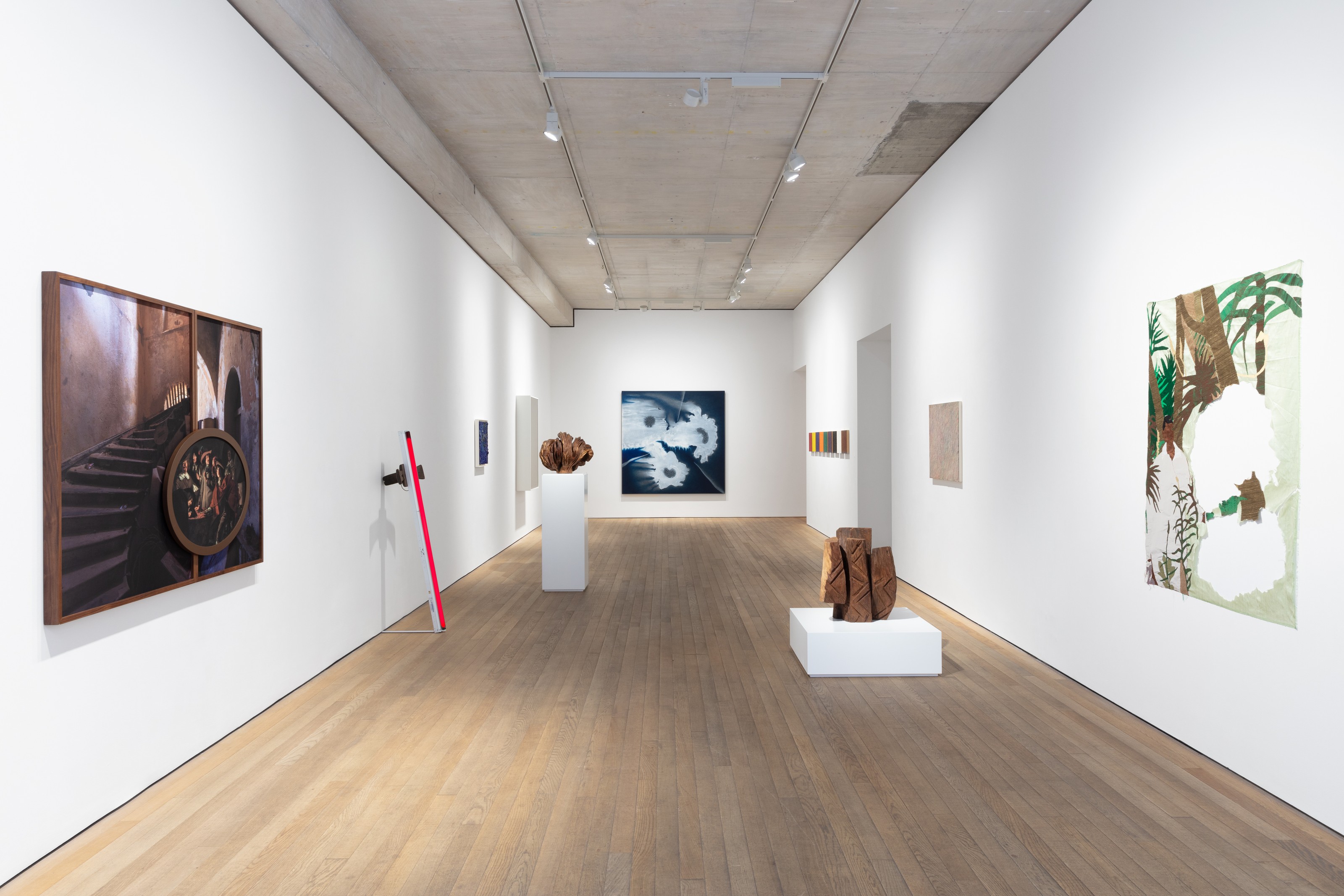
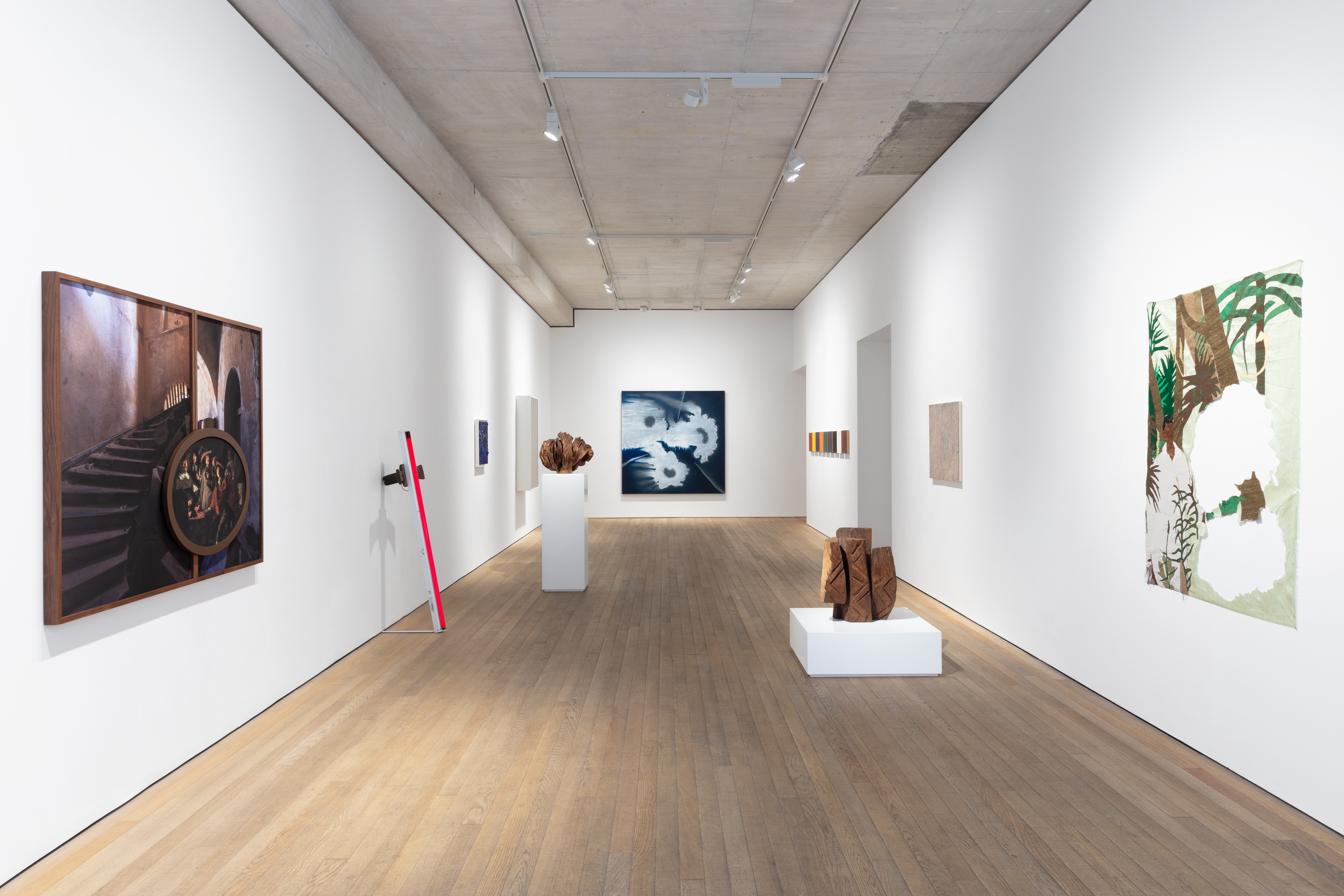
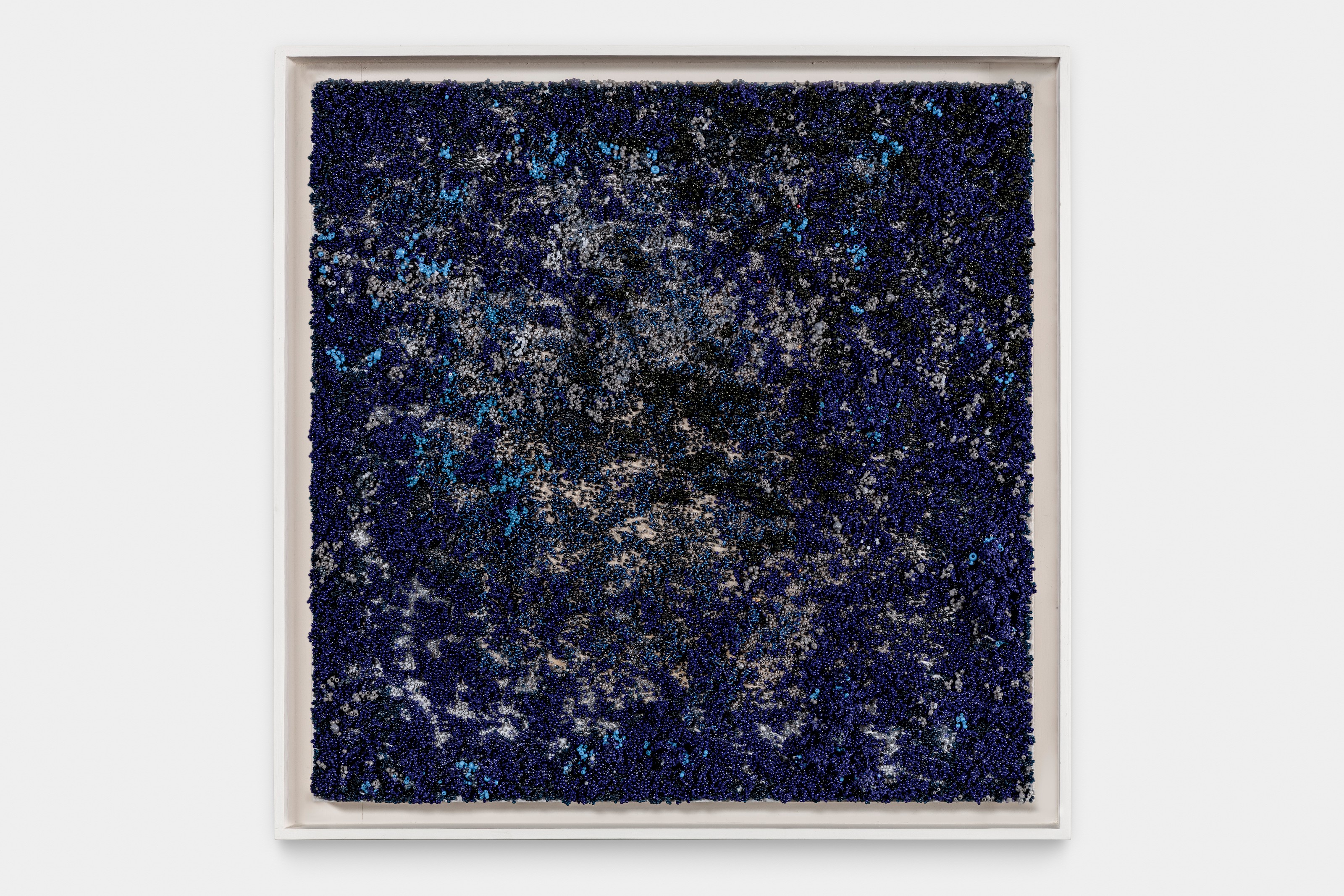
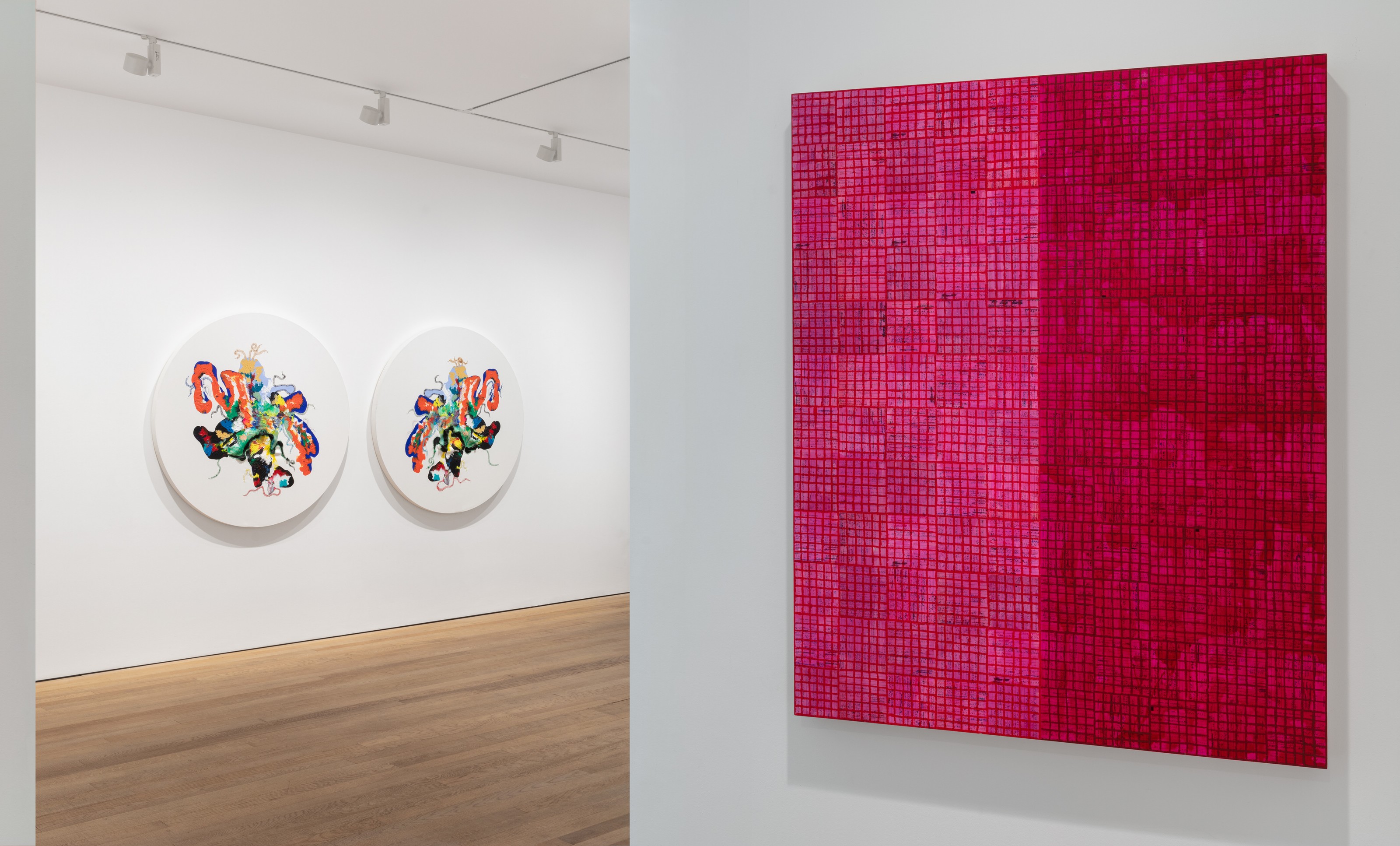
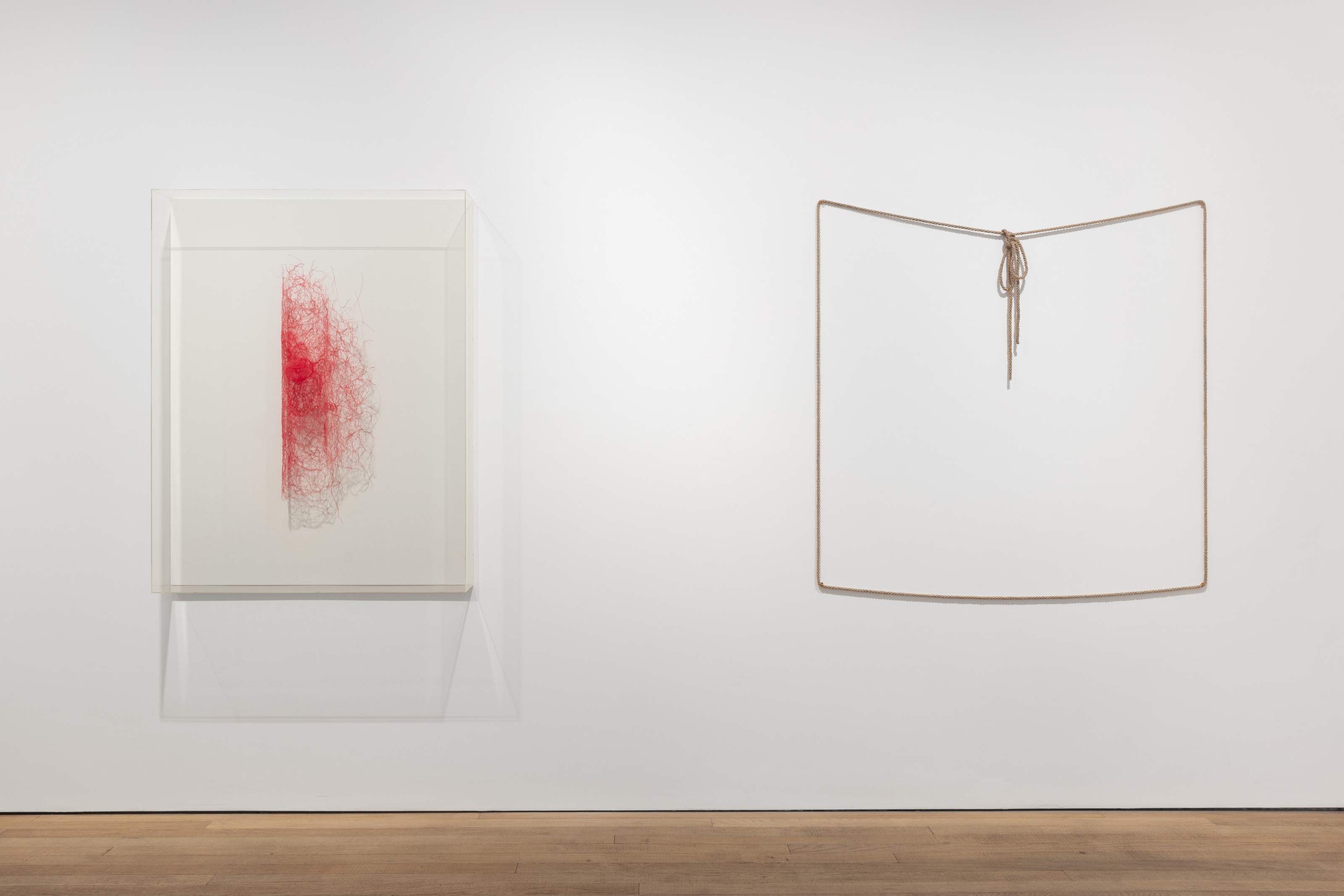
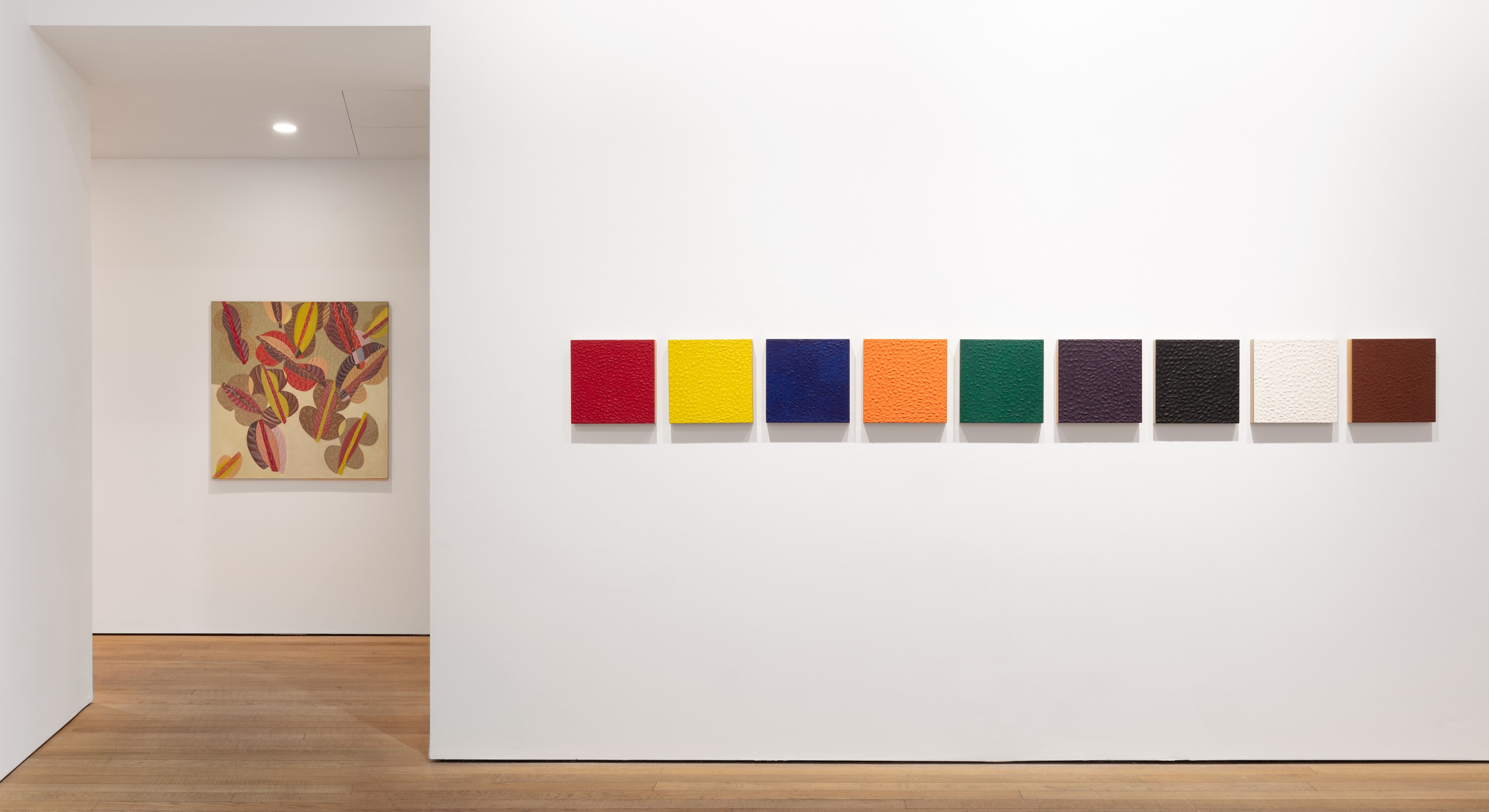
Lehmann Maupin is pleased to present Beyond Material, a group show curated by the gallery’s London-based Partner Isabella Icoz. Beyond Material brings together work from nine artists within the gallery’s program, including Kader Attia, McArthur Binion, Todd Gray, Nicholas Hlobo, Shirazeh Houshiary, Liza Lou, Kim Yun Shin, Do Ho Suh, and Billie Zangewa. The exhibition is centred around the unique approach each of these artists take to material within their practices—from Houshiary’s use of water and aquacryl to create fluid, ethereal forms, to Lou’s decades-long engagement with glass beads as a primary sculptural medium, to Zangewa’s hand-stitched silk collages, which she imbues with a sense of warm domesticity.

Icoz, who was named Partner in October of 2023 after over a decade with the gallery, has played a pivotal role in developing Lehmann Maupin’s presence in Europe and the UK. She has overseen the UK debuts of many of its artists, including most recently Kim Yun Shin and Dominic Chambers. Icoz has previously curated several exhibitions at Lehmann Maupin, including the 2022 exhibition Beneath the Surface and the 2021 exhibition Body Topographies, both in London.

Installation view of Beyond Material at Lehmann Maupin London
Installation Views: 1 / 5
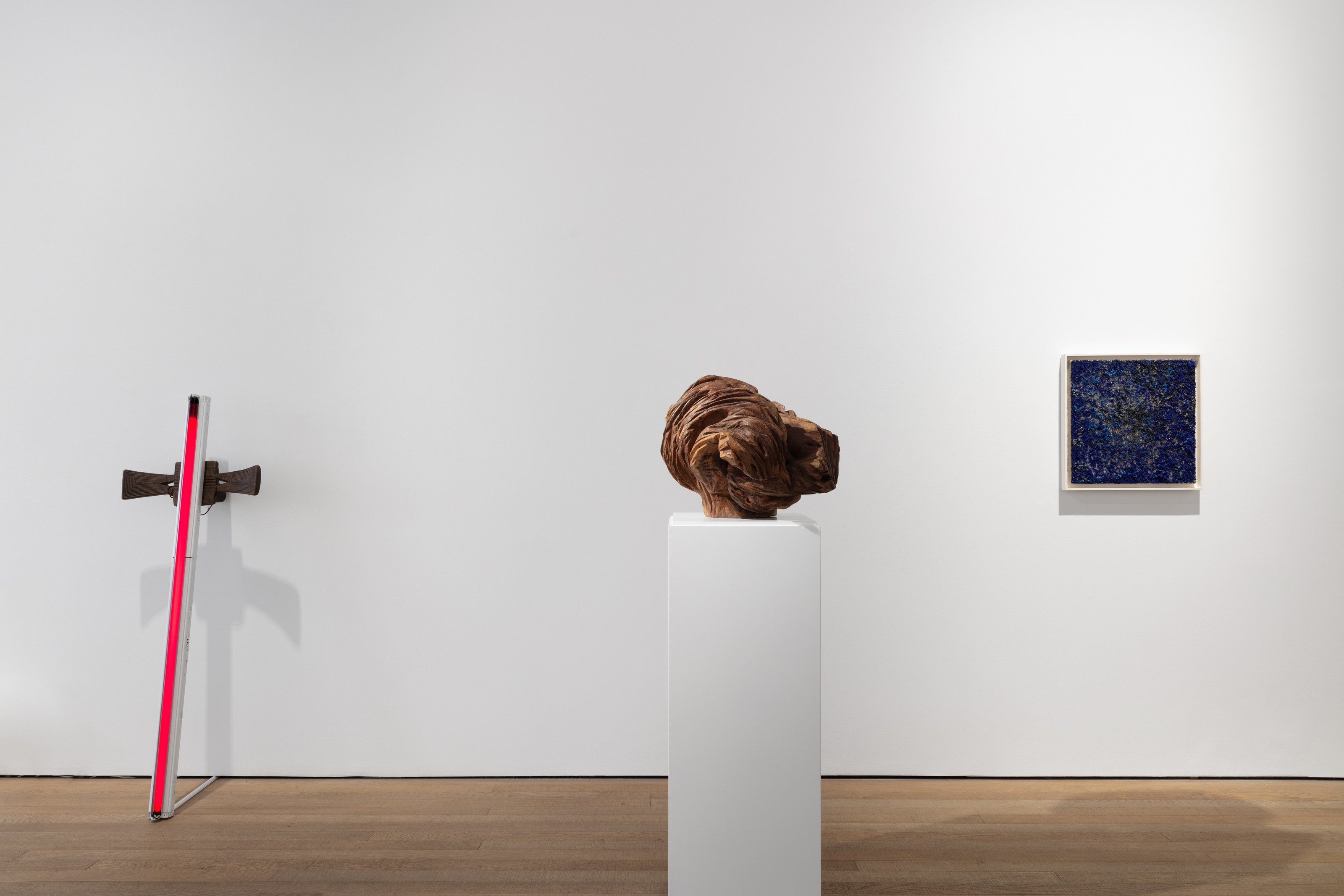
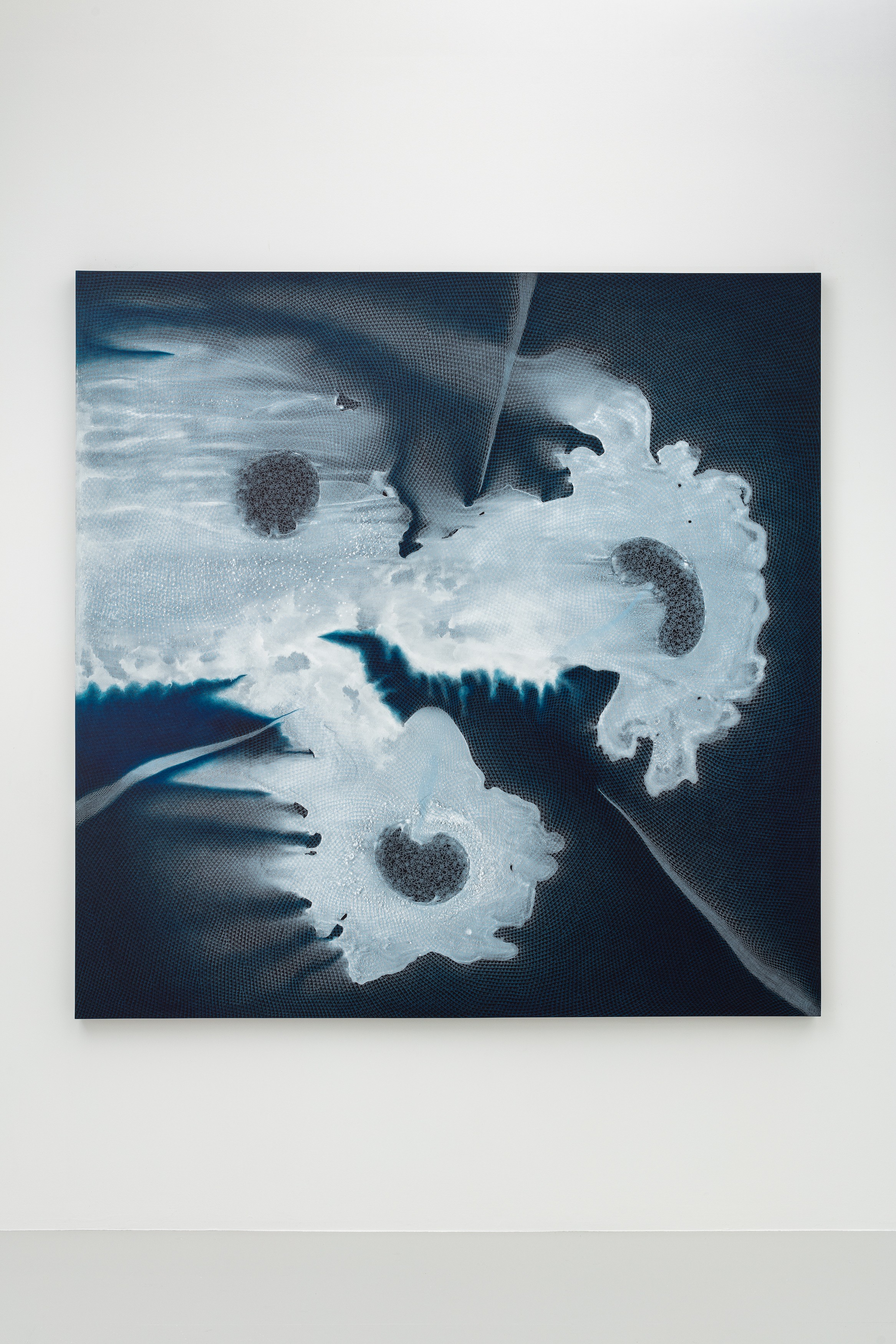
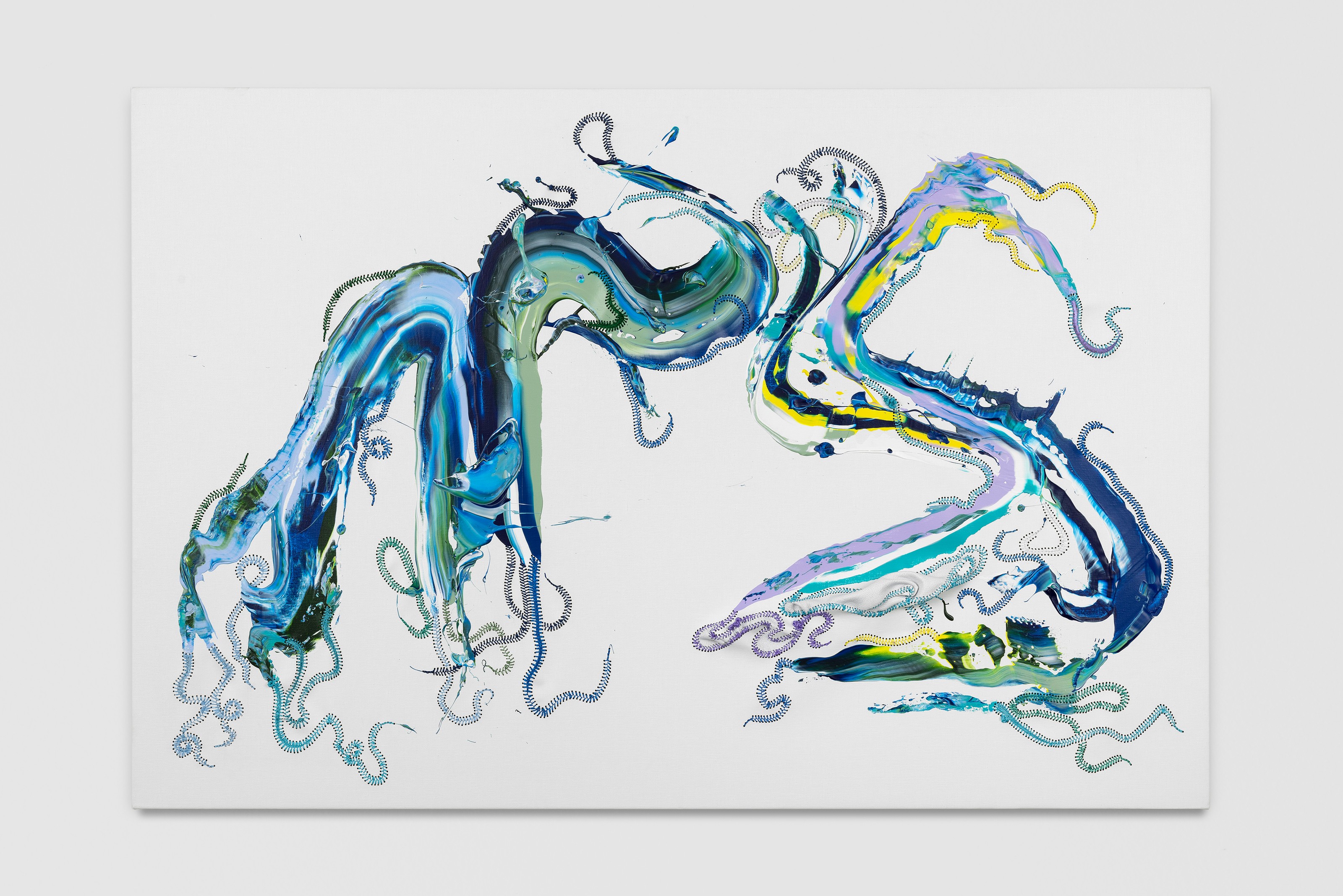
Painting by Shirazeh Houshiary

쉬라제 후쉬아리

Three Moons, 2025

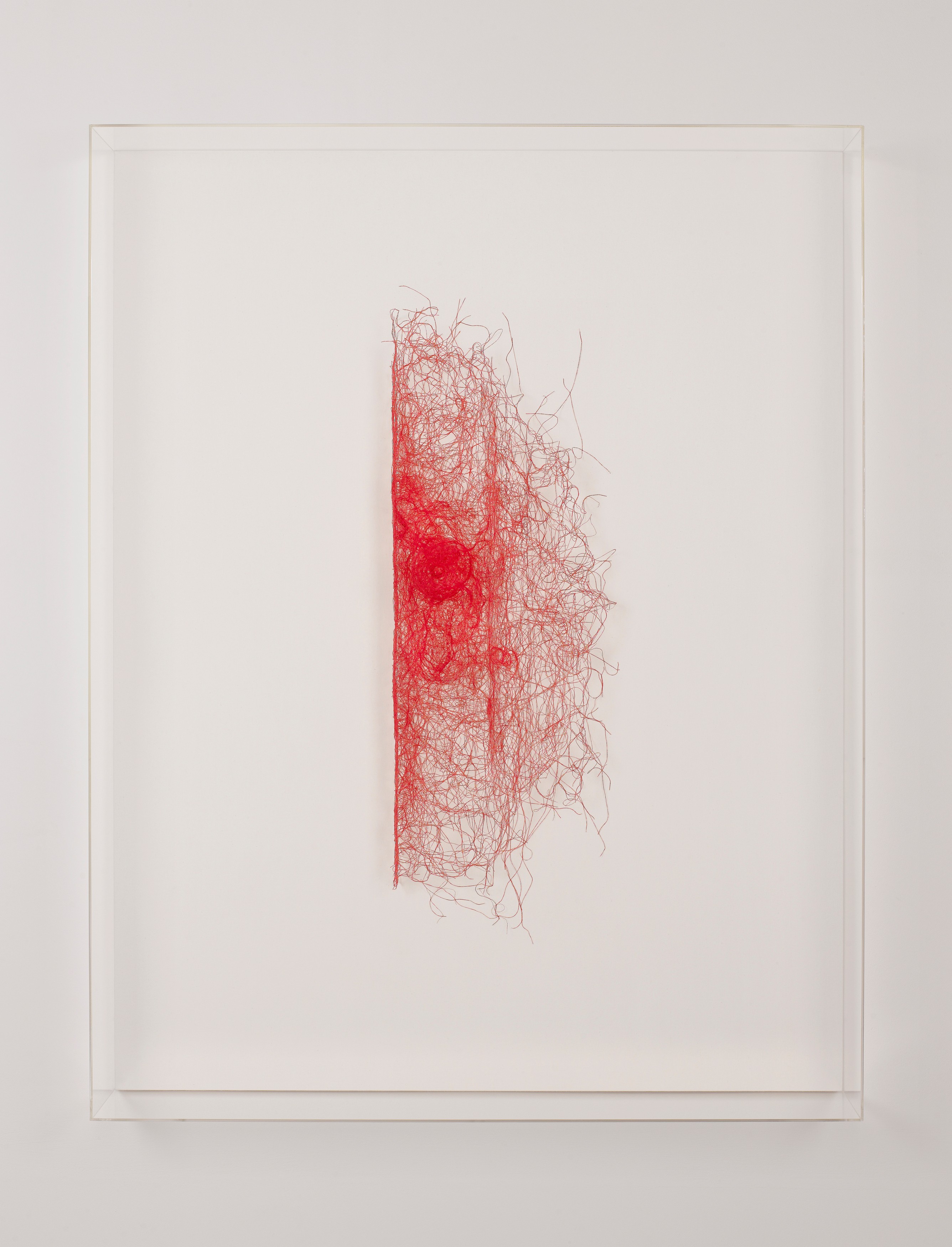
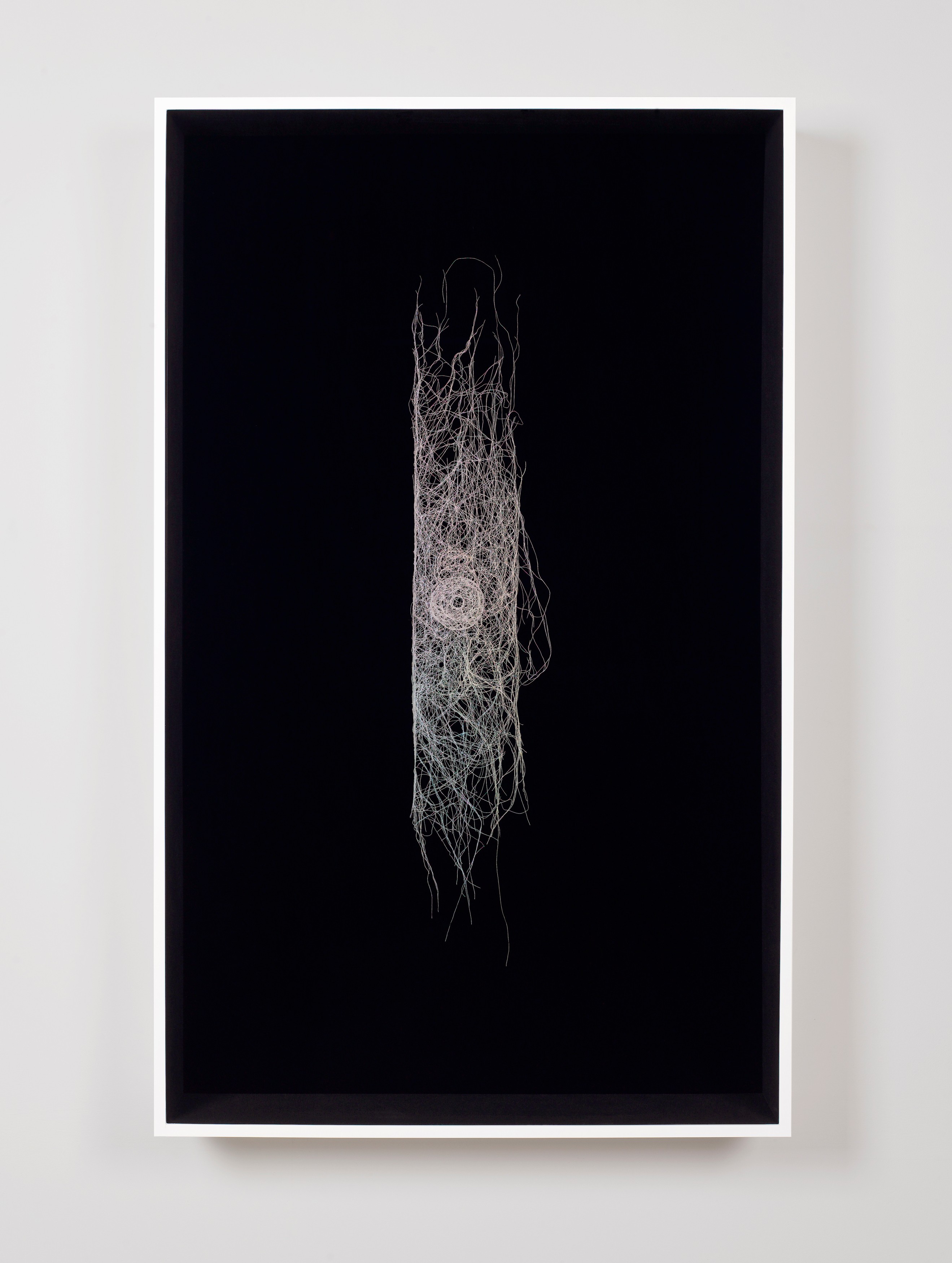
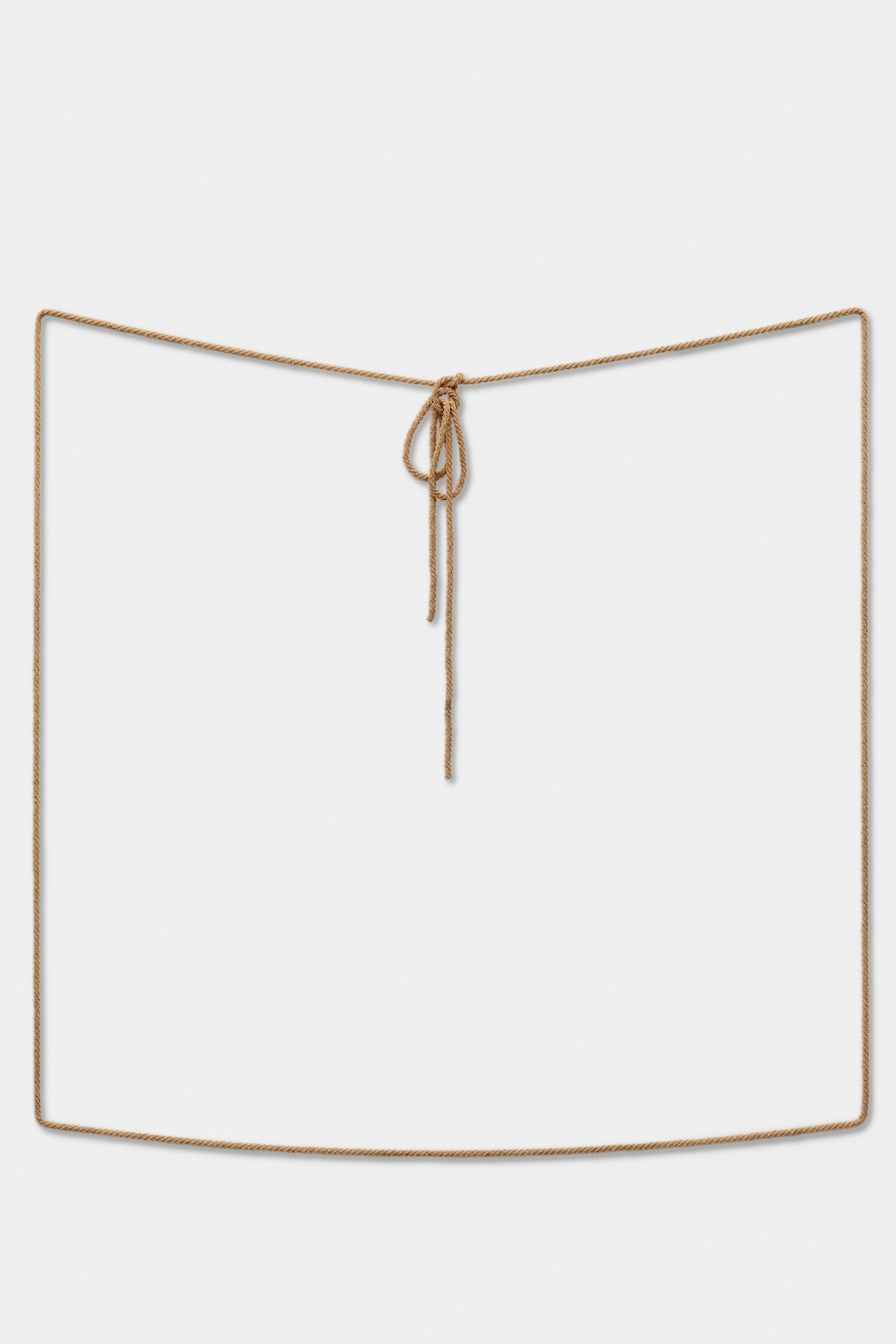
Wall work by Do Ho Suh

서도호

ScaledBehaviour_runOn(doorknob_1.16.3), 2023

Wall work by Do Ho Suh

서도호

ScaledBehaviour_runOn(doorknob_2.4.1), 2023

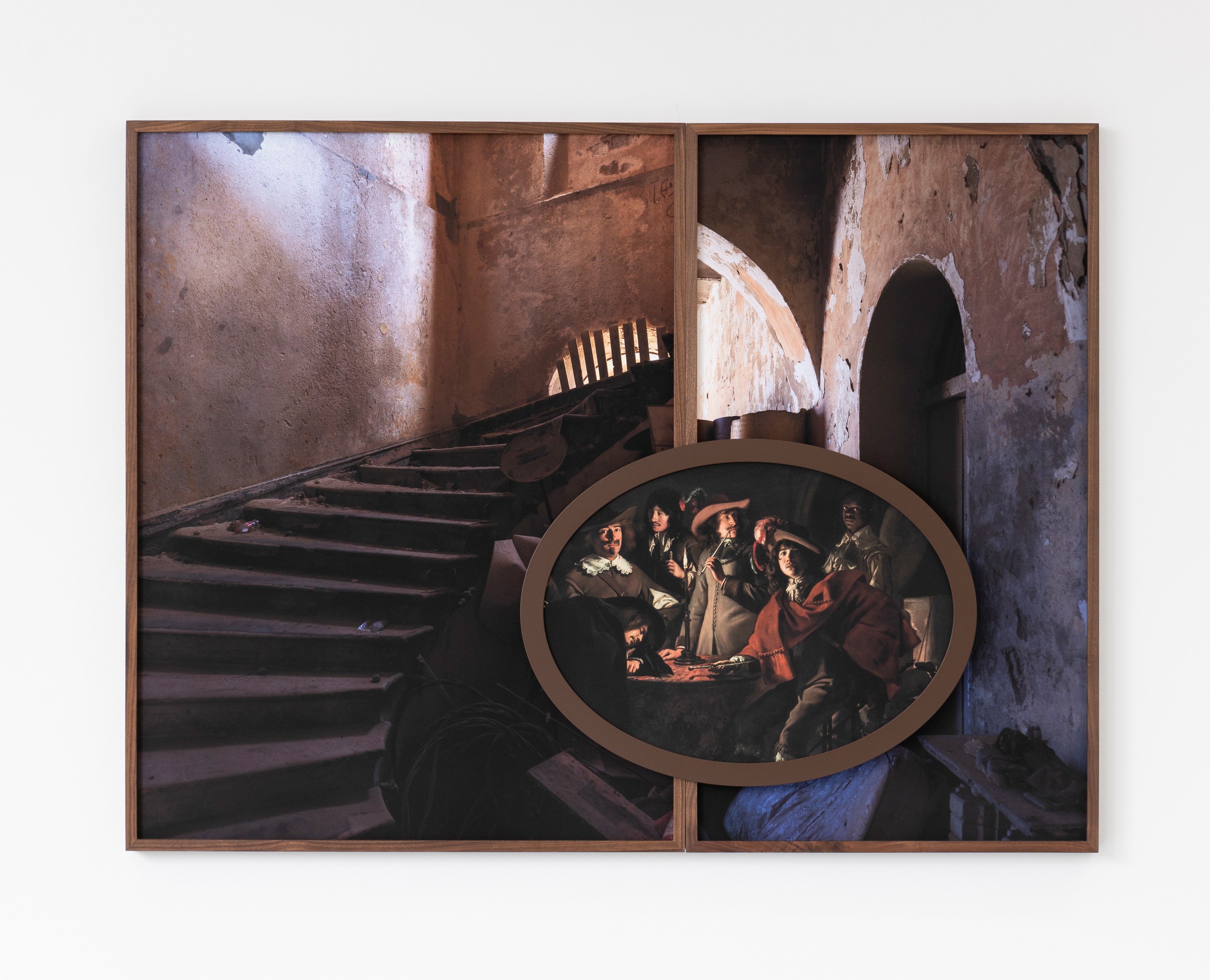
Wall work by Todd Gray

토드 그레이

Time Warp (Gorée, Louvre), 2024

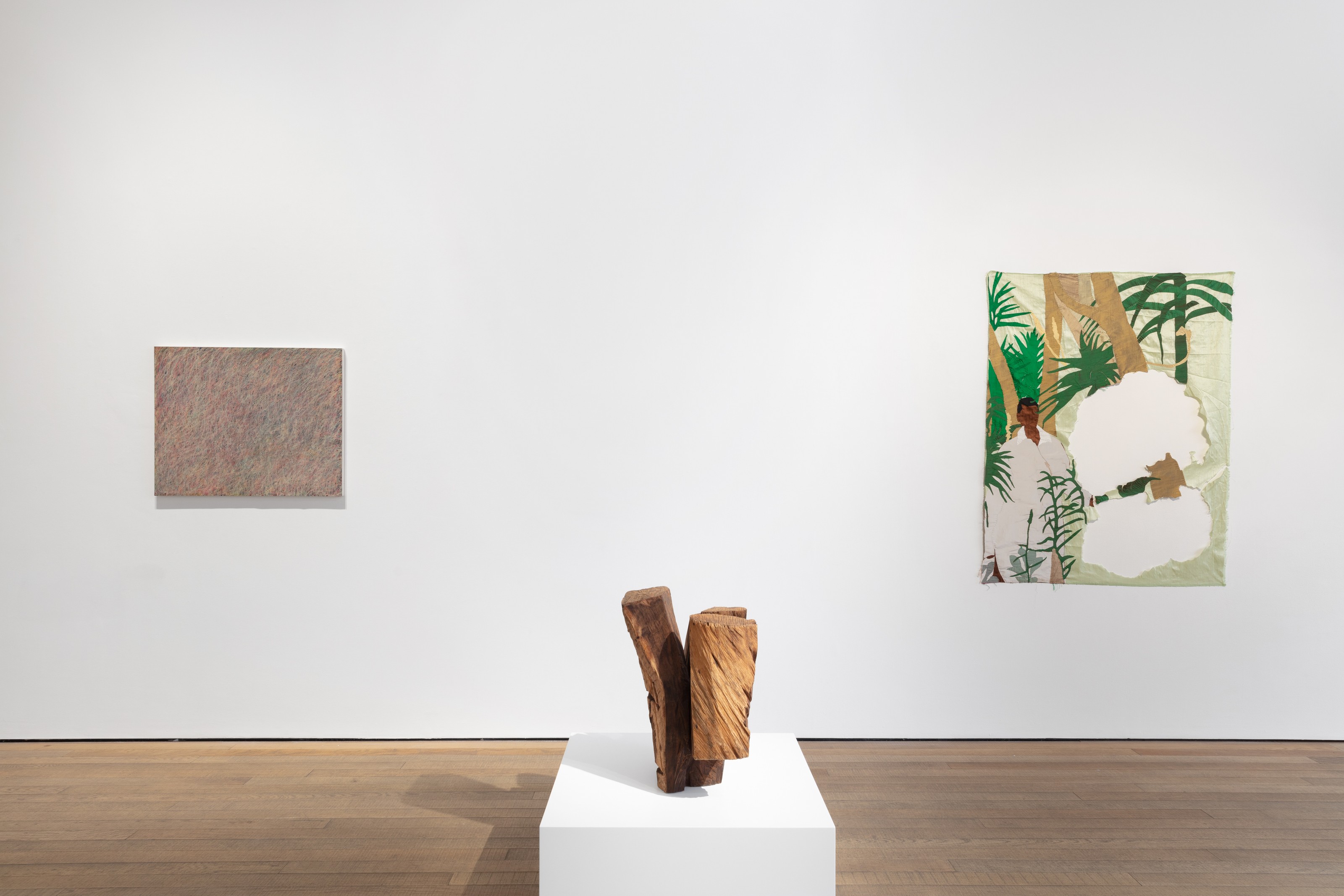
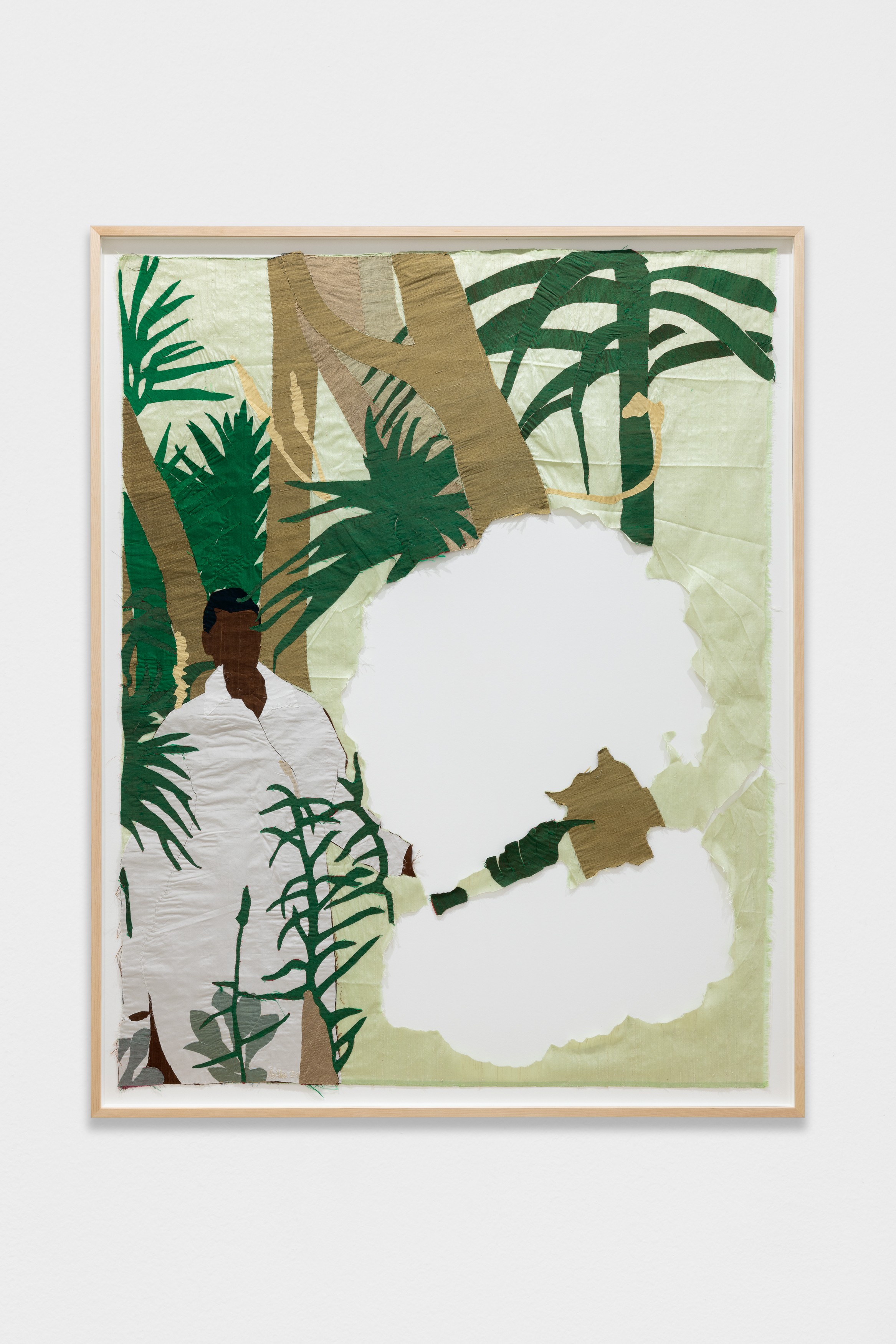
Wall work by Billie Zangewa

빌리 장게와

Splendour in the Plants, 2024

Painting by McArthur Binion

맥아서 비니언

dna:sketch, 2024

Wall work by Liza Lou

라이자 루

Ode, 2024

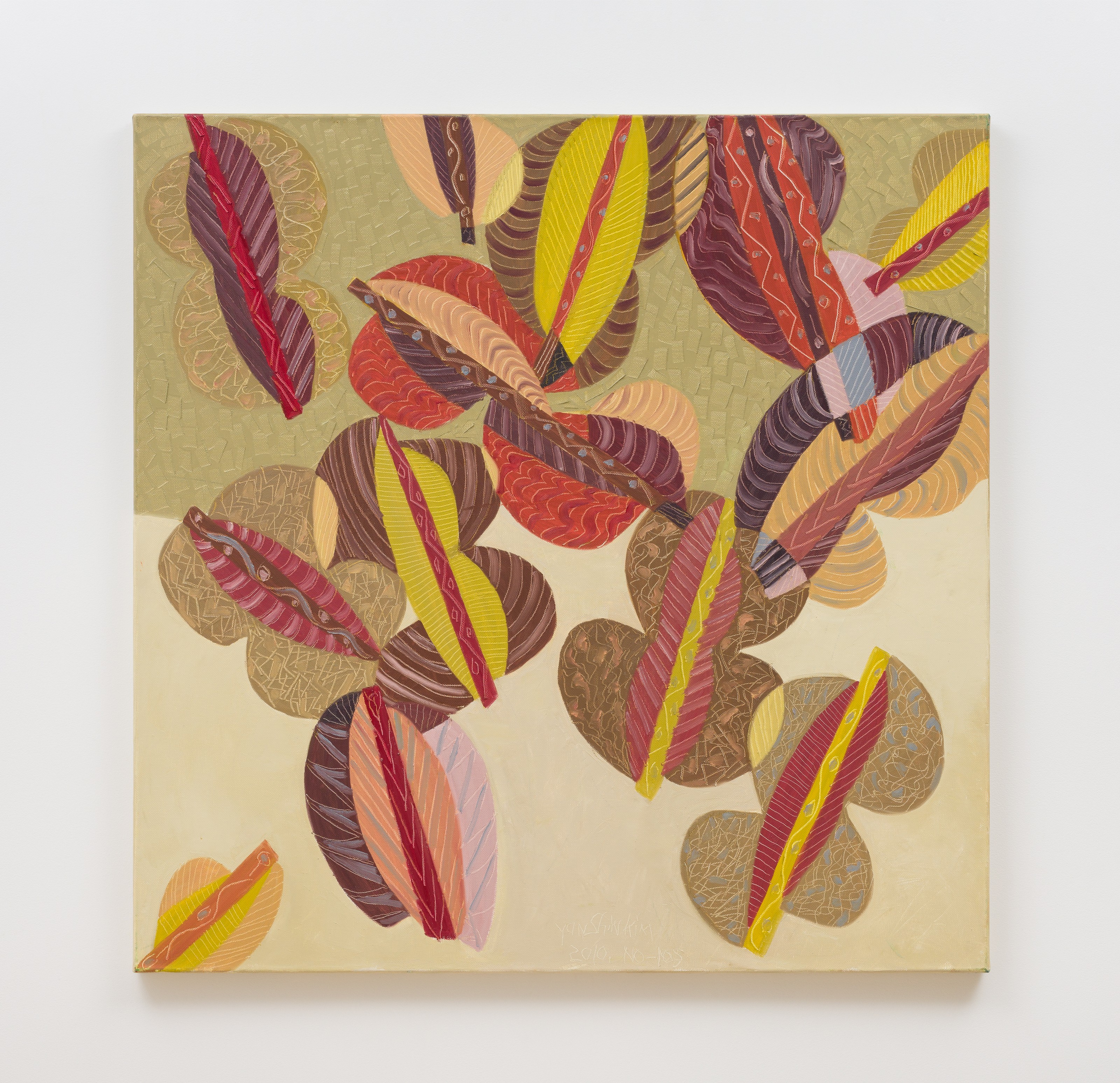
Painting by Kim Yun Shin

김윤신

Song of My Soul 2010-100, 2010

Installation view of Beyond Material at Lehmann Maupin London
Installation Views: 1 / 5
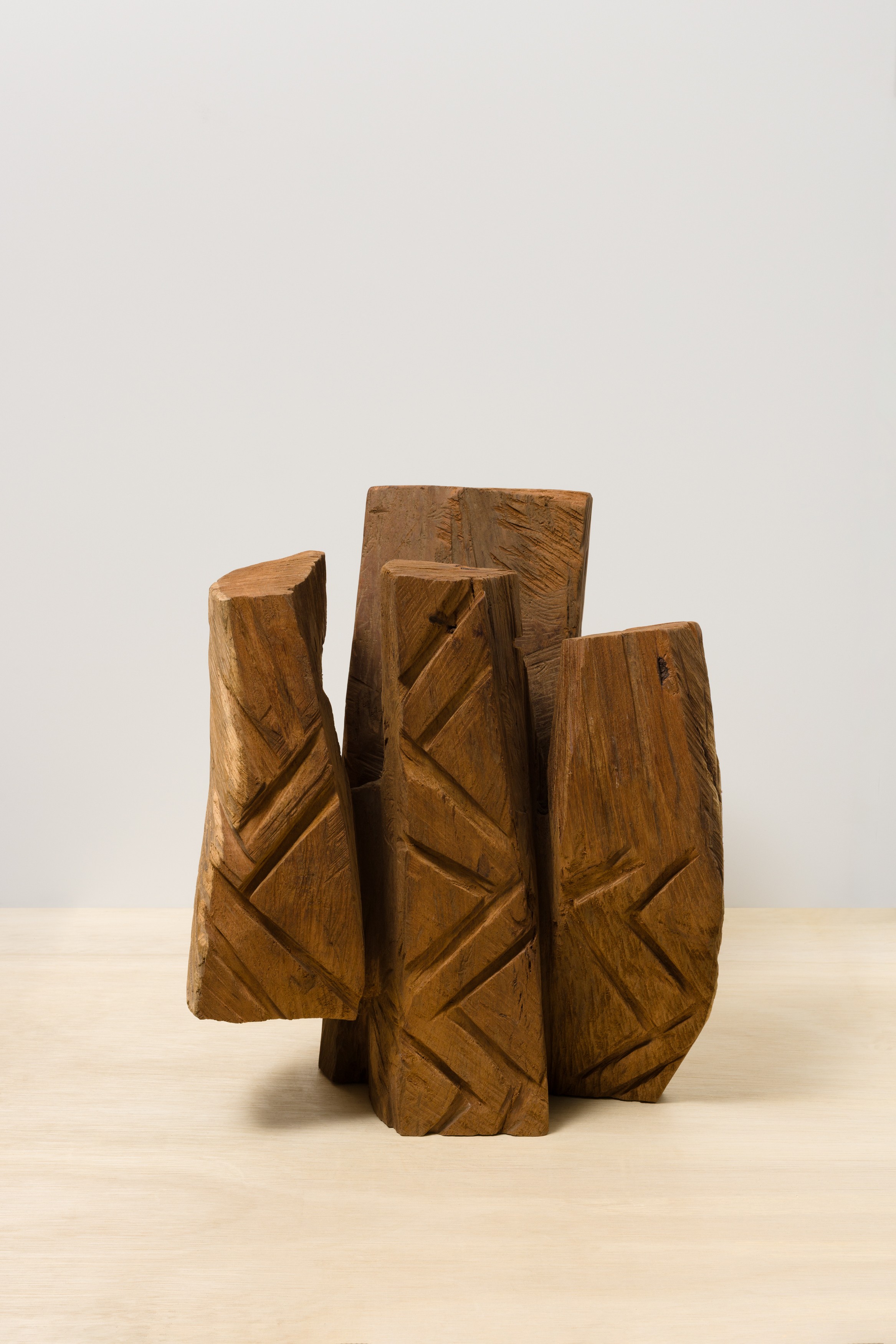
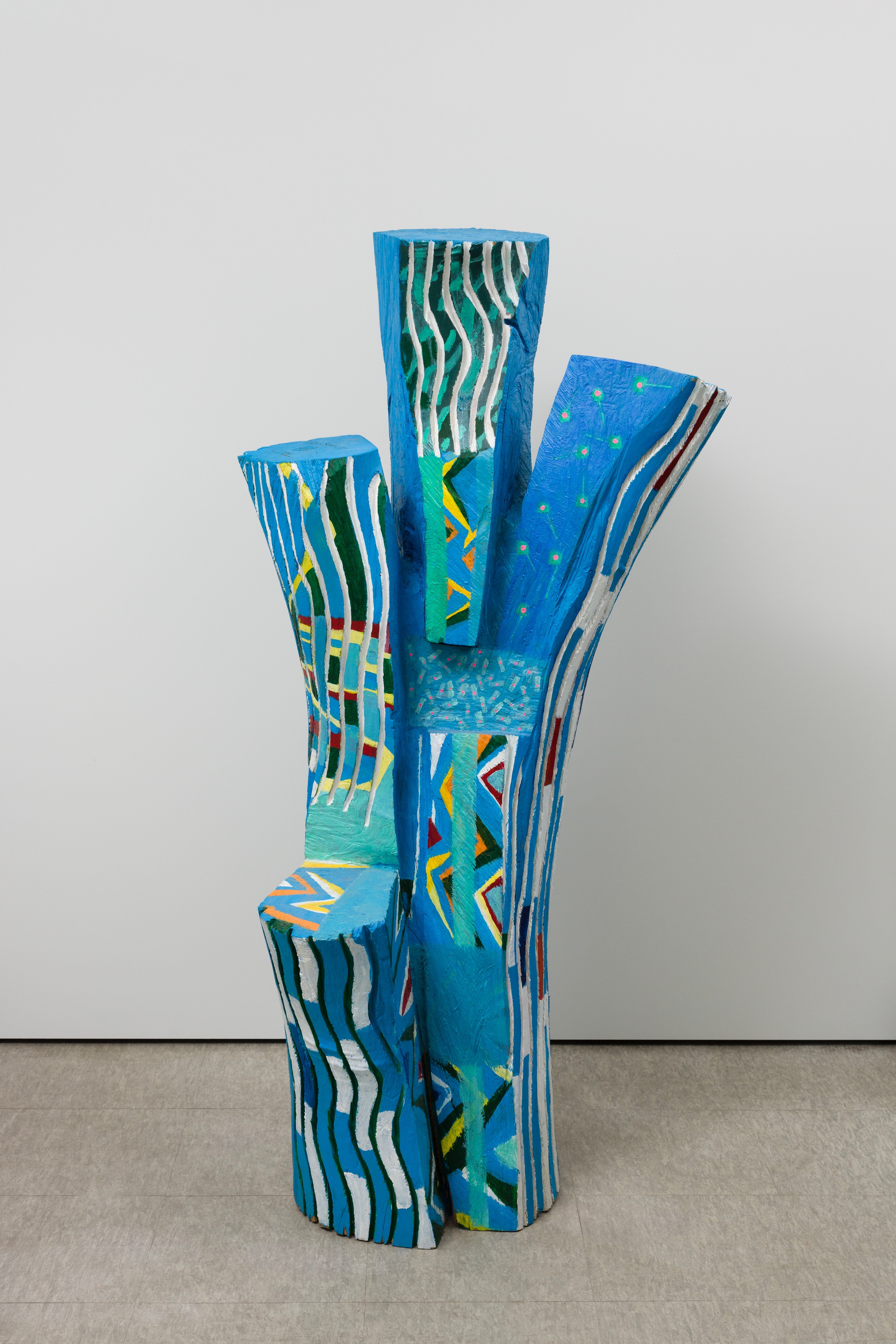
Sculpture by Kim Yun Shin

김윤신

Add Two Add One Divide Two Divide One 2010-132, 2010

Sculpture by Kim Yun Shin

김윤신

Add Two Add One Divide Two Divide One 2001-10, 1998-2001

Sculpture by Kim Yun Shin

김윤신

Add Two Add One, Divide Two Divide One 2022-6b, 2022

Wall work by Liza Lou

라이자 루

The Present, 2008

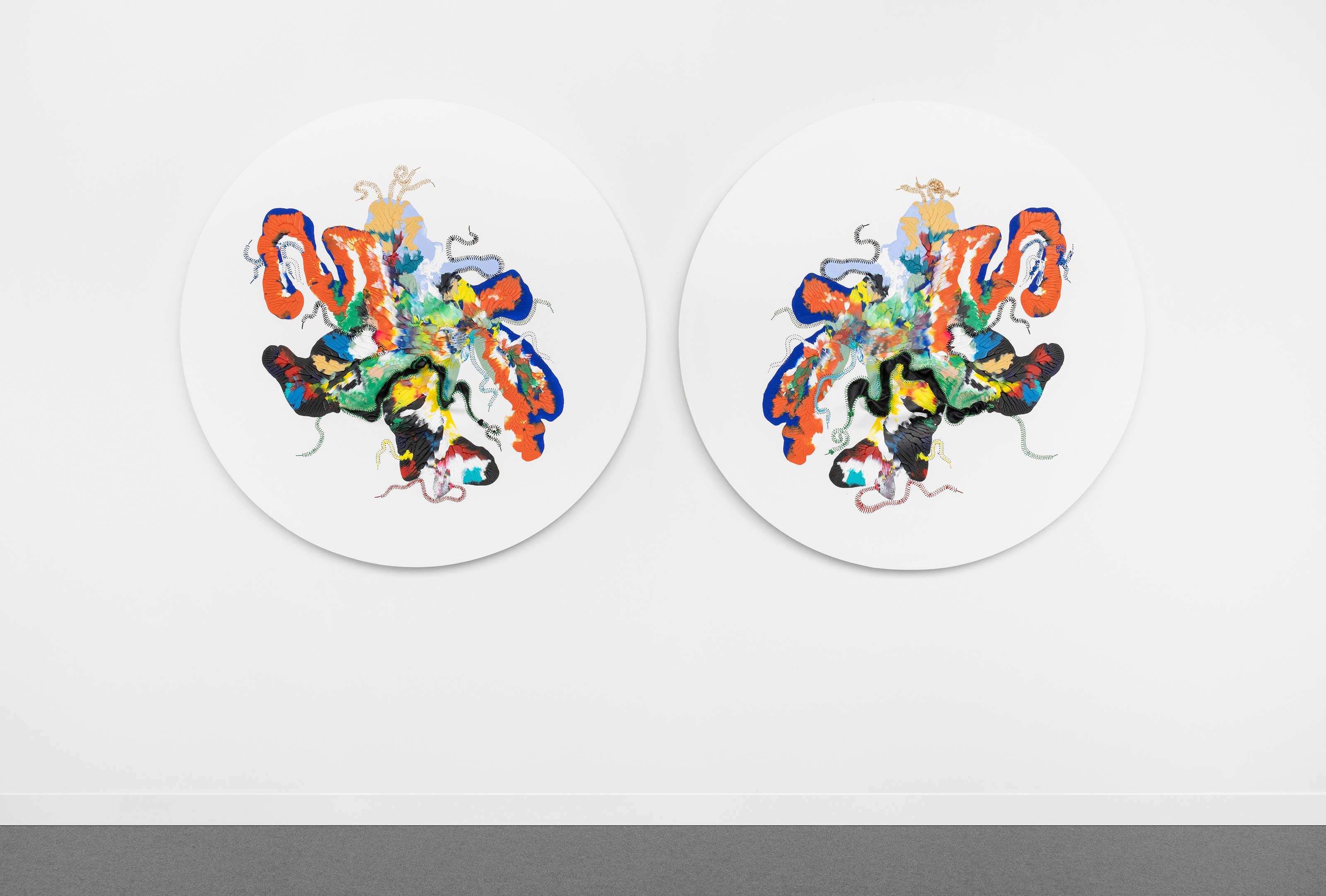
Wall work by Nicholas Hlobo

니콜라스 슬로보

Ilangabi Iamanzi, 2023

Wall work by Nicholas Hlobo

니콜라스 슬로보

Uvathel'umsitho, 2023

Exhibition Artists

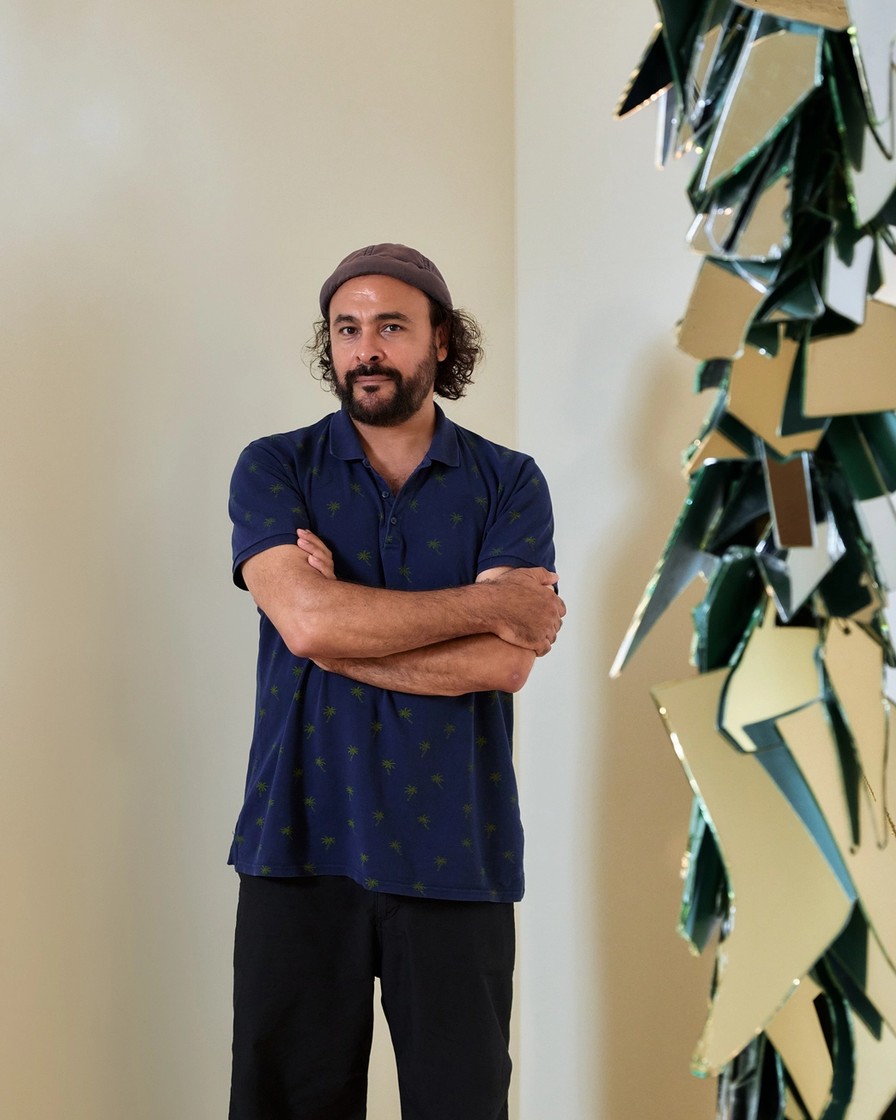
Portrait of Kader Attia

카데르 아티아(1970년 프랑스 두니 출생)는 알제리와 파리 교외에서 성장했으며, 현재 베를린과 파리를 오가며 활동하고 있다. 서로 다른 문화 속에서 살아온 경험을 바탕으로 아티아는 전 세계의 사회적, 역사적, 그리고 문화적 차이를 탐구하는 작업 방식을 발전시켜 왔다. 그의 설치와 조각 작품은 서구와 비서구 문화 간의 관계를 시적이면서도 직설적으로 드러낸다. 건축, 인체, 문학, 역사를 아우르는 복합적 탐구를 통해 그는 식민 지배와 갈등의 맥락 속에서 개인과 문화가 어떻게 형성되는지를 보여준다. 작가가 수집한 유물, 그리고 일상 또는 전쟁에서 소비된 물건은 갤러리 공간을 성찰의 장으로 전환하며, 관객으로 하여금 역사에 관한 다층적이고 불완전한 해석을 마주하도록 이끈다. 아티아는 이러한 재전유가 우세와 열세, 전통과 현대, 그리고 낯섦과 익숙함 사이에 놓인 틈을 메울 수 있다고 믿는다.

아티아는 1993년 프랑스 파리 뒤페레 응용예술학교, 1994년 스페인 바르셀로나 마사나 대학, 1998년 프랑스 파리 국립 고등장식예술학교에서 학위를 취득했다. 그의 개인전은 카타르 도하 마타프 아랍 현대 미술관(2021), 네덜란드 위트레흐트 비에이케이(2021), 스위스 취리히 미술관(2020), 브라질 상파울루 세시 폼페이아(2020), 캘리포니아주 버클리 미술관 & 태평양 필름 자료관(2019), 영국 런던 헤이워드 갤러리(2019), 프랑스 발드마른 현대미술관(2018); 스페인 바르셀로나 호안 미로 재단(2018), 캐나다 토론토 파워 플랜트(2018), 뉴햄프셔주 해노버 후드 미술관(2018), 프랑스 파리 팔레 드 도쿄(2018), 호주 시드니 현대미술관(2017), 독일 코블렌츠 루트비히 박물관(2017), 미주리주 세인트루이스 밀드레드 레인 캠퍼 미술관(2017), 벨기에 겐트 시립 현대미술관(2017), 프랑스 파리 퐁피두센터(2016), 독일 프랑크푸르트현대미술관(2016), 스위스 로잔 주립 미술관(2015), 독일 베를린 쿤스트베르케 현대미술 연구소(2013), 영국 런던 화이트채플 갤러리(2013), 프랑스 파리 시립 현대미술관(2012), 매사추세츠주 보스턴 현대미술관(2007), 그리고 프랑스 리옹 현대미술관(2006)에서 개최되었다. 그가 참여한 단체전으로는 독일 베를린 그로피우스-바우의 ⟪YOYI! Care, Repair, Heal⟫(2022), 대한민국 서울의 리움미술관 ⟪Human, 7 Questions⟫(2021), 스페인 빌바오 구겐하임 미술관의 ⟪The Roaring Twenties⟫(2021), 프랑스 파리 께브랑리 미술관의 ⟪Africa Reborn⟫(2021), 스위스 취리히 미술관의 ⟪Smoke and Mirrors: The Roaring Twenties⟫(2020), 독일 베를린 그로피우스-바우의 ⟪Down to Earth⟫(2020), 프랑스 파리 퐁피두센터의 ⟪Global(e) Resistance⟫(2020), 덴마크 오르후스 아로스 미술관의 ⟪Mythologies - The Beginning and End of Civilizations⟫(2020), 프랑스 파리 팔레 드 도쿄의 ⟪Our World is Burning⟫(2020), 아랍에미리트 두바이 자밀아트센터의 ⟪Phantom Limb⟫(2019), 매사추세츠주 보스턴 현대미술관의 ⟪When Home Won’t Let You Stay: Migration Through Contemporary Art⟫(2019~2020, 미네소타주 미니애폴리스 미술관 순회전), 워싱턴 D.C. 필립스 컬렉션의 ⟪When Home Won’t Let You Stay: Migration Through Contemporary Art⟫(2019), 독일 뮌헨 현대미술관의 ⟪The Flow of Forms⟫(2017), 오스트리아 빈 레오폴드 미술관의 ⟪Foreign Gods: Fascination Africa and Oceania⟫(2016), 뉴욕주 뉴욕 구겐하임 미술관의 ⟪But a Storm Is Blowing from Paradise: Contemporary Art of the Middle East and North Africa⟫(2016), 독일 함부르크 다이히토어할렌의 ⟪Picasso in Contemporary Art⟫(2015), 워싱턴 D.C. 국립 아프리카계 미국인 역사 및 문화 박물관의 ⟪The Divine Comedy: Heaven, Purgatory, and Hell Revisited⟫(2014~2015, 조지아 서배너 SCAD 미술관과 독일 프랑크푸르트현대미술관 이동), 뉴욕주 뉴욕 뉴뮤지엄의 ⟪Here and Elsewhere⟫(2014), 뉴욕주 뉴욕 현대미술관의 ⟪Performing Histories⟫(2012), 그리고 영국 런던 테이트 모던의 ⟪Contested Terrains⟫(2011)이 있다.
Portrait of Todd Gray

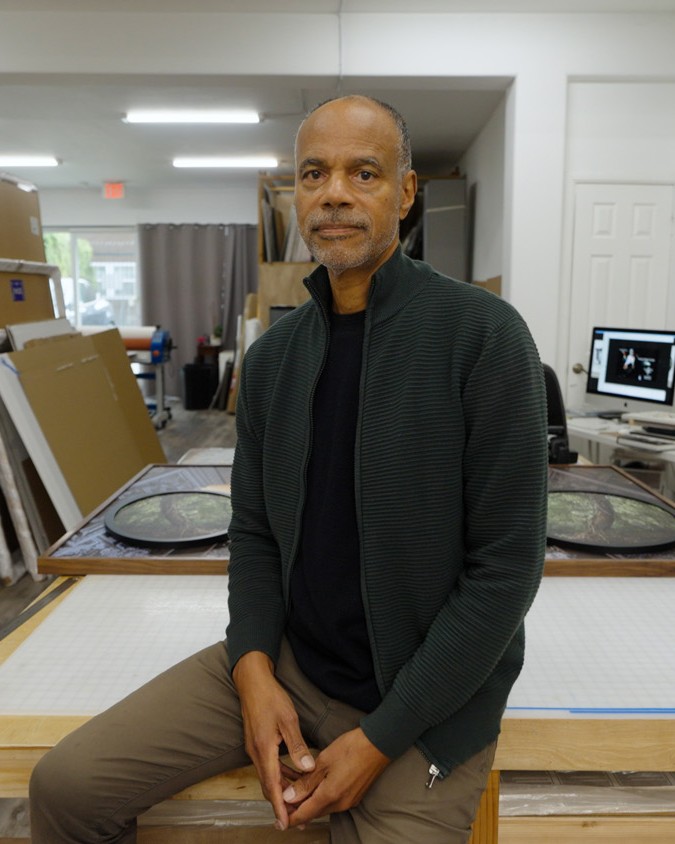
Todd Gray (b. 1954, Los Angeles, CA; lives and works in Los Angeles, CA and Akwidaa, Ghana) is a photo-based artist whose work aims to destabilize assumptions about the veracity of photography and provoke reconsiderations of long-accepted norms and beliefs surrounding the medium, including the role of the viewer in constructing meaning. His lush photo assemblages are composed of images ranging from imperial European gardens, West African landscapes, and architecture, to rock icons and portraits of the artist himself, all carefully arranged to create critical juxtapositions that examine ideas of African diaspora, colonialism, societal power structures, and dominant cultural beliefs. With an eye informed by his four decades as a professional music photographer as well as his B.F.A. and M.F.A. from California Institute of the Arts, Gray’s photo sculptures are infused with a certain subversive beauty, reflecting his strong sense of visual aesthetics.

Gray’s distinctive photo collages range in size from the domestic to the monumental, with his largest to date spanning over 30 feet. The artist utilizes layered frames in his work—from simple wood to ornate, rococo pieces—which are either artist-made or sourced from flea markets and estate sales. Gray stacks these frames on top of one another, deliberately obscuring certain elements of his photographs and striking a delicate balance between revealing and concealing his subject matter. Images are rotated, cropped, and subtly abstracted, even as they remain firmly representational. All of the photographs (with the exception of those from the Hubble telescope) are sourced directly from Gray’s own catalog in a process the artist refers to as “appropriating his own archive.” As the creator of now iconic imagery of cultural figures such as Michael Jackson, Iggy Pop, and the Rolling Stones, the artist navigates an area between the appropriation of the Pictures Generation and Pop Art’s acknowledgement of popular imagery and commerce as drivers of so-called high culture. Across his collages, Gray weaves historical imagery into pictures of the present, reminding us that the realities of our world today are shaped by those of our collective past.

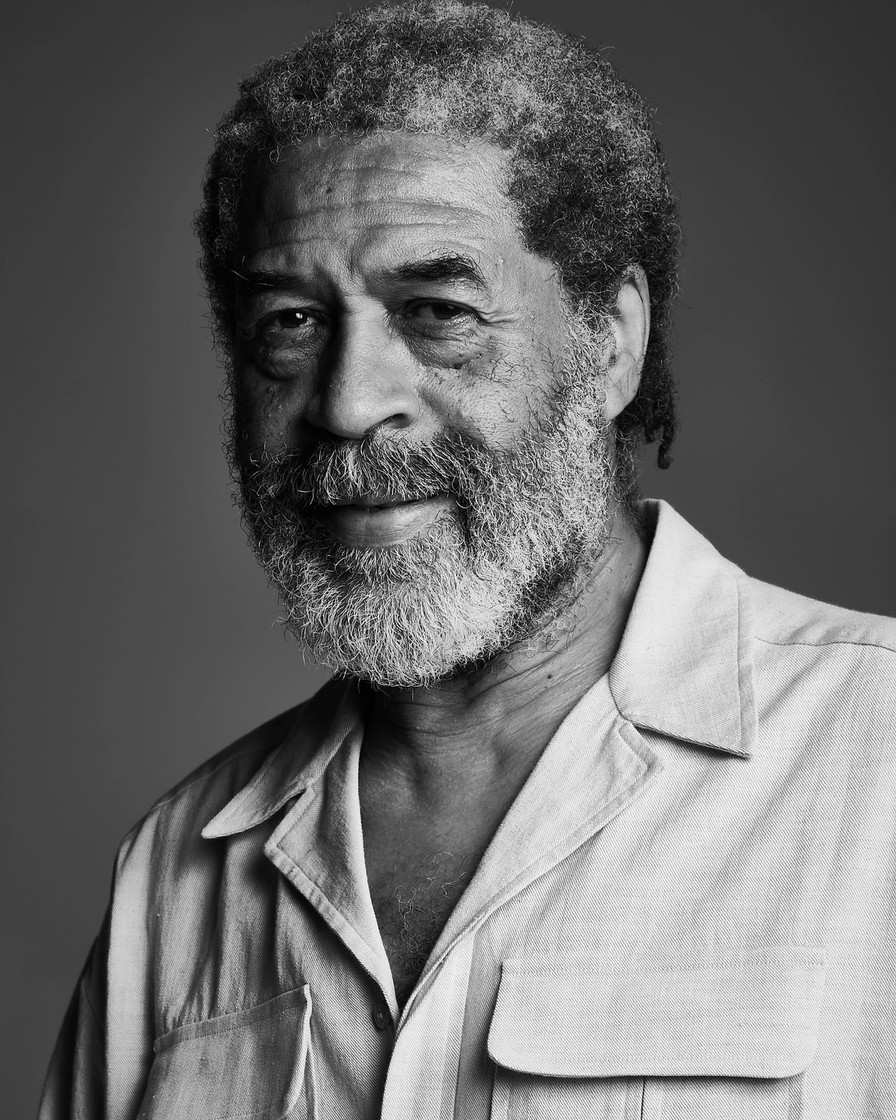
Portrait of McArthur Binion

맥아서 비니언(1946년 미국 미시시피주 메이컨 출생, 현재 일리노이주 시카고에서 거주하며 작업)은 콜라주와 드로잉, 페인팅을 결합하여 사적인 문서와 사진의 표면에 격자무늬의 그리드(grid)를 중첩시키는 자전적 추상 작업을 한다. 그의 작품에는 작가 자신의 여권, 출생증명서, 주소록, 전화번호부, 유년 시절 그림과 흑인 린칭 사진 등이 등장하는데, 이는 오일 스틱으로 그린 그리드로 인해 은폐되고 추상화된다. 거시적 관점에서 비니언의 작업은 그리드나 연속적인 형태, 반복과 같은 요소를 작품의 전략적 장치로 활용한다는 점에서 미니멀리즘 및 개념주의의 특징과 맞닿아 있다. 그러나 다른 동시대 미술가들이 물성, 추상성 및 사회정치적 분위기에 대한 발언에 몰두한 반면 비니언은 개인의 역사와 회화 작업 과정 자체에 더 깊이 전념하며 결정적인 차별점을 갖는다. ‘의식 이면(underconscious)’으로 대변되는 사진 및 문서 위에 그리드 구조를 중첩시키는 고유한 실천 행위는 보는 이에게 이미지와 텍스트의 가시성을 허용하는 동시에 그 일부를 은폐한다.

비니언의 작품은 고유한 리듬을 제시한다. 그의 작업 전반에 걸쳐 반복과 연속성은 주요한 전략으로 활용된다. 한 폭의 회화 안에서 작가는 자신이 선별한 특정 사진이나 문서를 화폭 전체에 증식시켜 반복적인 그리드 혹은 기하학적 패턴을 이루도록 만든다. 또한 작가 특유의 연작 단위 작업을 통해 유사한 구도와 색채, 이미지와 문서를 거듭 소환한다. 비니언에게 있어 반복은 지극히 개인적인 것이다. 의사소통의 어긋남을 직접 겪으며 고민해 온 경험을 가진 작가에게 연속성이란 미니멀리즘과 개념주의 미학만을 의미하지 않는다. 그는 여기에 개인적 경험을 결부시키며 반복이라는 장치가 가진 정동적 가능성을 제안한다.

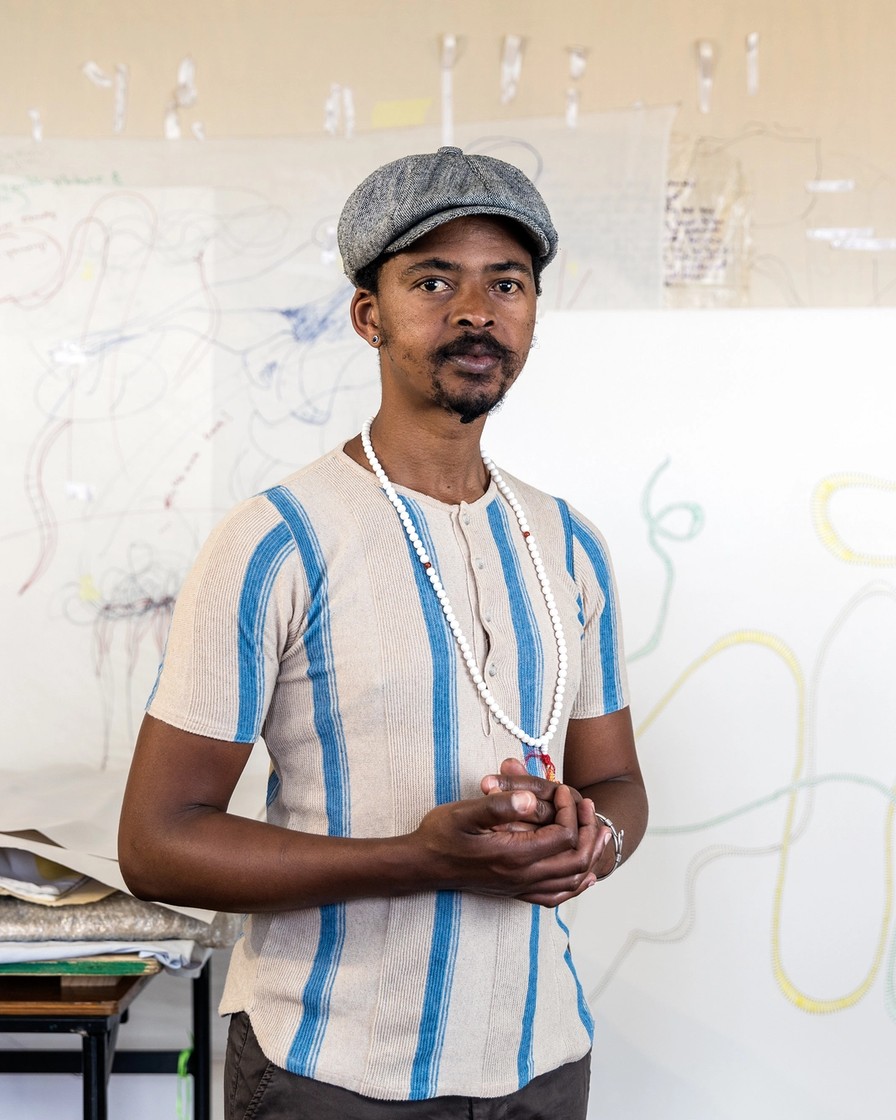
Portrait of Nicholas Hlobo

Nicholas Hlobo (b. 1975, Cape Town, South Africa; lives and works in Johannesburg, South Africa) began his career around the end of apartheid in 1994, when there was a new sense of freedom and national pride in South Africa. With the eradication of legalized and enforced discrimination and segregation, Hlobo and his peers were empowered to openly voice their opinions and ideas under the protection of new laws, and Hlobo’s subtle commentary on the democratic realities of his home country and concerns with the changing international discourse of art formed a foundational tenet of his practice.

Hlobo uses metaphorically charged materials such as ribbon, leather, wood, and rubber detritus, which he melds and weaves together to create two- and three-dimensional hybrid objects that are intricate and seductively tactile. Each material holds a particular association with cultural, gendered, sexual, or ethnic identities, and the works form complex visual narratives that reflect the various dichotomies present within the artist’s home country, as well as those that exist around the world. The results are highly evocative, and the artist combines anthropomorphic imagery with cultural symbols and traditions to create amalgamated forms that feel at once familiar, alien, and ancient. At its core, Hlobo’s practice engages themes of self-discovery and explores the intersections of race, gender, and cultural and sexual identity within the context of his South African heritage.

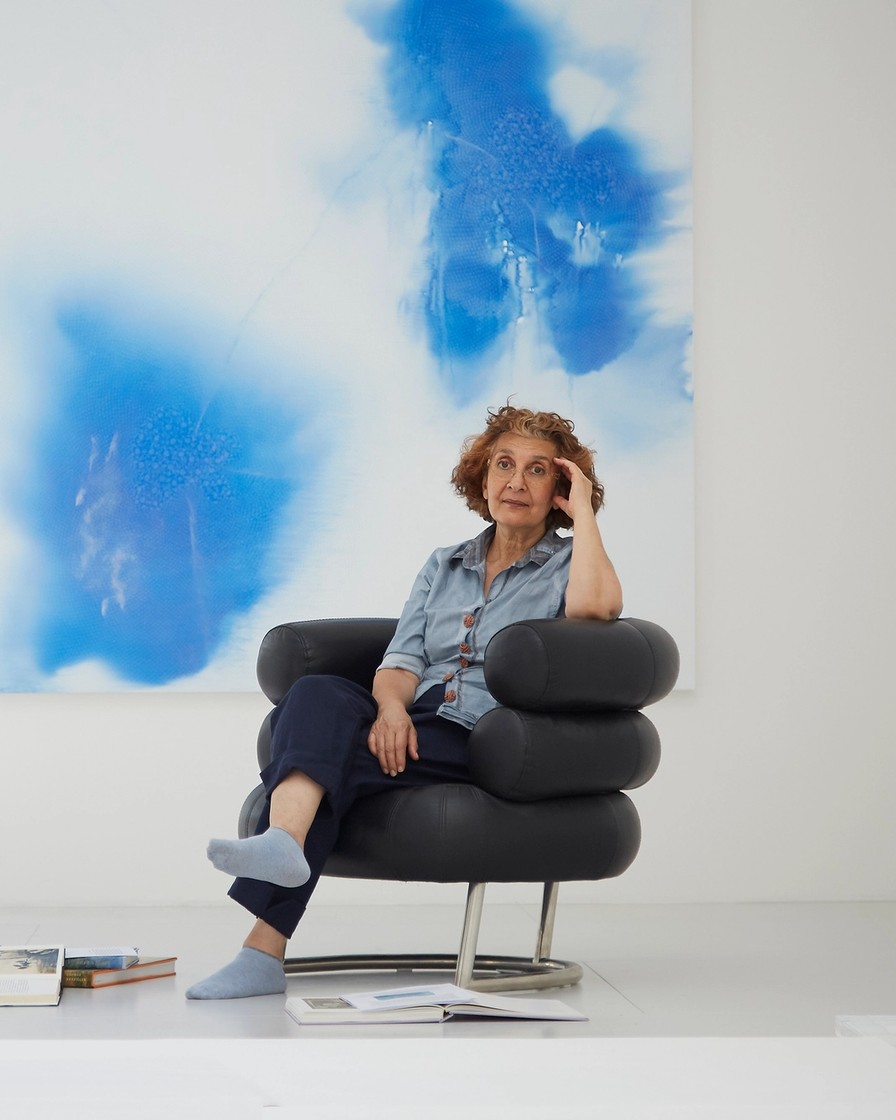
Portrait of Shirazeh Houshiary

Shirazeh Houshiary (b. 1955, Shiraz, Iran; lives and works in London, United Kingdom) makes painting, sculpture, and animation that seek to challenge viewers’ perceptions of time, space, and materiality. Her works often engage opposing ideas and states of being, including transparency and opacity, sound and silence, surface and depth, and presence and absence. From a distance, her paintings are reminiscent of a swirling galaxy, but as the viewer draws closer, the meticulousness, detail, and hidden Arabic letters that make up her amorphous forms begin to unfold. The universe, with its contradiction, paradox, and complexity is a core subject matter in her work. The Arabic words embedded in her compositions are a juxtaposition of the opposing phrases “I am” and “I am not,” oscillating freely between focused and unfocused states, where the meaning of our existence becomes superfluous and lost in Houshiary’s imagined cosmos.

Houshiary’s painting technique involves the successive layering of pigment and line, a laborious process that often takes several months to complete. Her surfaces are composed of intricate patterns that appear to pulse, undulate, and recede into the canvas, like a veil or membrane. She takes a similar methodical approach to her dynamic sculptures, constructing towers out of glass or aluminum bricks that, layer by layer, seem to emerge from the floor. Each vertical plane of bricks echoes the original shape of the structure’s footprint incrementally rotated to the maximum degree the form will allow before the resulting helix shape becomes unstable. For each work, Houshiary attempts to visualize subjects that are inherently intangible—an echo, human breath, or memory.

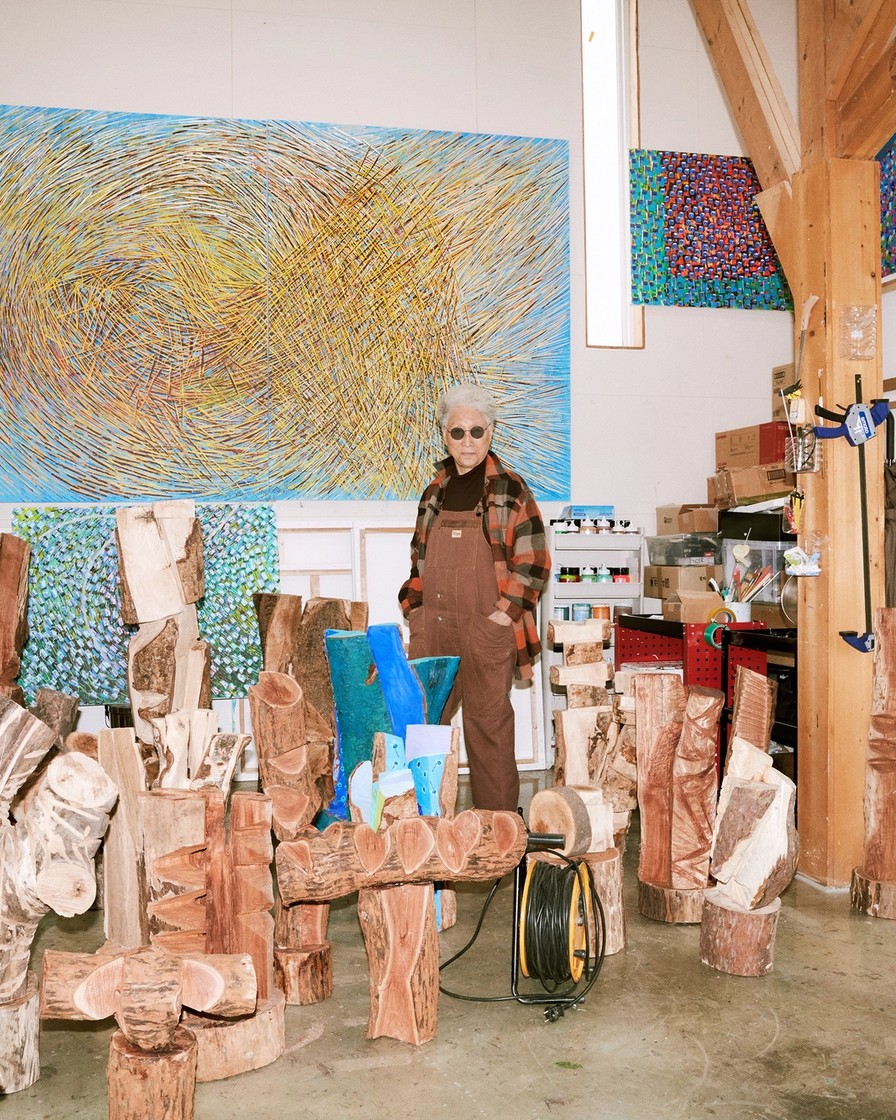
Portrait of Kim Yun Shin

김윤신(1935년 원산 출생, 현재 한국과 아르헨티나에서 작업)은 오랜 기간 자연을 소재이자 주제로 삼아 작업을 지속한 한국의 1세대 여성 조각가이다. 그는 지난 60여 년간 조각의 정통 문법을 구사하는 동시에 조각적 아이디어를 회화와 판화 등 평면 형식으로 확장하며 전방위적이고도 밀도 있는 작업을 선보였다. 작가 특유의 유기적 시각 언어는 자연에 대한 깊은 존경에 기반한 것이며, 1960년대 프랑스에 유학하고 1984년 아르헨티나 이주 후 멕시코와 브라질 등지에서도 활동했던 그의 노마드적 삶의 방식과도 연결되어 있다. 자연 및 우주 만물의 질서에 대한 철학적 사유를 바탕으로 오랜 기간 원시, 영성, 전통 등의 주제에 천착한 작가의 철학과 조형 언어는 고도로 육체적인 노동을 거쳐 비로소 작품으로 시각화된다.

김윤신의 작업은 고대의 구조적, 영적 요소를 내포하며 자연과 합일하기 위한 일련의 상호 작용을 통해 전개된다. 작가는 태고 혹은 기원의 세계를 표상하기 위해 내구성이 강한 견고한 나무를 주재료로 사용한다. 1970년대 초반의 조각 작업은 못을 사용하지 않고 두 목재 구조를 얽어 접합하는 전통 한옥의 결구(結構) 기법에 근간을 두고 있다. 한편 <기원쌓기 Stacking Wishes> 연작에서 김윤신은 이른바 토테미즘이라 불리는 원시 민간신앙에서 발견되는 자연물의 수직 쌓기 개념을 탐구한다. 전통 신앙과 유기적 순환에 대한 작가의 예술 철학은 1970년대 후반경부터 발전시킨 <합이합일 분이분일 Add Two Add One, Divide Two Divide One> 연작으로 포괄된다. 위 연작에서 김윤신은 수렴과 더하기를 의미하는 ‘합(合)’과 분열과 나누기를 뜻하는 ‘분(分)’의 개념으로 음양사상의 원리를 재해석하고, 이를 독자적 조형 언어로 표현해낸다. 완전한 하나를 이루기 위해 자신의 영혼을 나무에 ‘더하고’ 목재의 겉껍질과 내부 공간을 ‘나누는’ 직관적이고도 노동집약적인 과정을 거쳐 작가는 견고하고 거친 나무 덩어리를 부드럽고 유기적인 형태로 변환한다.

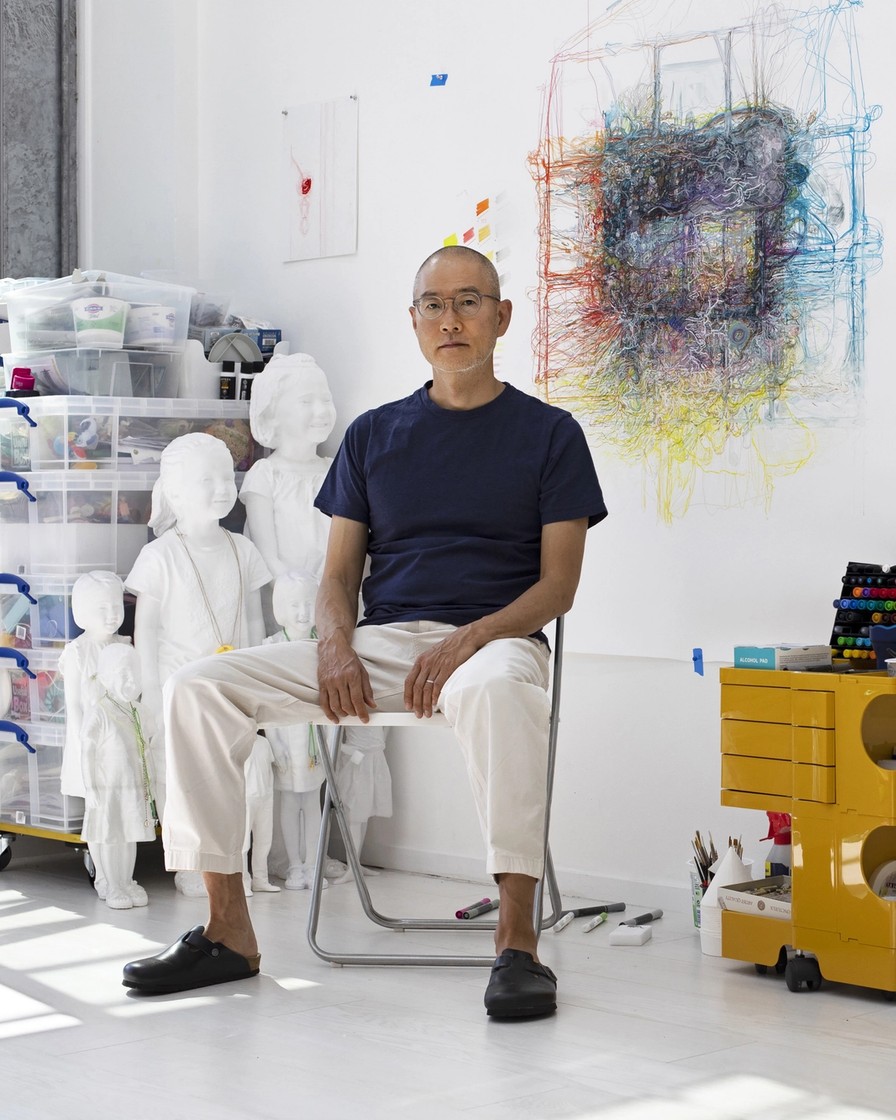
Portrait of Do Ho Suh

서도호(1962년 대한민국 서울 출생, 현재 영국 런던에서 거주 및 작업)는 다양한 매체를 넘나들며 집, 물리적 공간, 감정의 전이, 기억, 개인성 및 집합성의 문제에 의문을 제기하는 조각, 드로잉, 영상 작업을 한다. 작가는 한국, 로드아일랜드, 베를린, 런던, 뉴욕에서 거주했던 집의 표면을 재구성한 직물 조각으로 잘 알려져 있다. 물리적·은유적 공간의 유연성에 천착해 온 작가는 신체가 공간과 관계를 맺고 그 안에 거주하며 상호작용하는 방식을 탐구한다. 특히 그는 가정의 실내 공간과 집의 개념이 특정한 장소와 형태, 역사를 지닌 건축물을 통해 명료화되는 과정에 주목한다. 작가에게 있어 우리가 거주하는 공간은 심리적 에너지를 담고 있으며, 작품을 통해 그는 지리적 장소와는 무관한 기억, 개인적 경험, 안정감 등의 지표를 가시화한다.

서도호는 1994년 로드아일랜드 디자인스쿨에서 회화 전공으로 학사 학위를, 1997년 예일대학교에서 조각 전공으로 석사 학위를 받았다. 작가의 주요 개인전은 리만머핀 뉴욕, 런던, 홍콩, 팜비치를 비롯하여 호주 시드니 현대미술관(2022), 서울시립 북서울미술관(2022), 영국 런던 블룸버그 스페이스(2021), 미국 캘리포니아주 로스앤젤레스 카운티 미술관(2019), 런던 빅토리아 앤 알버트 박물관(2019), 네덜란드 바세나르 보르린덴 박물관(2018), 덴마크 아로스 오르후스 미술관(2018), 미국 워싱턴 D.C. 스미소니언 박물관(2018), 일본 토와다 현대미술관(2018), 캘리포니아주 스탠퍼드 대학교 캔터 아트 센터(2018), 스웨덴 우메오 빌드무셋(2018), 미국 위스콘신주 매디슨 현대미술관(2017), 콜롬비아 보고타 NC-arte(2016), 캘리포니아주 샌디에이고 현대미술관(2016), 미국 오하이오주 신시내티 현대미술관(2016), 싱가포르 타일러 프린트 인스티튜트(2015), 미국 오하이오주 클리블랜드 현대미술관(2015), 일본 도쿄 모리 미술관(2015), 영국 브리스톨 박물관(2015), 미국 텍사스주 더 컨템포러리 오스틴(2014), 서울 국립현대미술관(2013), 일본 가나자와 21세기 현대미술관(2012-2013), 일본 히로시마시 현대미술관(2012), 캘리포니아주 UC 샌디에이고 스튜어트 컬렉션(2012), 서울 리움미술관(2012), 런던 테이트모던(2011) 등에서 개최되었다.

Portrait of Billie Zangewa

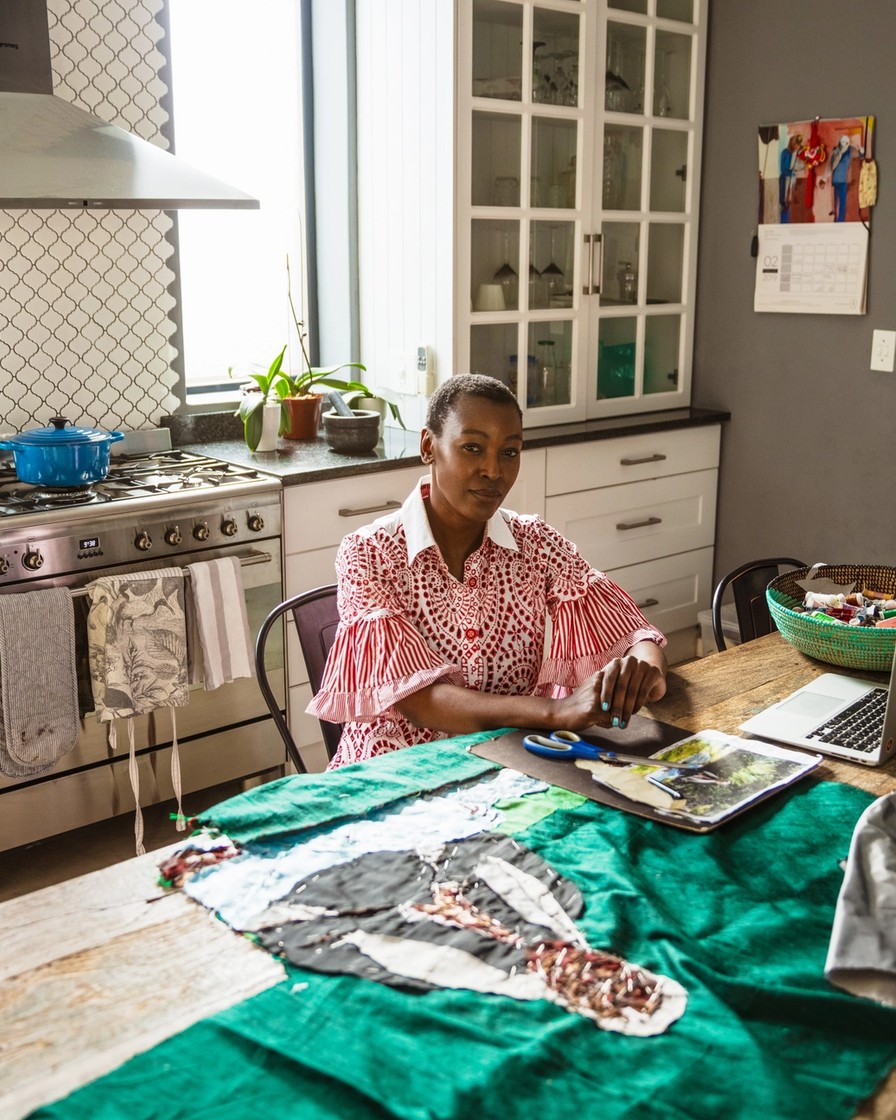
Billie Zangewa (b. 1973, Blantyre, Malawi; lives and works in Johannesburg, South Africa) creates intricate collages composed of hand-stitched fragments of raw silk. These figurative compositions explore contemporary intersectional identity in an attempt to challenge the historical stereotype, objectification, and exploitation of the black female form. Beginning her career in the fashion and advertising industries, Zangewa employs her understanding of textiles to portray personal and universal experiences through domestic interiors, urban landscapes, and portraiture. Her earliest works were embroideries on found fabrics depicting remembered botanical scenes and animals from Botswana, where the artist was raised, but she soon transitioned to creating cityscapes, focusing on her experience as a woman in the city of Johannesburg and her personal relationships. These works explored her experience of the male gaze, leading her to begin to think more critically about how women view themselves and what the visualization of the female gaze, through self-portraiture, could look like.

After the birth of her son, Zangewa began making her well-known domestic interiors to explore the shift in focus from self-examination and femininity to motherhood and the home. Often referencing scenes or experiences from everyday life, Zangewa has stated that she is interested in depicting the work done by women that keeps society running smoothly, but which is often overlooked, undervalued, or ignored. Zangewa refers to this as “daily feminism,” which can be considered a contemporary version of “the personal is political.” Through the method of their making and their narrative content, Zangewa’s silk paintings illustrate gendered labor in a socio-political context, where the domestic sphere becomes a pretext for a deeper understanding of the construction of identity, questions around gender stereotypes, and racial prejudice.

Beyond Material | Lehmann Maupin