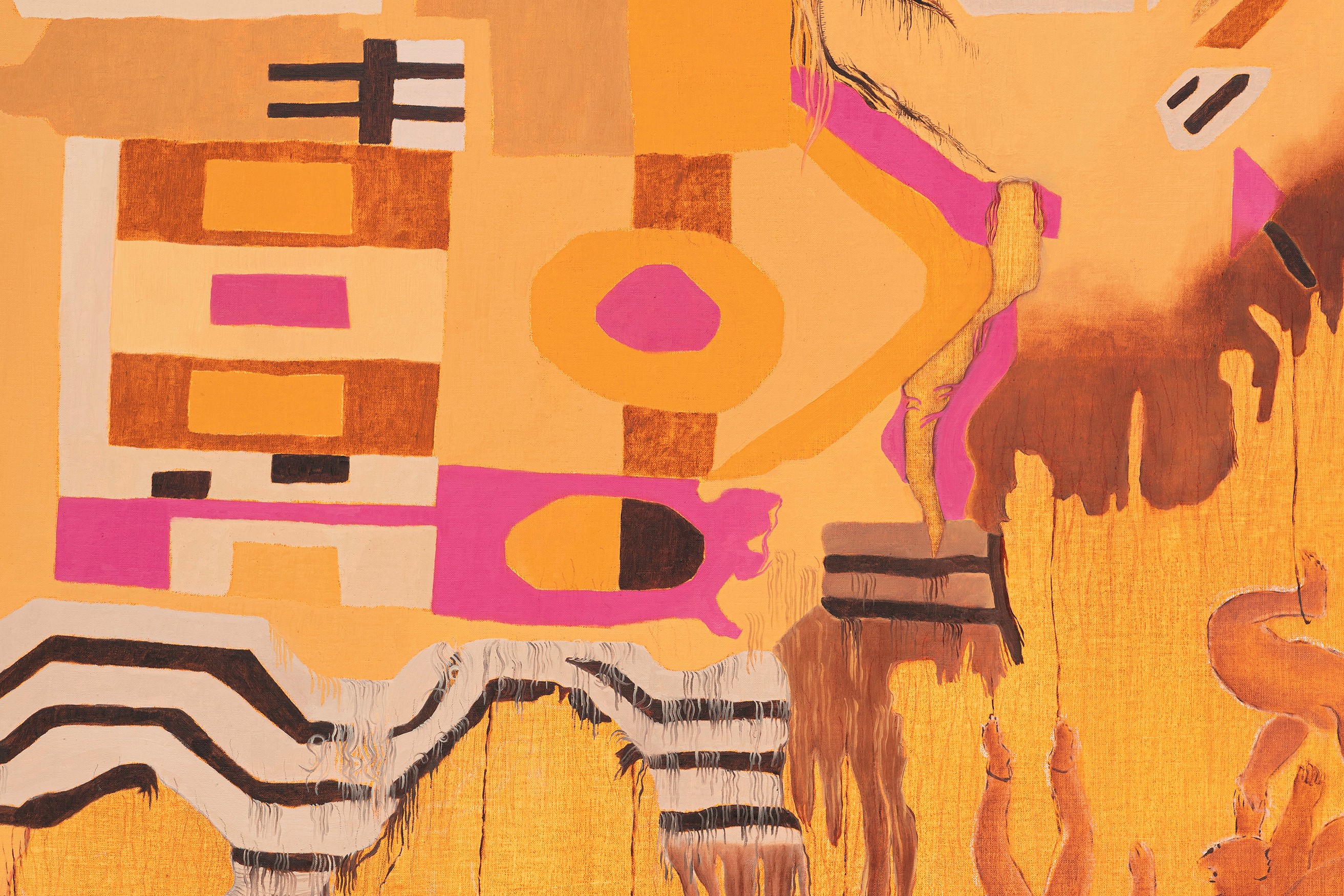
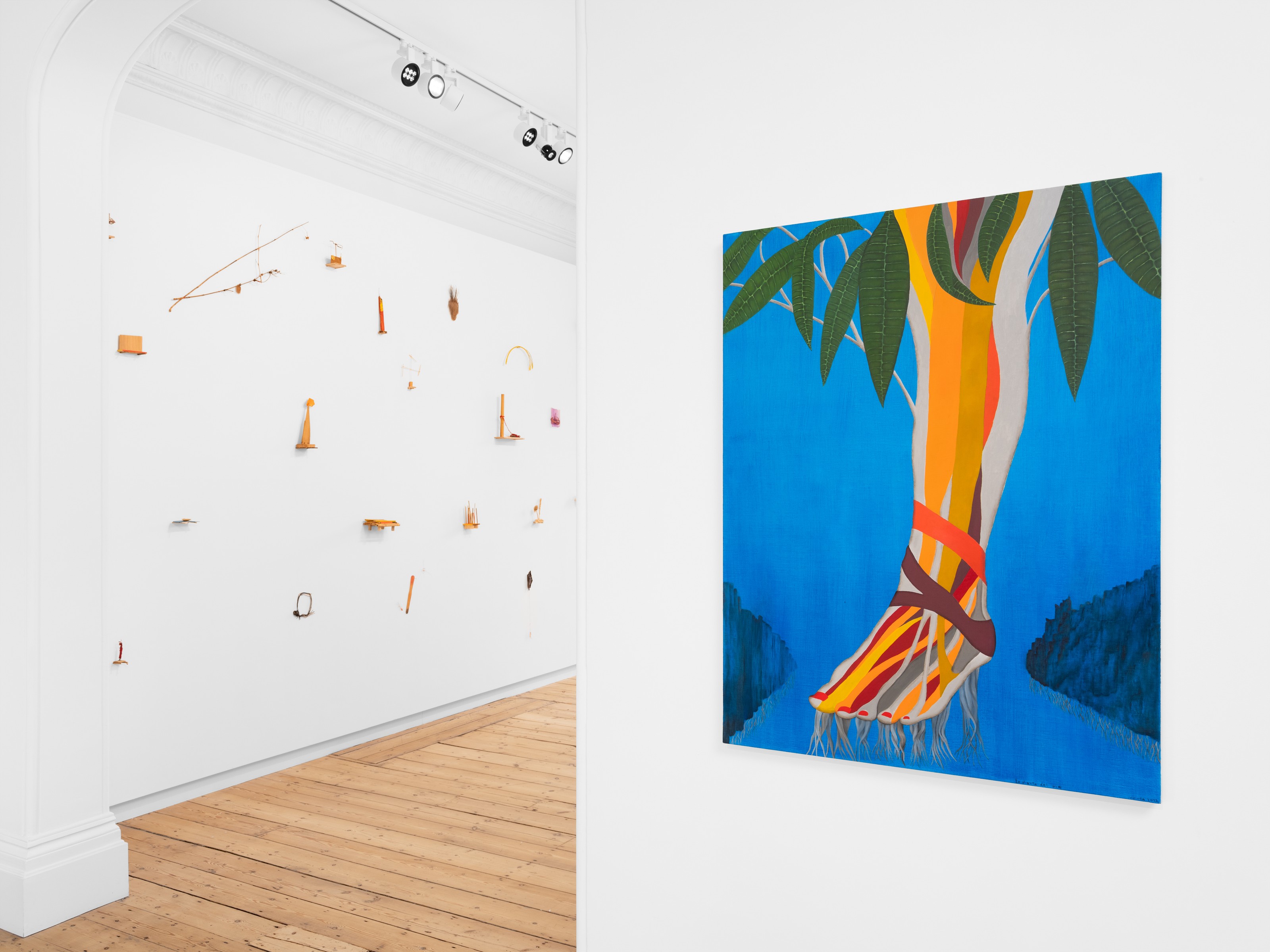
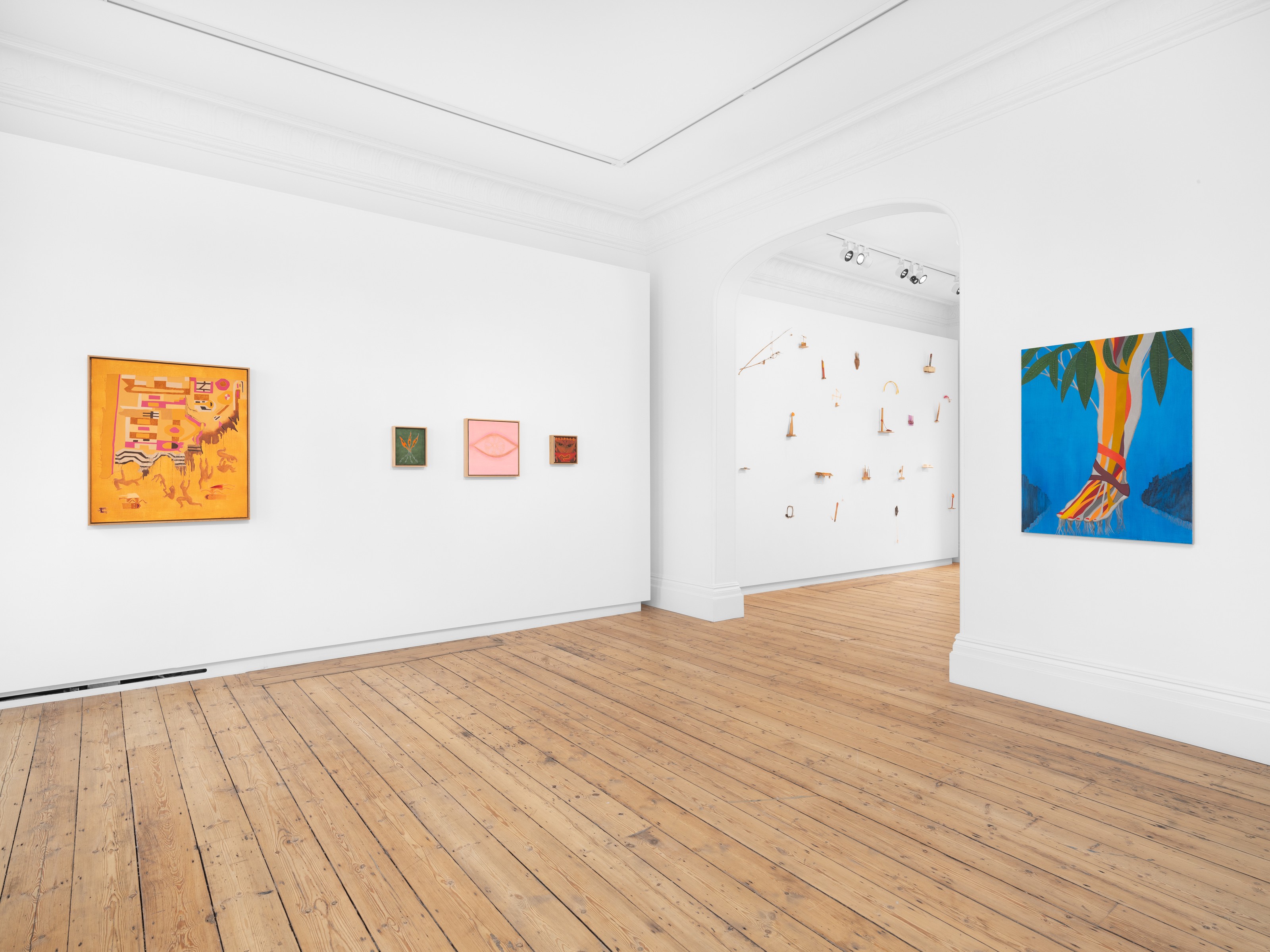
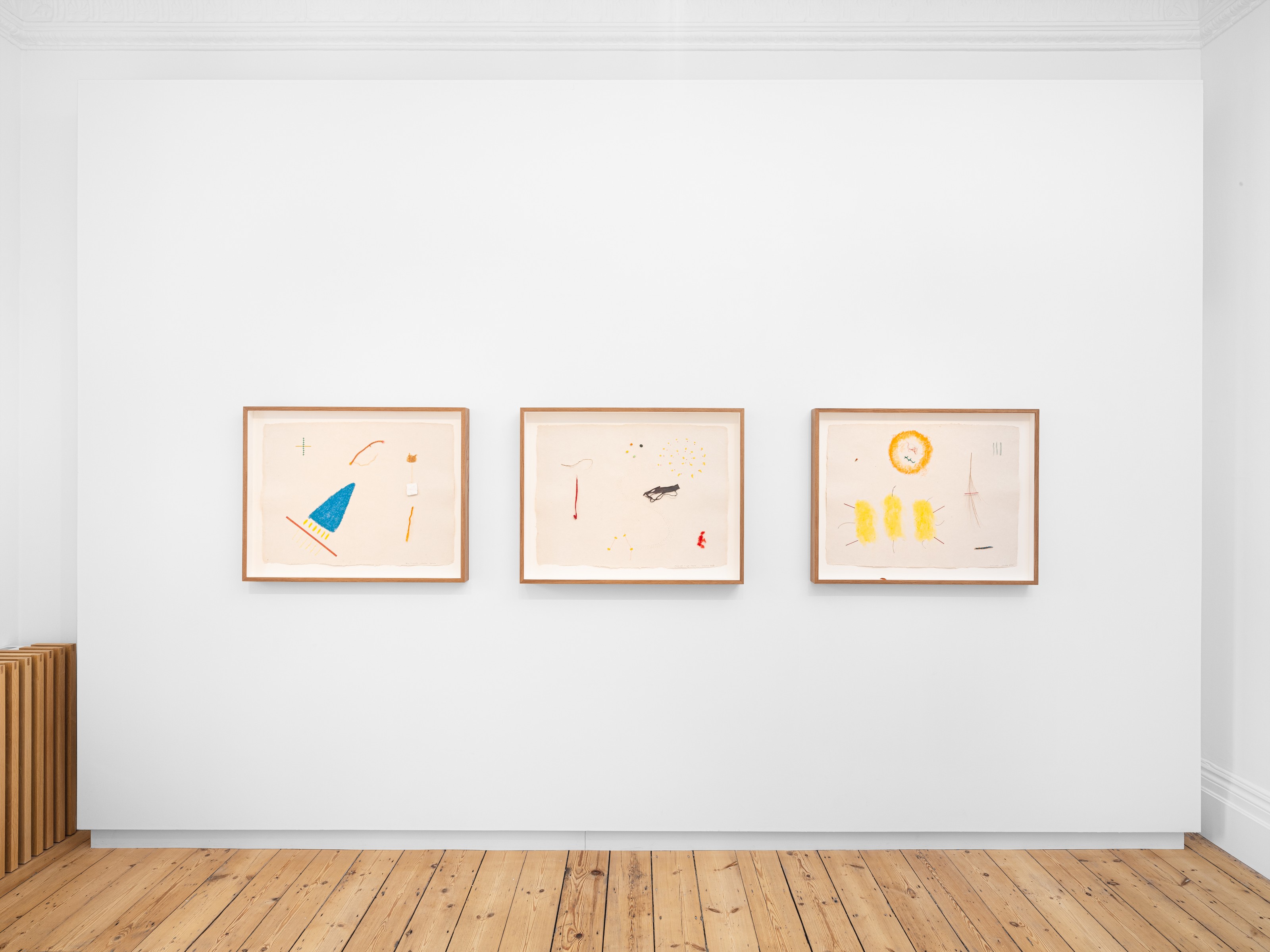
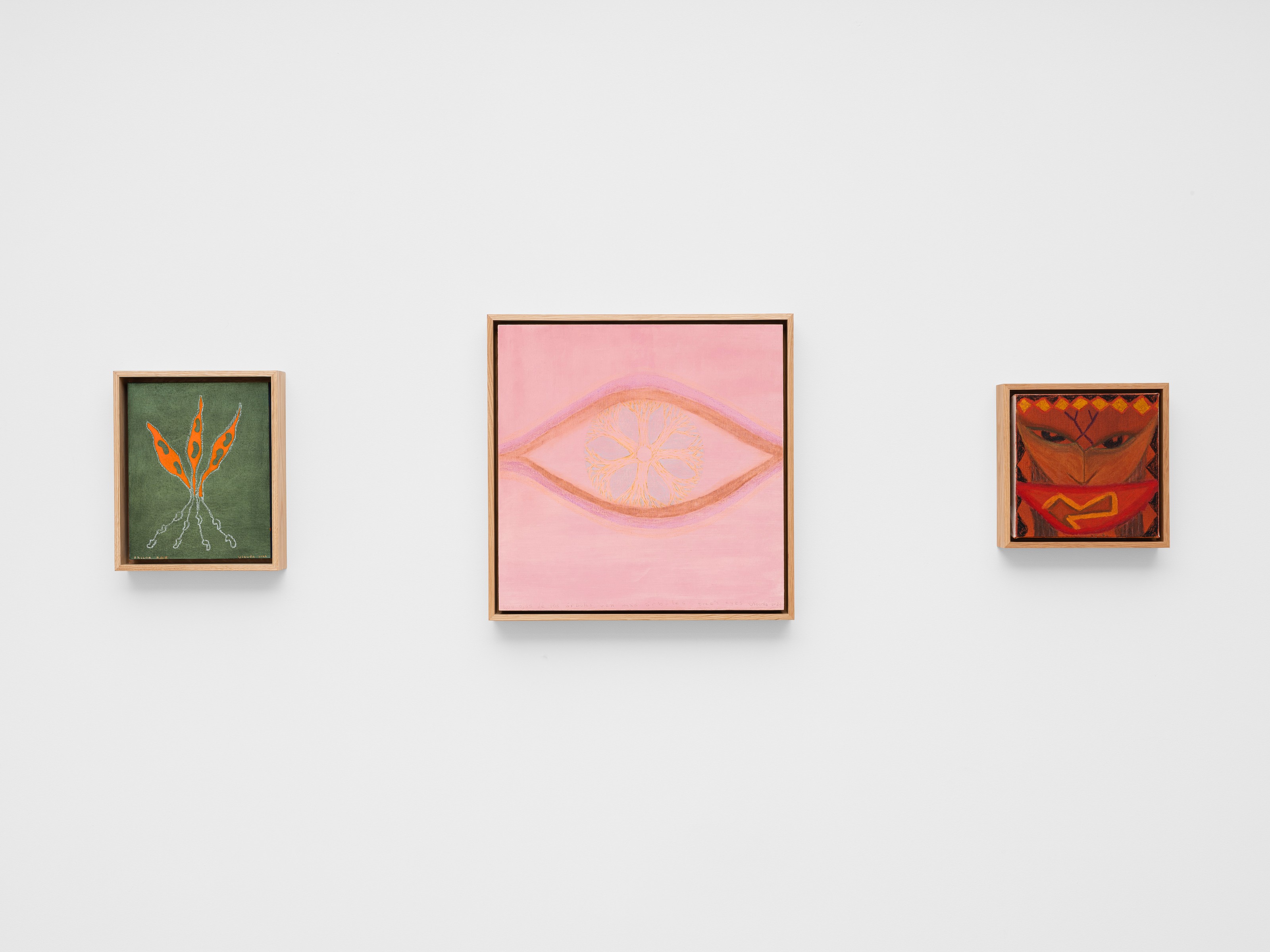
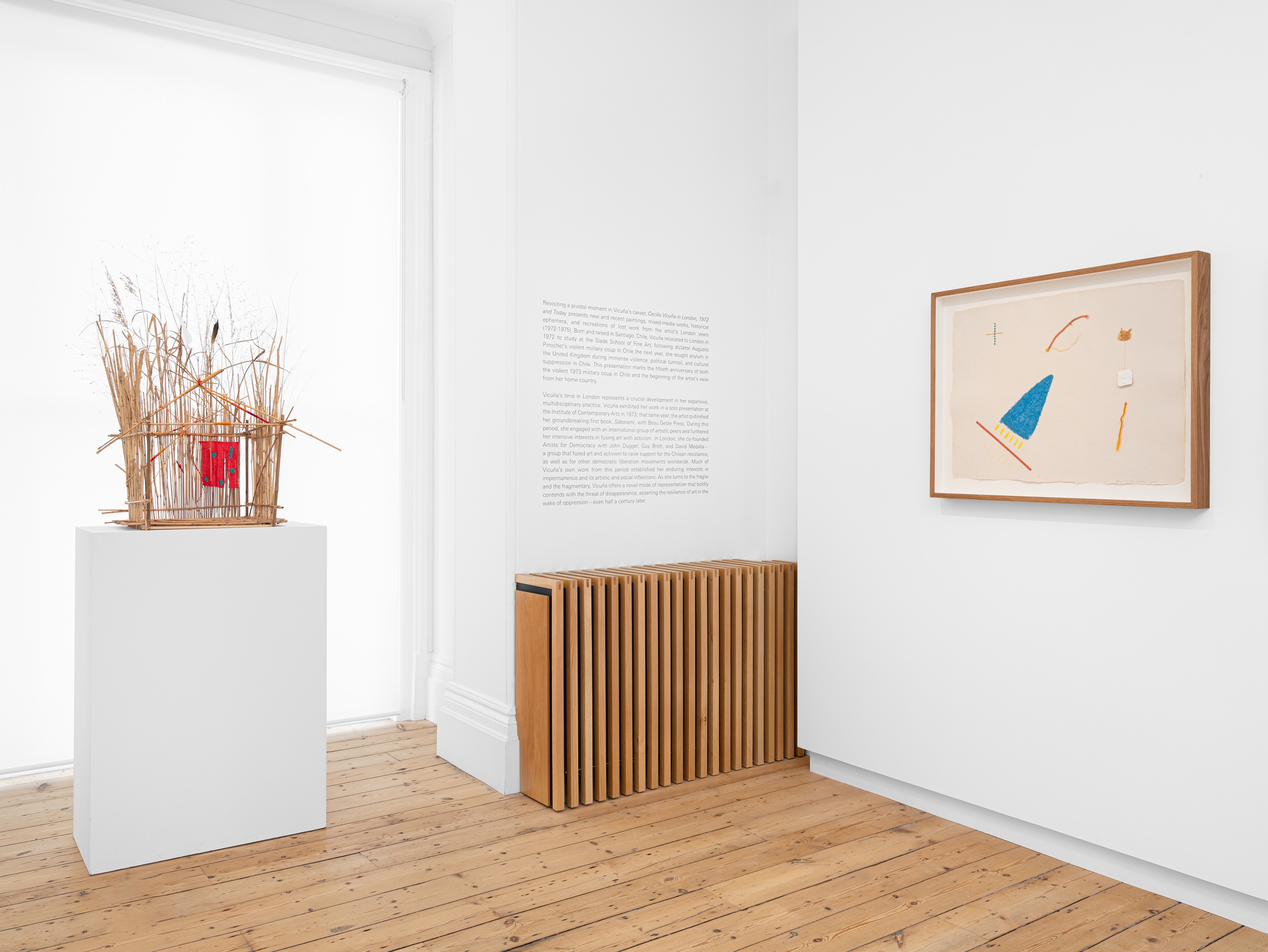
Lehmann Maupin presents Cecilia Vicuña in London, 1972 and Today, an exhibition of new and historical work by the artist following her 2022—2023 Turbine Hall commission at Tate Modern. Revisiting a pivotal moment in Vicuña’s career, Cecilia Vicuña in London, 1972 and Today presents new and recent paintings, mixed-media works, historical ephemera, and recreations of lost work from the artist’s London years (1972—1975). Born and raised in Santiago, Chile, Vicuña relocated to London in 1972 to study at the Slade School of Fine Art; following dictator Augusto Pinochet’s violent military coup in Chile the next year, she sought asylum in the United Kingdom during immense violence, political turmoil, and cultural suppression in Chile. This presentation marks the fiftieth anniversary of both the violent 1973 military coup in Chile and the beginning of the artist’s exile from her home country.
Vicuña’s time in London represents a crucial development in her expansive, multidisciplinary practice. During this period, she engaged with an international group of artistic peers and furthered her intensive interests in fusing art with activism. Responding to catastrophe and loss in Chile, Vicuña expanded her earlier precarious work in nature in Chile around issues of disappearance and impermanence as both political and aesthetic concerns. Vicuña studied at the Slade School of Fine Art and exhibited her work in a solo presentation at the Institute of Contemporary Arts in 1973. That same year, the artist published her groundbreaking first book, Saborami, with Beau Geste Press in Devon, where she encountered a number of fellow international artists such Carolee Schneeman and Ulises Carrión. Shortly after its release, Saborami became the subject of a BBC documentary, which was among the first widely broadcast pieces to introduce British audiences to the gravity of the Chilean political climate and the powerful activist and artistic resistance efforts that arose in response. A new edition of Saborami, among the first pieces of literature to address Salvador Allende’s death, will be released this fall with Book Works Publishing to mark the fiftieth anniversary of the coup.
세실리아 비쿠냐
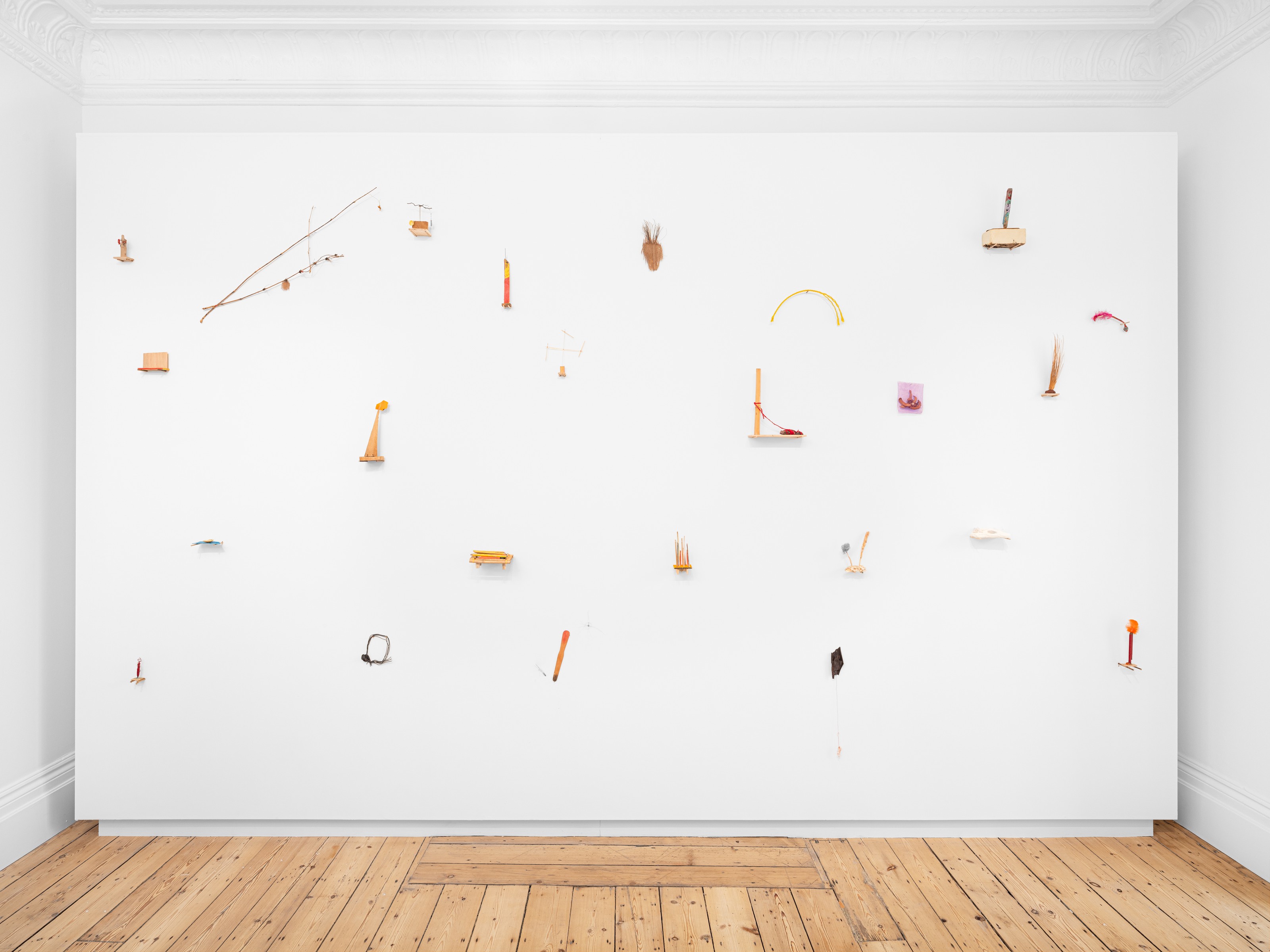
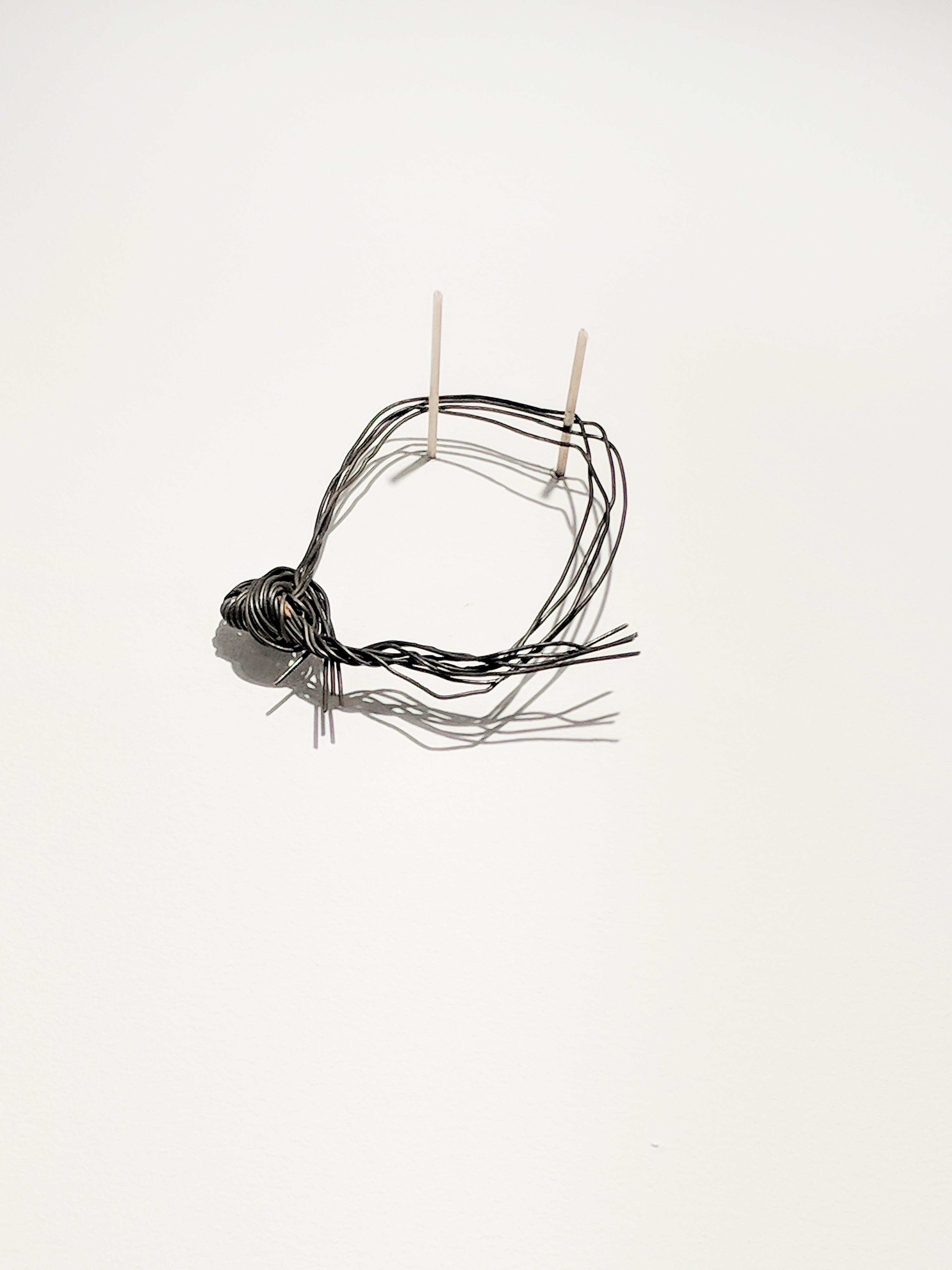
Nudo aplastado (Precarios), 2014
세실리아 비쿠냐
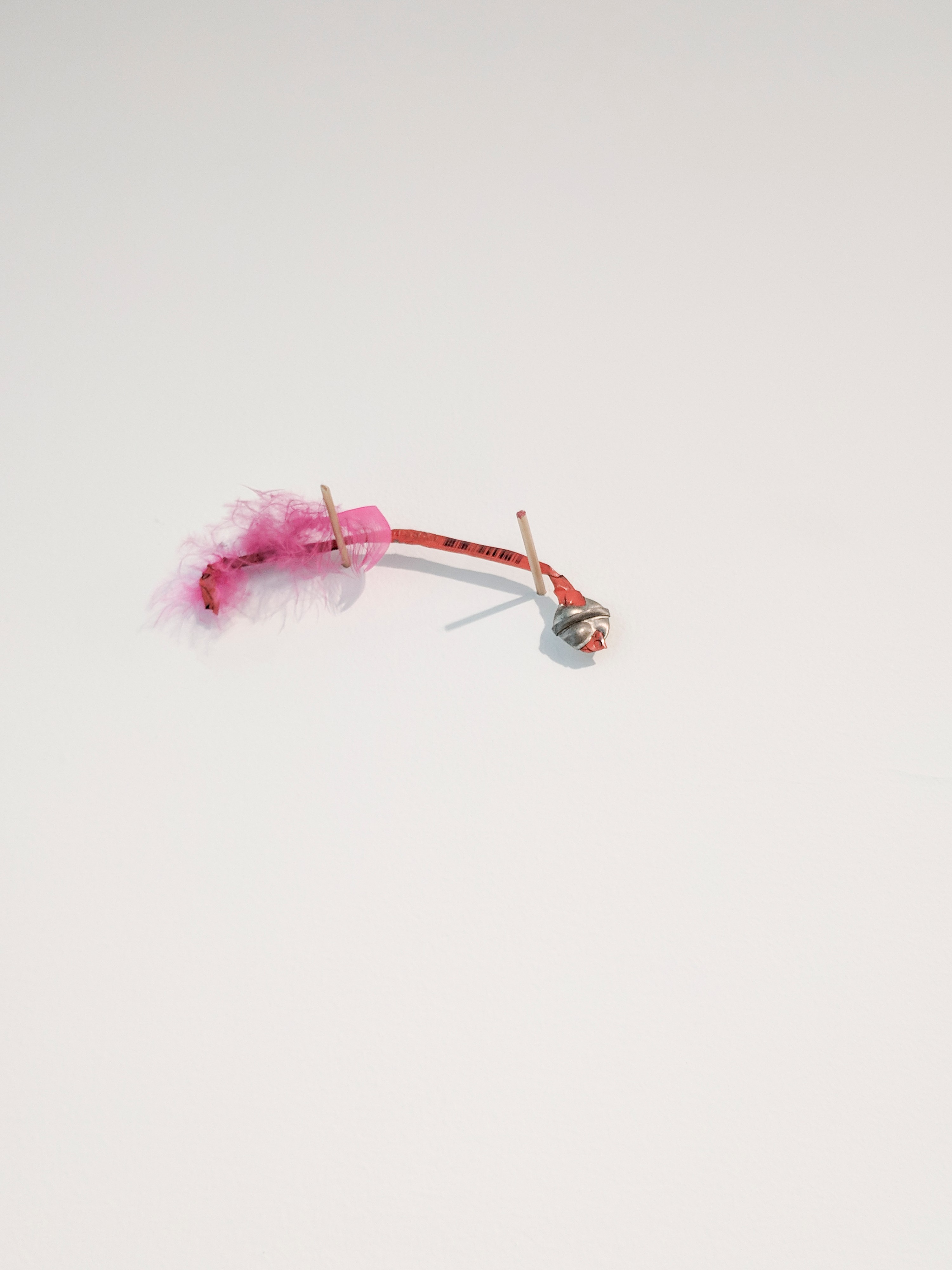
Pájaro telefónico (Precarios), 2000
세실리아 비쿠냐
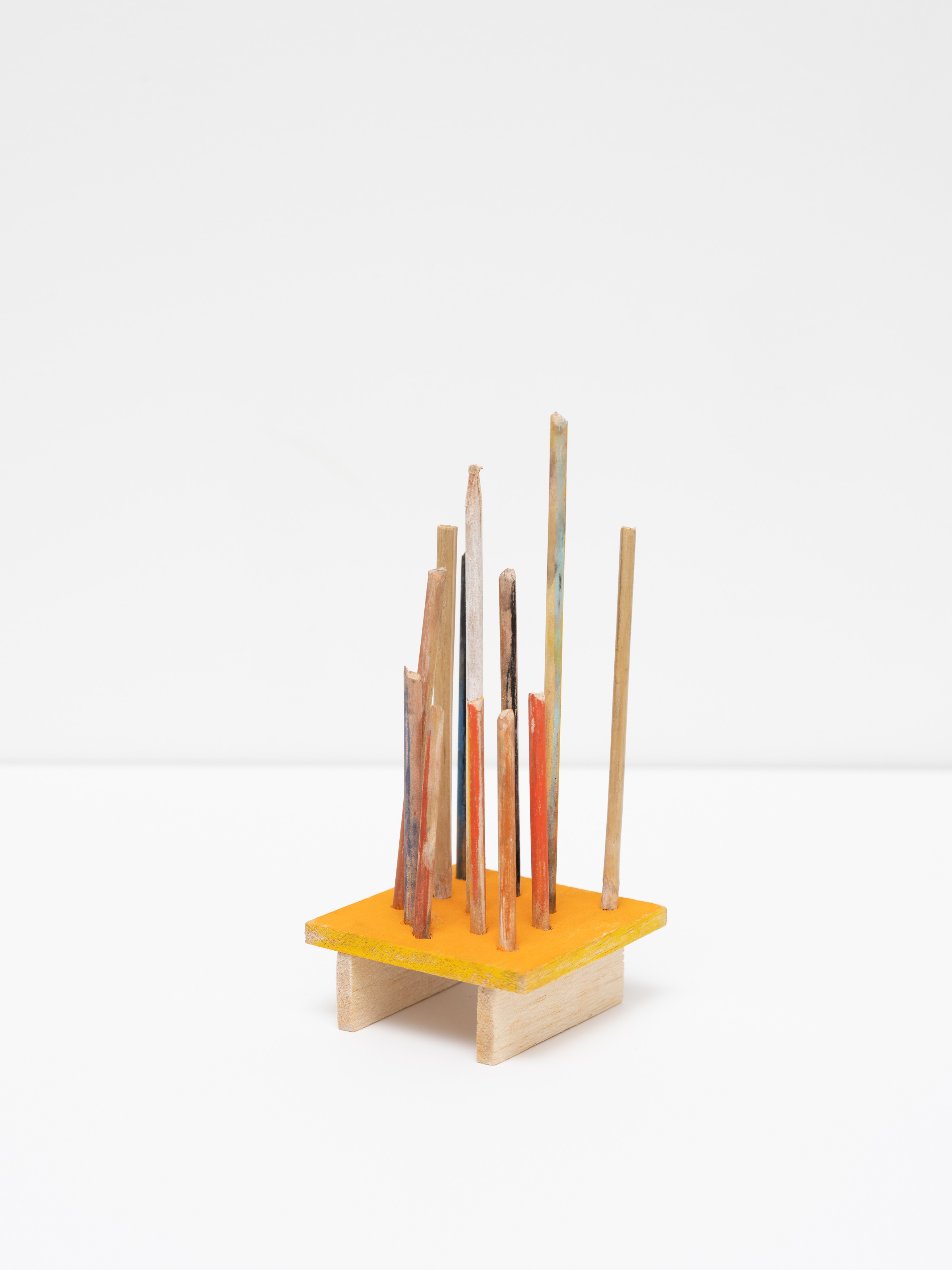
Cielo bajo (Precarios), 2017
세실리아 비쿠냐
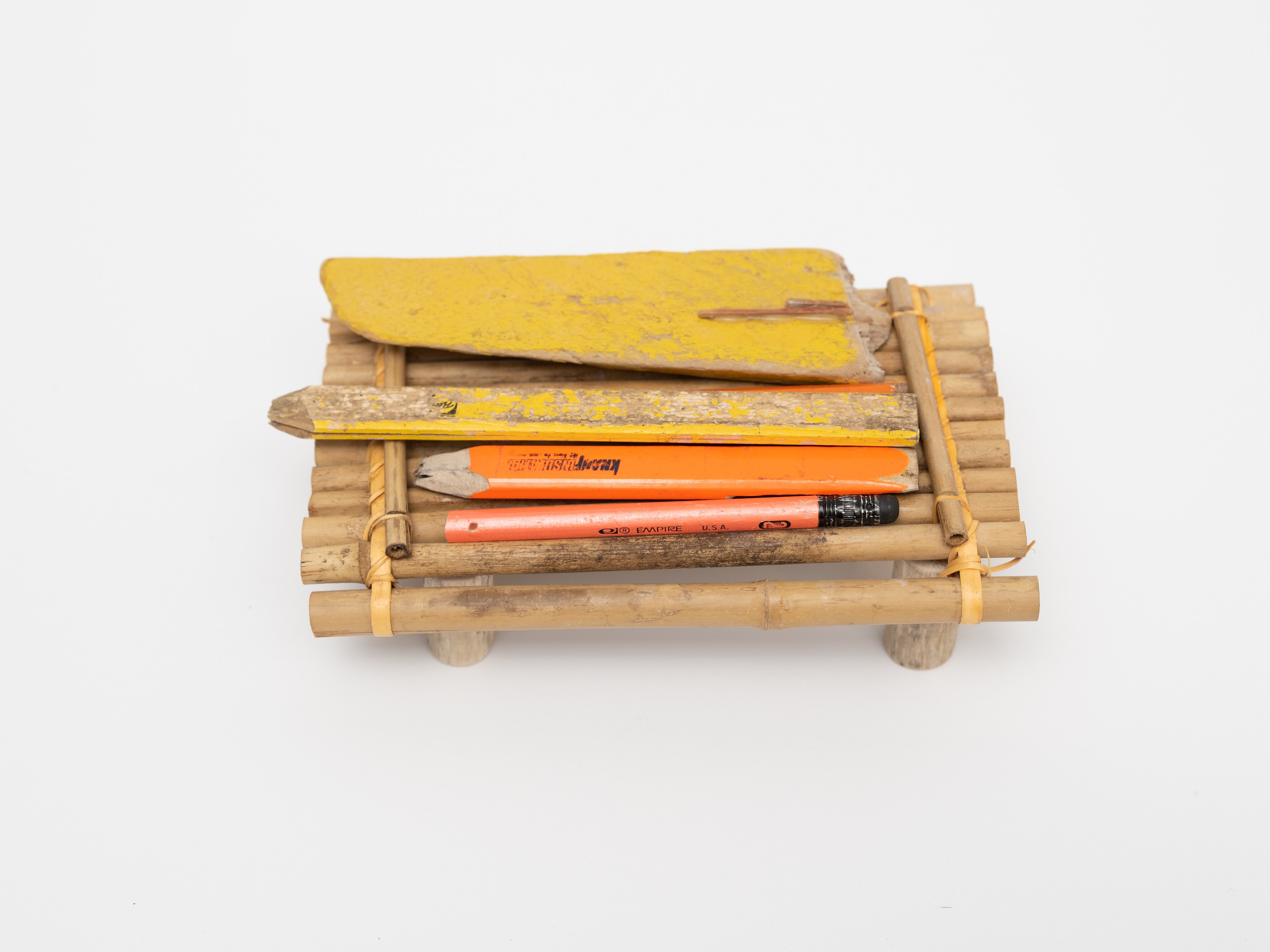
Lapicitos New York (Precarios), 2017
세실리아 비쿠냐
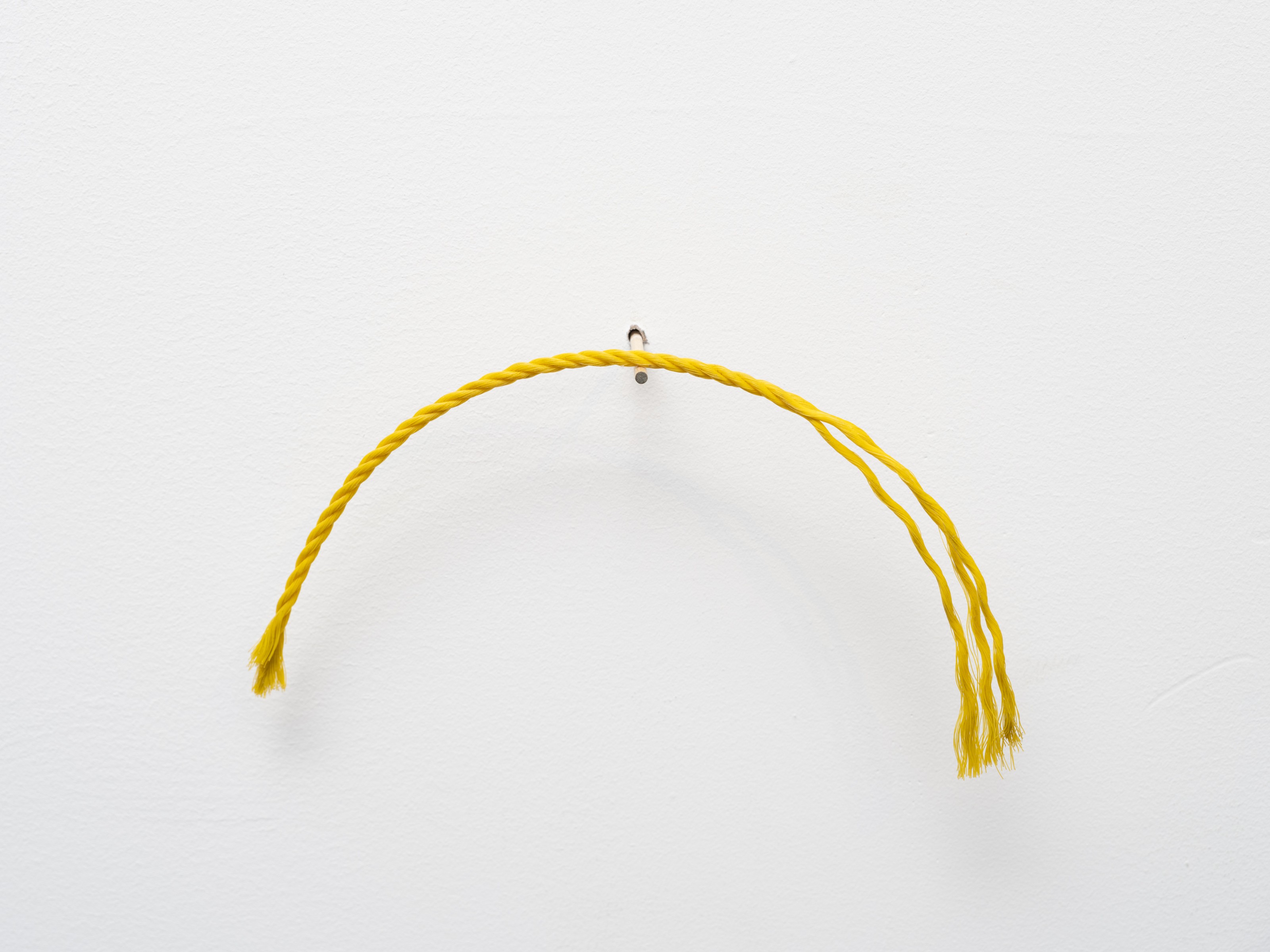
Cable amarillo (Precarios), 2015
세실리아 비쿠냐
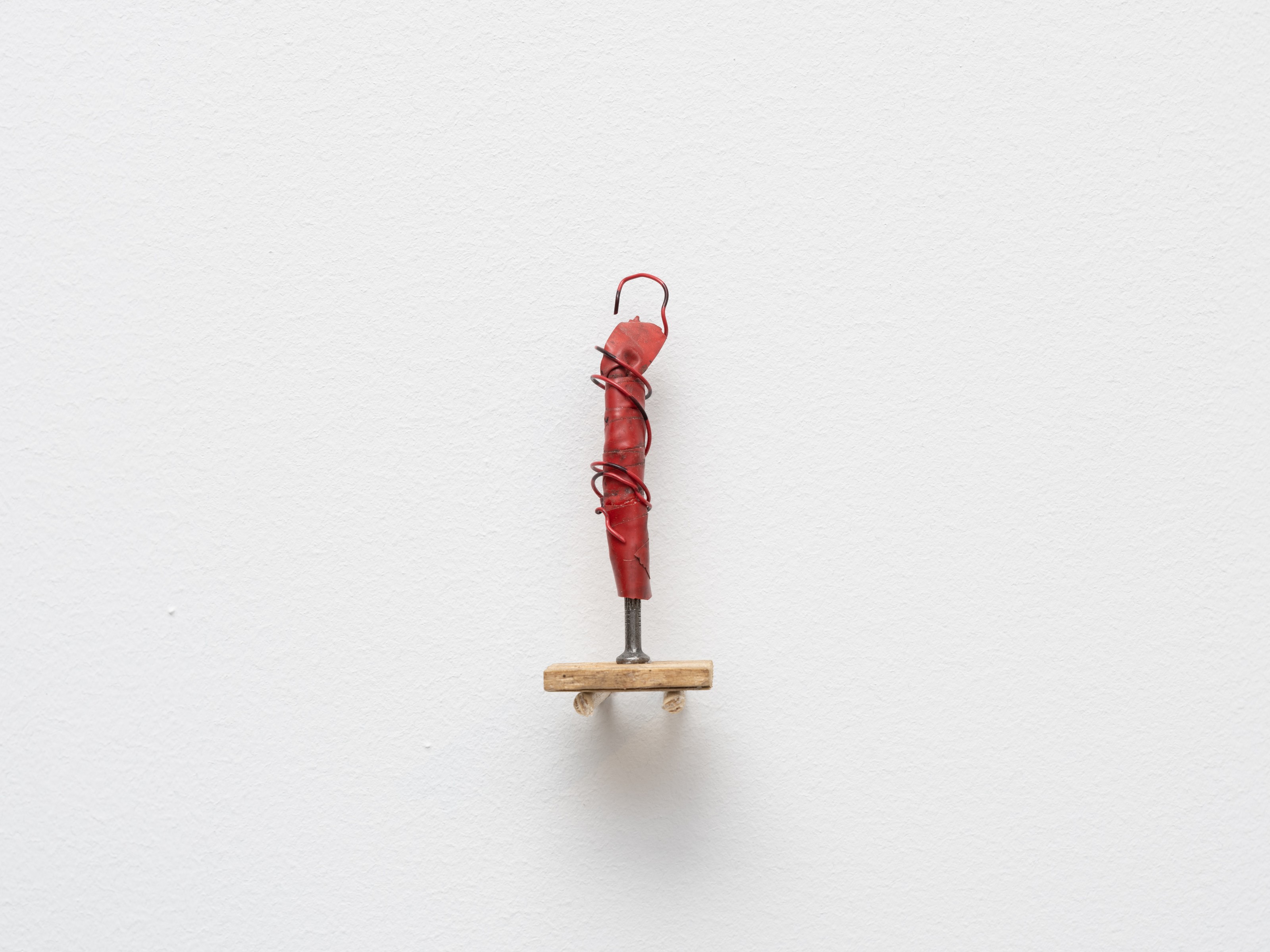
Clavo espiral (Precarios), 2009/2014
세실리아 비쿠냐
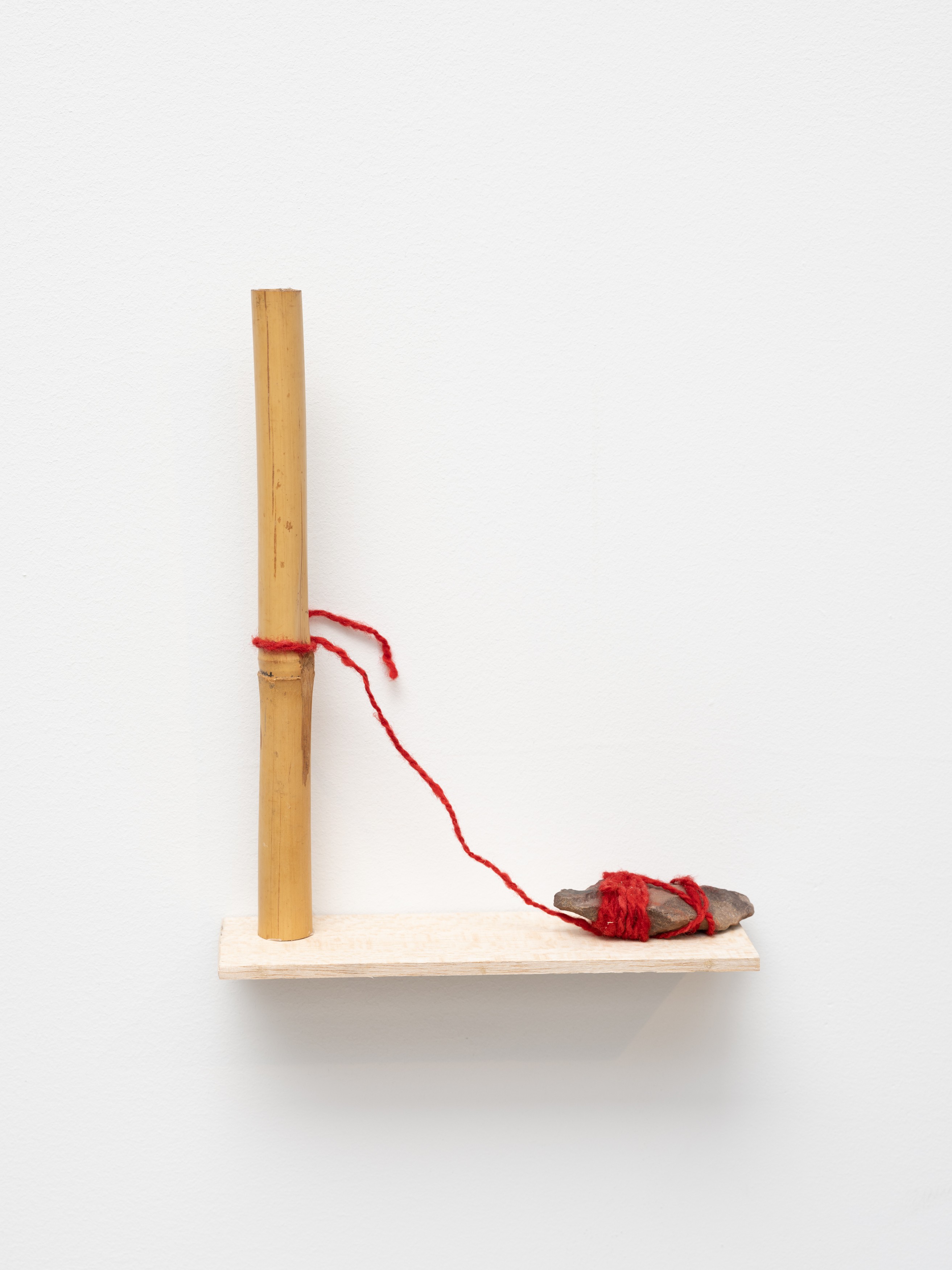
Huso de piedra (Precarios), 2009
세실리아 비쿠냐
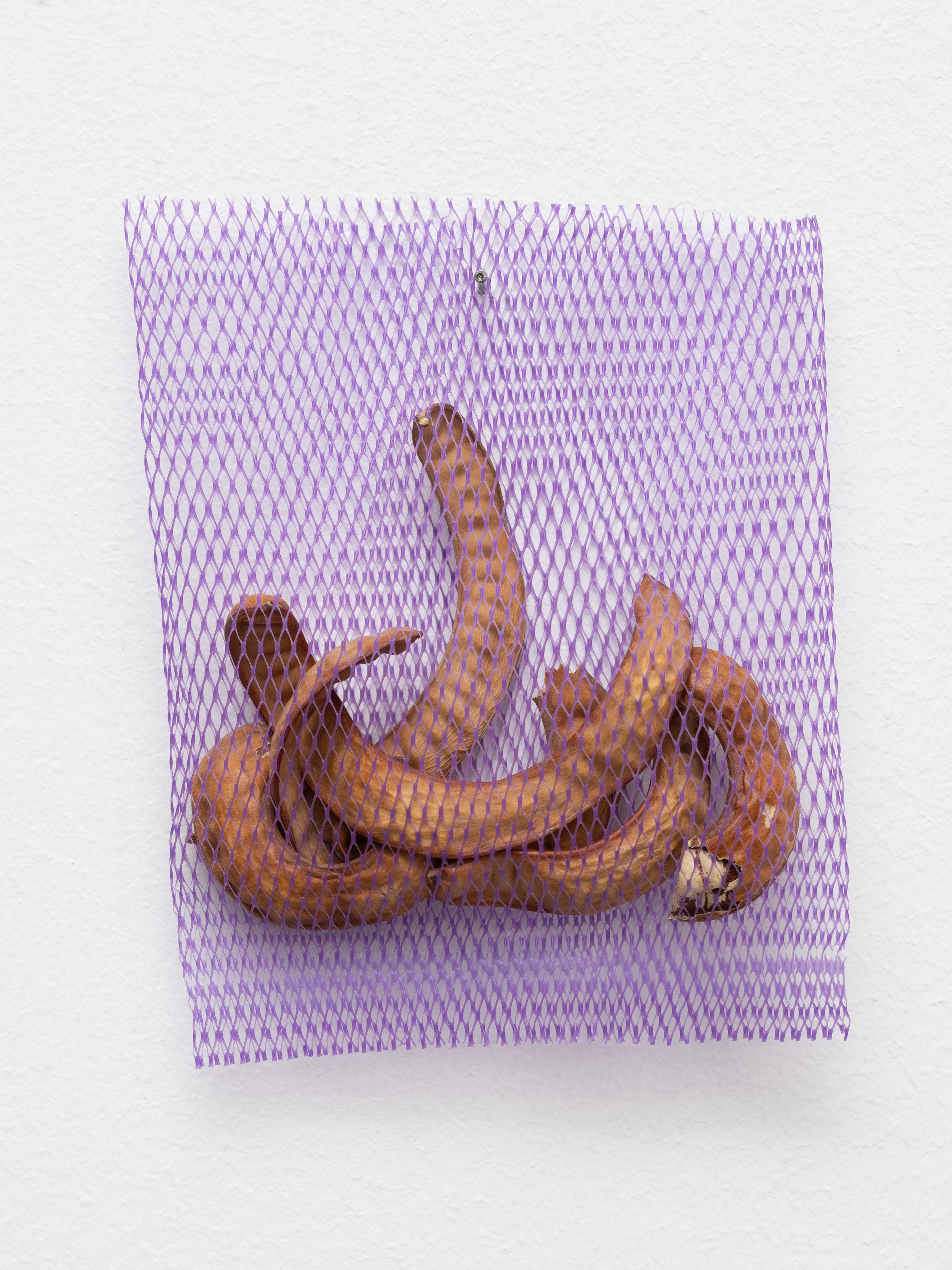
Bolsita morada (Precarios), 2000
세실리아 비쿠냐
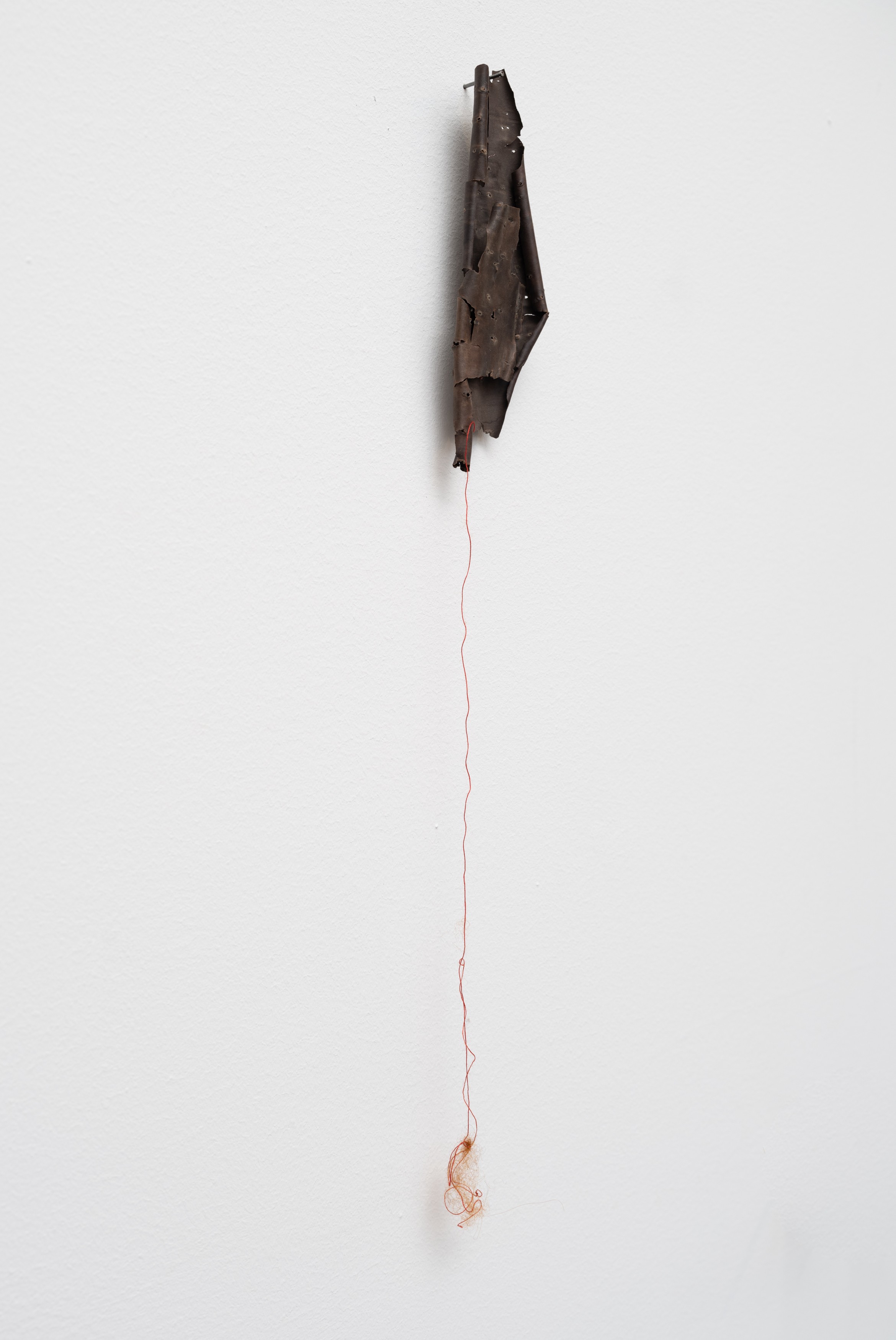
Corteza con cola (Precarios), 2017
세실리아 비쿠냐
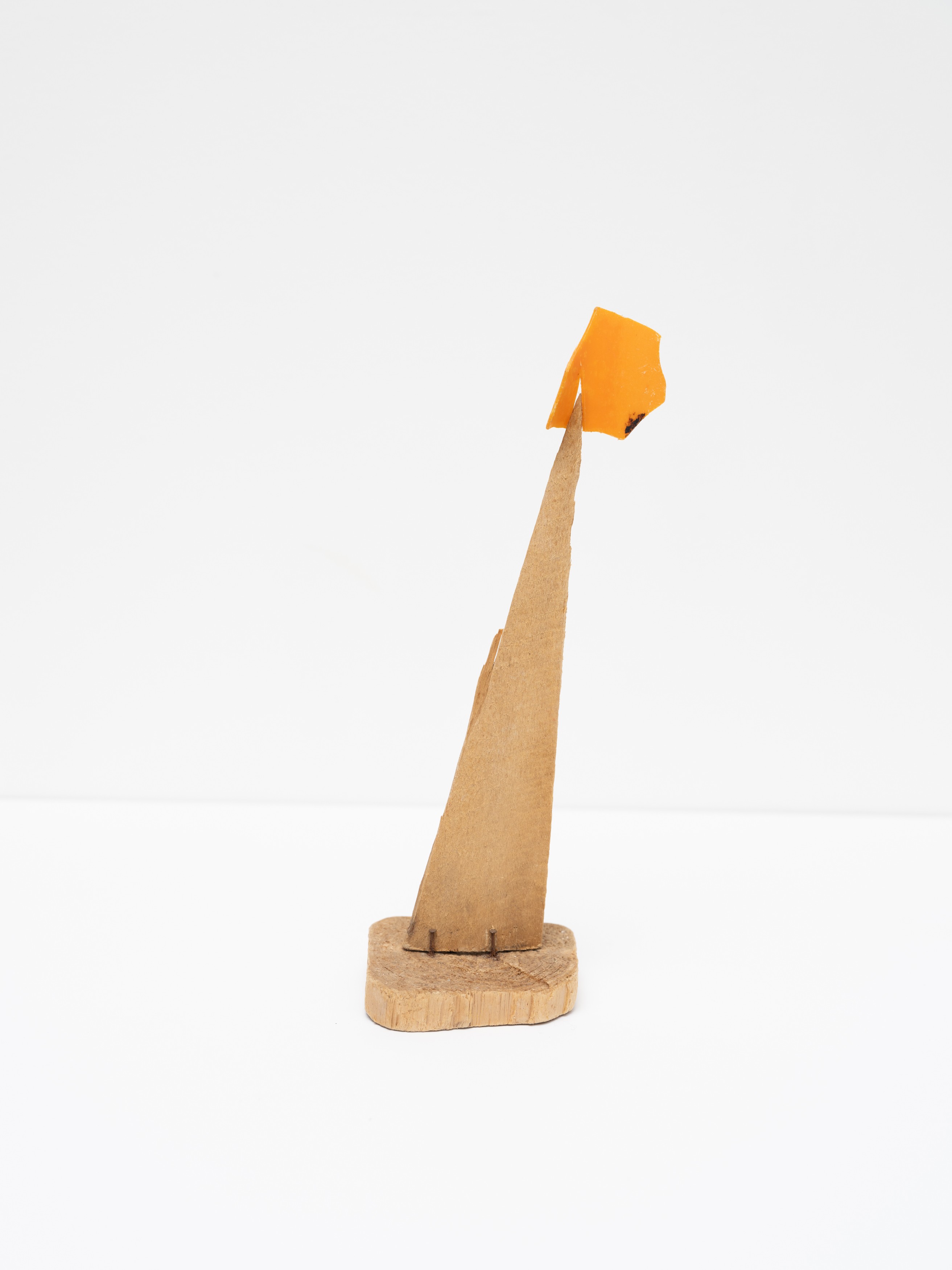
Triangulo escarpado (Precarios), 2017
세실리아 비쿠냐
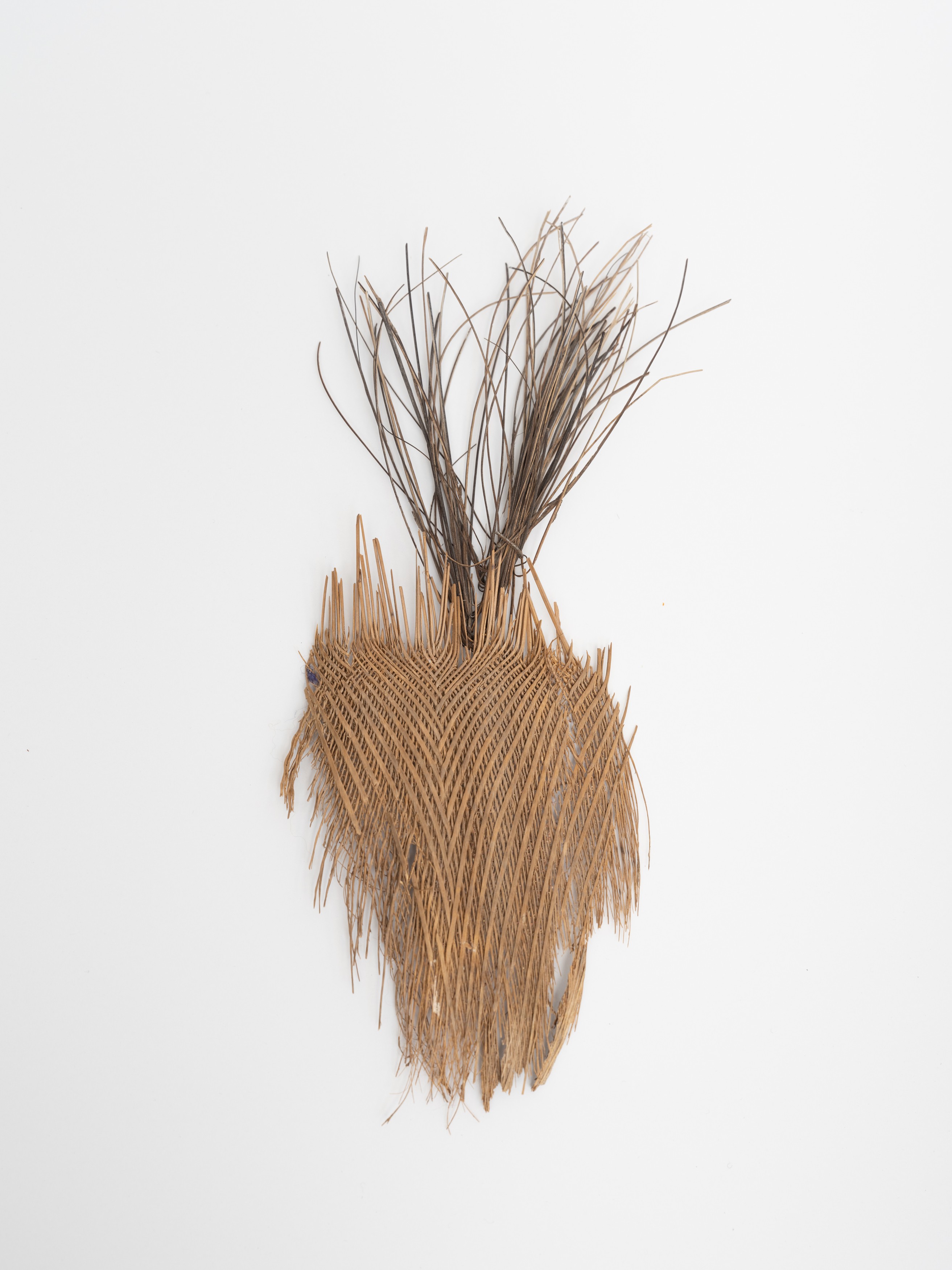
Palmas no palmas (Precarios), 2017
세실리아 비쿠냐
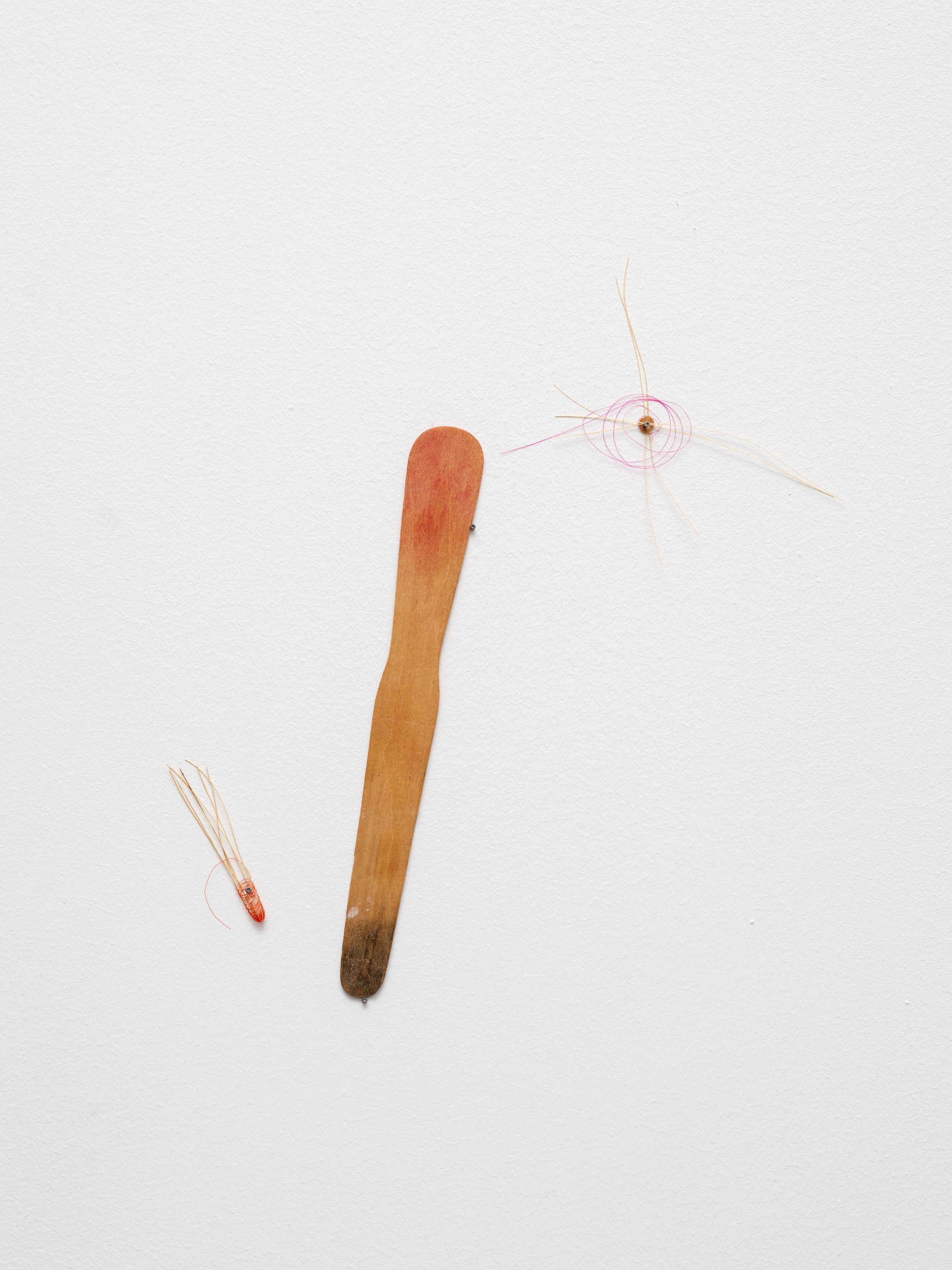
Cohetes rari y paleta (Precarios), 2009
세실리아 비쿠냐
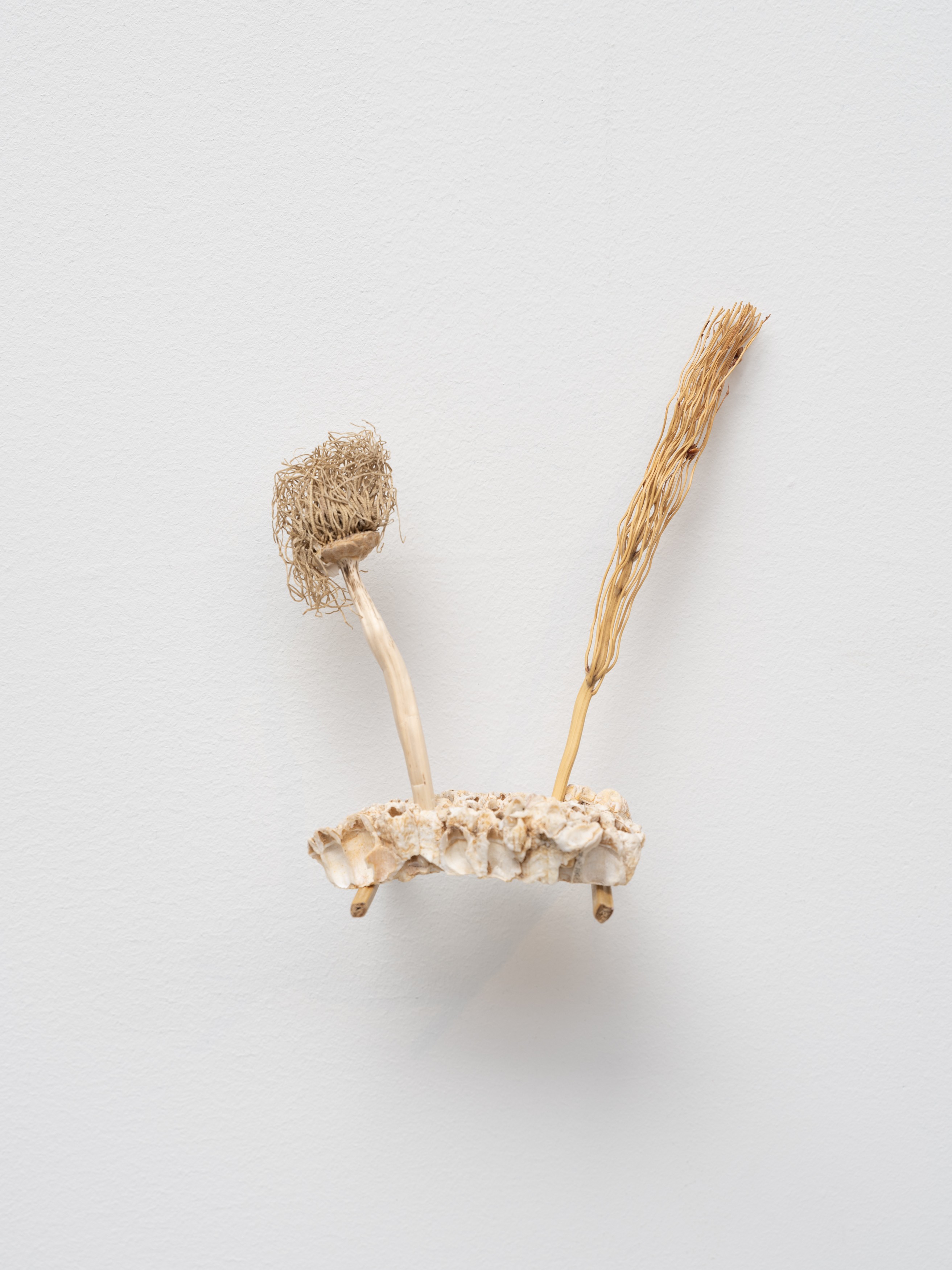
Doble escoba curagüilla (Precarios), TBC
세실리아 비쿠냐
Cruz balsa (Precarios), 2009
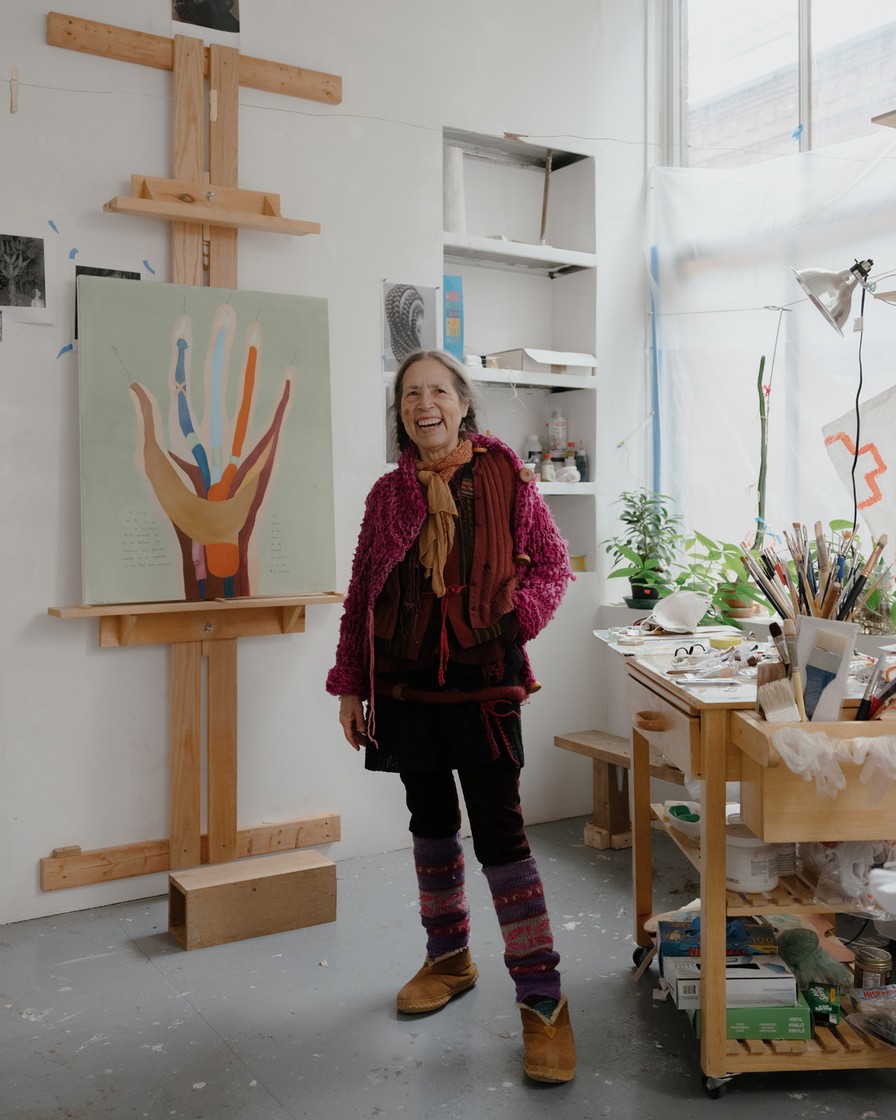
세실리아 비쿠냐 (1948년 칠레 산티아고 출생, 현재 뉴욕과 산티아고 거주 및 작업 중)는 시, 퍼포먼스, 개념미술과 직물 공예를 통해 생태계 파괴, 인권, 문화 획일화와 같은 현대 사회의 긴급한 문제들을 대한 우려를 표출한다. 산티아고에서 태어나고 자란 그녀는 1970년대 초, 살바도르 아옌데 대통령에 대한 폭력적인 군사 쿠데타 이후 망명 되었다. 이러한 불안정한 정치와 칠레의 고유문화를 보존하고 기리고자 하는 욕망은 그녀의 경력 전반에 걸쳐 작업 특징으로 삼고 있다.
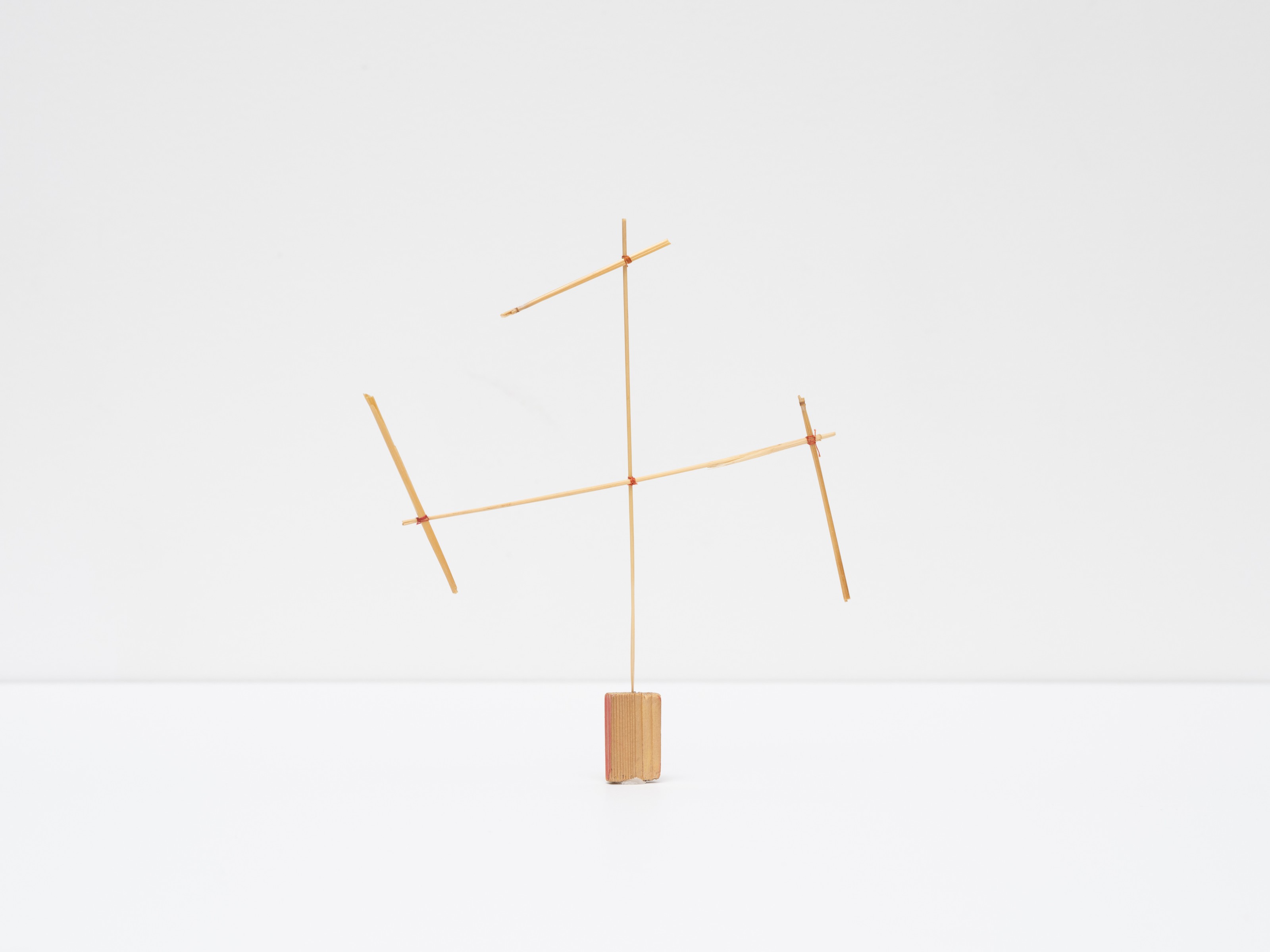
1960년대 중반 칠레에 살면서, 비쿠냐는 깃털, 돌, 플라스틱, 나무, 철사, 조개껍질, 천, 그리고 인공적인 잔해들을 결합하여 만든 공간적 시(poem), '프레카리오스(precarios)'라고 부르는 일련의 작은 조각 작품 시리즈를 작업하기 시작했다. 이 작은 조각들은 종종 끈으로 느슨하게 묶여 있어 재료들이 자연스럽게 모인 것처럼 보이기도 한다. 이러한 작품들은 그 자체로 연약하고 일시적이며, 비쿠냐는 프레카리오스를 바다의 가장자리에 배치하여 밀물에 의해 자연스럽게 지워지도록 의도했다. 프레카리오스를 작업하던 비슷한 시기에 비쿠냐는 색깔이 있는 끈을 매듭지어 소통하고 기록하는 안데스의 고대 키푸스(quipus)에도 관심을 가지기 시작했다. 그녀의 첫 공간적 직조는 1970년대 초반에 시작되었으며, 그녀는 방적되지 않은 양털로 자신의 키푸스를 만들기 시작했다. 이러한 일시적이고 장소 특정적인 설치 작품들은 직조와 방적의 촉각적인 의식을 집합체, 시, 그리고 공연과 결합했다. 1970년대 작업한 비쿠냐의 초현실적인 구상 회화는 그녀의 다른 작품들에 비해 개인적이고 정치적이며, 칠레의 불안과 그로 인한 망명에 직접 반응하여 창작되었다. 이 회화들은 스페인 정복 이후, 16세기 라틴 아메리카의 원주민 예술가들이 가톨릭 교회를 위해 천사와 성인을 그리도록 강요받았던 시기에 제작된 미묘하게 전복적인 이미지들을 참조하기도 한다. 비쿠냐의 회화에서는 종교적 아이콘이 개인적, 정치적, 문학적 인물로 대체되어 예술가에 의해 기념되고 신화화된다.