본문으로 건너뛰기

세실리아 비쿠냐

MASS MoCA

North Adams

2026년 5월 23일–2027년 4월 4일

Cecilia Vicuña Installation view

North Adams, MA

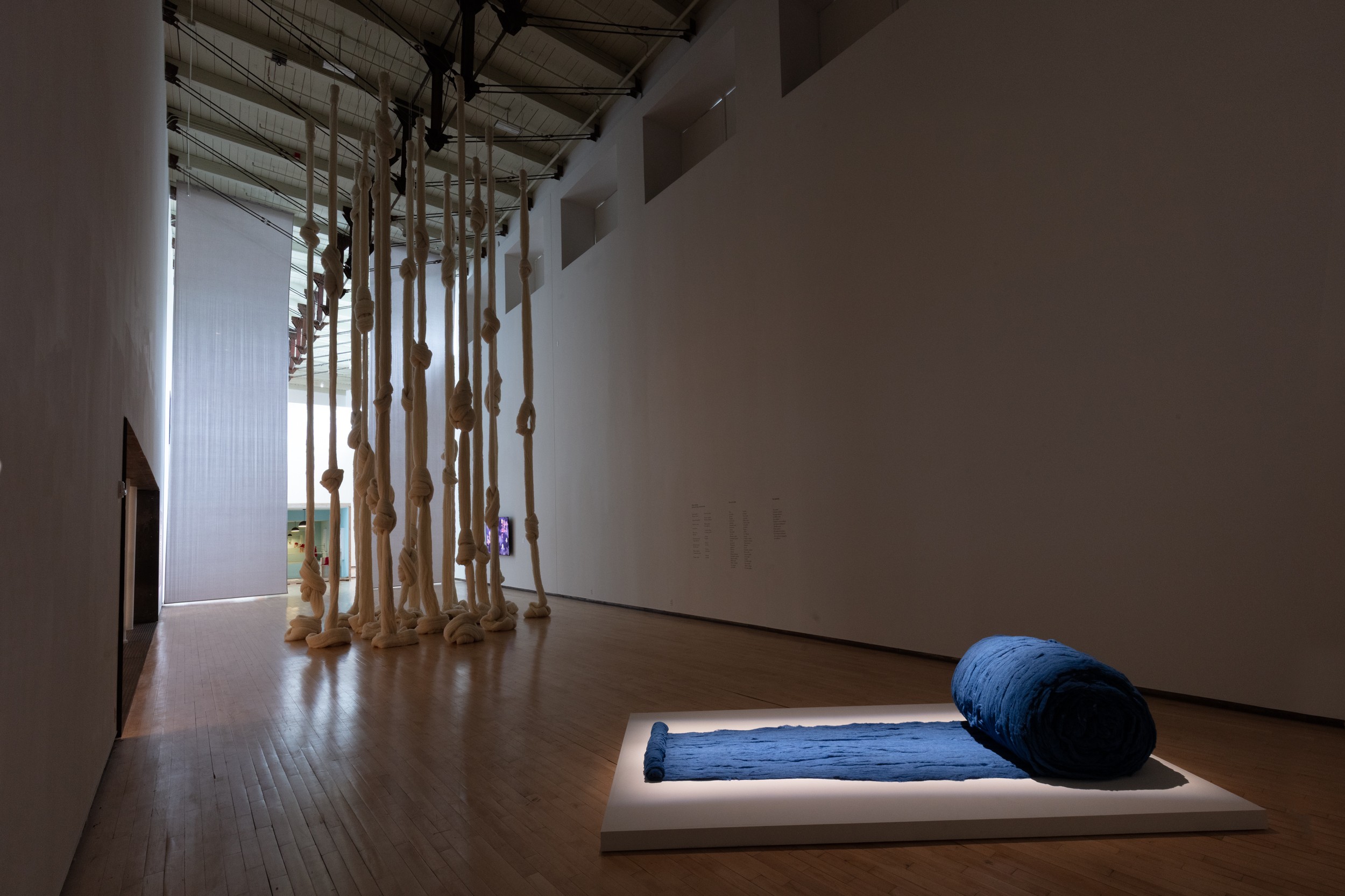
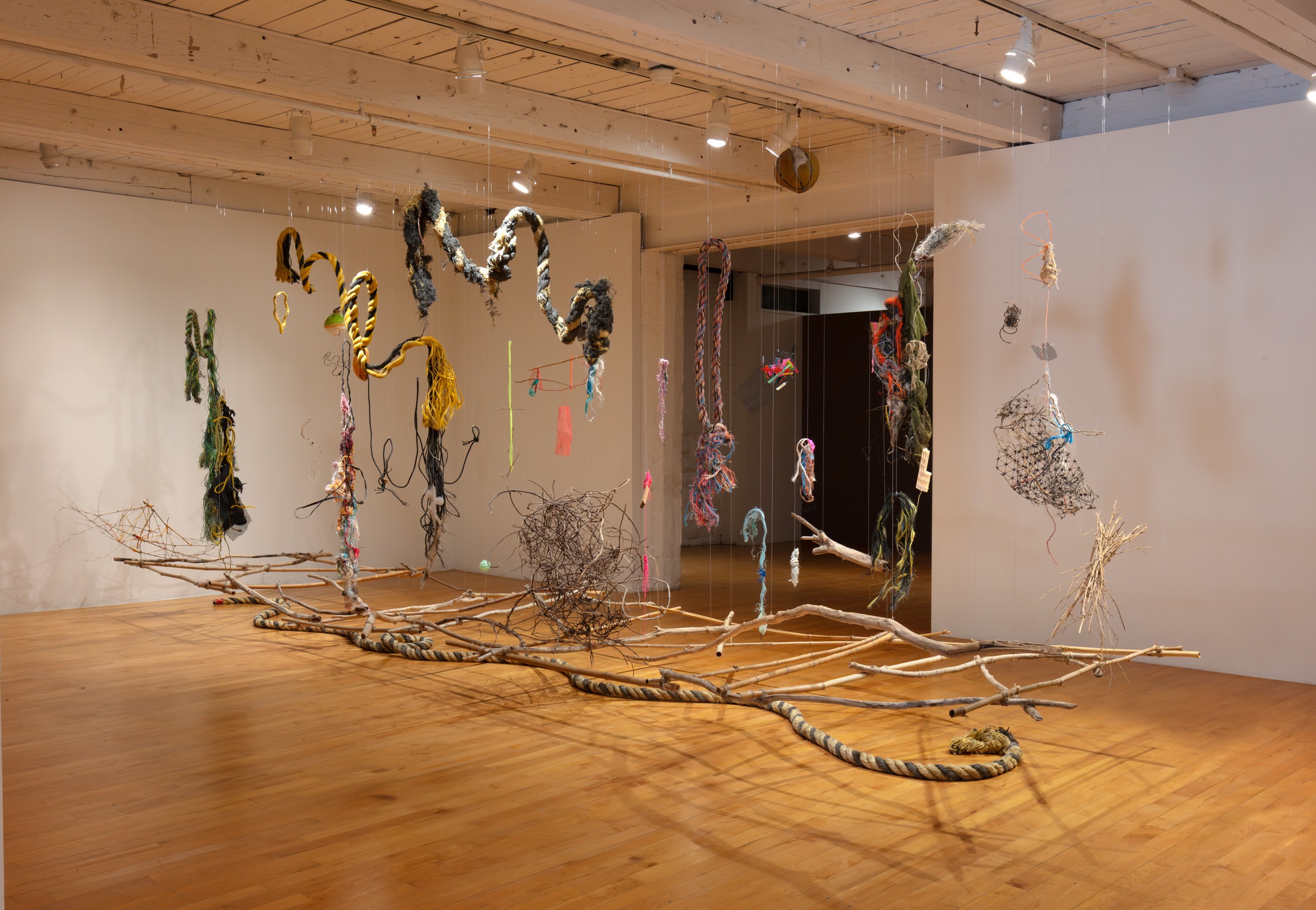
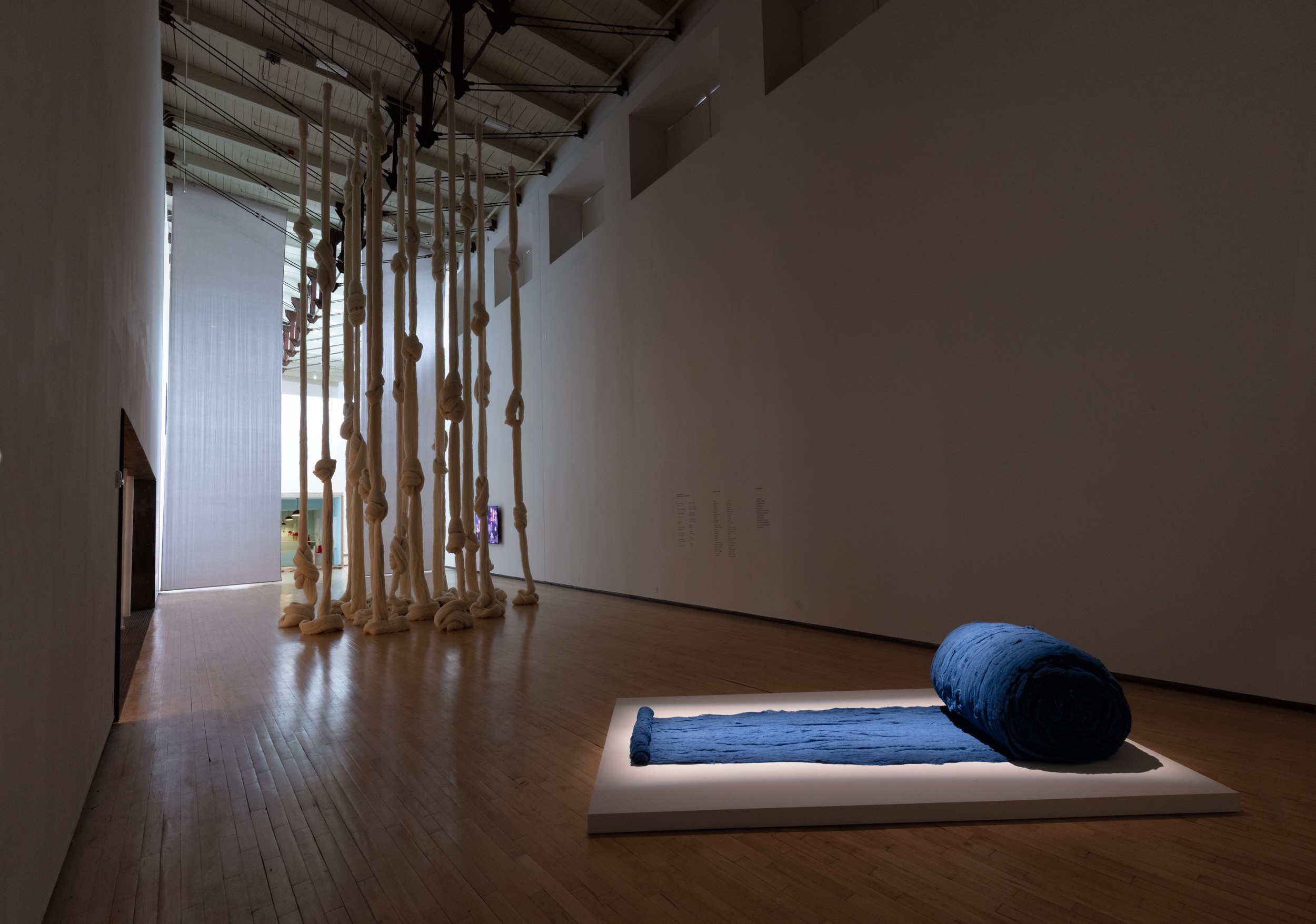
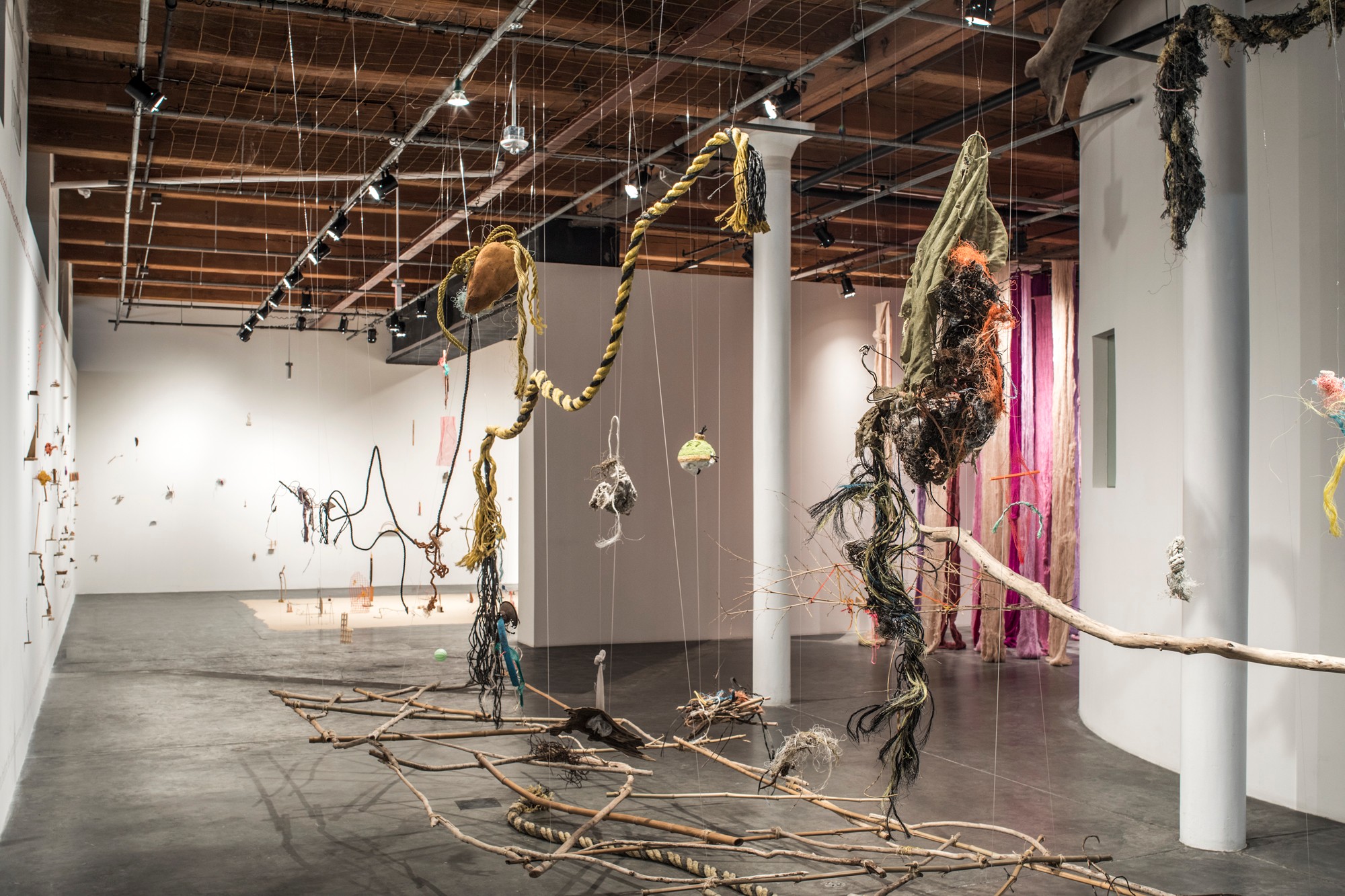
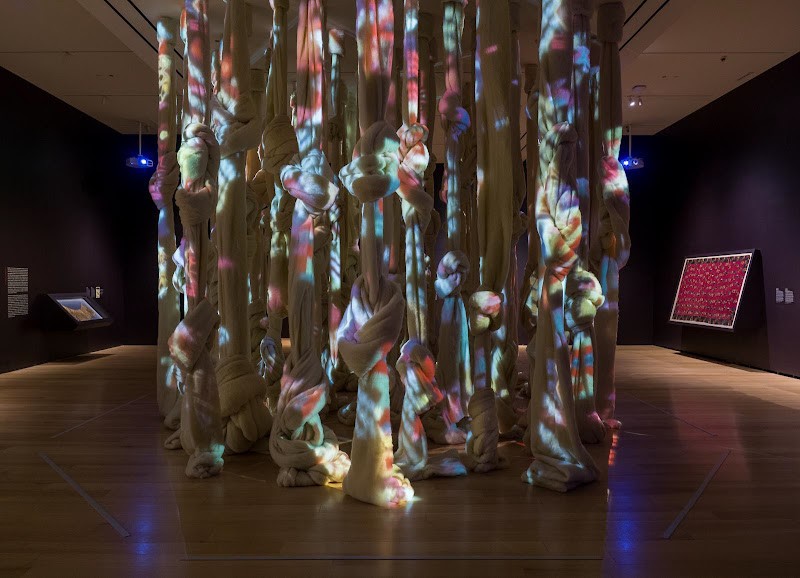
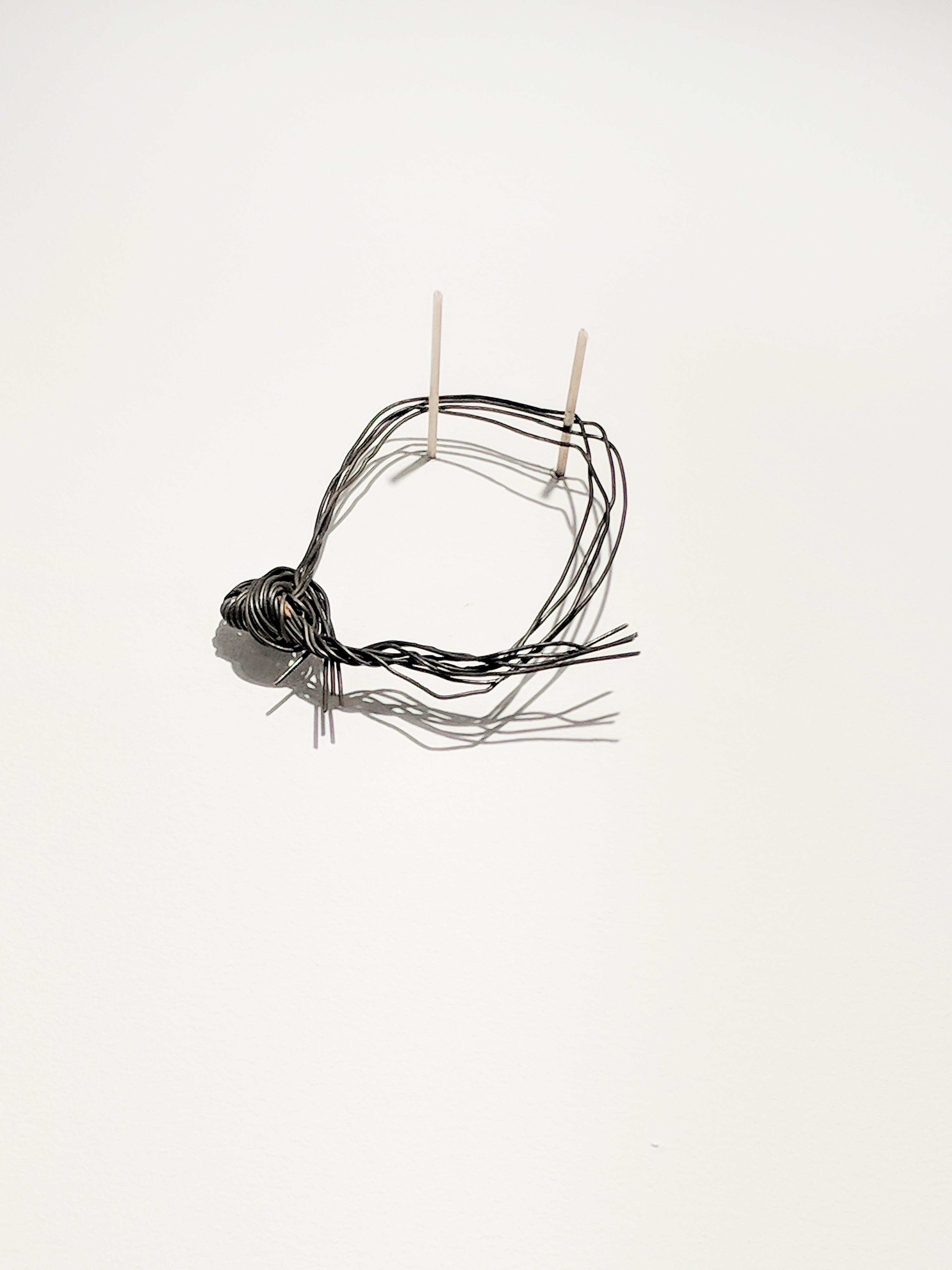
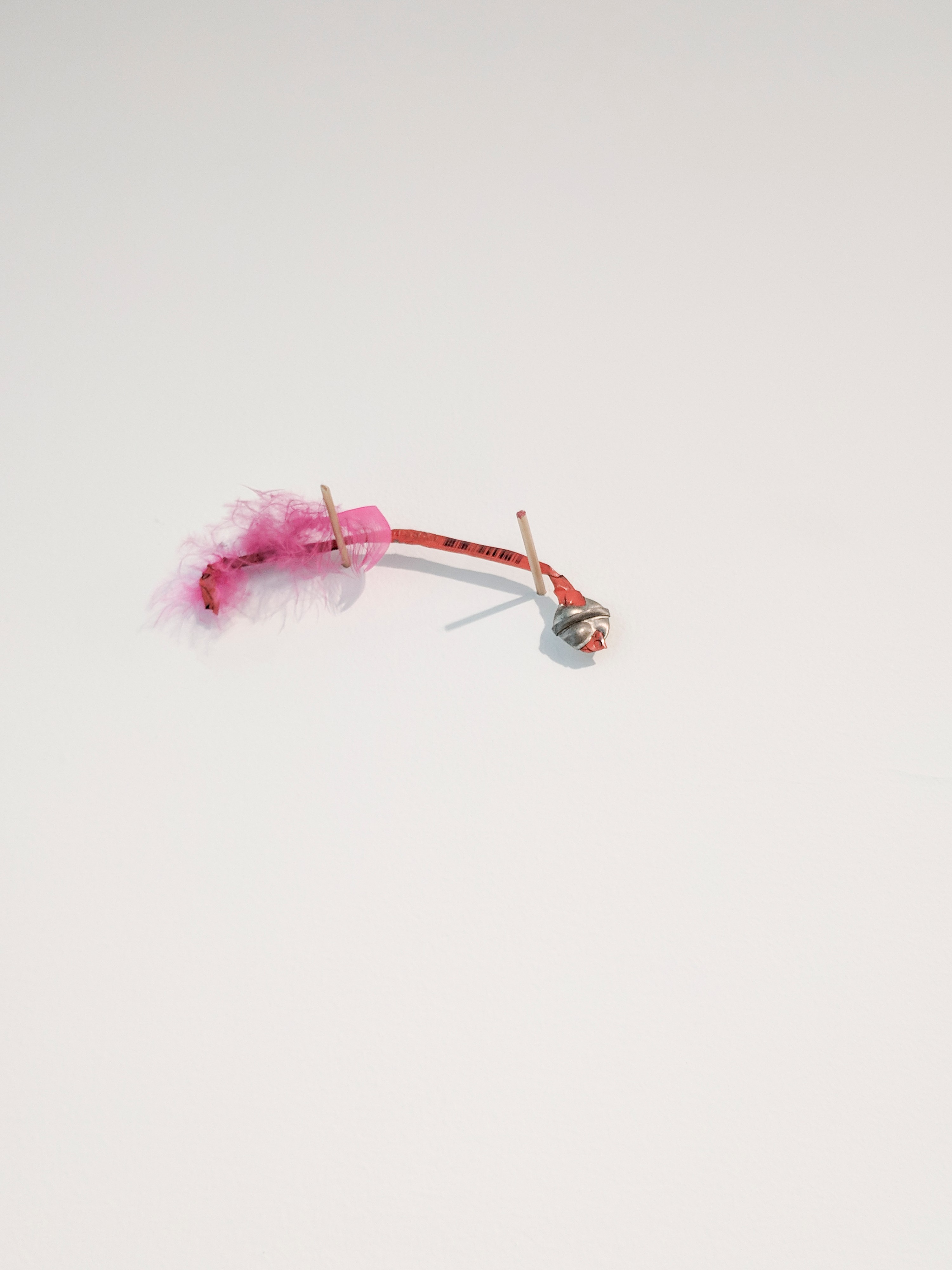
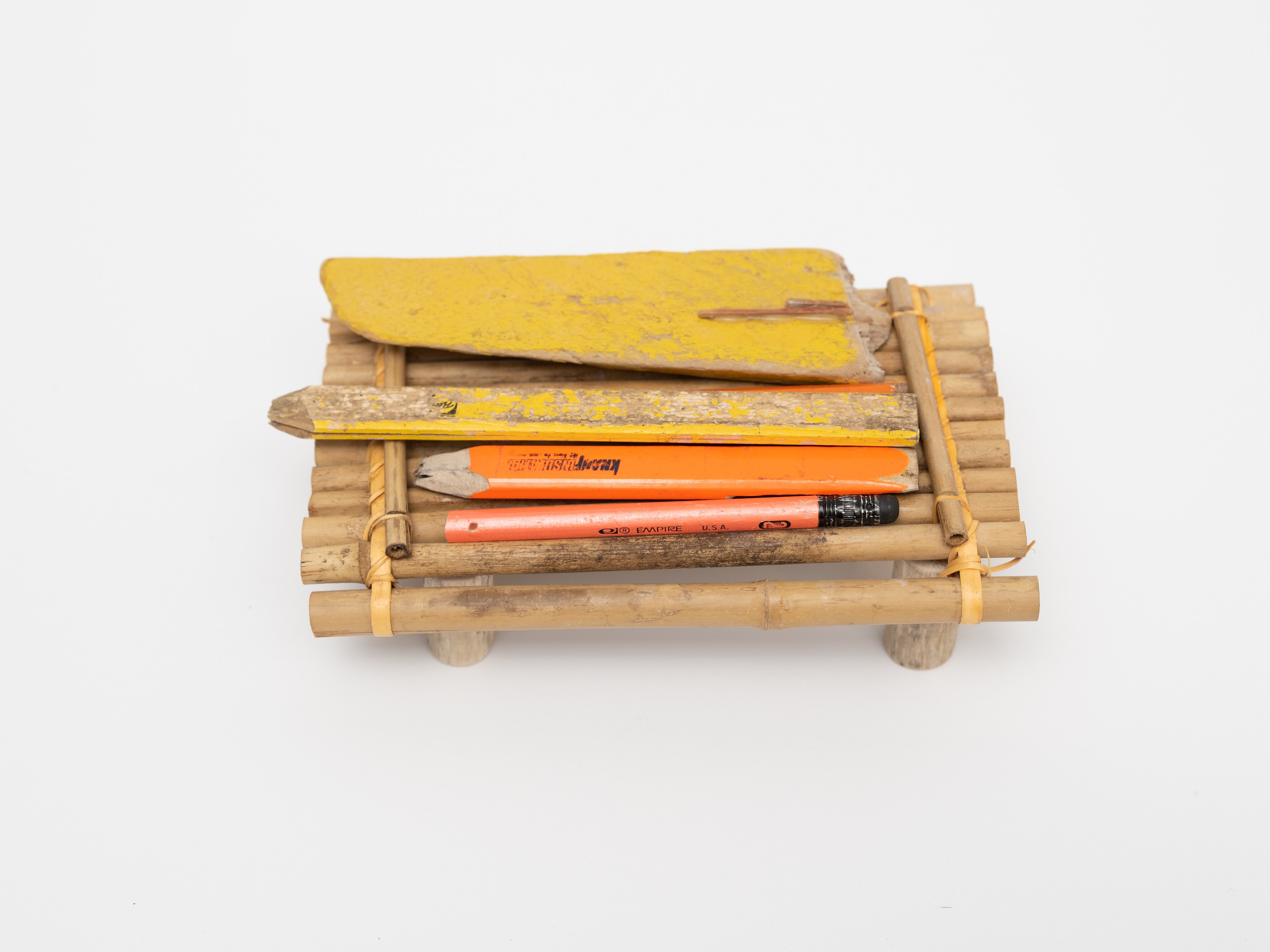
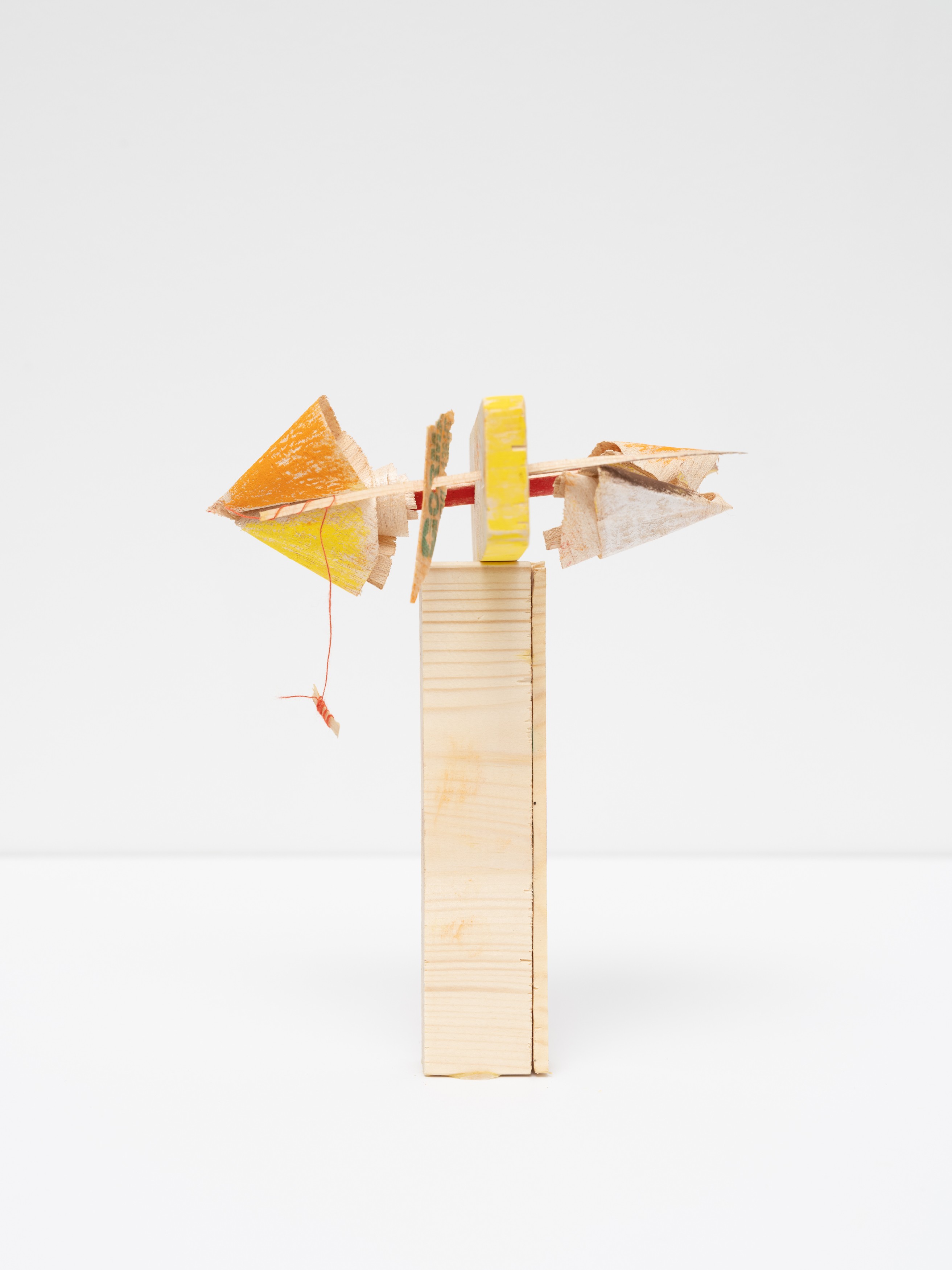
Cecilia Vicuña: union of three is rooted in the artist’s 60-year art practice of ‘precarios’ or ‘Arte Precario’—small assemblages made from discarded and fragmented materials conceptually foregrounded in ephemerality, intangibility, and evanescence. Born in 1948 in Santiago, Chile, and based in New York City, the pioneering visual artist, poet, filmmaker, and activist has focused on various political issues, from the fascist Pinochet era of Chile to the present environmental destruction. Cecilia Vicuña: union of three presents a selection of ‘precario’ and quipu sculptures, including her monumental Quipu Desaparecido 2 / Disappeared Quipu 2 (2018) and Balsa Snake Raft to Escape the Flood (2017), alongside films, texts, and sound. 

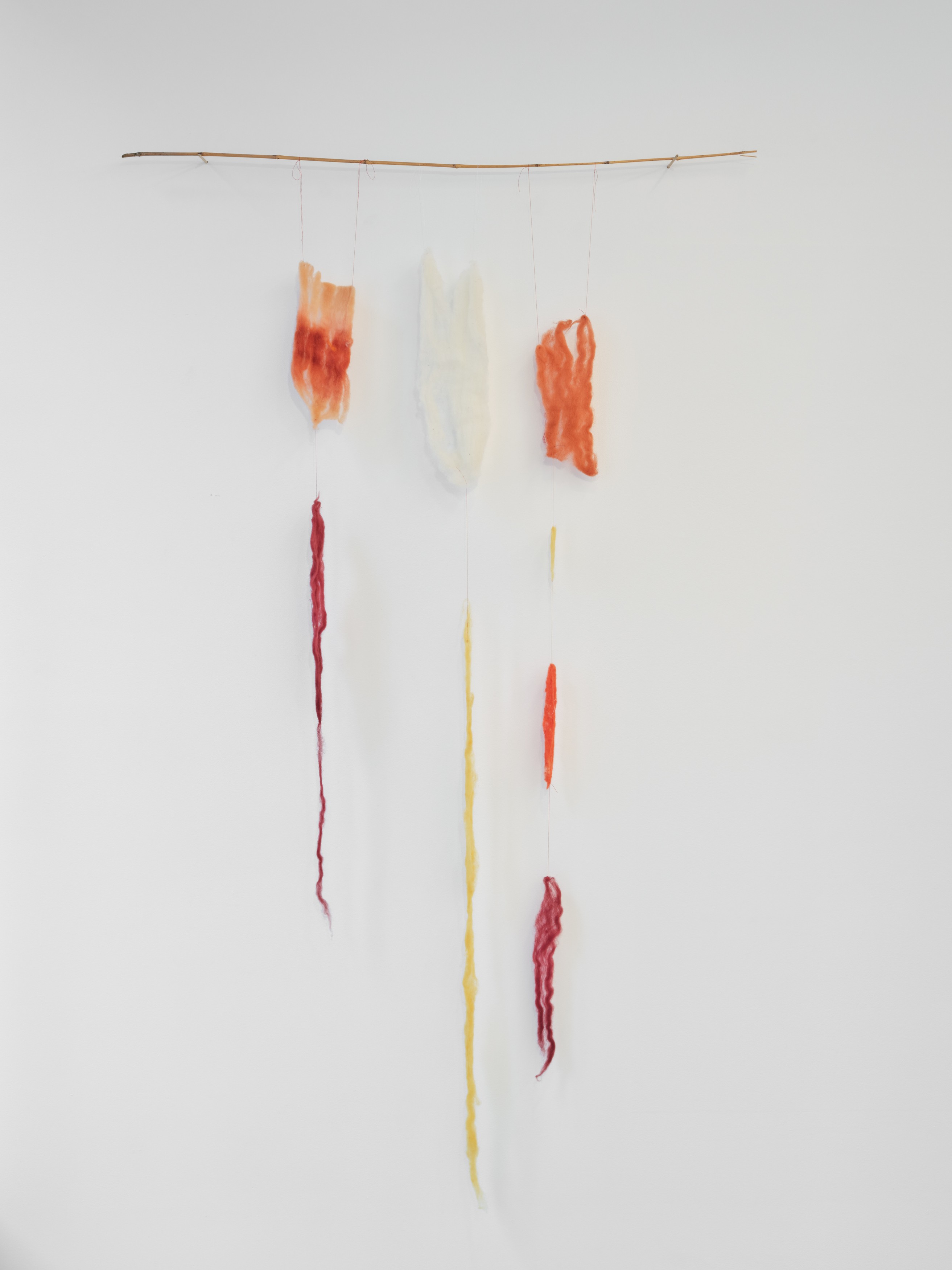
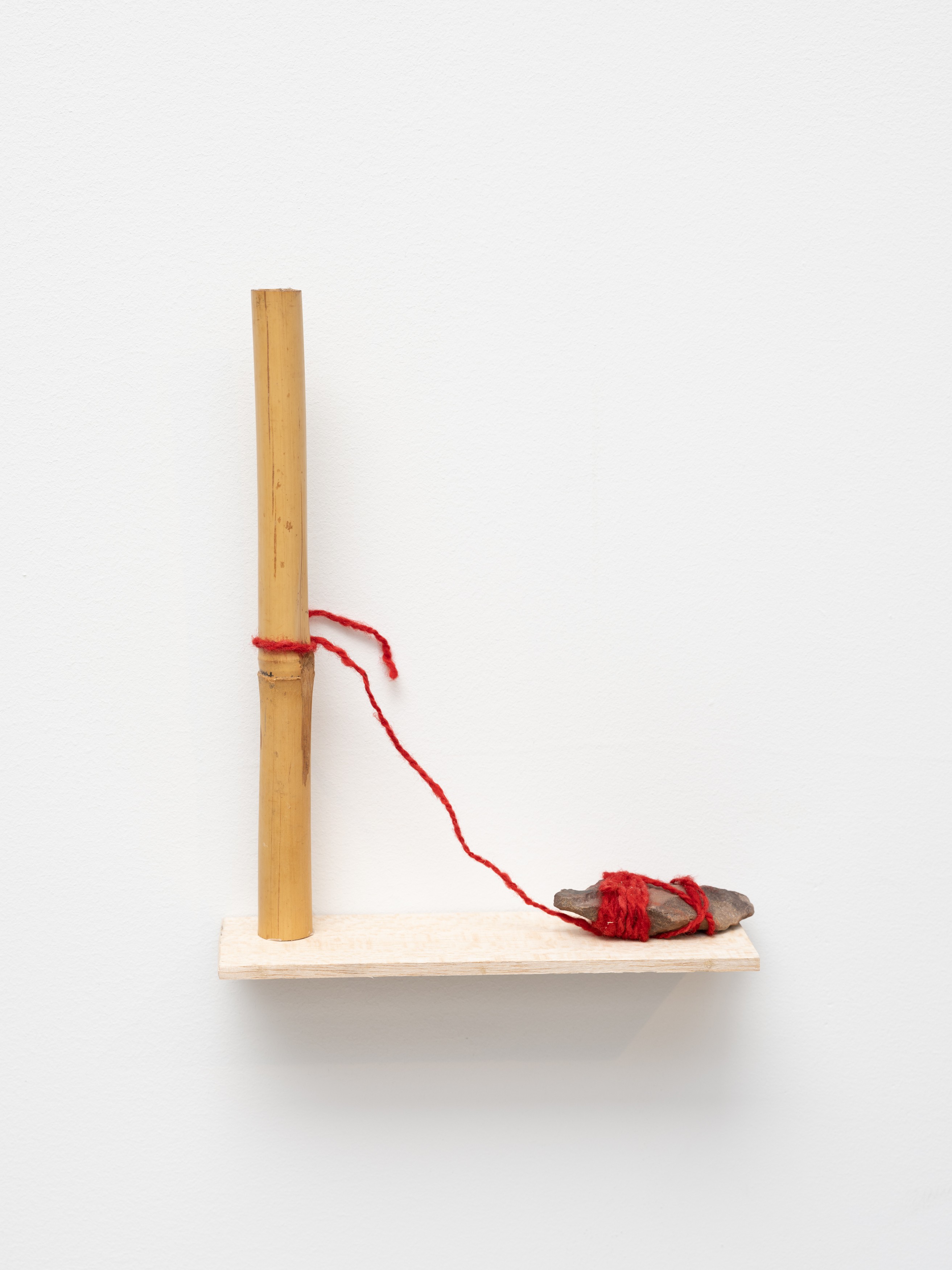
The core of Cecilia Vicuña: union of three rests in Vicuña’s humble act of ‘precarios,’ where she wove into the wet sand of the beach with sticks and debris in Con cón, Chile. Her physical prayer transformed into evocations of memory and actions of the minutiae, which hold the possibility of what was, is, and could be. Vicuña’s conceptual gesture foregrounded the vulnerability of contemporary political situations through overlooked detritus materials. This action introduced notions of interconnectedness by embracing organic trash forms and revaluing them with meaning. 

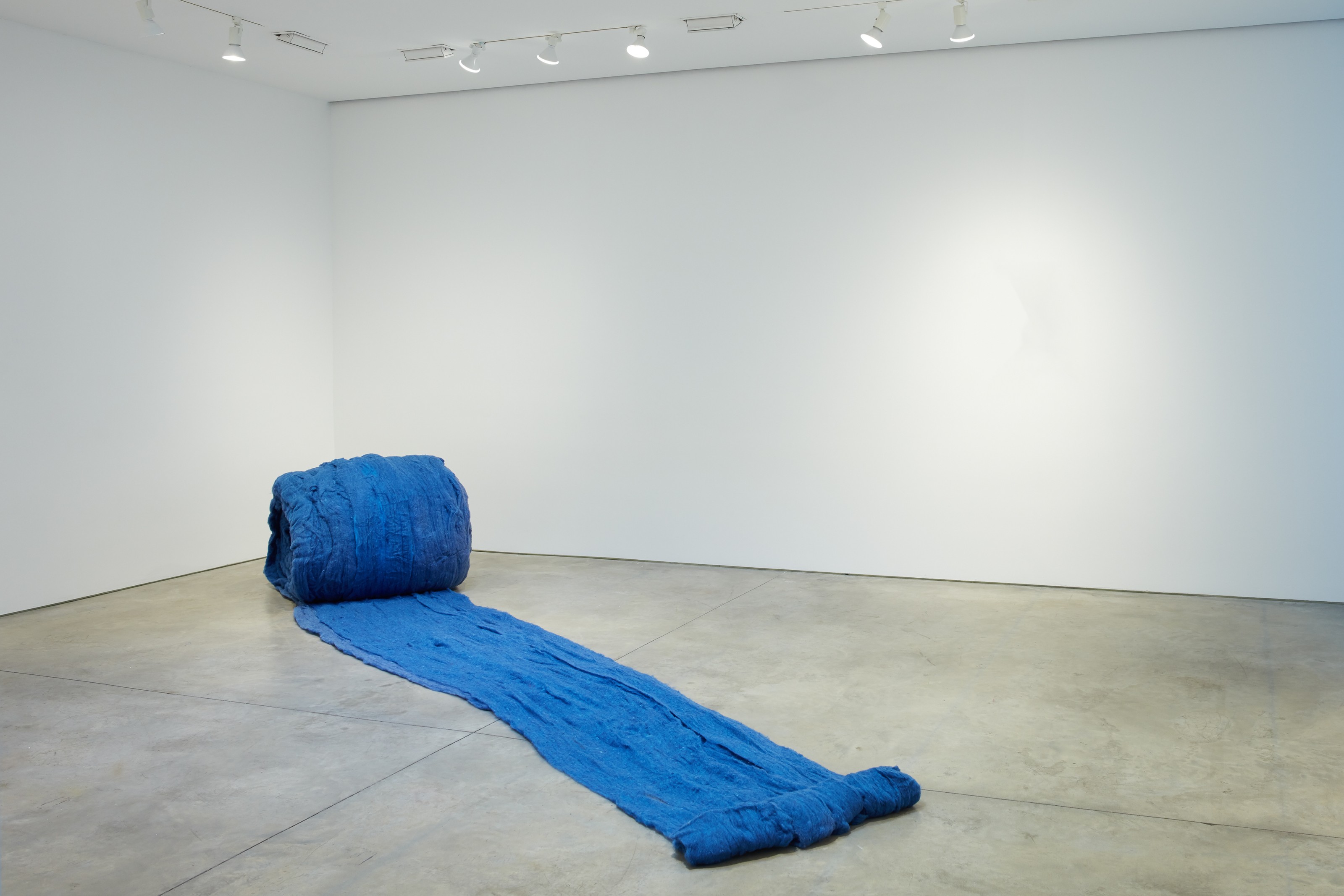
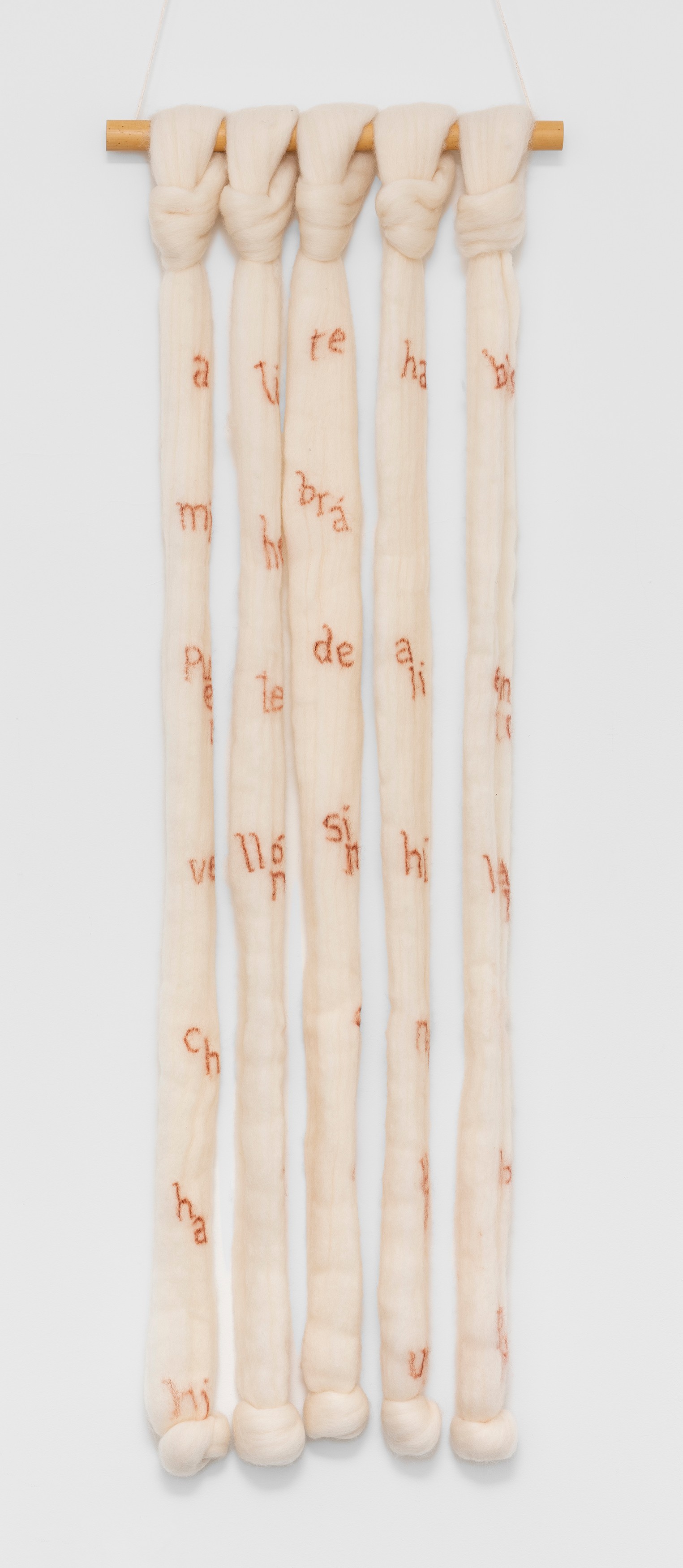
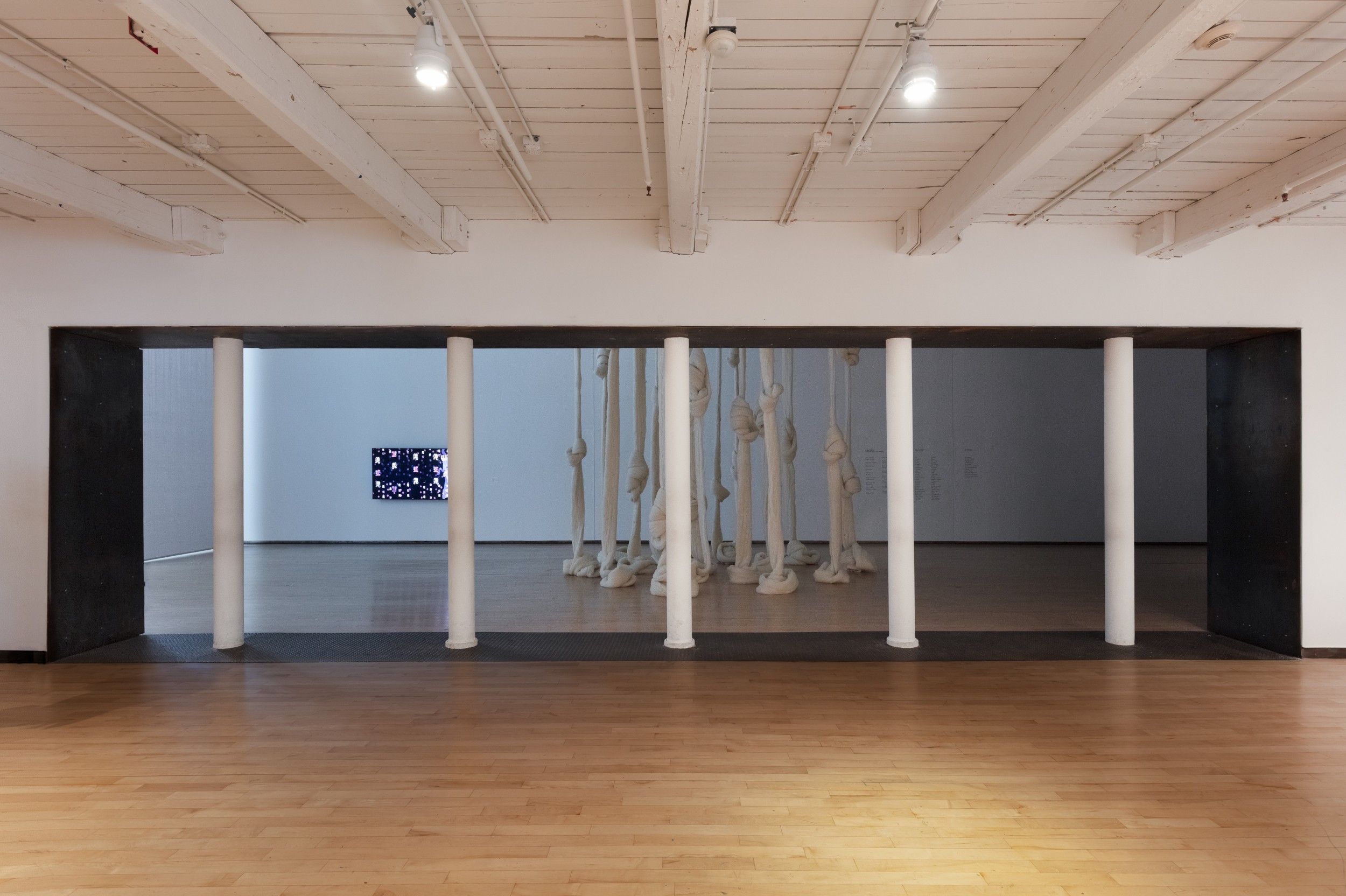
Much of Vicuña’s practice has channeled Andean epistemology, histories, and knowledge of reciprocal love and wisdom in relation to the environment. Vicuña’s Quipu Desaparecido 2 / Disappeared Quipu 2 (2018), an installation of natural white unspun wool with sound and video, consists of the artist’s chants, poems, and photographic imagery of Andean textiles spanning fourteen hundred years selected by Vicuña from the Brooklyn Museum and Museum of Fine Arts Boston’s Andean textile Collections. This work is part of the series “quipus for the future,” which honors Andean culture and resilience against colonialism. Historically, the quipu was an ancient Andean communication device made of knotted spun string used to record the everyday history, data, and narratives of Indigenous societies. Forbidden and, at times, destroyed by Spanish colonial rule, the quipus persevered in secret as a fugitive act of resistance to colonialism’s domination and violence. 

Installation view of Cecilia Vicuña at MASS MoCA
Installation Views: 1 / 3
Installation by Cecilia Vicuña

세실리아 비쿠냐

Caracol Azul (Blue Snail), 2017

Precarios by Cecilia Vicuña

세실리아 비쿠냐

Balsa Snake Raft to Escape the Flood, 2017

Quipus by Cecilia Vicuña

세실리아 비쿠냐

Quipu Desperado, 2018

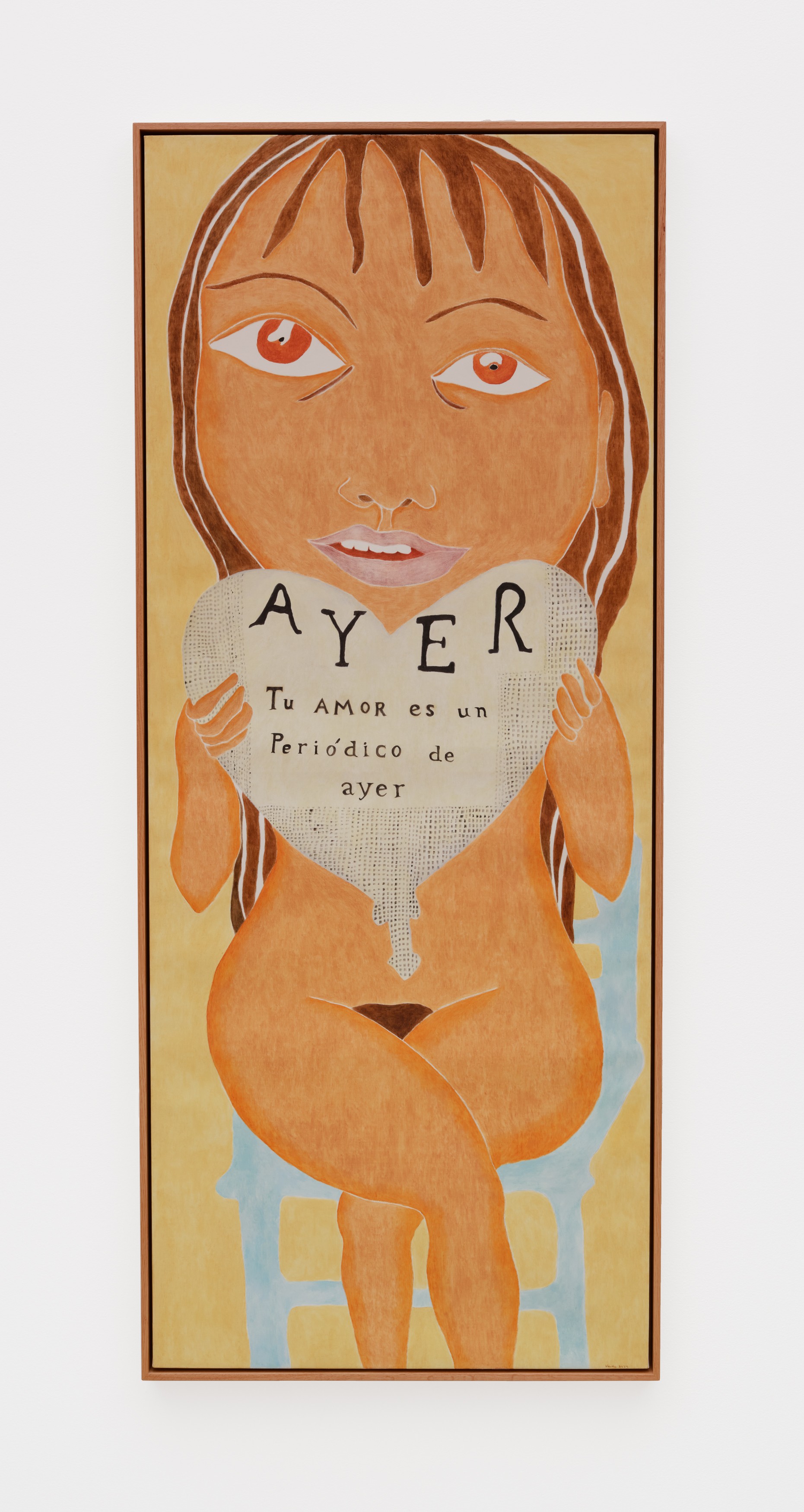
Painting by Cecilia Vicuña

세실리아 비쿠냐

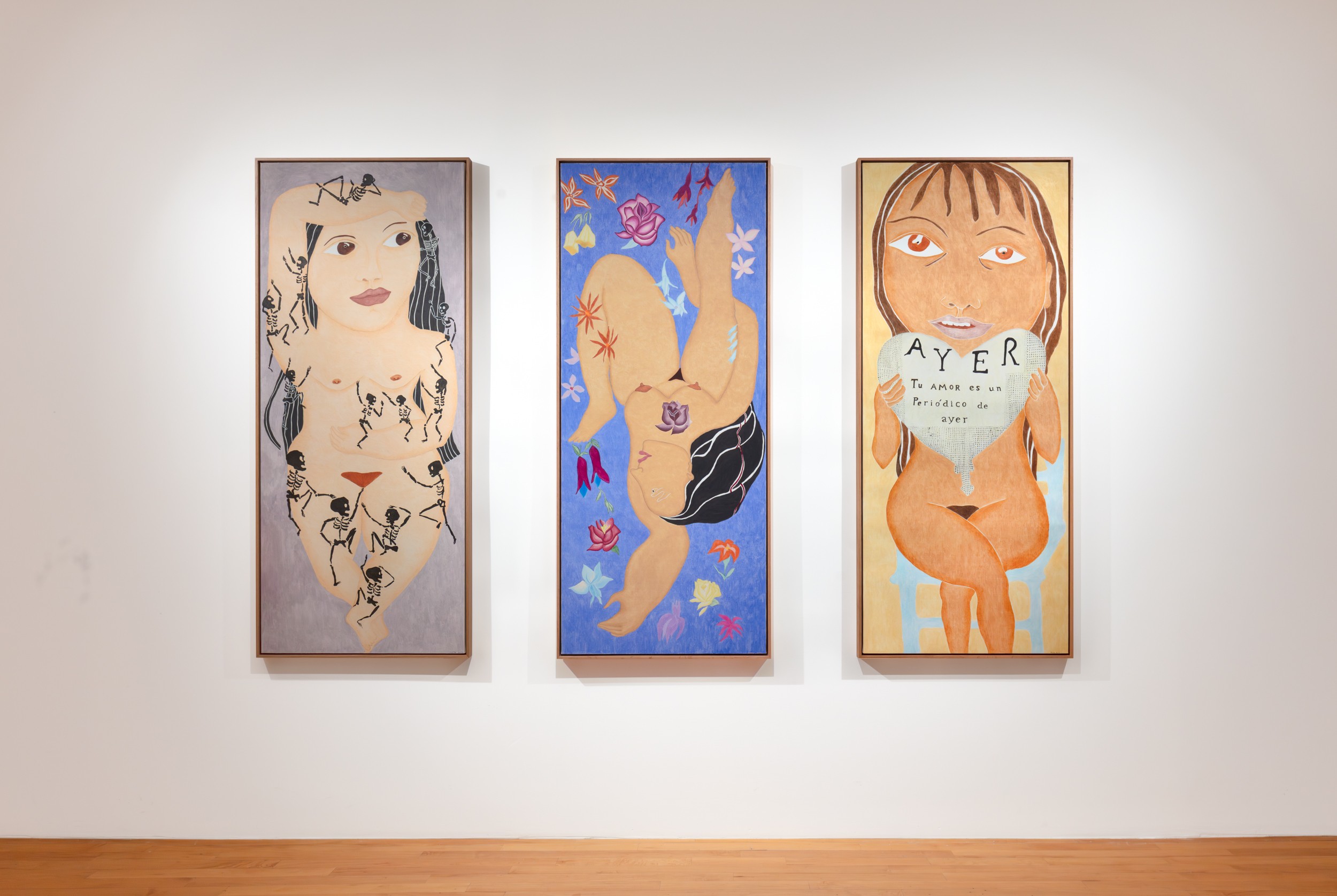
La Habana, 1978/2024

Painting by Cecilia Vicuña

세실리아 비쿠냐

Periódico de Ayer, 1978/2024

Precarios by Cecilia Vicuña

세실리아 비쿠냐

Huso de piedra (Precarios), 2009

Film still by Cecilia Vicuña

세실리아 비쿠냐

Semiya (Seed Song), 2015

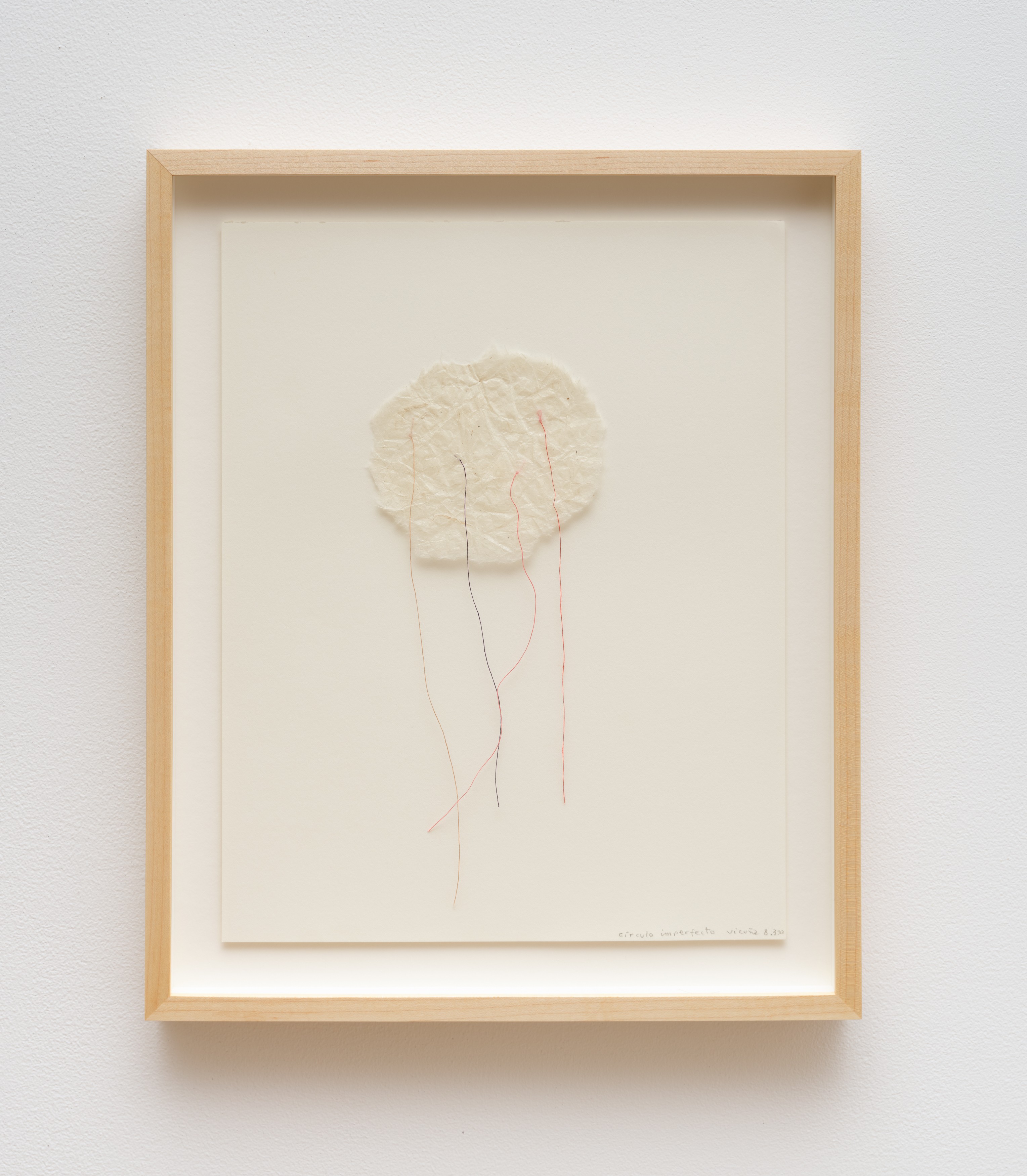
Work on paper by Cecilia Vicuña

세실리아 비쿠냐

Circulo imperfecto, 2020

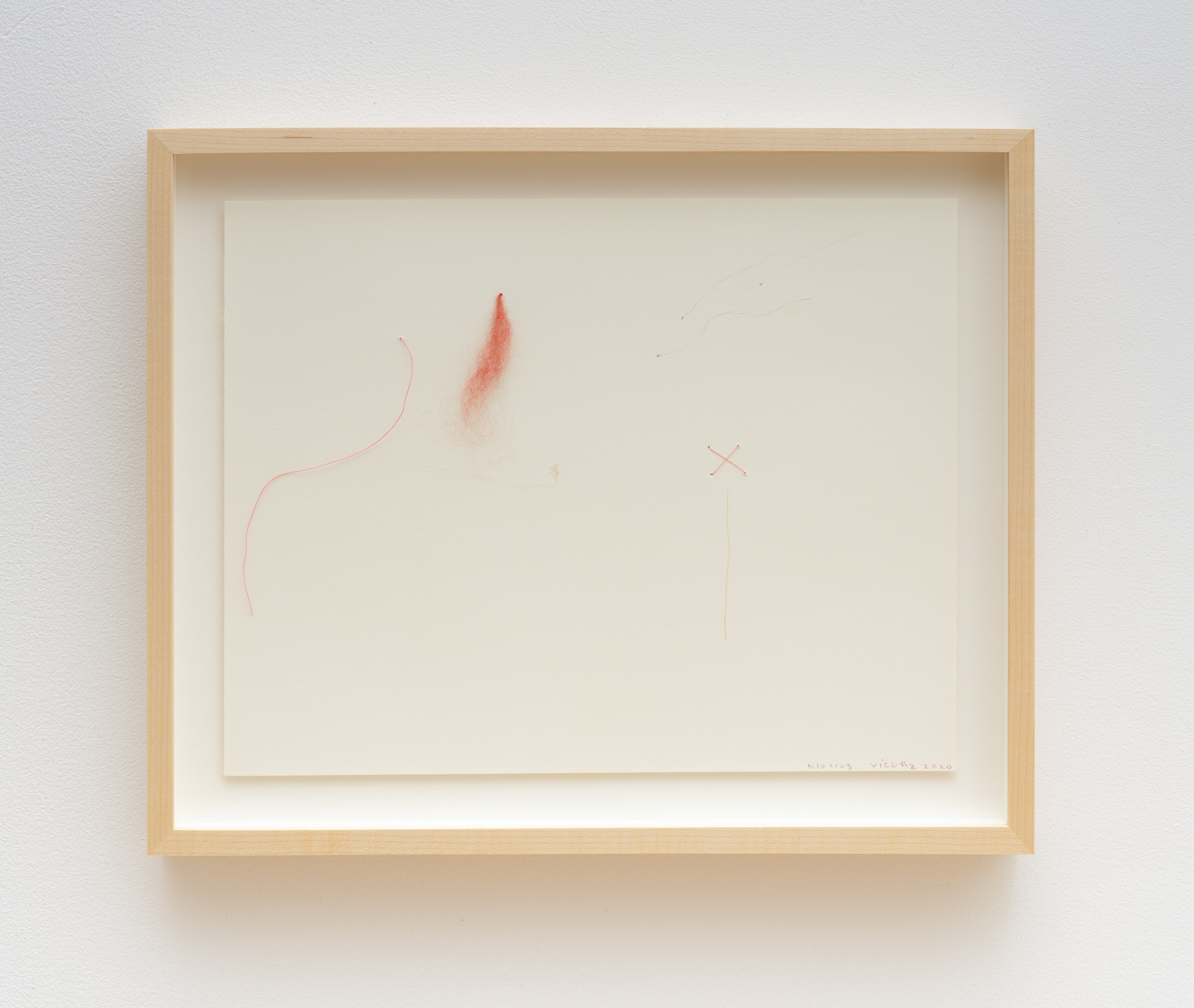
Work on paper by Cecilia Vicuña

세실리아 비쿠냐

Hilo cruz, 2020

Quipu by Cecilia Vicuña

세실리아 비쿠냐

Quipu Desaparecido 2 / Disappeared Quipu 2, 2018

Painting by Cecilia Vicuña

세실리아 비쿠냐

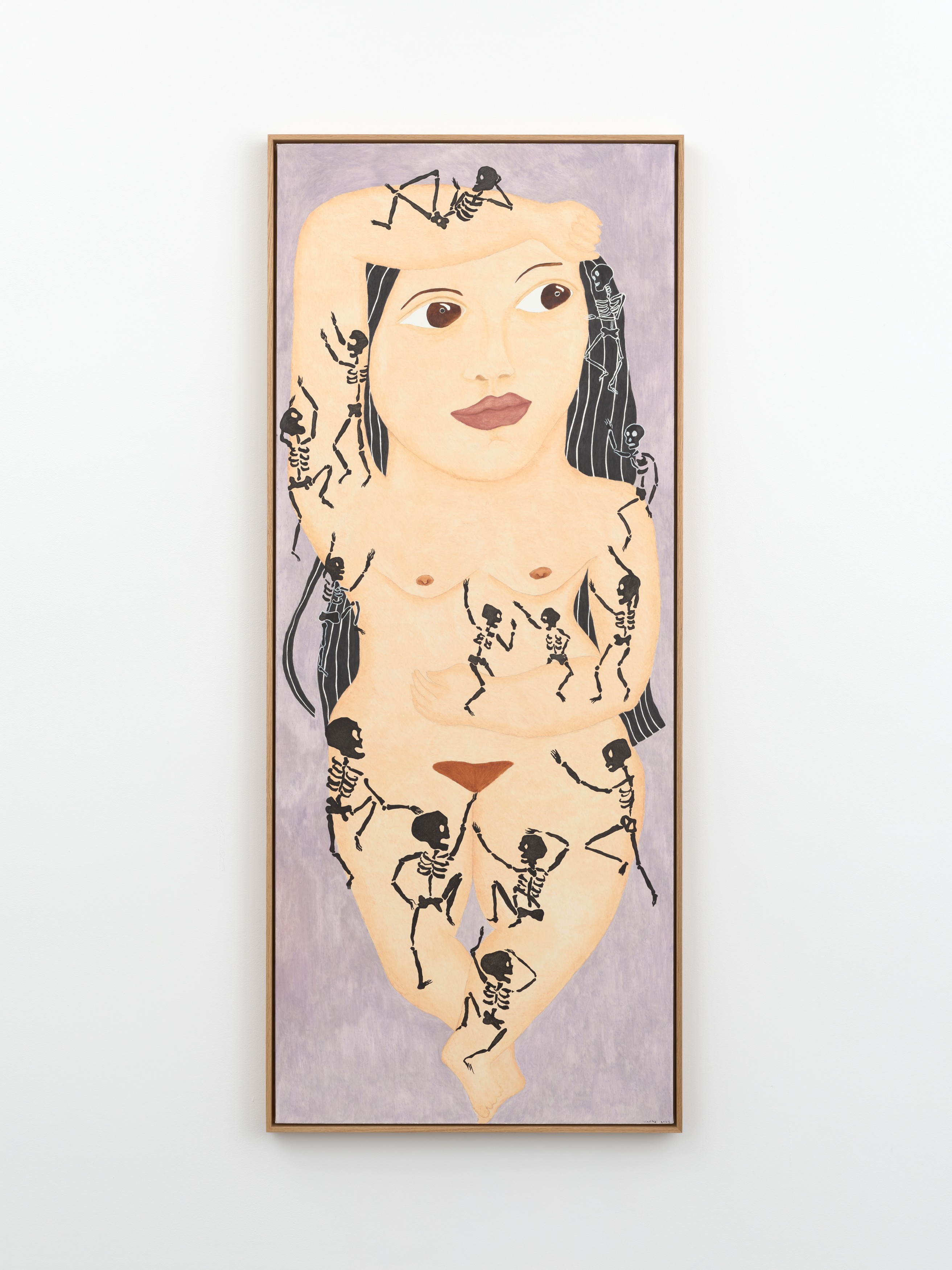
Twist del esqueleto, 1978/2024

Quipu by Cecilia Vicuña

세실리아 비쿠냐

Chanccani Quipu, 2012

Installation by Cecilia Vicuna
Precarios by Cecilia Vicuña

세실리아 비쿠냐

Nudo aplastado (Precarios), 2014

Precarios by Cecilia Vicuña

세실리아 비쿠냐

Pájaro telefónico (Precarios), 2000

Precarios by Cecilia Vicuña

세실리아 비쿠냐

Lapicitos New York (Precarios), 2017

Precarios by Cecilia Vicuña

세실리아 비쿠냐

Niño alado (Precarios), 2019

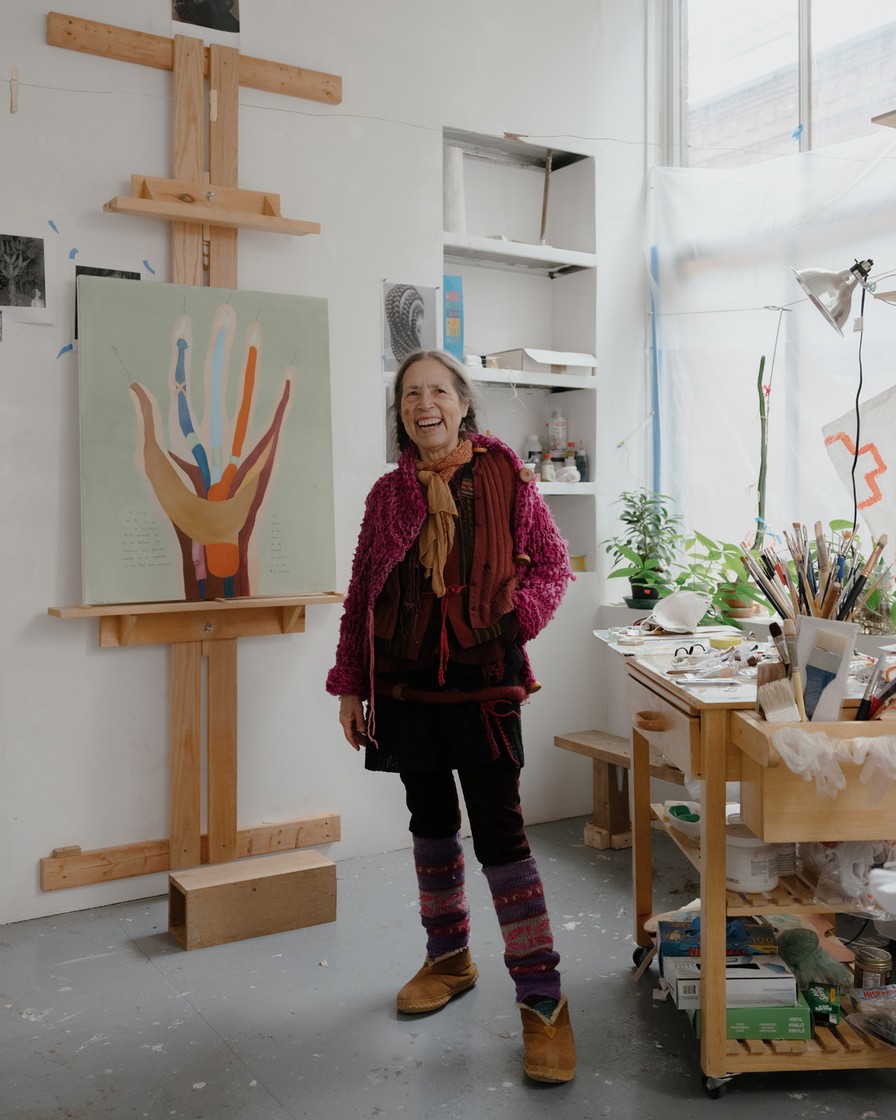
Portrait of Cecilia Vicuña

세실리아 비쿠냐 (1948년 칠레 산티아고 출생, 현재 뉴욕과 산티아고 거주 및 작업 중)는 시, 퍼포먼스, 개념미술과 직물 공예를 통해 생태계 파괴, 인권, 문화 획일화와 같은 현대 사회의 긴급한 문제들을 대한 우려를 표출한다. 산티아고에서 태어나고 자란 그녀는 1970년대 초, 살바도르 아옌데 대통령에 대한 폭력적인 군사 쿠데타 이후 망명 되었다. 이러한 불안정한 정치와 칠레의 고유문화를 보존하고 기리고자 하는 욕망은 그녀의 경력 전반에 걸쳐 작업 특징으로 삼고 있다.

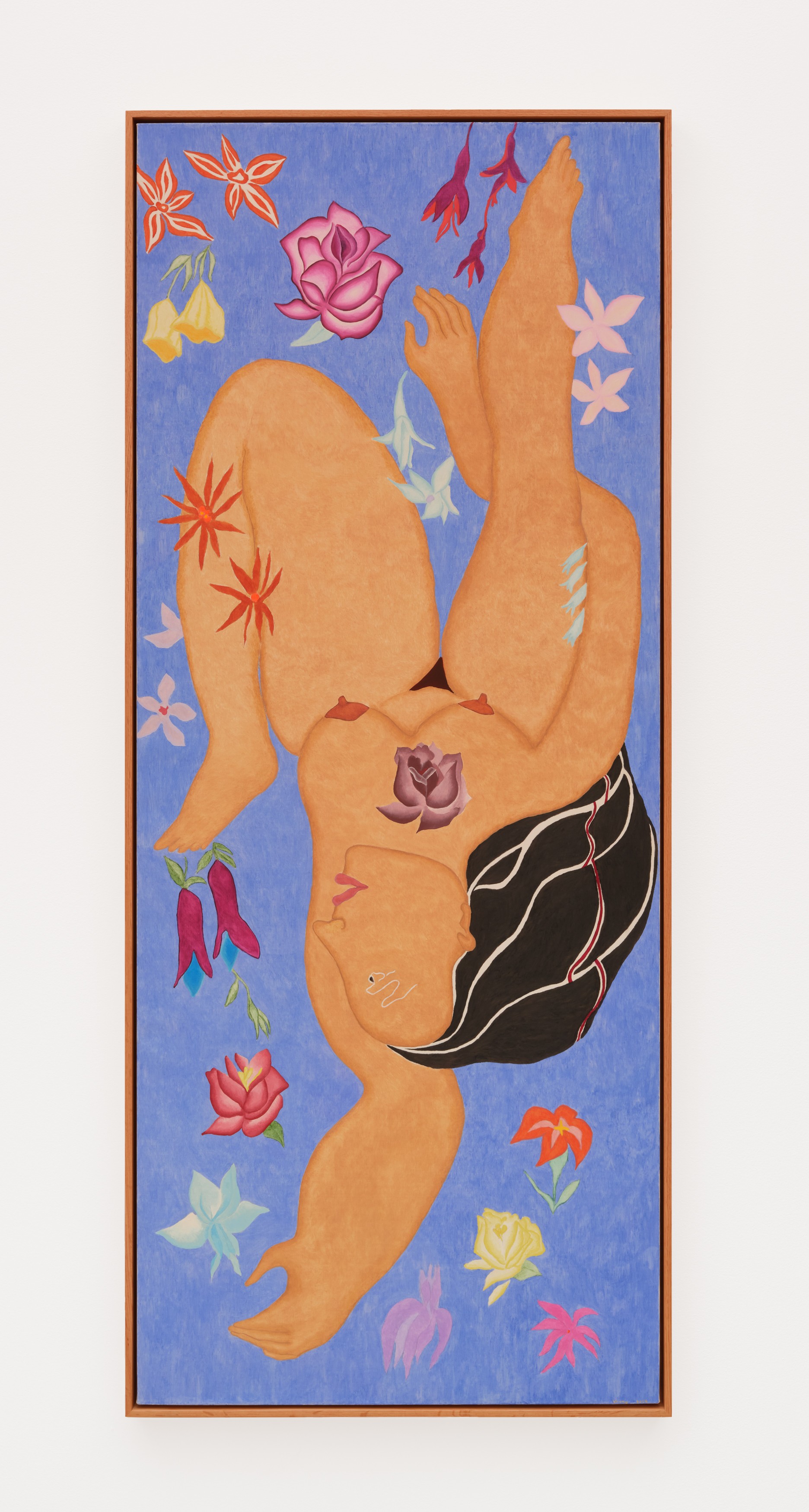
1960년대 중반 칠레에 살면서, 비쿠냐는 깃털, 돌, 플라스틱, 나무, 철사, 조개껍질, 천, 그리고 인공적인 잔해들을 결합하여 만든 공간적 시(poem), '프레카리오스(precarios)'라고 부르는 일련의 작은 조각 작품 시리즈를 작업하기 시작했다. 이 작은 조각들은 종종 끈으로 느슨하게 묶여 있어 재료들이 자연스럽게 모인 것처럼 보이기도 한다. 이러한 작품들은 그 자체로 연약하고 일시적이며, 비쿠냐는 프레카리오스를 바다의 가장자리에 배치하여 밀물에 의해 자연스럽게 지워지도록 의도했다. 프레카리오스를 작업하던 비슷한 시기에 비쿠냐는 색깔이 있는 끈을 매듭지어 소통하고 기록하는 안데스의 고대 키푸스(quipus)에도 관심을 가지기 시작했다. 그녀의 첫 공간적 직조는 1970년대 초반에 시작되었으며, 그녀는 방적되지 않은 양털로 자신의 키푸스를 만들기 시작했다. 이러한 일시적이고 장소 특정적인 설치 작품들은 직조와 방적의 촉각적인 의식을 집합체, 시, 그리고 공연과 결합했다. 1970년대 작업한 비쿠냐의 초현실적인 구상 회화는 그녀의 다른 작품들에 비해 개인적이고 정치적이며, 칠레의 불안과 그로 인한 망명에 직접 반응하여 창작되었다. 이 회화들은 스페인 정복 이후, 16세기 라틴 아메리카의 원주민 예술가들이 가톨릭 교회를 위해 천사와 성인을 그리도록 강요받았던 시기에 제작된 미묘하게 전복적인 이미지들을 참조하기도 한다. 비쿠냐의 회화에서는 종교적 아이콘이 개인적, 정치적, 문학적 인물로 대체되어 예술가에 의해 기념되고 신화화된다.

작가 알아보기