본문으로 건너뛰기

세실리아 비쿠냐

Whitechapel Gallery

London

2026년 10월 7일–2027년 2월 14일

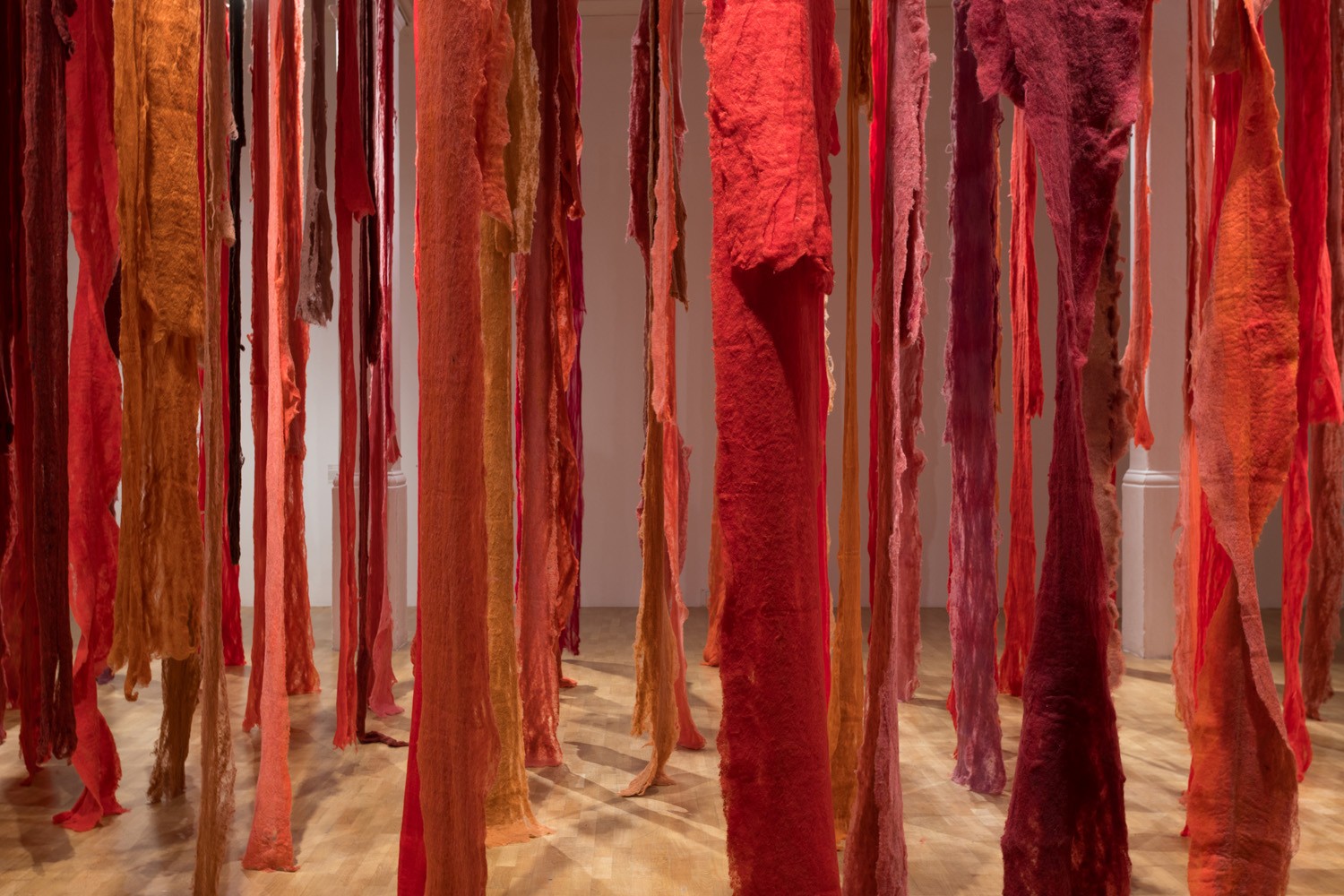
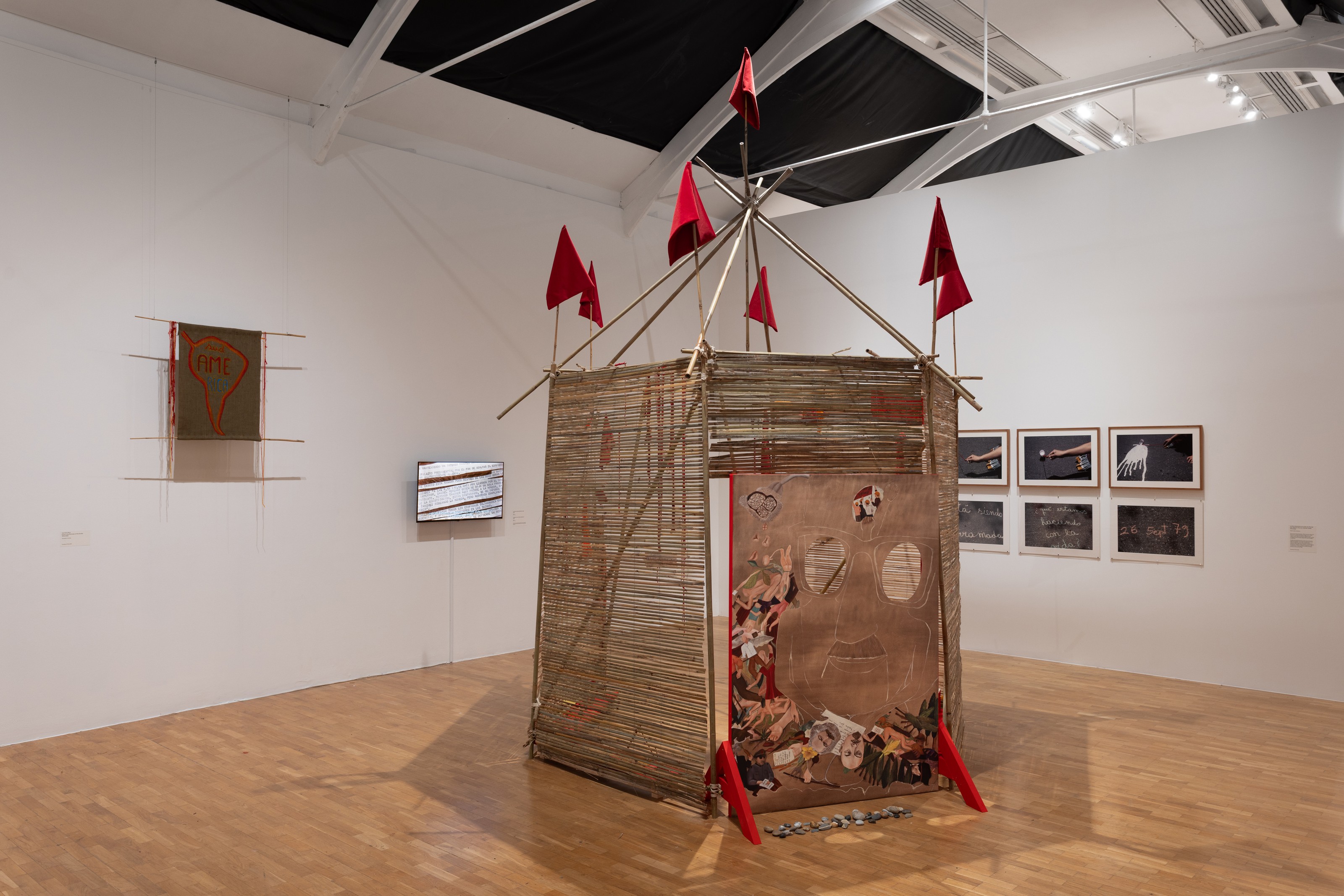
Installation by Cecilia Vicuña

77-82 Whitechapel High St

London, E1 7QX

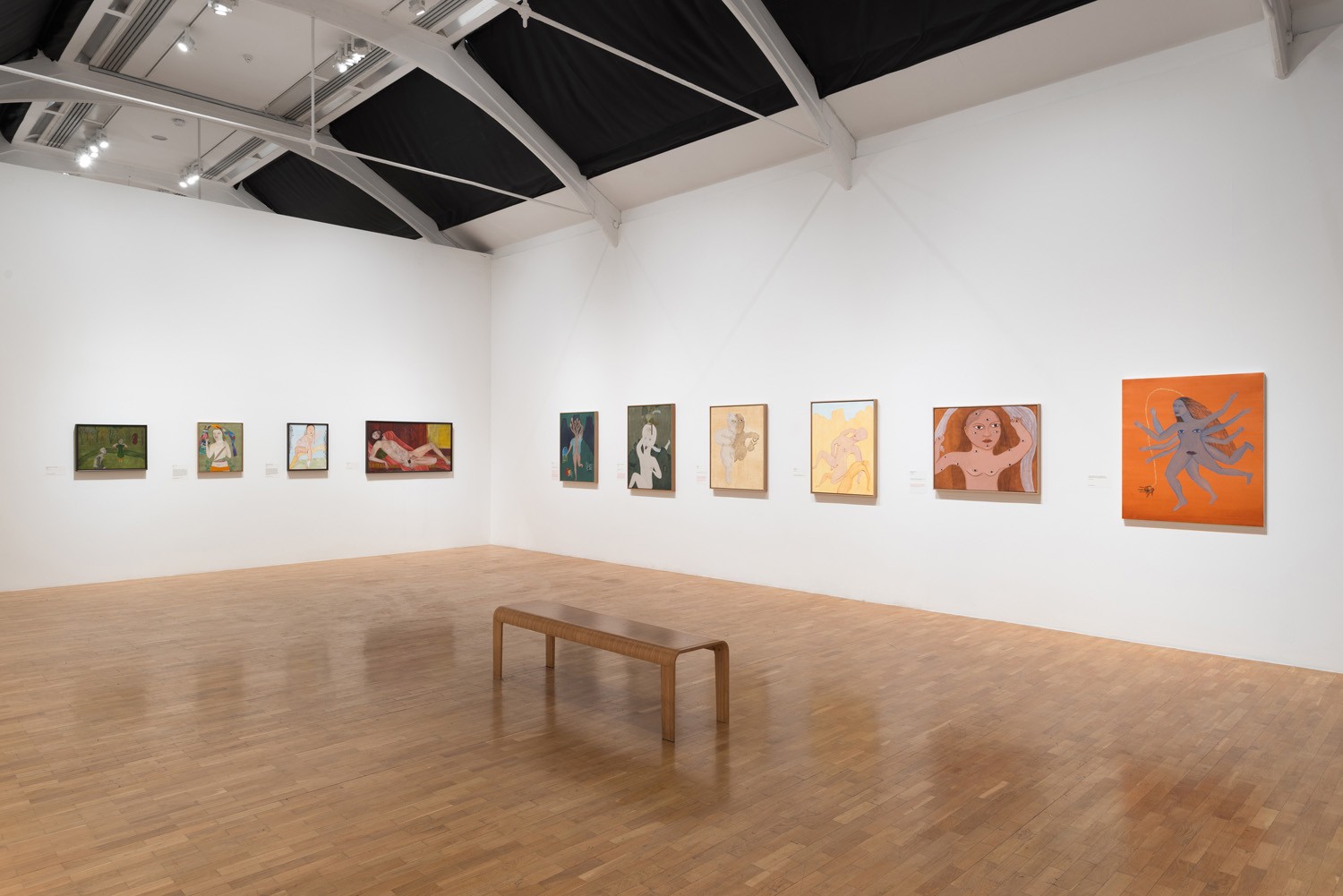
This extensive exhibition marks the first major UK exhibition of Cecilia Vicuña (b.1948, Santiago, Chile) – one of Latin America’s most internationally renowned artists, poets, and feminist activists. Spanning six decades, the presentation provides a unique opportunity to explore Vicuña’s interdisciplinary practice, which intentionally dissolves the boundaries between visual art, poetry, performance, ritual and activism, and encompasses works across painting, textile, photography, installation and film.

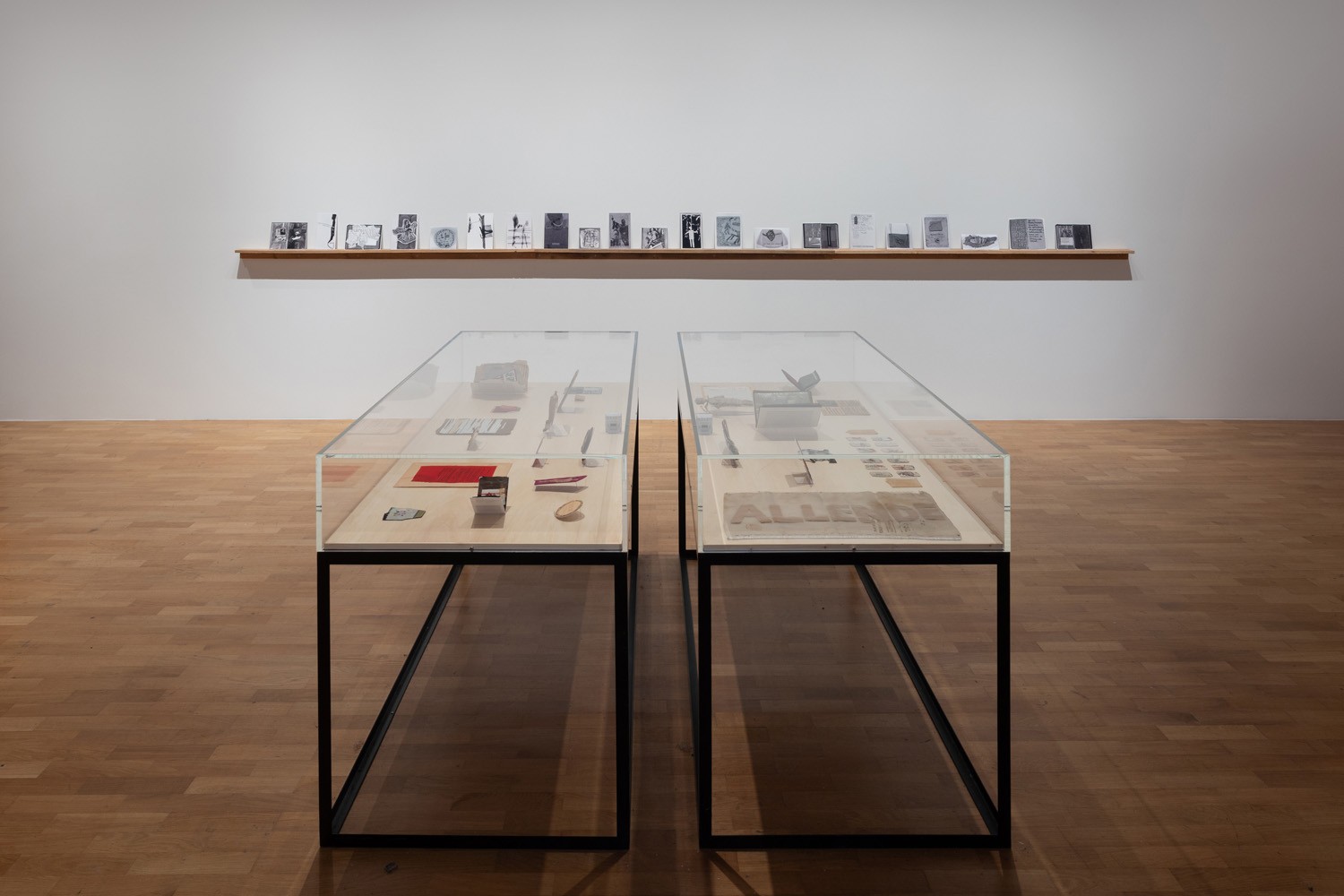
Born and raised in Santiago, Vicuña came to London to study at Slade School of Art in the early 1970s, and self-exiled after the violent military coup against President Salvador Allende in 1973. As a creative and personal response to the situation in Chile, Vicuña’s practice became more explicitly political during the Allende period (1970-73), a process that intensified in London reflecting her experience of displacement, loss, political violence and instability. The exhibition includes a dedicated display on Artists for Democracy (AFD), the organisation Vicuña co-founded in London in 1974 with David Medalla, John Dugger and Guy Brett in solidarity with Chile and other liberation struggles worldwide, and brings together never-before-seen documents, photographs and printed materials.

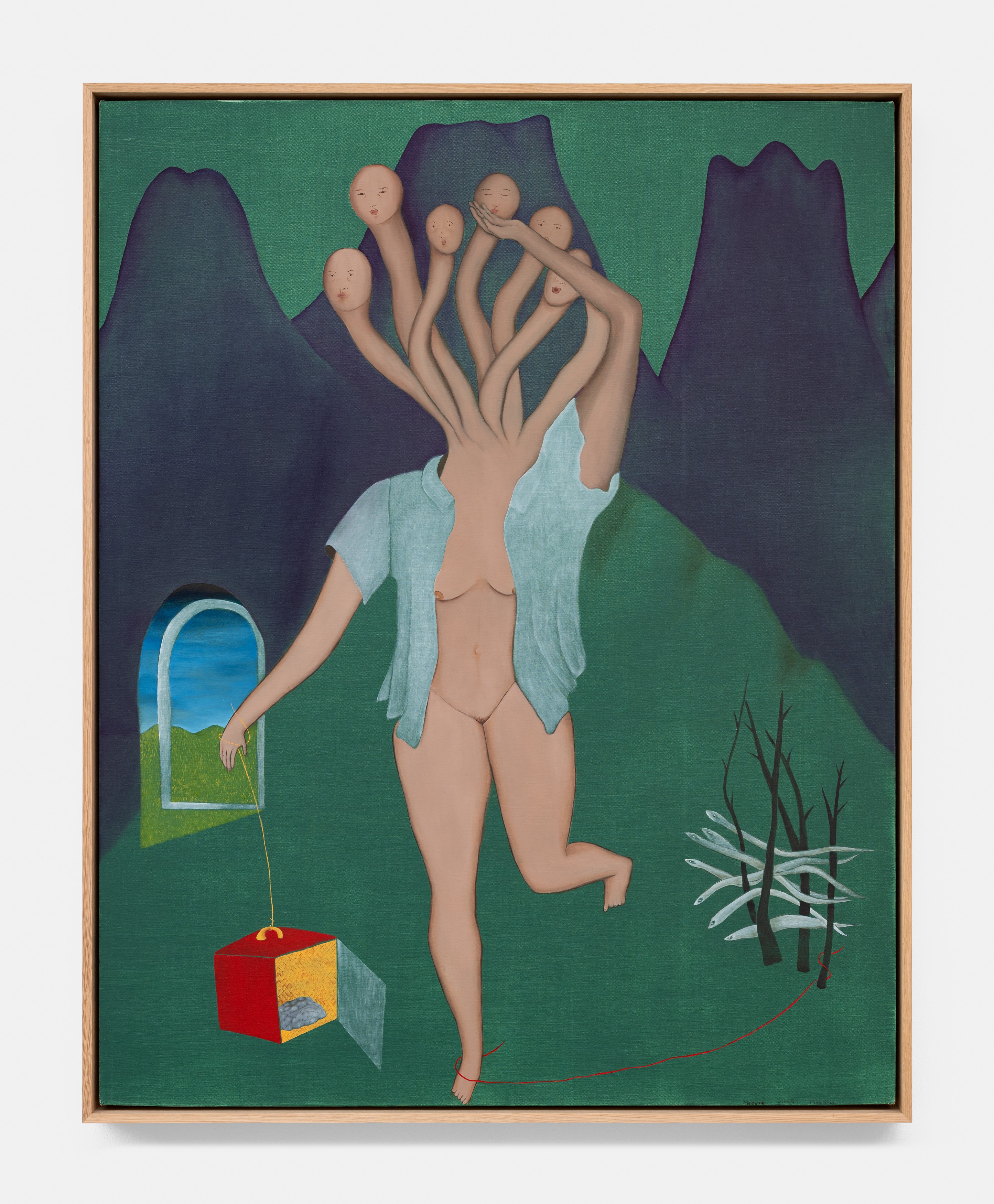
Painting by Cecilia Vicuña

세실리아 비쿠냐

Medusa, 1972 / 2023

Work on paper by Cecilia Vicuña

세실리아 비쿠냐

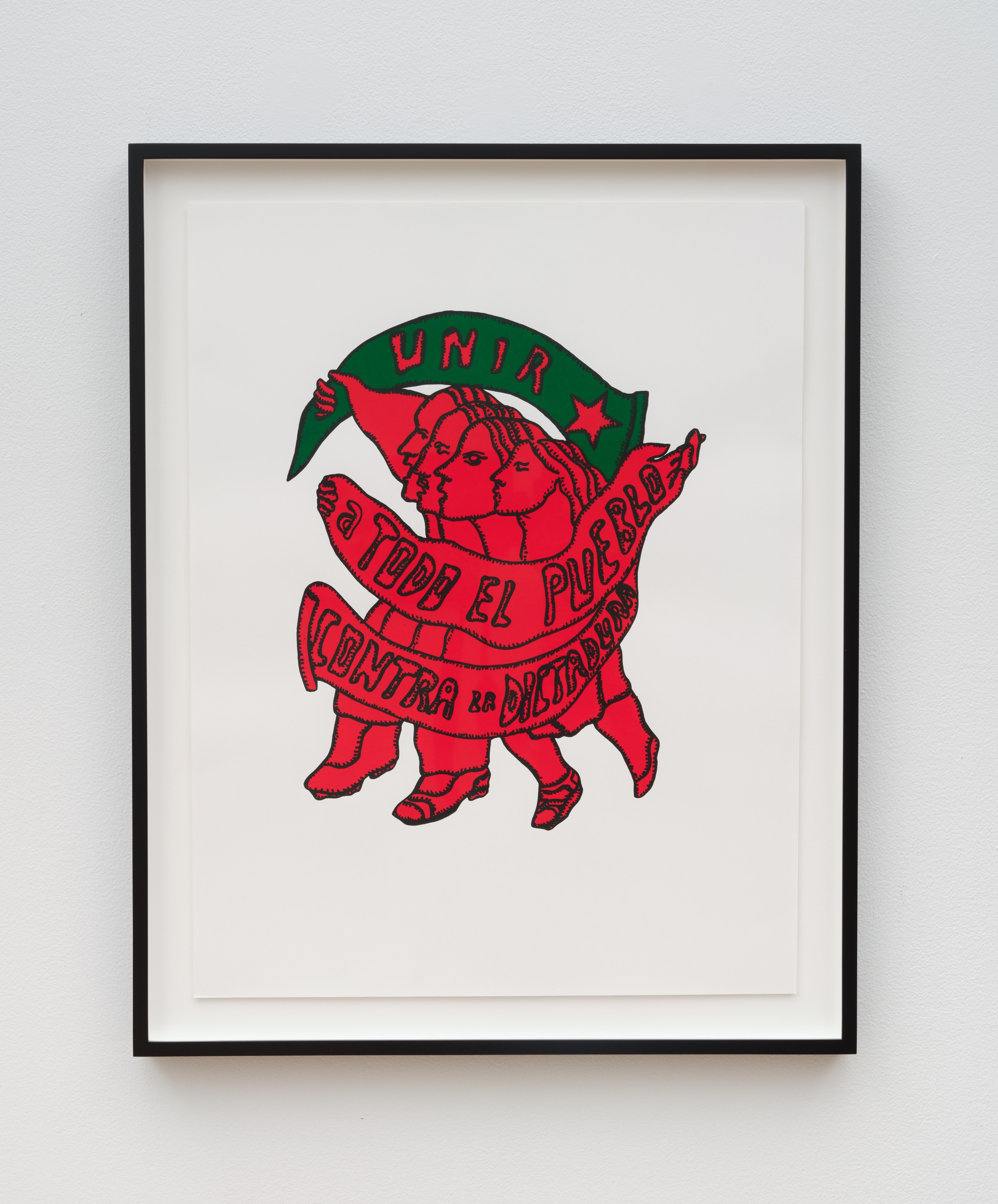
Unir a todo el pueblo contra la dictadura (Unite All the People against the Dictatorship), 1978/2020

Painting by Cecilia Vicuña

세실리아 비쿠냐

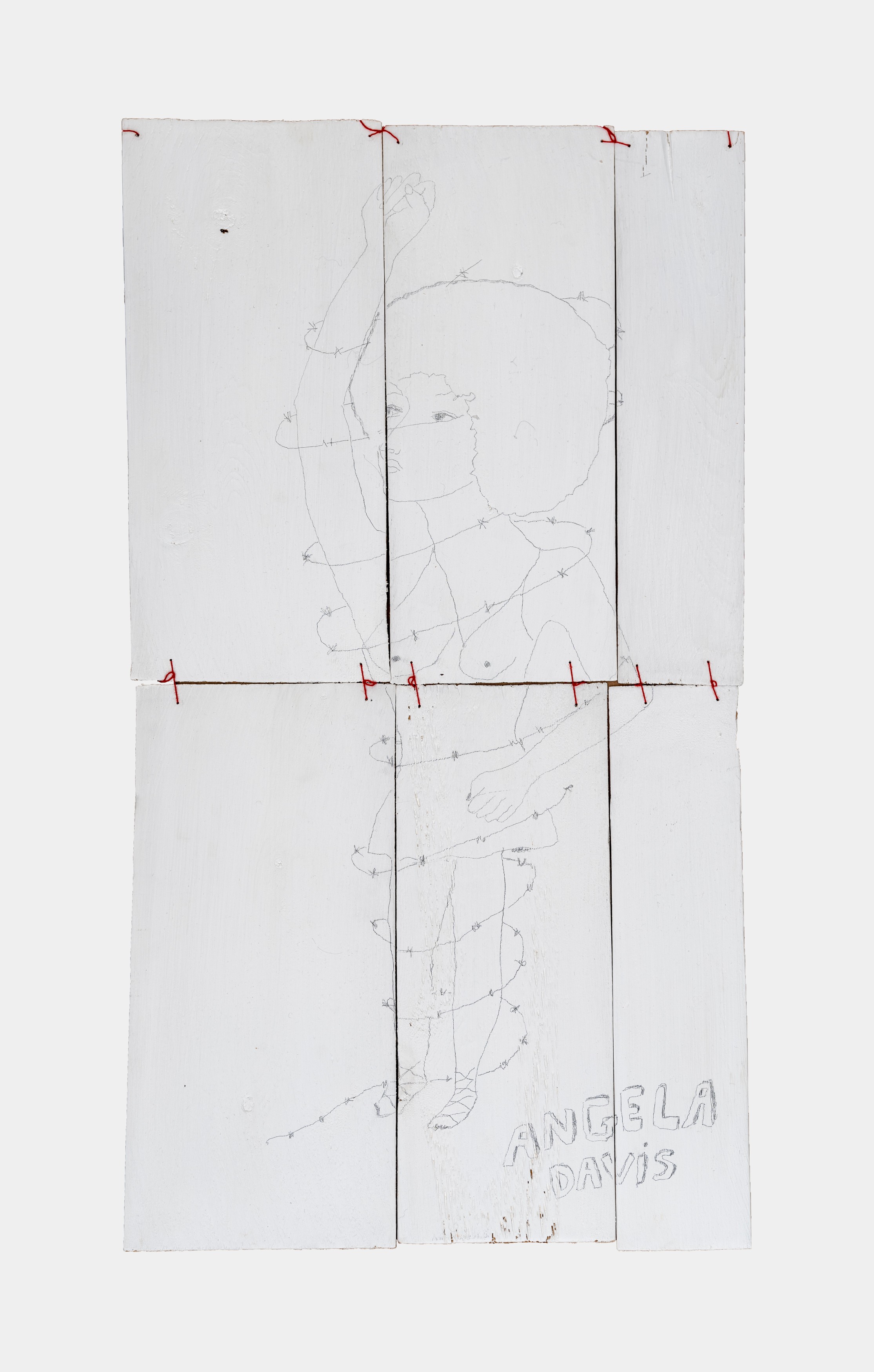
Angela Davis, 2022

Sculpture by Cecilia Vicuña
Work on paper by Cecilia Vicuña

세실리아 비쿠냐

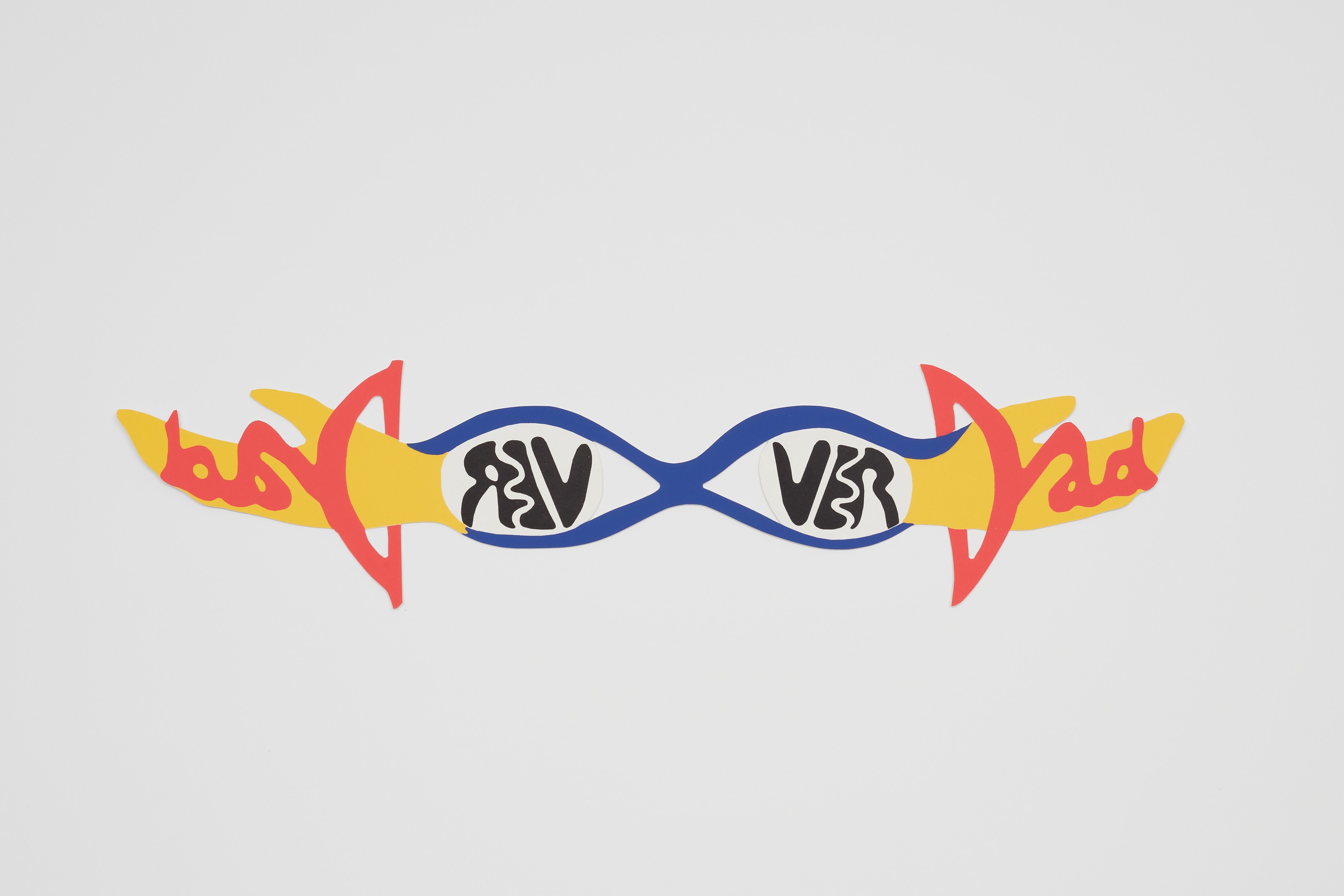
Dar Ver (Anteojos para ver la verdad / To give sight, glasses to see truth), 1974/2016

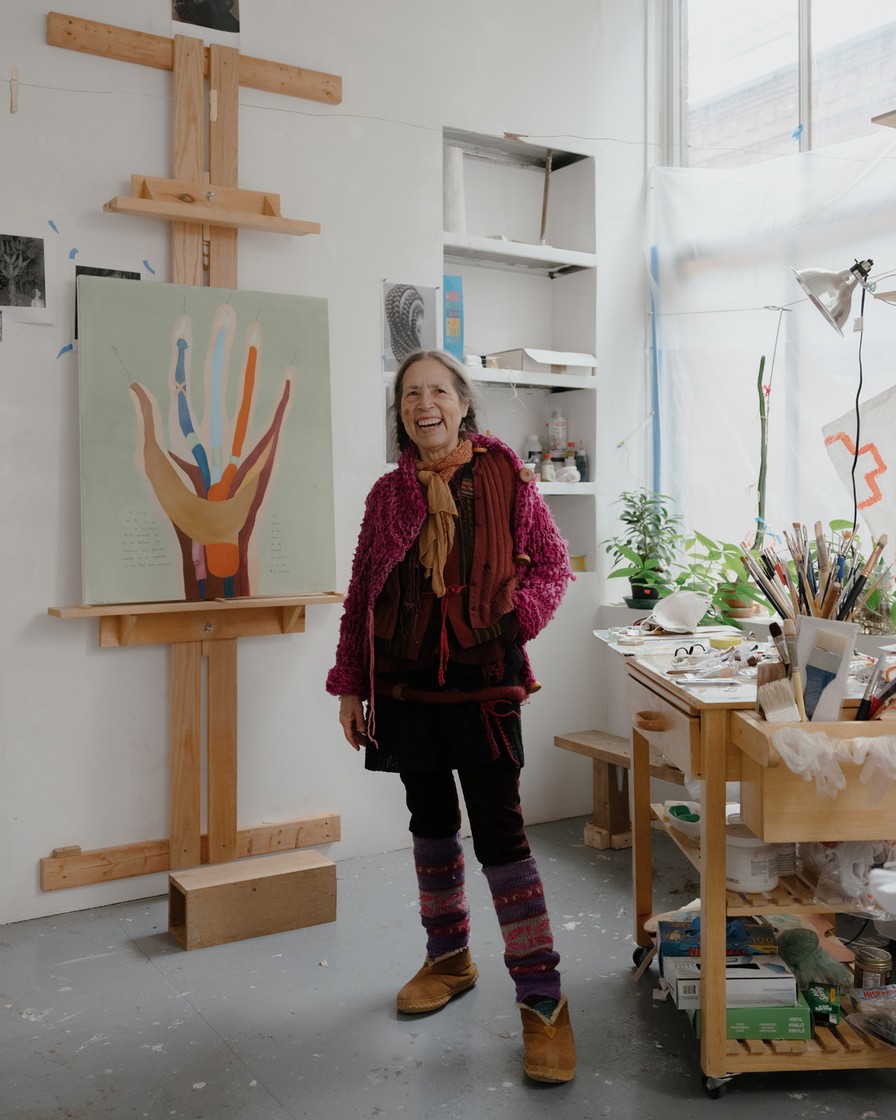
Portrait of Cecilia Vicuña

세실리아 비쿠냐 (1948년 칠레 산티아고 출생, 현재 뉴욕과 산티아고 거주 및 작업 중)는 시, 퍼포먼스, 개념미술과 직물 공예를 통해 생태계 파괴, 인권, 문화 획일화와 같은 현대 사회의 긴급한 문제들을 대한 우려를 표출한다. 산티아고에서 태어나고 자란 그녀는 1970년대 초, 살바도르 아옌데 대통령에 대한 폭력적인 군사 쿠데타 이후 망명 되었다. 이러한 불안정한 정치와 칠레의 고유문화를 보존하고 기리고자 하는 욕망은 그녀의 경력 전반에 걸쳐 작업 특징으로 삼고 있다.

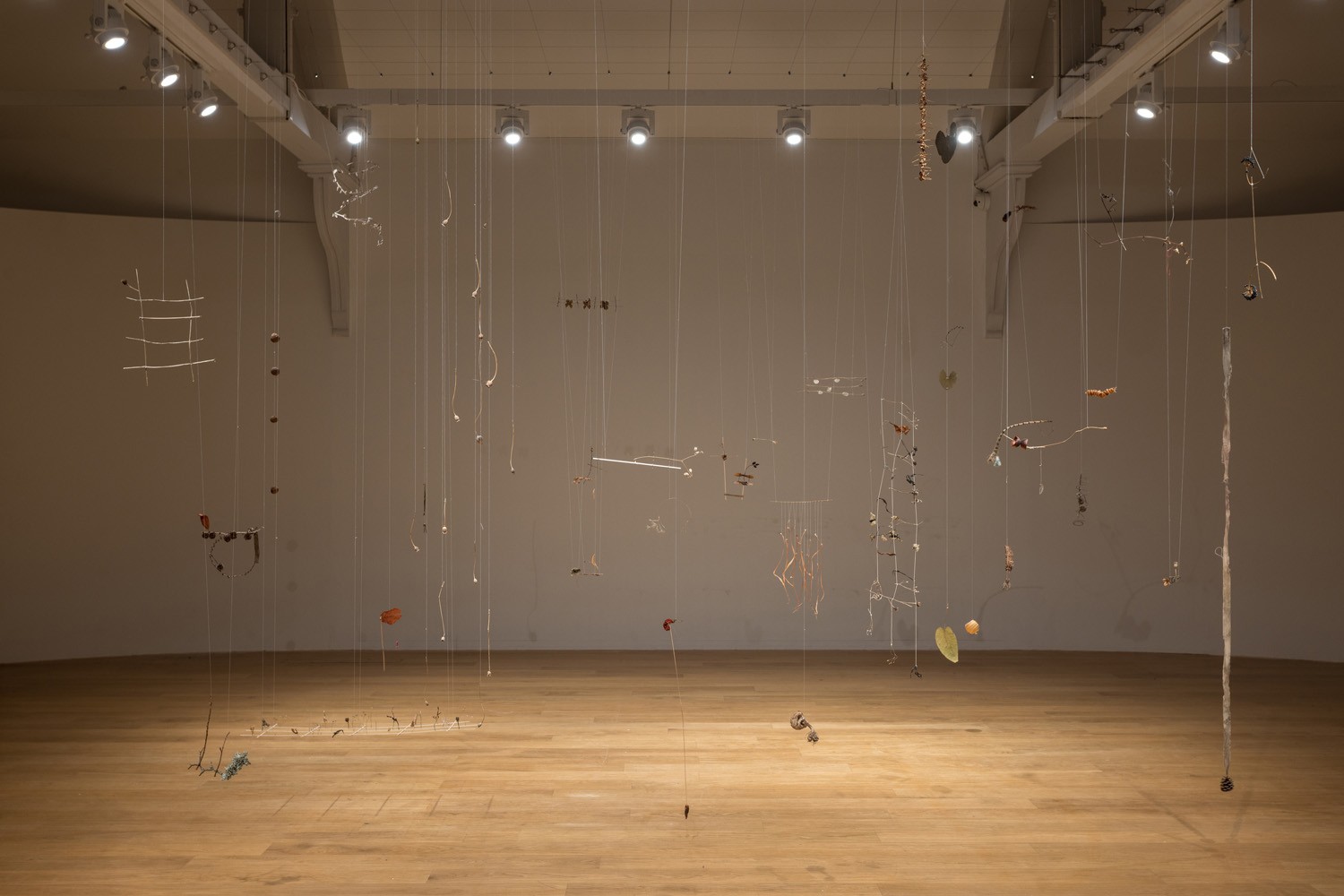
1960년대 중반 칠레에 살면서, 비쿠냐는 깃털, 돌, 플라스틱, 나무, 철사, 조개껍질, 천, 그리고 인공적인 잔해들을 결합하여 만든 공간적 시(poem), '프레카리오스(precarios)'라고 부르는 일련의 작은 조각 작품 시리즈를 작업하기 시작했다. 이 작은 조각들은 종종 끈으로 느슨하게 묶여 있어 재료들이 자연스럽게 모인 것처럼 보이기도 한다. 이러한 작품들은 그 자체로 연약하고 일시적이며, 비쿠냐는 프레카리오스를 바다의 가장자리에 배치하여 밀물에 의해 자연스럽게 지워지도록 의도했다. 프레카리오스를 작업하던 비슷한 시기에 비쿠냐는 색깔이 있는 끈을 매듭지어 소통하고 기록하는 안데스의 고대 키푸스(quipus)에도 관심을 가지기 시작했다. 그녀의 첫 공간적 직조는 1970년대 초반에 시작되었으며, 그녀는 방적되지 않은 양털로 자신의 키푸스를 만들기 시작했다. 이러한 일시적이고 장소 특정적인 설치 작품들은 직조와 방적의 촉각적인 의식을 집합체, 시, 그리고 공연과 결합했다. 1970년대 작업한 비쿠냐의 초현실적인 구상 회화는 그녀의 다른 작품들에 비해 개인적이고 정치적이며, 칠레의 불안과 그로 인한 망명에 직접 반응하여 창작되었다. 이 회화들은 스페인 정복 이후, 16세기 라틴 아메리카의 원주민 예술가들이 가톨릭 교회를 위해 천사와 성인을 그리도록 강요받았던 시기에 제작된 미묘하게 전복적인 이미지들을 참조하기도 한다. 비쿠냐의 회화에서는 종교적 아이콘이 개인적, 정치적, 문학적 인물로 대체되어 예술가에 의해 기념되고 신화화된다.

작가 알아보기