본문으로 건너뛰기

Frieze Los Angeles

Santa Monica Airport

Booth E9

2월 16일–2023년 2월 19일

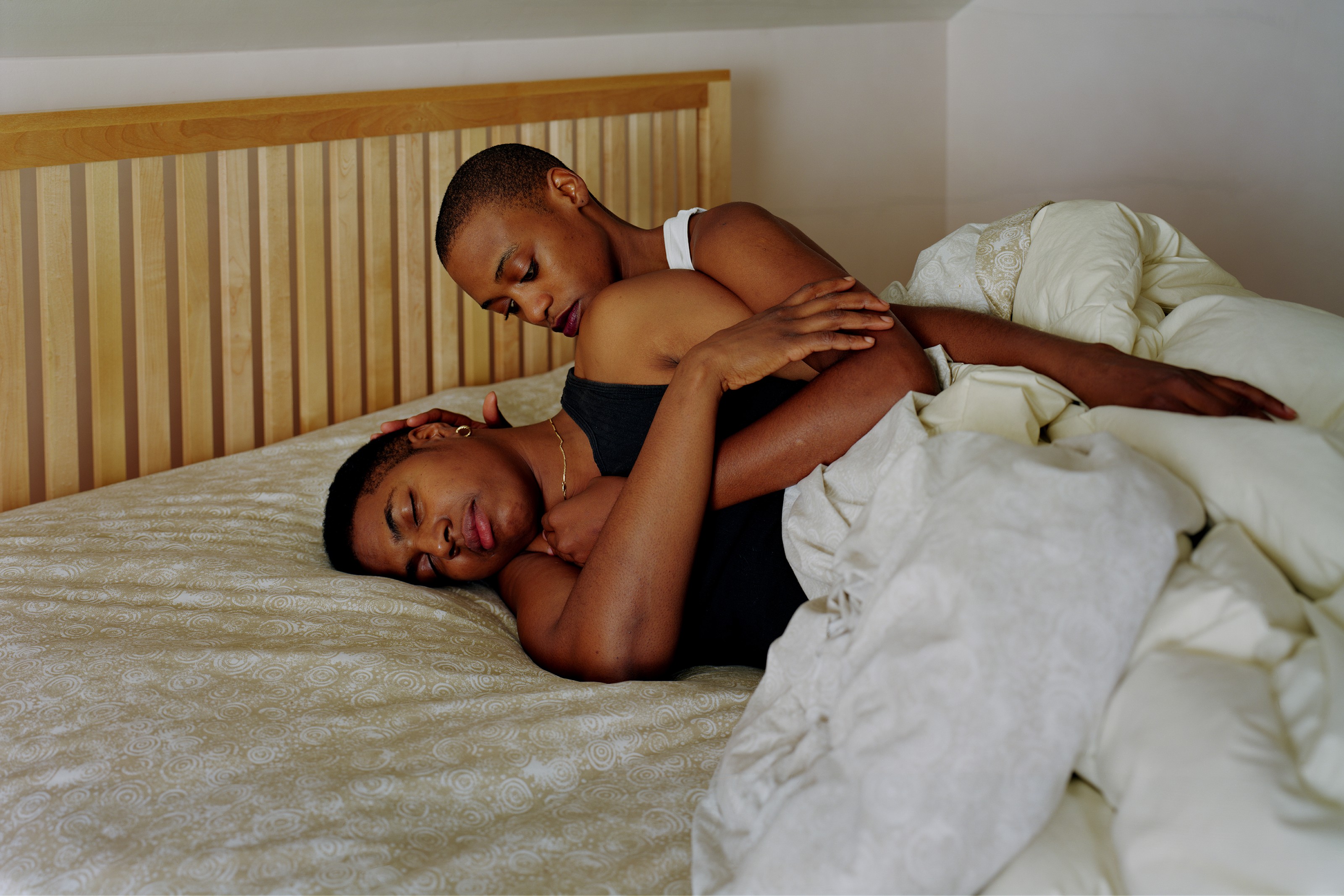
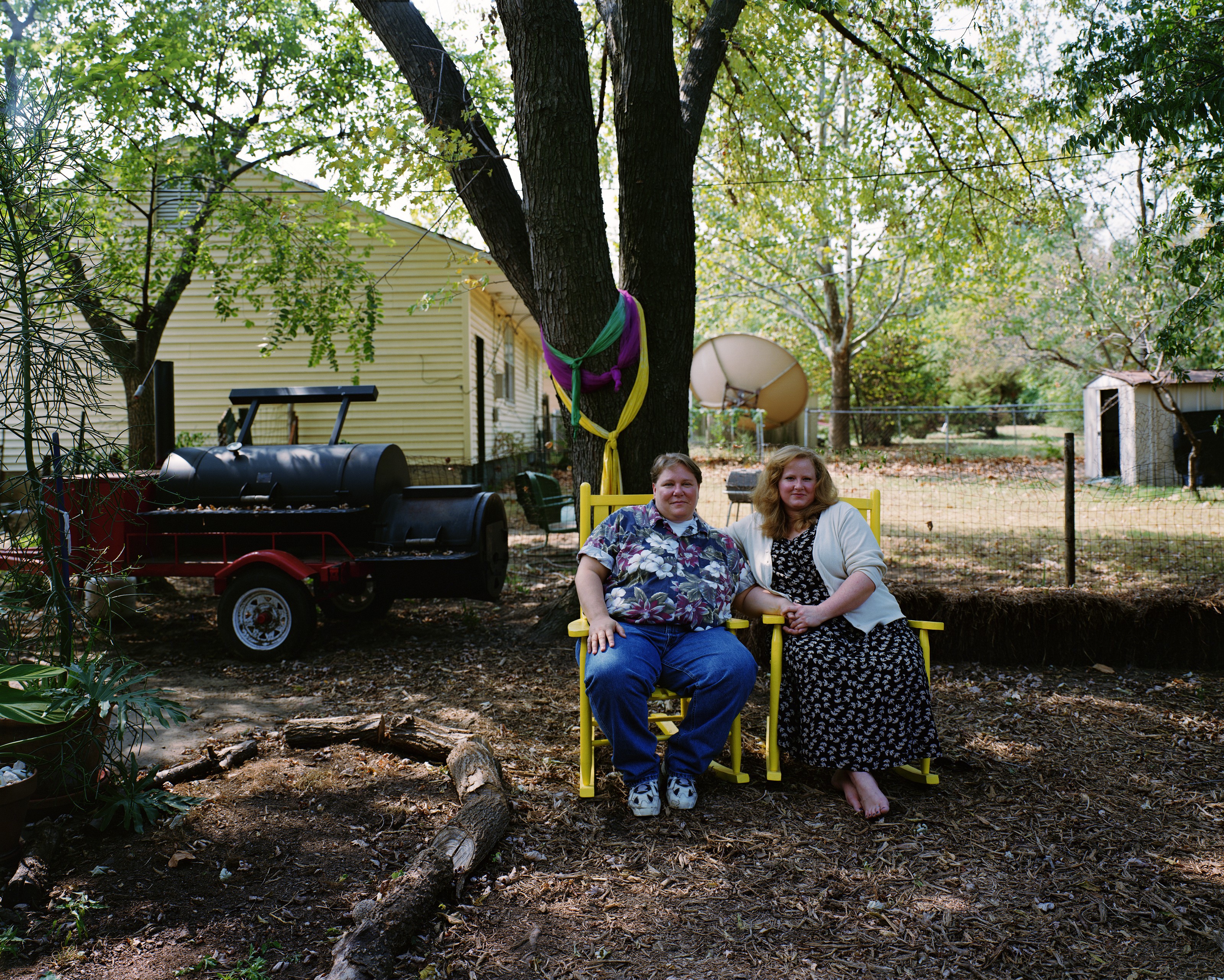
Photograph by Catherine Opie

Santa Monica Airport

Santa Monica, California

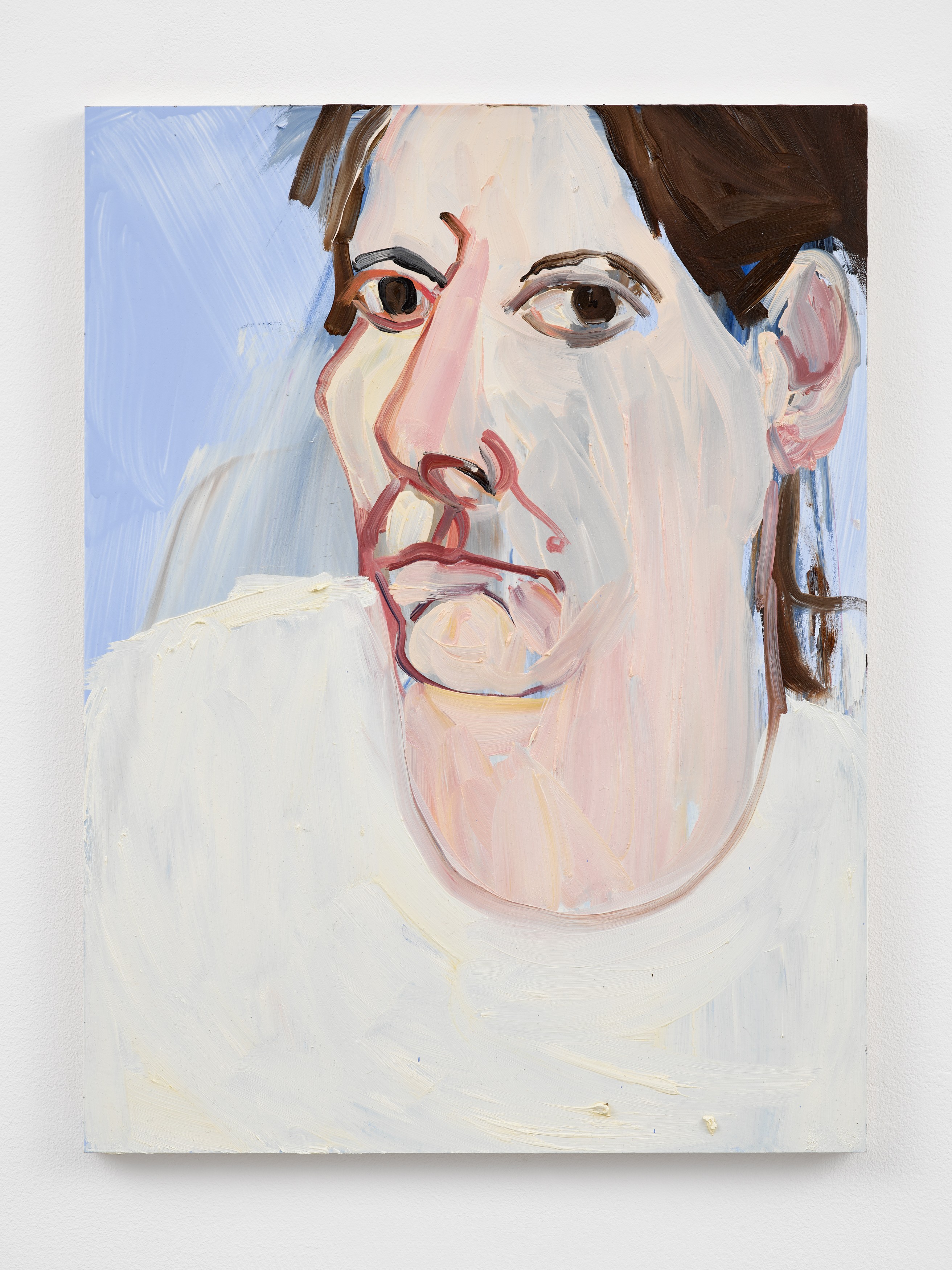
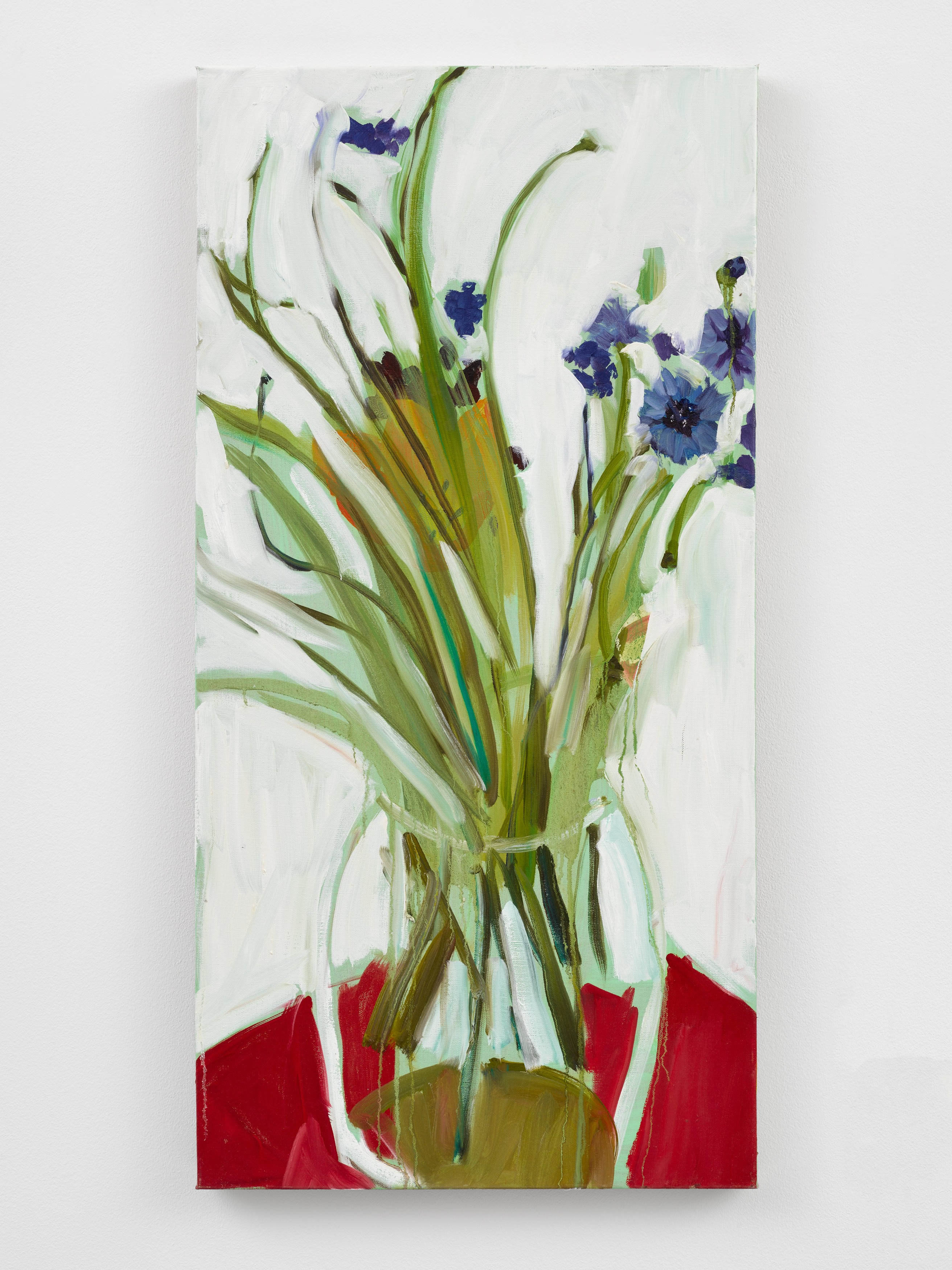
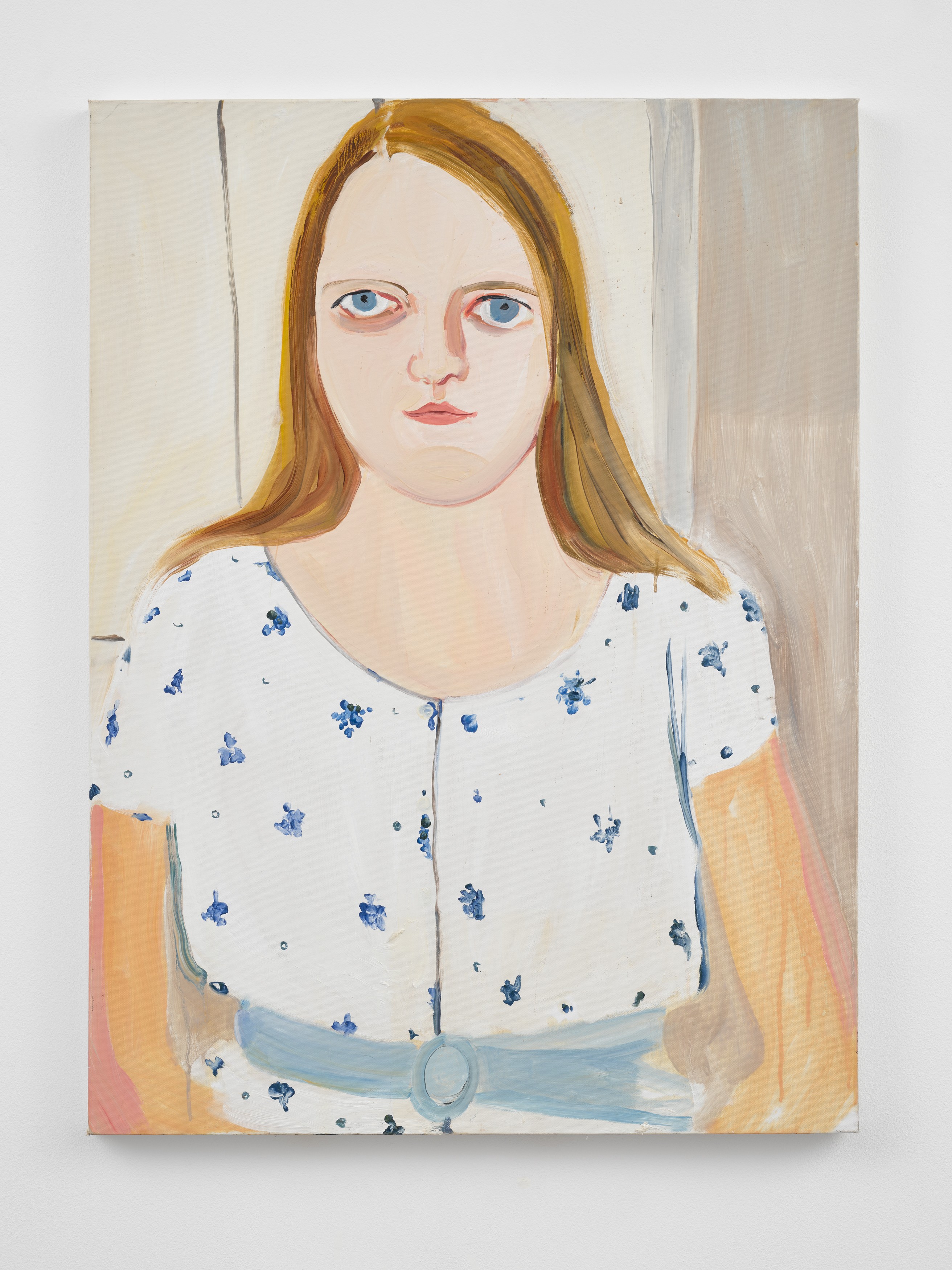
Lehmann Maupin returns to Frieze LA with a curated presentation of works by three gallery artists–Chantal Joffe, Catherine Opie, and Billie Zangewa. The works on view render the nuances of family life, interior space, and private labor as unabashedly public, yet boldly intimate, breaking free of traditional notions of domesticity. Through painting, photography, and hand embroidery, each artist depicts quiet and tender moments of human connection. Their radical visibility presents intimacy as subversively powerful, insisting on this kind of emotional labor as both a cornerstone of public life and a deep well of artistic inspiration. Lehmann Maupin’s booth will also include a focused presentation of new paintings and sculpture by Japanese artist Mr., on the heels of his exhibition Mr: You Can Hear the Song of This Town at the Phoenix Art Museum (on view through March 12, 2023).

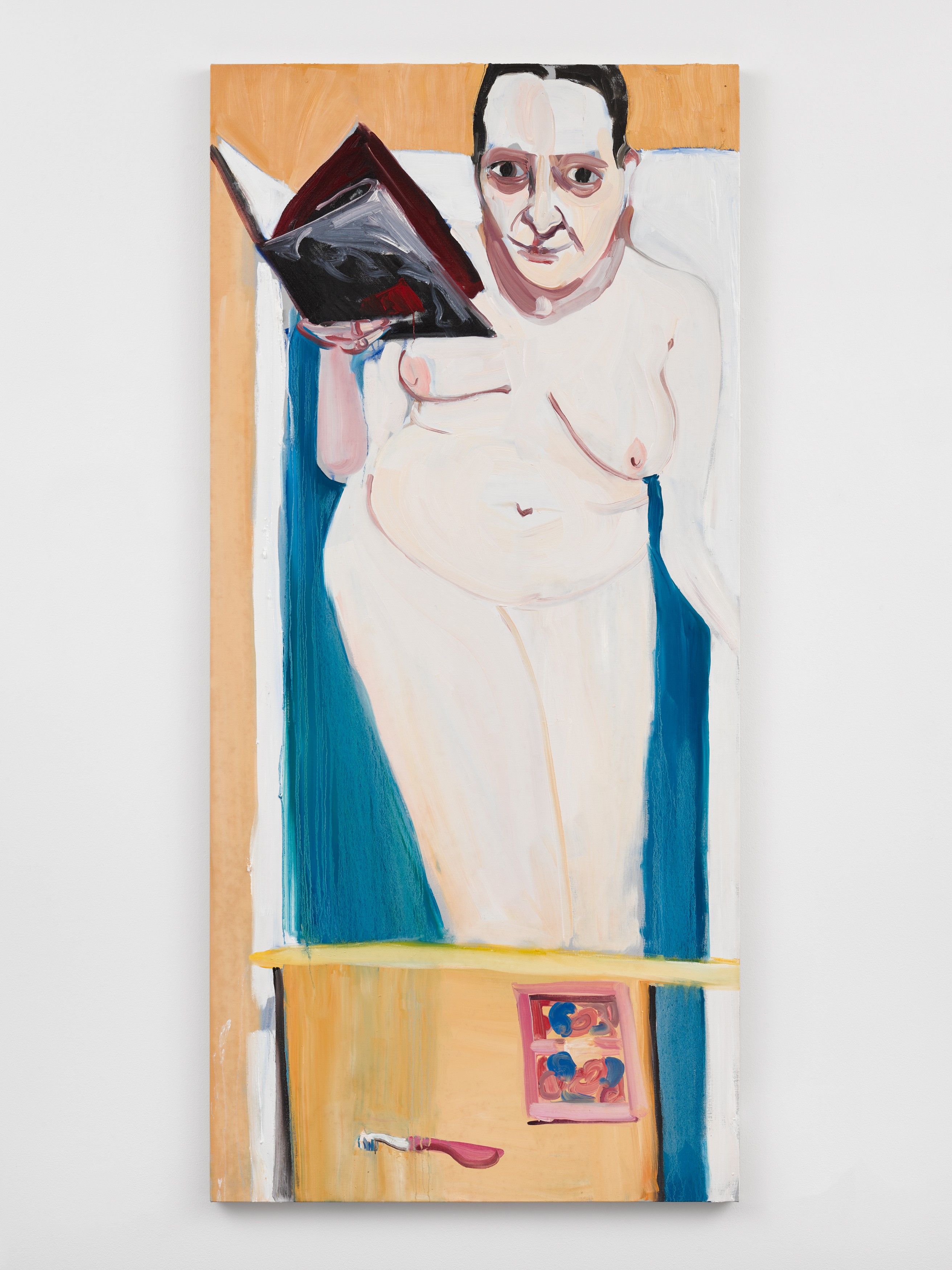
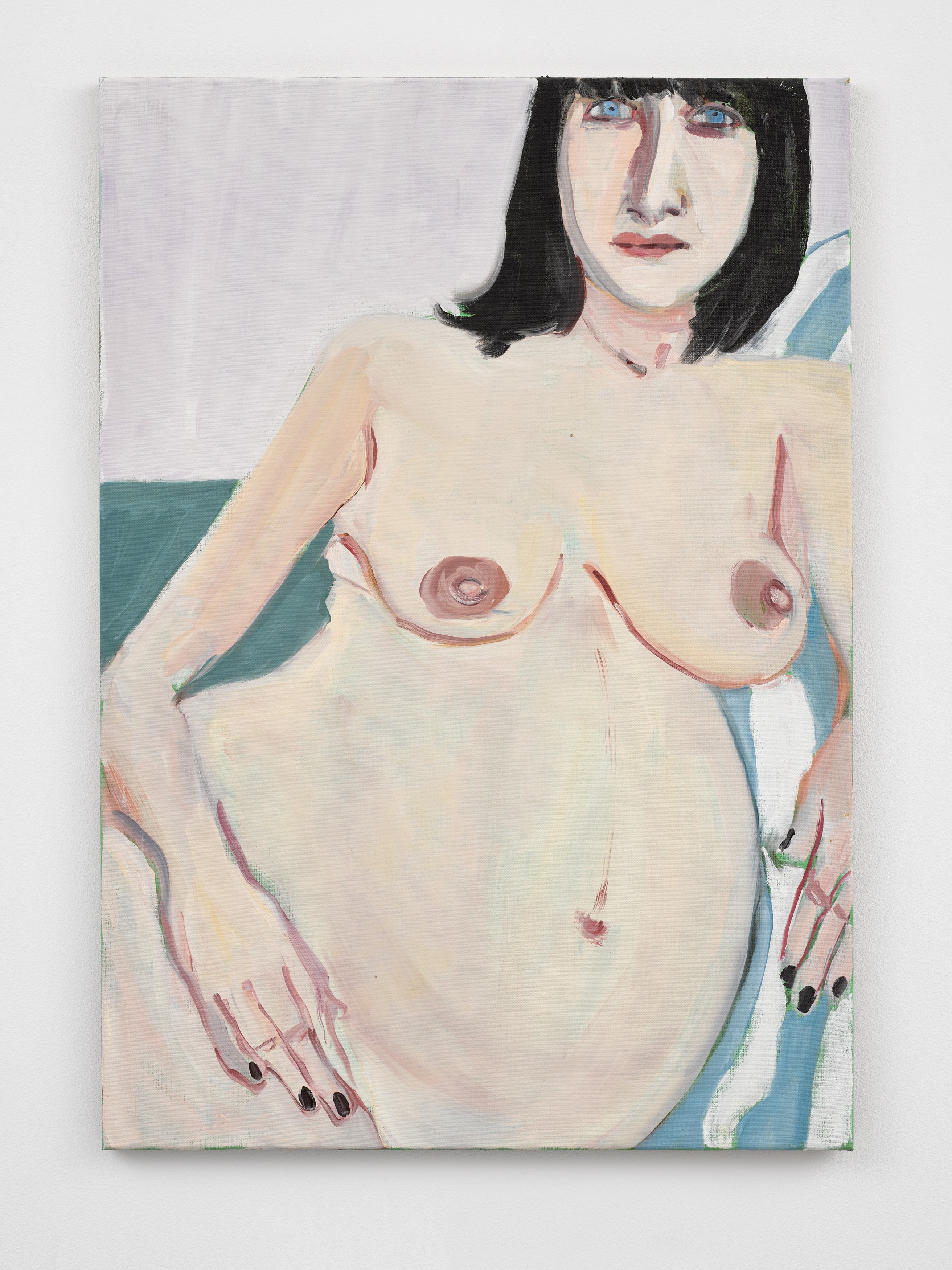
London-based artist Chantal Joffe is known for her whimsical portraits of herself and of the people she is closest to, including her immediate family, her friends, and her extended family members. By creating tension between the scale of her compositions and the proposed intimacy of their subject matter—as in her self portrait Love Letter 1 (2023), where Joffe is seen reclining nude in the bathtub while reading—Joffe prioritizes the human identities and relationships that undergird her compositions over any kind of painterly realism. This approach heightens already complex narratives around connection, perception, and representation (implicit in the relationship between artist and subject), inviting viewers to reconsider their own interpersonal worlds. 

Painting by Chantal Joffe

샹탈 조페

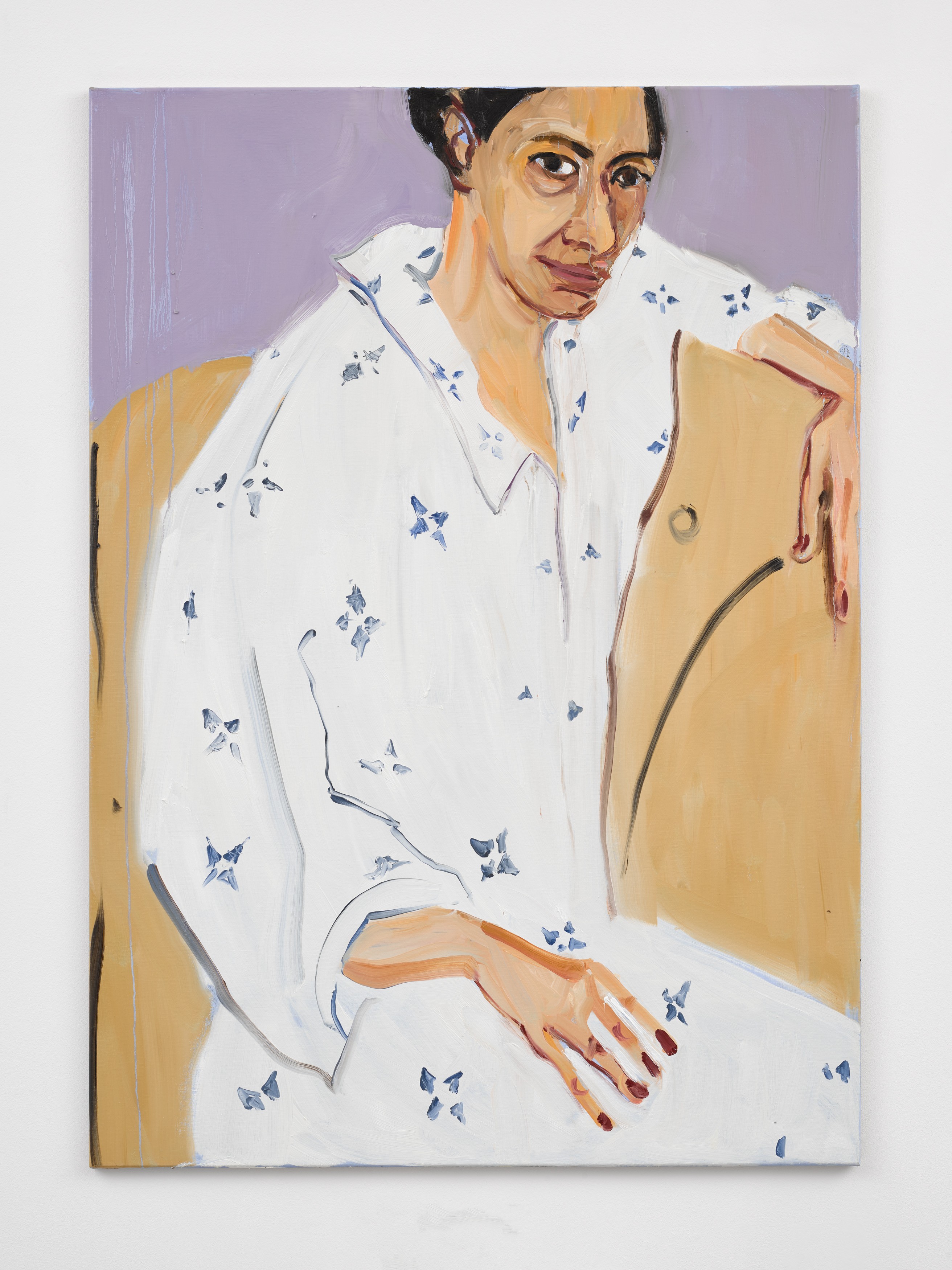
Self-Portrait in a White Shirt, 2023

Painting by Chantal Joffe

샹탈 조페

Cornflowers, 2020

Painting by Chantal Joffe

샹탈 조페

Moll at Marina, 2015

Painting by Chantal Joffe

샹탈 조페

Love Letter 1, 2023

Painting by Chantal Joffe

샹탈 조페

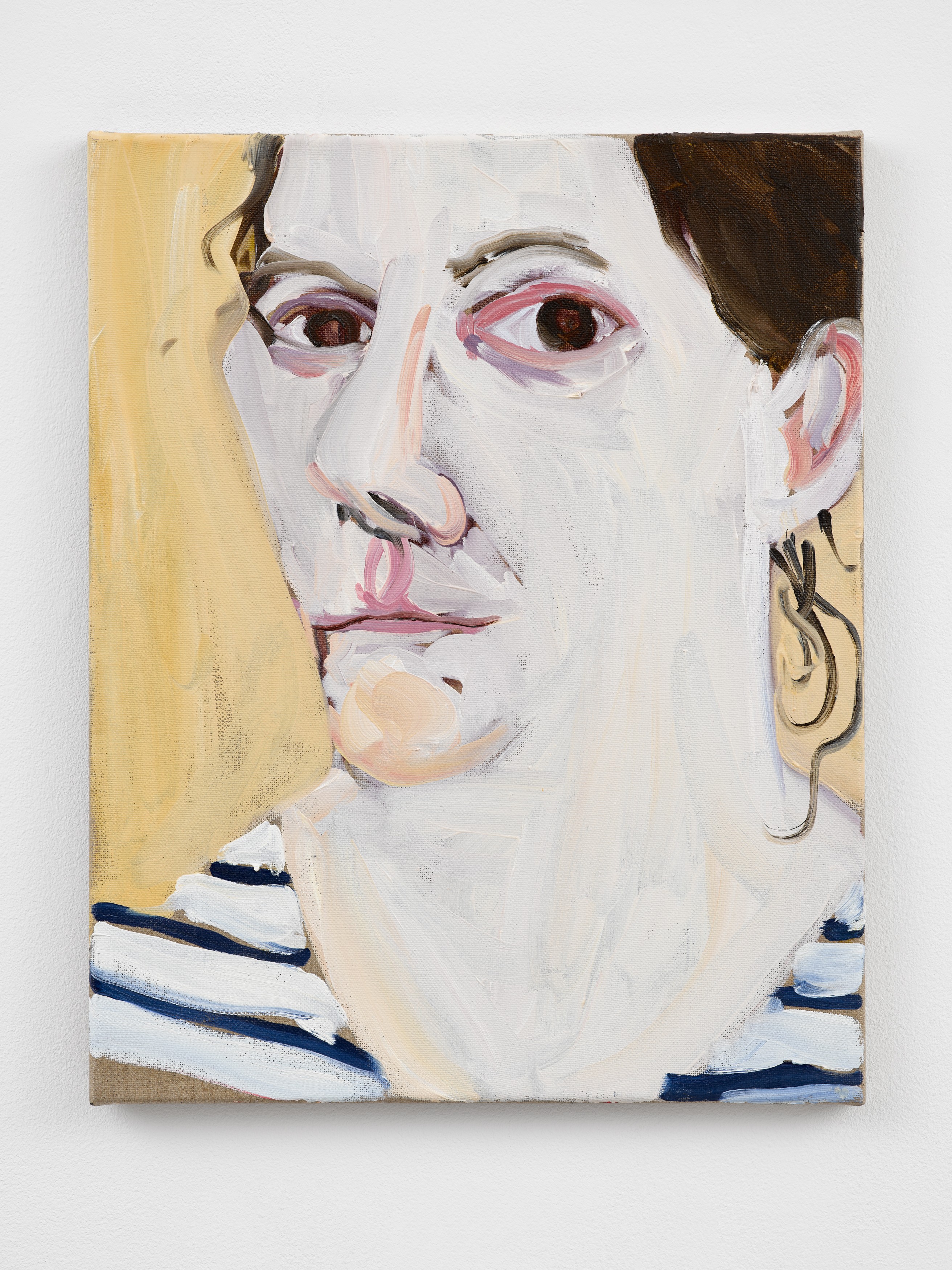
Self-Portrait in Stripes, 2022

Painting by Chantal Joffe

샹탈 조페

Faith, 2022

Painting by Chantal Joffe

샹탈 조페

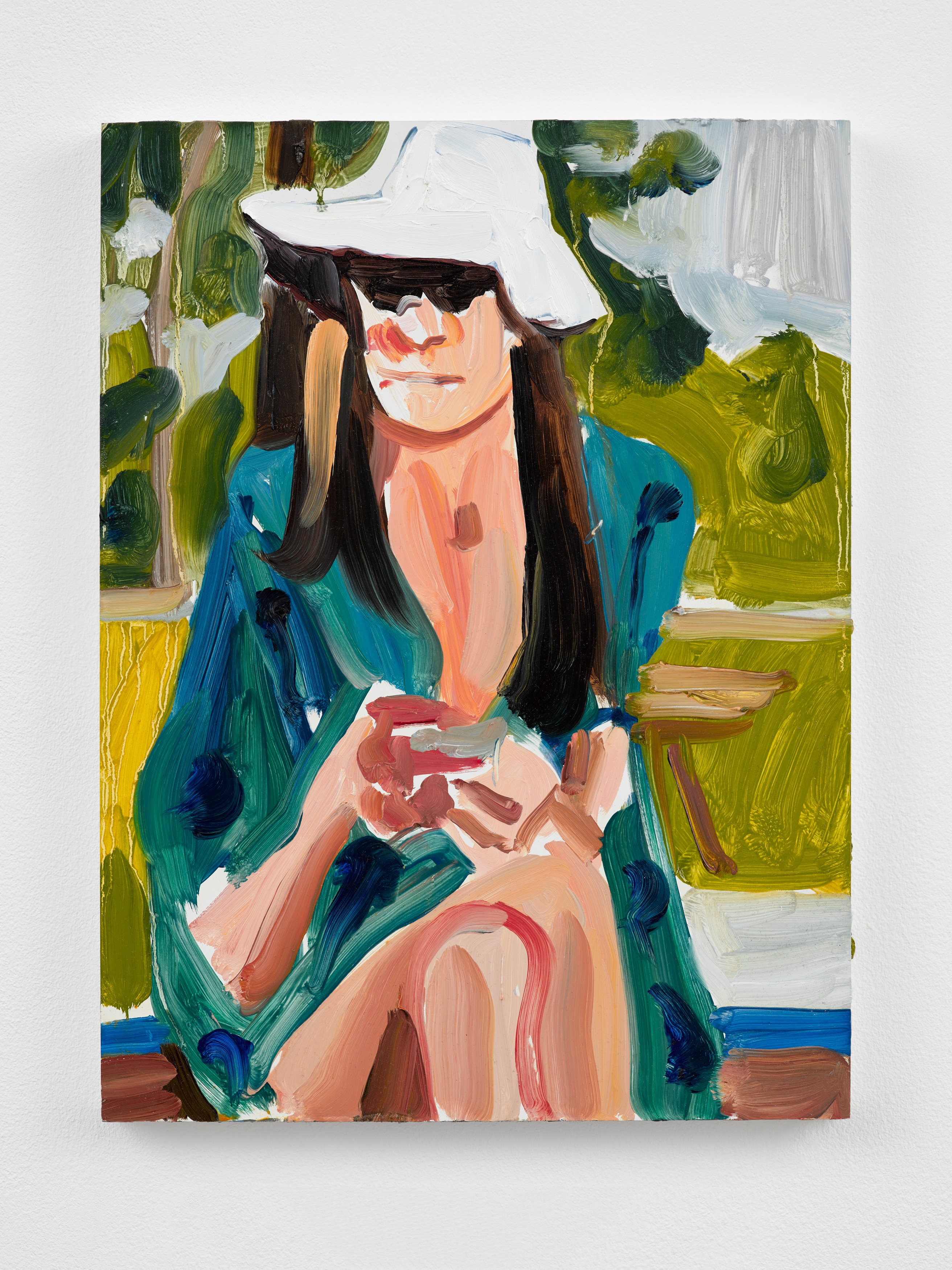
Alison in a White Hat, 2019

Painting by Chantal Joffe

샹탈 조페

Gemma (The Snail), 2018

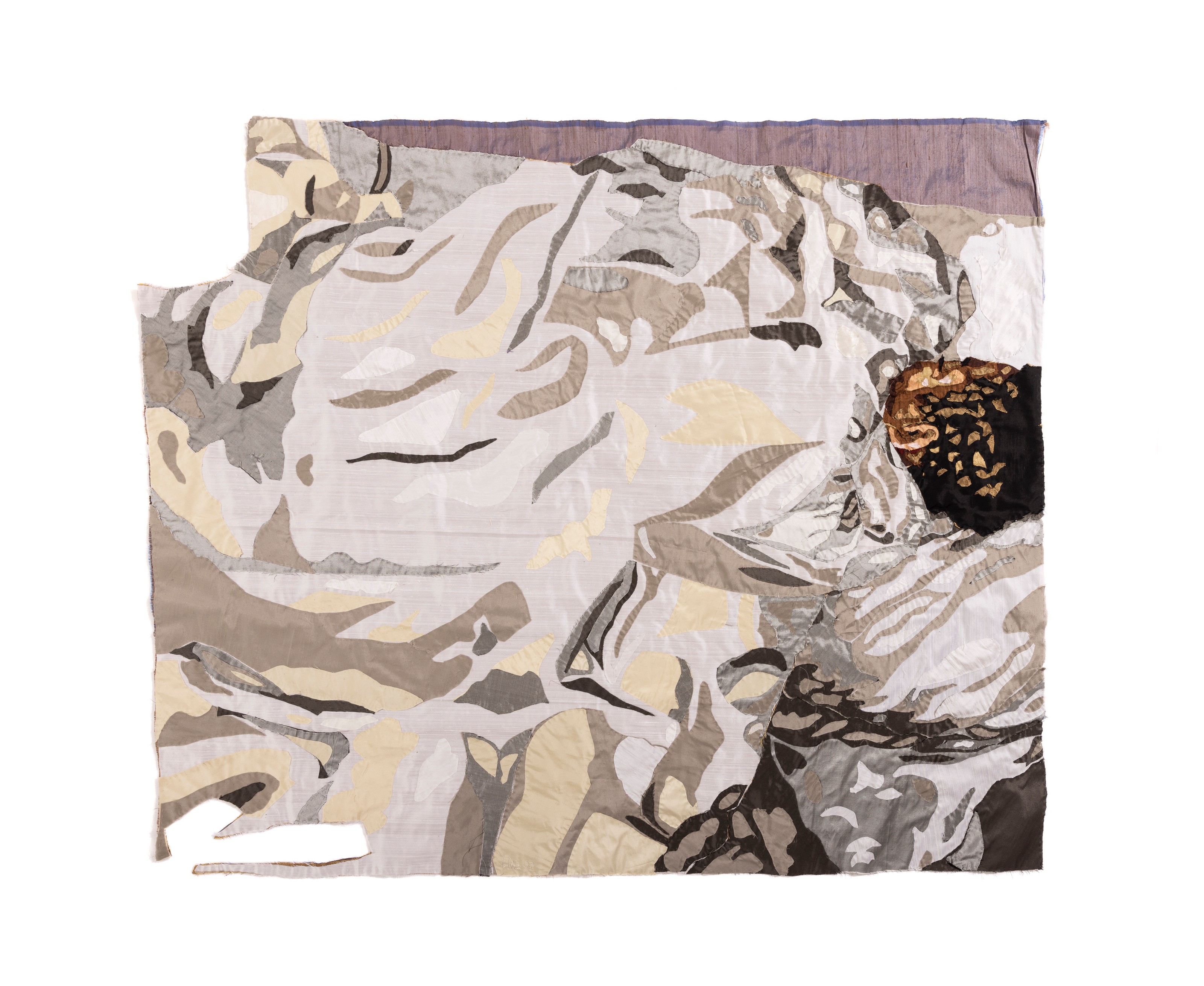
Wall work by Billie Zangewa

빌리 장게와

Sea of Love, 2022

Wall work by Billie Zangewa

빌리 장게와

Under African Skies, 2023

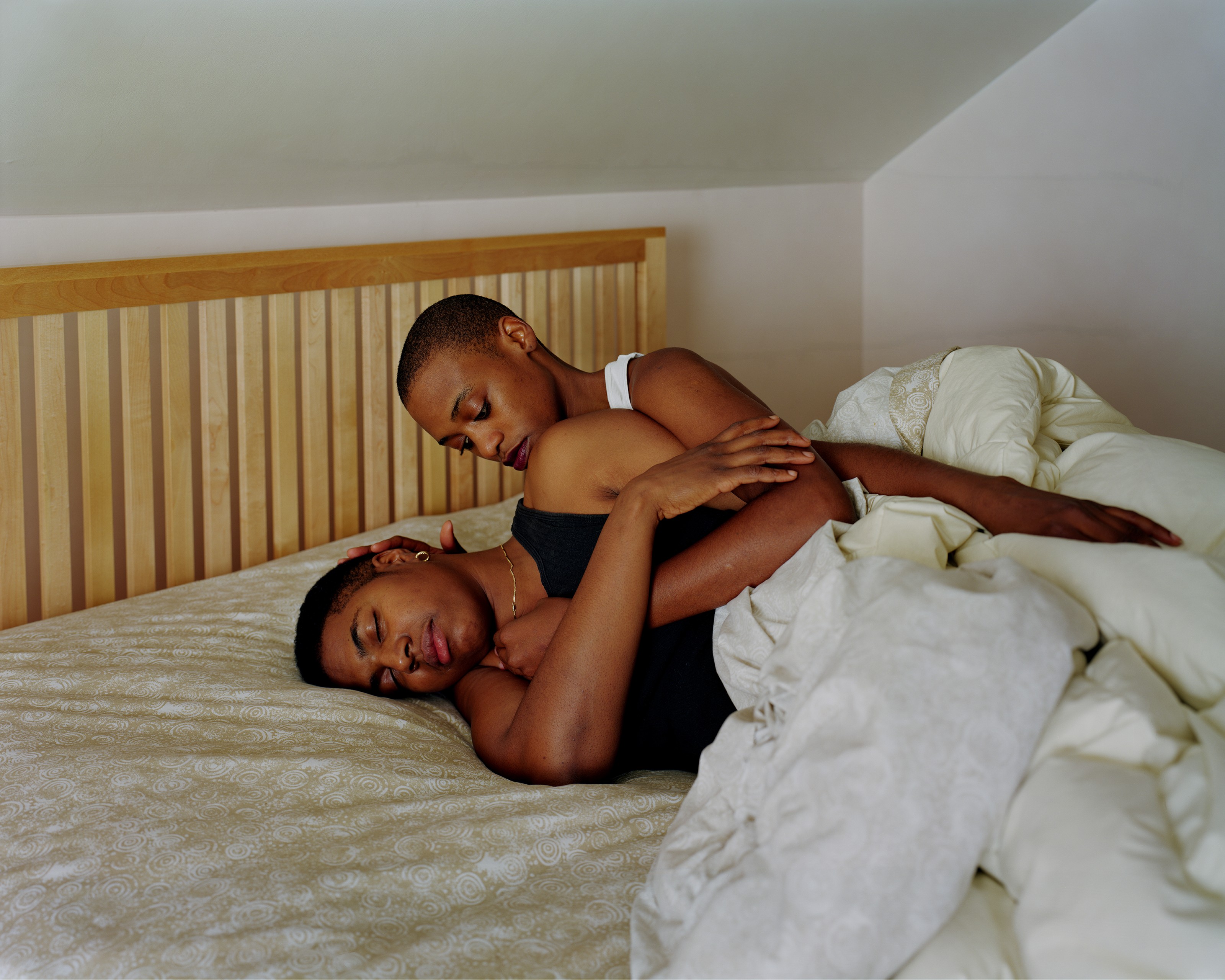
Photograph by Catherine Opie

캐서린 오피

Gina & April, Minneapolis, 1998

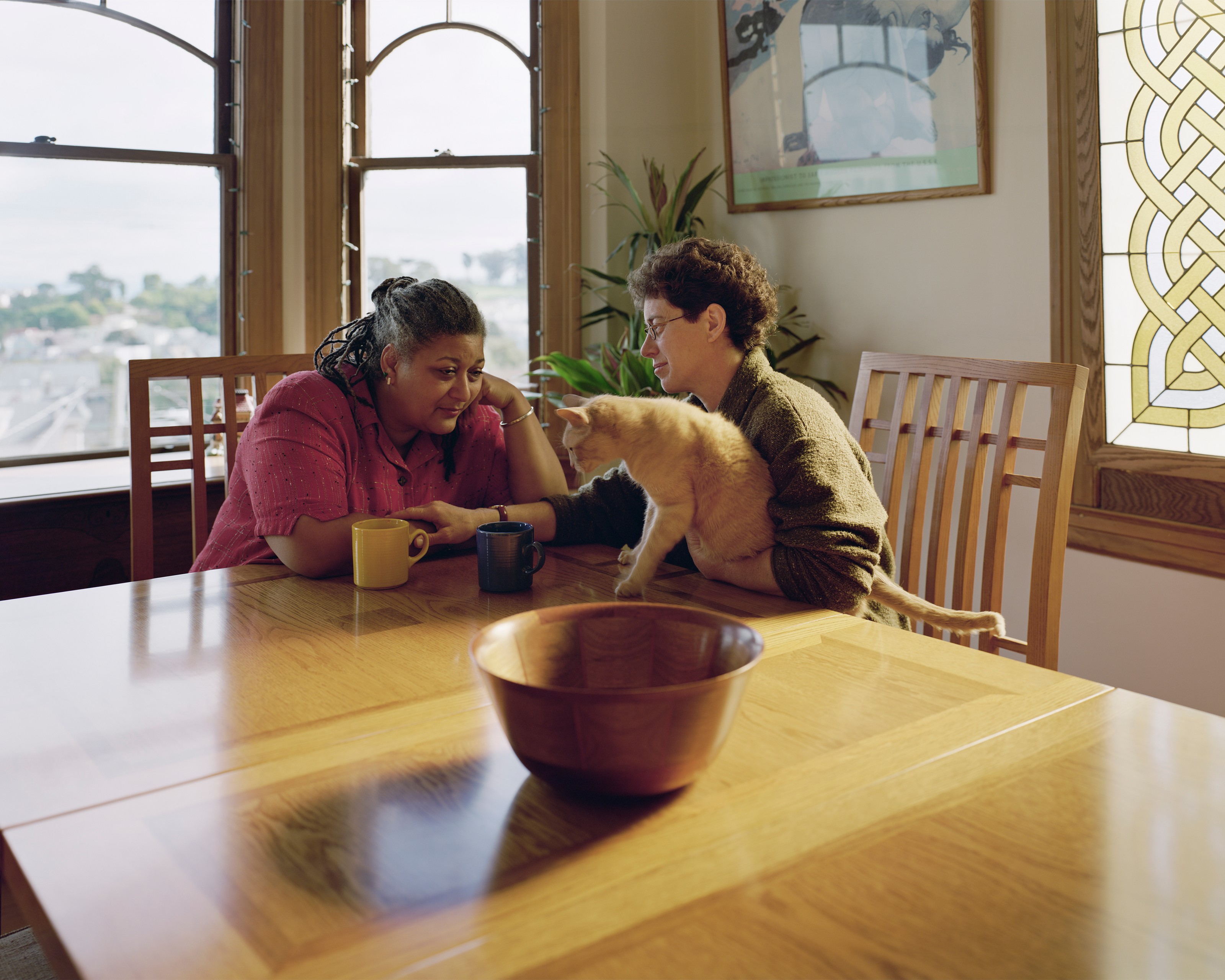
Photograph by Catherine Opie

캐서린 오피

Jewelle & Diane, San Francisco, California, 1998

Photograph by Catherine Opie

캐서린 오피

Kristopher & Clara, Tulsa, Oklahoma, 1998

Exhibition Artists

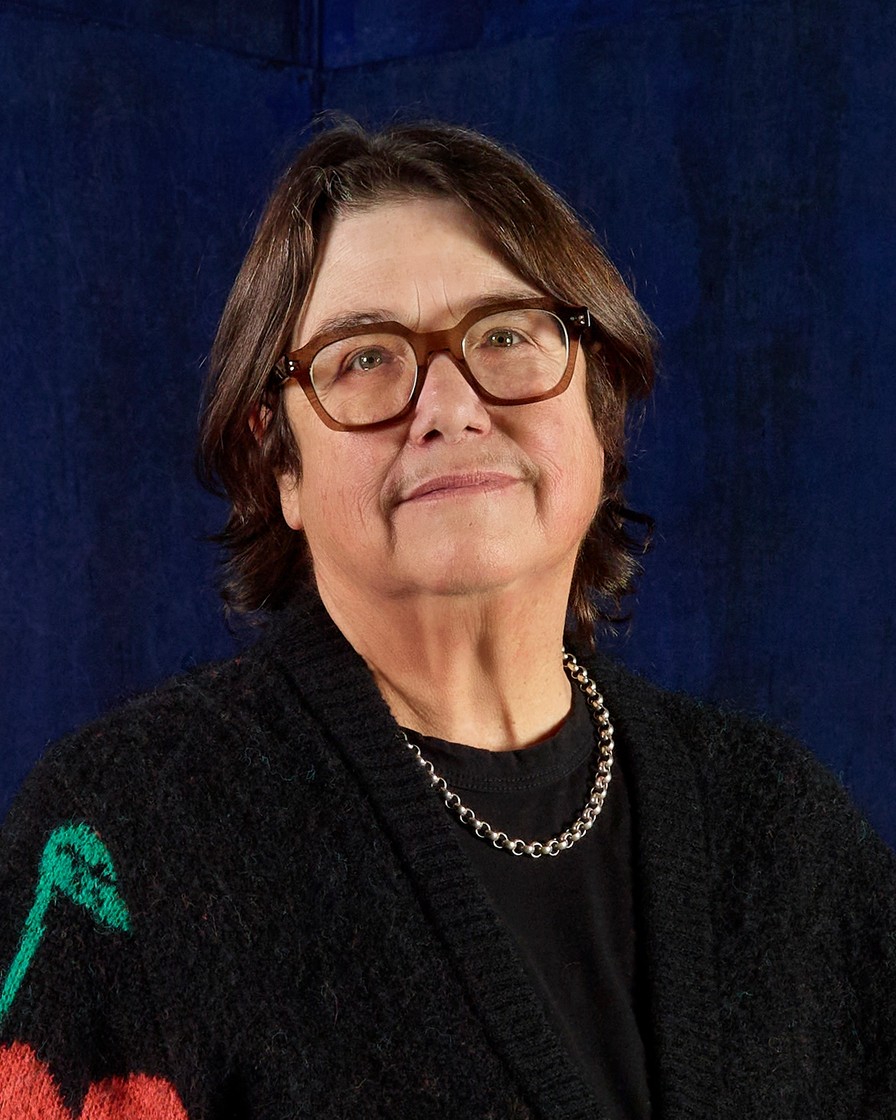
Portrait of Catherine Opie

캐서린 오피(1961년 미국 오하이오주 샌더스키 출생, 현재 로스앤젤레스에 거주)는 아메리칸 드림과 미국적 정체성을 둘러싼 이상 및 규범에 의문을 던지는 역동적인 사진 작업으로 널리 알려진 작가이다. 그는 1990년대에 게이, 레즈비언과 트랜스젠더 공동체를 촬영한 인물 사진 연작으로 이름을 알리기 시작했다. 이후 작가는 미국 전역을 여행하며 미국 내 다양한 공동체와 풍경을 탐색했다. 일례로 미국 고등학교의 미식축구 선수와 2008년 대통령 취임식 등 전형적인 미국적 소재를 포착하는가 하면, 역사적 초상화를 참고한 인물 사진을 매개로 미국 하위문화를 지속적으로 선보여왔다. 극적 연출을 활용하여 친밀한 시선으로 크로스드레서와 동성 커플, 문신·상흔·피어싱이 있는 신체를 렌즈에 담은 초상사진은 권력과 경의를 함의하는 르네상스 초상화를 연상시킨다. 인물의 남성적 혹은 여성적 특징을 과장하고 풍경을 자르거나 흐리게 하며 거리감을 왜곡하는 작가의 작업 방식은 정체성과 장소성의 모호함을 드러낸다.

오피는 1985 년 샌프란시스코 예술대학에서 학사, 1988년 캘리포니아 예술대학에서 석사 학위를 받았다. 작가의 주요 개인전은 리만머핀 서울(2022)과 뉴욕(2021, 2020, 2018)을 비롯하여 미국 버몬트주 스토의 더 커런트 나우(2022), 캐나다 위니펙 플러그 인 현대미술 인스티튜트(2020), 오하이오주 클리블랜드 현대미술관(2019), 캘리포니아주 로스앤젤레스의 마르시아노 미술 재단(2019), 뉴저지주 프린스턴 대학교 건축학부(2018), 노르웨이의 헤니 온스타드 쿤스트센터(2017), 로스앤젤레스 카운티 미술관(2016), 로스앤젤레스 현대미술관 퍼시픽 디자인 센터(2016), 로스앤젤레스 해머 미술관(2016), 오하이오주의 웩스너 예술센터(2015), 캘리포니아주의 롱비치 미술관(2012), 보스턴 현대미술관(2011), 오리건주의 포틀랜드 미술관(2010), 뉴욕 구겐하임 미술관(2008), 시카고 현대미술관(2006), 미네소타주 미니애폴리스의 워커 아트 센터(2002), 미주리주의 세인트루이스 미술관(2000) 등에서 개최되었다.
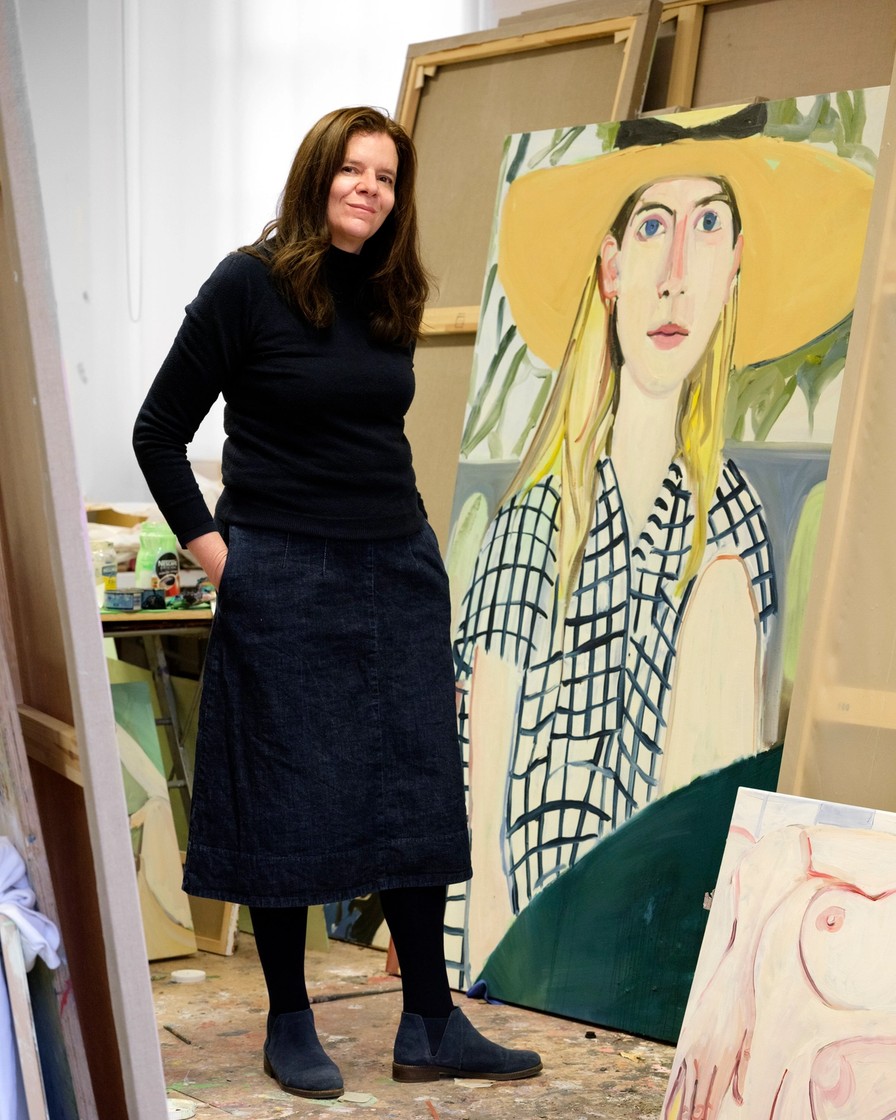
Portrait of Chantal Joffe

Chantal Joffe (b. 1969, St. Albans City, VT; lives and works in London, United Kingdom) creates figurative paintings that address themes of portraiture, motherhood, the passage of time, and art’s relationship to history. Committed to the genre of figurative art, Joffe brings a combination of insight and integrity, as well as psychological and emotional force to her subjects. Almost always depicting women or girls, sometimes in groups, Joffe’s paintings loosely adhere to their source―be it a photograph, magazine page, or reflection in the mirror―reminding us that distortions of scale and form can often make a subject seem more lifelike. Joffe’s paintings alert us to how appearances are carefully constructed and codified, whether in a fashion magazine or the family album, and to the choreography of display. She offers insightful neutrality in her paintings and gives equal billing to catwalk models, porn actresses, mothers and children, loved ones, and literary heroines. Joffe’s choice of subject invites us to question our assumptions about what makes a noble portrait and challenges our expectations of what feminist art might be.

For Joffe, sensuality, self-disclosure, self-consciousness, and intimacy are brought together to heighten already complex narratives about human connection, perception, and representation. These narratives, implicit in the relationship between any artist and subject, are extended to the viewer as propositions and provocations. Whether in paintings a few inches square or ten feet high, Joffe's deceptively casual brushstrokes and ability to combine gesture with a pragmatic approach to representation simultaneously seduces and disarms. Often laying bare the physicality of their making and suffused with a palpable empathetic warmth, Joffe’s paintings offer an insightful examination into ever-shifting human connections and the endless intricacies of looking.

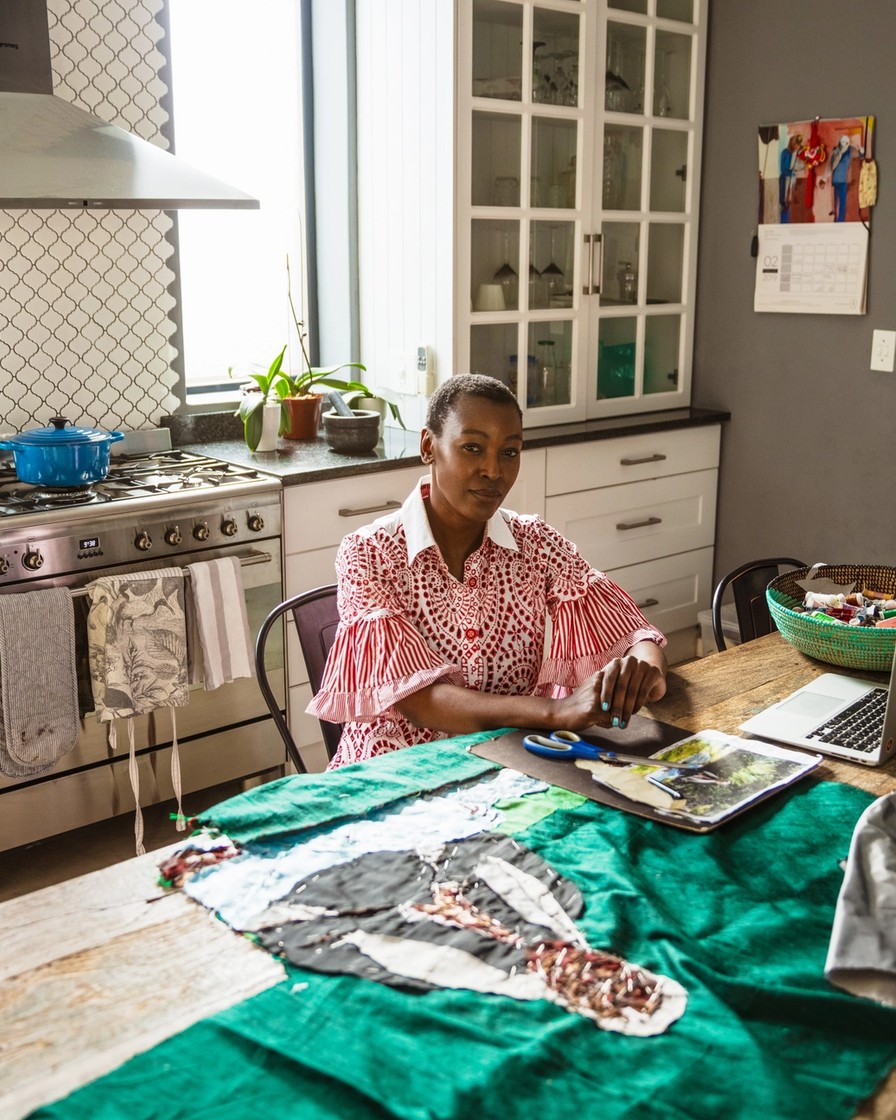
Portrait of Billie Zangewa

Billie Zangewa (b. 1973, Blantyre, Malawi; lives and works in Johannesburg, South Africa) creates intricate collages composed of hand-stitched fragments of raw silk. These figurative compositions explore contemporary intersectional identity in an attempt to challenge the historical stereotype, objectification, and exploitation of the black female form. Beginning her career in the fashion and advertising industries, Zangewa employs her understanding of textiles to portray personal and universal experiences through domestic interiors, urban landscapes, and portraiture. Her earliest works were embroideries on found fabrics depicting remembered botanical scenes and animals from Botswana, where the artist was raised, but she soon transitioned to creating cityscapes, focusing on her experience as a woman in the city of Johannesburg and her personal relationships. These works explored her experience of the male gaze, leading her to begin to think more critically about how women view themselves and what the visualization of the female gaze, through self-portraiture, could look like.

After the birth of her son, Zangewa began making her well-known domestic interiors to explore the shift in focus from self-examination and femininity to motherhood and the home. Often referencing scenes or experiences from everyday life, Zangewa has stated that she is interested in depicting the work done by women that keeps society running smoothly, but which is often overlooked, undervalued, or ignored. Zangewa refers to this as “daily feminism,” which can be considered a contemporary version of “the personal is political.” Through the method of their making and their narrative content, Zangewa’s silk paintings illustrate gendered labor in a socio-political context, where the domestic sphere becomes a pretext for a deeper understanding of the construction of identity, questions around gender stereotypes, and racial prejudice.

Frieze Los Angeles | Lehmann Maupin