Skip to content

Multiple Artists

Origins

Palm Beach

Feb 25–Mar 27, 2021

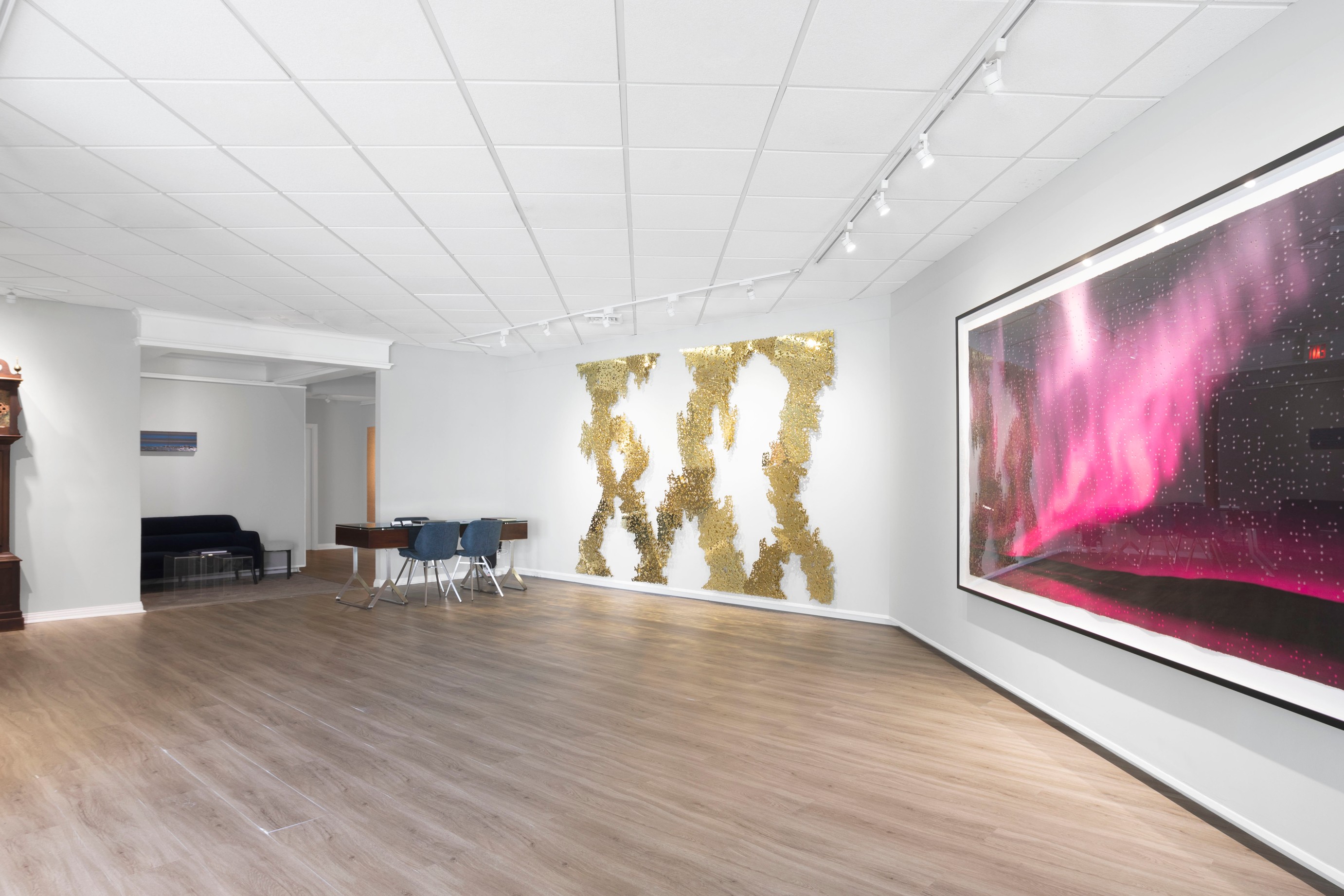
Wall sculpture by Teresita Fernández

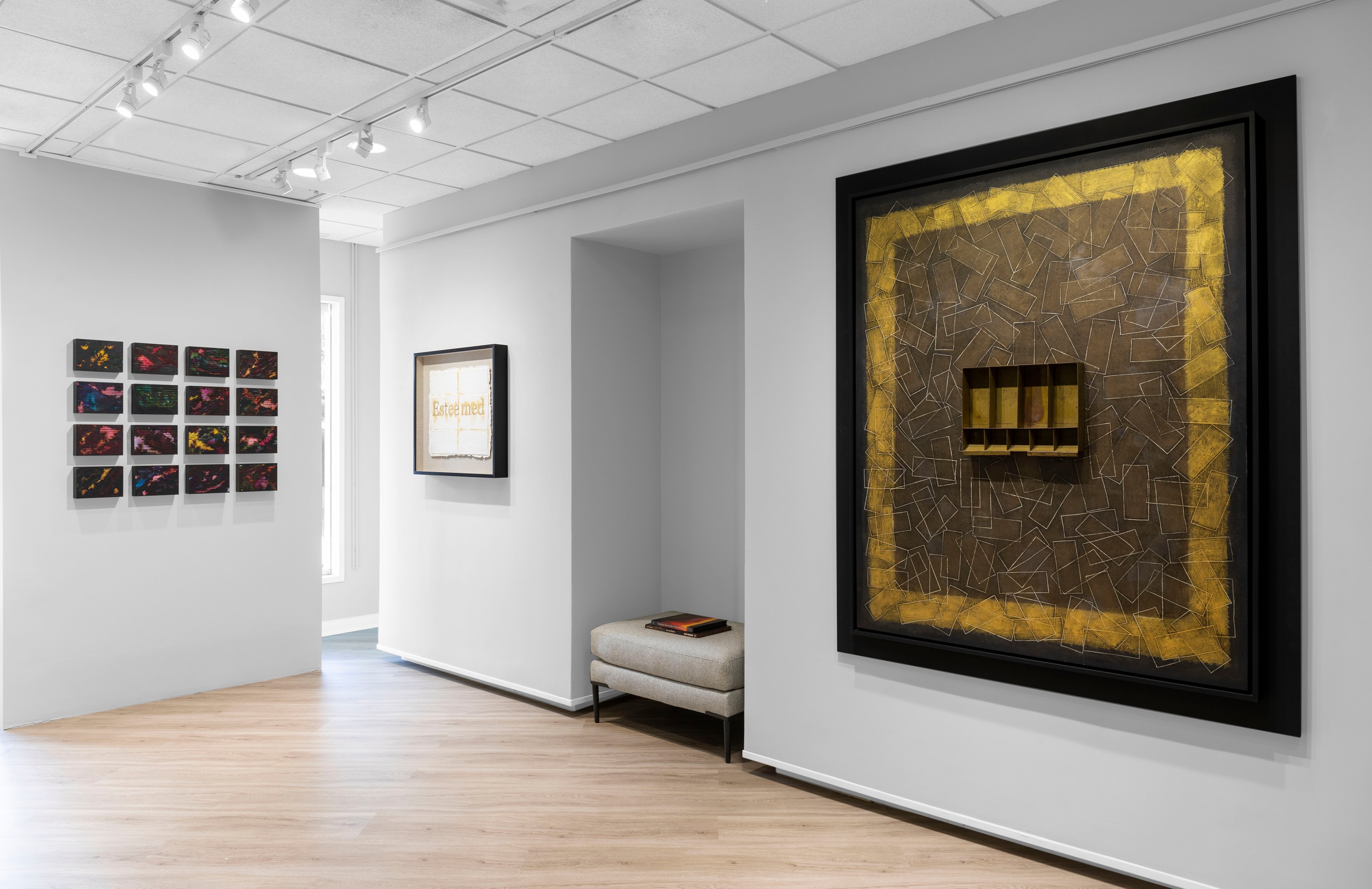
Lehmann Maupin is pleased to announce Origins, a group exhibition marking the gallery’s third presentation in Palm Beach, featuring new and recent work by McArthur Binion, Teresita Fernández, and Nari Ward. Over the course of their respective practices and through distinct mediums and diverse approaches, these artists have produced bodies of work that challenge traditional narratives around place, identity, memory, and belonging.

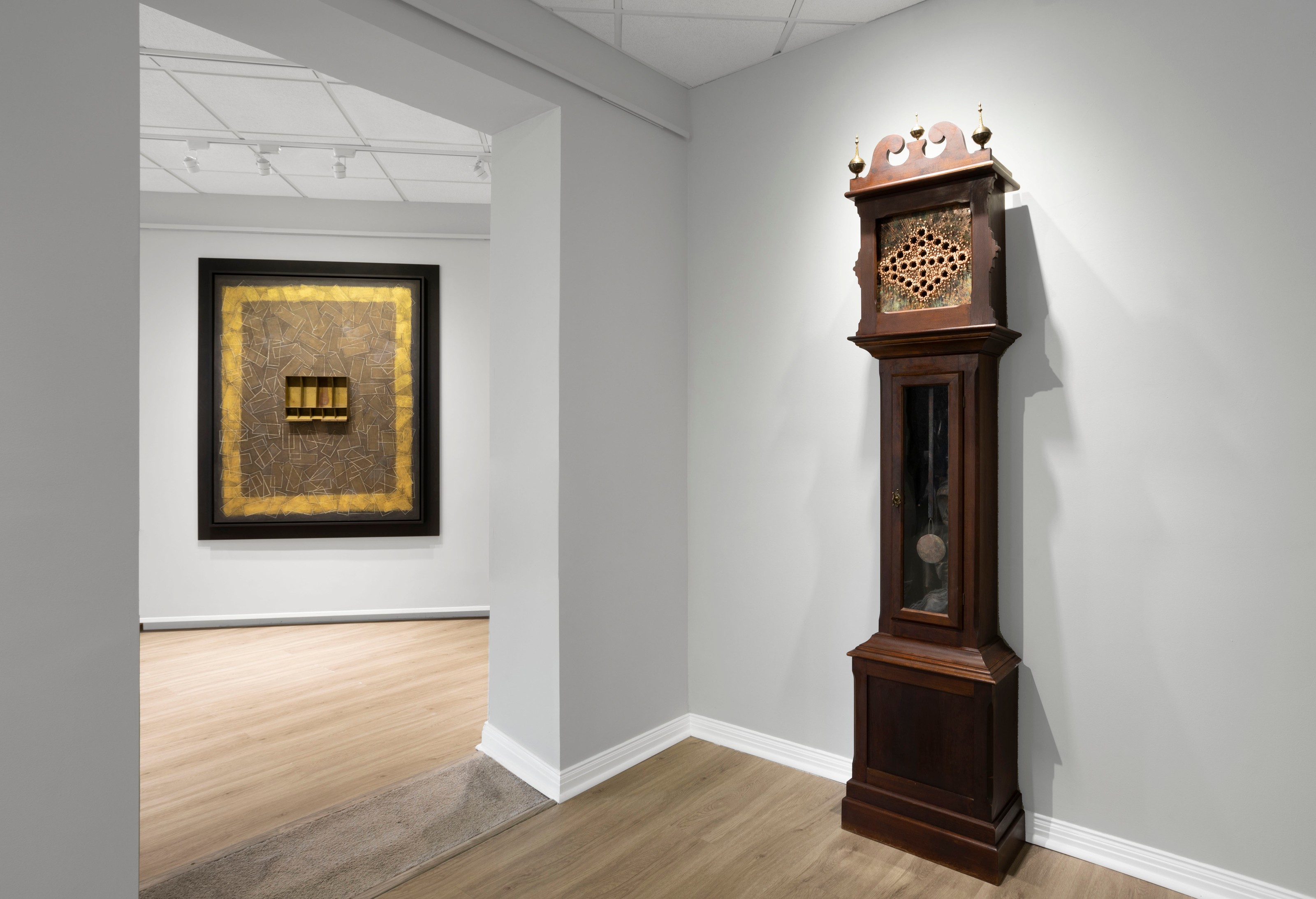
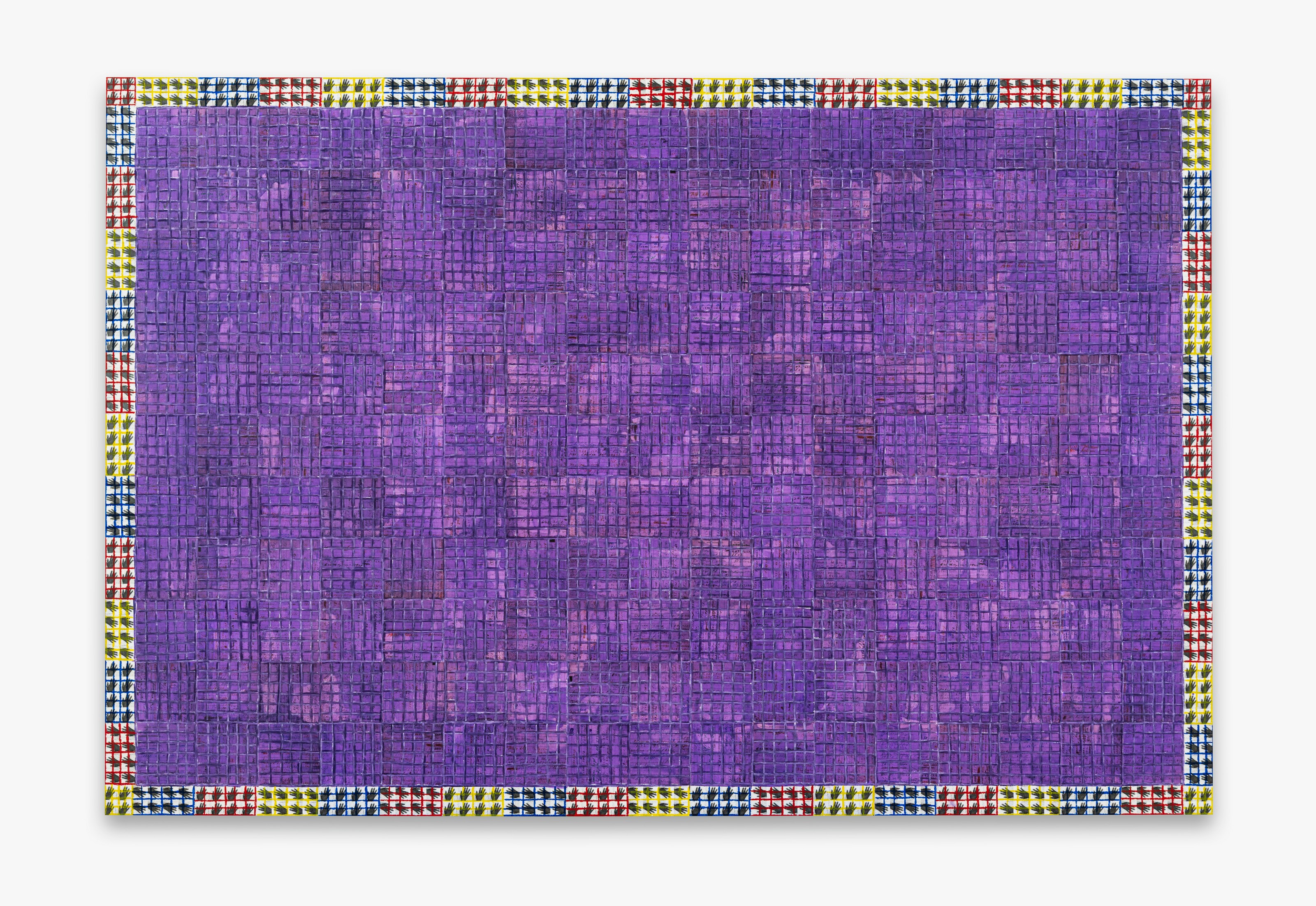
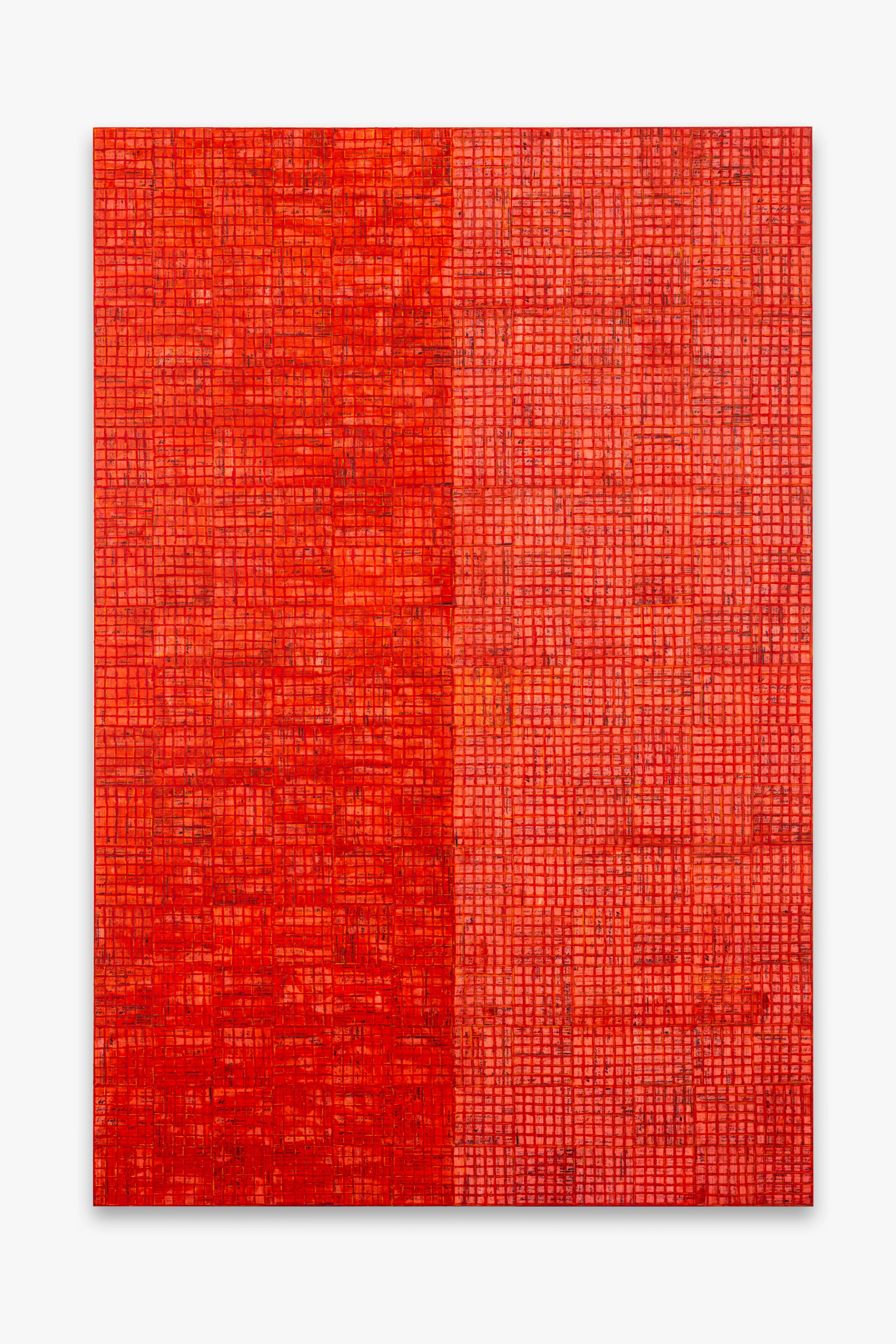
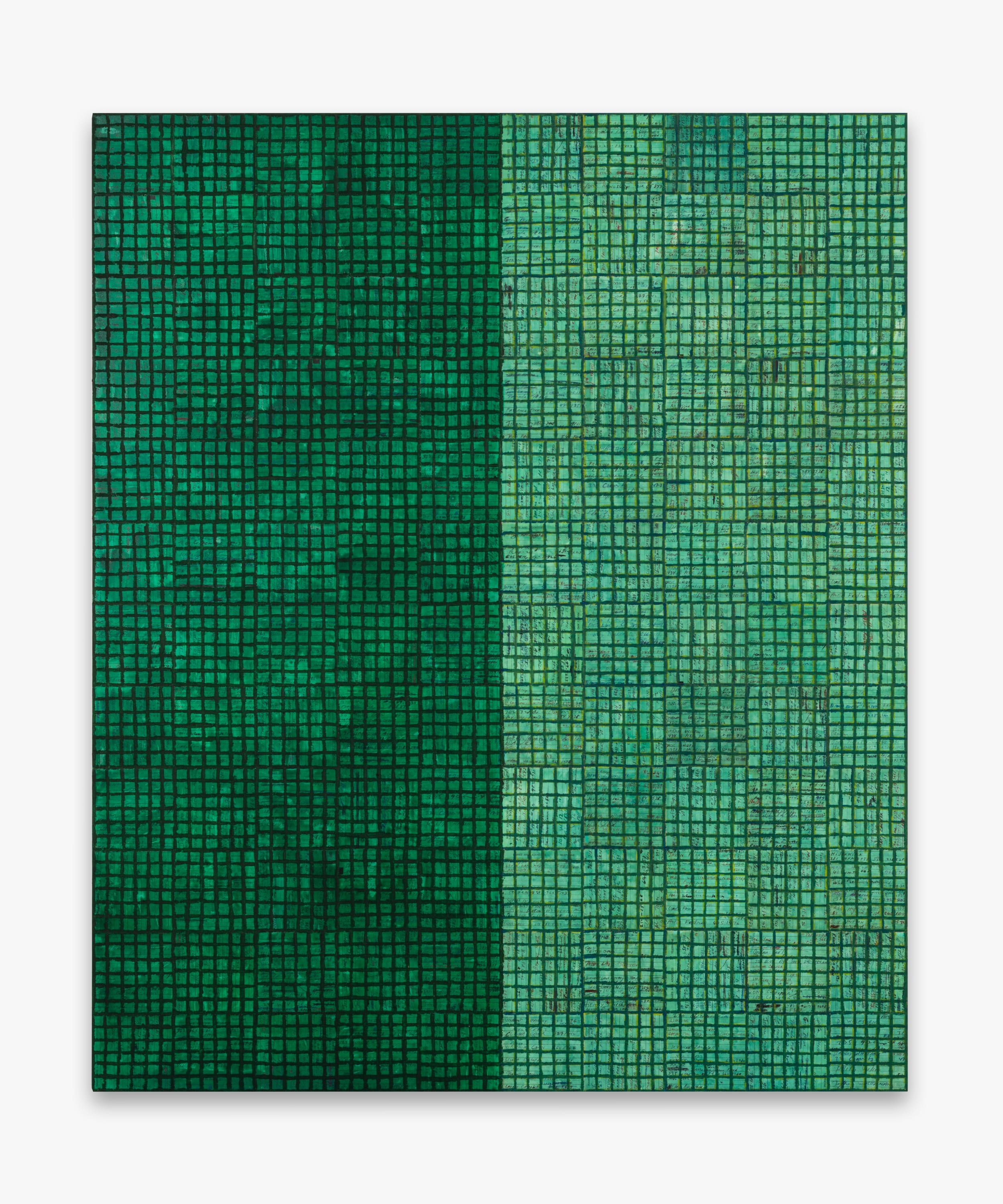
New paintings by McArthur Binion will be on view, including works from his iconic DNA:Study and new Modern:Ancient:Brown series. Here, Binion combines collage, drawing, and painting to create autobiographical abstractions of minimalist patterns over an “under surface” of personal documents and photographs. From photocopies of his birth certificate and pages from his address book to pictures from his childhood and found photographs, the poignant and charged images that constitute the tiled base of his work are concealed and abstracted by grids of hand-painted oil stick. Binion’s practice is the subject of a newly published monograph, McArthur Binion: DNA (DelMonico Books, 2021). The artist will have a solo exhibition of new work at Lehmann Maupin New York in September 2021.

Installation view of Origins at Lehmann Maupin Palm Beach
Installation Views: 1 of 3
Wall sculpture by Teresita Fernández

Teresita Fernández

Hurakán, 2020

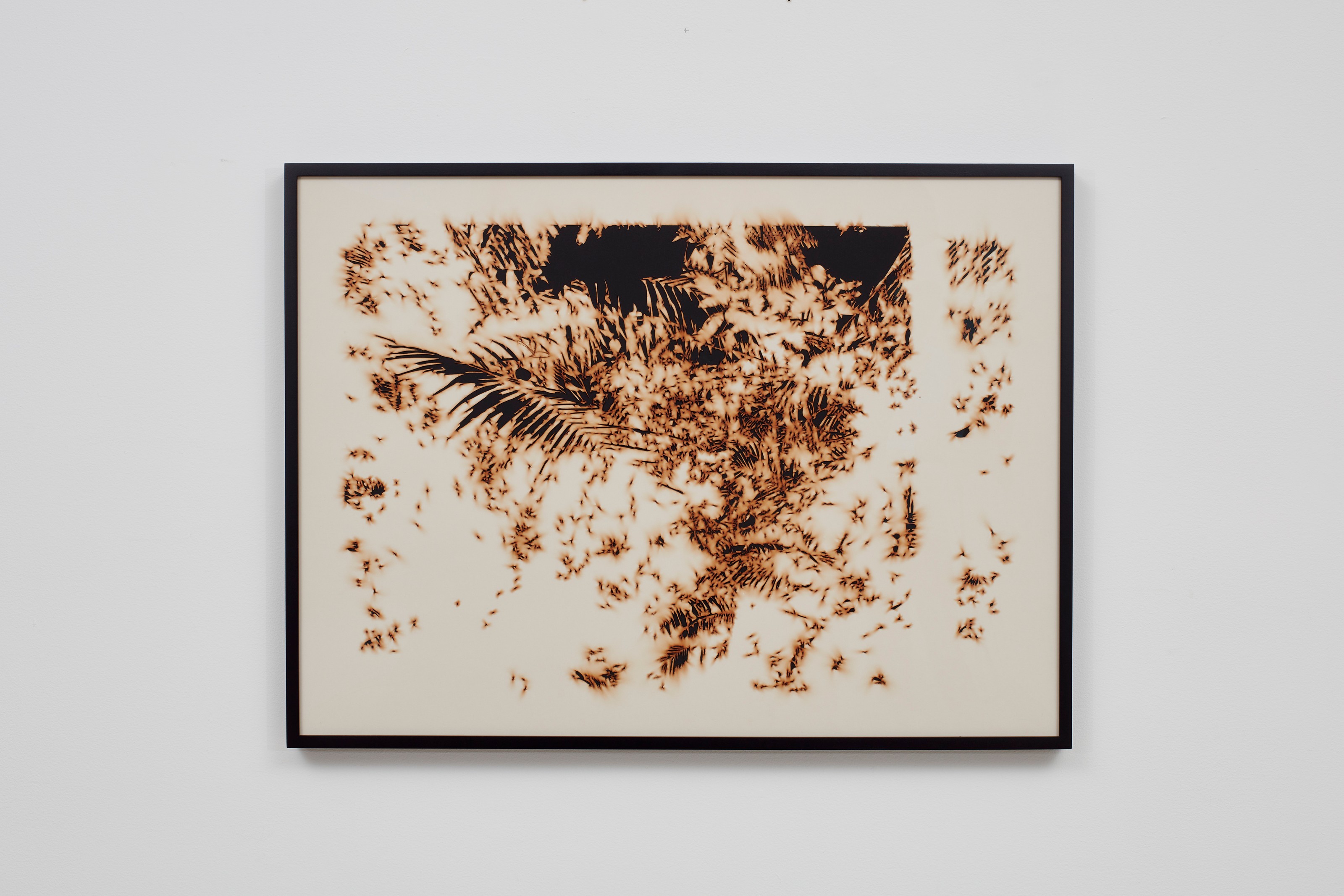
Work on paper by Teresita Fernández

Teresita Fernández

Puerto Rico (Burned) 6, 2018

Work on paper by Teresita Fernández

Teresita Fernández

Puerto Rico (Burned) 8, 2018

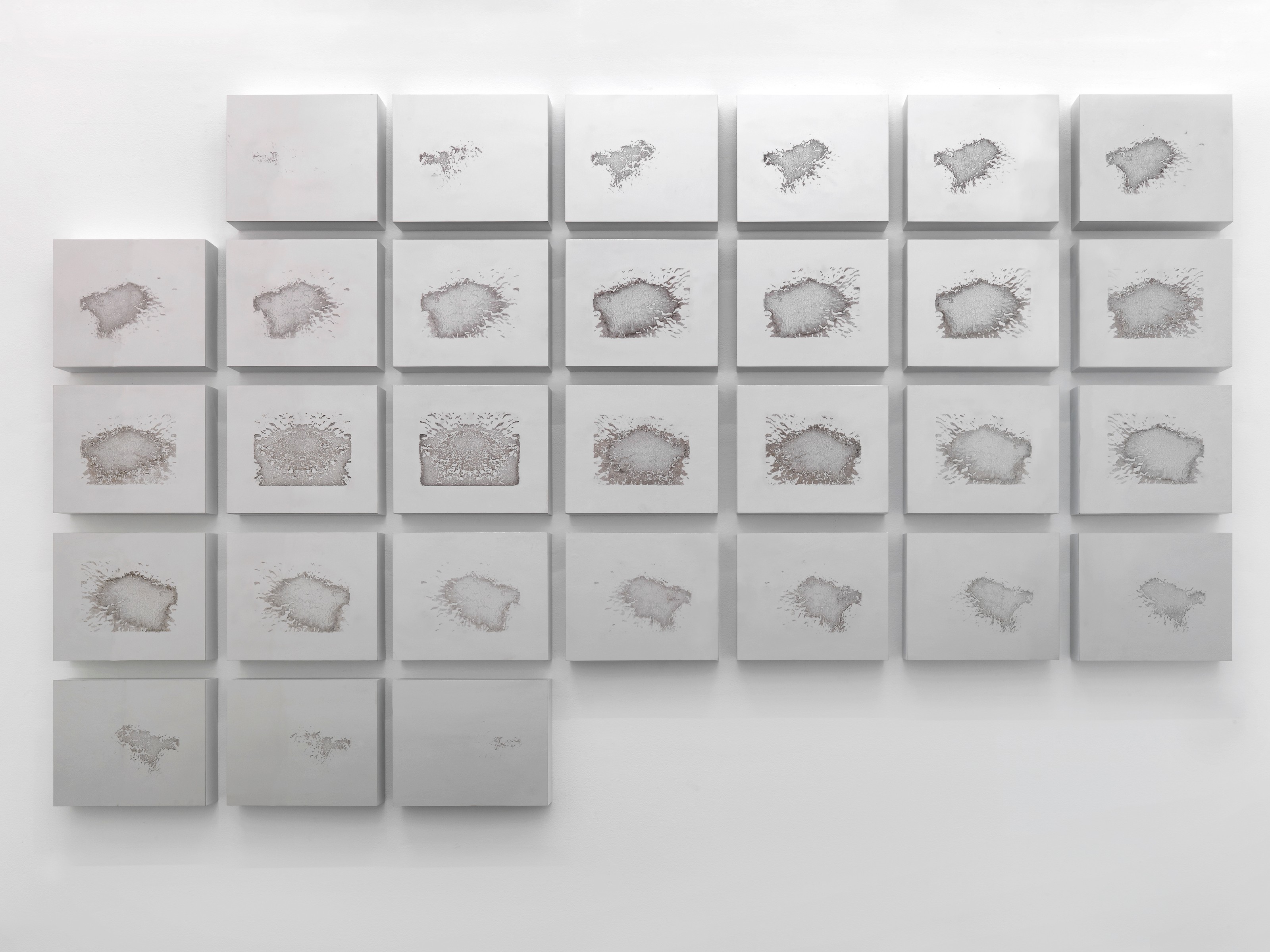
Wall sculpture by Teresita Fernández

Teresita Fernández

Silver Screen/30 Dissolves, 2011

Painting by McArthur Binion

McArthur Binion

Modern:Ancient:Brown(violet), 2020

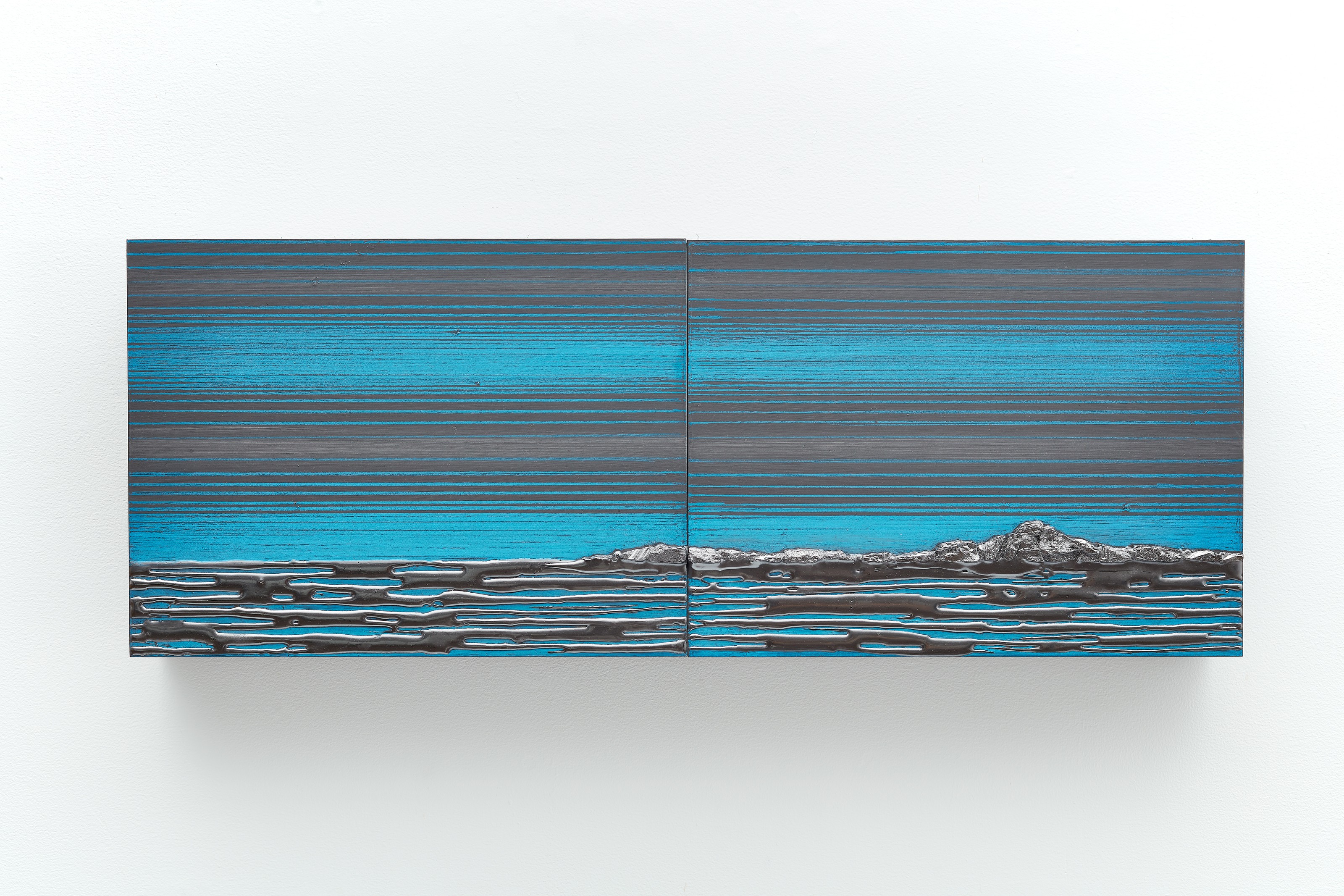
Graphite panel by Teresita Fernández

Teresita Fernández

Rise and Fall #20, 2017

Graphite panel by Teresita Fernández

Teresita Fernández

Rise and Fall #17, 2017

Graphite panel by Teresita Fernández

Teresita Fernández

Golden (Black Skies 1), 2015

Work on paper by Teresita Fernández

Teresita Fernández

Night Writing (Pyramus and Thisbe), 2011

Installation view of Origins at Lehmann Maupin Palm Beach
Installation Views: 1 of 2
Wall work by Nari Ward

Nari Ward

Courtship Replay G.V., 2011-2019

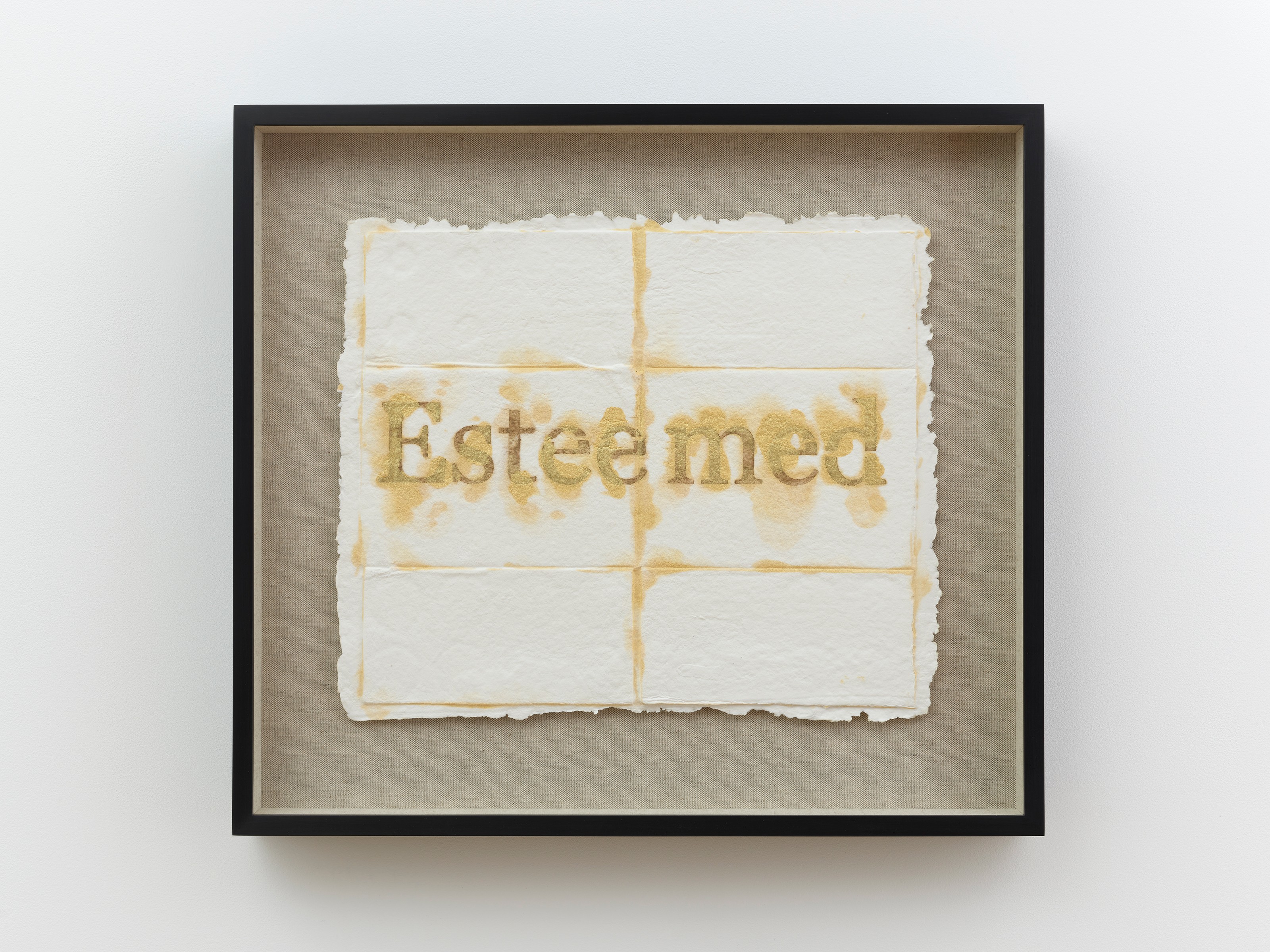
Work on paper by Nari Ward

Nari Ward

Esteemed, 2018-2019

Sculpture by Nari Ward

Nari Ward

Anchoring Escapement; Mahogany Ithaca, 2018

Wall work by Nari Ward

Nari Ward

National, 2017

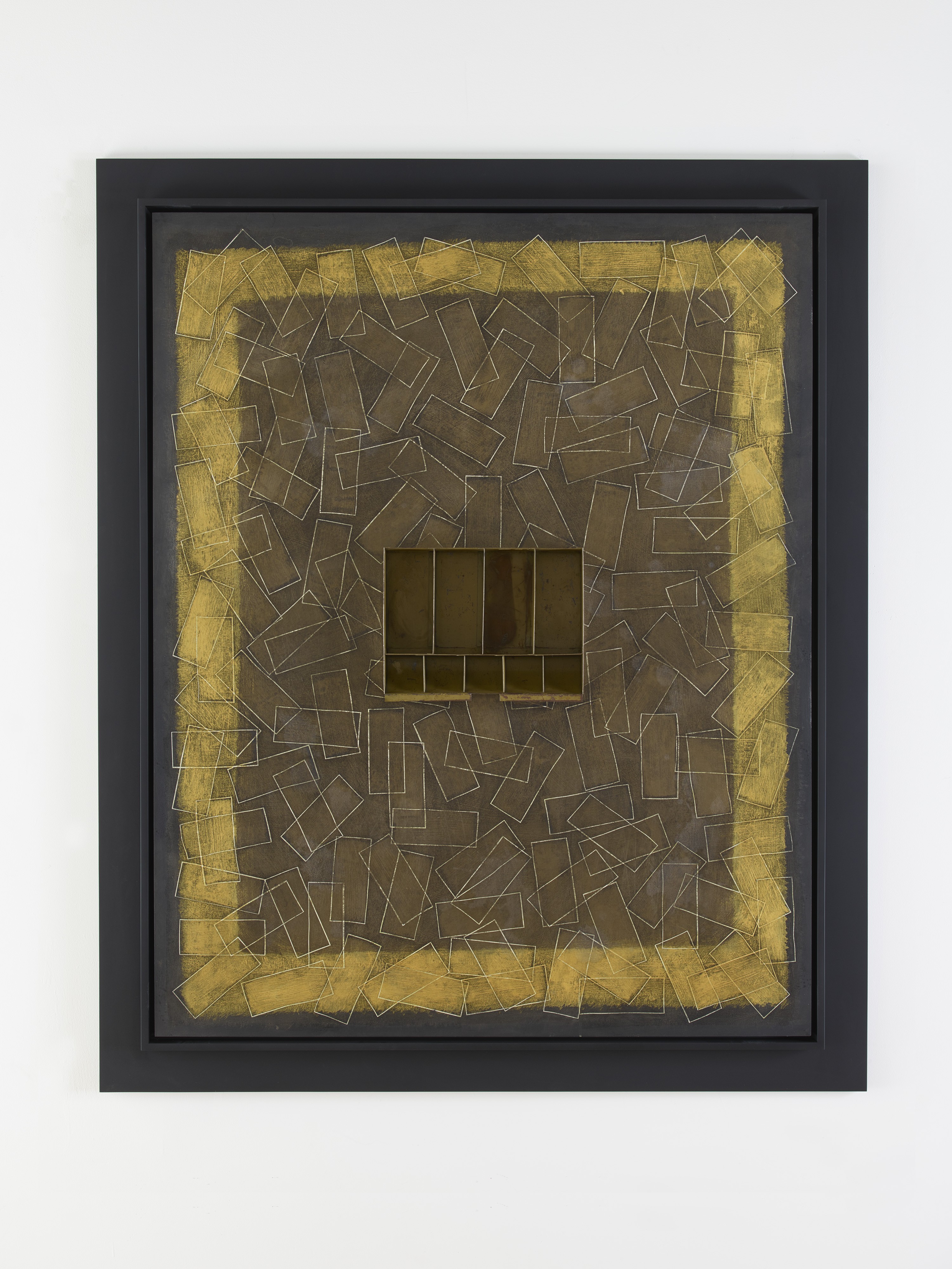
Painting by McArthur Binion

McArthur Binion

DNA:study, 2019

Painting by McArthur Binion

McArthur Binion

dna:study, 2020

Exhibition Artists

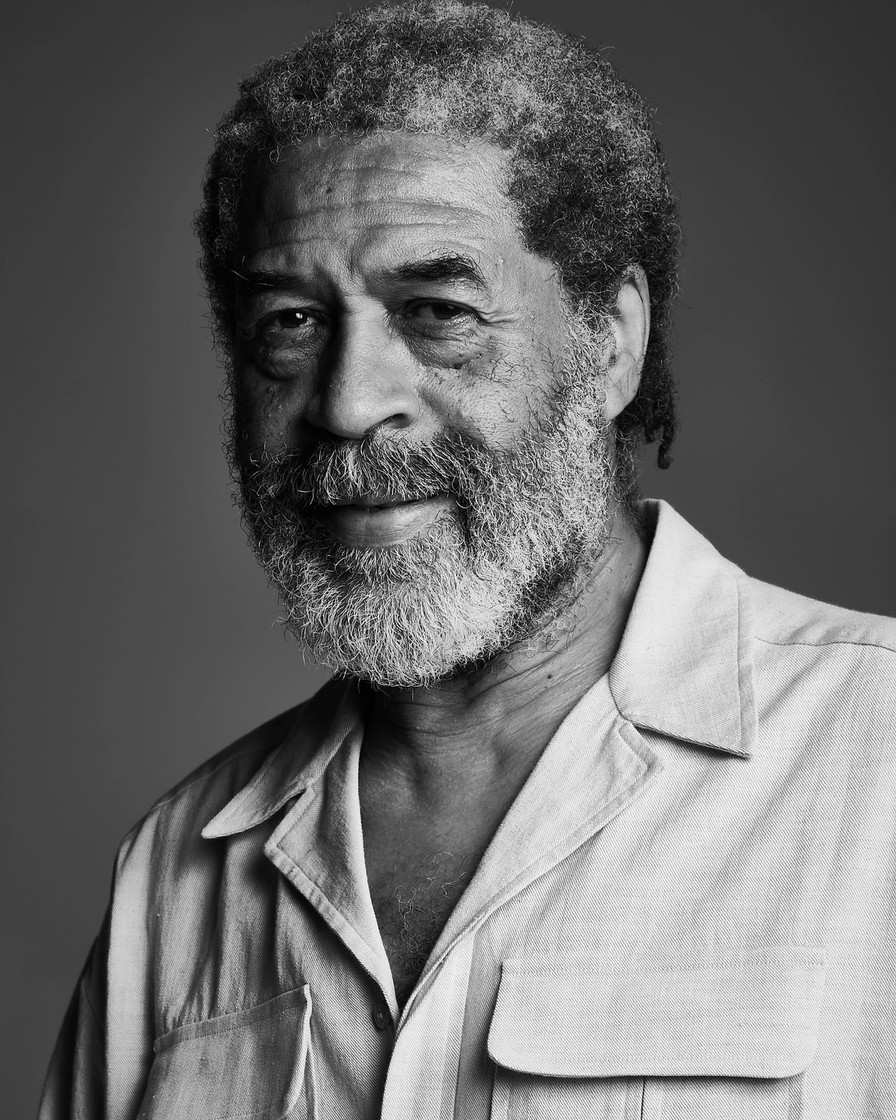
Portrait of McArthur Binion

McArthur Binion (b. 1946, Macon, MS; lives and works in Chicago, IL) combines collage, drawing, and painting to create autobiographical abstractions of painted minimalist patterns over an “under surface” of personal documents and photographs. From photocopies of his birth certificate and pages from his address book, to pictures from his childhood and found photographs of lynchings, the poignant and charged images that constitute the tiled base of his work are concealed and abstracted by grids of oil stick. The complexly layered works, from a distance, appear to be monochromatic minimalist abstractions that have led many to compare his work to that of Jasper Johns, Robert Ryman, or Brice Marden. However, while his contemporaries focused more on materiality, abstraction, and in some cases the social and political climate of the time, Binion’s works are intensely personal and deeply dedicated to the rigorous process of making a painting. Upon closer inspection, these monochromatic abstractions come into focus: the perfect grid becomes a series of imperfect laboriously hand-drawn lines, behind which emerge intimate details of Binion’s identity and personal history. Binion’s gridded compositions impose rational order to the layers of personal history, allowing only fragments of information from his birth certificate to be read, or details of his mother’s face to be identified—but never enough to be immediately legible. Having begun his career as a writer, Binion is highly influenced by language and music, as can be seen in his titles and the ways in which he layers information to be “read” rather than simply seen. The tension that exists between the grid and the artist’s visible gestures is not unlike that of jazz music, which merges improvisation with the order of a musical composition.

Binion received his B.F.A. from Wayne State University, Detroit, MI in 1971 and his M.F.A. from the Cranbrook Academy of Art, Bloomfield Hills, MI in 1973. Select recent solo exhibitions of his work have been organized at the de la Cruz Gallery at Georgetown University (2025); Museo Novecento, Florence, Italy (2020); the Cranbrook Art Museum, Bloomfield Hills, MI (2018); Contemporary Arts Museum, Houston, TX (2012); and the University of Maryland University College Gallery, Adelphi, MD (2010).
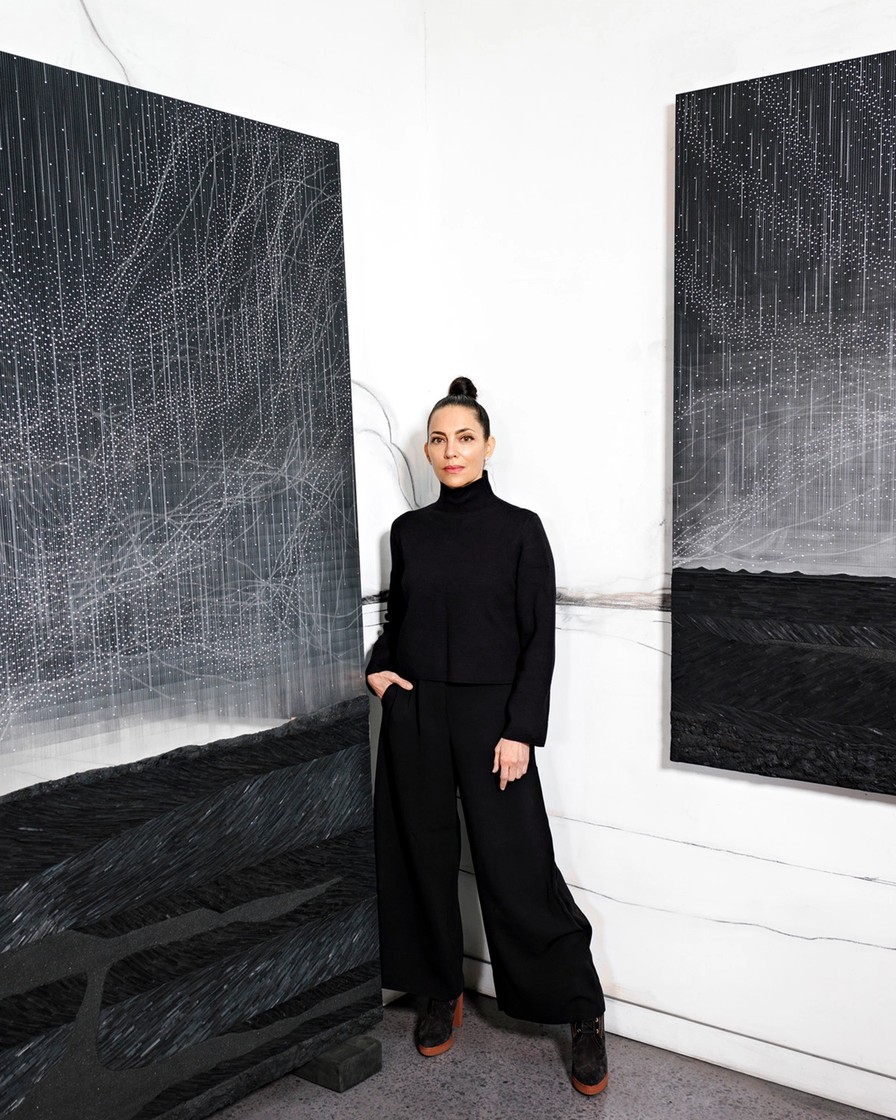
Portrait of Teresita Fernández

Teresita Fernández's work is characterized by an expansive rethinking of what constitutes landscape: from the subterranean to the cosmic, from national borders to the more elusive psychic landscapes we carry within. Fernández unravels the intimacies between matter, human beings, and locations. Her luminous, sculptural works poetically challenge ideas about land and landscape by amplifying the powerful, emotional connection in how we imagine place, and, by extension, one another. Fernández exposes the complex narratives that stem from distorted, colonial histories, elaborating on these themes in subtle ways that insist on intertwining beauty, the socio-political, the intimate, and the immense. Imagining the landscape with reciprocal sentience, Fernández has said “You look at the landscape, but the landscape also looks back at you."

Fernández is a 2005 MacArthur Foundation Fellow and the recipient of numerous awards, including a Creative Capital Award; Guggenheim Fellowship; the Louis Comfort Tiffany Biennial Award; an American Academy of Rome Fellowship (AFAAR); and a National Endowment for the Arts Individual Artist’s Grant in Visual Arts, among others. Her works have been exhibited and collected both nationally and internationally including: The Museum of Modern Art, New York; The Whitney Museum of American Art; the San Francisco Museum of Modern Art; The Menil Collection; Philadelphia Museum of Art; Pérez Art Museum Miami; Modern Art Museum of Fort Worth; Centro de Arte Contemporáneo de Málaga, Spain; The Museum of Fine Arts, Boston; SITE Santa Fe; The Smithsonian Museum of American Art; MASS MoCA; and Castello di Rivoli, Italy, among others. She lives and works in Brooklyn, New York

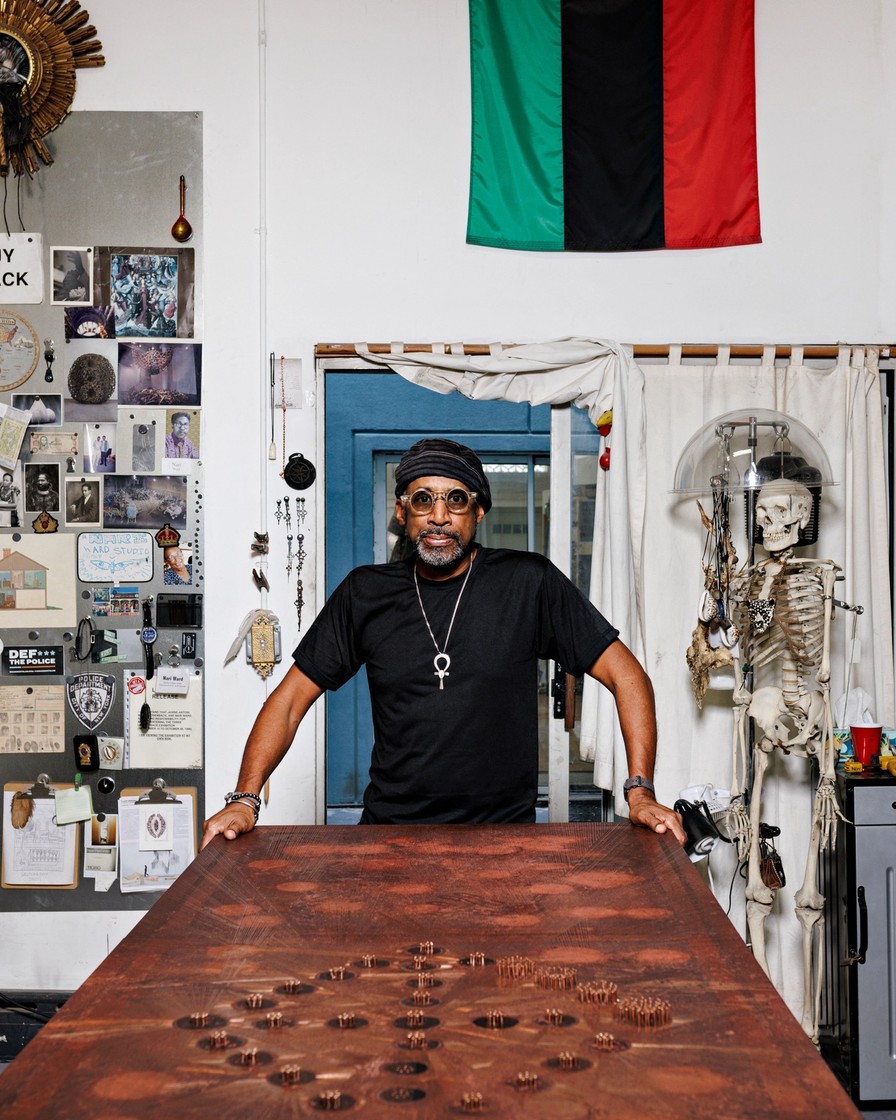
Portrait of Nari Ward

In a career spanning over three decades, artist Nari Ward (b. 1963, St. Andrew, Jamaica; lives and works in New York, NY) has gained recognition for an interdisciplinary and multimedia practice that engages historical and contemporary discourse around race, migration, democracy, identity, and community. Ward is best known for his wall and installation-based sculptural works created primarily from materials found and collected throughout Harlem, his longtime neighborhood in New York. These objects imbue his work with a sense of intimacy, reflecting the shared experience of community. Combining materials to re-contextualize their original meanings, Ward’s assemblages probe a range of spiritual and conceptual issues through literal and metaphorical juxtaposition.

Materially specific but conceptually ambiguous, Ward’s multimedia and performance works unfold into many possible interpretations—as materials and movements accumulate, so too do signifiers. Each found object—including baseball bats, strollers, shoelaces, cash registers, bottles, and shopping carts—contains a multiplicity of meanings and histories that speak to both collective experience and individual memory. The intentional synthesis of such objects, combined with the more traditional disciplines of painting, sculpture, and performance, allows for varied interpretations, inviting viewers to project their own associations and transcend the specific context of any given work. At the same time, Ward’s art reflects on the complexities of contemporary society, transforming overlooked material through artmaking to foreground forgotten histories or marginalized communities.

Origins | Lehmann Maupin