Skip to content

Nari Ward

TILL, LIT

New York

Jun 2–Aug 25, 2017

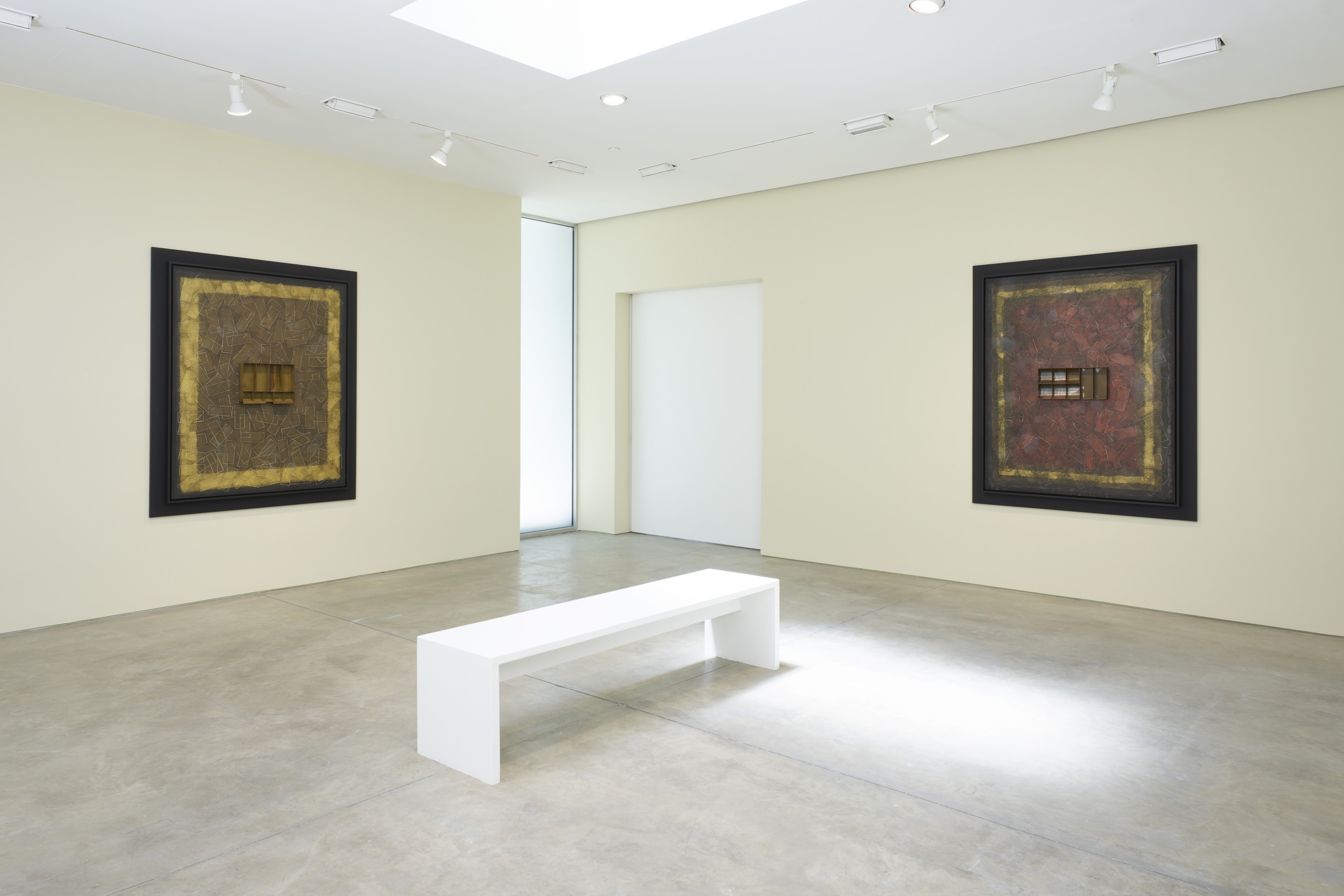
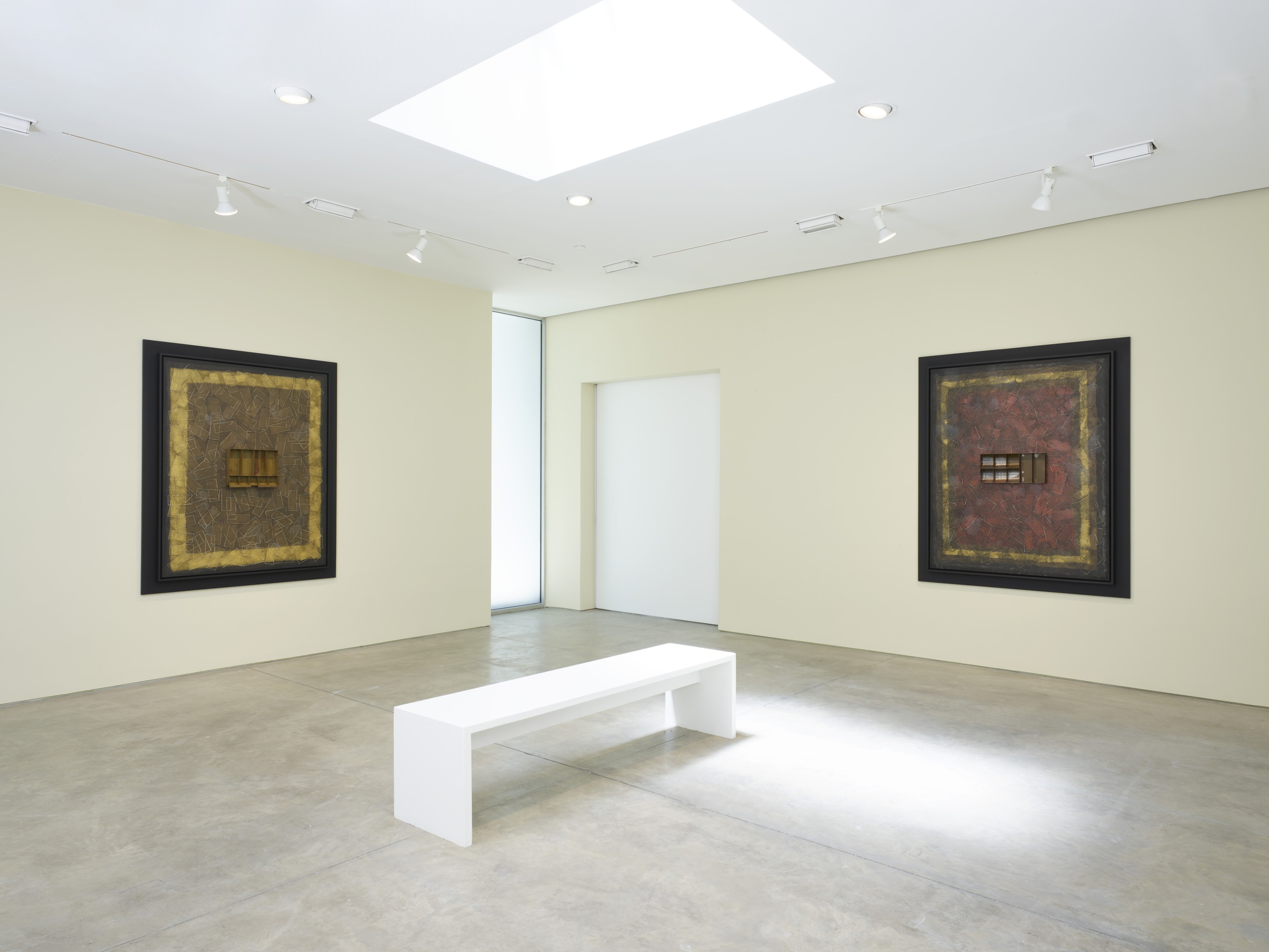
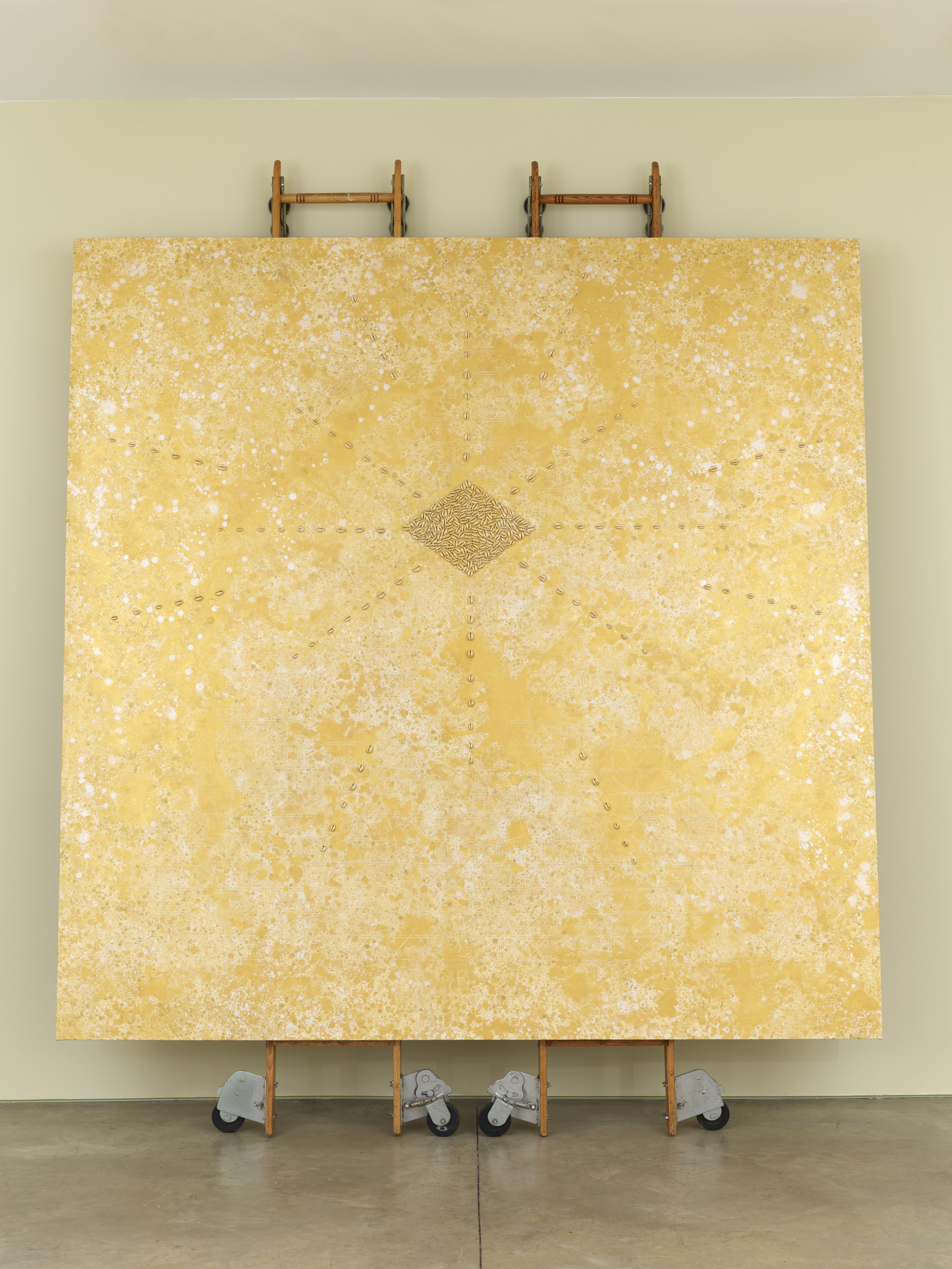
Installation view of Nari Ward at Lehmann Maupin New York

536 W 22nd St

New York, NY 10011

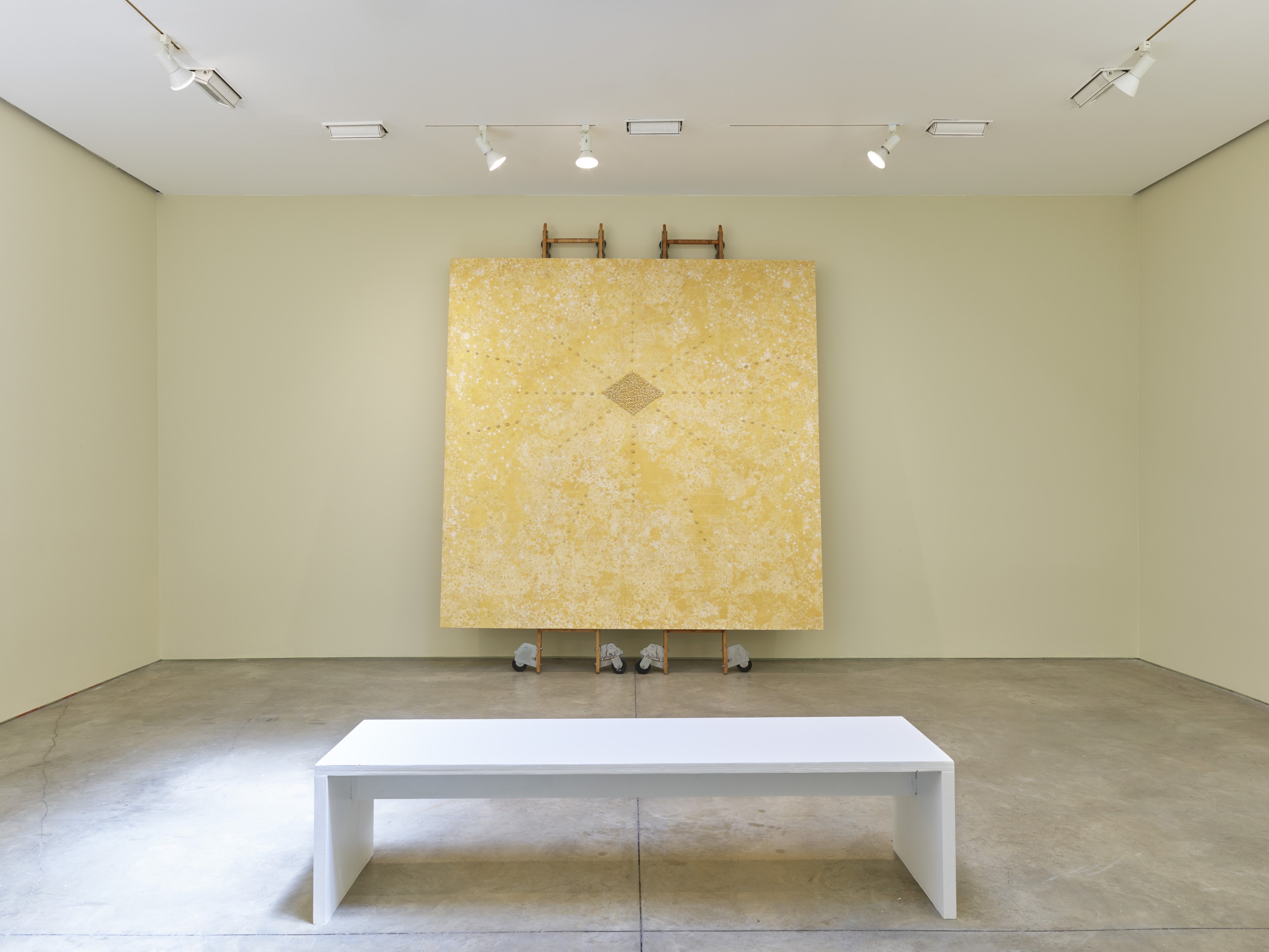
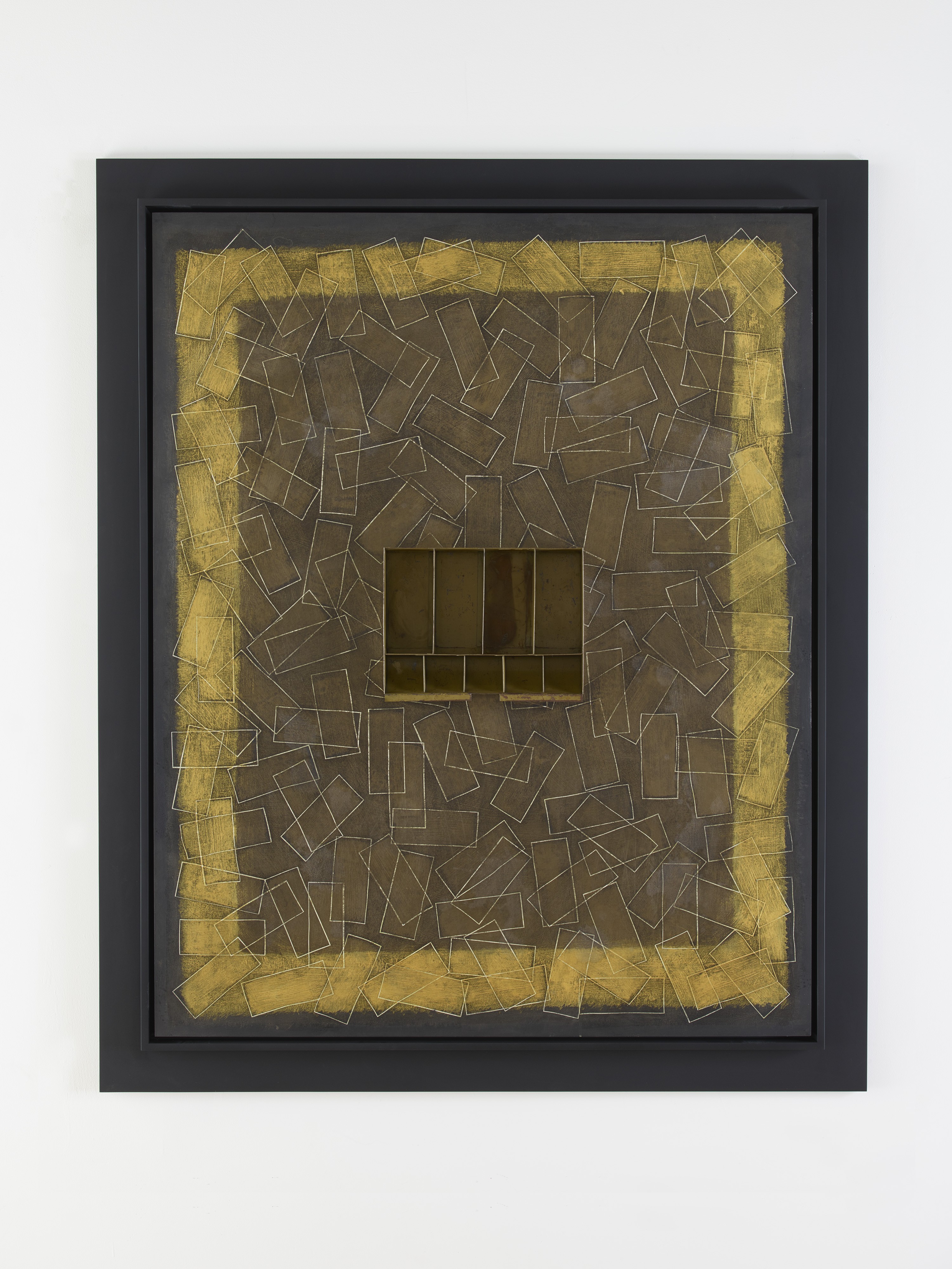
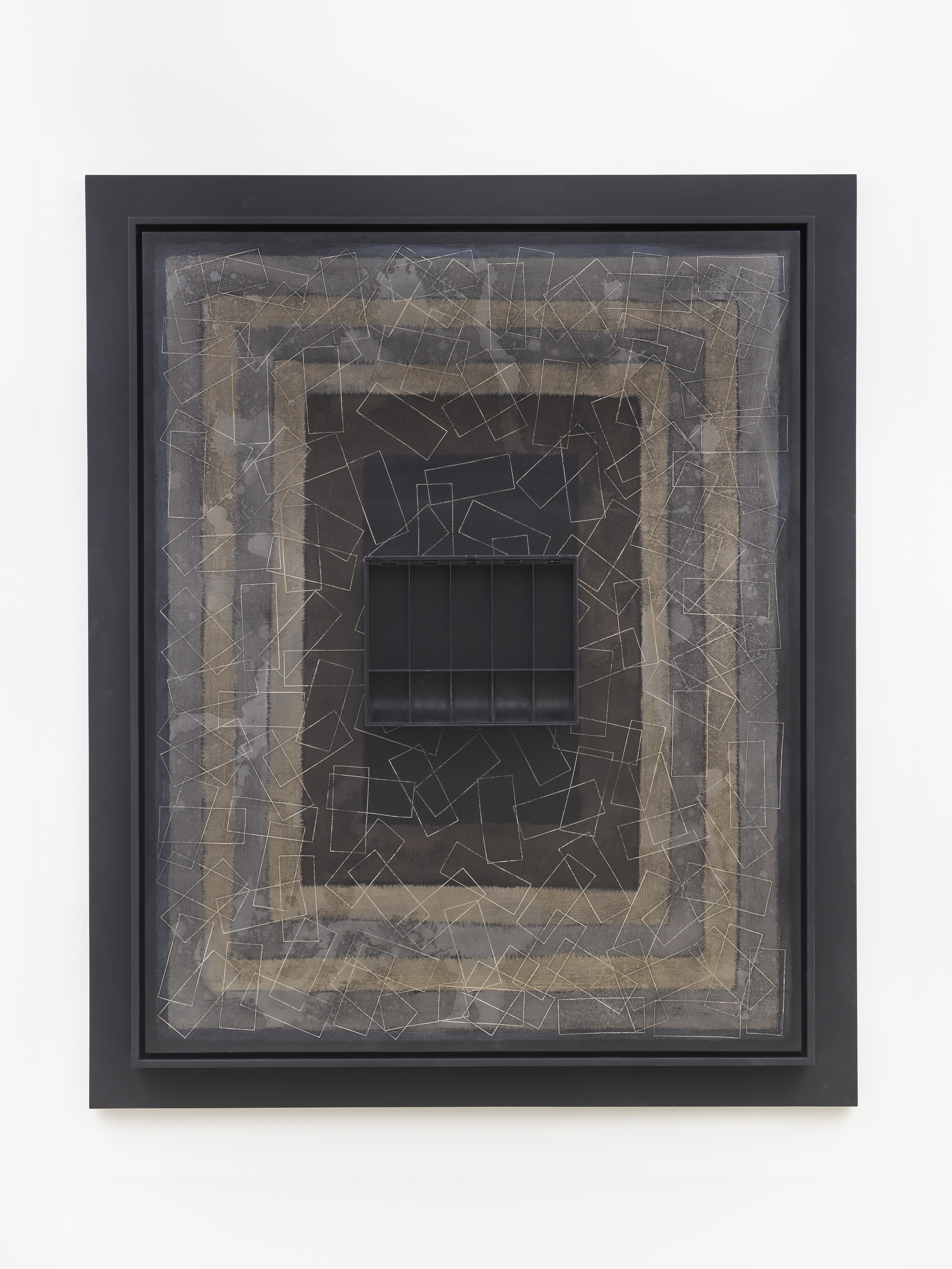
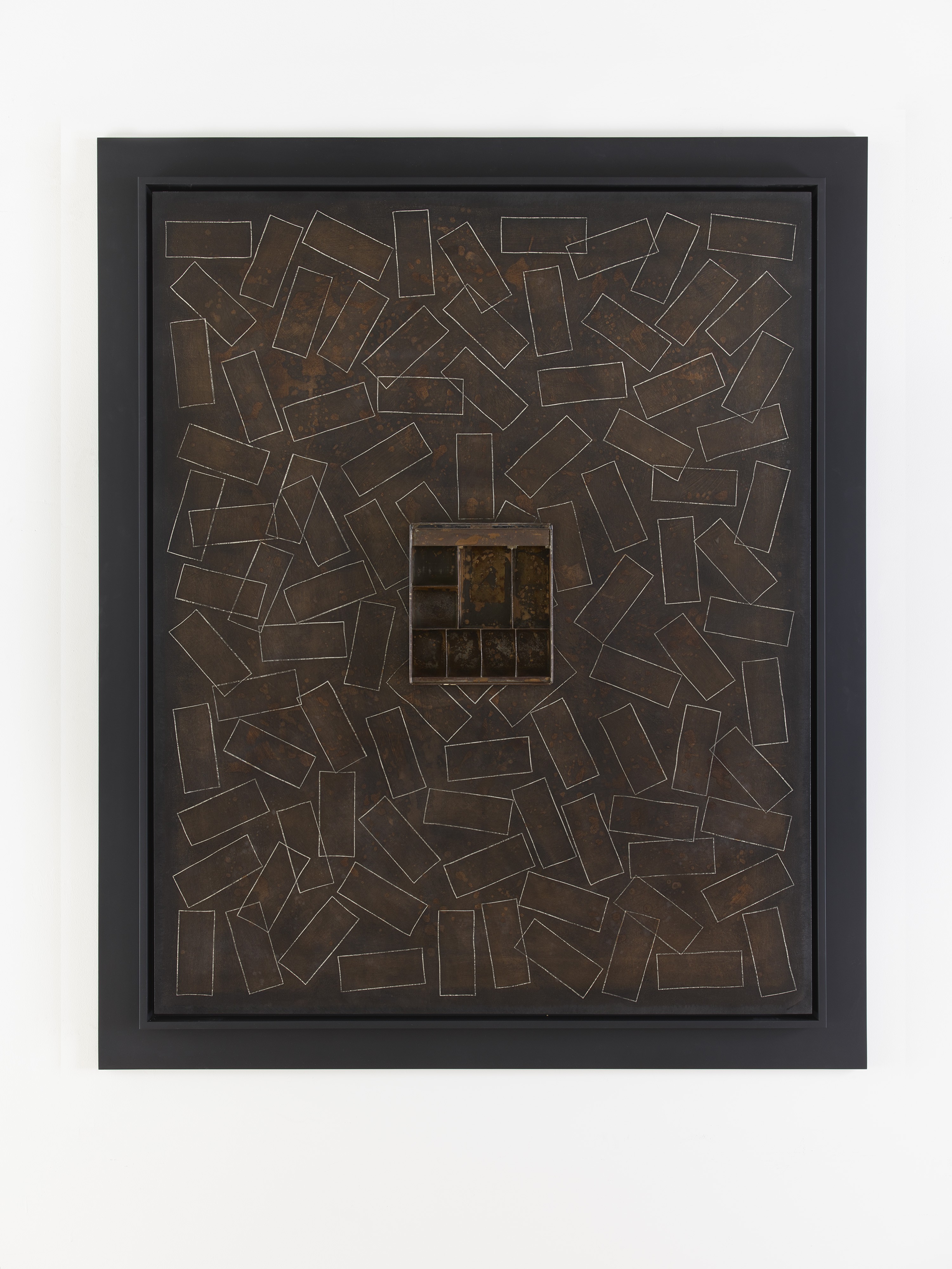
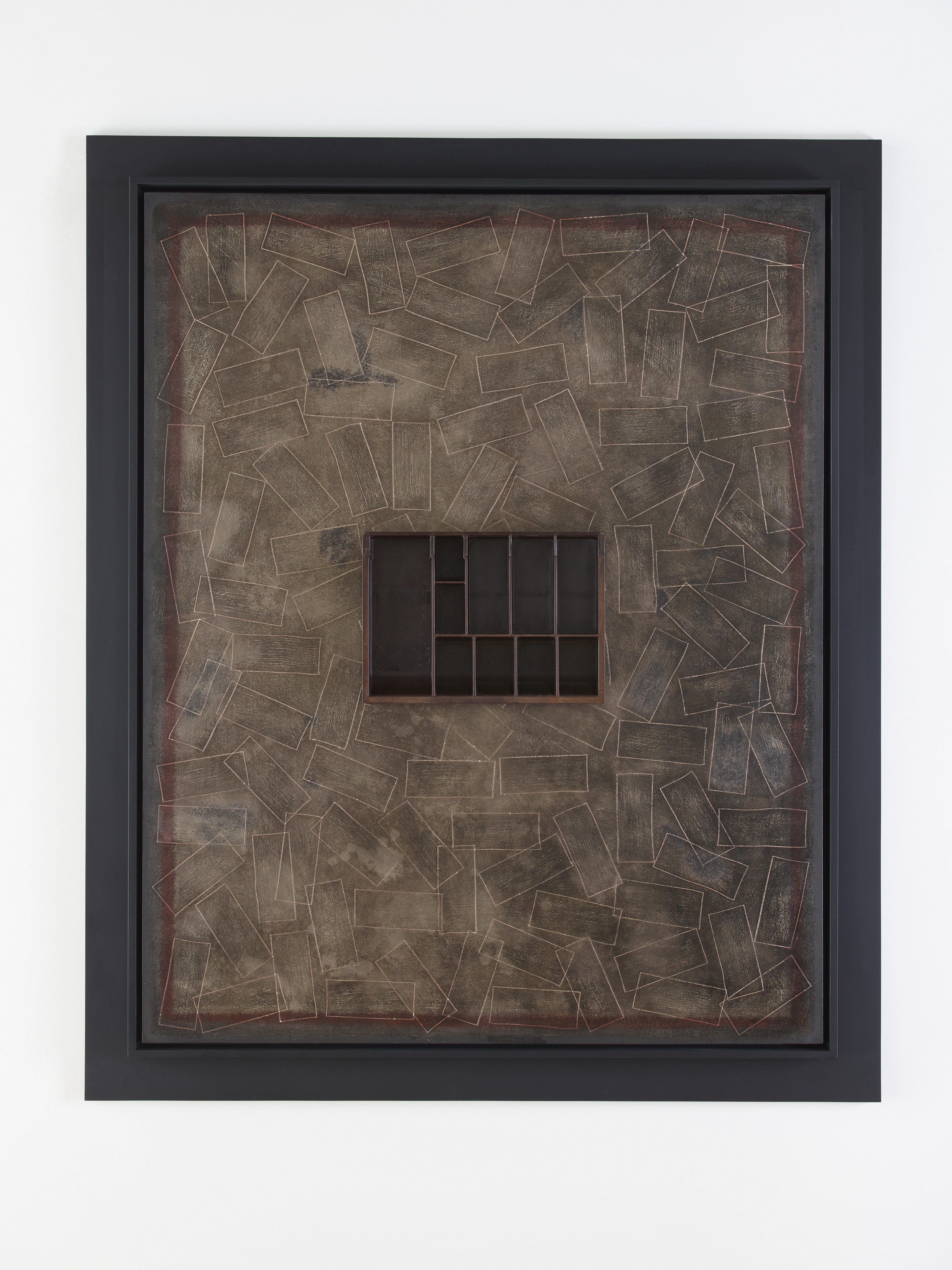
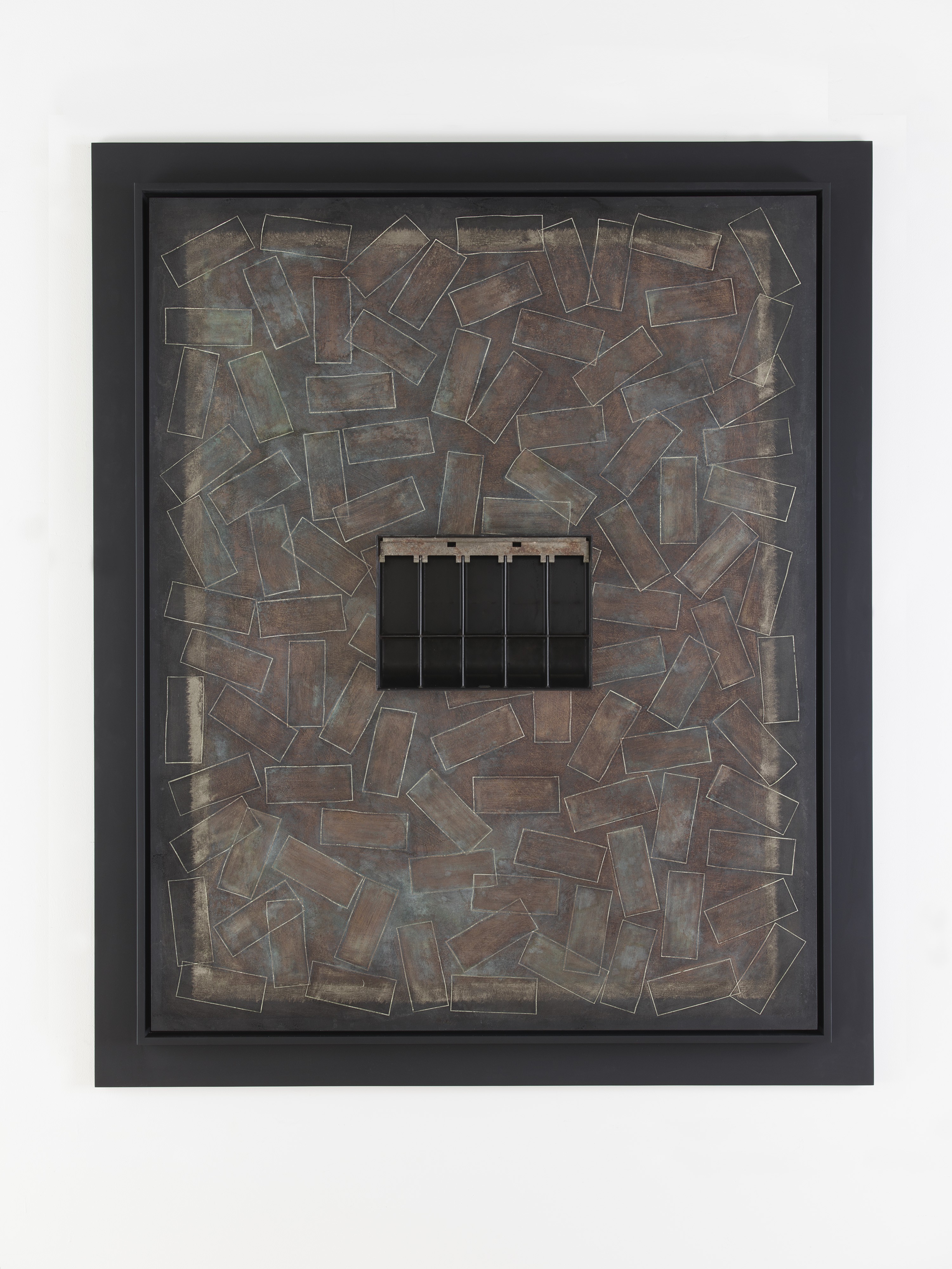
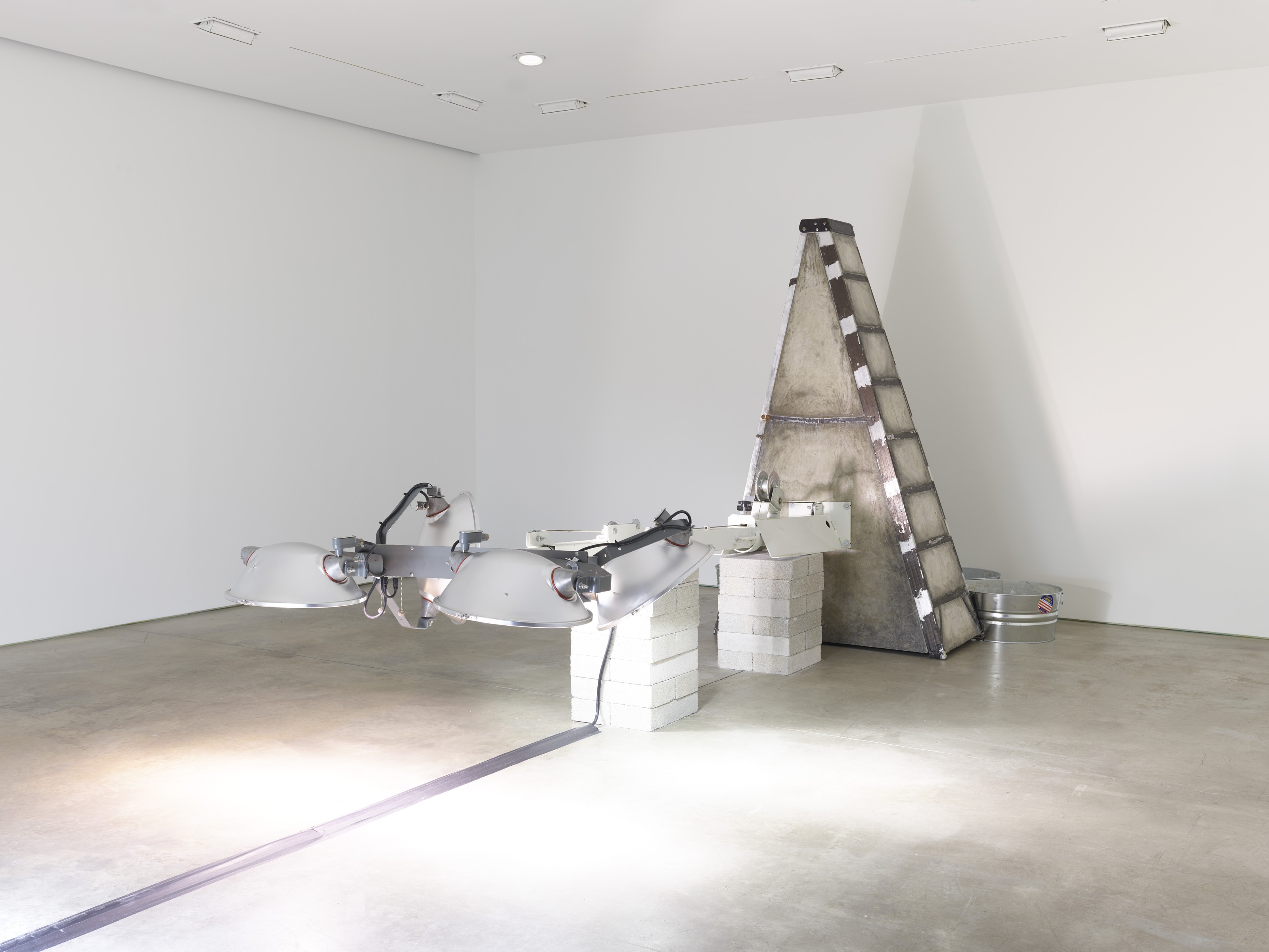
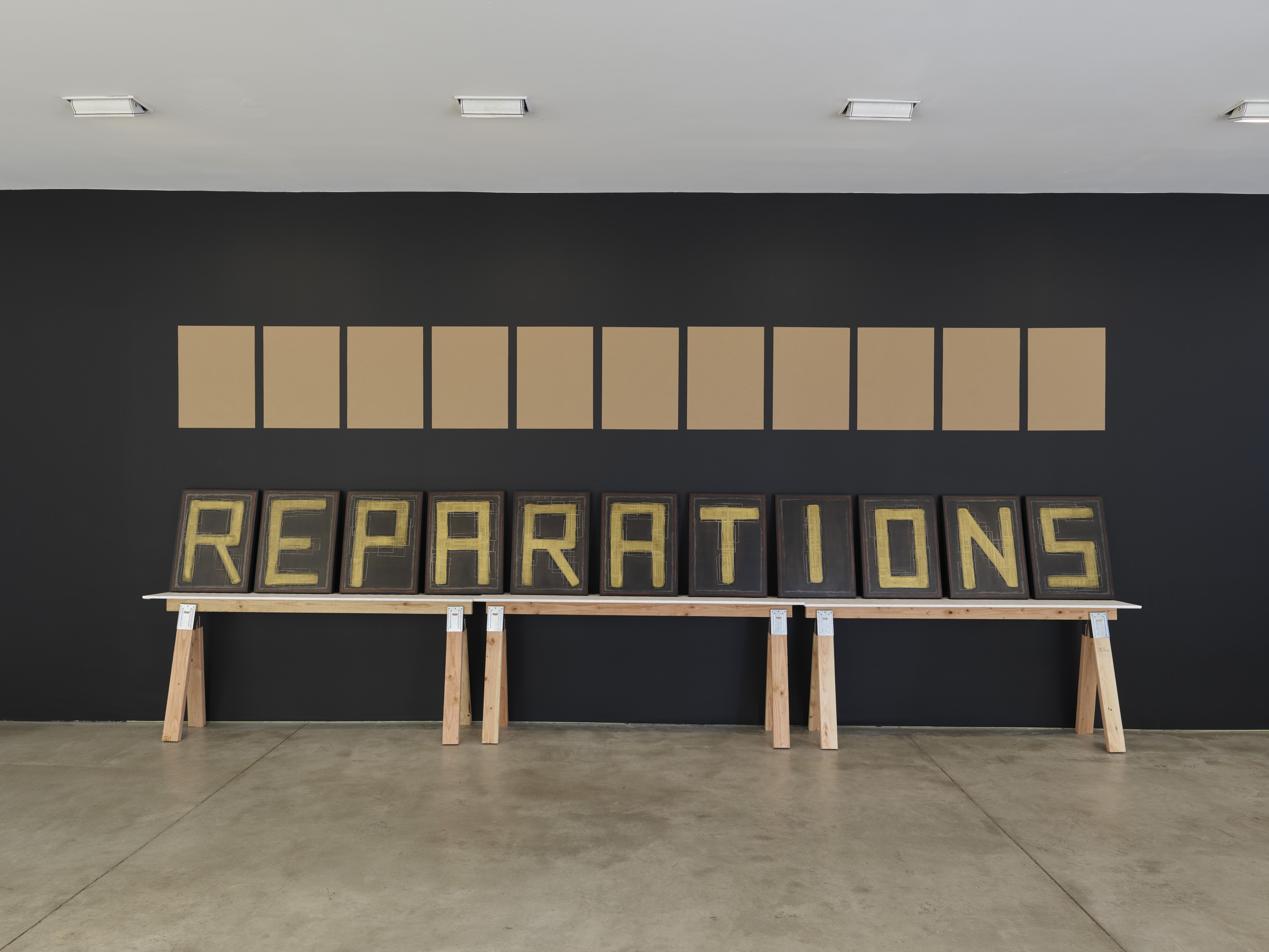
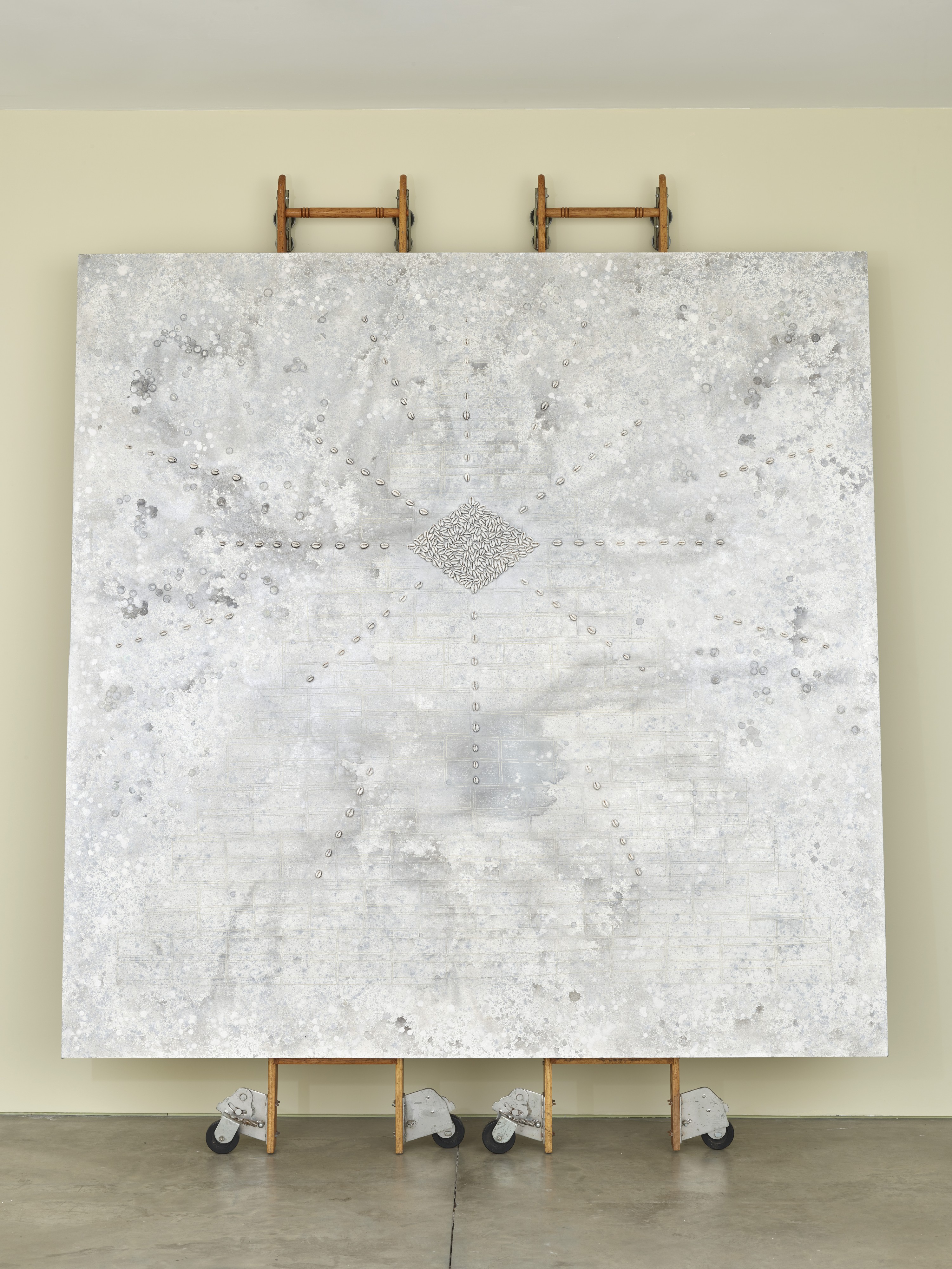
Lehmann Maupin is pleased to present TILL, LIT, Nari Ward’s fourth solo exhibition with the gallery. Ward will debut a series of new work comprised of mixed media paintings, sculptures, and installations. These works examine the ways value is assigned throughout society, with Ward attempting to disrupt existing monetary-based value structures in favor of social enrichment. On the occasion of this exhibition, Ward and Lehmann Maupin will donate a percentage of sales to Housing Works, the New York City-based nonprofit organization whose mission is to end the dual crisis of homelessness and AIDS.

Ward garnered acclaim early in his career with pieces like Amazing Grace (1993), which he produced while in residence at the Studio Museum in Harlem. Ward created a sculptural installation using hundreds of discarded strollers and recycled fire hoses woven to resemble a ship’s hull as a reference to both the history of the transatlantic slave trade and today’s homeless population. The methodologies implemented in this early work can be found throughout his career, with the artist repurposing found objects and placing them in juxtapositions that highlight their functional purposes, cultural associations, and metaphorical potential. Ward lives and works in close proximity to his subject matter: He chooses media sourced from his local surroundings, delicately inserting his own experience in the work. He contributes to socio-political themes, including identity, race, religion, immigration, patriotism, tourism, and consumer culture, by imbuing his work with historic and personal narrative, while intentionally leaving obscured space for open-ended meaning.

Installation view of Nari Ward at Lehmann Maupin New York
Installation Views: 1 of 3
Wall work by Nari Ward

Nari Ward

National, 2017

Wall work by Nari Ward

Nari Ward

Royal Alpha, 2017

Wall work by Nari Ward

Nari Ward

Tec, 2017

Wall work by Nari Ward

Nari Ward

Unbranded, 2017

Nari Ward

Sharp, 2017

Nari Ward

Casio Black, 2017

Wall work by Nari Ward

Nari Ward

Nexa, 2017

Installation view of Nari Ward at Lehmann Maupin New York
Installation Views: 1 of 2
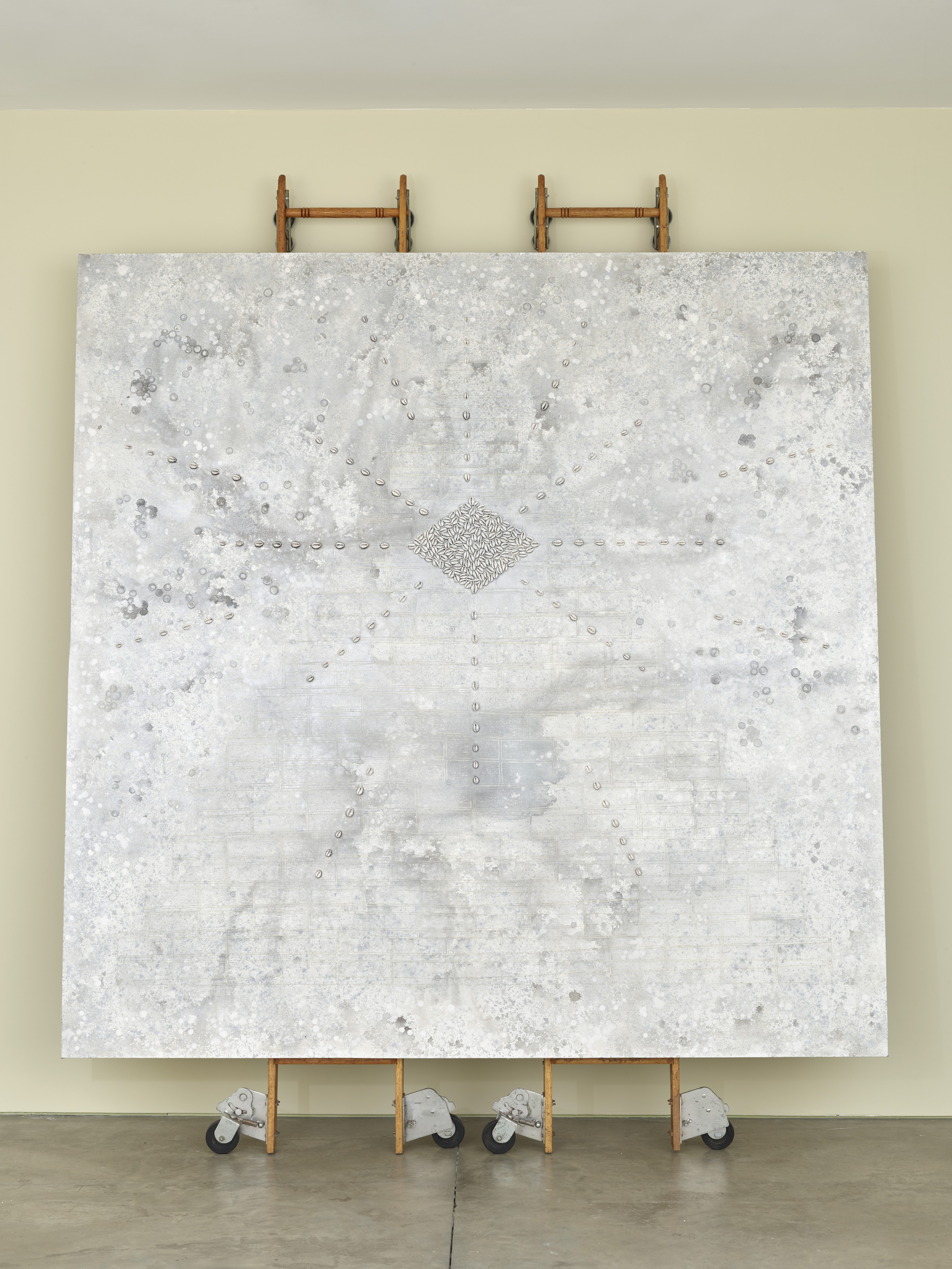
Wall work by Nari Ward

Nari Ward

Providence Spirits (Silver), 2017

Wall work by Nari Ward

Nari Ward

Providence Spirits (Gold), 2017

Sculpture by Nari Ward

Nari Ward

Lit, 2017

Wall work by Nari Ward

Nari Ward

Hanging study, 2017

Books and Editions

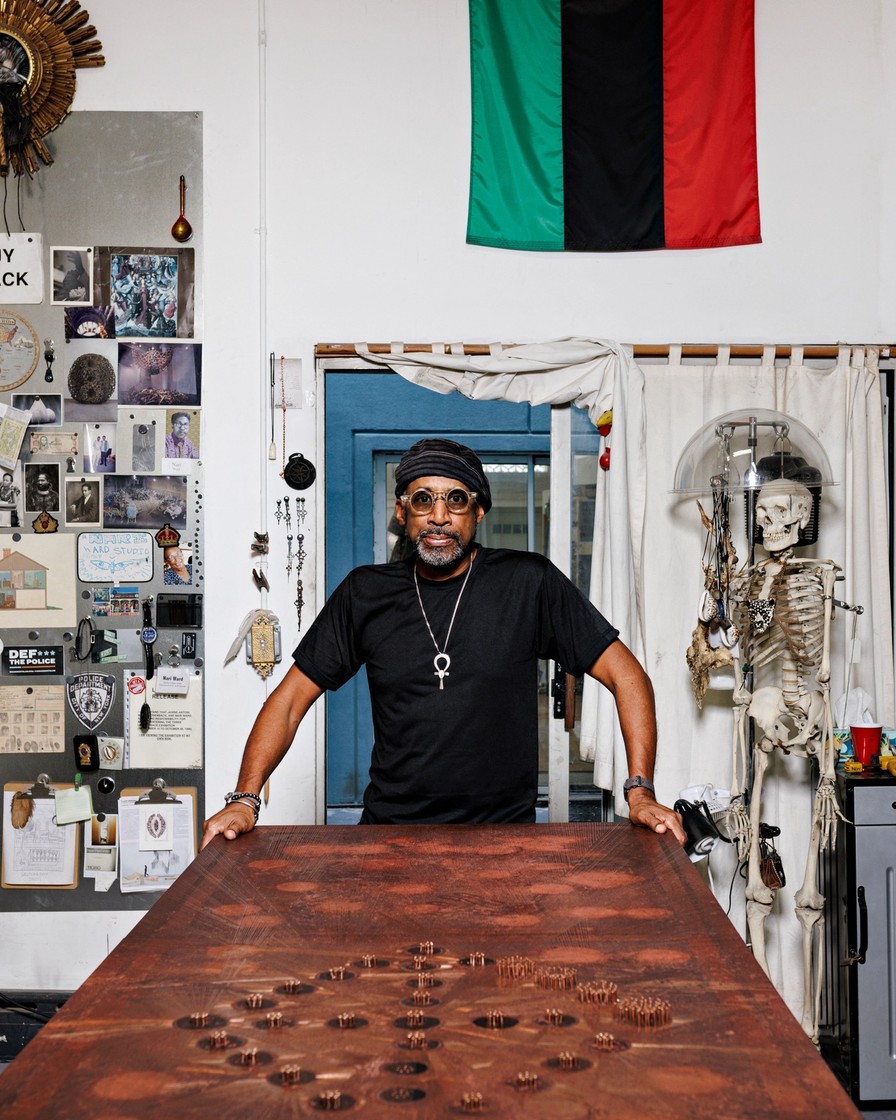
Portrait of Nari Ward

In a career spanning over three decades, artist Nari Ward (b. 1963, St. Andrew, Jamaica; lives and works in New York, NY) has gained recognition for an interdisciplinary and multimedia practice that engages historical and contemporary discourse around race, migration, democracy, identity, and community. Ward is best known for his wall and installation-based sculptural works created primarily from materials found and collected throughout Harlem, his longtime neighborhood in New York. These objects imbue his work with a sense of intimacy, reflecting the shared experience of community. Combining materials to re-contextualize their original meanings, Ward’s assemblages probe a range of spiritual and conceptual issues through literal and metaphorical juxtaposition.

Materially specific but conceptually ambiguous, Ward’s multimedia and performance works unfold into many possible interpretations—as materials and movements accumulate, so too do signifiers. Each found object—including baseball bats, strollers, shoelaces, cash registers, bottles, and shopping carts—contains a multiplicity of meanings and histories that speak to both collective experience and individual memory. The intentional synthesis of such objects, combined with the more traditional disciplines of painting, sculpture, and performance, allows for varied interpretations, inviting viewers to project their own associations and transcend the specific context of any given work. At the same time, Ward’s art reflects on the complexities of contemporary society, transforming overlooked material through artmaking to foreground forgotten histories or marginalized communities.

Learn about the artist