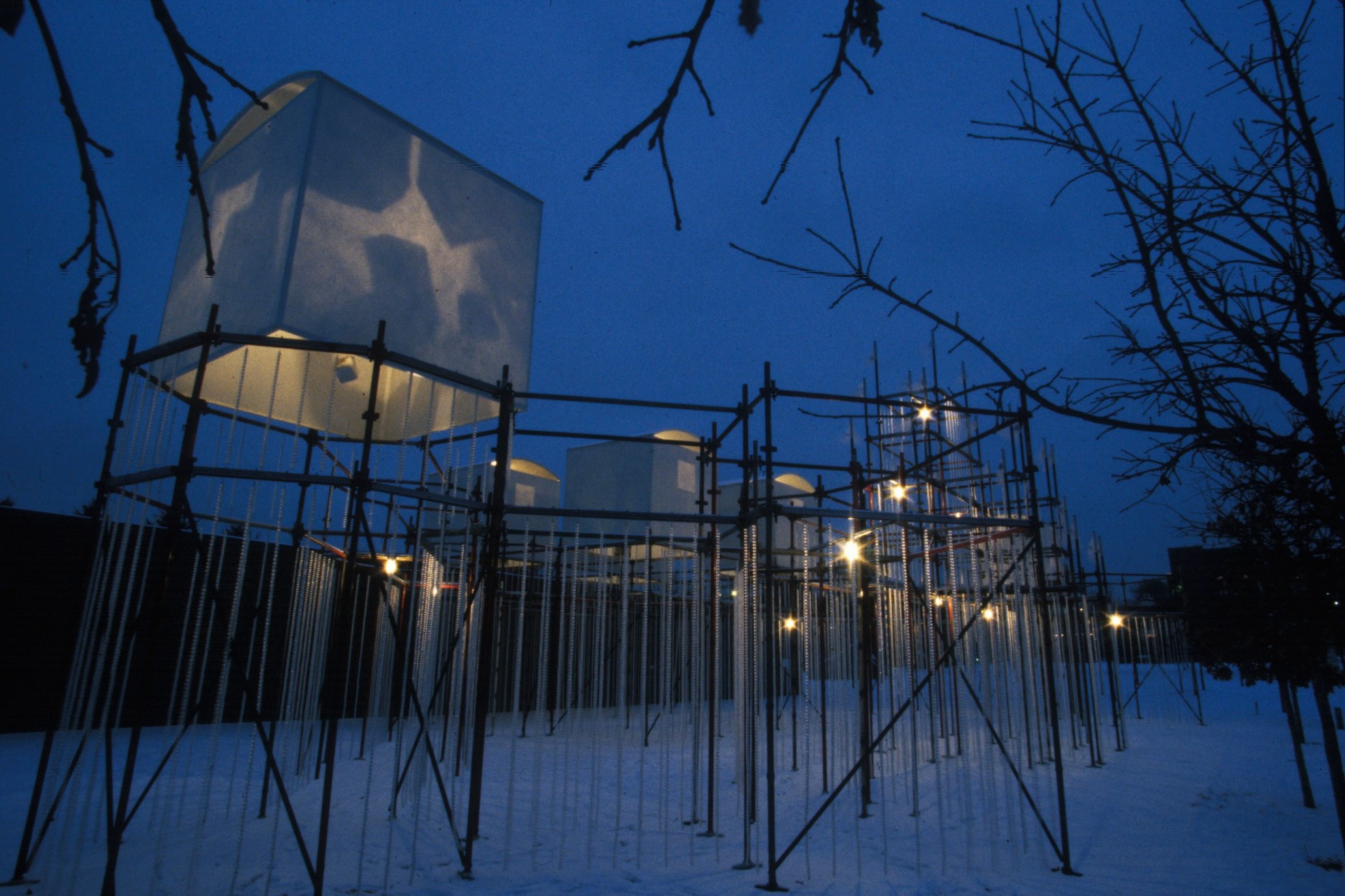
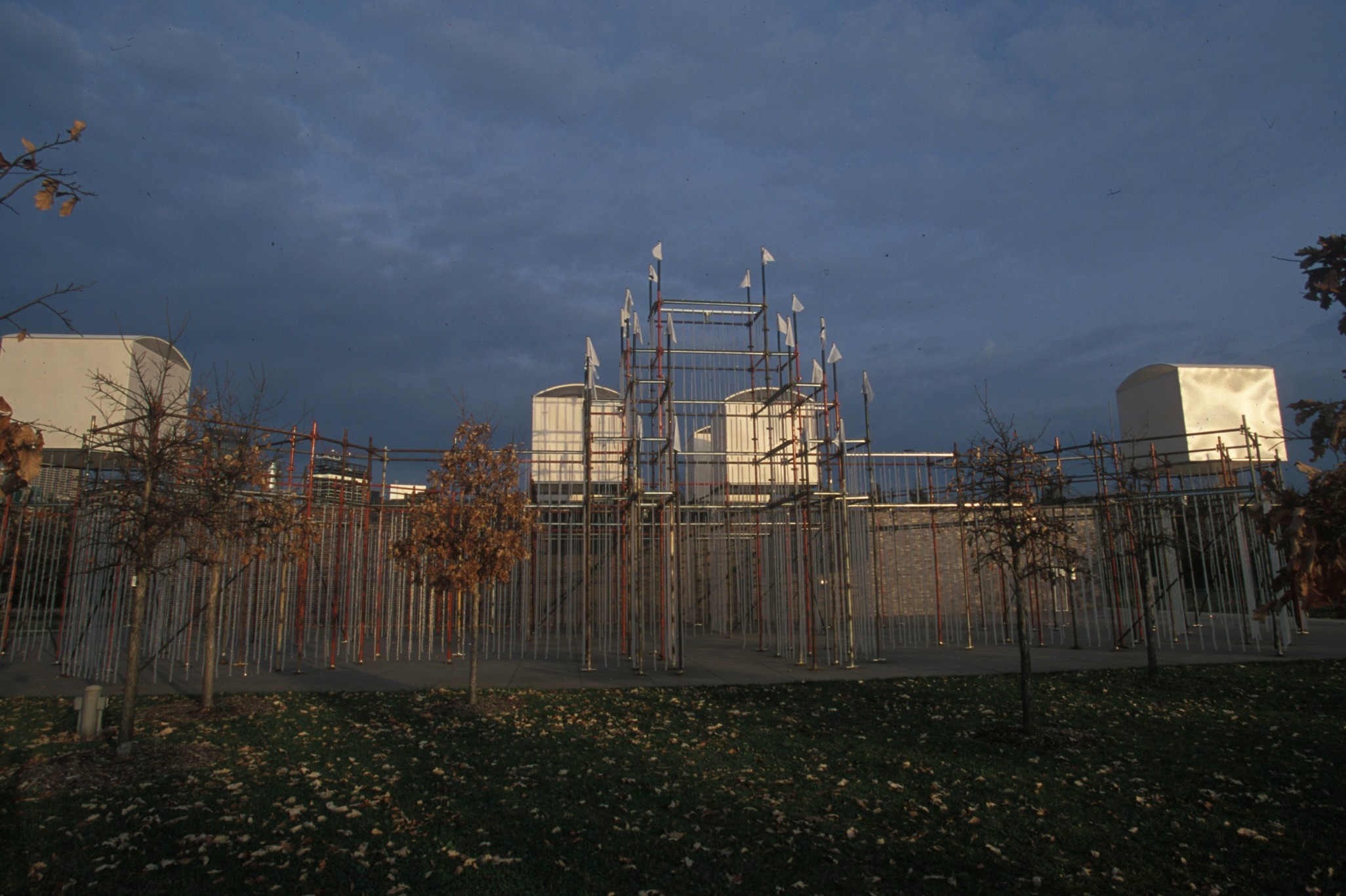
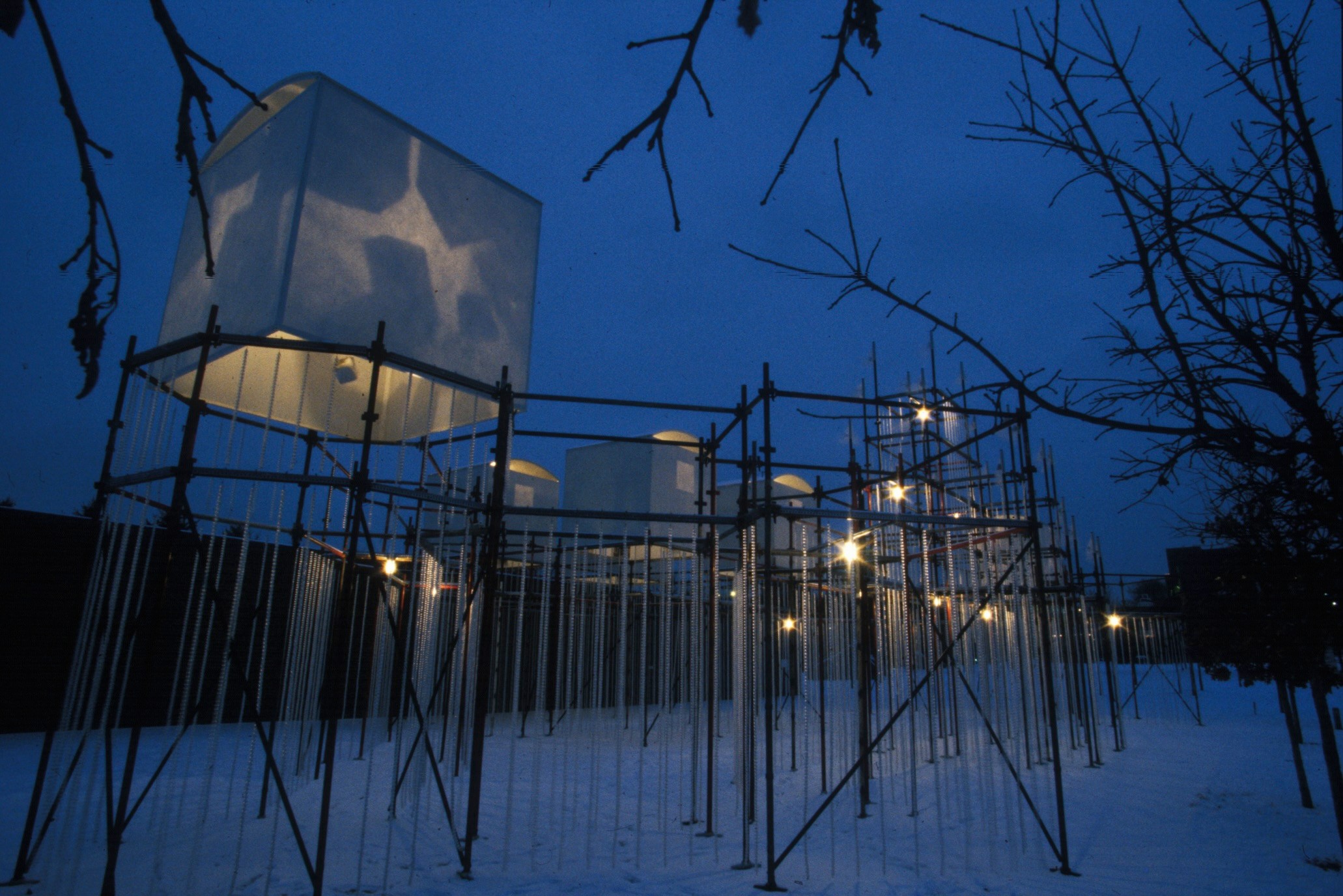
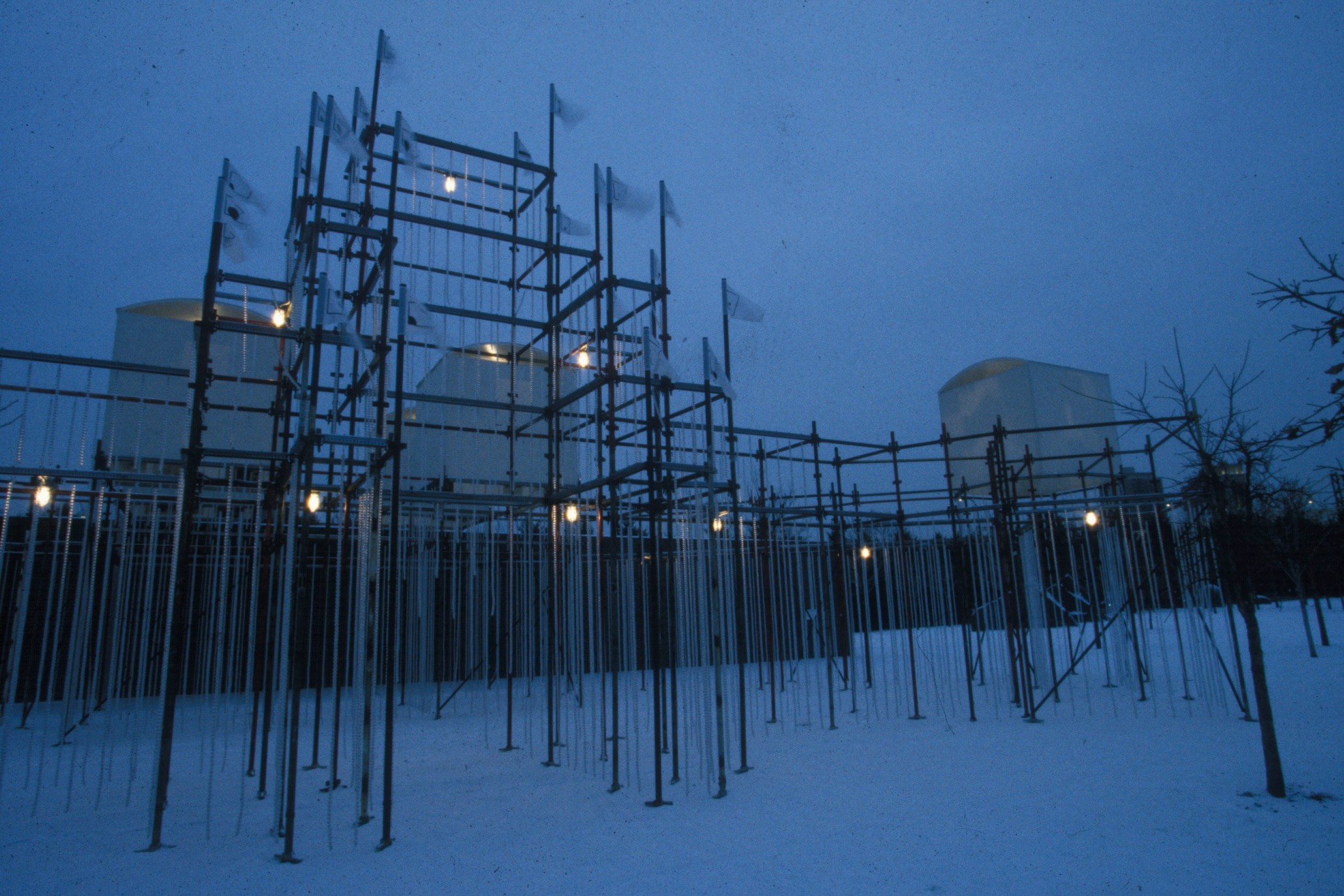
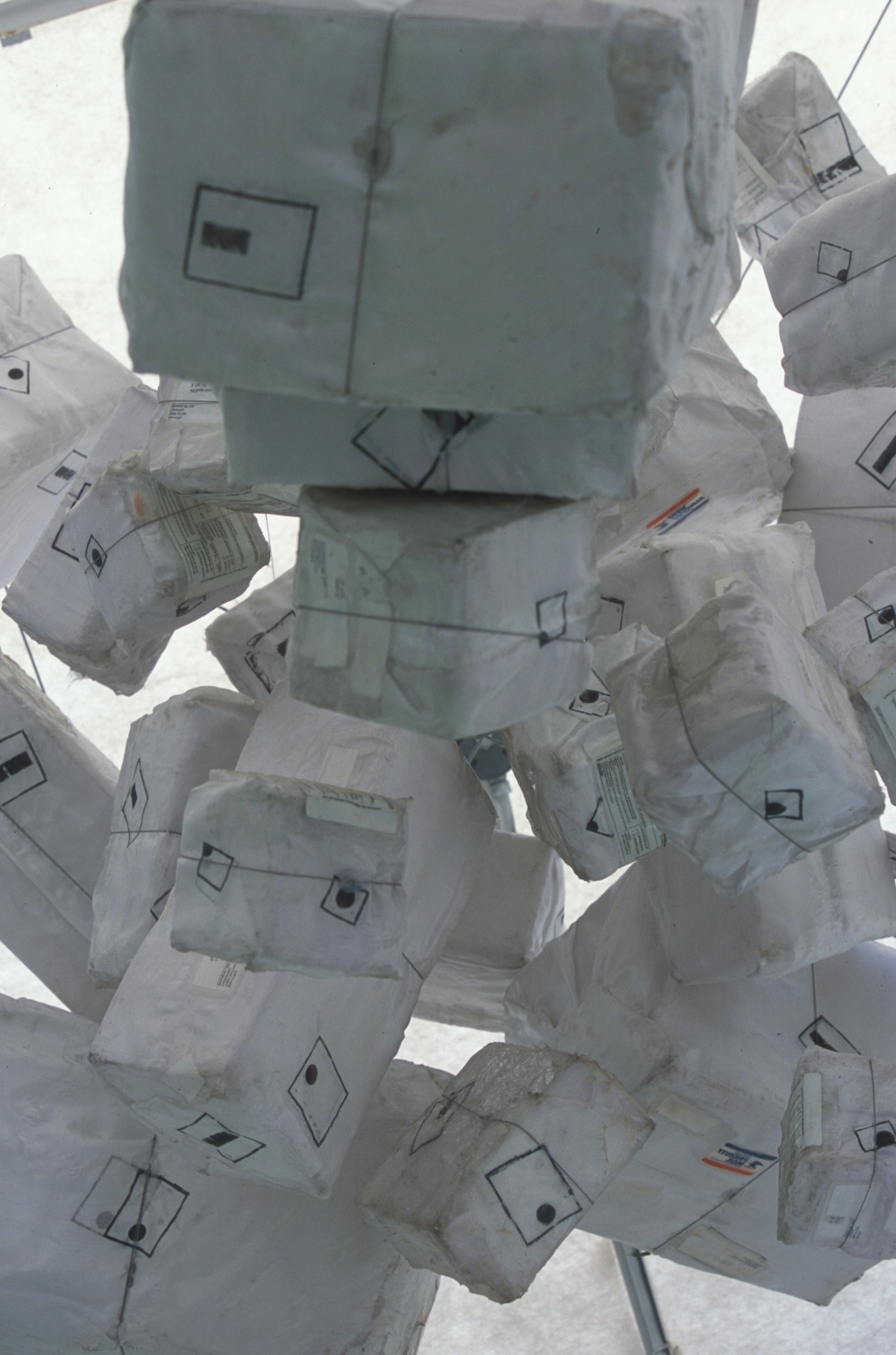
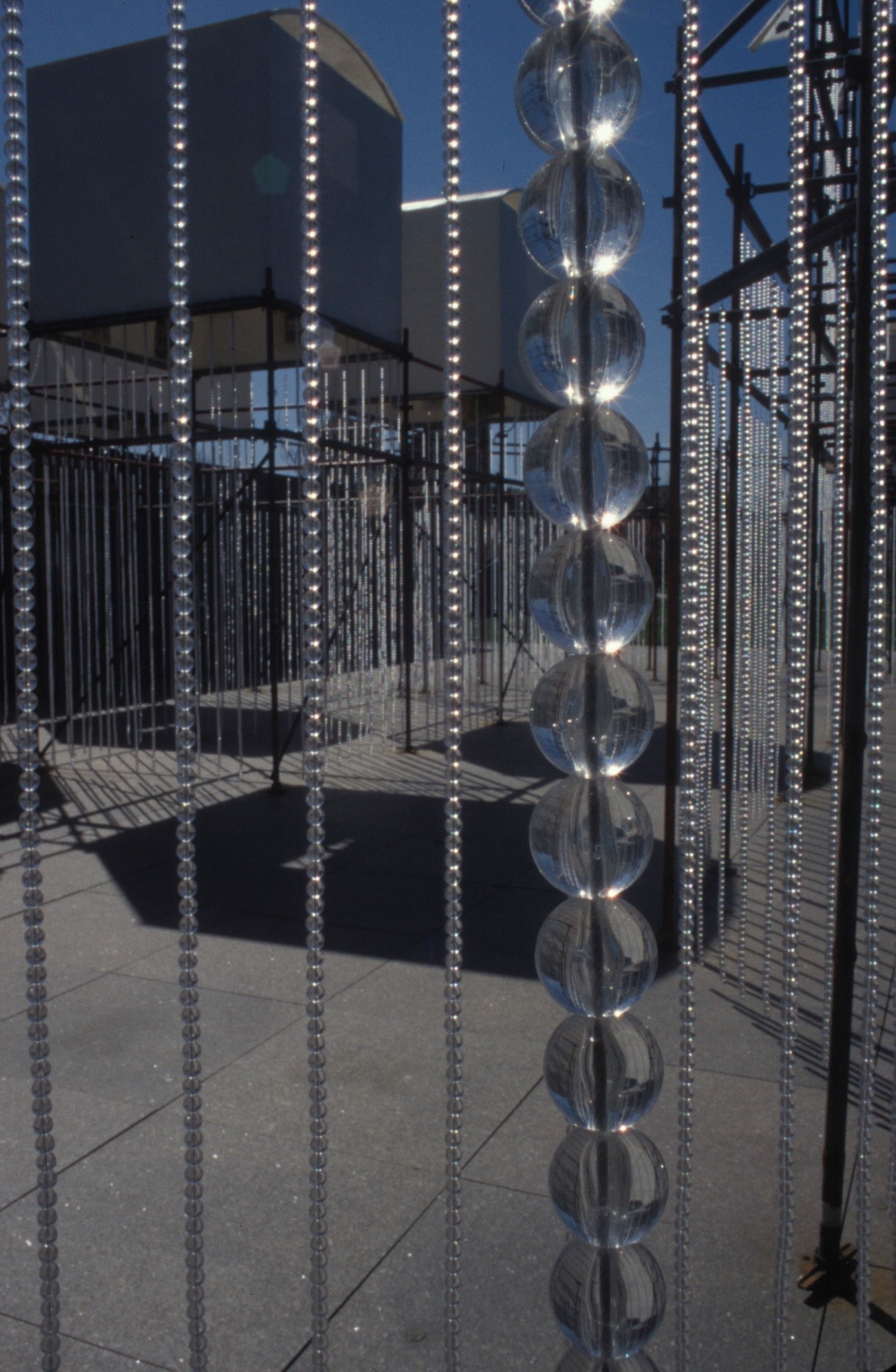
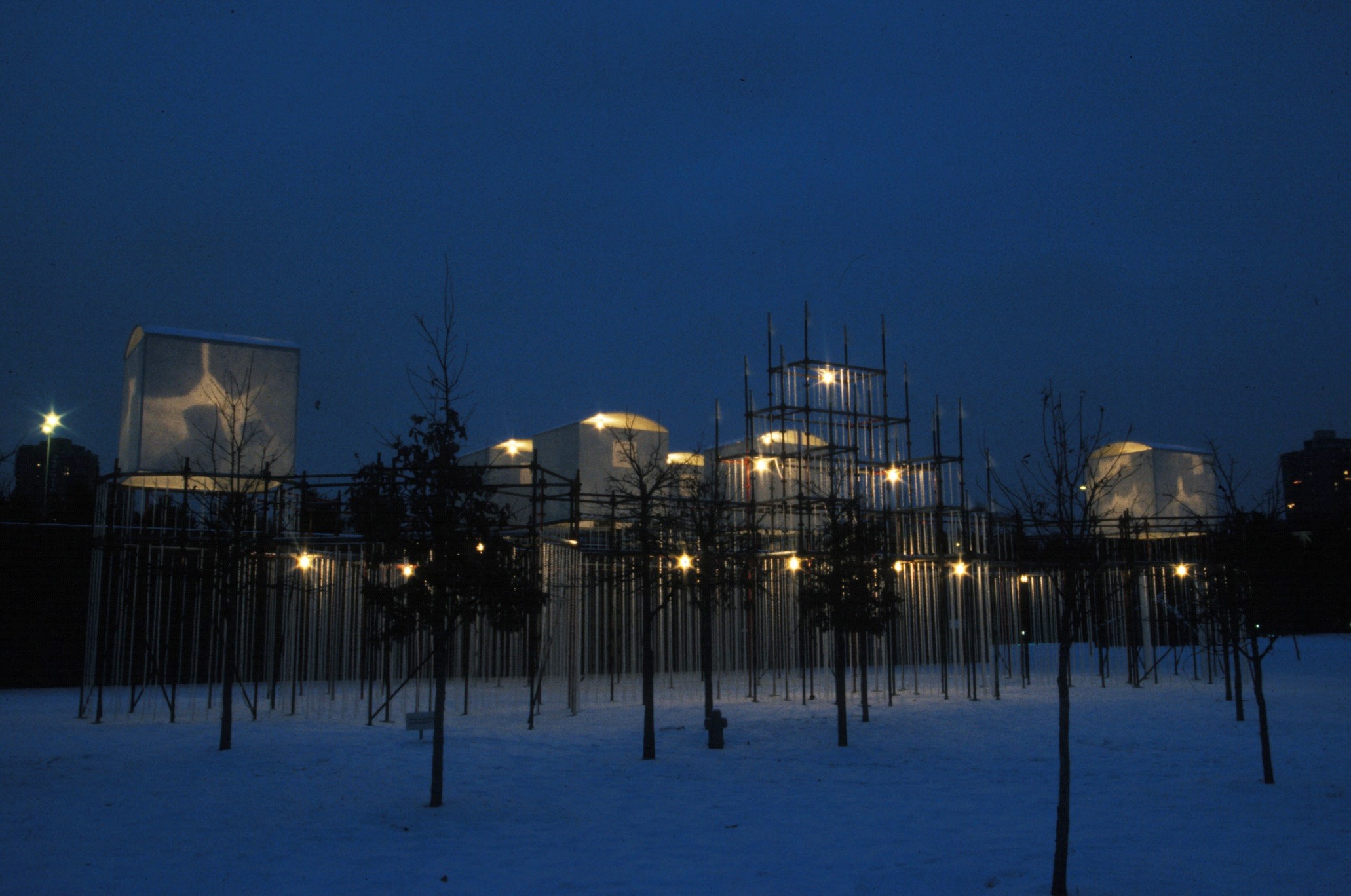
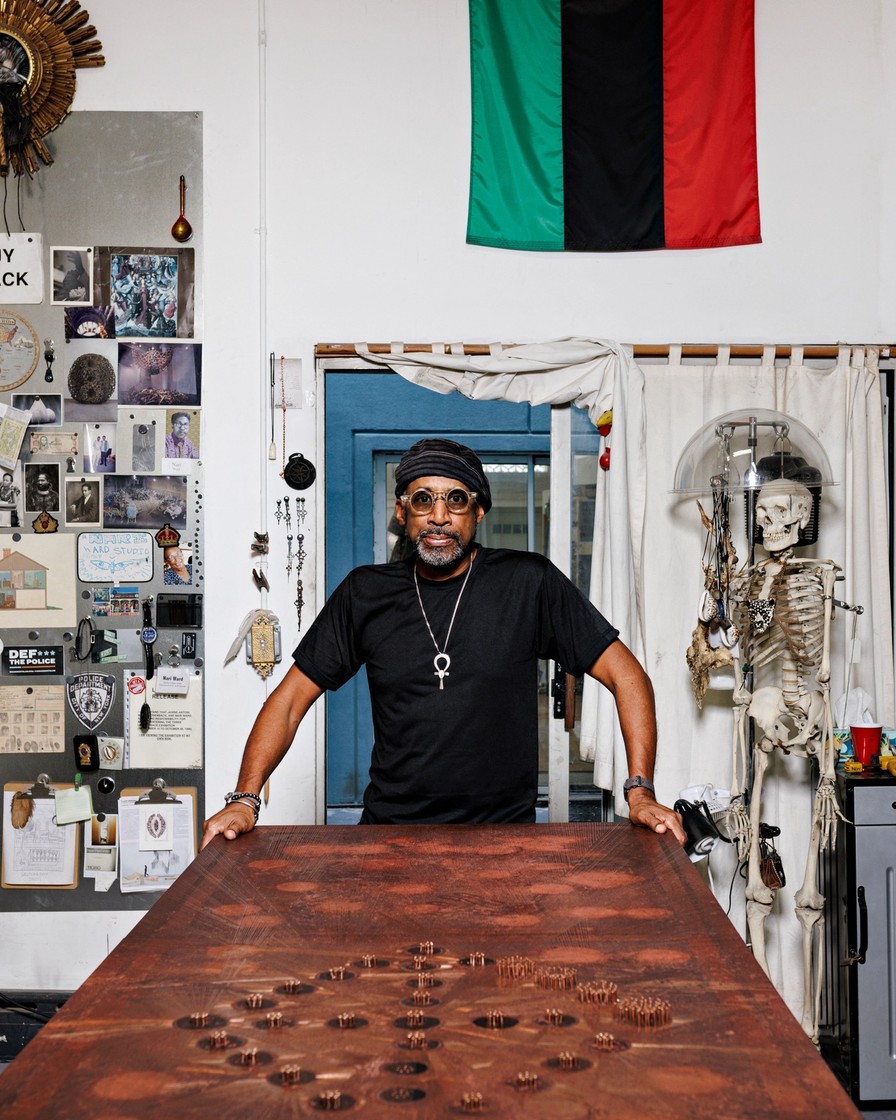
In a career spanning over three decades, artist Nari Ward (b. 1963, St. Andrew, Jamaica; lives and works in New York, NY) has gained recognition for an interdisciplinary and multimedia practice that engages historical and contemporary discourse around race, migration, democracy, identity, and community. Ward is best known for his wall and installation-based sculptural works created primarily from materials found and collected throughout Harlem, his longtime neighborhood in New York. These objects imbue his work with a sense of intimacy, reflecting the shared experience of community. Combining materials to re-contextualize their original meanings, Ward’s assemblages probe a range of spiritual and conceptual issues through literal and metaphorical juxtaposition.
Materially specific but conceptually ambiguous, Ward’s multimedia and performance works unfold into many possible interpretations—as materials and movements accumulate, so too do signifiers. Each found object—including baseball bats, strollers, shoelaces, cash registers, bottles, and shopping carts—contains a multiplicity of meanings and histories that speak to both collective experience and individual memory. The intentional synthesis of such objects, combined with the more traditional disciplines of painting, sculpture, and performance, allows for varied interpretations, inviting viewers to project their own associations and transcend the specific context of any given work. At the same time, Ward’s art reflects on the complexities of contemporary society, transforming overlooked material through artmaking to foreground forgotten histories or marginalized communities.