Skip to content

McArthur Binion

Hand:Work

New York

Jan 17–Mar 2, 2019

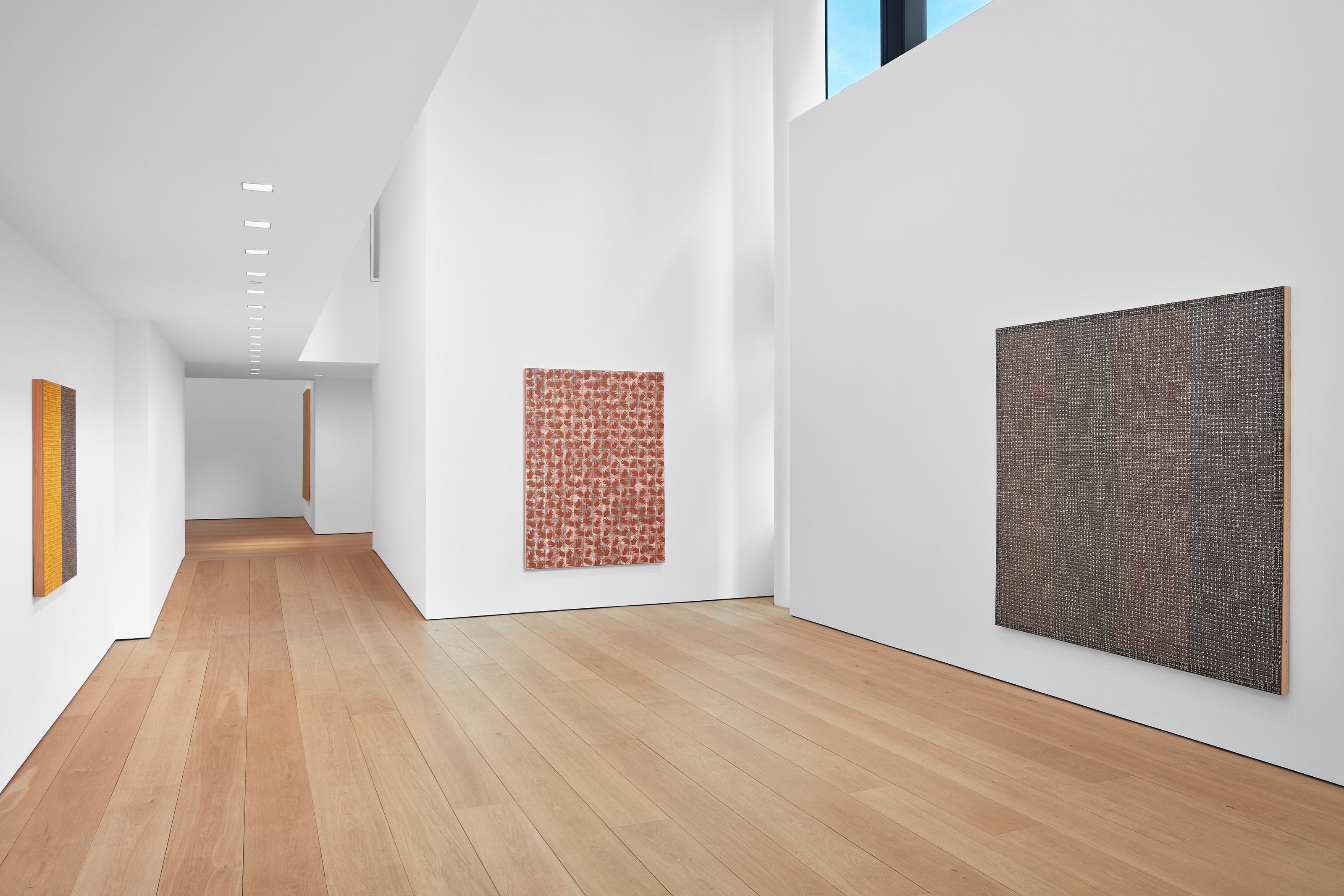
Installation view of McArthur Binion at Lehmann Maupin New York

501 West 24th Street

New York, NY 10011

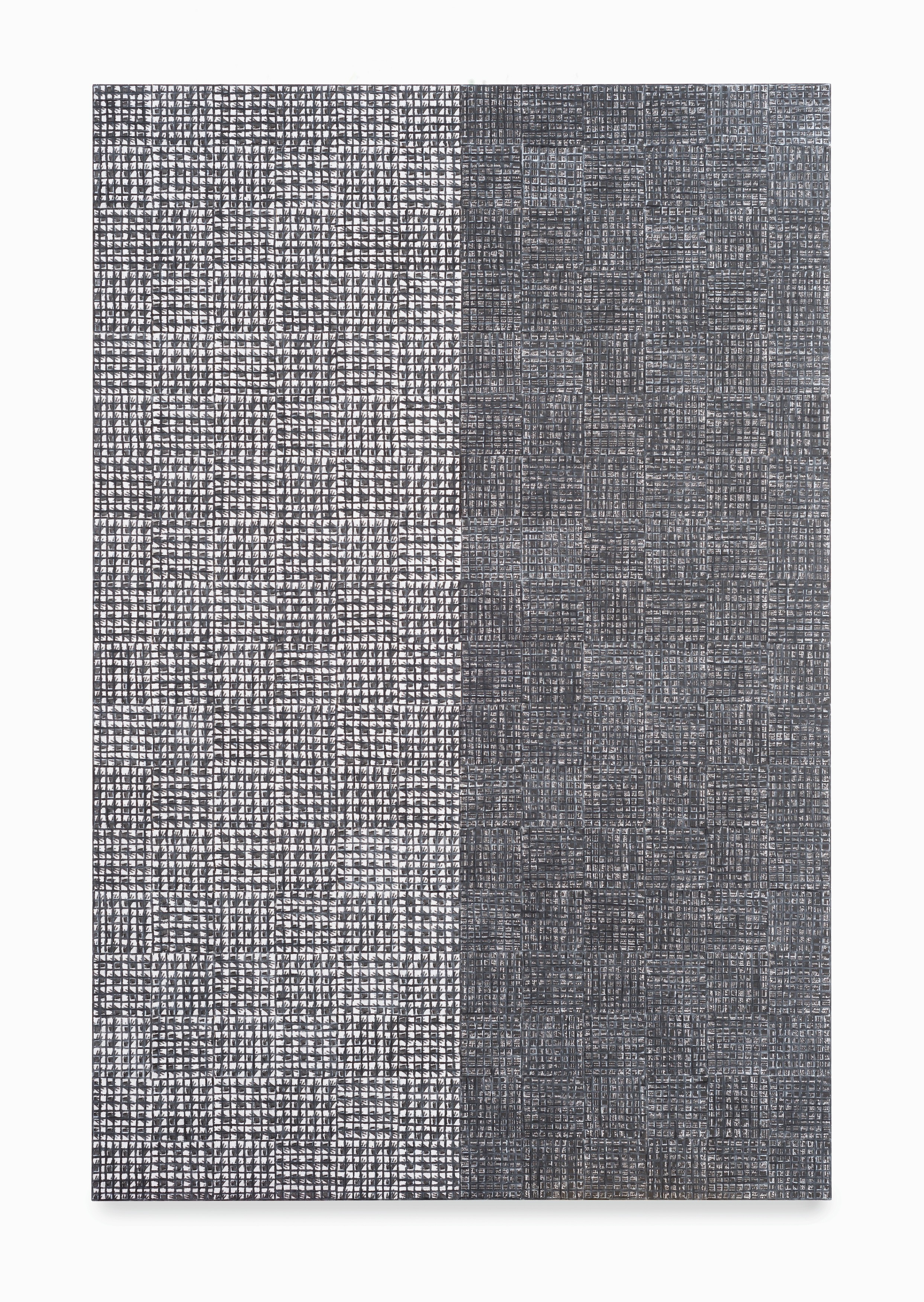
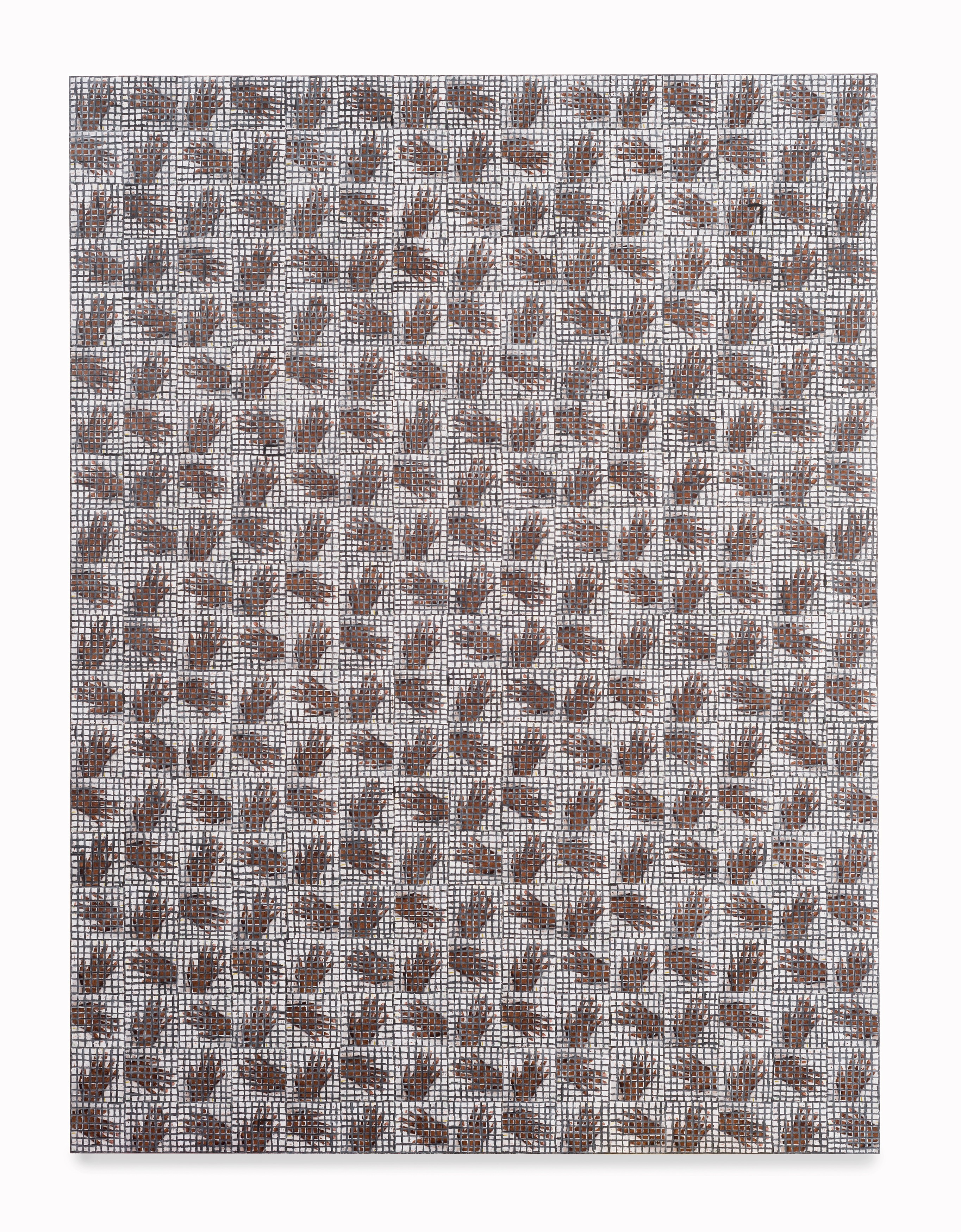
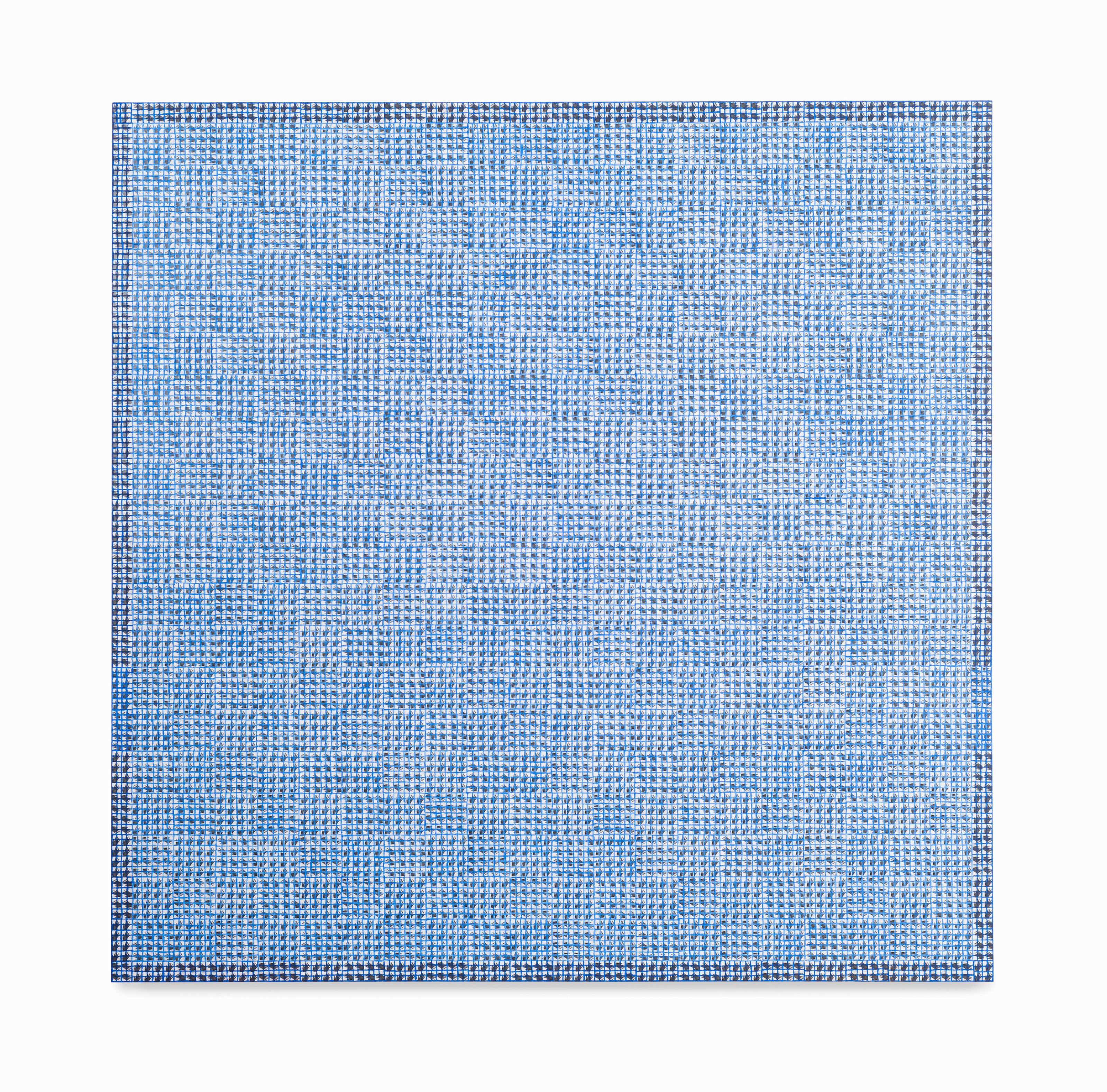
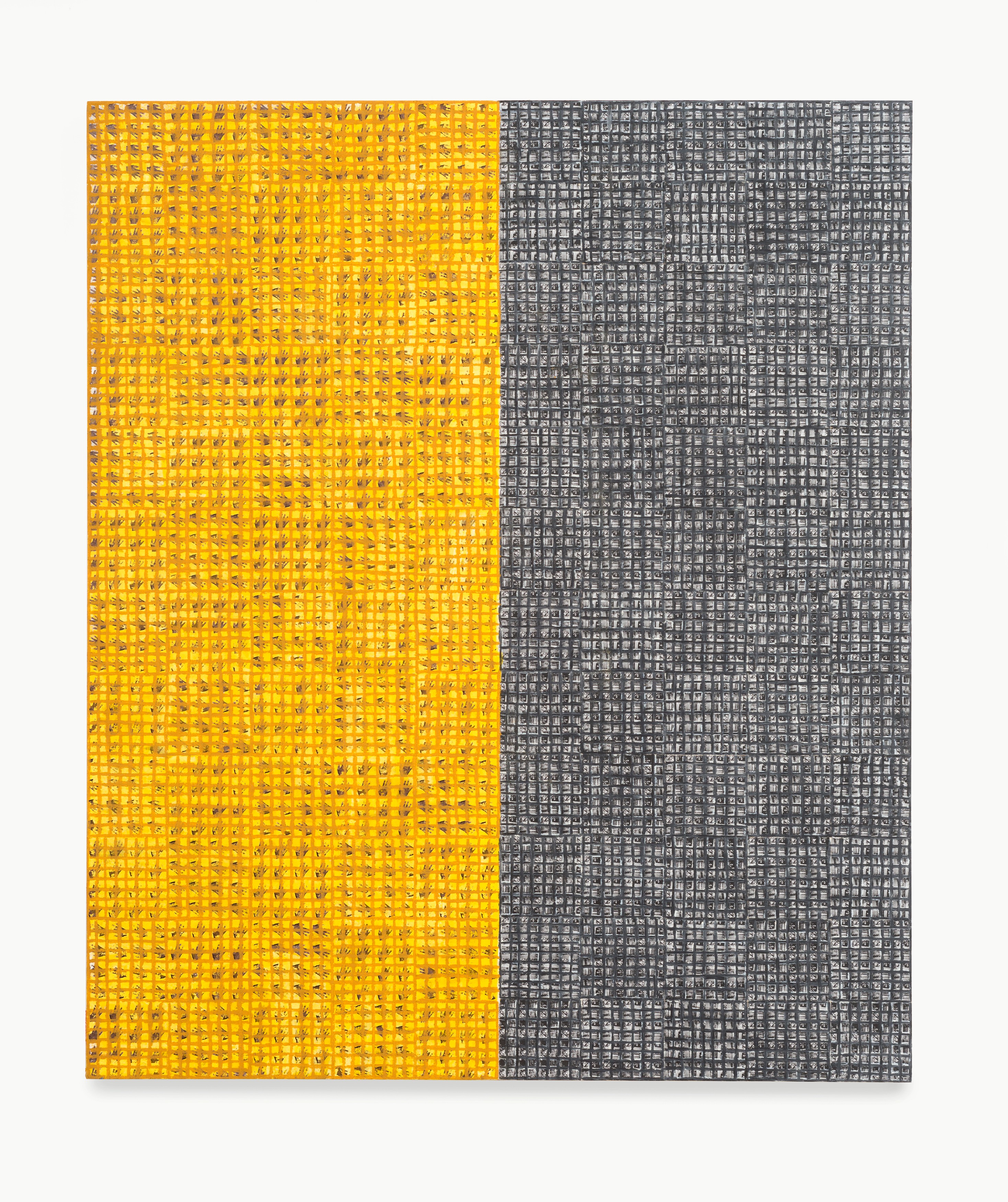
Lehmann Maupin is pleased to announce its inaugural exhibition for McArthur Binion. Hand:Work marks an important point in the artist’s career, as both an evolution of and departure from his most well-known body of work, the DNA Series. Since the 1970s, Binion has honed a distinct style of painting using oil stick and wax crayon. His grid paintings at first glance appear composed in typical minimalist style, but upon further inspection reveal densely layered, multimedia works with extensive reference to the artist’s personal history. While many of these past paintings have focused on the accumulation of social and bureaucratic documents and identification that amass over a lifetime, Binion’s most recent works are remarkably self-reflective paintings and give a more intimate glimpse into the artist’s labor-intensive practice. There will be a reception for the artist on January 17, from 6 to 8 PM at 501 West 24th Street.

Over the course of his career, Binion has defied classification as an artist. His highly distinctive, innovative, and self-referential practice, as well has his early life in rural Mississippi, would confuse some to classify him an outsider, however he attended the prestigious Cranbrook Academy of Art graduating from the school’s MFA painting program in 1973. After graduation, Binion moved to New York City and found himself in a hotbed of artistic activity—socializing and working among Jean-Michel Basquiat, Brice Marden, and Sol LeWitt. But after two decades in the city, Binion chose another route, moving to Chicago to teach. Throughout the 1980s and ’90s, his style evolved from more gestural abstraction to increasingly pared-down, colorful, geometric abstraction. Binion’s earliest incorporation of found material came during the 1980s, when, using stickers from fruit wrappers that depicted racial stereotypes, he realized the potential for building up an “under-conscious” of a painting. During the mid-’90s, Binion incorporated his first personal mementos into his work, and in the early 2000s, he hit upon his unique amalgamation of these aesthetic elements, incorporating pages from his personal phone book, his birth certificate, and family photos beneath dense grids. These works made their international debut in 2017 at the Venice Biennale.

Installation view of McArthur Binion at Lehmann Maupin New York
Installation Views: 1 of 3
Painting by McArthur Binion

McArthur Binion

Hand:Work, 2018

Painting by McArthur Binion

McArthur Binion

Hand:Work, 2018

Painting by McArthur Binion

McArthur Binion

Hand:Work, 2018

Painting by McArthur Binion

McArthur Binion

Hand:Work, 2017

Installation view of McArthur Binion at Lehmann Maupin New York
Installation Views: 1 of 3
Painting by McArthur Binion

McArthur Binion

Hand:Work, 2018

Painting by McArthur Binion

McArthur Binion

hand:work, 2018

Painting by McArthur Binion

McArthur Binion

Hand:Work, 2018

Painting by McArthur Binion

McArthur Binion

Hand:Work, 2017

Painting by McArthur Binion

McArthur Binion

Hand:Work, 2018

Painting by McArthur Binion

McArthur Binion

hand:work, 2018

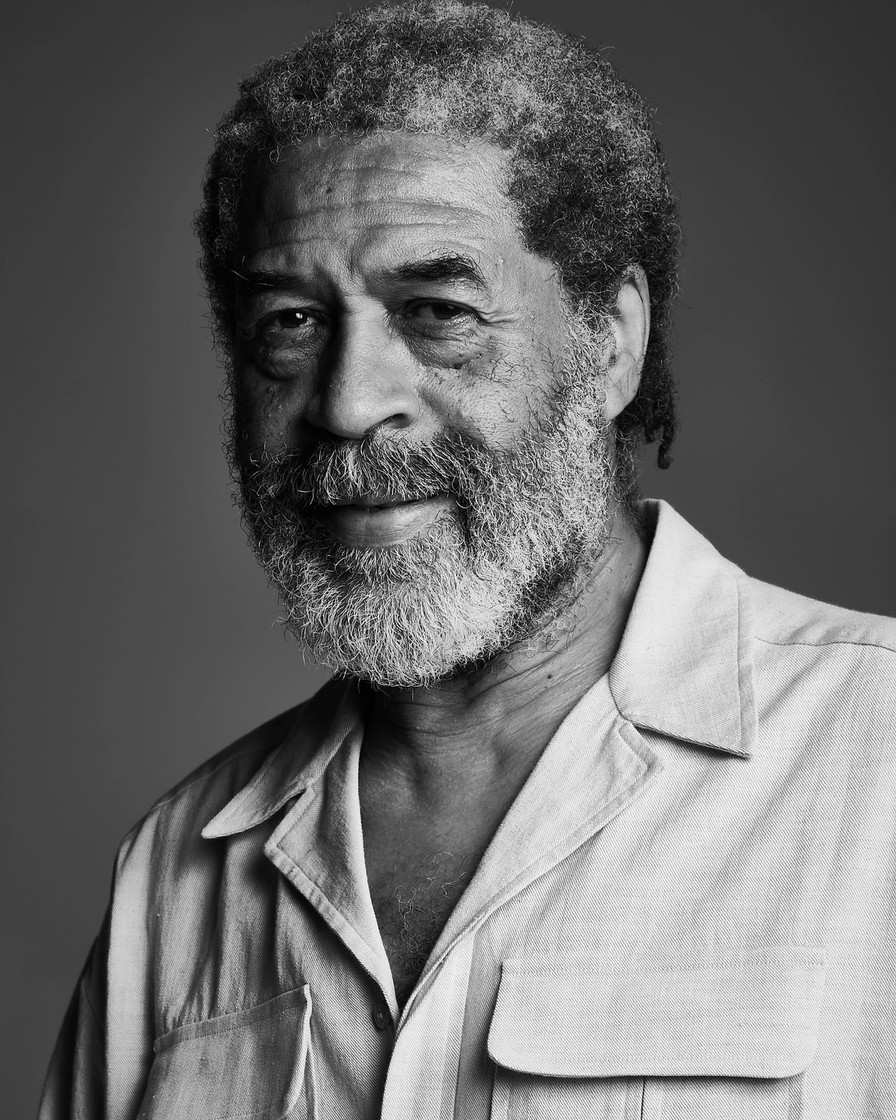
Portrait of McArthur Binion

McArthur Binion (b. 1946, Macon, MS; lives and works in Chicago, IL) combines collage, drawing, and painting to create autobiographical abstractions of painted minimalist patterns over an “under surface” of personal documents and photographs. From photocopies of his birth certificate and pages from his address book, to pictures from his childhood and found photographs of lynchings, the poignant and charged images that constitute the tiled base of his work are concealed and abstracted by grids of oil stick. The complexly layered works, from a distance, appear to be monochromatic minimalist abstractions that have led many to compare his work to that of Jasper Johns, Robert Ryman, or Brice Marden. However, while his contemporaries focused more on materiality, abstraction, and in some cases the social and political climate of the time, Binion’s works are intensely personal and deeply dedicated to the rigorous process of making a painting. Upon closer inspection, these monochromatic abstractions come into focus: the perfect grid becomes a series of imperfect laboriously hand-drawn lines, behind which emerge intimate details of Binion’s identity and personal history. Binion’s gridded compositions impose rational order to the layers of personal history, allowing only fragments of information from his birth certificate to be read, or details of his mother’s face to be identified—but never enough to be immediately legible. Having begun his career as a writer, Binion is highly influenced by language and music, as can be seen in his titles and the ways in which he layers information to be “read” rather than simply seen. The tension that exists between the grid and the artist’s visible gestures is not unlike that of jazz music, which merges improvisation with the order of a musical composition.

Binion received his B.F.A. from Wayne State University, Detroit, MI in 1971 and his M.F.A. from the Cranbrook Academy of Art, Bloomfield Hills, MI in 1973. Select recent solo exhibitions of his work have been organized at the de la Cruz Gallery at Georgetown University (2025); Museo Novecento, Florence, Italy (2020); the Cranbrook Art Museum, Bloomfield Hills, MI (2018); Contemporary Arts Museum, Houston, TX (2012); and the University of Maryland University College Gallery, Adelphi, MD (2010).

Learn about the artist