Skip to content

McArthur Binion

DNA:Study/(Visual:Ear)

Seoul

Sep 1–Oct 22, 2022

Painting by McArthur Binion

213 Itaewon-ro, Yongsan-gu

Seoul, 04349

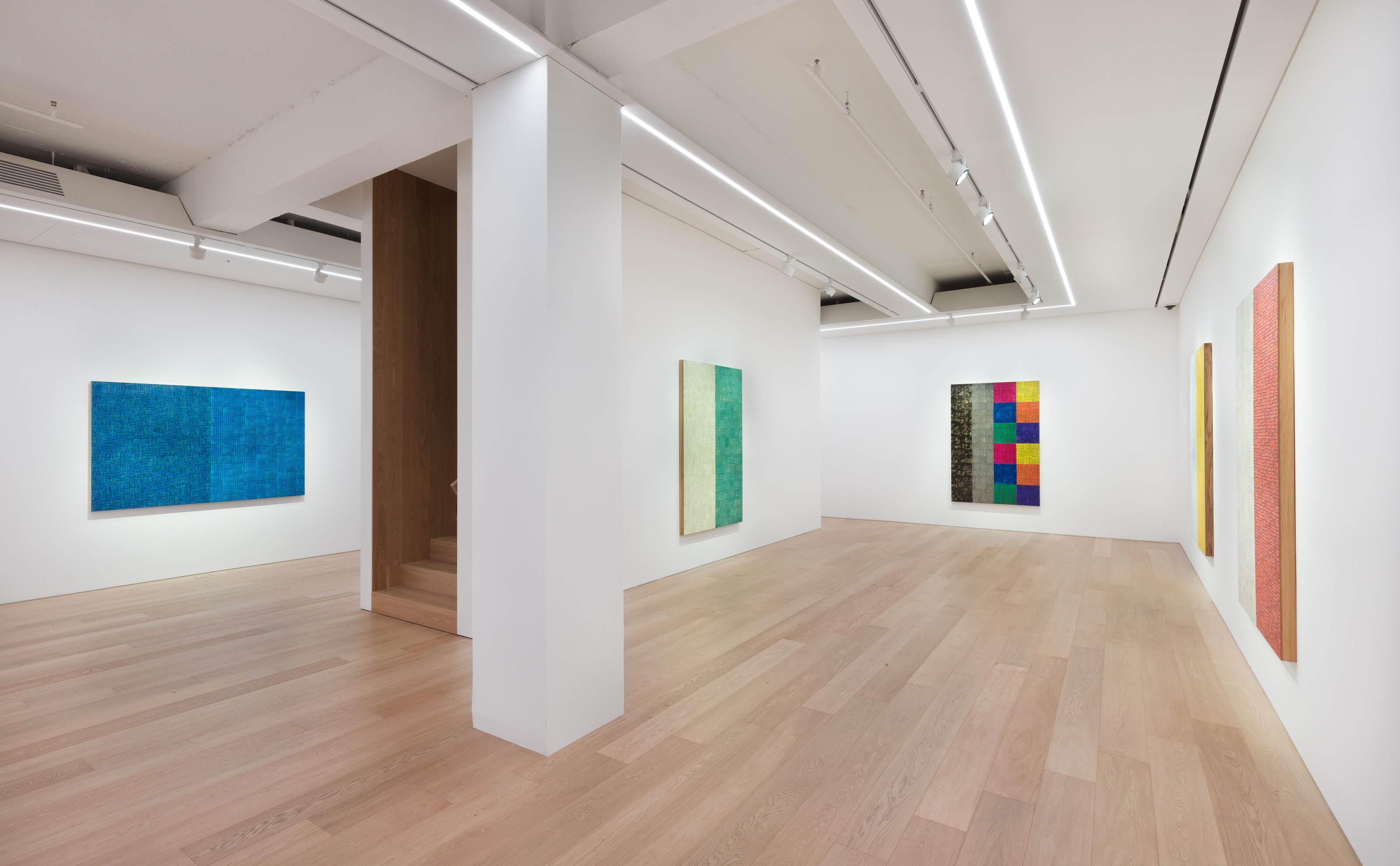
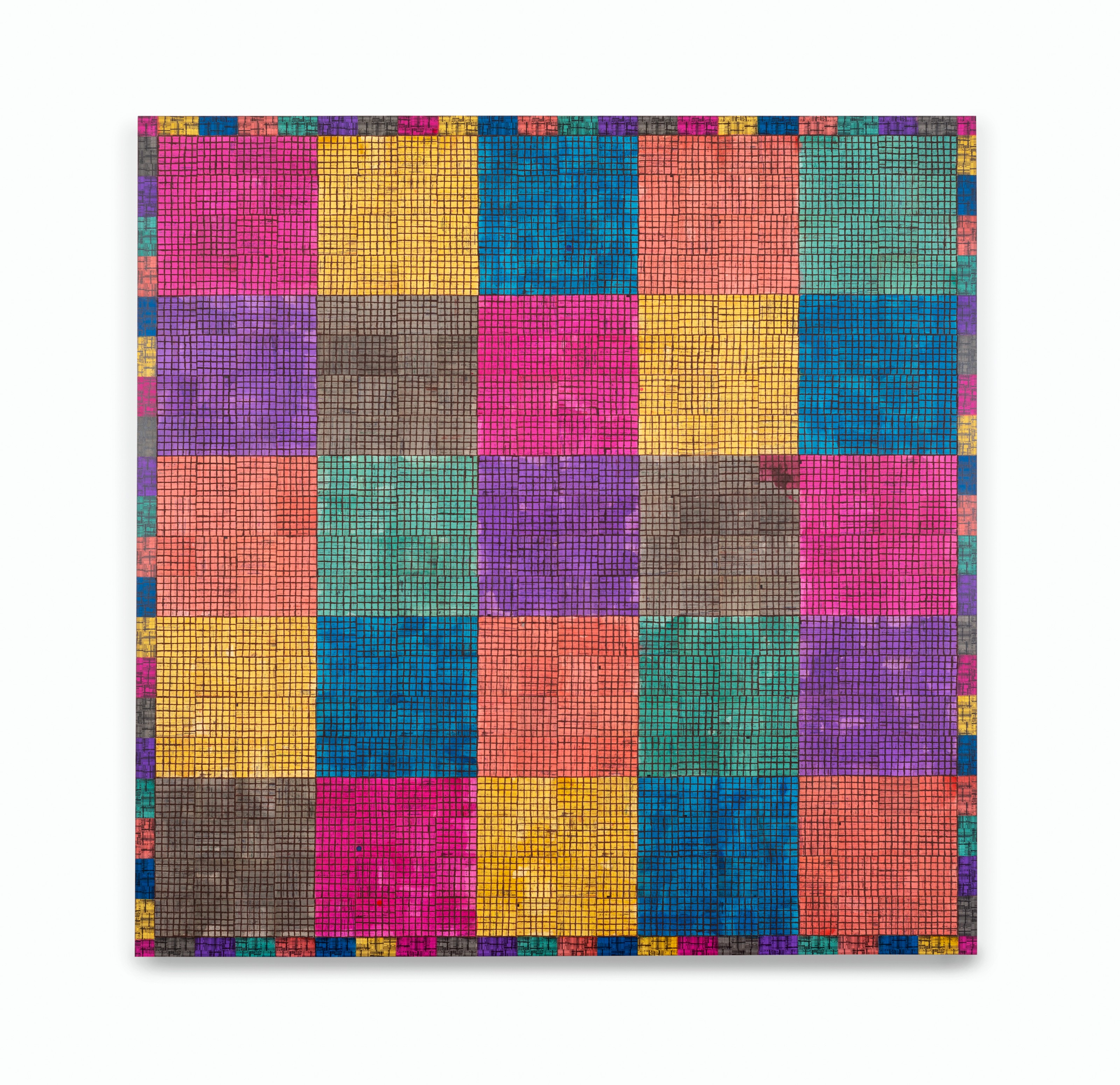
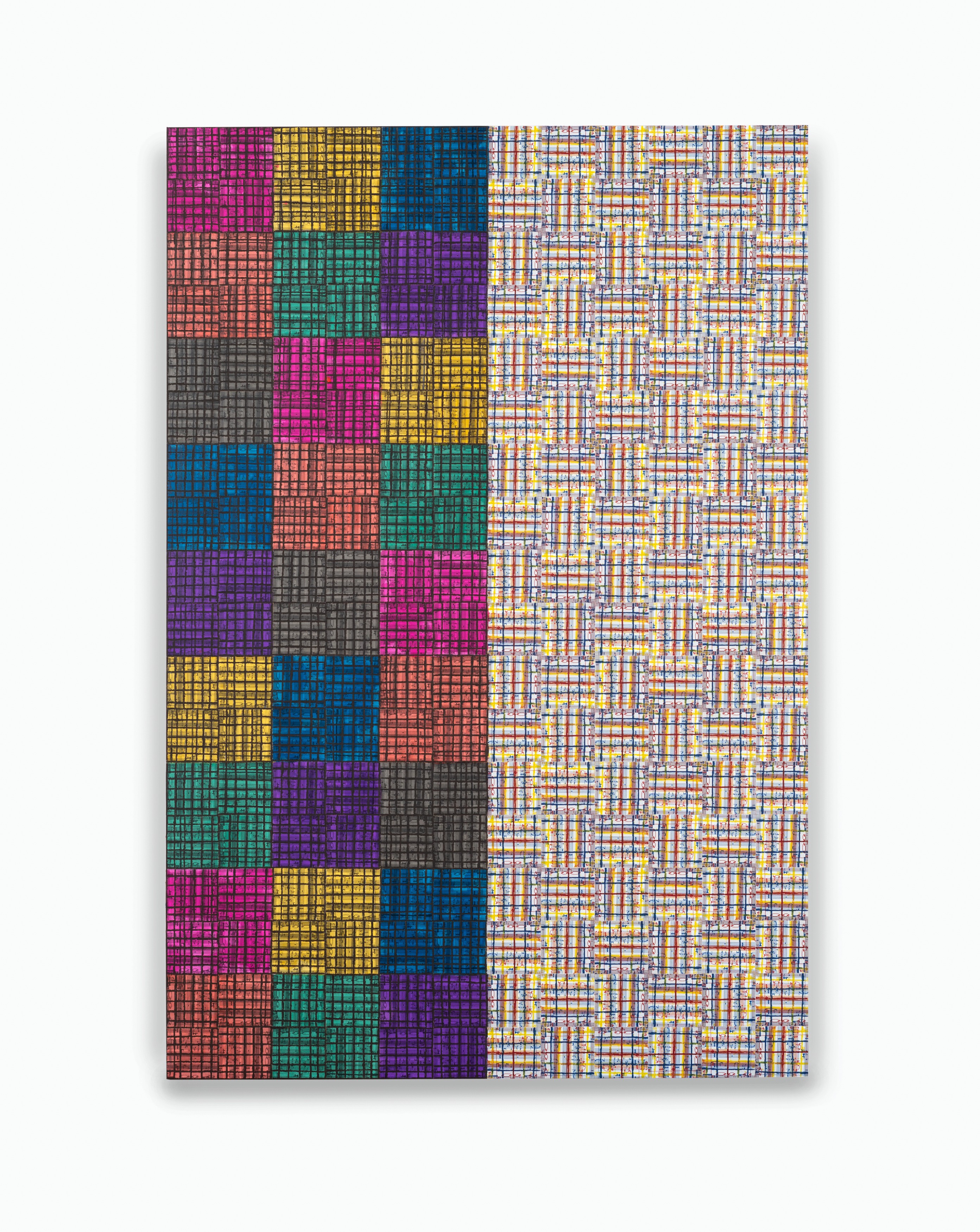
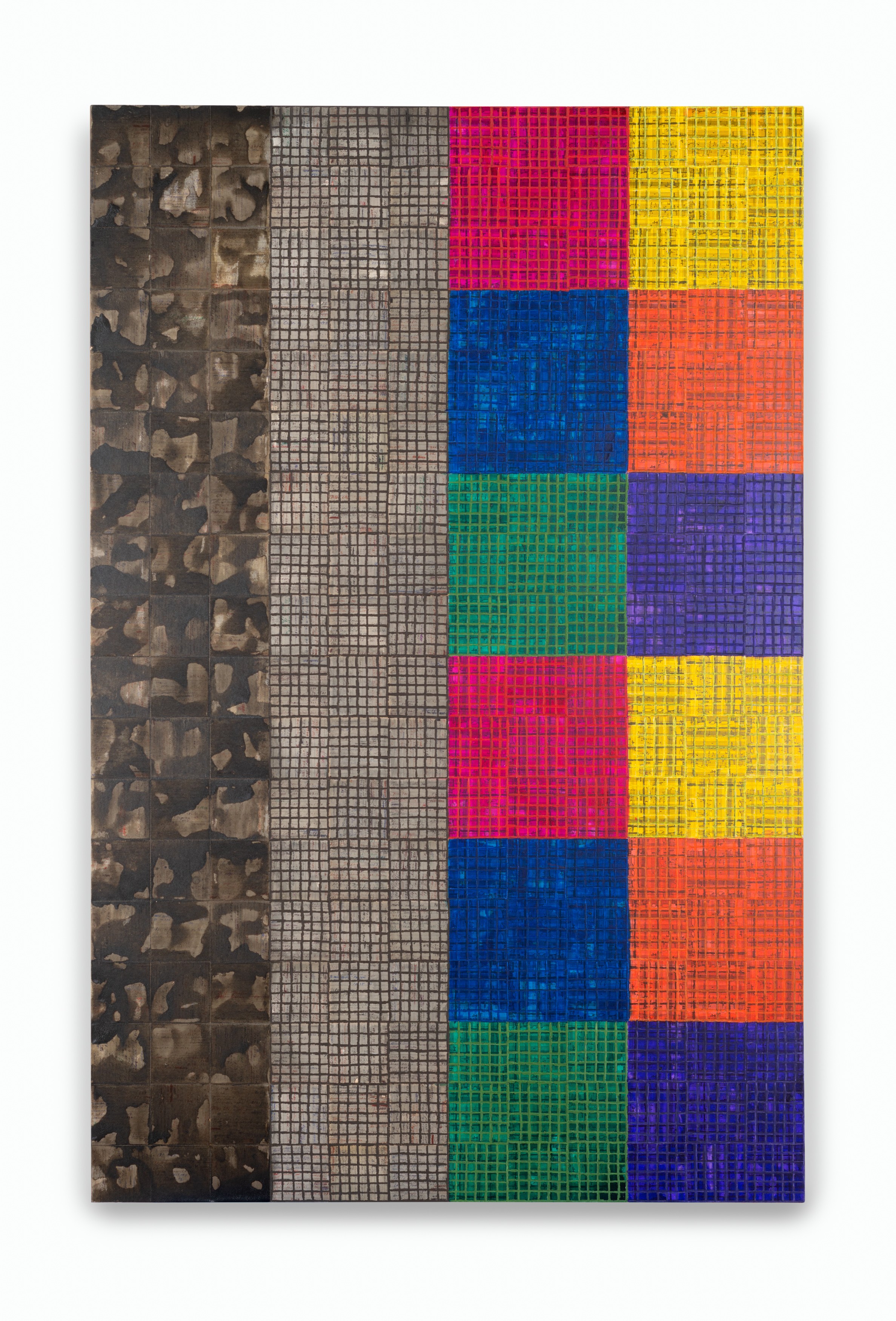
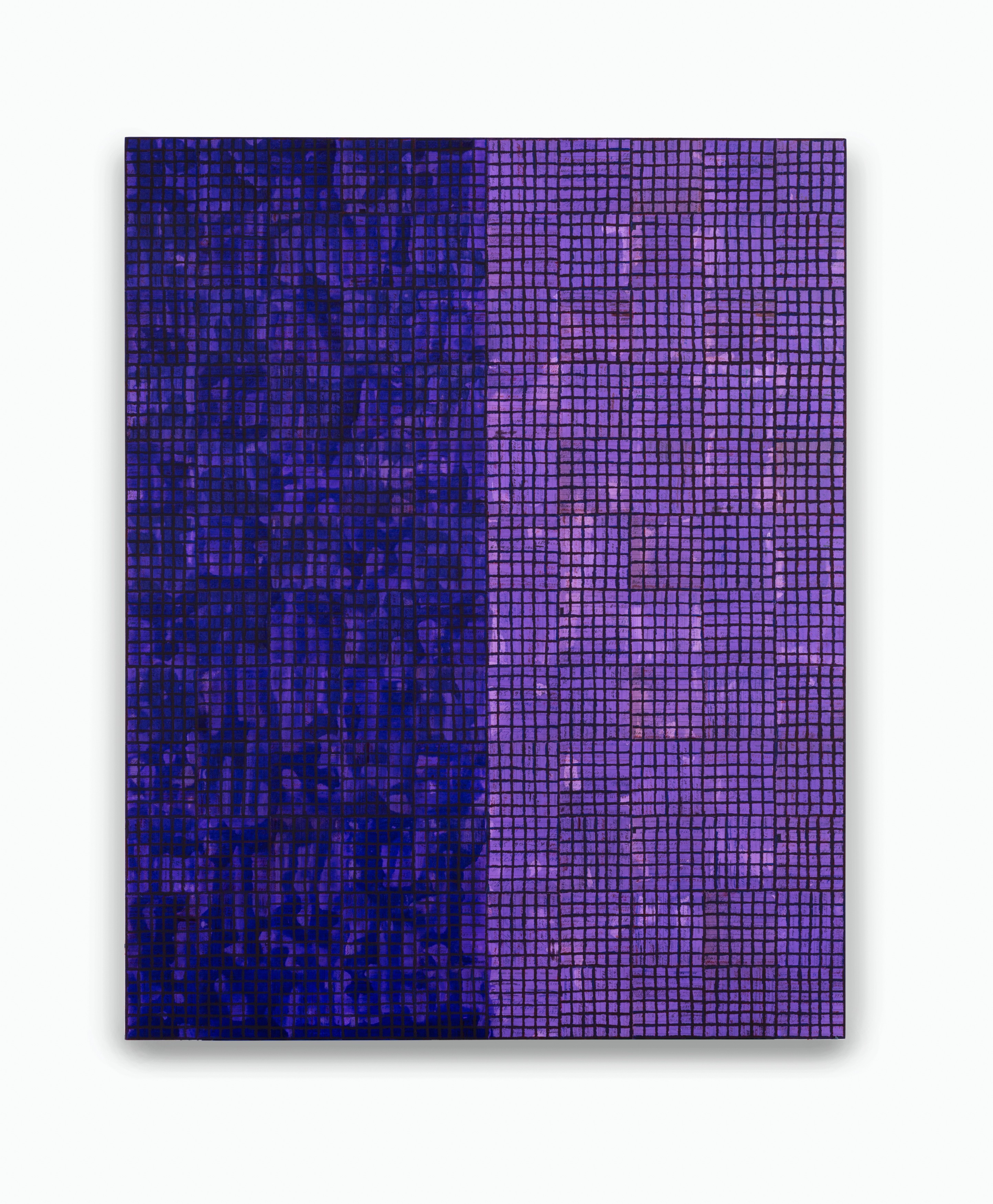
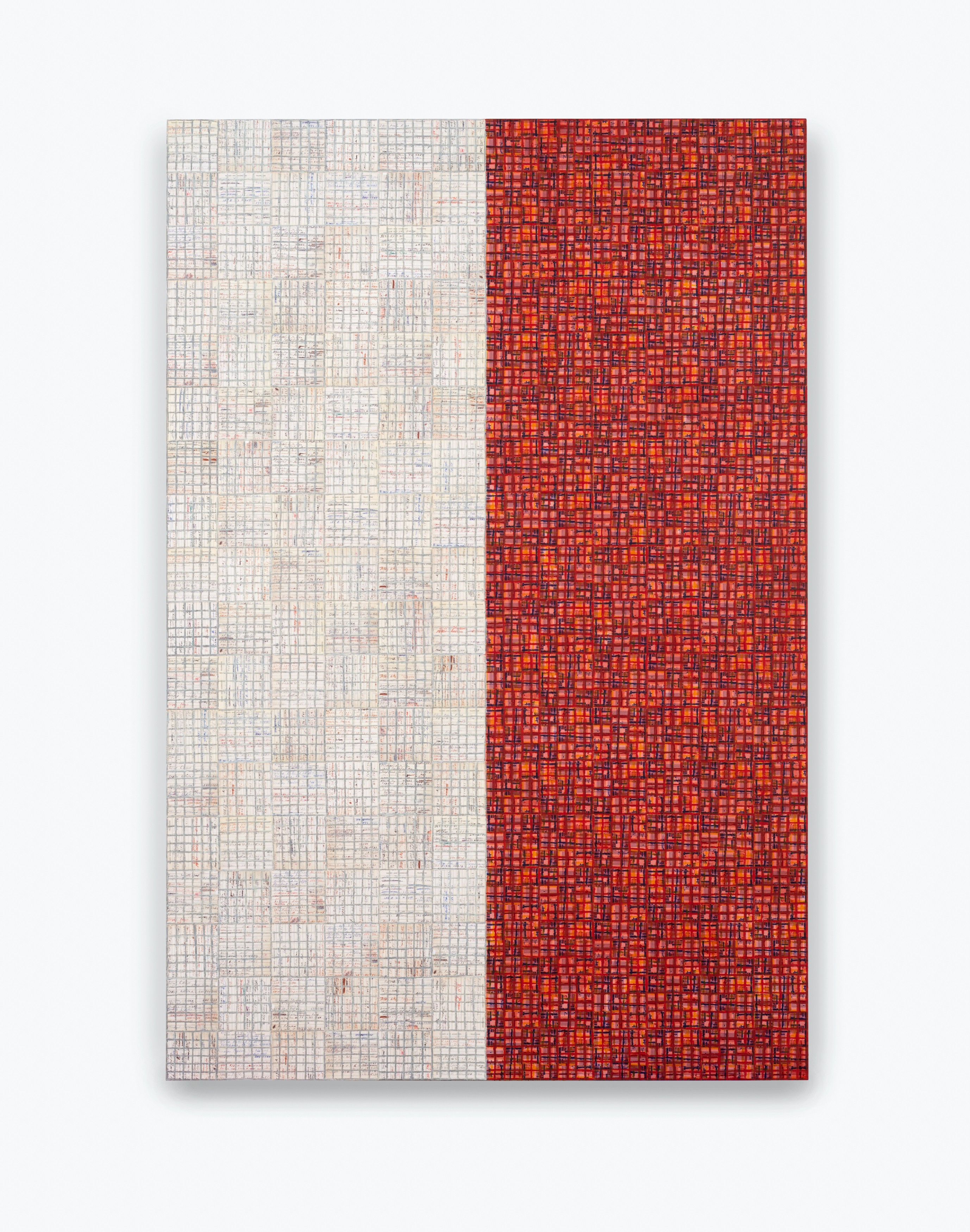
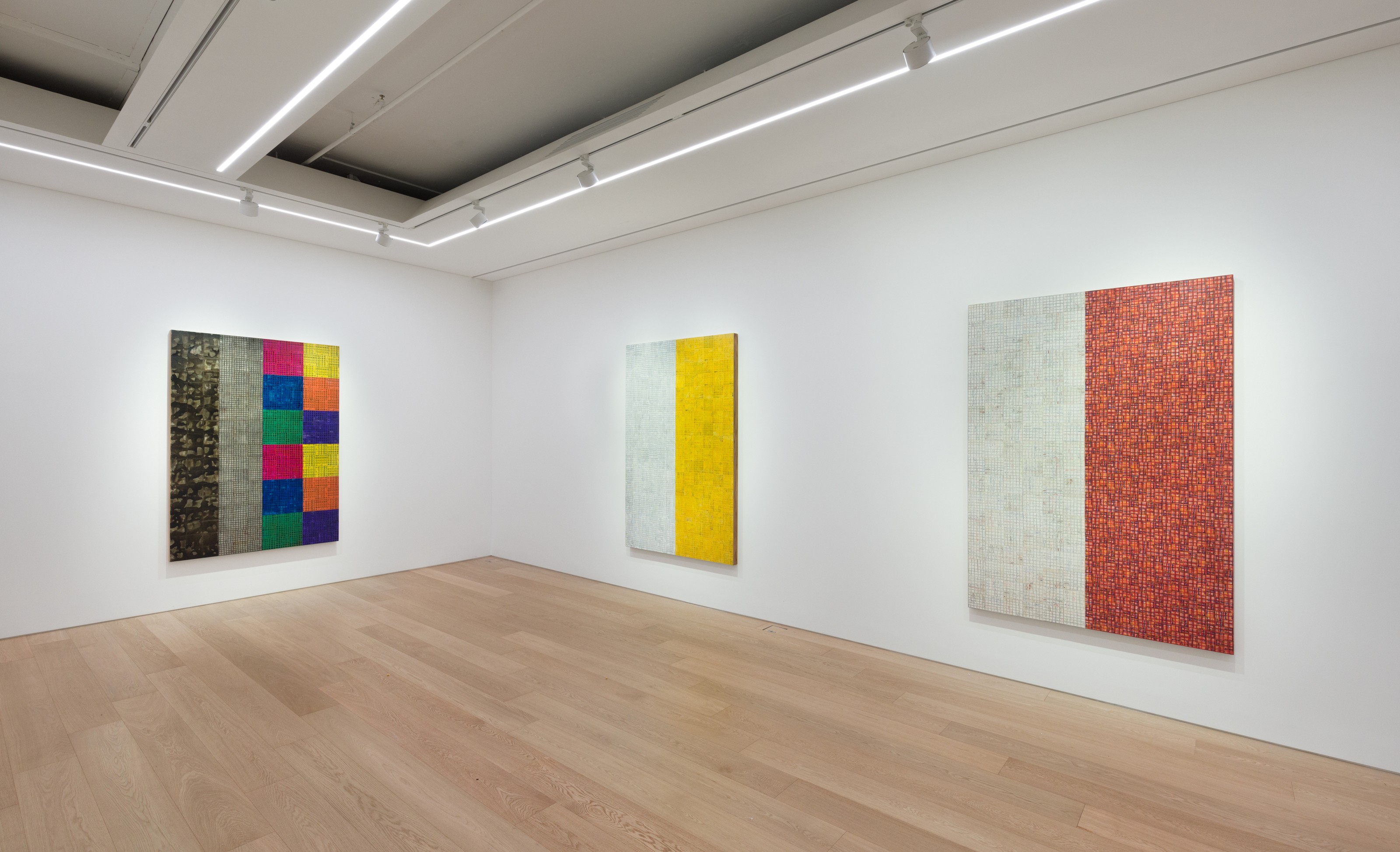
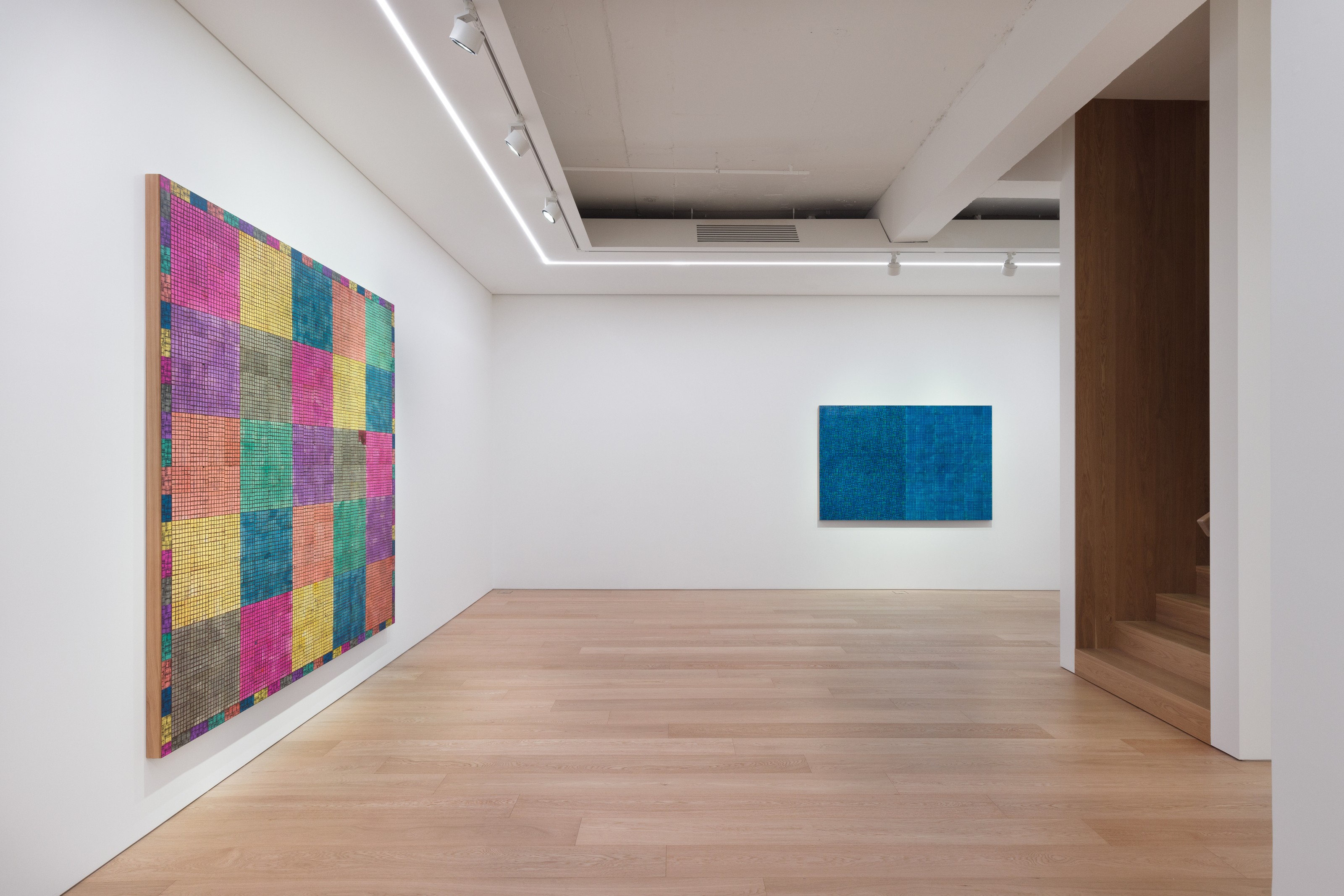
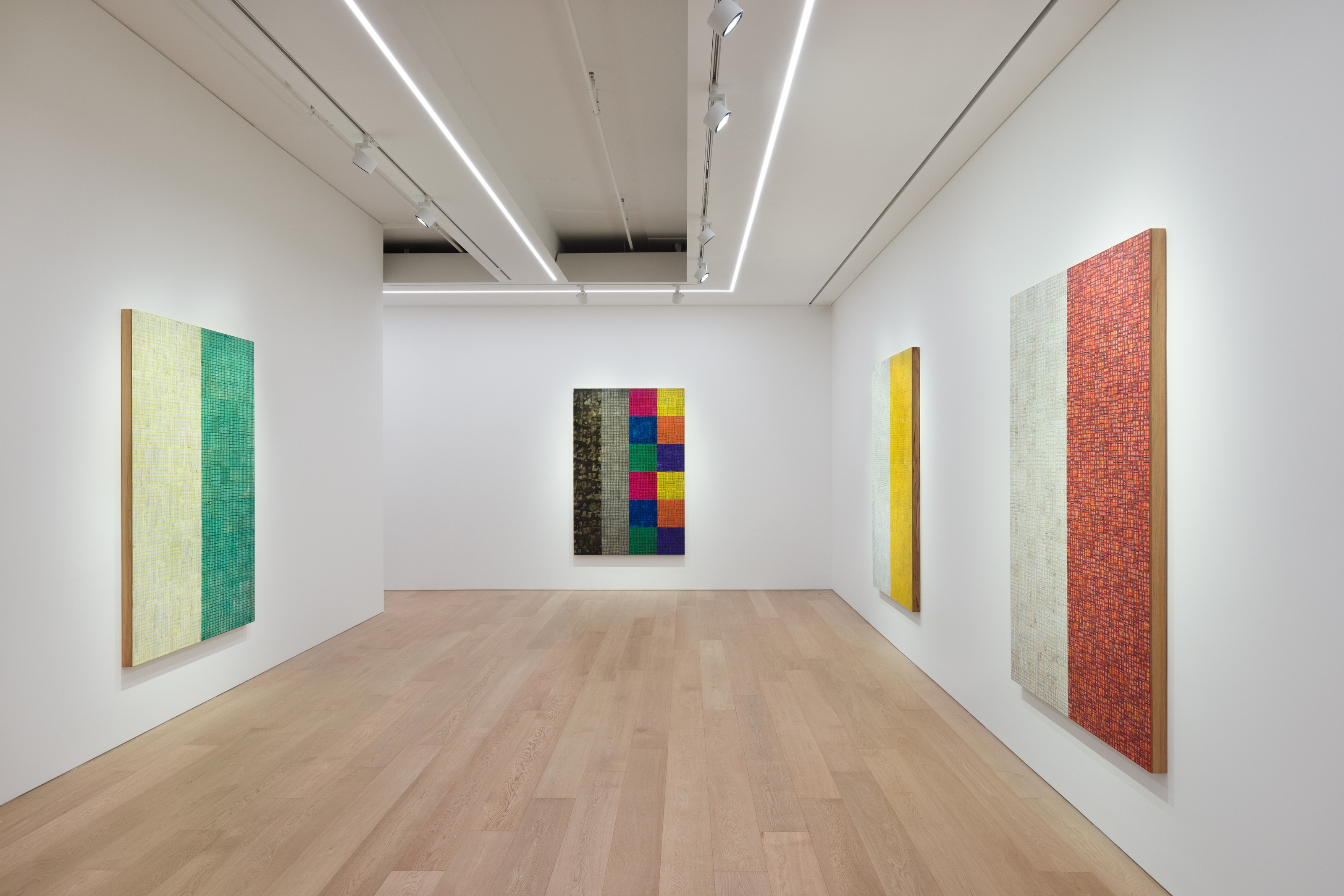
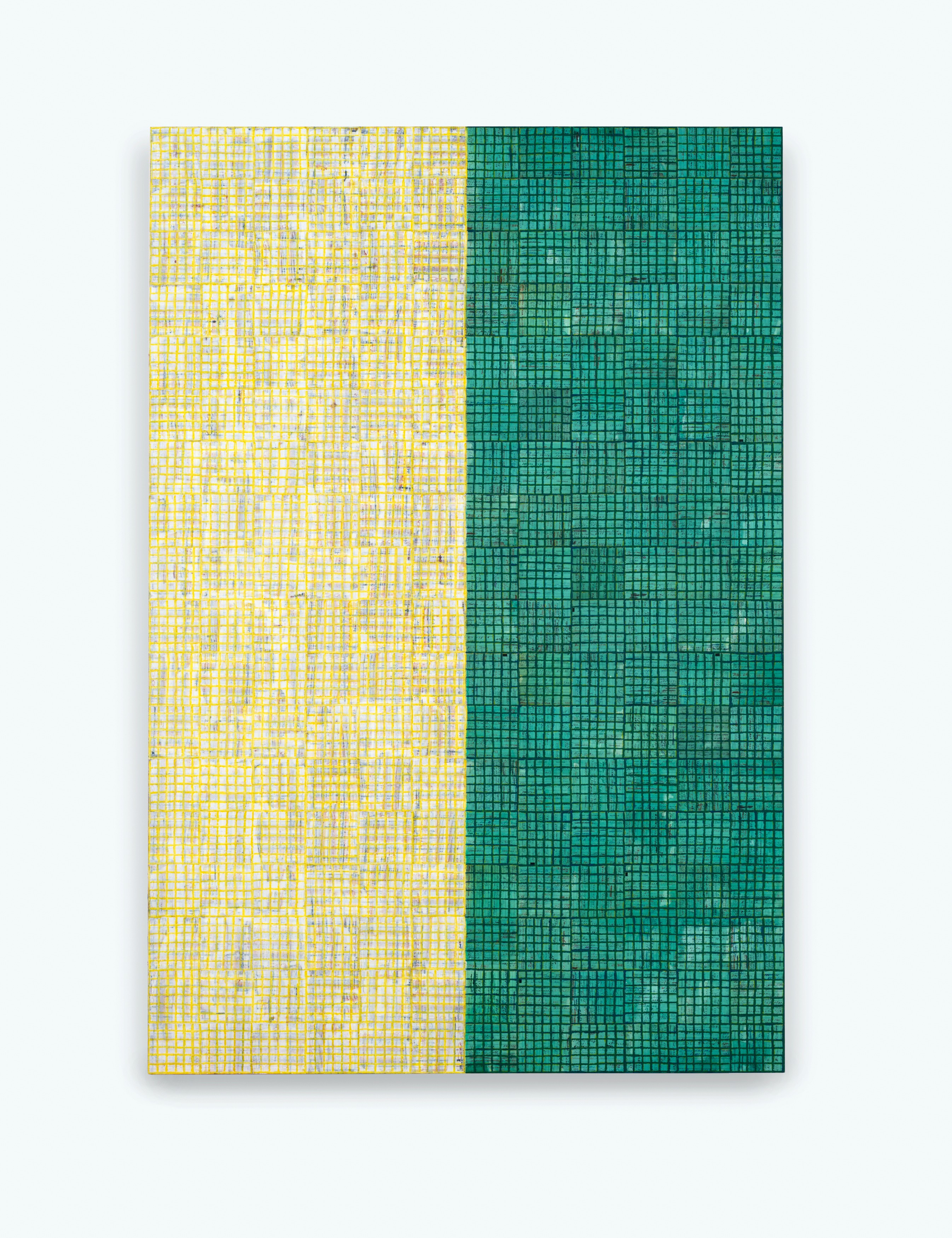
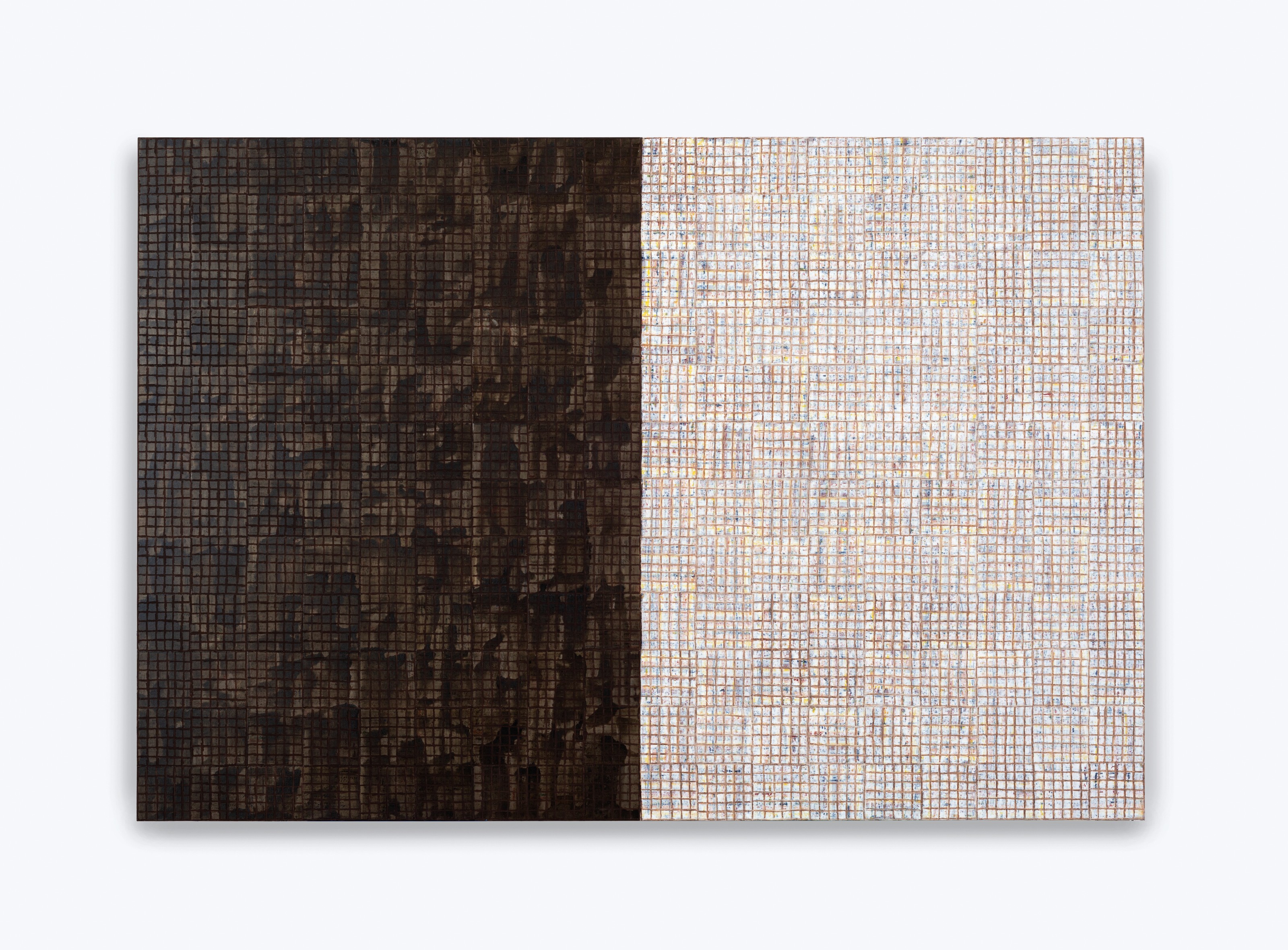
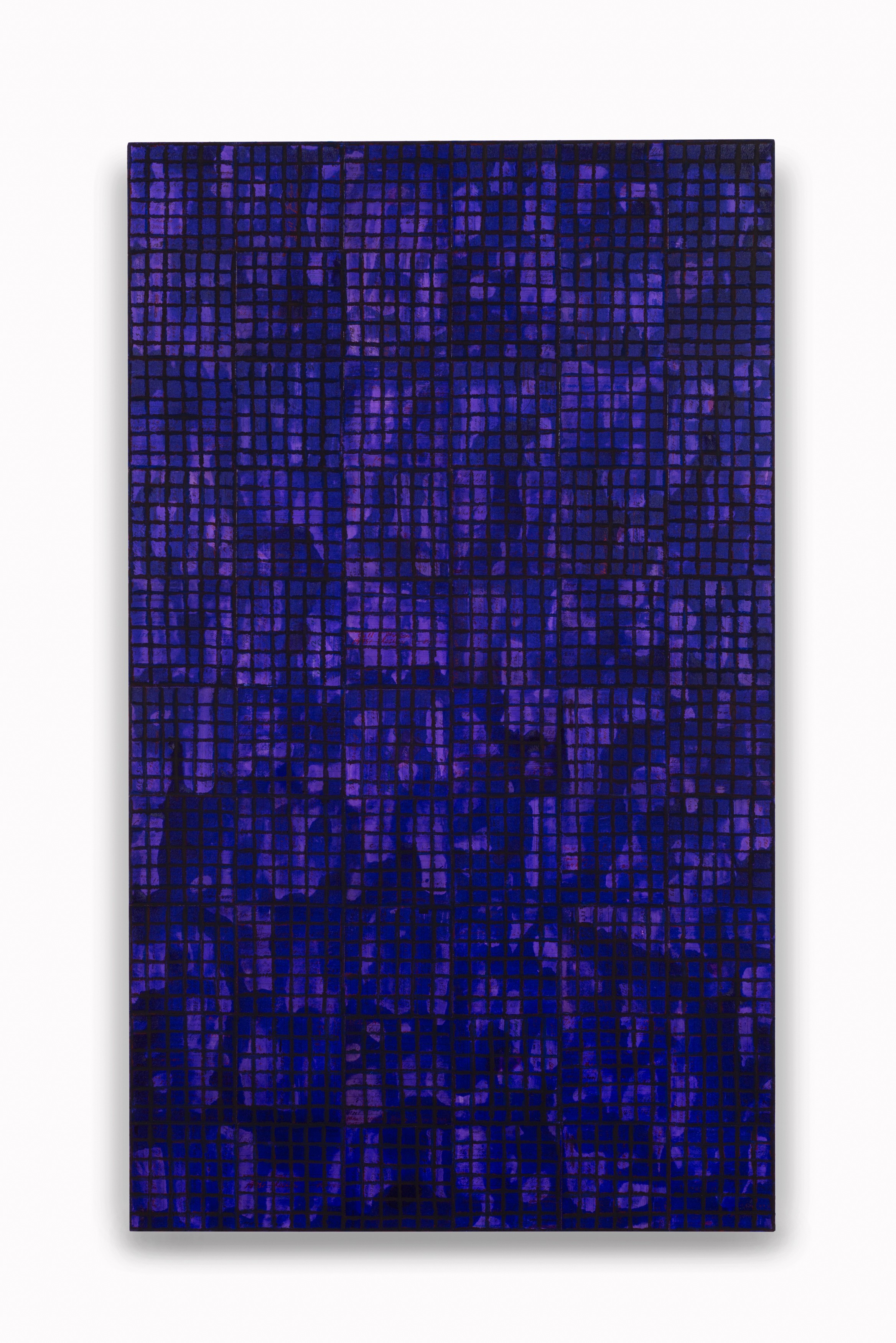
Lehmann Maupin presents DNA:Study/(Visual:Ear), an exhibition of new work by pioneering Chicago-based artist McArthur Binion (b. 1946, Macon, MS) at the gallery’s newly expanded Seoul location. Binion has for decades undertaken a careful and innovative exploration of abstraction, suggesting its unique capacity to both obscure and reveal aspects of identity. Highlighting the depth of the artist’s practice, the Seoul presentation marks Binion’s fifth solo exhibition with the gallery and will feature new paintings from two of his most evocative bodies of work, DNA and Visual Ear.

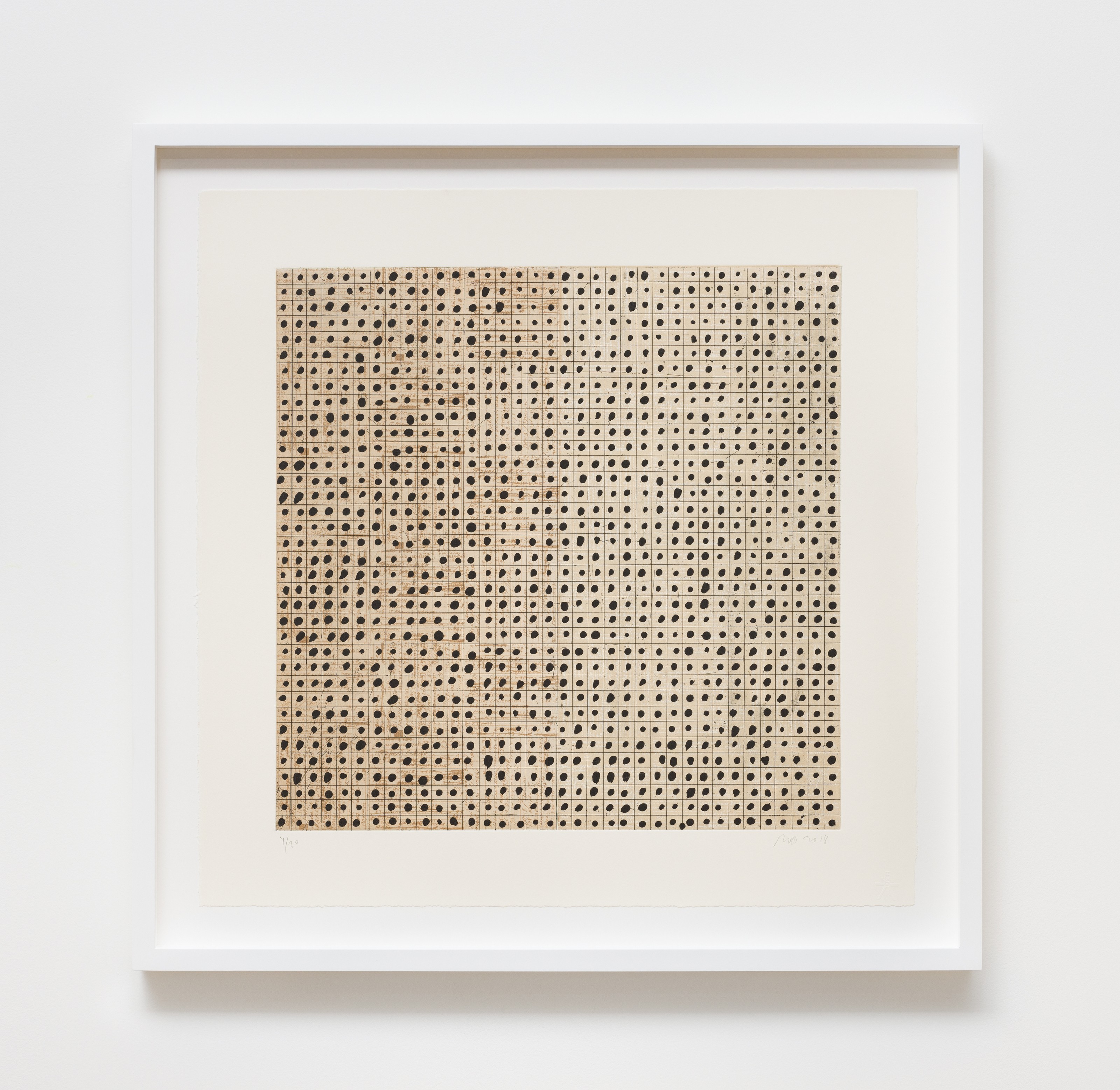
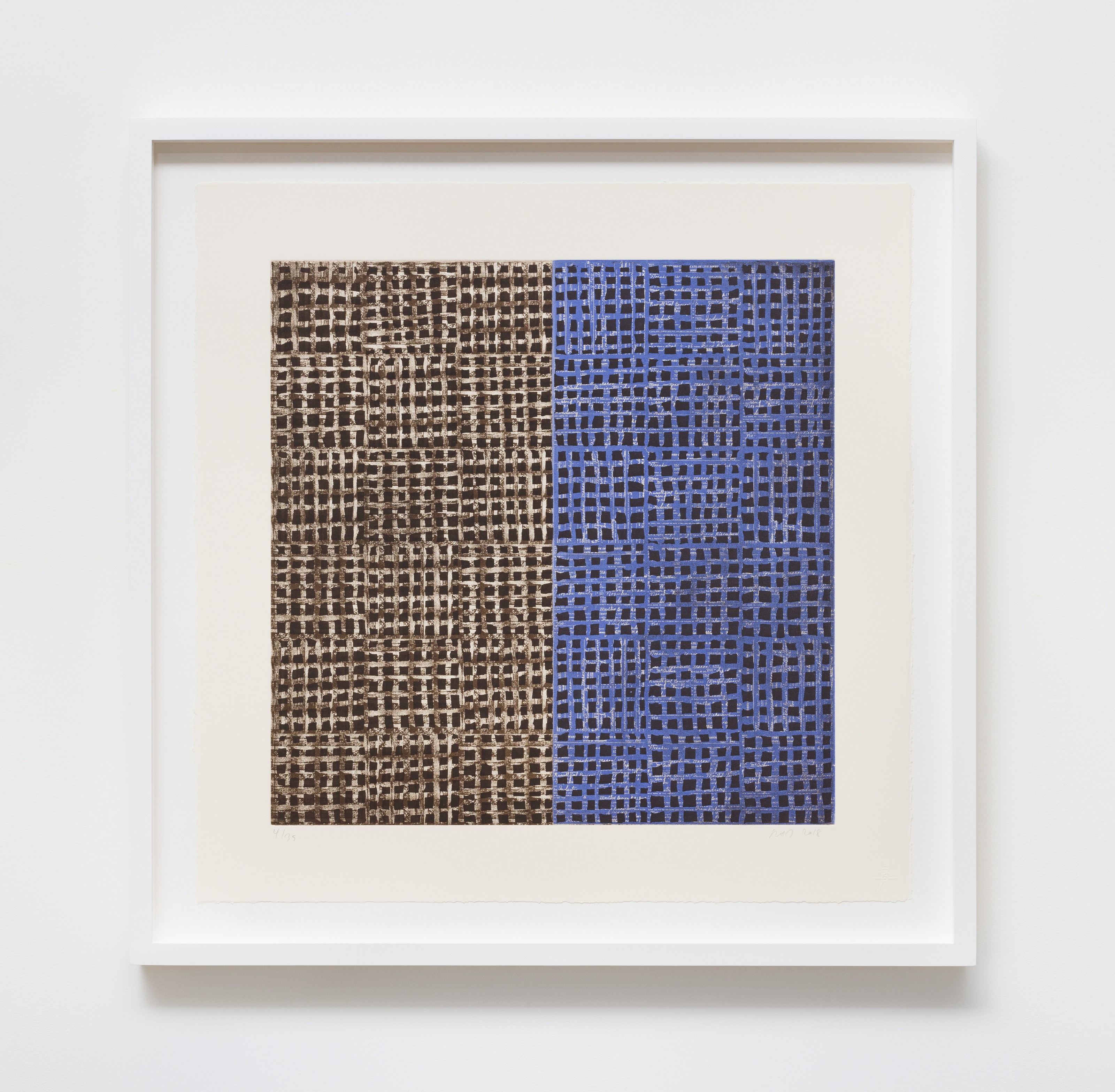
Across his practice, Binion engages with hallmarks of Minimalism and Conceptualism—grids, serial forms, and repetition all operate as strategic devices in the artist’s work. Crucially, however, where many Minimalist and Conceptual artists valued these compositional tactics for their informational, supposedly neutral qualities, Binion reveals these seemingly orderly and dispassionate forms to be inextricable from formations of subjecthood. In each of the series, the artist creates grid-like structures over his characteristic “underconcious,” an underlayer consisting of photocopies of the images and documents, which appear partially visible, partially obscured. Some works incorporate photocopies of the artist’s personal documents—such as his address books, passport, and birth certificate, while others also include sheet music from “‘Brown Black X,” a composition by Pulitzer Prize-winning musician Henry Threadgill specially commissioned by the artist. Throughout his decades-long career, Binion has taken significant inspiration from music, describing jazz as an influence more important to him than any art historical precedent.

Installation view of McArthur Binion at Lehmann Maupin Seoul
Installation Views: 1 of 5
Painting by McArthur Binion

McArthur Binion

DNA:Study/(Visual:Ear), 2022

Painting by McArthur Binion

McArthur Binion

DNA:Study/(Visual:Ear), 2022

Painting by McArthur Binion

McArthur Binion

DNA:Study/(Visual:Ear), 2022

Painting by McArthur Binion

McArthur Binion

DNA:Study/(Visual:Ear), 2022

Painting by McArthur Binion

McArthur Binion

dna:study, 2022

Painting by McArthur Binion

McArthur Binion

DNA:Study/(Visual:Ear), 2022

Painting by McArthur Binion

McArthur Binion

DNA:Study/(Visual:Ear), 2022

Installation view of McArthur Binion at Lehmann Maupin Seoul
Installation Views: 1 of 4
Painting by McArthur Binion

McArthur Binion

DNA:Study/(Visual:Ear), 2022

Painting by McArthur Binion

McArthur Binion

DNA:Study/(Visual:Ear), 2022

Painting by McArthur Binion

McArthur Binion

dna:study, 2022

Painting by McArthur Binion

McArthur Binion

dna:study, 2022

Work on paper by McArthur Binion

McArthur Binion

Berkeley:Suite, 2018

Work on paper by McArthur Binion

McArthur Binion

Berkeley:Suite, 2018

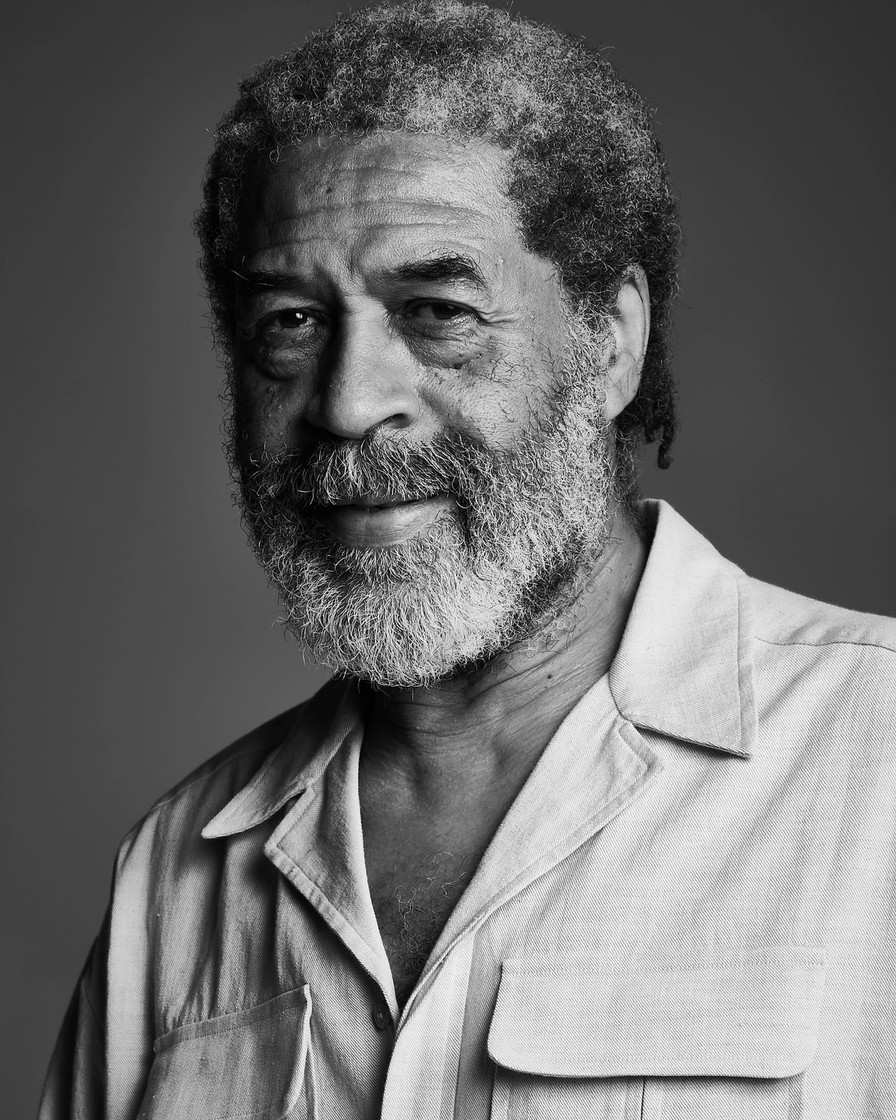
Portrait of McArthur Binion

McArthur Binion (b. 1946, Macon, MS; lives and works in Chicago, IL) combines collage, drawing, and painting to create autobiographical abstractions of painted minimalist patterns over an “under surface” of personal documents and photographs. From photocopies of his birth certificate and pages from his address book, to pictures from his childhood and found photographs of lynchings, the poignant and charged images that constitute the tiled base of his work are concealed and abstracted by grids of oil stick. The complexly layered works, from a distance, appear to be monochromatic minimalist abstractions that have led many to compare his work to that of Jasper Johns, Robert Ryman, or Brice Marden. However, while his contemporaries focused more on materiality, abstraction, and in some cases the social and political climate of the time, Binion’s works are intensely personal and deeply dedicated to the rigorous process of making a painting. Upon closer inspection, these monochromatic abstractions come into focus: the perfect grid becomes a series of imperfect laboriously hand-drawn lines, behind which emerge intimate details of Binion’s identity and personal history. Binion’s gridded compositions impose rational order to the layers of personal history, allowing only fragments of information from his birth certificate to be read, or details of his mother’s face to be identified—but never enough to be immediately legible. Having begun his career as a writer, Binion is highly influenced by language and music, as can be seen in his titles and the ways in which he layers information to be “read” rather than simply seen. The tension that exists between the grid and the artist’s visible gestures is not unlike that of jazz music, which merges improvisation with the order of a musical composition.

Binion received his B.F.A. from Wayne State University, Detroit, MI in 1971 and his M.F.A. from the Cranbrook Academy of Art, Bloomfield Hills, MI in 1973. Select recent solo exhibitions of his work have been organized at the de la Cruz Gallery at Georgetown University (2025); Museo Novecento, Florence, Italy (2020); the Cranbrook Art Museum, Bloomfield Hills, MI (2018); Contemporary Arts Museum, Houston, TX (2012); and the University of Maryland University College Gallery, Adelphi, MD (2010).

Learn about the artist