Skip to content

Multiple Artists

Material Space

Aspen

Aug 5–Sep 10, 2021

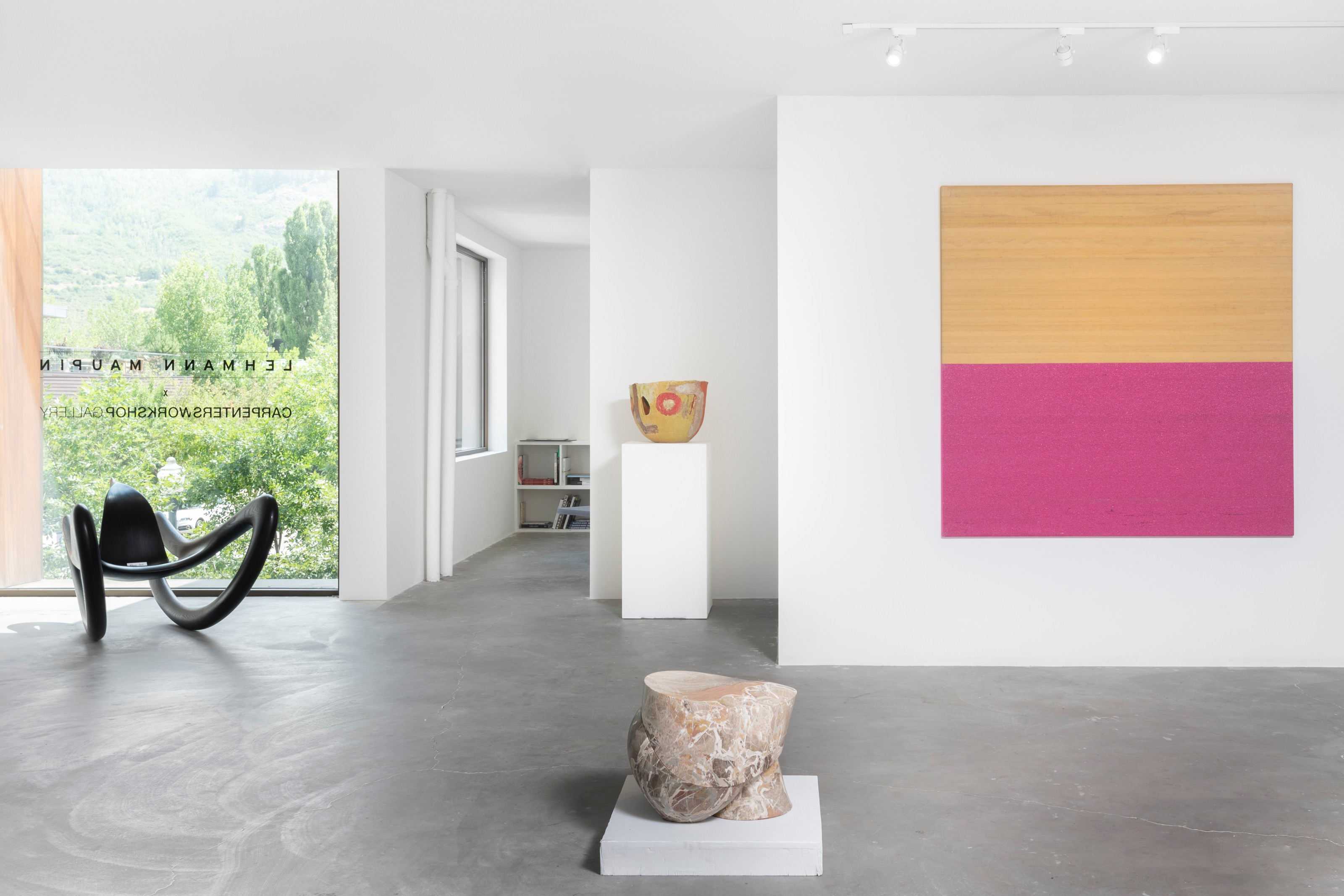
Installation view of Material Space in Aspen

601 East Hyman Ave, 2nd Floor

Aspen, Colorado

Featured artists and designers: Ron Arad, Aldo Bakker, McArthur Binion, Nacho Carbonell, Wendell Castle, Paul Cocksedge, Mary Corse, Vincenzo de Cotiis, Ingrid Donat, Johanna Grawunder, Roger Herman, Shirazeh Houshiary, Karl Lagerfeld, Liza Lou, David Nicolas, Rick Owens, Robert Stadler, and Charles Trevelyan.

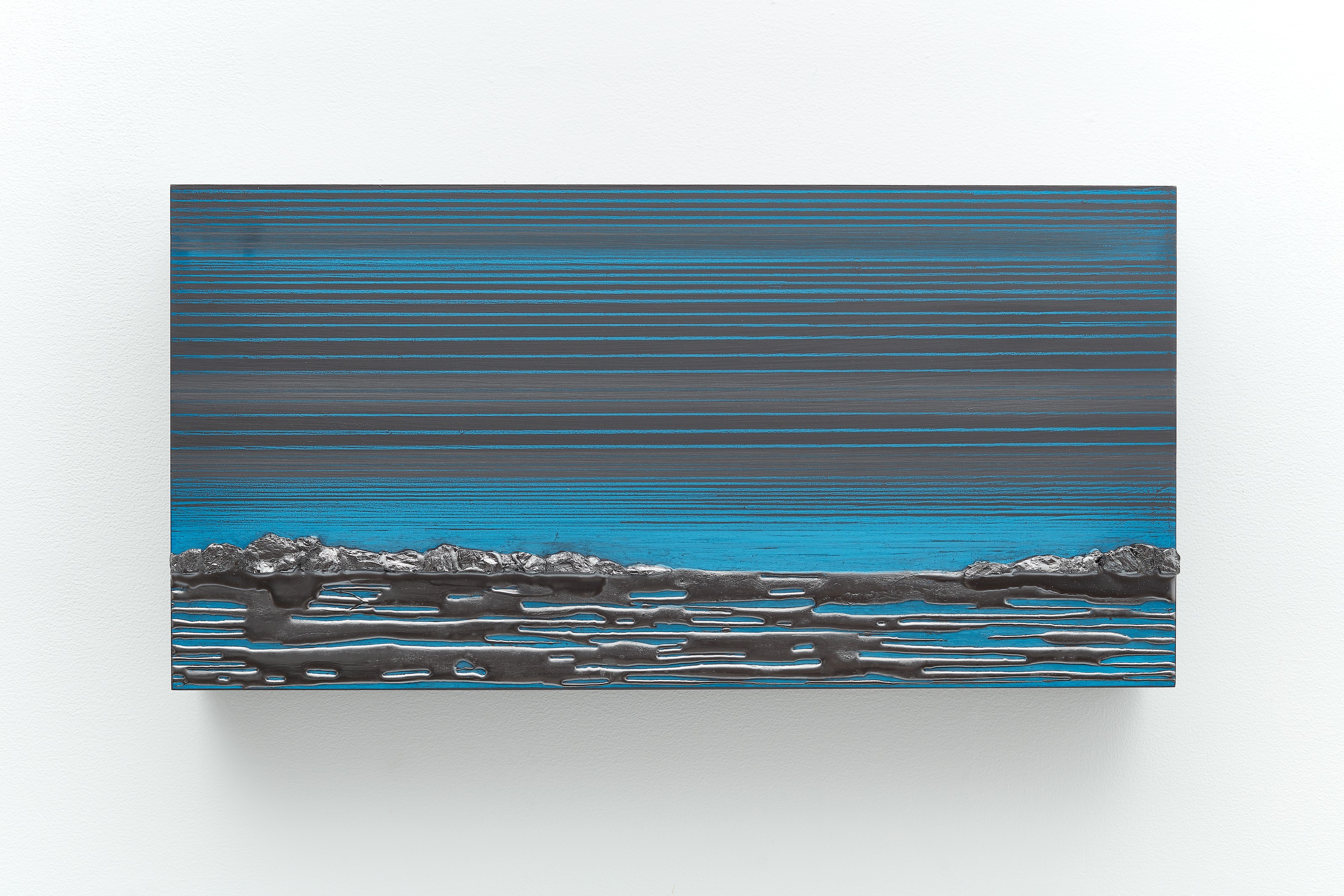
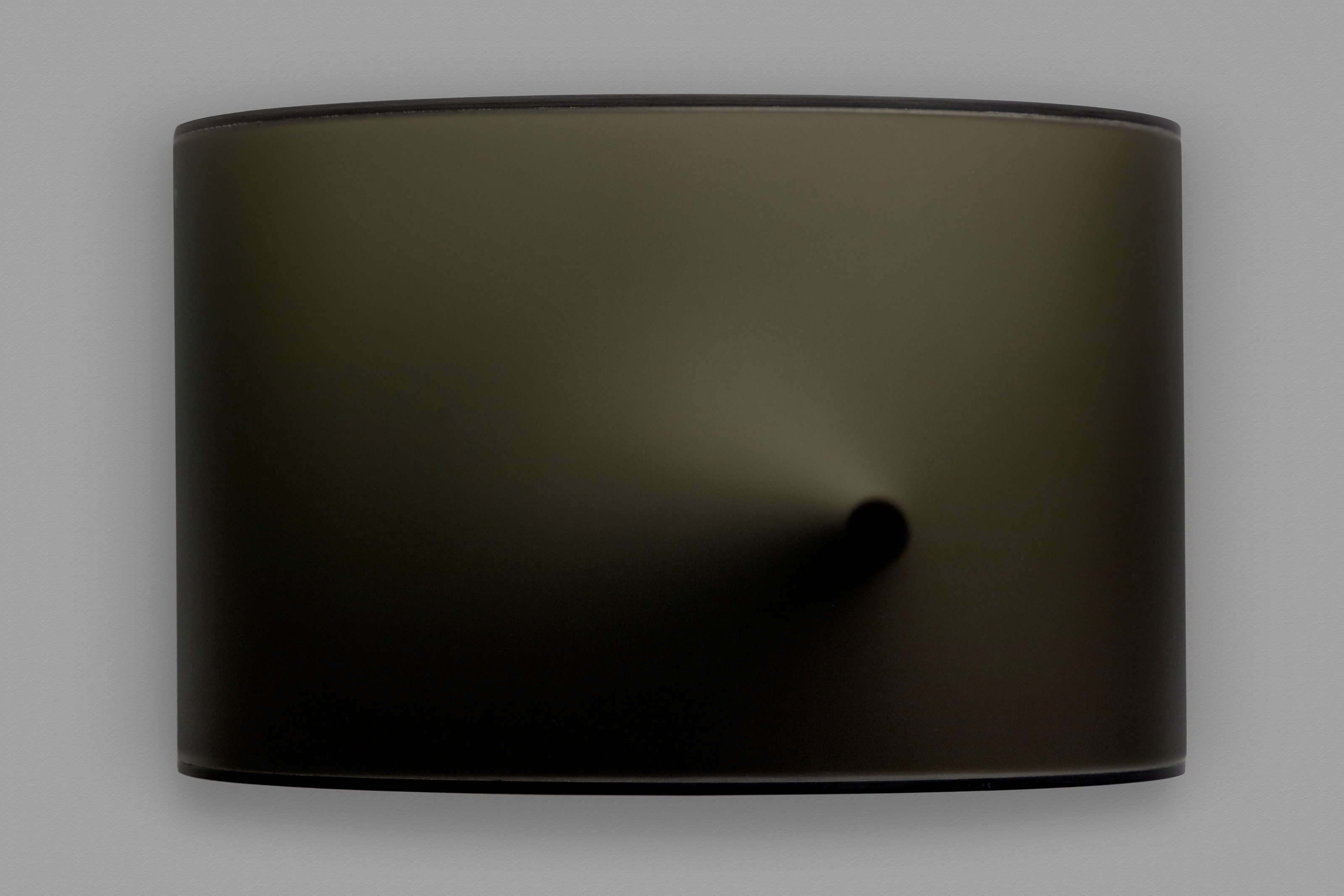
Material Space, which will open the first week of August to coincide with Aspen Art Museum’s annual Artcrush, will foreground a group of artists whose practices engage with the influence of minimalism and an exploration of process. Lehmann Maupin will include works from pioneering artist McArthur Binion who alongside his peers, was committed to expanding notions of abstraction in the 1970s and 1980s—a period of artistic exploration and exchange that expanded the then-dominant understanding of artmaking and impacted the discourse of abstraction to this day. Binion’s work will be placed in dialogue with historical and recent works of artists who have similarly honed their material and continued to expand the minimalist tradition, including Mary Corse, Shirazeh Houshiary, and Liza Lou. Carpenters Workshop Gallery will feature several artists who aim to move beyond functionality in their art practices to investigate the intersection of art and design. One can see this with Rick Owens, who will be showing his signature monochromatic pieces that feature a contrasting palette of black and white. Owens’ minimalist vision comes through in his monumental works created in a singular aesthetic, using subtle and rare materials such as Carrara marble and alabaster transformed into stark, geometric forms. His pieces are more sculptural than functional, placing materiality at the forefront.

Installation view of Material Space in Aspen
Installation Views
1 of 4:
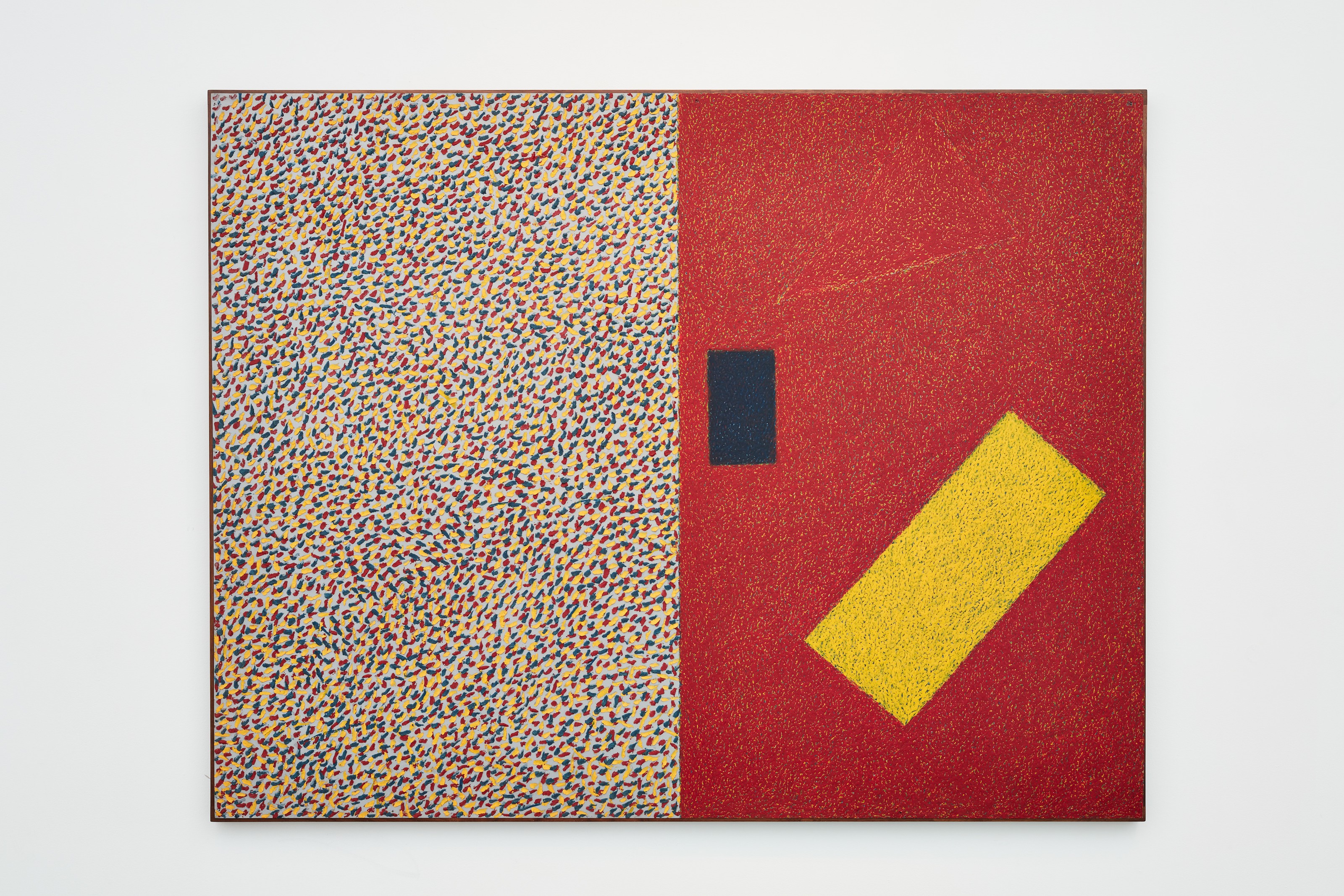
Painting by McArthur Binion

McArthur Binion

History: Of: Application: One, 1978

Painting by McArthur Binion

McArthur Binion

Modern:Ancient:Brown (Ovals), 2021

Aaron Wexler

Untitled, 1990

Aaron Wexler

Untitled, 1987

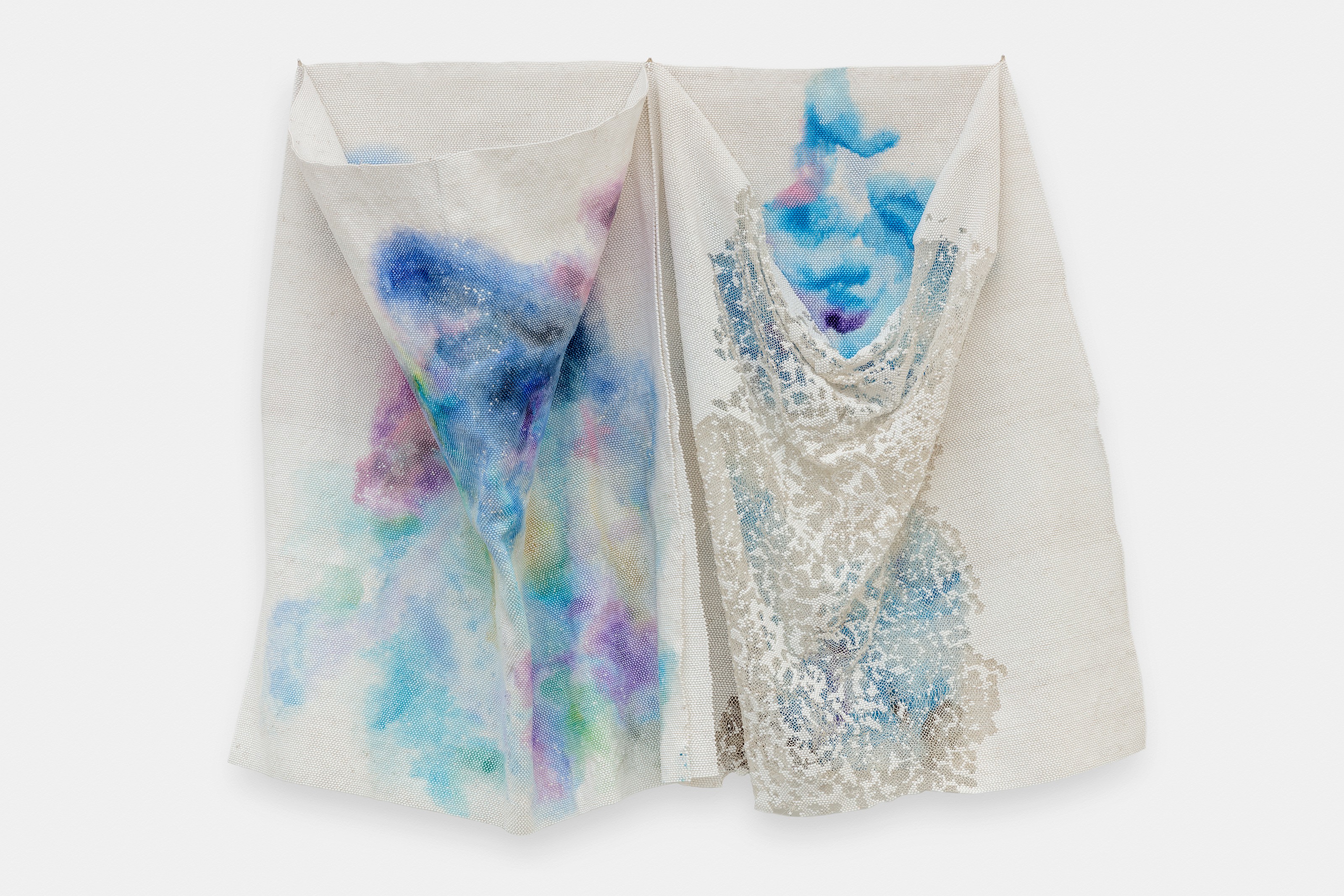
Wall work by Liza Lou

Liza Lou

Honey Magenta | Divide, 2012-2014

Wall work by Liza Lou

Liza Lou

Nightsong (Lovers), 2019

Wall work by Do Ho Suh

Do Ho Suh

Exit Series: Light Bulbs, 348 West 22nd Street, New York, NY 10011, USA, 2016

Wall work by Nari Ward

Nari Ward

Breathing Bars Vertical, 2020

Work on paper by Nari Ward

Nari Ward

Constructive intent Constructive possession, 2009

Wall sculpture by Teresita Fernández

Teresita Fernández

Golden (View 3), 2013

Installation view of Material Space in Aspen
Installation Views
1 of 4:
Graphite panel by Teresita Fernández

Teresita Fernández

Rise and Fall #19, 2017

Erwin Wurm

House I, 2011

Painting by McArthur Binion

McArthur Binion

Modern:Ancient:Brown, 2021

Painting by McArthur Binion

McArthur Binion

Self:Portrait, 2025

Wall work by Helen Pashgian

Helen Pashgian

Untitled, 2006

Painting by Angel Otero

Angel Otero

Untitled, 2012

Exhibition Artists

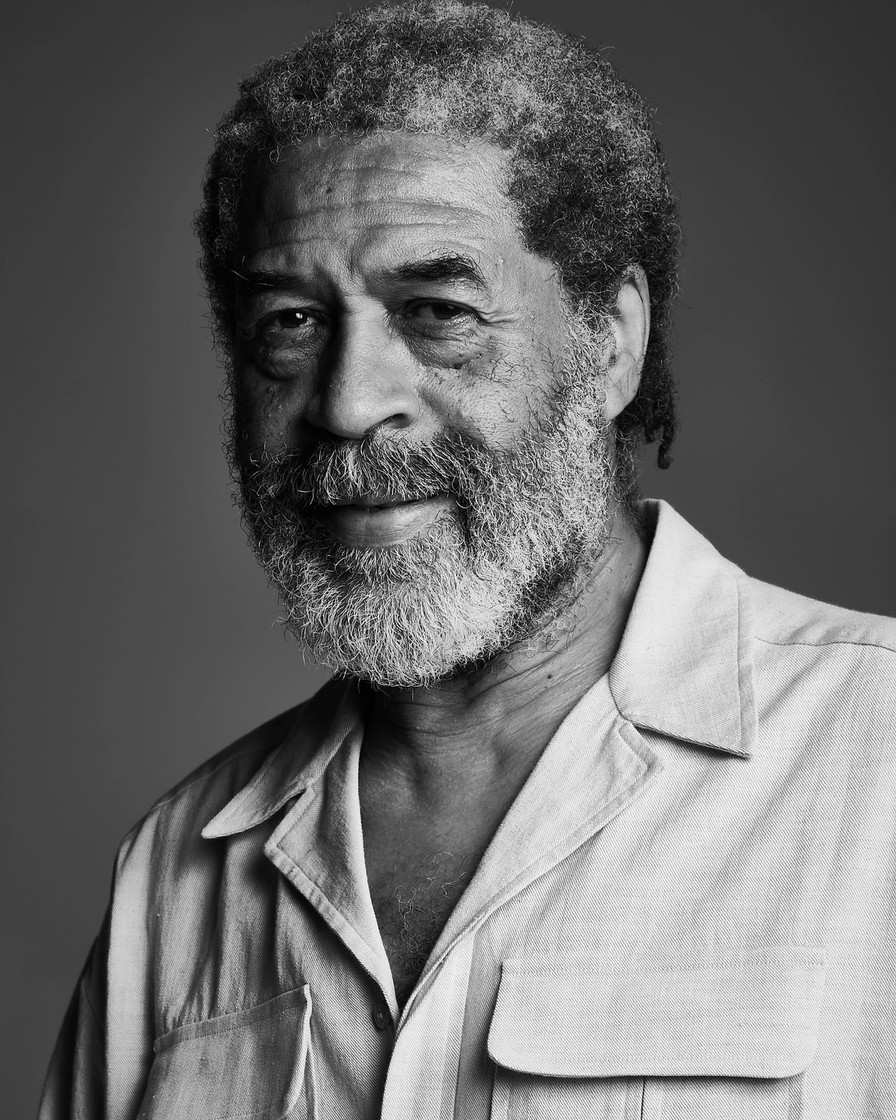
Portrait of McArthur Binion

McArthur Binion (b. 1946, Macon, MS; lives and works in Chicago, IL) combines collage, drawing, and painting to create autobiographical abstractions of painted minimalist patterns over an “under surface” of personal documents and photographs. From photocopies of his birth certificate and pages from his address book, to pictures from his childhood and found photographs of lynchings, the poignant and charged images that constitute the tiled base of his work are concealed and abstracted by grids of oil stick. The complexly layered works, from a distance, appear to be monochromatic minimalist abstractions that have led many to compare his work to that of Jasper Johns, Robert Ryman, or Brice Marden. However, while his contemporaries focused more on materiality, abstraction, and in some cases the social and political climate of the time, Binion’s works are intensely personal and deeply dedicated to the rigorous process of making a painting. Upon closer inspection, these monochromatic abstractions come into focus: the perfect grid becomes a series of imperfect laboriously hand-drawn lines, behind which emerge intimate details of Binion’s identity and personal history. Binion’s gridded compositions impose rational order to the layers of personal history, allowing only fragments of information from his birth certificate to be read, or details of his mother’s face to be identified—but never enough to be immediately legible. Having begun his career as a writer, Binion is highly influenced by language and music, as can be seen in his titles and the ways in which he layers information to be “read” rather than simply seen. The tension that exists between the grid and the artist’s visible gestures is not unlike that of jazz music, which merges improvisation with the order of a musical composition.

Binion received his B.F.A. from Wayne State University, Detroit, MI in 1971 and his M.F.A. from the Cranbrook Academy of Art, Bloomfield Hills, MI in 1973. Select recent solo exhibitions of his work have been organized at the de la Cruz Gallery at Georgetown University (2025); Museo Novecento, Florence, Italy (2020); the Cranbrook Art Museum, Bloomfield Hills, MI (2018); Contemporary Arts Museum, Houston, TX (2012); and the University of Maryland University College Gallery, Adelphi, MD (2010).
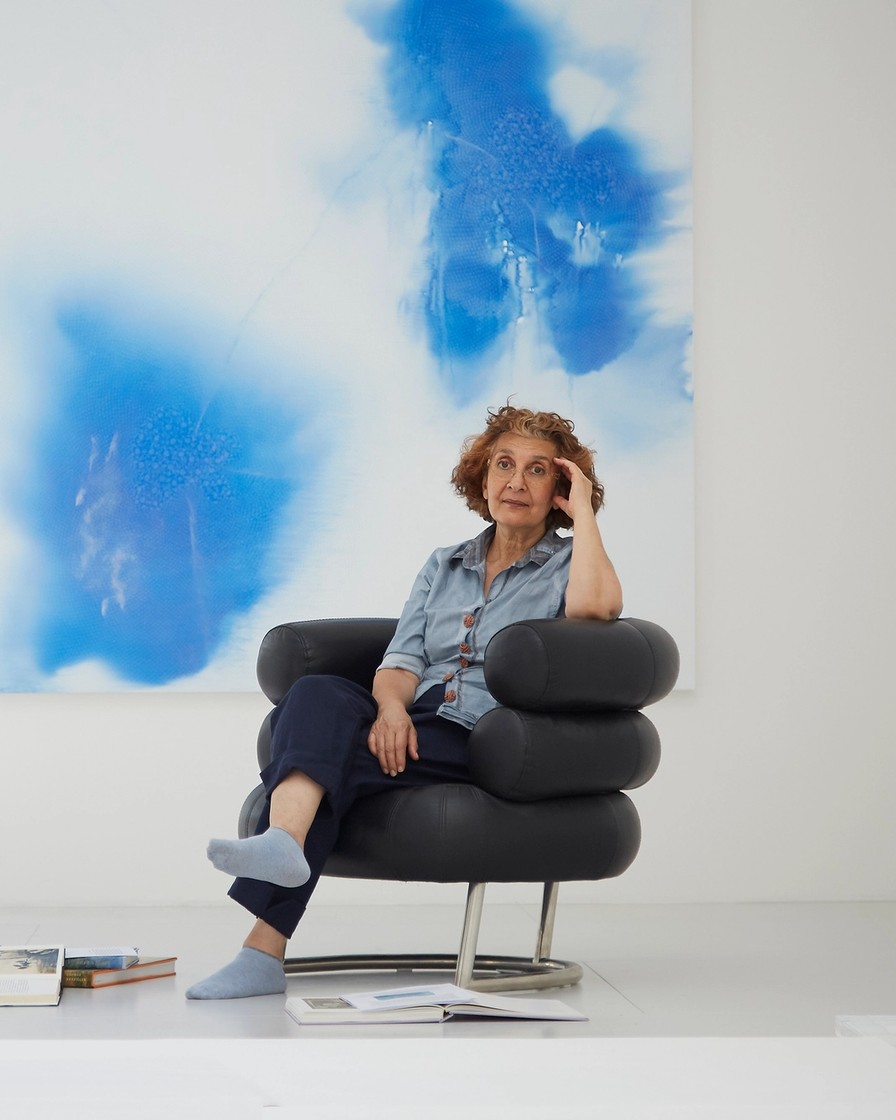
Portrait of Shirazeh Houshiary

Shirazeh Houshiary (b. 1955, Shiraz, Iran; lives and works in London, United Kingdom) makes painting, sculpture, and animation that seek to challenge viewers’ perceptions of time, space, and materiality. Her works often engage opposing ideas and states of being, including transparency and opacity, sound and silence, surface and depth, and presence and absence. From a distance, her paintings are reminiscent of a swirling galaxy, but as the viewer draws closer, the meticulousness, detail, and hidden Arabic letters that make up her amorphous forms begin to unfold. The universe, with its contradiction, paradox, and complexity is a core subject matter in her work. The Arabic words embedded in her compositions are a juxtaposition of the opposing phrases “I am” and “I am not,” oscillating freely between focused and unfocused states, where the meaning of our existence becomes superfluous and lost in Houshiary’s imagined cosmos.

Houshiary’s painting technique involves the successive layering of pigment and line, a laborious process that often takes several months to complete. Her surfaces are composed of intricate patterns that appear to pulse, undulate, and recede into the canvas, like a veil or membrane. She takes a similar methodical approach to her dynamic sculptures, constructing towers out of glass or aluminum bricks that, layer by layer, seem to emerge from the floor. Each vertical plane of bricks echoes the original shape of the structure’s footprint incrementally rotated to the maximum degree the form will allow before the resulting helix shape becomes unstable. For each work, Houshiary attempts to visualize subjects that are inherently intangible—an echo, human breath, or memory.

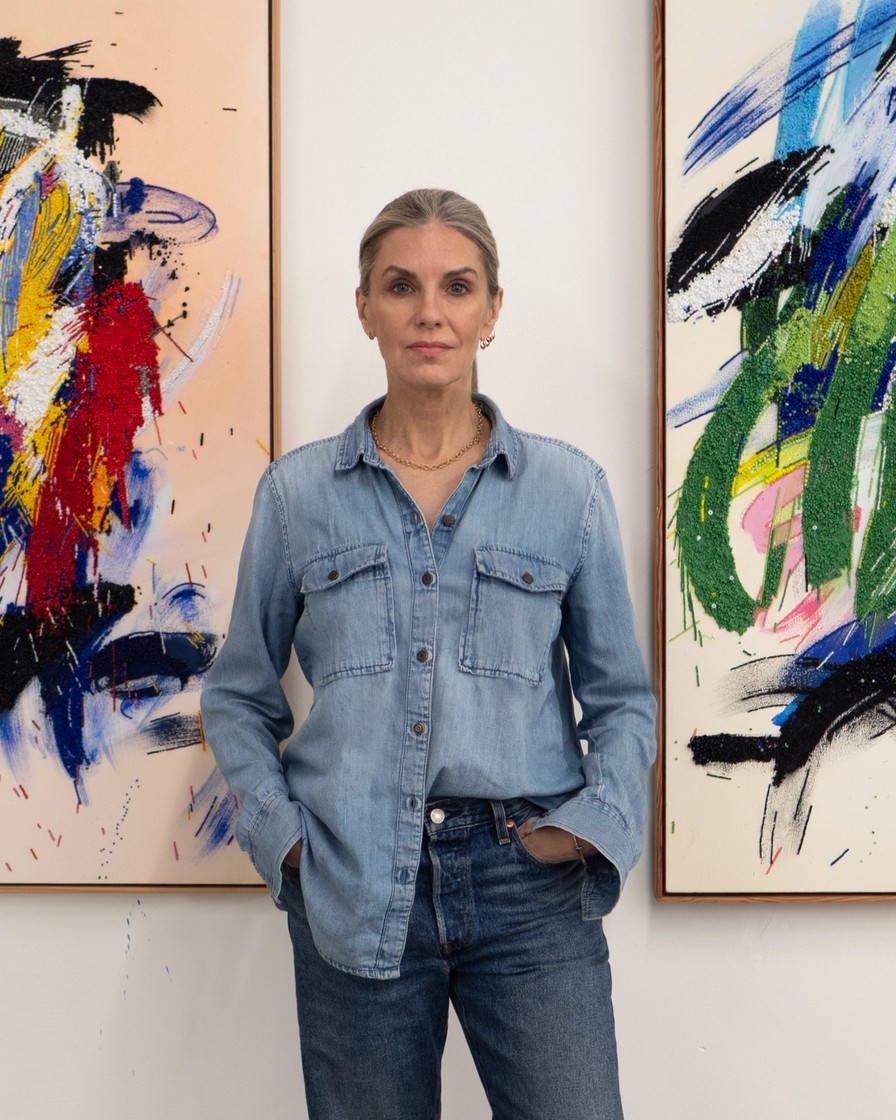
Portrait of Liza Lou

Liza Lou (b. 1969 NYC lives and works in Joshua Tree, California) is widely known for her pioneering work as both an artist and for her groundbreaking social practice of the mid-2000s. Beginning with her conceptual use of glass beads, Lou’s room-size installations of the 1990s challenged stereotypes and gender roles within the art canon and broke down boundaries between art and craft.¹ In 2002, she received a MacArthur Foundation Fellowship, which she utilized to found a women’s advocacy program within her studio in Durban, South Africa which she operated from 2005-20, expanding the possibilities of social engagement within an art studio environment. During the 15 years she lived and worked in South Africa, Lou developed a poetic, handmade approach to Minimalism that utilizes the oils of the human hand as a form of paint in woven paintings, such as Soil | Solid (2012), which is in the permanent collection of the Des Moines Art Center, and room-scaled wall works, sculptures and installations, such as Security Fence (2005), now in the collection of the Los Angeles County Museum of Art, and Continuous Mile (2008), in the collection of the Cleveland Museum of Art.

Current work has the artist in further dialogue with art history as she explores the possibility of her chosen material to act as a fluid paint body, bringing an original and Feminist vision to painting.² Through the slow accrual of a humble material, Lou recalibrates the action of a brushstroke into elaborate, cell-by-cell explorations that combines the exuberance of Pop and Abstract Expressionism with the materiality and sheen of her early work, while pushing the language of painting further forward.

Portrait of Barry McGee

Barry McGee