Skip to content

Multiple Artists

Radical Materiality

Hong Kong

Jan 14–Mar 5, 2016

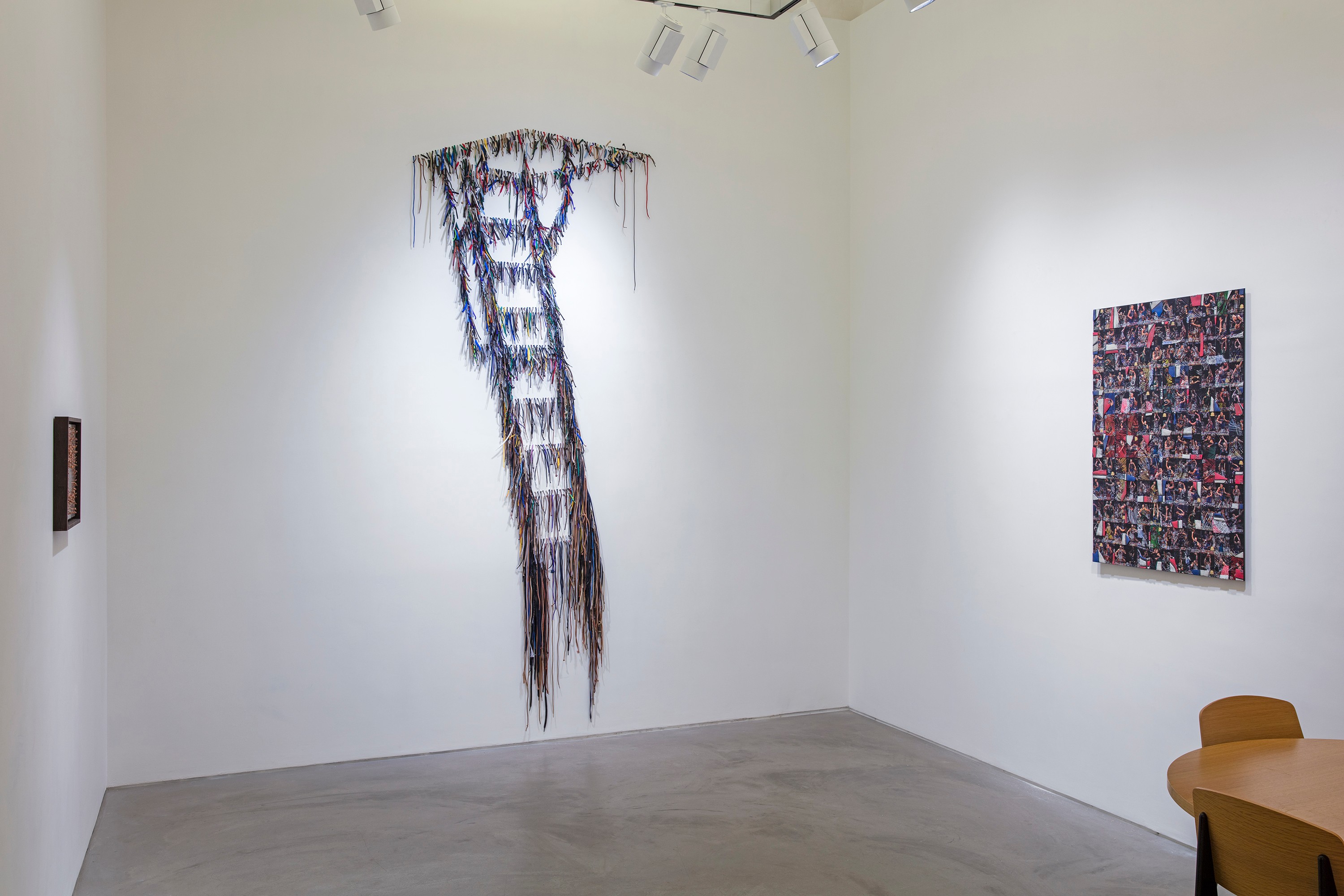
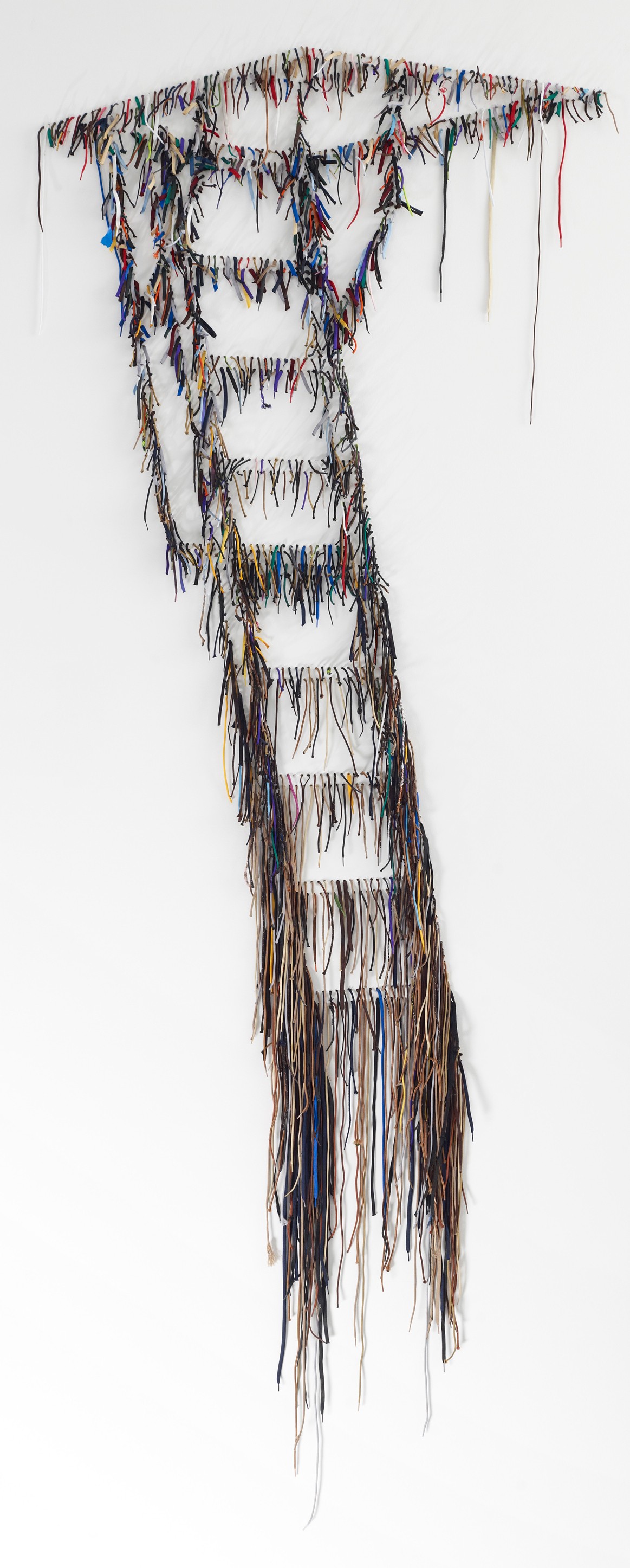
Detail of wall work by Nari Ward

12 Pedder Street

Central, Hong Kong

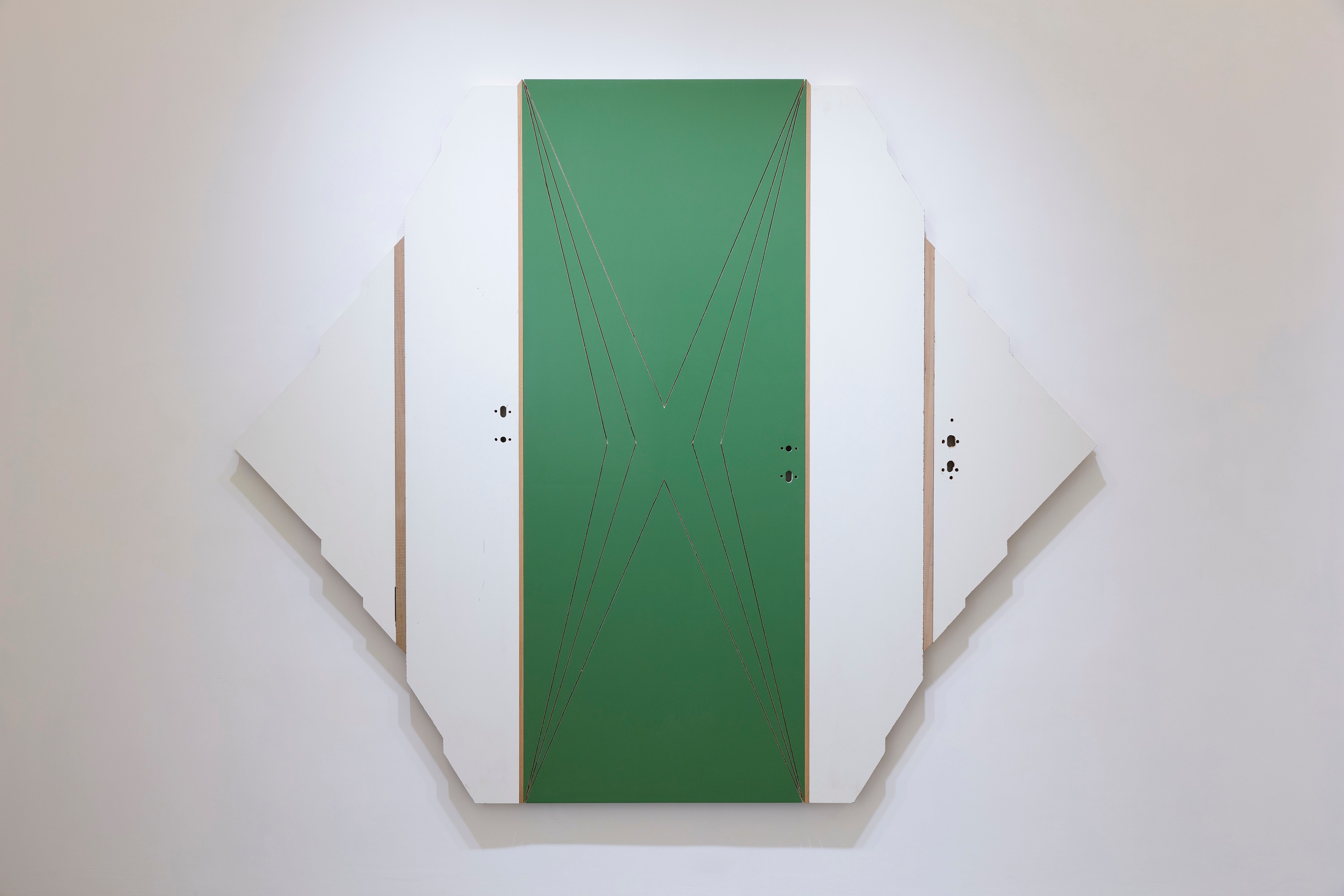
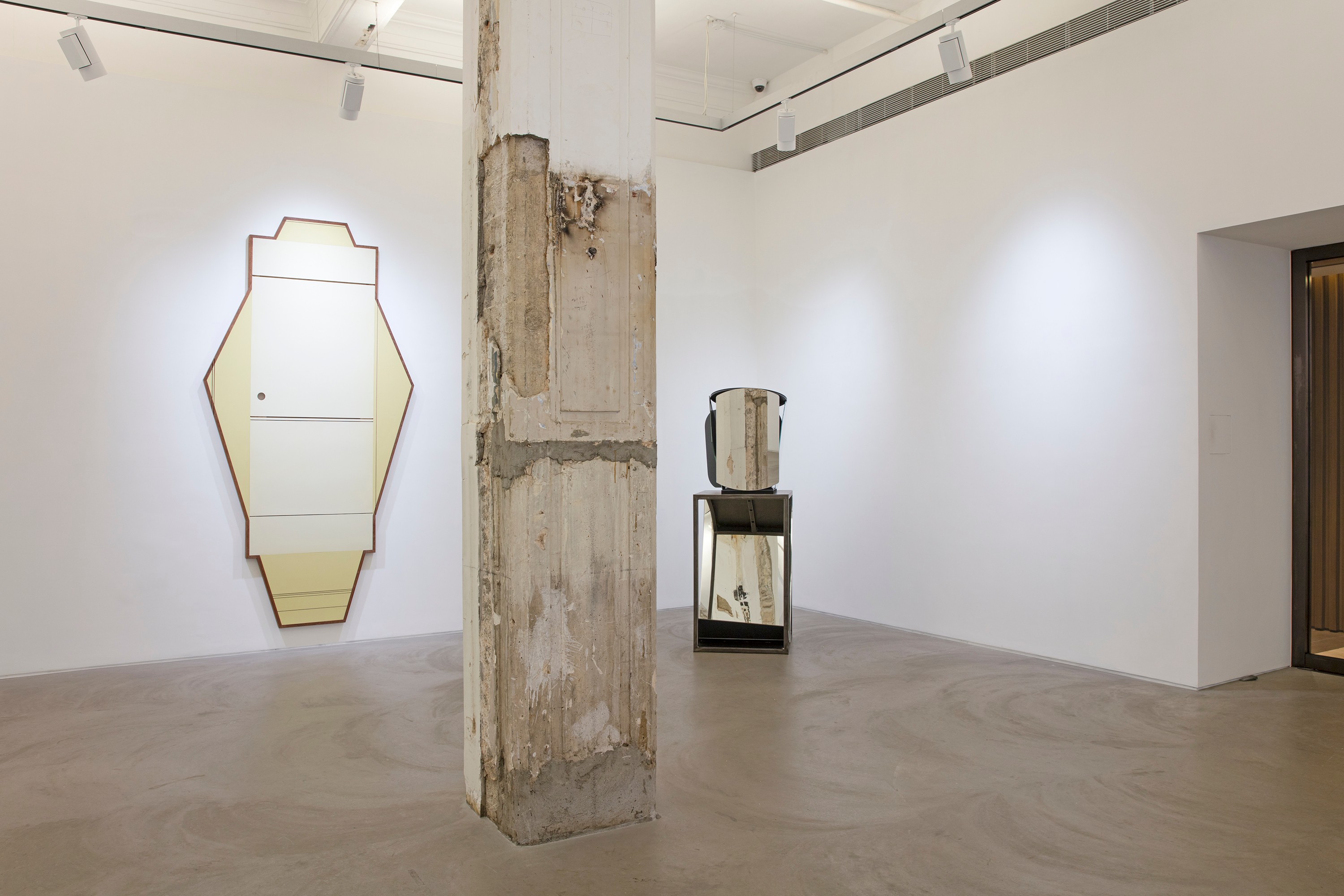
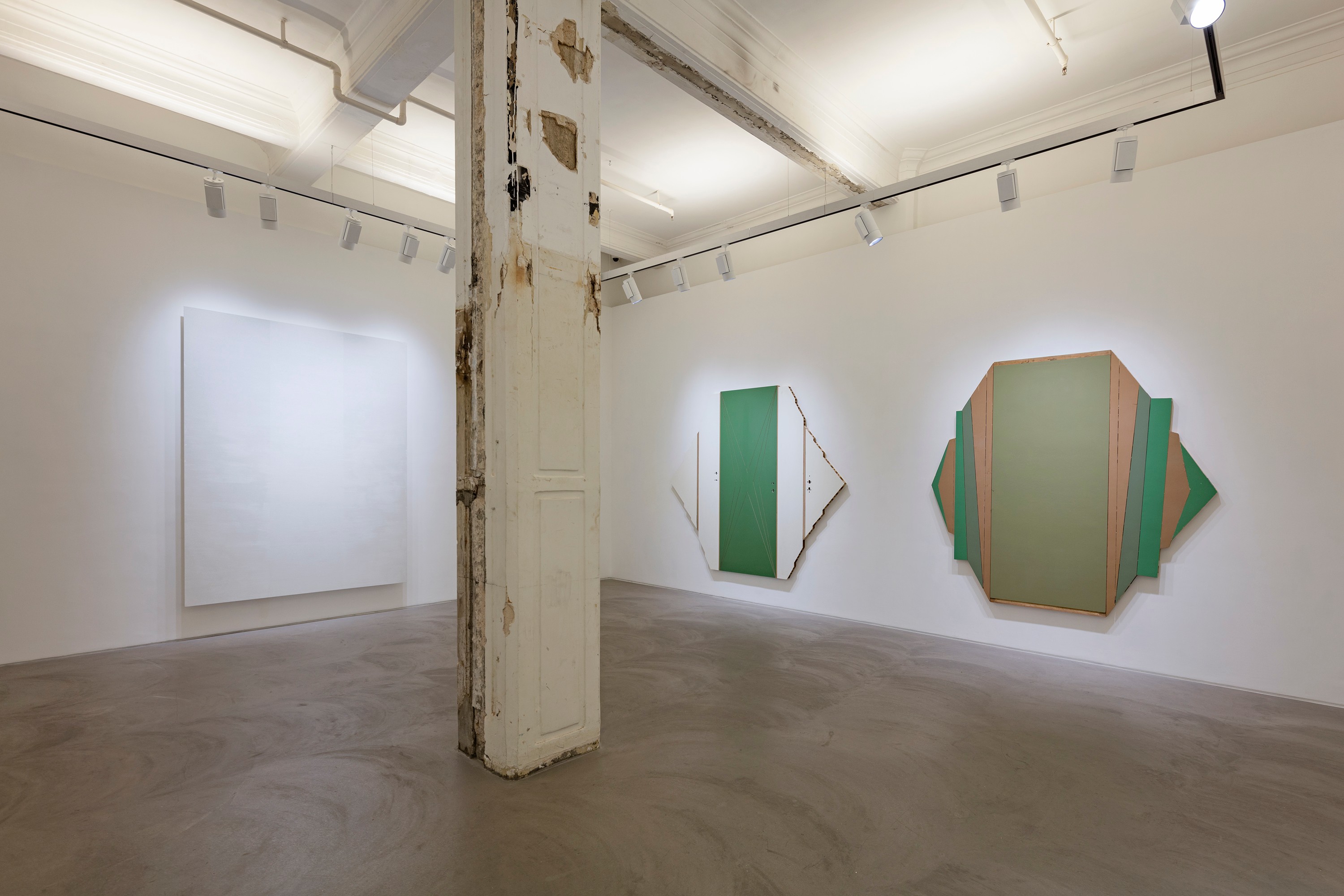
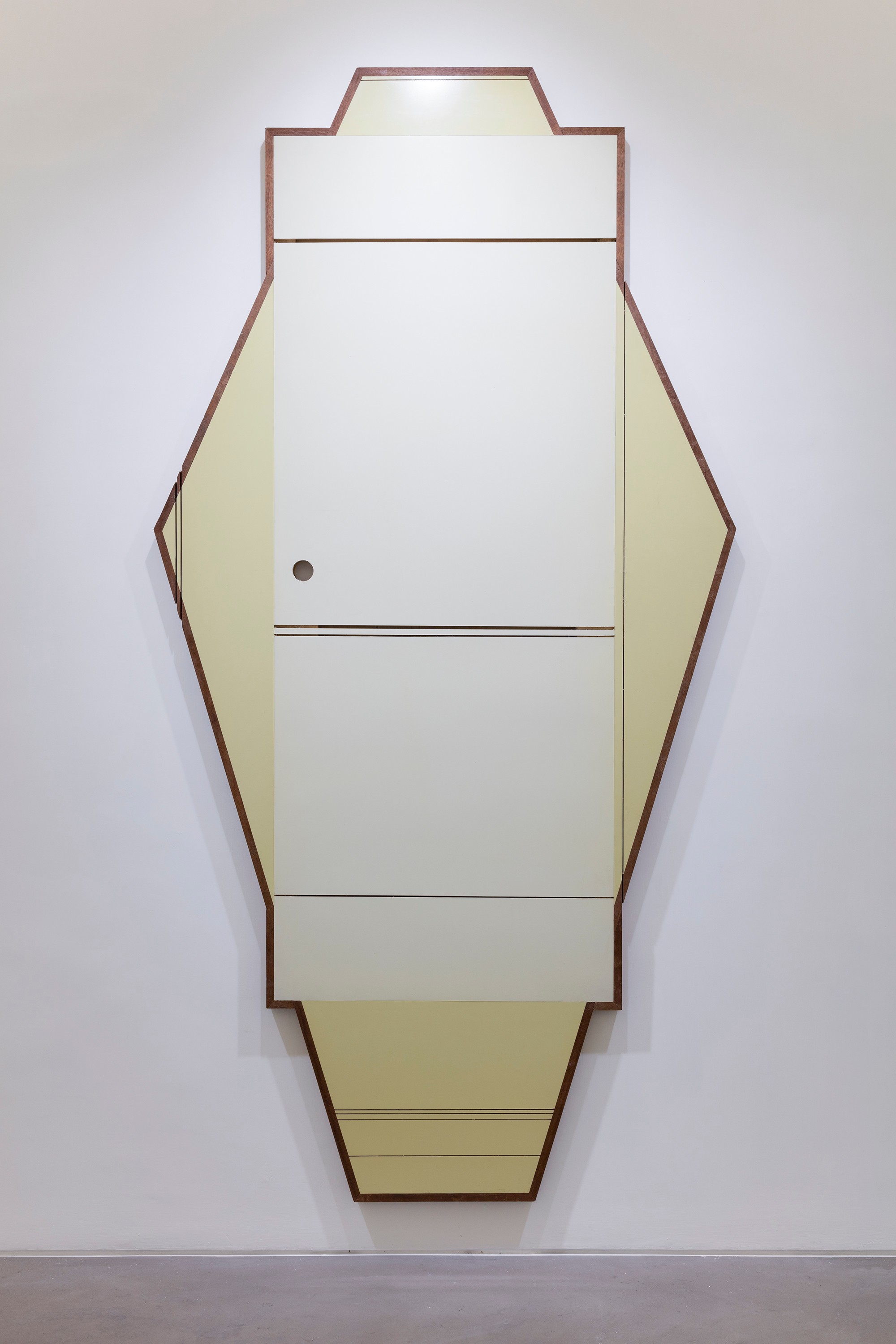
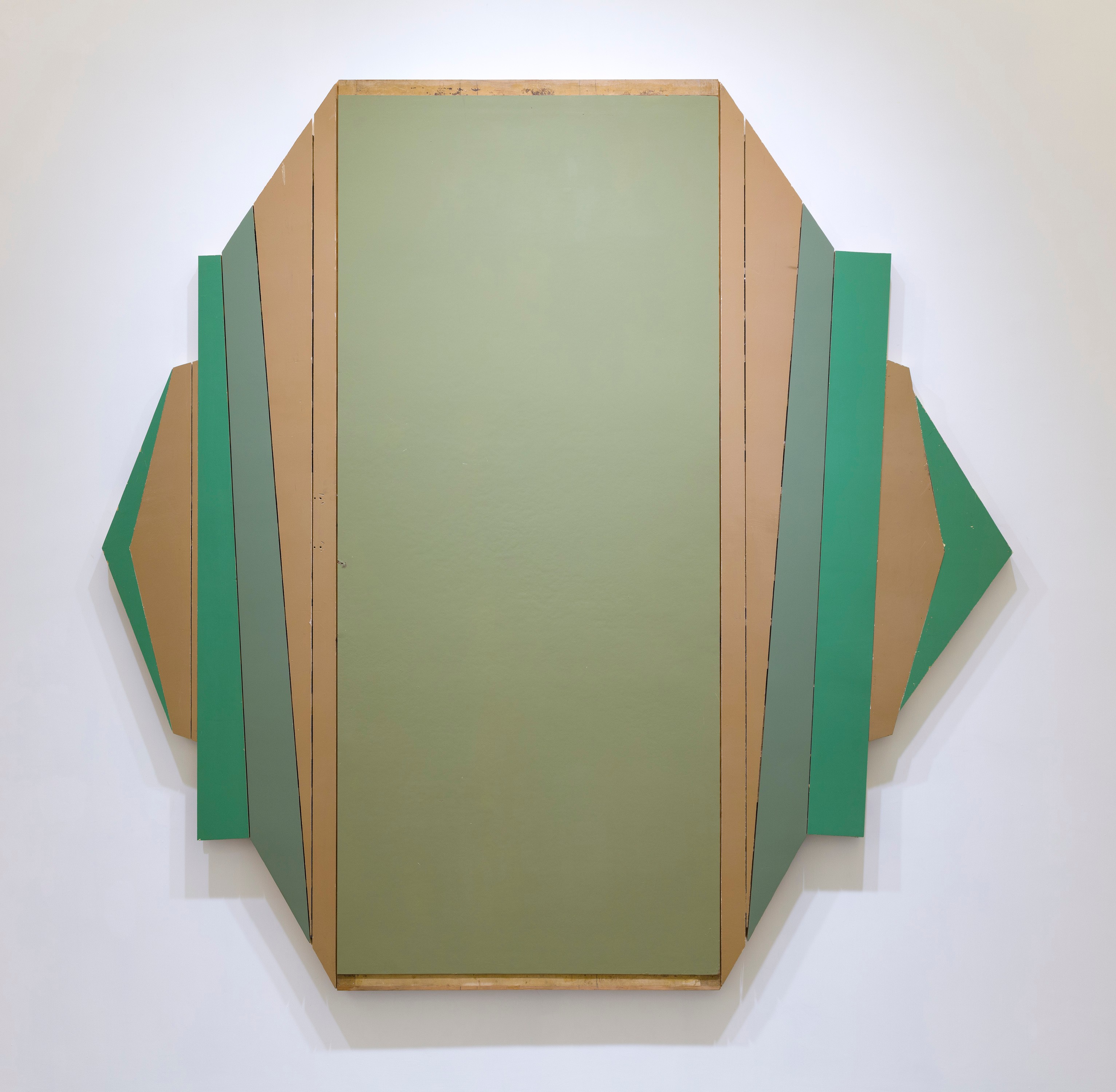
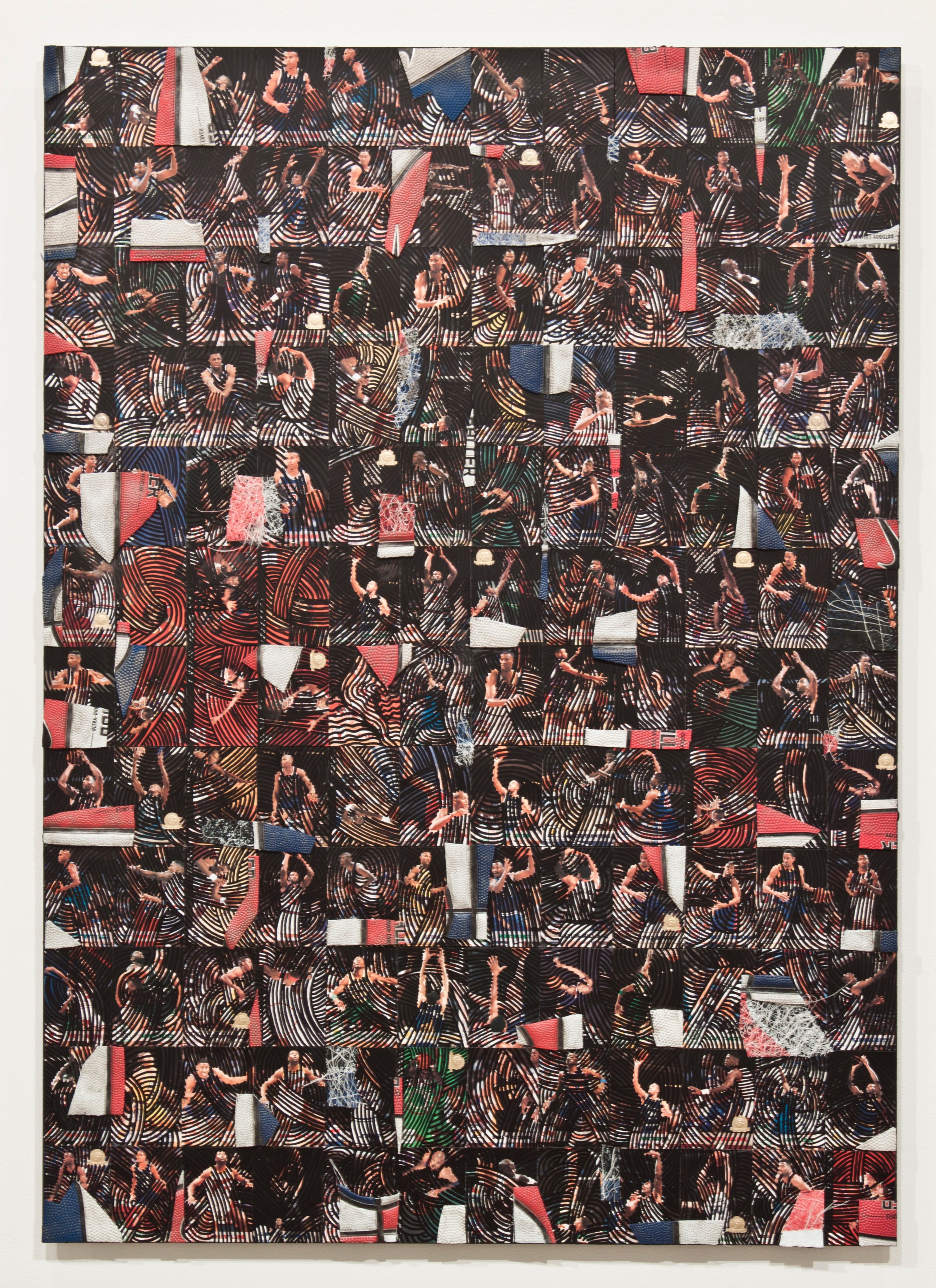
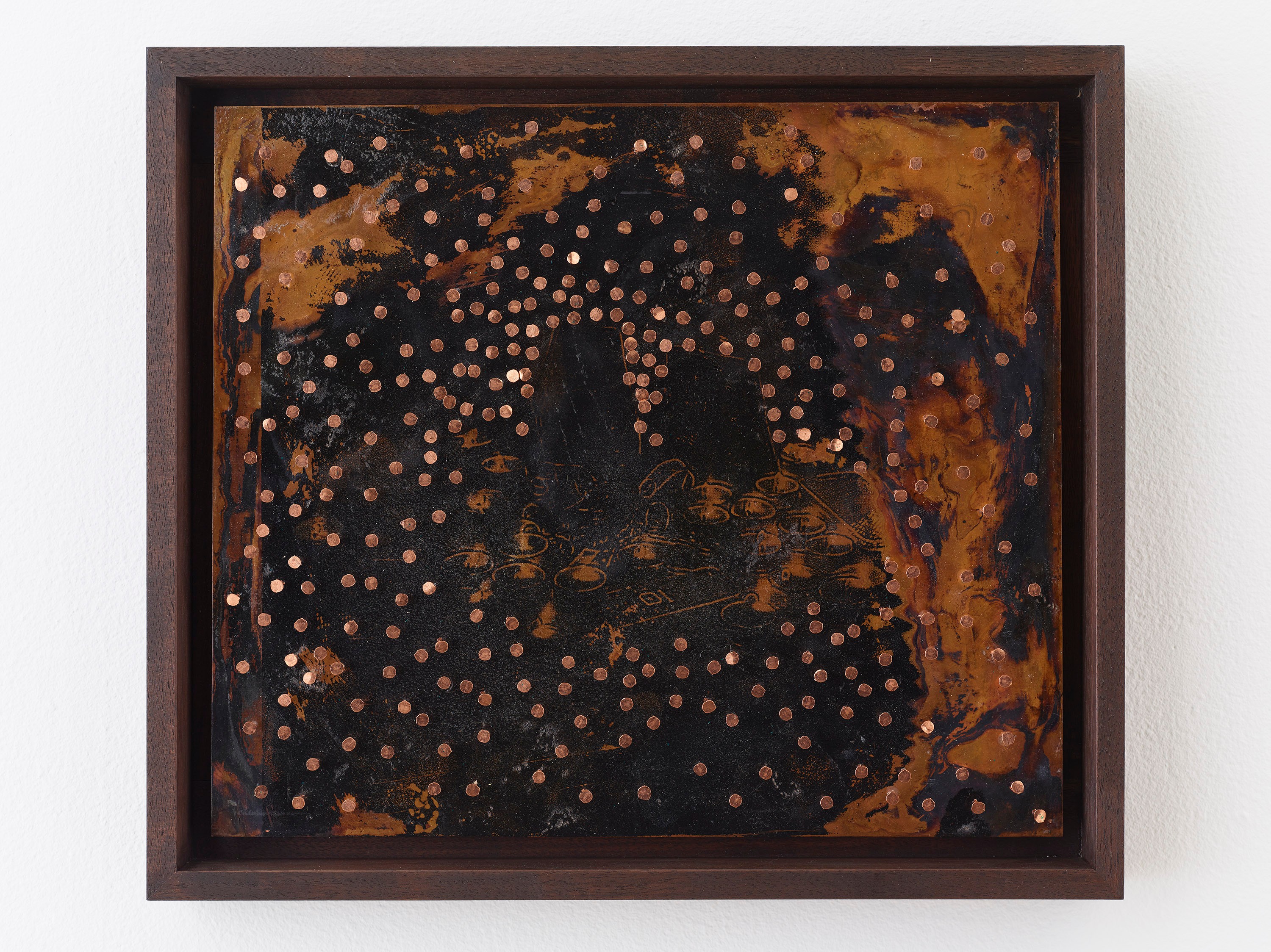
Lehmann Maupin is pleased to present Radical Materiality, a group exhibition featuring Mary Corse, Liu Wei, and Nari Ward, three artists whose practices push the boundaries of traditional genres and material specificity through innovative experimentation with unconventional mediums.

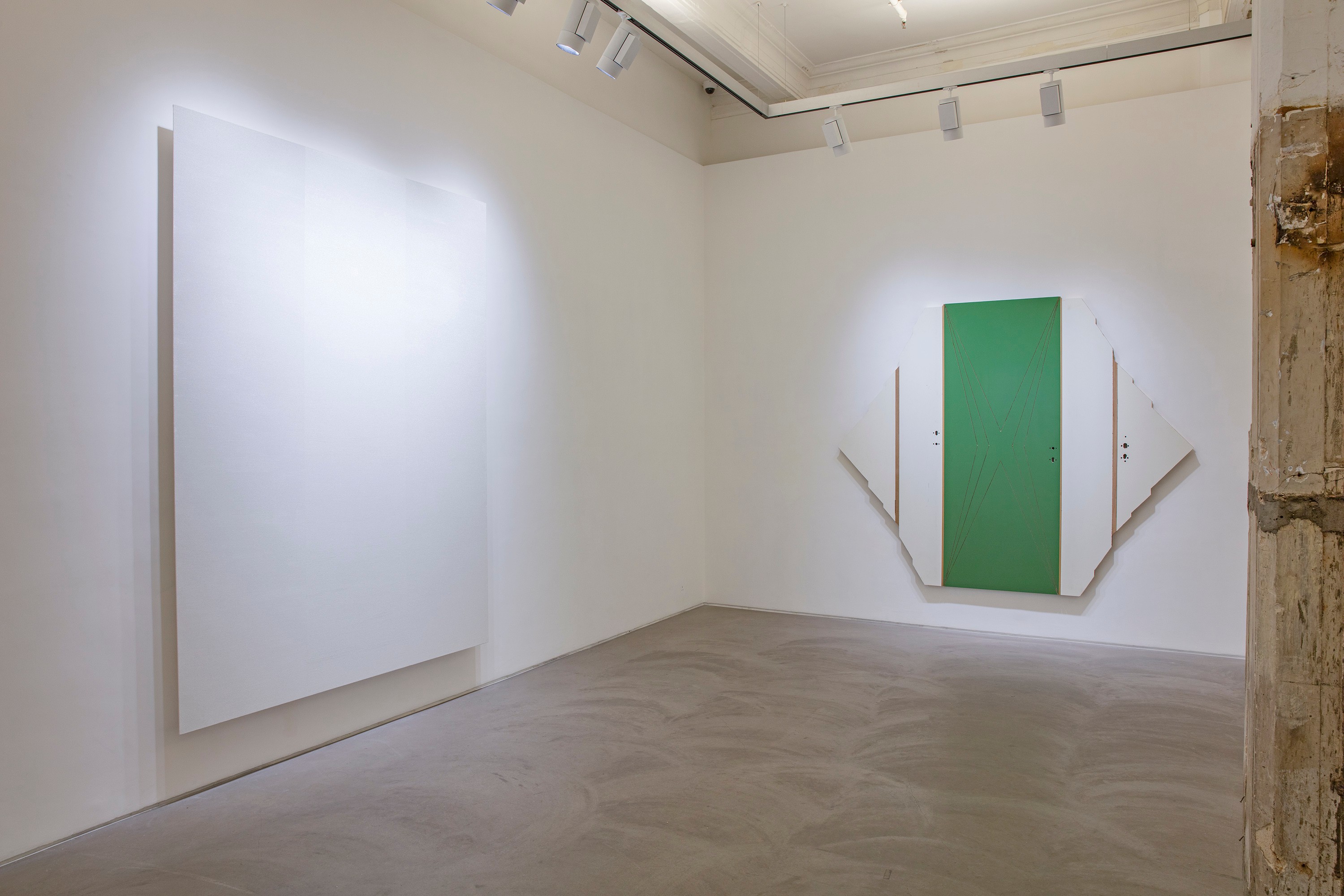
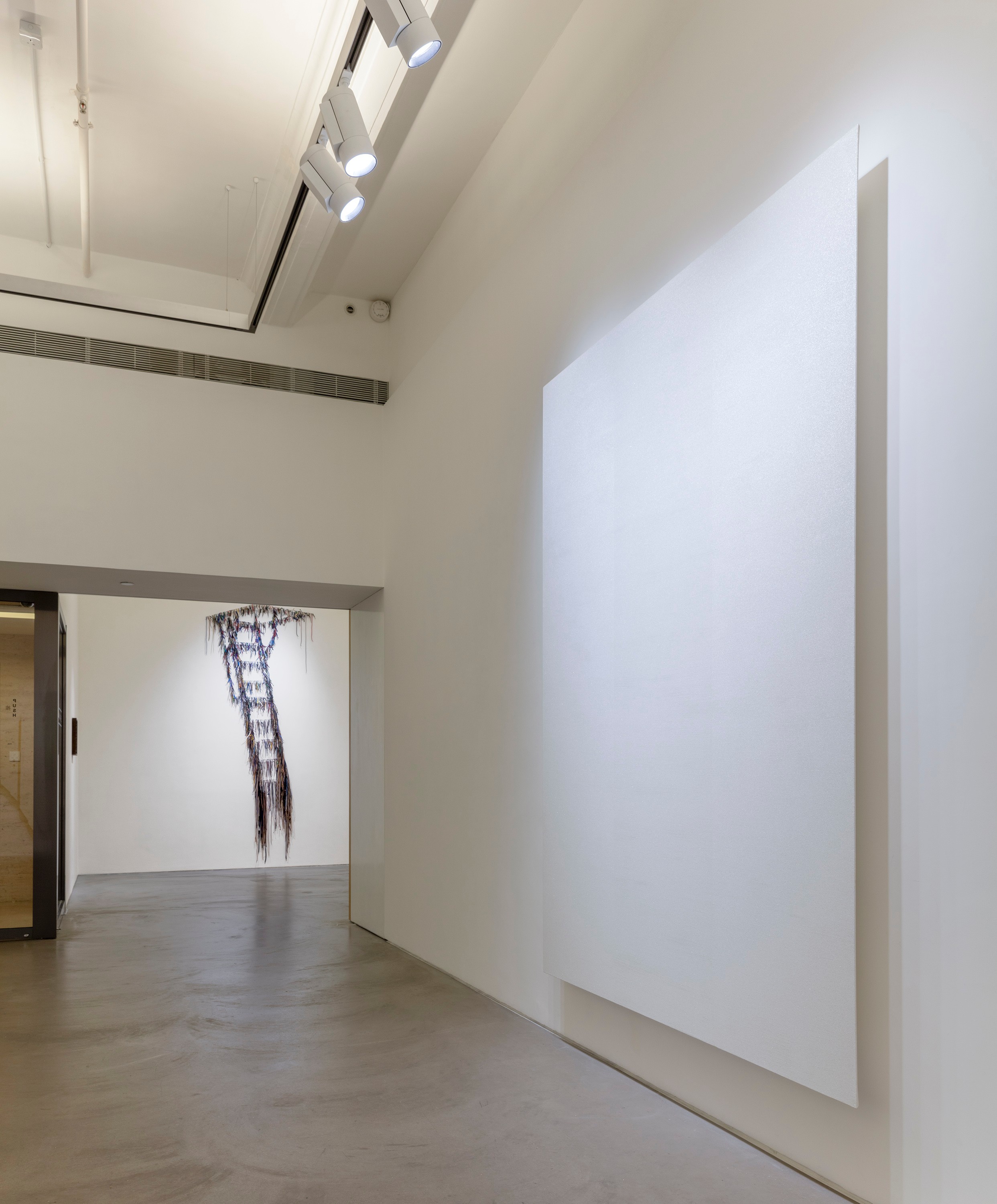
Mary Corse’s minimalist paintings are created by incorporating reflective glass microspheres, a process she has developed over the last five decades. Associated with the Light and Space painters of 1960’s California, Corse’s work both embodies and defies this male-dominated movement that focuses on the subjective experience of light and color, and thus, visual perception. Best known for her white paintings, Corse’s application of the paint emphasizes the multi-chromatic visual effect created in the contrast between the glass beads and her textural brushwork. Each visual experience is therefore uniquely dependent on the viewer’s engagement and physical interaction with each painting.

Installation view of Radical Materiality at Lehmann Maupin Hong Kong
Installation Views: 1 of 7
Wall sculpture by Liu Wei

Liu Wei

Exotic Lands No. 21, 2013

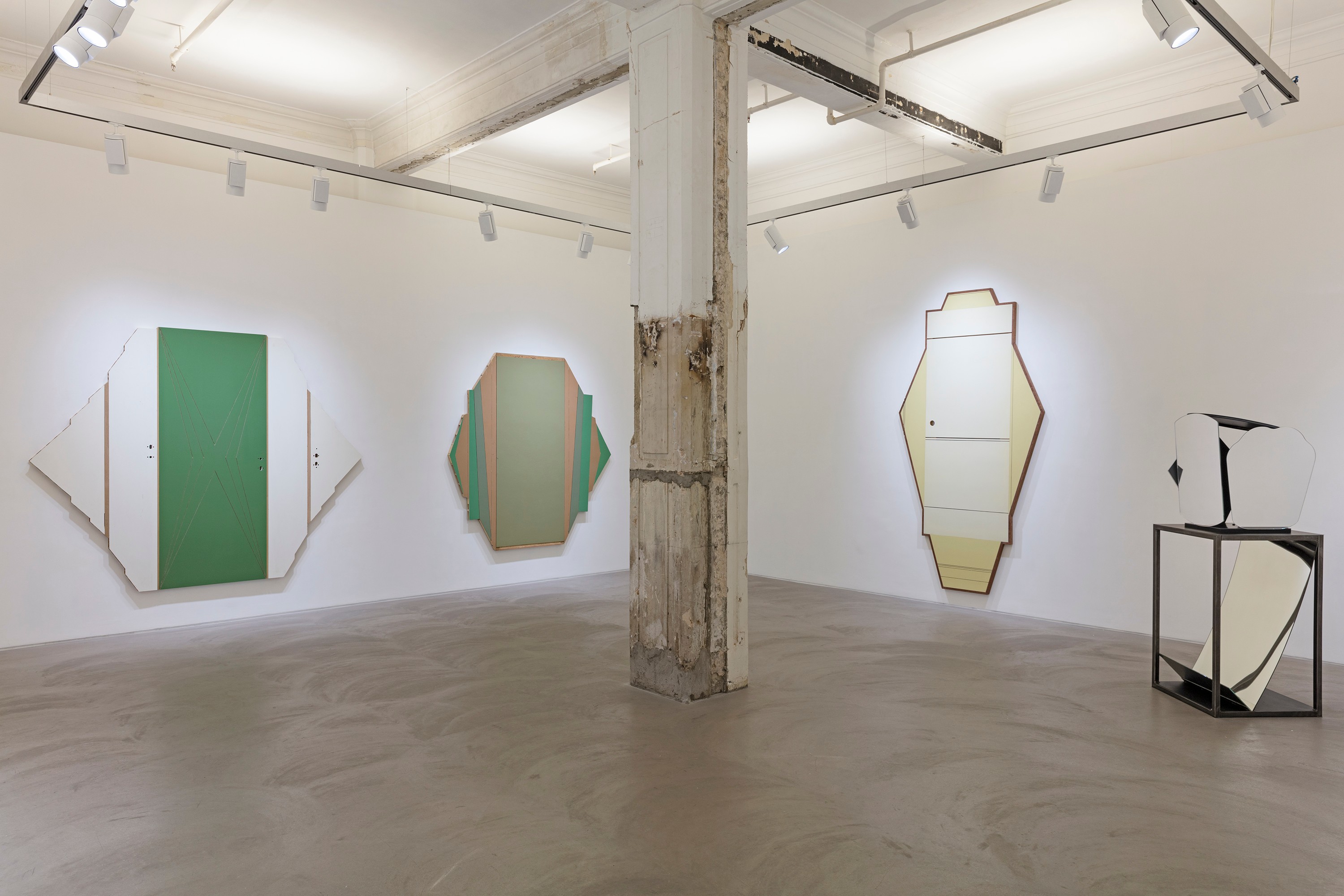
Installation view of Radical Materiality at Lehmann Maupin Hong Kong
Installation Views: 1 of 7
Wall sculpture by Liu Wei

Liu Wei

Exotic Lands No. 15, 2013

Wall sculpture by Liu Wei

Liu Wei

Exotic Lands No. 19, 2013

Wall work by Nari Ward

Nari Ward

Class is in Session, 2012

Wall work by Nari Ward

Nari Ward

#311, 2014

Wall work by Nari Ward

Nari Ward

Scape, 2012

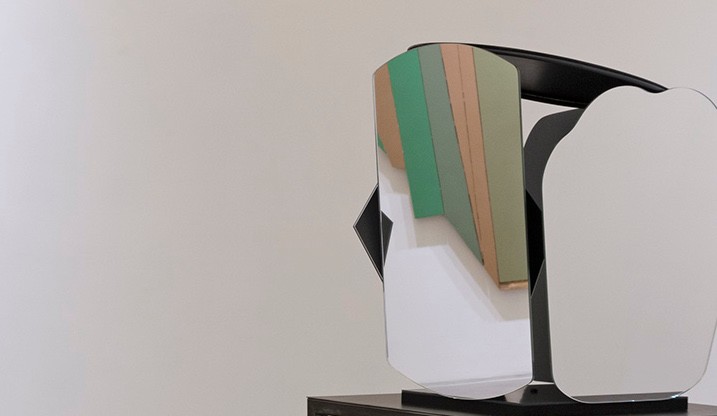
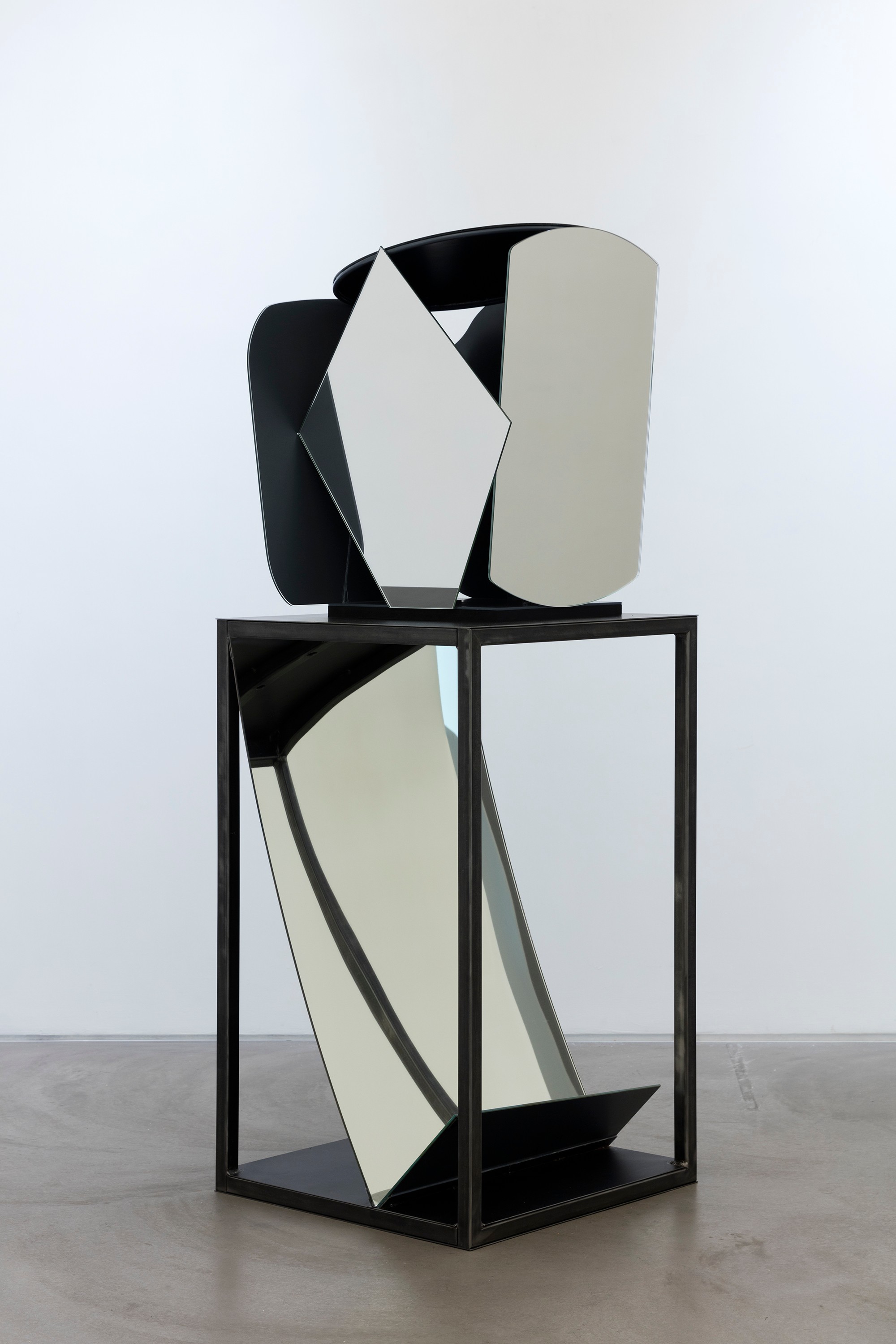
Sculpture by Liu Wei

Liu Wei

Untitled, 2015

Books and Editions

Exhibition Artists

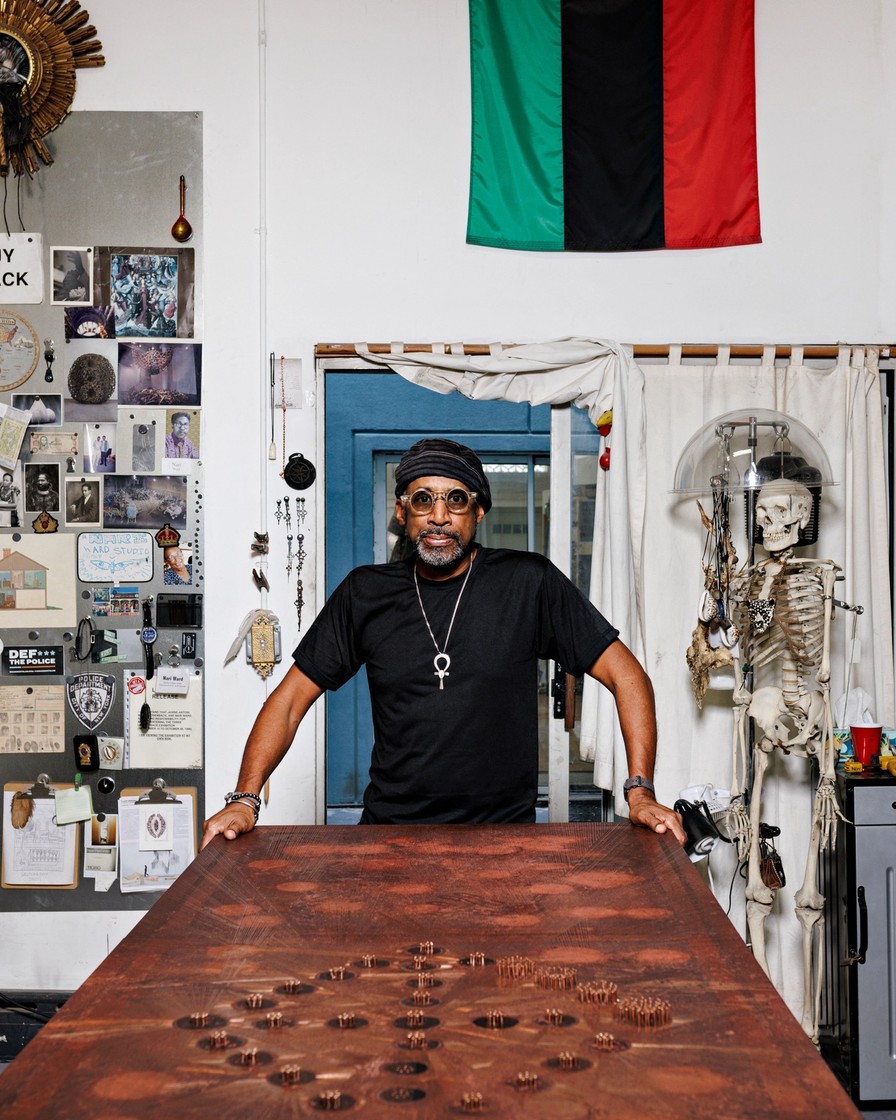
Portrait of Nari Ward

In a career spanning over three decades, artist Nari Ward (b. 1963, St. Andrew, Jamaica; lives and works in New York, NY) has gained recognition for an interdisciplinary and multimedia practice that engages historical and contemporary discourse around race, migration, democracy, identity, and community. Ward is best known for his wall and installation-based sculptural works created primarily from materials found and collected throughout Harlem, his longtime neighborhood in New York. These objects imbue his work with a sense of intimacy, reflecting the shared experience of community. Combining materials to re-contextualize their original meanings, Ward’s assemblages probe a range of spiritual and conceptual issues through literal and metaphorical juxtaposition.

Materially specific but conceptually ambiguous, Ward’s multimedia and performance works unfold into many possible interpretations—as materials and movements accumulate, so too do signifiers. Each found object—including baseball bats, strollers, shoelaces, cash registers, bottles, and shopping carts—contains a multiplicity of meanings and histories that speak to both collective experience and individual memory. The intentional synthesis of such objects, combined with the more traditional disciplines of painting, sculpture, and performance, allows for varied interpretations, inviting viewers to project their own associations and transcend the specific context of any given work. At the same time, Ward’s art reflects on the complexities of contemporary society, transforming overlooked material through artmaking to foreground forgotten histories or marginalized communities.
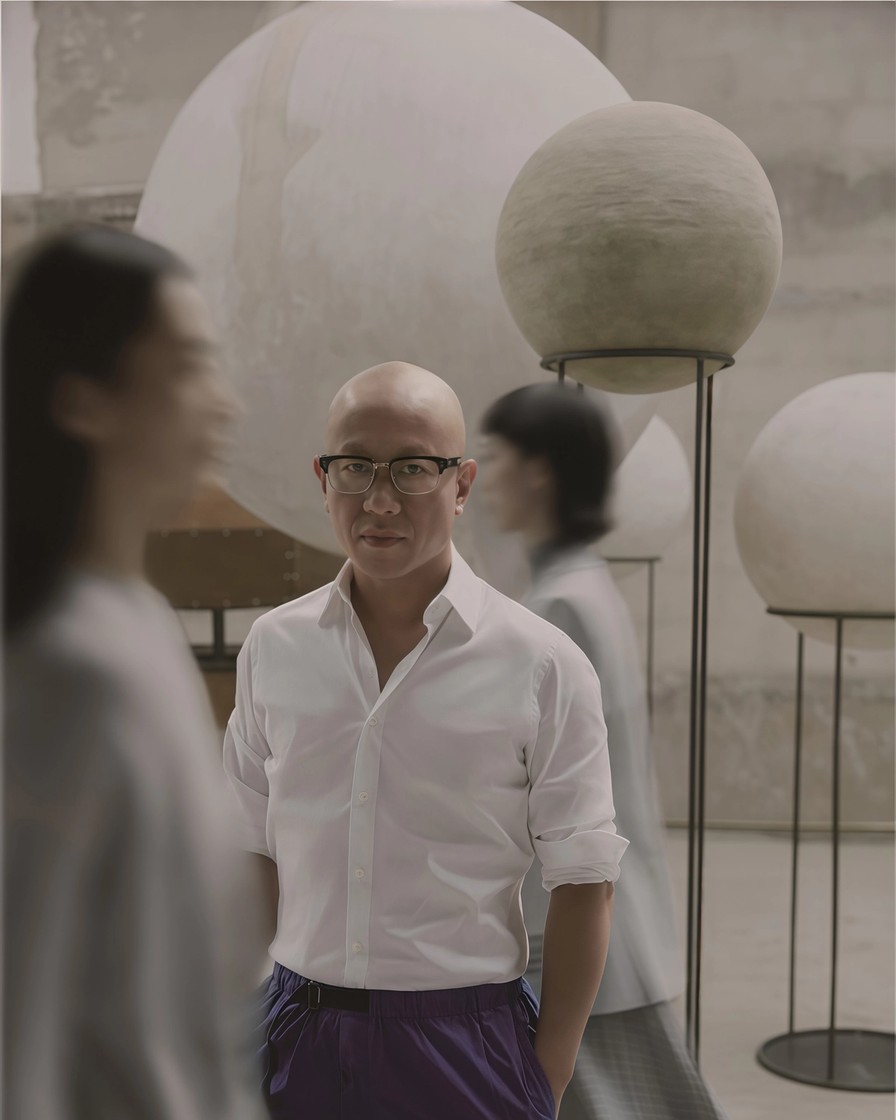
Portrait of Liu Wei

Liu Wei (b. 1972, Beijing, China; lives and works in Beijing, China) explores 21st-century socio-political concepts such as the contradictions of contemporary society and the transformation of developing cities and the urban landscape. In many of his sculptural and installation works, he uses found materials that are re-contextualized to draw new meanings out of the materials from which they are made. Liu Wei frequently uses geometric and architectural forms in his work as a reference to his urban surroundings.

Liu Wei graduated from the China Academy of Art in 1996. Solo exhibitions of his work have been organized at Long Museum, Shanghai, China (2020); Cleveland Museum of Art, Cleveland, OH (2019); Museum of Contemporary Art, Cleveland, OH (2019); PLATEAU, Samsung Museum of Art, Seoul, South Korea (2016); Ullens Center for Contemporary Art (UCCA), Beijing, China (2015); Museum Boijmans Van Beuningen, Rotterdam, the Netherlands (2014); and Minsheng Art Museum, Shanghai, China (2011).

Radical Materiality | Lehmann Maupin