Skip to content

Multiple Artists

Repossession

New York

Jun 24–Aug 12, 2016

Film by Mickalene Thomas

201 Chrystie St

New York, NY 10002

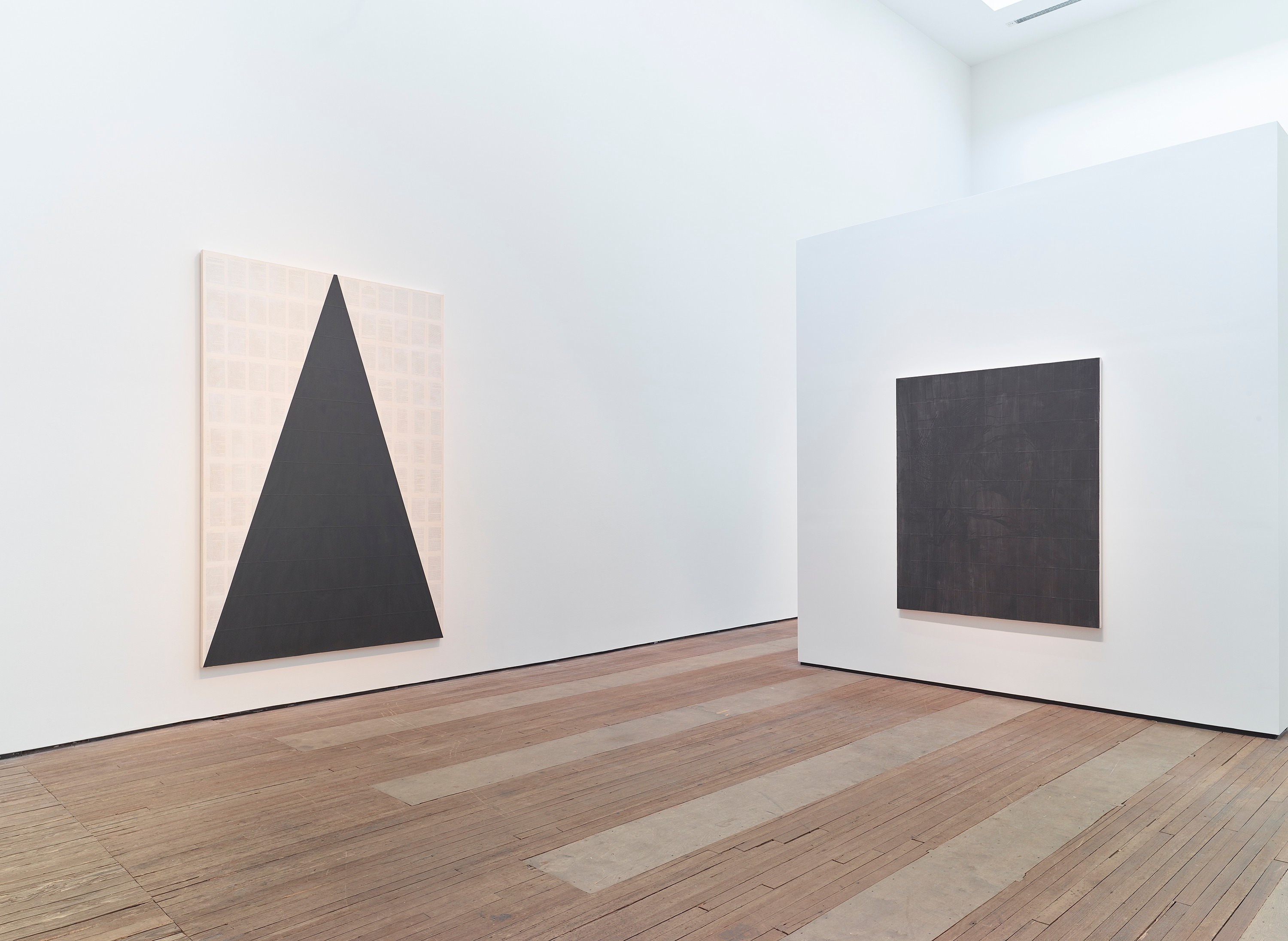
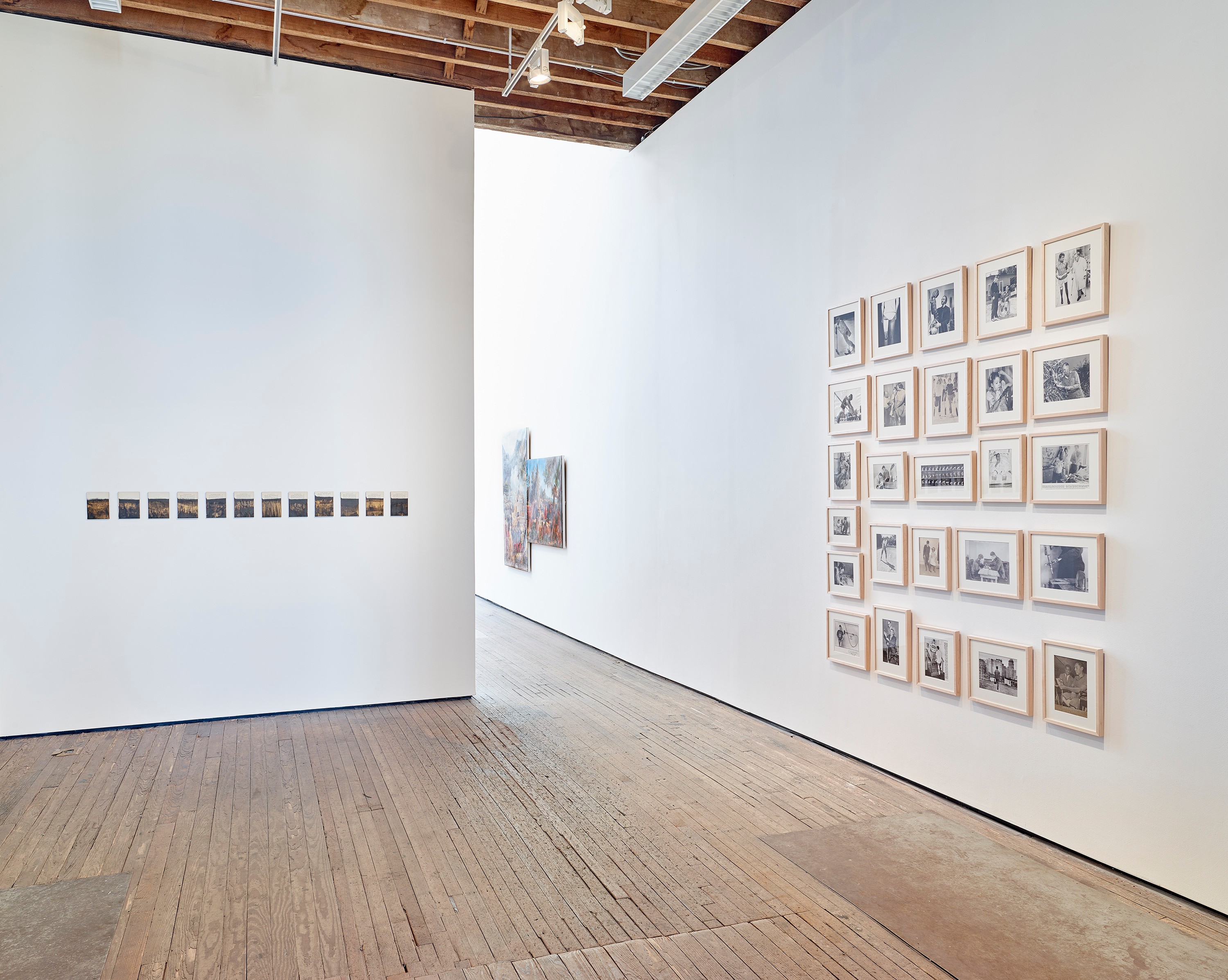
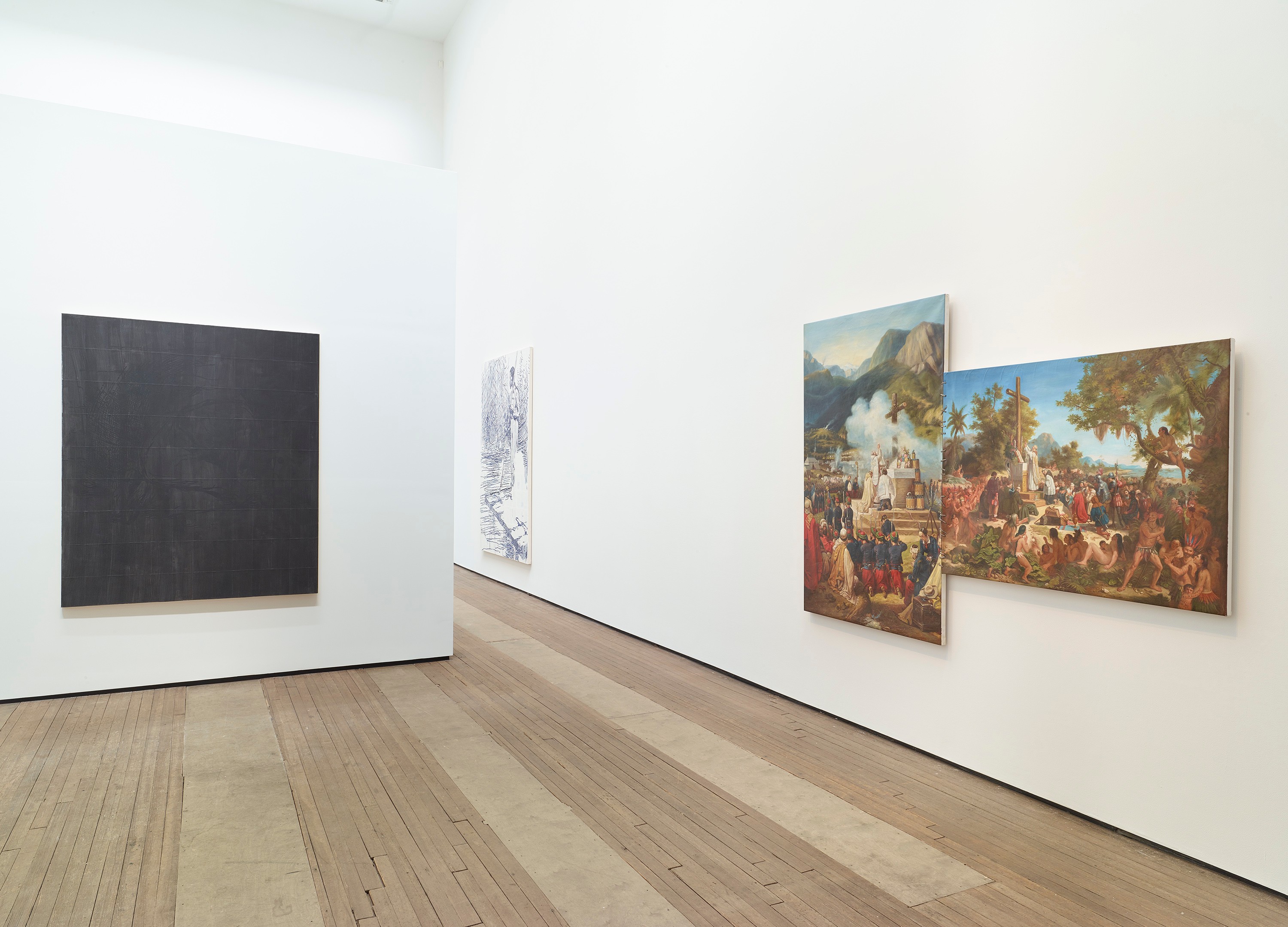
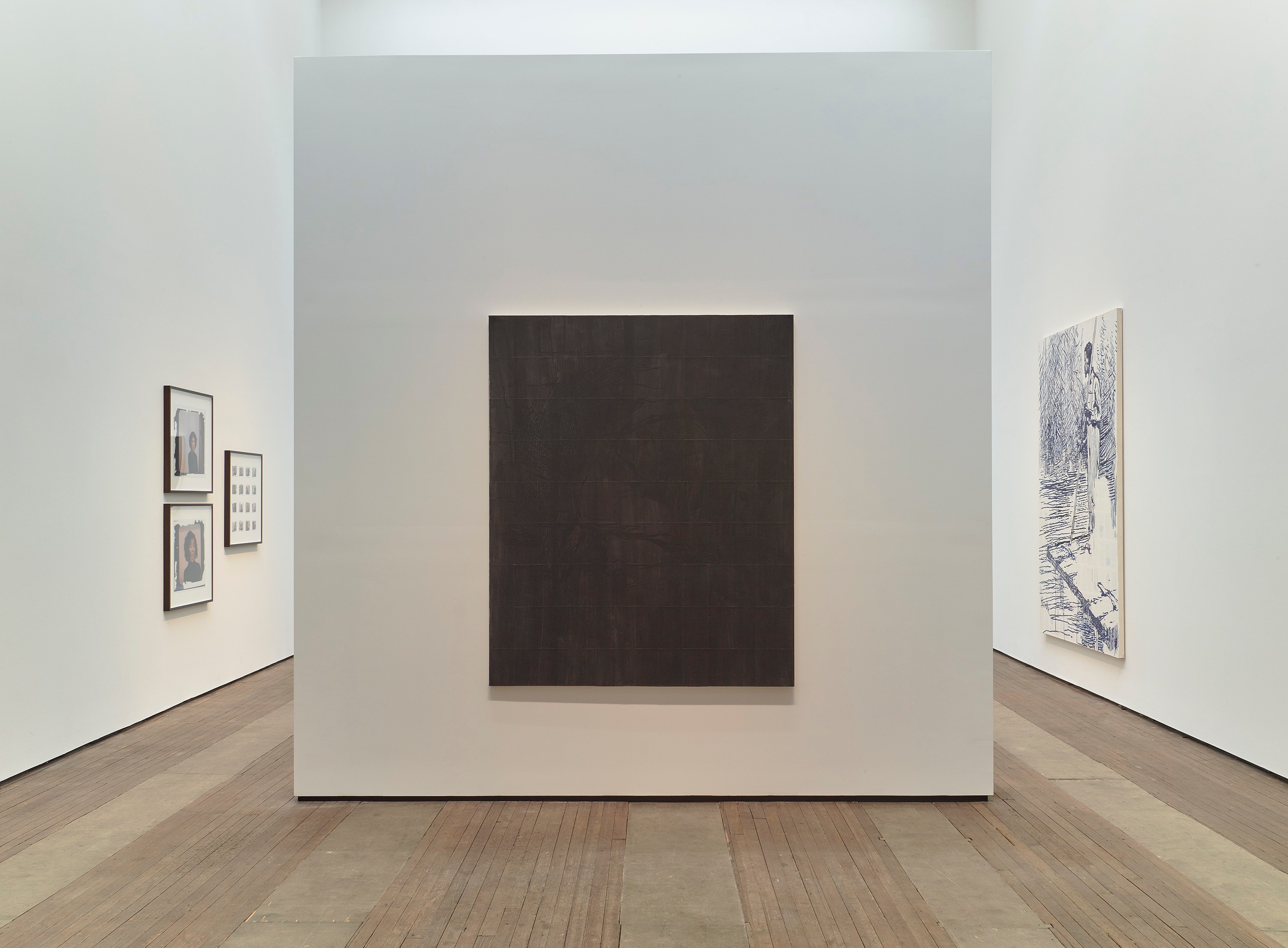
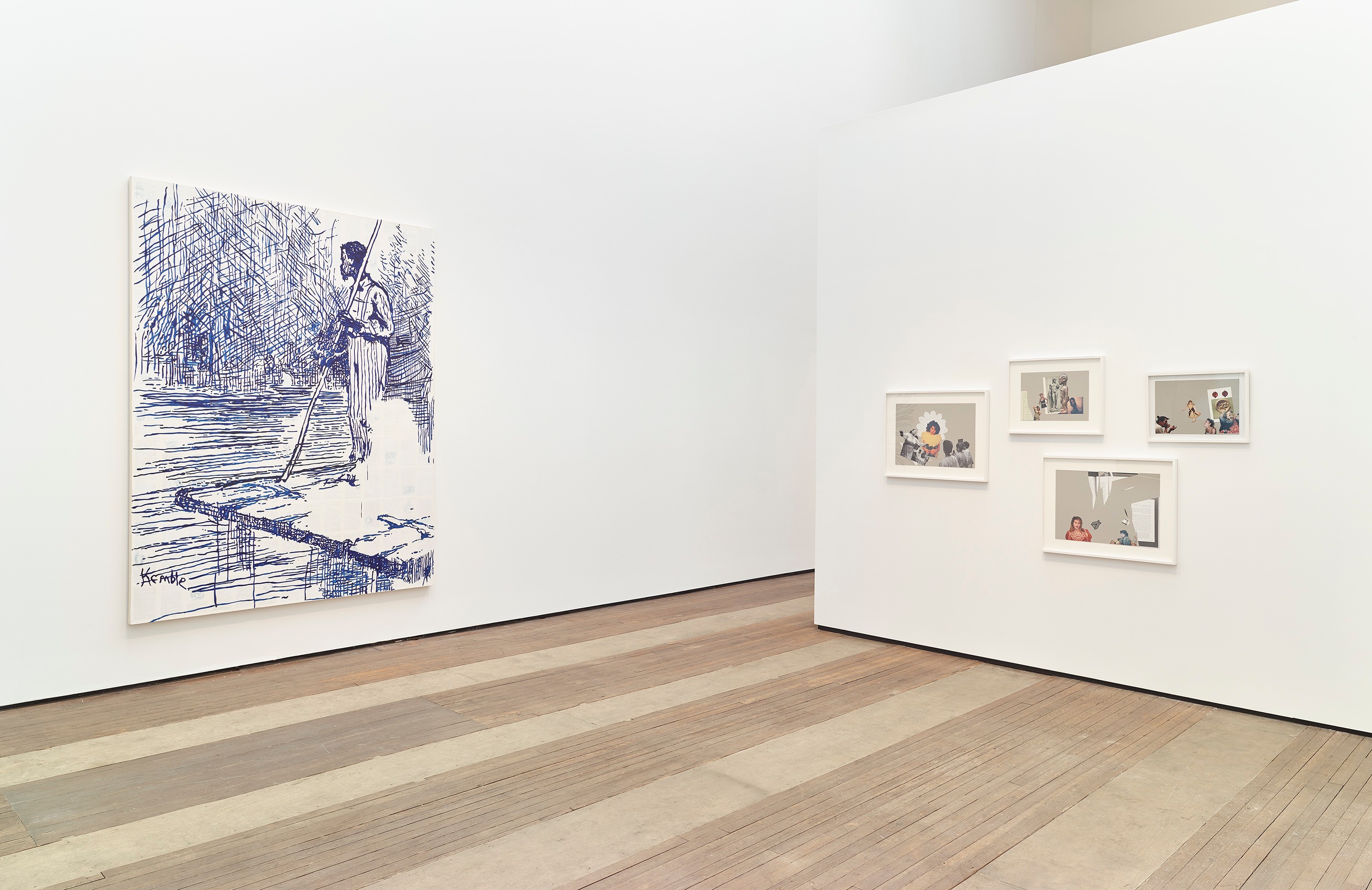
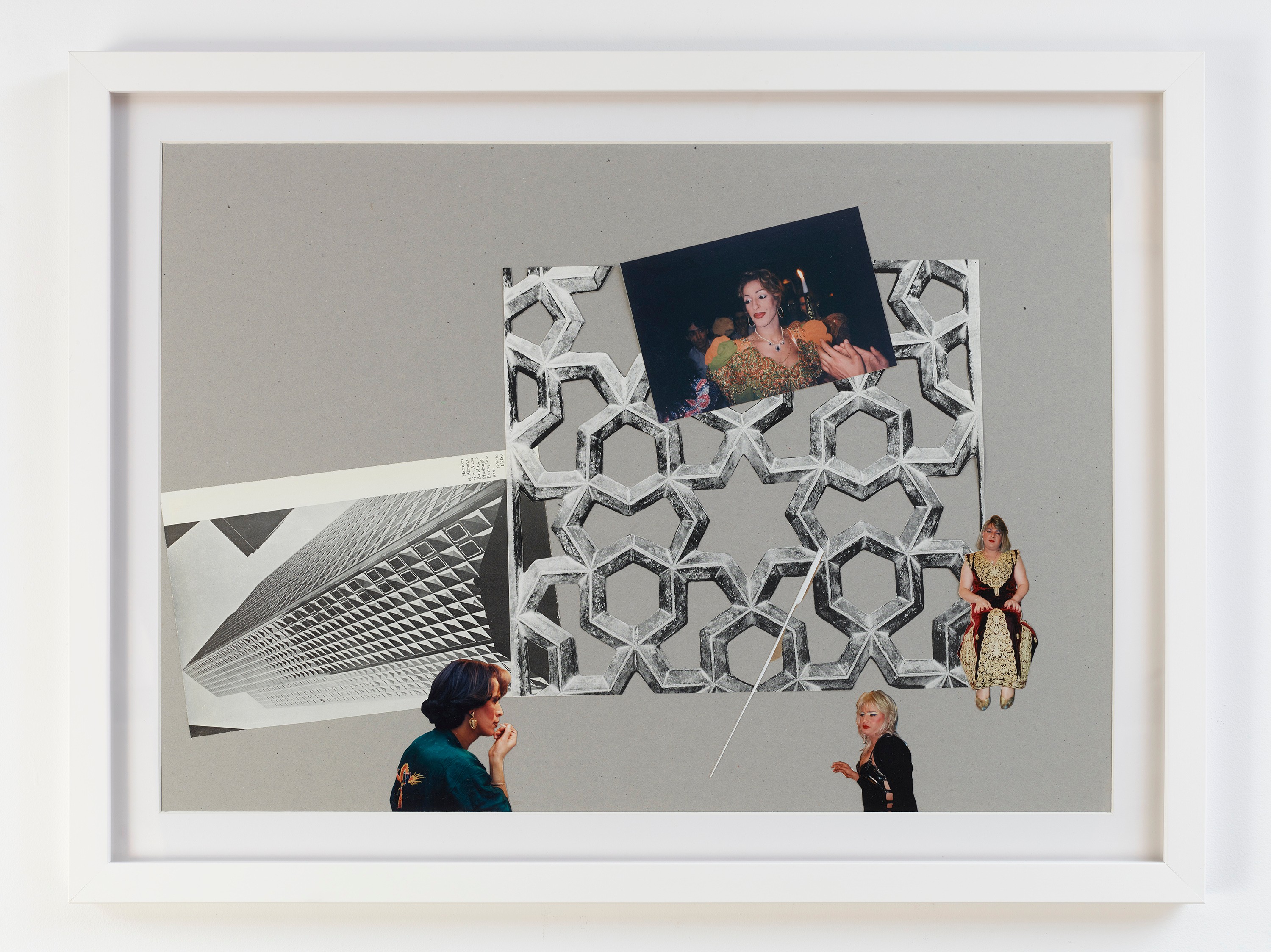
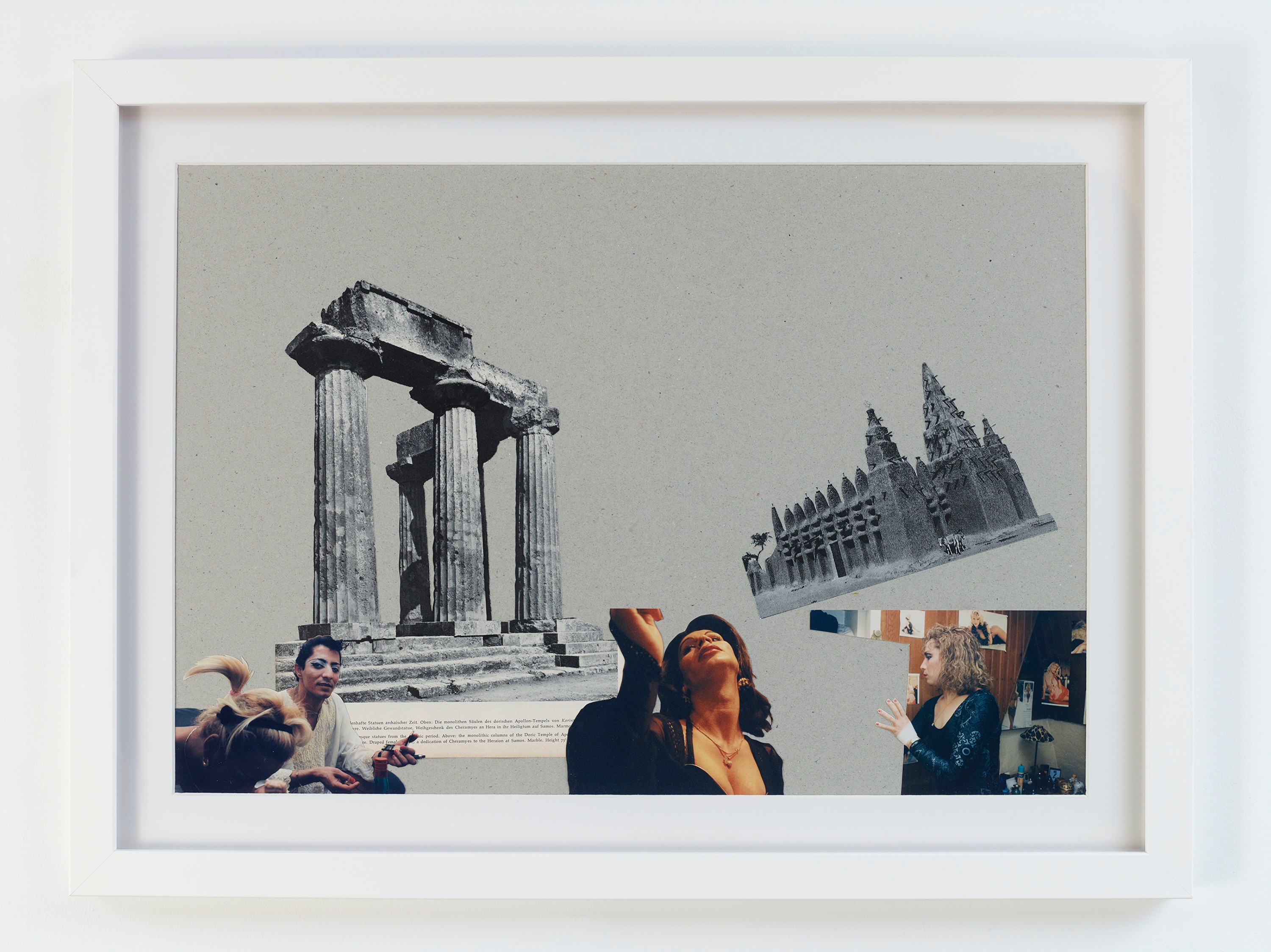
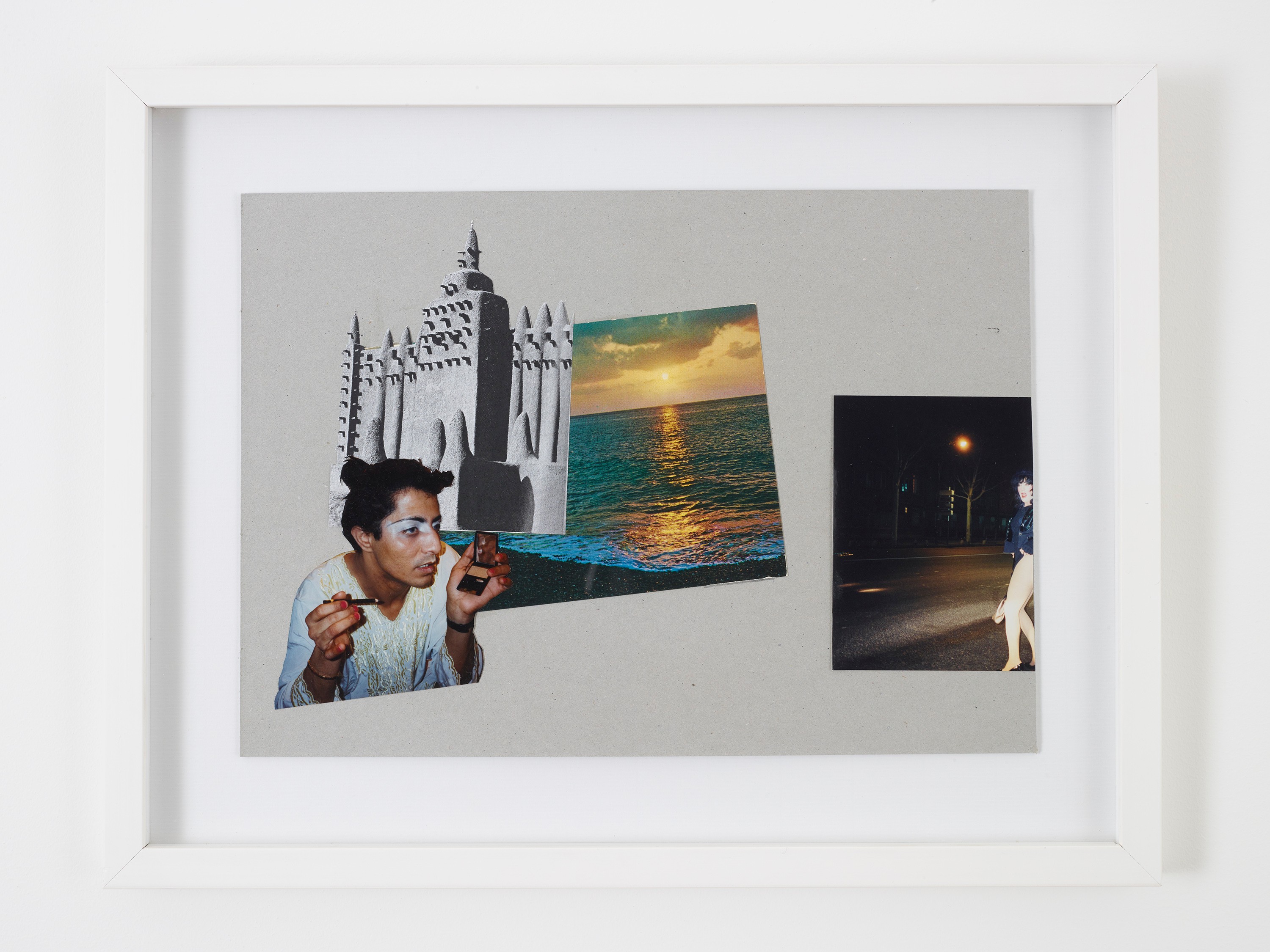
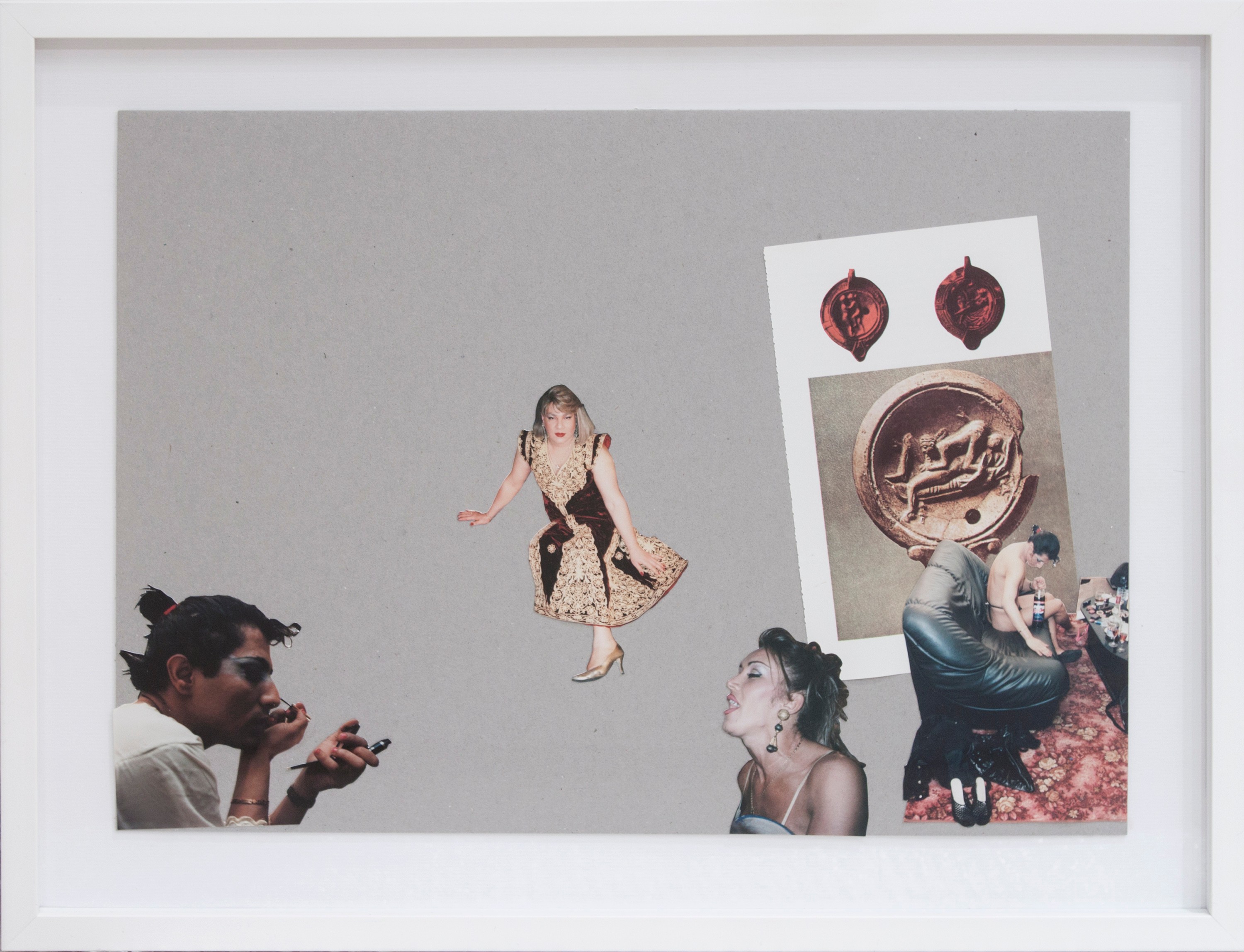
Lehmann Maupin is pleased to present Repossession, a group exhibition that investigates intersections between the work of Kader Attia, Tim Rollins and K.O.S., and Mickalene Thomas. Each of these artists has devoted their practice to confronting predominant historical narratives embedded in Western culture. Using the language of collage, the artists mine historical and cultural ephemera to create alternative histories that reveal omissions and inaccuracies and celebrate the voices of those who are often invisible or overlooked.

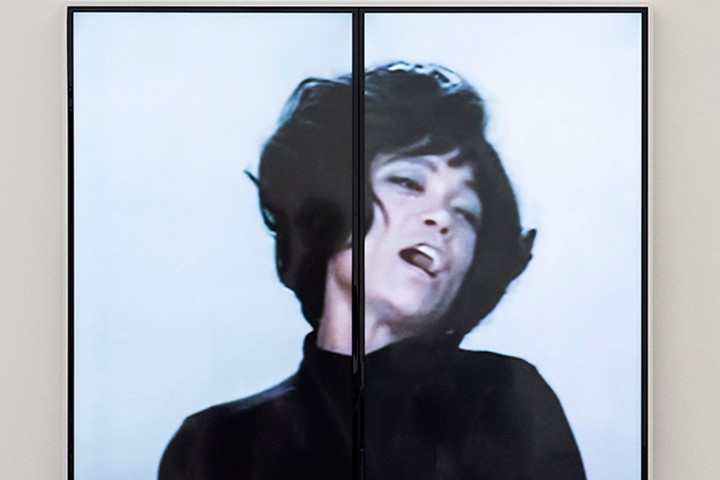
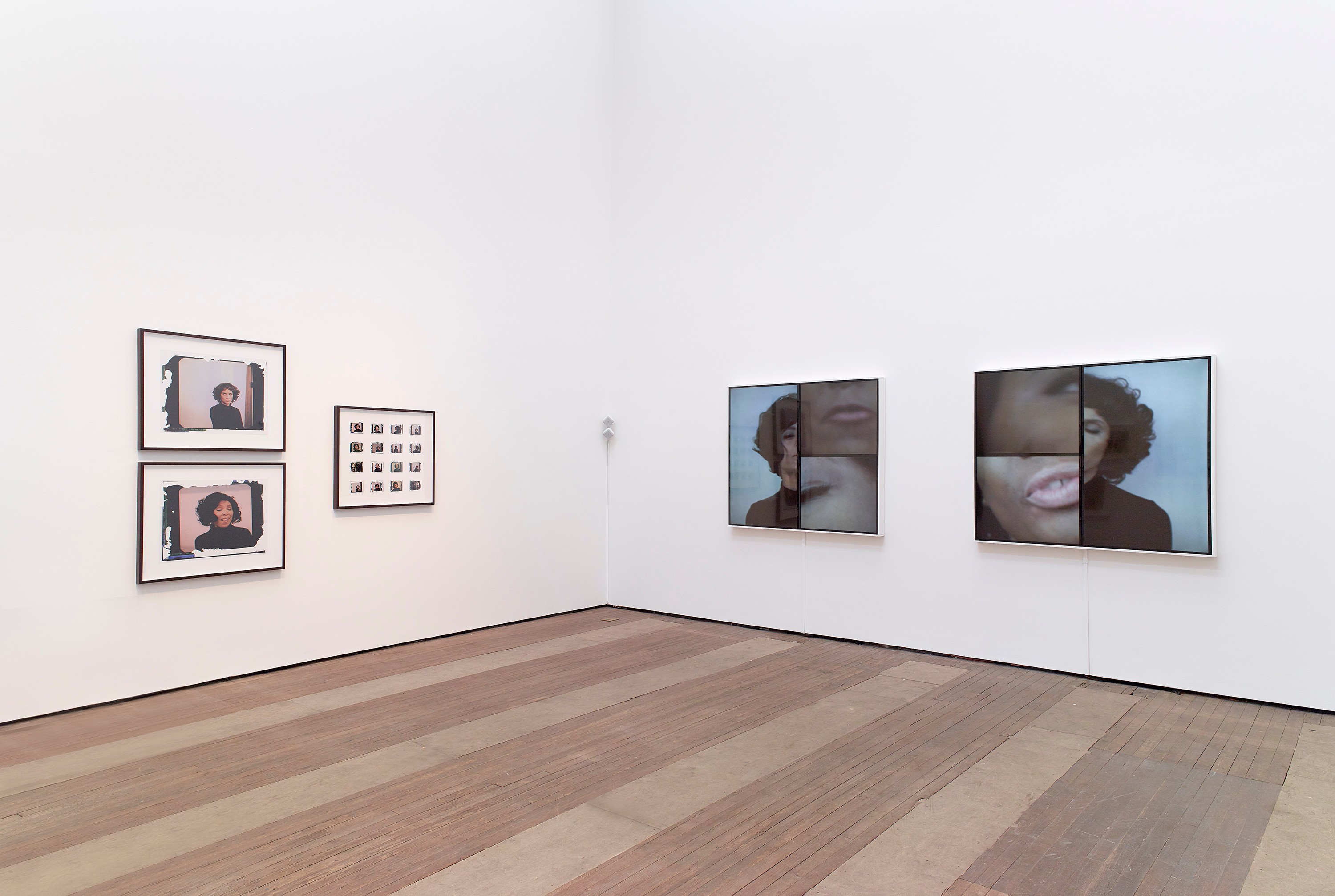
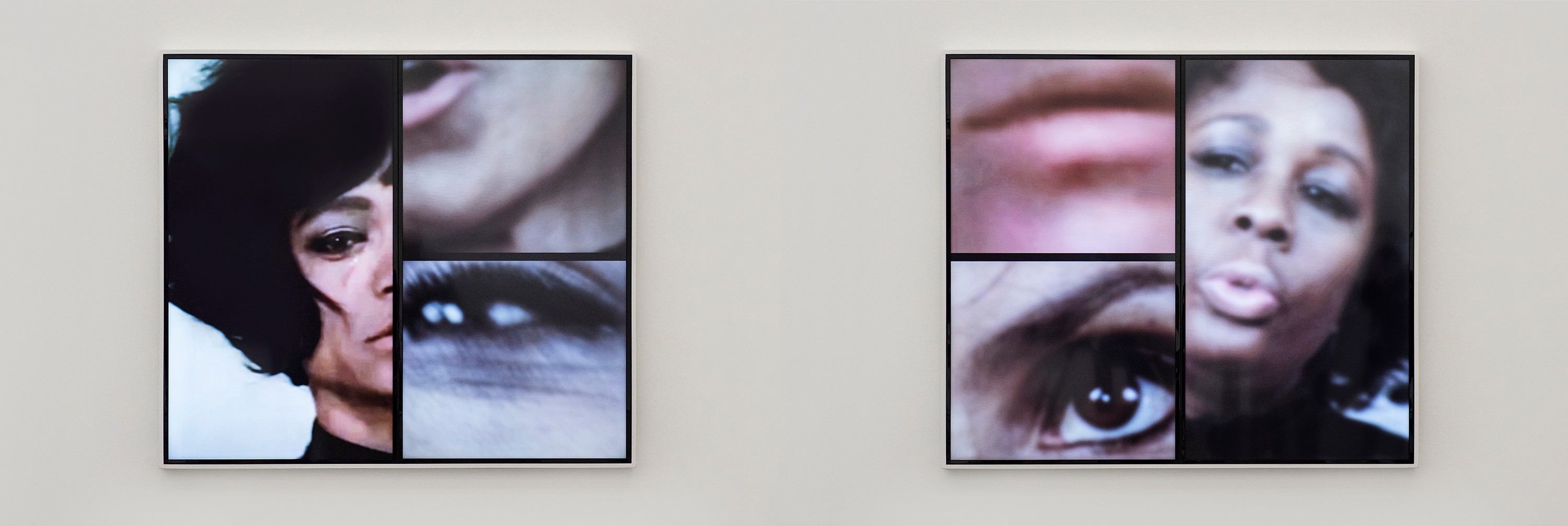
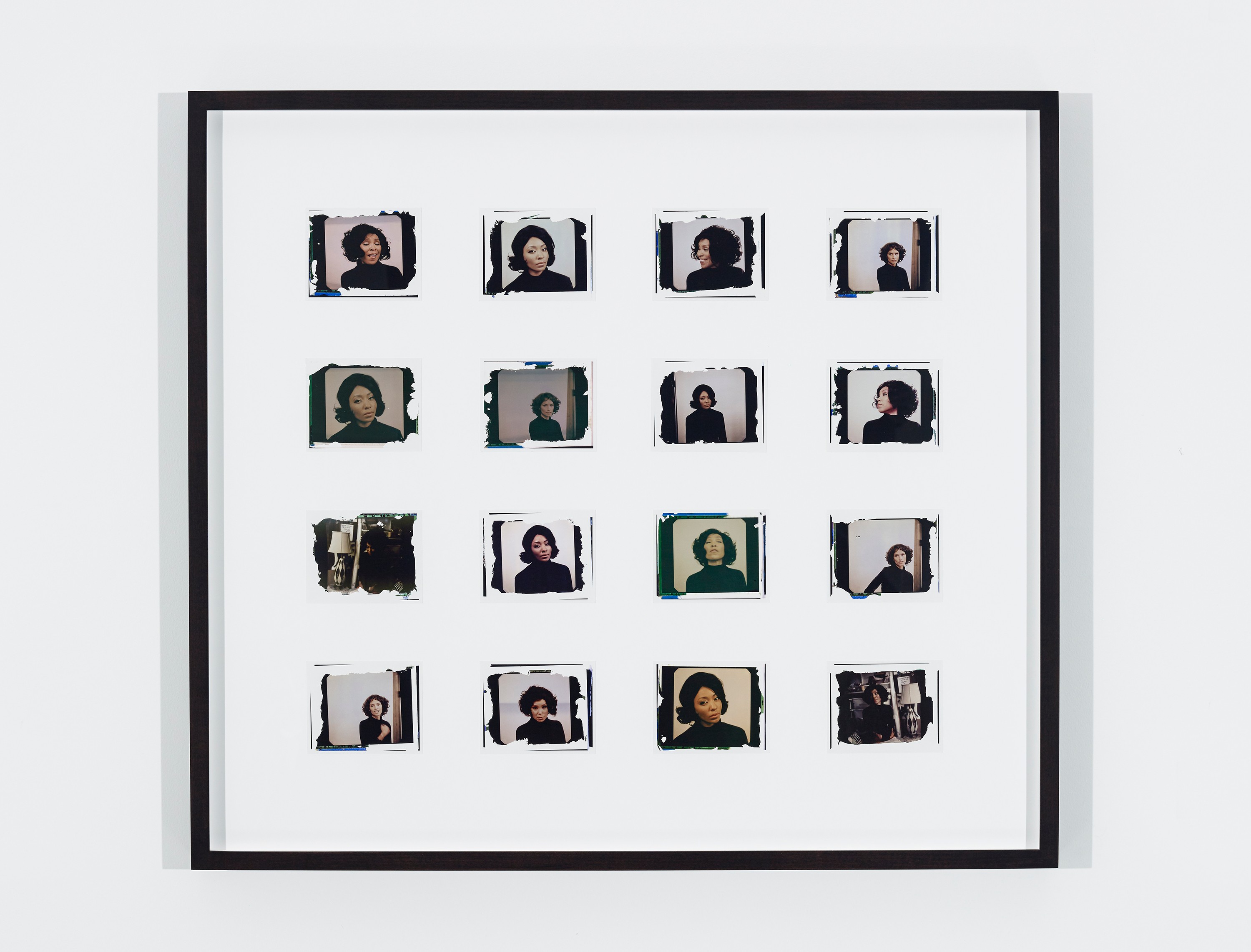
Mickalene Thomas (b. 1971, Camden, New Jersey) draws on art history and popular culture to create a contemporary vision of black female sexuality, beauty, and power. Best known for her large-scale paintings that depict African-American women, domestic interiors, and vast landscapes adorned in Swarovski rhinestones, Thomas has recently embarked on a series of video installations that recasts notions of beauty, gender, race, and representation. Repossession presents the New York premiere of Angelitos Negros, 2016, an eight-channel video installation that depicts Eartha Kitt and three women (including the artist herself) performing the Antonio Machín song “Angelitos Negros.” The song poses the question: Why are there no black angels? Thomas’ appropriation and recreation of Kitt’s performance becomes a multilayered investigation of race, femininity, and sexuality today.

Installation view of Repossession at Lehmann Maupin New York
Installation Views: 1 of 6

Tim Rollins and K.O.S.

Adventures of Huckleberry Finn - Irrigation (after Mark Twain), 2011

Tim Rollins and K.O.S.

Adventures of Huckleberry Finn - On the Raft (after Mark Twain), 2011

Tim Rollins and K.O.S.

I see the promised land (after the Rev. Dr. M. L. King, Jr.), 2008

Tim Rollins and K.O.S.

Darkwater III (after W.E.B. Du Bois), 2013

Film by Mickalene Thomas

Mickalene Thomas

Angelitos Negros, 2016

Photograph by Mickalene Thomas

Mickalene Thomas

Polaroid Series #12, 2016

Mickalene Thomas

Polaroid Series #13, 2016

Photograph by Mickalene Thomas

Mickalene Thomas

Polaroid Series #10, 2016

Wall work Kader Attia

Kader Attia

Colonial Modernity: the first mass in Brazil and Algeria, 2014

Work on paper by Kader Attia

Kader Attia

Modern Architecture Genealogy #2, 2014

Installation view of Repossession at Lehmann Maupin New York
Installation Views: 1 of 5
Work on paper by Kader Attia

Kader Attia

Modern Architecture Genealogy #3, 2014

Work on paper by Kader Attia

Kader Attia

Modern Architecture Genealogy, 2014

Work on paper by Kader Attia

Kader Attia

Modern Architecture Genealogy, 2014

Work on paper by Kader Attia

Kader Attia

Modern Architecture Genealogy, 2014

Work on paper by Kader Attia

Kader Attia

Modern Architecture Genealogy, 2014

Work on paper by Kader Attia

Kader Attia

Modern Architecture Genealogy, 2014

Books and Editions

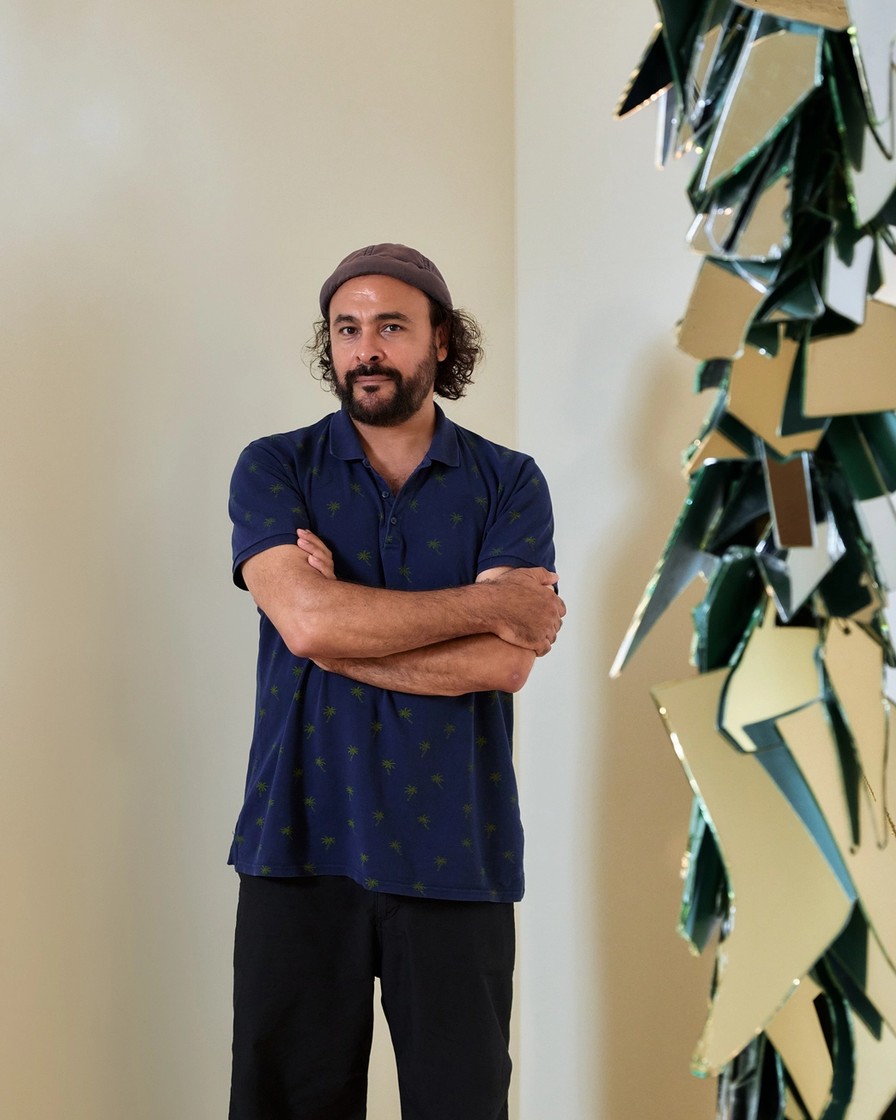
Portrait of Kader Attia

Kader Attia (b. 1970, Seine Saint-Denis, Dugny, France; lives and works in Berlin Germany and Paris, France), grew up in Paris and in Algeria. Preceding his studies at the École Supérieure des Arts Appliqués Duperré and the École Nationale Supérieure des Arts Décoratifs in Paris, and at Escola Massana, Centre d’Art i Disseny in Barcelona, he spent several years in Congo and in South America.The experience with these different cultures, the histories of which over centuries have been characterized by rich trading traditions, colonialism and multi-ethnic societies, has fostered Kader Attia’s intercultural and interdisciplinary approach of research. For many years, he has been exploring the perspective that societies have on their history, especially as regards experiences of deprivation and suppression, violence and loss, and how this affects the evolving of nations and individuals — each of them being connected to collective memory.

His socio-cultural research has led Kader Attia to the notion of Repair, a concept he has been developing philosophically in his writings and symbolically in his oeuvre as a visual artist. With the principle of Repair being a constant in nature — thus also in humanity —, any system, social institution or cultural tradition can be considered as an infinite process of Repair, which is closely linked to loss and wounds, to recuperation and re-appropriation. Repair reaches far beyond the subject and connects the individual to gender, philosophy, science, and architecture, and also involves it in evolutionary processes in nature, culture, myth and history.

Learn about the artist