Skip to content

Multiple Artists

Seoul

Jul 18–Aug 31, 2019

Detail of painting by Angel Otero

213 Itaewon-ro, Yongsan-gu

Seoul, 04349

Lehmann Maupin is pleased to announce a group exhibition featuring Kader Attia, Nicholas Hlobo, and Angel Otero. Spanning media from painting to film the artists based in Berlin, Johannesburg, and New York, respectively, share an approach to content that originates from personal narratives and experiences and develops into an investigation into the larger world. The gallery will host an opening reception on Thursday, July 18, from 5 to 7 PM.

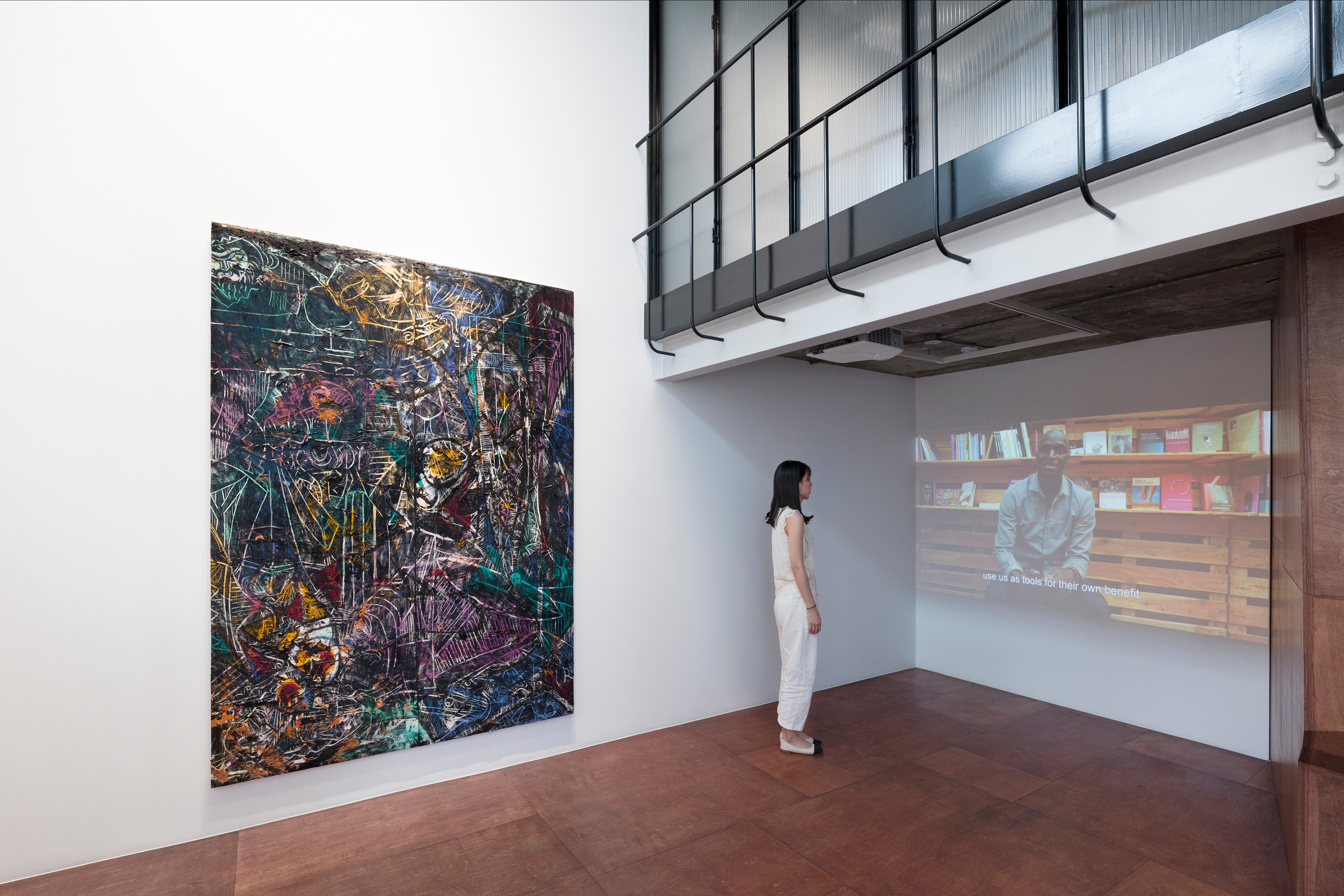
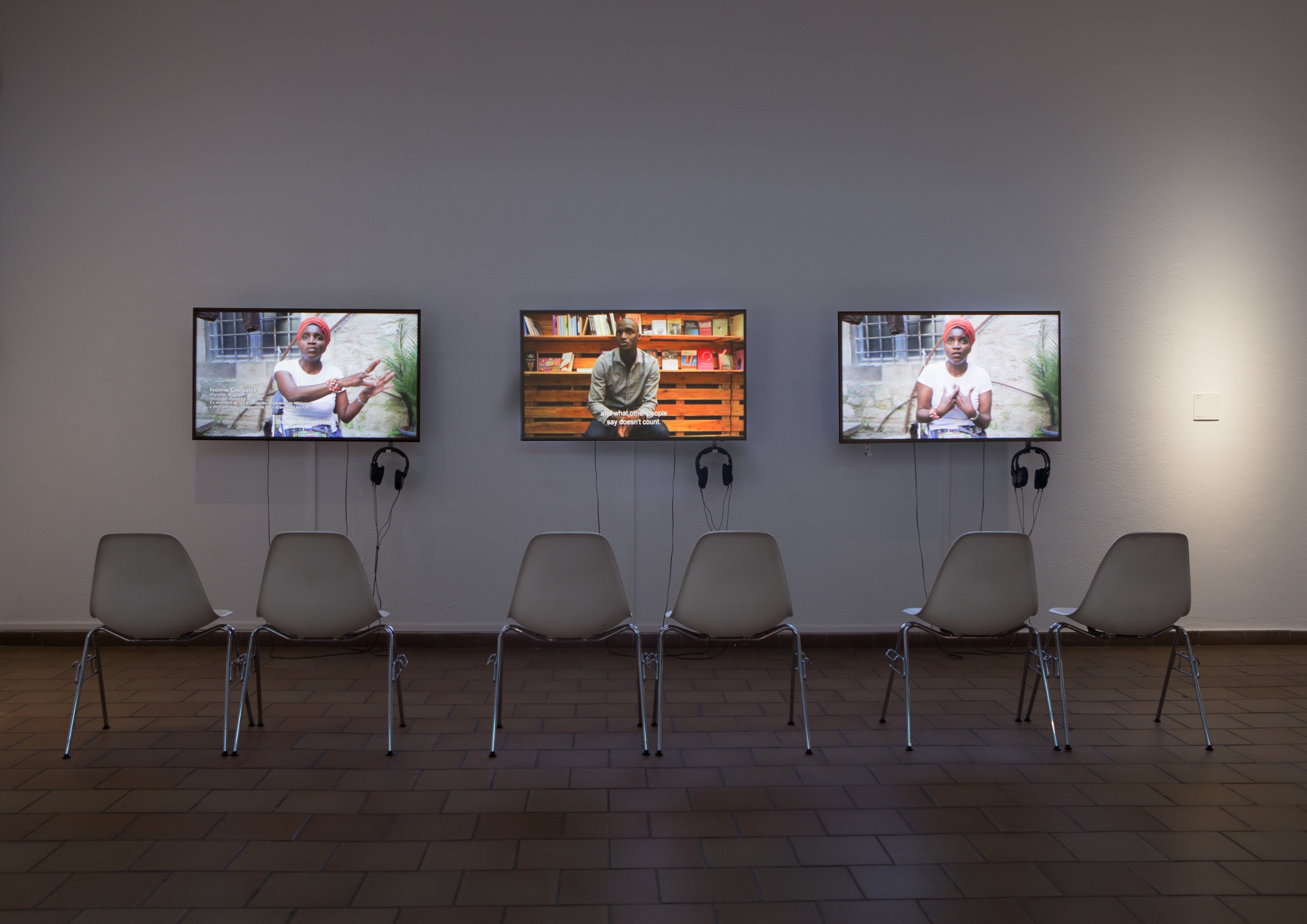
Attia’s film Héroes Heridos (2018) is comprised of interviews with immigrant activists who are occupying “La Massana,” the former School of Arts in Barcelona that Attia attended, in protest. The film highlights the challenges and indignities faced by immigrants and the efforts they are making to change their treatment and legal status. Giving voice to those who lack access to mainstream outlets, Héroes Heridos is a political act and an additional dimension to Attia’s focus on the continued injustice of colonialism. For Attia, revealing these issues has potentially revolutionary ramifications; he explains his inspiration for these works as the “urge to recover, through form, the field of emotion in the public debate with the aim of repairing the wounds of history.”

Installation view of Kader Attia, Nicholas Hlobo, Angel Otero at Lehmann Maupin Seoul
Installation Views: 1 of 3
Installation view of Kader Attia, Nicholas Hlobo, Angel Otero at Lehmann Maupin Seoul
Installation Views: 1 of 3
Film by Kader Attia

Kader Attia

Héroes Heridos, 2018

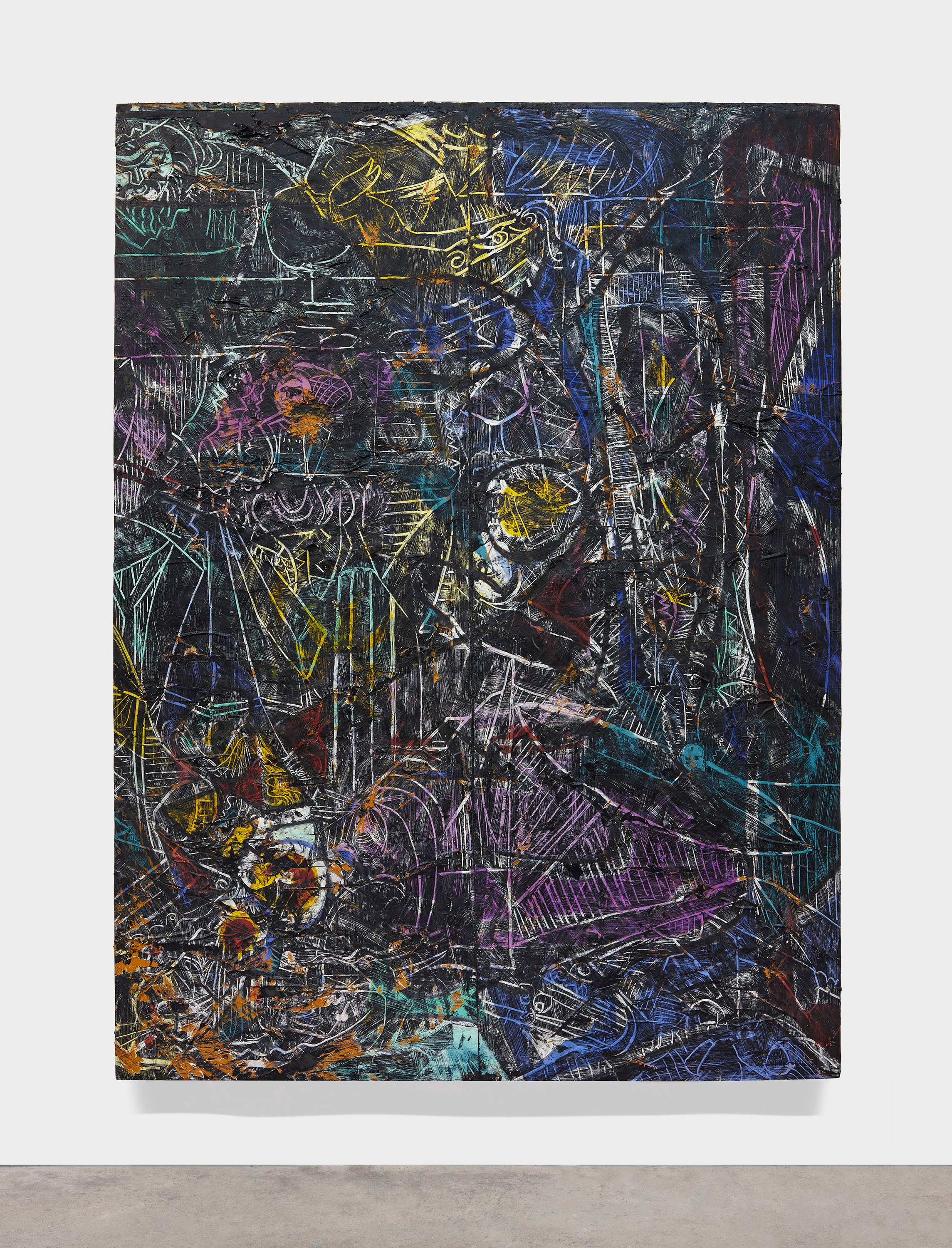
Painting by Angel Otero

Angel Otero

Wind Chimes, 2015

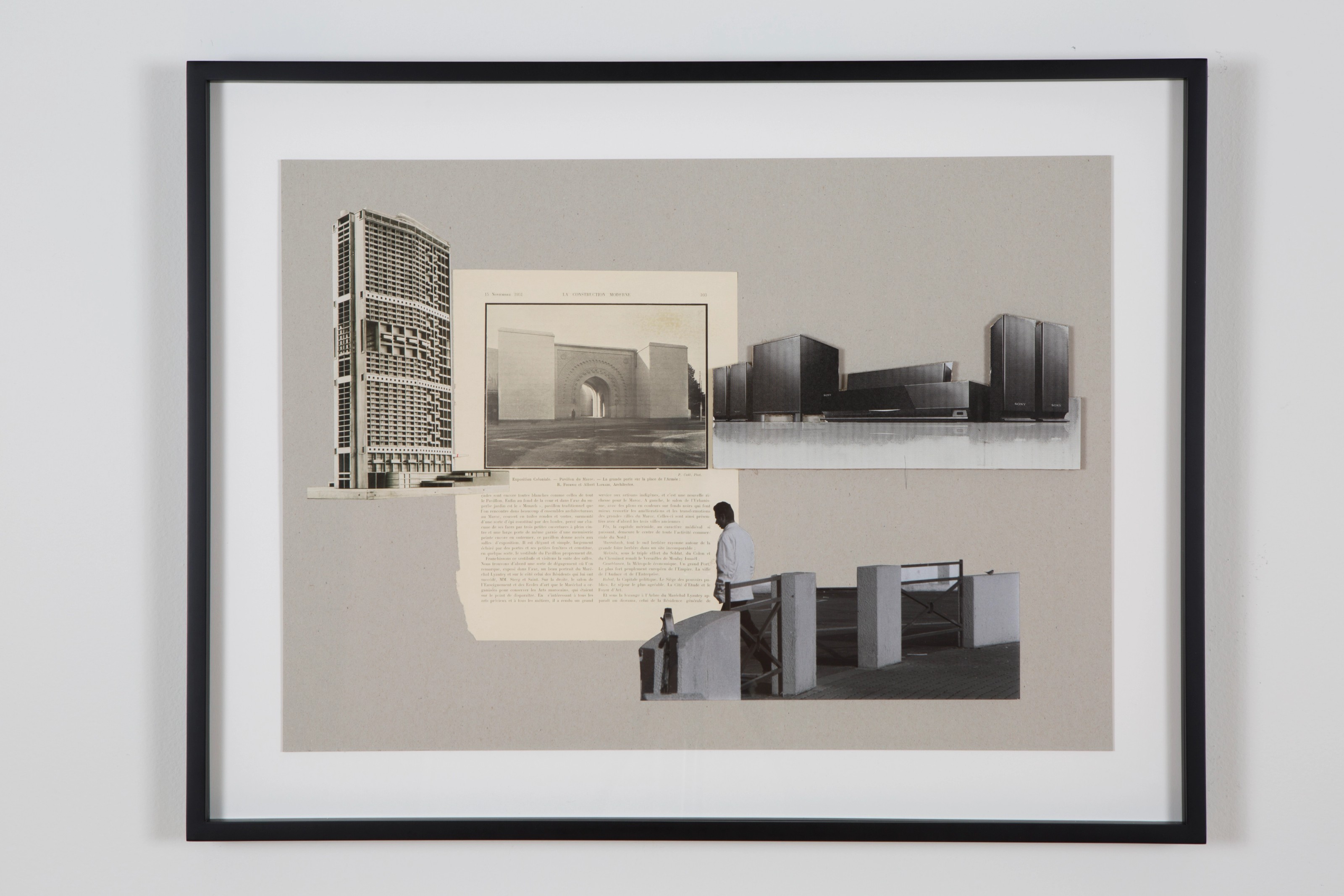
Work on paper by Kader Attia

Kader Attia

Untitled, 2016

Exhibition Artists

Portrait of Kader Attia

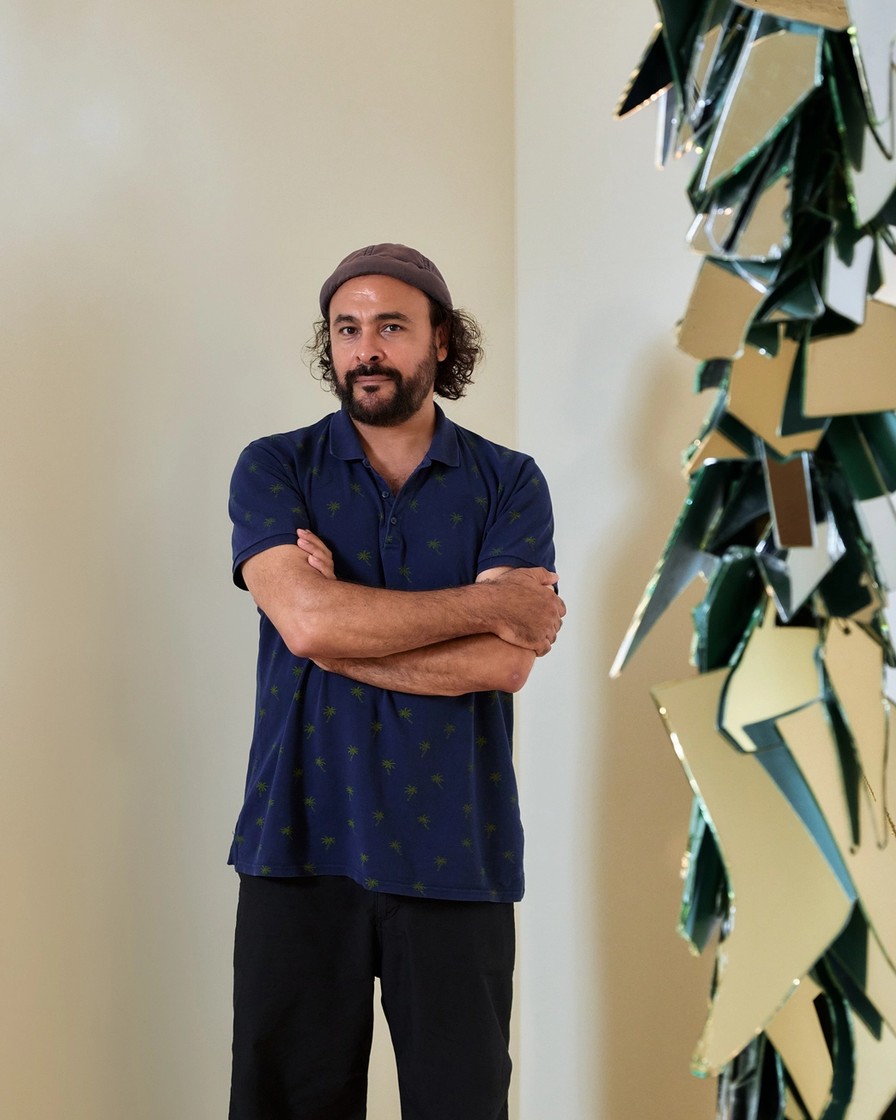
Kader Attia (b. 1970, Seine Saint-Denis, Dugny, France; lives and works in Berlin Germany and Paris, France), grew up in Paris and in Algeria. Preceding his studies at the École Supérieure des Arts Appliqués Duperré and the École Nationale Supérieure des Arts Décoratifs in Paris, and at Escola Massana, Centre d’Art i Disseny in Barcelona, he spent several years in Congo and in South America.The experience with these different cultures, the histories of which over centuries have been characterized by rich trading traditions, colonialism and multi-ethnic societies, has fostered Kader Attia’s intercultural and interdisciplinary approach of research. For many years, he has been exploring the perspective that societies have on their history, especially as regards experiences of deprivation and suppression, violence and loss, and how this affects the evolving of nations and individuals — each of them being connected to collective memory.

His socio-cultural research has led Kader Attia to the notion of Repair, a concept he has been developing philosophically in his writings and symbolically in his oeuvre as a visual artist. With the principle of Repair being a constant in nature — thus also in humanity —, any system, social institution or cultural tradition can be considered as an infinite process of Repair, which is closely linked to loss and wounds, to recuperation and re-appropriation. Repair reaches far beyond the subject and connects the individual to gender, philosophy, science, and architecture, and also involves it in evolutionary processes in nature, culture, myth and history.
Portrait of Nicholas Hlobo

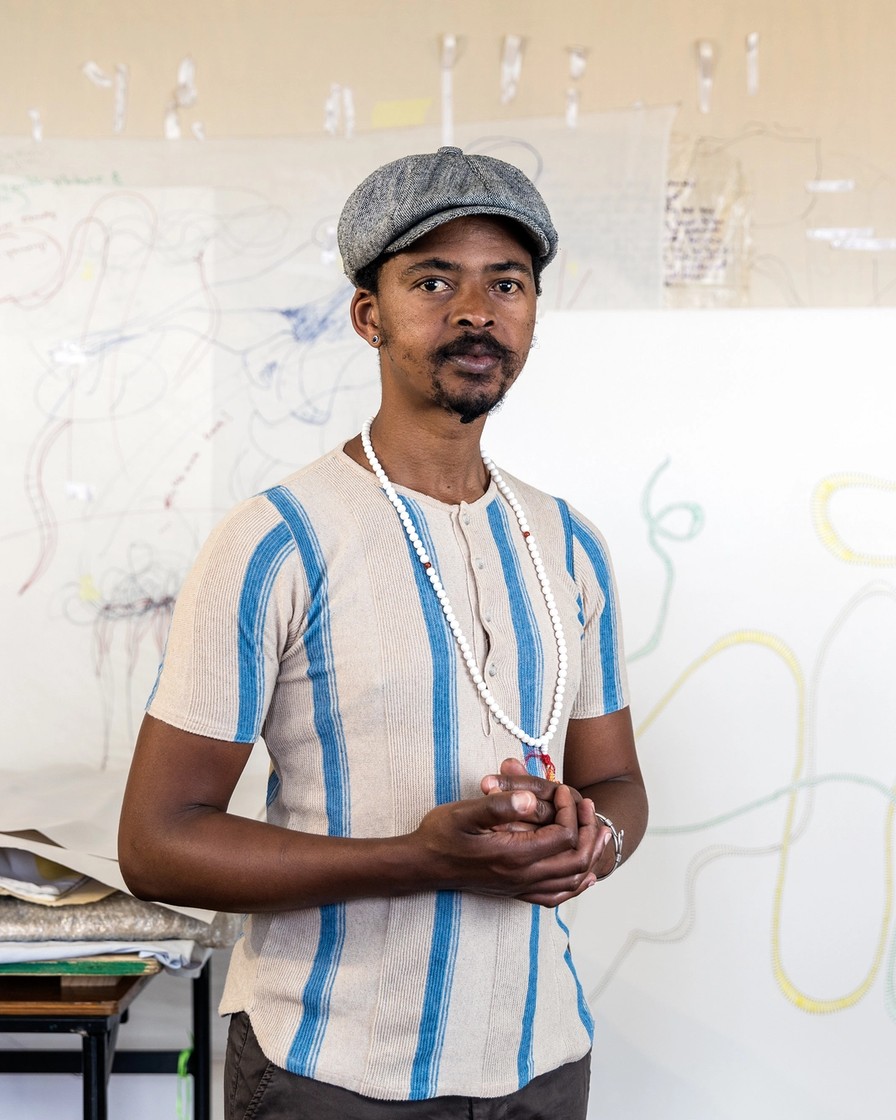
Nicholas Hlobo (b. 1975, Cape Town, South Africa; lives and works in Johannesburg, South Africa) began his career around the end of apartheid in 1994, when there was a new sense of freedom and national pride in South Africa. With the eradication of legalized and enforced discrimination and segregation, Hlobo and his peers were empowered to openly voice their opinions and ideas under the protection of new laws, and Hlobo’s subtle commentary on the democratic realities of his home country and concerns with the changing international discourse of art formed a foundational tenet of his practice.

Hlobo uses metaphorically charged materials such as ribbon, leather, wood, and rubber detritus, which he melds and weaves together to create two- and three-dimensional hybrid objects that are intricate and seductively tactile. Each material holds a particular association with cultural, gendered, sexual, or ethnic identities, and the works form complex visual narratives that reflect the various dichotomies present within the artist’s home country, as well as those that exist around the world. The results are highly evocative, and the artist combines anthropomorphic imagery with cultural symbols and traditions to create amalgamated forms that feel at once familiar, alien, and ancient. At its core, Hlobo’s practice engages themes of self-discovery and explores the intersections of race, gender, and cultural and sexual identity within the context of his South African heritage.