Skip to content

Multiple Artists

The 36th Bienal de São Paulo

São Paulo

Sep 6, 2025–Jan 11, 2026

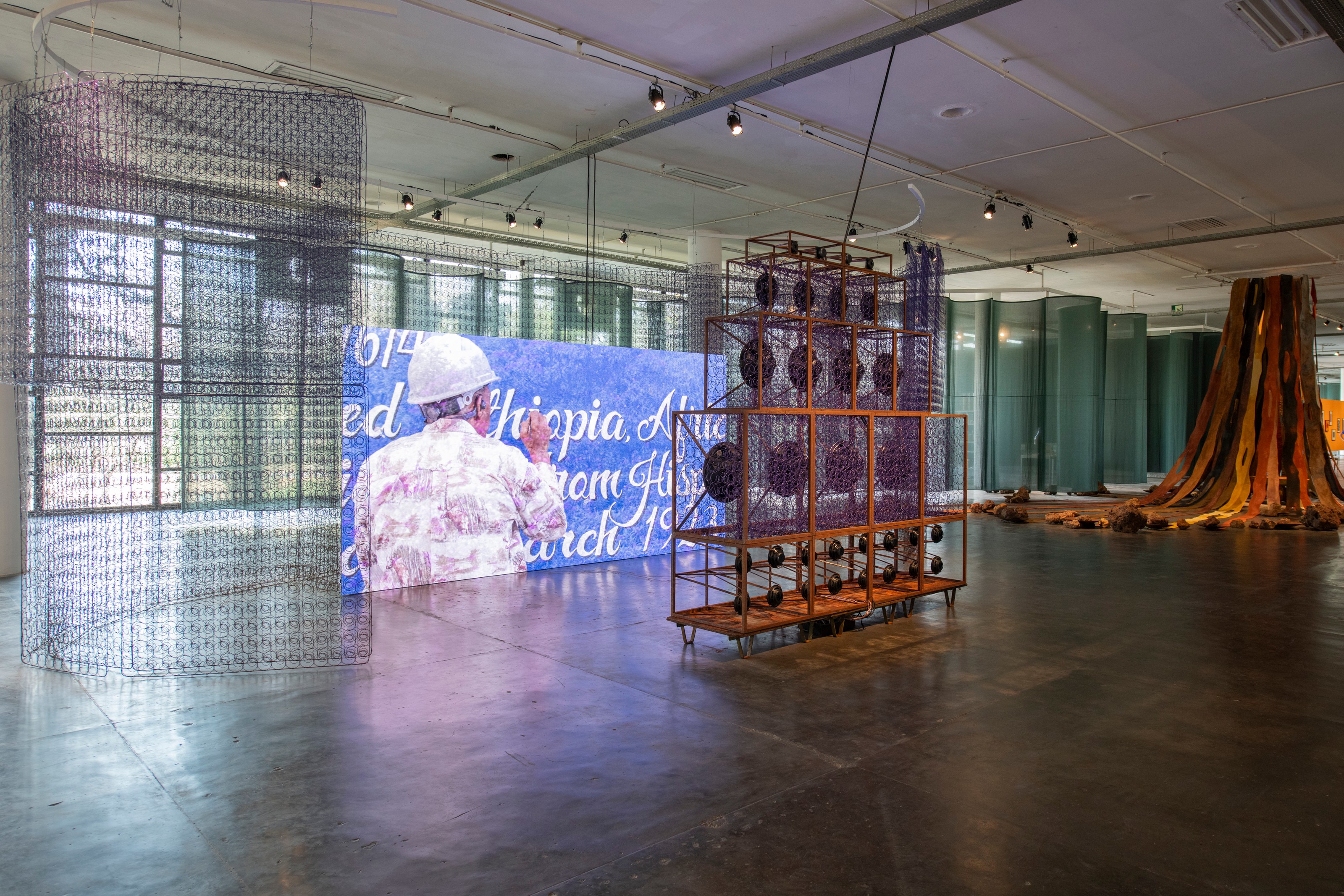
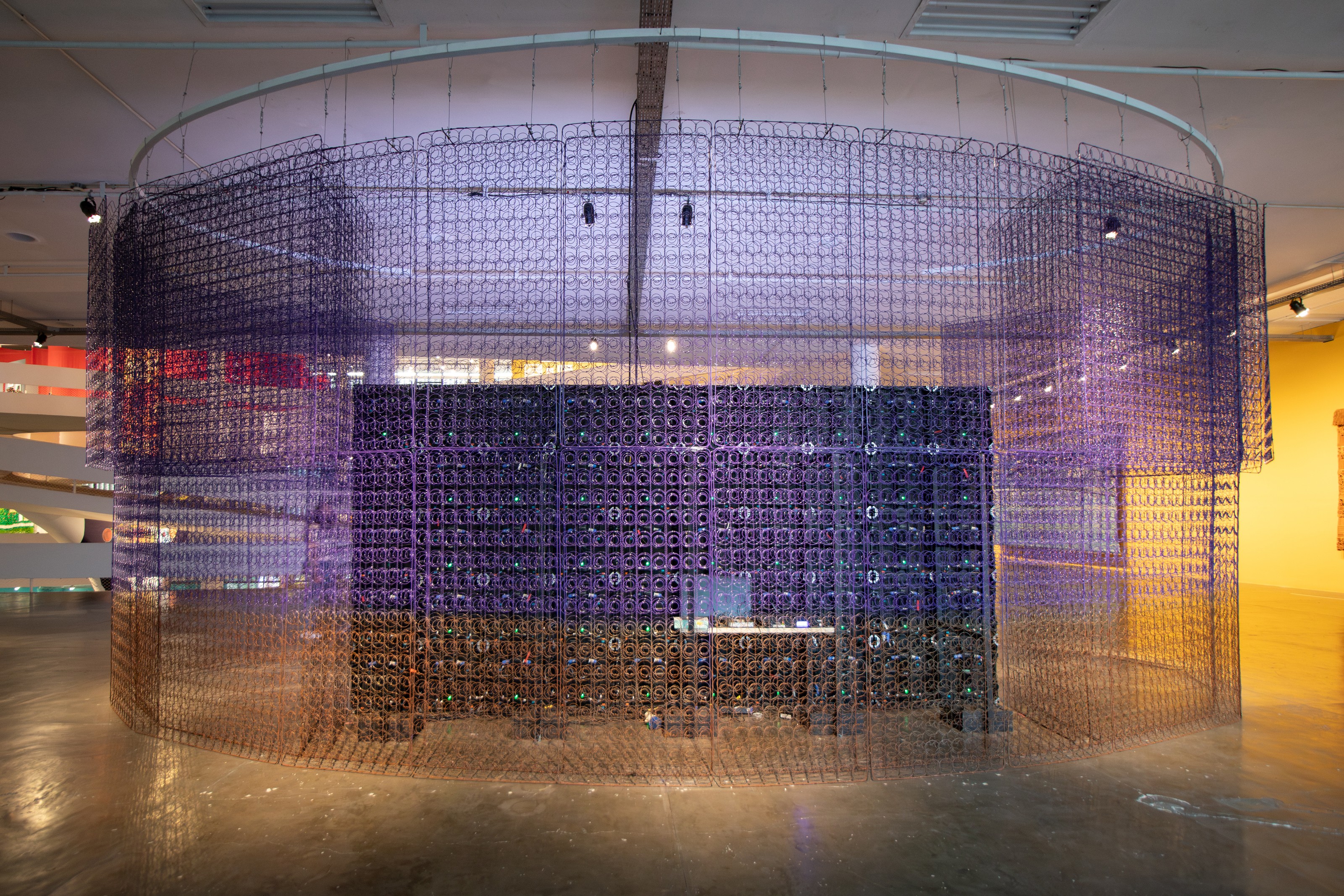
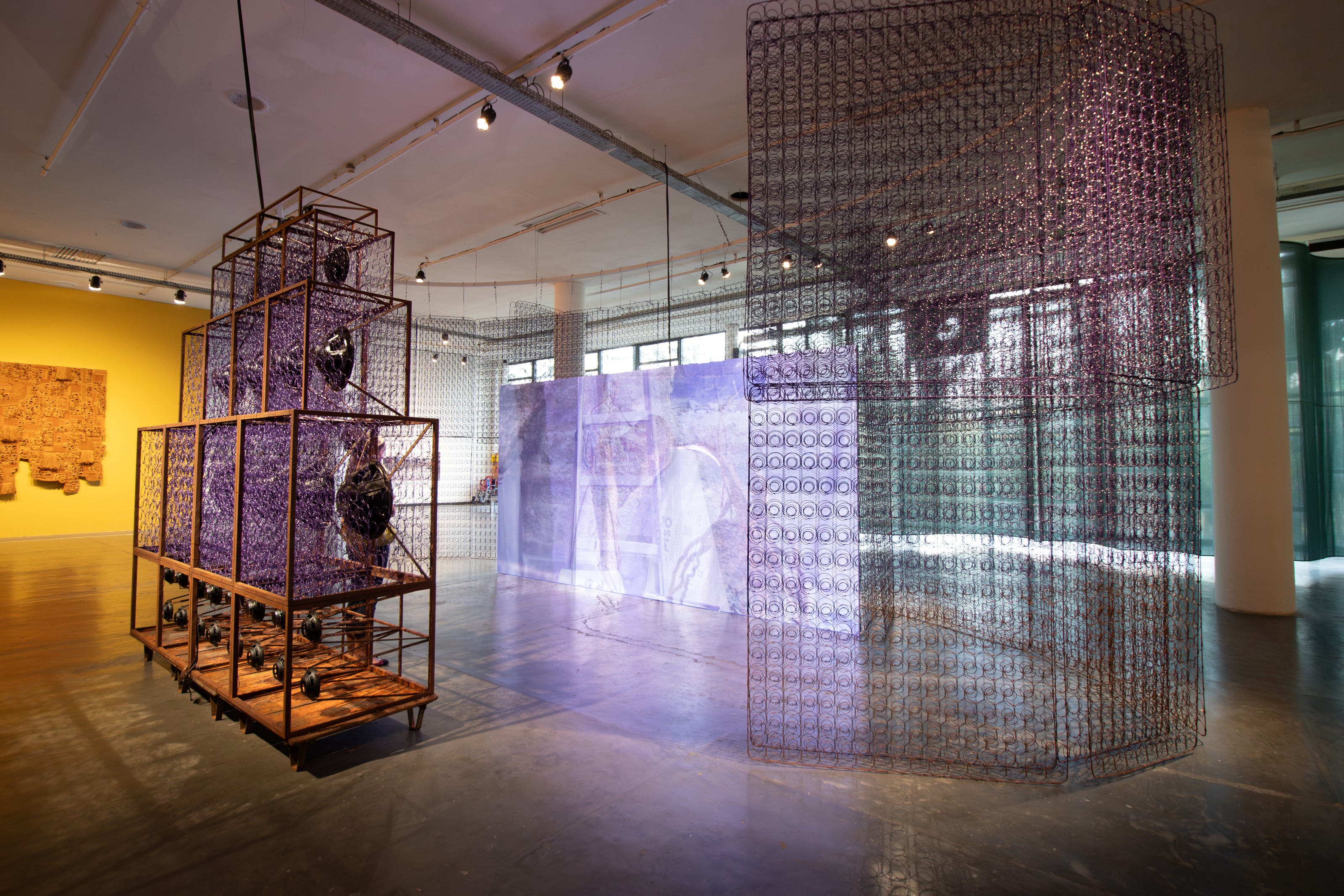
Nari Ward: Spring Seed Installation

The 36th Bienal de São Paulo – Not All Travellers Walk Roads–Of Humanity as Practice opens on September 6, with free admission until January 11, 2026. With the opening of the exhibition, the Bienal also launches its public program, the Conjugations: a series of debates, gatherings, performances, and activations, some of which are developed in collaboration with cultural institutions from various parts of the world and presented at the Bienal Pavilion throughout the exhibition’s four-month run.

The initiative seeks to explore how these institutions, grounded in different geographies, conjugate the notion of humanity through their everyday practices. Each organization invited curates a meeting in São Paulo involving thinkers, artists, performers, and diverse audiences, activating global connections with the local context.

Kader Attia: La Valise Oubliée
Installation Views: 1 of 3

Kader Attia: Curatorial Statement

Kader Attia is a French-Algerian multidisciplinary artist whose research-based approach has been instrumental for decolonial strategies – to backlash colonial history and museums. His interest and subjects found a turning point since he focused on creating tools for repair and care, either of objects, bodies, representations, and memories.

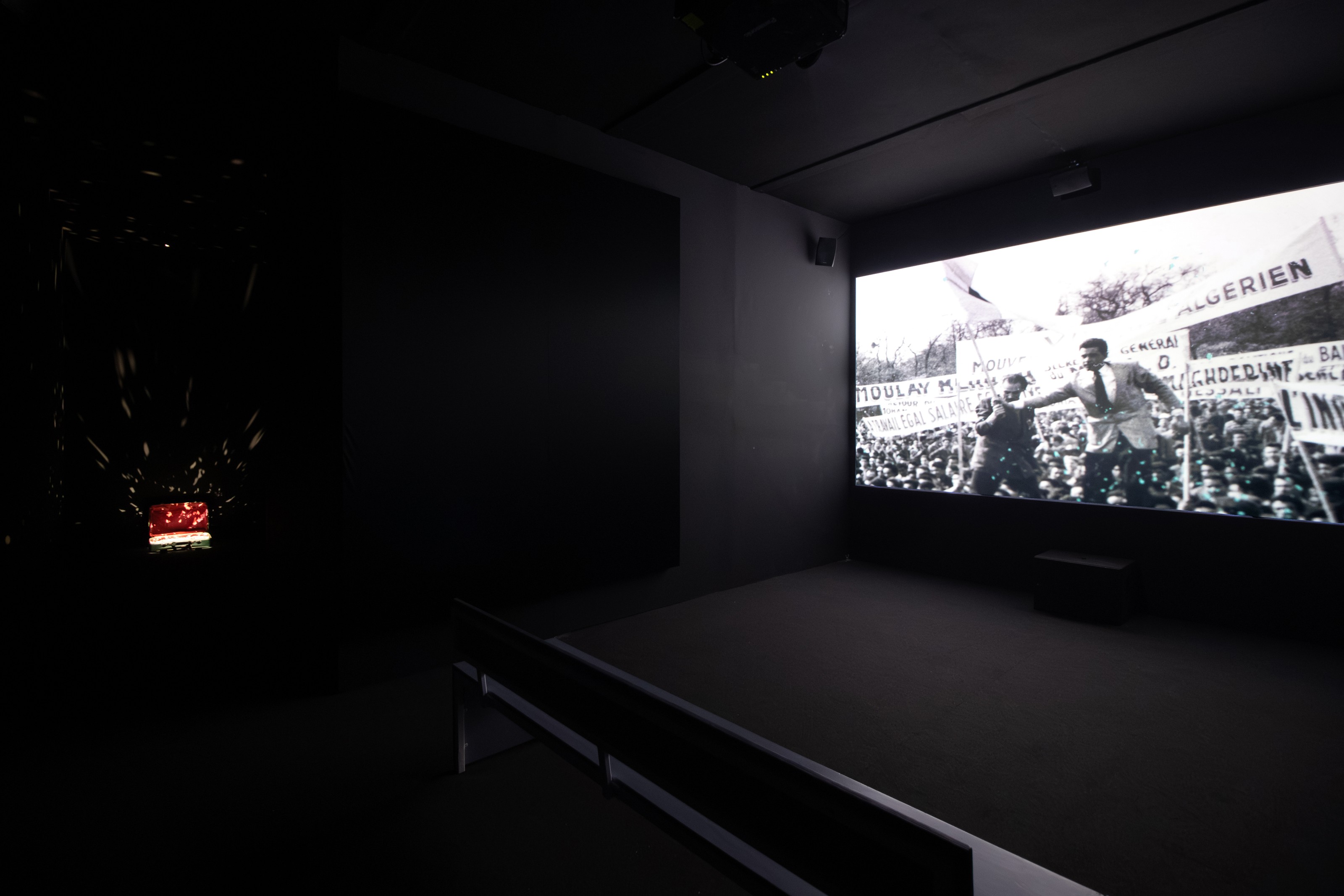
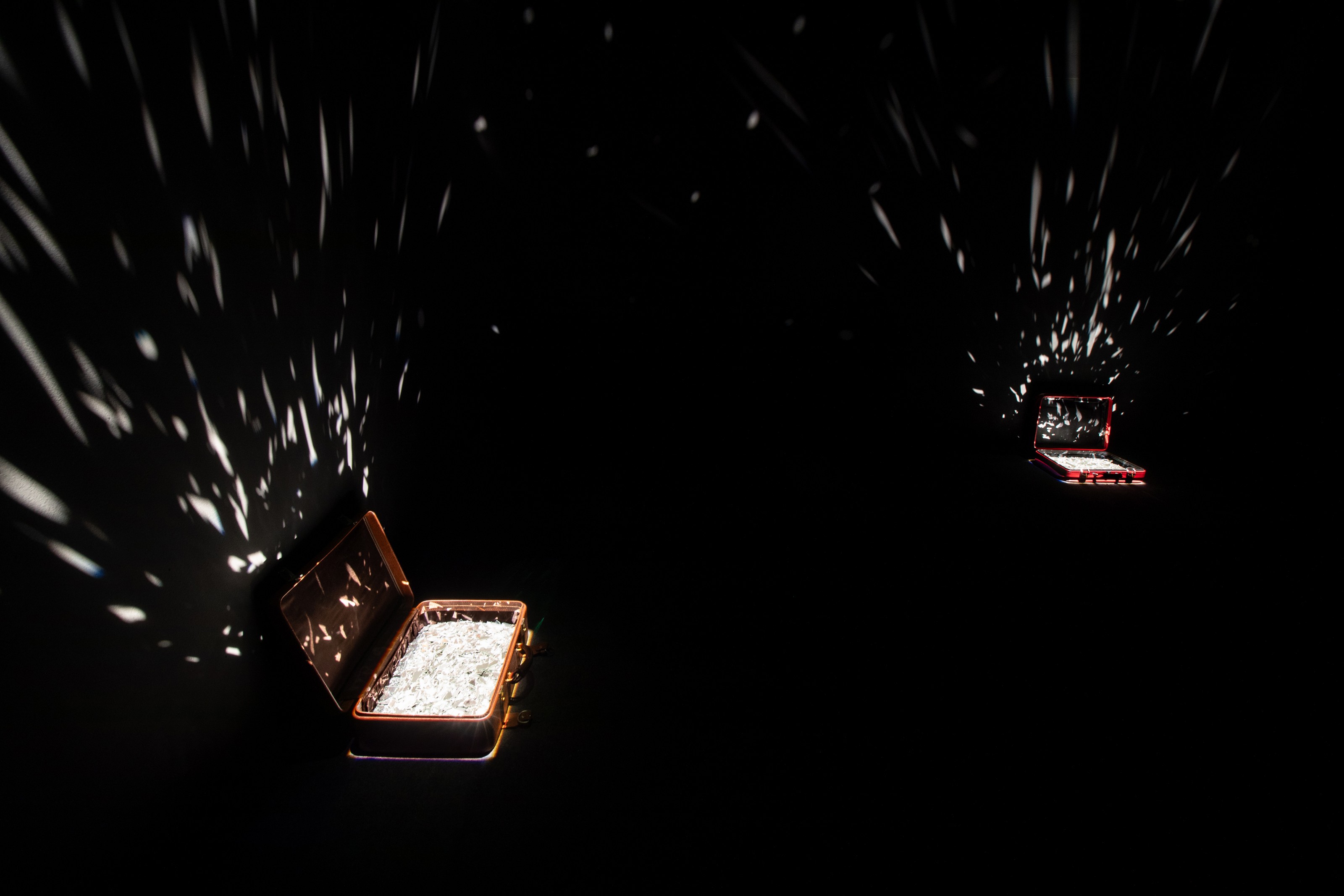
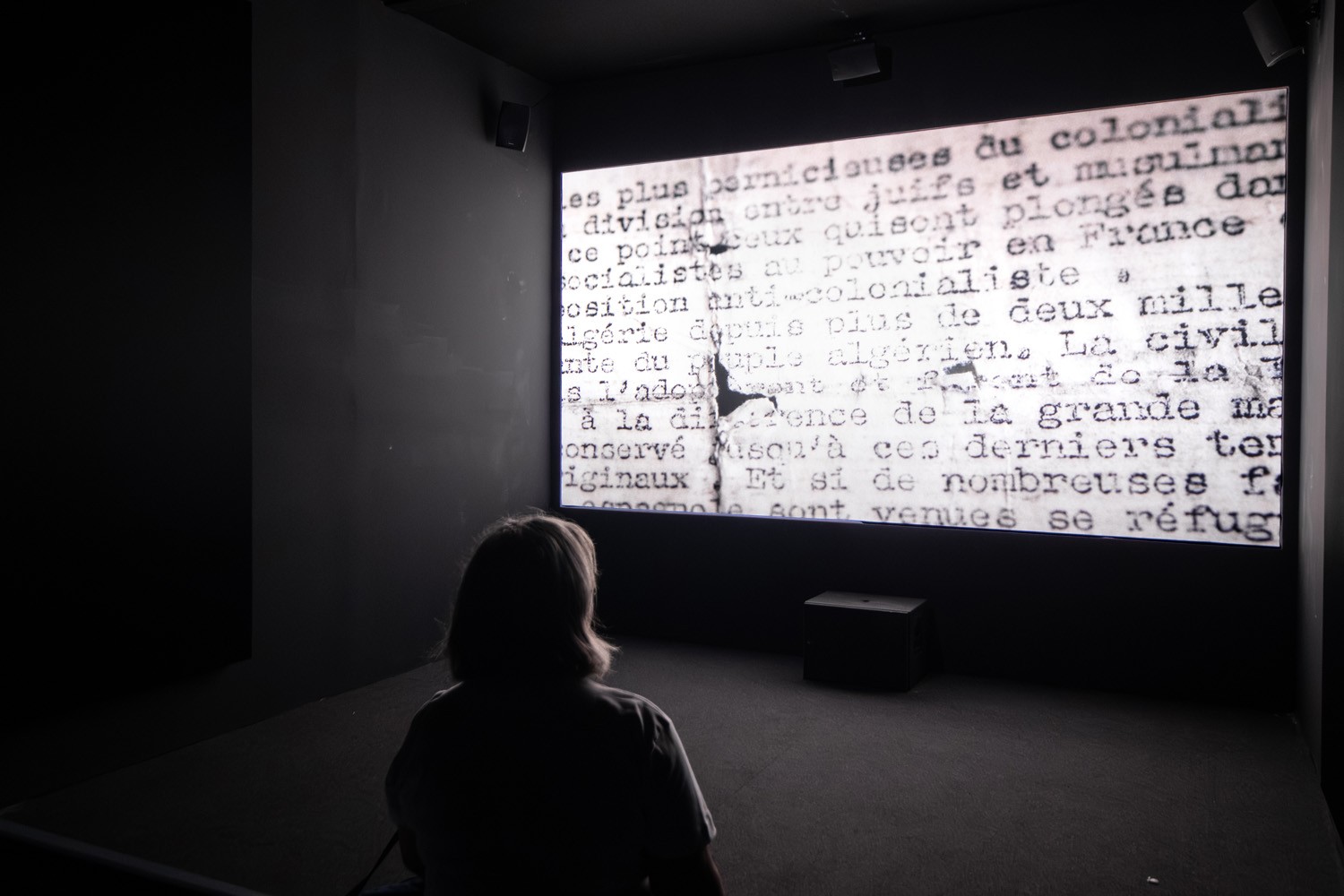
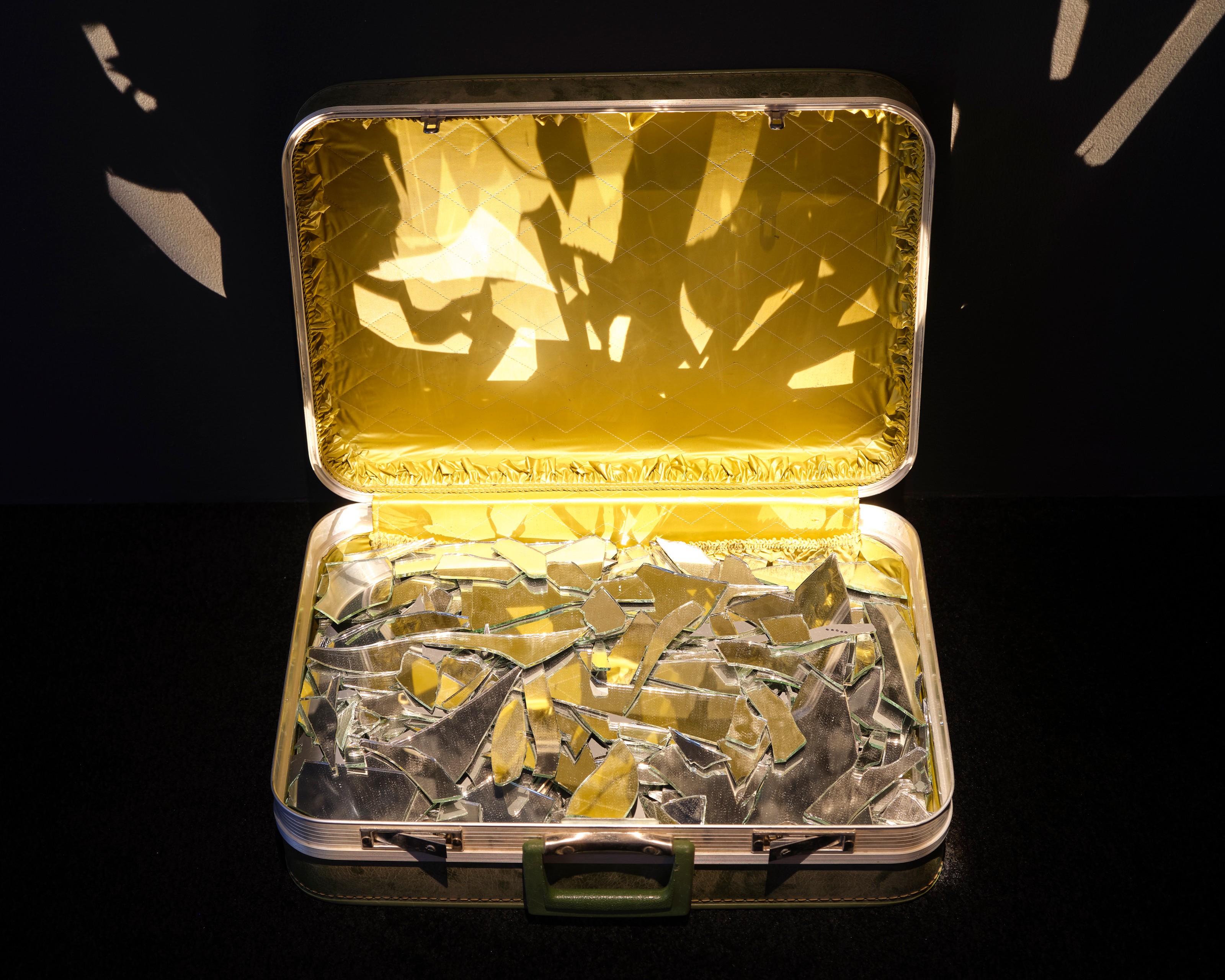
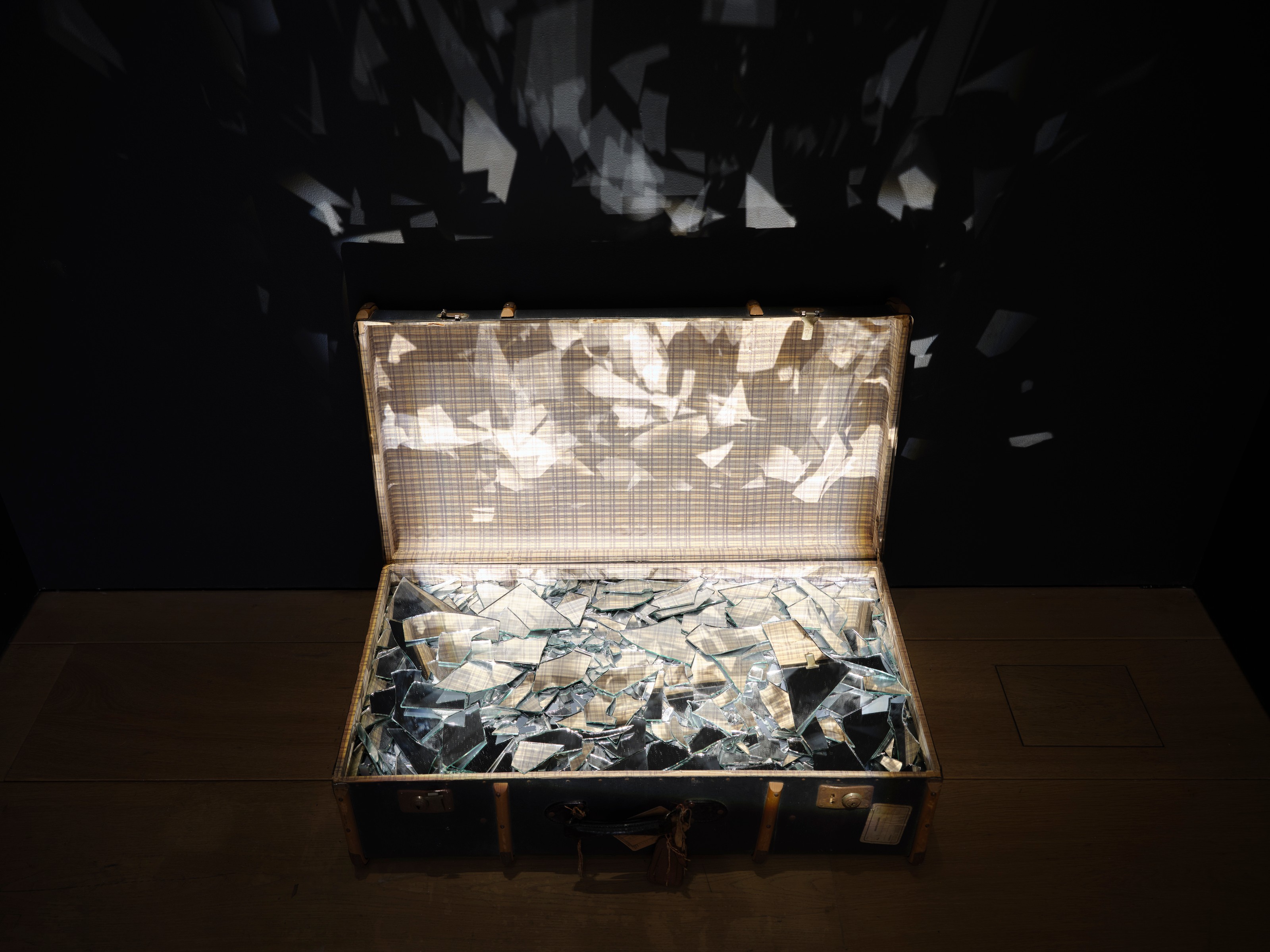
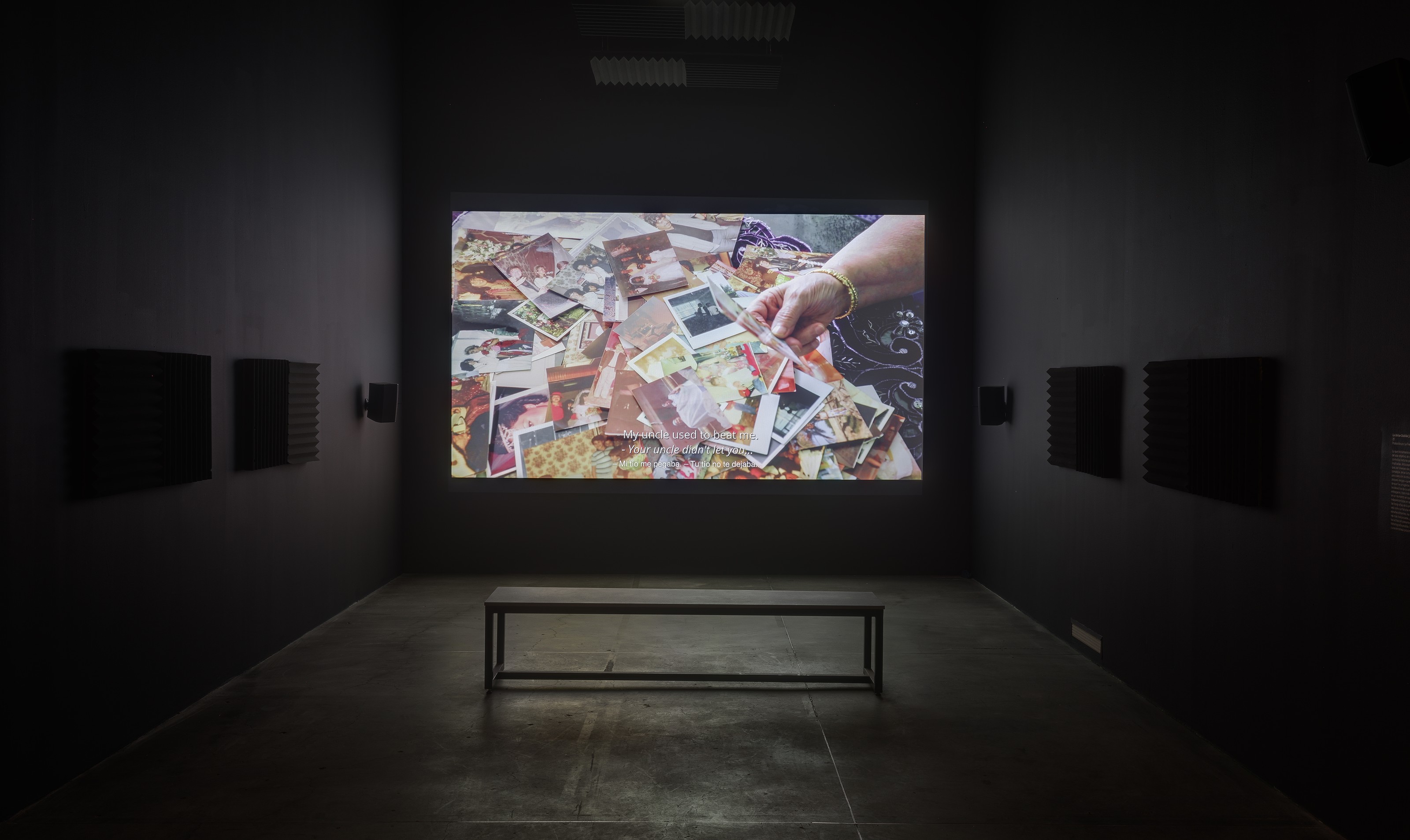
La Valise oubliée [The Forgotten Suitcase] (2024) interweaves individual and collective histories of the Algerian War (1954-1962), during which hundreds of thousands of Algerians were killed. This recent video work by Kader Attia takes the suitcase as a dynamic metaphor of both the past unveiled and the future to be edited (playing with the potentialities of an unfinished narrative). Attia unpacks three suitcases, three individual stories that interweave threads of our collective history: those of French artist and Algerian sympathizer Jean-Jacques Lebel, feminist decolonial thinker Françoise Vergès, and Attia’s mother. The memorabilia removed from the luggage evokes intense, sometimes traumatic memories – from a secret letter by a member of the Algerian National Liberation Front (entrusted to Lebel) to a photo album belonging to the controversial lawyer Jacques Vergès (Françoise Vergès’s uncle), who defended Algerian militants during the war, to photographs of the artist’s mother. By juxtaposing different narrative levels and threads, Attia tells the story both of his family and of the countless nameless men and women who resisted and organized in the shadows against colonialism.

As often in Kader Attia’s work, the awakening of consciousness about the immensity of the destruction and loss under colonialism (either through ecology, architecture, or economy…) goes with a traumatic experience of counting, reenacting, and archiving the dead or the wound. Hence a general ghostly memory is efficiently enacted in his installations and video works; as exercises of exorcism.

Having grown up between France and Algeria, Kader Attia uses his own transcultural experience (including the neocolonial suburban lower class condition) as an introspective research eventually becoming a tool against neocolonial power structures. From The Repair of Occident to Extra-Occidental Cultures (2012), shown at dOCUMENTA (13), Kassel, to the recent Un descenso al paraiso [A Descent into Paradise] (2025), at MUAC, Mexico City, Kader Attia’s art of repair walks on the thin line between dis-membering and re-membering.
—Morad Montazami

Sculpture by Kader Attia

Kader Attia

Untitled (Green Suitcase), 2025

Sculpture by Kader Attia

Kader Attia

Untitled, 2025

Film by Kader Attia

Kader Attia

La Valise Oubliée, 2024

Nari Ward: Spring Seed
Installation Views: 1 of 4

Nari Ward: Curatorial Statement

Nari Ward gathers stories from objects and places, transforming them into powerful narratives. The materials he chooses – whether discarded strollers, shoelaces, worn firehoses, or cotton balls – carry layered histories and echoes of lived experiences. Like an archaeologist of the everyday, Ward excavates remnants of consumer culture, societal trauma, and diasporic stories, exposing tensions between memory and forgetting, identity and belonging. Through his multidisciplinary and inventive practice, he converts these abandoned relics into spaces of reflection and reclamation, bridging personal and collective memory, private and public stories, and addressing questions of social justice, power, and overlooked histories.

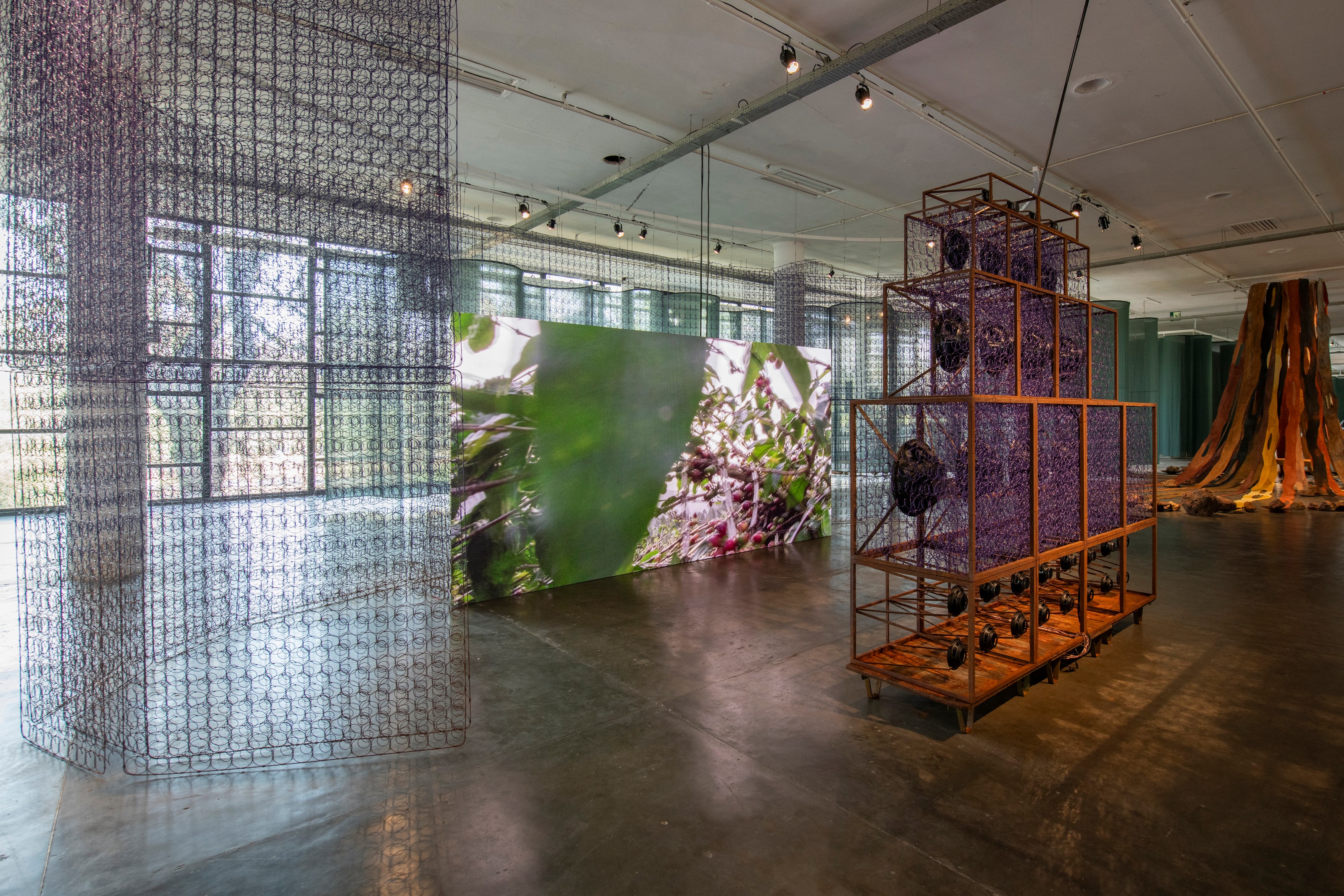
Spring Seed (2025), his new project for the 36th Bienal de São Paulo, traces the intangible cultural and commercial entanglements of Jamaica – where Ward was born and raised before migrating to New York at the age of twelve – Brazil, and Japan through the trajectory of coffee, a commodity deeply tied to labor economies, global consumerism, and colonial histories, yet equally associated with desire and leisure. At the center of the installation, an enclosed arena made of bedsprings houses a new video that interweaves footage from Ward’s trips to São Paulo’s Liberdade neighborhood (its Japanese-Brazilian community), Bahia, and Jamaica’s Blue Mountain coffee region. A symbol of luxury and exclusivity, Blue Mountain coffee is cultivated in small quantities, with most of its production exported to Japan, where it is prized for its rarity and refinement. Within this intimate space, which viewers need to enter, an altar-like speaker system, draped in ironed cotton covers infused with Blue Mountain coffee grinds, functions as both a sculptural and multi-sensorial element, layering sound recordings from São Paulo’s Chapel of Our Lady of Souls of the Afflicted – built on an ancestral Black and Indigenous gravesite. These sonic and visual textures resonate with Ward’s earlier works, such as the video Spellbound (2015), which explored Savannah, Georgia’s fraught histories of slavery, colonialism, resilience, and emancipation.

Through his charged assemblages, Ward not only reclaims discarded materials but also reimagines the potential they carry. Spring Seed extends this ongoing exploration into collectivity, mapping unseen flows and exchanges while complicating dominant narratives. By weaving together visual language, sound, and scent, and by employing moving images – a medium inherently capable of traversing time and space – Ward embraces a non-linear approach that activates the viewers’ imagination, revealing the energies and hidden forces that shape a sense of community and belonging. In doing so, he creates a space where memory resists erasure, and the past speaks powerfully to the present – just as a seed springs to life.
—Roberta Tenconi

Exhibition Artists

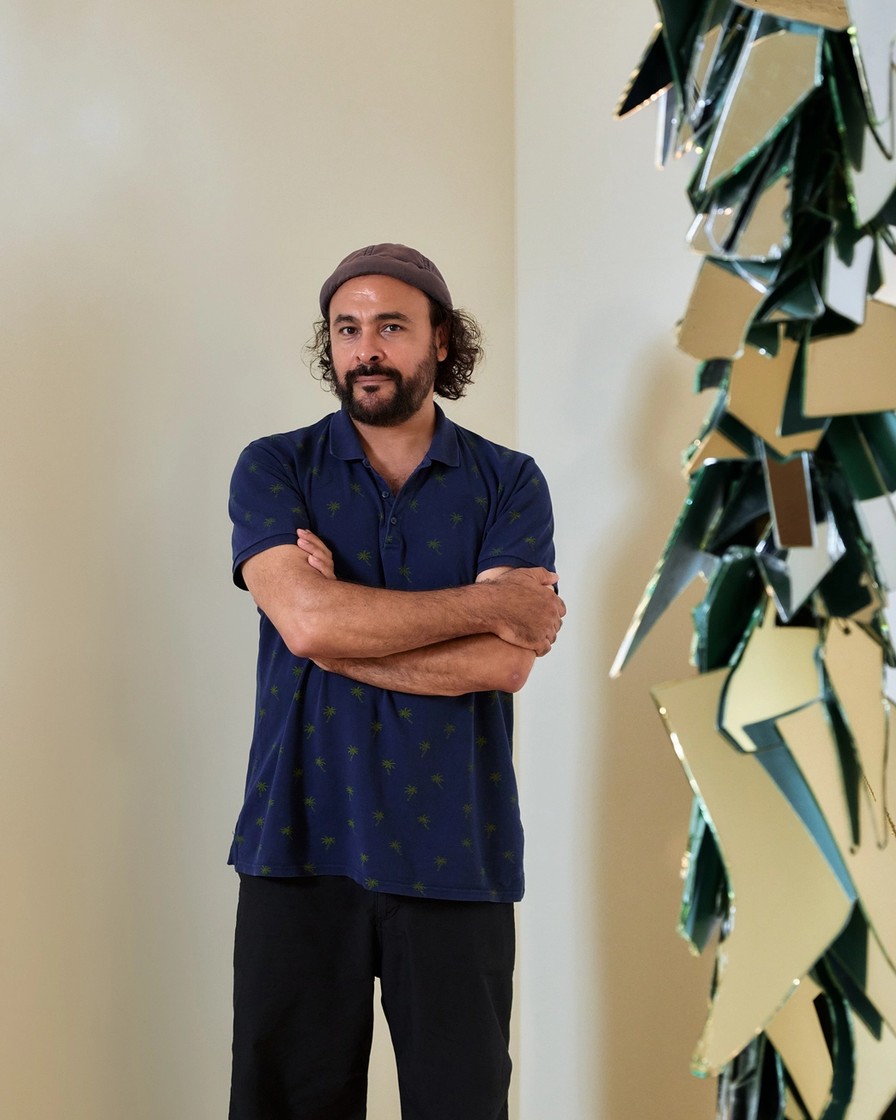
Portrait of Kader Attia

Kader Attia (b. 1970, Seine Saint-Denis, Dugny, France; lives and works in Berlin Germany and Paris, France), grew up in Paris and in Algeria. Preceding his studies at the École Supérieure des Arts Appliqués Duperré and the École Nationale Supérieure des Arts Décoratifs in Paris, and at Escola Massana, Centre d’Art i Disseny in Barcelona, he spent several years in Congo and in South America.The experience with these different cultures, the histories of which over centuries have been characterized by rich trading traditions, colonialism and multi-ethnic societies, has fostered Kader Attia’s intercultural and interdisciplinary approach of research. For many years, he has been exploring the perspective that societies have on their history, especially as regards experiences of deprivation and suppression, violence and loss, and how this affects the evolving of nations and individuals — each of them being connected to collective memory.

His socio-cultural research has led Kader Attia to the notion of Repair, a concept he has been developing philosophically in his writings and symbolically in his oeuvre as a visual artist. With the principle of Repair being a constant in nature — thus also in humanity —, any system, social institution or cultural tradition can be considered as an infinite process of Repair, which is closely linked to loss and wounds, to recuperation and re-appropriation. Repair reaches far beyond the subject and connects the individual to gender, philosophy, science, and architecture, and also involves it in evolutionary processes in nature, culture, myth and history.
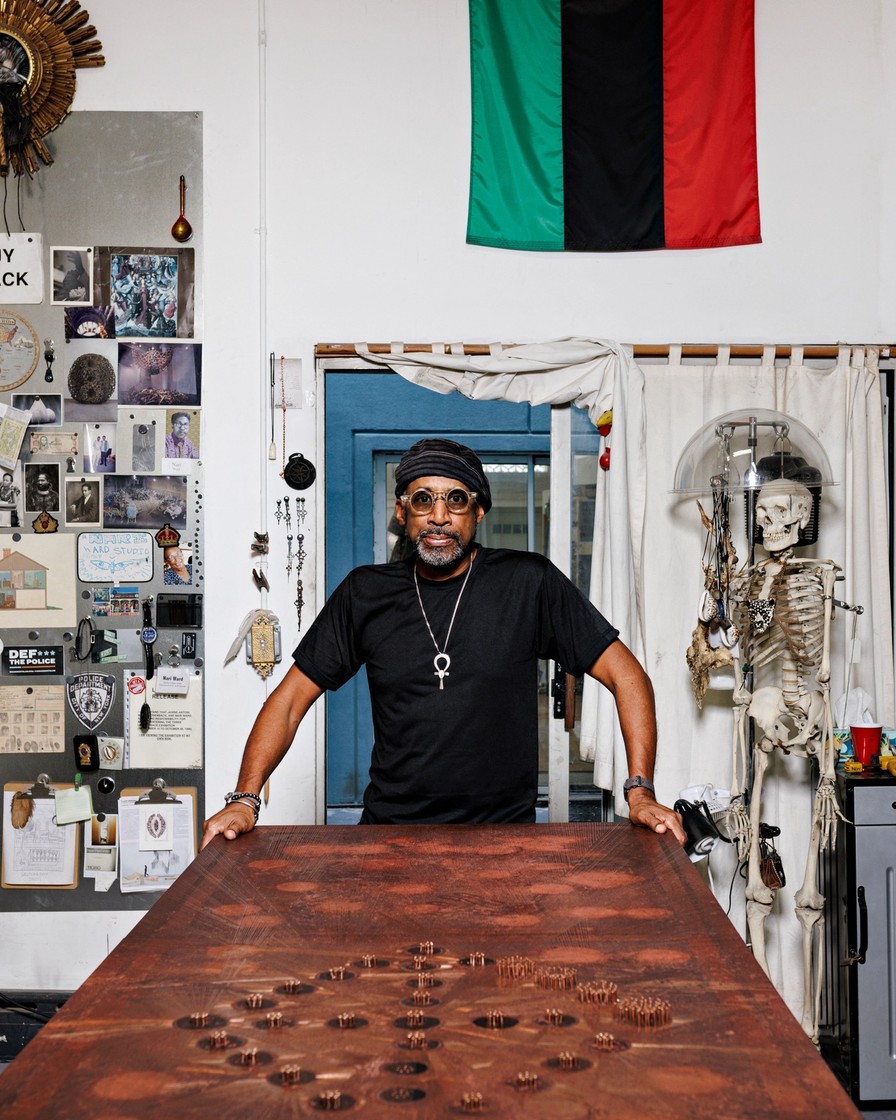
Portrait of Nari Ward

In a career spanning over three decades, artist Nari Ward (b. 1963, St. Andrew, Jamaica; lives and works in New York, NY) has gained recognition for an interdisciplinary and multimedia practice that engages historical and contemporary discourse around race, migration, democracy, identity, and community. Ward is best known for his wall and installation-based sculptural works created primarily from materials found and collected throughout Harlem, his longtime neighborhood in New York. These objects imbue his work with a sense of intimacy, reflecting the shared experience of community. Combining materials to re-contextualize their original meanings, Ward’s assemblages probe a range of spiritual and conceptual issues through literal and metaphorical juxtaposition.

Materially specific but conceptually ambiguous, Ward’s multimedia and performance works unfold into many possible interpretations—as materials and movements accumulate, so too do signifiers. Each found object—including baseball bats, strollers, shoelaces, cash registers, bottles, and shopping carts—contains a multiplicity of meanings and histories that speak to both collective experience and individual memory. The intentional synthesis of such objects, combined with the more traditional disciplines of painting, sculpture, and performance, allows for varied interpretations, inviting viewers to project their own associations and transcend the specific context of any given work. At the same time, Ward’s art reflects on the complexities of contemporary society, transforming overlooked material through artmaking to foreground forgotten histories or marginalized communities.

Not All Travellers Walk Roads–Of Humanity as Practice | Lehmann Maupin