Skip to content

Multiple Artists

The 61st International Art Exhibition of La Biennale di Venezia

Venice

May 9–Nov 22, 2026

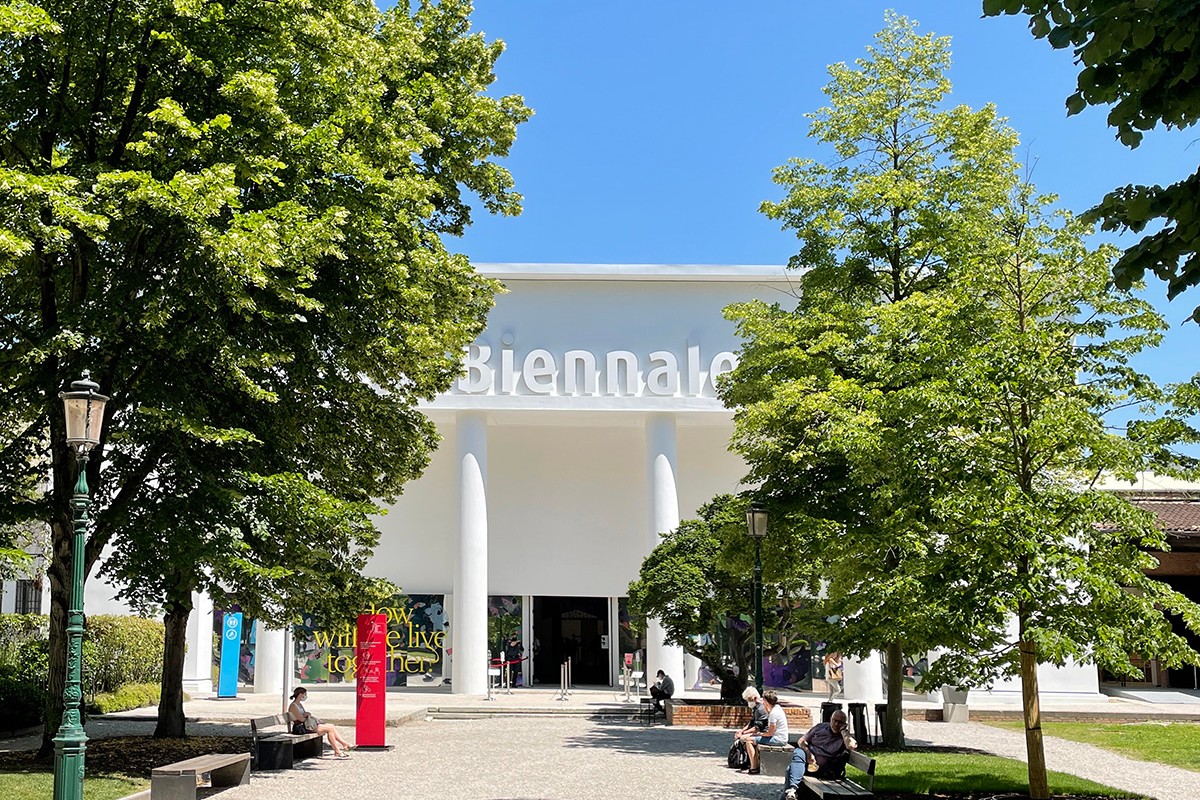
Facade of La Biennale in Venice

Venice

Kader Attia, Nicholas Hlobo, Tammy Nguyen, Billie Zangewa

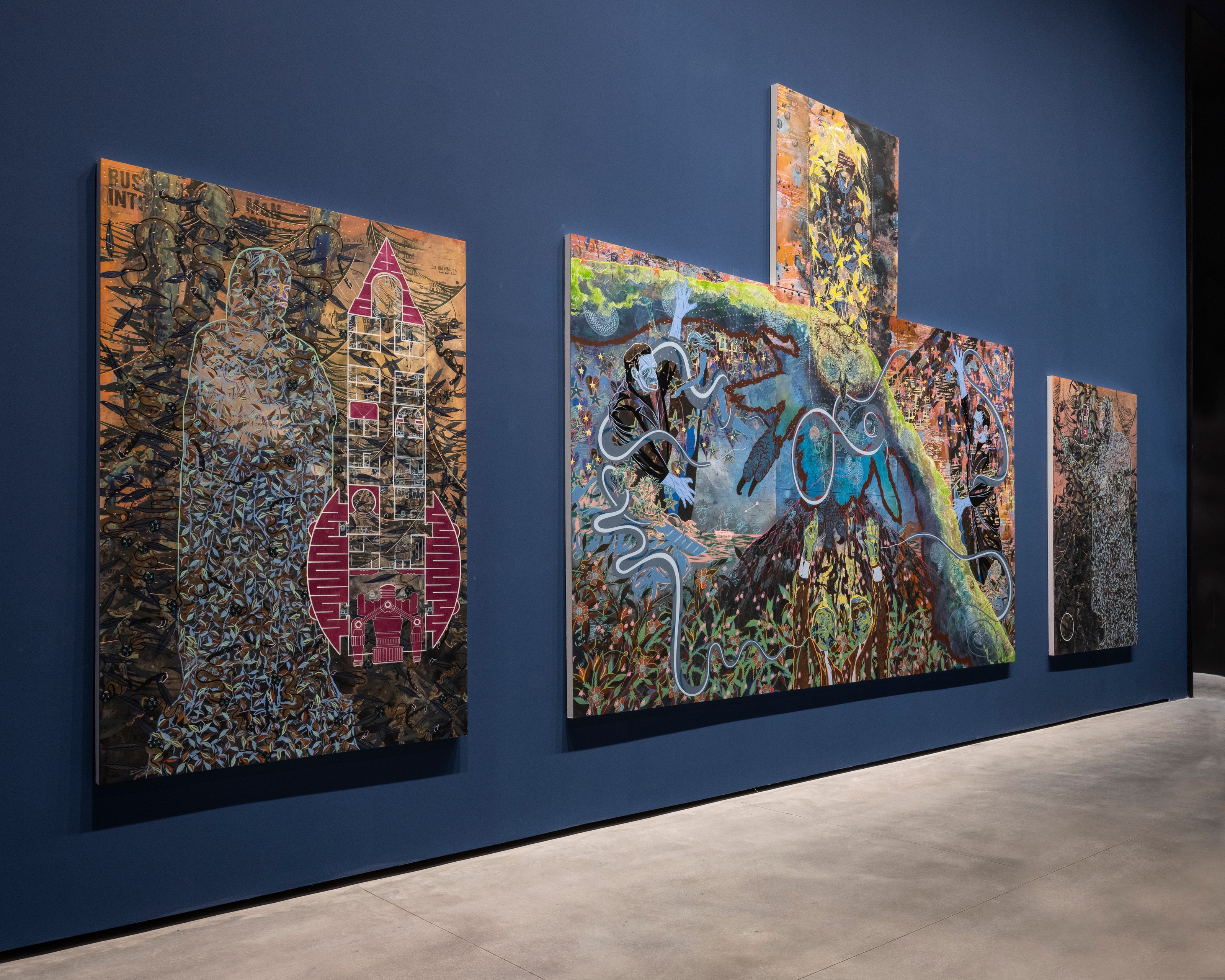
We are pleased to announce the participation of seven gallery artists in the 61st International Art Exhibition of La Biennale di Venezia. Works by Kader Attia, Nicholas Hlobo, Tammy Nguyen, and Billie Zangewa will be included in the exhibition In Minor Keys, curated by the late Koyo Kouoh.

Additionally, Klara Kristalova will represent the Nordic countries in the national pavilion, and Hernan Bas, David Salle, and Erwin Wurm will be the subject of solo exhibitions around Venice.

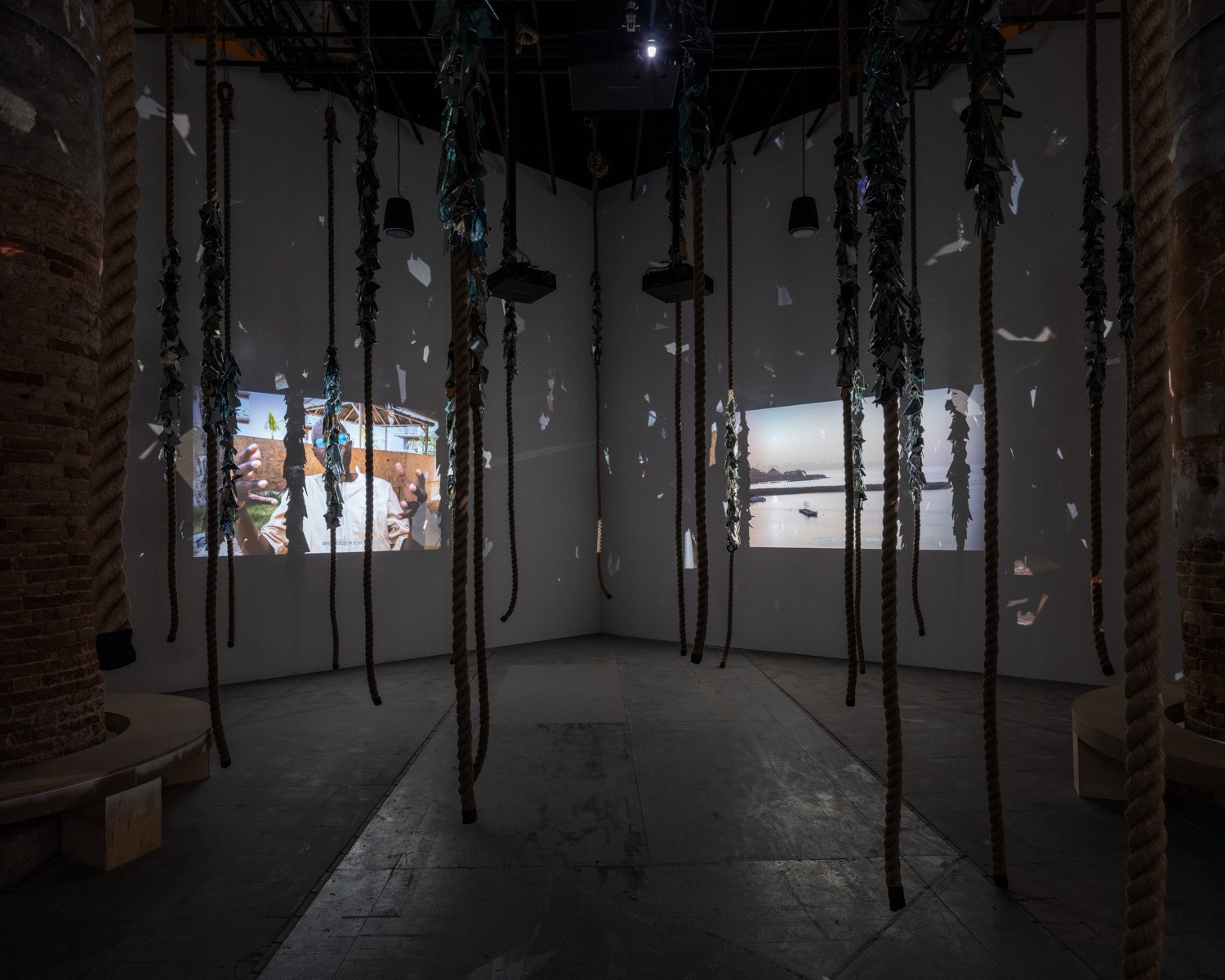
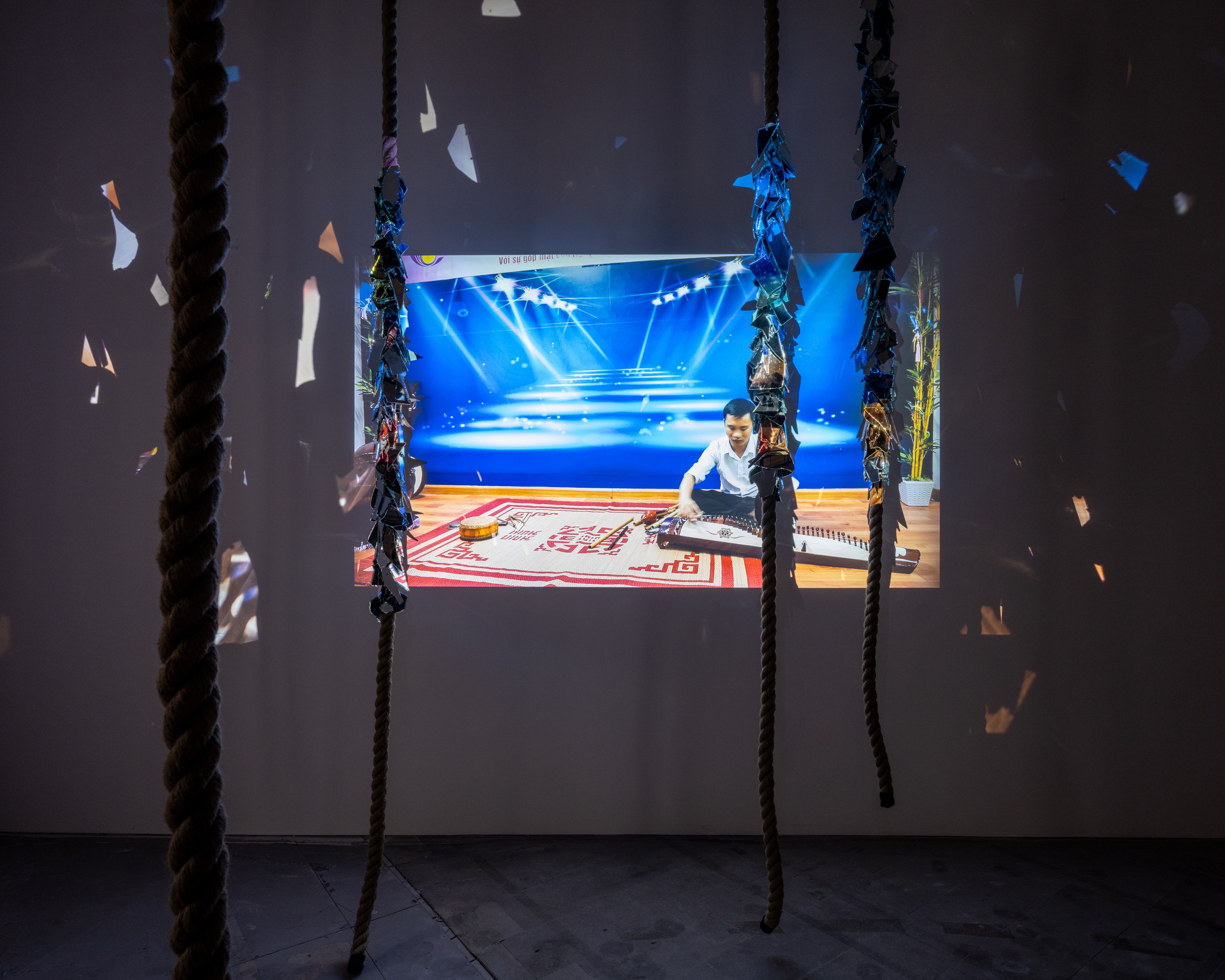
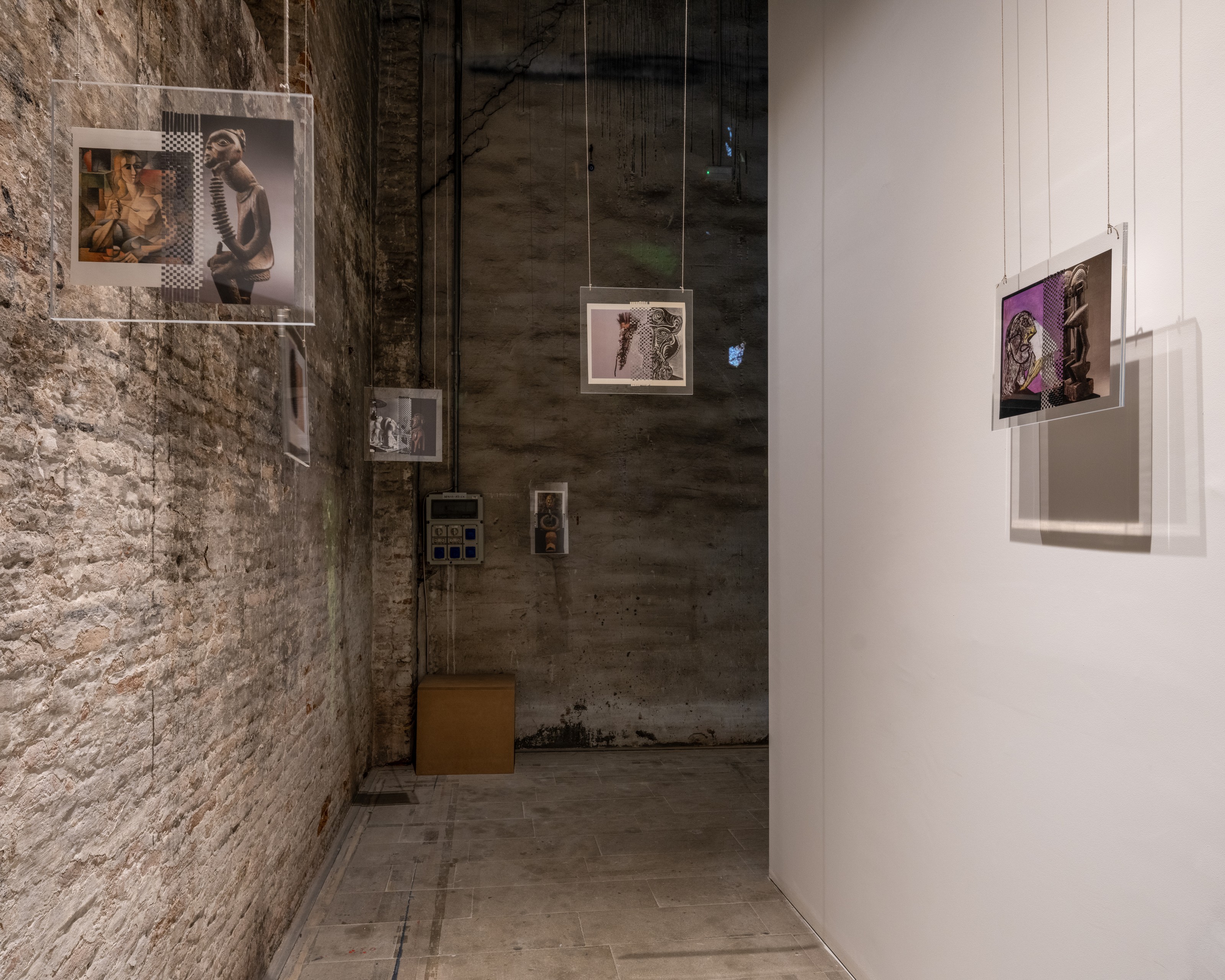
Installation by Kader Attia
Kader Attia

Kader Attia

Installation view

In Minor Keys

61st International Art Exhibition of La Biennale di Venezia

May 9–November 22, 2026

1 of 3:

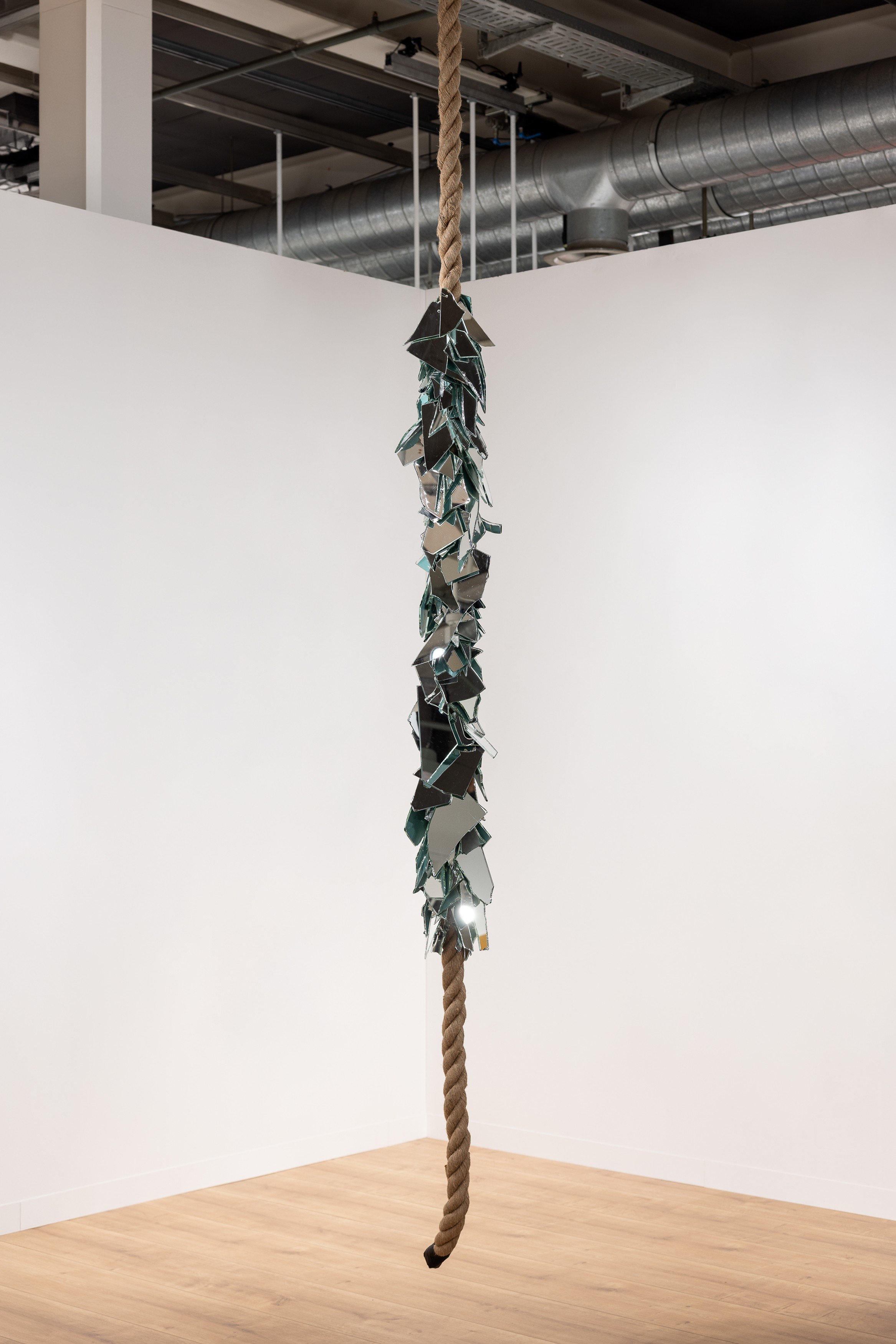
Drawing from his experience of living within two disparate cultures, Kader Attia has developed a complex, multi-media practice that examines the intricacies of social, historical, and cultural differences across the globe, demonstrating how individual and cultural identity is constructed within the context of political domination and conflict. Often using artifacts, discarded quotidian objects, and wartime ephemera to create poetic installations, Attia transforms the space of a gallery into one of introspection, allowing the viewer to become aware of the complicated and often inaccurate depiction of our multiple histories. 

Hanging sculpture by Kader Attia

Kader Attia

Untitled, 2026

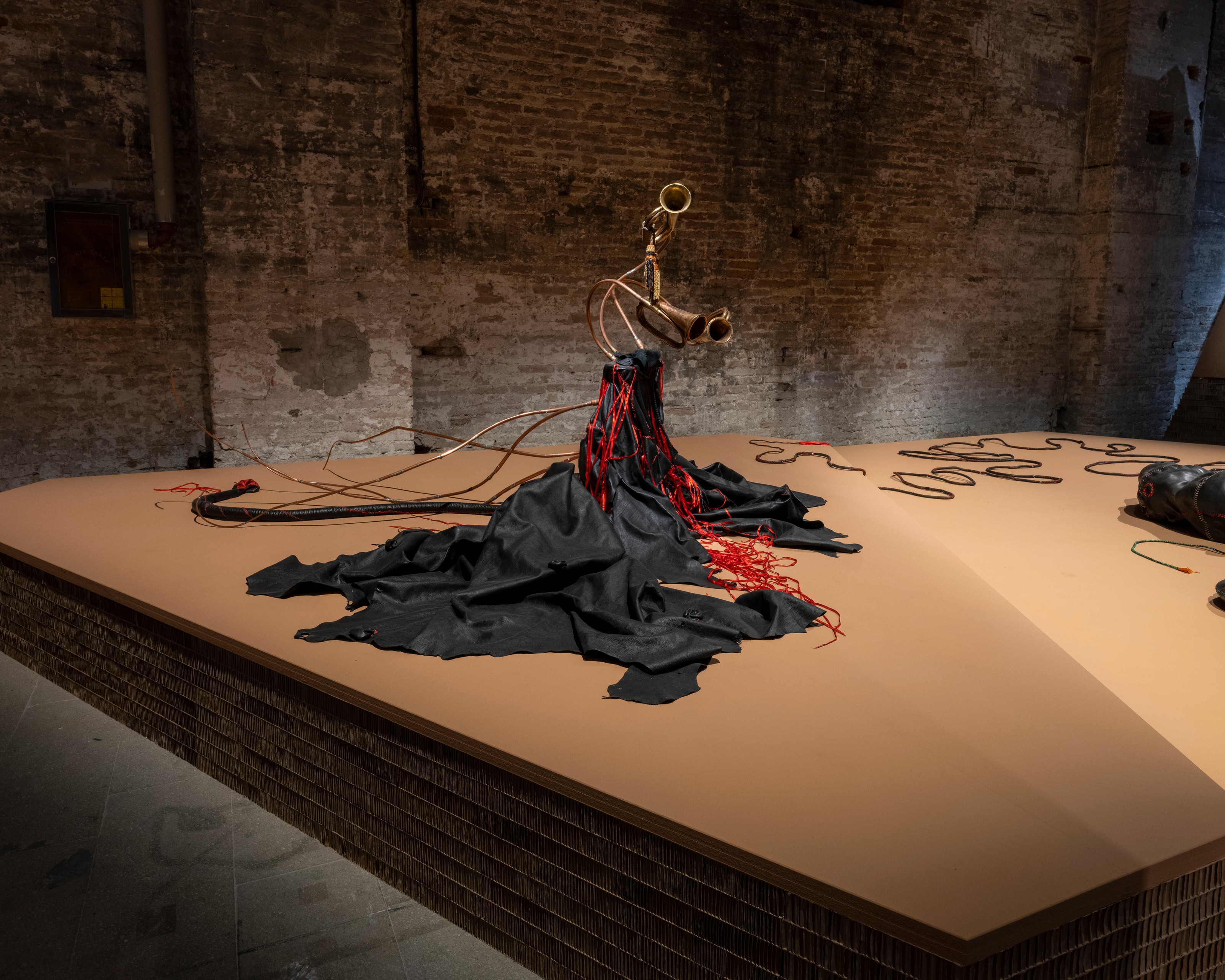
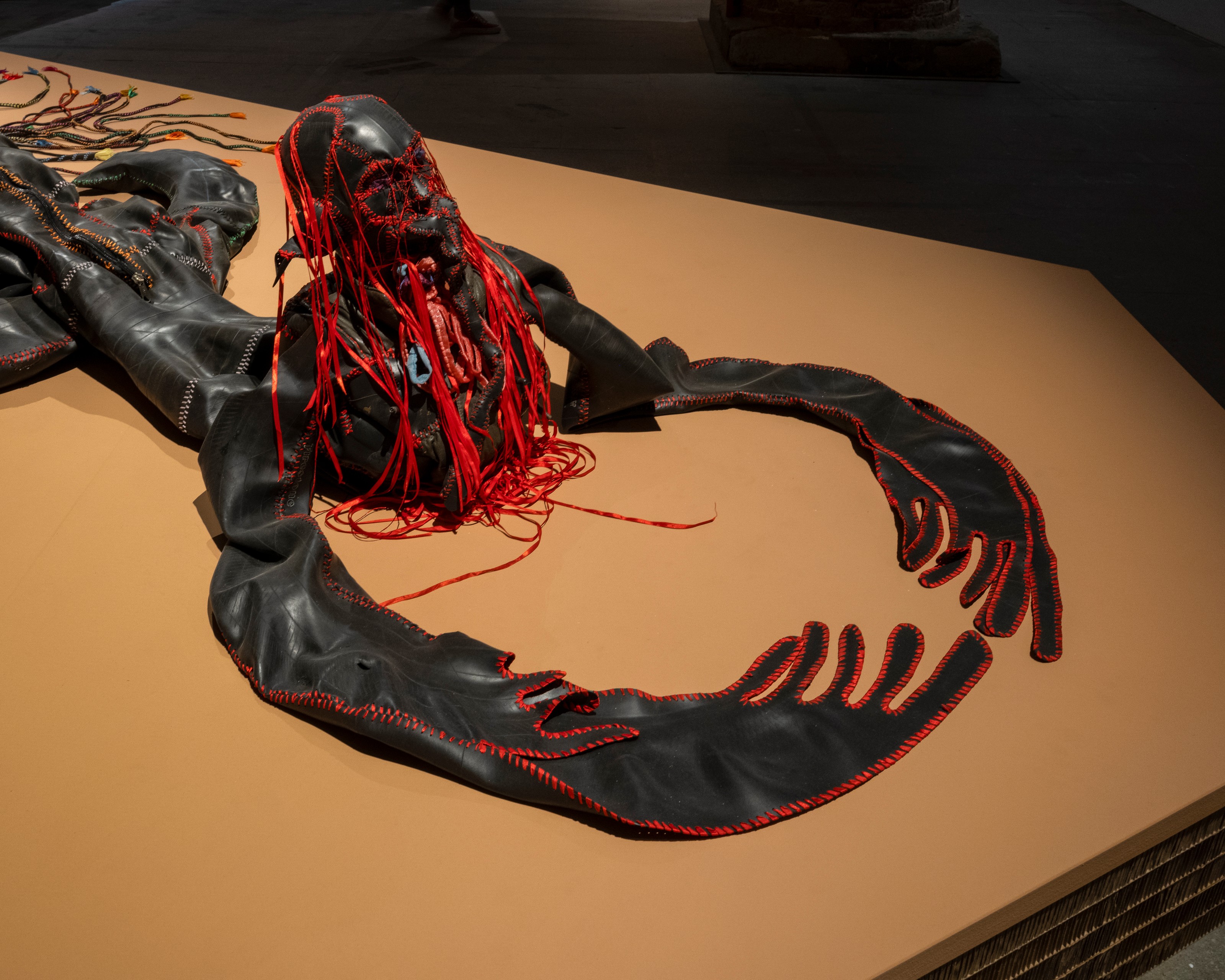
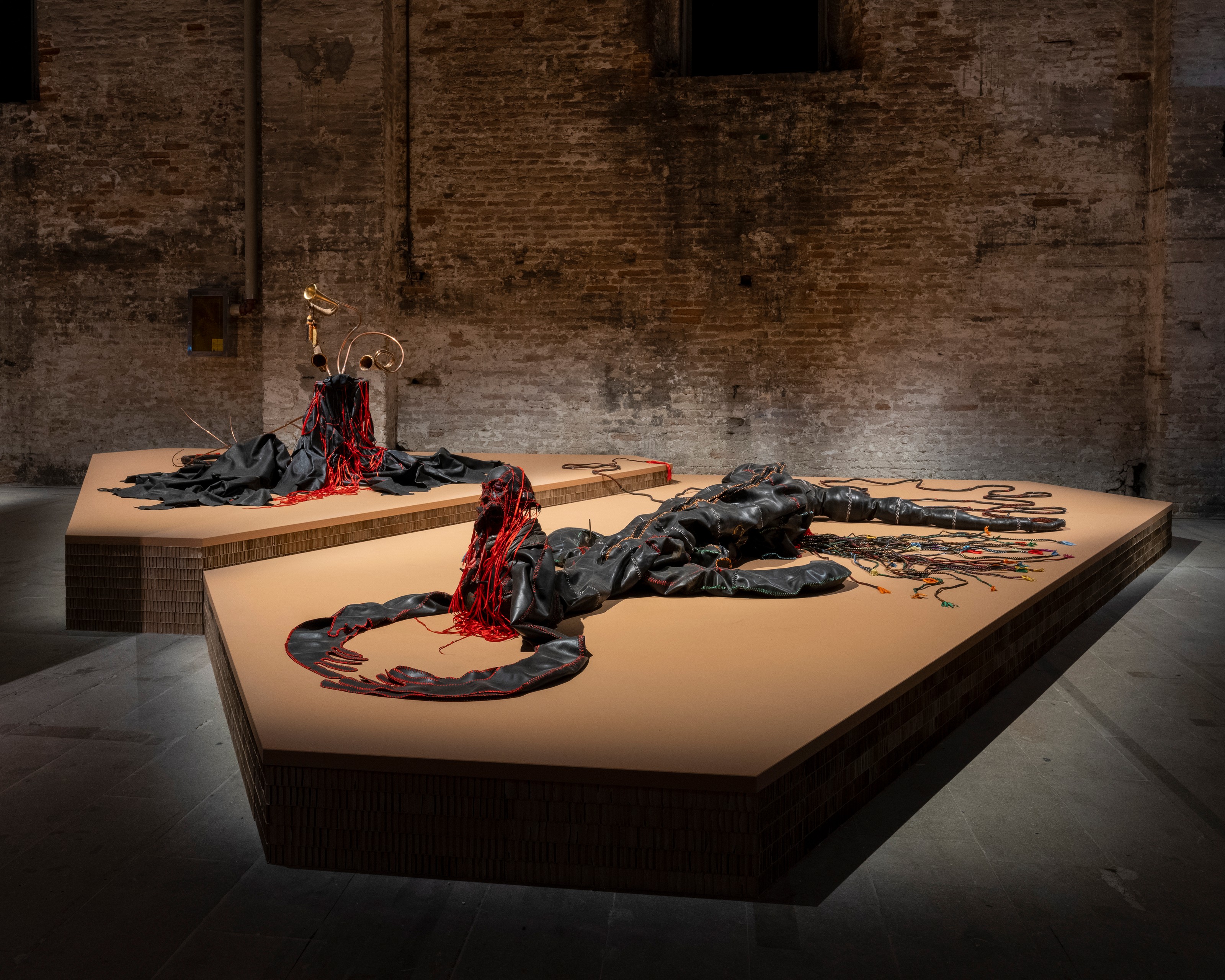
Installation by Nicholas Hlobo
Nicholas Hlobo

Nicholas Hlobo

Installation view

In Minor Keys

61st International Art Exhibition of La Biennale di Venezia

May 9–November 22, 2026

1 of 3:

Nicholas Hlobo is known for his mixed-media canvases, sculpture, performance, and installation works that explore complex identities. He uses metaphorically charged materials such as ribbon, leather, wood, and rubber detritus, which he melds and weaves together to create hybrid objects that are intricate and seductively tactile. Each material holds a particular association with cultural, gendered, sexual, or ethnic identities, forming visual narratives that reflect the various dichotomies present within the artist’s home country of South Africa and around the world.

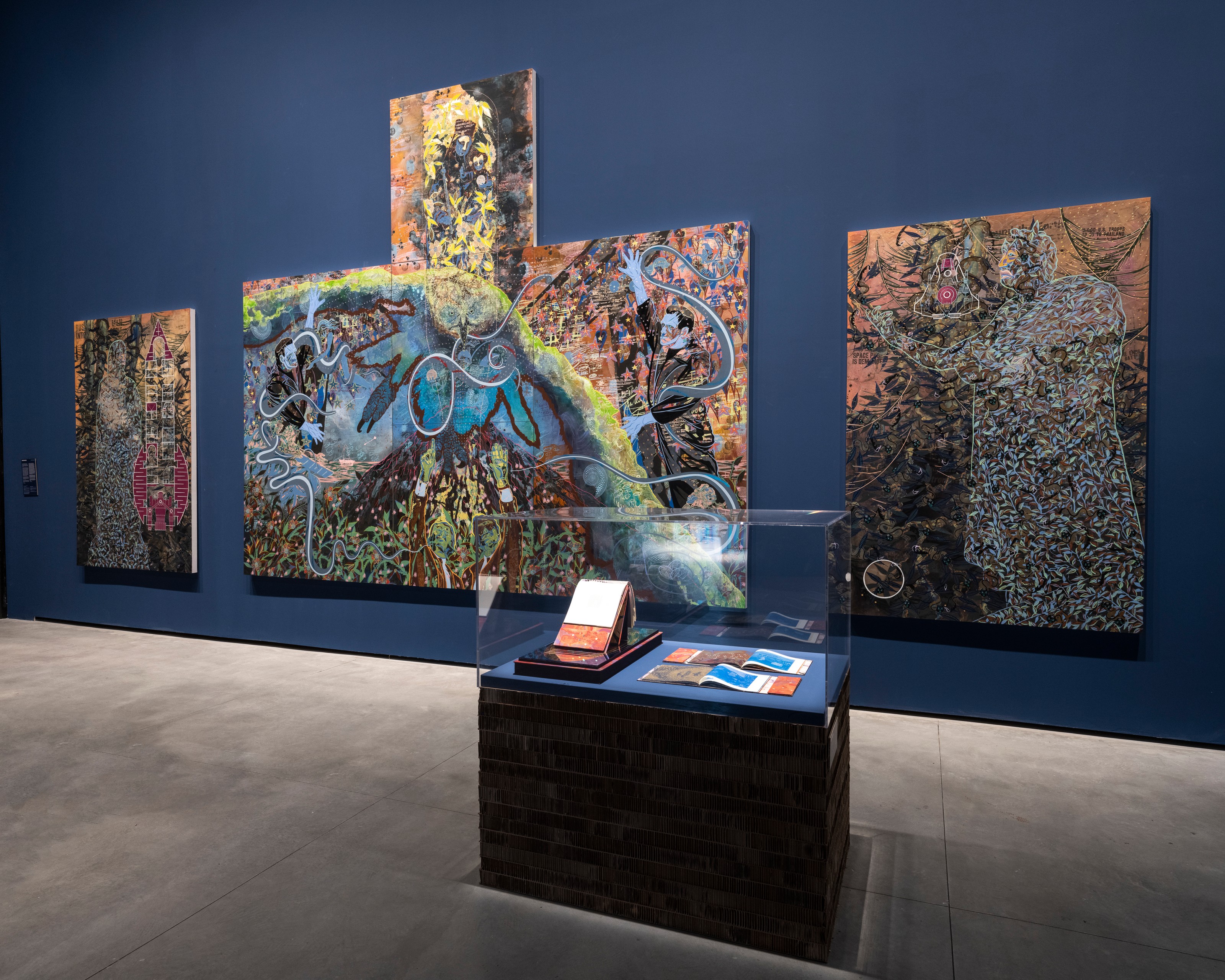
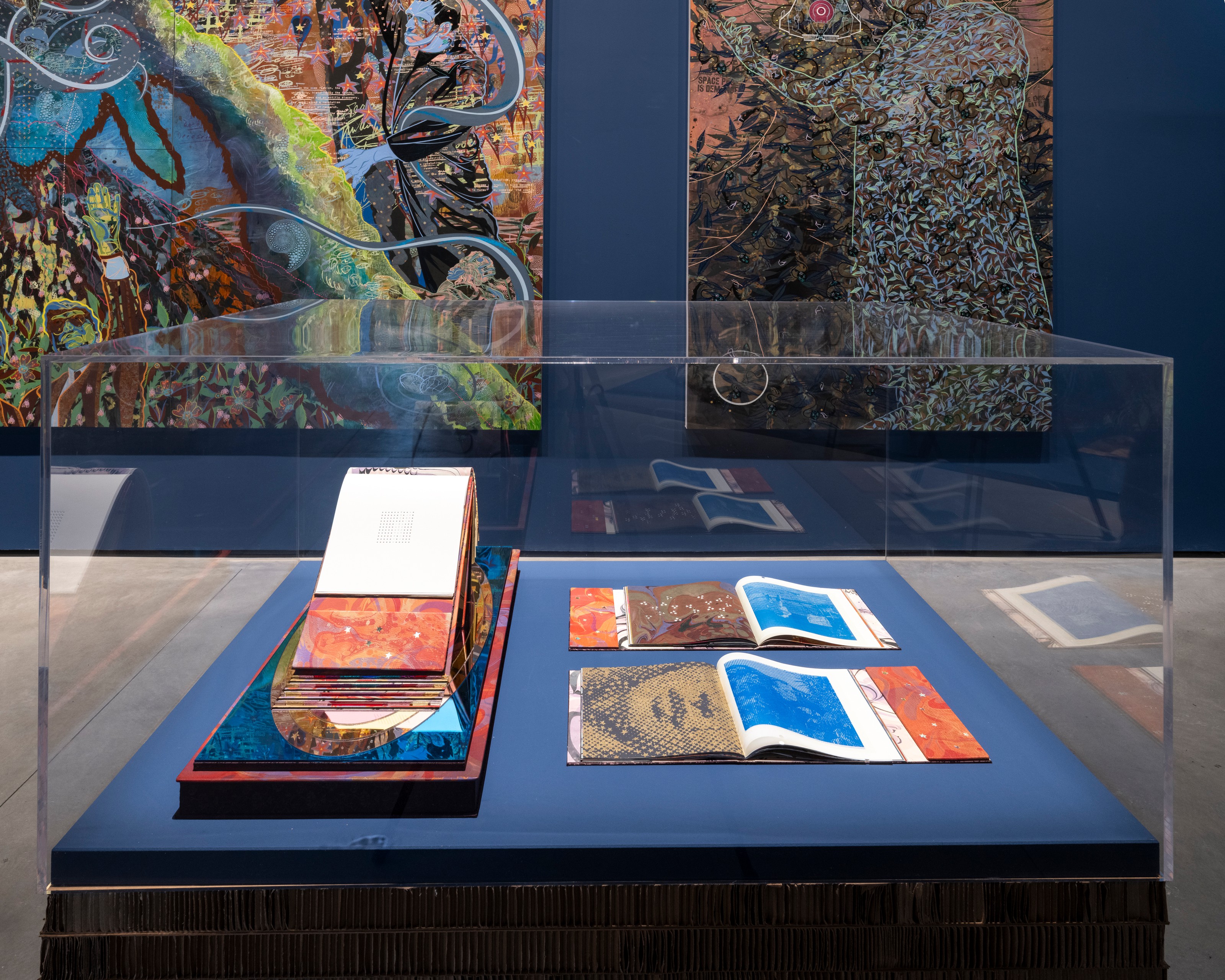
Installation by Tammy Nguyen
Tammy Nguyen

Tammy Nguyen

Installation view

In Minor Keys

61st International Art Exhibition of La Biennale di Venezia

May 9–November 22, 2026

1 of 3:

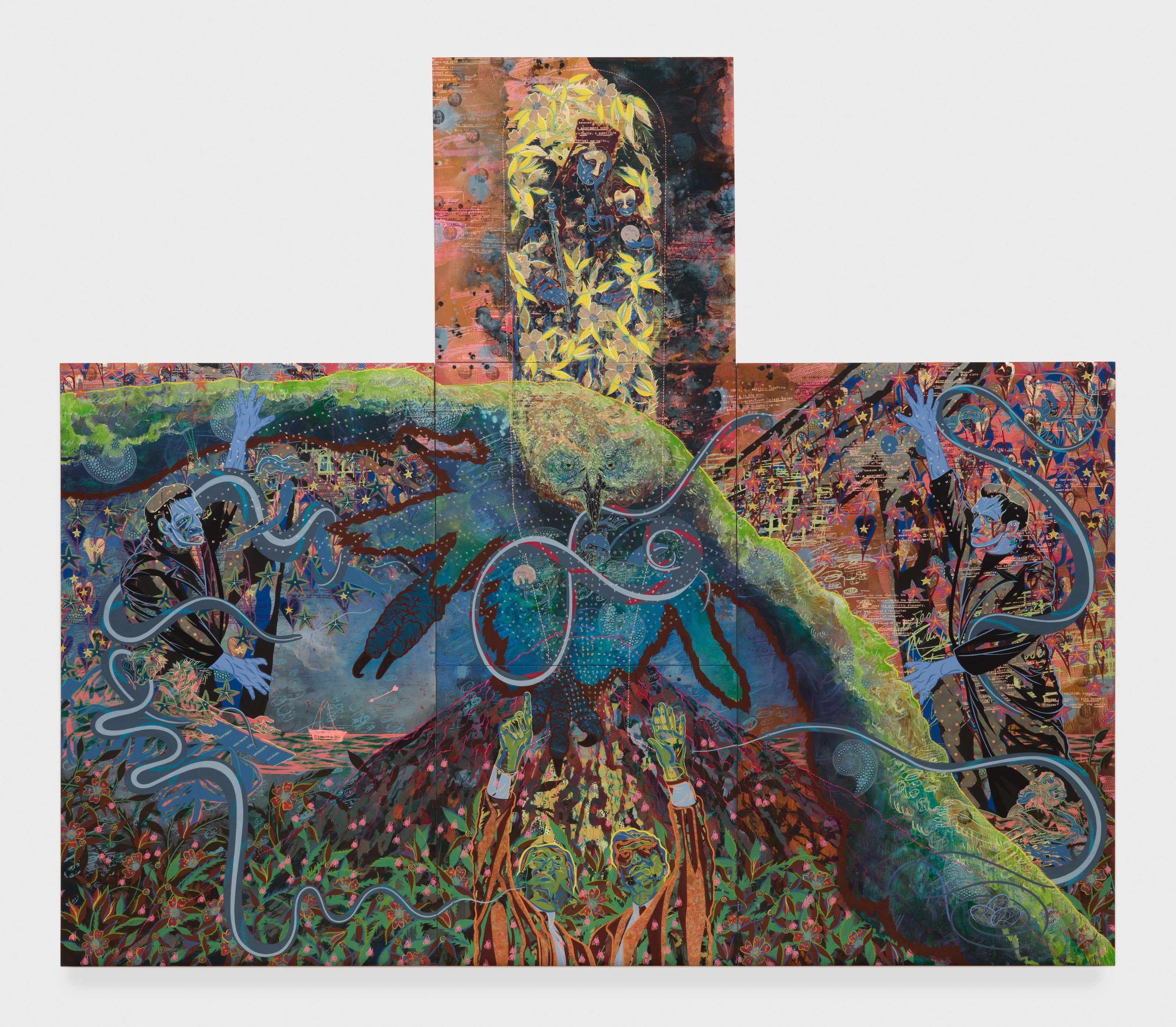
Tammy Nguyen’s multidisciplinary practice explores the intersections between geopolitics, ecology, and foundational texts across the Western canon, using her unique visual language to intertwine disparate subjects and explore the moral gray areas that permeate global history. Across Nguyen’s work, the tension between her elegant forms and harmonious aesthetics often belies the nature of her non-linear storytelling. The confusion this dissonance creates becomes generative, opening space for reevaluation, radical thinking, and the dislodging of complacency.

Painting by Tammy Nguyen

Tammy Nguyen

Love Justice, You Rulers of the Earth, 2025

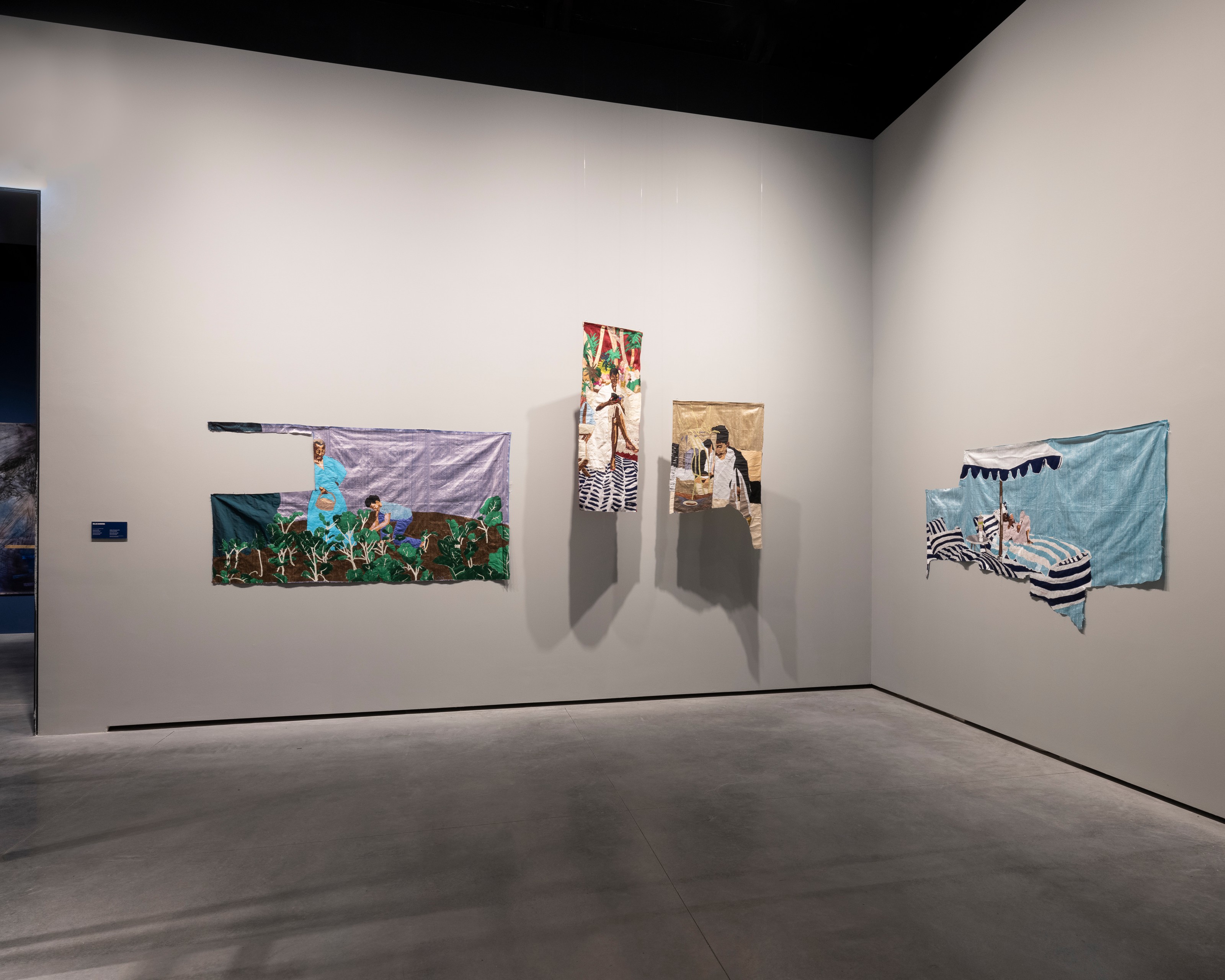
Installation by Billie Zangewa
Billie Zangewa

Billie Zangewa

Installation view

In Minor Keys

61st International Art Exhibition of La Biennale di Venezia

May 9–November 22, 2026

1 of 3:

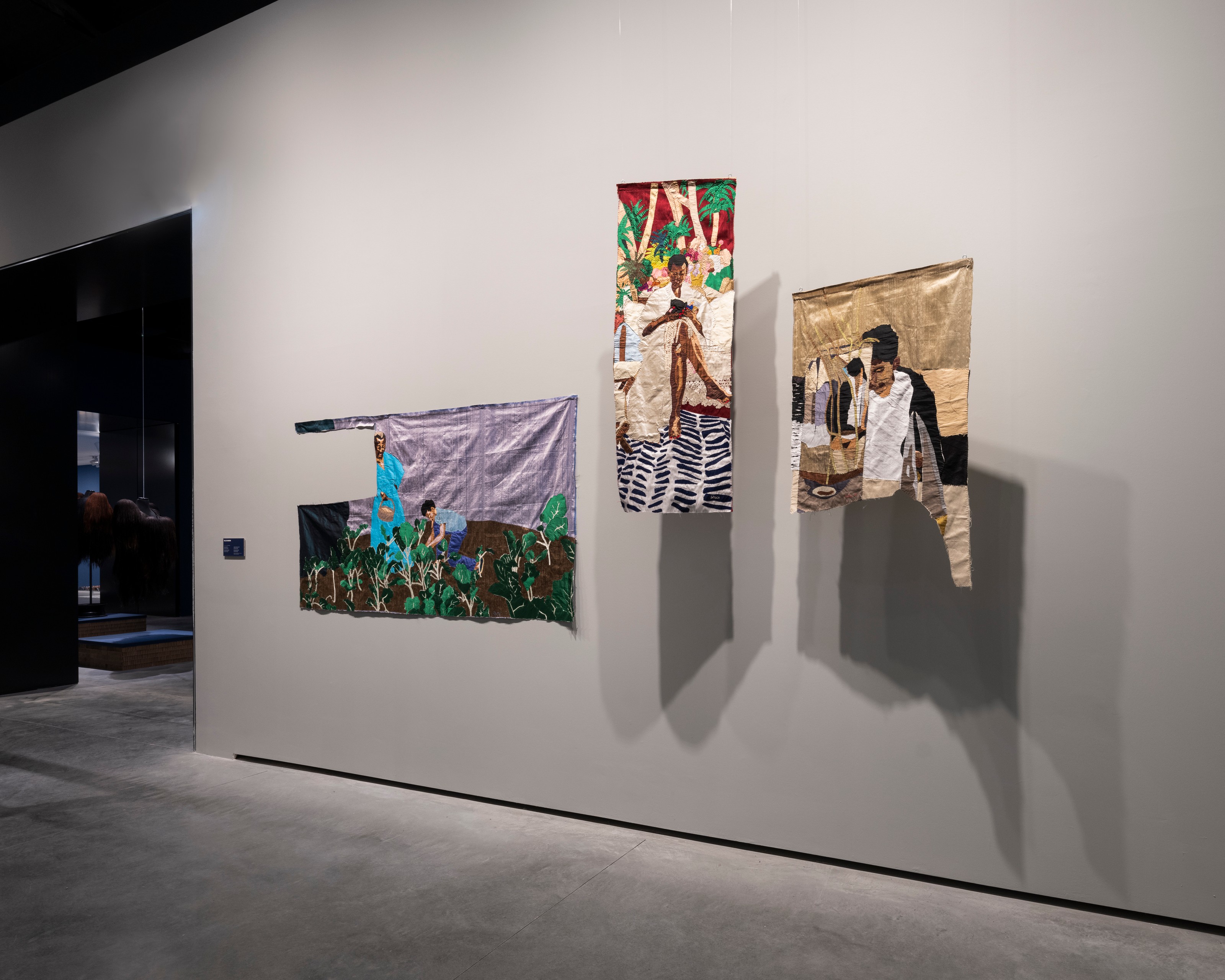
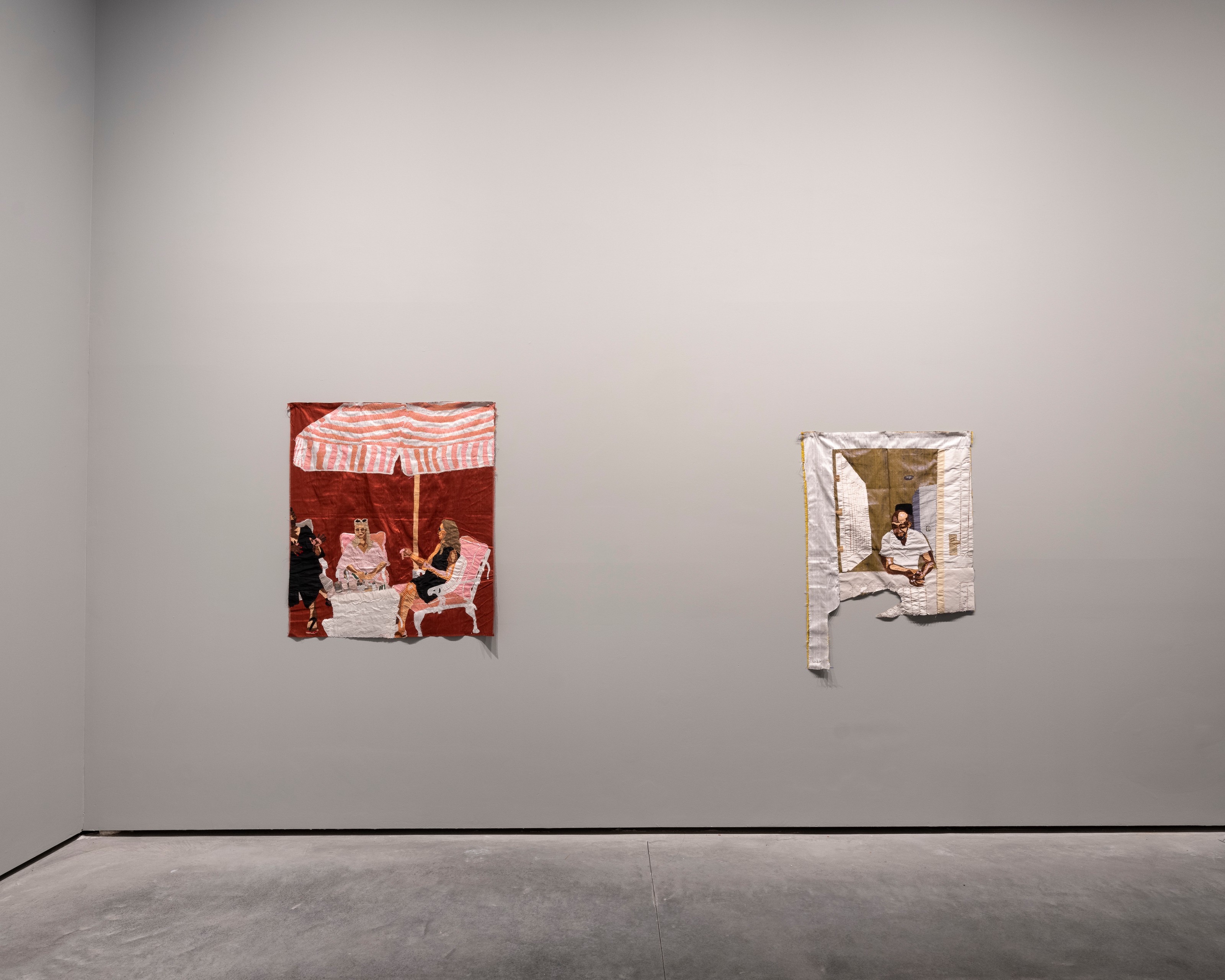
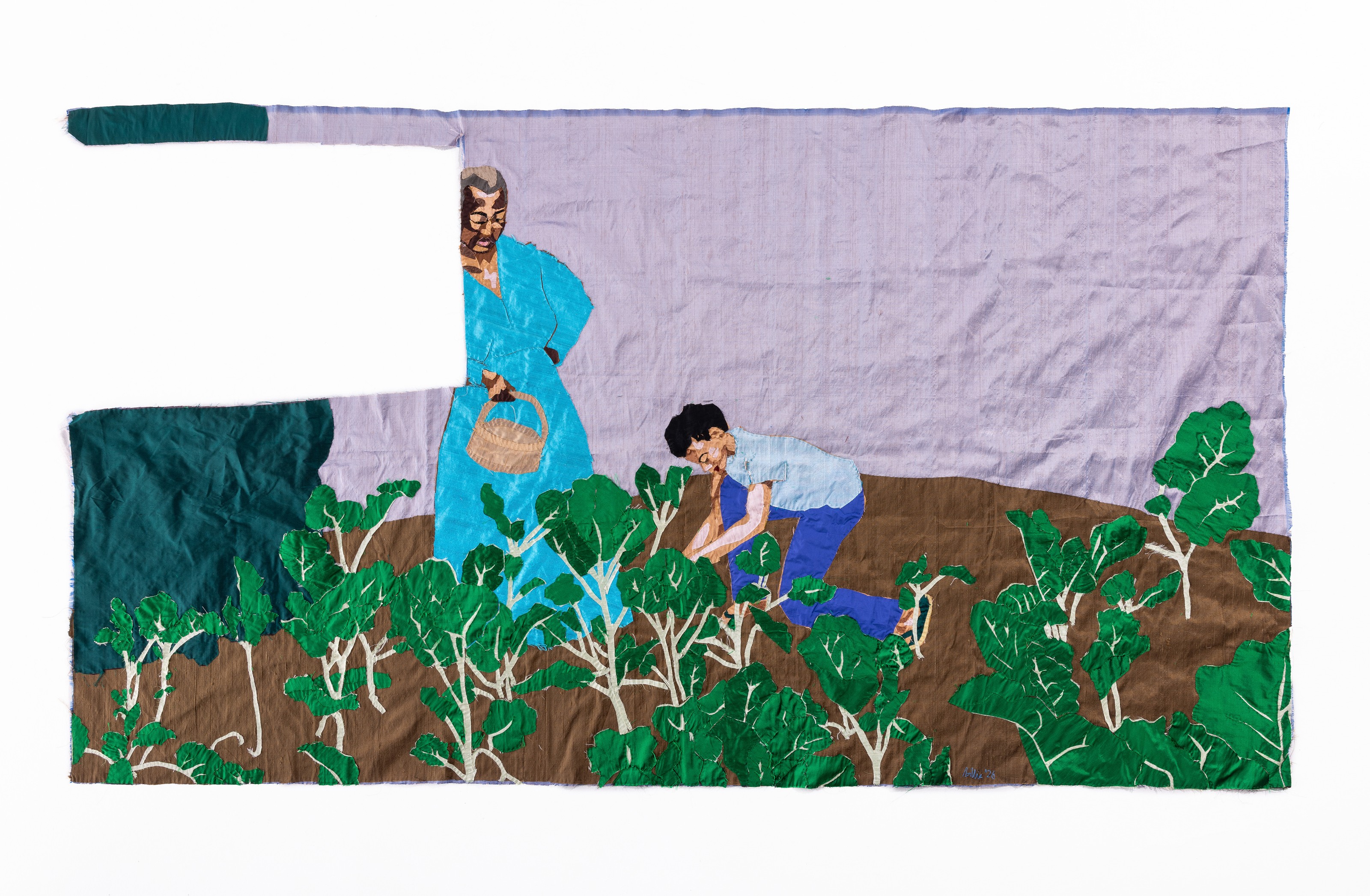
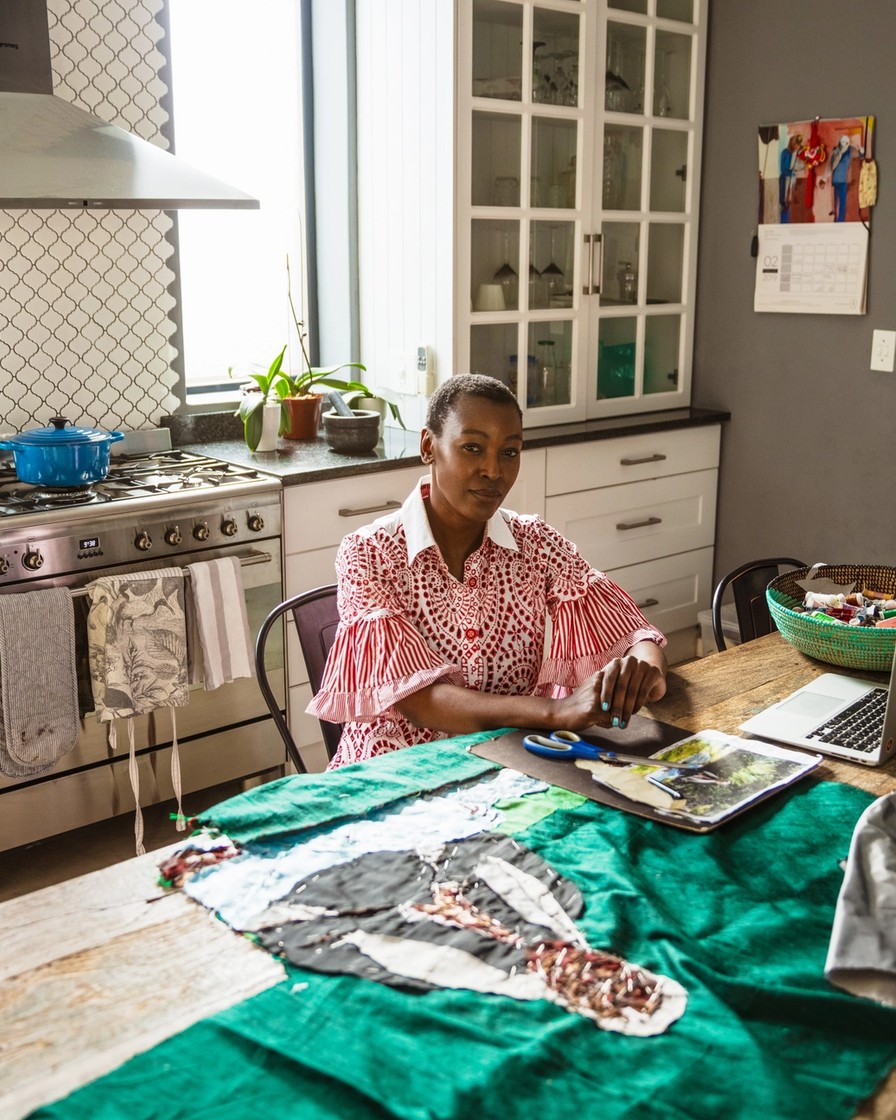
Billie Zangewa creates intricate collages composed of hand-stitched fragments of raw silk. These figurative compositions explore contemporary intersectional identity in an attempt to challenge the historical stereotype, objectification, and exploitation of the Black female form. Depicting “daily feminism" is central to her practice, which Zangewa defines as the often-overlooked labor traditionally undertaken by women under the patriarchy. 

Textile work by Billie Zangewa

Billie Zangewa

Life Lessons, 2026

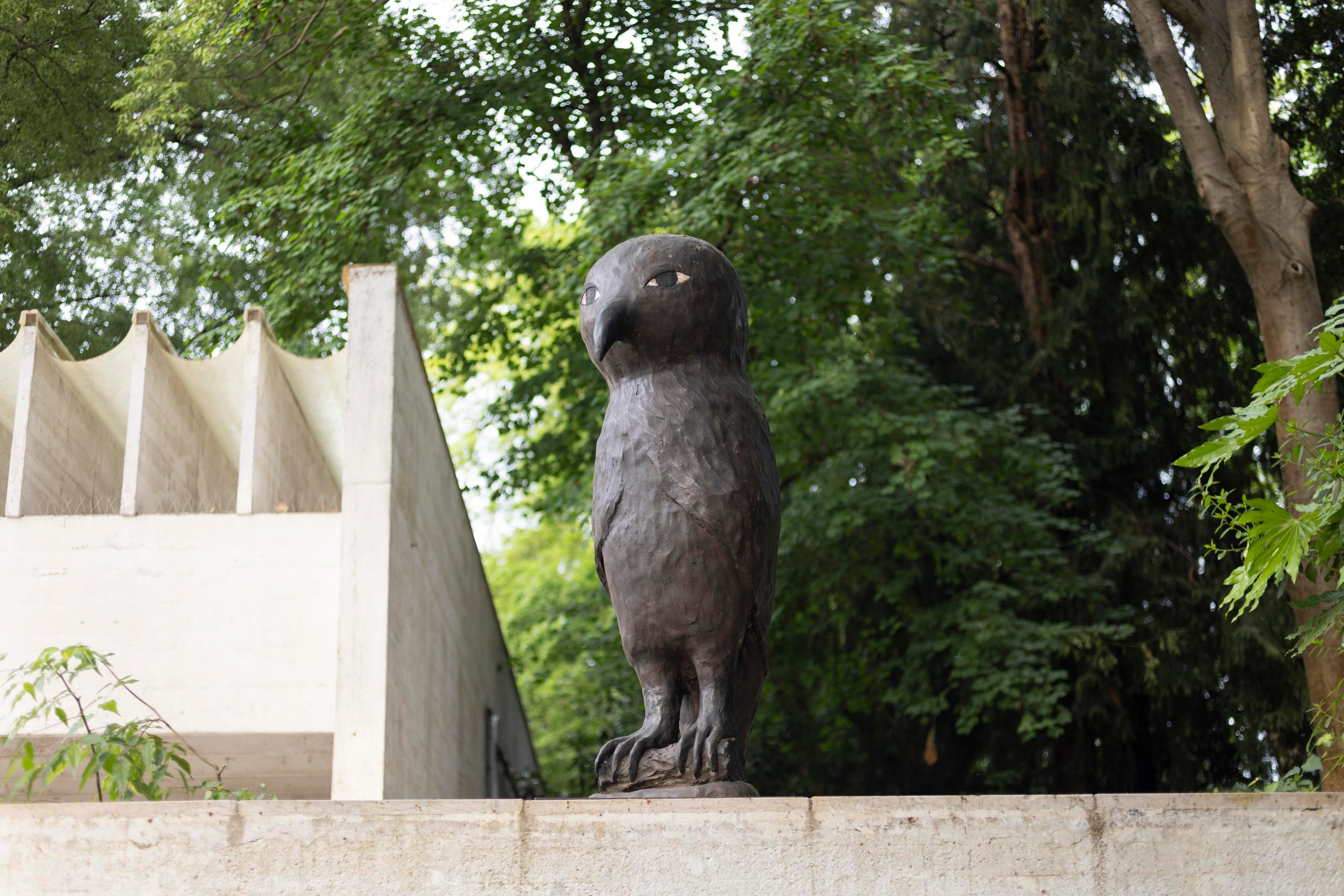
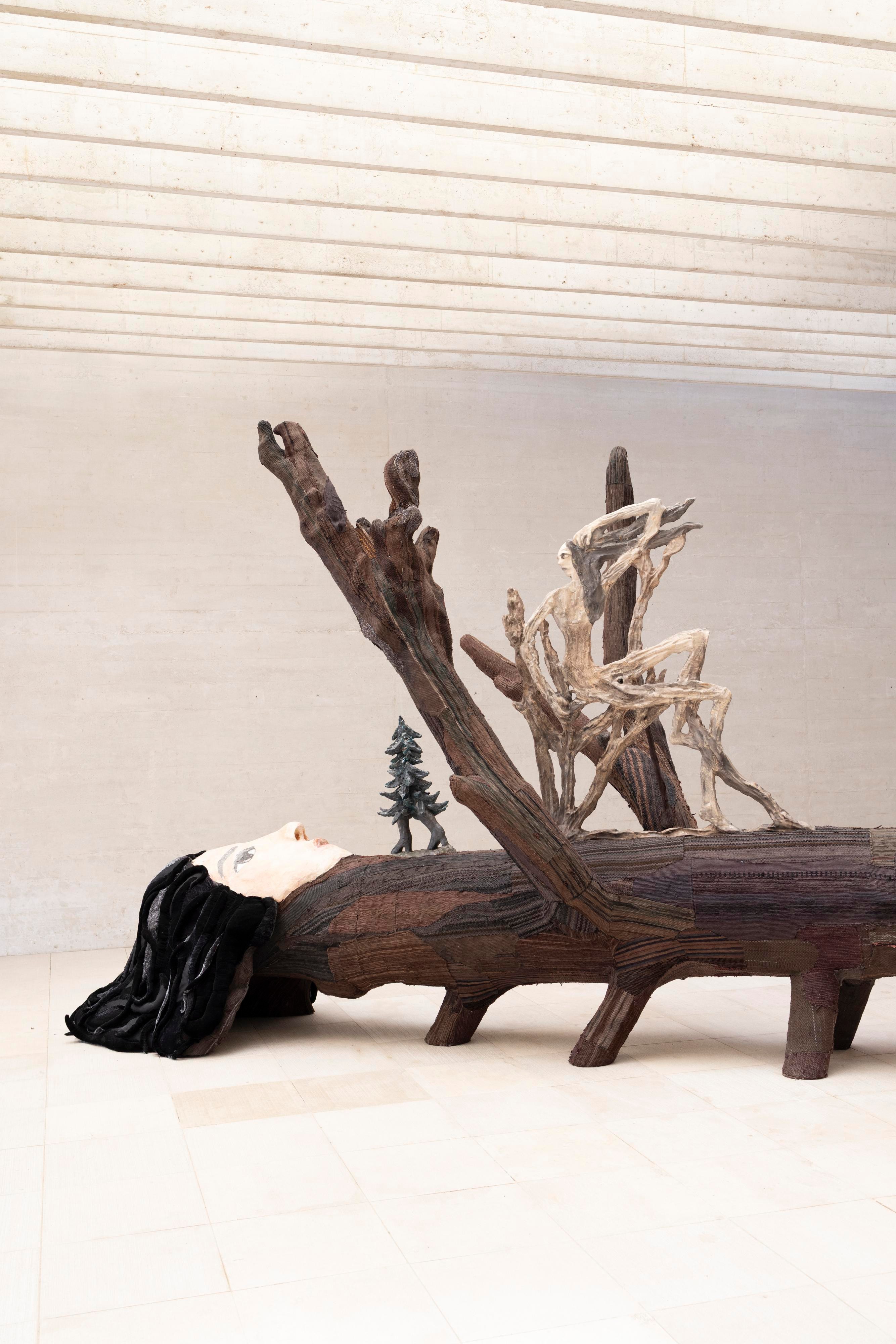
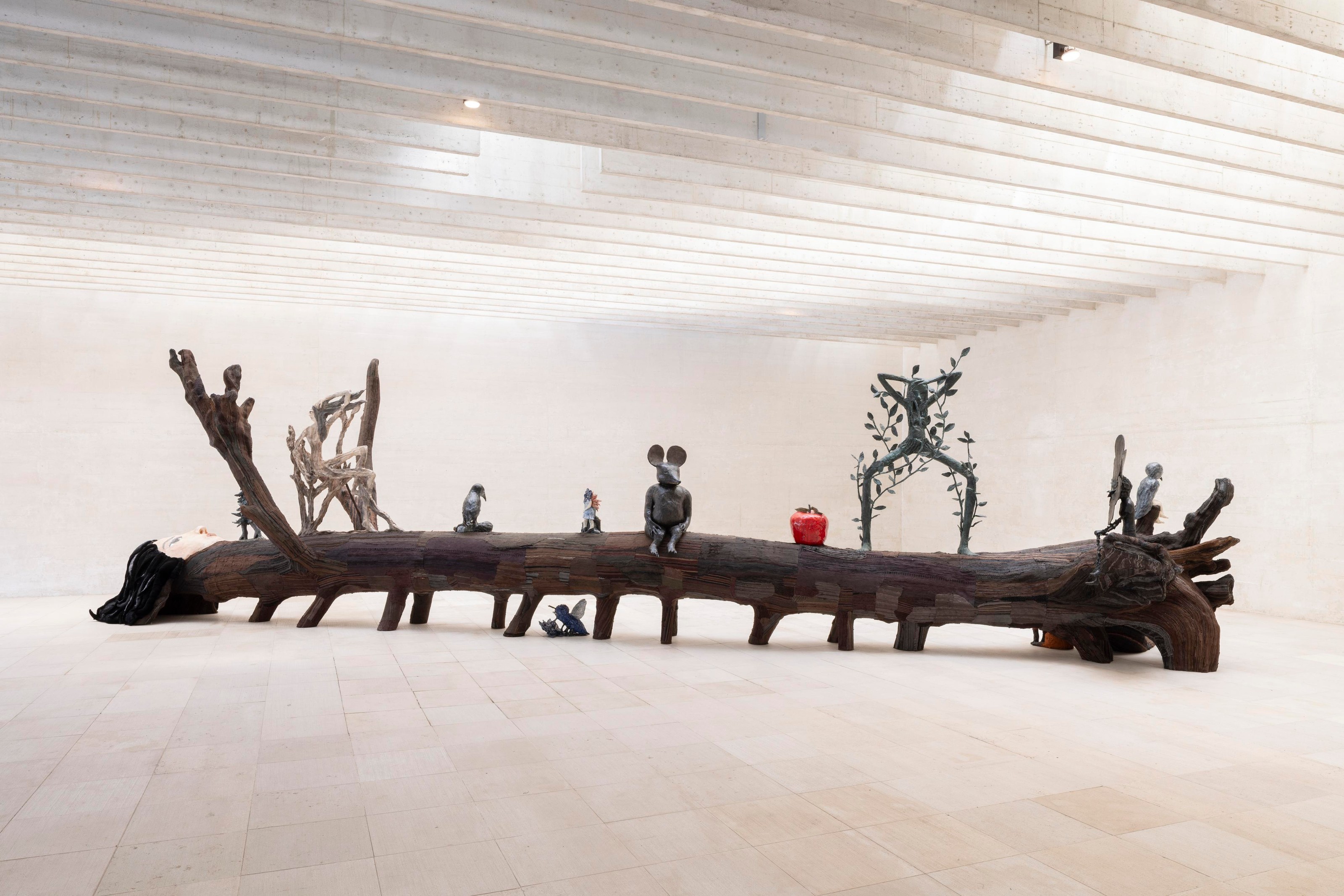
Klara Kristalova: How Many Angels Can Dance on the Head of a Pin?

Klara Kristalova, Benjamin Orlow and Tori Wrånes will transform the Pavilion into a mythical landscape that evokes cycles of decay, renewal and transformation. The Nordic Countries Pavilion will present How Many Angels Can Dance on the Head of a Pin? at the 61st International Art Exhibition of La Biennale di Venezia, running from 9 May to 22 November 2026. Curated by Anna Mustonen (Chief Curator, Museum of Contemporary Art Kiasma), this collaborative exhibition by Klara Kristalova, Benjamin Orlow and Tori Wrånes will transform the Pavilion into a sculptural, mythical landscape that transcends cultural and national boundaries. The exhibition is commissioned by Kiasma and co-commissioned by Moderna Museet, Sweden, and OCA – Office for Contemporary Art Norway.

The exhibition unfolds through a series of interconnected installations inspired by Nordic folklore, fairytales and stories such as the Kalevala - the 19th-century creation epic of Finland and Karelia - but resonating beyond. Across hybrid works that merge plant, animal and human forms, the artists harness the language of myth as a universal point of reference to explore cycles of decay, renewal and transformation, and the deep interconnectedness of all things. In an era marked by environmental disconnection, geopolitical instability and the disruption of borders and identities, myth becomes a lens through which to reflect on our shared human condition and to navigate contemporary global challenges.

Each artist contributes a distinct yet complementary practice. Klara Kristalova (b. 1967, Prague, Czech Republic; lives and works in Norrtälje, Sweden) creates ceramic figures that combine fairytale imagery with the human body and the natural world, infused with uncanny details to suggest moments of vulnerability and transition. Benjamin Orlow (b. 1984, Turku, Finland; lives and works in London, UK) produces monumental sculptures that give physical form to cycles of transformation, drawing on historic motifs and material culture. Tori Wrånes (b. 1978, Kristiansand, Norway; lives and works in Oslo and Kristiansand, Norway) works across music, performance and sculpture to construct dreamlike, otherworldly environments that alter our perceptions and shift how space is experienced.

Together, their works span sculpture, sound, performance and spatial intervention, ranging from the monumental to the intimate. The installations extend across the interior and exterior of Sverre Fehn’s iconic 1962 Pavilion, a building defined by its porous relationship with the surrounding landscape and activated as an integral part of the exhibition. The result is a shared, evolving ecology where art, architecture and nature intersect, and the exploration of transformation becomes an ongoing, embodied experience.

The exhibition’s title, How Many Angels Can Dance on the Head of a Pin?, refers to a famous philosophical thought experiment, symbolic of unanswerable questions and contested limits. Here, it becomes a way of asking how many bodies, beliefs and ways of being can coexist within a shared space. Through myth, material and spatial encounter, the exhibition opens a space for reflection on coexistence in an increasingly polarized world, collectively inviting visitors to consider their relationships to one another, to the natural world, and to time itself.
Klara Kristalova
Lust for Life
1 of 4:

Press Highlights

Exhibition Artists

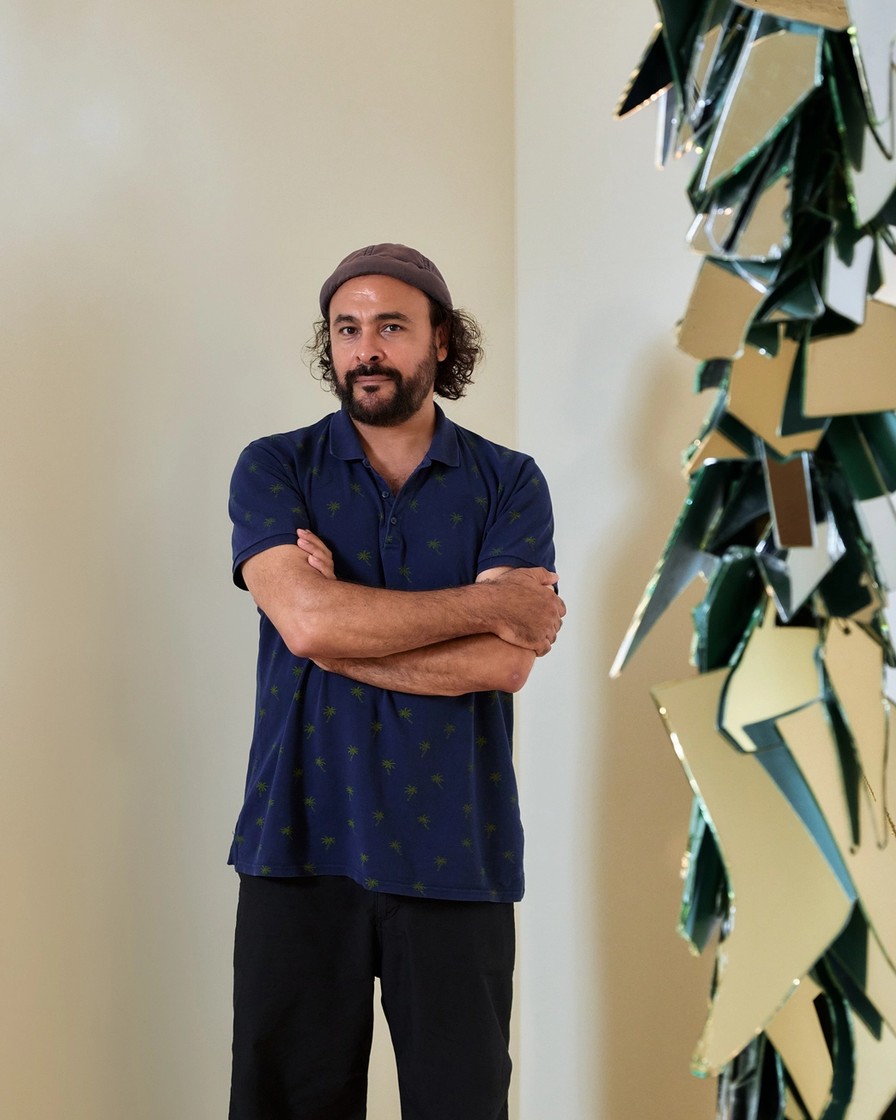
Portrait of Kader Attia

Kader Attia (b. 1970, Seine Saint-Denis, Dugny, France; lives and works in Berlin Germany and Paris, France), grew up in Paris and in Algeria. Preceding his studies at the École Supérieure des Arts Appliqués Duperré and the École Nationale Supérieure des Arts Décoratifs in Paris, and at Escola Massana, Centre d’Art i Disseny in Barcelona, he spent several years in Congo and in South America.The experience with these different cultures, the histories of which over centuries have been characterized by rich trading traditions, colonialism and multi-ethnic societies, has fostered Kader Attia’s intercultural and interdisciplinary approach of research. For many years, he has been exploring the perspective that societies have on their history, especially as regards experiences of deprivation and suppression, violence and loss, and how this affects the evolving of nations and individuals — each of them being connected to collective memory.

His socio-cultural research has led Kader Attia to the notion of Repair, a concept he has been developing philosophically in his writings and symbolically in his oeuvre as a visual artist. With the principle of Repair being a constant in nature — thus also in humanity —, any system, social institution or cultural tradition can be considered as an infinite process of Repair, which is closely linked to loss and wounds, to recuperation and re-appropriation. Repair reaches far beyond the subject and connects the individual to gender, philosophy, science, and architecture, and also involves it in evolutionary processes in nature, culture, myth and history.

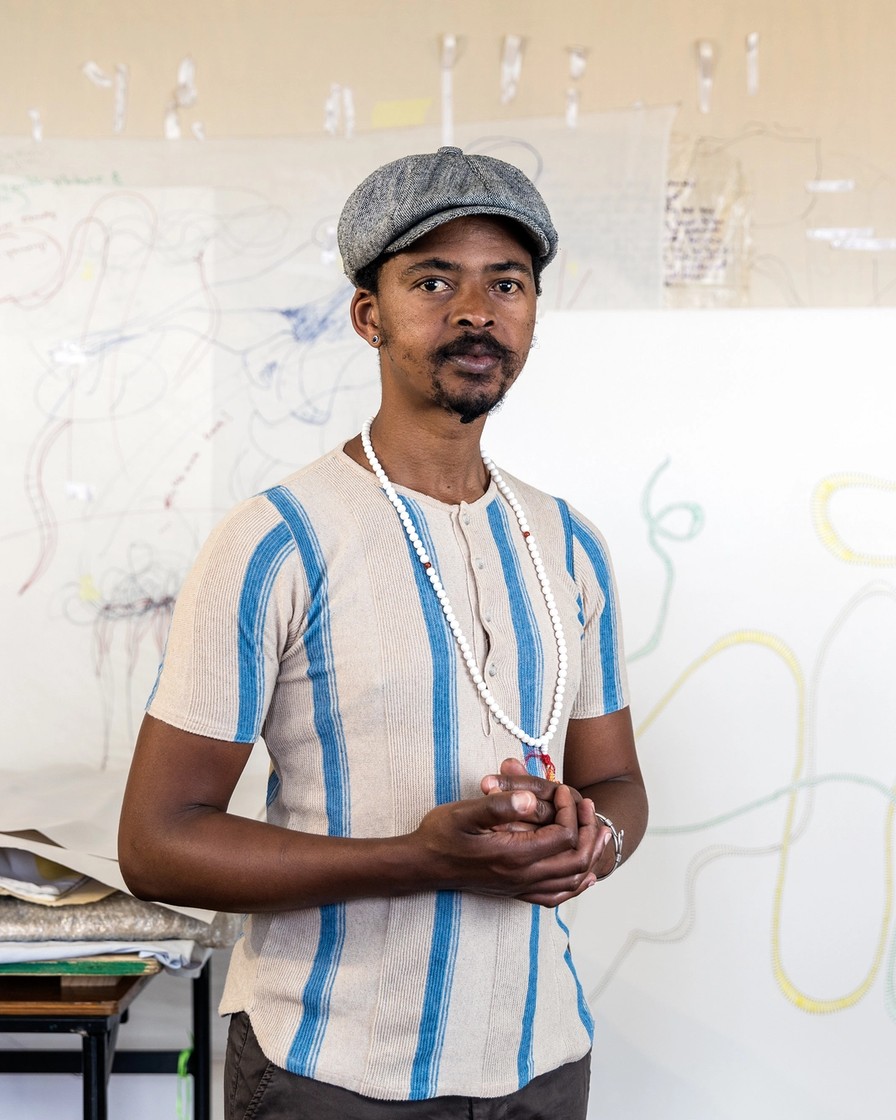
Portrait of Nicholas Hlobo

Nicholas Hlobo (b. 1975, Cape Town, South Africa; lives and works in Johannesburg, South Africa) began his career around the end of apartheid in 1994, when there was a new sense of freedom and national pride in South Africa. With the eradication of legalized and enforced discrimination and segregation, Hlobo and his peers were empowered to openly voice their opinions and ideas under the protection of new laws, and Hlobo’s subtle commentary on the democratic realities of his home country and concerns with the changing international discourse of art formed a foundational tenet of his practice.

Hlobo uses metaphorically charged materials such as ribbon, leather, wood, and rubber detritus, which he melds and weaves together to create two- and three-dimensional hybrid objects that are intricate and seductively tactile. Each material holds a particular association with cultural, gendered, sexual, or ethnic identities, and the works form complex visual narratives that reflect the various dichotomies present within the artist’s home country, as well as those that exist around the world. The results are highly evocative, and the artist combines anthropomorphic imagery with cultural symbols and traditions to create amalgamated forms that feel at once familiar, alien, and ancient. At its core, Hlobo’s practice engages themes of self-discovery and explores the intersections of race, gender, and cultural and sexual identity within the context of his South African heritage.

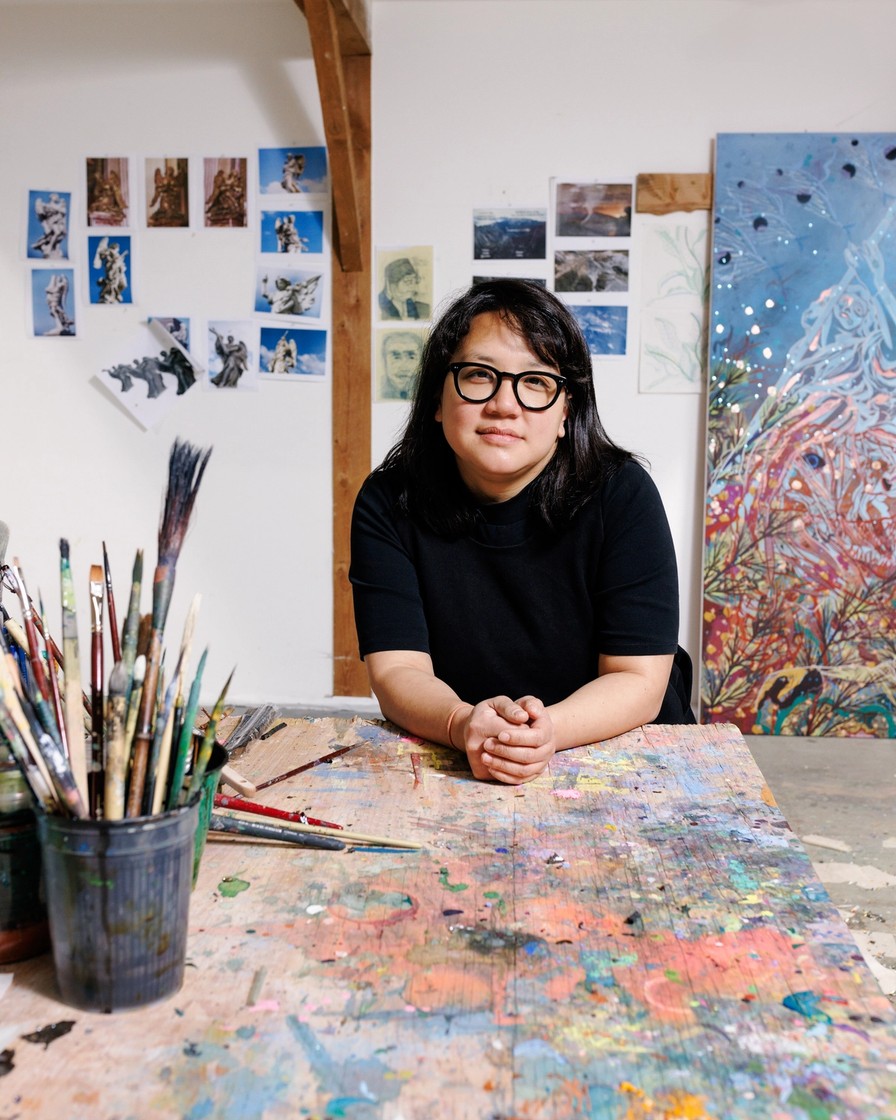
Portrait of Tammy Nguyen

Tammy Nguyen (b. 1984, San Francisco, CA; lives and works in Easton, CT) creates paintings, drawings, artist books, prints, and zines that explore the intersections between geopolitics, ecology, and lesser-known histories. A story teller, Nguyen’s multidisciplinary practice takes two forms—her more traditional fine arts practice, which encompasses her lush, dense paintings, as well as her prints, drawings, and unique artist books, and her publishing practice, embodied through her imprint, Passenger Pigeon Press, which creates and distributes Martha’s Quarterly, a subscription of artist books and interdisciplinary collaborations. Across both domains Nguyen’s work aims to unsettle, and the tension between the artist’s elegant forms and harmonious aesthetics often belies the nature of her content. The confusion this dissonance creates becomes generative, opening space for reevaluation, radical thinking, and the dislodging of complacency.

Many of Nguyen’s paintings expand from her unique artist books, often through engagement with similar themes, questions, or investigations. Throughout her work she has explored a range of topics and ideas, including the Bandung conference, the first large-scale Afro-Asian conference which was attended by world leaders from 29 non-aligned countries during the Cold War, Forest City, a sprawling off-shore development project in Malaysia, and the red-shanked douc langur, an endangered species of monkey native to Laos, Vietnam, and Cambodia. A recent artist book series, Four Ways Through a Cave (2021), relates Nguyen’s travels through the Phong Nha-Ke Bang karst in Vietnam, significant for its numerous underground caverns and passageways and its history in the Vietnam War as a crucial area of the Ho Chi Minh Trail. The book simultaneously invokes Plato’s allegory of the cave—the recognition of truth through the loss of illusion—and conveys the sense of physically moving through a cave, with circular-shaped cutouts that shift from page to page, tunneling through the book and transforming the reader into a momentary spelunker.

Portrait of Billie Zangewa

Billie Zangewa (b. 1973, Blantyre, Malawi; lives and works in Johannesburg, South Africa) creates intricate collages composed of hand-stitched fragments of raw silk. These figurative compositions explore contemporary intersectional identity in an attempt to challenge the historical stereotype, objectification, and exploitation of the black female form. Beginning her career in the fashion and advertising industries, Zangewa employs her understanding of textiles to portray personal and universal experiences through domestic interiors, urban landscapes, and portraiture. Her earliest works were embroideries on found fabrics depicting remembered botanical scenes and animals from Botswana, where the artist was raised, but she soon transitioned to creating cityscapes, focusing on her experience as a woman in the city of Johannesburg and her personal relationships. These works explored her experience of the male gaze, leading her to begin to think more critically about how women view themselves and what the visualization of the female gaze, through self-portraiture, could look like.

After the birth of her son, Zangewa began making her well-known domestic interiors to explore the shift in focus from self-examination and femininity to motherhood and the home. Often referencing scenes or experiences from everyday life, Zangewa has stated that she is interested in depicting the work done by women that keeps society running smoothly, but which is often overlooked, undervalued, or ignored. Zangewa refers to this as “daily feminism,” which can be considered a contemporary version of “the personal is political.” Through the method of their making and their narrative content, Zangewa’s silk paintings illustrate gendered labor in a socio-political context, where the domestic sphere becomes a pretext for a deeper understanding of the construction of identity, questions around gender stereotypes, and racial prejudice.

Portrait of Klara Kristalova

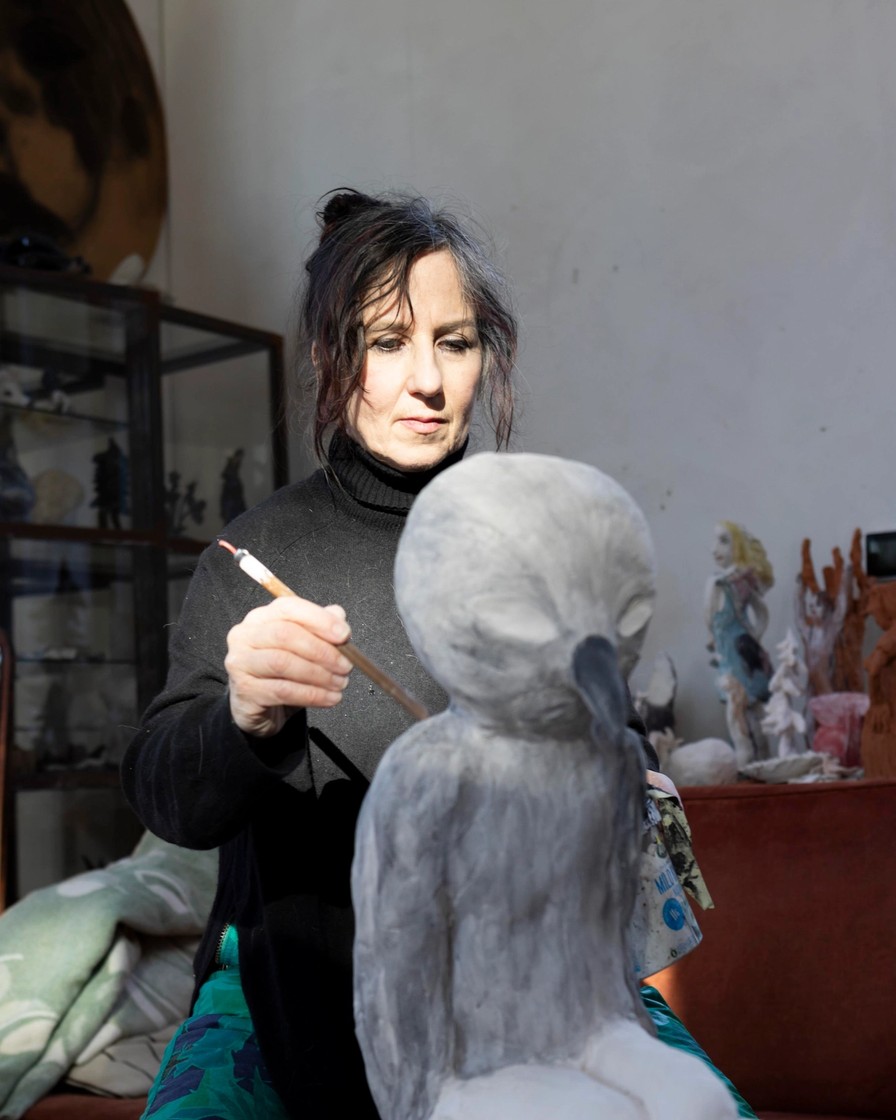
Klara Kristalova (b. 1967, Czechoslovakia; lives and works in Norrtälje, Sweden) creates figurative ceramic sculptures that take on hybrid forms. Many of Kristalova’s works incorporate both aspects of the human body and elements of nature, such as animals, insects, flowers, and trees. Infused with uncanny details and observations from her daily life and surroundings, Kristalova’s figures constitute a juxtaposition of scale where minute details reflect the monumental impact of constant change. Her oeuvre is grounded in an exploration of transitional states essential to both human and ecological life, and her sculptures conjure a familiar yet fantastical presence that exudes raw emotion. Building a fictive world that bridges humanity, ecology, and fantasy, Kristalova’s sculptures undergird the omnipresence of change across all forms of life.

Crafted in the artist’s secluded studio in Norrtälje, Sweden, Kristalova’s rugged style evokes a sense of discomfort, mirroring the sensitive and porous emotional landscape one finds themselves in when weathering changes. The figures exist in a liminal state, often possessing both human and anthropomorphic qualities and perhaps challenging such distinctions altogether. In this sense, Kristalova’s rustic style reminds us that the sculptural process is inherently transformative, as natural materials are shaped into static and enduring forms.