Skip to content

Heidi Bucher

The Site of Memory

New York

Apr 25–Jun 15, 2019

Latex & Rubber Work by Heidi Bucher

501 West 24th Street

New York, NY 10011

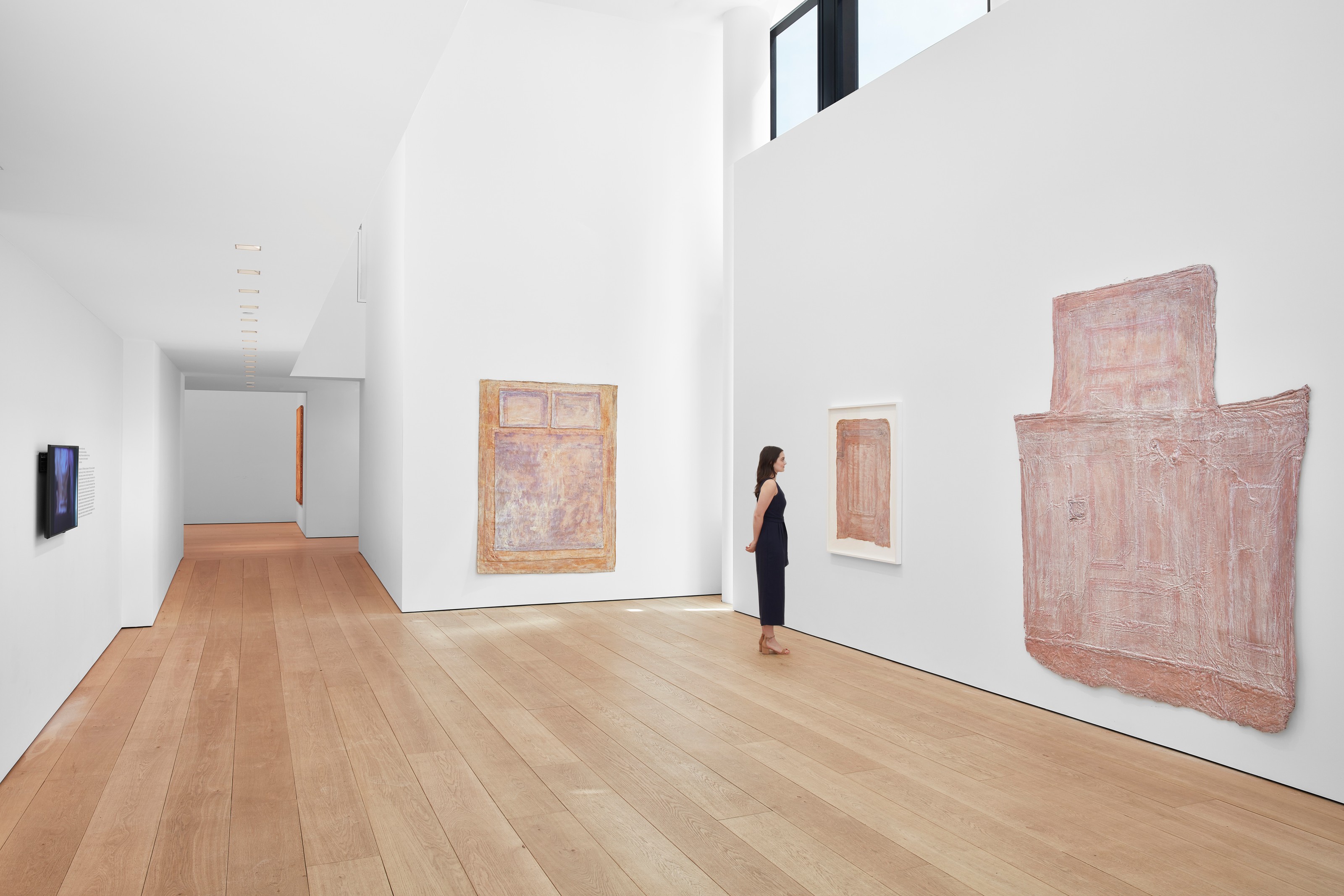
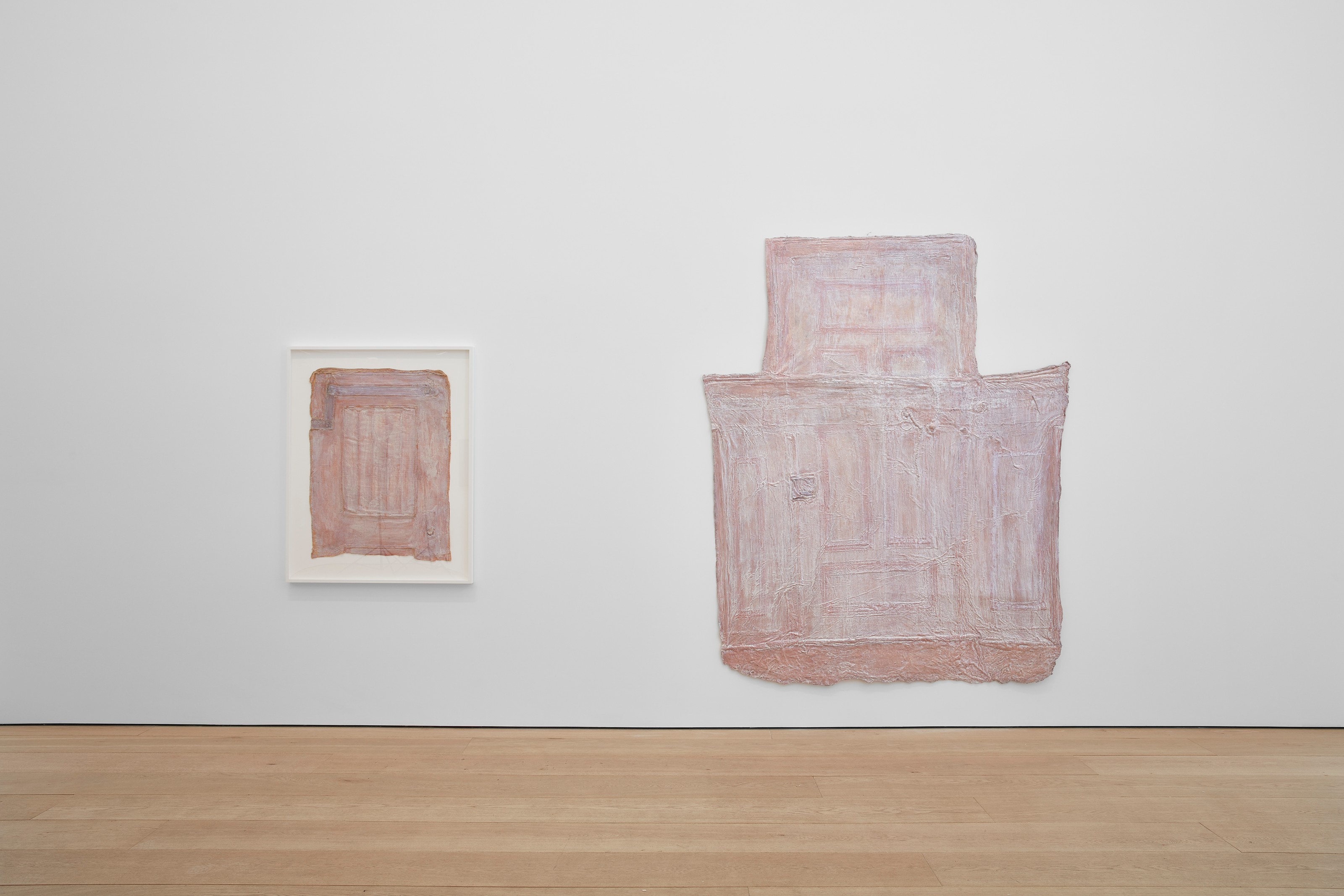
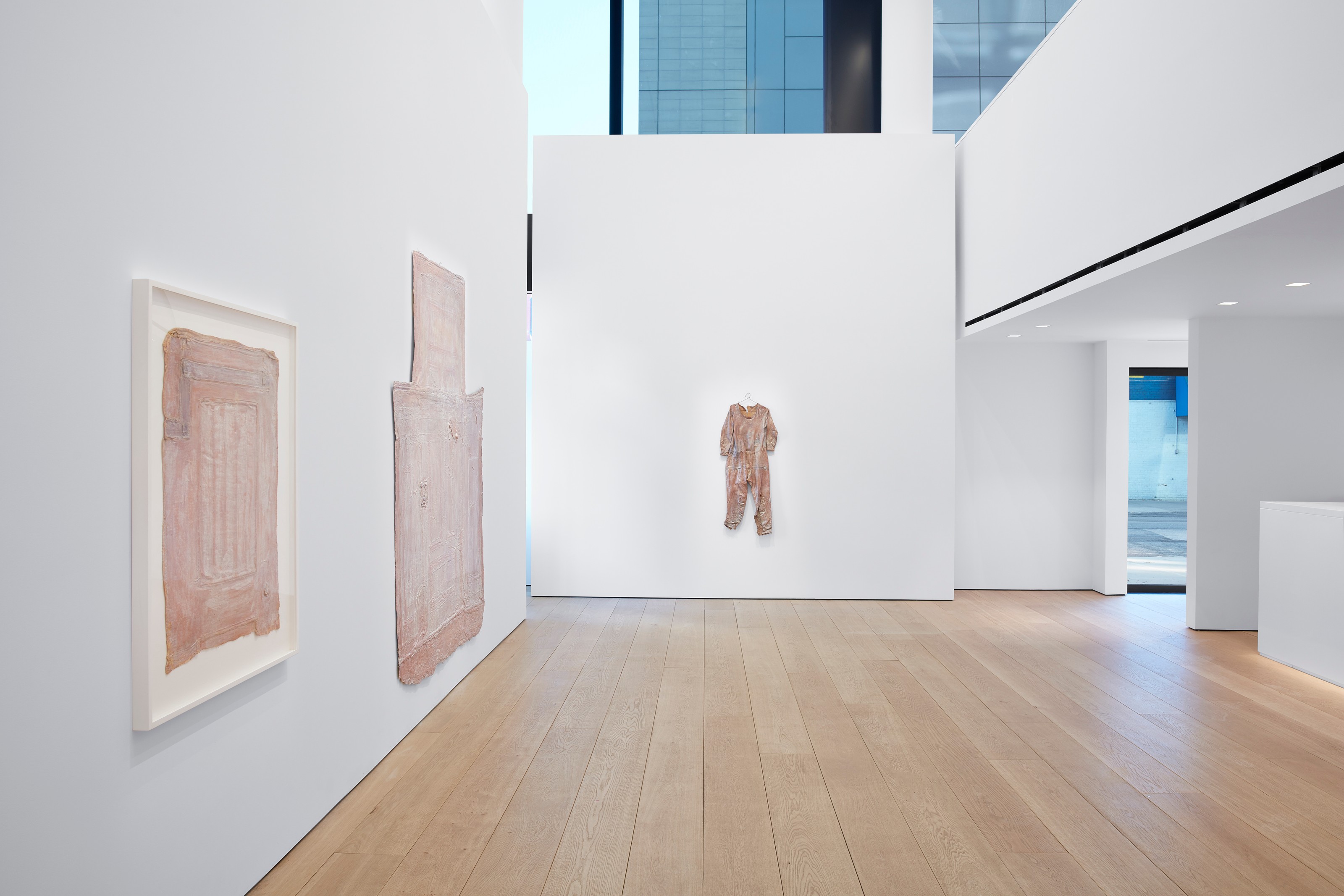
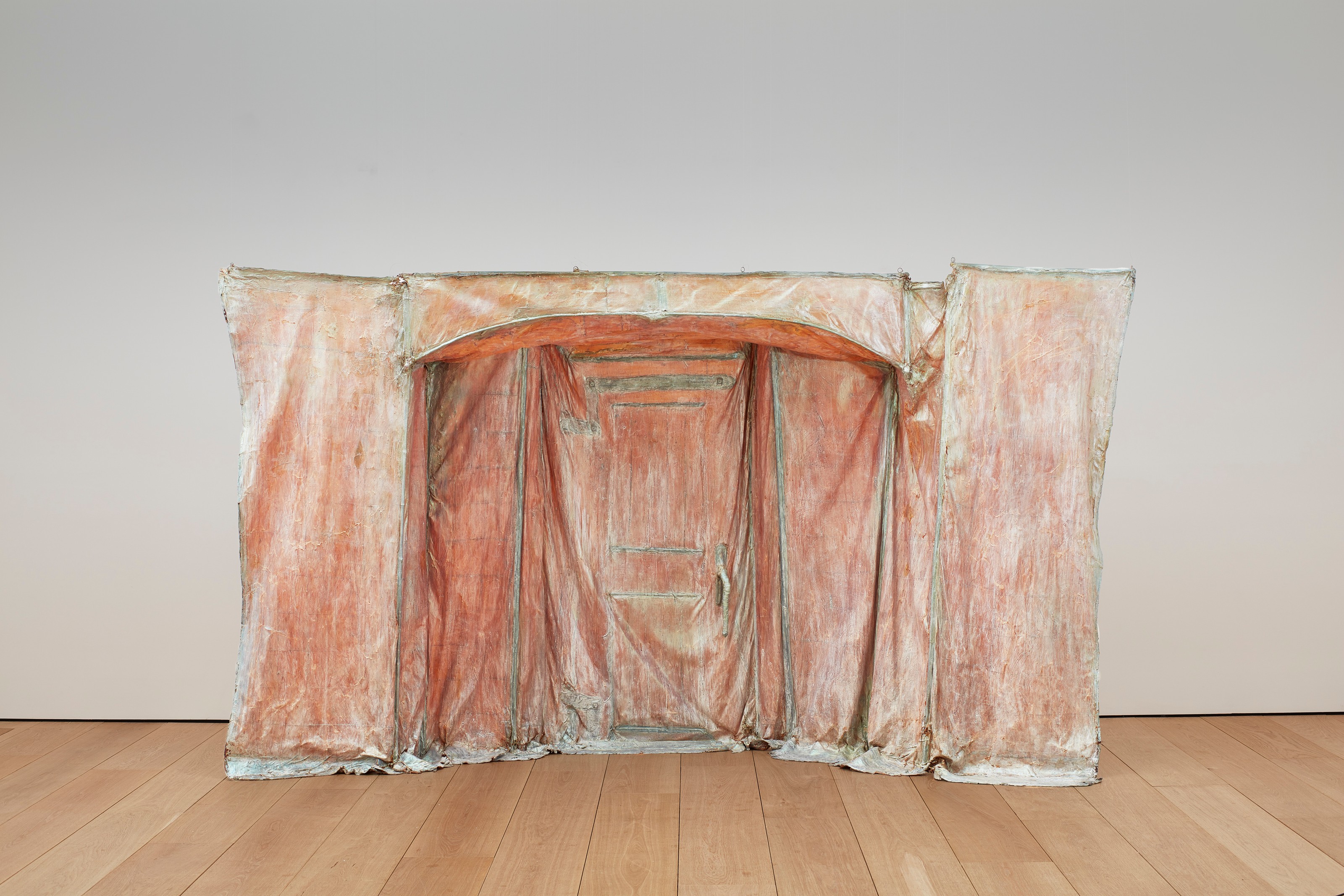
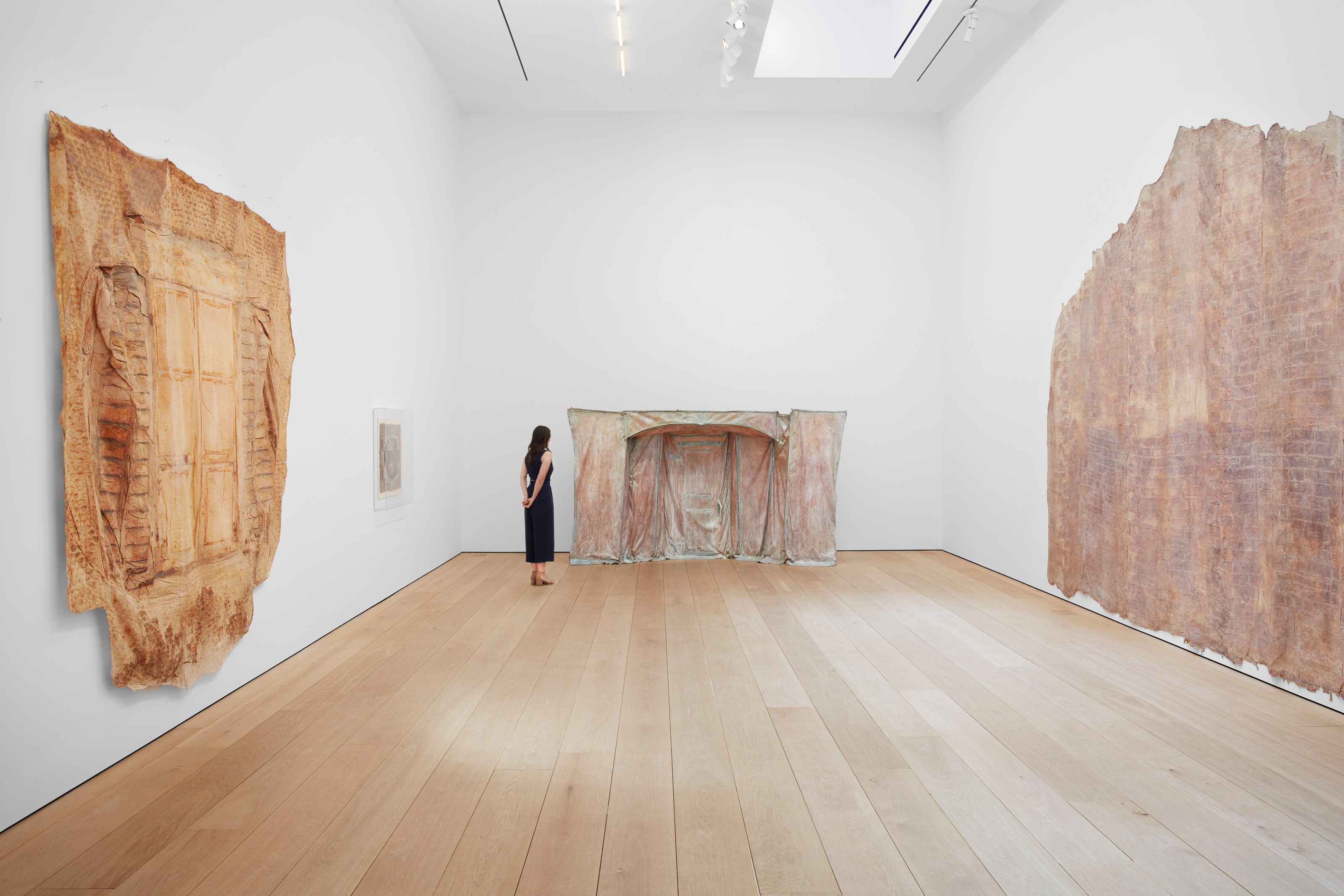
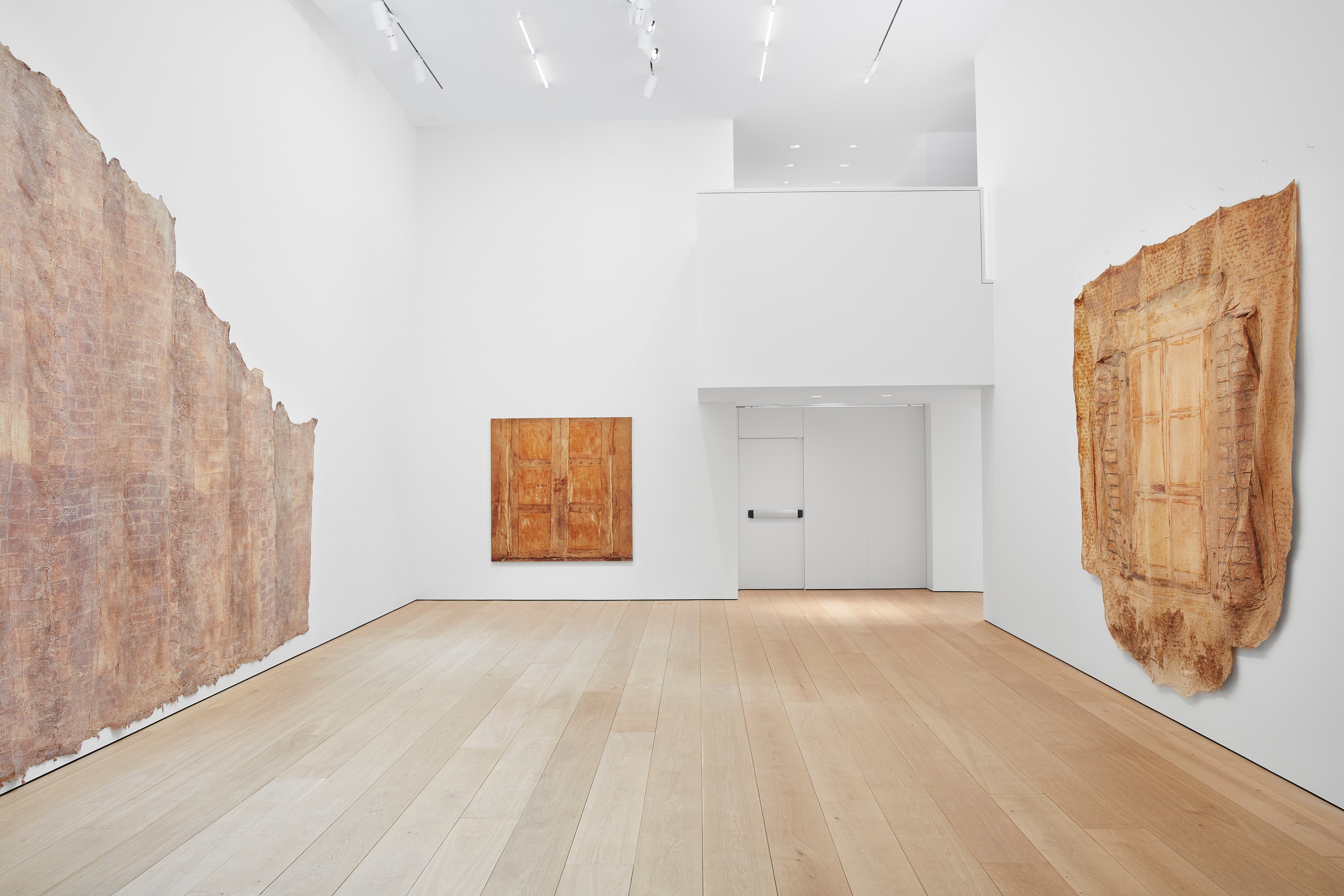
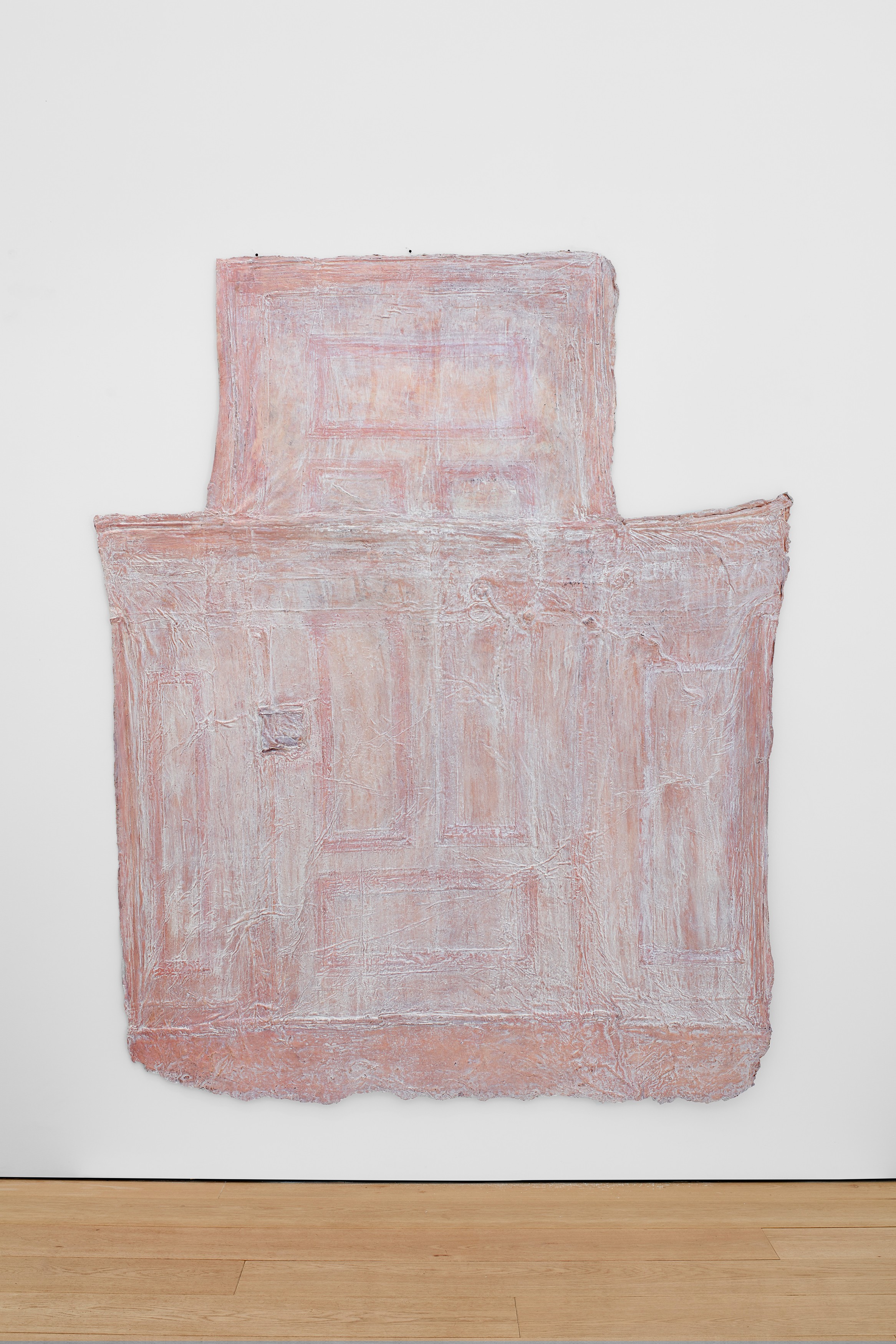
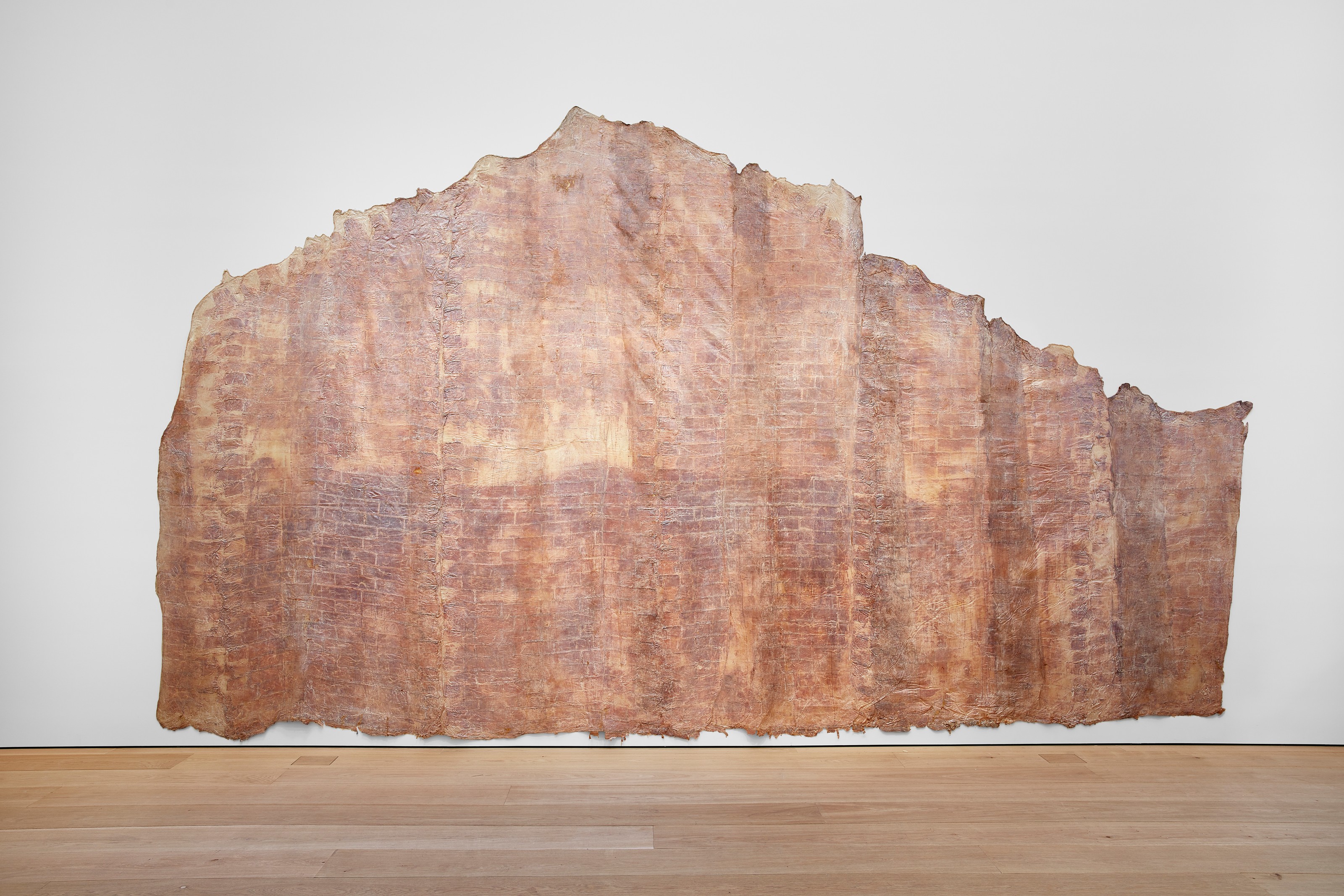
Lehmann Maupin is pleased to announce Heidi Bucher: The Site of Memory. Organized with the artist’s estate, the exhibition marks Bucher’s first solo presentation since her landmark survey last year at Parasol unit foundation for contemporary art, London, and her first with the gallery. This exhibition features work from the mid-1970s through the 1980s and will include some of her most significant sculptures, including Borg (1976), a sculpture modeled on the entire cellar of Bucher’s studio, and the first work to use her signature latex casting method, as well as works that will be exhibited for the first time in the United States, such as Untitled (Door to the Herrenzimmer) (1978) and Elfenbornhaut (1982). The gallery will host an opening reception on Thursday, April 25, from 6 to 8 PM, followed by a public talk on Friday, April 26, from 6 to 8 PM with Ziba Ardalan, Founder and Director, Parasol unit; Simon Castets, Director, Swiss Institute; and Ruth Erickson, Mannion Family Curator, ICA Boston, moderated by Lehmann Maupin Curatorial Director, Anna Stothart at 501 West 24th Street.

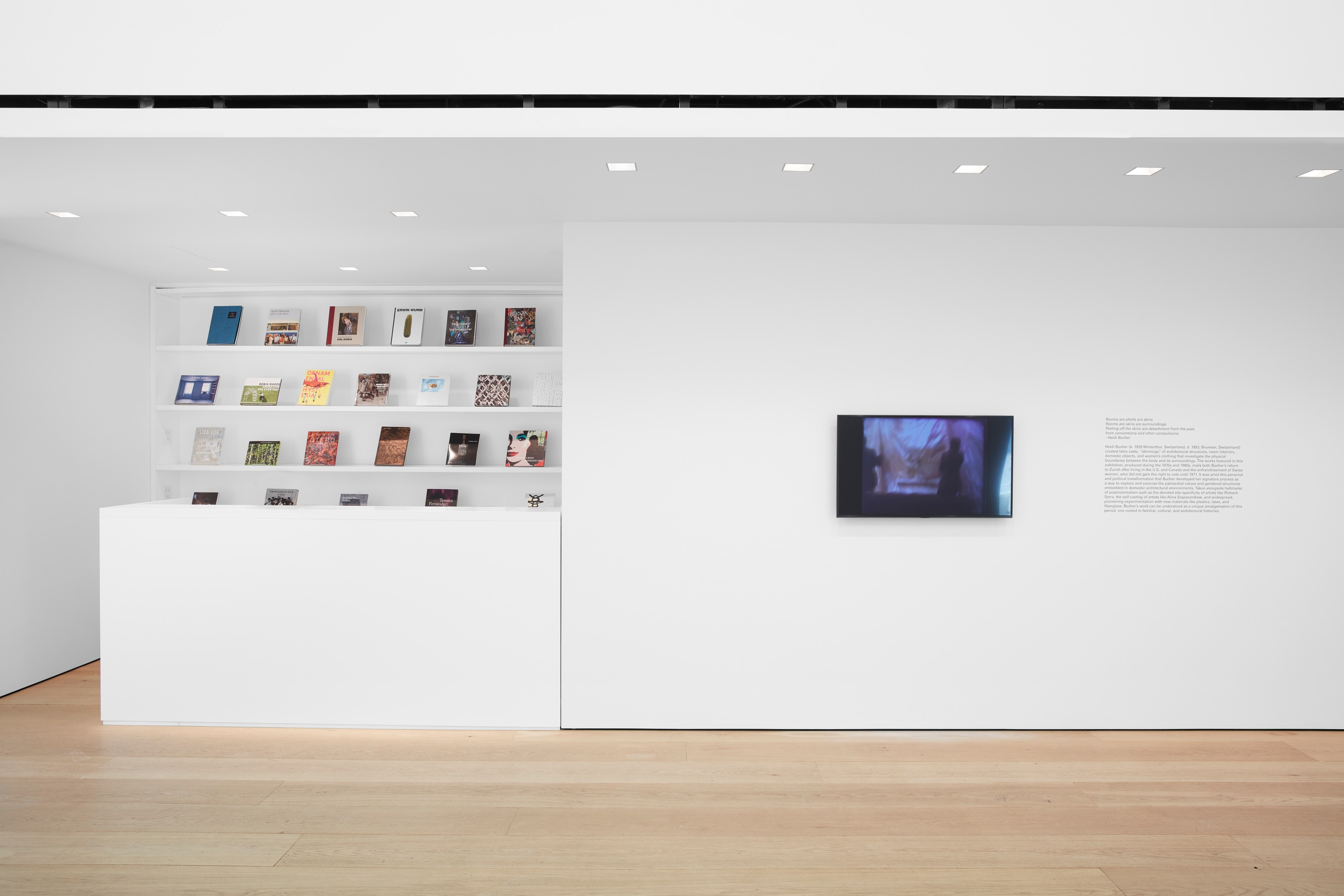
Heidi Bucher (b. 1926 Winterthur, Switzerland; d. 1993, Brunnen, Switzerland) is best known for her innovative use of latex to cast large-scale architectural features, including entire buildings. Bucher referred to these castings as “skinnings” or “moultings,” imbuing these captured spaces with animal or biological attributes. Her investigation of the physical boundaries between the body and its surroundings aligns her with other feminist artists who were committed to exposing the complex relationship between women and the gendered, domestic environments to which they were often relegated. The works featured in this exhibition, produced during the 1970s and 1980s, were particularly significant as they marked both Bucher’s return to Zurich after living in the U.S. and Canada, and the enfranchisement of Swiss women, who did not gain the right to vote until 1971. It was amid this personal and political transformation that Bucher developed her signature process. Coming from this era, alongside hallmarks of postminimalism such as the devoted site-specificity of artists like Richard Serra, the self-casting of artists like Alina Szapocznikow, and pioneering experimentation with new materials like plastics, latex, and fiberglass by Eva Hesse, Bucher’s work can be understood as a unique amalgamation of this art historic period.

Installation view of Heidi Bucher at Lehmann Maupin New York
Installation Views: 1 of 3
Latex & rubber work by Heidi Bucher

Heidi Bucher

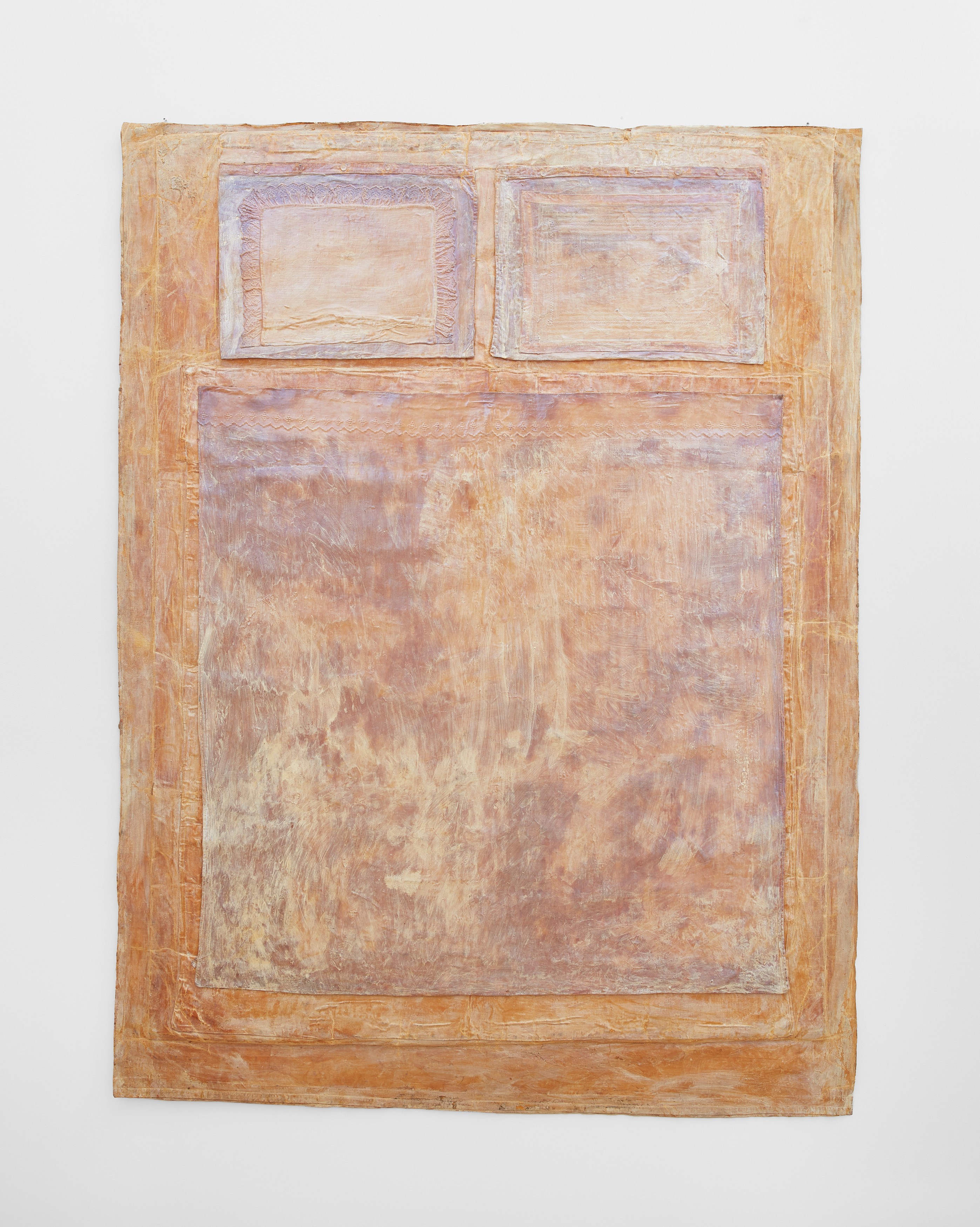
Bett (Bed), 1975

Latex & Rubber work by Heidi Bucher

Heidi Bucher

Borg, 1976

Installation view of Heidi Bucher at Lehmann Maupin New York
Installation Views: 1 of 3
Latex & rubber work by Heidi Bucher

Heidi Bucher

Untitled (Door to the Herrenzimmer), 1978

Latex & rubber work by Heidi Bucher

Heidi Bucher

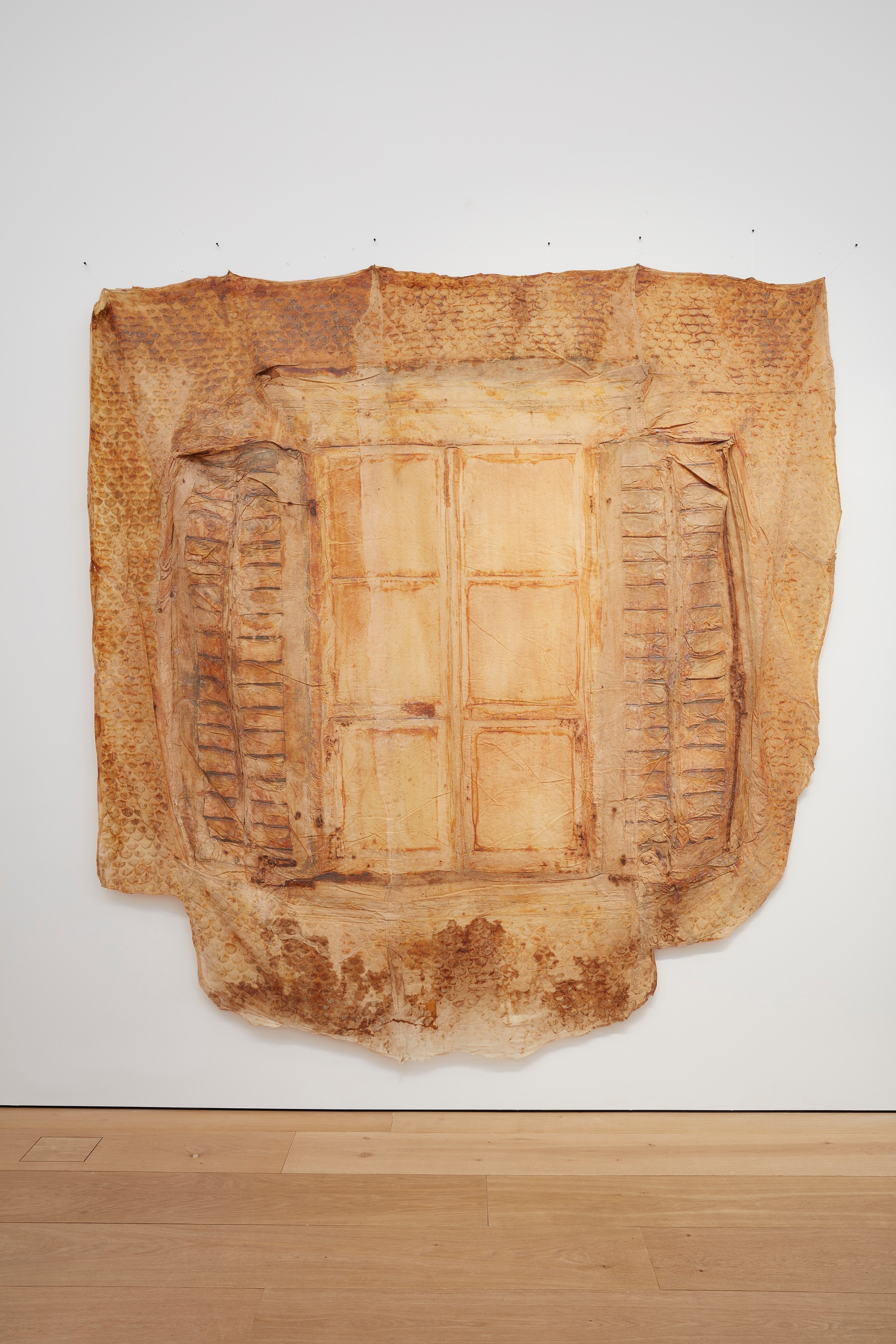
Fenster mit Läden und Schindeln, Bellevue, 1988

Latex & rubber work by Heidi Bucher

Heidi Bucher

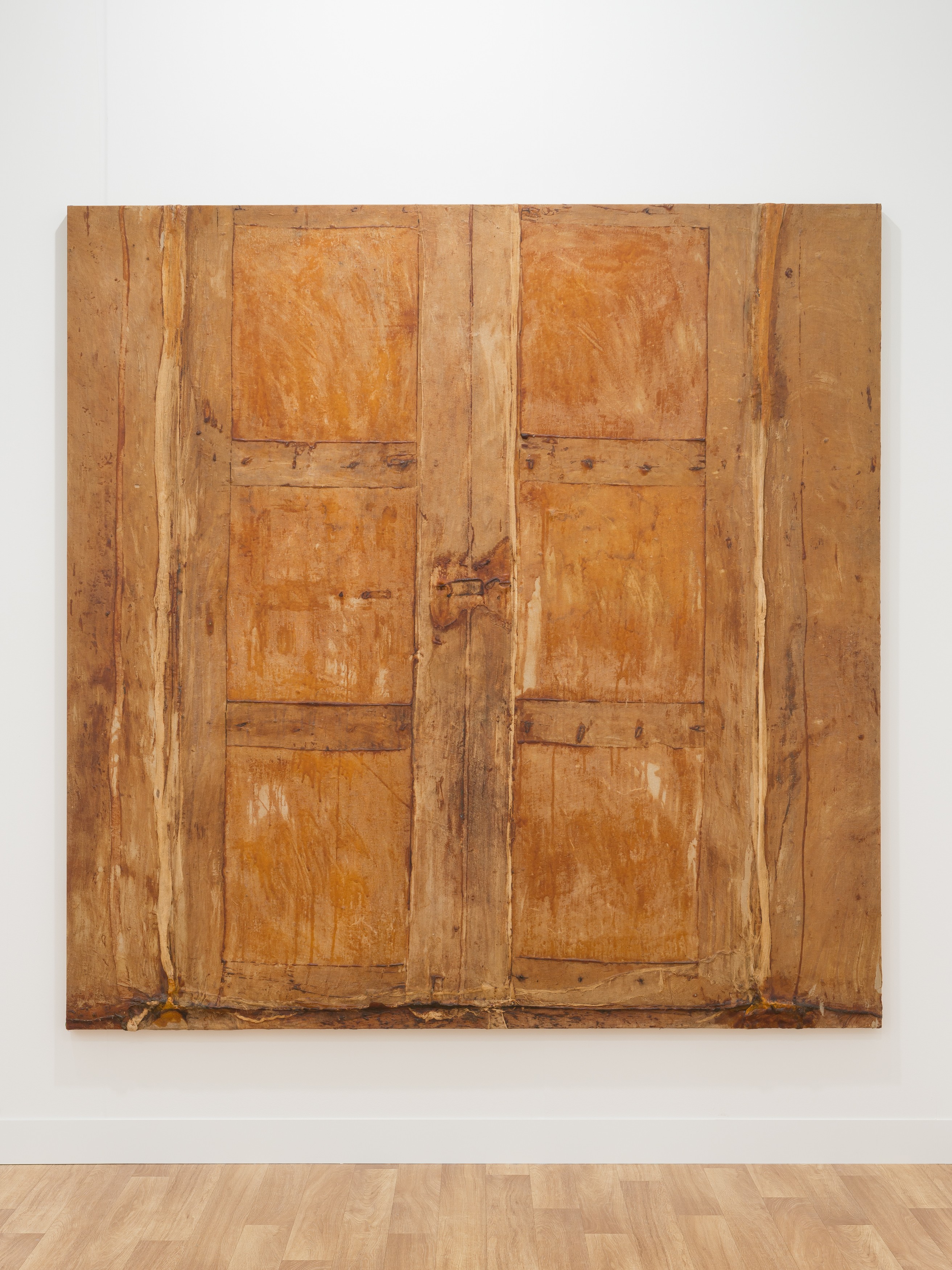
Door of the Borg, detail, 1976

Latex & Rubber Work by Heidi Bucher

Heidi Bucher

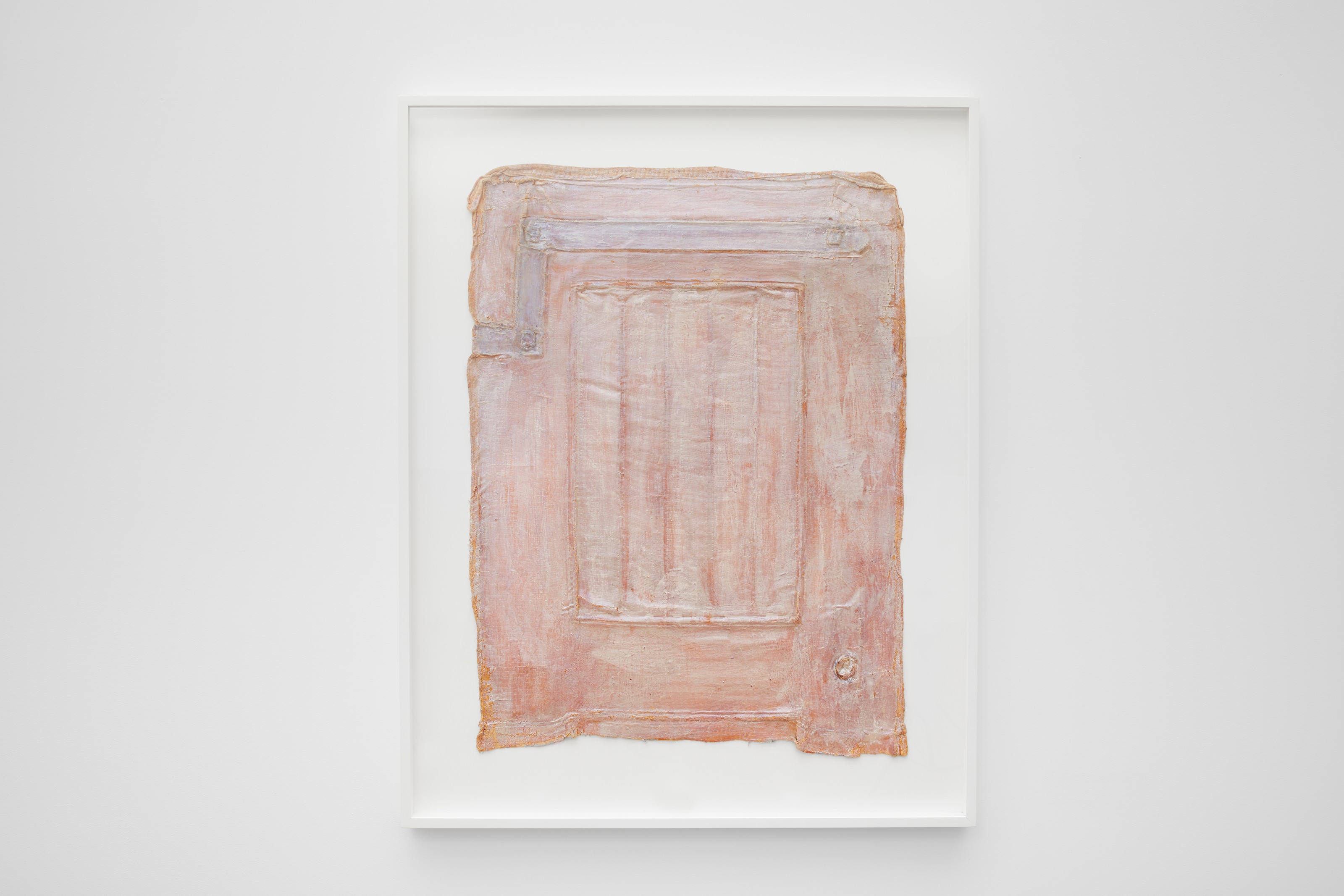
Untitled (Puerta beige grande / Large beige door), 1986

Latex & Rubber Work by Heidi Bucher

Heidi Bucher

Der Schlüpfakt der Parkettlibelle (The hatching of the parquet dragonfly), 1983

Latex & Rubber work by Heidi Bucher

Heidi Bucher

Elfenbornhaut, Fridericianum, Kassel, 1982

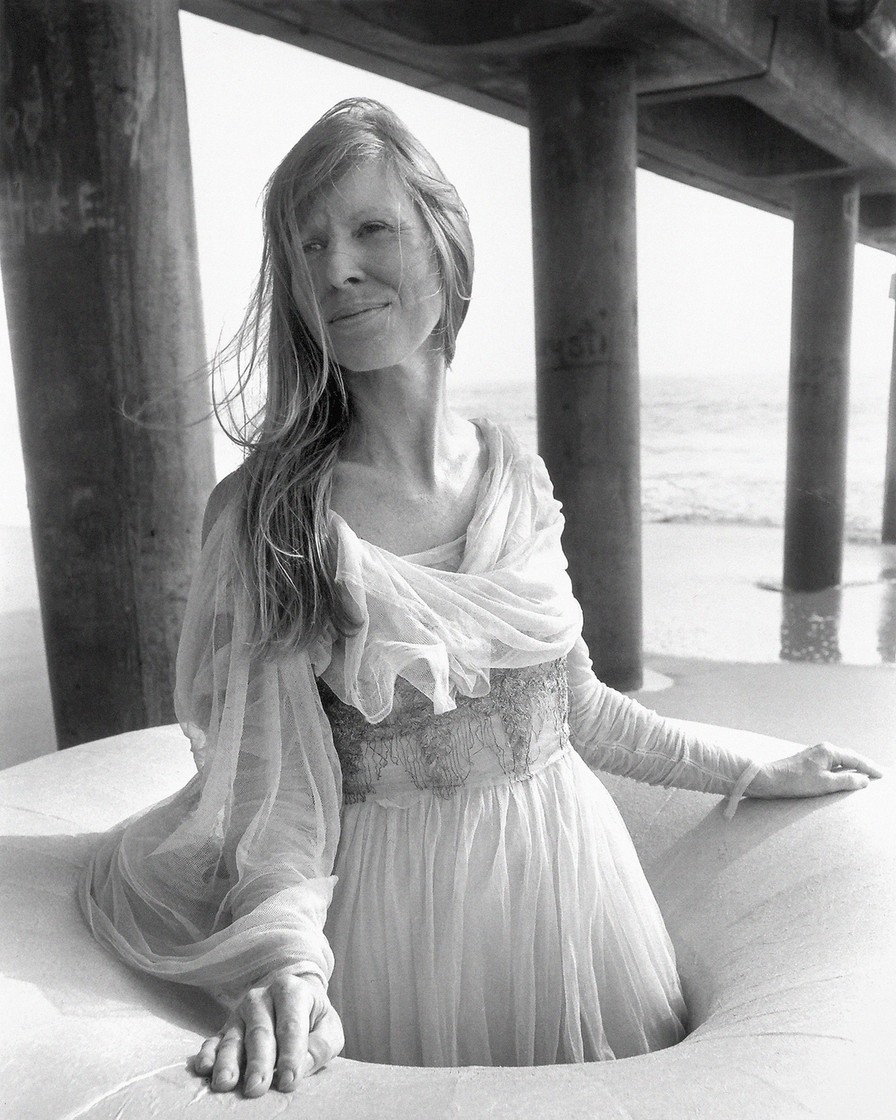
Portrait of Heidi Bucher

Heidi Bucher (b. 1926, Winterthur, Switzerland; d. 1993, Brunnen, Switzerland) was a Swiss artist who is best remembered for her innovative use of latex and exploration of the physical boundaries between the body and its surroundings. Serving simultaneously as means of historical preservation and metaphorical molting, Bucher’s Hauträume—or “roomskins”—act as indexes of the complicated relationship humans have to their bodies and pasts. Working across the United States, Switzerland, and the Canary Islands, Bucher forged a practice anchored in familial, cultural, and architectural histories and deeply entwined with contemporary concerns around the boundaries between public and private space, and femininity and the body. Though Bucher’s many bodies of work—from her early drawings and wearable sculptures to her later latex-encased objects and Hauträume—each reflect distinct artistic interests and origins, they all trace back to the artist’s mantra, which uniquely summarizes her career-long engagement with bodies and rooms: Räume sind Hüllen, sind Häute (Spaces are shells, are skins).

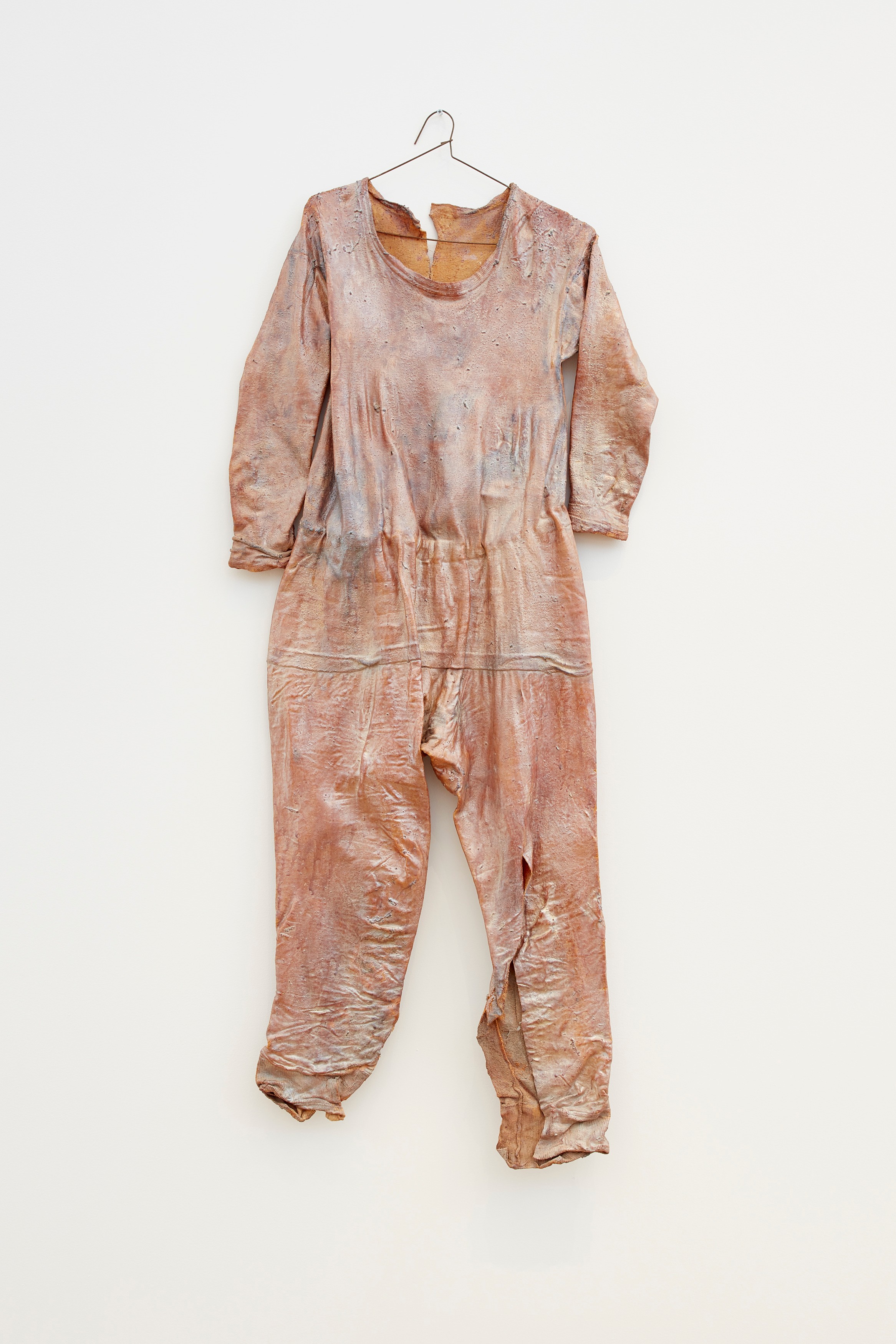
Beginning in the 1970s, Bucher embalmed clothing in a mixture of latex and mother of pearl, preserving the objects as artifacts of their time and creating a surface that appeared skin-like in both color and texture. Bucher primarily used women’s clothing, such as nightdresses and pantyhose, as a critical response to the rigid gender restrictions she had experienced during her childhood and adolescence. By the end of the decade, Bucher began applying her signature latex medium to the surfaces of domestic objects and spaces, aligning women’s clothing with these designated “feminine” spaces. Allowing the latex mixture to harden, then peeling it off, Bucher produced translucent skins that held elements of paint, rust, dirt, and the minute details and markings of the architecture. During the years that followed, Bucher produced several major bodies of work based on the domestic spaces of her past—her ancestral house in Winterthur, the study in her parents’ home, and her studio in Zurich. Each space she inhabited was rendered translucent and ghostly, like a visual memory that, due to the fragile nature of the latex material, would warp and discolor over time. Displayed suspended mid-air, the series of latex Hauträume are simultaneously monumental and fragile, mimicking the very process by which they are created; the removal of the latex from the architectural space required a great deal of both physical strength and delicate dexterity.

Learn about the artist